These movie sets were supposedly a nightmare for the actors
Film sets come in all shapes and sizes. Some are shot almost entirely on green screen, in enclosed studios, while others head out to far-flung destinations to shoot on location.
They can also be quite different in terms of the experience that actors go through. While some lead to lasting collaborations, and some are forgettable, there are a select few that actors describe as a complete ordeal – and these are just some of them.
Allergic to The Wizard of Oz (1939)
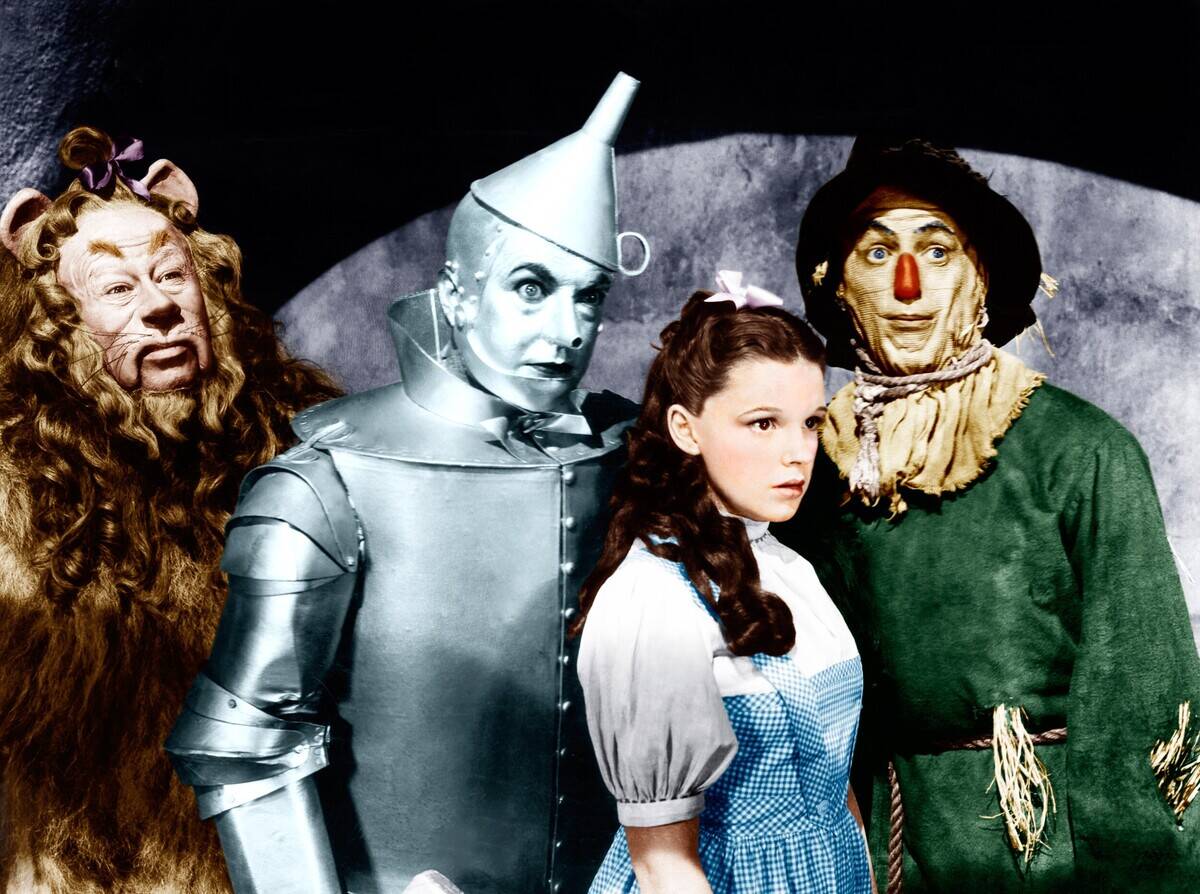
Few classic films have a behind-the-scenes history as hazardous as The Wizard of Oz. Before Jack Haley became the Tin Man, the role belonged to Buddy Ebsen. His silver makeup contained finely powdered aluminum, and after inhaling it during filming, he suffered a severe allergic reaction that affected his lungs. His condition became so serious that he was hospitalized and forced to leave the production.
Ebsen’s departure was only the beginning of the movie’s on-set troubles. MGM replaced the dangerous aluminum powder with a safer paste for Haley, but the production continued to expose its performers to uncomfortable costumes, intense makeup routines, and demanding working conditions. Decades later, the film remains beloved, even as its difficult production has become almost as famous as the story itself.
…burn wounds, too
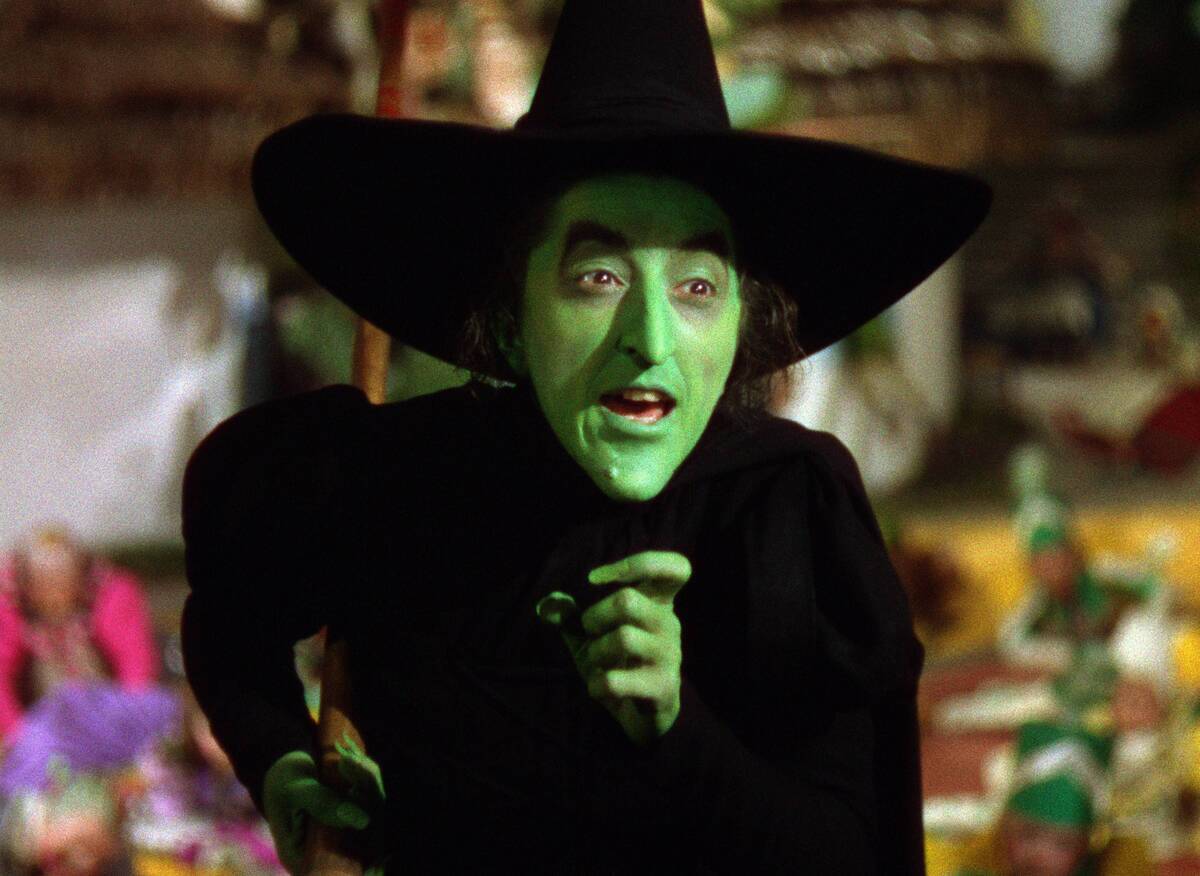
Not long after production resumed, another frightening accident occurred when Margaret Hamilton, who portrayed the Wicked Witch of the West, was badly burned during a scene involving disappearing flames. A trapdoor failed to open on time, leaving her exposed to a burst of fire that burned her face and one hand, forcing her to take several weeks off to recover.
Hamilton later refused to perform any additional scenes involving flames, a decision the studio respected after the accident. Meanwhile, Bert Lahr endured a different challenge altogether. His heavy Cowardly Lion costume trapped enormous amounts of heat, making long shooting days exhausting and limiting him to liquid meals while wearing the elaborate outfit.
…and even some disfigurement
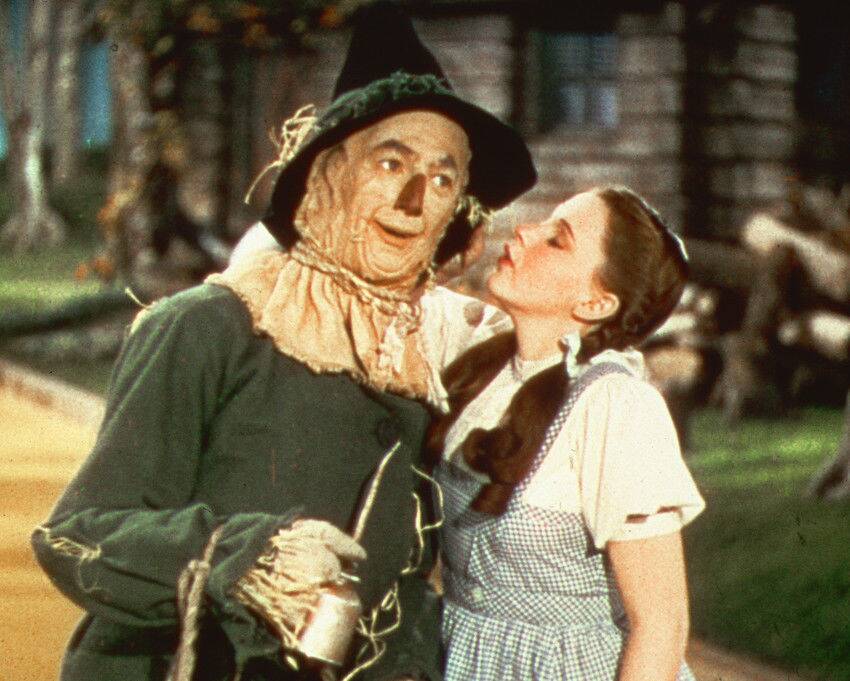
Ray Bolger was thrilled to play the Scarecrow after initially being considered for the Tin Man, but the role came with an unexpected cost. Applying and removing his intricate prosthetic makeup required hours every day, and the adhesive pressed deeply into his skin throughout production.
Even after filming wrapped, the makeup left visible impressions around Bolger’s face that reportedly remained for well over a year. Combined with the demanding costumes worn by nearly every principal actor, the experience highlighted just how physically punishing filmmaking could be during Hollywood’s Golden Age, when modern prosthetics and safety standards were still decades away.
Costly Cleopatra (1963)
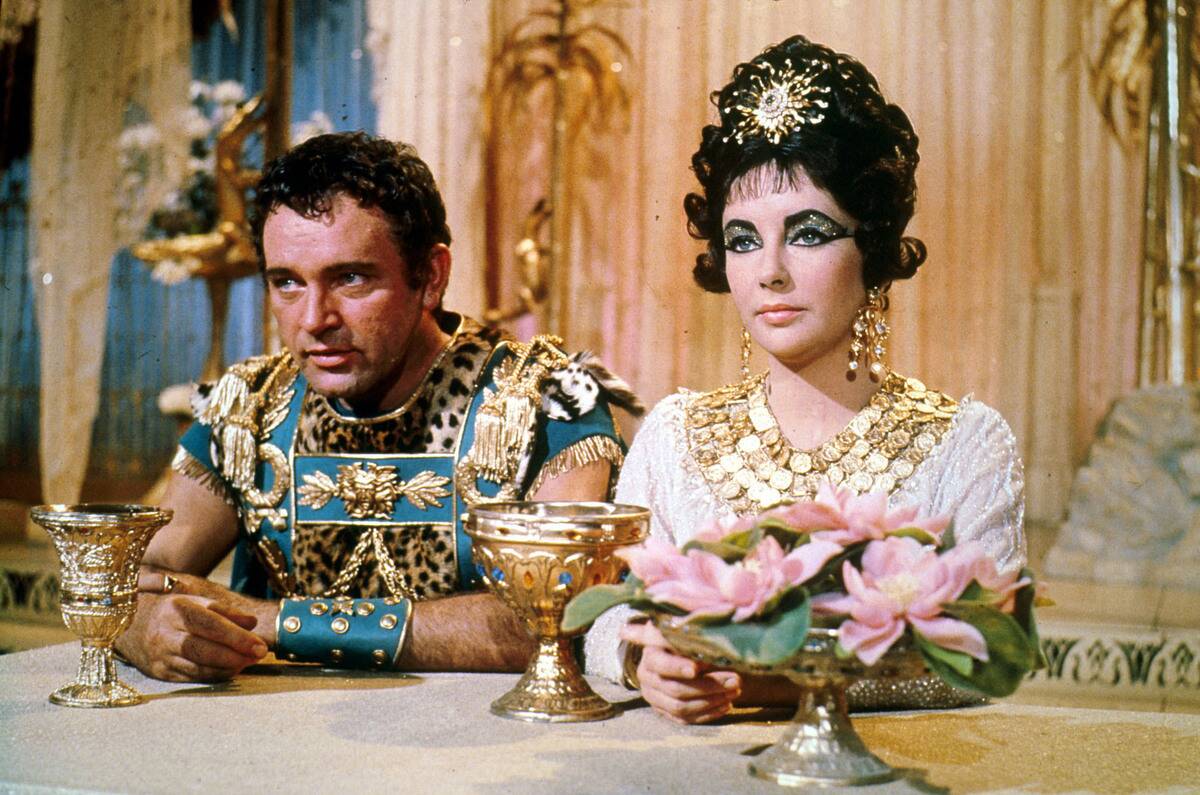
Few productions in Hollywood history spiraled out of control quite like Cleopatra. Originally expected to cost only a few million dollars, the film’s budget exploded after repeated delays, elaborate set construction, and expensive production changes. By the time it reached theaters, its reported cost had climbed to roughly $44 million, making it the most expensive film ever produced at that point.
Much of the money disappeared before cameras were even rolling. Sets had to be rebuilt, production moved from England to Italy after Elizabeth Taylor became seriously ill, and schedules were repeatedly pushed back. The financial strain became so severe that it nearly crippled 20th Century Fox despite the film eventually becoming a box-office success.
Shooting took forever
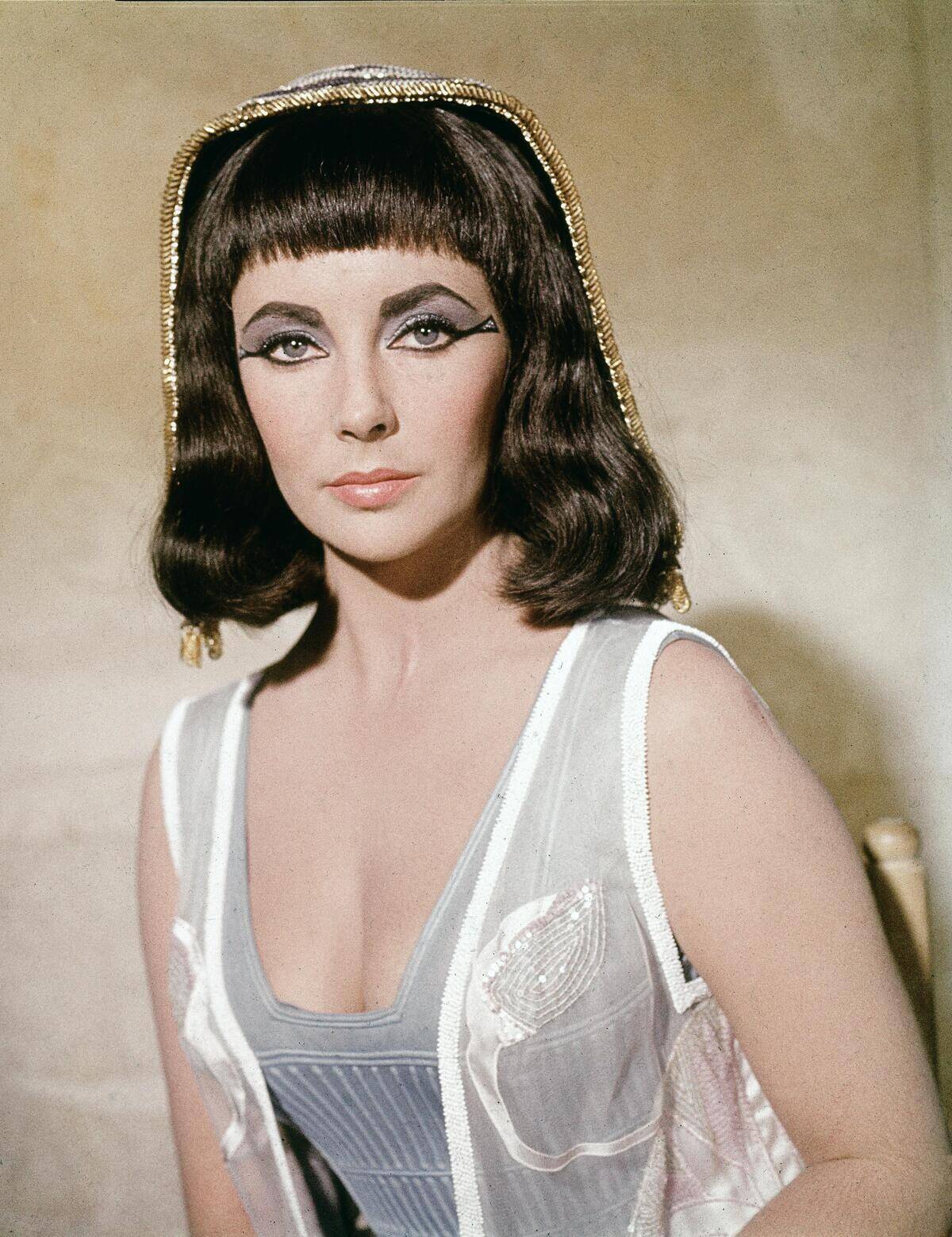
Elizabeth Taylor made history by becoming the first actor to receive a $1 million salary for a film, but earning that paycheck required extraordinary endurance. Production stretched over many months as illness, weather, script revisions, and location changes repeatedly interrupted filming, leaving much of the cast and crew exhausted.
The movie itself reflected that enormous undertaking. An early assembly reportedly ran close to six hours before extensive editing trimmed it to a more manageable length for theatrical release. Combined with the constant delays and relentless schedule, Cleopatra became an unforgettable marathon for nearly everyone involved in bringing the historical epic to life.
Doctor Dolittle (1967) was deeply annoying
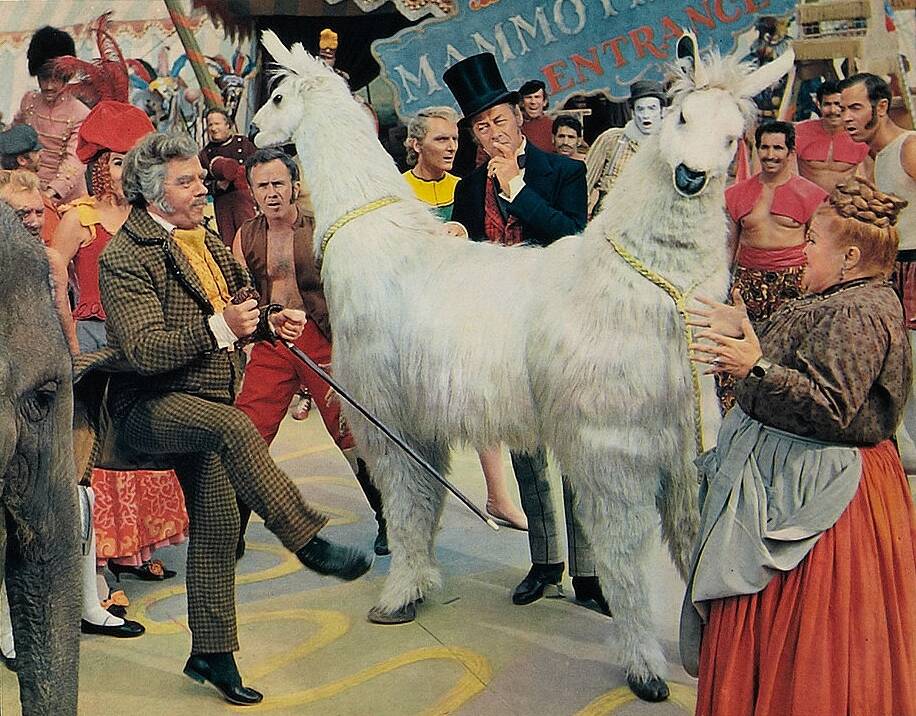
While many productions frustrate only their cast and crew, Doctor Dolittle managed to inconvenience an entire English village. Filming took place in Castle Combe, Wiltshire, where the production transformed the picturesque location with large-scale construction that disrupted everyday life for local residents.
The most controversial addition was an enormous artificial dam built specifically for the movie. Residents also found themselves dealing with unusual requests from the filmmakers, including removing television antennas so the village would appear historically accurate on camera. Although the finished film looked impressive, the lengthy disruption made the production far from welcome among many locals.
No TV allowed
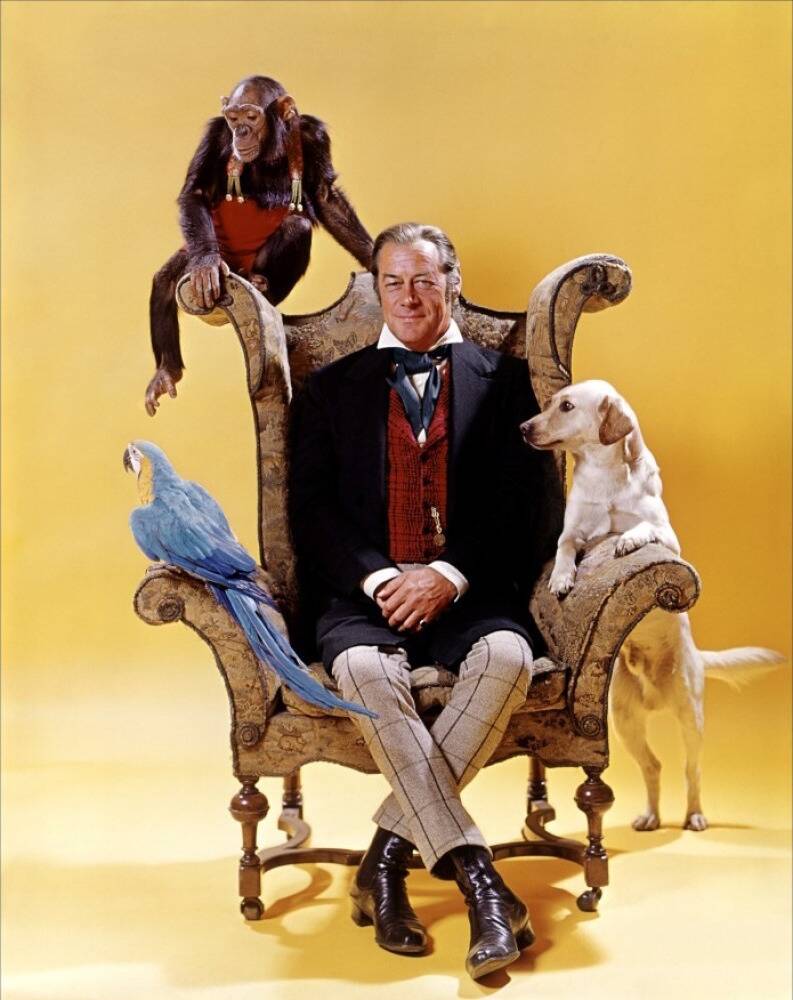
Creating the perfect cinematic setting sometimes came at the expense of common sense. During the making of Doctor Dolittle, production crews insisted that homeowners remove modern television antennas from their roofs because they spoiled the period look the filmmakers wanted to capture.
Those requests came on top of the already disruptive construction work taking place throughout Castle Combe. Understandably, many residents grew frustrated as everyday routines were interrupted for months. The film ultimately became known for its lavish production values, but the people living nearby likely remembered the experience for very different reasons.
Nutty problems on the set of American Graffiti (1973)
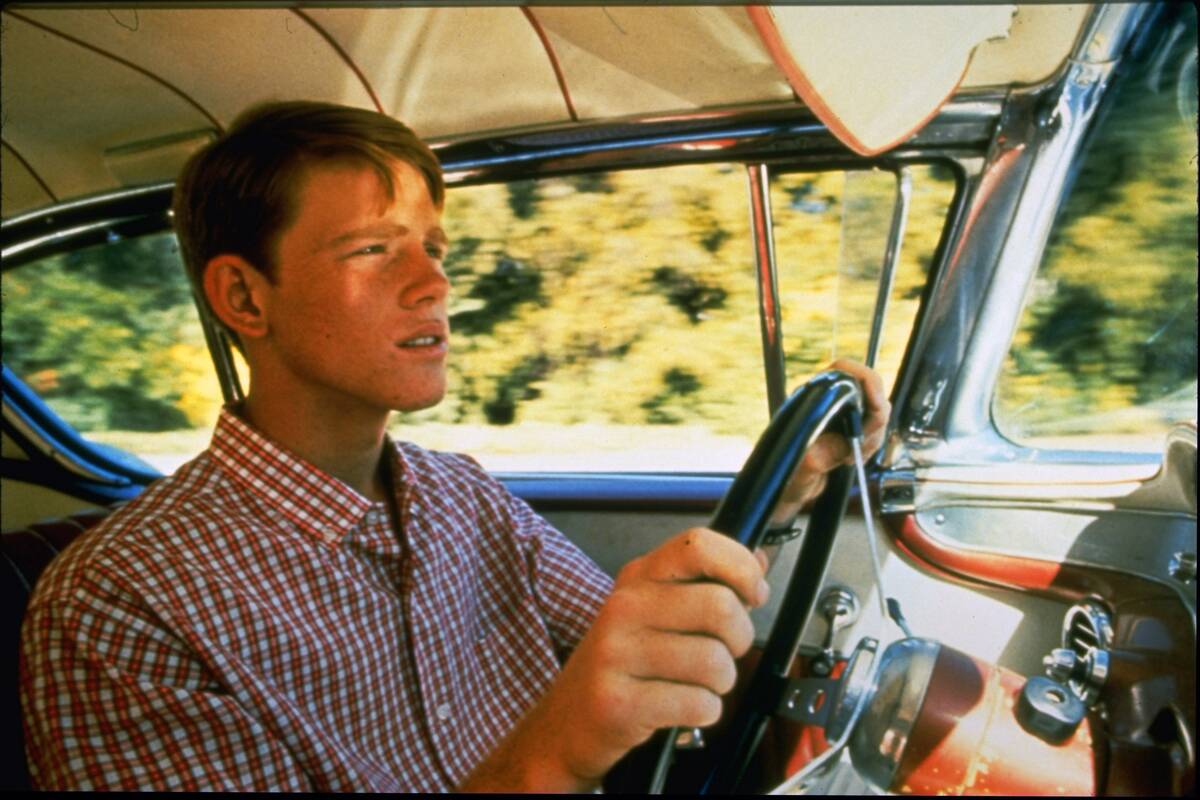
George Lucas faced far more than ordinary production headaches while making American Graffiti. Working with a modest budget and a tight schedule, the director dealt with a surprising series of accidents that repeatedly threatened to derail filming before the movie could be completed.
One bizarre incident involved walnuts accidentally becoming a choking hazard for members of the cast and crew, while another performer suffered a head injury after striking the edge of a swimming pool. Although none of the mishaps proved fatal, the constant stream of unexpected problems turned an already stressful shoot into one that tested everyone’s patience and resilience.
…plus a fire on set
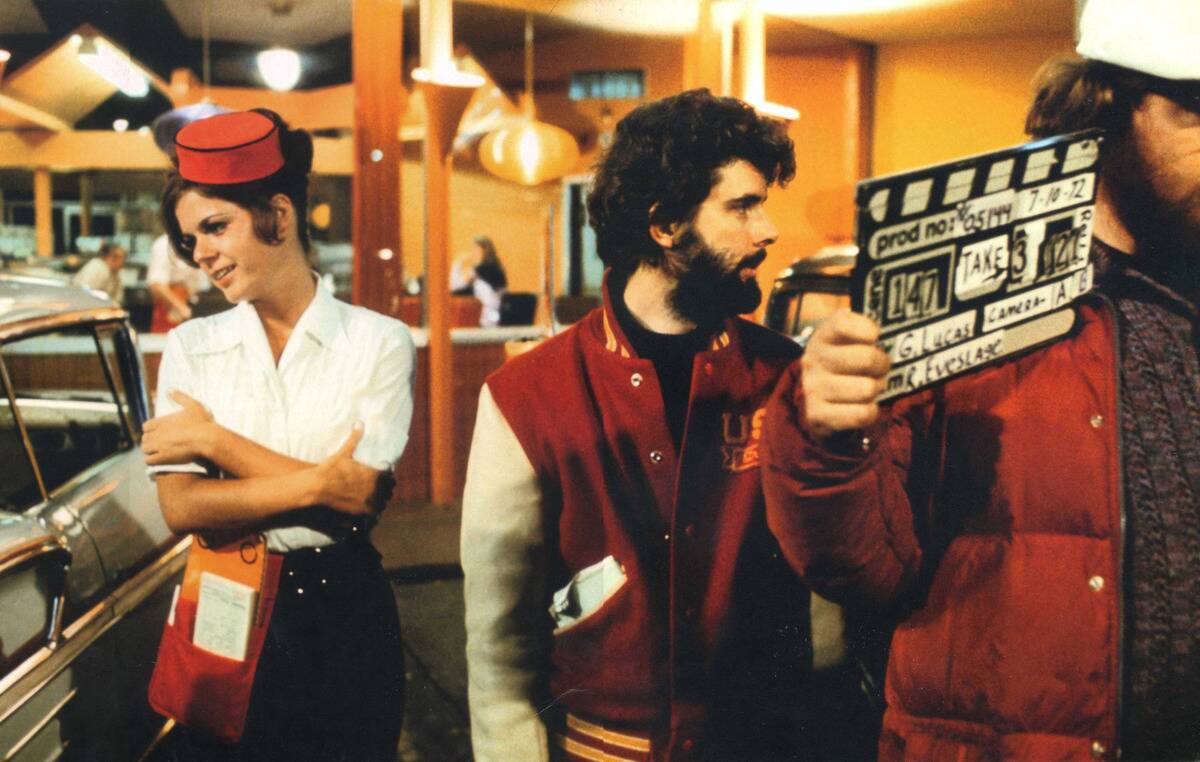
As if production challenges weren’t enough, George Lucas experienced an intensely personal scare during filming. Someone deliberately set fire to the hotel room where he was staying, creating an alarming situation that fortunately did not result in serious injury.
Despite the unsettling incident, Lucas continued working and eventually completed the film on schedule. American Graffiti went on to become both a commercial and critical success, helping launch his directing career. Looking back, it’s remarkable that a movie remembered for its nostalgic charm emerged from a production filled with so many real-life hazards and unexpected setbacks.
Star Wars (1977) had a unique vision
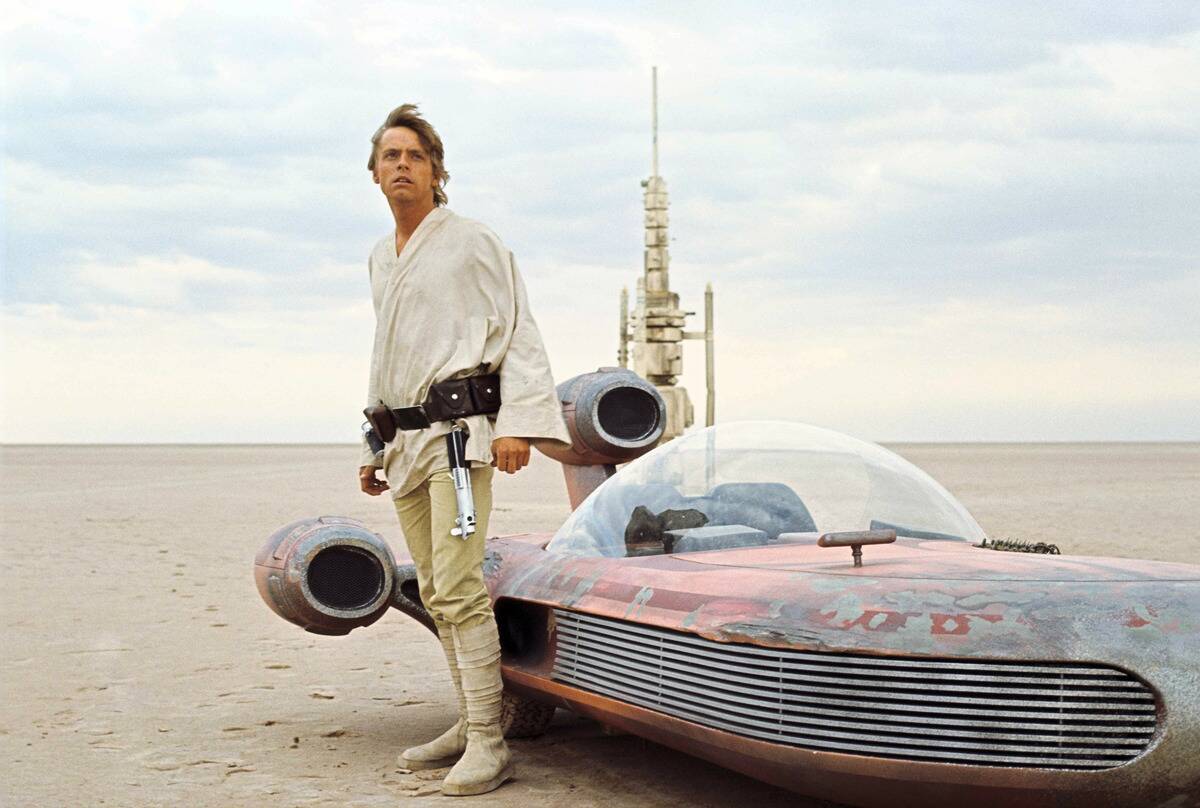
Long before Star Wars became a cultural phenomenon, many people working on the film struggled to understand George Lucas’ ambitious vision. The unusual dialogue, unfamiliar terminology, and complex mythology left several cast members skeptical that audiences would embrace the story.
Harrison Ford famously teased Lucas by telling him, “George, you can type this, but you can’t say it,” reflecting the difficulty many actors had delivering the script naturally. Despite those early doubts, the cast persevered, helping transform what seemed like an unlikely science-fiction gamble into one of cinema’s defining franchises.
The cast was doubtful
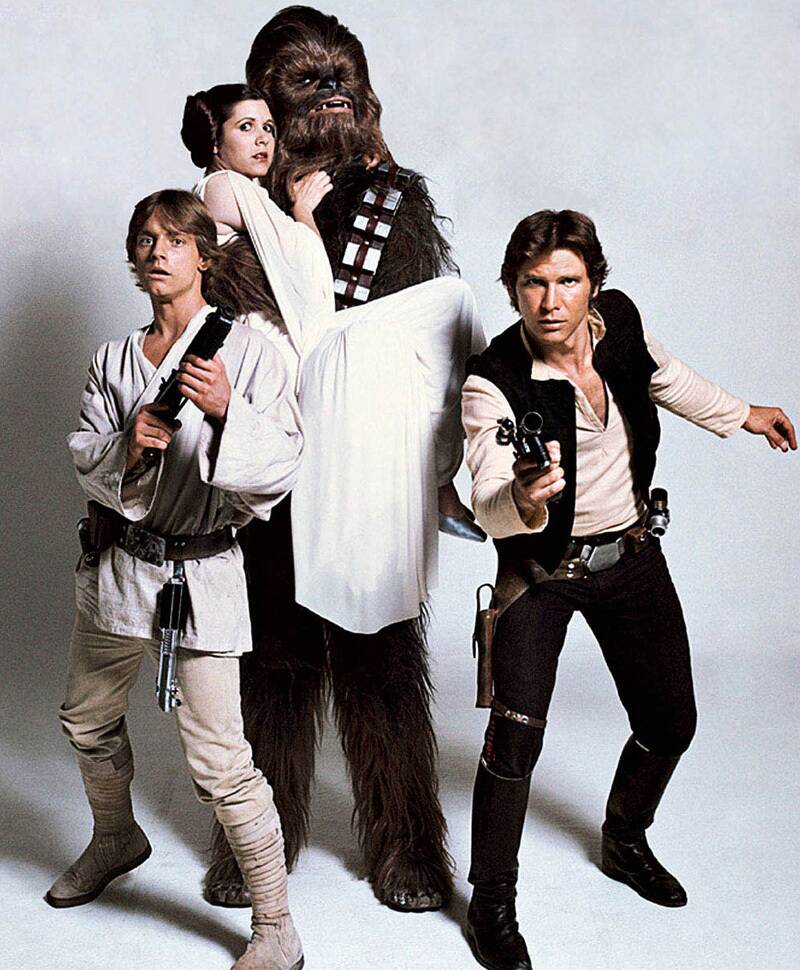
Confidence on the set of Star Wars was in short supply during production. Many of the actors believed they were making a quirky children’s film rather than a movie that would redefine popular culture for generations.
The uncertainty wasn’t limited to the performers. Studio executives questioned the project’s commercial potential, while the demanding shoot in Tunisia and England tested everyone’s patience. Looking back, it’s almost impossible to imagine that one of the most influential films ever made inspired so little confidence while the cameras were rolling.
There might have been too many effects
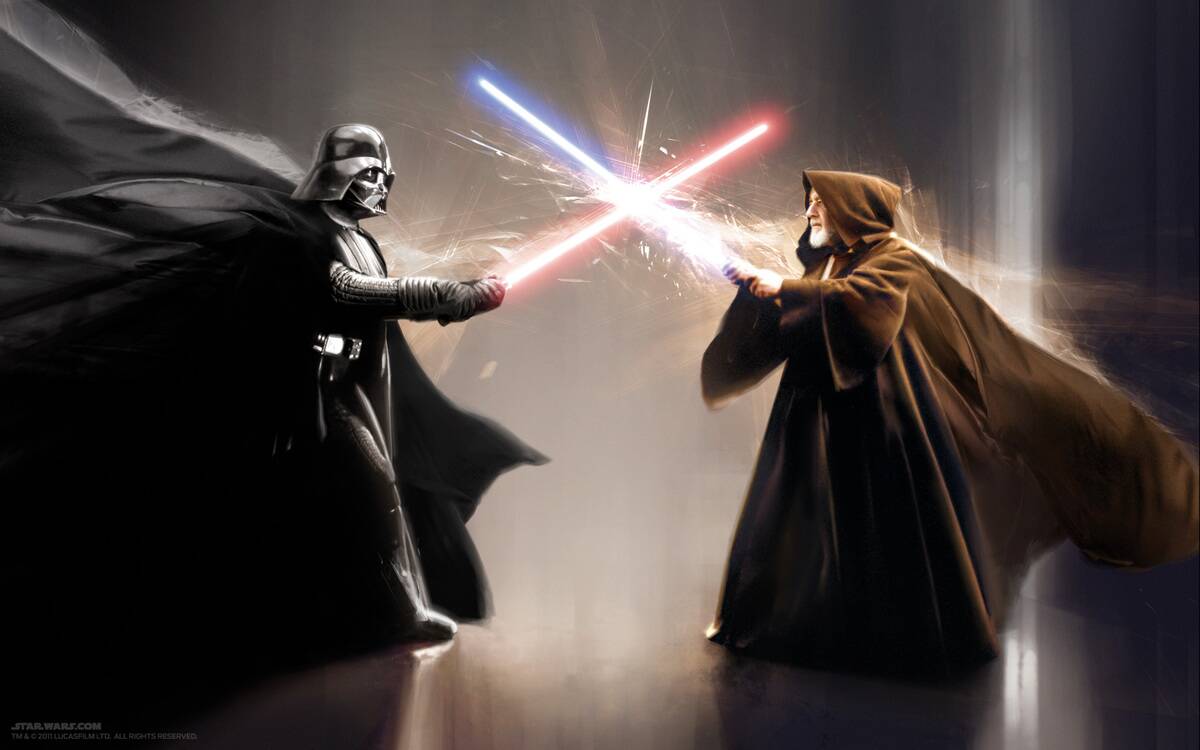
George Lucas’ groundbreaking vision depended on visual effects unlike anything audiences had seen before, but creating them proved extraordinarily difficult. Industrial Light & Magic had to invent new techniques while simultaneously racing against production deadlines, placing enormous pressure on the special effects team.
Weather delays, technical setbacks, and an overwhelming workload only added to the chaos. The production eventually split into multiple units to stay on schedule, while Lucas worried that the ambitious project might collapse before completion. The finished effects revolutionized filmmaking and permanently changed the science-fiction genre.
It needed some time in the edit room
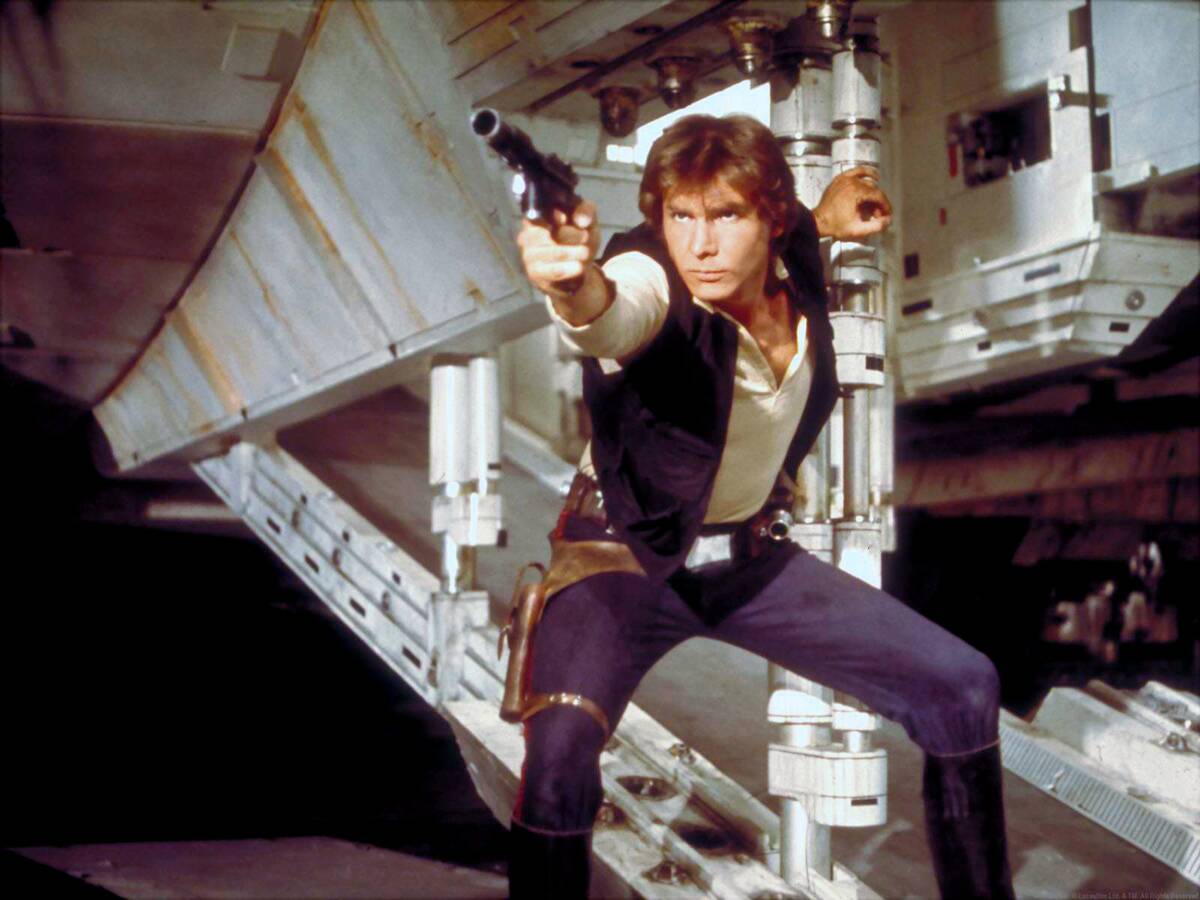
Early cuts of Star Wars reportedly failed to impress those who saw them, raising concerns that the ambitious production simply wasn’t coming together. Lucas turned to editors Paul Hirsch, Richard Chew, and Marcia Lucas, whose work reshaped the pacing and emotional impact of the film.
Their contributions proved invaluable, tightening action sequences, refining character moments, and helping audiences connect with the story. The transformation was so significant that many film historians consider the editing process one of the key reasons Star Wars became such an enduring cinematic achievement.
It was aided by a crack team
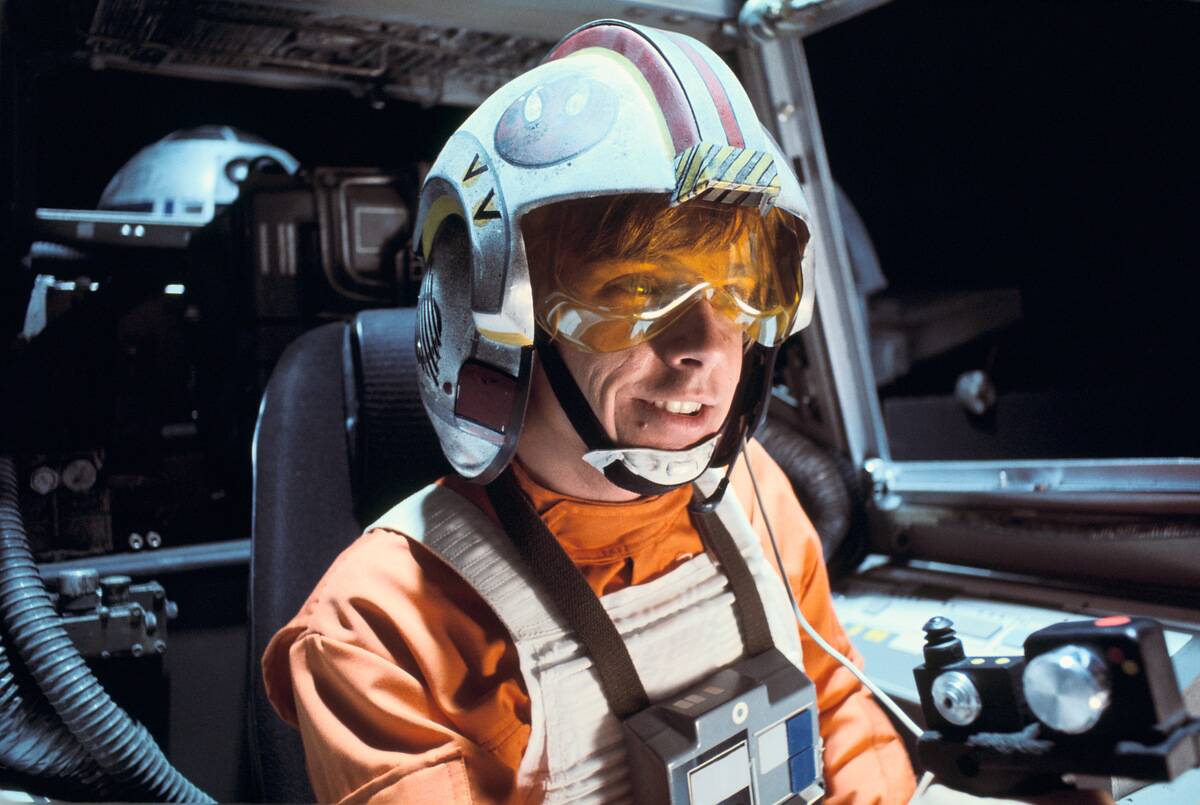
Raw footage alone didn’t reveal the phenomenon that Star Wars would eventually become. Without careful editing, innovative sound design, and groundbreaking visual effects, many of the disconnected scenes appeared confusing rather than exciting.
Fortunately, Lucas surrounded himself with talented collaborators who shared his determination to finish the project despite mounting obstacles. Their combined efforts turned a production plagued by delays and uncertainty into one of the most influential films in entertainment history, proving that teamwork can rescue even the most troubled movie set.
Blade Runner‘s close call (1982)
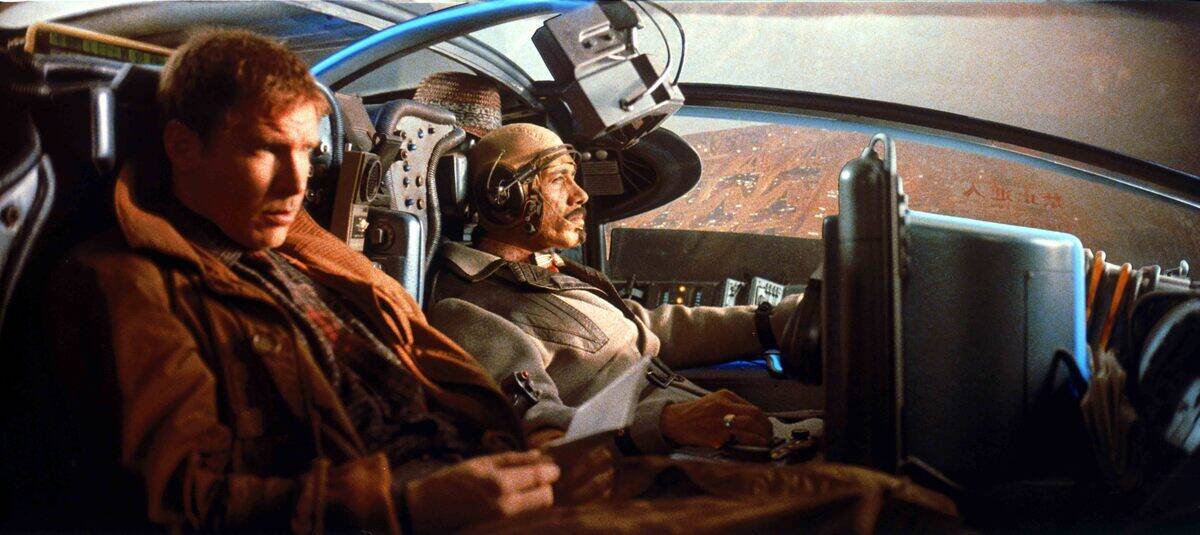
Although Blade Runner is now considered one of the greatest science-fiction films ever made, the production itself was plagued by constant tension. The screenplay underwent multiple rewrites before Ridley Scott came aboard, and once filming began, disagreements over the direction of the project created an increasingly strained atmosphere on set.
The demanding schedule, elaborate visual effects, and relentless nighttime shoots wore down the cast and crew. Harrison Ford later acknowledged that filming was often exhausting, while Scott’s uncompromising directing style led to frequent clashes behind the scenes. It’s remarkable that such a troubled production ultimately became a landmark of modern cinema.
A difficult director
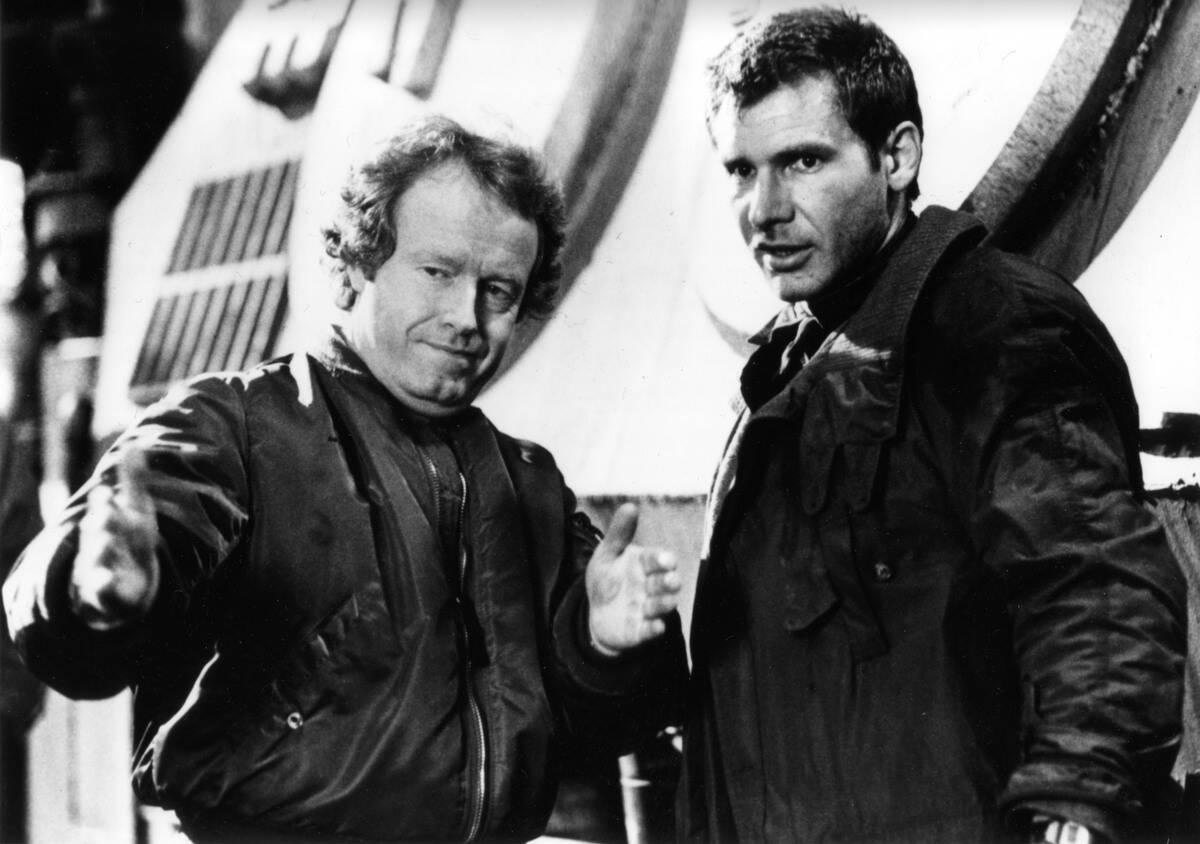
Ridley Scott entered Blade Runner fresh off the success of Alien, but his perfectionist approach quickly created friction with the American crew. Accustomed to working with British film crews, Scott openly remarked that he preferred their working methods, comments that did little to improve morale during the lengthy production.
Crew members reportedly grew frustrated by the director’s demanding standards and constant pursuit of visual perfection. Despite the strained working environment, Scott refused to compromise on the film’s ambitious look. His persistence ultimately paid off, as Blade Runner remains celebrated for its groundbreaking production design and unforgettable atmosphere.
He preferred it across the pond
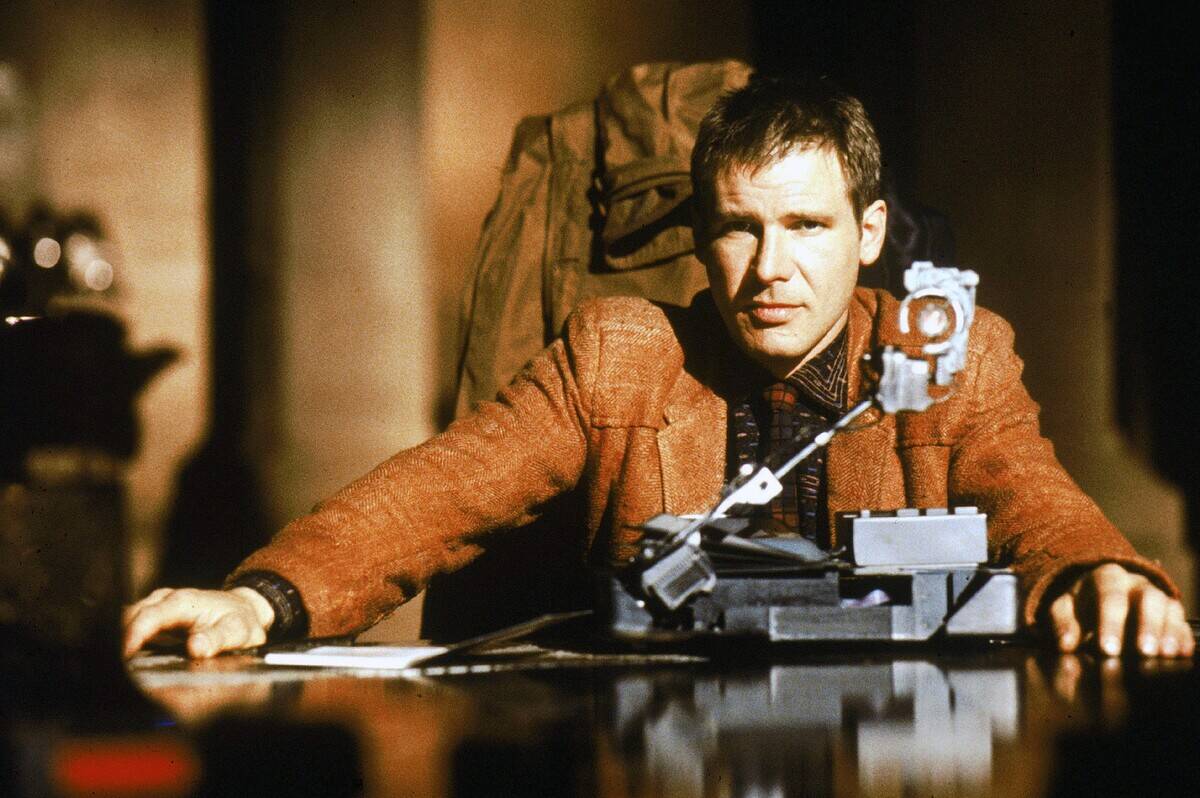
Working in Los Angeles proved to be a very different experience for Ridley Scott than filming in Britain. Cultural differences, contrasting work habits, and communication issues contributed to an increasingly tense relationship between the director and members of the crew throughout production.
Scott’s comments praising British crews over their American counterparts became widely known and further damaged morale. Even with tempers flaring behind the scenes, the production continued moving forward. The difficult collaboration eventually resulted in one of the most visually influential films ever made, inspiring countless science-fiction movies that followed.
A cast mutiny
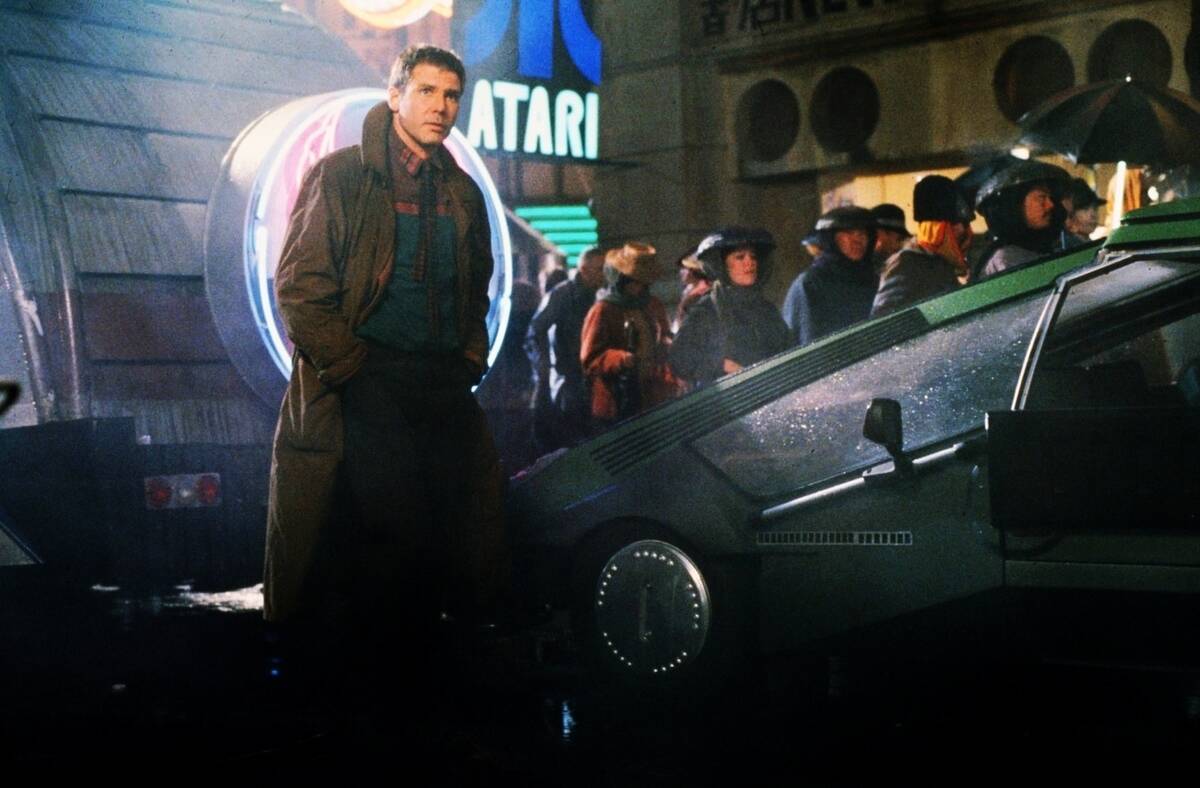
Frustration reached such a level during filming that crew members reportedly wore T-shirts criticizing Ridley Scott, reflecting just how strained relations had become. Long hours, repeated takes, and disagreements over creative decisions left many people eager for the production to come to an end.
Harrison Ford has also spoken about the exhausting nature of the shoot, describing months spent filming in smoke-filled sets and artificial rain. Despite the miserable working conditions, principal photography was completed just before mounting production pressures threatened to overwhelm the project entirely.
It needed a happier ending
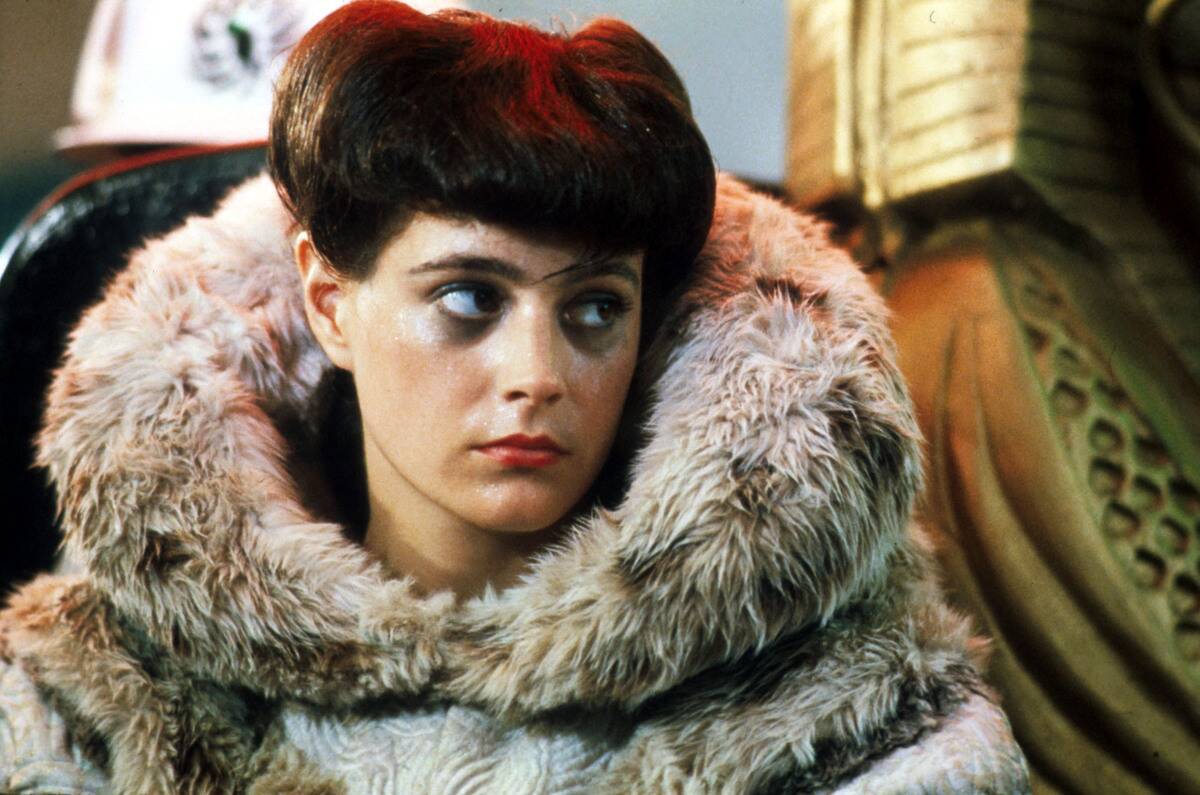
When Blade Runner tested poorly with preview audiences, studio executives became convinced that viewers would struggle to follow its story. Their solution was to require a voice-over narration from Harrison Ford and add a far more optimistic ending than director Ridley Scott originally intended.
Neither decision pleased Scott, and Ford later admitted he deliberately gave an unenthusiastic performance because he disliked the narration. Years later, subsequent releases restored Scott’s preferred vision, helping audiences appreciate the film in a way that wasn’t possible when it first reached theaters.
Gremlins (1984) needed puppets
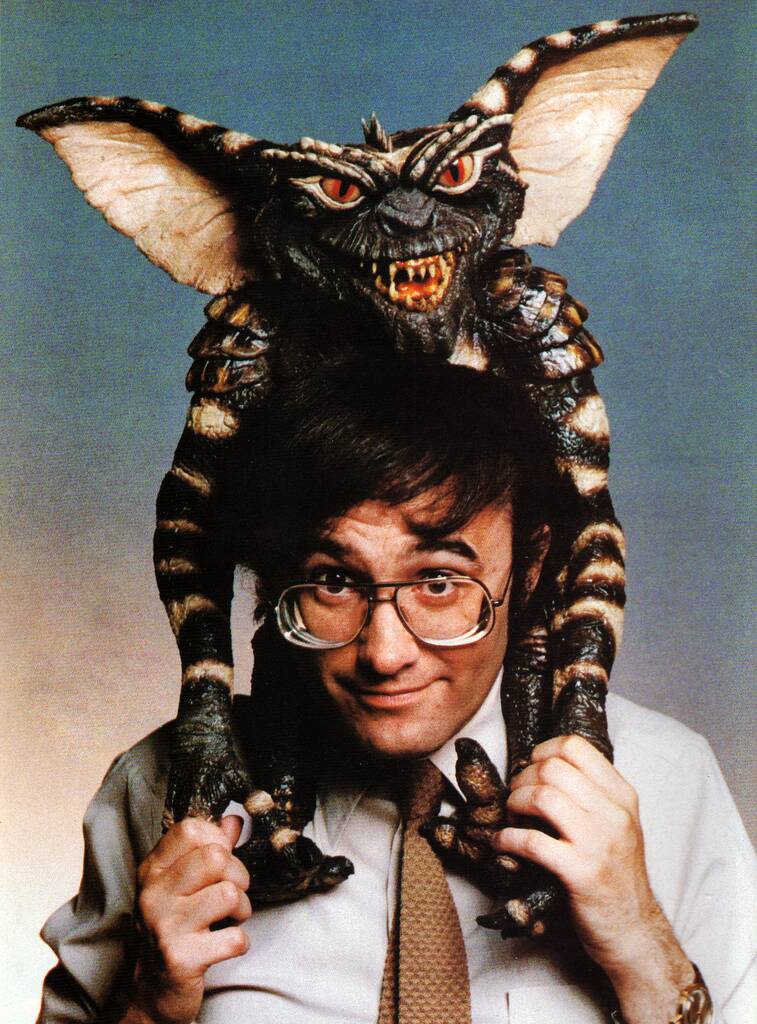
Long before computer-generated creatures became commonplace, Gremlins relied almost entirely on sophisticated animatronics and puppetry. Bringing dozens of mischievous Gremlins to life required an enormous technical effort, with teams of puppeteers hidden beneath sets controlling every blink, grin, and movement.
Director Joe Dante later recalled that the production was constantly inventing new techniques because many of the required effects simply didn’t exist yet. The process demanded extraordinary patience from both the performers and crew, who often had to wait while each complicated puppet was carefully positioned between takes.
Turns out puppetry isn’t easy
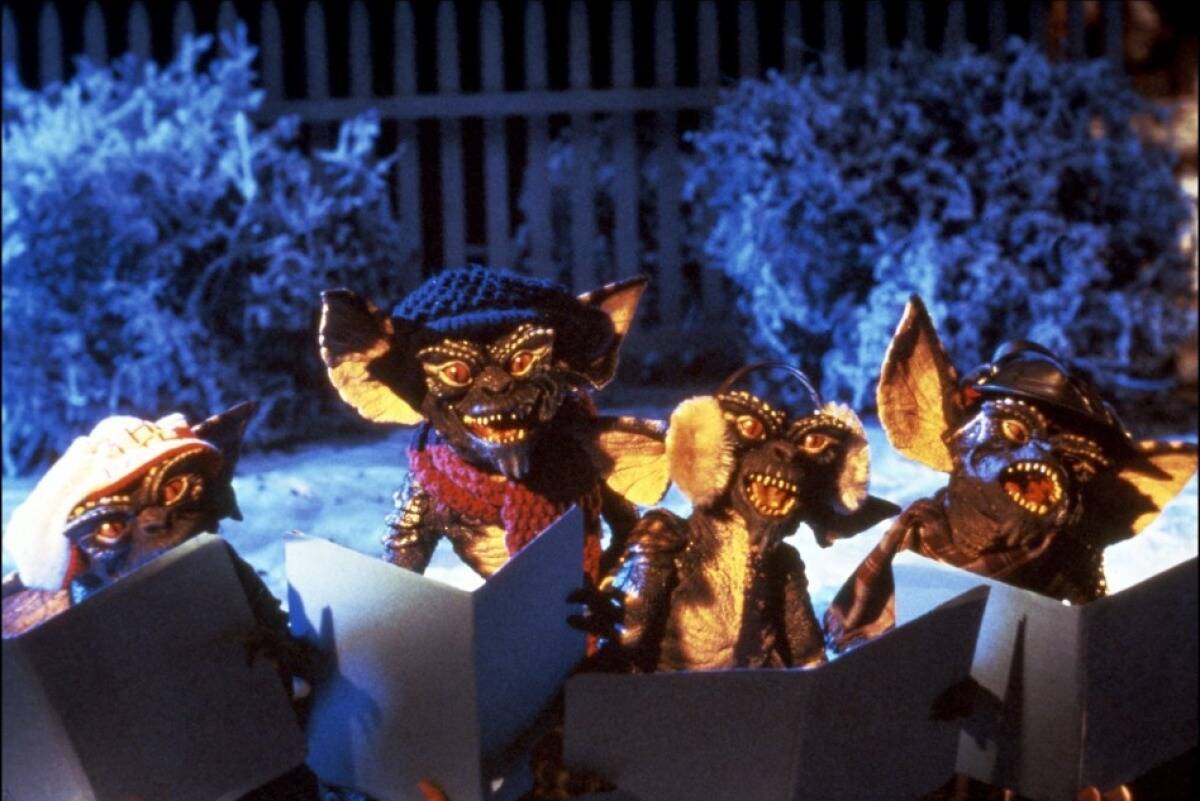
Filming scenes featuring large numbers of Gremlins was an exercise in patience. Every puppet required multiple operators working in perfect synchronization, meaning even simple moments could take hours to complete while technicians coordinated movements through cameras and mirrored monitors.
Joe Dante admitted the painstaking process occasionally became overwhelming, especially during sequences featuring dozens of creatures at once. Nevertheless, the filmmakers refused to sacrifice quality for speed. Their commitment resulted in practical effects that continue to impress audiences decades later, despite being created without modern CGI.
Glacially slow production time
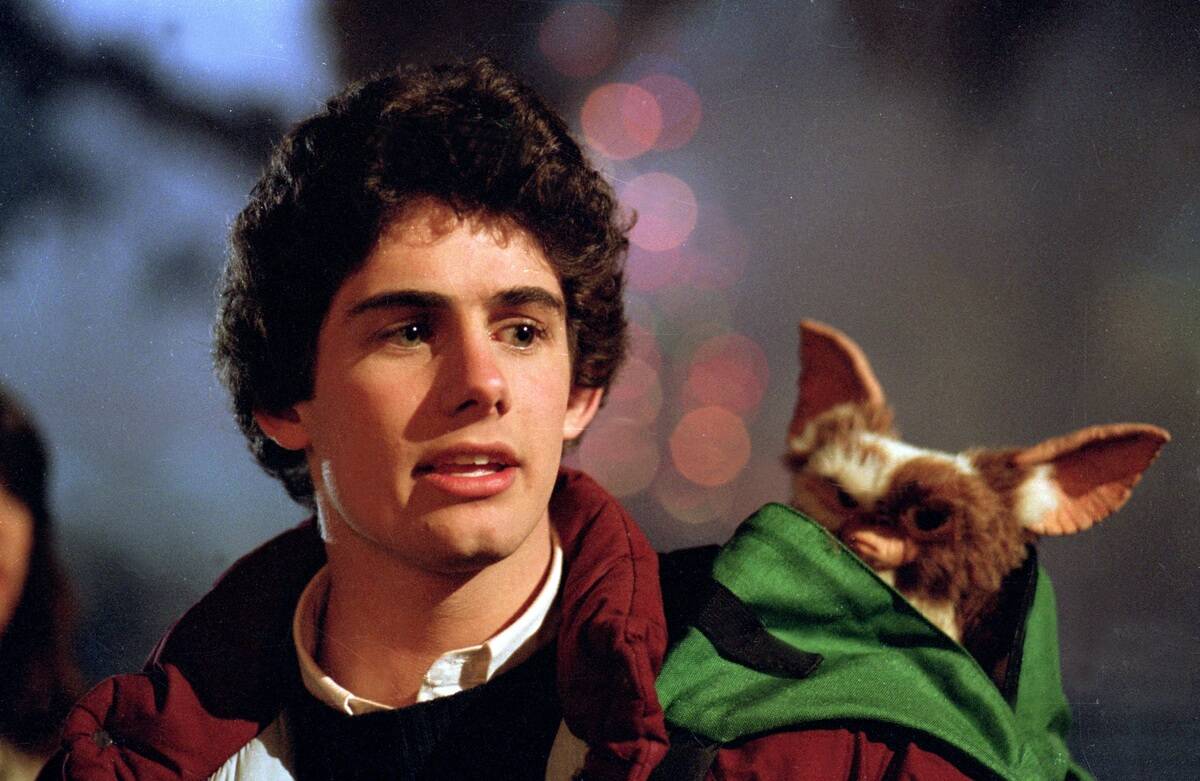
The technical demands of Gremlins meant production progressed far more slowly than a typical film. Dante has said that roughly three months were devoted almost exclusively to shooting effects scenes involving the creatures, with relatively little time spent on conventional live-action footage.
Although the lengthy schedule tested everyone’s patience, the filmmakers knew rushing the process would compromise the illusion. Their persistence paid off as the expressive puppets became one of the movie’s defining strengths. Even today, Gremlins is frequently praised as one of the finest examples of practical creature effects ever put on screen.
Spiked food on the Titanic set (1997)
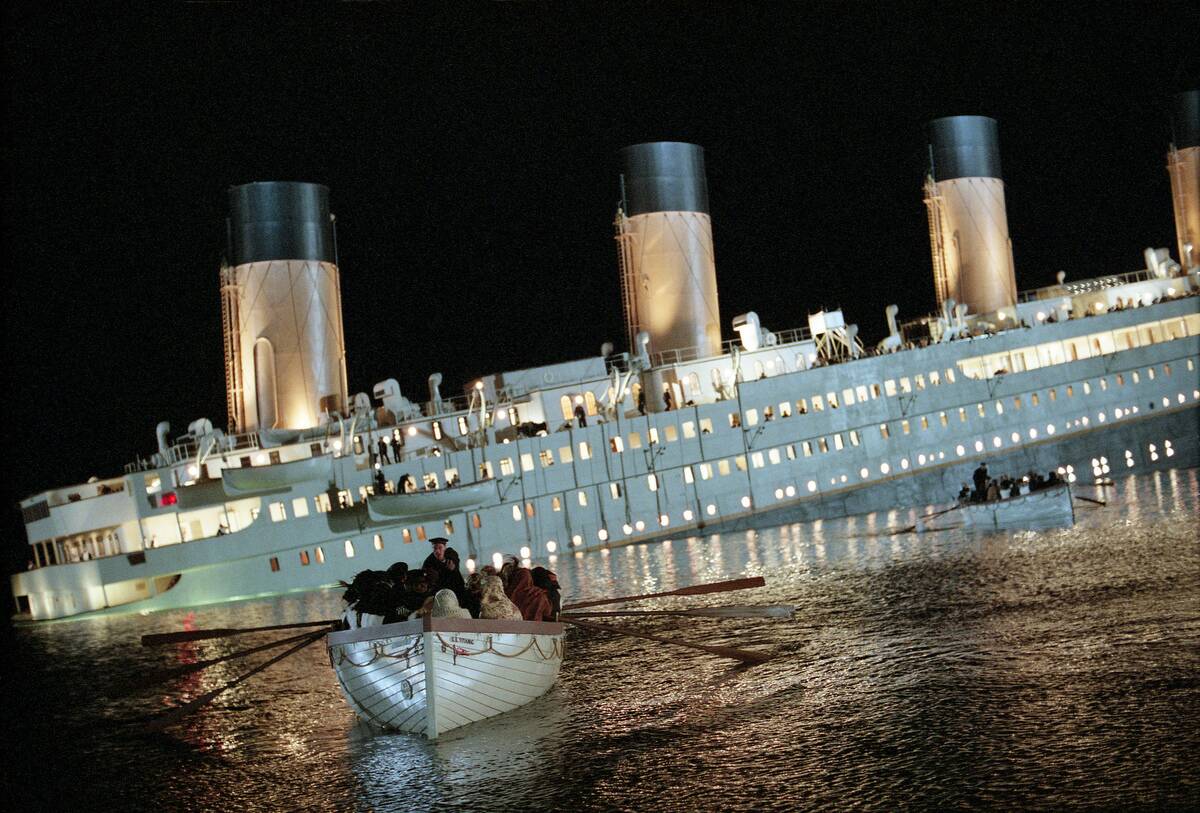
One of the strangest incidents in Hollywood history occurred during the production of Titanic when chowder served to cast and crew was deliberately contaminated with PCP. More than 50 people, including director James Cameron, became ill and were taken to the hospital after experiencing hallucinations and other alarming symptoms.
Authorities investigated the incident, but the person responsible was never publicly identified. Filming resumed after the affected crew members recovered, though the bizarre event remains one of the most infamous behind-the-scenes stories associated with the Oscar-winning blockbuster.
James Cameron’s battle
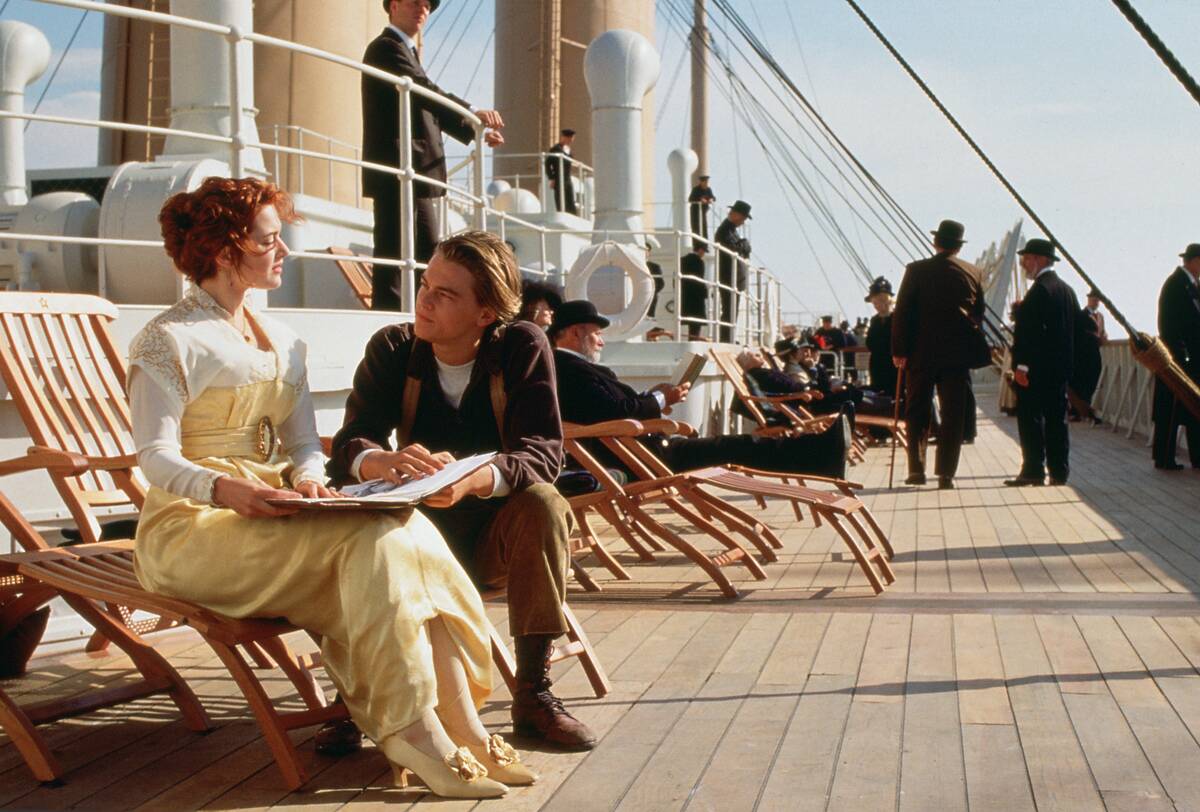
James Cameron’s uncompromising directing style became legendary during the making of Titanic. Crew members have recalled being pushed through long, physically exhausting days, while Cameron frequently barked instructions through a megaphone in his determination to keep the enormous production moving forward. The pressure to deliver one of the most ambitious films ever attempted rarely let up.
The demanding atmosphere left some cast and crew with mixed feelings about the experience, particularly during scenes that required performers to spend hours in freezing water. Although many later praised Cameron’s vision and work ethic, few disputed that filming Titanic was one of the most grueling jobs of their careers.
The Emperor’s New Groove (2000) was an entirely different movie
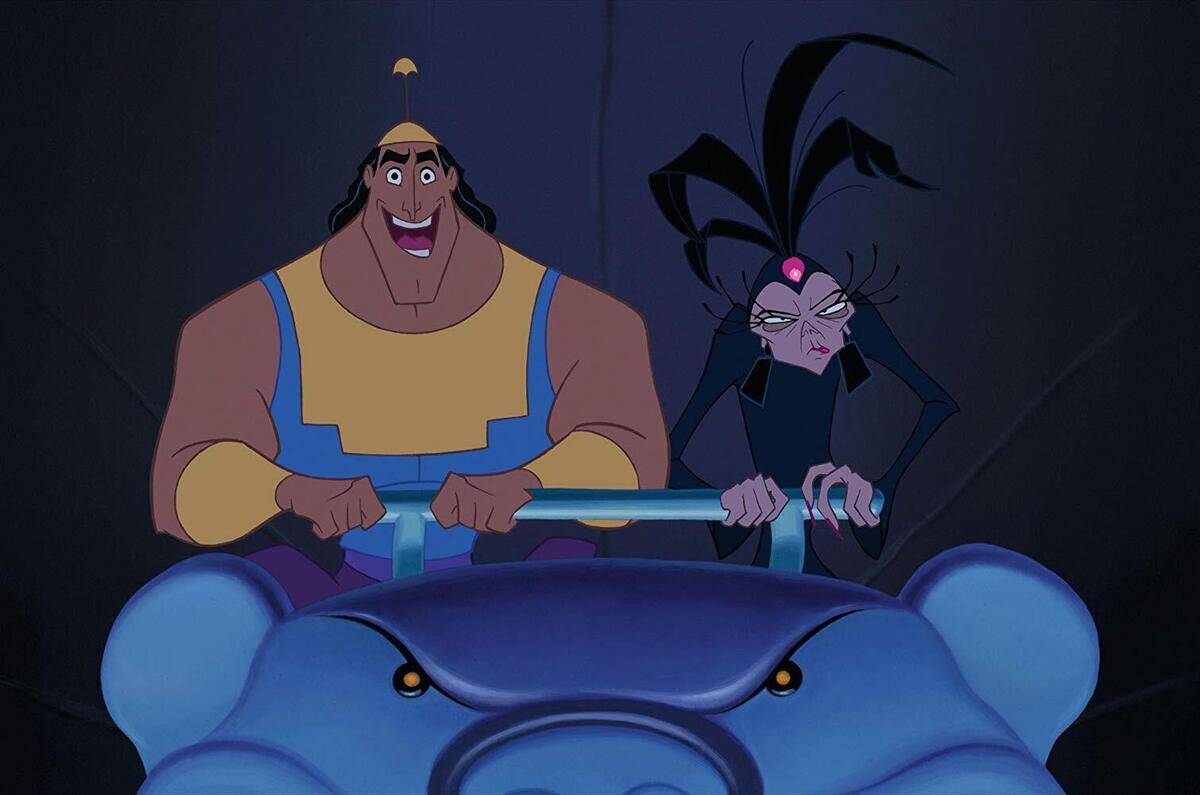
Not every production nightmare involves live-action filmmaking. Disney’s The Emperor’s New Groove began life as an entirely different movie called Kingdom of the Sun, an ambitious musical inspired by The Prince and the Pauper. After years of work, however, the project simply wasn’t coming together the way the studio had hoped.
Creative disagreements, story problems, and disappointing early screenings forced Disney to reconsider the film from the ground up. Rather than abandoning it completely, executives approved a dramatic overhaul that transformed the serious adventure into the fast-paced comedy audiences know today.
It was poorly received
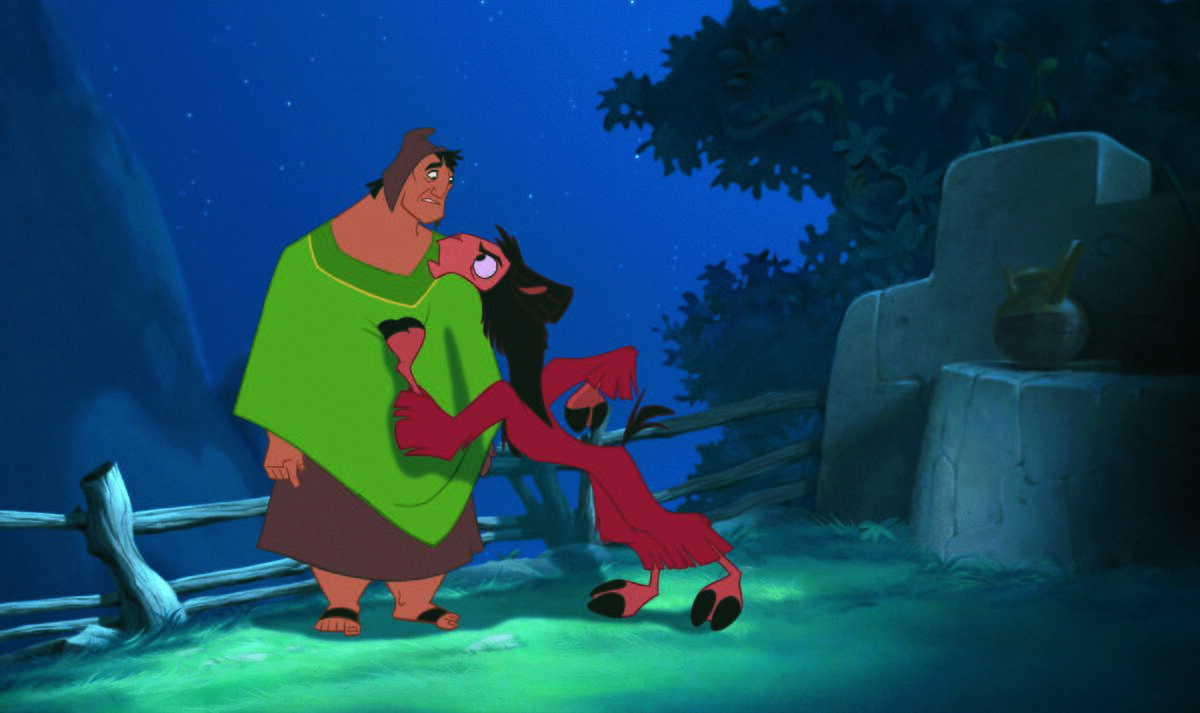
Early versions of Kingdom of the Sun failed to impress test audiences, creating serious concern inside Disney. Despite years of development, the film struggled to balance its dramatic story, musical numbers, and comedic elements, leaving executives convinced major changes were unavoidable.
Instead of making small adjustments, Disney chose an unusually bold solution by restructuring nearly every aspect of the production. Characters were rewritten, storylines disappeared, and entire sequences were discarded. Although the decision meant sacrificing years of work, it ultimately rescued the project from becoming one of the studio’s biggest disappointments.
Sting gets the heave-ho
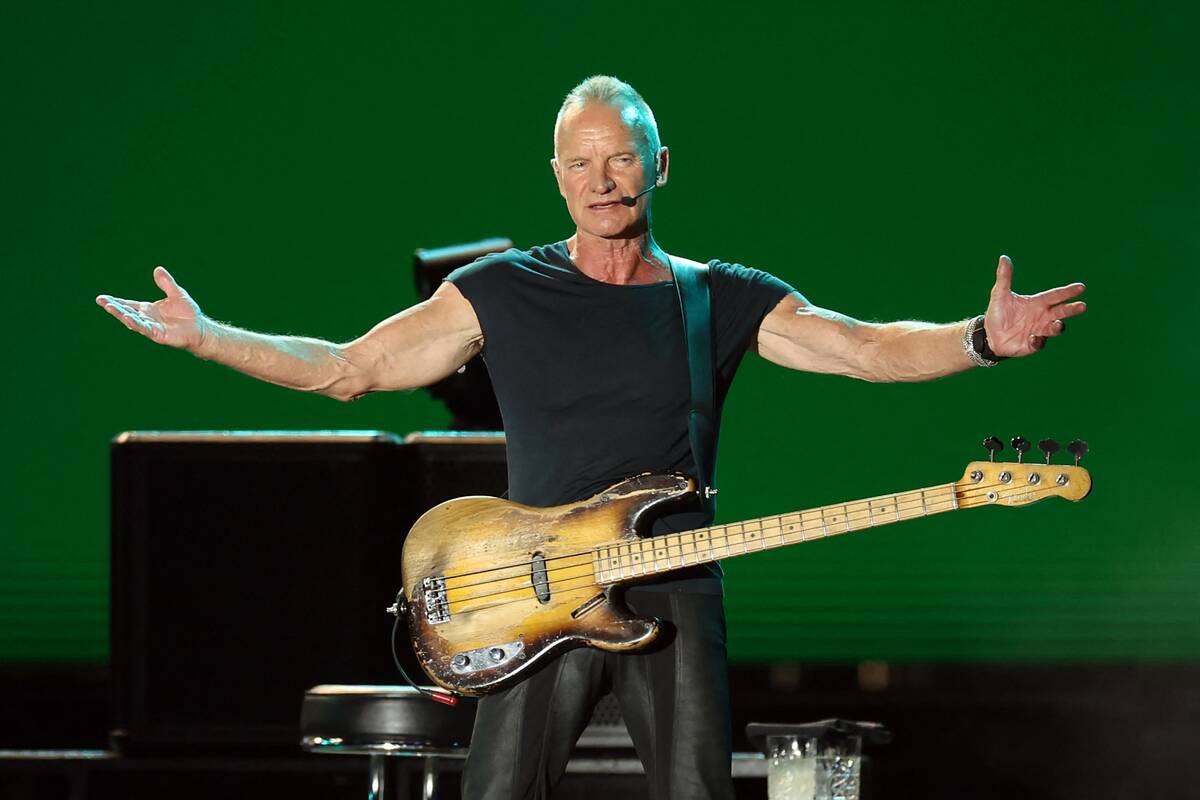
Singer-songwriter Sting devoted considerable time to composing songs for the original version of Kingdom of the Sun. Unfortunately, when Disney dramatically changed direction, nearly all of those completed musical numbers were removed because they no longer fit the revised story.
The creative overhaul also resulted in director Roger Allers leaving the project before it was finished. While losing so much completed material was undoubtedly frustrating, the production found new life under director Mark Dindal, whose comedic approach completely reshaped the film’s identity.
…then he comes back
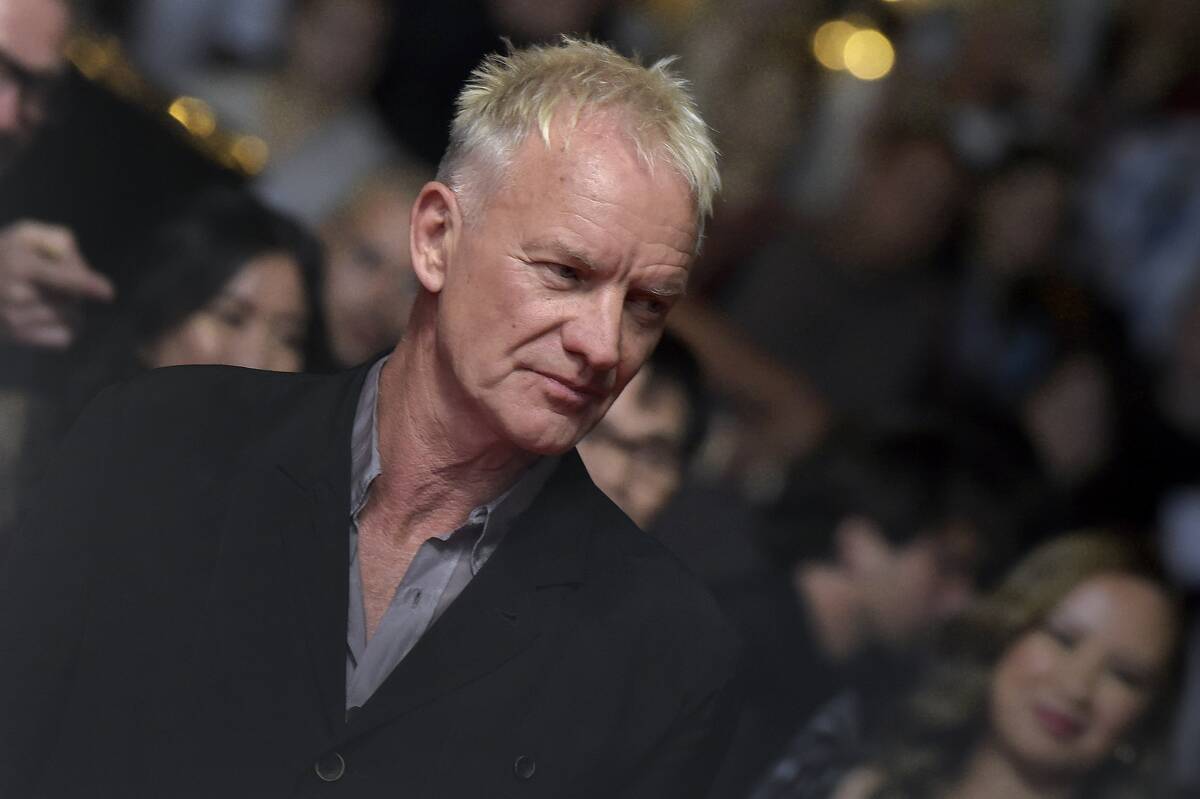
Following the creative reboot, Disney retained Sting’s involvement by asking him to write new material better suited to the film’s lighter tone. Although only a small portion of his original work survived the transition, his contributions remained an important part of the finished production.
The remarkable transformation happened in a surprisingly short period of time. Within weeks, the project had evolved from an ambitious musical epic into a fast-paced comedy filled with memorable jokes and energetic performances. Today, The Emperor’s New Groove is often cited as one of Disney’s most successful creative recoveries.
World War Z (2013) needed a lot of extras
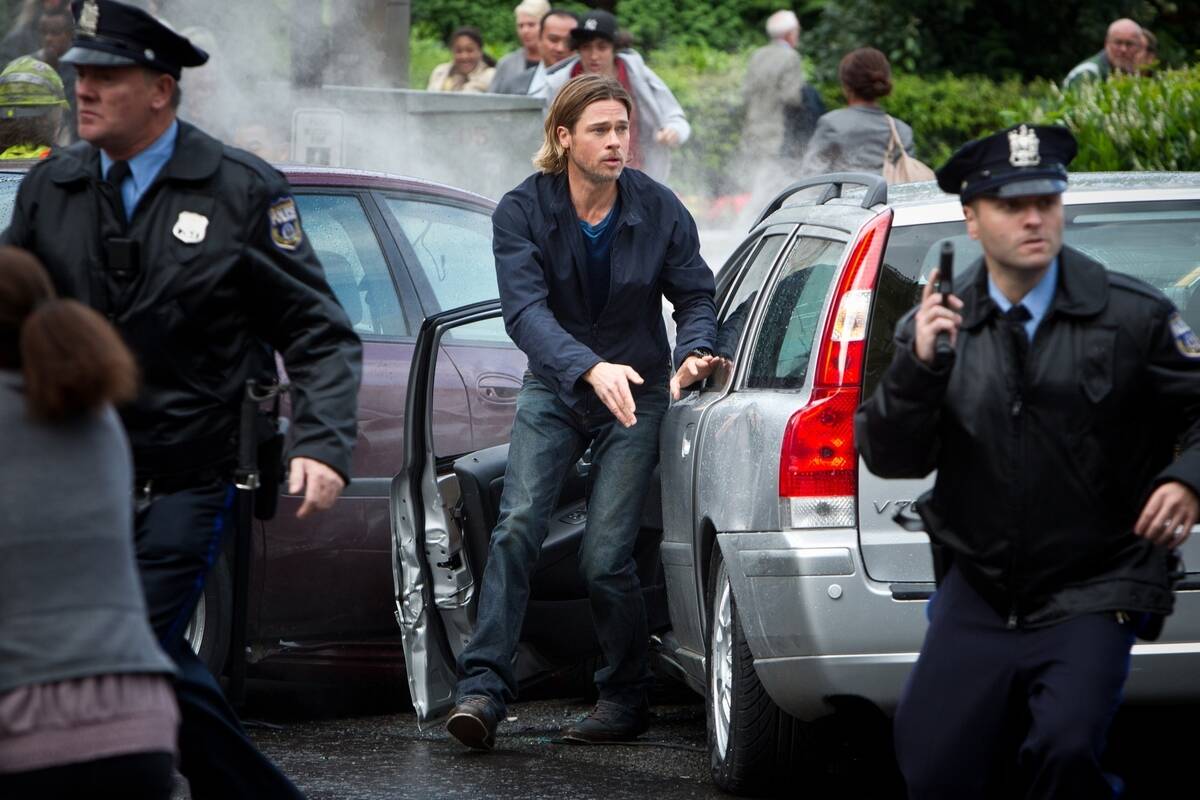
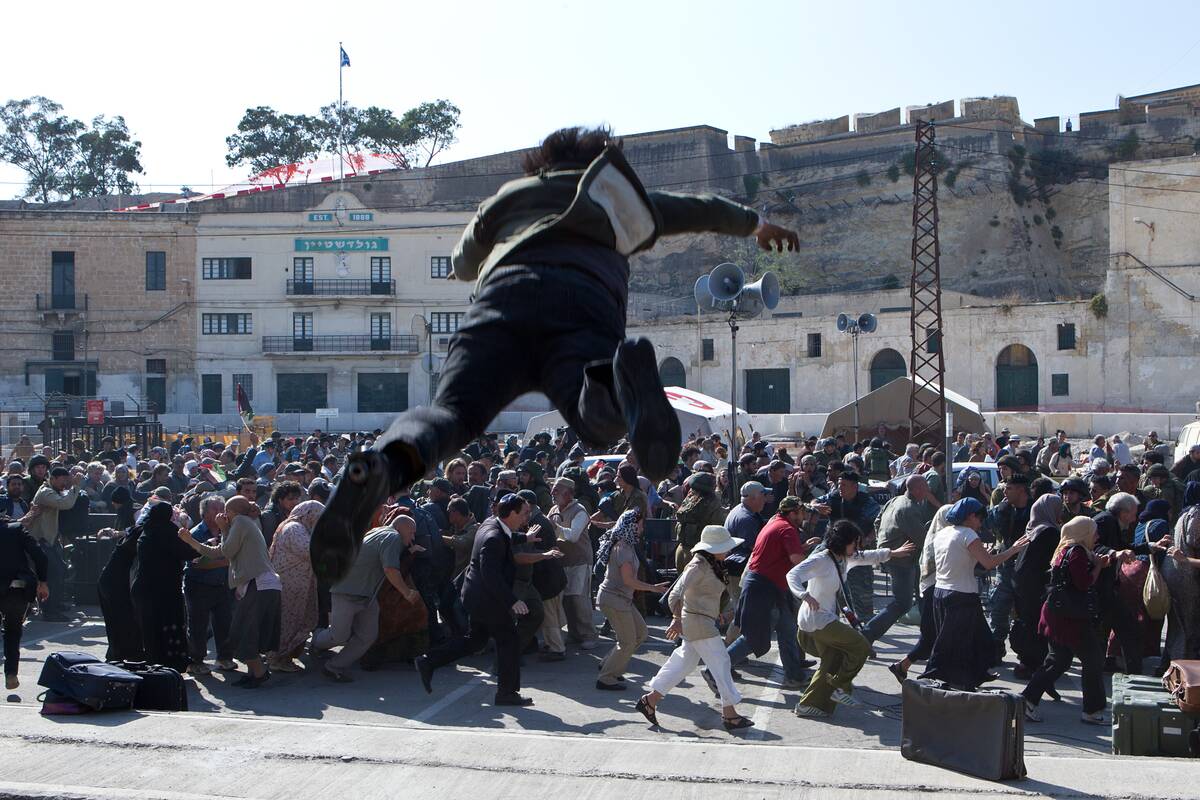
Bringing a global zombie outbreak to life required an enormous logistical effort. During the production of World War Z, director Marc Forster frequently relied on thousands of real extras rather than filling every crowd scene with computer-generated effects, creating some of the largest live-action sequences in modern zombie cinema.
One extended shoot in Malta reportedly involved around 1,500 extras over several weeks. Coordinating costumes, makeup, transportation, and stunt work for such massive crowds proved incredibly demanding, making every shooting day a complicated operation that required meticulous planning from the production team.
Costs added up
The ambitious scale of World War Z came with an equally enormous price tag. Between globe-spanning locations, elaborate action sequences, and repeated production delays, the film’s budget climbed to an estimated $190 million, placing tremendous pressure on the studio to deliver a hit.
Financial concerns intensified as filming continued, with constant script revisions making scheduling even more difficult. Every additional delay increased costs, leaving executives increasingly worried about the project’s profitability. Fortunately for the filmmakers, the movie eventually performed well enough at the box office to justify its extraordinary expense.
It got a whole new ending
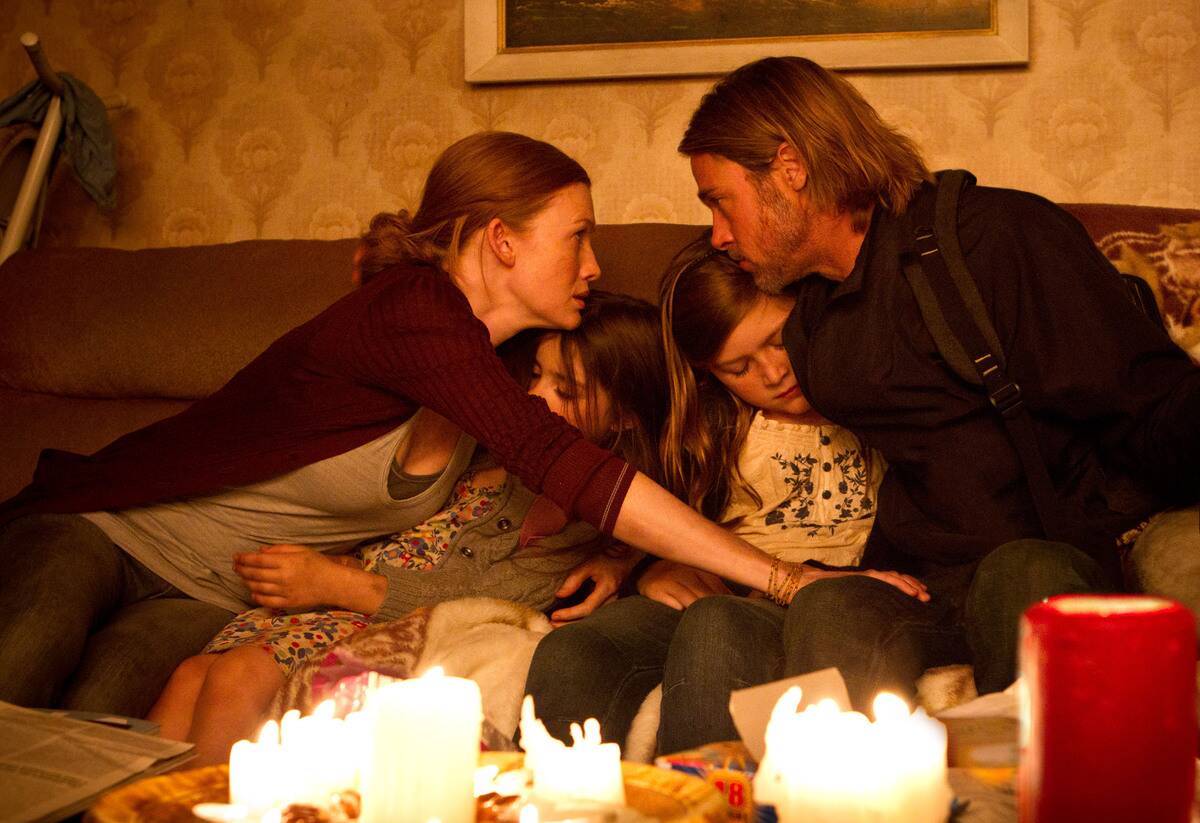
Even after principal photography wrapped, the production wasn’t finished solving its problems. Studio executives decided the original ending wasn’t working, leading to an extensive round of reshoots that replaced the movie’s final act with an entirely different conclusion.
Screenwriter Damon Lindelof was brought in to help rework the climax, resulting in an additional production cost reportedly exceeding $20 million. Although expensive, the decision was widely viewed as worthwhile, with many critics praising the quieter, suspense-driven ending that ultimately appeared in theaters.
Endless takes for The Shining (1980)
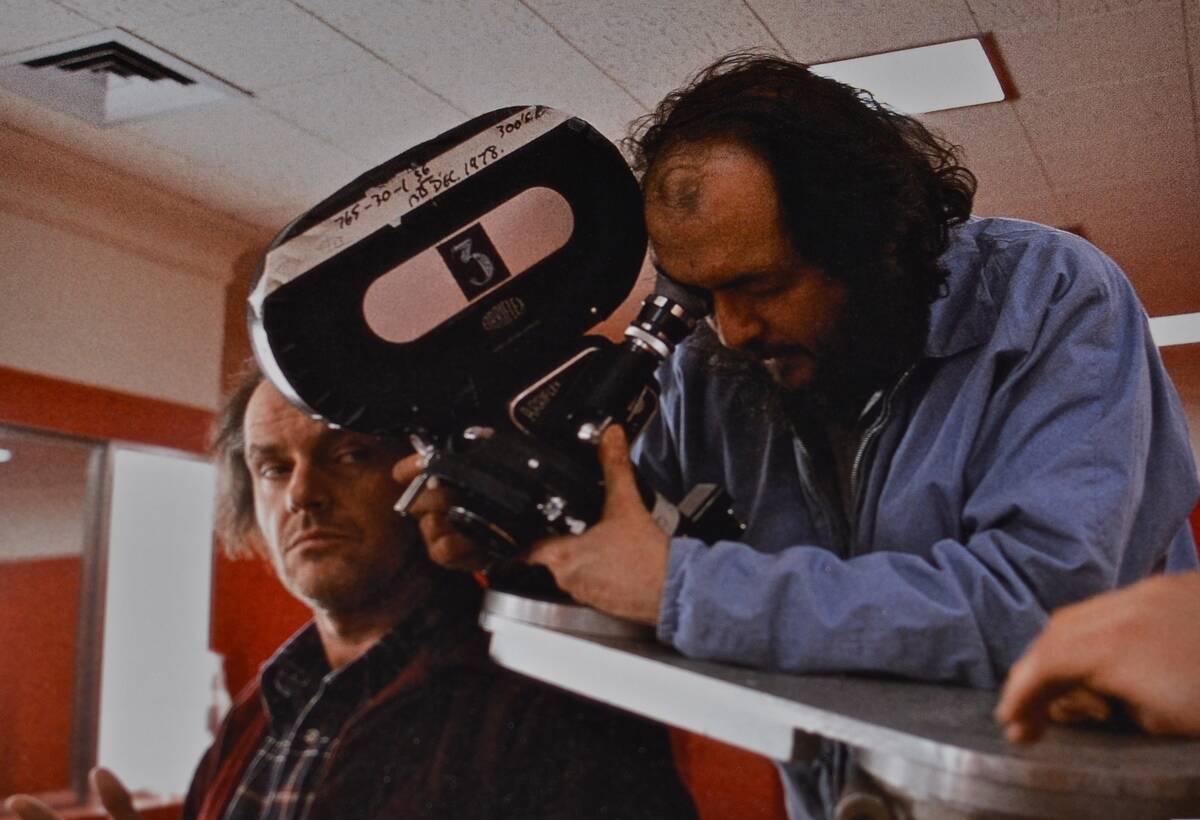
Few directors have embraced multiple takes quite like Stanley Kubrick. During The Shining, several scenes were filmed repeatedly, with the famous baseball bat confrontation between Shelley Duvall and Jack Nicholson requiring well over 100 takes, according to Guinness World Records.
The endless repetition wore down the cast and crew, but Kubrick believed it helped produce more natural performances as actors moved beyond rehearsed delivery. Whether admired or criticized, his meticulous methods resulted in one of horror cinema’s most unforgettable performances and a film that continues to be analyzed decades after its release.