Famous last stands that changed the course of history
Throughout history, last stands have captured the imagination of many, embodying courage, sacrifice, and sometimes, tragic defeat. These moments often become legendary, symbolizing the resilience and determination of those who refuse to surrender.
They leave a lasting impact on cultures and nations, inspiring countless stories, films, and books. From ancient battles to modern warfare, these dramatic events showcase the human spirit’s tenacity in the face of overwhelming odds, reminding us of the power of courage and conviction.
The Battle of Thermopylae
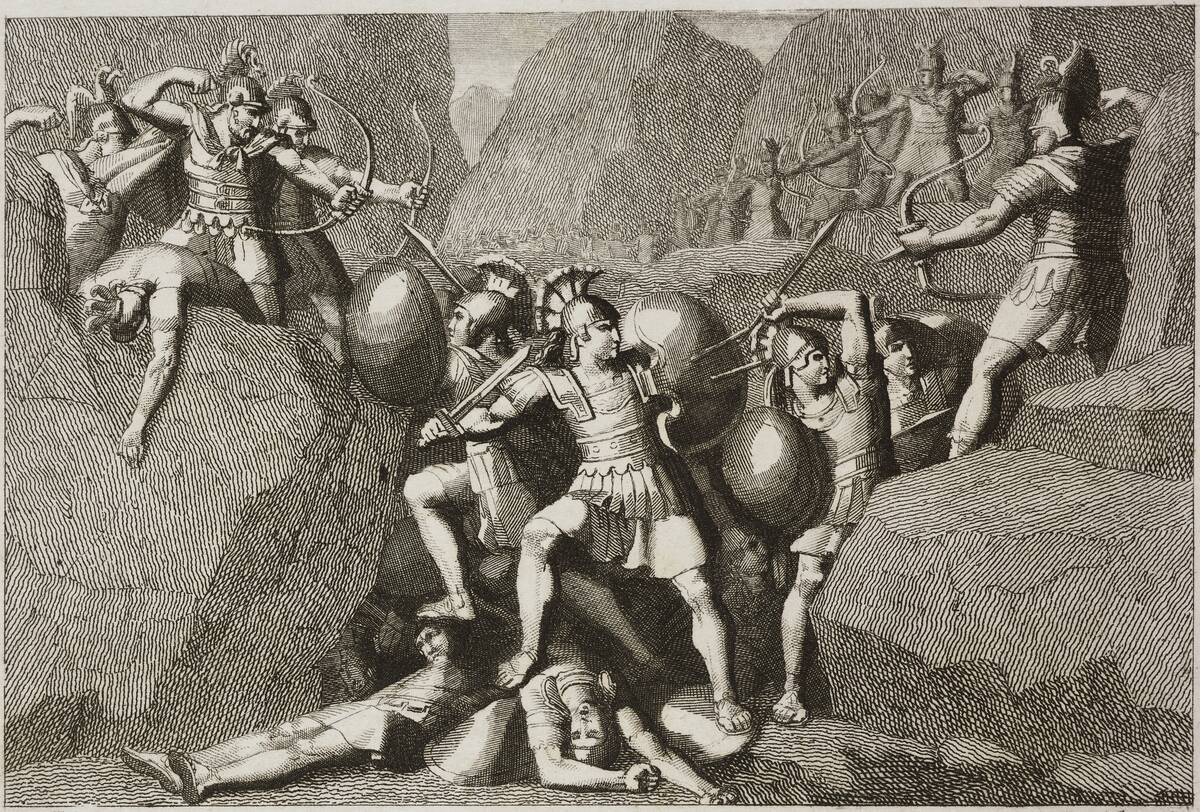
In 480 BC, the Battle of Thermopylae became a defining moment for the Spartans and their allies. Led by King Leonidas, a small force of Greeks faced the might of the Persian Empire. Despite being vastly outnumbered, the Spartans held their ground for three days, showcasing their legendary discipline and fighting prowess.
This battle, though a tactical loss, became a symbol of courage and sacrifice, inspiring future generations and solidifying the Spartan legacy in history.
The Alamo
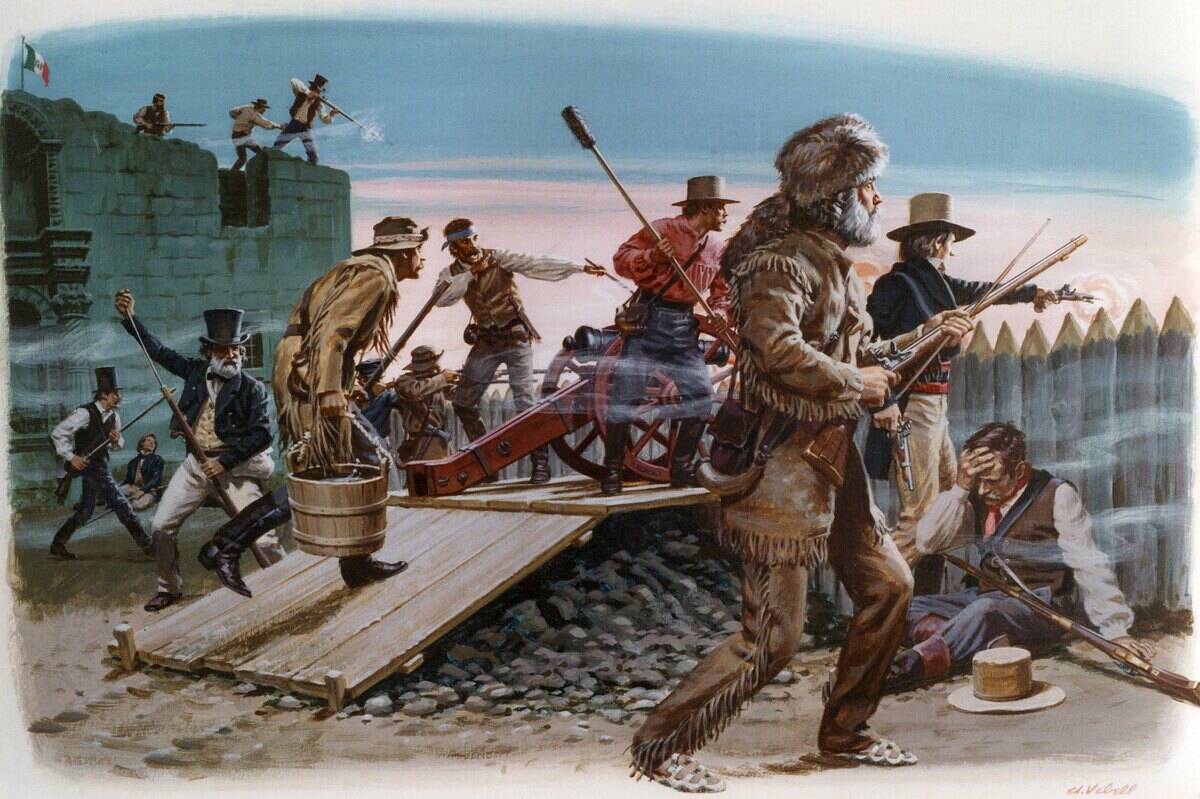
The Alamo, a pivotal event in the Texas Revolution, took place in 1836. A small group of Texan defenders, including famous figures like Davy Crockett and Jim Bowie, held out against the Mexican army for 13 days.
Despite their eventual defeat, the stand at the Alamo became a rallying cry for Texan independence, with “Remember the Alamo” symbolizing the determination and bravery of those who fought for freedom. This event remains a cornerstone of Texan identity and pride.
The Battle of Camarón
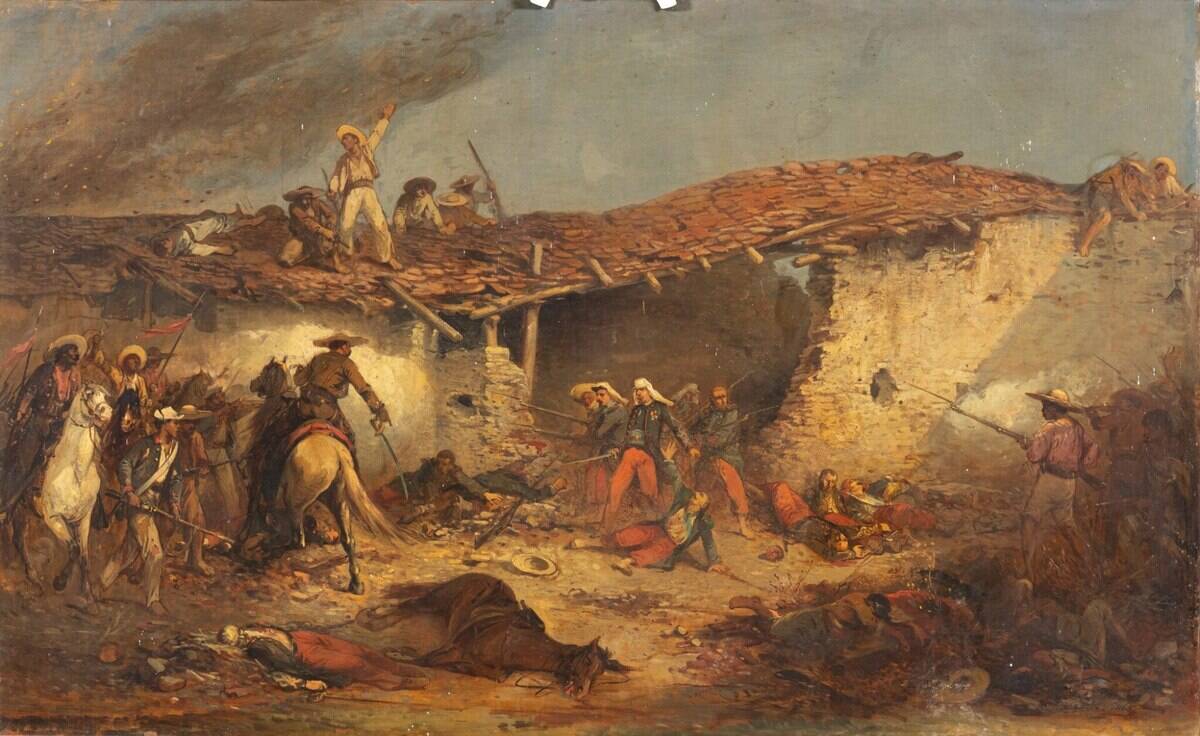
The Battle of Camarón, fought on April 30, 1863, during the French intervention in Mexico, showcased the indomitable spirit of the French Foreign Legion. A small contingent of 65 legionnaires, led by Captain Jean Danjou, faced an overwhelming force around 2,000 Mexican troops.
Despite the odds, the legionnaires fought valiantly, refusing to surrender. Their bravery and sacrifice became legendary, with April 30th celebrated annually as Camarón Day, a testament to the Legion’s enduring legacy
The Siege of Masada
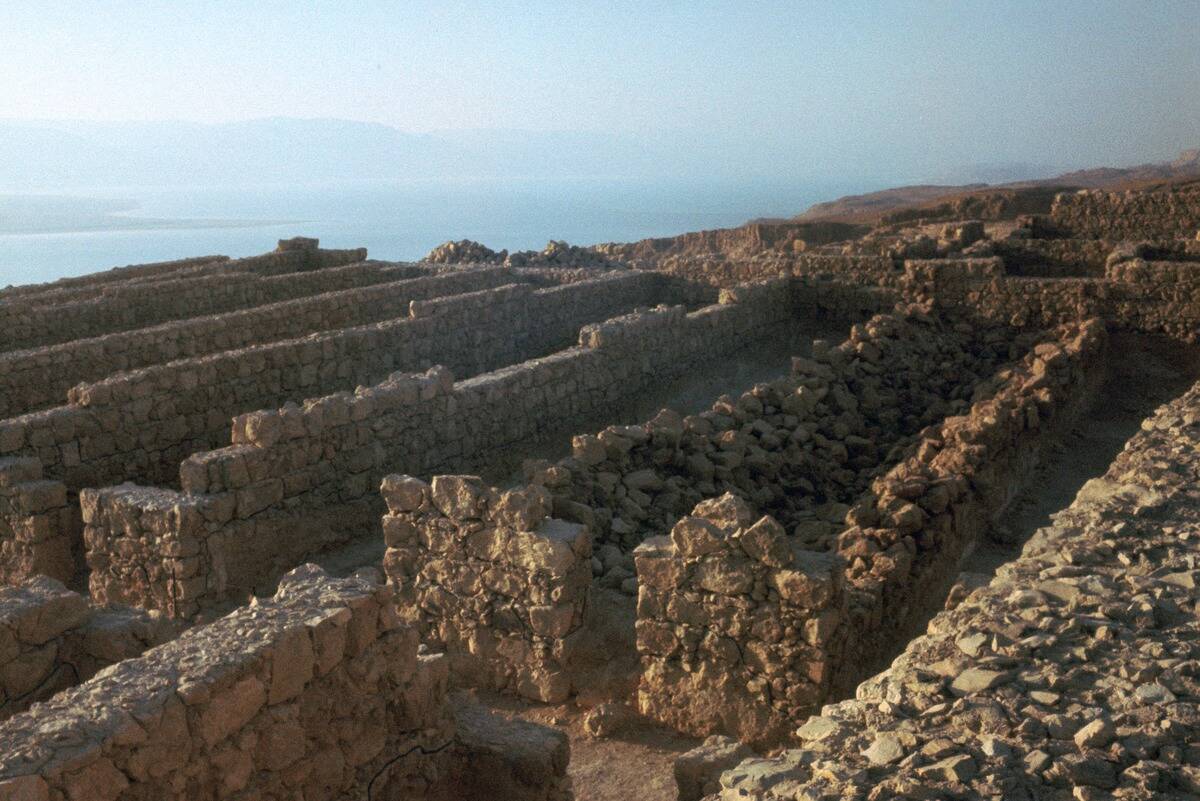
The Siege of Masada occurred between 73 and 74 AD, during the First Jewish–Roman War. Jewish rebels, known as the Sicarii, held out against Roman forces atop a mountain fortress. Despite being vastly outnumbered, the defenders chose death over surrender, committing mass suicide as the Romans breached their defenses.
This act of defiance became a powerful symbol of Jewish resistance and determination, echoing through history as a testament to the human spirit’s resilience.
The Battle of Gettysburg
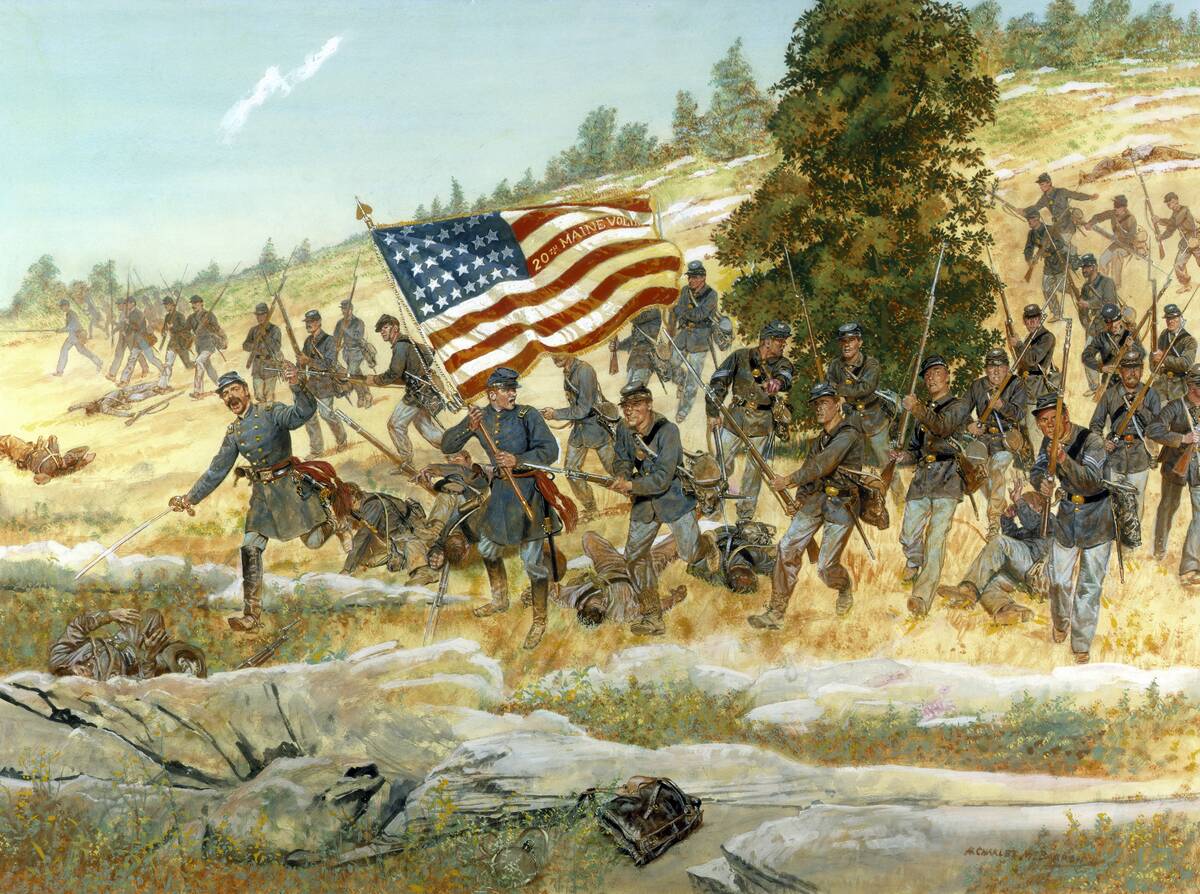
The Battle of Gettysburg, fought from July 1 to 3, 1863, was a pivotal clash in the American Civil War. Union forces, led by General George Meade, repelled the Confederate army under General Robert E. Lee.
The battle resulted in significant casualties on both sides but marked a turning point in the war, halting Lee’s invasion of the North. President Abraham Lincoln later delivered the Gettysburg Address, reaffirming the nation’s commitment to unity and freedom.
The Battle of Rorke’s Drift
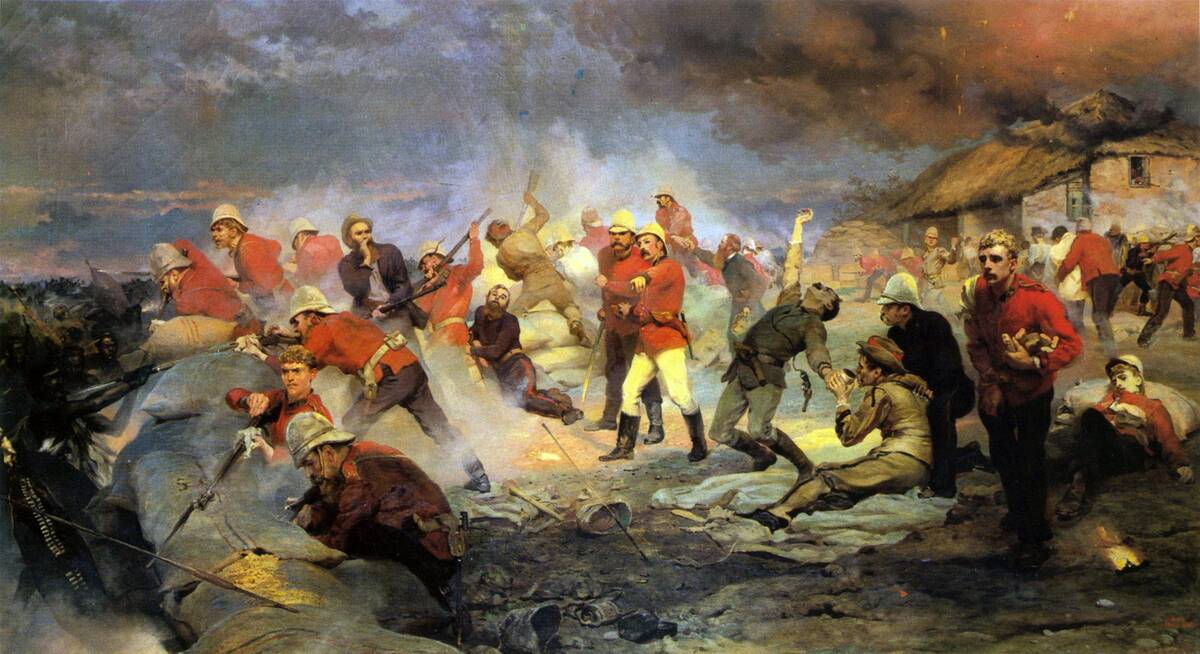
In 1879, during the Anglo-Zulu War, the Battle of Rorke’s Drift saw a small British garrison of 150 men defend their outpost against 4,000 Zulu warriors. The defenders, led by Lieutenants John Chard and Gonville Bromhead, held their ground for over 12 hours.
Their remarkable defense resulted in 11 Victoria Crosses being awarded, the most ever for a single engagement. This battle became a symbol of British tenacity and courage, celebrated in films and literature.
The Warsaw Ghetto Uprising
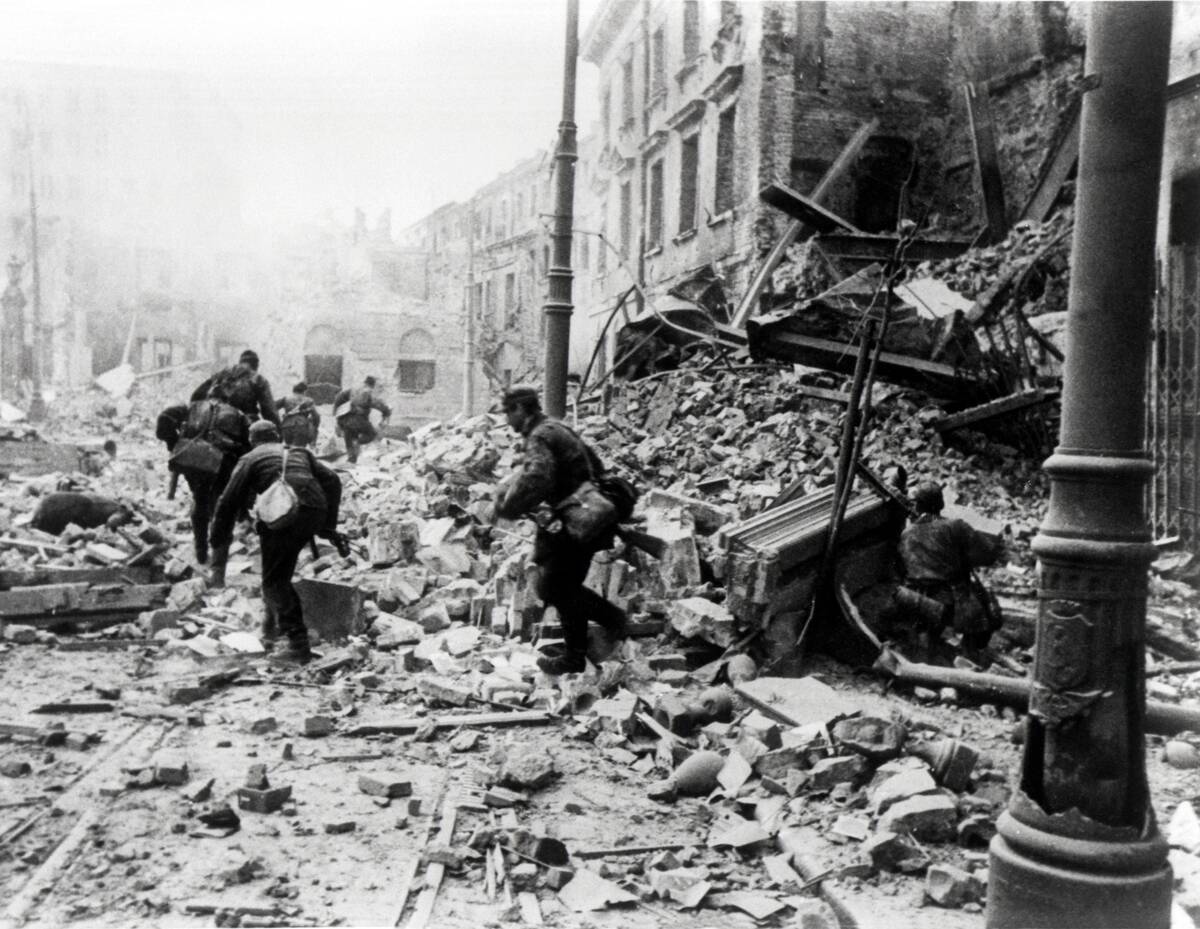
In 1943, the Warsaw Ghetto Uprising became a poignant symbol of resistance during the Holocaust. Jewish residents of the Warsaw Ghetto, facing deportation to extermination camps, launched an armed revolt against the Nazis. Despite being poorly armed and outnumbered, the fighters held out for nearly a month.
Their bravery and determination in the face of certain death highlighted the human spirit’s unyielding desire for dignity and freedom, leaving an indelible mark on history.
Custer’s Last Stand
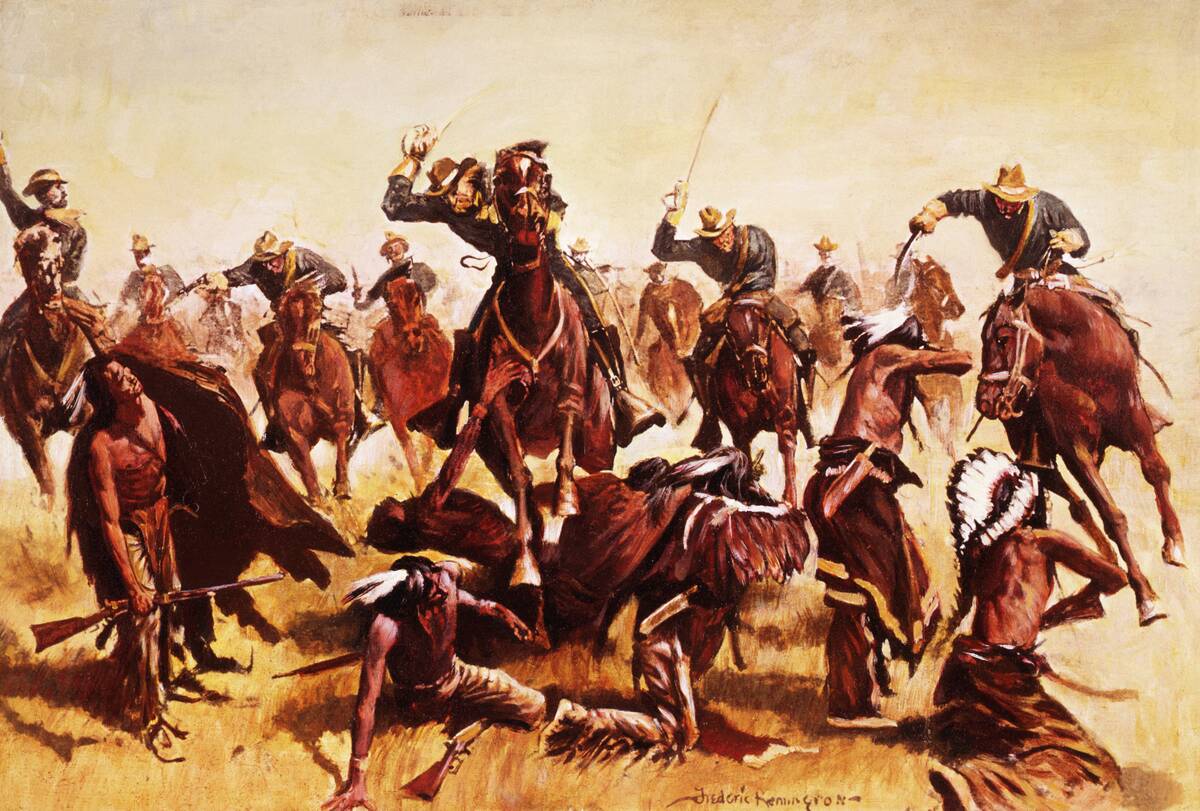
In 1876, the Battle of Little Bighorn, also known as Custer’s Last Stand, unfolded in the Montana Territory. Lieutenant Colonel George Custer and his 7th Cavalry faced a coalition of Native American tribes, including the Lakota Sioux and Cheyenne.
The battle resulted in a devastating defeat for Custer, with his entire detachment being wiped out. This clash highlighted the tensions between the U.S. government and Native American tribes, becoming a significant moment in American history.
The Battle of Isandlwana
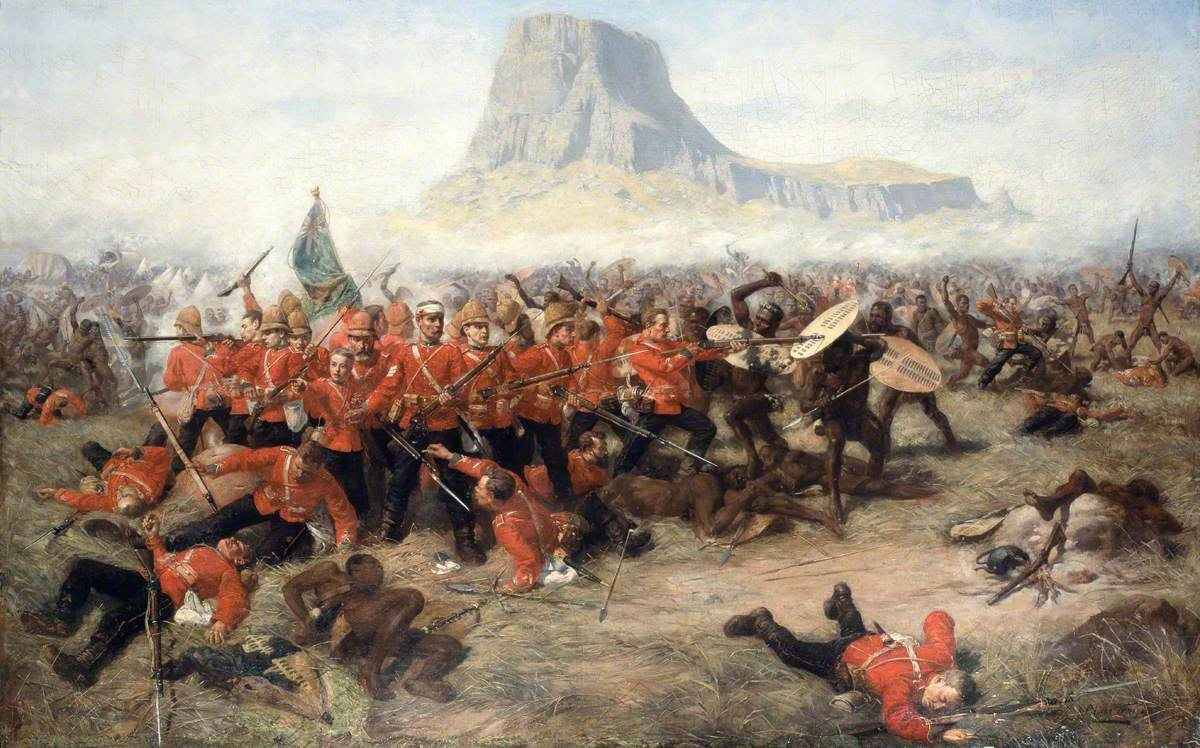
The Battle of Isandlwana, fought on January 22, 1879, was a significant clash during the Anglo-Zulu War. The Zulu forces, fighting under commanders such as Ntshingwayo kaMahole and Mavumengwana kaNdlela, achieved a stunning victory against the British army.
Despite being armed primarily with spears and shields, the Zulus overwhelmed the British, marking one of the few times an indigenous force defeated a colonial power in battle. This triumph demonstrated the strategic prowess and bravery of the Zulu warriors, altering the course of the war.
The Battle of Stalingrad
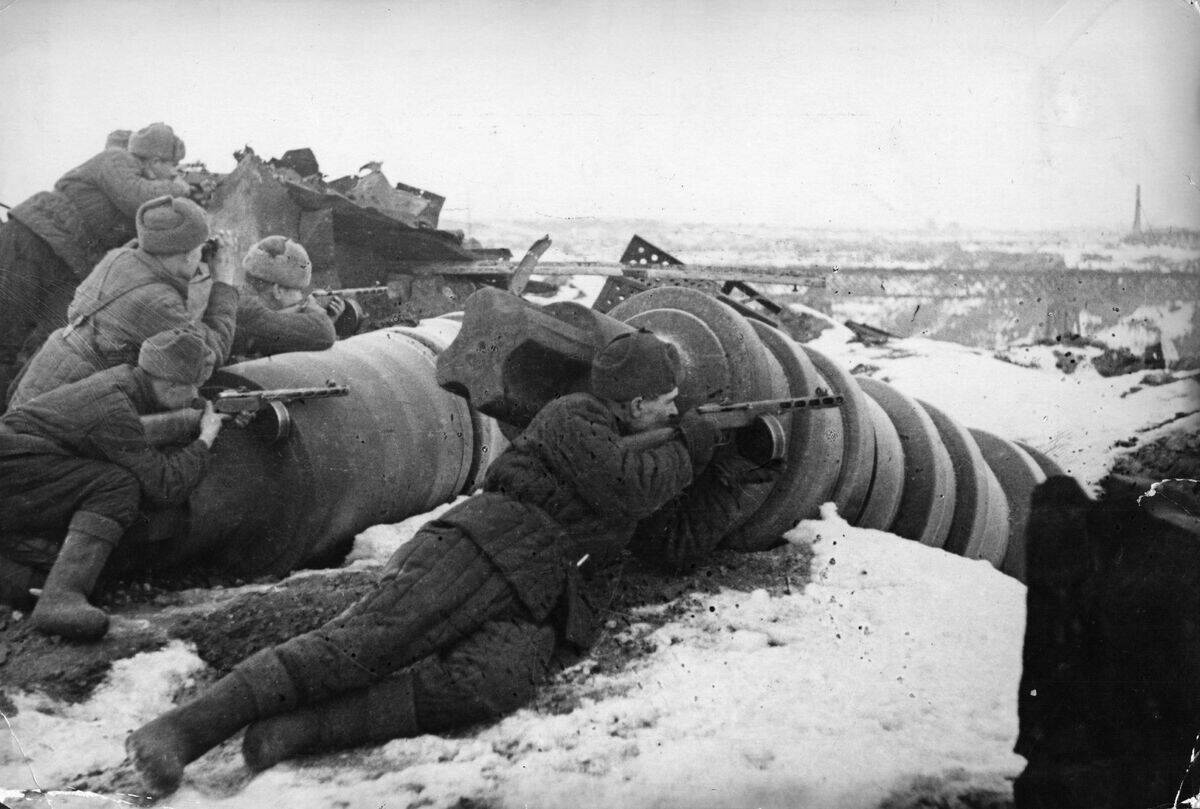
The Battle of Stalingrad, lasting from August 1942 to February 1943, was a pivotal moment in World War II. The Soviet Union’s Red Army faced off against Nazi Germany in a brutal urban conflict.
Despite immense casualties, the Soviets emerged victorious, marking a turning point in the war. The battle’s outcome halted the German advance into the Soviet Union and began a series of offensives that would eventually lead to the Allies’ victory in Europe.
The Battle of Dien Bien Phu
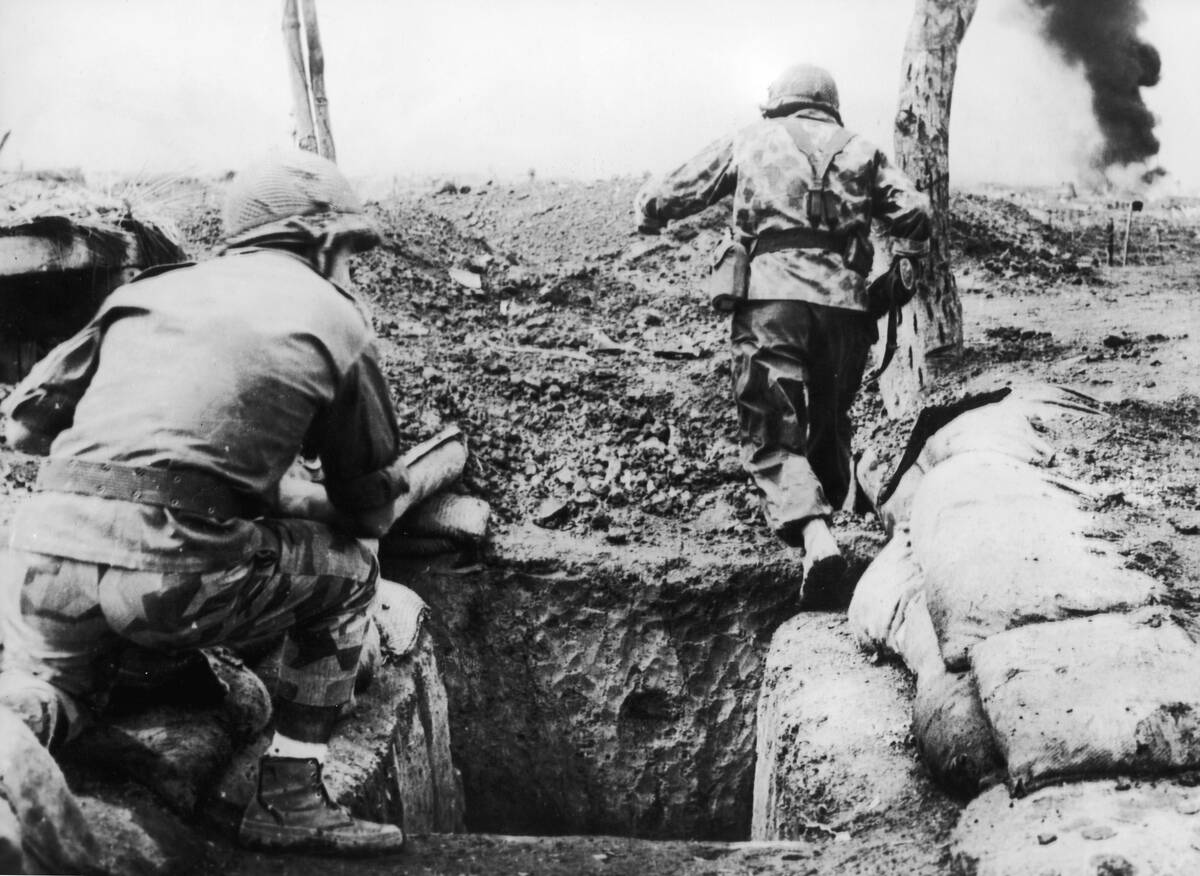
In 1954, the Battle of Dien Bien Phu marked the end of French colonial rule in Indochina. Vietnamese forces, led by General Vo Nguyen Giap, besieged the French garrison at Dien Bien Phu.
After weeks of intense fighting, the French forces capitulated, leading to the Geneva Accords and the eventual withdrawal of French troops from Vietnam. This battle was a significant milestone in the struggle for Vietnamese independence and reshaped the geopolitical landscape of Southeast Asia.
The Battle of Britain
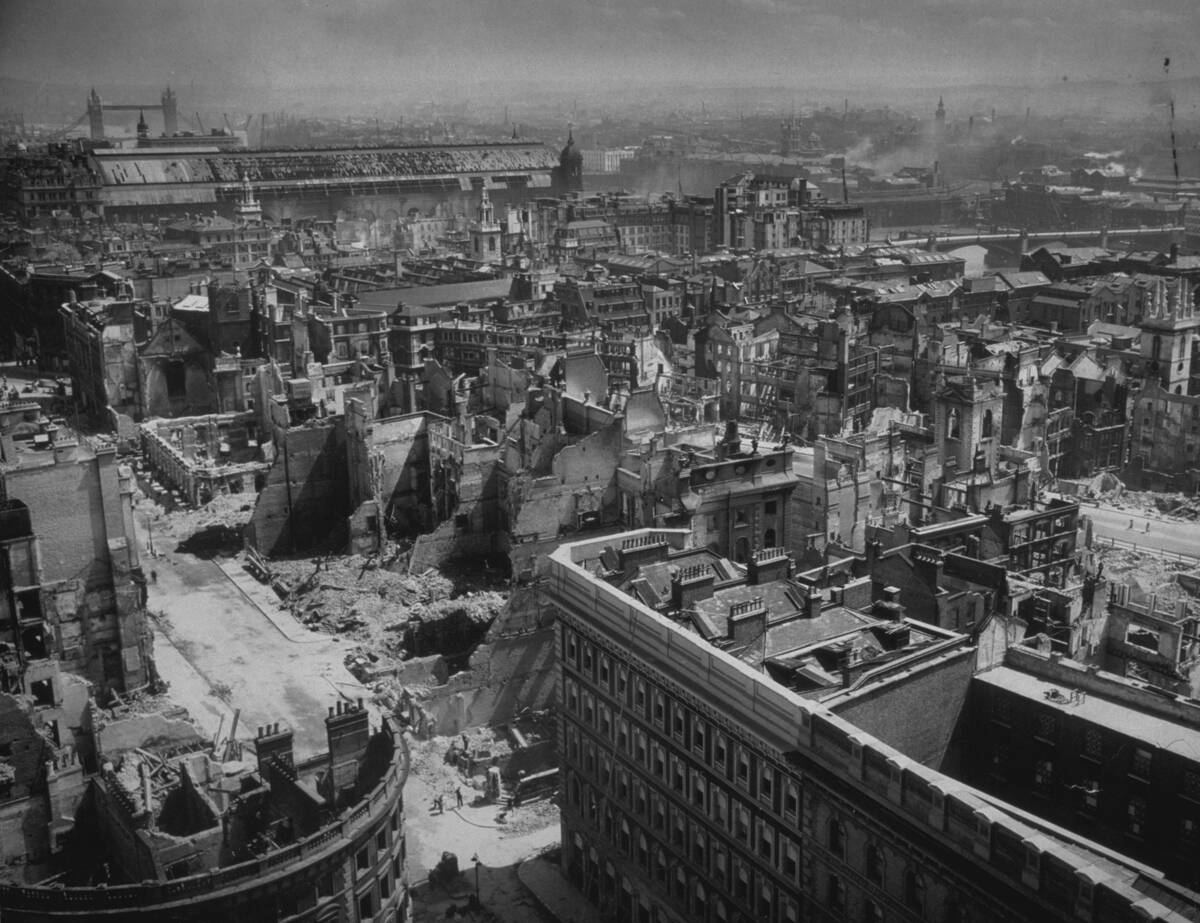
The Battle of Britain, fought in 1940, was a critical air campaign during World War II. The Royal Air Force (RAF) defended the United Kingdom against the German Luftwaffe’s relentless attacks.
Despite being outnumbered, the RAF’s pilots and ground crews displayed extraordinary skill and bravery, ultimately preventing a German invasion. Winston Churchill famously praised their efforts, stating, “Never in the field of human conflict was so much owed by so many to so few,” highlighting the battle’s significance.
The Battle of the Bulge
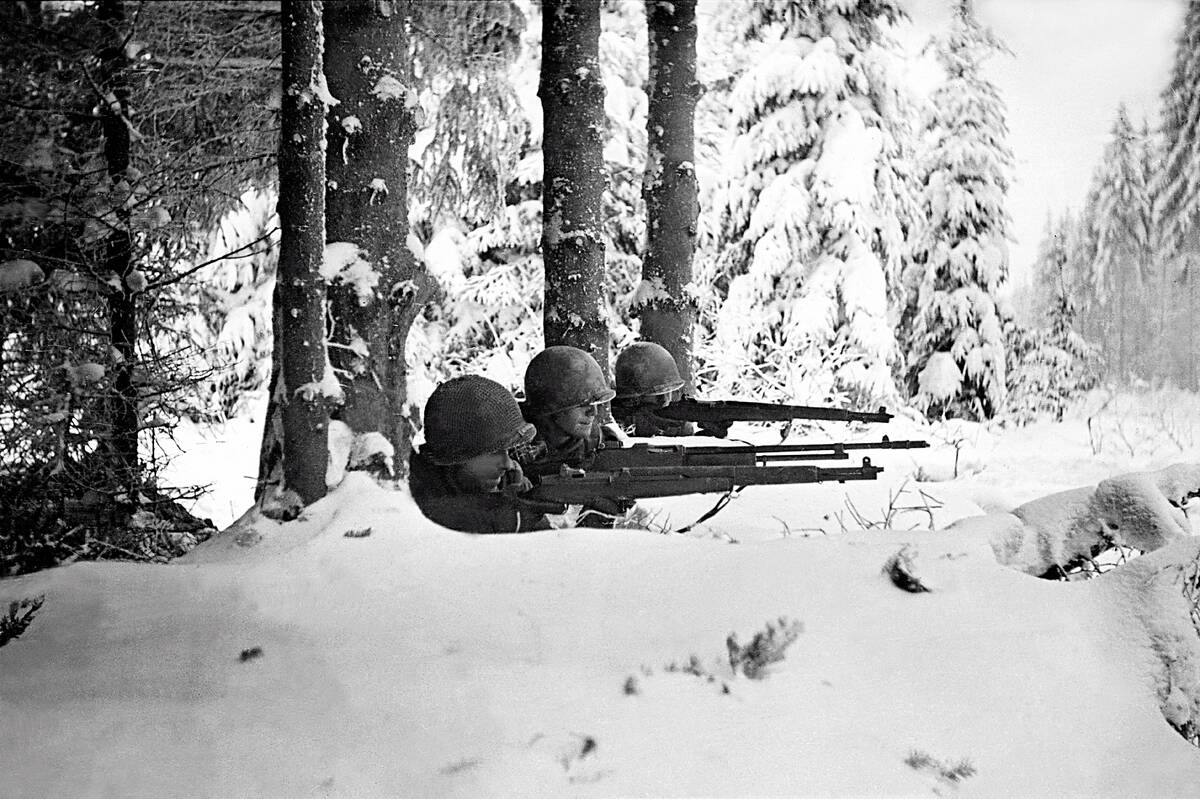
The Battle of the Bulge, fought in the winter of 1944-1945, was the last major German offensive on the Western Front during World War II. The surprise attack aimed to split the Allied forces and capture the vital port of Antwerp.
Despite initial successes, the Allies, led by General Dwight D. Eisenhower, eventually repelled the German advance. The battle was one of the largest and bloodiest of the war, demonstrating the resilience and determination of the Allied forces.
The Battle of Hastings
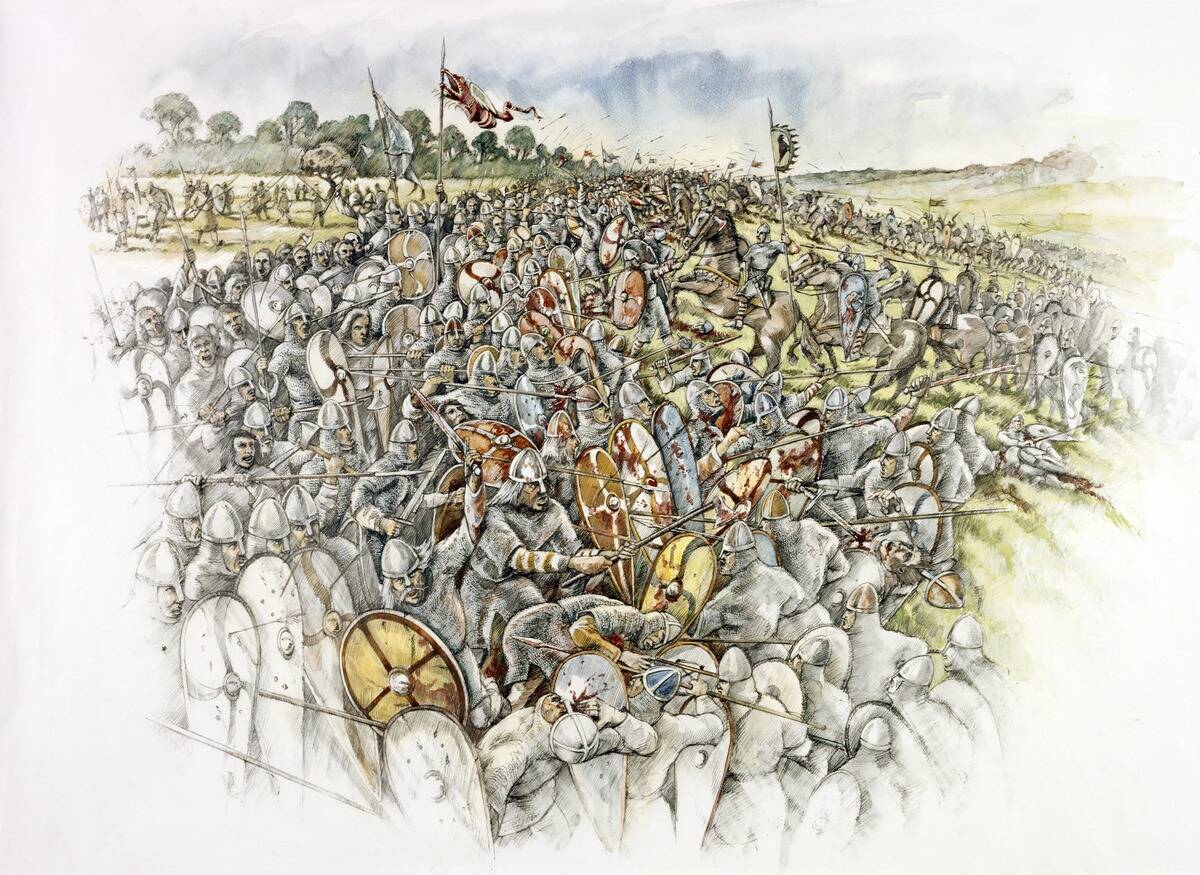
The Battle of Hastings, fought on October 14, 1066, was a decisive moment in English history. William, Duke of Normandy, defeated King Harold II’s forces, leading to the Norman conquest of England.
The battle, depicted in the famous Bayeux Tapestry, marked the end of Anglo-Saxon rule and the beginning of a new era under Norman leadership. This event reshaped the cultural and political landscape of England, influencing its development for centuries to come.
The Battle of Agincourt
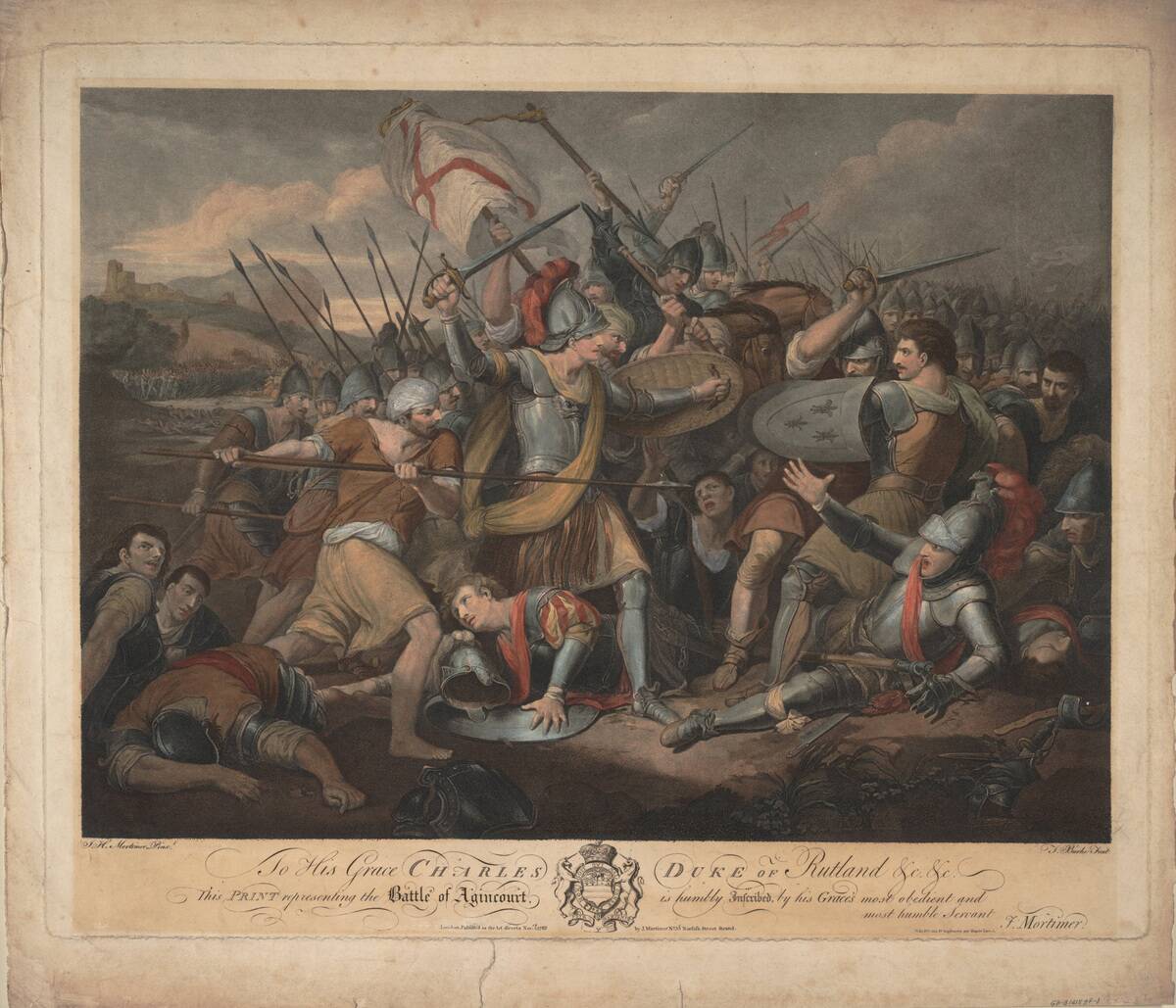
The Battle of Agincourt, fought on October 25, 1415, was a significant English victory during the Hundred Years’ War. King Henry V’s forces, though heavily outnumbered, defeated the French army through superior tactics and the effective use of longbowmen.
The battle demonstrated the importance of discipline and strategy, solidifying Henry V’s reputation as a formidable military leader. Agincourt became a symbol of English tenacity and courage, celebrated in Shakespeare’s play “Henry V.”
The Battle of Midway
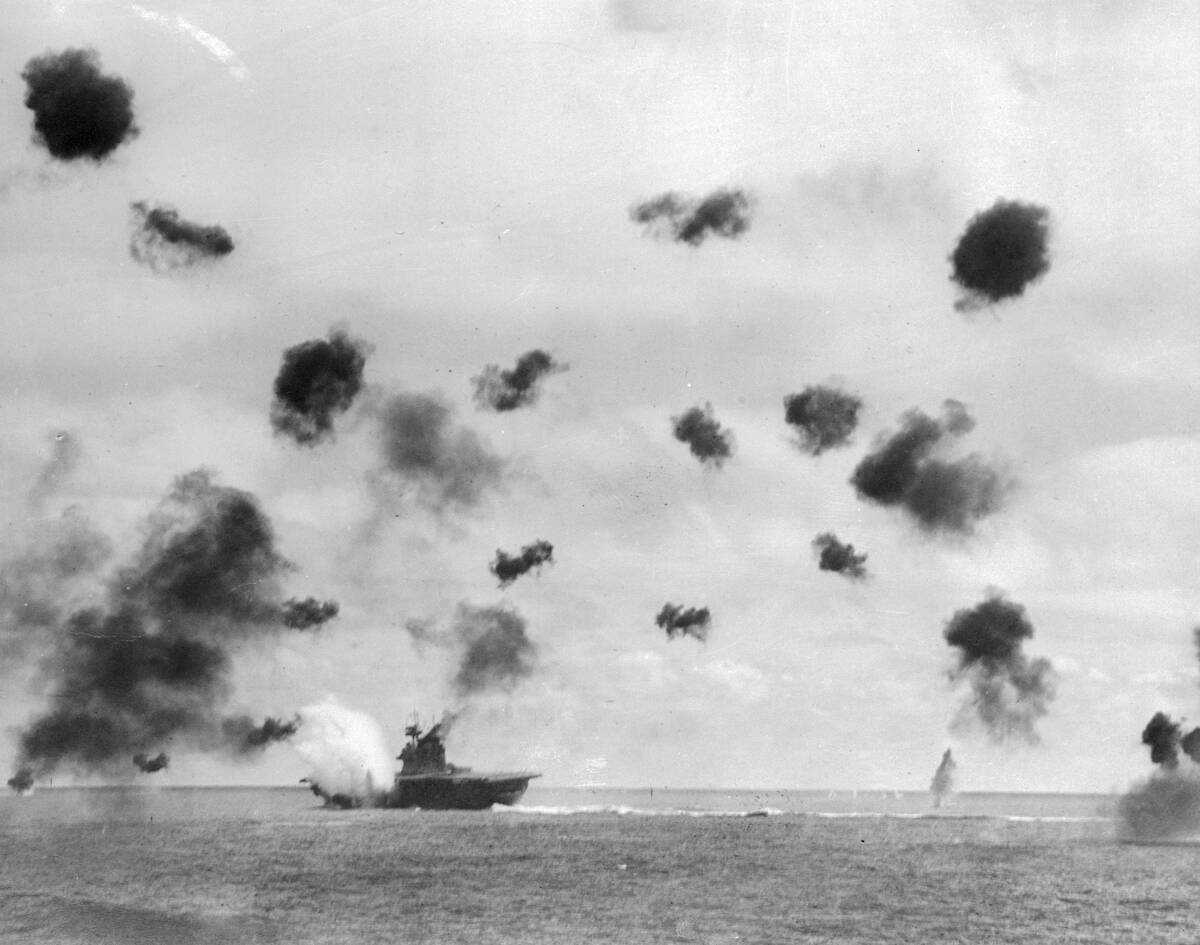
The Battle of Midway, fought in June 1942, was a crucial turning point in the Pacific Theater of World War II. The United States Navy, led by Admirals Chester Nimitz and Raymond Spruance, faced off against the Japanese fleet.
Through intelligence breakthroughs and strategic planning, the U.S. forces achieved a decisive victory, sinking four Japanese aircraft carriers. This battle shifted the balance of power in the Pacific, paving the way for Allied offensives and eventual victory over Japan.




