Famous rulers who died in unusual ways
History is filled with tales of rulers who met their ends in the most unexpected and bizarre ways. From accidents to assassinations, these stories are as fascinating as they are peculiar.
Join us as we explore the strange and often tragic demises of some of history’s most notable rulers, each with a tale that seems stranger than fiction.
The Unfortunate End of King Edward II: A Tale of Red-Hot Poker
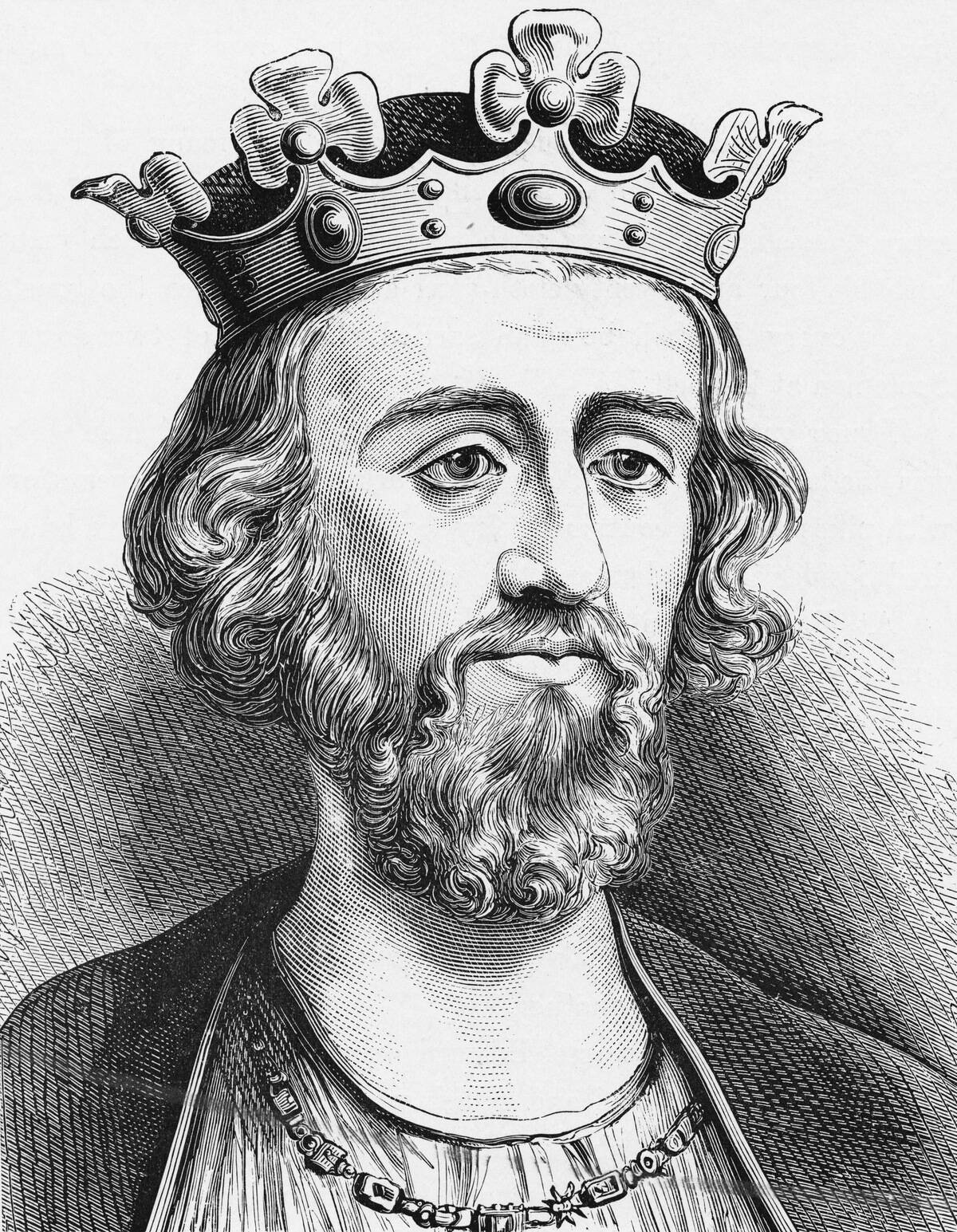
King Edward II of England is remembered not just for his reign but for his mysterious demise. In 1327, he was imprisoned at Berkeley Castle and reportedly died there on September 21. Later accounts claimed that he was murdered with a red-hot iron inserted into his body, supposedly leaving no outward marks.
However, this story lacks strong contemporary evidence, and many modern historians question or reject it. The circumstances of Edward’s death remain debated, reflecting the political turmoil surrounding his deposition.
Queen Sunandha Kumariratana’s Tragic Boat Accident
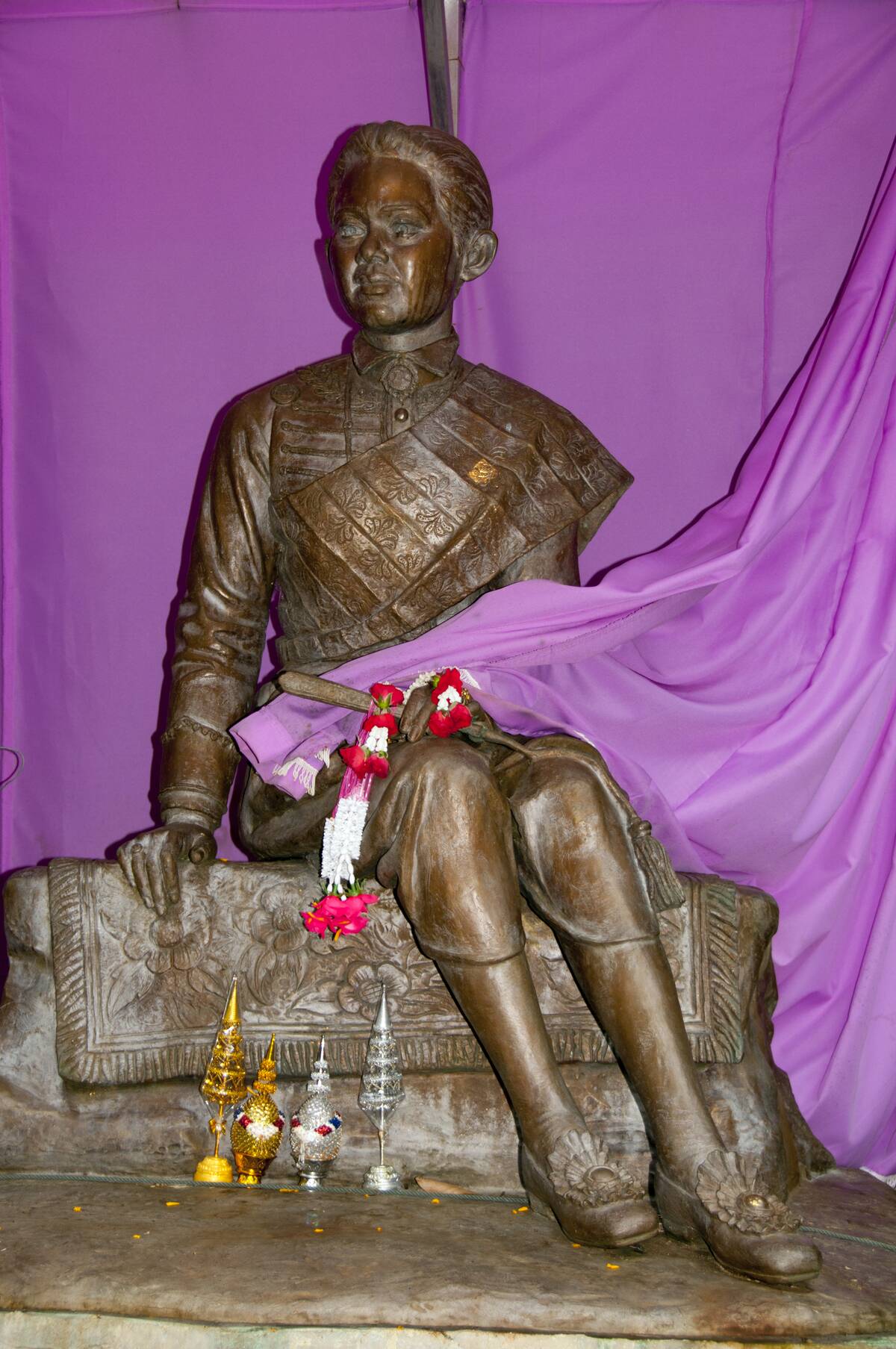
Queen Sunandha Kumariratana of Siam met a tragic end in 1880 when her royal boat capsized on the Chao Phraya River.
Despite being within sight of the palace, she drowned because bystanders were forbidden by law from touching the queen, even to save her life. This incident highlighted the rigid adherence to royal protocol, even at the cost of a life.
The Mysterious Death of King Eglon: A Biblical Assassination
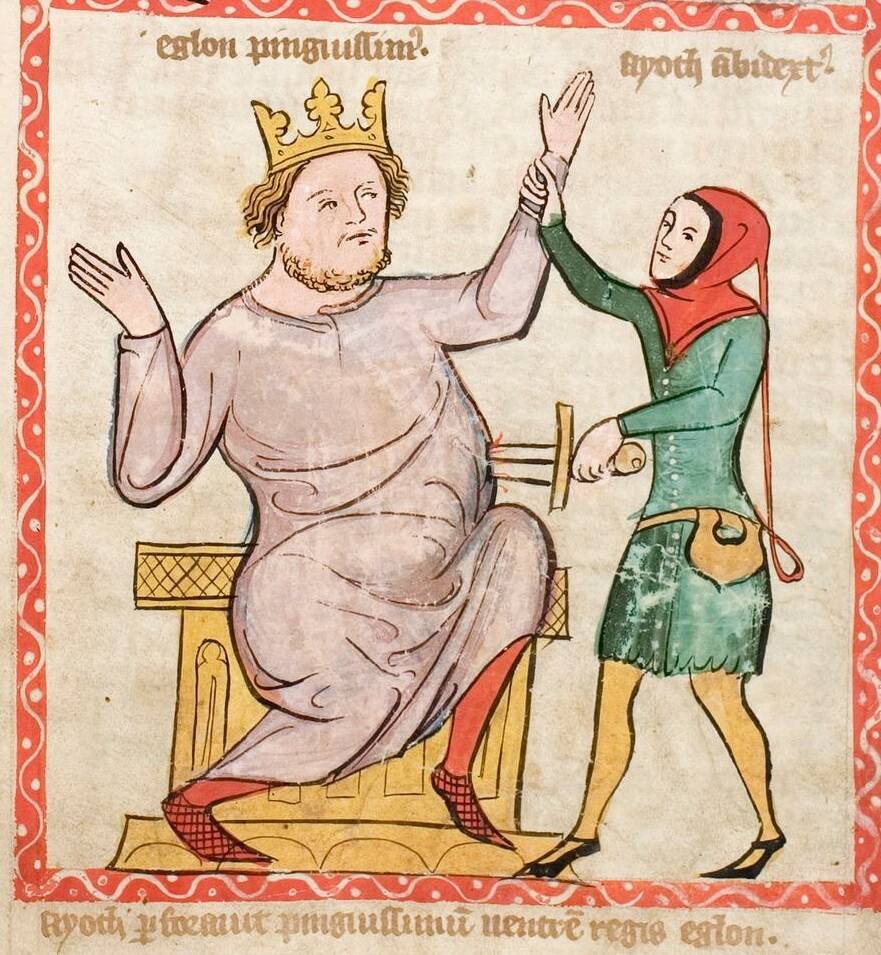
King Eglon of Moab’s death is one of the more dramatic stories from the Bible. According to the Book of Judges, he was assassinated by Ehud, a left-handed Israelite.
Ehud concealed a double-edged sword on his right thigh and plunged it into Eglon’s belly during a private meeting. The tale is not just a story of assassination but a reflection of cunning and bravery.
Emperor Qin Shi Huang and the Quest for Immortality
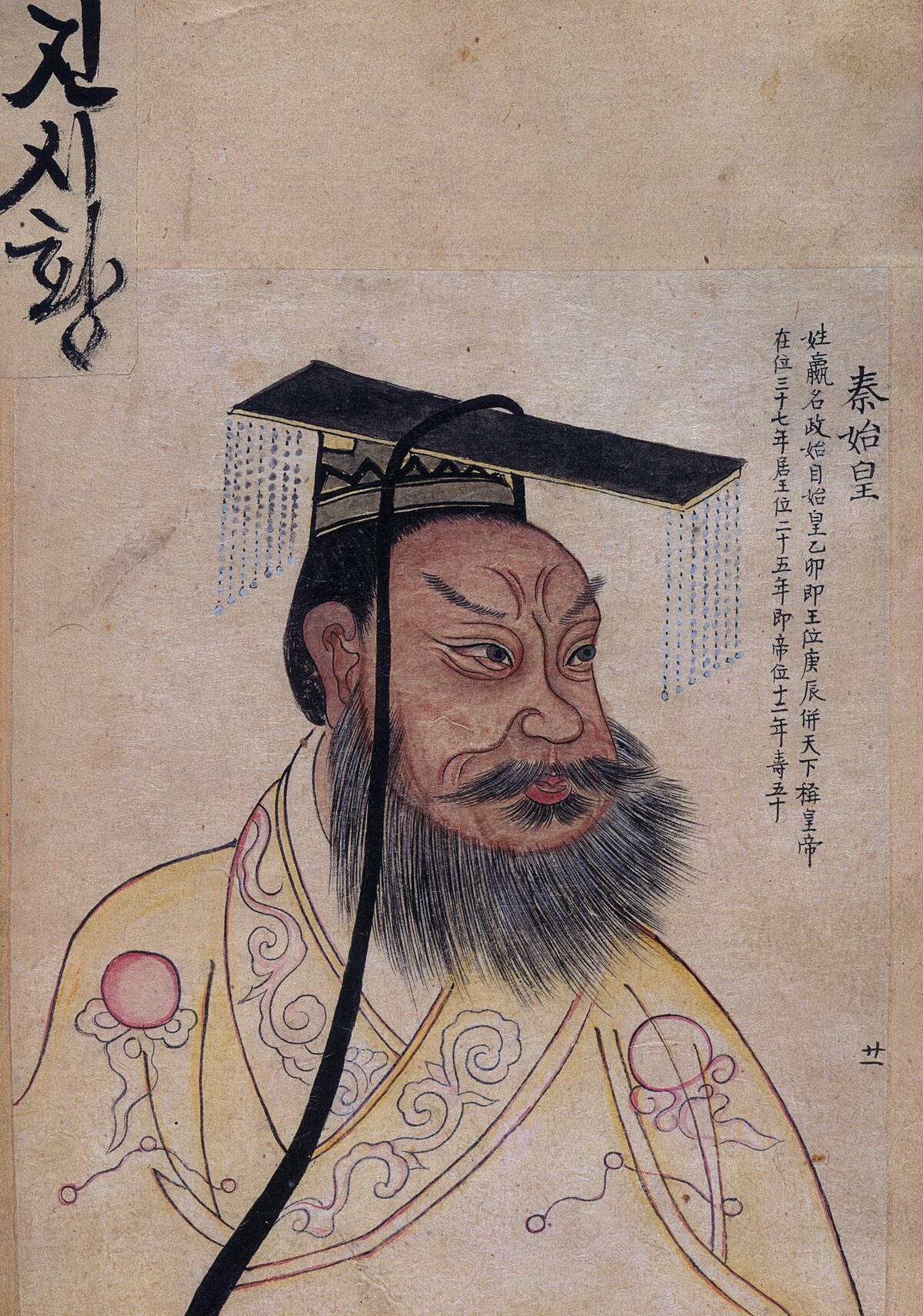
Qin Shi Huang, the first emperor of a unified China, was deeply concerned with mortality. His quest for immortality led him to seek elixirs that reportedly contained mercury. He died in 210 BCE, and mercury poisoning has been proposed as a possible cause, although his exact cause of death remains unknown.
Qin Shi Huang’s life and death illustrate the lengths to which rulers have gone in their attempts to overcome the inevitability of death.
The Curious Case of King Alexander of Greece: A Royal Monkey Bite
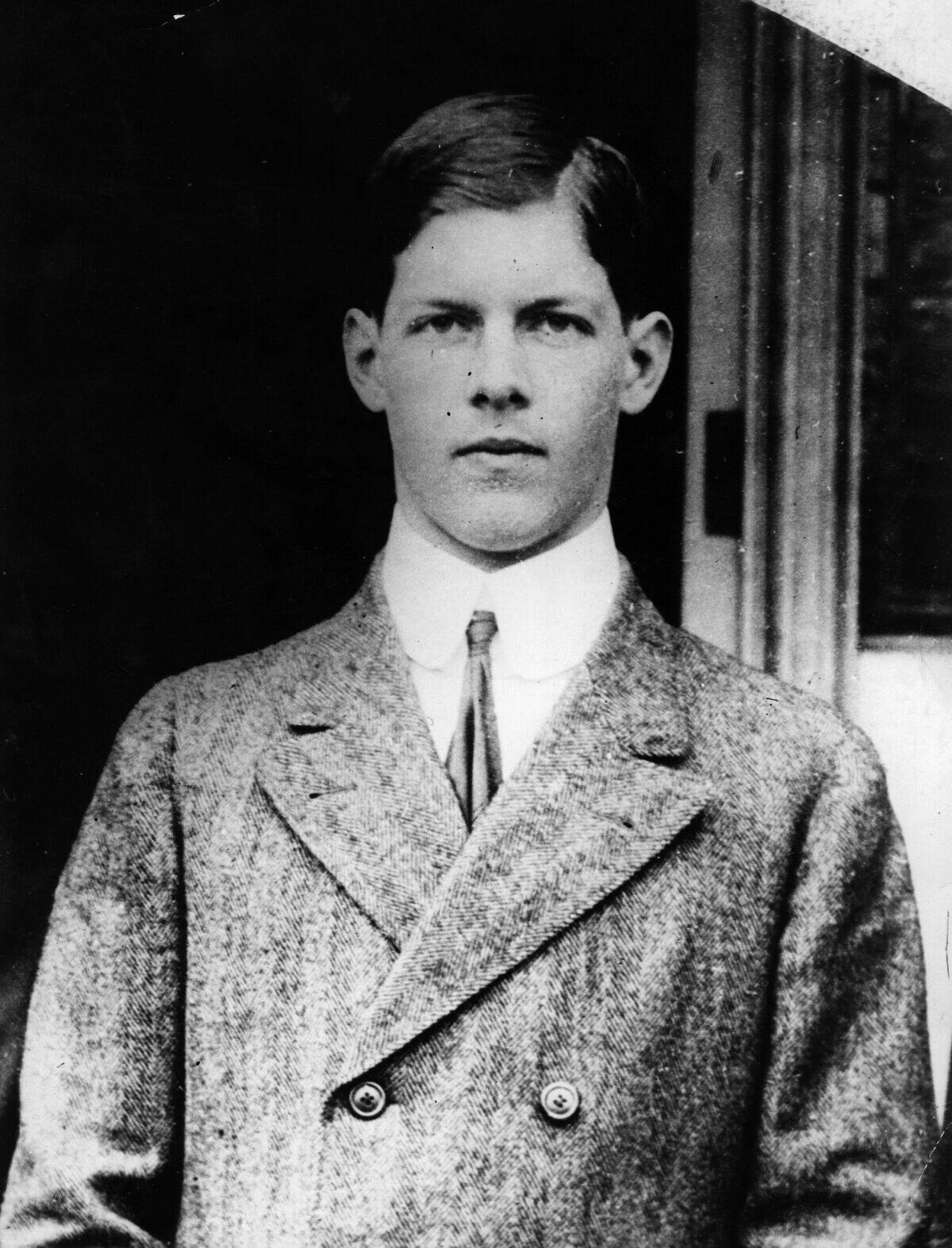
King Alexander of Greece died in 1920 after being bitten by a domestic monkey while trying to intervene when monkeys attacked his dog. The wounds became infected, leading to sepsis and ultimately his death on October 25.
His death had significant political repercussions, contributing to the defeat of Prime Minister Eleftherios Venizelos in the November elections and the restoration of his father, Constantine I, to the Greek throne. The unusual incident had consequences far beyond the original accident.
Pharaoh Cleopatra VII: The Enigmatic Serpent’s Kiss
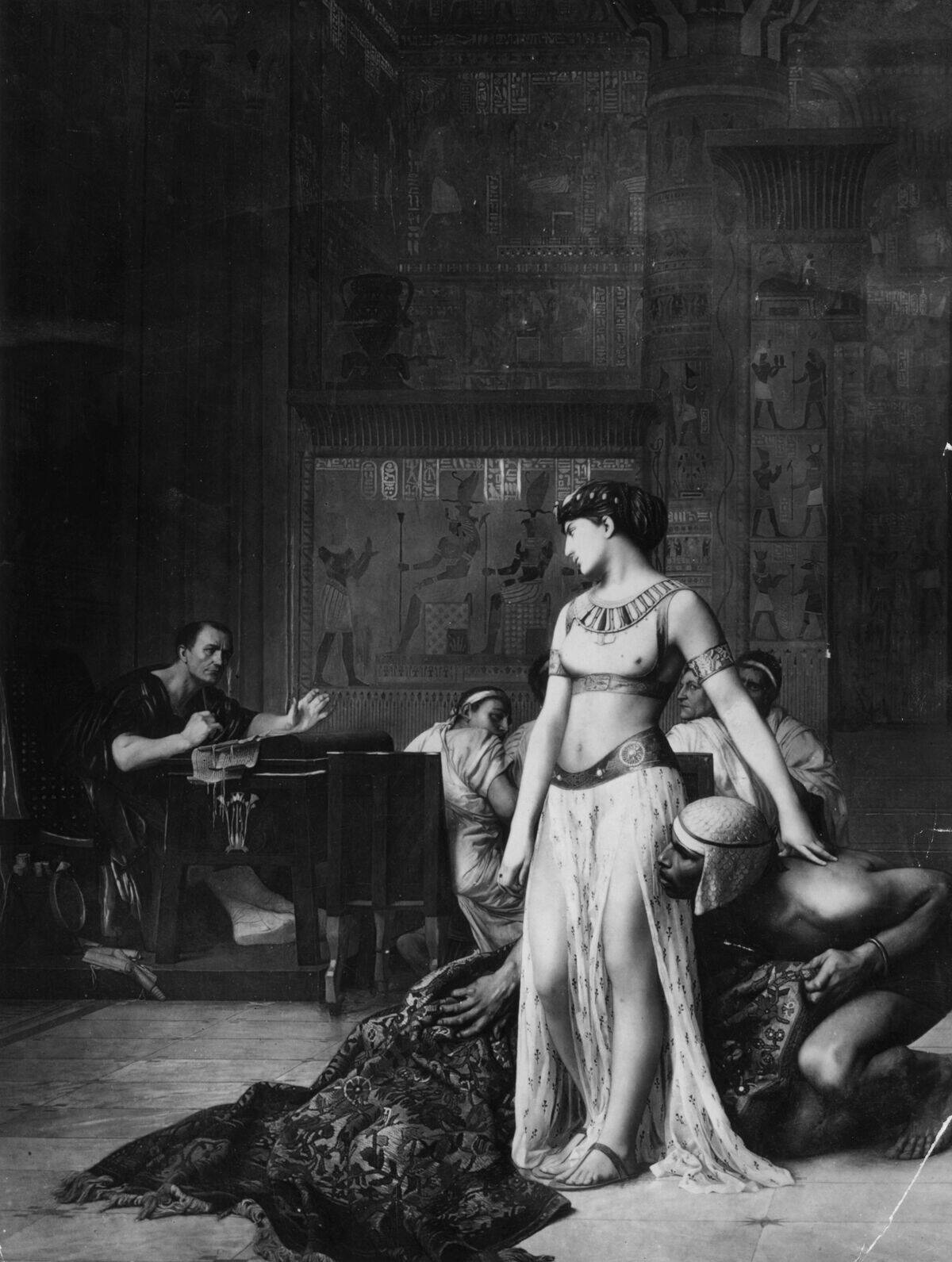
Cleopatra VII’s death is shrouded in mystery and legend. According to the traditional account, she died by allowing an asp, a venomous snake, to bite her in 30 BCE. However, ancient sources offered different explanations for her death, and its exact cause remains uncertain.
Cleopatra appears to have chosen suicide rather than face capture by Octavian and being displayed in a Roman triumph, although her precise motivations are unknown. Her death has continued to captivate historians and the public for centuries.
The Strange Demise of King Adolf Frederick of Sweden: Death by Dessert
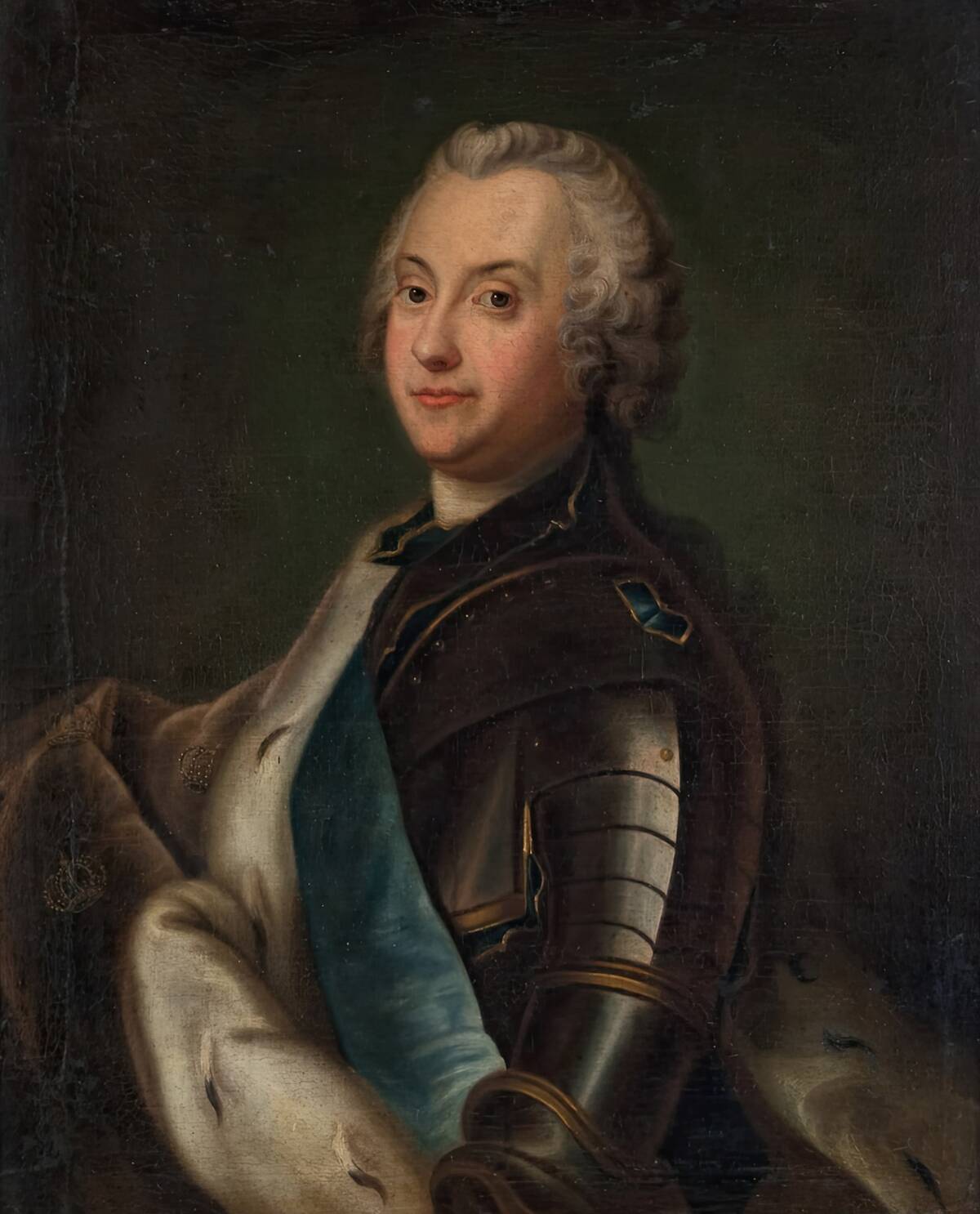
King Adolf Frederick of Sweden is humorously remembered as the monarch who supposedly ate himself to death. In 1771, after consuming a lavish meal that included lobster, caviar, and semla served in hot milk, he died suddenly.
Contemporary doctors attributed his death to a stroke, although the enormous meal helped inspire the enduring legend that he had overeaten himself to death. His unusual final meal has made him one of history’s most memorable examples of royal indulgence.
King Bela I of Hungary: The Throne That Sealed His Fate
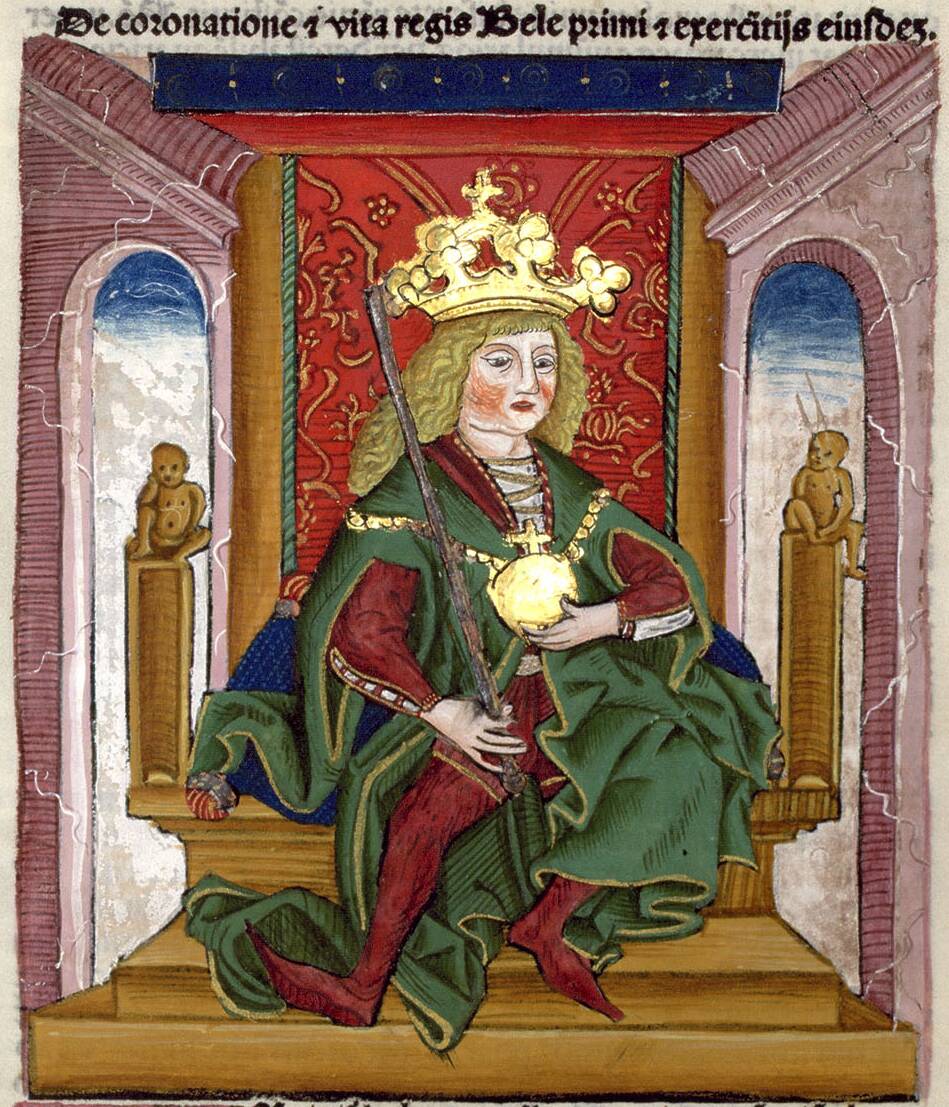
King Béla I of Hungary met an unusual end in 1063 when a structure at his royal estate in Dömös collapsed, seriously injuring him. The incident occurred while Béla was preparing to defend his kingdom against a German invasion supporting his rival, Solomon.
He survived the accident but died from his injuries on September 11, 1063, while being transported toward the western frontier. Although some modern speculation has suggested sabotage, contemporary sources provide no evidence of an assassination plot.
The Fatal Feast of King Henry I of England: A Surfeit of Eels
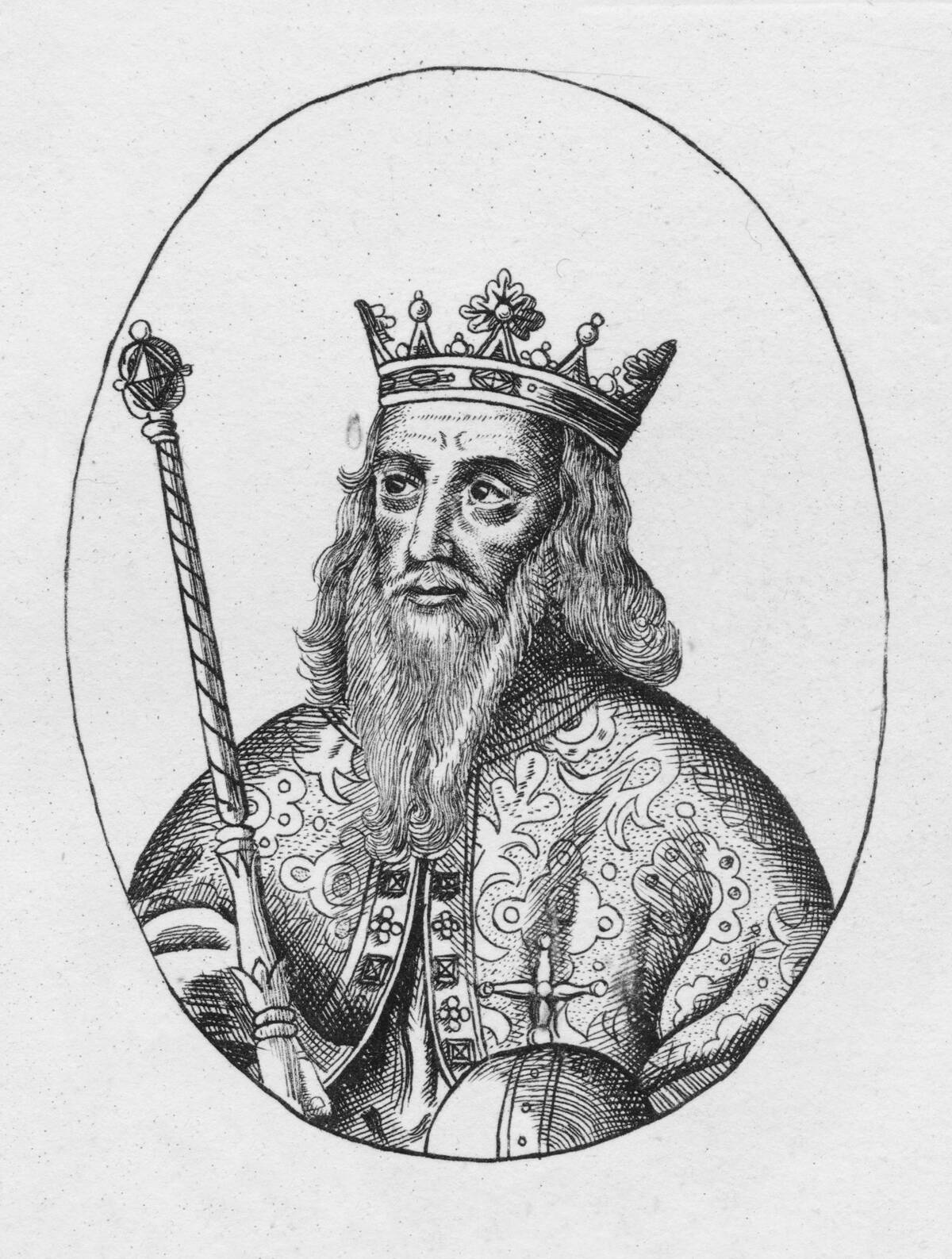
King Henry I of England’s death in 1135 is traditionally attributed to a “surfeit of lampreys.” According to the chronicler Henry of Huntingdon, Henry ate too many lampreys despite his physician’s advice and subsequently fell ill.
He died on December 1, 1135. However, the exact cause of his death remains uncertain, and modern medical analysis suggests that lampreys were unlikely to have caused it. The enduring story nevertheless remains one of the more unusual accounts of a medieval king’s death.
The Peculiar Passing of Emperor Valerian: A Human Footstool’s End
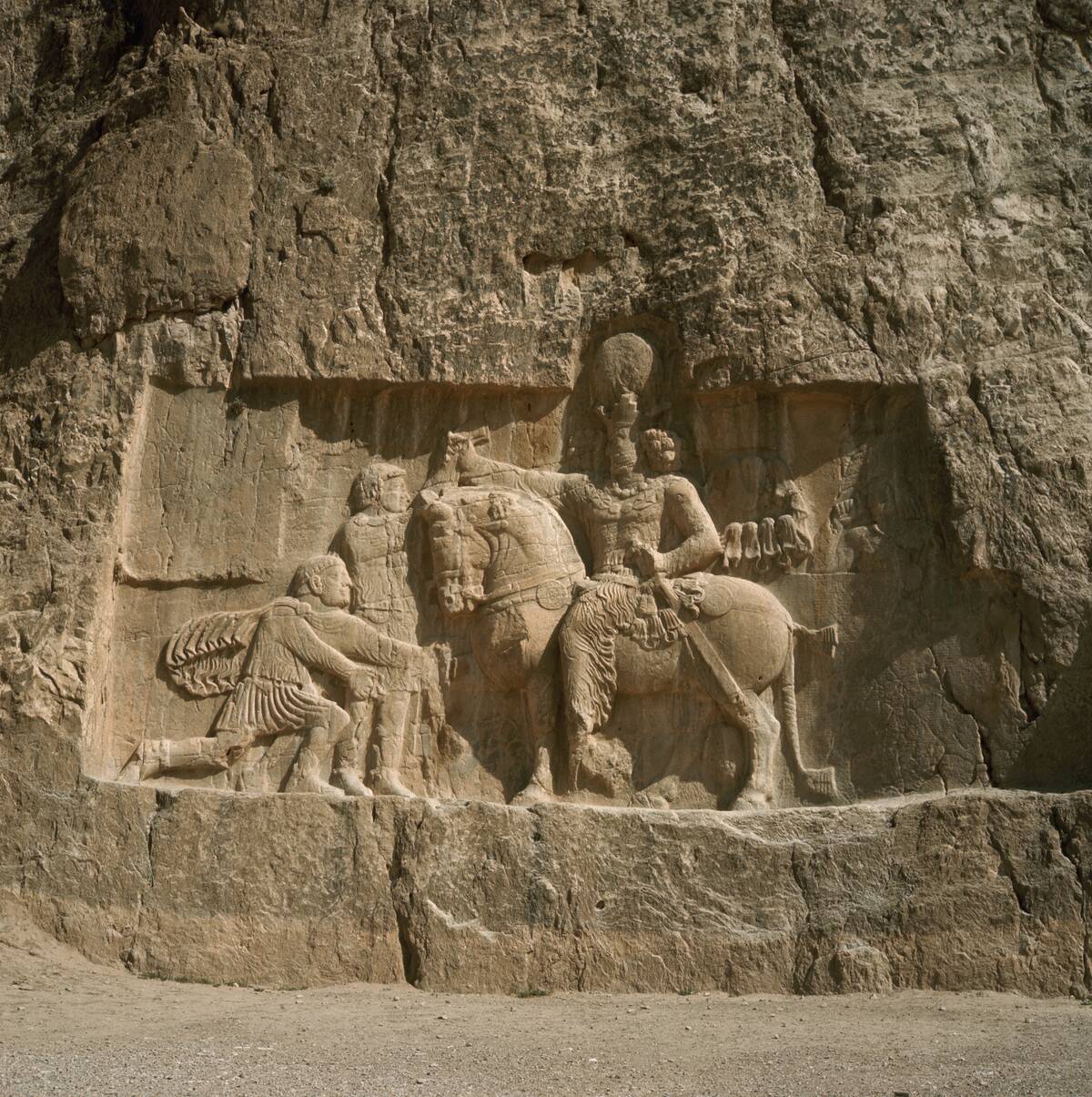
Emperor Valerian’s capture by the Persian King Shapur I in 260 CE led to one of the most humiliating episodes in Roman history. According to the Christian writer Lactantius, Valerian was forced to serve as a human footstool when Shapur mounted his horse. However, this account is disputed, and other sources describe his captivity differently.
Valerian died in Persian captivity, but the circumstances of his death remain uncertain. His capture nevertheless represented a major humiliation for the Roman Empire and demonstrated the power of Shapur’s Sasanian forces.
King Charles VIII of France: A Fatal Encounter with a Doorframe
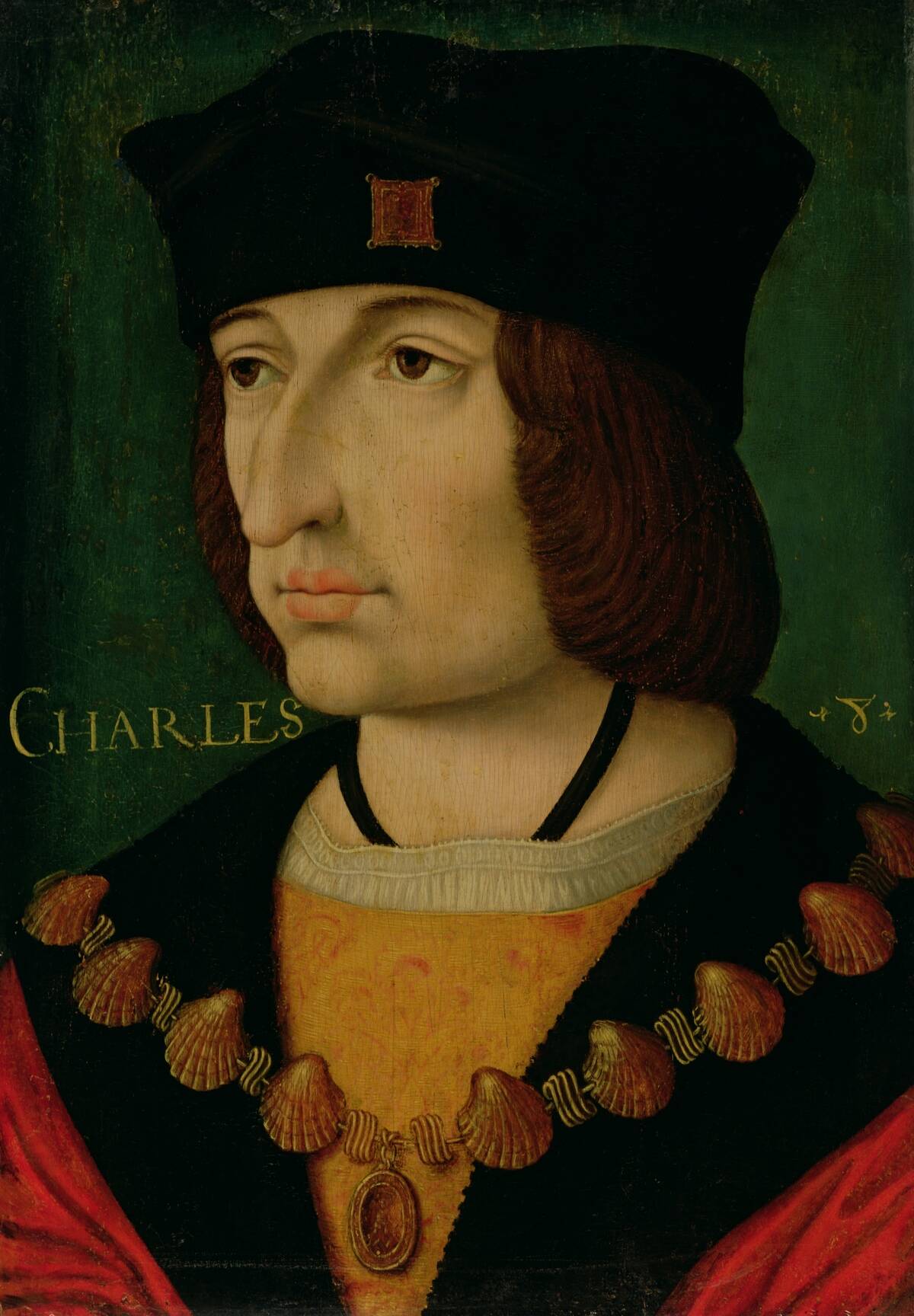
King Charles VIII of France died in 1498 after striking his head on the low lintel of a door at the Château d’Amboise. The accident occurred as he was heading to watch a game of jeu de paume, an early form of real tennis.
He initially remained conscious and watched the match, but later collapsed and became unable to speak. He died about nine hours later. Although traditionally attributed to the head injury, the exact medical cause of his death remains uncertain.
The Unlucky Fate of King Edmund Ironside: A Treacherous Restroom Ambush
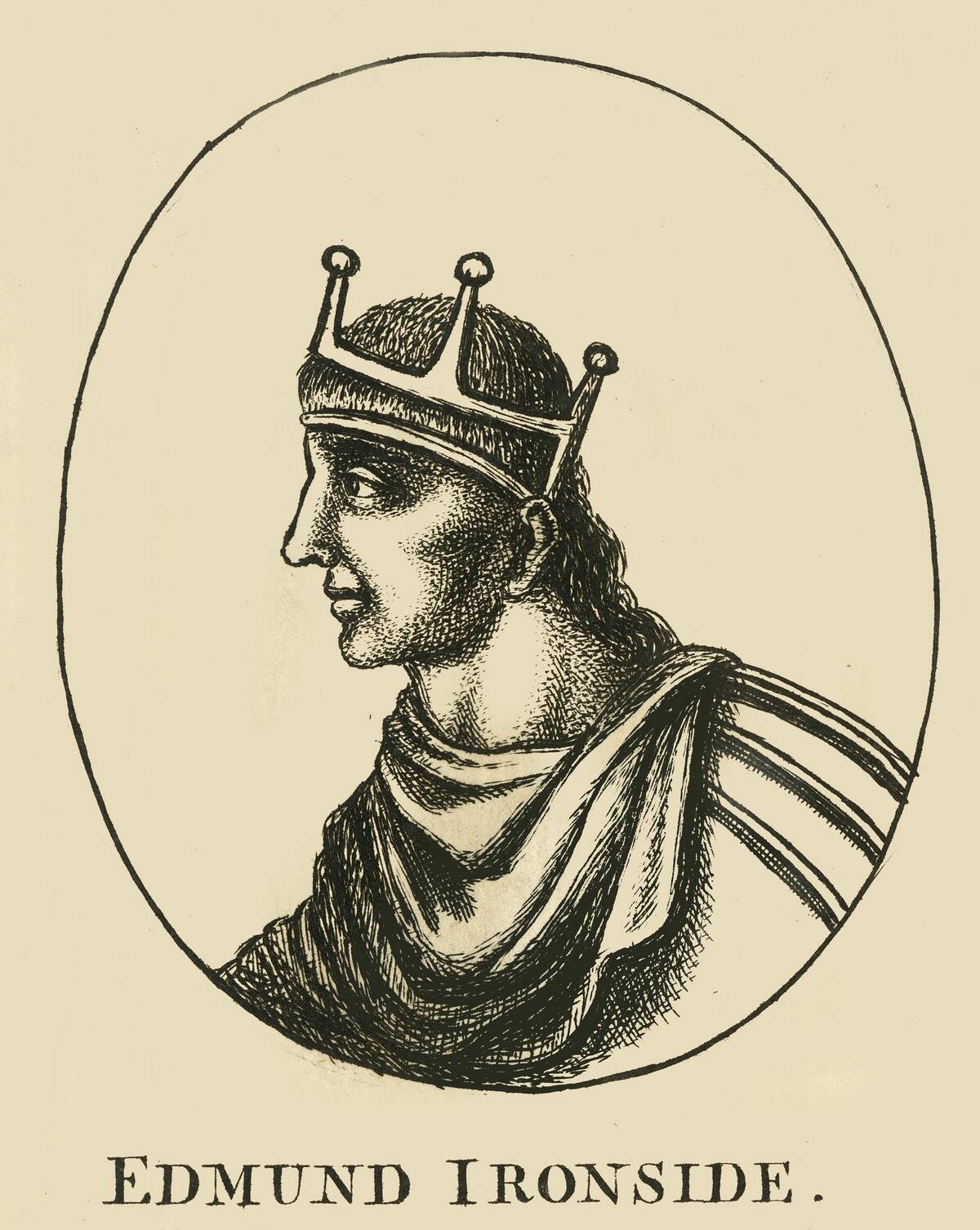
King Edmund Ironside of England died in 1016 under mysterious circumstances. Later medieval accounts claimed that he was murdered while using a privy, with one version describing an assassin hiding in the cesspit and stabbing him from below.
However, contemporary sources do not indicate that Edmund was murdered, and other later accounts claimed he was poisoned. Historians therefore remain uncertain about the cause of his death, which occurred on November 30, 1016, shortly after he and Cnut agreed to divide the English kingdom.
The Bizarre Death of King James II of Scotland: A Cannon Explosion Gone Wrong
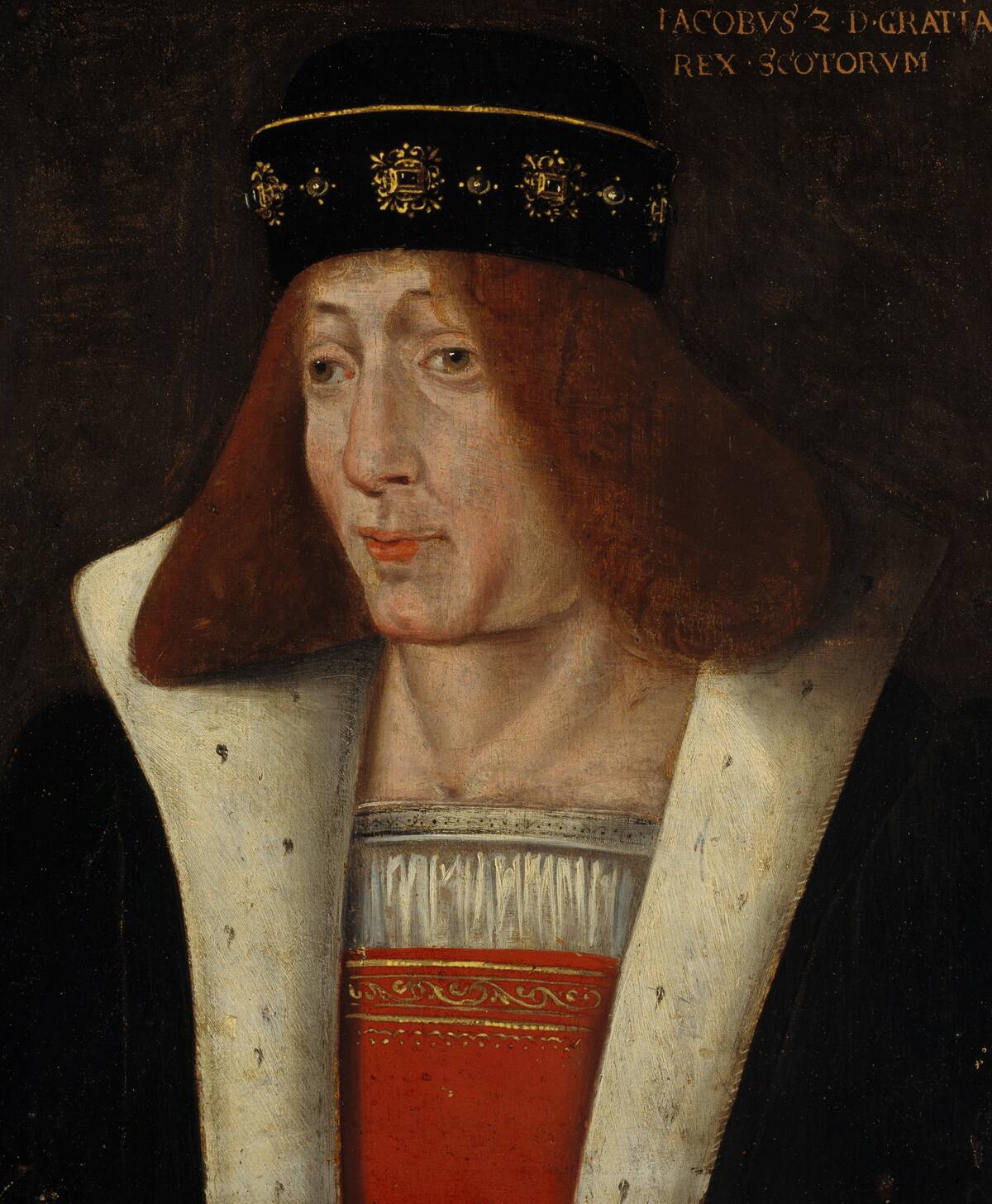
King James II of Scotland died in 1460 during the siege of Roxburgh Castle. On August 3, he was standing near one of his cannons when he ordered it to be fired. The cannon exploded, fatally injuring him.
The weapon, reportedly a Flemish bombard, burst under the strain of firing. His death illustrates the dangers of early artillery, which was still unreliable and could pose serious risks to those operating or standing near the weapons.
Emperor Commodus: A Gladiator’s End for the Roman Ruler
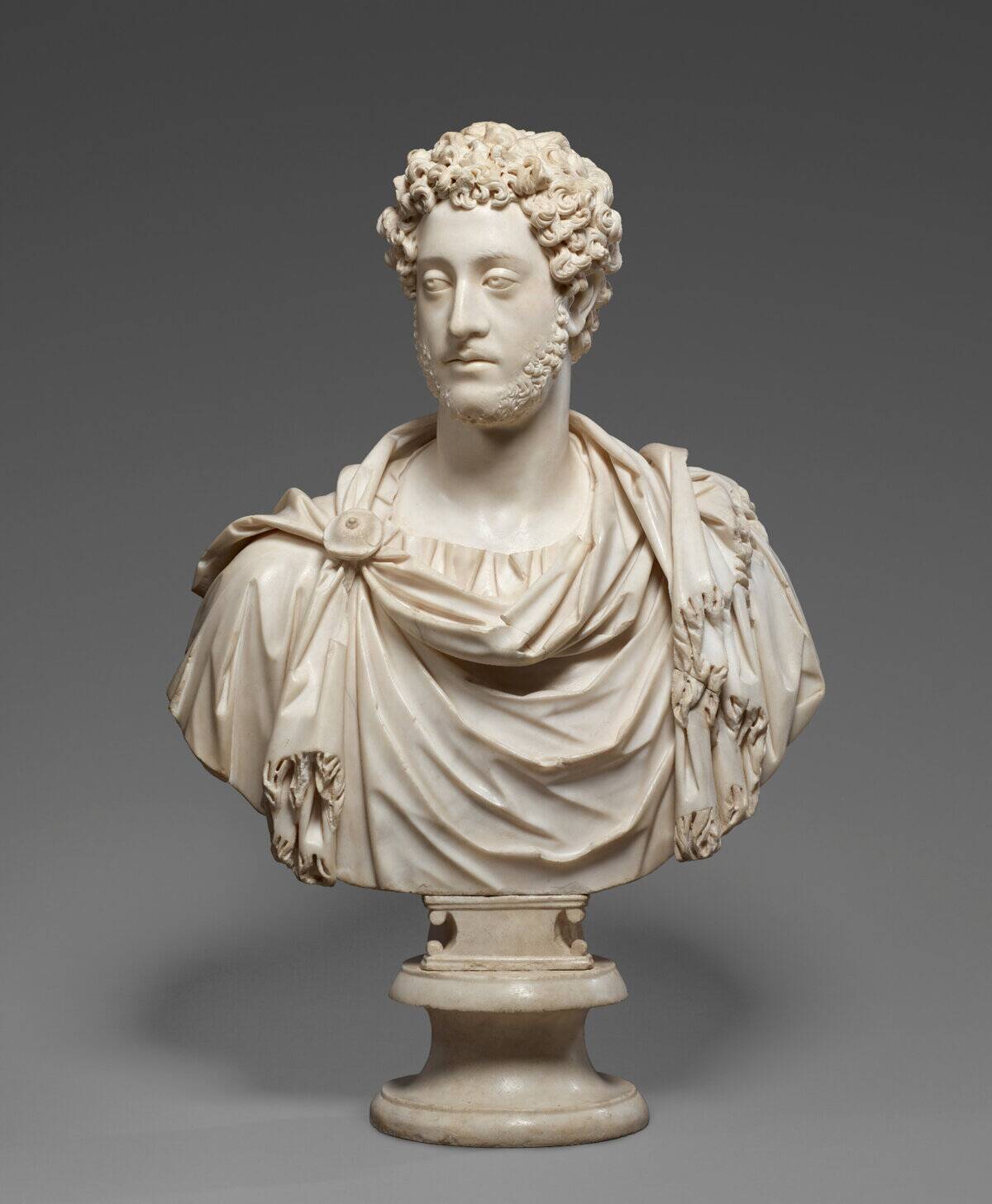
Emperor Commodus, known for his erratic behavior and participation in gladiatorial combat, met his end in 192 CE. After facing several conspiracies against his life, he was ultimately poisoned and then strangled by a wrestler named Narcissus on December 31.
Commodus’s death marked the end of the Nerva–Antonine dynasty and was followed by a period of political turmoil known as the Year of the Five Emperors. His assassination demonstrated the growing instability surrounding imperial succession.
The Tragic Demise of King William II of England: A Hunting “Accident”
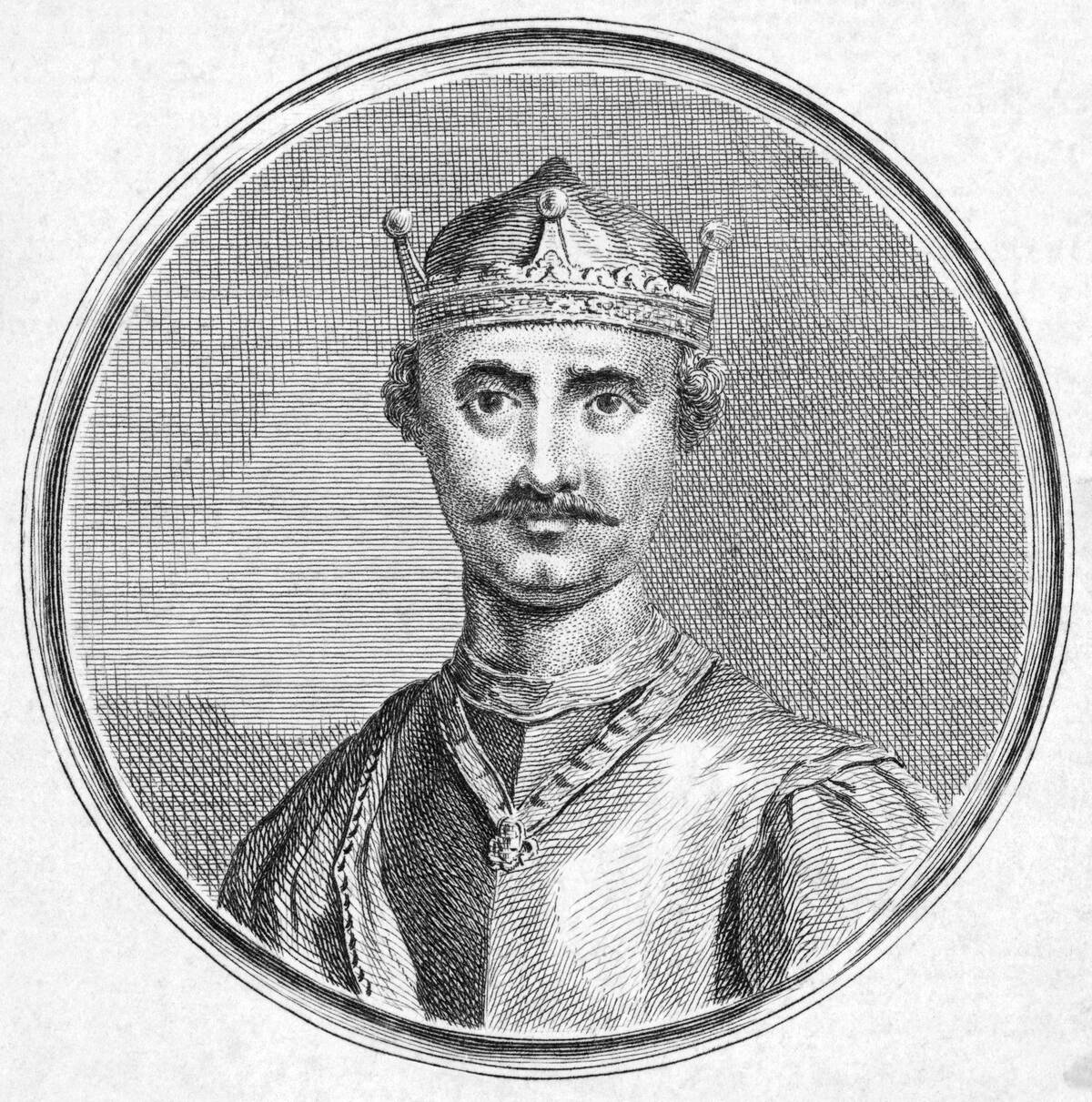
King William II of England, also known as William Rufus, died in 1100 during a hunting expedition in the New Forest. He was struck by an arrow, which later chroniclers attributed to the nobleman Walter Tirel. The earliest accounts describe the shooting as an accident, but Tirel’s role and the circumstances of William’s death have remained disputed.
Some have suggested that his death was an assassination connected to his younger brother Henry’s succession, although most modern historians consider an accidental shooting more likely. William’s death remains one of medieval England’s enduring historical mysteries.
The Unusual Exit of King Louis III of France: A Horse and a Low Doorway
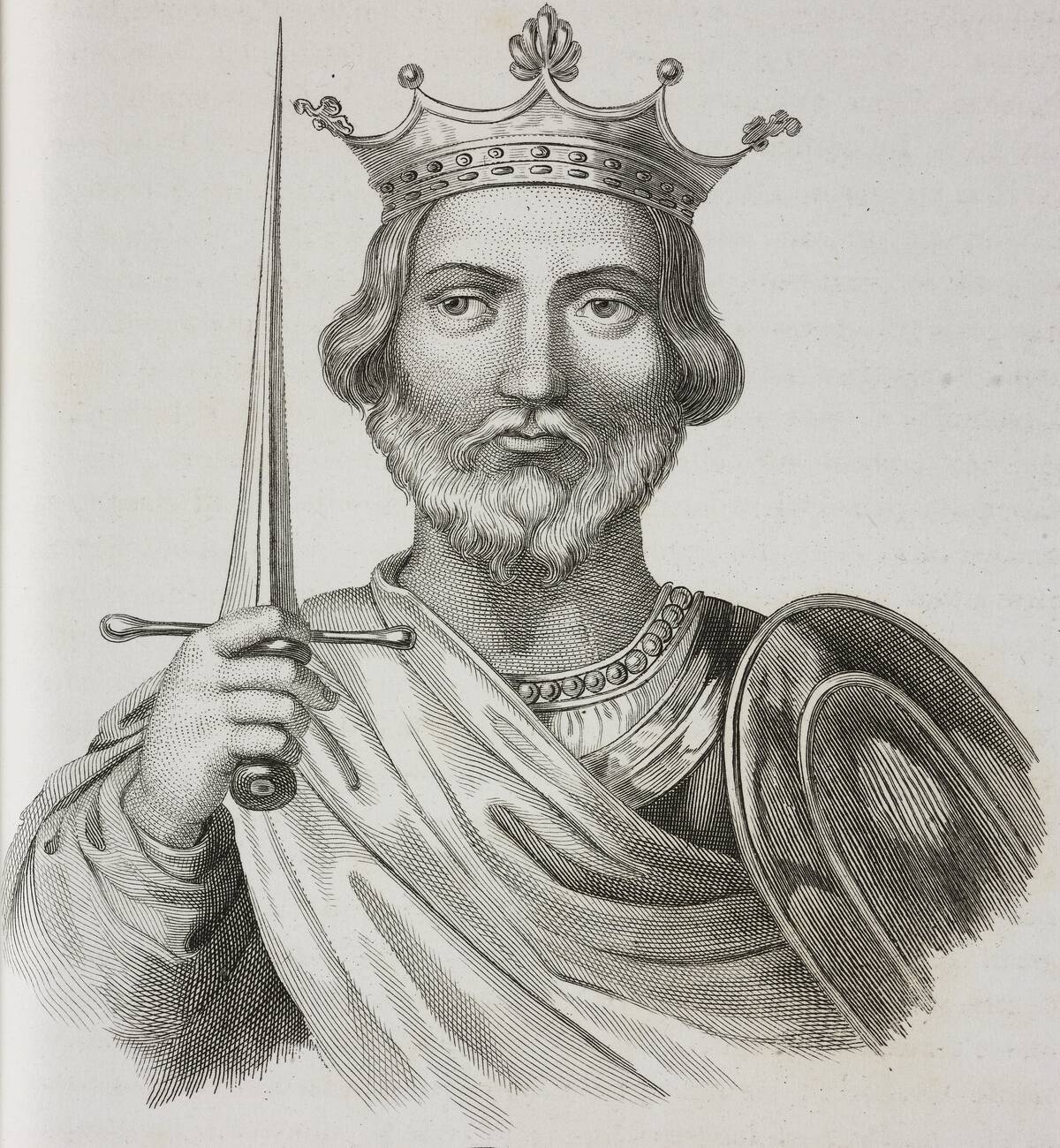
King Louis III of West Francia died in 882 after an unusual accident described in medieval chronicles. According to the Annals of Saint-Vaast, the young king was pursuing a girl named as the daughter of Germund when he struck his shoulders against the upper part of a doorway while riding his horse.
He was injured and subsequently became ill, dying on August 5, 882. Although this account has become associated with his death, other sources give different explanations, leaving the exact circumstances uncertain.
The Untimely Death of King Pyrrhus of Epirus: A Roof Tile’s Revenge
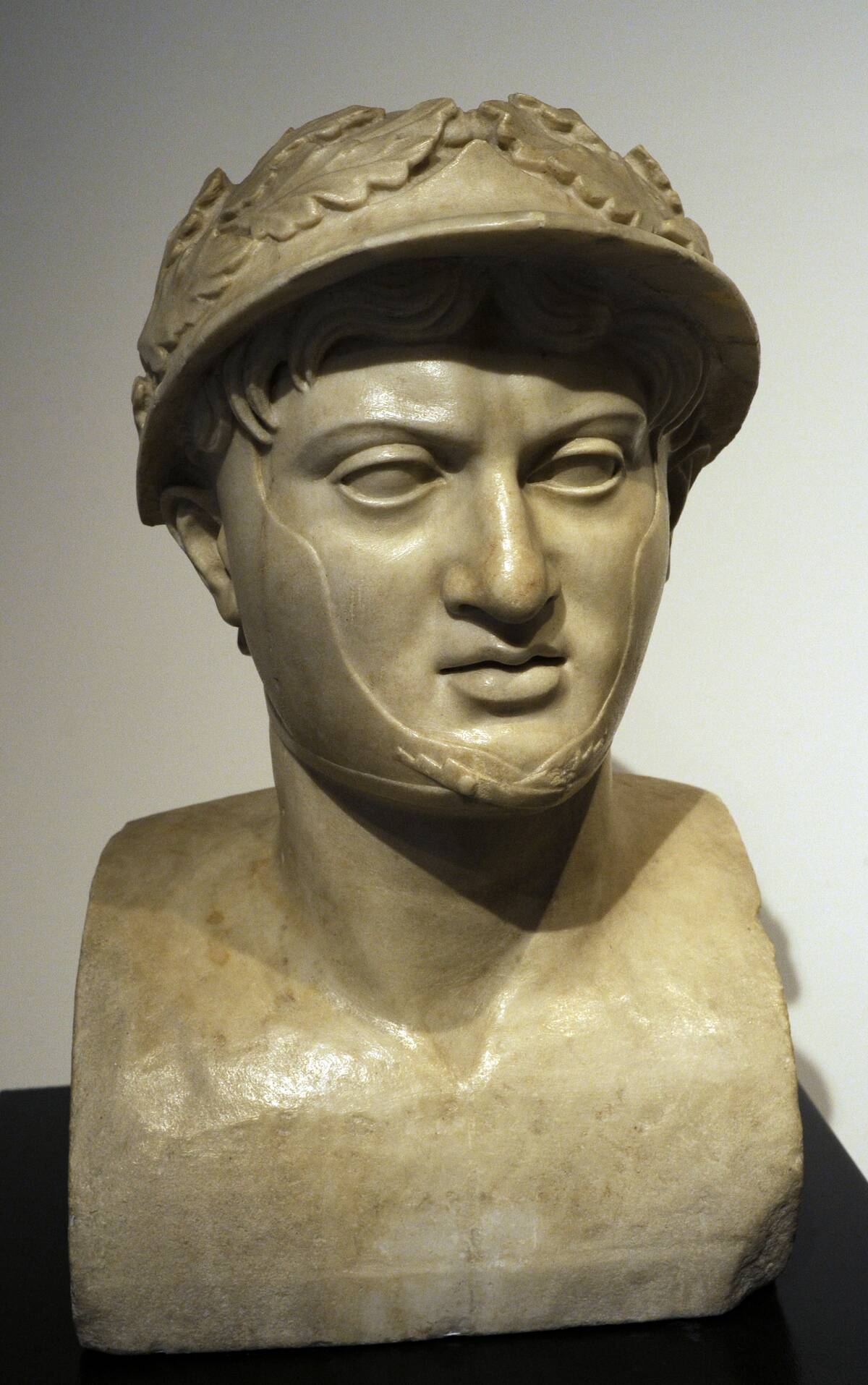
King Pyrrhus of Epirus, known for his costly military victories, died in 272 BCE during fighting in Argos. According to Plutarch, he was wounded by a spear before an old woman watching from a rooftop threw a roof tile that struck his head and stunned him.
Pyrrhus fell from his horse and was subsequently beheaded by a Macedonian soldier named Zopyrus. This unusual account has become one of the most memorable stories of an ancient ruler’s death.




