Foods that went from cheap to expensive delicacies
Throughout history, many foods that were once considered humble staples have undergone remarkable transformations, becoming luxurious delicacies. This intriguing evolution often reflects changes in cultural perceptions, availability, and culinary innovation.
From the gritty beginnings of street food to the elegant plates of fine dining, these foods have captivated taste buds and wallets alike.
Lobster: From Prison Food to Gourmet Delight

Lobster, now synonymous with luxury, was once so abundant in New England that it was considered a poor man’s protein. In fact, it was often served to prisoners and indentured servants.
As transportation improved and lobster became less common, it transformed into a sought-after delicacy. Today, lobster is a staple at high-end restaurants, celebrated for its sweet, tender meat and often paired with butter for an indulgent treat.
Avocado: The Creamy Fruit That Took the World by Storm
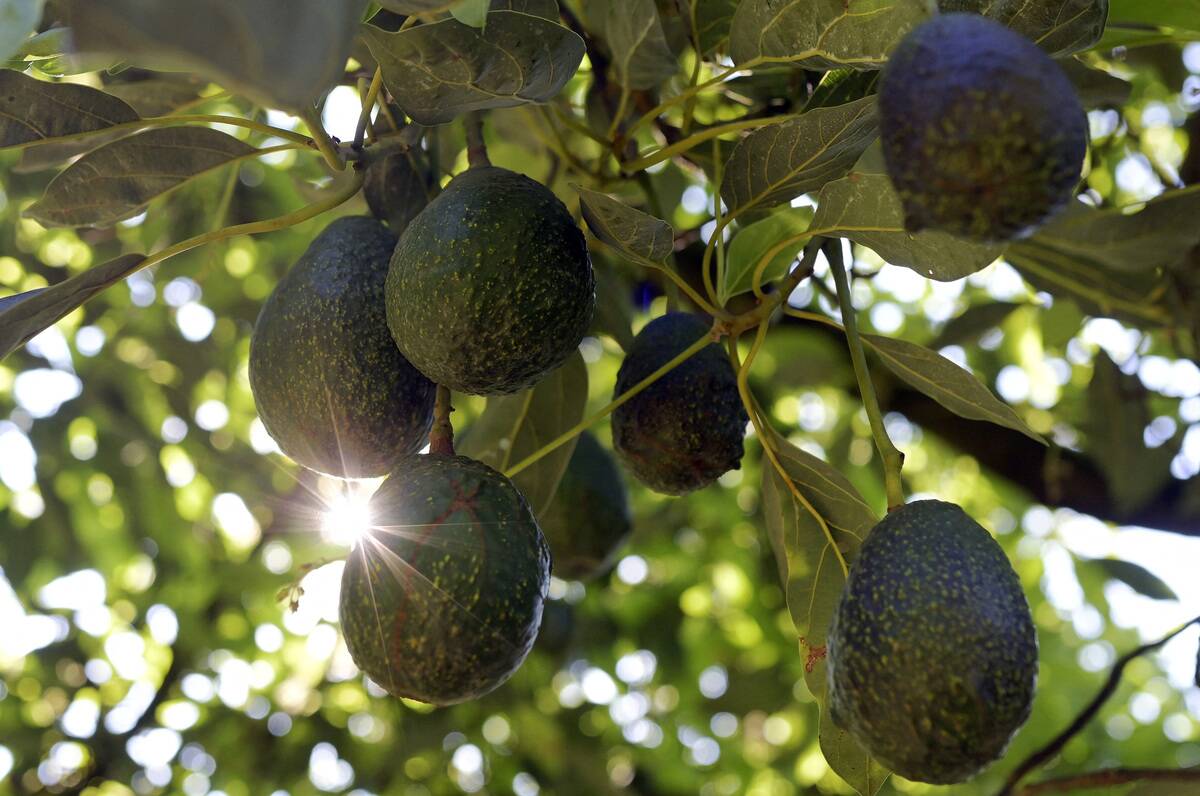
Avocados have surged in popularity over the past few decades, thanks in part to their rich, creamy texture and health benefits. Originally native to Central and South America, avocados were introduced to the U.S. in the early 20th century.
Their rise to fame was fueled by the growing popularity of guacamole and the avocado toast trend. Today, avocados are a staple in many diets, celebrated for their healthy fats and versatility in both sweet and savory dishes.
Sushi: From Street Food to High-End Cuisine
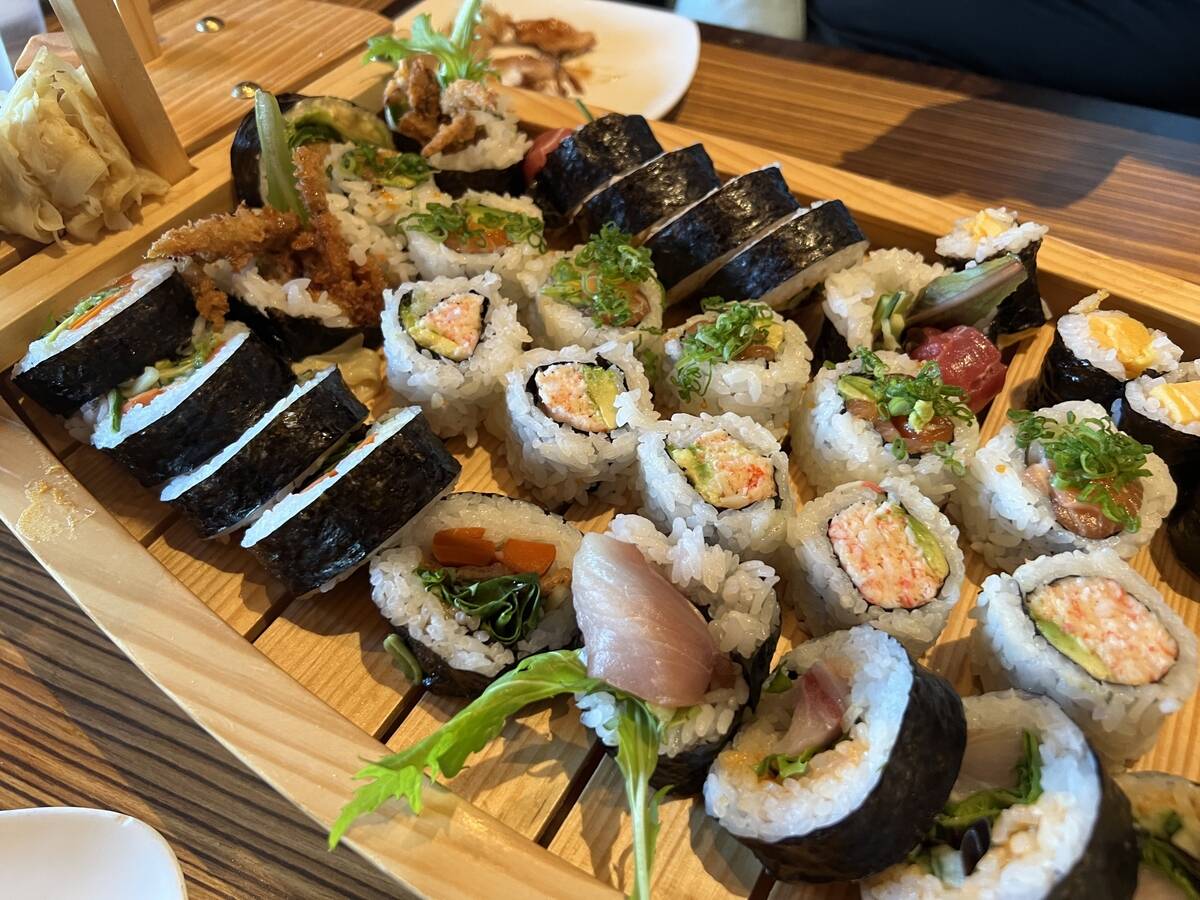
Sushi, now a symbol of culinary sophistication, began as a simple street food in Japan. Originally, it was a method of preserving fish by fermenting it with rice. Over time, sushi evolved into the fresh, delicate dish we know today, featuring vinegared rice and a variety of fresh ingredients.
The global sushi craze has elevated it to high-end dining, with sushi chefs regarded as skilled artisans crafting exquisite edible art.
Oysters: Once a Poor Man’s Meal, Now a Luxurious Treat
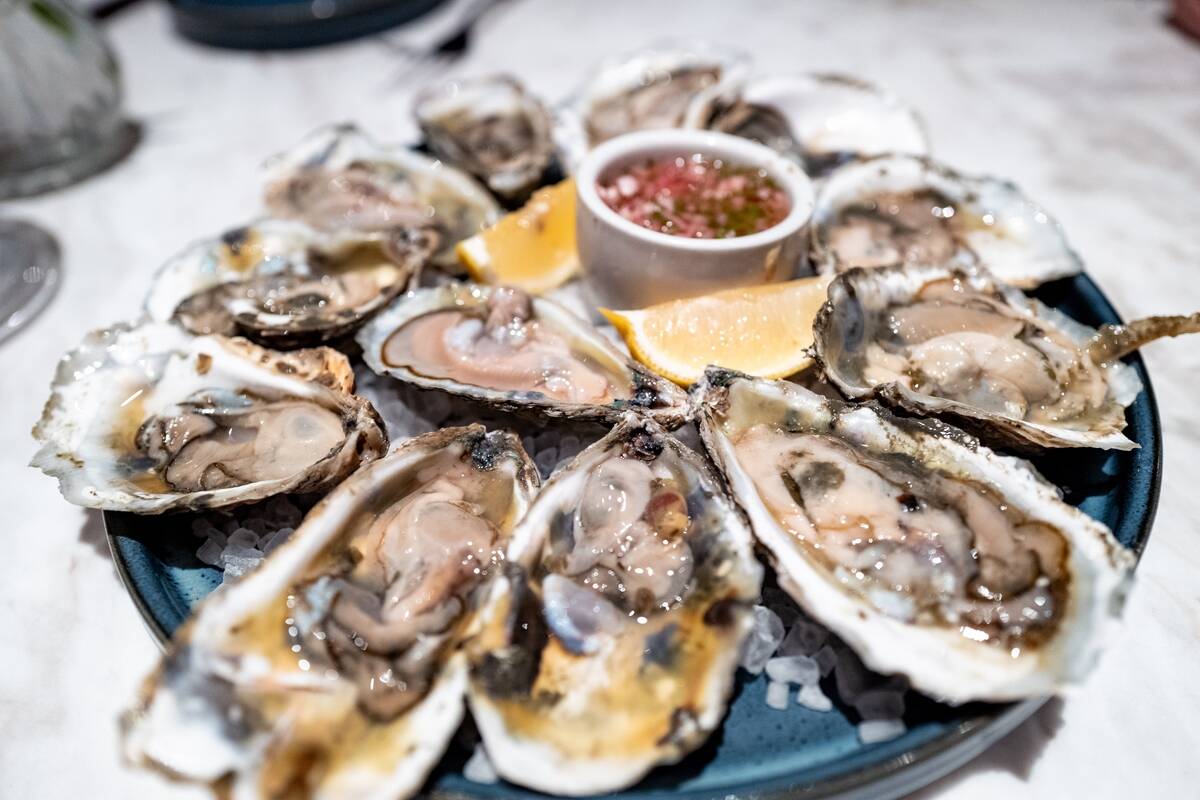
Oysters were once so plentiful that they were a common food for the working class in coastal areas. In the 19th century, they were sold on the streets of New York as an affordable snack.
However, overfishing and pollution led to a decline in oyster populations, making them a rare and expensive delicacy. Today, oysters are prized for their briny flavor and are often enjoyed raw on the half shell, accompanied by a squeeze of lemon or a dash of mignonette sauce.
Kale: The Leafy Green That Became a Health Icon
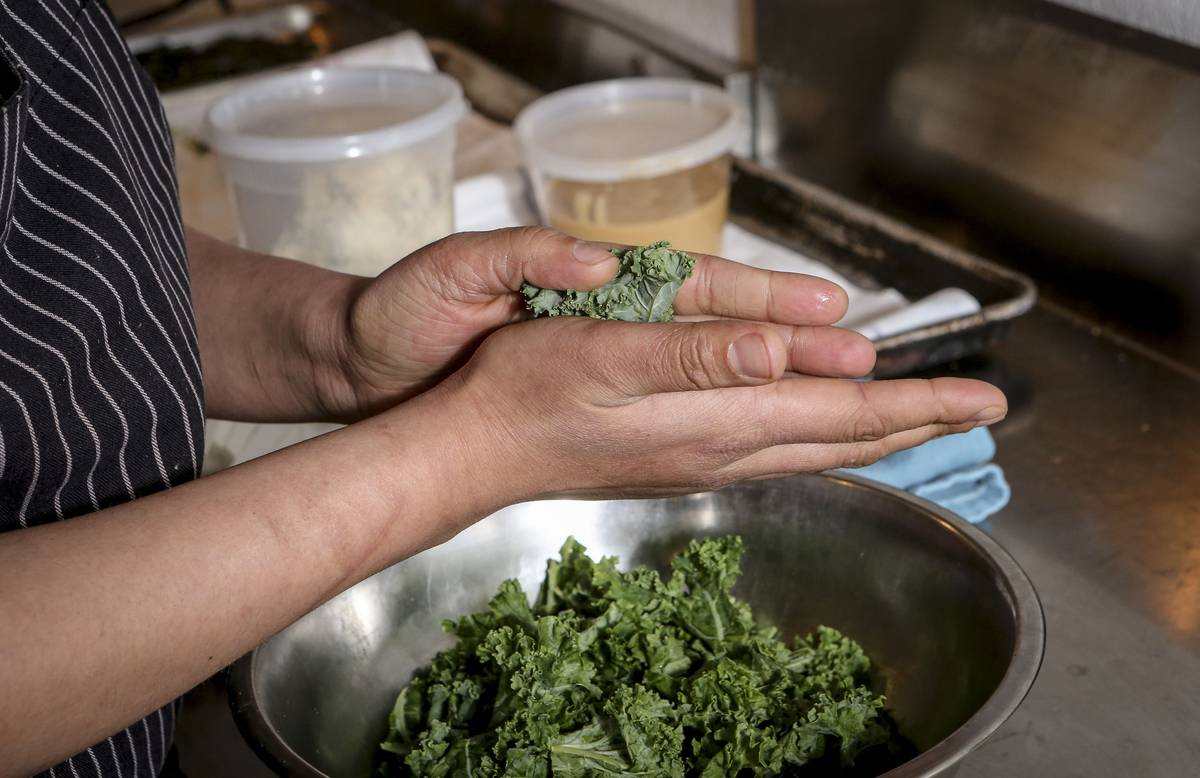
Kale, once a humble leafy green used primarily as a garnish, has become a symbol of health and wellness. Its rise to fame began in the late 2000s, when it was touted for its high nutrient content, including vitamins A, C, and K.
Kale’s versatility in salads, smoothies, and chips has cemented its status as a superfood. Its popularity has even led to the creation of kale festivals and dedicated kale cookbooks.
Caviar: From Peasant Fare to Exquisite Indulgence
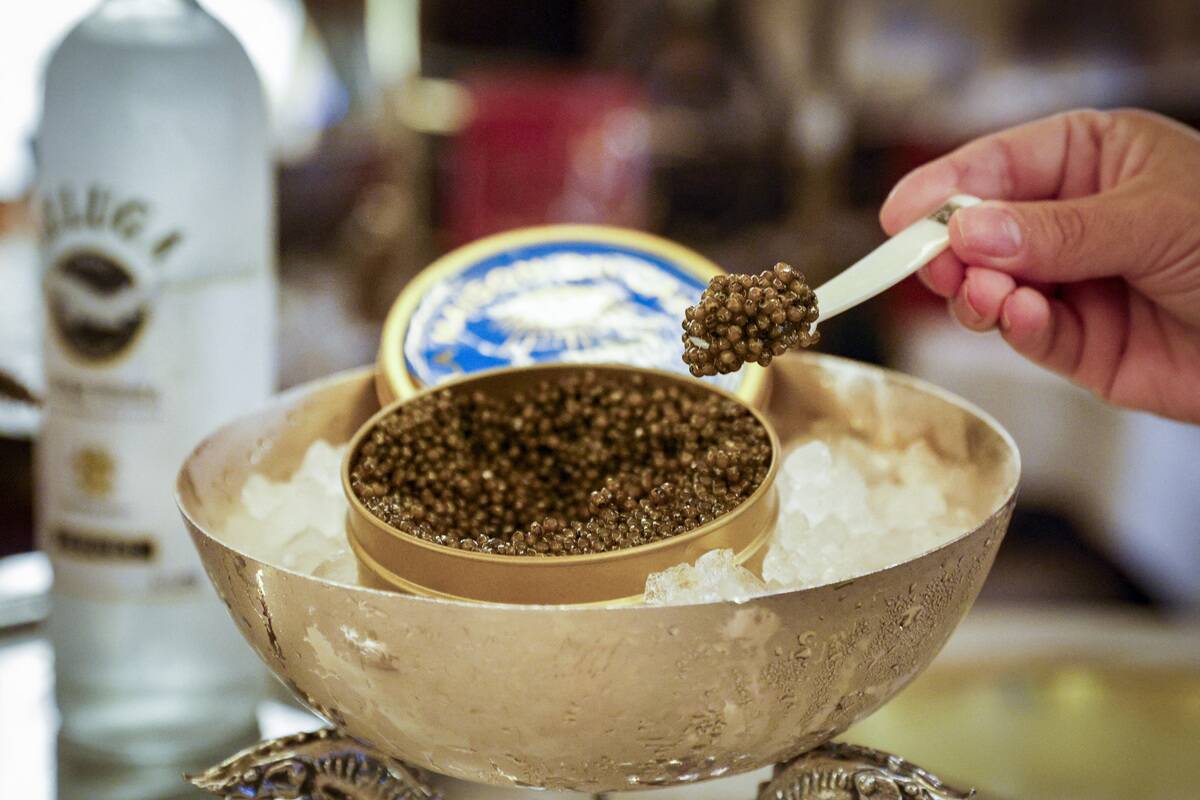
Caviar, the salted roe of sturgeon, was once a common food among Russian peasants. In the 19th century, it was even served for free in American bars to encourage patrons to drink more.
However, overfishing and the rarity of sturgeon have transformed caviar into a luxury item. Today, caviar is associated with opulence and is often served at high-end events, enjoyed for its delicate texture and unique, briny flavor.
Chocolate: The Sweet Transformation from Simple to Sophisticated

Chocolate, once a simple treat, has undergone a transformation into a sophisticated indulgence. Originating from the cacao bean, chocolate was first consumed as a bitter drink by ancient Mesoamerican cultures.
With the introduction of sugar and milk, it evolved into the sweet confection we know today. The rise of artisanal chocolate has brought a focus on high-quality ingredients and unique flavor profiles, turning chocolate into a gourmet experience.
Wagyu Beef: The Evolution of a Japanese Staple
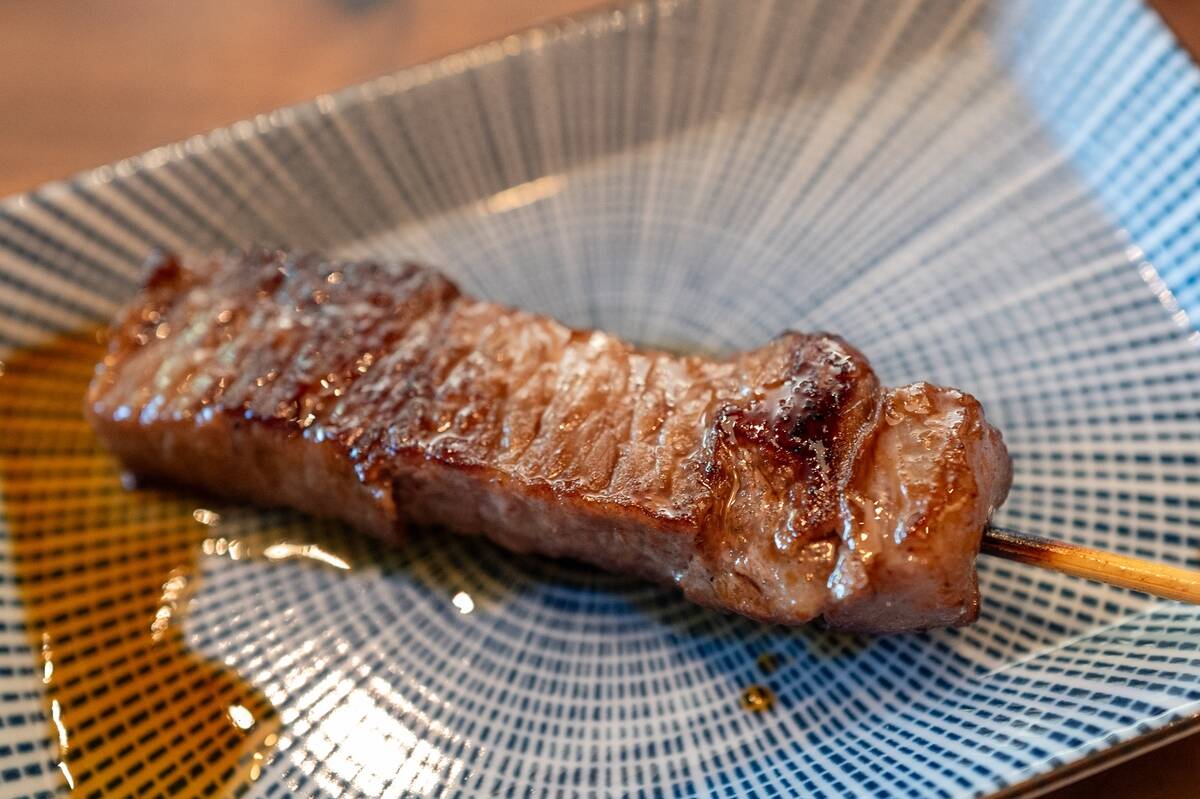
Wagyu beef, renowned for its marbling and tenderness, has become a symbol of luxury in the culinary world. Originating from Japan, Wagyu cattle were traditionally used for agricultural work.
Over time, selective breeding and specialized feeding techniques have enhanced the meat’s quality. Today, Wagyu is celebrated for its rich flavor and melt-in-your-mouth texture, often commanding high prices at steakhouses and gourmet markets around the globe.
Bluefin Tuna: The Fish That Became a Status Symbol
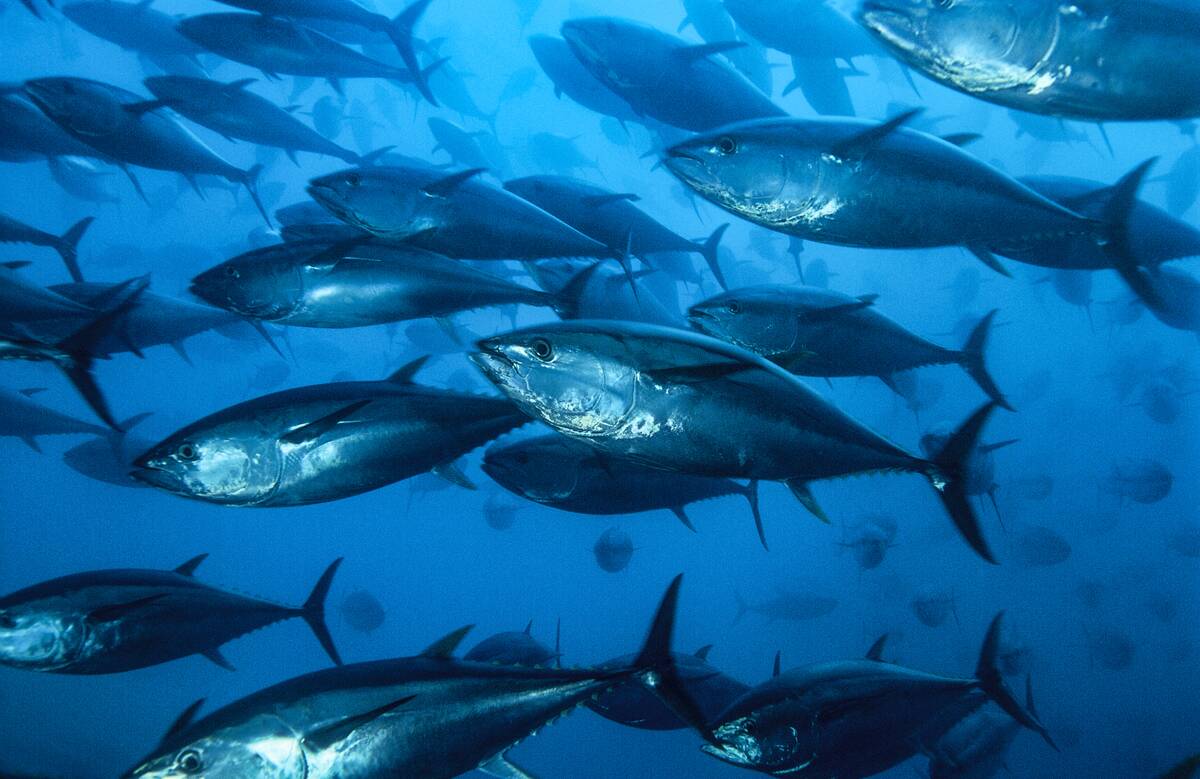
Bluefin tuna, once a common catch for fishermen, has become a status symbol in the culinary world. Its rich, fatty flesh is highly prized in sushi and sashimi, leading to skyrocketing demand and prices.
Overfishing has made bluefin tuna a rare delicacy, with some specimens fetching record-breaking prices at auction. Despite conservation efforts, its allure as a luxury item continues to drive its popularity among seafood connoisseurs.




