The jobs that helped build America’s middle class
The American middle class has long been a symbol of prosperity and stability. Emerging prominently in the 20th century, it represented the backbone of the nation’s economic strength.
This rise was fueled by a combination of industrial growth, technological advancements, and a shift in societal norms. As industries flourished, so did the opportunities for average Americans to secure better jobs, own homes, and provide education for their children, creating a cycle of growth and opportunity.
The Industrial Revolution: A Catalyst for Change
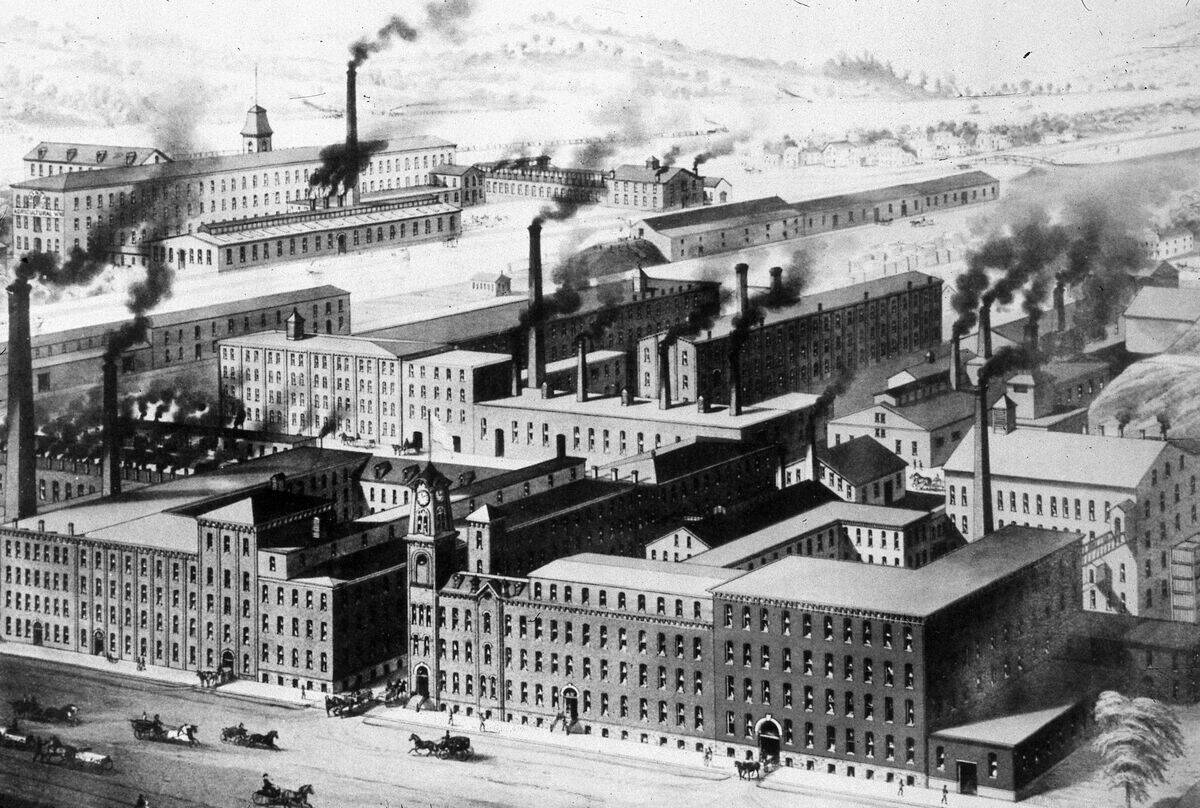
The Industrial Revolution was a game-changer, transforming the U.S. from an agrarian society into an industrial powerhouse. With innovations like the steam engine and mechanized manufacturing, production soared, and new job opportunities emerged.
This era saw a massive migration from rural areas to urban centers, as people sought employment in factories. The economic shift laid the groundwork for a burgeoning middle class, as wages increased and consumer goods became more accessible.
The Role of Factory Workers in Economic Growth
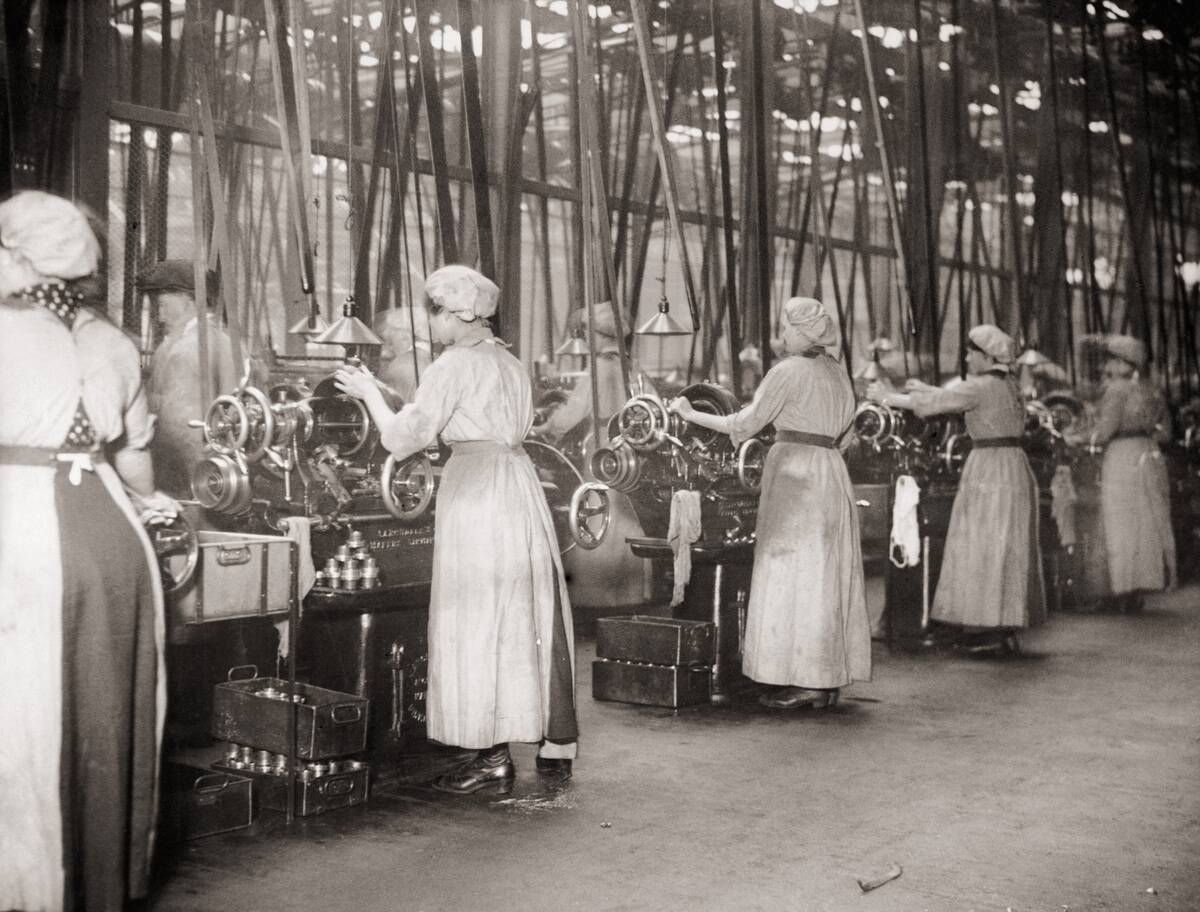
Factory workers were the unsung heroes of America’s economic boom. Their labor powered industries ranging from textiles to automobiles. Despite often facing harsh working conditions, their efforts were crucial in producing goods at unprecedented scales.
This mass production not only fueled domestic markets but also positioned the U.S. as a global economic leader. As unions formed, workers began to secure better wages and working conditions, further solidifying their role in the middle class.
The Impact of the Automobile Industry
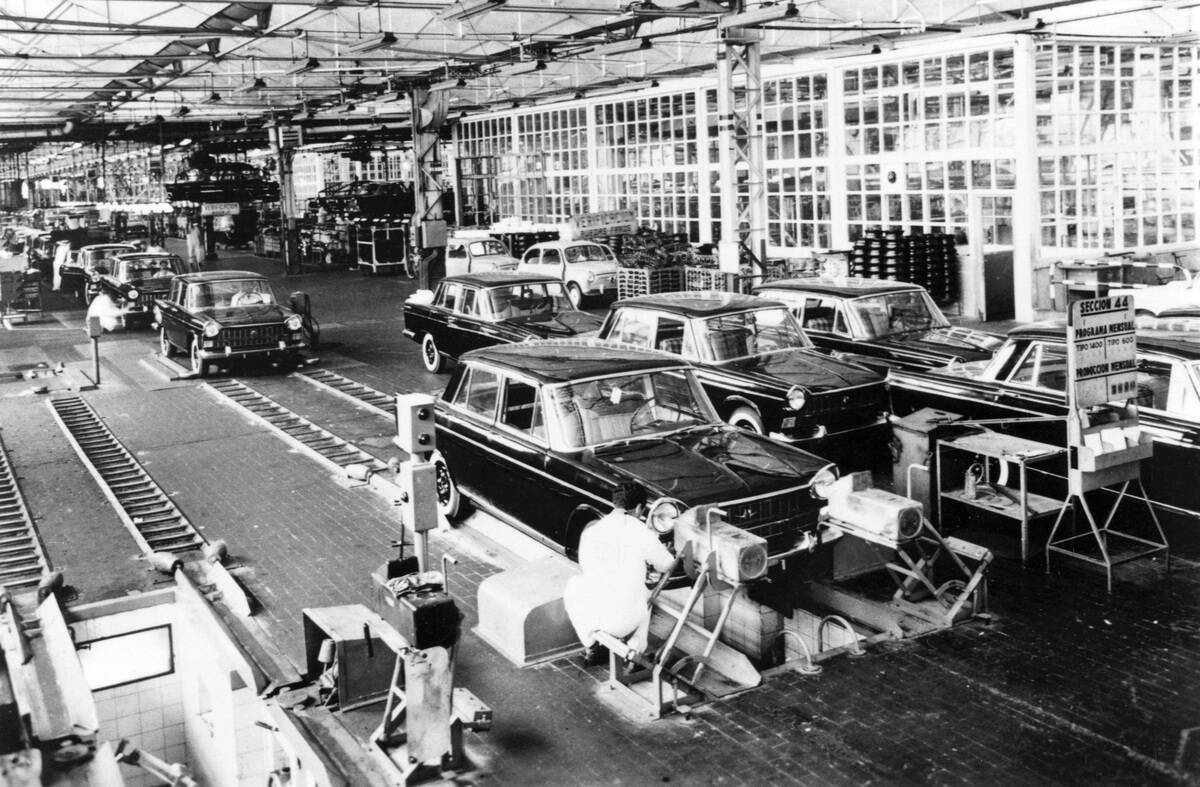
The automobile industry revolutionized American life, with Henry Ford’s assembly line making cars affordable for the average family. This industry didn’t just provide jobs on the production lines; it spurred growth in related sectors like steel, rubber, and glass.
The widespread adoption of cars also led to the development of infrastructure, including roads and highways, which further stimulated economic activity. The automobile became a symbol of freedom and economic mobility for the middle class.
Railroads: Connecting a Nation and Creating Jobs
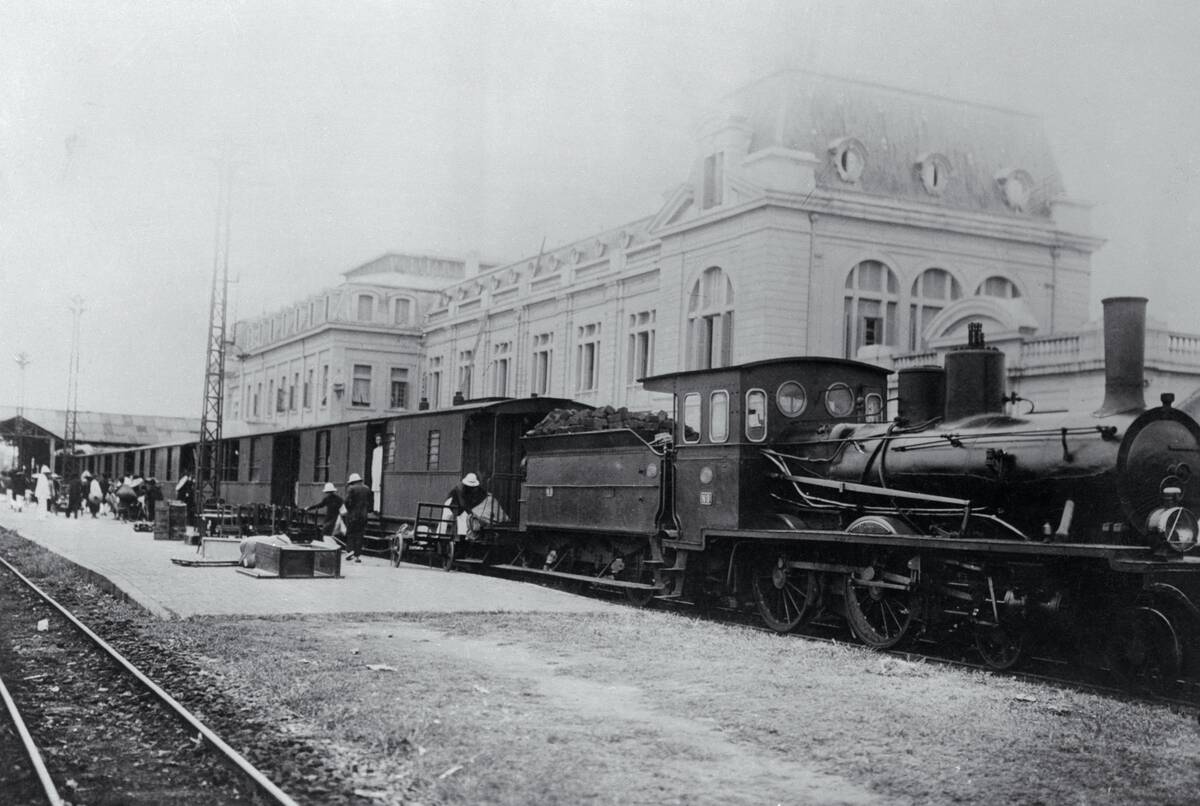
Railroads were instrumental in knitting the vast American landscape together, facilitating the transport of goods and people. The expansion of the rail network created countless jobs, from track layers to conductors. It also opened up new markets for farmers and manufacturers, driving economic growth.
The accessibility provided by railroads helped smaller towns flourish and contributed to the spread of the middle class across the country, as people could live further from where they worked.
The Growth of the Steel Industry
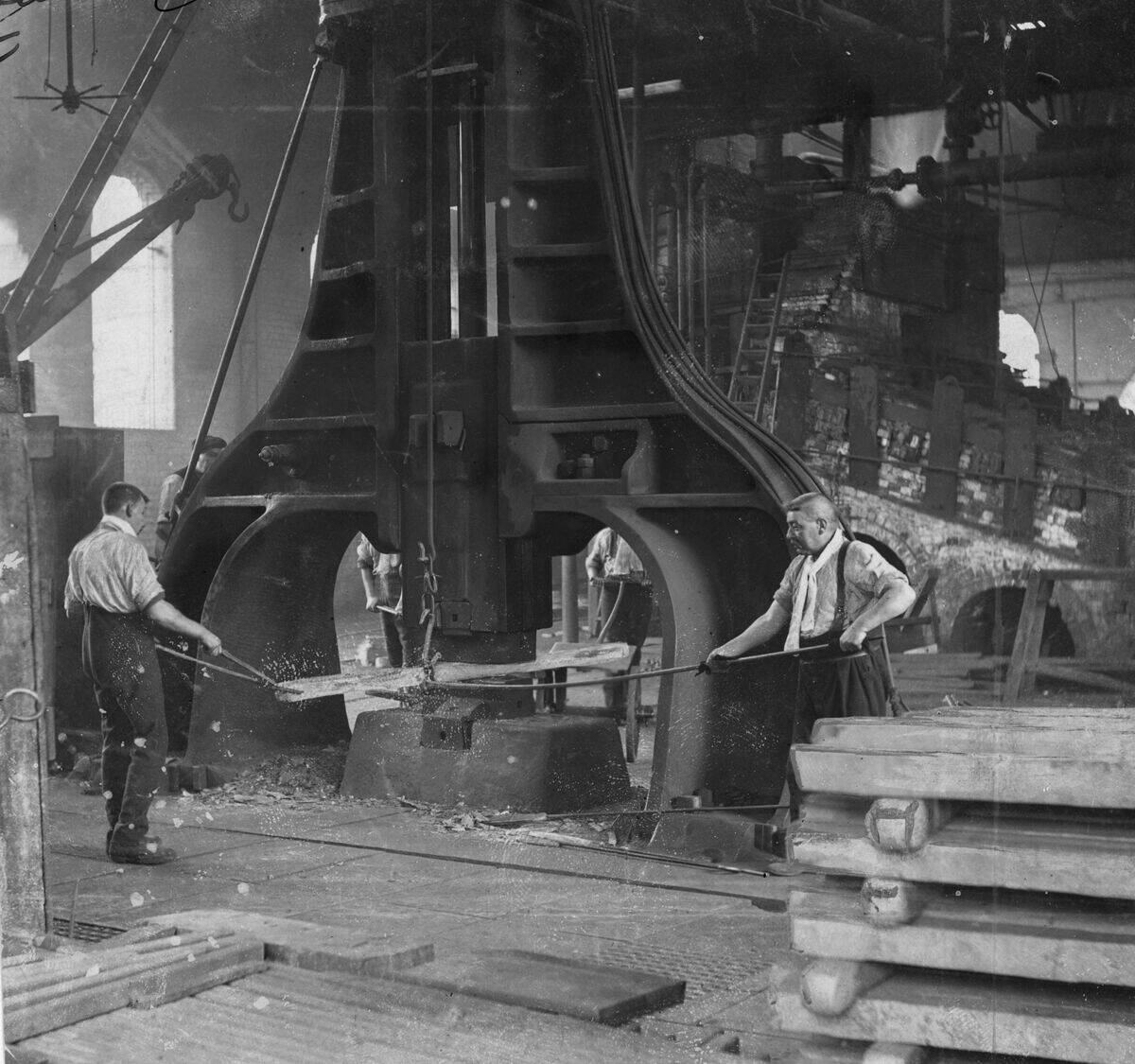
Steel was the backbone of America’s industrial expansion, with giants like Andrew Carnegie leading the charge. The industry’s growth was driven by the demand for durable materials in construction, railroads, and manufacturing.
Steel plants provided numerous jobs, often in cities that became industrial hubs. This industry not only supported the rise of skyscrapers and bridges but also played a key role in the economic ascent of the middle class, offering stable employment and fostering urban development.
The Influence of the Textile Industry
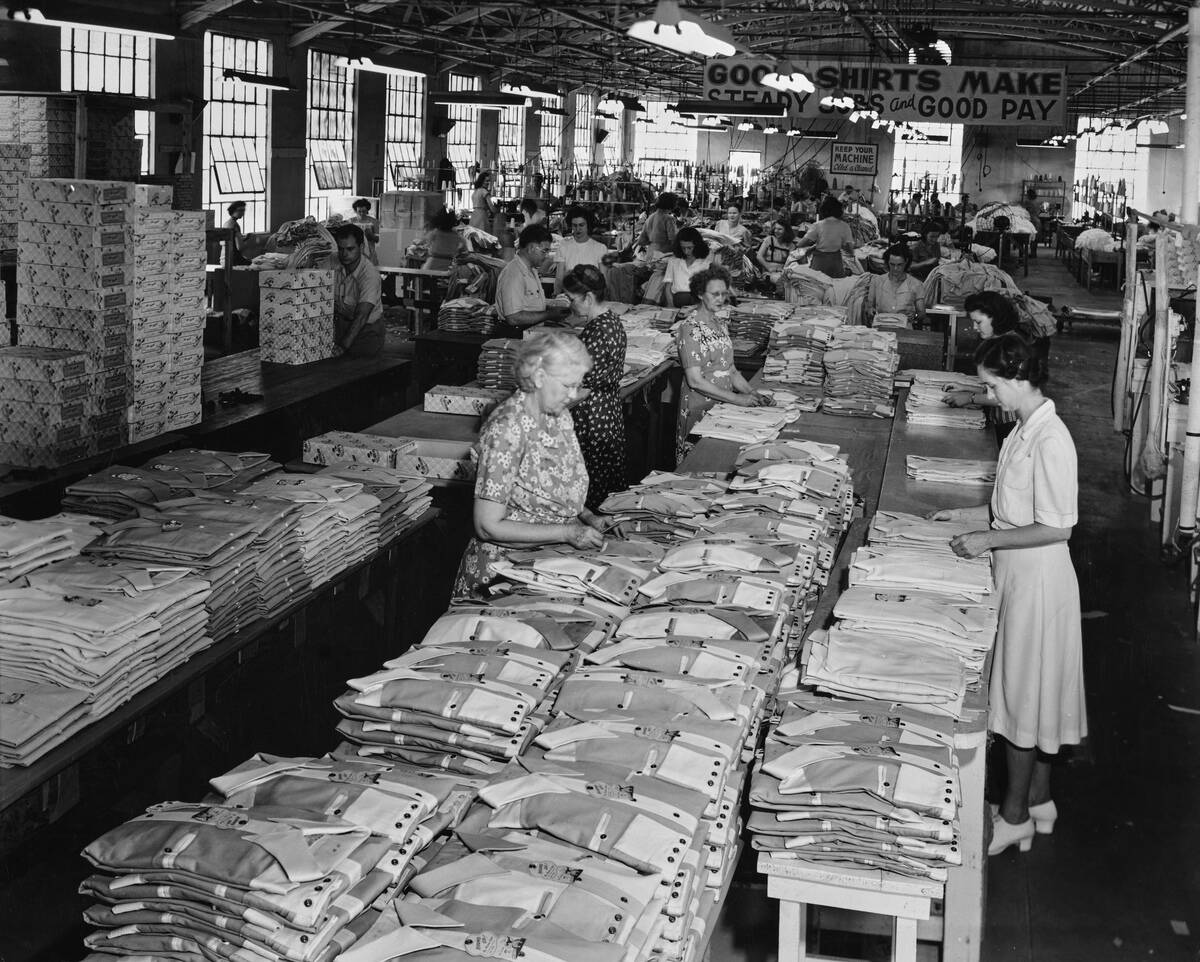
The textile industry was one of the first to industrialize, transforming raw materials into finished goods. It provided a significant number of jobs, particularly for women, who made up a large portion of the workforce. Textile mills were often the economic heart of towns, driving local economies.
The industry’s growth was fueled by both domestic demand and international exports, helping to weave the fabric of the American middle class by providing steady incomes and fostering community development.
The Rise of the Retail Sector

As consumer culture blossomed, the retail sector became a vital part of the economy. Department stores and chain retailers like Sears and Woolworths emerged, offering a wide array of goods to the public. This sector provided numerous entry-level jobs and opportunities for upward mobility.
The rise of retail not only catered to the growing demands of the middle class but also enabled it by providing affordable products and creating a new class of consumers eager to enjoy the fruits of their labor.
The Importance of Skilled Trades and Craftsmen
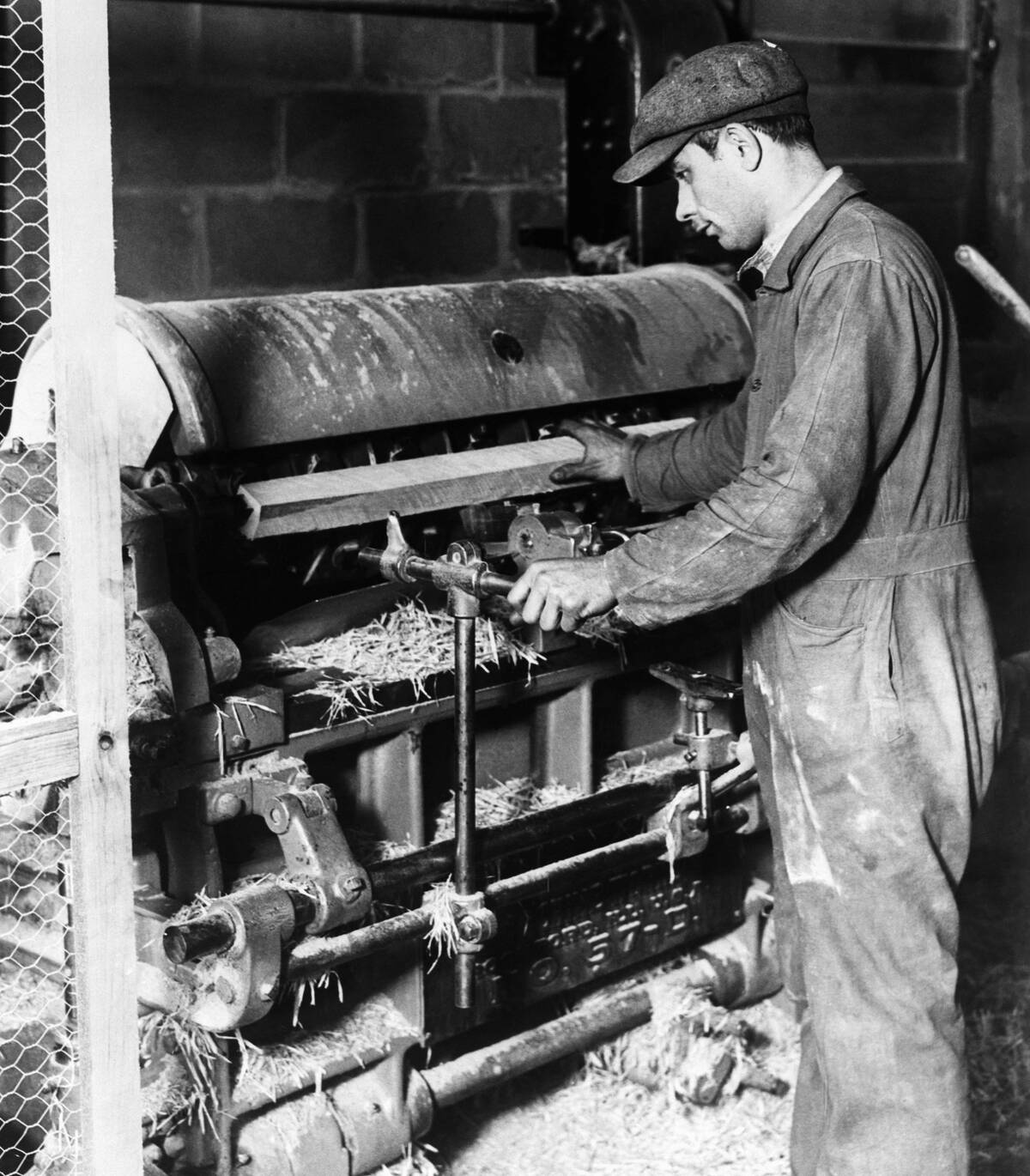
Skilled trades and craftsmen have always been essential to the fabric of American industry. Carpenters, electricians, and plumbers, among others, provided the expertise needed to build and maintain the nation’s infrastructure.
These trades offered stable, well-paying jobs that didn’t require a college degree, making them accessible to many. As cities expanded and technology advanced, the demand for skilled labor grew, solidifying the role of tradesmen in supporting the middle class and driving economic progress.
The Expansion of the Construction Industry
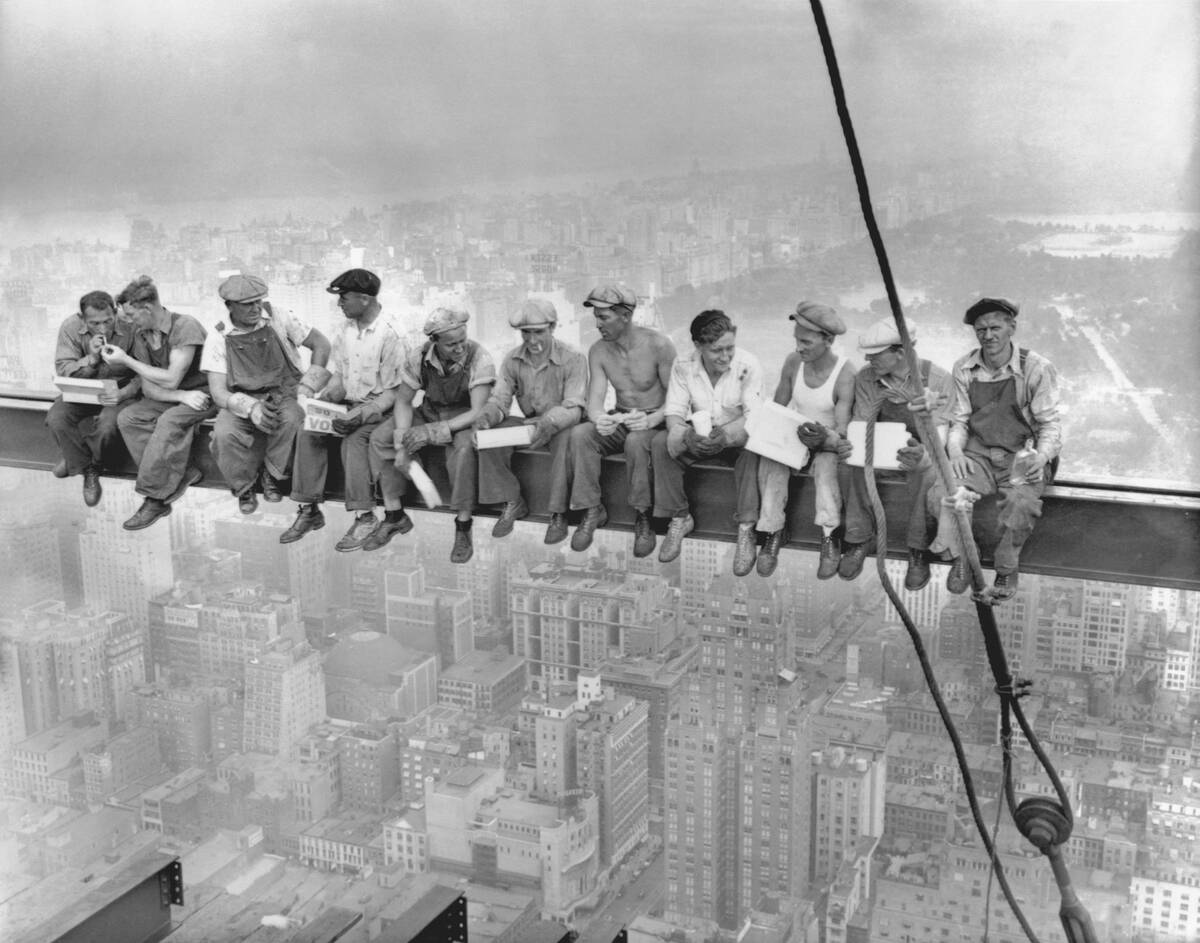
The construction industry has been a cornerstone of economic growth, responsible for building homes, offices, and infrastructure. This sector provided millions of jobs, from architects to laborers, and played a key role in urban development.
As the population grew, so did the demand for housing and commercial space, driving the industry’s expansion. The construction boom not only provided employment but also contributed to the rise of the middle class by enabling home ownership and community development.
The Booming Oil and Gas Sector
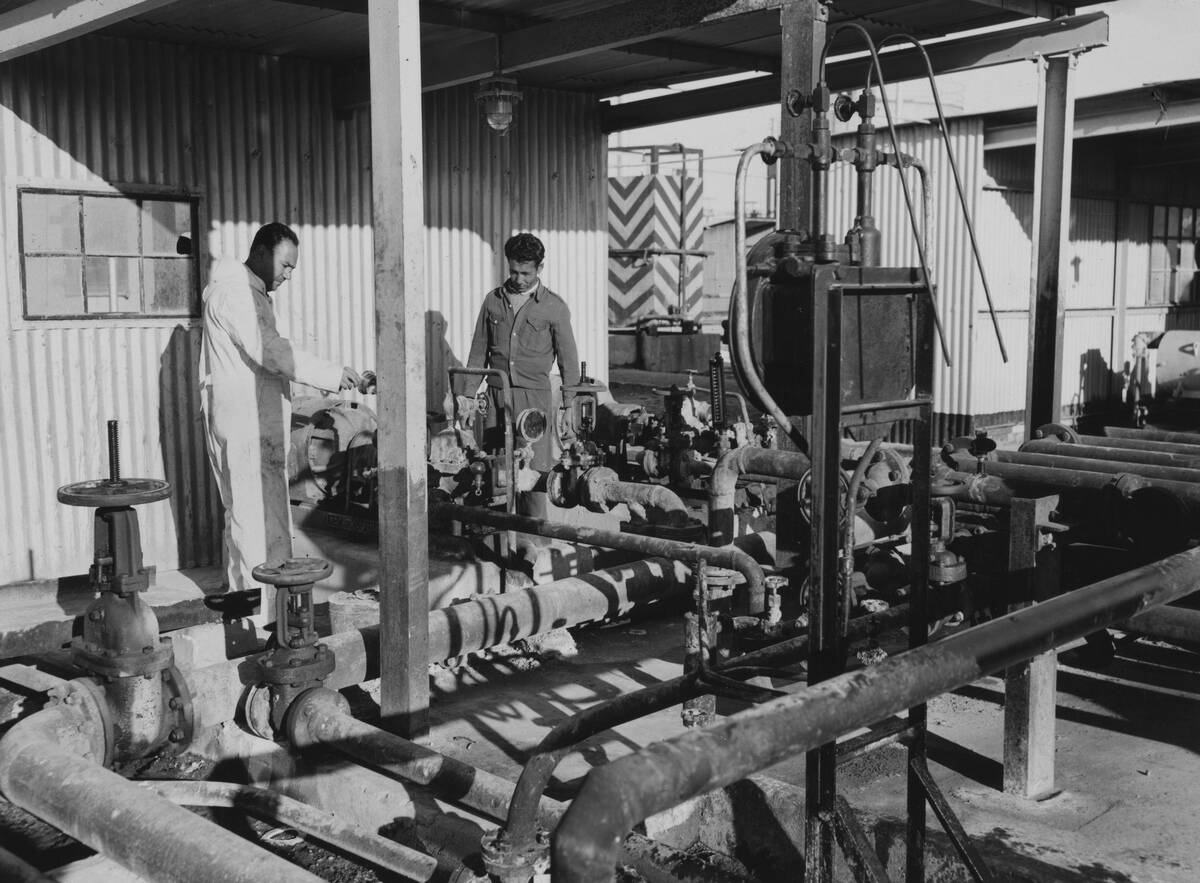
The oil and gas sector has been a major driver of economic growth, providing energy for industries and households alike. Discoveries of oil fields in Texas and Pennsylvania, among others, led to a boom in production and job creation.
This sector not only fueled the nation’s energy needs but also spurred the growth of related industries, such as petrochemicals and transportation. The wealth generated by oil and gas contributed significantly to the expansion of the middle class, offering lucrative employment opportunities.
The Growth of the Banking and Financial Services Industry
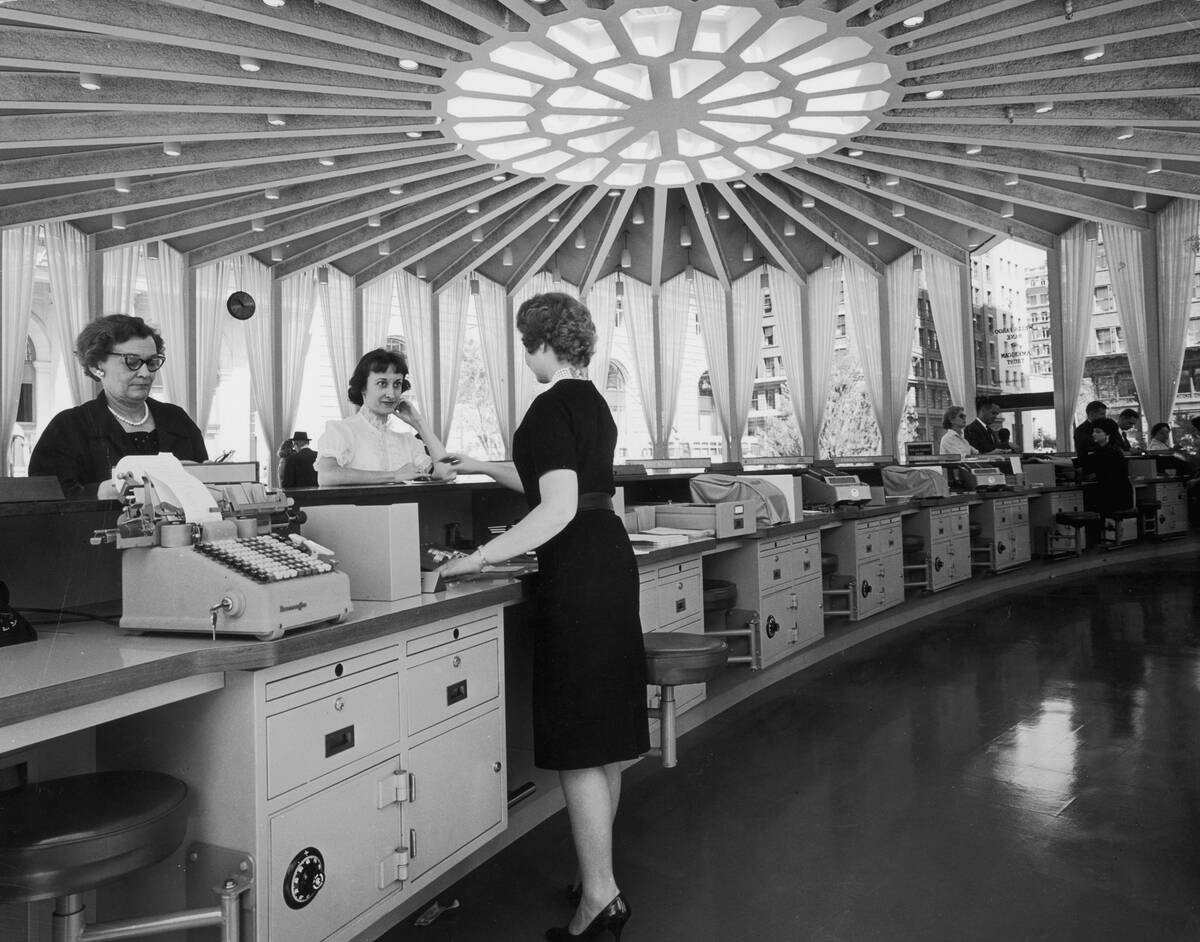
The banking and financial services industry has been pivotal in supporting economic expansion and the middle class. As the economy grew, so did the need for financial services, from loans to savings accounts.
Banks provided the capital necessary for businesses to expand and for individuals to purchase homes and cars. The rise of Wall Street and the stock market offered new investment opportunities, helping to build wealth and financial security for many middle-class families.
The Role of Teachers in Shaping the Future
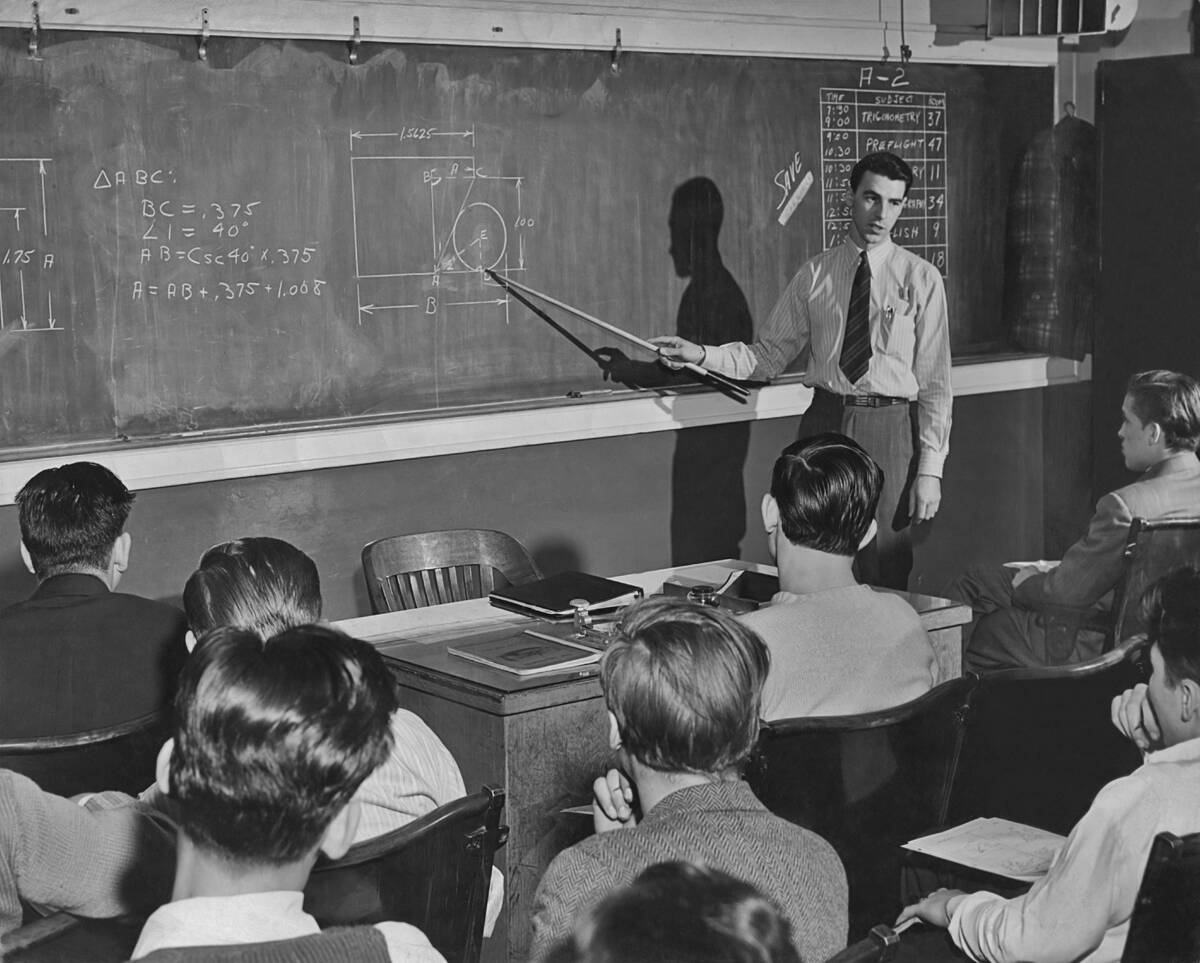
Teachers have always been at the heart of shaping future generations, providing education and guidance to millions of children. As the demand for education grew, so did the need for qualified teachers, making it a stable and respected profession.
Public education became a cornerstone of American society, offering opportunities for social mobility and economic advancement. By investing in education, the nation not only supported the middle class but also ensured a brighter future for all.
Healthcare: Nurses and Medical Professionals
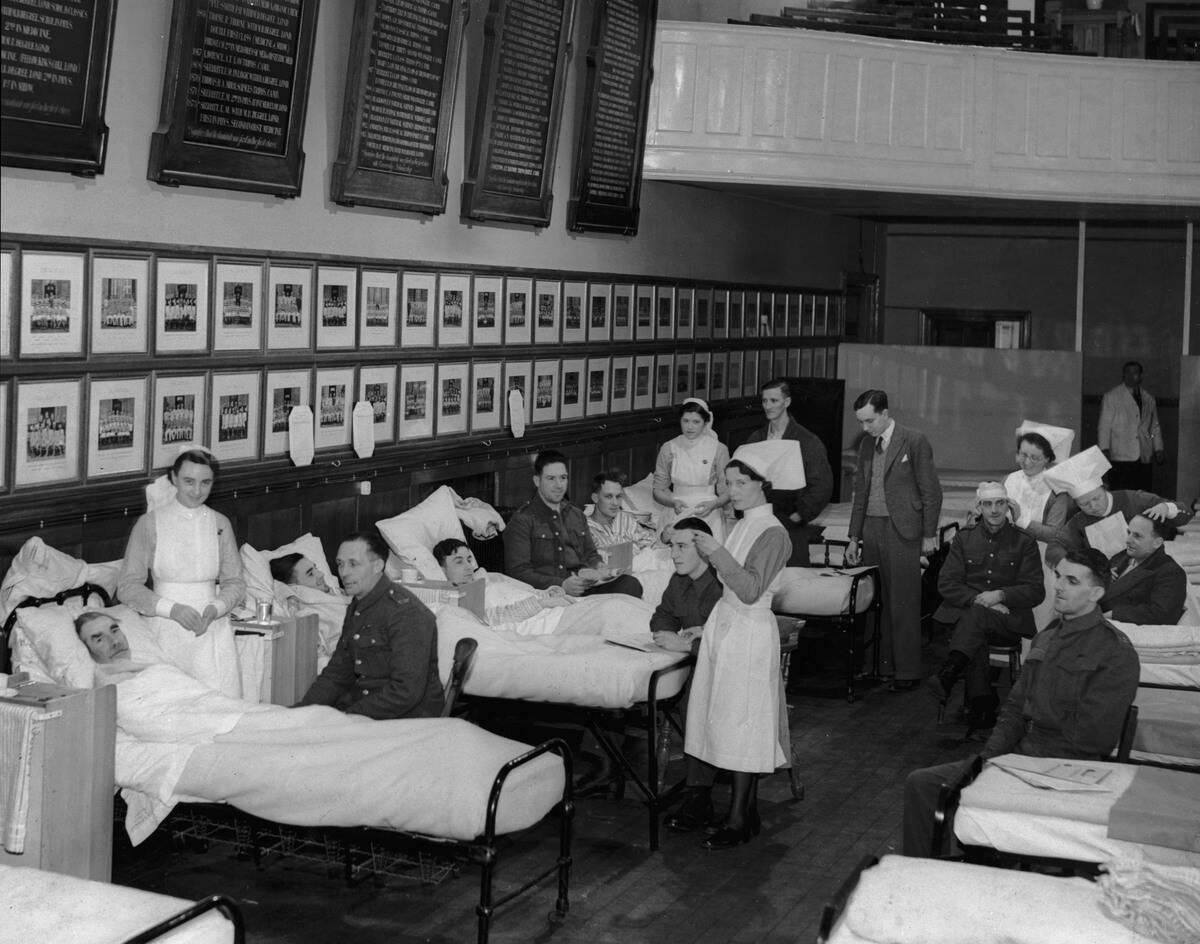
The healthcare sector has been a critical component of the economy, with nurses and medical professionals playing a central role. As the population grew and aged, the demand for healthcare services increased, leading to job growth in hospitals, clinics, and care facilities.
Nurses, in particular, have been essential in providing patient care and support. The healthcare industry not only offers stable employment but also contributes to the well-being of the middle class by ensuring access to essential services.
The Evolution of the Technology Sector
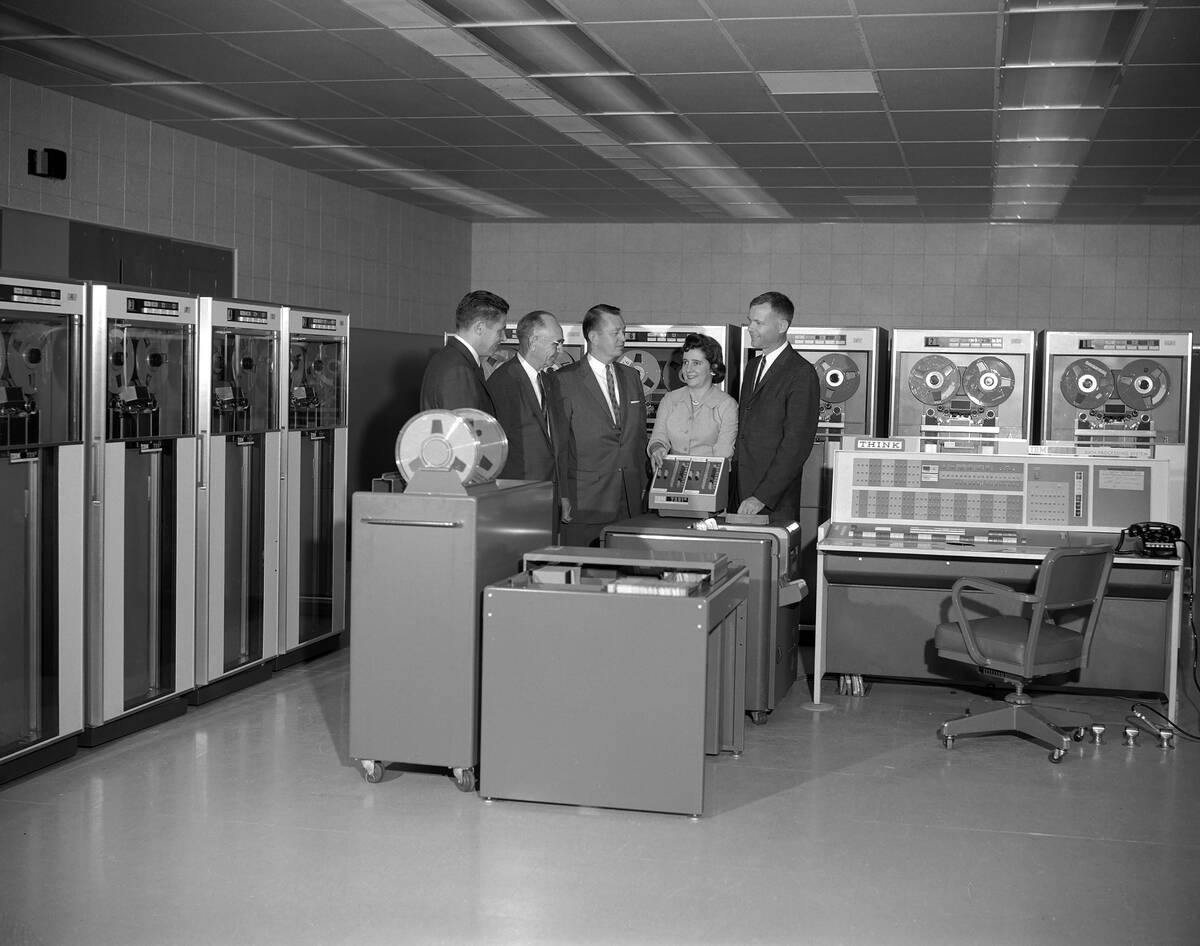
The technology sector has been a driving force of modern economic growth, with innovations transforming how we live and work. From the rise of Silicon Valley to the proliferation of personal computers and smartphones, technology has created millions of jobs and new industries.
This sector has not only provided high-paying jobs but also enabled other industries to become more efficient and competitive. The tech boom has been a significant contributor to the expansion and prosperity of the middle class.
The Entertainment Industry’s Contribution to the Middle Class
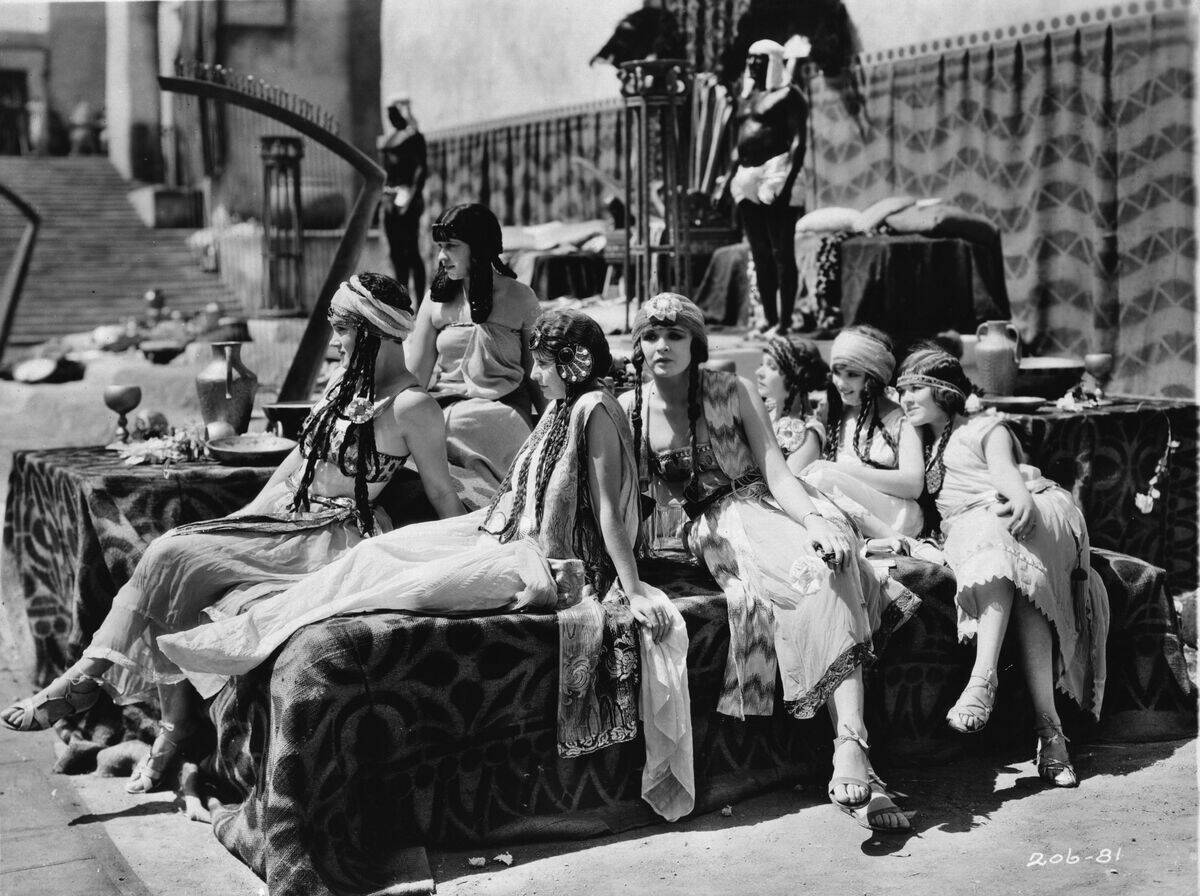
The entertainment industry has been a vibrant part of the American economy, offering jobs in film, television, music, and more. Hollywood, in particular, became synonymous with glamour and opportunity, drawing talent from across the nation.
This industry not only provided employment for actors and crew but also supported related sectors like tourism and hospitality. The cultural impact of entertainment has been profound, shaping societal values and providing a source of leisure and enjoyment for the middle class.
The Significance of Government Jobs
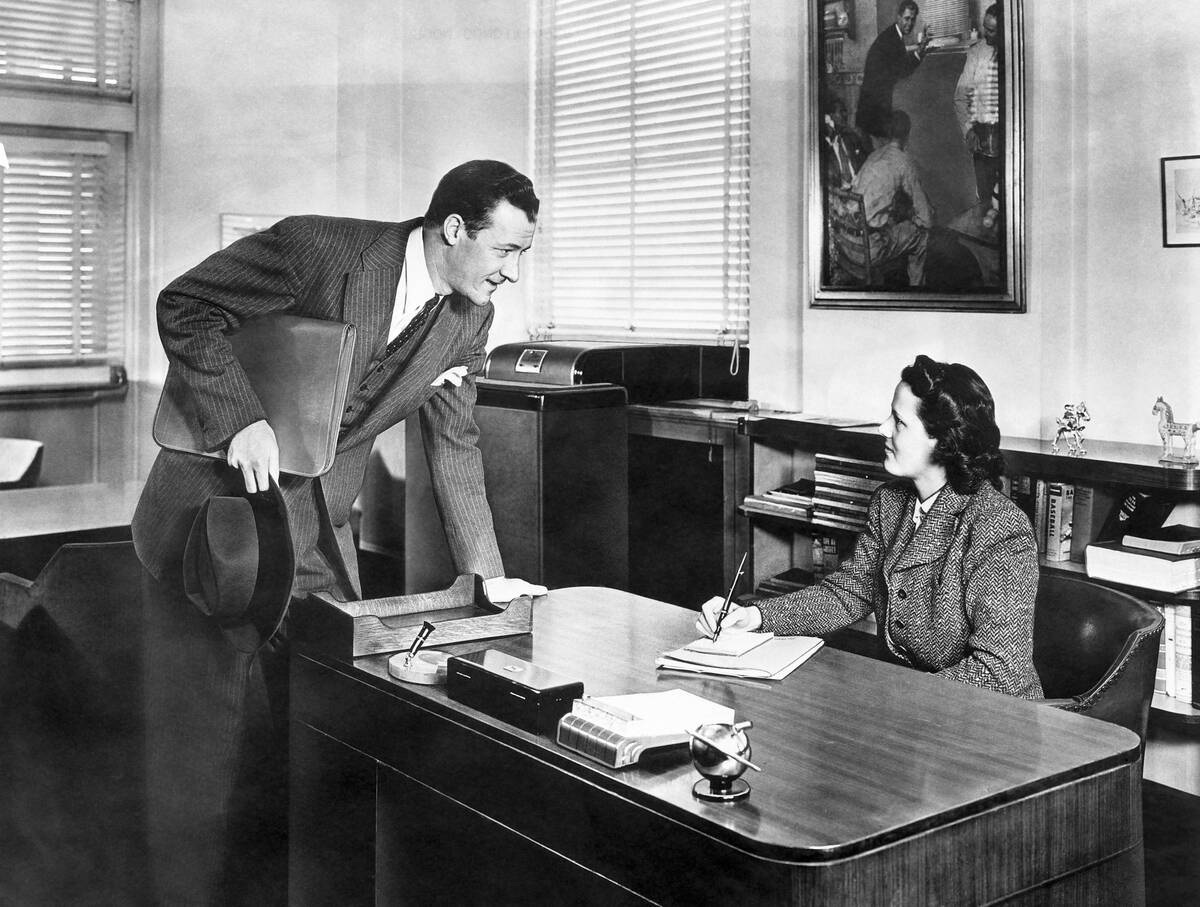
Government jobs have long been a stable employment option, offering security and benefits that are often unmatched in the private sector. From federal positions to local government roles, these jobs have been crucial in maintaining public services and infrastructure.
The stability and benefits associated with government employment have made it an attractive option for many, contributing to the economic security of the middle class. These roles ensure the smooth functioning of society and provide opportunities for civic engagement.
The Role of Small Businesses and Entrepreneurs
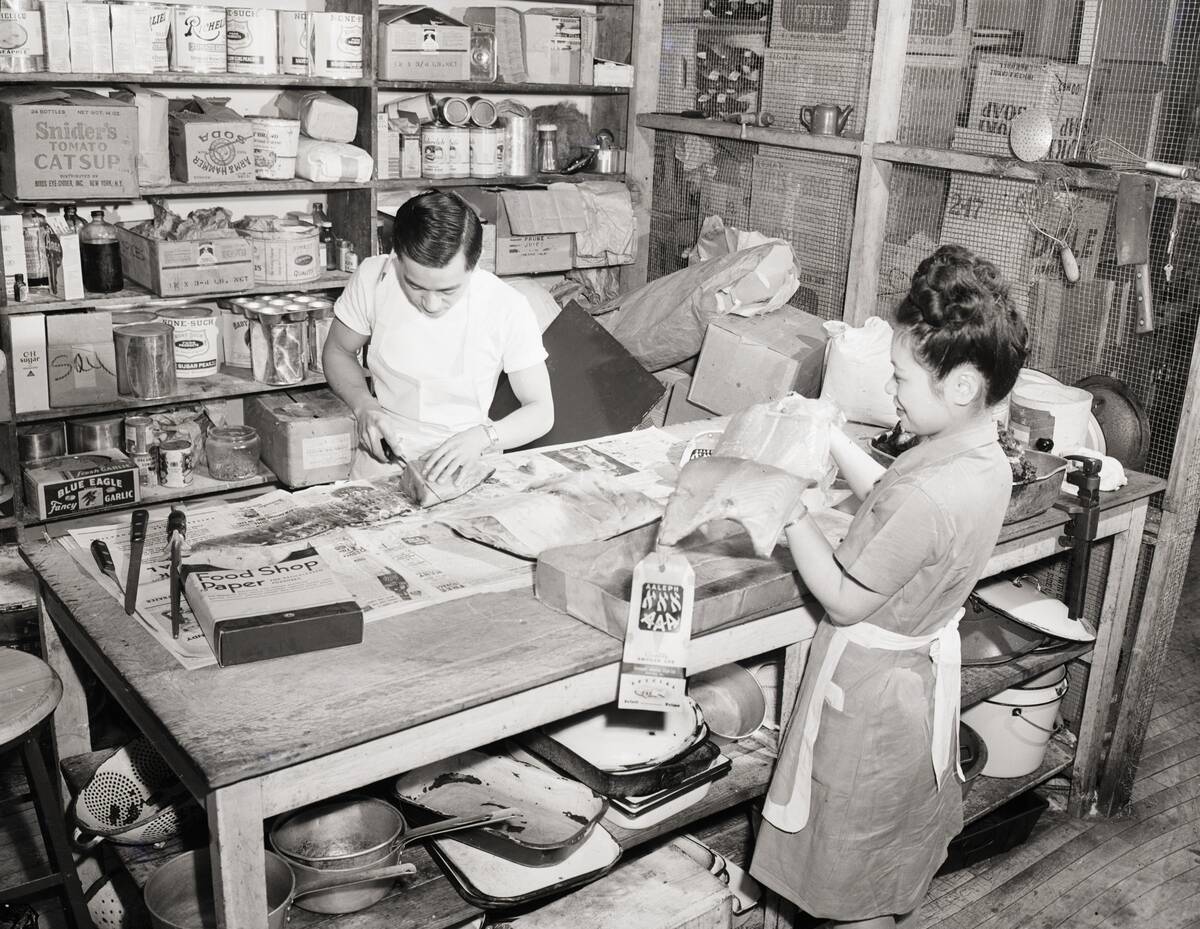
Small businesses and entrepreneurs are the lifeblood of the American economy, driving innovation and creating jobs. From local shops to tech startups, these ventures provide diverse employment opportunities and contribute to community development.
Entrepreneurs often embody the American Dream, turning ideas into successful enterprises. Small businesses not only support local economies but also offer pathways for upward mobility, allowing individuals to build wealth and contribute to the middle class’s resilience and growth.
The Impact of Labor Unions on Job Security
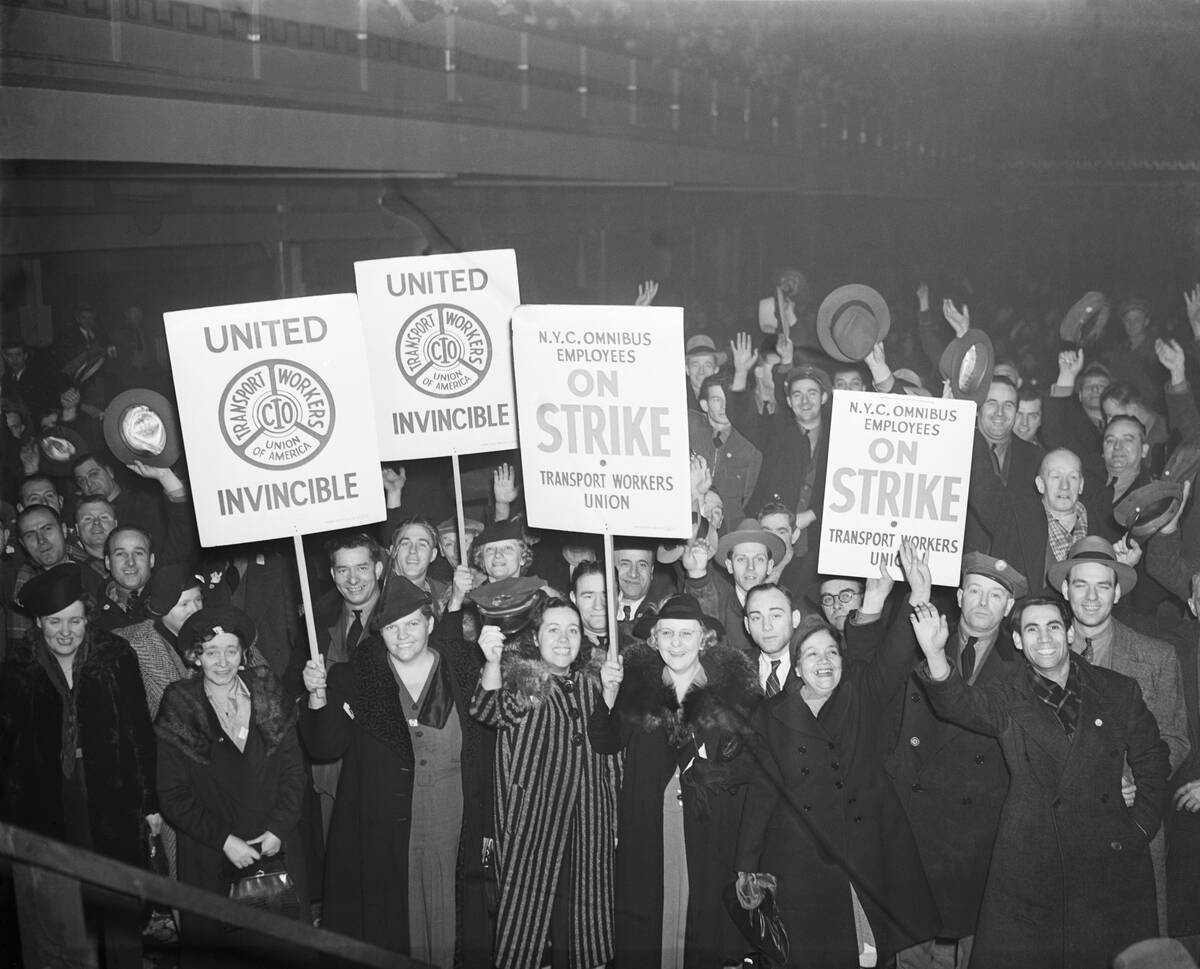
Labor unions have played a pivotal role in advocating for workers’ rights and improving job security. By negotiating better wages, benefits, and working conditions, unions have been instrumental in elevating the standard of living for many middle-class families.
The collective bargaining power of unions has helped to ensure fair treatment and job stability, contributing to economic equality and reducing income disparities. This advocacy has been crucial in maintaining the strength and vitality of the middle class.




