Businesses that once lined America’s Main Streets
Ah, Main Street—a nostalgic journey through time where every corner held a story. Remember those leisurely walks, peering into shop windows, and the friendly nods exchanged with familiar faces?
Main Street was more than just a location; it was a community. Each store had its own charm, and each visit was an experience. Let’s revisit the beloved establishments that made Main Street a cherished part of our lives.
The Classic Diner: Where Everyone Knew Your Name
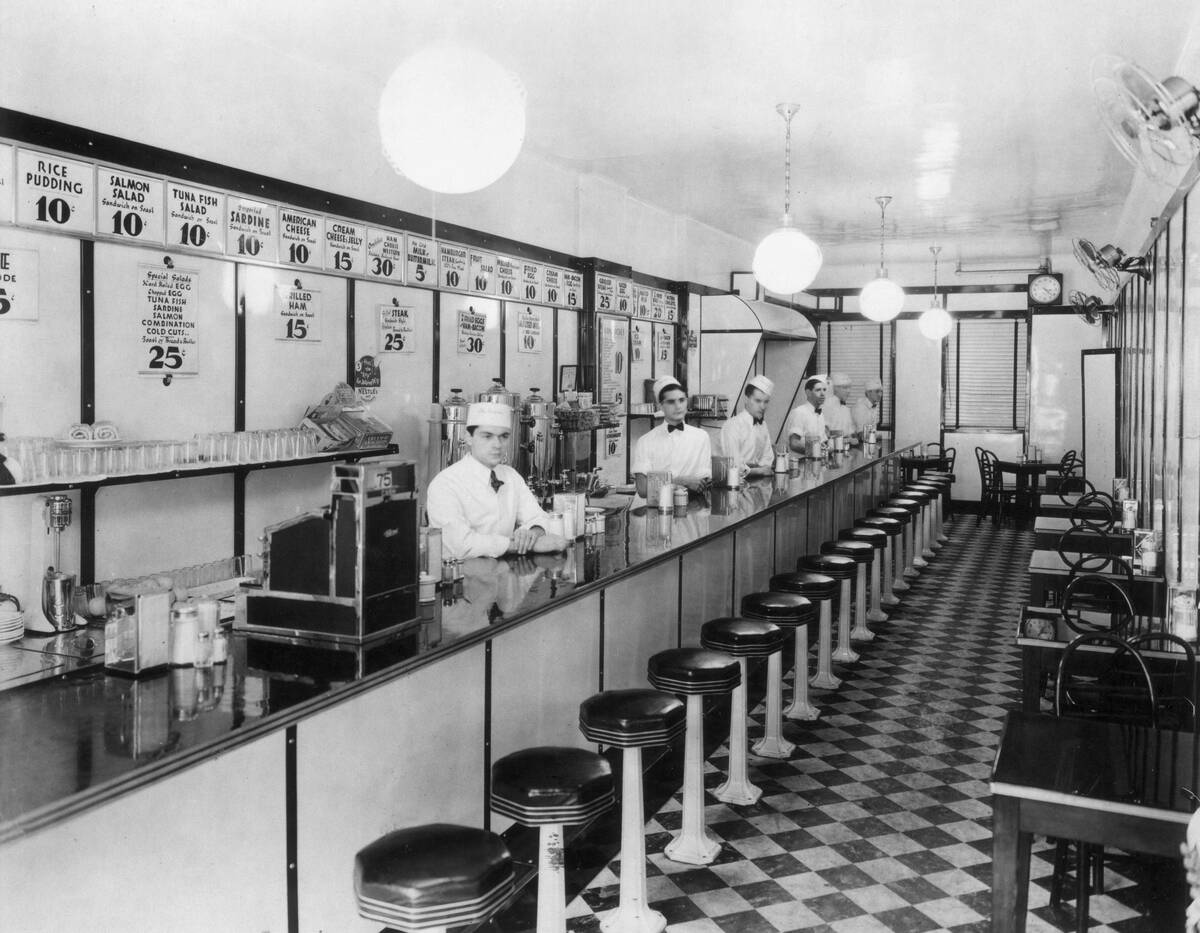
Step into the classic diner, where the aroma of sizzling bacon and freshly brewed coffee greeted you at the door. These diners were the social hubs, where waitresses knew your order by heart and the jukebox played your favorite tunes.
The first diner in the U.S. was established in 1872, and by the mid-20th century, they became iconic fixtures of American culture. Whether it was a hearty breakfast or a late-night snack, the diner was always there for you.
The Local Hardware Store: The DIY Enthusiast’s Paradise
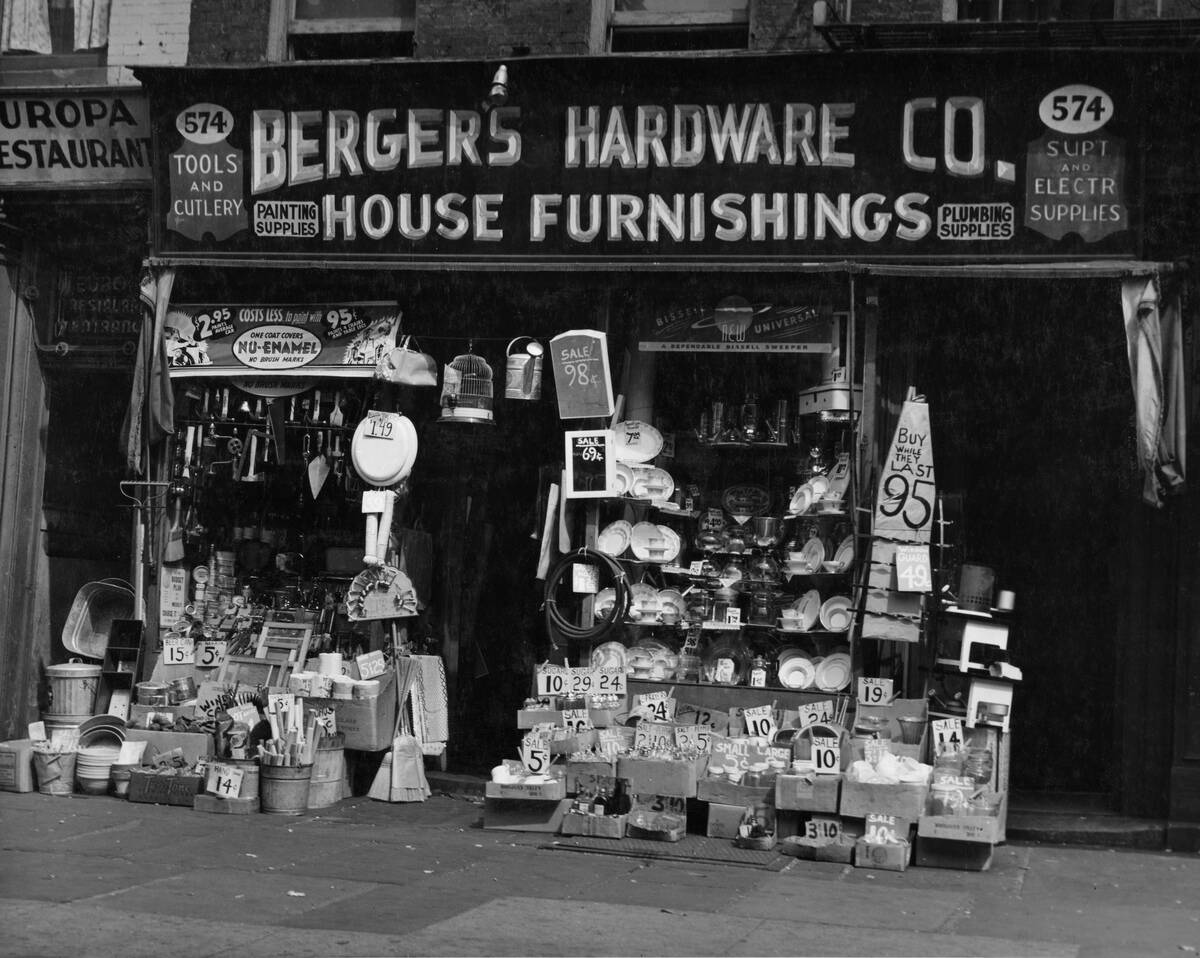
The local hardware store was a haven for the DIY enthusiast. With aisles packed with tools, nails, and paint, it was a place where projects came to life. Unlike big-box stores, these shops offered personalized advice from knowledgeable staff who knew their hammers from their screwdrivers.
The first hardware store dates back to the 18th century, serving as a vital resource for communities. Whether fixing a leaky faucet or building a birdhouse, the hardware store had you covered.
The Five-and-Dime: A Treasure Trove of Everyday Essentials
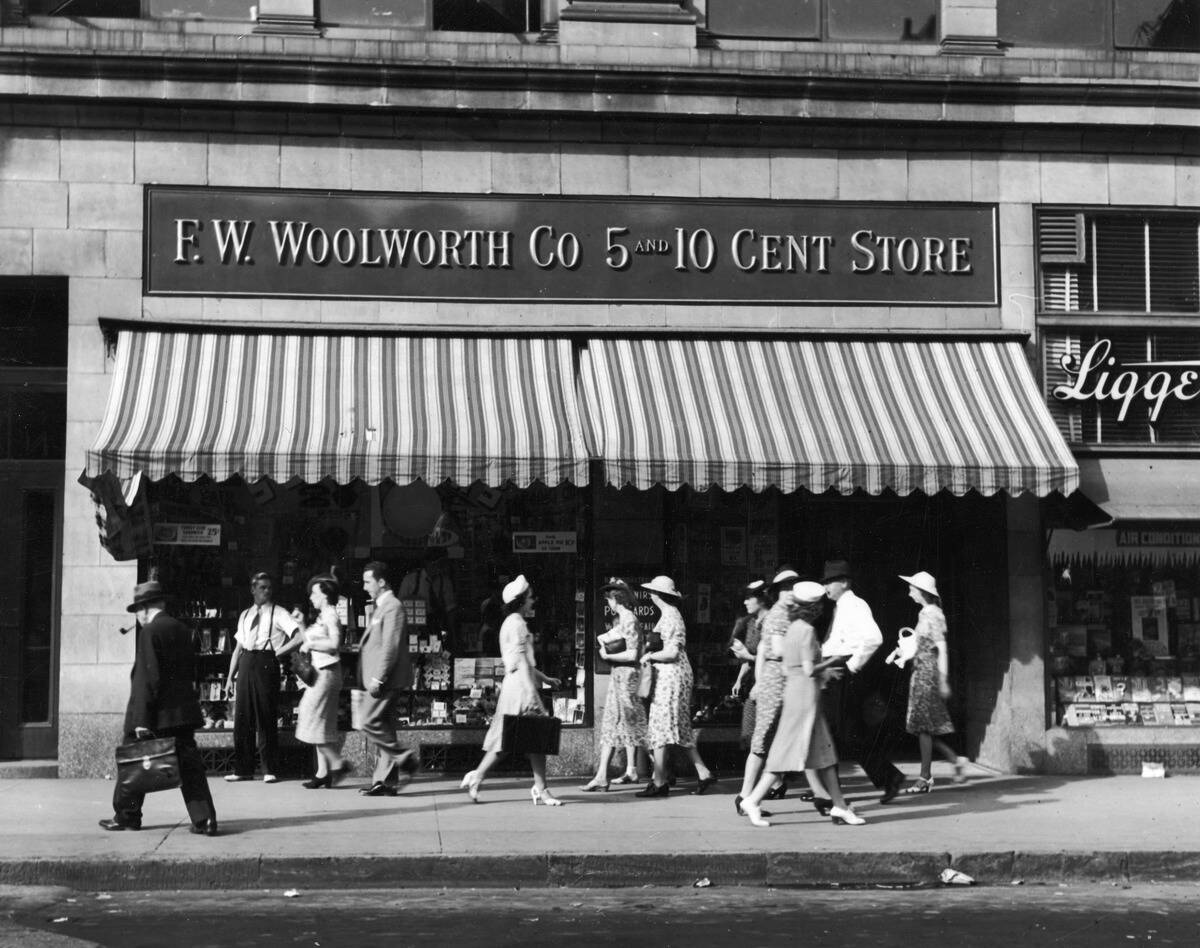
The five-and-dime was a treasure trove of everyday essentials, offering everything from candy to kitchen gadgets. These stores, also known as variety stores, emerged in the late 19th century and became popular for their affordability and wide range of products.
The first five-and-dime was opened by Frank Winfield Woolworth in 1879. Walking through the aisles, you could find just about anything you needed, often at a price that made you smile.
The Family-Owned Grocery Store: Fresh Produce and Friendly Faces
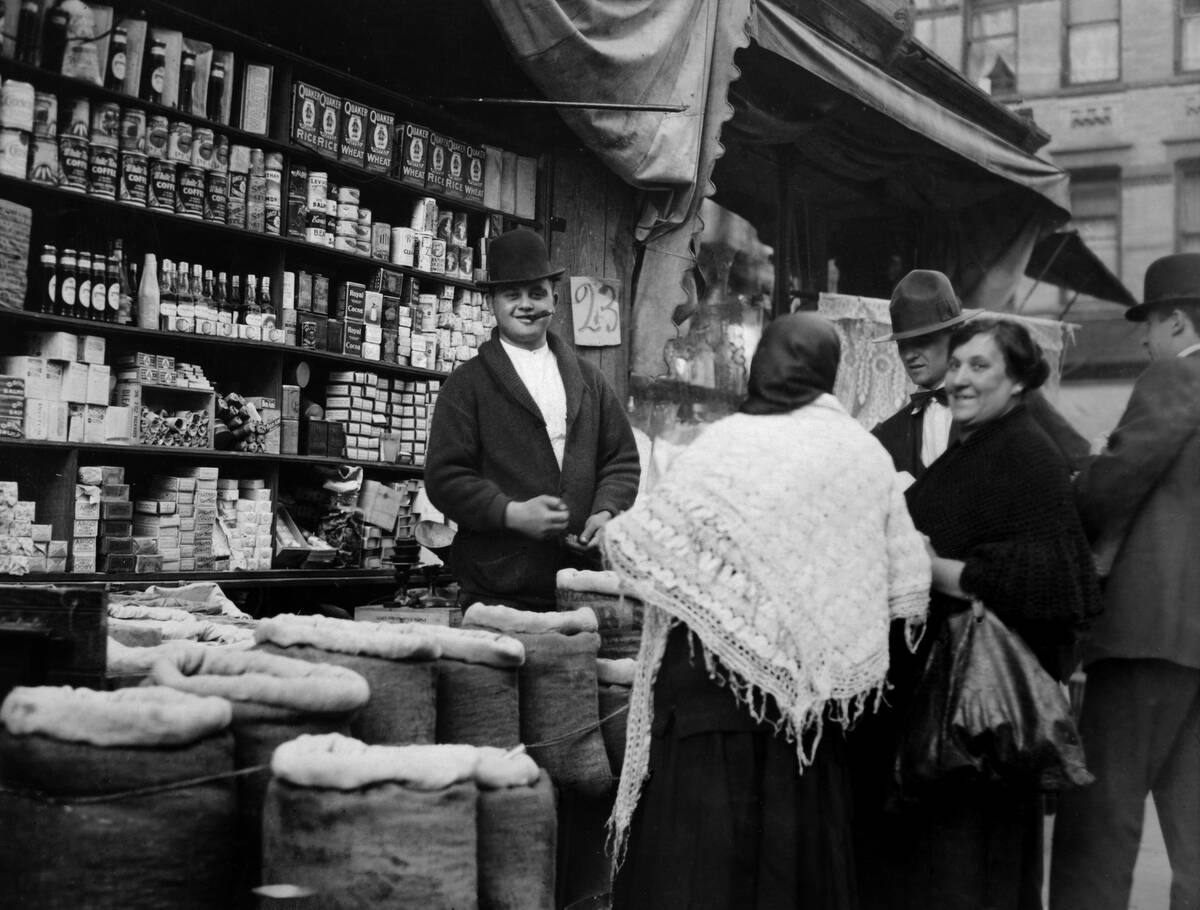
Family-owned grocery stores were the backbone of Main Street, offering fresh produce and friendly faces. These stores were more than just places to shop; they were community gathering spots where neighbors caught up on local news.
The first grocery store in the U.S. opened in 1916, and family-owned versions thrived on personalized service and quality products. From the smell of ripe tomatoes to the sight of colorful fruits, these stores were a feast for the senses.
The Barber Shop: More Than Just a Haircut
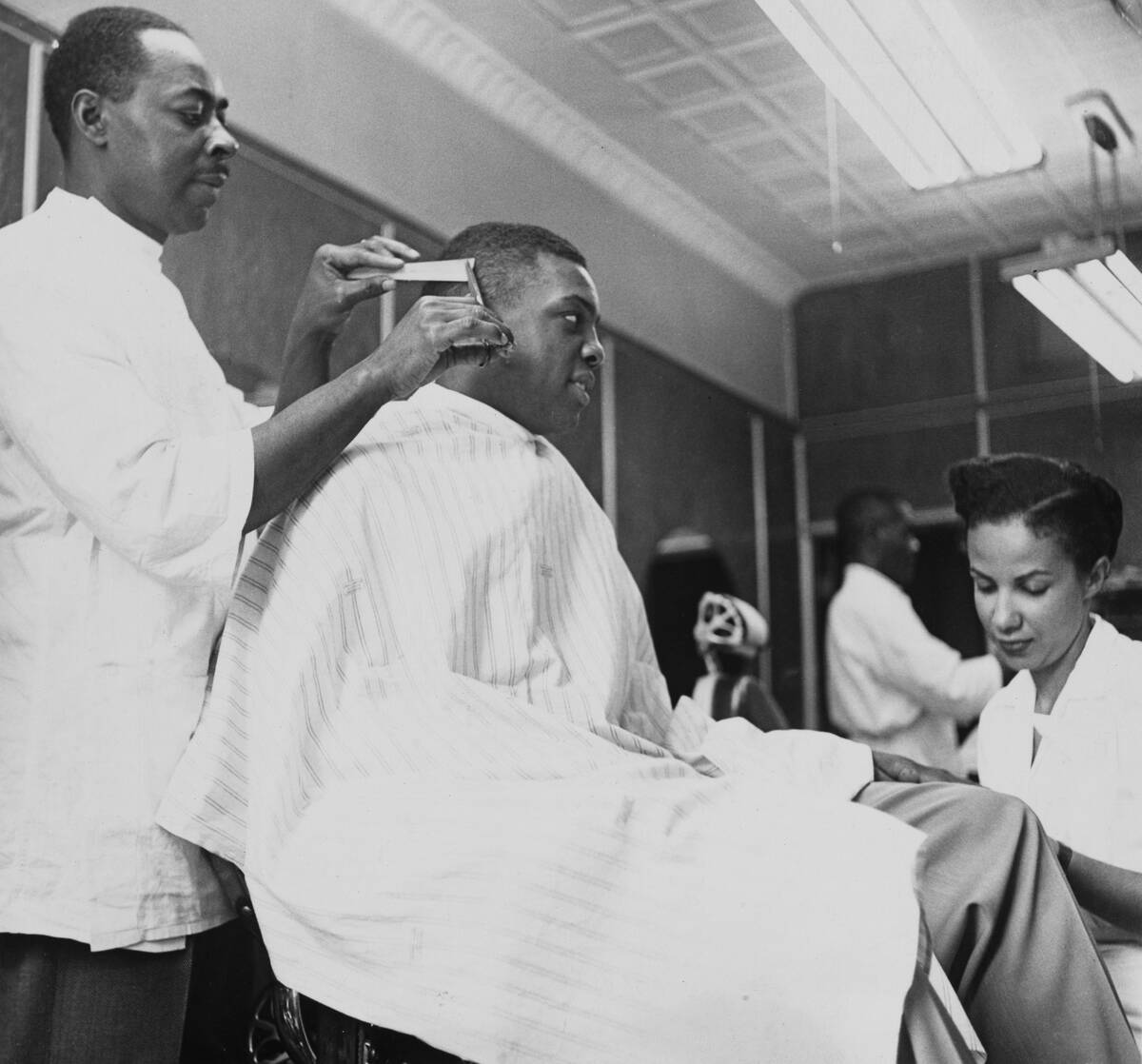
The barber shop was more than just a place for a haircut; it was a social institution. With its iconic barber pole and classic chairs, it was where stories were shared, and community bonds were strengthened.
The tradition of barbering dates back to ancient Egypt, but the modern barber shop became a staple in the 19th century. Whether you needed a trim or just a good chat, the barber shop was the place to be.
The Corner Drugstore: Your One-Stop Health and Beauty Shop
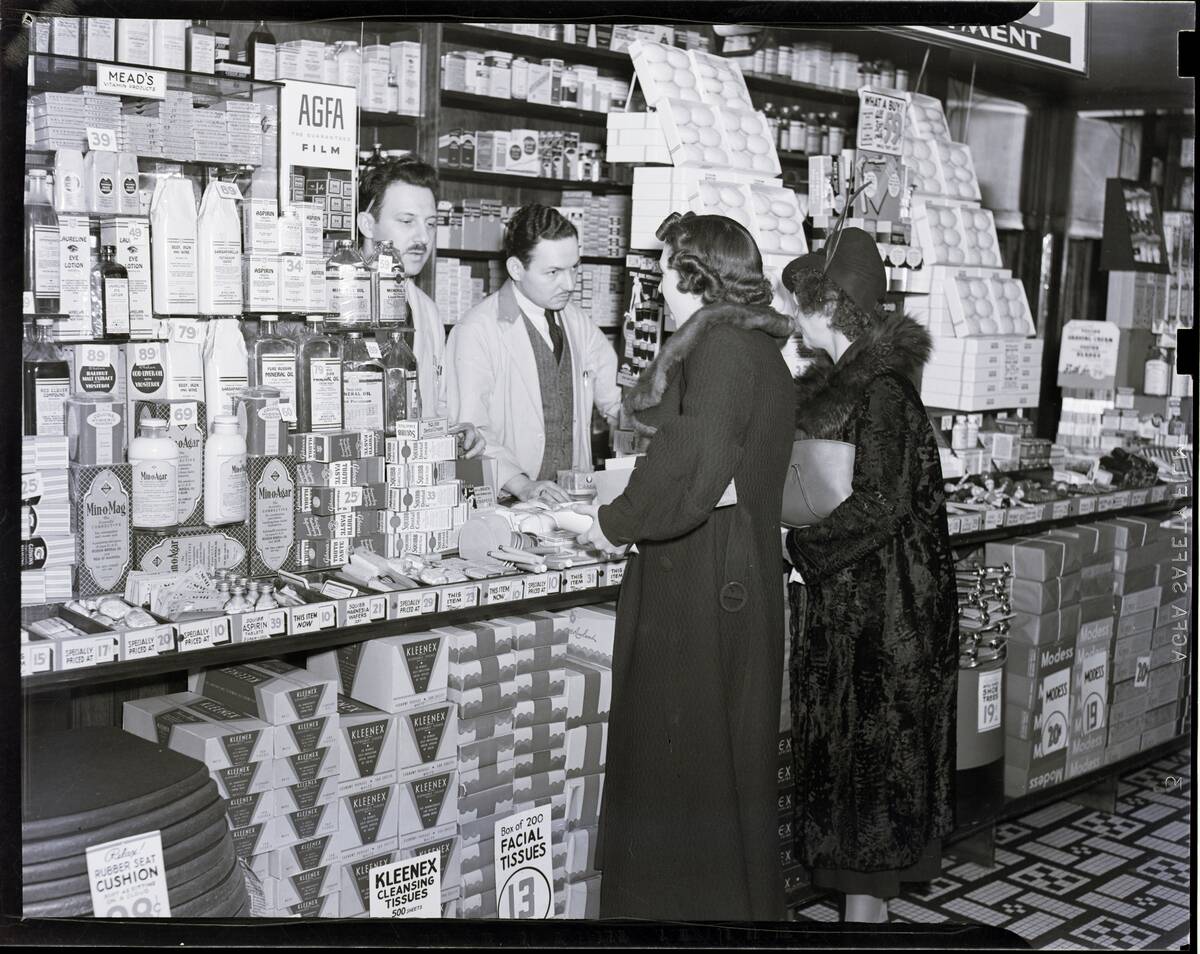
The corner drugstore was often a convenient neighborhood destination for medicines, health products, cosmetics, and everyday necessities. It could also serve as an important part of the local community, particularly before large pharmacy chains became widespread. Christopher Marshall opened an apothecary shop in Philadelphia in 1729, an establishment often cited among the earliest American apothecaries.
By the 20th century, independent drugstores had become familiar neighborhood fixtures. Many featured soda fountains, which offered drinks, ice cream, and a place for customers to sit and socialize. These stores provided more than medicine, combining everyday shopping with a distinctly social experience.
The Independent Bookstore: A Haven for Book Lovers
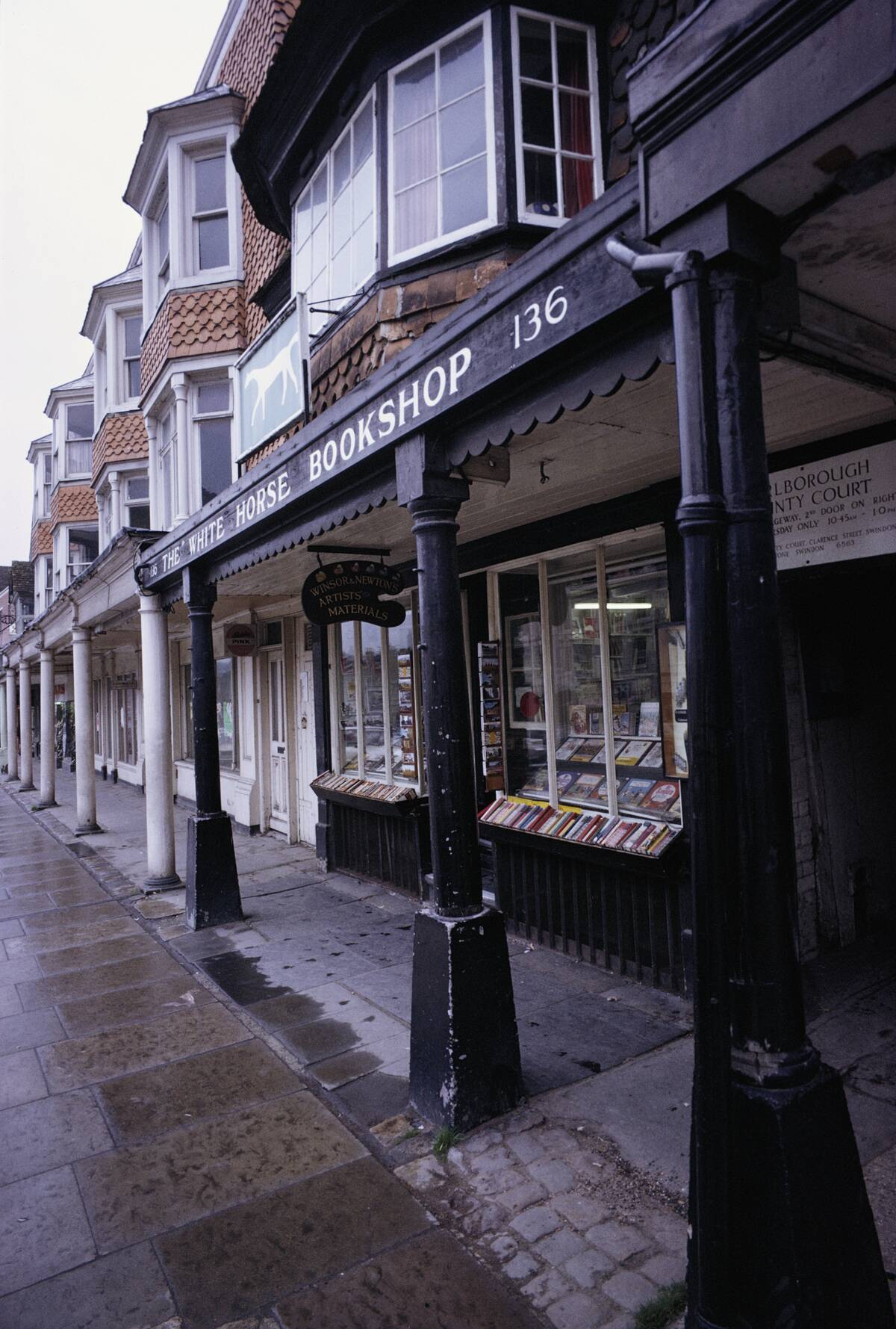
Independent bookstores have long served as gathering places for book lovers, offering carefully selected titles and distinctive, welcoming environments. Many provide personalized recommendations and host author readings, book signings, and book clubs that bring readers together.
Bookselling in America dates back to the colonial period, with booksellers operating in cities such as Philadelphia well before the 19th century. Independent bookstores have faced significant competition from large online retailers and digital books, yet many have remained active by emphasizing personal service, community events, and specialized selections.
The Video Rental Store: Friday Night’s Entertainment Hub
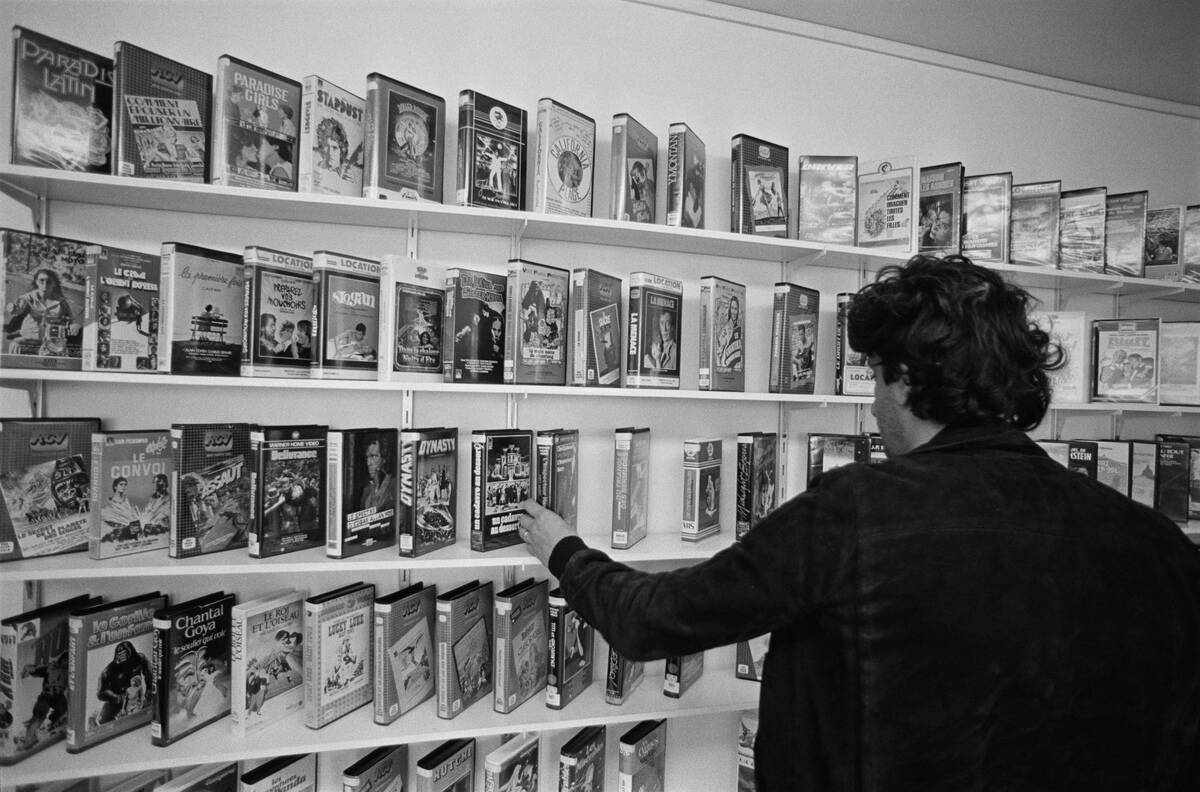
The video rental store became a popular destination for weekend entertainment, where families and friends browsed shelves for movies to watch at home. Video rental businesses expanded rapidly during the 1980s and reached their peak in the 1990s and early 2000s, offering extensive selections of films and, at many stores, video games.
George Atkinson’s Video Station, founded in Los Angeles in 1977, is often cited as one of the earliest video rental businesses. As the industry developed, VHS tapes became a familiar sight on rental shelves, followed by DVDs in the late 1990s.
The Record Store: Spinning Tunes and Discovering New Sounds
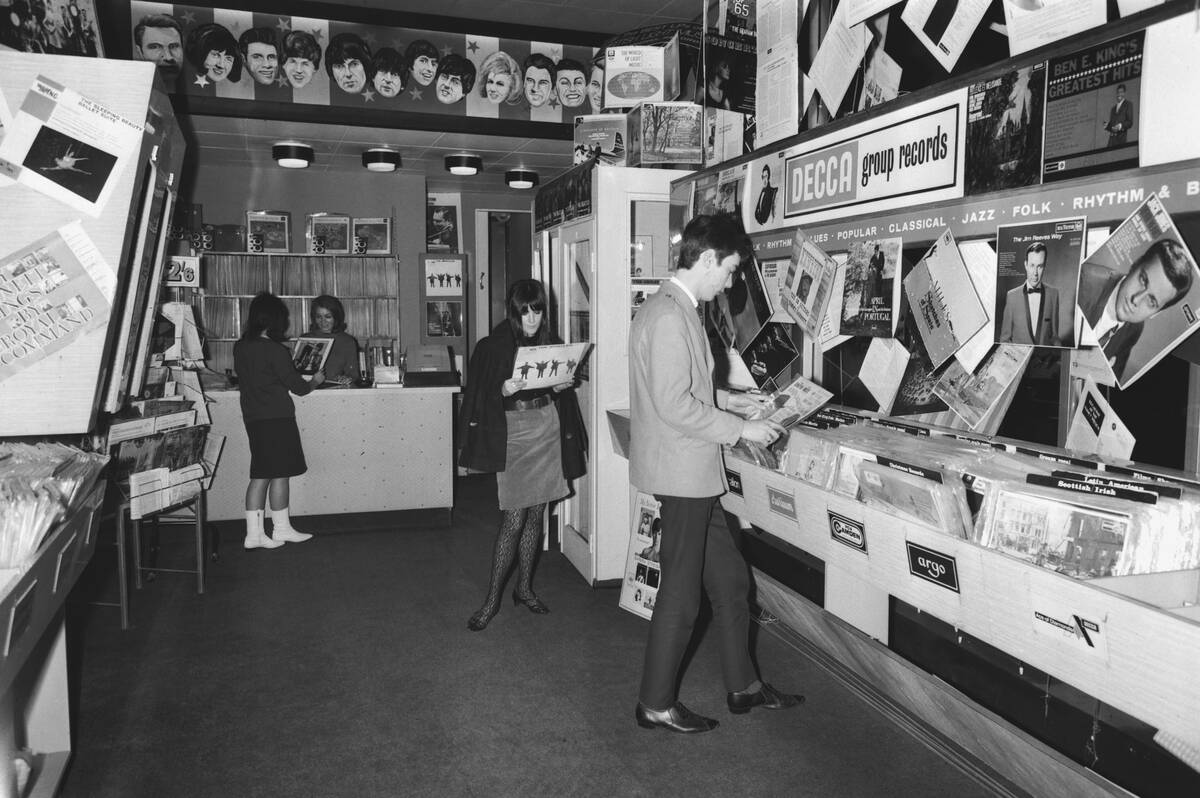
Record stores became important centers of music discovery, where vinyl enthusiasts could spend hours browsing shelves and exploring new albums. These stores offered a wide range of genres and, particularly in later decades, some hosted in-store performances, signings, and other events.
The commercial sale of recorded music developed in the late 19th century, while dedicated record stores became increasingly common during the 20th century and evolved into important cultural landmarks in many communities. Whether you were a fan of rock, jazz, classical, or another genre, the record store offered a place to discover new music and connect with fellow enthusiasts.
The Ice Cream Parlor: Sweet Treats and Fond Memories
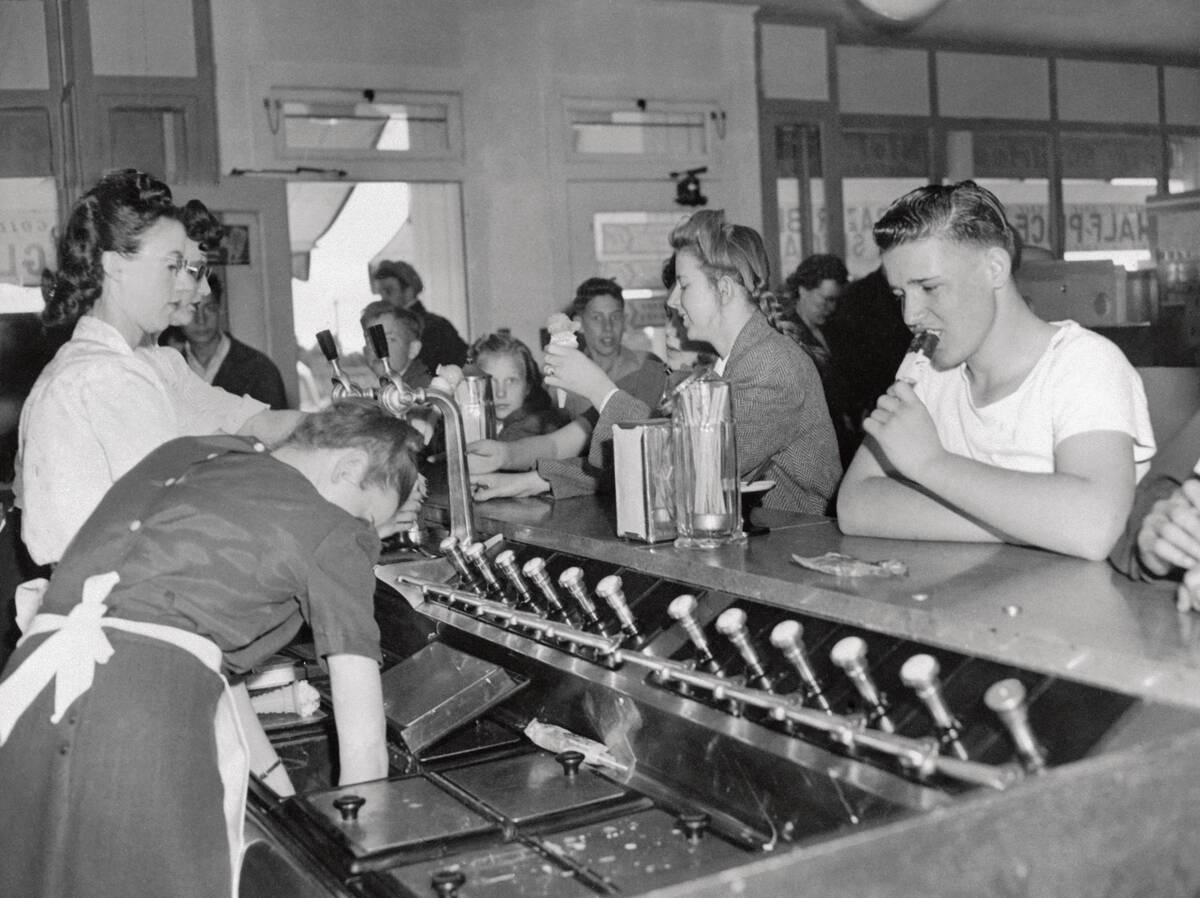
The ice cream parlor became a beloved destination for sweet treats and social gatherings, where a simple scoop could turn an ordinary outing into a memorable occasion. Ice cream was being served and sold in America by the 18th century, although dedicated ice cream parlors became more common in later periods.
Rather than having a clearly established first American parlor in 1776, the history of ice cream retail developed gradually as the dessert became increasingly accessible. By the late 19th and early 20th centuries, parlors offered treats such as sundaes and, later, ice cream cones.
The Local Bakery: The Smell of Freshly Baked Bread
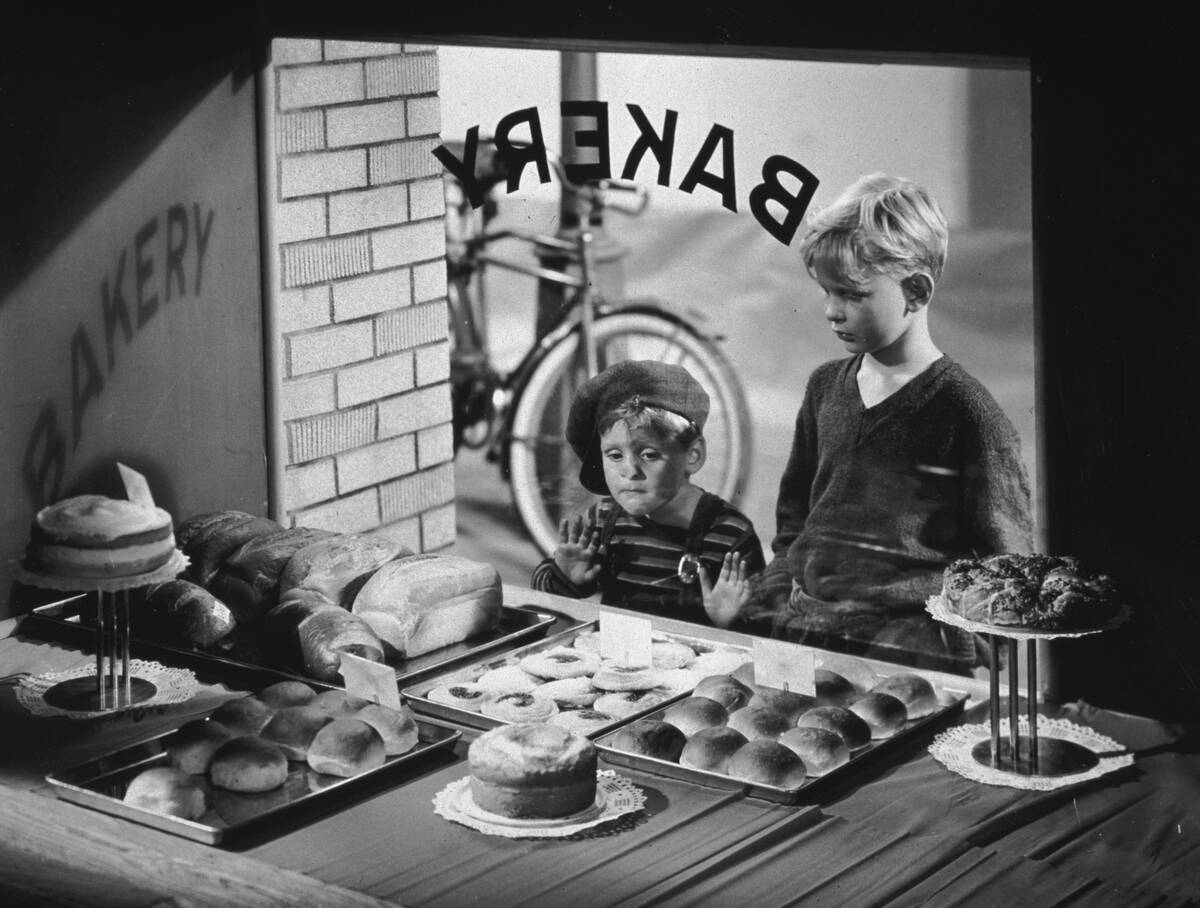
The local bakery was a sensory delight, with the aroma of freshly baked bread filling the air. Bakeries have long offered a variety of breads, pastries, cakes, and other baked goods, often reflecting the traditions of their communities. The tradition of baking dates back thousands of years, while commercial bakeries existed well before the 19th century and expanded significantly as towns and cities grew.
Over time, bakeries became familiar neighborhood businesses where customers could find everything from crusty loaves and traditional pastries to sweet rolls and cakes. For many communities, the local bakery became a place where craftsmanship, flavor, and everyday food traditions came together.
The Shoe Repair Shop: Keeping You on Your Feet
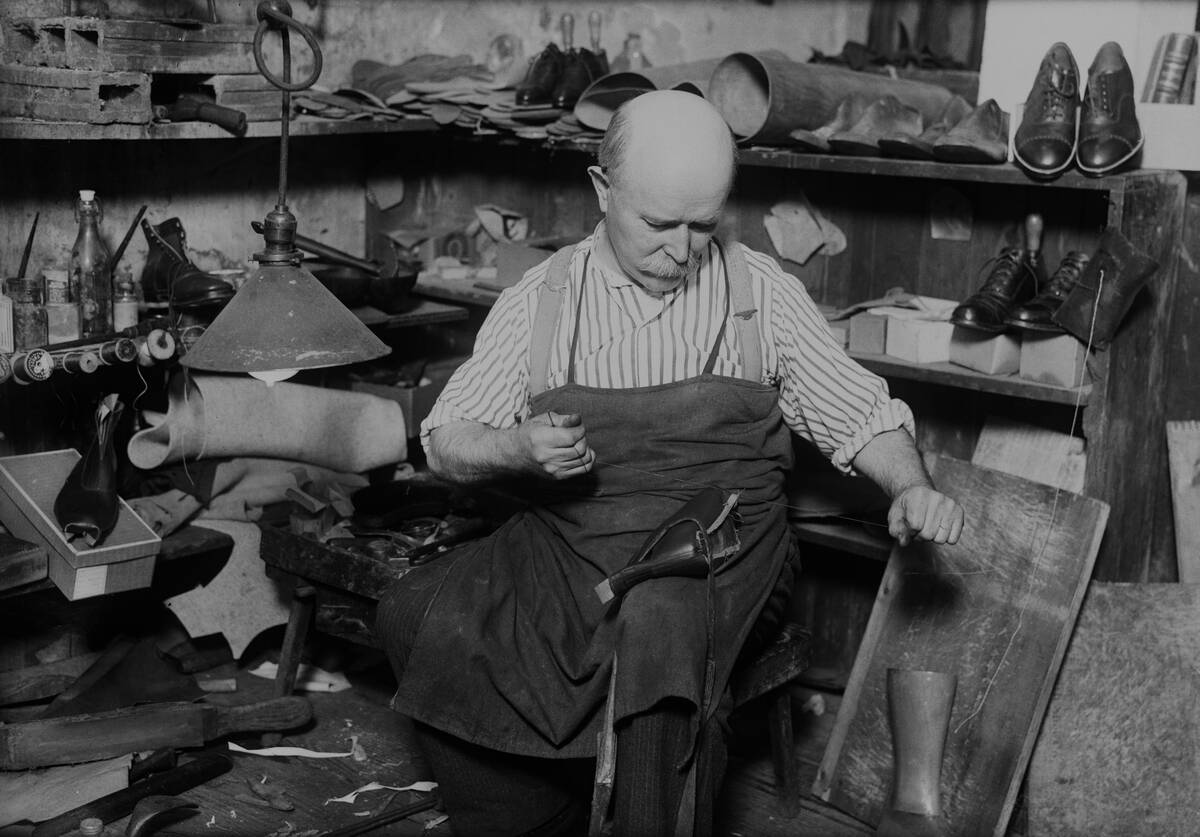
The shoe repair shop was an important place for maintaining and extending the life of well-made footwear. These shops offered services ranging from resoling and heel replacement to stitching, patching, and polishing, allowing customers to continue using their shoes rather than replacing them.
The craft of shoemaking and footwear repair dates back thousands of years, while specialized repair businesses became increasingly common as urban populations and commercial footwear markets expanded during the 19th and early 20th centuries. Skilled cobblers relied on specialized tools and techniques to restore worn footwear.
The Tailor Shop: Where Clothes Were Made to Fit
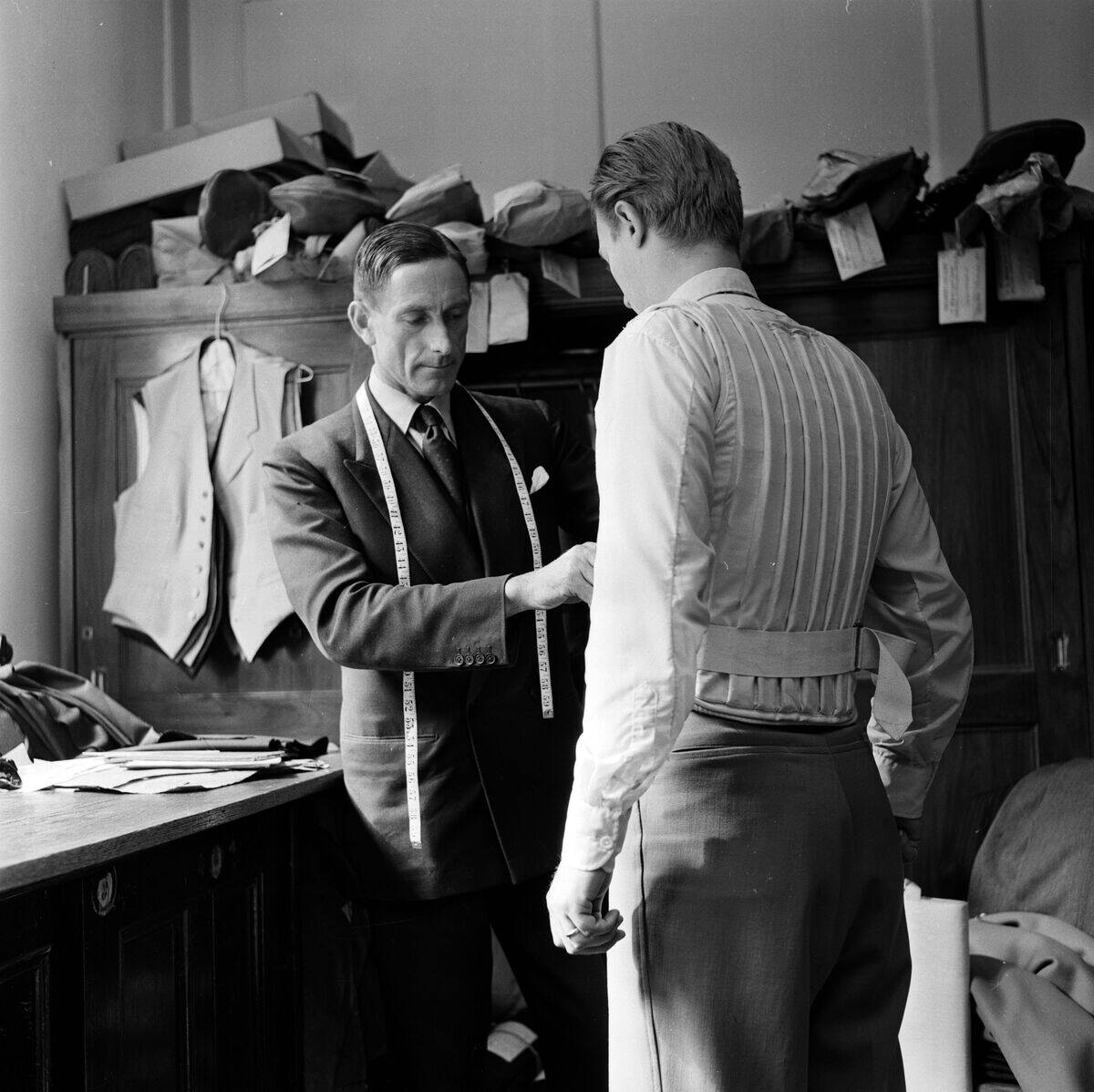
The tailor shop was a place where garments could be carefully fitted and customized to meet individual needs. These shops featured fabrics, specialized tools, and, from the 19th century onward, increasingly common sewing machines, reflecting the artistry and precision involved in tailoring.
Tailoring developed as a specialized trade during the medieval period, although skilled clothing makers and textile workers existed long before the profession took its modern form. Whether creating a custom suit, altering an existing garment, or making other clothing adjustments, tailors used careful measurements and craftsmanship to achieve a well-fitting result.
The Candy Store: A Child’s Dream Come True
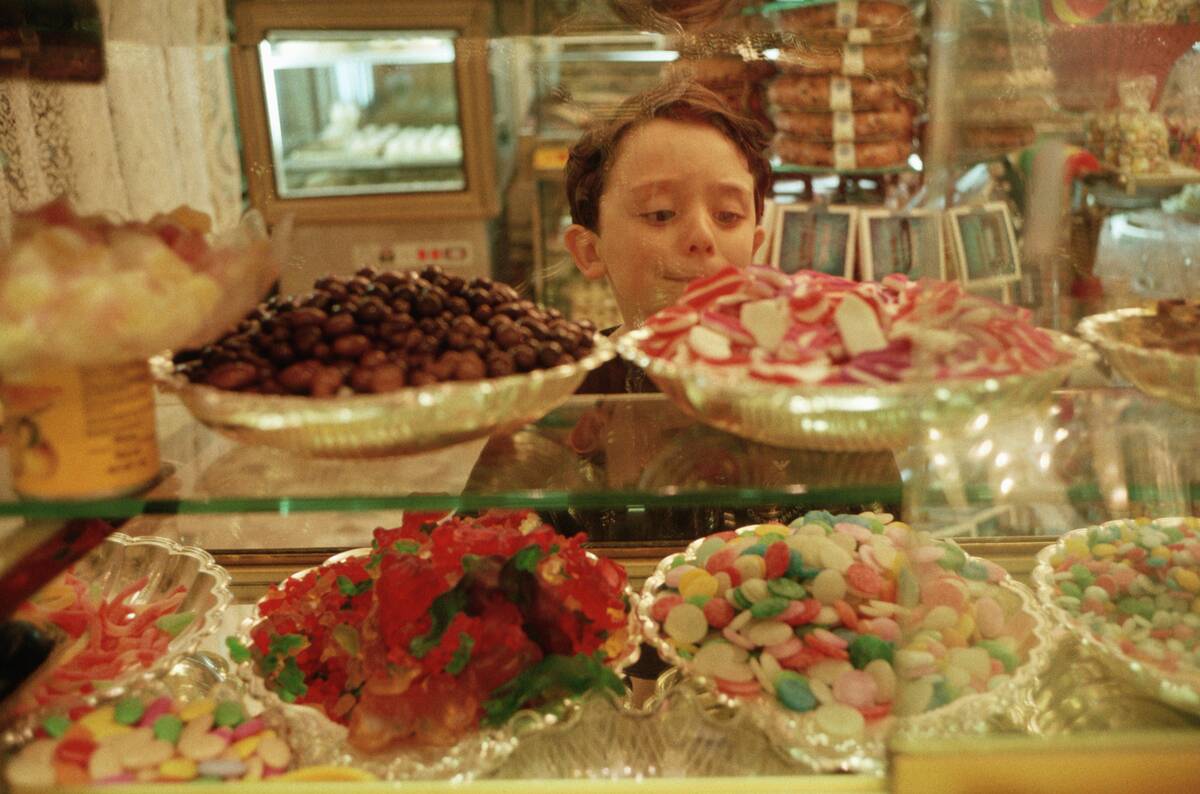
The candy store was a beloved destination filled with colorful sweets and treats that appealed to children and adults alike. These stores offered everything from inexpensive individual candies to chocolates and other confectionery, giving customers an enormous variety of choices.
Confectionery shops existed in the United States well before the mid-19th century, while candy stores became increasingly popular as sugar became more affordable and candy manufacturing expanded during the 19th and early 20th centuries. With jars and displays filled with brightly colored sweets, visiting a candy store became an enjoyable experience in itself.
The Local Pub: The Heartbeat of the Community
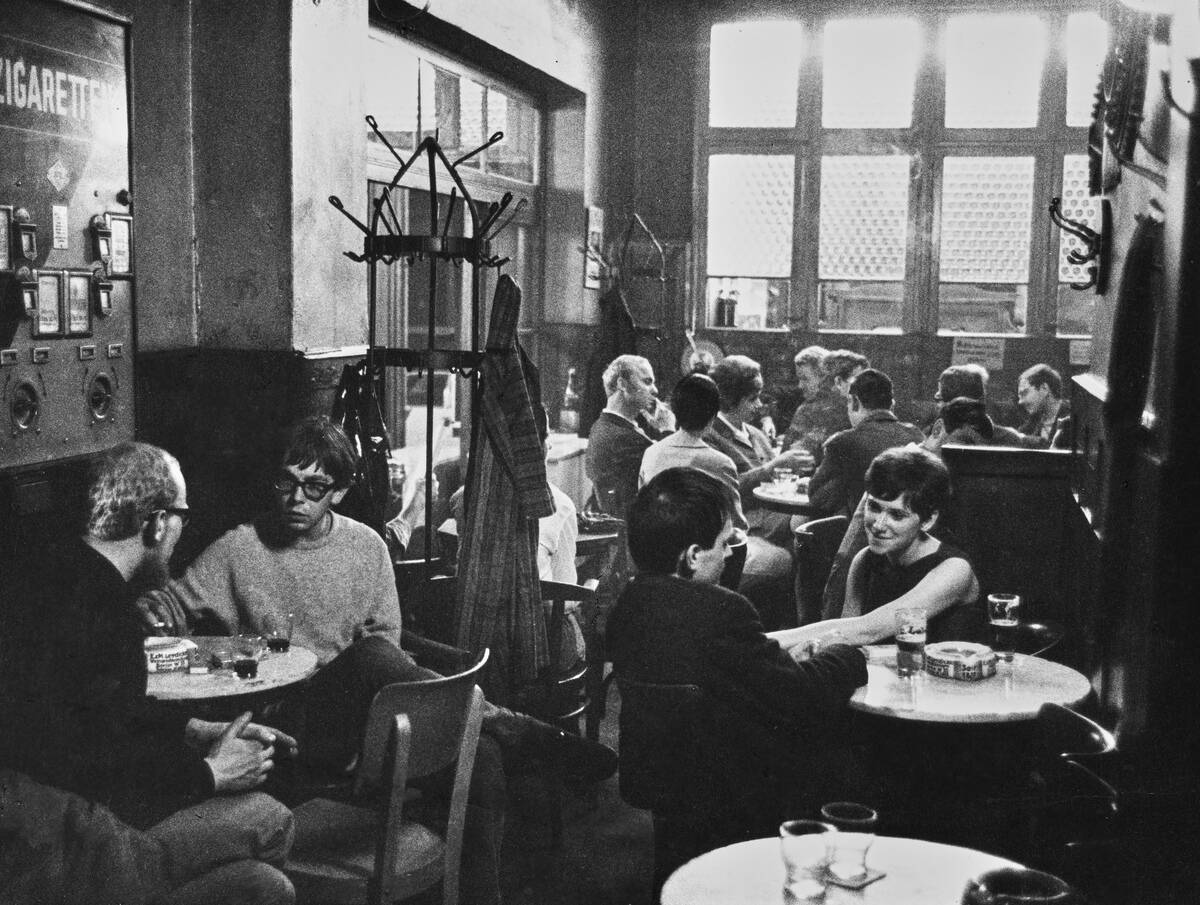
The local pub was often an important gathering place, where friends and neighbors could unwind, share stories, and socialize over a drink. Pubs and taverns have a long history, with taverns becoming important institutions in colonial America.
Samuel Cole’s tavern, established in Boston in 1634, is often cited as one of the city’s earliest documented taverns, although it is difficult to identify a single establishment as definitively the first in America. Historically, taverns served purposes beyond drinking, hosting meals, meetings, games, music, and community gatherings.