Pop culture controversies that seem fairly innocent today
Pop culture has always been a hotbed for controversies, sparking debates and discussions across generations. From music to television, each era has its own set of iconic moments that challenged societal norms and pushed boundaries.
These controversies often reflect the changing values and attitudes of society, providing a mirror to our collective consciousness.
A Crop Top, A Bellybutton, And A Dream
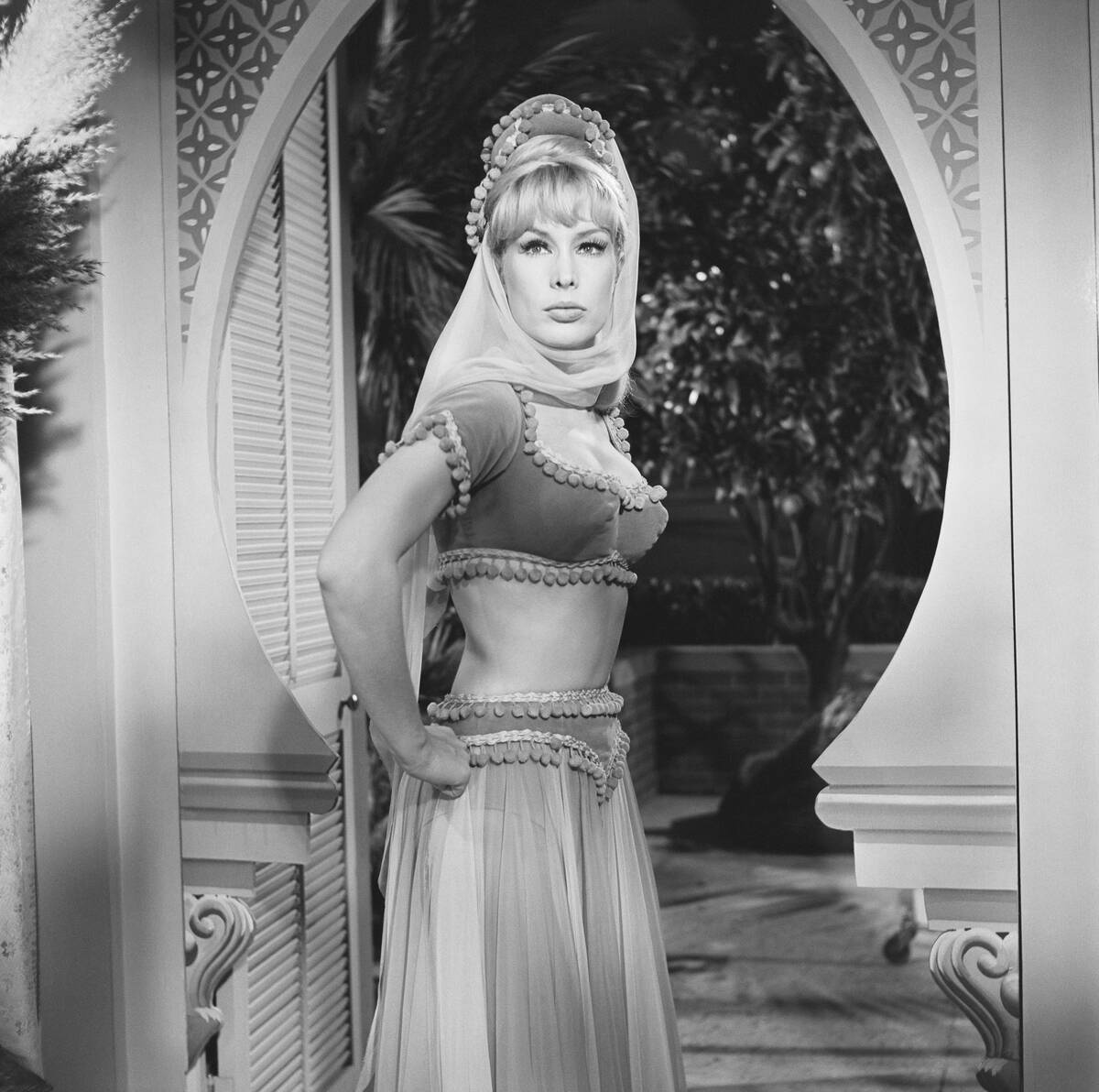
Barbara Eden’s costume on I Dream of Jeannie caused another controversy that seems remarkably tame today. Although Jeannie wore a revealing harem-style outfit, there was considerable concern over whether Eden’s belly button could appear on television, leading to careful efforts to keep it covered.
Eden and series creator Sidney Sheldon later recalled the unusual debate over her navel. What once attracted the attention of television censors would barely register with modern audiences, showing just how strict broadcast standards could be in the 1960s.
The Beatles’ Haircuts: A Scandalous Style Statement
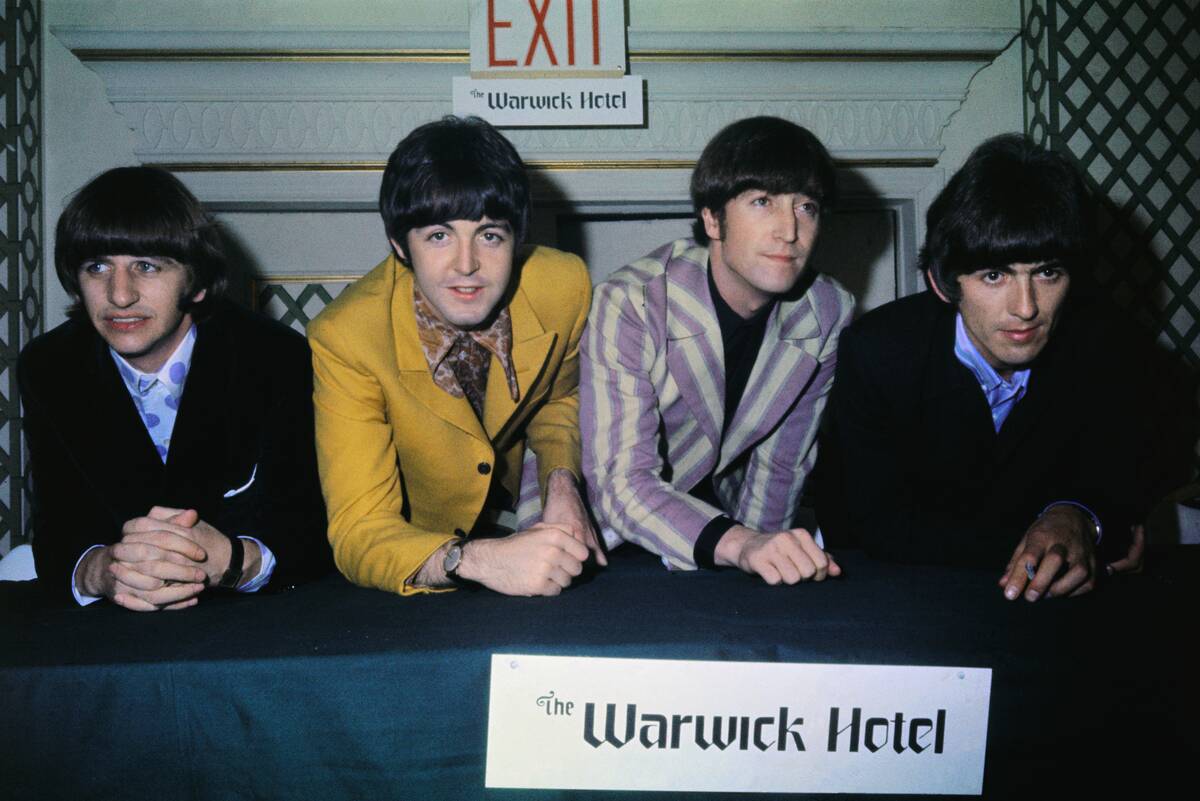
In the 1960s, The Beatles took the world by storm with their music and their mop-top haircuts. While it may seem tame by today’s standards, their hairstyle was considered rebellious and even scandalous at the time.
The Beatles’ haircuts became a symbol of youthful defiance, challenging the conservative grooming standards of the era. Their style not only influenced fashion but also marked a shift in cultural attitudes towards individuality and self-expression.
Elvis Presley’s Hip-Shaking
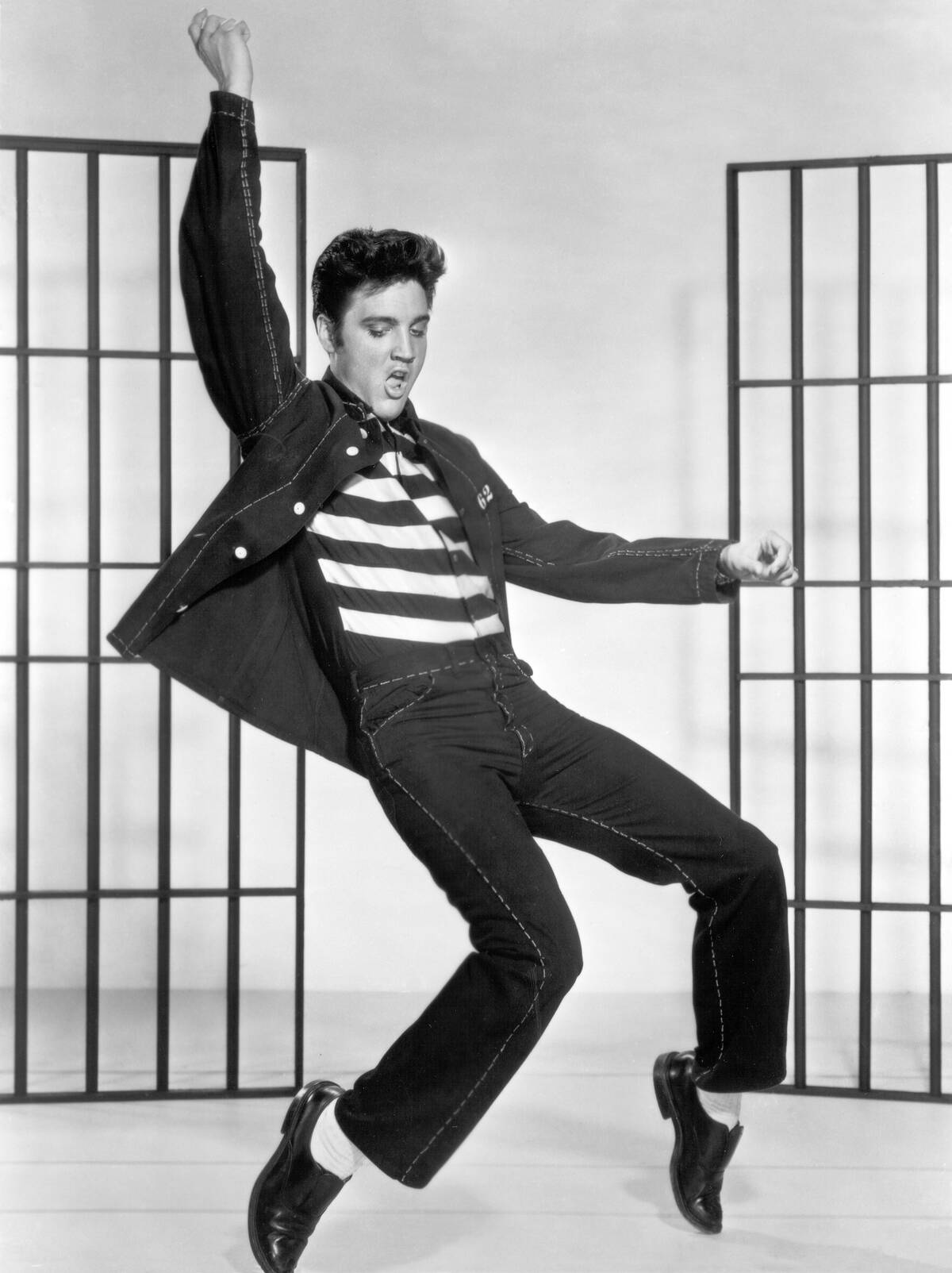
Elvis Presley, the King of Rock ‘n’ Roll, was known for his electrifying performances and signature hip-shaking dance moves. In the 1950s, his gyrations were deemed too provocative for television audiences, leading some shows to film him only from the waist up.
Despite the controversy, or perhaps because of it, Elvis’s performances captivated audiences and cemented his status as a cultural icon. His daring dance moves challenged societal norms and paved the way for future generations of performers.
Madonna’s “Like a Virgin”: A Provocative Performance at the MTV VMAs
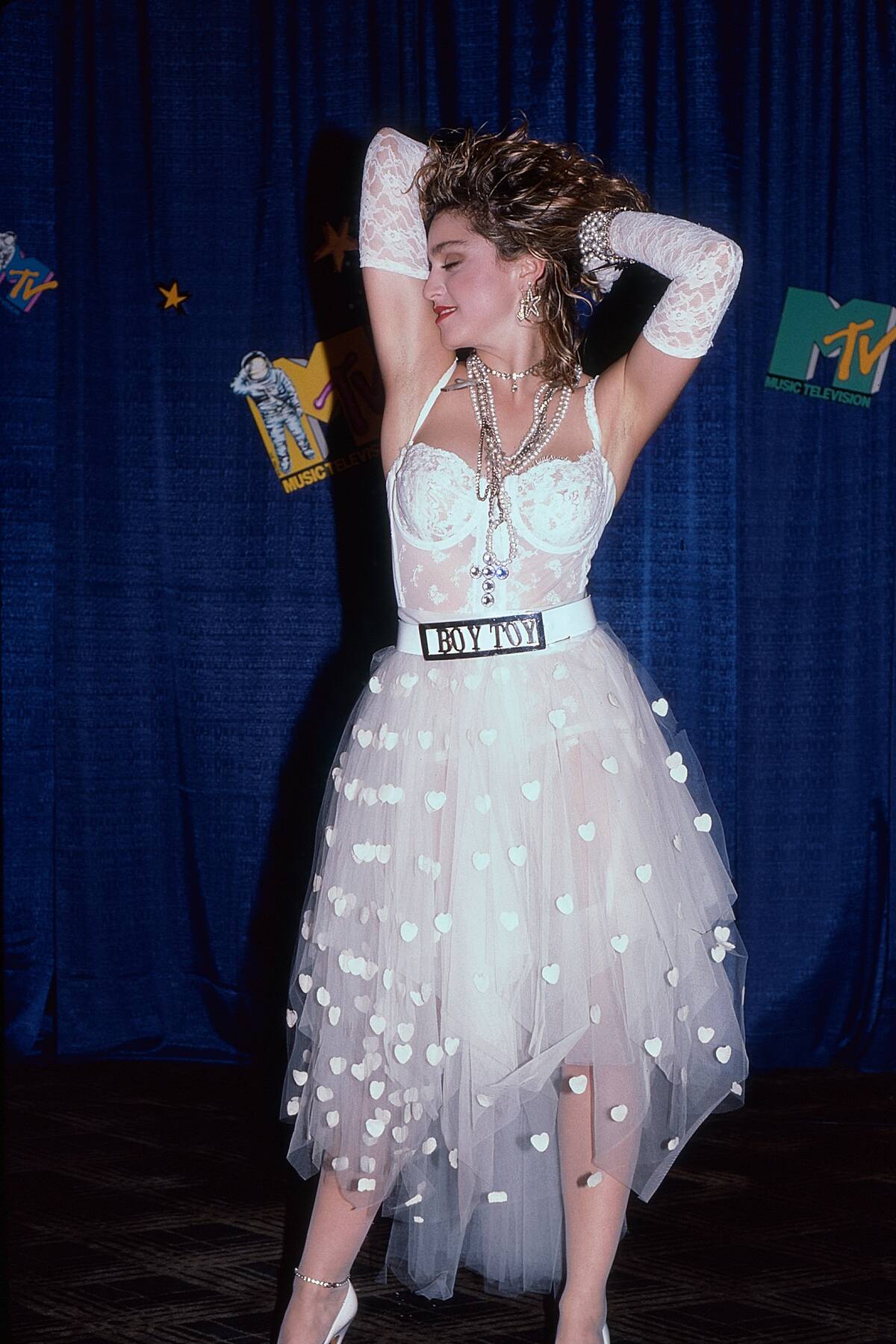
Madonna’s 1984 MTV Video Music Awards performance of “Like a Virgin” is legendary for its boldness and audacity. Dressed in a wedding gown, Madonna writhed on stage, pushing the boundaries of what was considered acceptable on live television.
Her performance was both criticized and celebrated, sparking discussions about sexuality and artistic expression. Madonna’s fearless approach to performance art challenged the status quo and solidified her place as a pop culture provocateur.
A Pregnancy ‘Scare’: Lucille Ball Shows The Bump
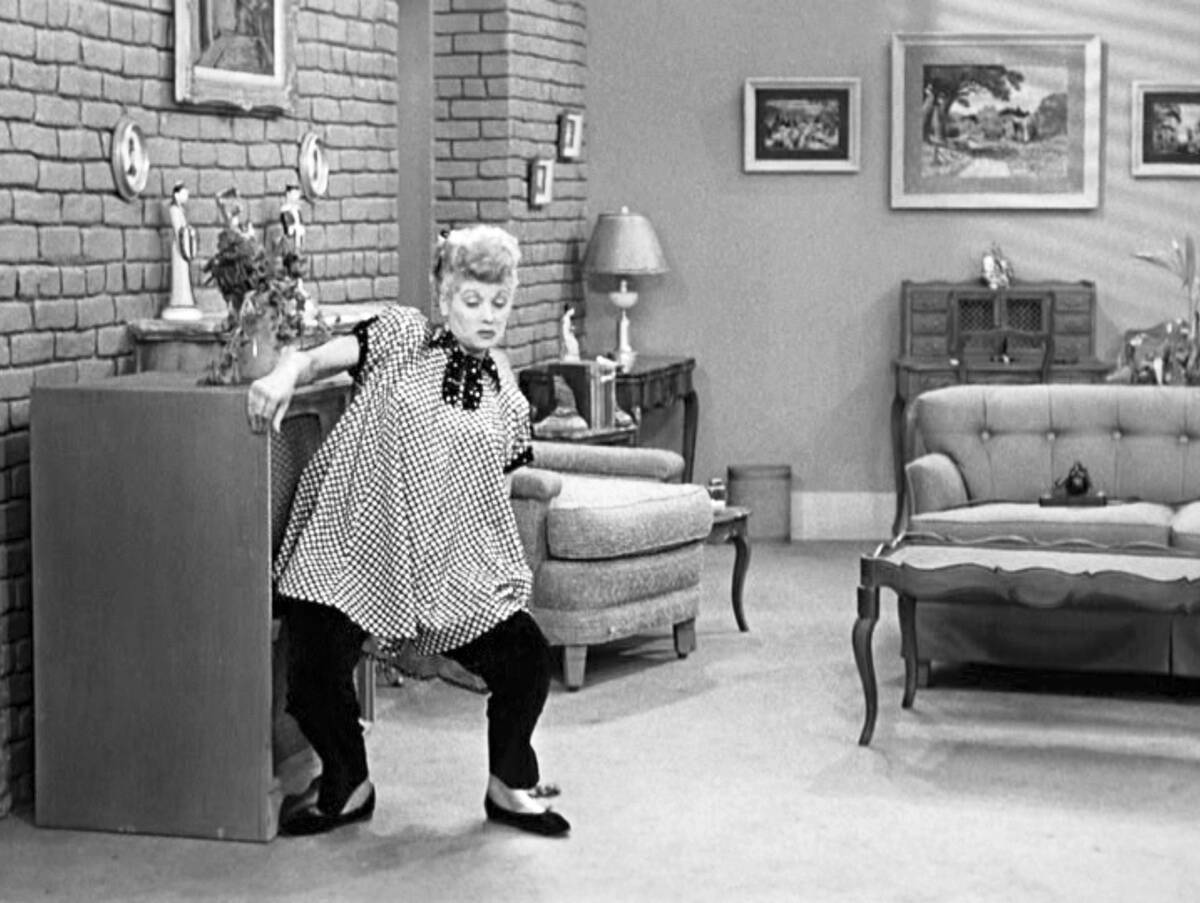
In the 1950s, simply showing a pregnancy on television was considered controversial. When Lucille Ball became pregnant while starring in I Love Lucy, the pregnancy was written into the show, but network standards were so cautious that the character was described as “expecting” rather than “pregnant.”
Religious advisers were even consulted about the storyline. Today, an on-screen pregnancy seems completely ordinary, making the controversy a striking example of how dramatically television standards have changed.
The Simpsons: A Cartoon Family That Stirred Debate
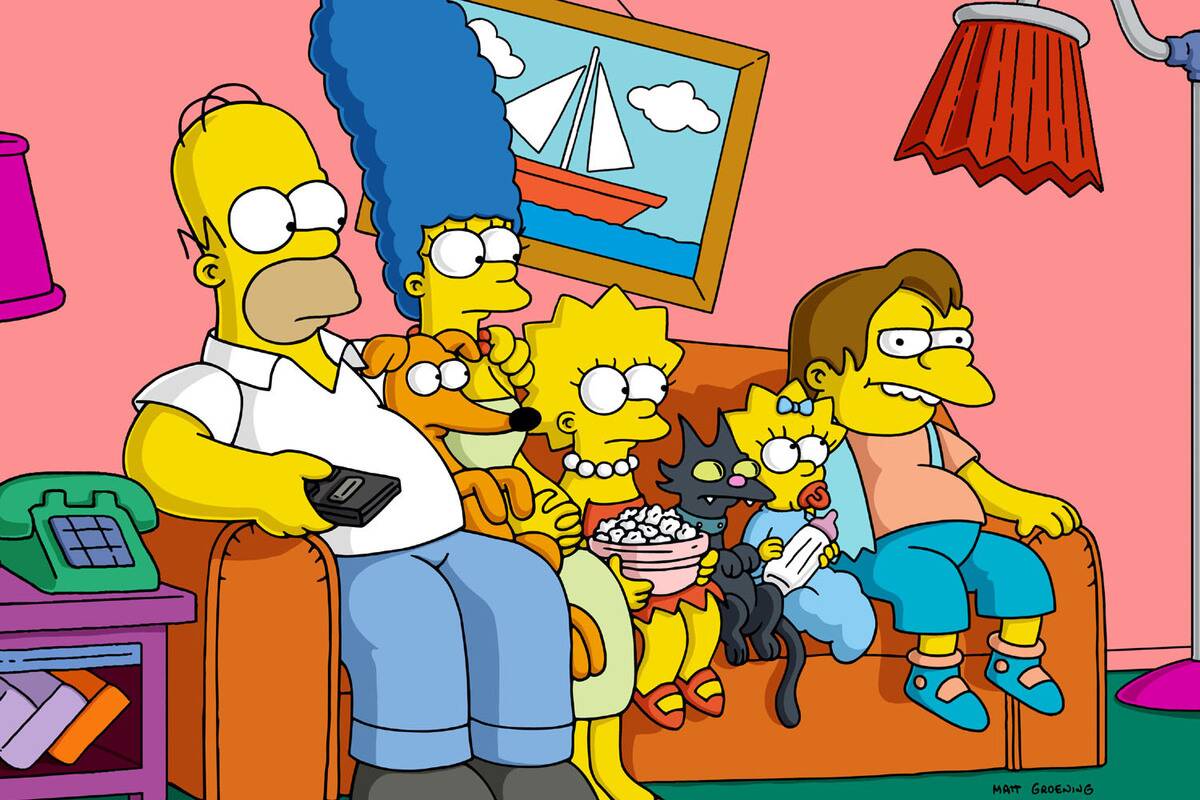
When “The Simpsons” debuted in 1989, it quickly became a cultural phenomenon. The animated series was both praised and criticized for its satirical take on American family life. Some viewers were concerned about the show’s irreverent humor and its impact on children, while others appreciated its clever social commentary.
Despite the controversies, “The Simpsons” has endured for decades, becoming one of the longest-running television shows in history and influencing countless other animated series.
Janet Jackson’s Super Bowl “Wardrobe Malfunction”
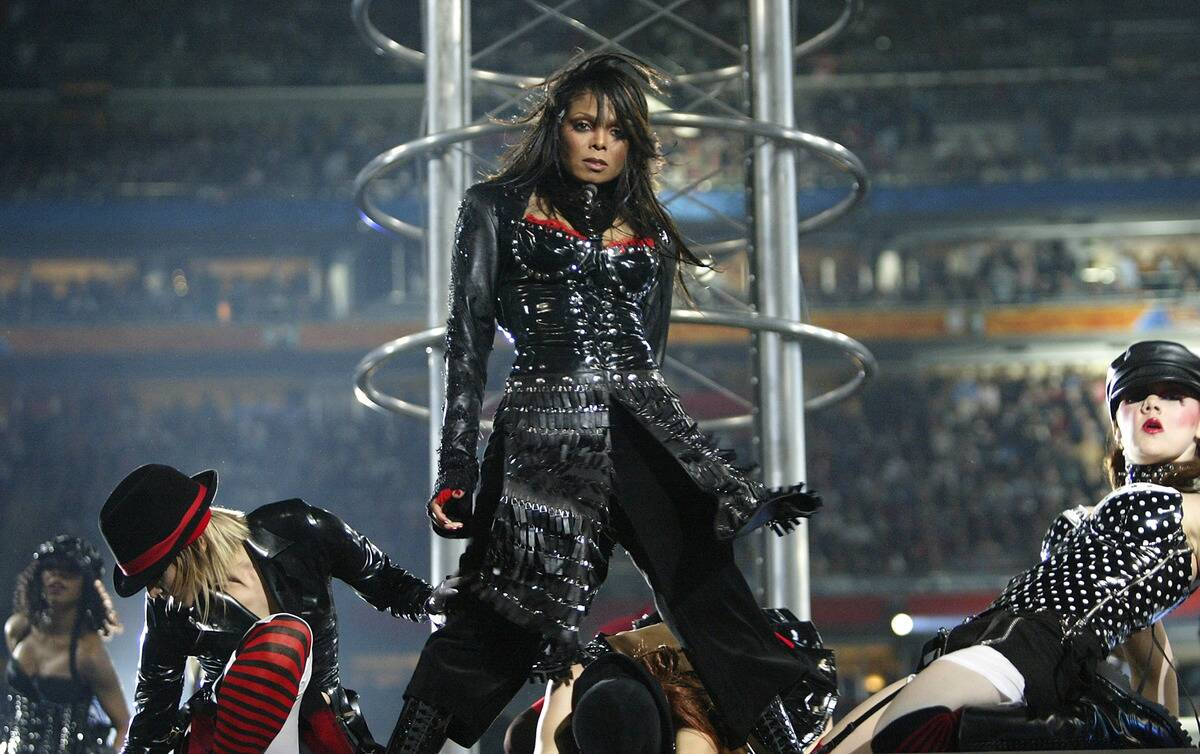
The 2004 Super Bowl halftime show featuring Janet Jackson and Justin Timberlake is infamous for its “wardrobe malfunction.” During the performance, Justin Timberlake pulled away part of Janet Jackson’s costume during the final moments of their performance, briefly exposing her breast.
The incident, widely labeled a ‘wardrobe malfunction,’ triggered enormous media attention and controversy over broadcast indecency. It also contributed to tighter scrutiny and delay mechanisms for live television broadcasts.
Britney Spears’ “Baby One More Time” Schoolgirl Outfit

Britney Spears burst onto the pop music scene in 1998 with her hit single “…Baby One More Time.” The music video featured Spears in a schoolgirl outfit, complete with a plaid skirt and tied-up blouse, which quickly became iconic.
While some viewed the outfit as a clever marketing move, others criticized it for sexualizing a young performer. The controversy highlighted ongoing debates about the portrayal of women in the music industry and the impact of media on young audiences.
The Backlash Against “Harry Potter”: Magic, Morality, and Muggle Concerns
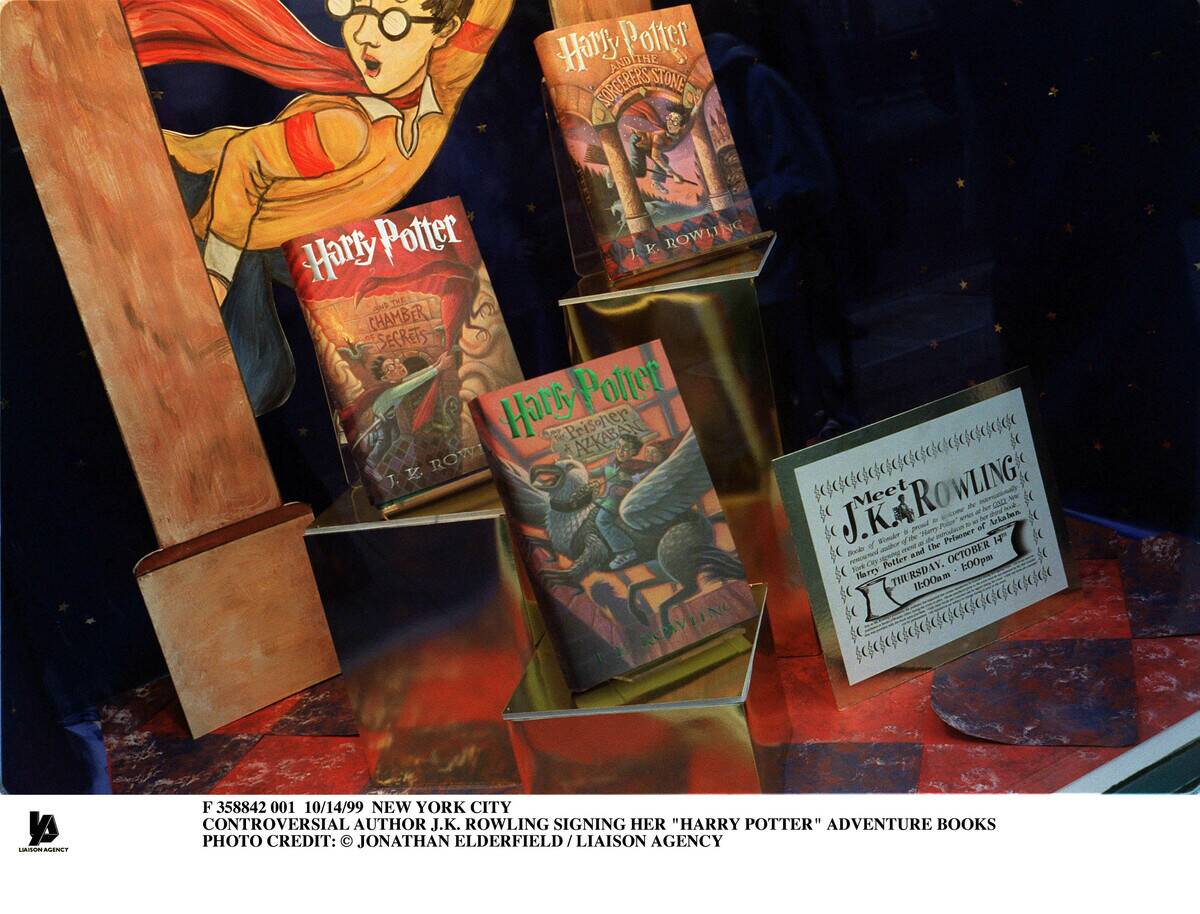
J.K. Rowling’s “Harry Potter” series enchanted readers worldwide, but it also faced backlash from some religious groups. Critics argued that the books promoted witchcraft and magic, leading to calls for bans in schools and libraries.
Despite the controversy, the series became a global phenomenon, inspiring a generation of readers and sparking discussions about censorship and the role of fantasy in literature. The “Harry Potter” controversy underscores the tension between creative expression and societal values.
Miley Cyrus’ Twerking at the 2013 VMAs
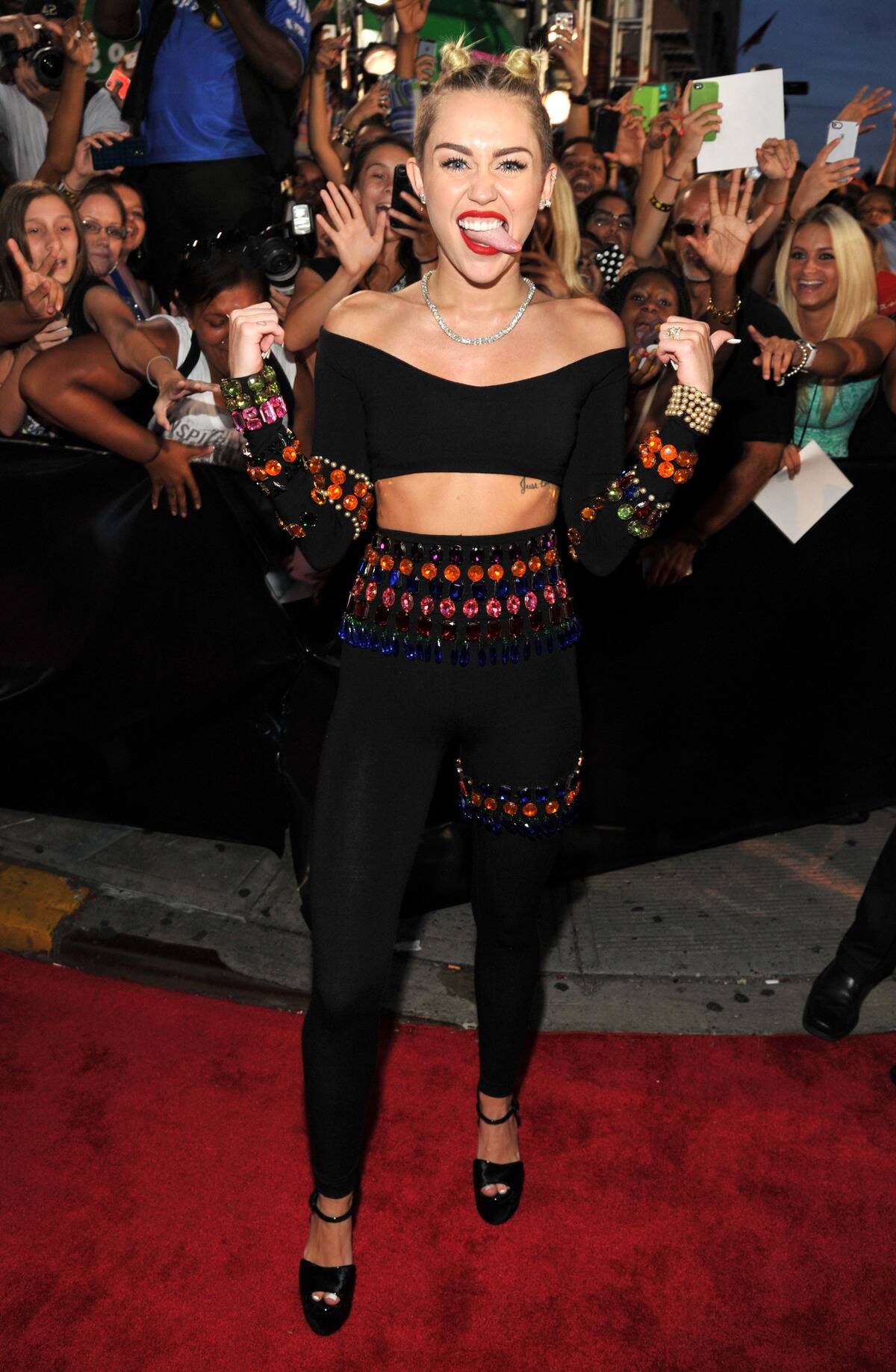
Miley Cyrus made headlines with her 2013 MTV Video Music Awards performance, where she twerked alongside Robin Thicke. The provocative dance moves shocked viewers and sparked debates about appropriateness and cultural appropriation.
While some criticized Cyrus for her antics, others saw it as a bold statement of independence and artistic freedom. The performance became a defining moment in Cyrus’s career, highlighting the evolving nature of pop culture and the power of performance to provoke discussion.




