Products once sold door-to-door across America
The golden age of door-to-door sales in America was a time when the sound of a doorbell heralded the arrival of opportunity. From the early 1900s to the mid-20th century, salesmen traversed neighborhoods, offering everything from household goods to encyclopedias.
This era was marked by personal interactions and the promise of convenience, as these peddlers brought the marketplace directly to the consumer’s doorstep, often with a smile and a well-rehearsed pitch.
The Rise and Fall of the Fuller Brush Man
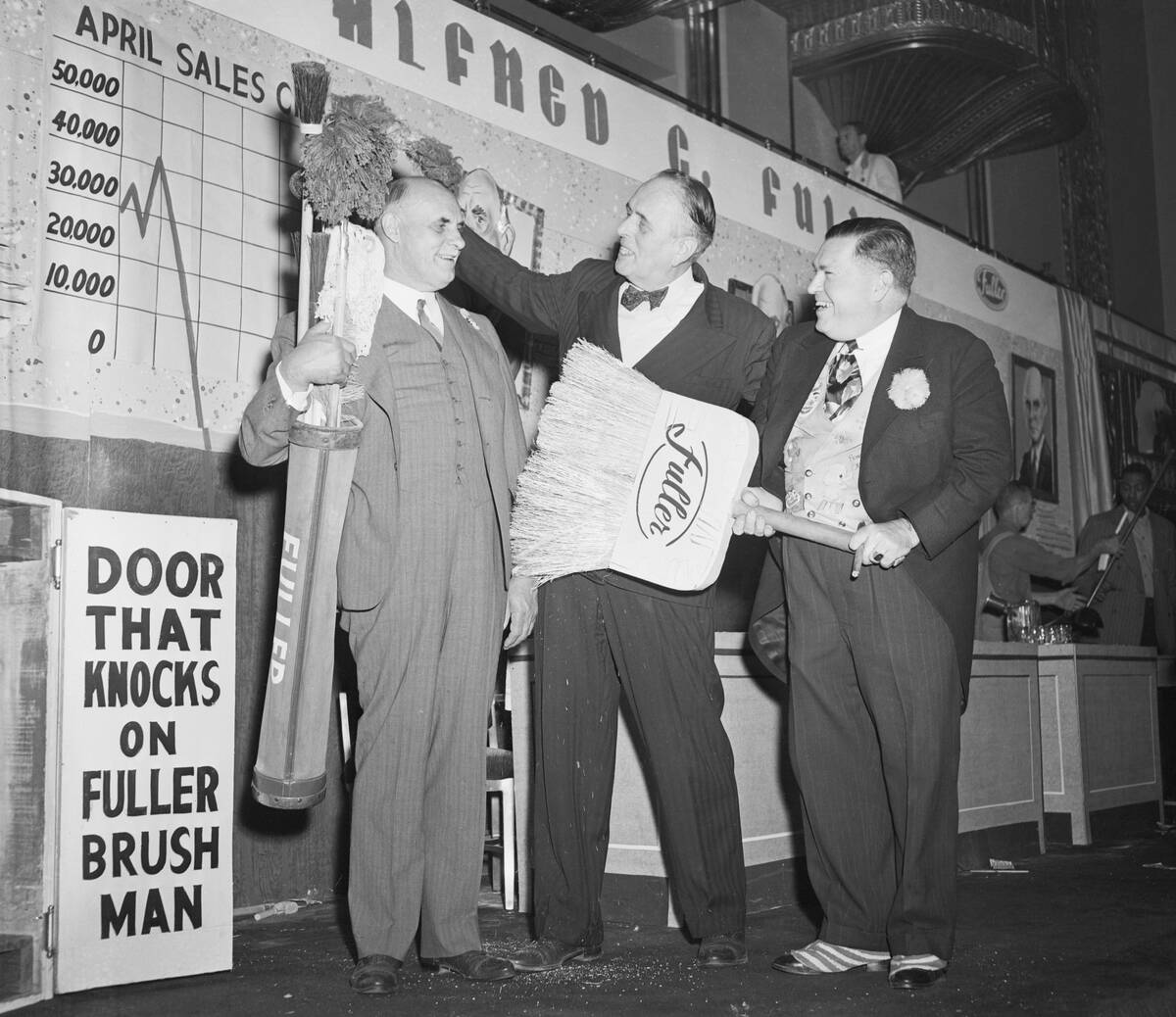
The Fuller Brush Man was once a familiar figure in many American homes, selling brushes and cleaning products directly to customers at their doors. Founded in 1906, the Fuller Brush Company built its reputation through its extensive sales force, product demonstrations, and guarantees.
As department stores, supermarkets, mail-order businesses, and eventually online shopping changed the way Americans bought household goods, traditional door-to-door selling gradually declined. Although Fuller Brush continued operating, the once-common Fuller Brush Man became a symbol of an earlier era of American salesmanship.
Avon Calling: The Cosmetic Revolution

Avon helped transform the cosmetics industry by popularizing direct sales and creating opportunities for women to earn income as independent representatives. Founded in 1886 as the California Perfume Company, it adopted the Avon name in 1939. For generations, many women sold Avon products through personal networks and neighborhood visits, offering customers beauty products and recommendations directly in their homes.
The phrase “Avon calling” became closely associated with this door-to-door sales model. Avon’s long-running success demonstrated the effectiveness of personal selling and relationship-based marketing in building a large customer network.
Encyclopedias: Bringing Knowledge to Your Doorstep

Before the internet, encyclopedias were important reference sources for families, schools, and libraries, and door-to-door sales representatives played a significant role in distributing them. Companies such as Britannica and World Book offered extensive multi-volume sets covering a wide range of subjects and marketed them as valuable educational resources.
Sales representatives visited homes to demonstrate the sets and emphasize their usefulness for students and families. For many households, owning a large encyclopedia collection represented an investment in education and provided a convenient reference source for learning and research.
The Vacuum Cleaner Craze: From Hoover to Kirby
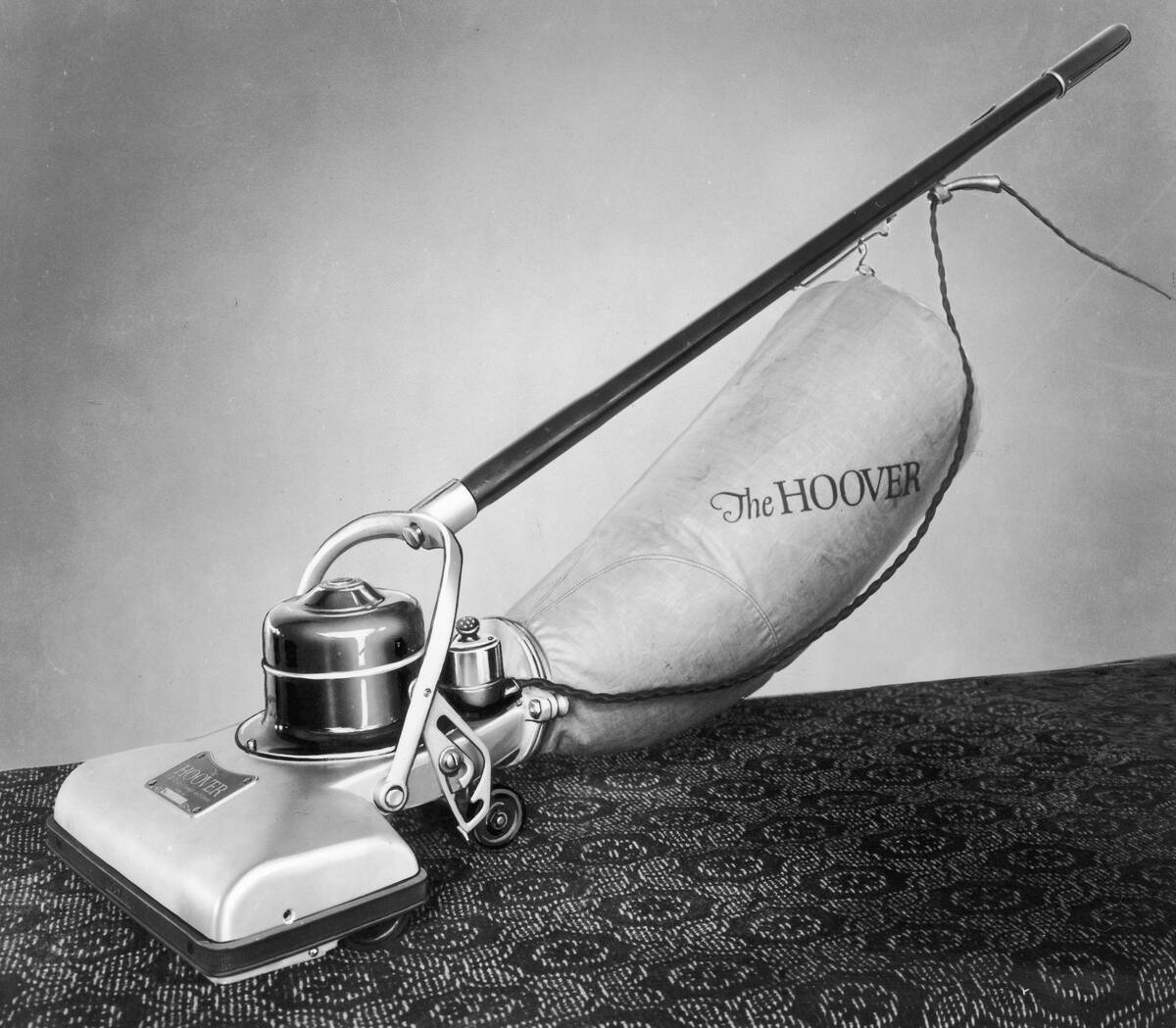
Vacuum cleaners transformed household cleaning by making the task more convenient and less labor-intensive, and companies like Hoover and Kirby became closely associated with door-to-door sales. Their representatives demonstrated the machines’ cleaning abilities directly in customers’ homes, helping convince prospective buyers of their usefulness.
Kirby vacuums developed a reputation for sturdy construction and durability, qualities emphasized in the company’s marketing and sales demonstrations. The growing popularity of vacuum cleaners reflected the broader appeal of modern electrical appliances and their promise of making everyday household tasks easier.
Tupperware Parties: A Social Sales Phenomenon
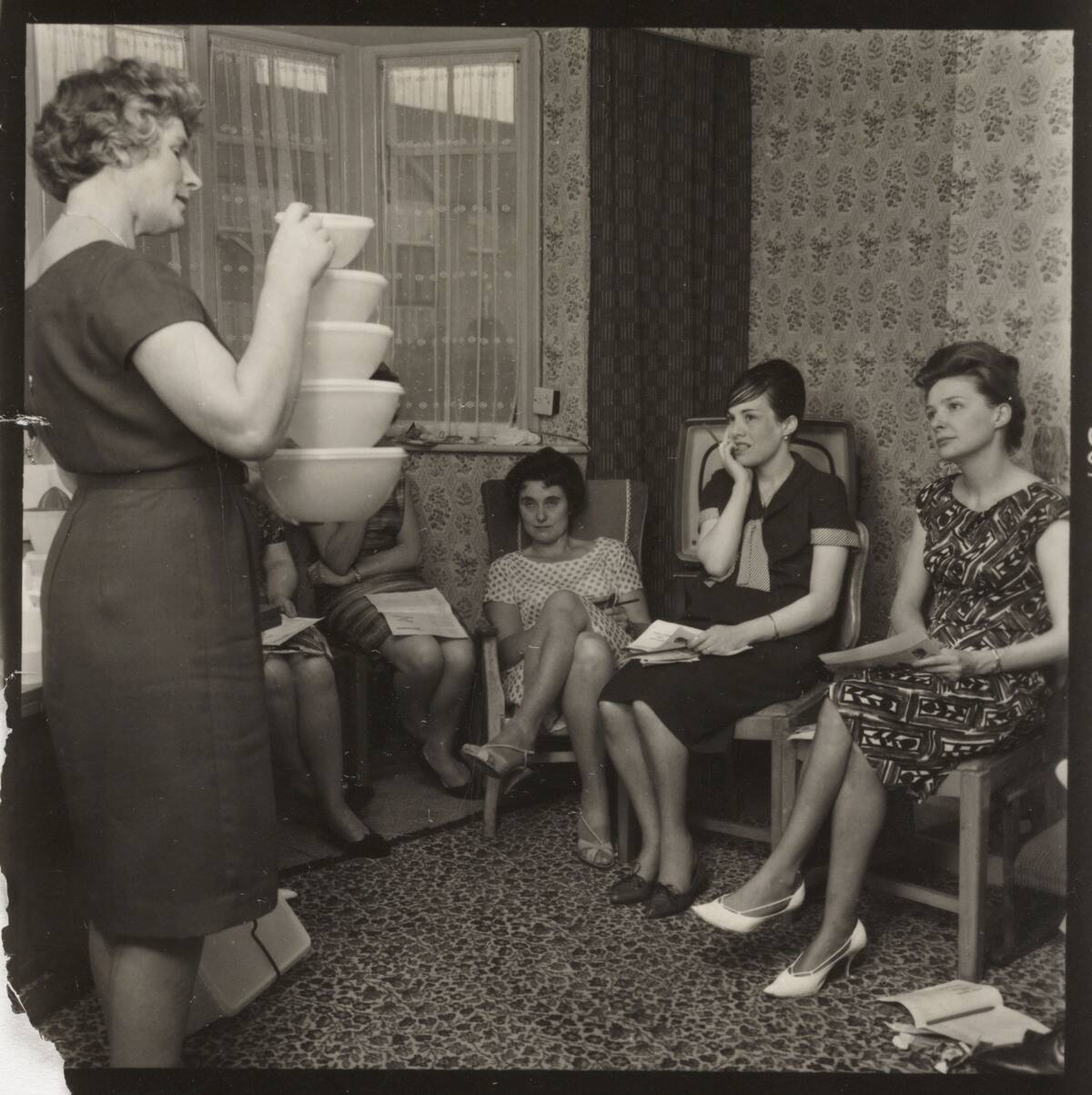
Tupperware parties were more than sales events; they combined product demonstrations with social gatherings among friends, neighbors, and acquaintances. Tupperware products were introduced in the 1940s, while the company’s famous home-party sales model flourished in the 1950s.
At these gatherings, hosts invited guests to see demonstrations of Tupperware’s innovative plastic containers, while sales representatives earned commissions and hosts could receive rewards based on party sales. The model provided many women with an opportunity to earn income while building social and professional networks, demonstrating the effectiveness of combining personal relationships with direct selling.
Electrolux: The Door-to-Door Appliance Innovator
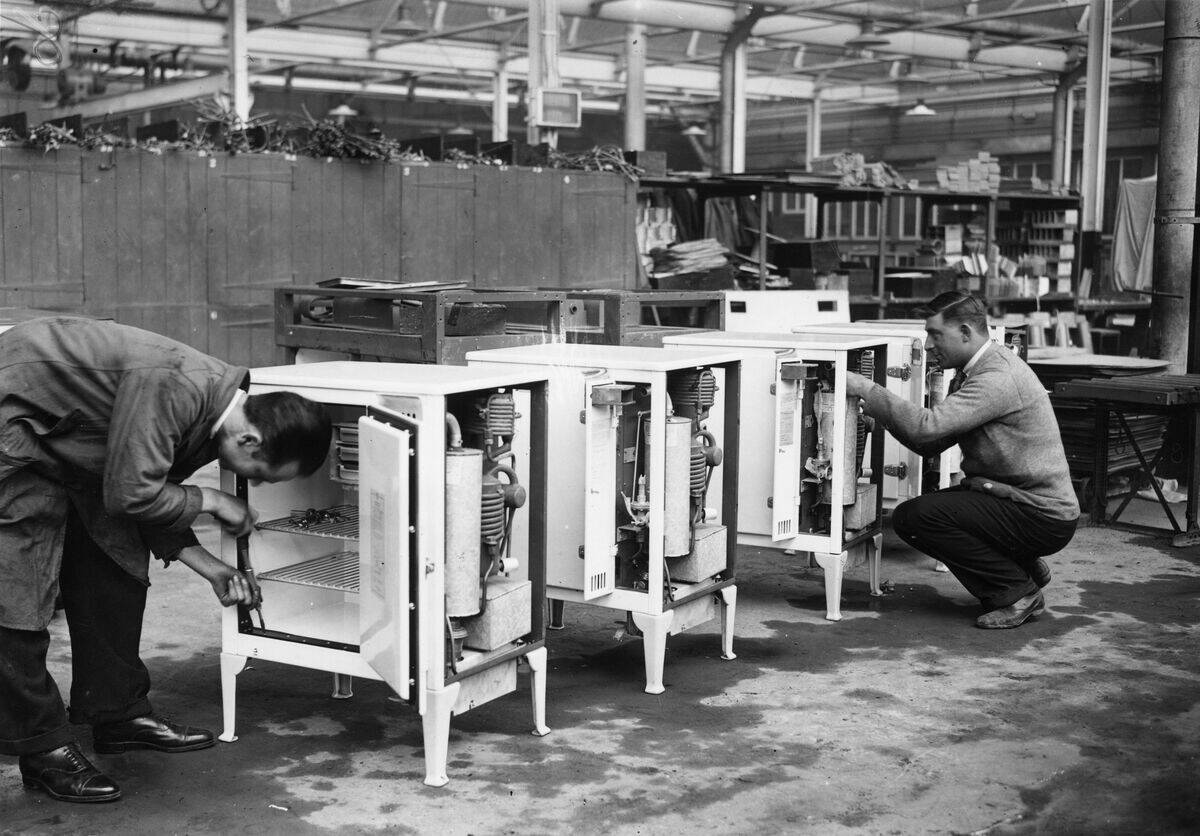
Electrolux became a prominent appliance manufacturer, with vacuum cleaners playing an especially important role in its early success before the company expanded further into refrigerators and other household appliances. Its products were marketed for their engineering, design, and convenience, and Electrolux used direct sales and in-home demonstrations in several markets.
These demonstrations allowed prospective customers to see the appliances in use before making a purchase. The company’s focus on product development and household convenience helped establish Electrolux as a well-known appliance brand in many markets during the mid-20th century.
Watkins Products: Spices, Extracts, and More

Watkins, founded in 1868, became known for its flavoring extracts, spices, and medicinal and household products. The company relied heavily on traveling sales representatives who sold Watkins products directly to households and built relationships with customers in communities across the country.
Its vanilla extract became one of its best-known products and has been sold for generations. Watkins’ combination of direct sales, recognizable branding, and a diverse product line helped the company remain in business for more than a century while adapting its offerings to changing consumer preferences.
Bibles and Religious Books: Faith Delivered to Your Home

Door-to-door sellers and traveling religious agents played a role in distributing Bibles and other religious books, particularly during the 19th and early 20th centuries. Organizations such as the American Bible Society helped expand access to Bibles through distribution networks that reached communities across the United States.
Religious booksellers and colporteurs could introduce families to different editions and related religious literature, sometimes discussing their faith with prospective readers. This widespread distribution helped make religious texts more accessible and supported religious education and the spread of shared beliefs within many communities.
The Milkman Cometh: Fresh Dairy at Your Door
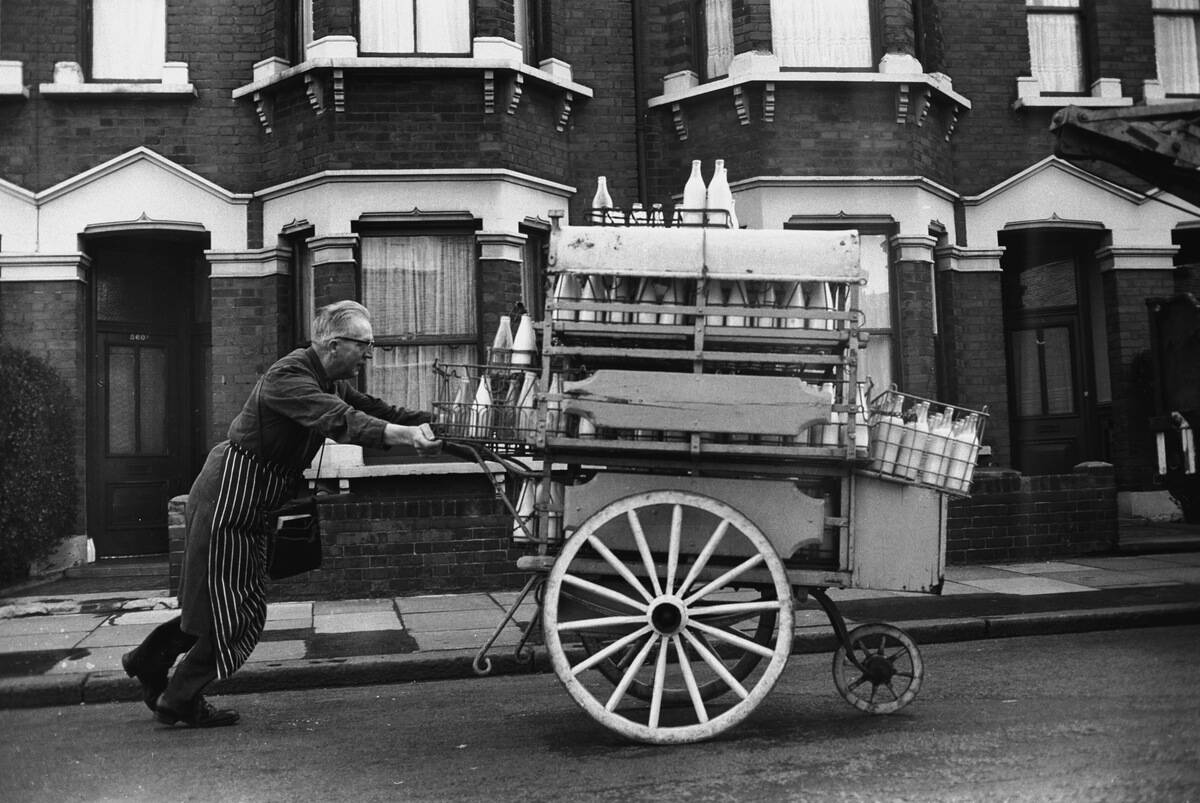
The milkman was once a familiar figure in many neighborhoods, delivering fresh dairy products directly to customers’ doorsteps. Home milk delivery was especially valuable when refrigeration and modern food distribution were less widespread, providing families with a regular supply of milk, butter, and cream.
The clinking of glass bottles during early-morning deliveries became a familiar sound in many communities. Beyond its convenience, regular milk delivery created a routine that could foster familiarity between delivery workers and the families they served, helping make the milkman a lasting symbol of an earlier era of American life.
Knife Sharpening Services: Keeping Kitchens Sharp
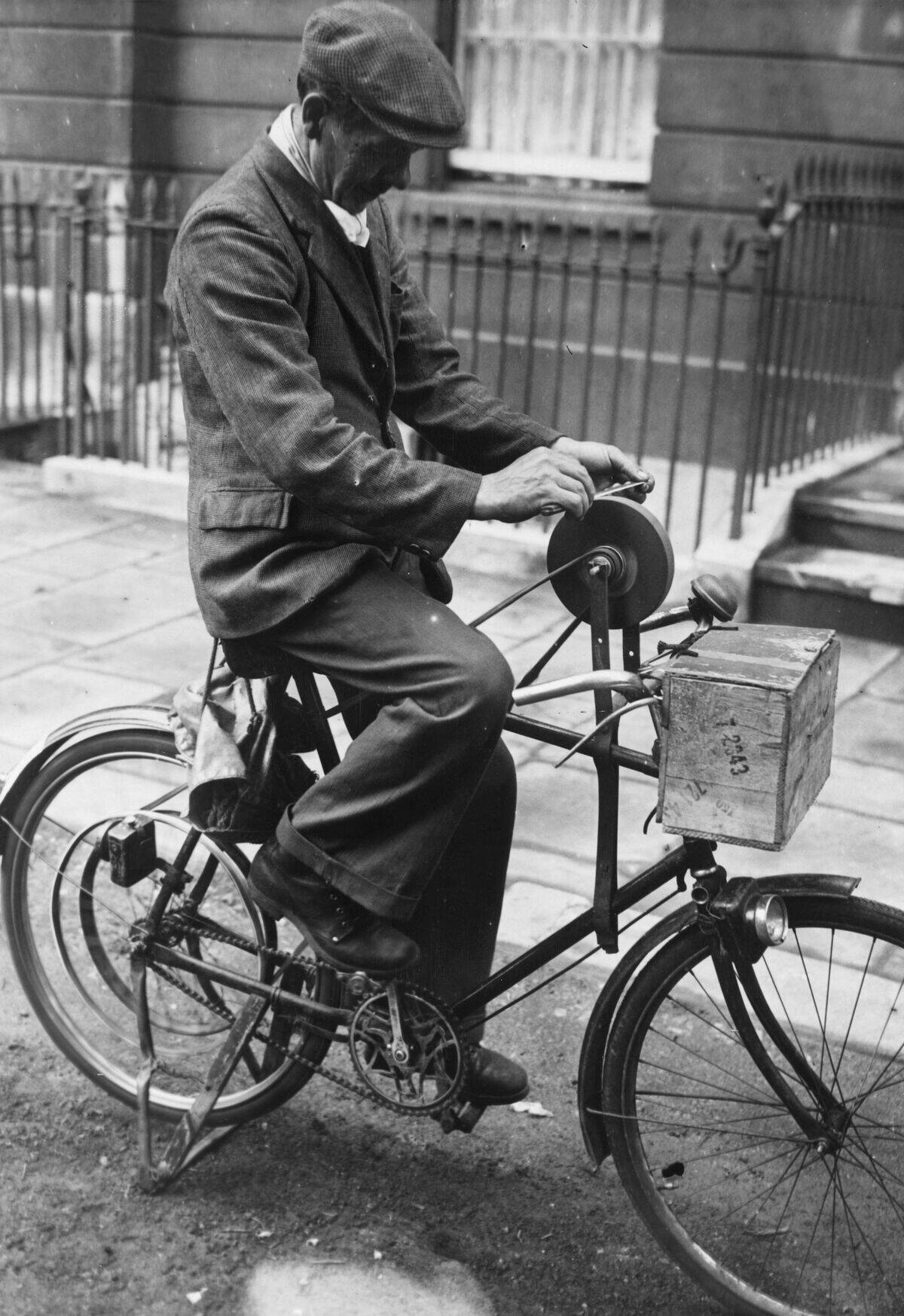
Mobile knife sharpening was a practical service that brought professional sharpening to neighborhoods and homes. Traveling sharpeners used portable tools or specialized equipment to restore dull household blades, saving customers the trouble of finding a separate sharpening service.
Sharp knives were particularly useful for home cooks and were also important in professional kitchens, where properly maintained blades were essential for food preparation. The convenience of having knives sharpened locally helped mobile sharpening services find customers in communities where such services were available.
Magazine Subscriptions: Reading Material on Demand
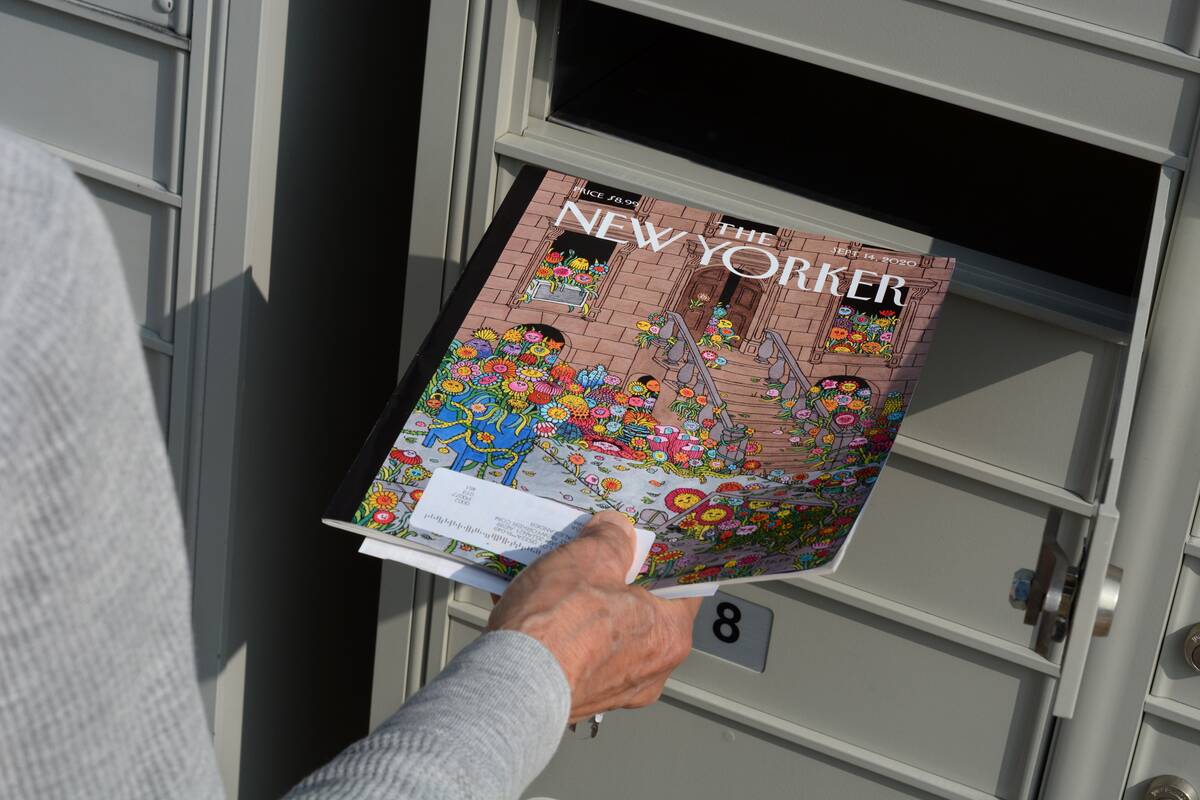
Magazine subscriptions were a popular door-to-door offering, bringing the latest news, entertainment, and trends directly to readers. Salesmen offered a wide variety of titles, catering to diverse interests and age groups.
From fashion and sports to science and literature, there was something for everyone. This service provided a convenient way for families to stay informed and entertained, with new issues arriving regularly to satisfy their curiosity and leisure needs.
The Rise of Home Cleaning Products: From Amway to Shaklee
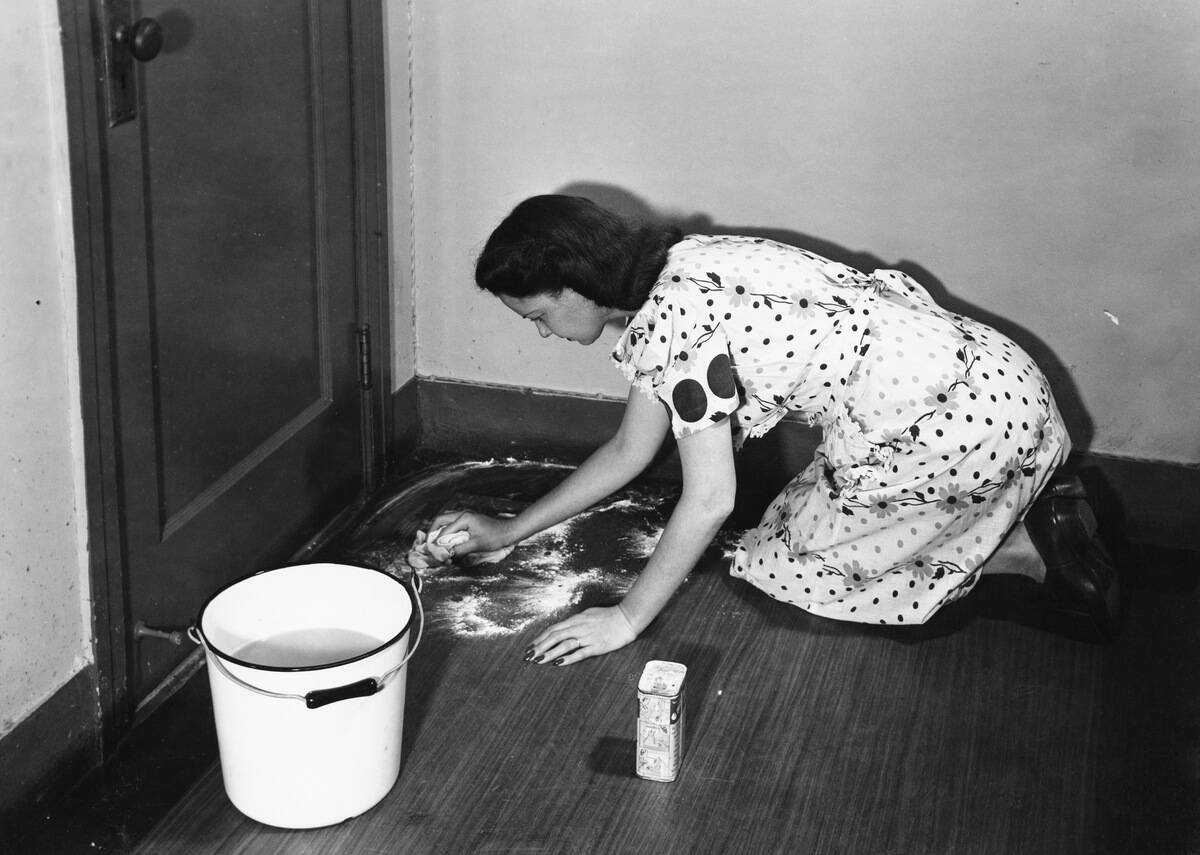
Home cleaning products were an important part of the direct-selling industry, with companies such as Amway and Shaklee building businesses around personal sales and customer relationships. These companies used independent representatives who could demonstrate products and recommend them directly to consumers.
Amway, founded in 1959, offered household cleaners such as LOC, marketed as versatile products designed to simplify cleaning tasks. Shaklee, founded in 1956, became known for its health and wellness products as well as environmentally oriented offerings. Their relationship-based sales models helped representatives develop networks of repeat customers and distributors.
Greeting Cards and Stationery: Personal Touch Delivered

Greeting cards and stationery were widely sold through stores, catalogs, and various forms of direct sales, including some door-to-door offerings. Sales representatives could present customers with a selection of designs and themes for birthdays, anniversaries, holidays, and other special occasions.
These products gave people a convenient way to express personal sentiments and maintain connections with family and friends. For customers who purchased through direct sellers or subscription services, having cards and stationery brought directly to the home added another layer of convenience to the traditional practice of sending personal correspondence.
The Decline of Door-to-Door Sales: Changing Times and Tastes
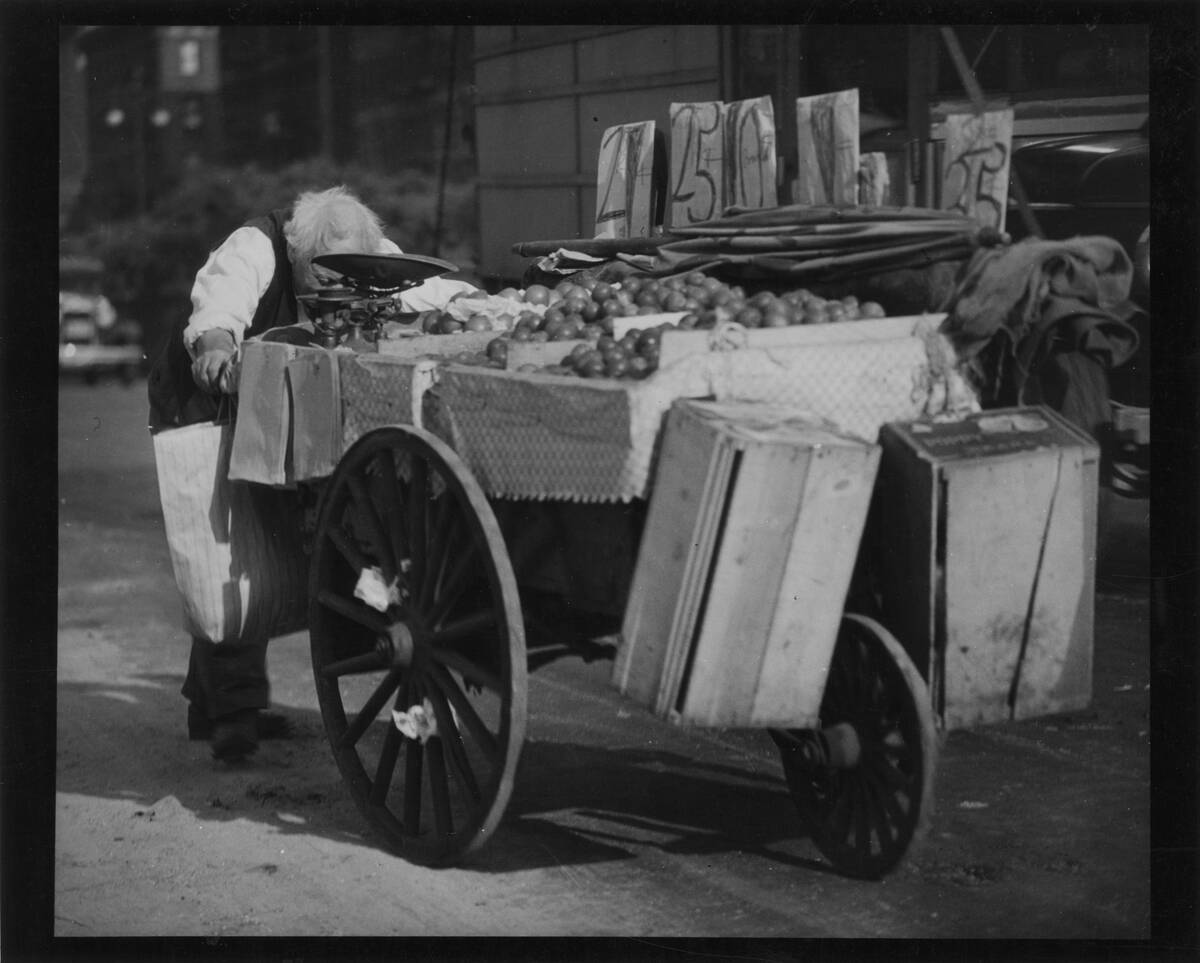
The decline of traditional door-to-door sales was driven by changing consumer preferences and the growth of alternative shopping methods. The expansion of retail stores, supermarkets, shopping centers, catalogs, and other forms of distribution gave consumers greater choice and convenience.
Later, the rise of online shopping further transformed how people researched and purchased products. Concerns about unsolicited visits, privacy, and security also contributed to changing attitudes toward door-to-door solicitation. Although traditional door-to-door selling became far less common, it did not disappear entirely, continuing in certain industries and direct-sales markets.




