How people once used sunlight, water, fire, and sand to track time
Long before mechanical clocks divided every day into uniform hours, people tracked time by watching the natural world. The movement of the sun, the steady flow of water, the burning of a candle, and falling grains of sand all provided ways to measure its passage.
These methods served purposes extending far beyond knowing the hour. Communities relied on timekeeping to organize farming, religious ceremonies, travel, and daily work, while monuments helped track seasons and celestial events. From simple shadows to carefully engineered water clocks, these inventions reveal how earlier societies learned to make something invisible measurable.
Sundials Used Sunlight to Mark the Hours
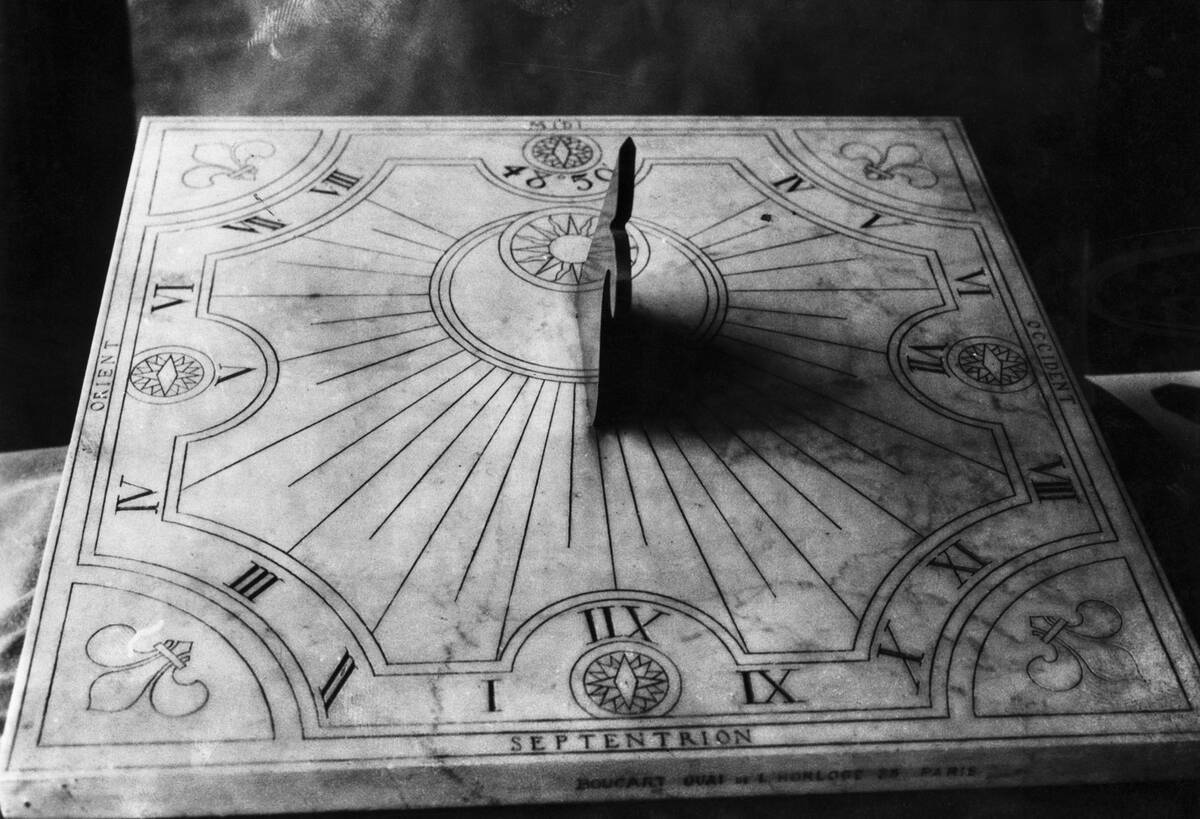
The sundial is one of the earliest known timekeeping devices, dating back to ancient Egypt around 1500 BC. By casting a shadow on a flat surface marked with hour lines, sundials could measure time based on the sun’s position in the sky.
This simple yet effective tool relied on the predictable movement of the sun, providing a practical way to divide the day into segments. Sundials were not only functional but also often beautifully crafted, reflecting the artistry of their makers.
Water Clocks Measured Time Through a Steady Flow
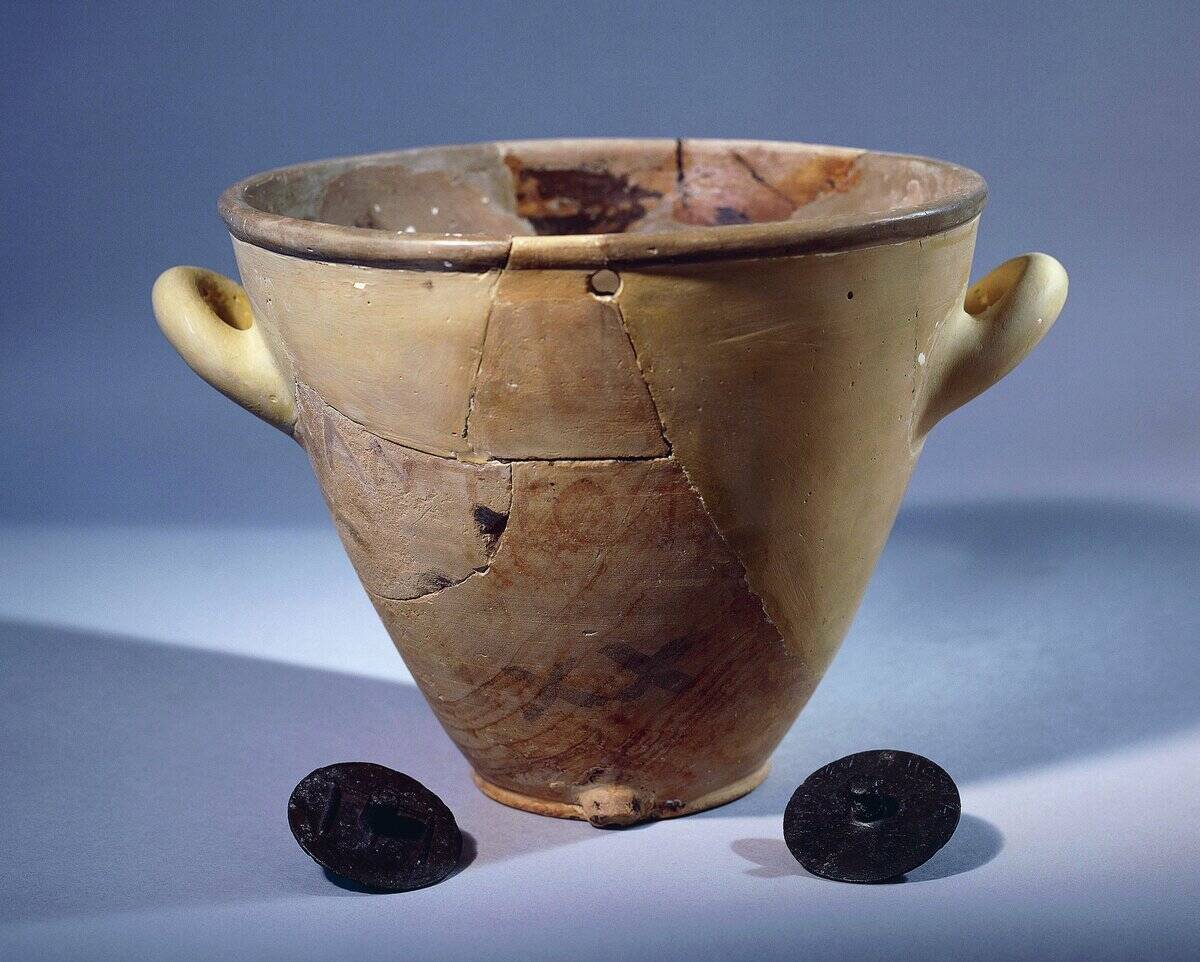
Water clocks, or clepsydrae, were among the earliest timekeeping devices used by ancient civilizations such as the Greeks and Chinese. These devices measured time by the regulated flow of water from one container to another.
The Greeks improved upon the design by adding gears and dials, making them more accurate. Water clocks were particularly useful at night or on cloudy days when sundials were ineffective. Their development marked a significant advancement in the quest for precise time measurement.
Candle Clocks Turned Burning Wax Into a Timer
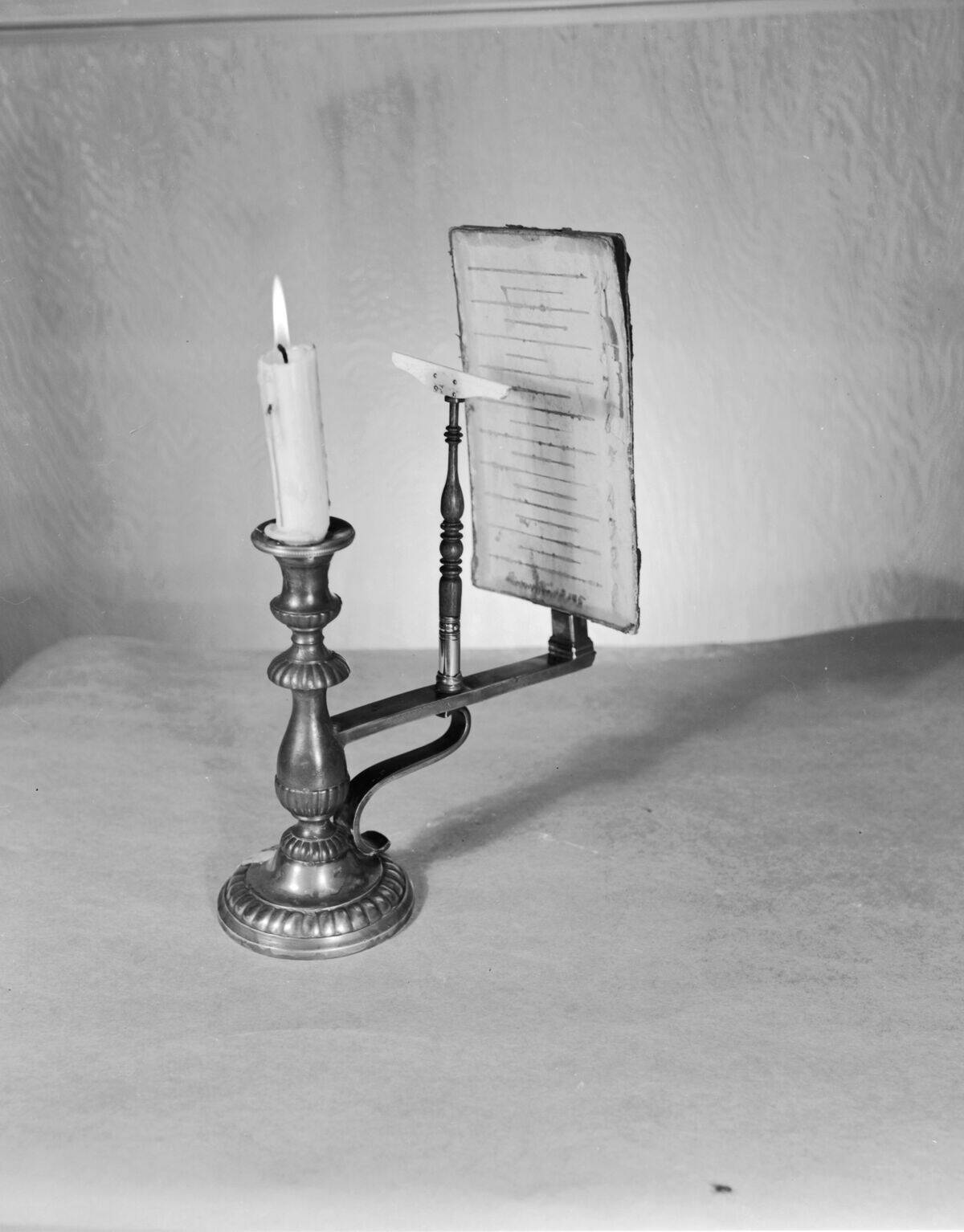
Candle clocks were a creative solution for timekeeping in the absence of sunlight. These clocks consisted of a candle with marked intervals that burned at a consistent rate. As the candle melted, it indicated the passage of time.
Used primarily in medieval Europe and China, candle clocks were simple yet ingenious. They provided a reliable means of measuring time indoors, especially during the long, dark winters when other methods were less practical.
Hourglasses Measured Time With Falling Sand
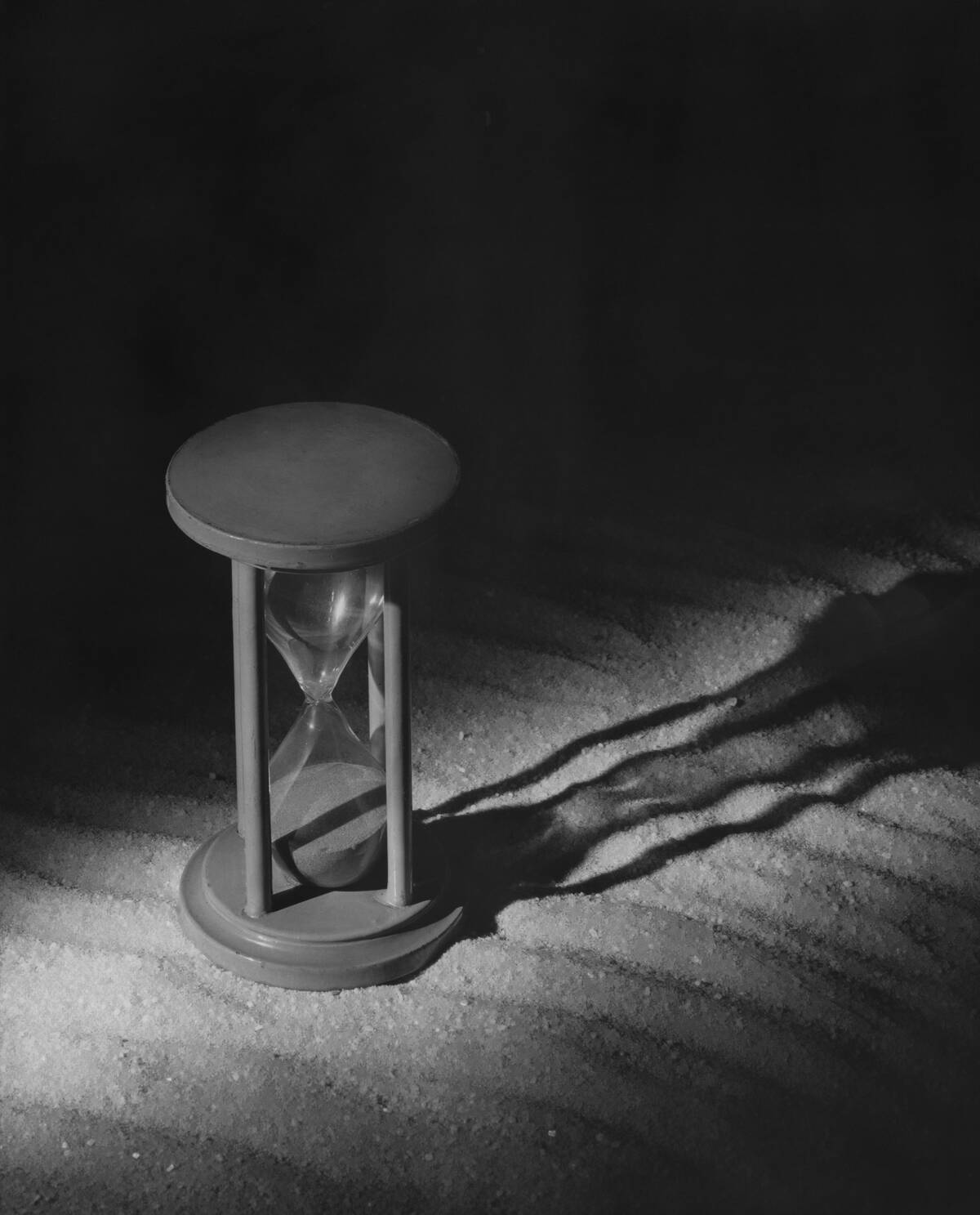
The hourglass, with its flowing sands, became a symbol of time’s passage. Its origins are somewhat obscure, but it gained popularity in Europe during the 14th century. Consisting of two glass bulbs connected by a narrow neck, the hourglass measured time by the steady flow of sand from one bulb to the other.
It was particularly valued for its accuracy and portability, making it a favorite among sailors and scholars alike. Its design has remained largely unchanged, a testament to its enduring utility.
Stone Monuments Helped Track Seasons and Celestial Events
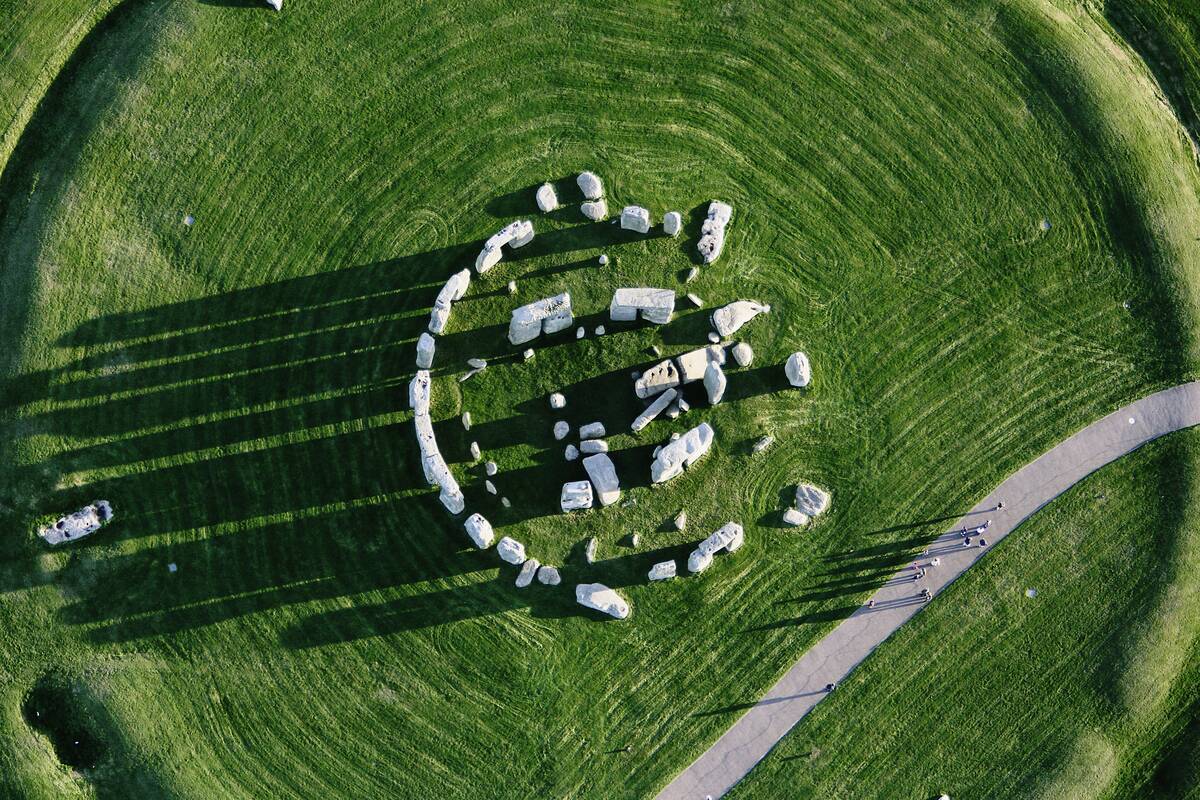
Stone circles, like Stonehenge, served as monumental timekeeping structures. These ancient sites were carefully aligned with celestial events such as solstices and equinoxes. The precise arrangement of stones allowed ancient peoples to track the sun’s movement and mark significant seasonal changes.
These structures were not only functional but also held cultural and religious significance. They stand as enduring testaments to the ingenuity and astronomical knowledge of their builders.
Shadow Clocks Used Moving Shadows to Track Time
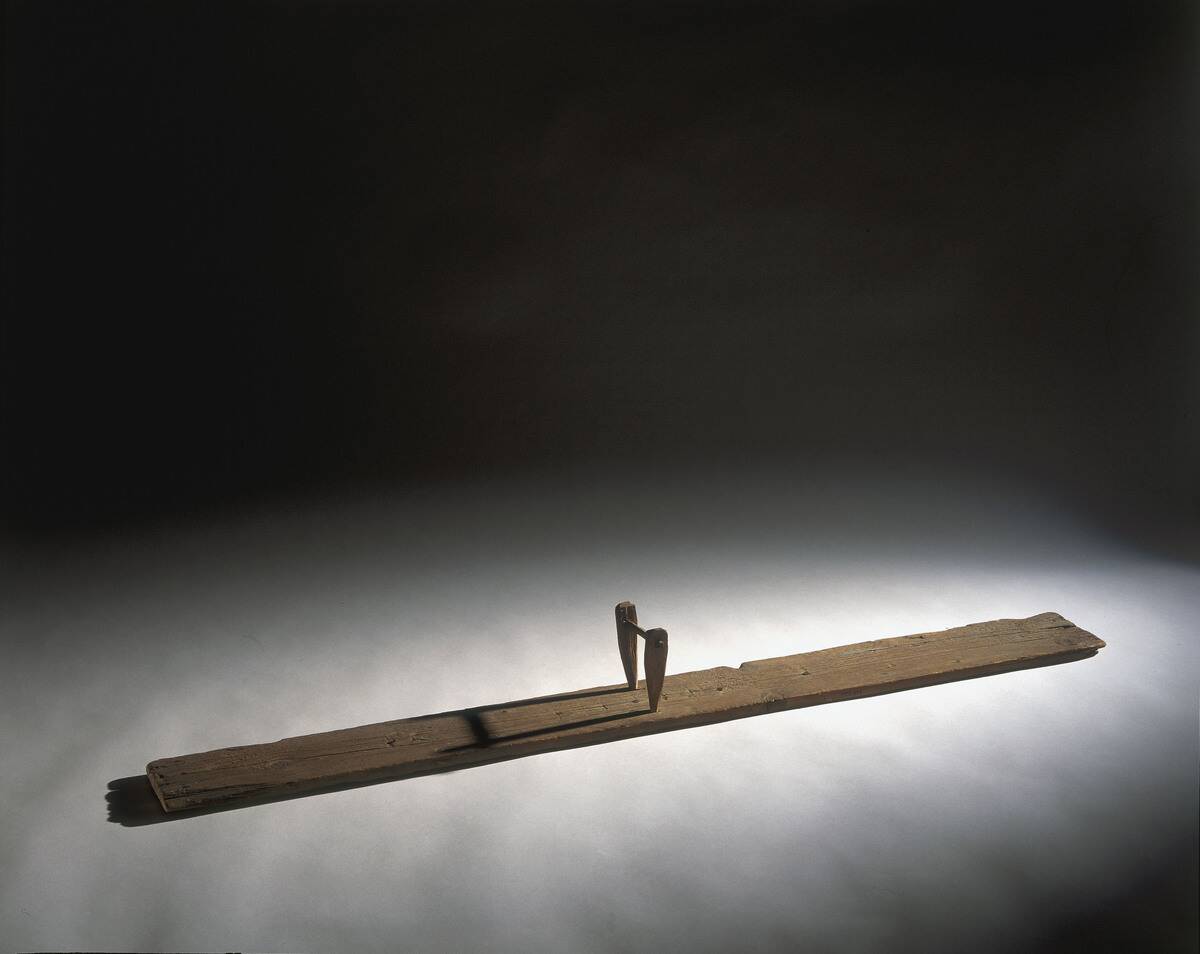
Shadow clocks, or gnomons, were precursors to the sundial. These devices used a simple stick or pillar to cast a shadow on a marked surface, indicating the time of day. The Egyptians and Babylonians were among the first to use shadow clocks, which were particularly useful in regions with abundant sunlight.
Their simplicity and effectiveness made them a popular choice for timekeeping in ancient times, demonstrating how even the most basic tools could provide valuable insights into the passage of time.
Incense Clocks Measured Time Across East Asia
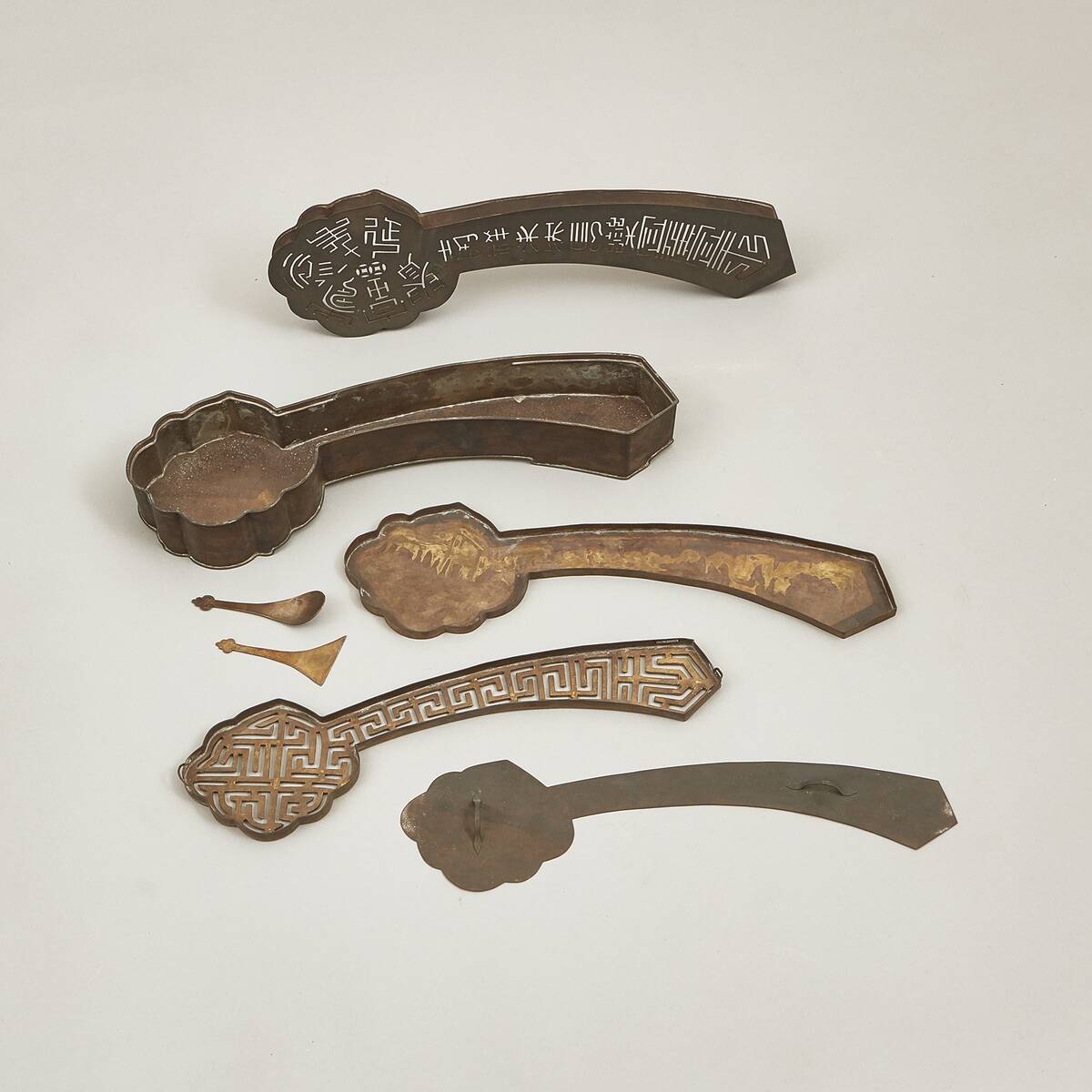
Incense clocks, prevalent in China and Japan, offered a fragrant way to measure time. These clocks used incense sticks or coils that burned at a consistent rate, with markers indicating specific time intervals.
The pleasant aroma and visual cues made incense clocks a popular choice for religious ceremonies and meditation. They were particularly valued for their ability to measure time quietly and accurately, blending functionality with cultural and spiritual significance.
Changes in Plants and Animals Helped People Mark Time
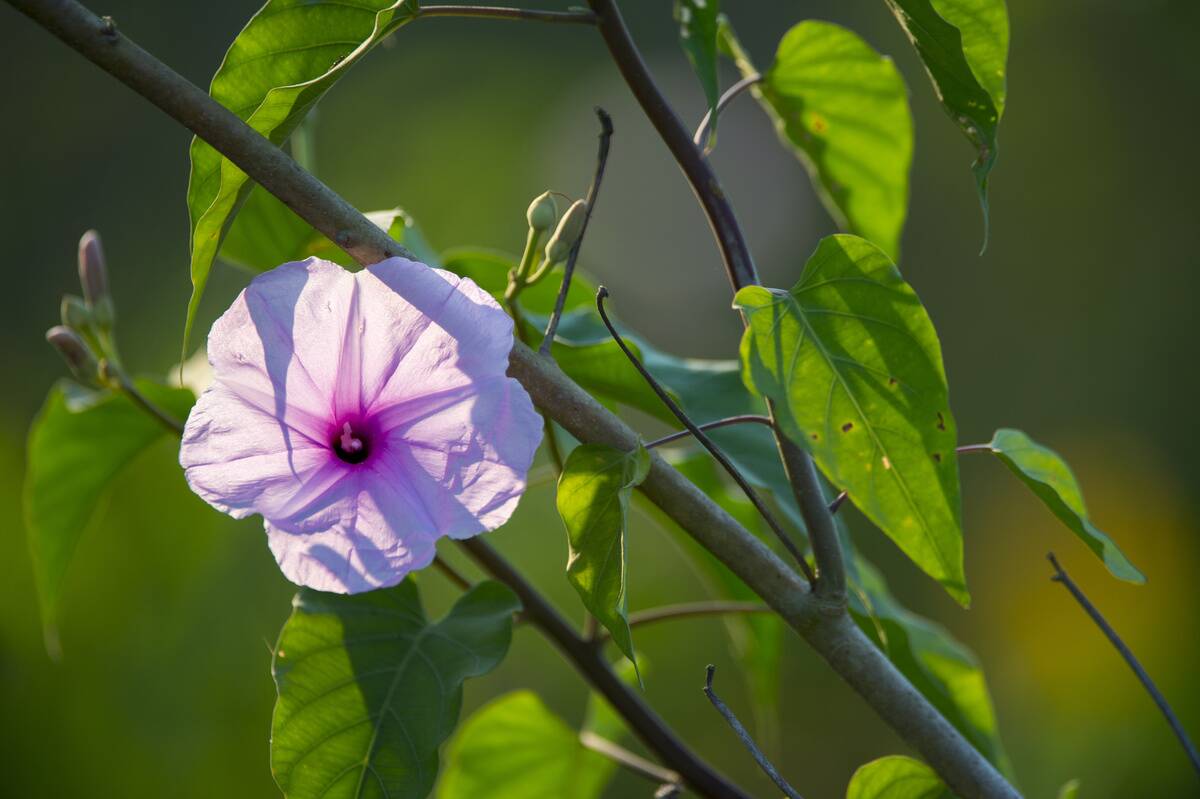
In ancient times, people often looked to nature for timekeeping cues. Certain plants, like the morning glory, open and close at specific times of day, serving as natural clocks. Similarly, animal behaviors, such as the crowing of roosters at dawn, provided reliable indicators of time.
These natural rhythms were particularly important for agricultural societies, helping to coordinate planting and harvesting activities. This reliance on nature underscores the deep connection between humans and the natural world in the quest to measure time.
Egyptian Obelisks Used Shadows to Mark the Day
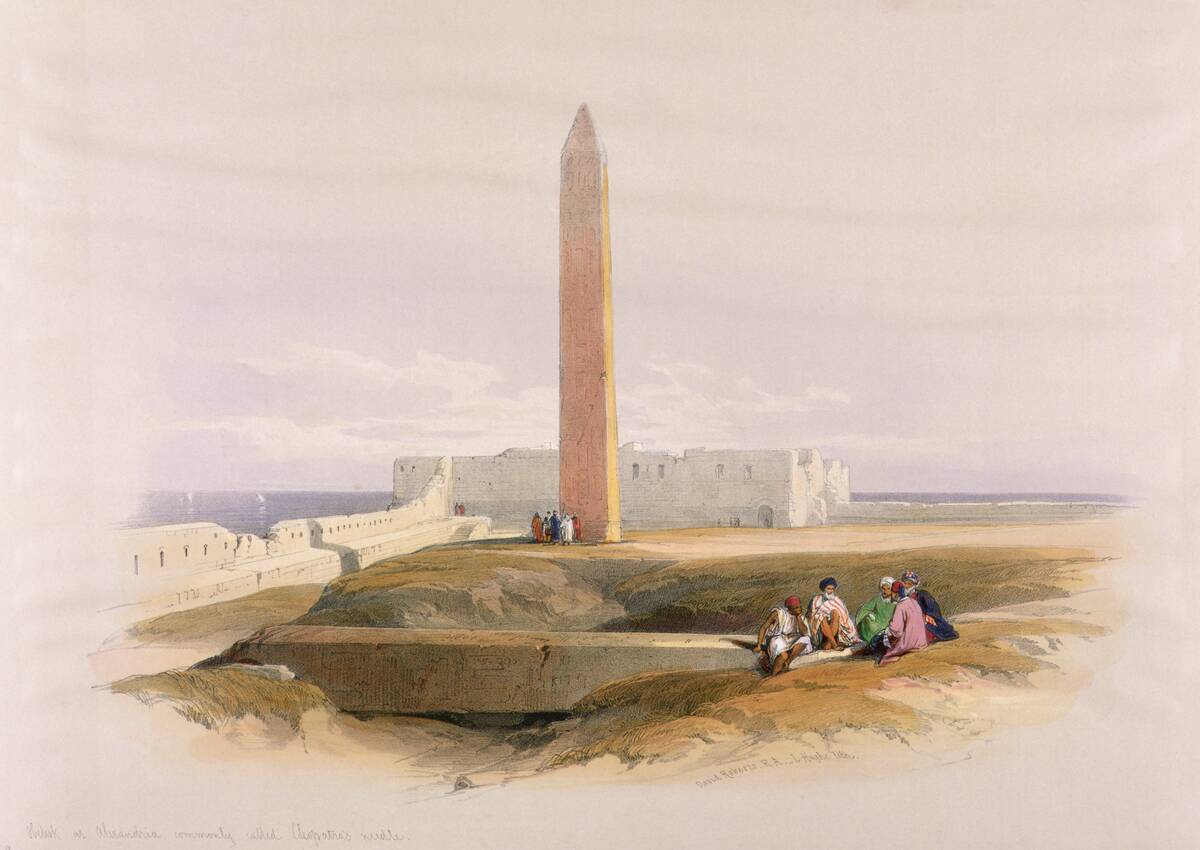
Egyptian obelisks, with their towering presence, served as monumental timekeeping devices. These stone pillars were strategically placed to cast shadows on marked surfaces, functioning much like giant sundials.
The obelisks not only measured time but also symbolized the sun god Ra, reflecting their cultural and religious significance. Their construction required advanced knowledge of astronomy and engineering, showcasing the sophistication of ancient Egyptian society. Today, they stand as iconic symbols of ancient timekeeping ingenuity.
Maya Calendars Tracked Interlocking Cycles of Time
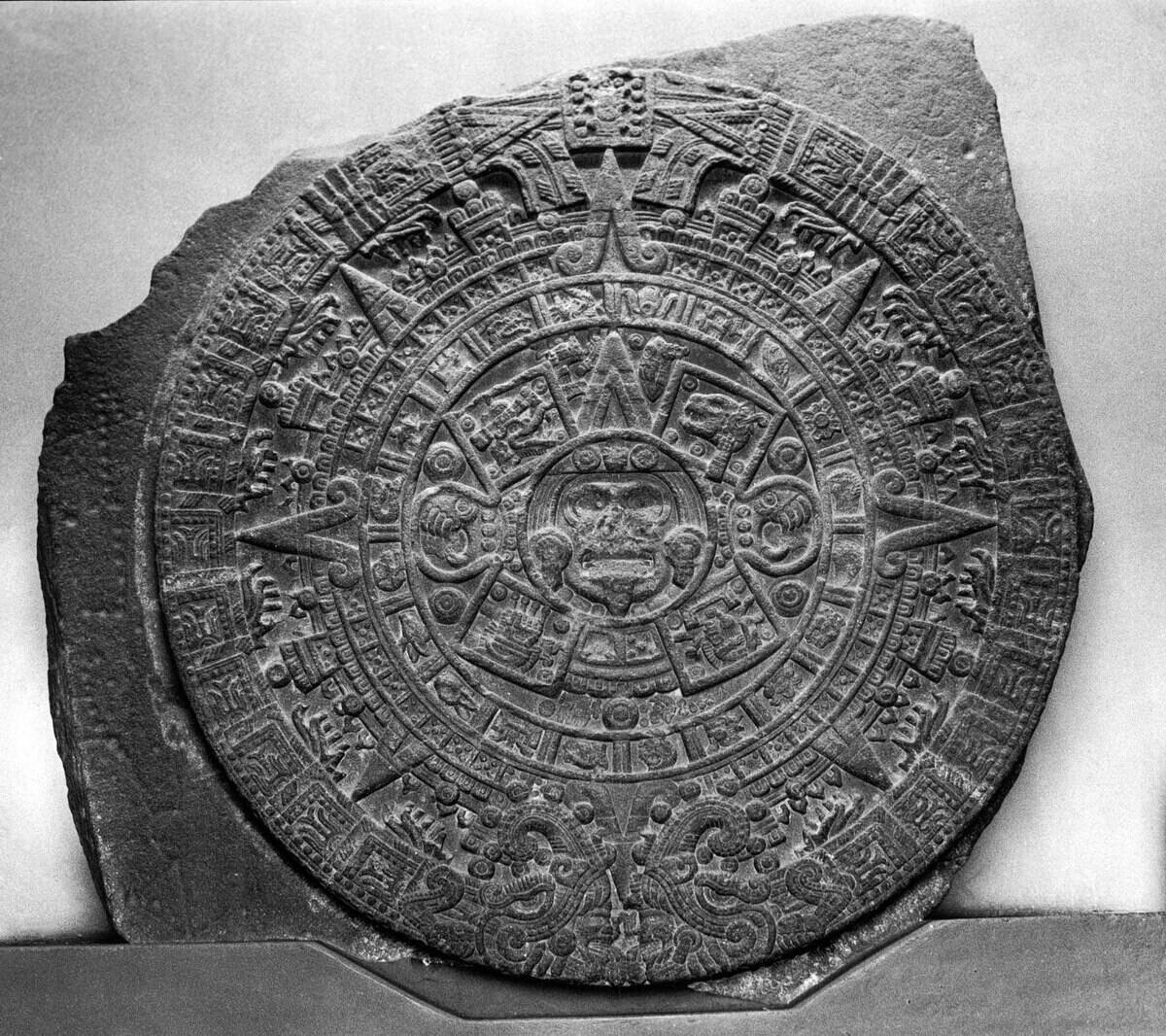
The Mayan calendar is renowned for its complexity and accuracy. It consisted of multiple interlocking cycles, including the Tzolk’in (a 260-day ceremonial calendar) and the Haab’ (a 365-day solar calendar). These cycles combined to form the Calendar Round, a 52-year period.
The Mayans used this intricate system to plan agricultural activities and religious events, demonstrating their advanced understanding of time. The calendar’s precision continues to fascinate scholars and enthusiasts alike, highlighting the Mayans’ remarkable achievements in timekeeping.
Seasonal Changes Guided Agricultural Timekeeping
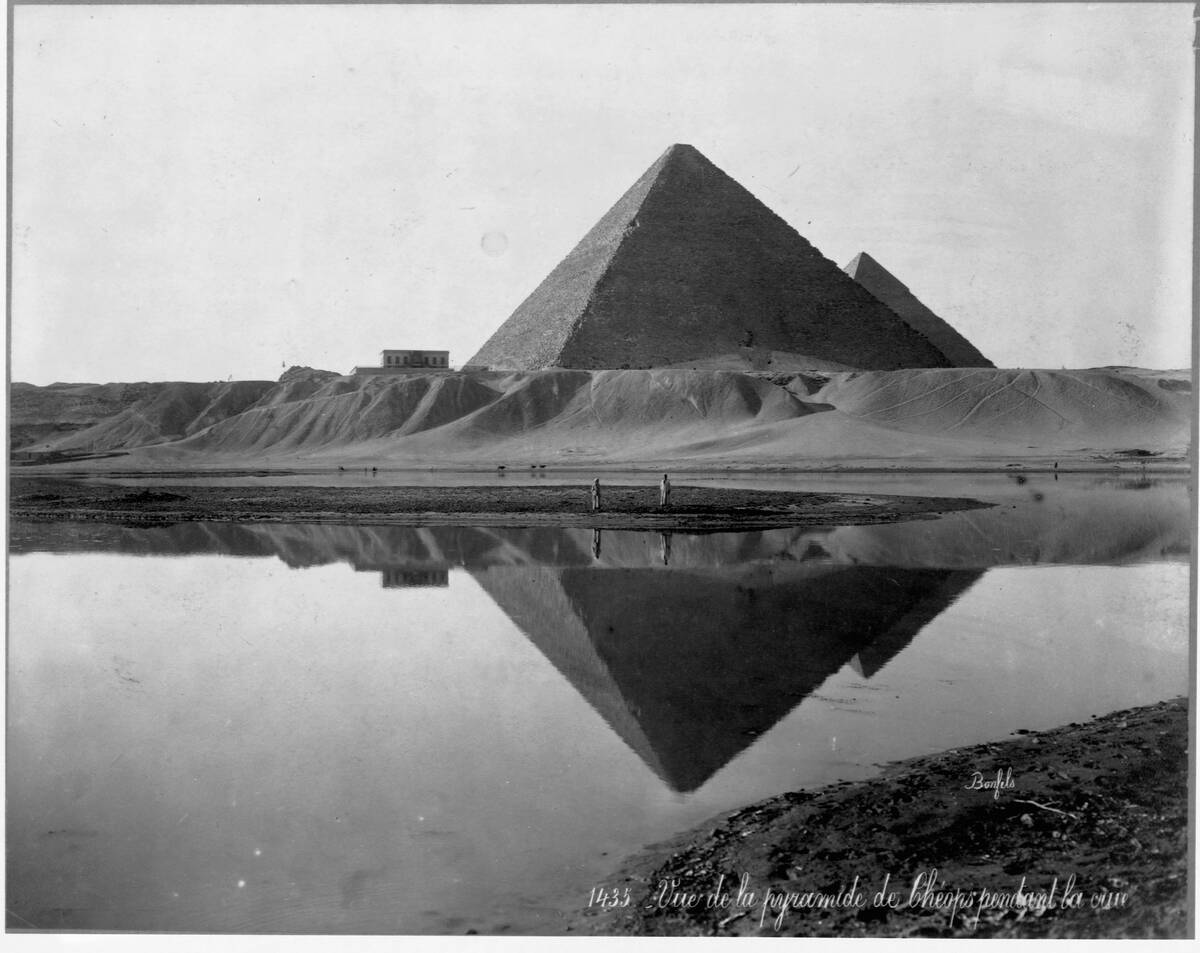
Seasons have always played a crucial role in agricultural timekeeping. Ancient farmers relied on seasonal changes to determine planting and harvesting times. The Egyptians, for instance, used the annual flooding of the Nile to signal the start of the agricultural year.
Similarly, the Celts celebrated festivals like Samhain and Beltane to mark seasonal transitions. These practices highlight the importance of aligning agricultural activities with natural cycles, ensuring successful harvests and the survival of communities.




