Unexpected events that shaped the 20th century
The 20th century was a whirlwind of events that shaped the world as we know it today. From groundbreaking technological advancements to pivotal political shifts, this era was nothing short of transformative.
As we journey through these historical milestones, we’ll uncover the stories behind some of the most significant events that defined the century. Each event not only left an indelible mark on history but also taught us valuable lessons about resilience, innovation, and the human spirit.
The Sinking of the Titanic: An Unsinkable Tragedy
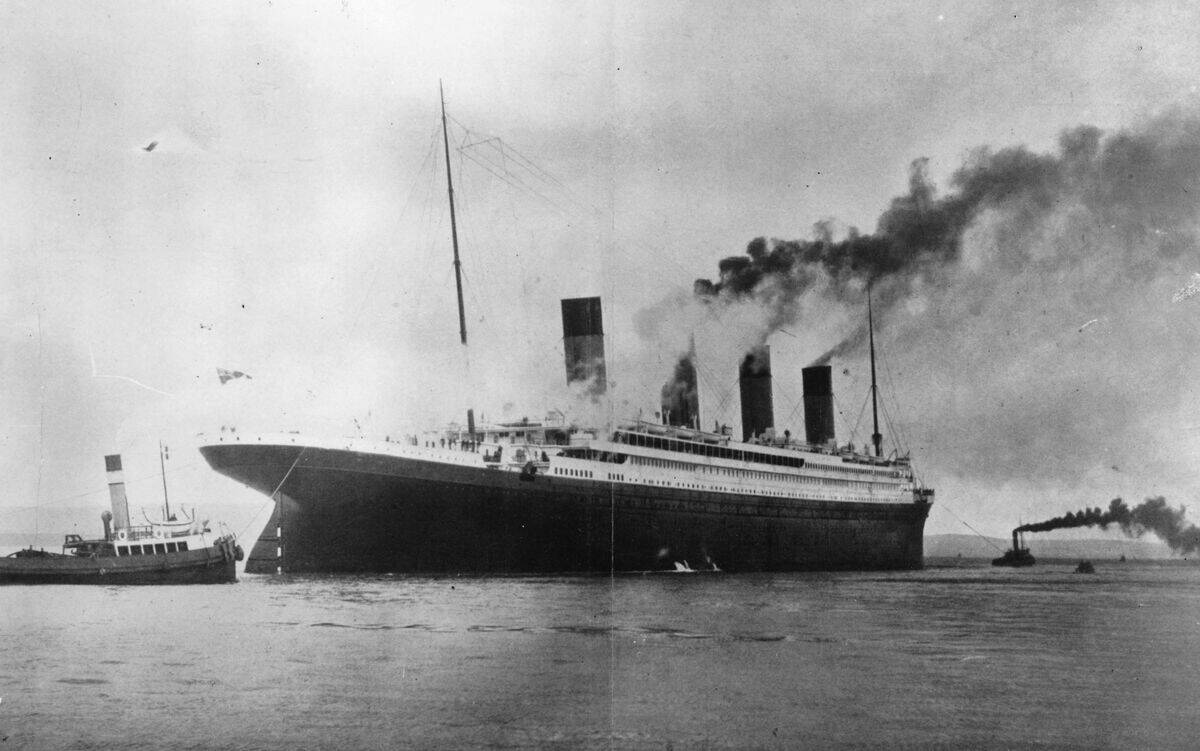
When the Titanic set sail on its maiden voyage in April 1912, it was widely regarded as one of the most advanced and luxurious ships of its time and was popularly described as virtually unsinkable. Tragically, the ship struck an iceberg on April 14 and sank in the early hours of April 15, resulting in the deaths of about 1,500 people.
The disaster exposed serious weaknesses in maritime safety practices and emergency preparedness. It helped prompt major changes in international maritime regulations, including stronger requirements for lifeboat capacity, safety procedures, and continuous radio watches.
The Outbreak of World War I: The War to End All Wars
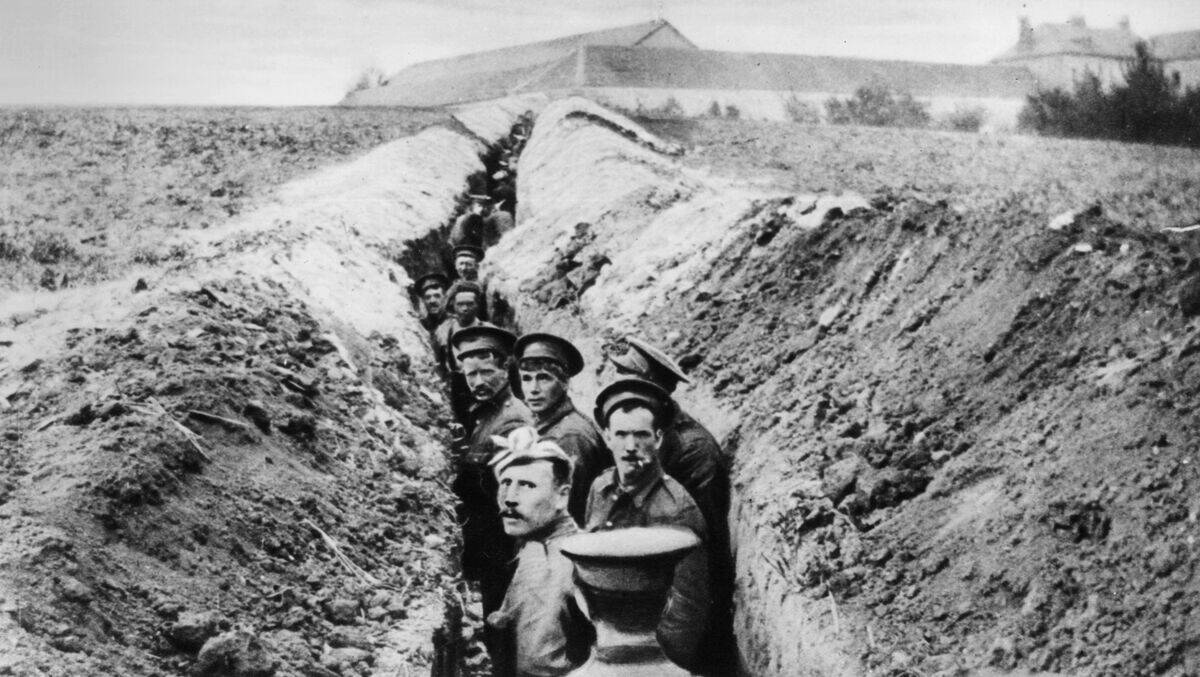
World War I, which began in 1914, became known as “The War to End All Wars” because of its unprecedented scale and devastation. The assassination of Archduke Franz Ferdinand of Austria-Hungary was the immediate catalyst, but deeper tensions involving nationalism, militarism, imperial competition, and alliances also contributed to the conflict.
The war quickly expanded into a global struggle involving major powers and introduced or widely deployed technologies such as tanks and chemical weapons. Its aftermath reshaped political borders, brought down several empires, and created conditions that contributed to future conflicts.
The Russian Revolution: The Rise of the Soviet Union
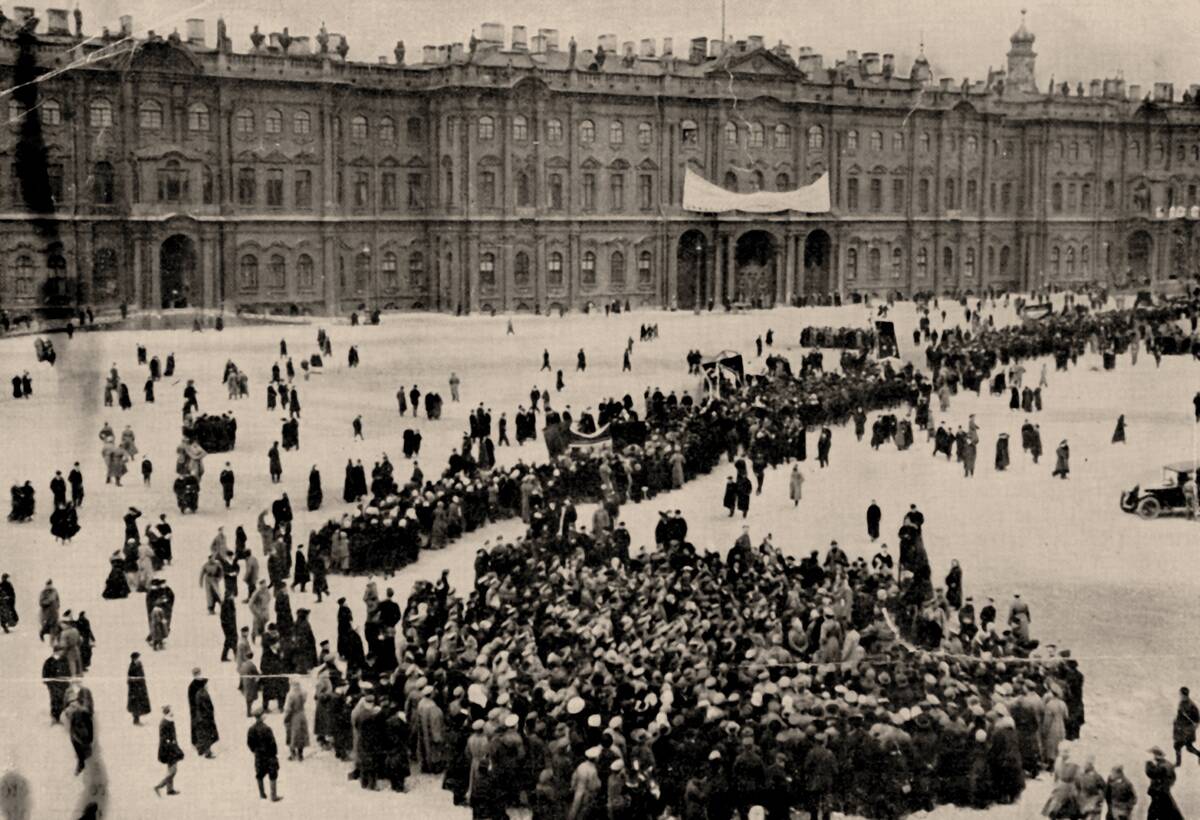
The Russian Revolution of 1917 was a pivotal turning point that ultimately led to the creation of the Soviet Union. Widespread discontent with Tsar Nicholas II, combined with food shortages, economic hardship, and the enormous strain of World War I, fueled revolutionary unrest.
The February Revolution forced Nicholas II to abdicate and brought a Provisional Government to power, but the Bolsheviks, led by Vladimir Lenin, seized control during the October Revolution. Their victory transformed Russia’s political system and profoundly influenced global politics for decades.
The Wall Street Crash of 1929: The Great Depression Begins
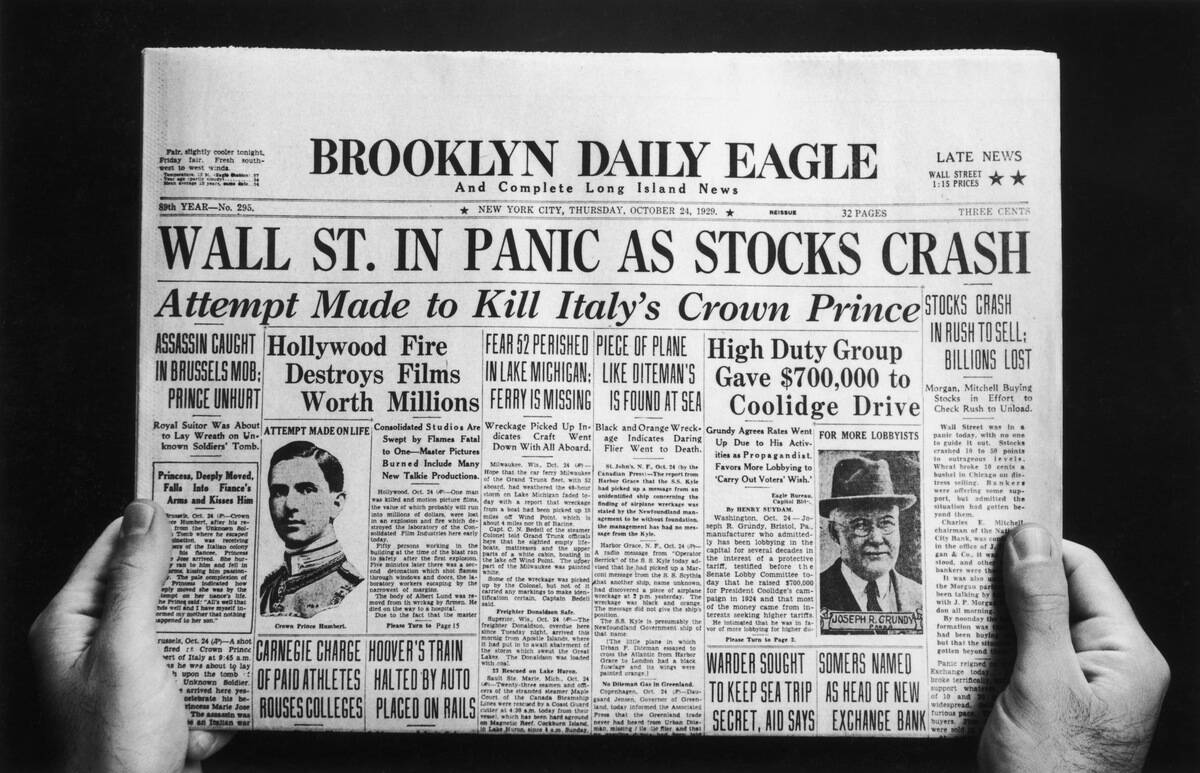
The Wall Street Crash of 1929 was a major turning point in the Great Depression, a severe economic crisis that spread across countries worldwide. Speculative investing, widespread borrowing, weaknesses in the banking system, and broader economic problems all contributed to the financial collapse.
As stock prices plunged and banks failed, many people lost wealth and savings, while unemployment soared. The Depression transformed economic policy in many countries and prompted major reforms, particularly in the United States, aimed at strengthening financial institutions and reducing the risk of future crises.
The Discovery of Penicillin: A Medical Marvel

In 1928, Alexander Fleming’s accidental discovery of penicillin marked a major breakthrough in medicine. The antibiotic proved highly effective against many serious bacterial infections that had previously been difficult or sometimes impossible to treat.
After researchers developed methods for producing penicillin on a large scale, it became an important treatment during World War II, helping combat infections among wounded soldiers. Penicillin’s success ushered in the antibiotic era, paving the way for the development of many other antibiotics and transforming the treatment of infectious diseases.
The Rise of Adolf Hitler: A Dictator’s Path to Power
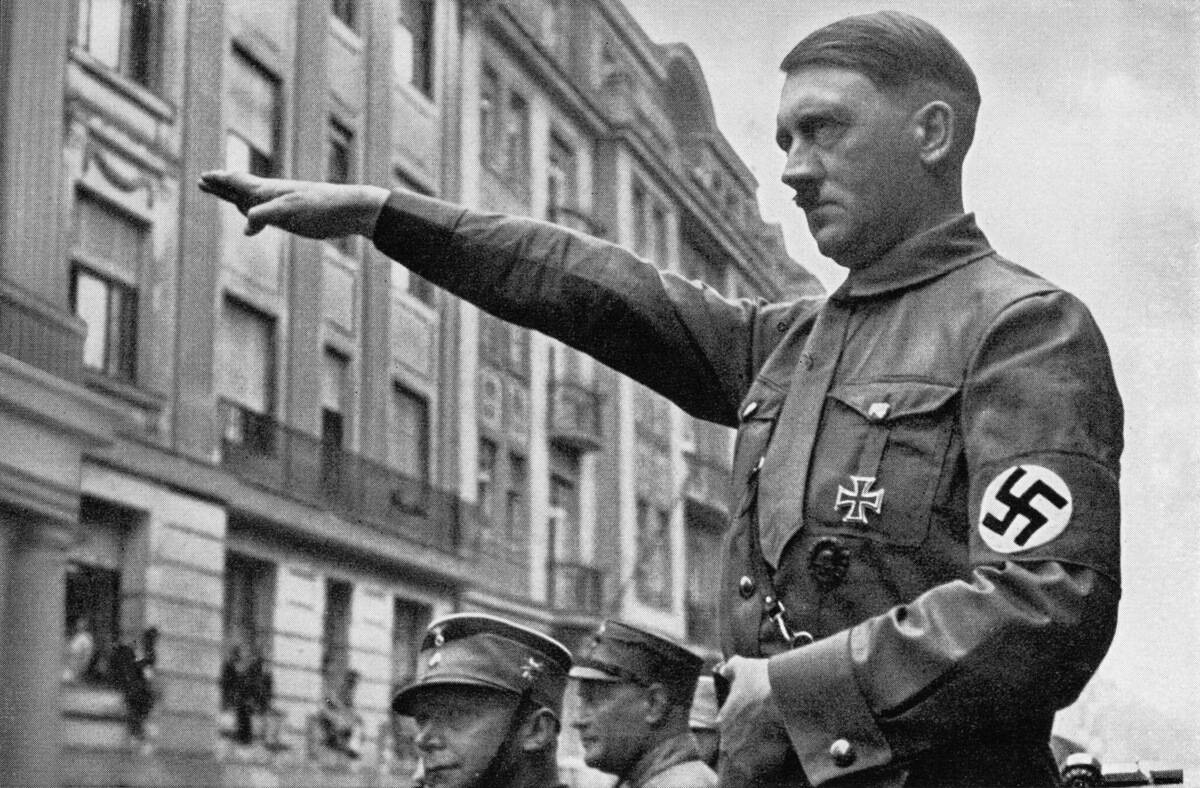
Adolf Hitler’s rise to power in the 1930s was fueled by political instability, economic hardship, and widespread public discontent in Germany. As leader of the Nazi Party, he used propaganda, mass political campaigning, and promises of national renewal to attract growing support. After being appointed chancellor in 1933, Hitler and the Nazis quickly dismantled Germany’s democratic institutions and established a totalitarian dictatorship.
His aggressive foreign policy contributed directly to the outbreak of World War II in Europe, while Nazi persecution and genocide, including the Holocaust, resulted in the deaths of millions and left a lasting impact on history and human rights.
The Attack on Pearl Harbor: A Day of Infamy
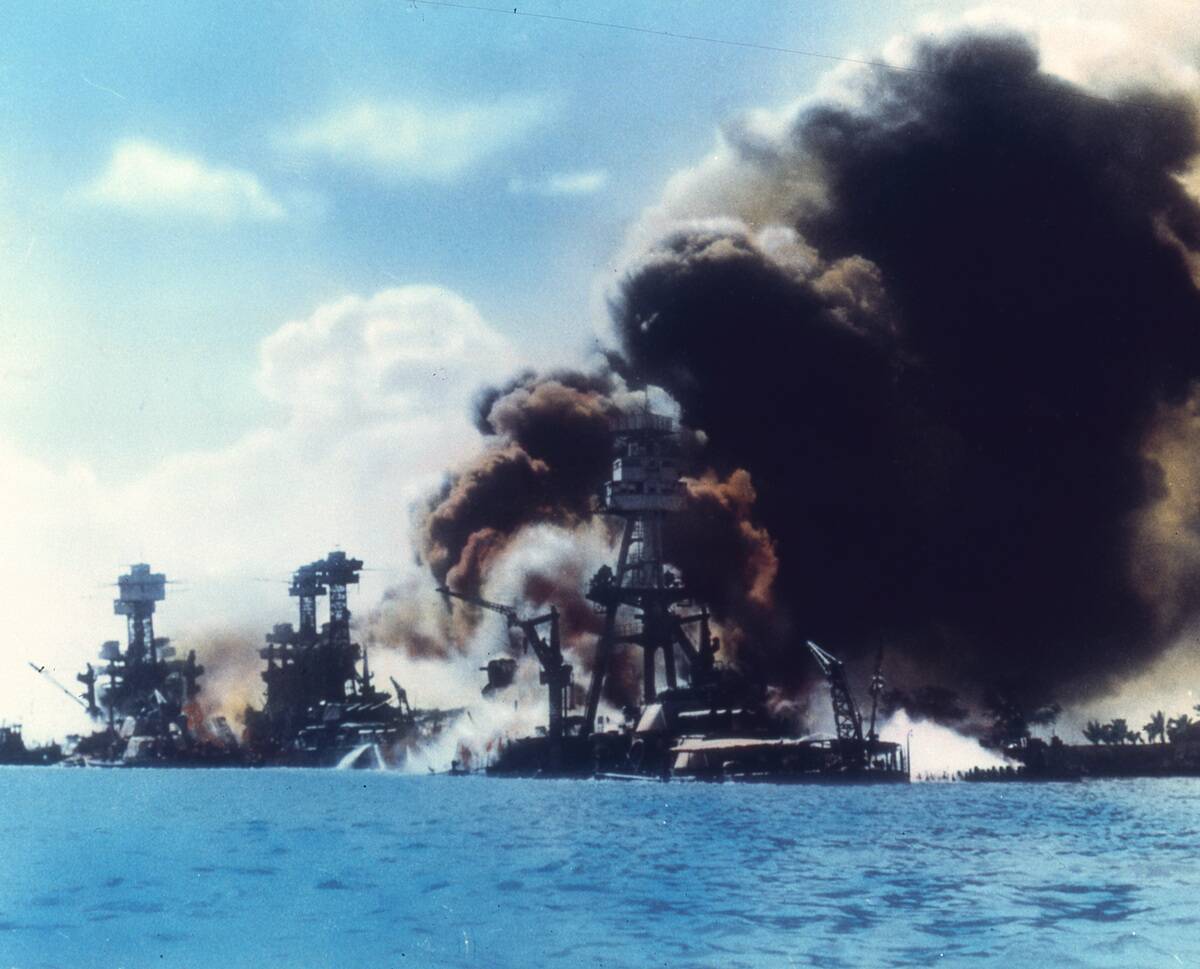
On December 7, 1941, Japanese forces launched a surprise attack on Pearl Harbor, prompting the United States to enter World War II. President Franklin D. Roosevelt famously described the attack as “a date which will live in infamy.” The assault killed more than 2,400 Americans and caused extensive damage to ships and aircraft at the U.S. naval base.
The attack galvanized American public opinion and led Congress to declare war on Japan, bringing the United States fully into the conflict. It became a major turning point in the war and had far-reaching consequences for the course of world history.
The Atomic Bombings of Hiroshima and Nagasaki: A New Era of Warfare
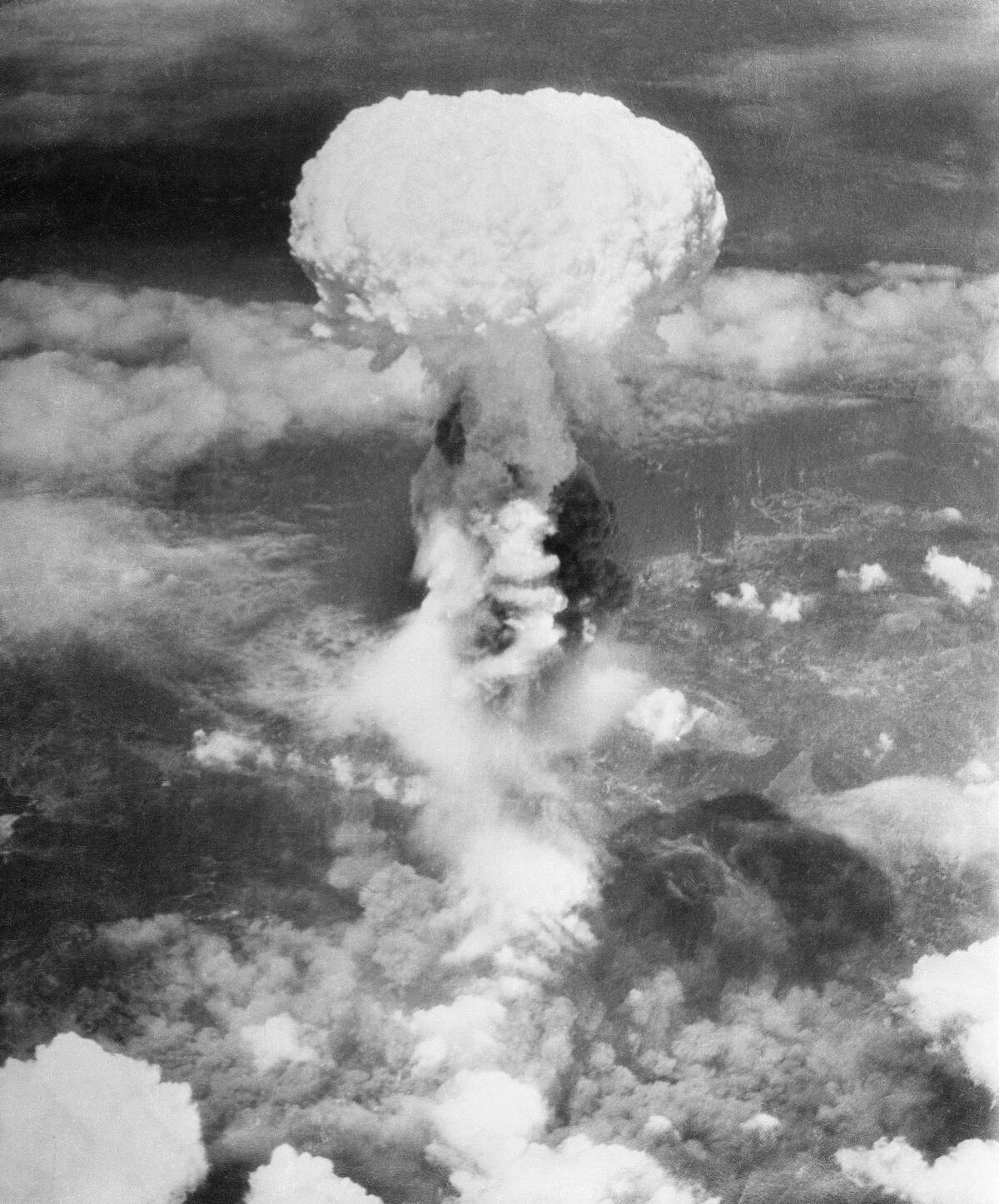
In August 1945, the United States dropped atomic bombs on the Japanese cities of Hiroshima and Nagasaki, contributing to Japan’s decision to surrender and bringing World War II to an end. Hiroshima was bombed on August 6 and Nagasaki on August 9, marking the first and only use of nuclear weapons in warfare.
The attacks caused unprecedented destruction and loss of life and ushered in the nuclear age, transforming military strategy and international relations. They also sparked lasting debates about the ethics of nuclear warfare, civilian casualties, deterrence, and nuclear disarmament.
The Moon Landing: One Giant Leap for Mankind
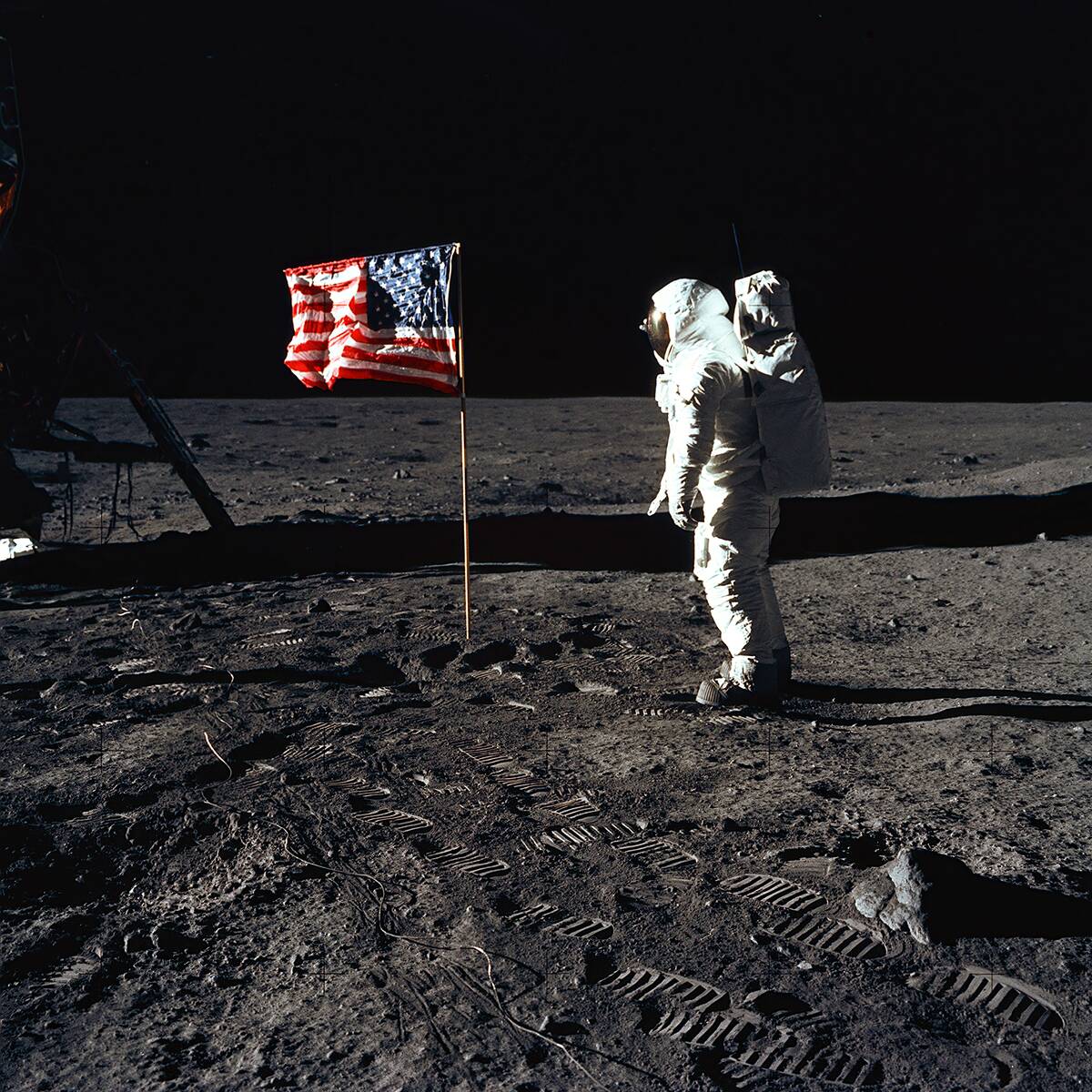
On July 20, 1969, the world watched in awe as Apollo 11 astronaut Neil Armstrong became the first human to set foot on the Moon, followed shortly afterward by Buzz Aldrin. Armstrong’s famous words, “That’s one small step for man, one giant leap for mankind,” captured the significance of the achievement, although Armstrong later said he intended to include the words “a man.”
The Moon landing was a remarkable triumph of human ingenuity and a major milestone in the space race, inspiring generations to pursue exploration and dream beyond the boundaries of Earth.
The Fall of the Berlin Wall: The End of the Cold War

The fall of the Berlin Wall on November 9, 1989, became one of the most powerful symbols of the collapse of communist rule in Eastern Europe and the approaching end of the Cold War. For nearly three decades, the Wall had divided East and West Berlin, representing the ideological and political divide between the communist Eastern Bloc and the West.
Its opening was celebrated by crowds in Berlin and around the world and paved the way for German reunification on October 3, 1990. The event also reflected the broader political changes that swept across Eastern Europe and contributed to the eventual dissolution of the Soviet Union in 1991.
The Assassination of John F. Kennedy: A Nation in Mourning
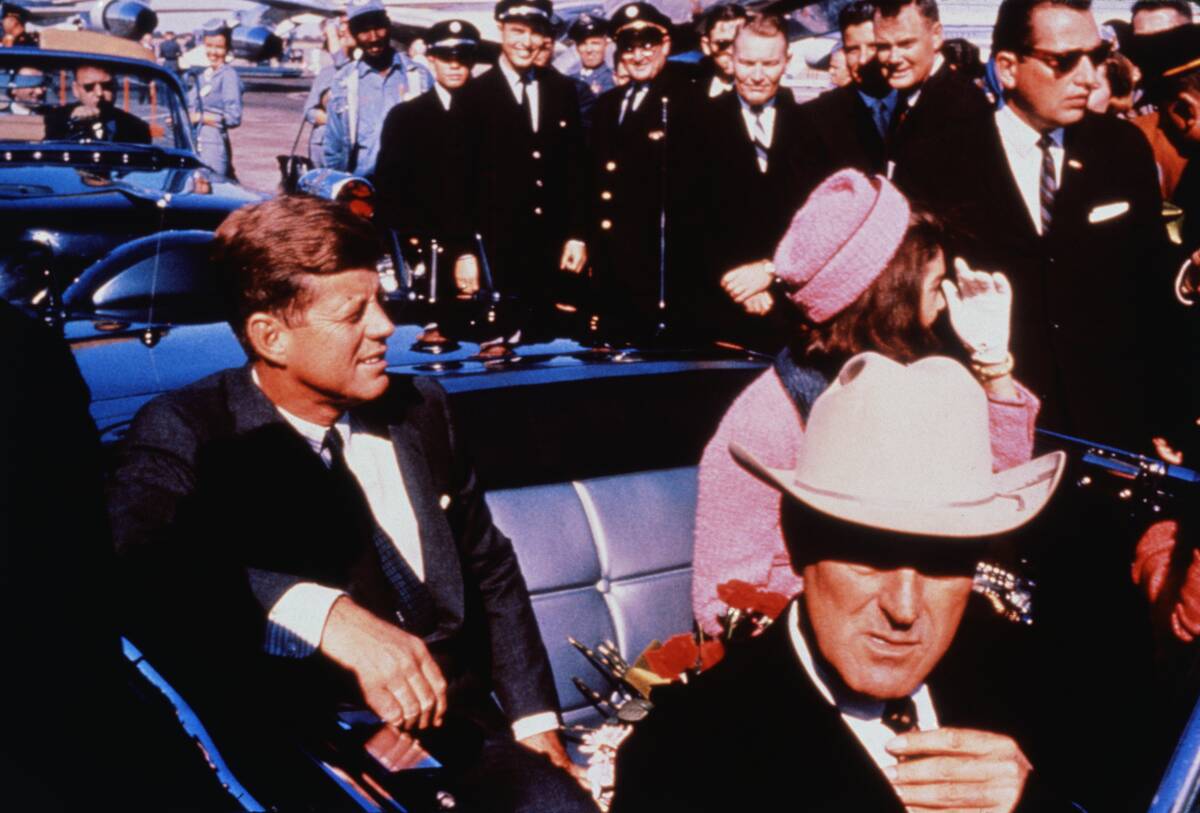
The assassination of President John F. Kennedy on November 22, 1963, in Dallas, Texas, shocked the nation and drew international attention. Kennedy was widely regarded as a charismatic president, and his death had a profound impact on the United States.
The assassination sparked numerous conspiracy theories and prompted reviews and changes to presidential security procedures. It also became a defining moment in American history, influencing public attitudes toward government and leadership while leaving a lasting mark on the country’s political and cultural landscape.
The Civil Rights Movement: A Fight for Equality
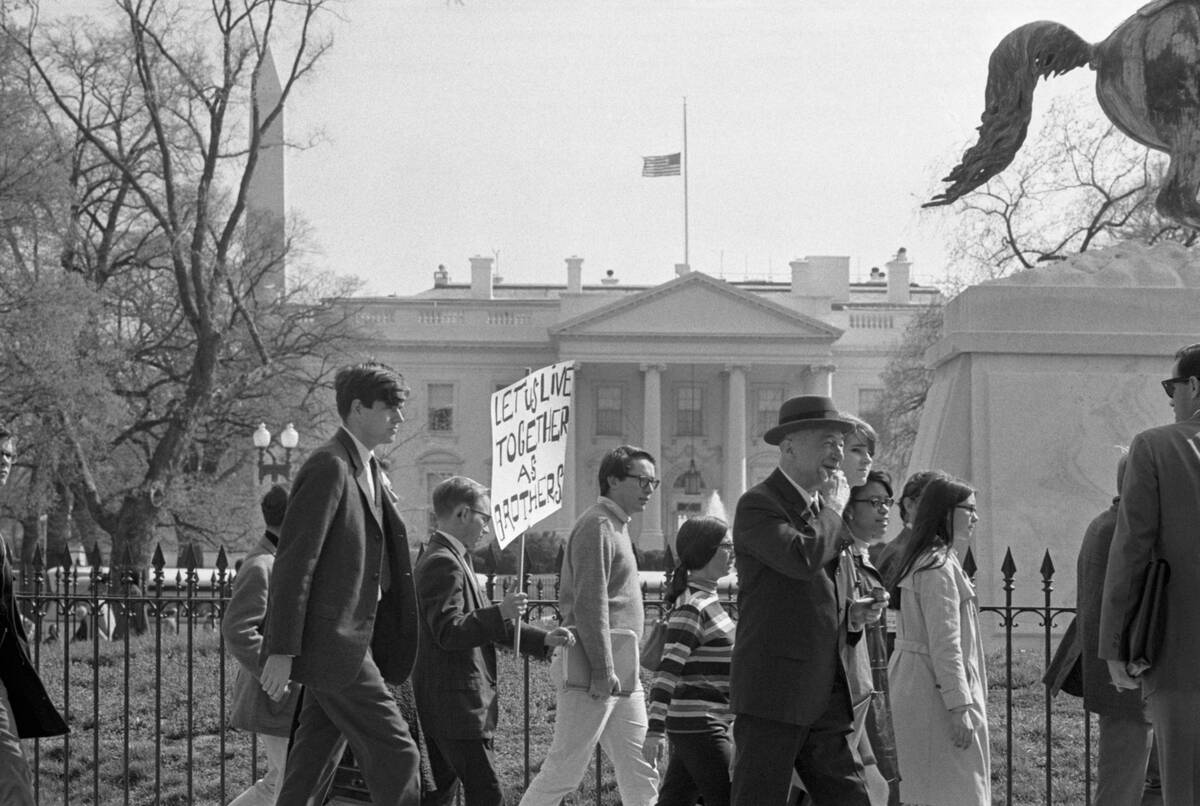
The Civil Rights Movement of the 1950s and 1960s was a pivotal struggle for racial equality in the United States. Led by figures such as Martin Luther King Jr., Rosa Parks, and many grassroots activists and organizations, the movement sought to end racial segregation and discrimination against African Americans.
Through nonviolent protests, boycotts, legal challenges, voter-registration campaigns, and other forms of activism, it achieved major victories, including the Civil Rights Act of 1964 and the Voting Rights Act of 1965. Its legacy continues to influence civil rights and social justice efforts in the United States and around the world.
The Invention of the Internet: Connecting the World

The Internet developed gradually during the second half of the 20th century, growing out of research networks such as ARPANET, which was funded by the U.S. government’s Advanced Research Projects Agency. As networking technologies evolved and computers became increasingly interconnected, the Internet expanded from research institutions to businesses and eventually to users around the world.
It transformed industries ranging from commerce and entertainment to communication and education. The emergence of the World Wide Web helped accelerate its public adoption, paving the way for innovations such as e-commerce, social media, and online services that continue to shape modern life.
The Y2K Bug: A Millennial Scare

As the year 2000 approached, concerns about the Y2K problem, caused by older computer systems that stored years using two digits, generated widespread concern. Some systems could potentially interpret “00” as 1900 rather than 2000, creating errors in calculations and date-dependent processes.
Governments and businesses invested heavily in identifying, repairing, and testing vulnerable systems before the new year arrived. When the clock struck midnight on January 1, 2000, major disruptions were largely avoided, in large part because of these extensive preparations. The Y2K effort demonstrated the growing dependence on computer technology and the importance of proactively addressing technical risks.




