The world’s oldest libraries and their treasures
Libraries have always been more than just repositories of books; they are the guardians of human knowledge and culture. From ancient times to the modern era, libraries have preserved the wisdom of the ages.
Join us as we explore some of the world’s oldest and most fascinating libraries, each with its own unique story and contribution to the world of knowledge.
The Library of Ashurbanipal: A Treasure Trove of Ancient Knowledge
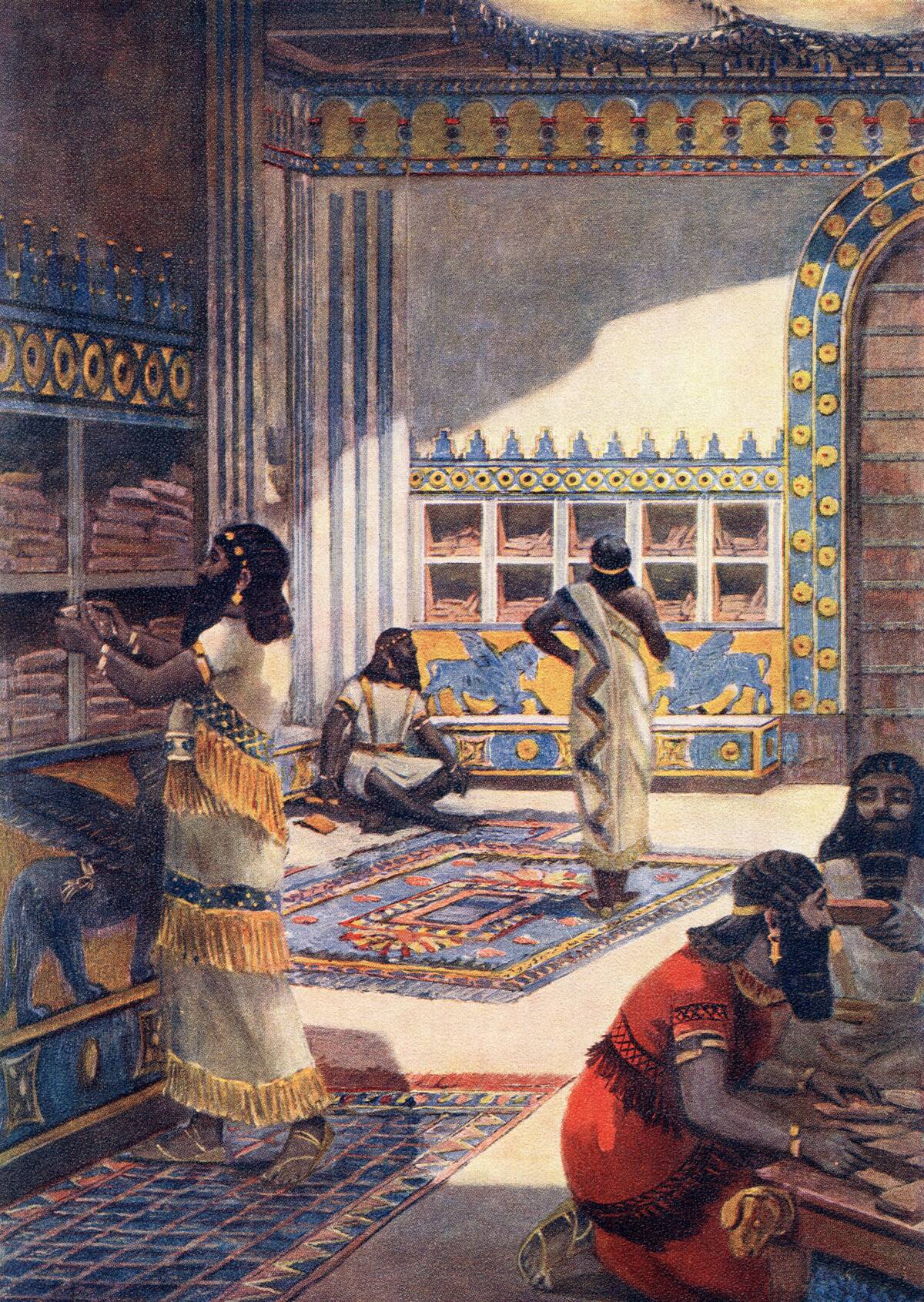
The Library of Ashurbanipal, located in Nineveh, is one of the oldest known systematically collected libraries, dating back to the 7th century BCE. It was developed under Ashurbanipal, the last great king of the Assyrian Empire, who was an avid scholar and collector of texts.
The library contained over 30,000 clay tablets and fragments inscribed with cuneiform script, covering topics from medicine and divination to literature and mythology. Its discovery in the mid-19th century was a major archaeological milestone, shedding light on ancient Mesopotamian civilization.
The Great Library of Alexandria: Myths and Marvels
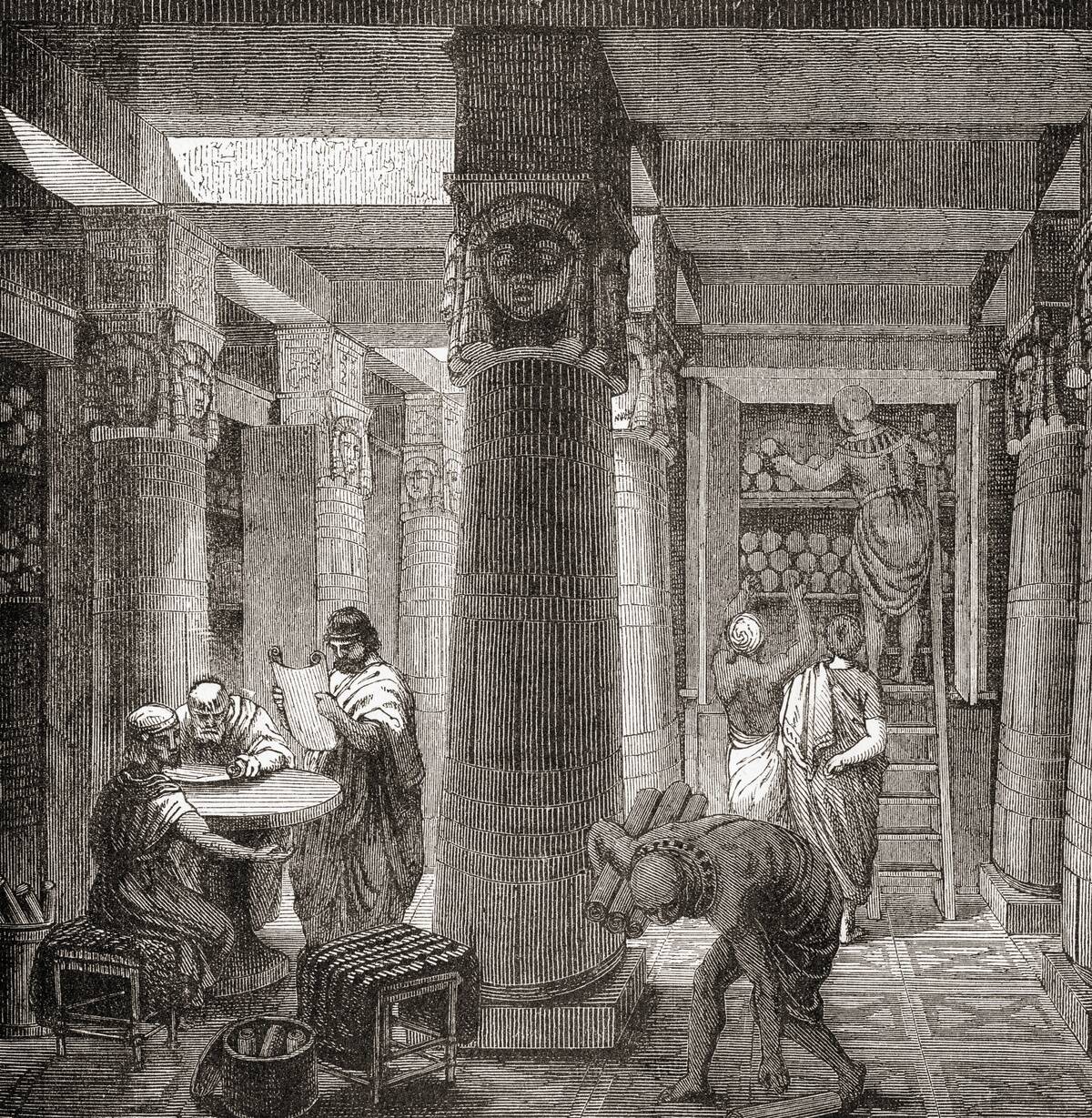
The Great Library of Alexandria in Egypt is shrouded in legend and is often regarded as the most famous library of the ancient world. Established under the early Ptolemaic rulers in the 3rd century BCE, it aimed to gather a vast collection of the world’s knowledge.
While its exact size remains debated, some estimates suggest it housed hundreds of thousands of scrolls. Rather than being destroyed in a single known event, its collections likely declined or were lost over time through multiple episodes of conflict and disruption. Its legacy continues to symbolize the preservation and loss of ancient knowledge and inspire scholars worldwide.
The Library of Pergamum: Rival to Alexandria
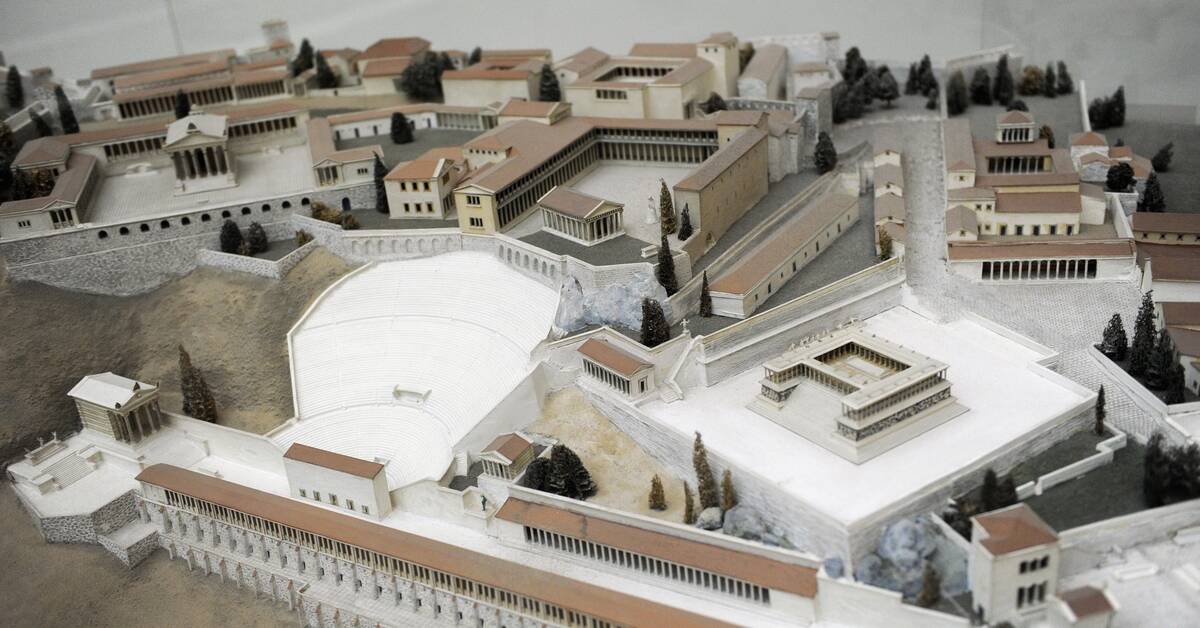
The Library of Pergamum, located in what is now modern-day Turkey, was a formidable rival to Alexandria. Established under King Eumenes II in the early 2nd century BCE, it was said to have held around 200,000 scrolls.
Pergamum also became a major center for producing parchment, a durable writing material that became important for book production. Ancient writers linked the growth of parchment use in Pergamum to a papyrus export ban imposed by Egypt during the rivalry between the two libraries, although Pergamum did not actually invent parchment.
The Library of Celsus: An Architectural Wonder
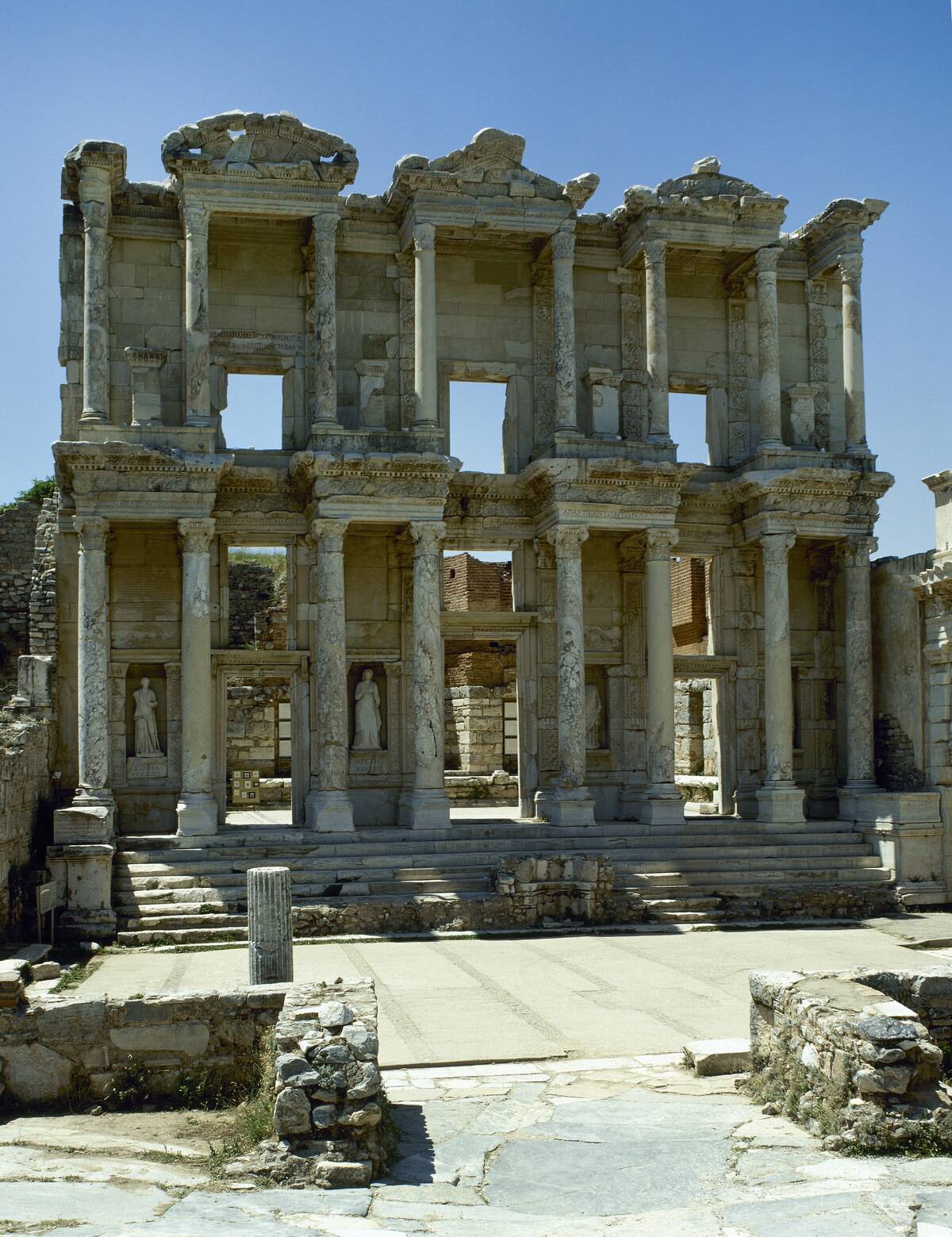
The Library of Celsus in Ephesus, in modern-day Türkiye, is renowned for its stunning architecture. Built in the early 2nd century CE by Gaius Julius Aquila in honor of his father, Roman governor Tiberius Julius Celsus Polemaeanus, it was designed to hold around 12,000 scrolls and also served as Celsus’ tomb. Its grand two-story facade, decorated with columns and statues, is a striking example of Roman architecture.
The library’s interior and contents were destroyed by a fire around 262 CE, while the facade was later ruined by an earthquake. Reconstructed between 1970 and 1978, the facade remains one of Ephesus’ most popular attractions, reflecting the grandeur of the ancient city.
The Bodleian Library: Oxford’s Timeless Gem
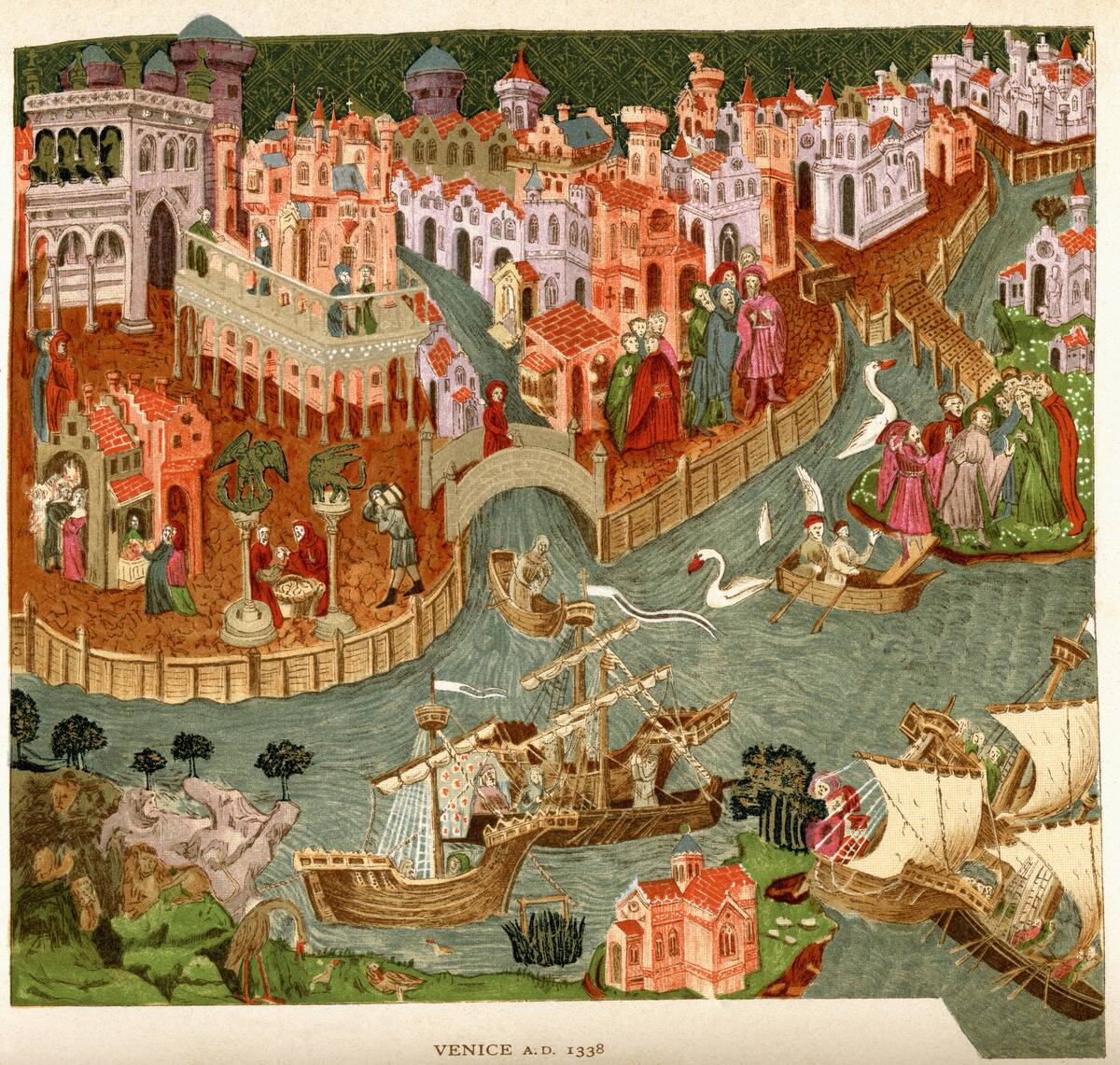
The Bodleian Library, part of the University of Oxford, is one of the oldest libraries in Europe, with its present institution dating to 1602. Named after Sir Thomas Bodley, it has grown into a vast library system holding more than 14 million printed items.
The iconic Radcliffe Camera is one of Oxford’s most recognizable library buildings and a symbol of its academic heritage. The Bodleian is also one of the UK’s six legal deposit libraries, giving it the right to request copies of publications issued in the United Kingdom and Ireland, helping preserve the nation’s published heritage for future generations.
The Vatican Apostolic Library: Secrets of the Papal Archives
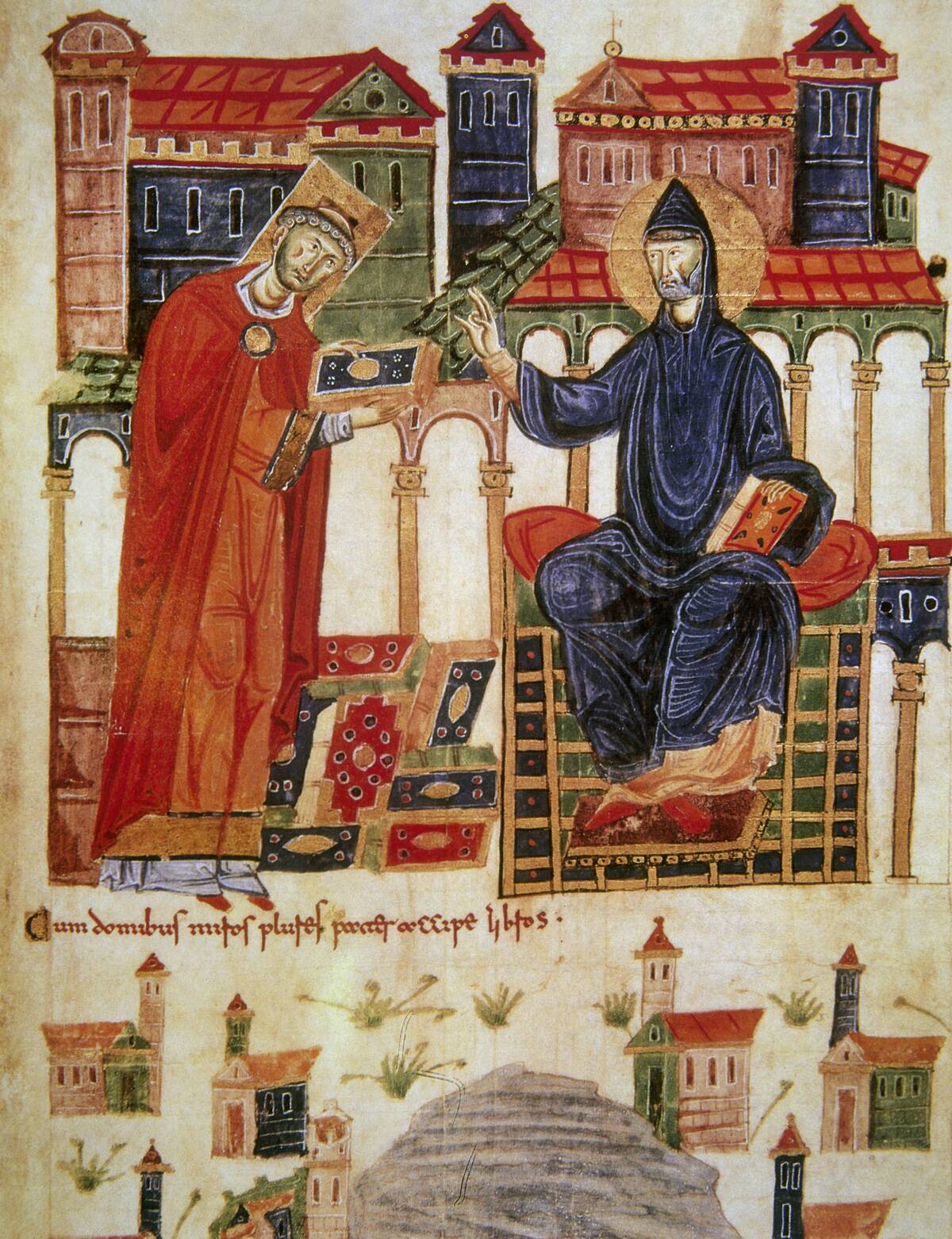
The Vatican Apostolic Library, formally established in 1475, is one of the world’s most significant research libraries. It houses around 1.6 million printed books and 80,000 manuscripts, including important ancient biblical and religious texts. Its collections also contain extensive archival materials documenting centuries of intellectual and religious history.
Unlike a conventional public library, access is reserved primarily for qualified scholars and researchers, with special authorization required to consult certain manuscripts. Through its research facilities and collections, the library provides scholars with access to an extraordinary range of religious, historical, scientific and cultural treasures.
The St. Catherine’s Monastery Library: Preserving Early Christian Texts
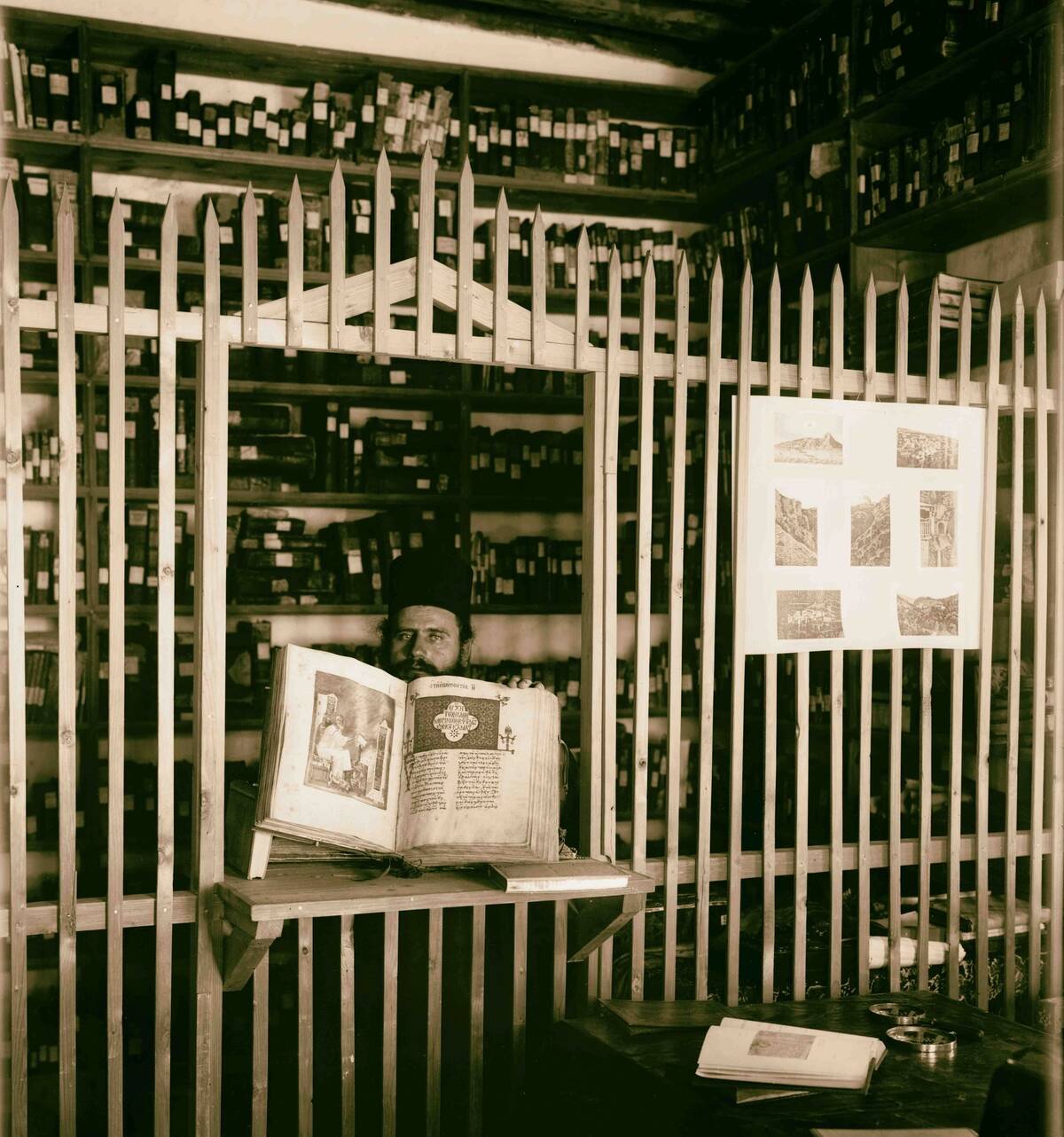
Located at the foot of Mount Sinai, St. Catherine’s Monastery is home to one of the world’s oldest and most important collections of Christian manuscripts. Founded in the 6th century, it preserves thousands of manuscripts in numerous languages, offering an extraordinary record of early Christianity and Byzantine culture.
The monastery once housed the Codex Sinaiticus, a 4th-century manuscript containing the oldest complete surviving copy of the New Testament, although most of the manuscript is now held elsewhere. Its isolated setting and centuries-old monastic tradition have helped preserve an exceptional collection of religious and historical texts, providing invaluable insights into the Christian world of late antiquity.
The Al-Qarawiyyin Library: A Center of Islamic Scholarship
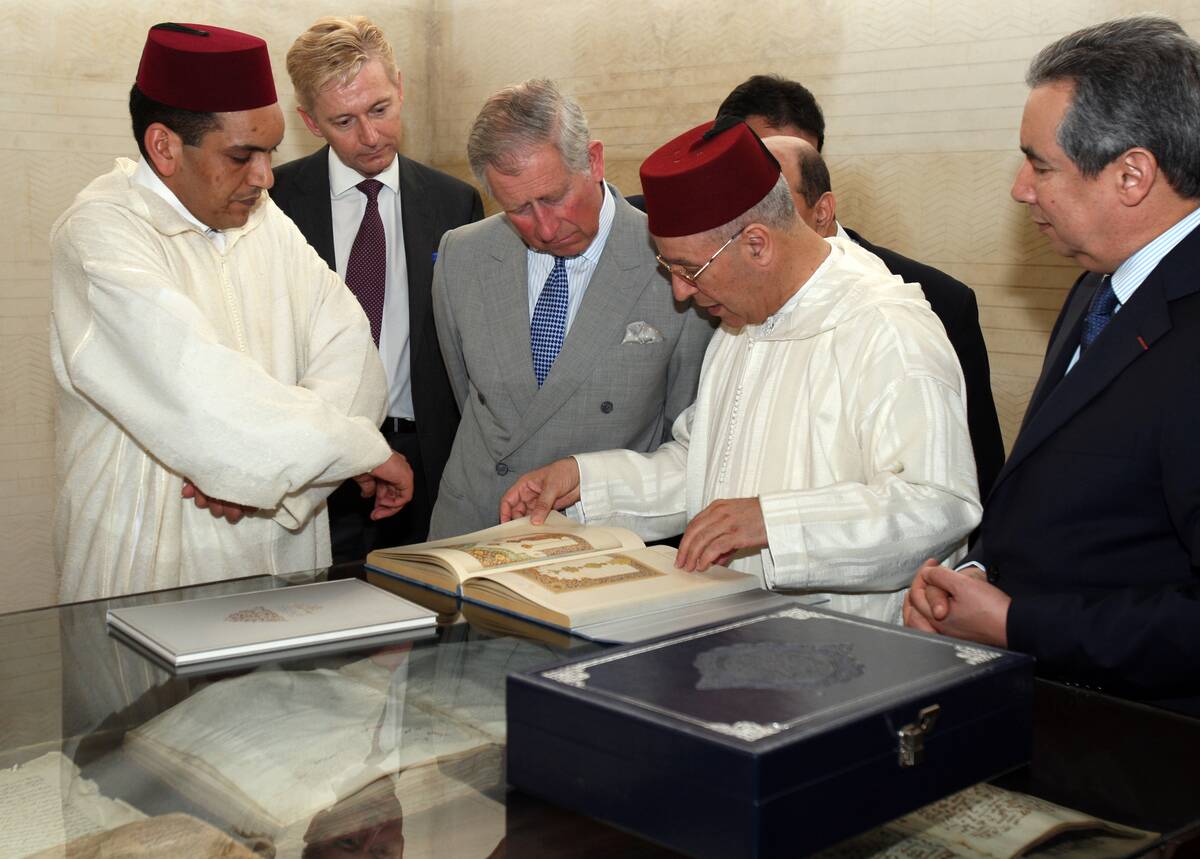
The Al-Qarawiyyin Library in Fez, Morocco, is part of the historic Al-Qarawiyyin institution, founded in 859 CE and widely recognized as the world’s oldest existing and continually operating higher-education institution. Fatima al-Fihri is traditionally credited with founding the institution as a center of learning.
The library houses an important collection of Islamic manuscripts, including a 9th-century Qur’anic manuscript and works associated with renowned scholars such as Ibn Khaldun. After undergoing a major restoration, the library reopened in 2017 and continues to preserve an important collection of Islamic scholarship and Moroccan cultural heritage.
The National Library of China: Guardians of Ancient Chinese Manuscripts
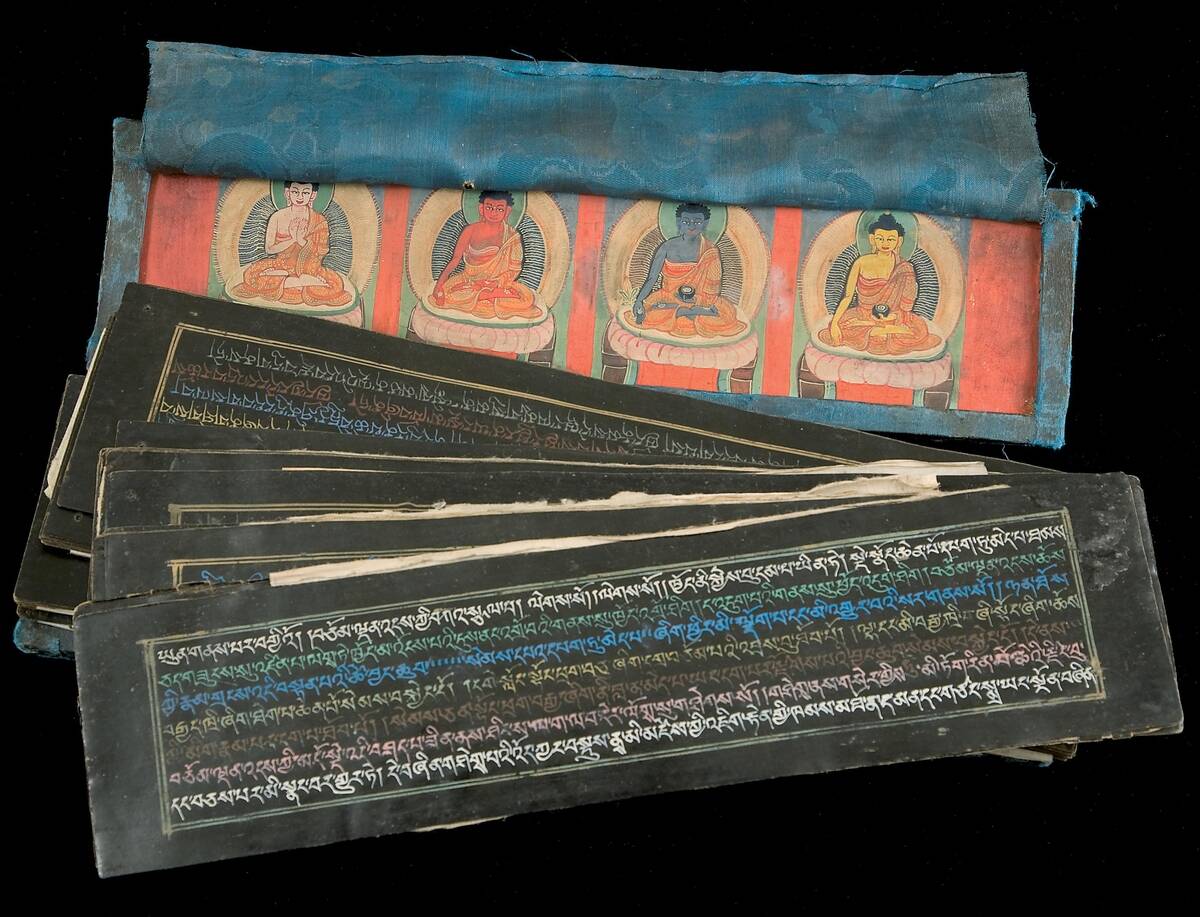
The National Library of China, established in 1909, is one of Asia’s largest libraries, with more than 46 million physical volumes and items in its collection. It holds an extraordinary array of ancient Chinese materials, including oracle bones dating back roughly 3,000 years, Buddhist texts, Dunhuang manuscripts and rare ancient books.
The library’s mission includes preserving China’s rich literary and cultural heritage while making its resources available to the public and researchers. Its extensive digital initiatives provide online access to digitized rare books, oracle bones, manuscripts and other historical materials, helping preserve these treasures and make them accessible to audiences beyond the library itself.
The Bibliotheca Alexandrina: A Modern Homage to Antiquity
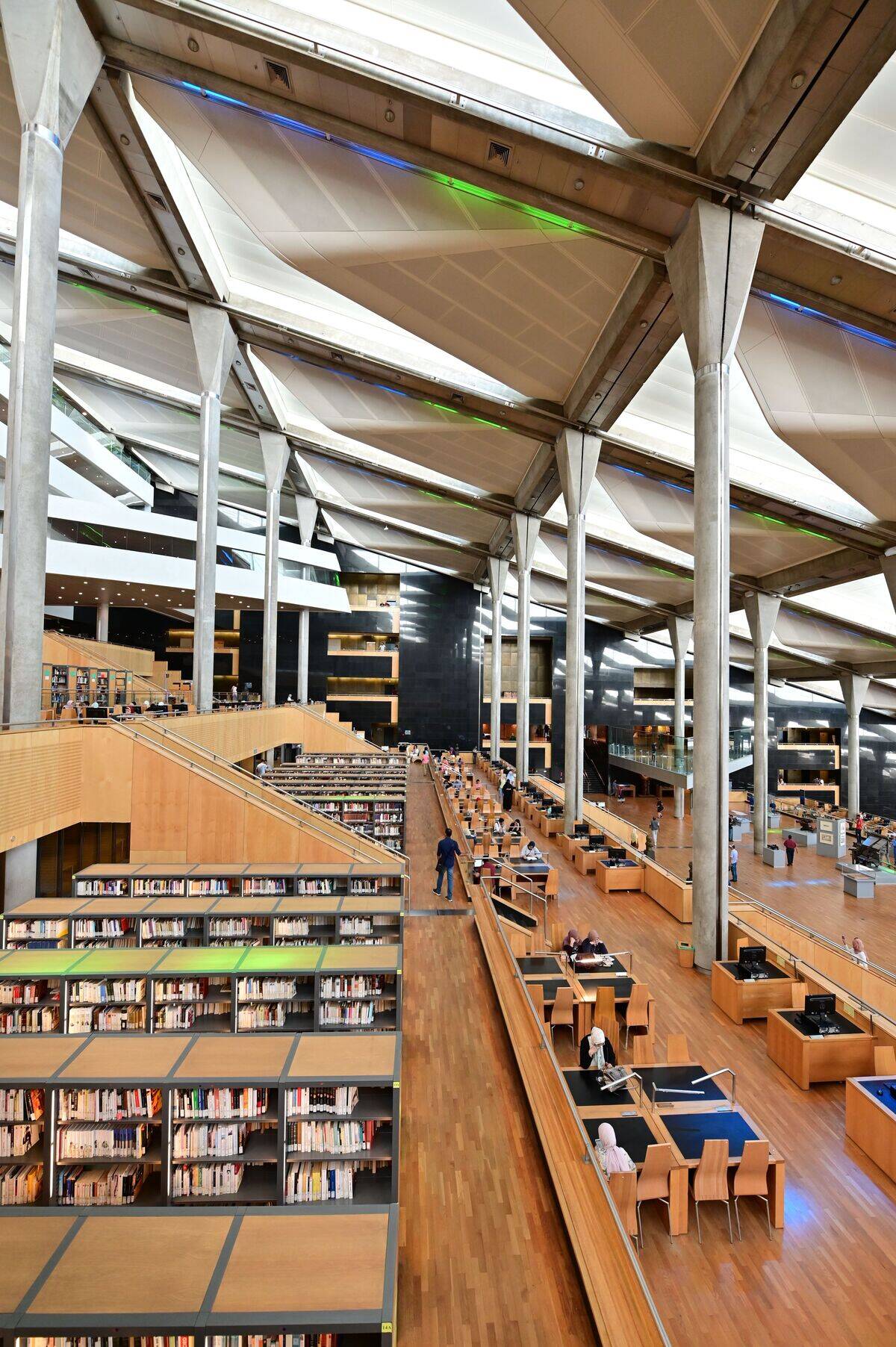
The Bibliotheca Alexandrina in Egypt, officially inaugurated in 2002, was created as a modern tribute to the ancient Library of Alexandria. Its striking main library was designed to house up to eight million volumes, with the vast reading area accommodating around 2,000 users.
The library also serves as a major cultural center, hosting exhibitions, conferences, workshops, museums, and educational programs. Inspired by the intellectual legacy of its ancient predecessor, it aims to promote learning, research, knowledge exchange, and cultural dialogue, continuing Alexandria’s long association with scholarship and discovery.
The Library of Congress: A New World Repository of Knowledge
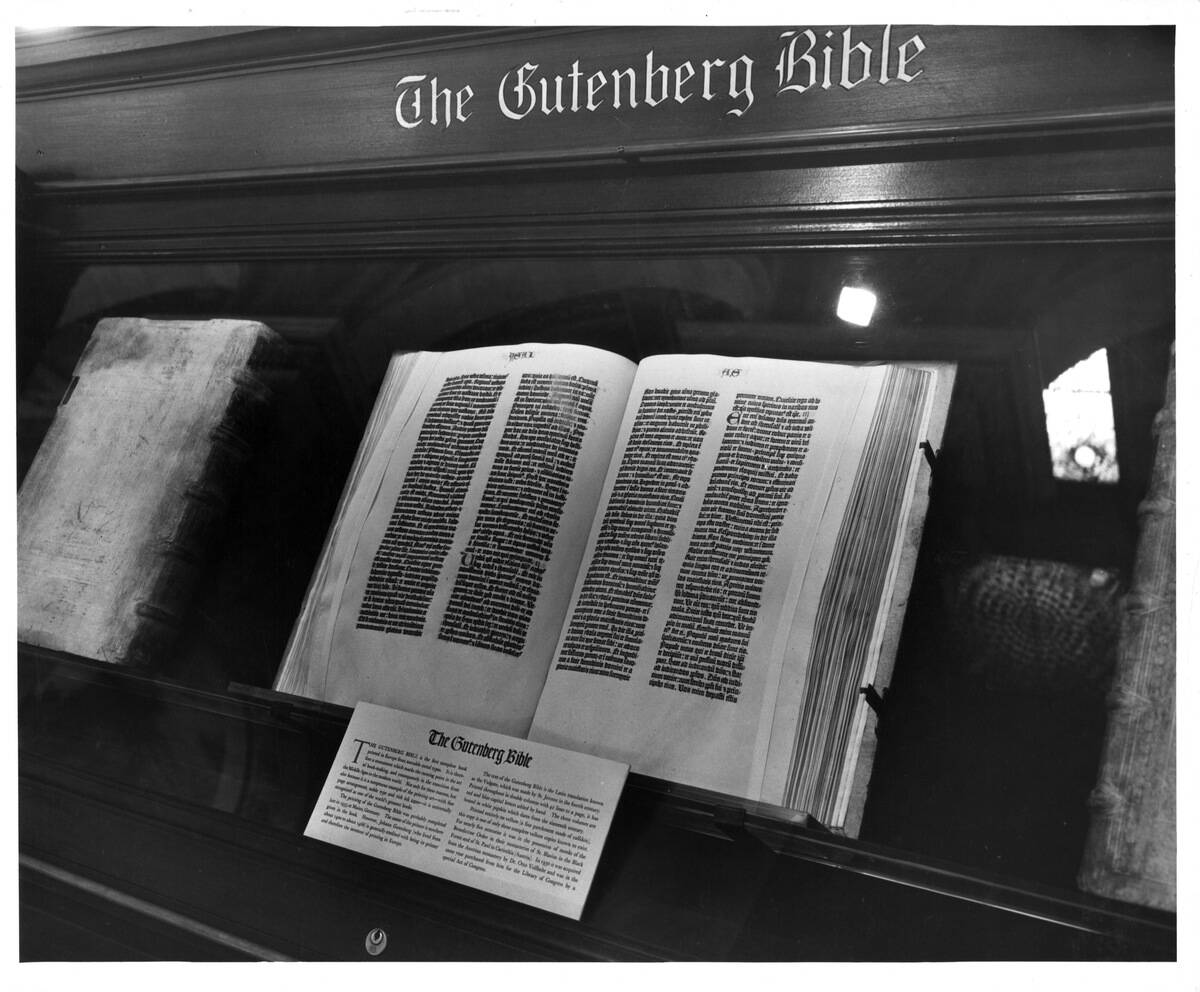
The Library of Congress in Washington, D.C., is the largest library in the world, with more than 176 million physical items. Founded in 1800, it serves as the main research arm of the U.S. Congress and is recognized as the national library of the United States.
Its vast collections include books, recordings, maps, photographs, films, manuscripts, and other materials documenting American and global history and culture. Through extensive digitization and online initiatives, the Library continues to make its collections increasingly accessible to researchers, educators, and the public around the world.
The Royal Library of Denmark: Scandinavia’s Historical Hub
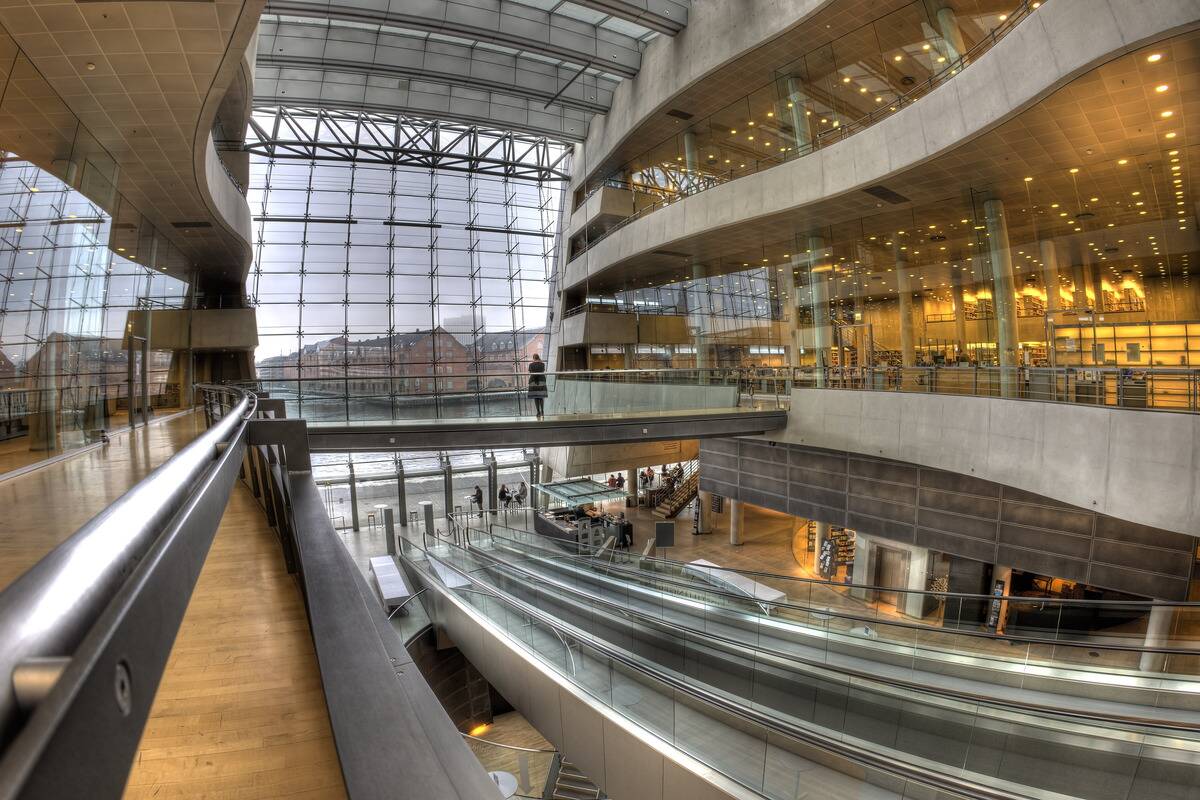
The Royal Library of Denmark, founded in 1648 by King Frederik III, is Denmark’s national library and one of the Nordic region’s major research libraries. It houses extensive Danish and international collections, including rare manuscripts, early printed books, maps, and other historical materials.
Its iconic Black Diamond building, opened in 1999, is a striking modern extension on Copenhagen’s waterfront and has become a cultural landmark. Today, the library serves as a center for research, exhibitions, conferences, and other cultural activities, preserving and sharing Denmark’s rich literary and historical heritage.
The British Library: A Collection of Global Significance
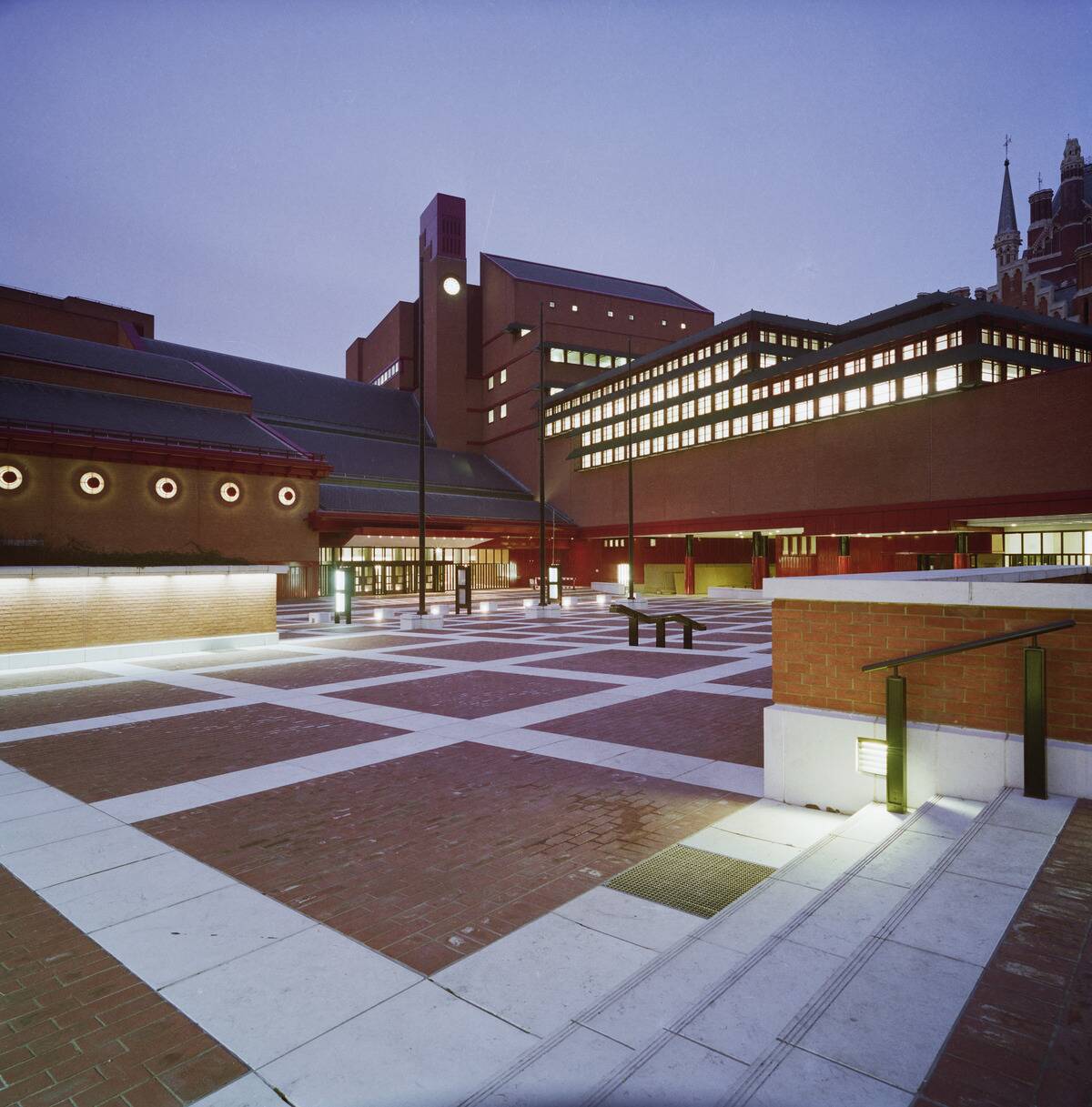
The British Library in London is one of the world’s largest national libraries, with over 170 million items in its collection. Established as an institution in 1973, it brought together collections with much older histories and serves as the UK’s national library. Its treasures include the Magna Carta and a notebook by Leonardo da Vinci, alongside millions of books, manuscripts, maps, recordings, and other materials.
As a legal deposit library, it receives a copy of publications distributed in the UK and Ireland, including electronic publications. Its digitization projects help preserve its collections while making an increasing number of resources accessible to researchers and audiences around the world.
The Matenadaran Library: Armenia’s Manuscript Haven
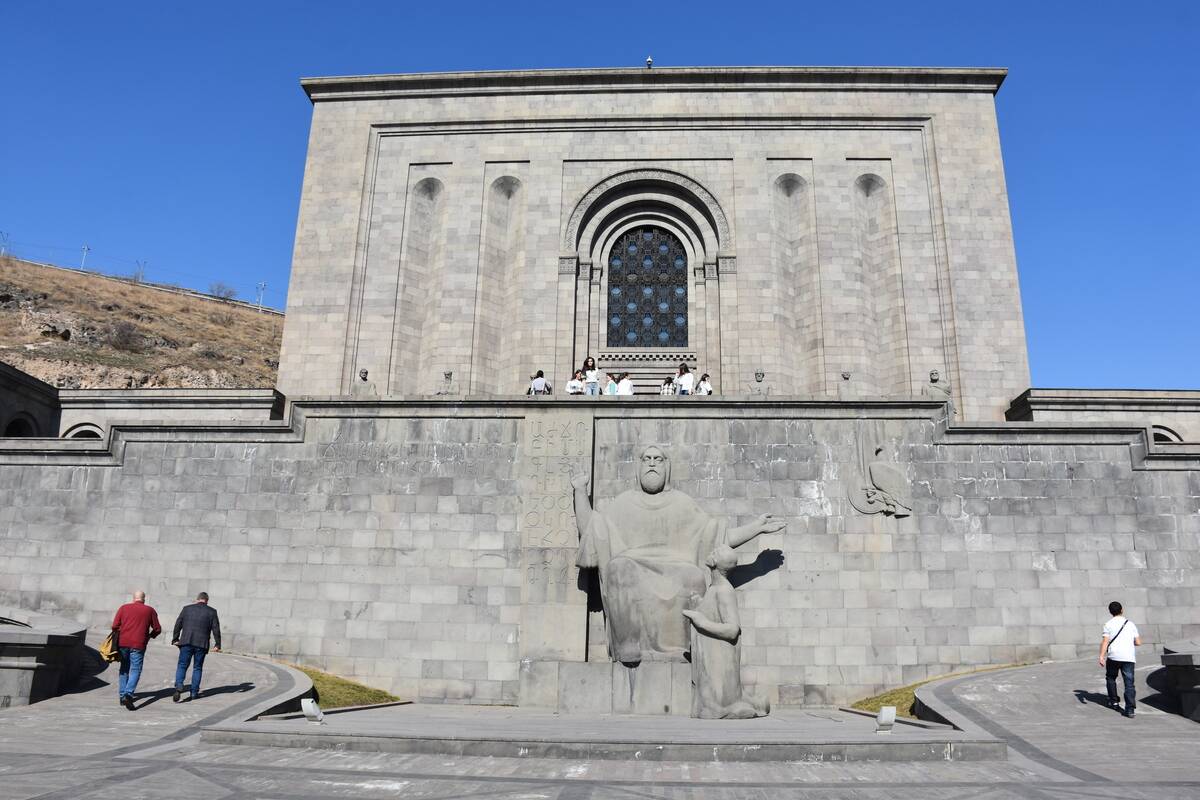
The Matenadaran in Yerevan, Armenia, is a major repository of ancient manuscripts, with approximately 23,000 manuscripts, fragments, and talismans in its depository. Established as the Research Institute of Ancient Manuscripts in 1959, its collection has much older roots, tracing back to the historic manuscript collection of Etchmiadzin.
It preserves Armenian cultural heritage through religious, historical, literary, scientific, and philosophical works, alongside manuscripts in numerous other languages. Named after Mesrop Mashtots, the creator of the Armenian alphabet, the Matenadaran’s collections offer valuable insights into the medieval Armenian world and its intellectual connections with neighboring cultures.
The Timbuktu Manuscripts: Africa’s Intellectual Heritage
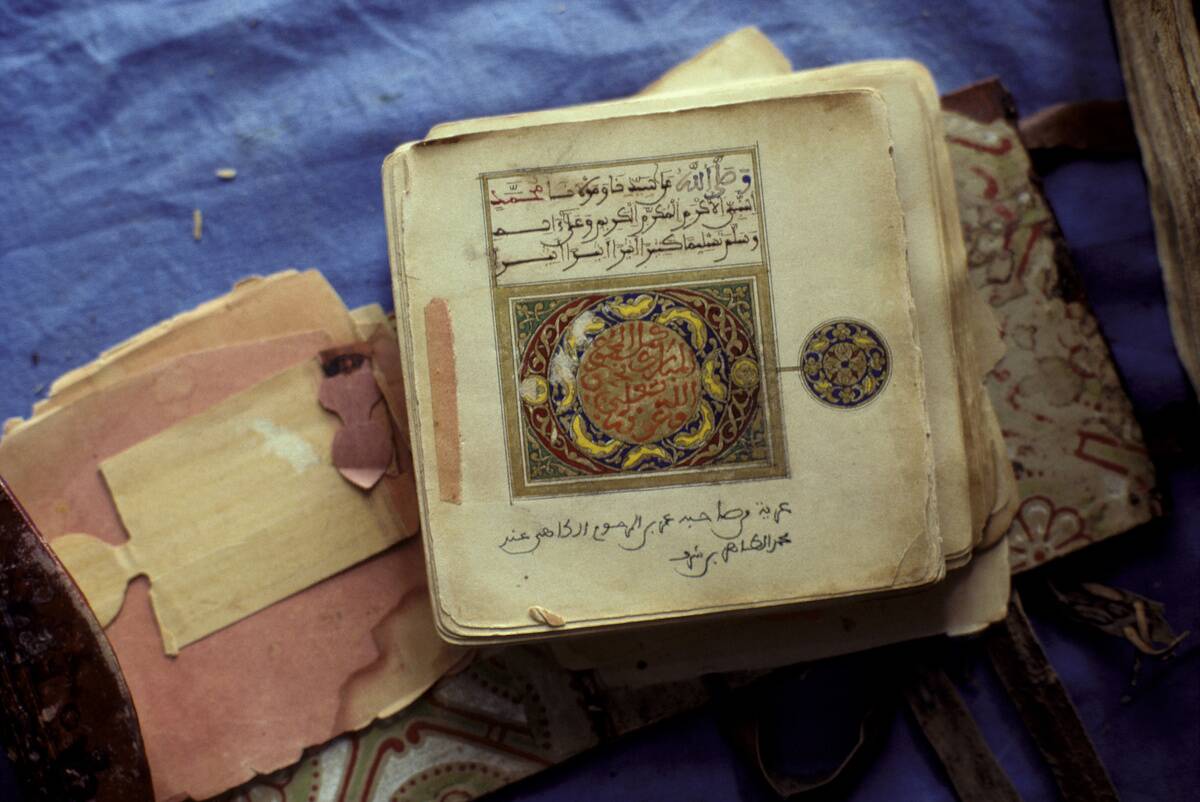
The Timbuktu Manuscripts, preserved in various public and private libraries in Mali, are a testament to Africa’s rich intellectual history. Dating from the medieval period, with some manuscripts dating back to the 13th century, they cover diverse subjects, from astronomy and mathematics to medicine, theology, and law.
Most were written in Arabic, while others record African languages using Arabic script, reflecting the region’s vibrant scholarly tradition. Efforts to preserve and digitize these texts are ongoing, helping safeguard Timbuktu’s remarkable intellectual heritage and ensuring its legacy as a center of learning and culture continues to inspire future generations.
The Escorial Library: Spain’s Royal Collection
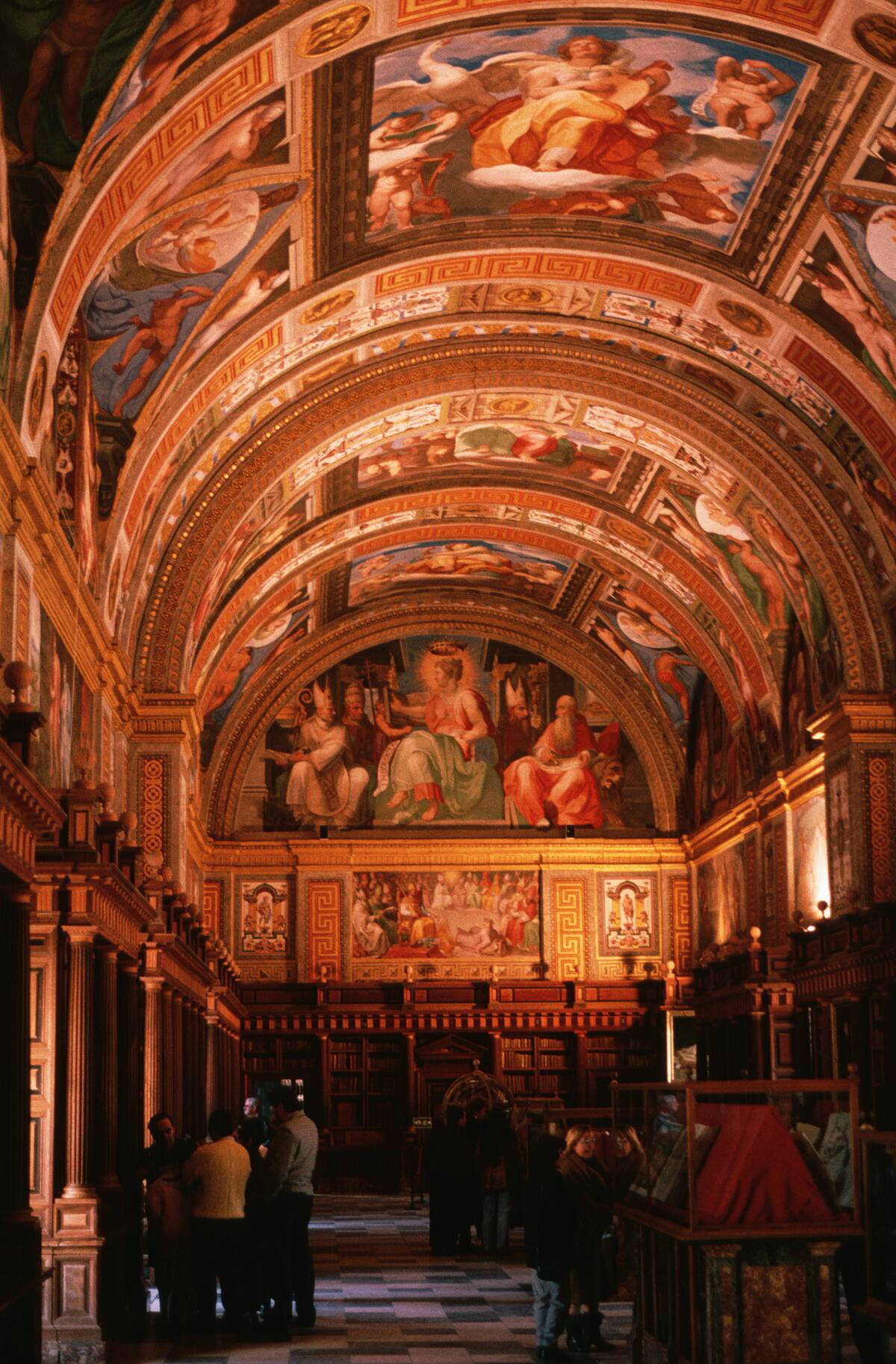
The Escorial Library, located within the Royal Site of San Lorenzo de El Escorial near Madrid, Spain, was founded in the 16th century by King Philip II as a major Renaissance library and center of humanist learning. It houses an important collection of manuscripts and early printed books, including works from classical and religious traditions.
The library’s magnificent main hall features frescoes painted by Pellegrino Tibaldi and monumental wooden bookcases designed by Juan de Herrera. Its architecture and collections reflect the intellectual ambitions of Renaissance Spain, making it an important monument of the country’s historical and cultural heritage.
The New York Public Library: A Modern Marvel with Historical Roots

The New York Public Library, established in 1895, is one of the largest public library systems in the United States. Its flagship research library, the Stephen A. Schwarzman Building, is an architectural landmark in Manhattan and has been the Library’s home since its dedication in 1911. NYPL’s extensive collections contain more than 50 million items, ranging from books and manuscripts to maps, recordings, photographs, and digital resources.
With a longstanding commitment to free access to knowledge, education, and research, the New York Public Library serves New Yorkers and researchers worldwide while connecting historical collections with the needs of the present.




