Foods made famous by movies and television
Movies have a way of making food look irresistible. From animated delights to live-action feasts, cinematic cuisine has captured our imaginations and taste buds alike.
Whether it’s a magical drink or a simple burger, these iconic food moments have become part of our pop culture lexicon.
The Iconic Spaghetti Scene in “Lady and the Tramp”
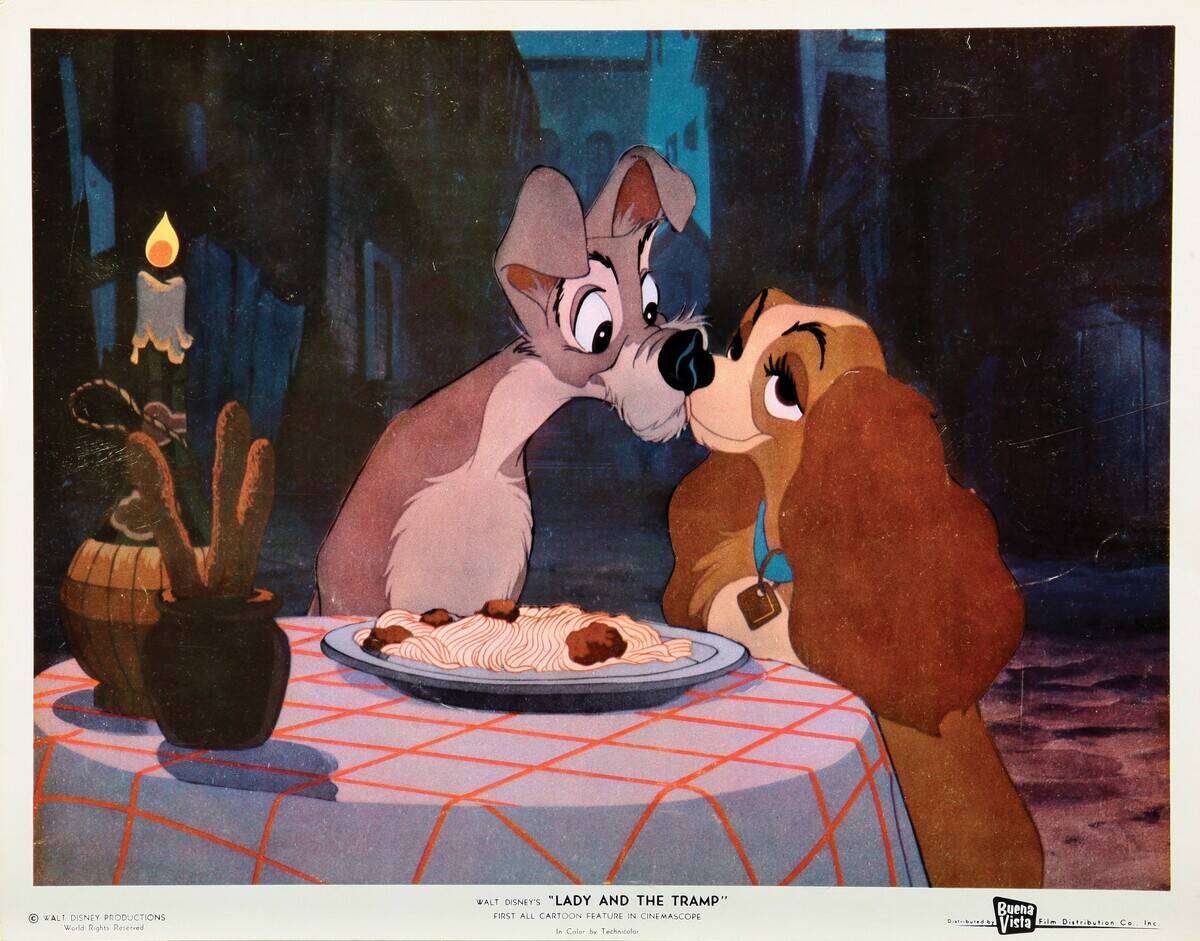
Who could forget the romantic spaghetti scene in Disney’s “Lady and the Tramp”? Lady and Tramp accidentally share the same strand of spaghetti, leading to their famous kiss. Walt Disney was actually skeptical of the scene at first, reportedly finding the idea of two dogs eating spaghetti unromantic.
Animator Frank Thomas strongly believed in the sequence and developed it further; after seeing Thomas’s version, Disney agreed to keep it in the film. The scene’s magic lies in its simplicity, turning an everyday meal into an unforgettable expression of affection.
The Magical Butterbeer from the “Harry Potter” Series
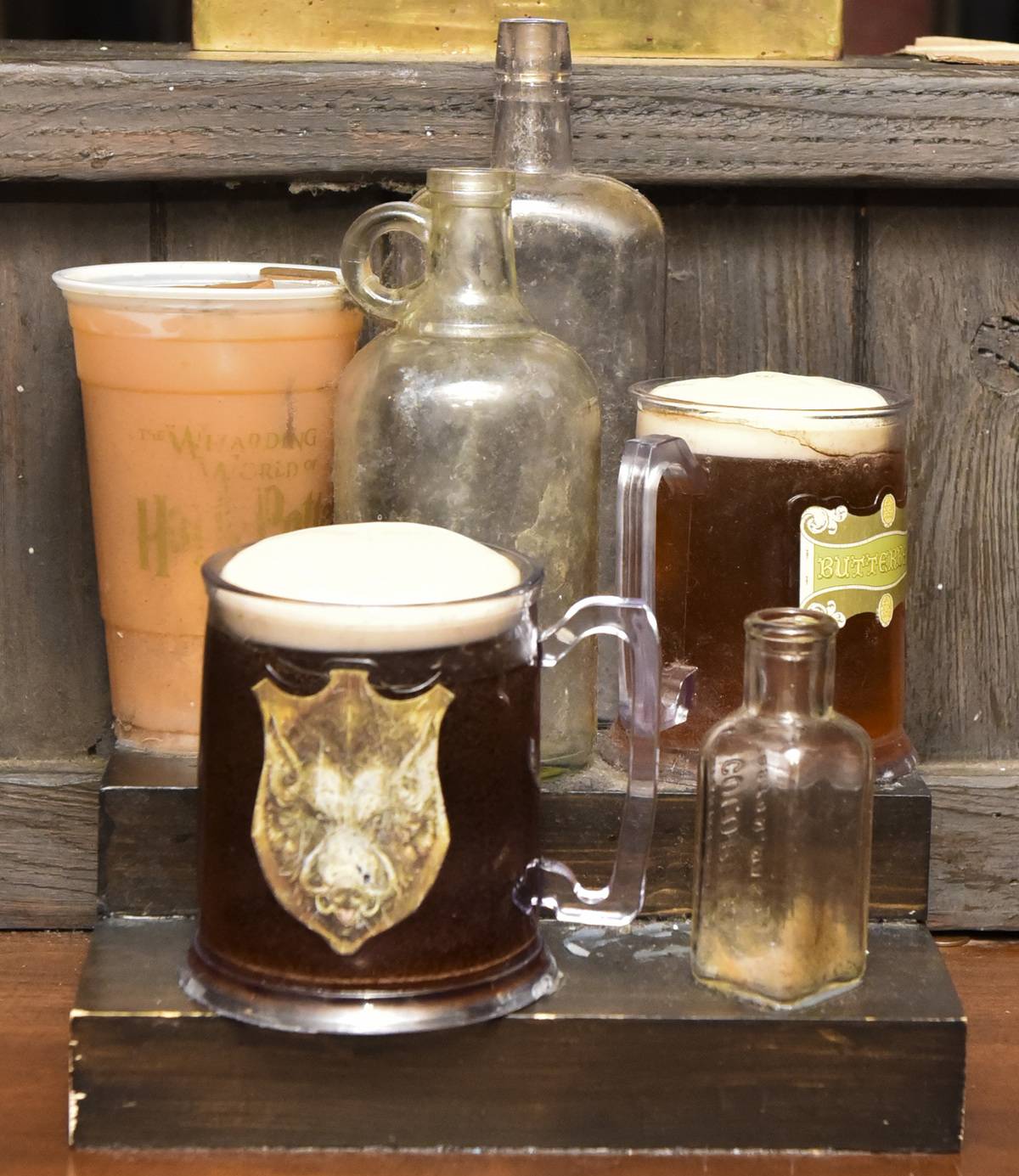
In the wizarding world of “Harry Potter,” Butterbeer is the drink of choice for young witches and wizards. This frothy beverage, served warm or cold, is a staple at the Three Broomsticks Inn in Hogsmeade. J.K. Rowling described it as having a taste “a little bit like less-sickly butterscotch.”
Fans of the series can now enjoy Butterbeer in real life at Universal Studios’ Wizarding World of Harry Potter, where the drink has become a fan favorite.
Ratatouille: A French Dish Elevated by Pixar’s “Ratatouille”
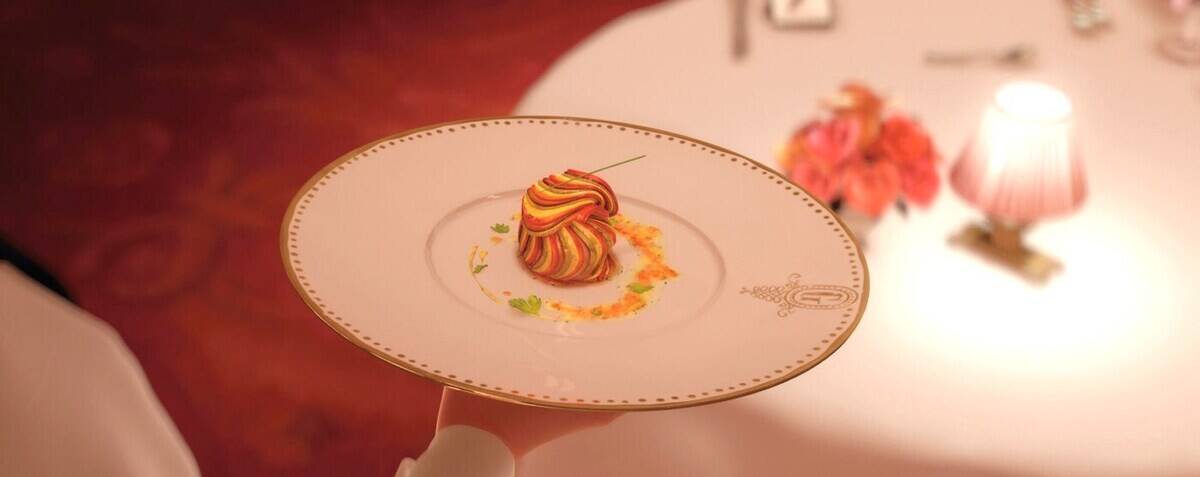
Pixar’s “Ratatouille” brought the humble French dish to the forefront of culinary fame. In the film, Remy the rat creates a stunning version of ratatouille that wins over the harsh food critic, Anton Ego.
The dish, known as confit byaldi, was crafted by chef Thomas Keller for the movie. Its intricate presentation and vibrant flavors highlight the film’s message that anyone can cook, turning a simple vegetable stew into a masterpiece.
The Big Kahuna Burger from Quentin Tarantino’s Films
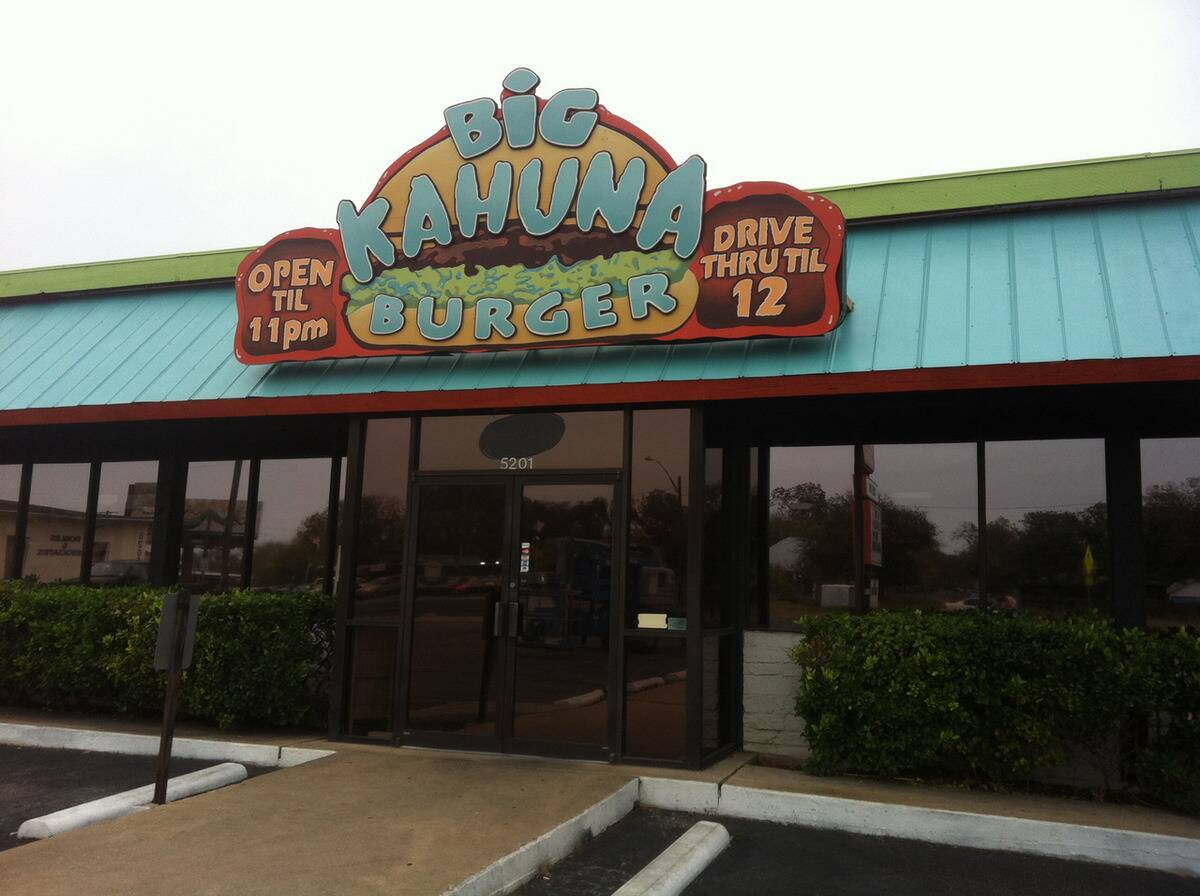
The Big Kahuna Burger is a fictional fast-food chain that appears in several Quentin Tarantino films. Most famously, it features in “Pulp Fiction,” where Jules, played by Samuel L. Jackson, enjoys a bite before delivering one of his iconic monologues.
The burger has become a cult symbol, representing Tarantino’s knack for blending pop culture references with his unique storytelling style. Fans often recreate the burger, adding to its legendary status.
Forrest Gump’s Love for Bubba Gump Shrimp
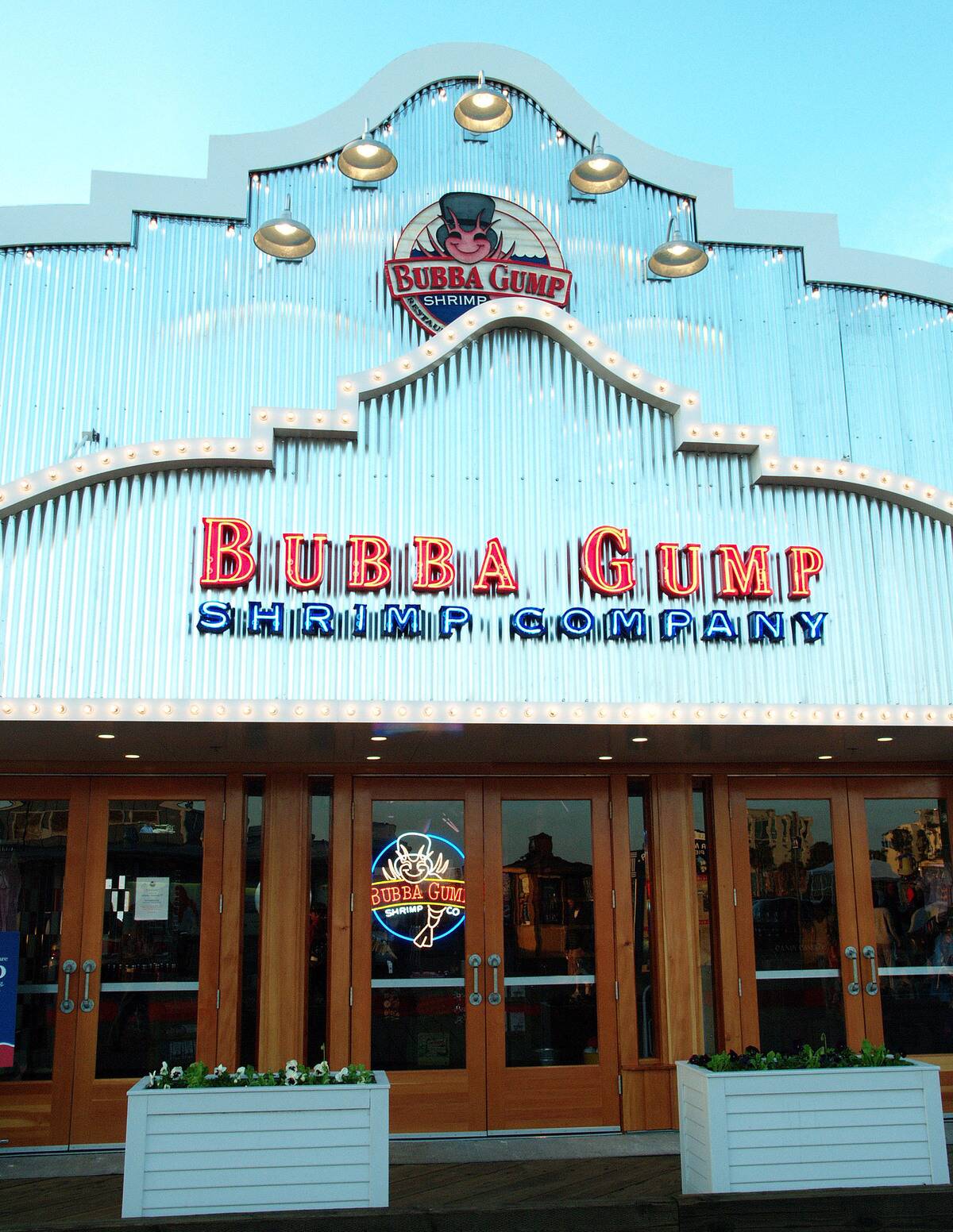
In “Forrest Gump,” Bubba Gump Shrimp becomes a symbol of friendship and perseverance. Forrest, played by Tom Hanks, fulfills his promise to his friend Bubba by starting a shrimping business.
The fictional company inspired the real-life Bubba Gump Shrimp Co., a restaurant chain that serves up shrimp dishes across the globe. Forrest’s unwavering dedication to Bubba’s dream highlights the film’s themes of loyalty and determination.
The Unforgettable Chocolate Cake from “Matilda”
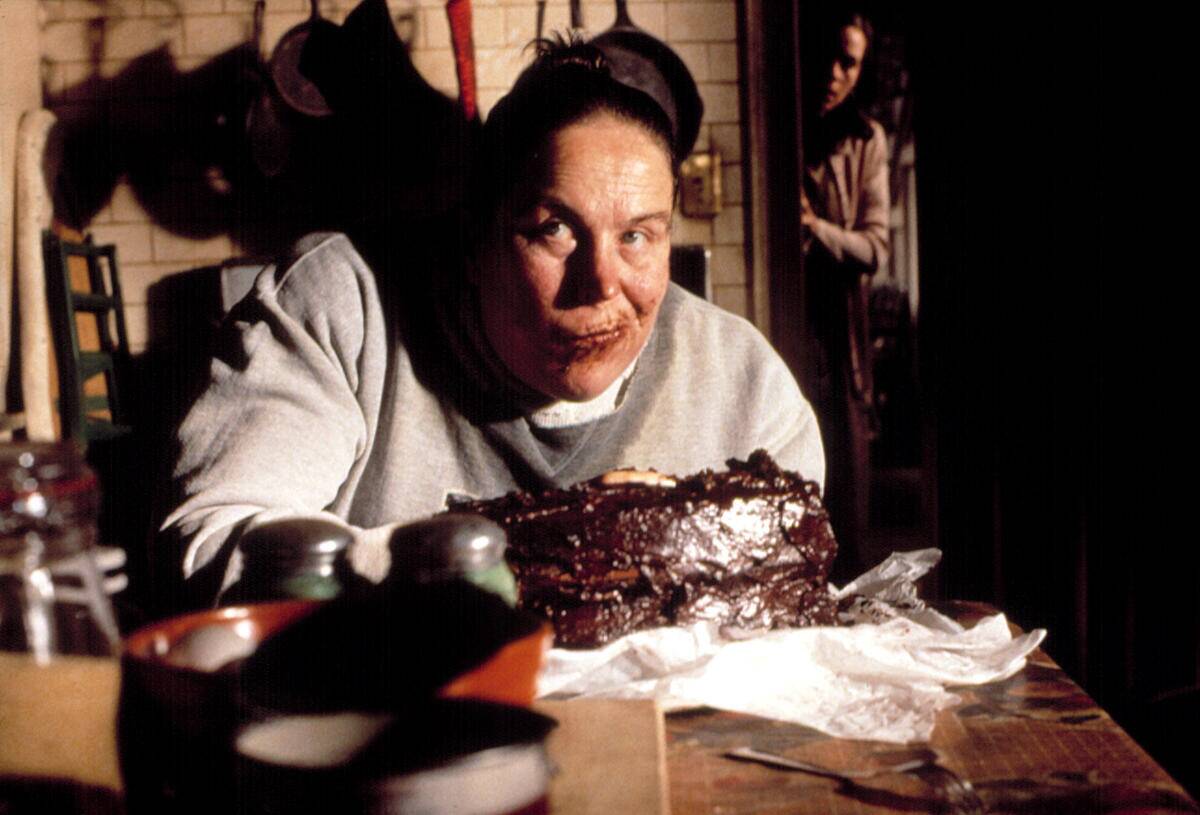
Roald Dahl’s “Matilda” features a chocolate cake scene that is both daunting and delicious. Bruce Bogtrotter is forced to consume an enormous chocolate cake as punishment, but he triumphs by finishing it to the cheers of his classmates.
The scene captures the indulgence and excess of chocolate, while also showcasing the resilience of the underdog. It remains a memorable moment of rebellion and sweet victory in children’s literature and film.
Seinfeld’s Famous Soup Nazi and the Mulligatawny Soup
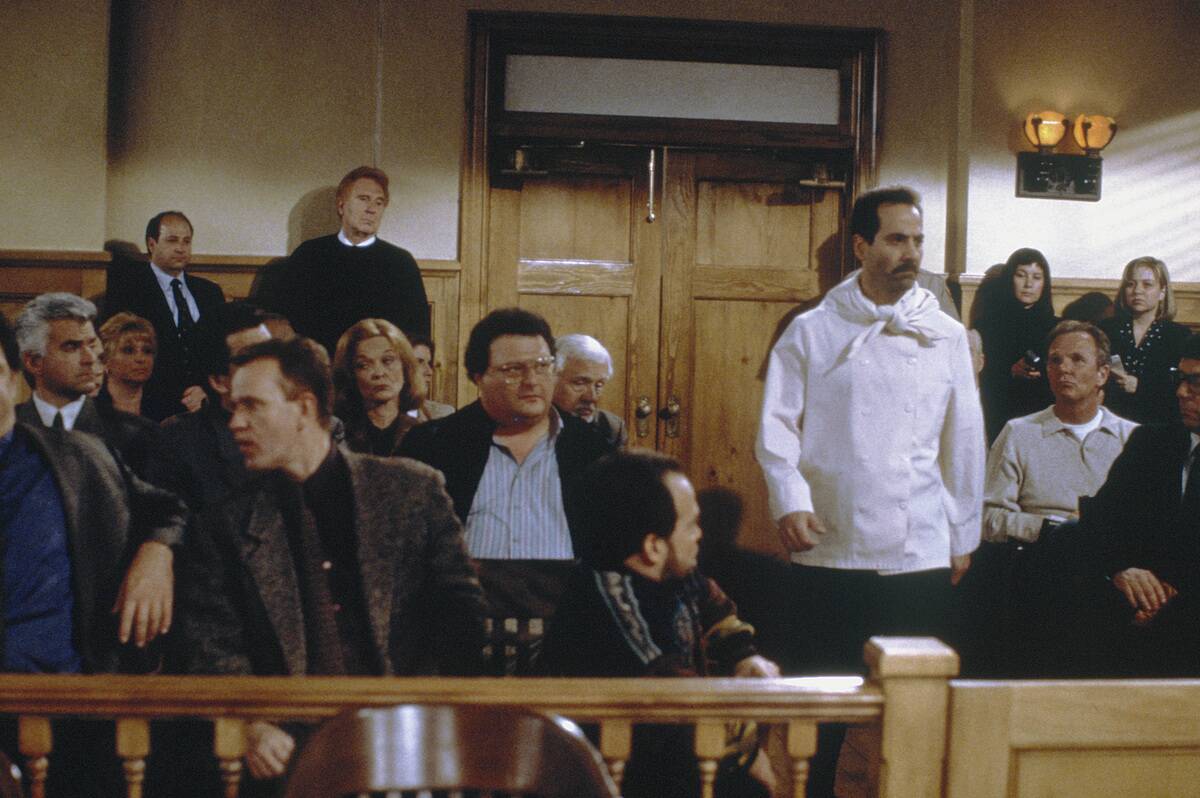
The “Soup Nazi” episode of “Seinfeld” introduced audiences to the strict yet talented soup vendor, known for his delicious Mulligatawny soup. Based on a real New York soup chef, the character’s catchphrase, “No soup for you!” became a cultural phenomenon.
The episode humorously highlights the lengths people will go for a good bowl of soup, and Mulligatawny, a spicy lentil and vegetable concoction, became a sought-after dish thanks to the show.
The Quintessential Martini from James Bond Films
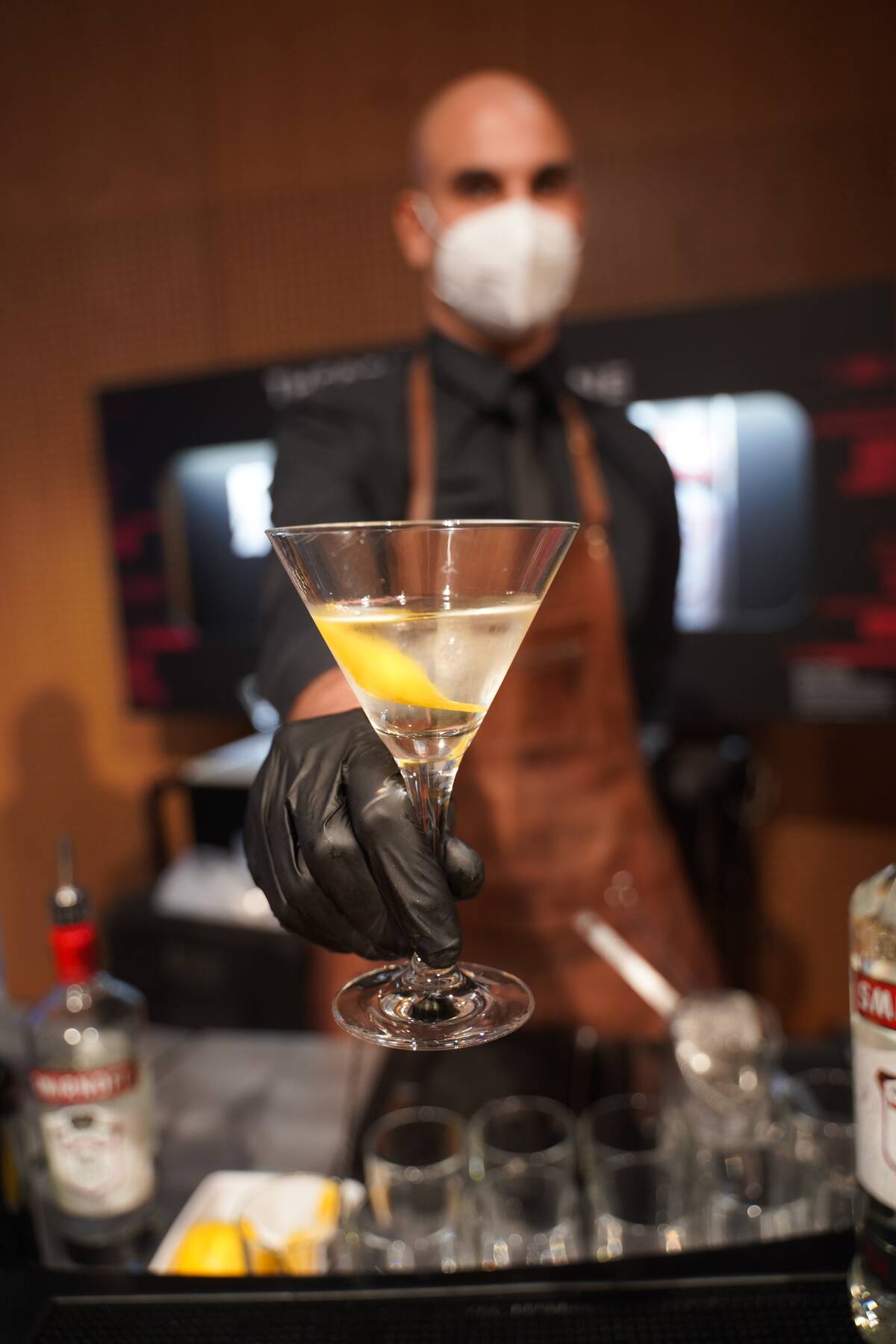
James Bond’s preference for a “shaken, not stirred” martini is as iconic as the spy himself. This catchphrase first appeared in Ian Fleming’s novels and has been a staple in Bond films ever since.
The martini, typically made with gin and vermouth, embodies Bond’s sophisticated yet daring persona. The phrase has become synonymous with the character, influencing cocktail culture and leaving a lasting impact on how martinis are ordered worldwide.
Twin Peaks and the Legendary Cherry Pie
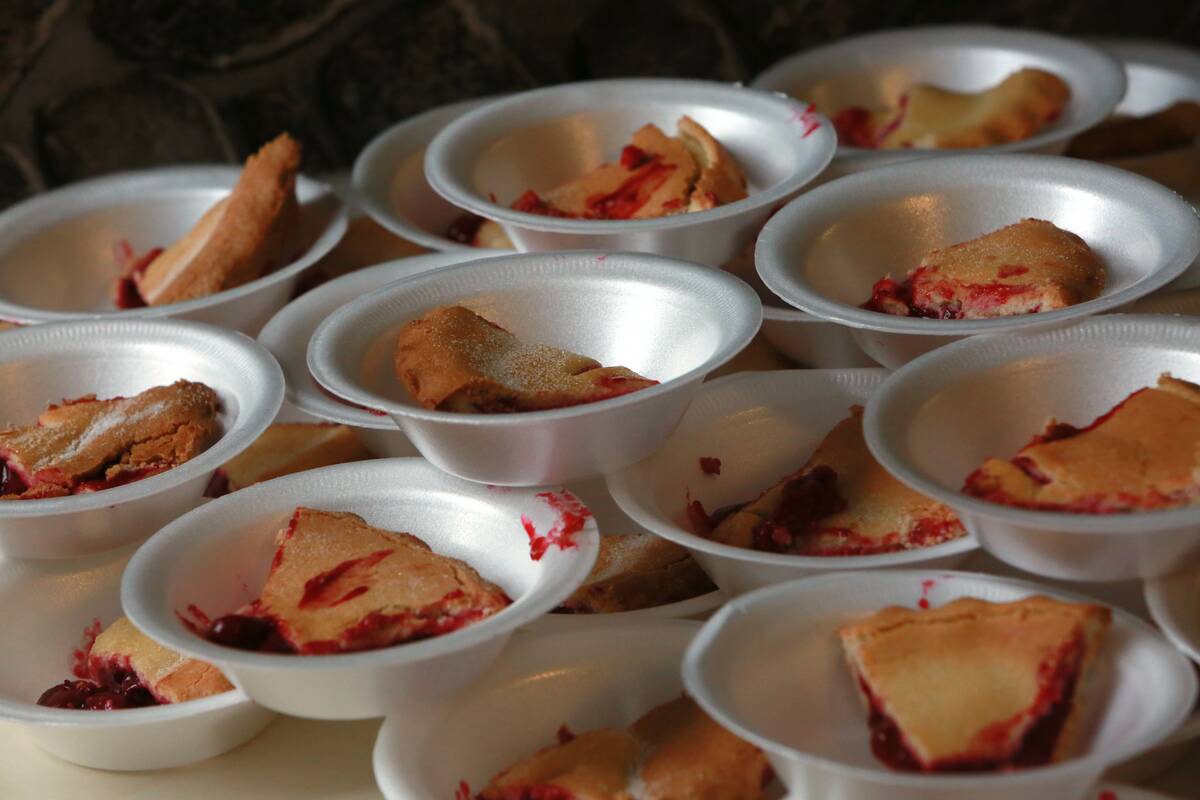
David Lynch’s “Twin Peaks” introduced viewers to the “damn fine” cherry pie, a favorite of Agent Dale Cooper. The pie, often enjoyed with a cup of black coffee, became a symbol of the show’s quirky charm.
Its repeated mentions and appearances highlight the series’ unique blend of mystery and humor. Fans of the show have since sought out cherry pie as a way to connect with the enigmatic world of “Twin Peaks,” solidifying its place in pop culture.
The Cult Status of White Castle Sliders in “Harold & Kumar”
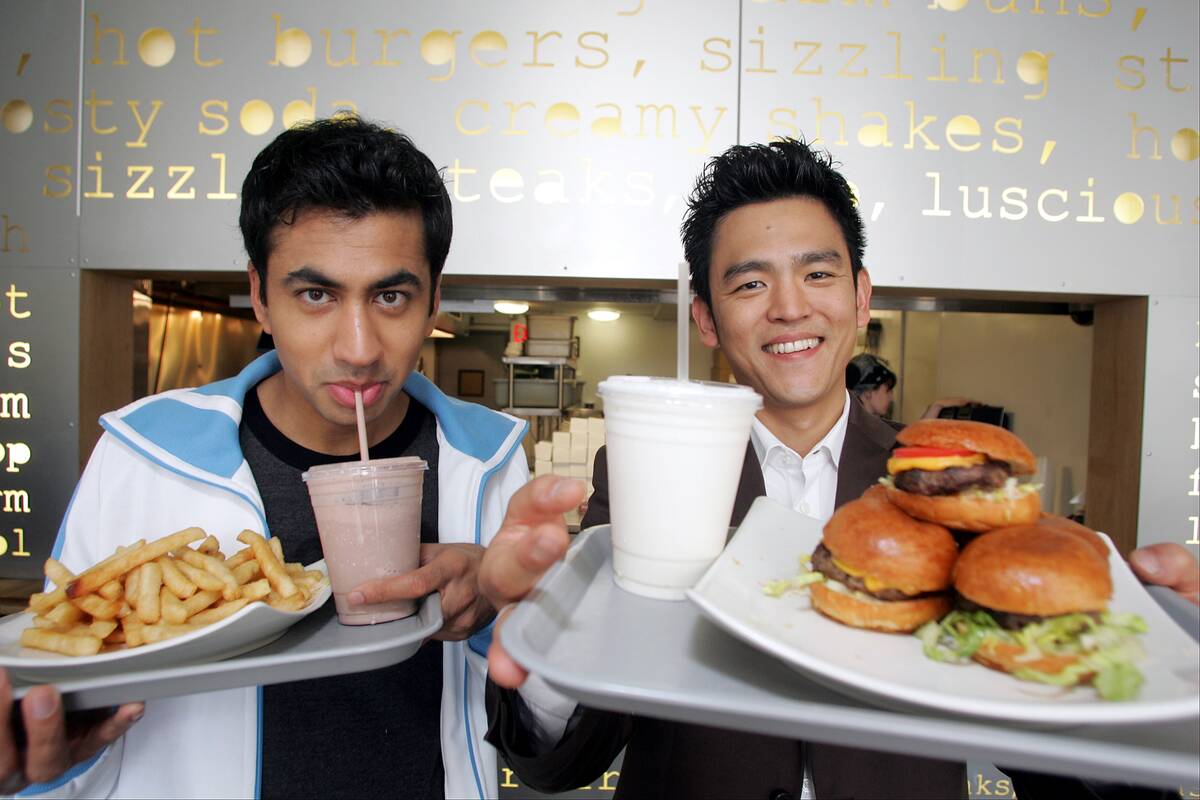
“Harold & Kumar Go to White Castle” turned the fast-food chain’s sliders into a cult sensation. The film follows the titular characters on a wild adventure to satisfy their craving for White Castle burgers.
The sliders, small and square, are known for their distinctive taste and texture. The movie’s success bolstered White Castle’s popularity, and the sliders became emblematic of late-night cravings and the lengths people will go to satisfy them.
The Nostalgic Pop Culture Impact of Reese’s Pieces in “E.T.”
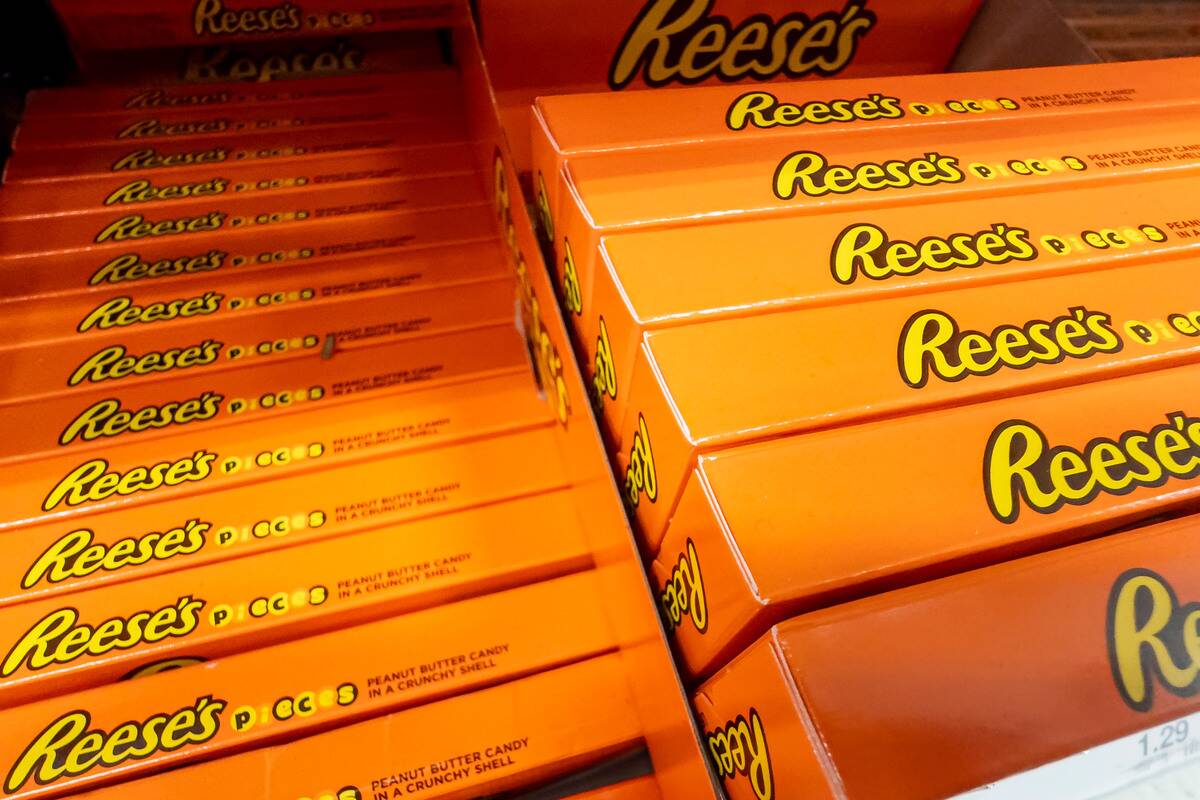
Reese’s Pieces gained fame through their prominent placement in Steven Spielberg’s “E.T. the Extra-Terrestrial.” The candy was used to lure the alien E.T. out of hiding, creating a memorable and heartwarming scene.
Originally, M&M’s were considered for the role, but Mars, Inc. declined the offer. Hershey’s seized the opportunity, and Reese’s Pieces saw a significant boost in sales following the film’s release, showcasing the power of product placement in cinema.
The Golden Ticket to Willy Wonka’s Chocolate Factory
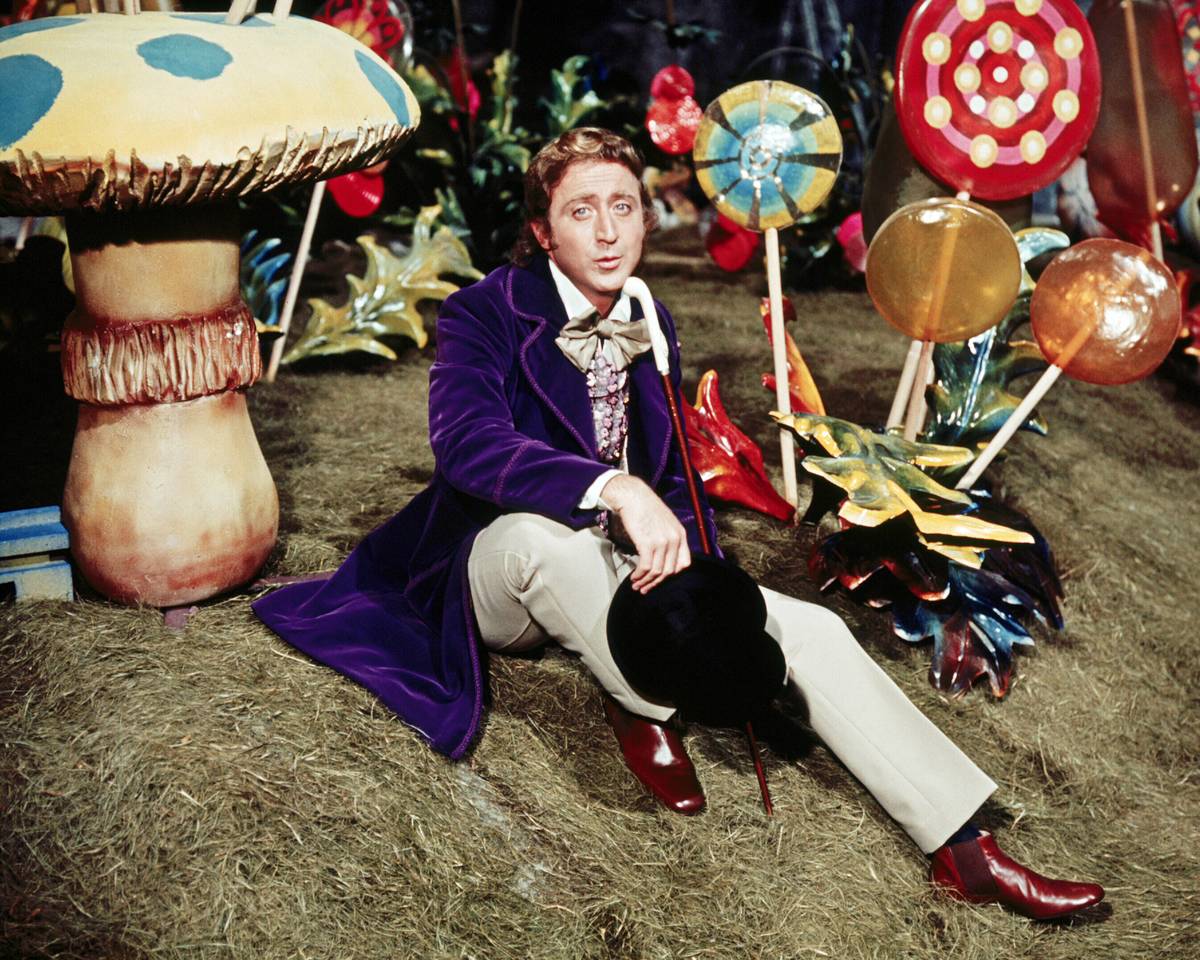
The golden ticket in “Willy Wonka & the Chocolate Factory” is every child’s dream, granting access to a world of pure imagination. The film, based on Roald Dahl’s book, features an array of whimsical candies and confections.
The chocolate river, everlasting gobstoppers, and fizzy lifting drinks capture the wonder and magic of Wonka’s factory. This enchanting portrayal of sweets has left a lasting impression, inspiring generations to dream big and believe in the impossible.
The Timeless Appeal of Pizza from “Teenage Mutant Ninja Turtles”
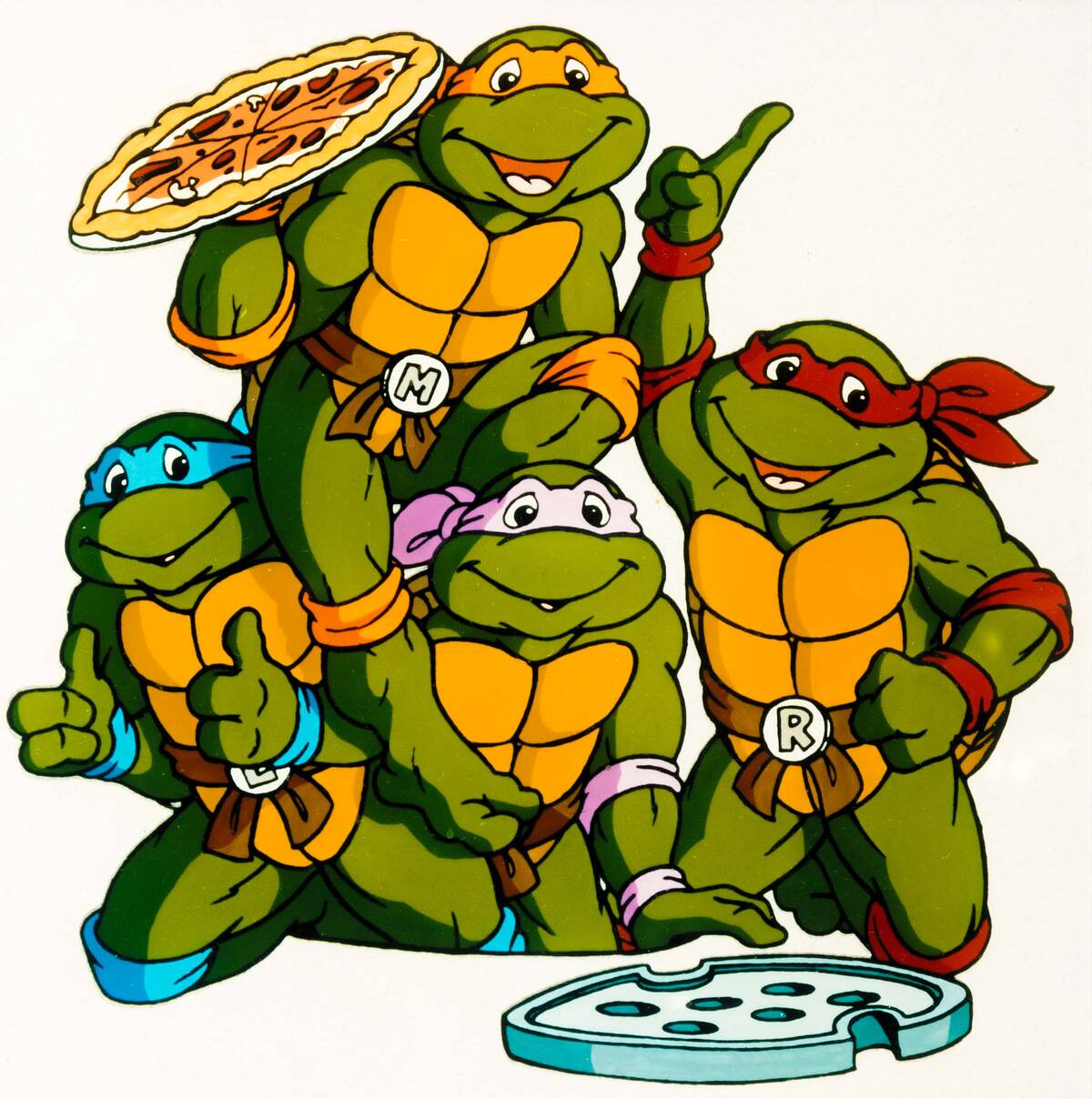
The Teenage Mutant Ninja Turtles’ love for pizza is as iconic as their martial arts skills. Throughout the franchise, the turtles are frequently seen devouring slices of cheesy goodness.
This passion for pizza resonates with audiences, making it a beloved aspect of the characters’ personalities. The turtles’ pizza obsession has contributed to the dish’s cultural significance, reinforcing its status as a universally loved comfort food and a staple of the TMNT universe.