Incredible artifacts hidden in plain sight
History is filled with treasures that are often hiding in plain sight, waiting for curious minds to uncover their stories. These objects, scattered across the globe, are not just relics of the past but are vibrant pieces of our shared human experience.
From ancient artifacts to monumental structures, each has a story to tell, offering a glimpse into the lives and cultures of those who came before us.
The Rosetta Stone: More Than Just a Museum Piece
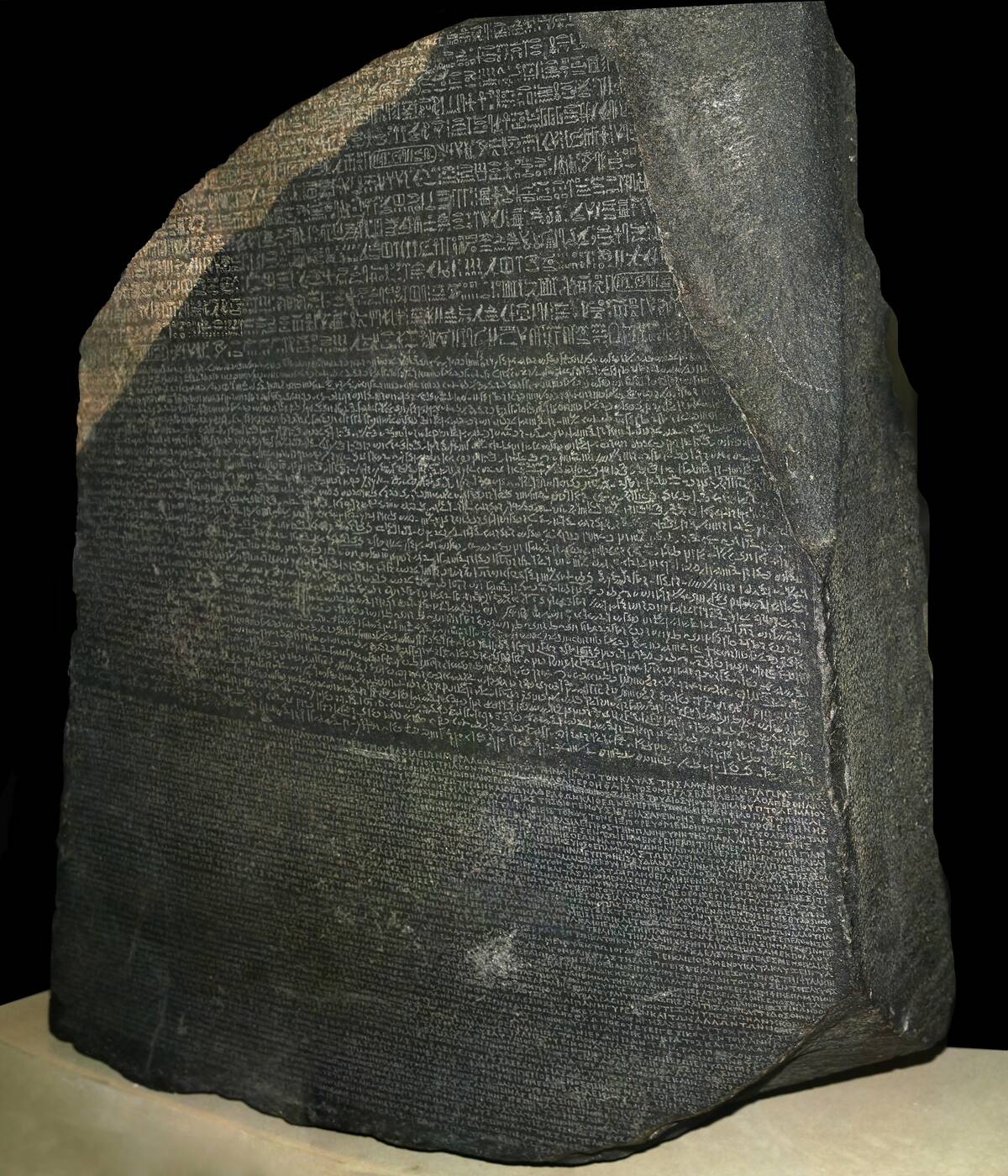
The Rosetta Stone, housed in the British Museum, is more than just a slab of stone. Discovered in 1799, it was the key to deciphering Egyptian hieroglyphs, thanks to its inscriptions in three scripts: Greek, Demotic, and hieroglyphic.
This trilingual text allowed scholars like Jean-François Champollion to unlock the secrets of ancient Egypt, bridging the gap between the past and present.
The Liberty Bell: A Symbol of Freedom in the Heart of Philadelphia
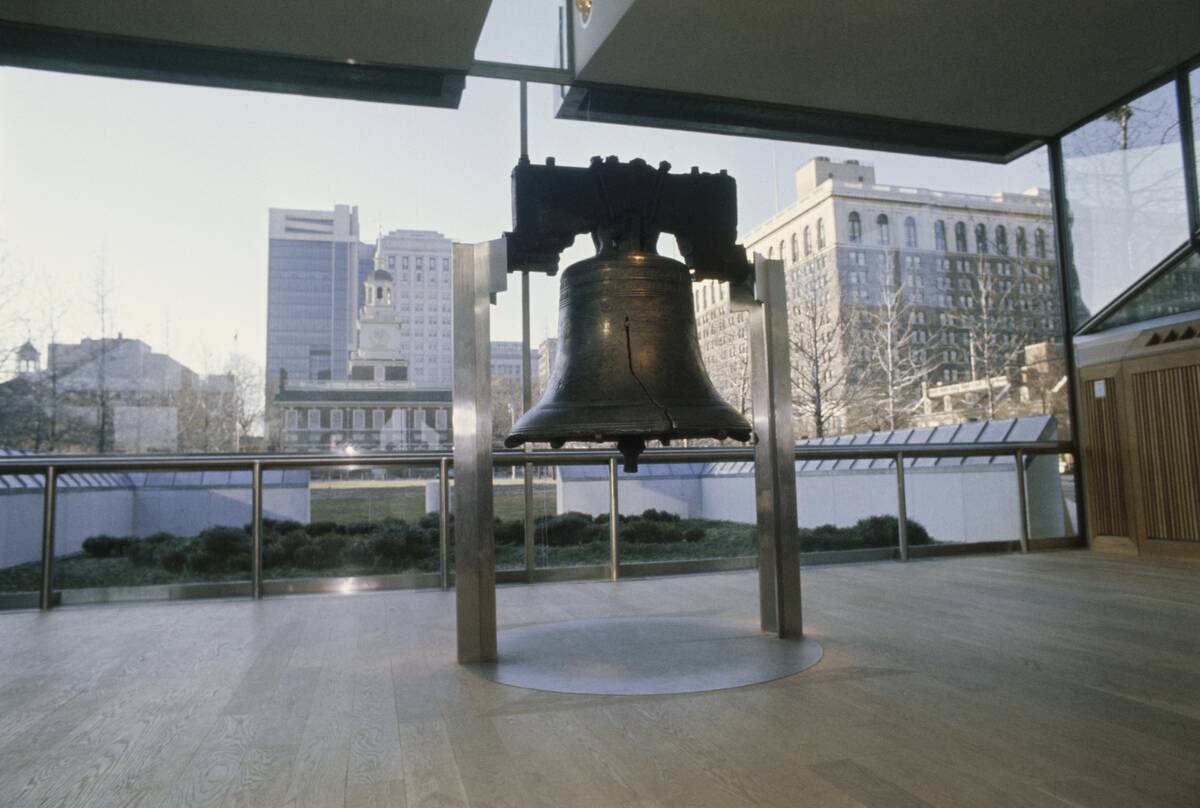
The Liberty Bell, located in Philadelphia, is an enduring symbol of American independence. Cast in 1752, it cracked during its first test ring and was recast twice.
Despite its imperfections, the bell’s message of liberty rang clear during the American Revolution. Today, it remains a powerful emblem of freedom and justice, drawing visitors from around the world to its historic home.
The Terracotta Army: Warriors of the Past Guarding Modern China
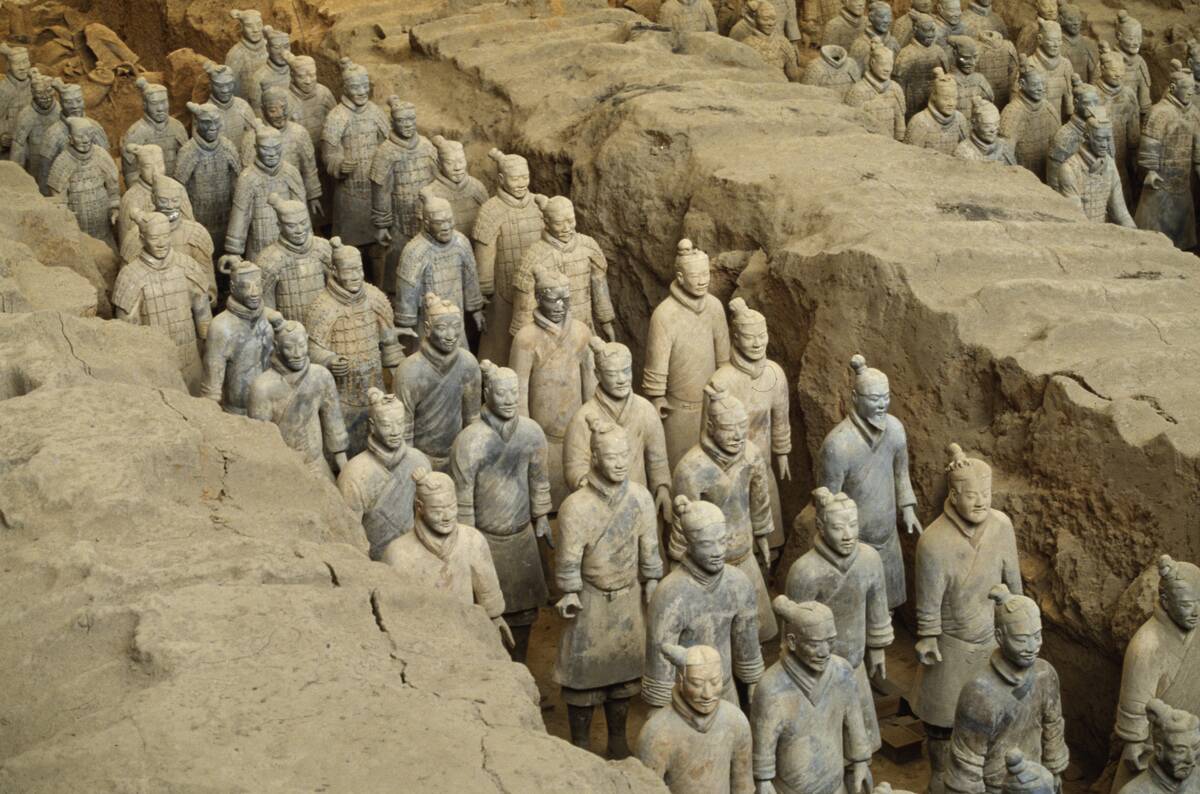
The Terracotta Army, discovered in 1974 in Xi’an, China, is a breathtaking assembly of over 8,000 life-sized soldiers. These clay warriors were buried with China’s first emperor, Qin Shi Huang, to protect him in the afterlife.
Each figure is uniquely detailed, showcasing the artistry and military might of ancient China. This archaeological wonder continues to captivate and intrigue historians and tourists alike.
The Crown Jewels: Regal Relics in the Tower of London
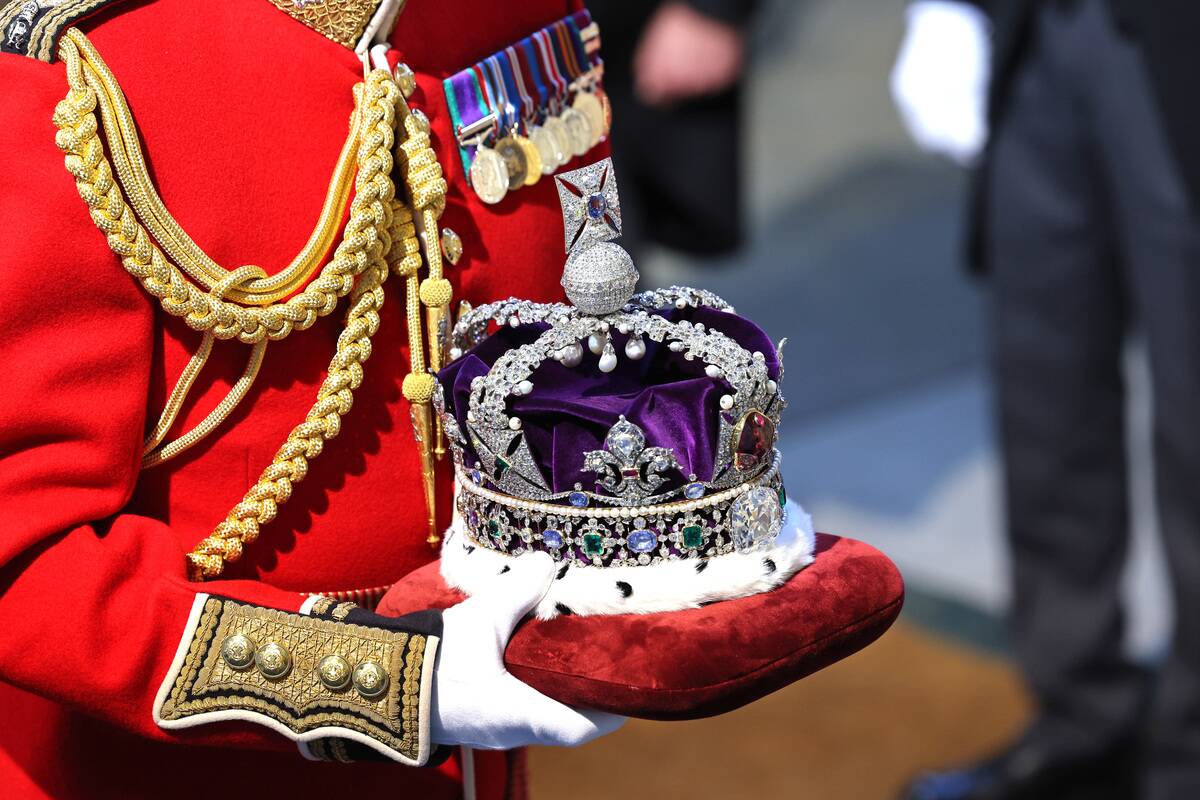
The Crown Jewels, housed in the Tower of London, are a dazzling collection of regalia used in British coronations. Among these treasures is the Imperial State Crown, adorned with over 2,800 diamonds.
The present Crown Jewels have been safeguarded at the Tower of London since the 1660s. Their splendor and significance make them a must-see for visitors to the capital.
The Moai Statues: Mysterious Monoliths of Easter Island
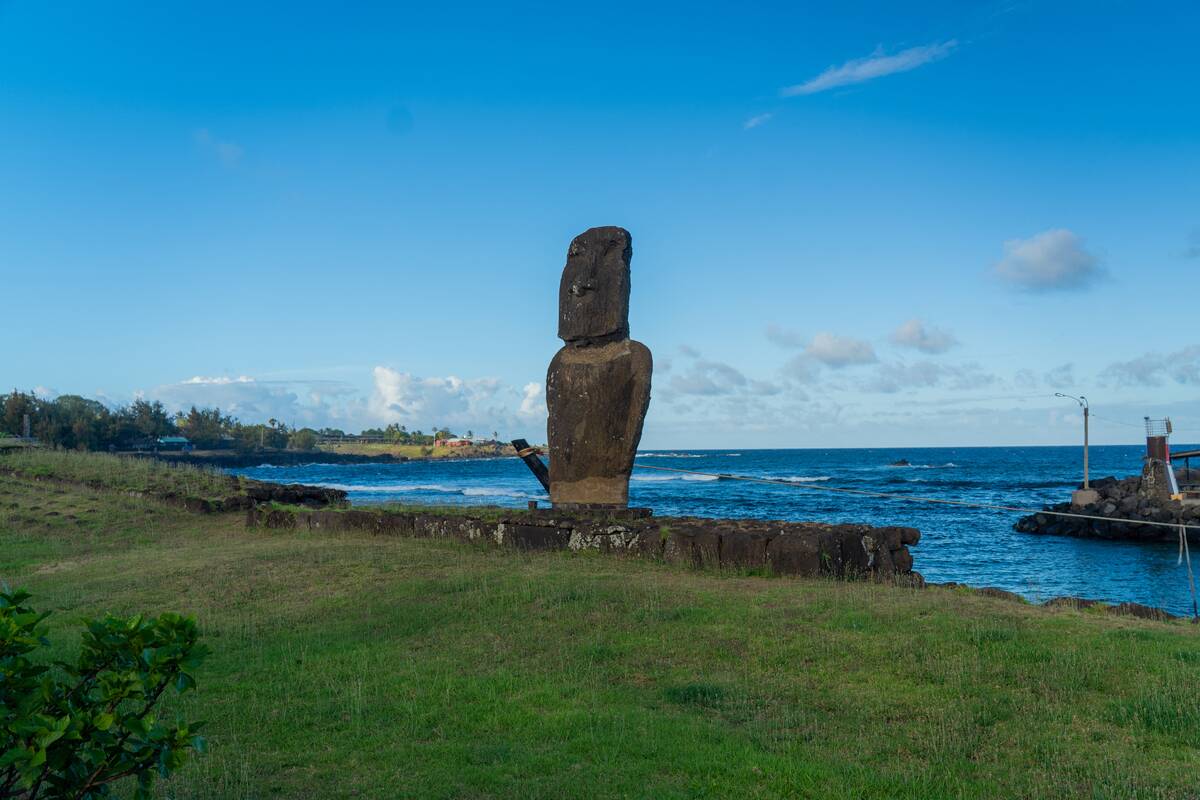
The Moai statues of Easter Island are enigmatic figures carved by the Rapa Nui people between 1400 and 1650 CE. Standing up to 33 feet tall, these monoliths are believed to represent ancestral spirits.
Despite their massive size, the methods used to transport and erect them remain a mystery. Today, they stand as silent sentinels, watching over the island and its people.
The Parthenon Marbles: Ancient Greece in the British Museum
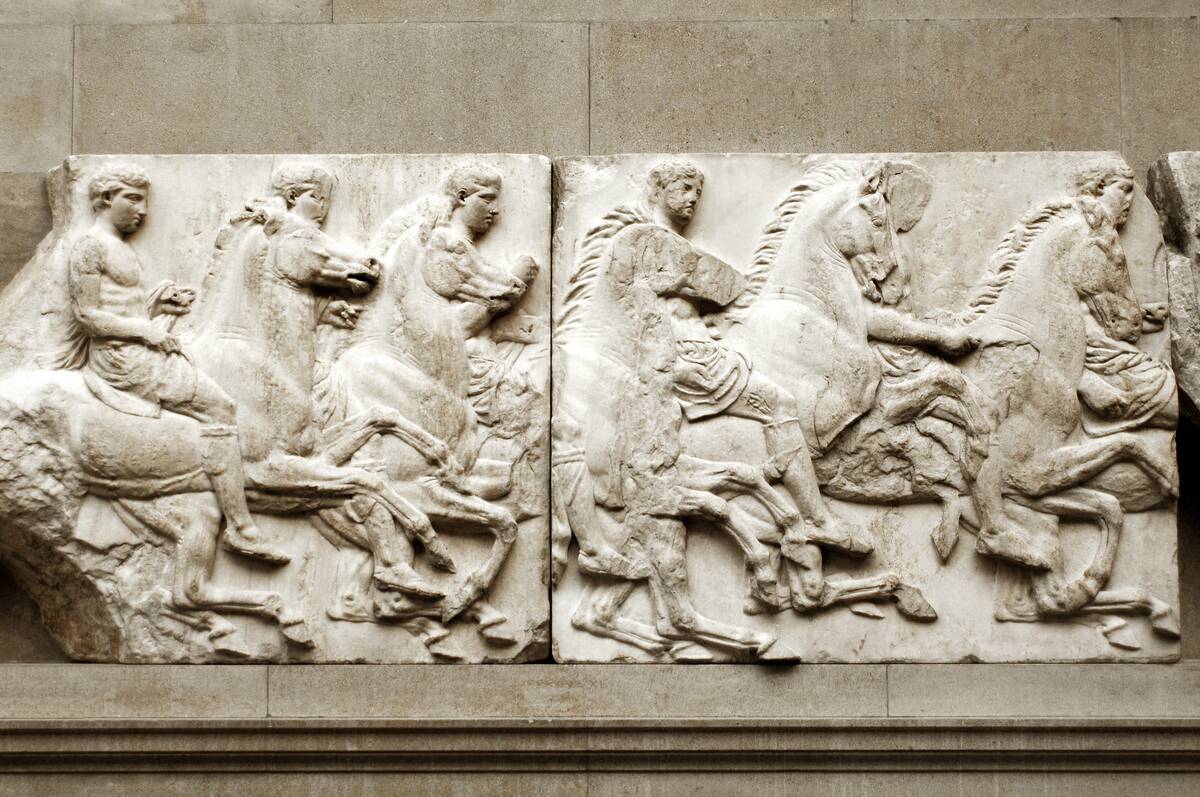
The Parthenon Marbles, also known as the Elgin Marbles, reside in the British Museum. These classical Greek sculptures once adorned the Parthenon in Athens, depicting scenes from mythology and Athenian life.
Acquired by Lord Elgin in the early 19th century, their removal has sparked ongoing debates about cultural heritage and repatriation. Nevertheless, they remain a testament to the artistic achievements of ancient Greece.
The Shroud of Turin: A Religious Relic or Historical Hoax?
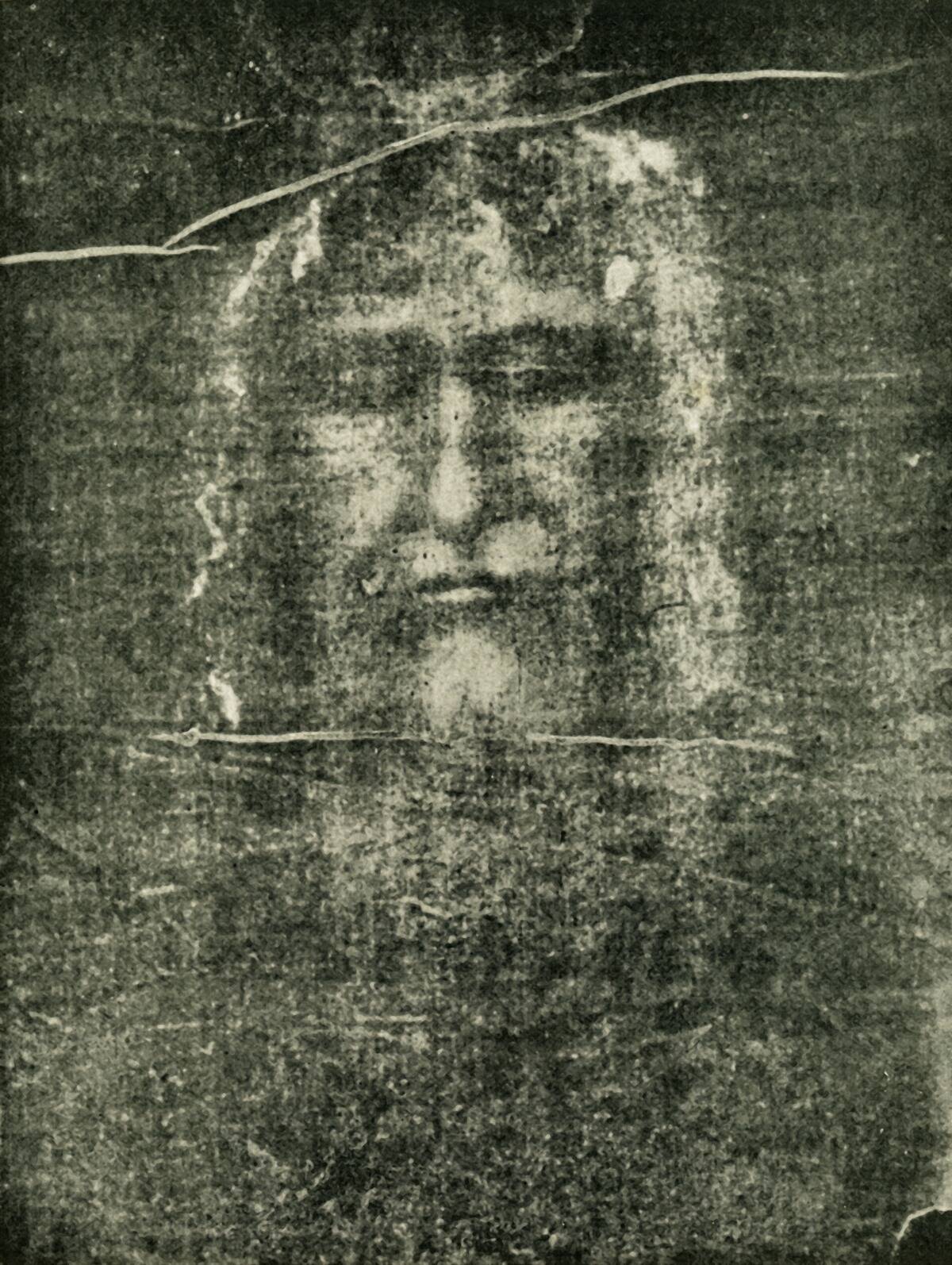
The Shroud of Turin, housed in the Cathedral of Saint John the Baptist in Italy, is a linen cloth bearing the image of a man. Believed by some to be the burial shroud of Jesus, its authenticity is hotly debated.
Radiocarbon dating suggests it dates back to the Middle Ages, yet its mysterious image continues to intrigue believers and skeptics alike, making it a focal point of religious and scientific inquiry.
The Dead Sea Scrolls: Ancient Texts in a Modern Museum
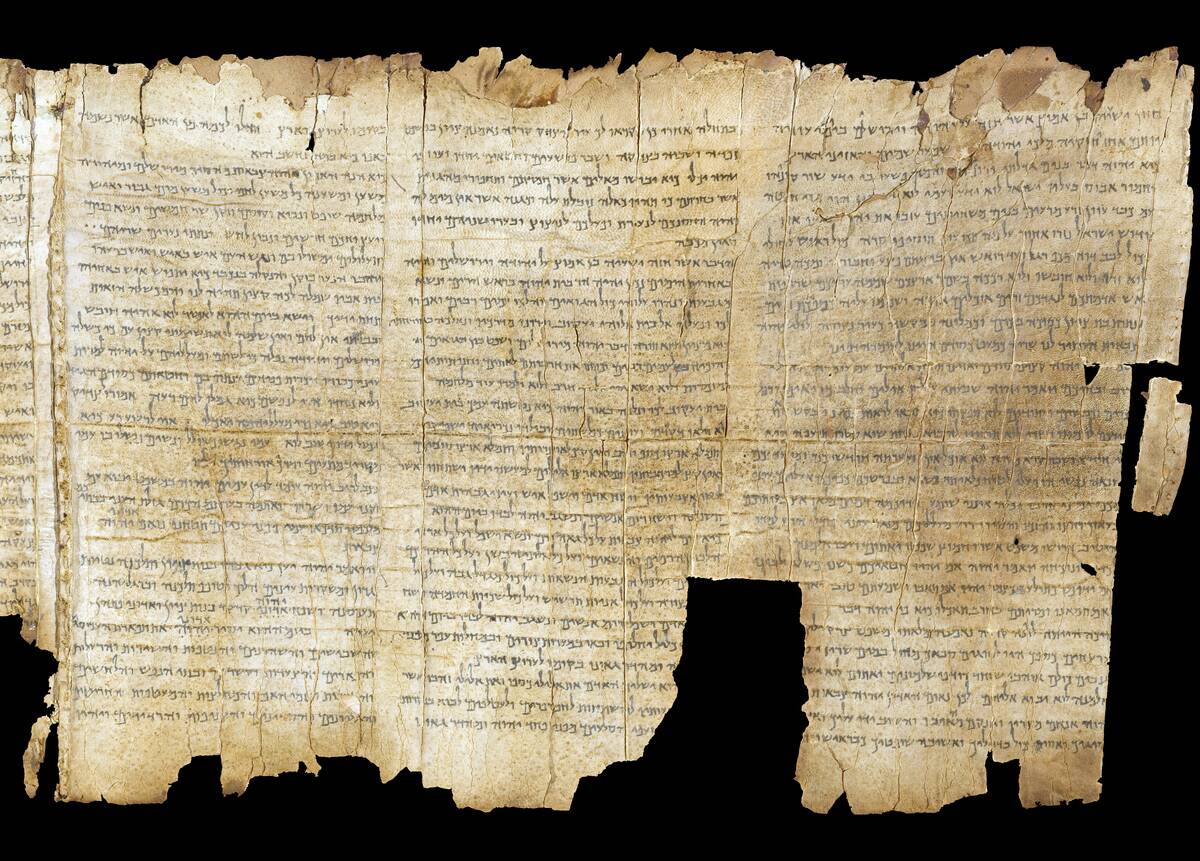
The Dead Sea Scrolls, discovered between 1947 and 1956 in the Qumran Caves, are one of the most significant archaeological finds of the 20th century. These ancient Jewish texts, dating from the third century BCE to the first century CE, include some of the earliest known copies of biblical manuscripts.
Now housed in the Israel Museum, they provide invaluable insights into the religious practices and beliefs of ancient Judaism.
The Bayeux Tapestry: A Medieval Chronicle in Thread
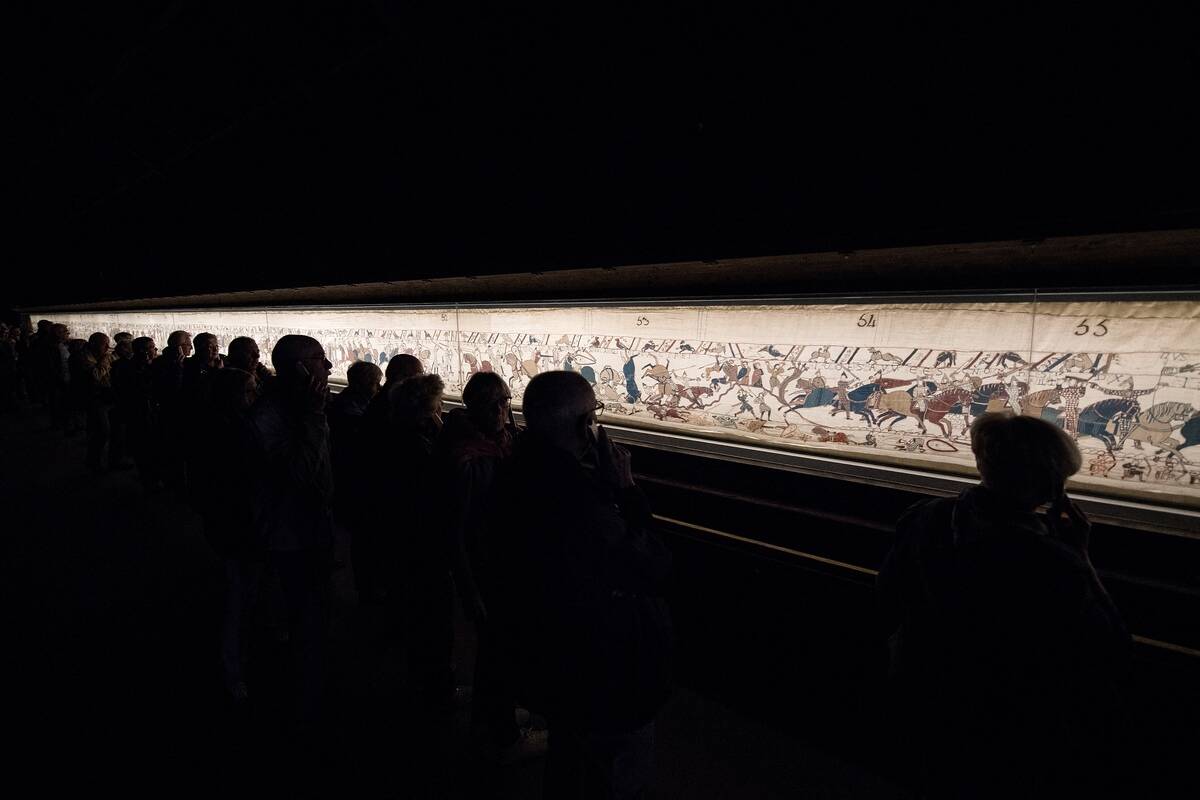
The Bayeux Tapestry is a remarkable embroidered cloth that depicts the events leading up to the Norman conquest of England in 1066. Measuring nearly 230 feet long, it vividly illustrates the story of William the Conqueror and the Battle of Hastings.
This medieval masterpiece is housed in Bayeux, France, and continues to be a vital source of historical information and artistic inspiration.
The Magna Carta: The Foundation of Modern Democracy
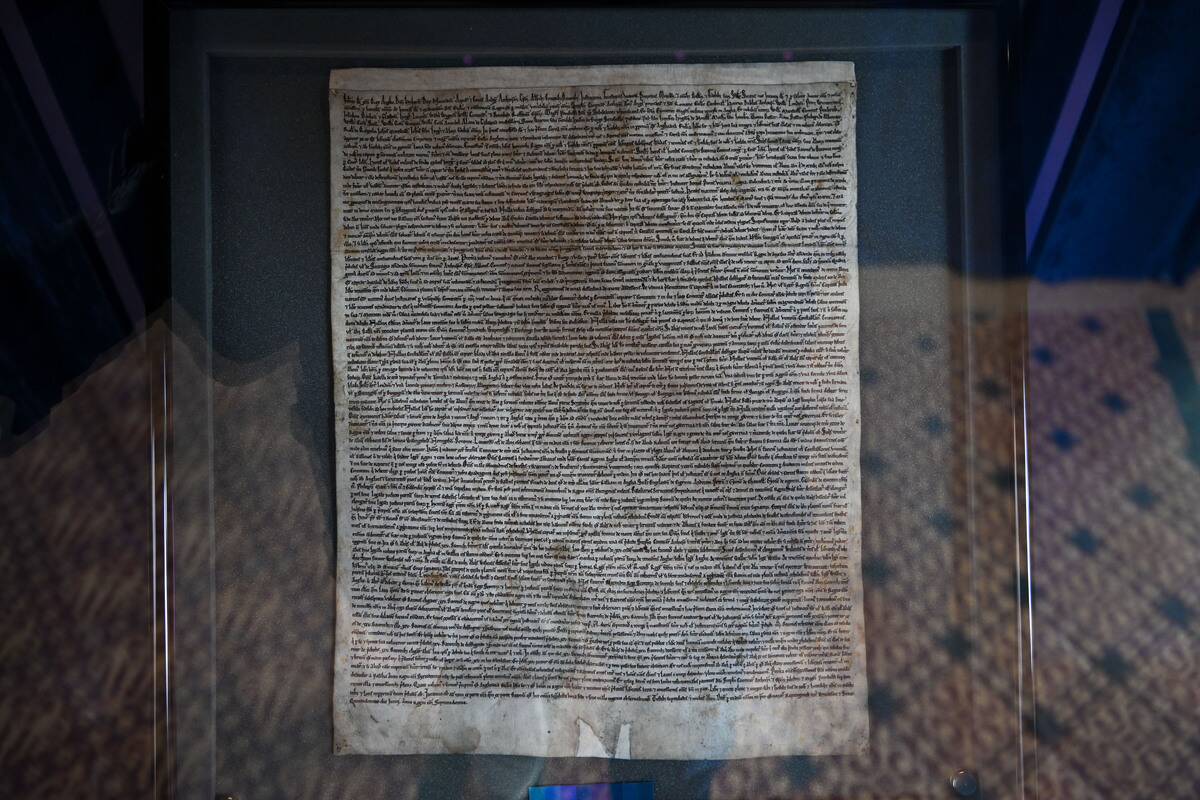
The Magna Carta, sealed in 1215, is a cornerstone of modern democracy. Originally issued by King John of England, it established the principle that everyone, including the king, was subject to the law.
Although many of its clauses have been repealed, its legacy endures as a symbol of liberty and justice. Copies of this iconic document can be found in various institutions, including the British Library.
The Antikythera Mechanism: An Ancient Greek Computer
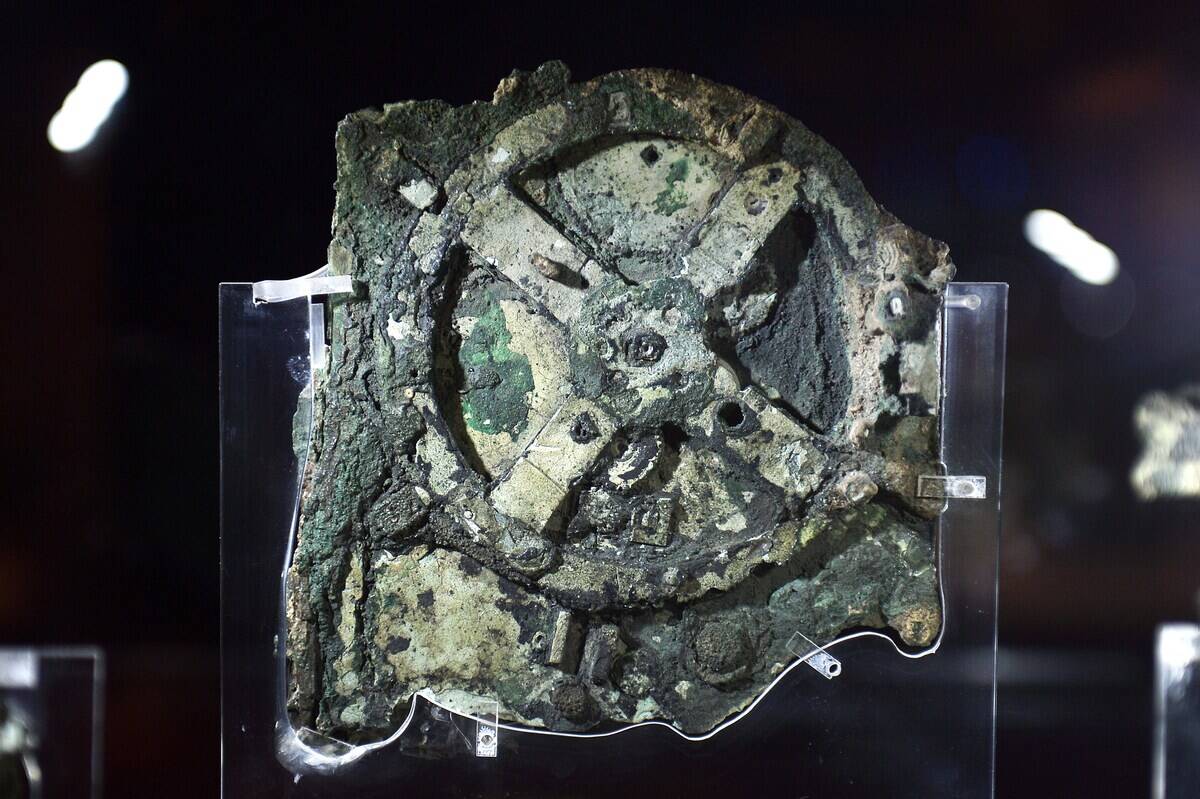
The Antikythera Mechanism, discovered in a shipwreck off the coast of Greece in 1901, is an ancient analog computer. Dating back to around 100 BCE, it was used to predict astronomical positions and eclipses.
Its complex gears and sophisticated design have astounded scientists, revealing the advanced technological capabilities of the ancient Greeks. This intriguing artifact is now displayed in the National Archaeological Museum in Athens.
The Venus de Milo: A Timeless Beauty in the Louvre
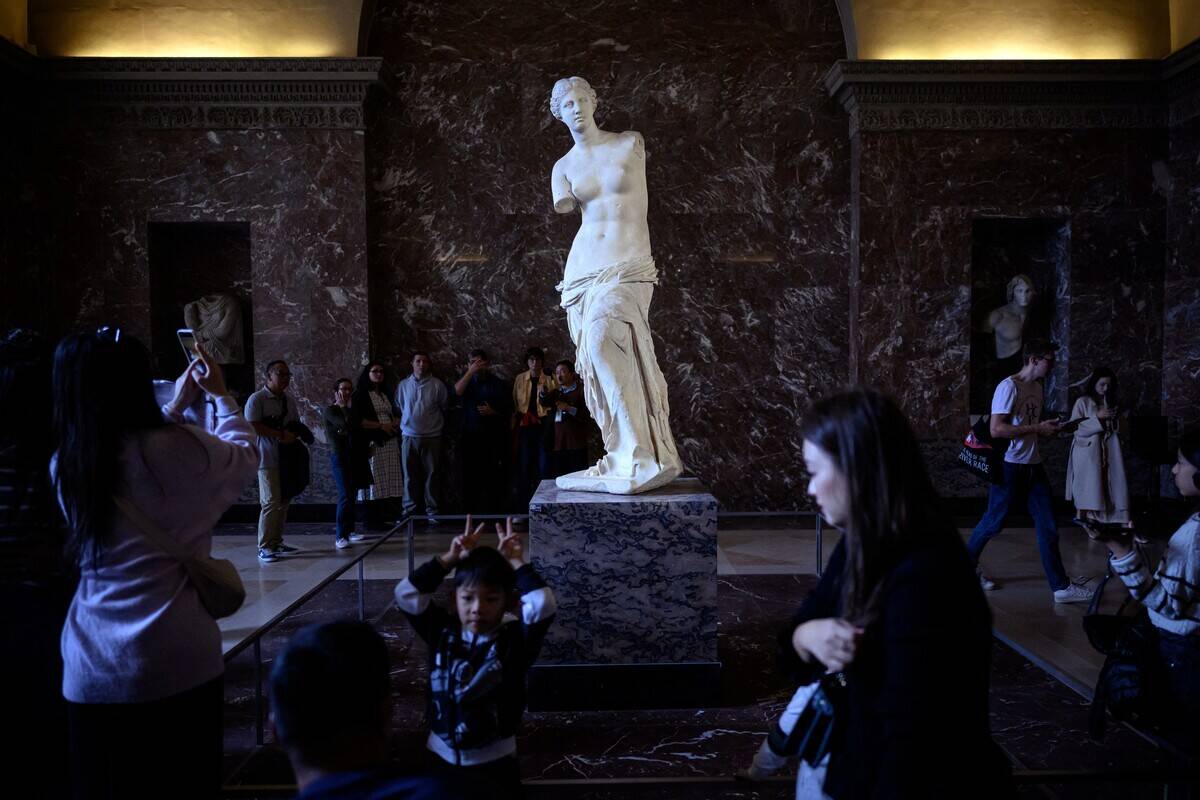
The Venus de Milo, an ancient Greek statue, is celebrated for its beauty and mystery. Discovered on the island of Milos in 1820, it is believed to represent Aphrodite, the goddess of love and beauty.
Despite its missing arms, the statue’s graceful form and serene expression captivate millions of visitors at the Louvre Museum in Paris, where it stands as a symbol of classical art.
The Colosseum: Rome’s Ancient Arena of Entertainment
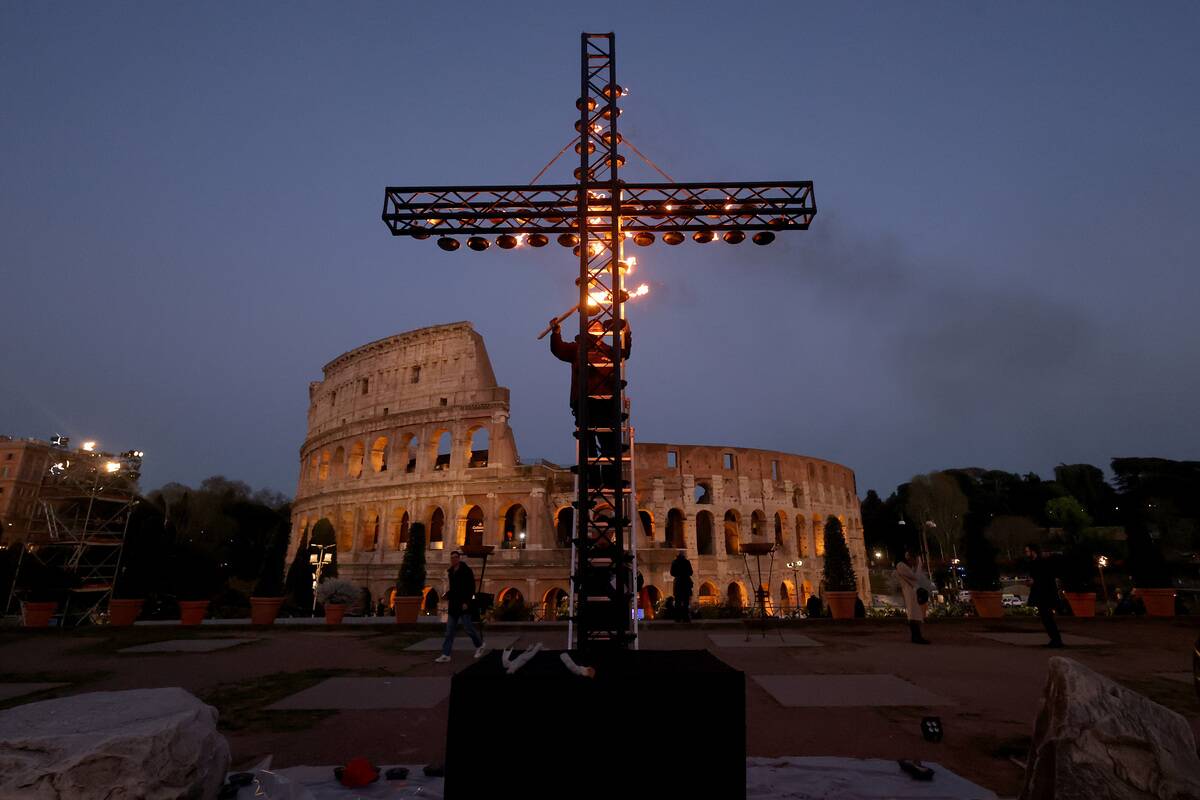
The Colosseum, an iconic symbol of ancient Rome, was completed in 80 CE and could hold up to 80,000 spectators. This grand amphitheater hosted gladiatorial contests, animal hunts, and public spectacles.
Despite suffering damage from earthquakes and stone robbers, it remains a testament to Roman engineering and architectural prowess. Today, it is a major tourist attraction, drawing millions who marvel at its storied past.
The Great Sphinx of Giza: Egypt’s Enigmatic Guardian
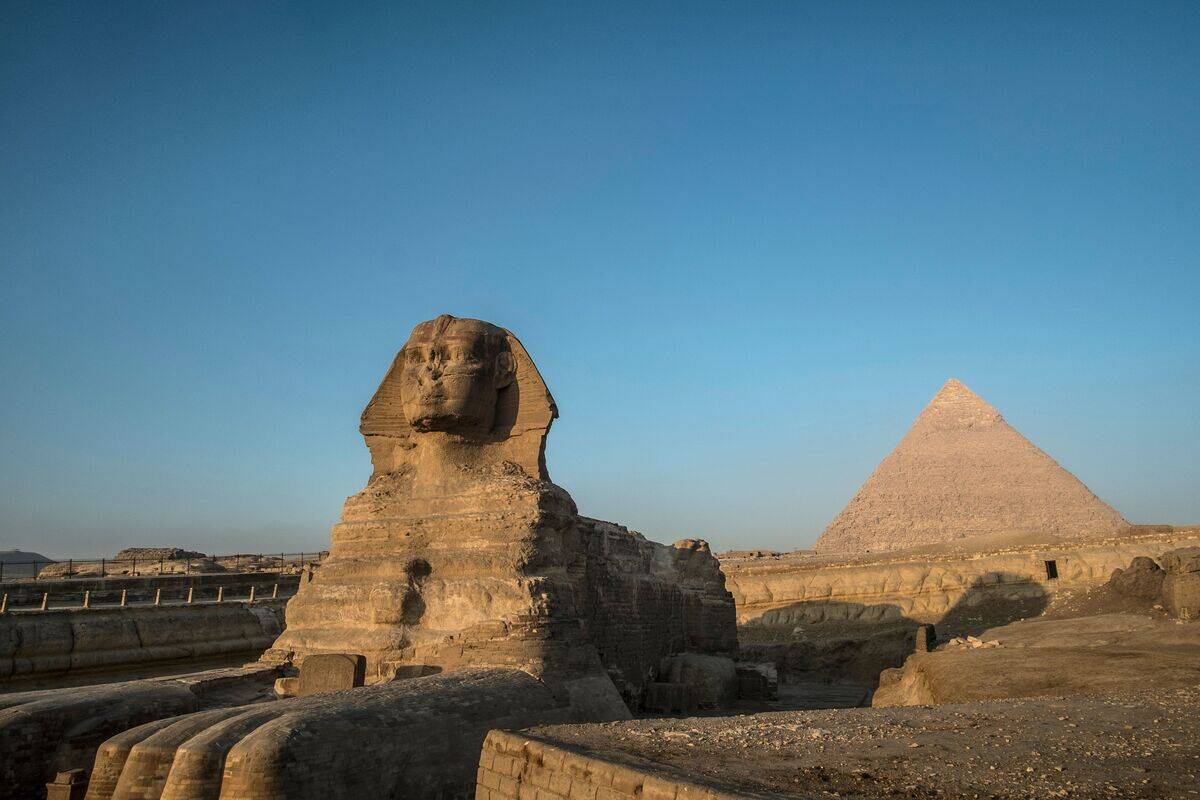
The Great Sphinx of Giza, with its lion’s body and human head, is one of the world’s largest and oldest statues. Believed to have been built during the reign of Pharaoh Khafre around 2500 BCE, it stands guard over the Giza Plateau.
The Sphinx’s purpose and the identity of its enigmatic face remain subjects of debate, adding to its allure as a symbol of ancient Egyptian civilization.
The Stonehenge: A Prehistoric Puzzle on the Salisbury Plain
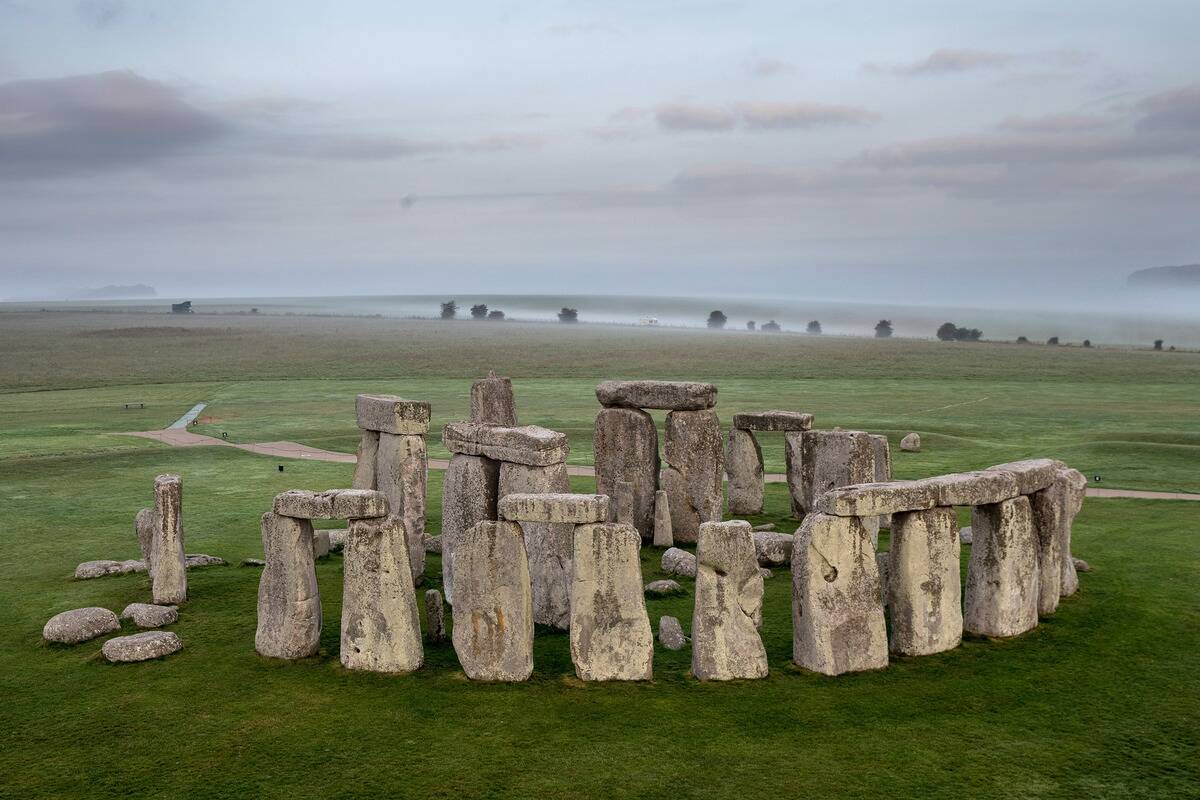
Stonehenge, located on the Salisbury Plain in England, is a prehistoric monument shrouded in mystery. Comprising massive stones arranged in a circular layout, it dates back to around 3000 BCE.
The purpose of Stonehenge remains speculative, with theories ranging from an astronomical observatory to a religious site. Its enigmatic nature continues to fascinate archaeologists and visitors, making it a UNESCO World Heritage Site.
The Leaning Tower of Pisa: Italy’s Most Famous Tilt
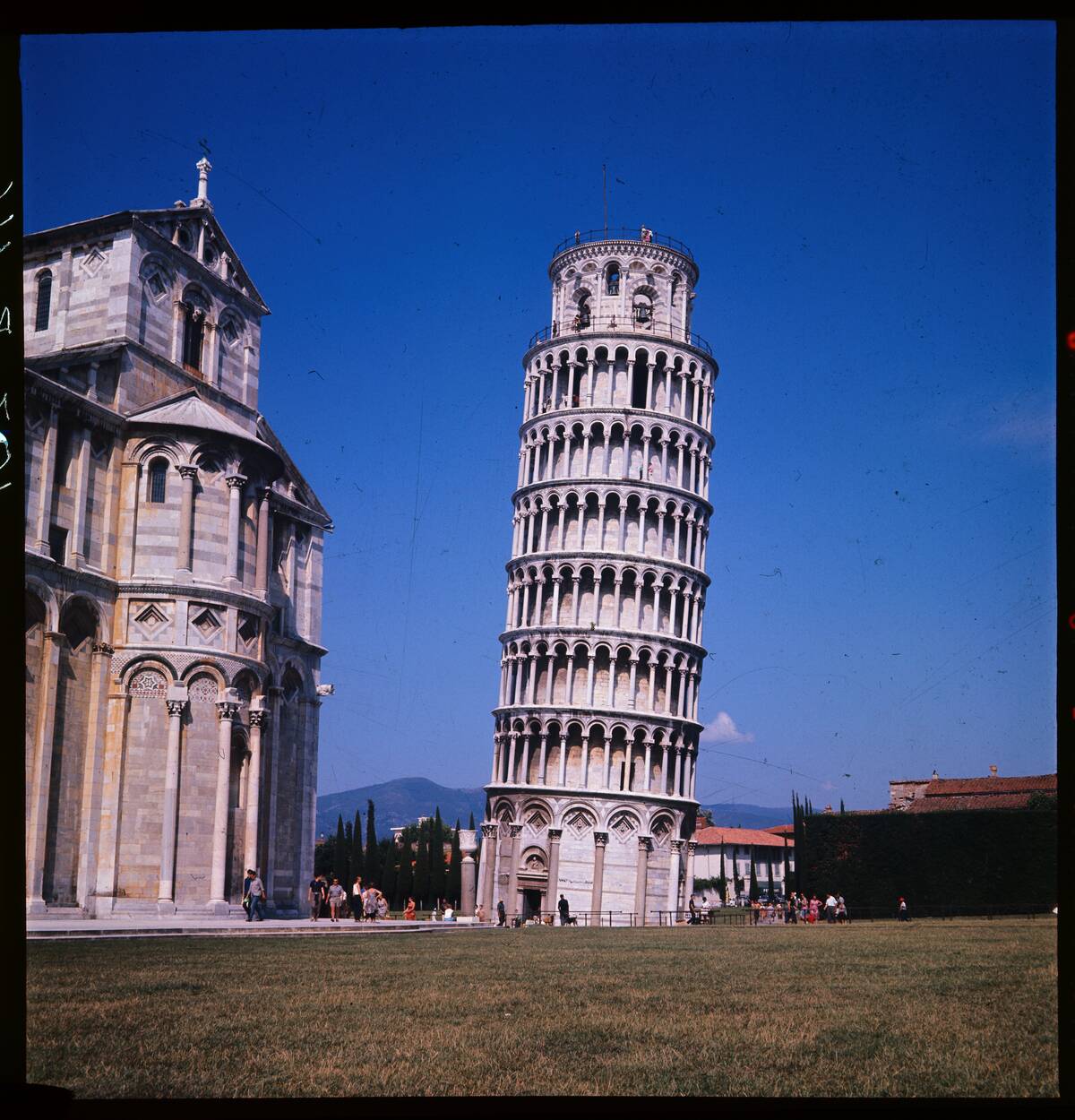
The Leaning Tower of Pisa, known for its unintended tilt, is a freestanding bell tower of the cathedral in Pisa, Italy. Construction began in 1173, and the tilt became apparent as early as the 12th century due to unstable foundation soil.
Despite its precarious angle, the tower has been stabilized and remains an architectural marvel, attracting tourists who come to admire and photograph its unique slant.
The Berlin Wall: A Cold War Relic in a Unified City

The Berlin Wall, erected in 1961, was a powerful symbol of the Cold War, dividing East and West Berlin. Standing for nearly three decades, it separated families and restricted freedom. Its fall in 1989 marked a pivotal moment in history, leading to German reunification.
Today, remnants of the wall serve as a poignant reminder of the past, with sections preserved as historical monuments and canvases for street art.




