How people found music before streaming services
Imagine a world where discovering new music didn’t involve scrolling through endless playlists or watching videos online. Before the digital age, music lovers had to rely on a variety of sources to find their next favorite tune.
It was a time when the thrill of discovery was tangible, and each new song felt like a hidden gem waiting to be unearthed.
The Magic of Radio: Tuning into New Tunes
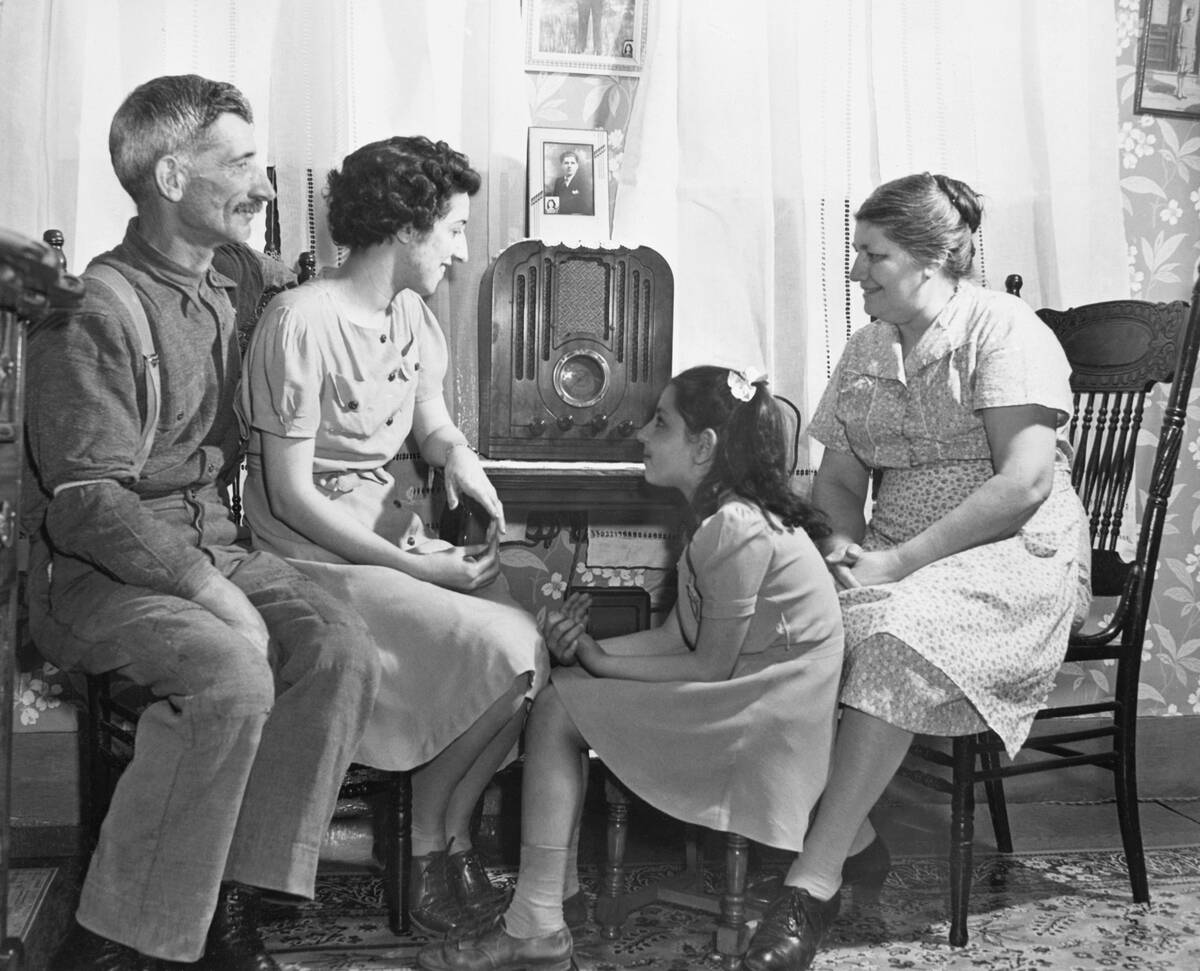
Radio was the original music discovery platform, offering a mix of chart-toppers and hidden gems. DJs played a crucial role, introducing listeners to new artists and genres. Stations like BBC Radio 1 in the UK and WABC in the US were powerhouses, with millions tuning in daily.
The excitement of hearing a new song for the first time on the radio was unmatched, often leading to frantic searches to find out more about the artist.
Music Television: The Rise of MTV and VH1
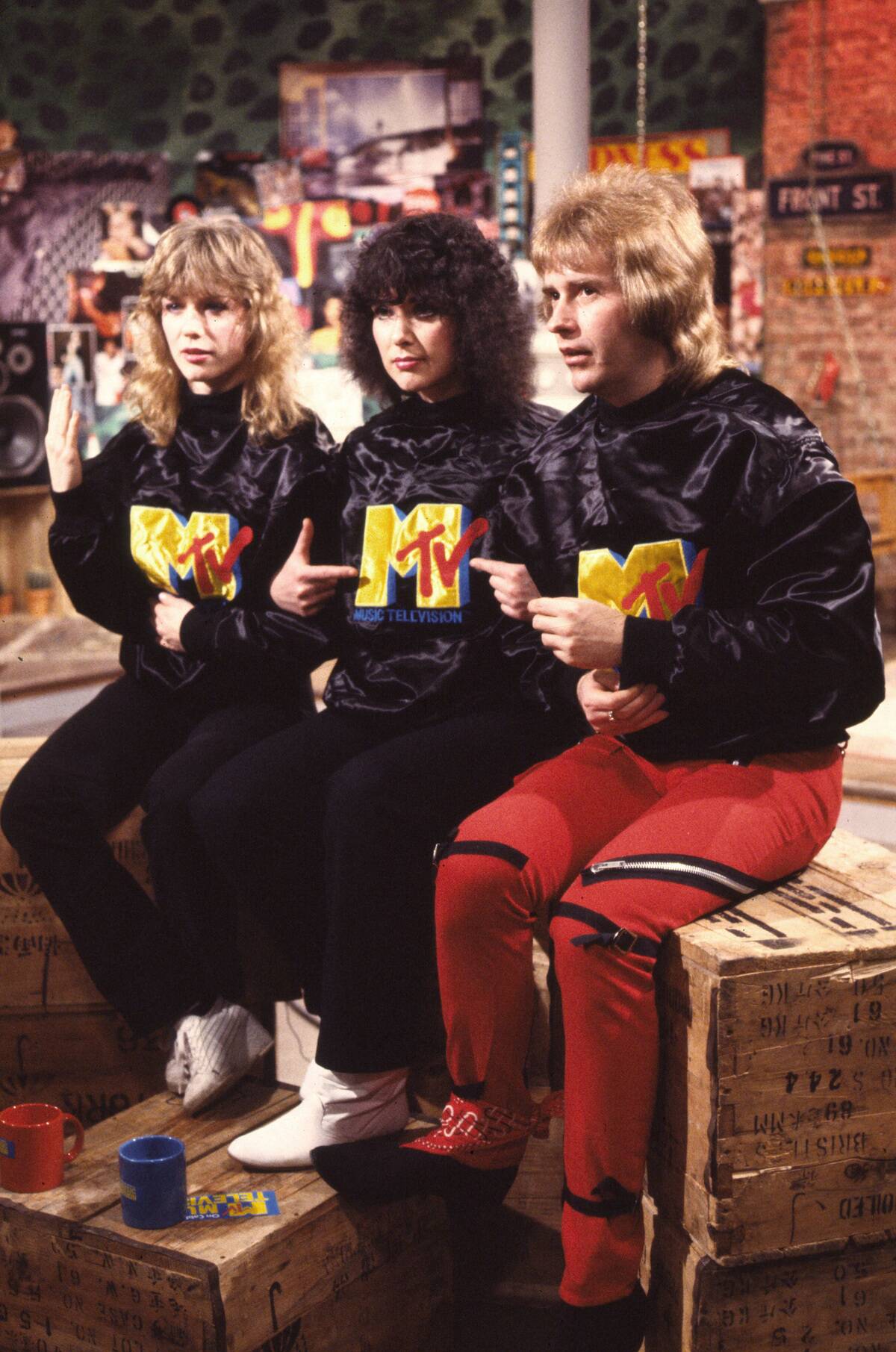
When MTV launched in 1981, it revolutionized music discovery by adding a visual element to the experience. Suddenly, fans could see their favorite bands perform, and music videos became a cultural phenomenon.
VH1 followed suit, catering to a slightly older audience. These channels introduced viewers to new music through iconic shows like “120 Minutes” and “Behind the Music,” making them essential for any music enthusiast.
Record Stores: The Ultimate Music Discovery Hubs
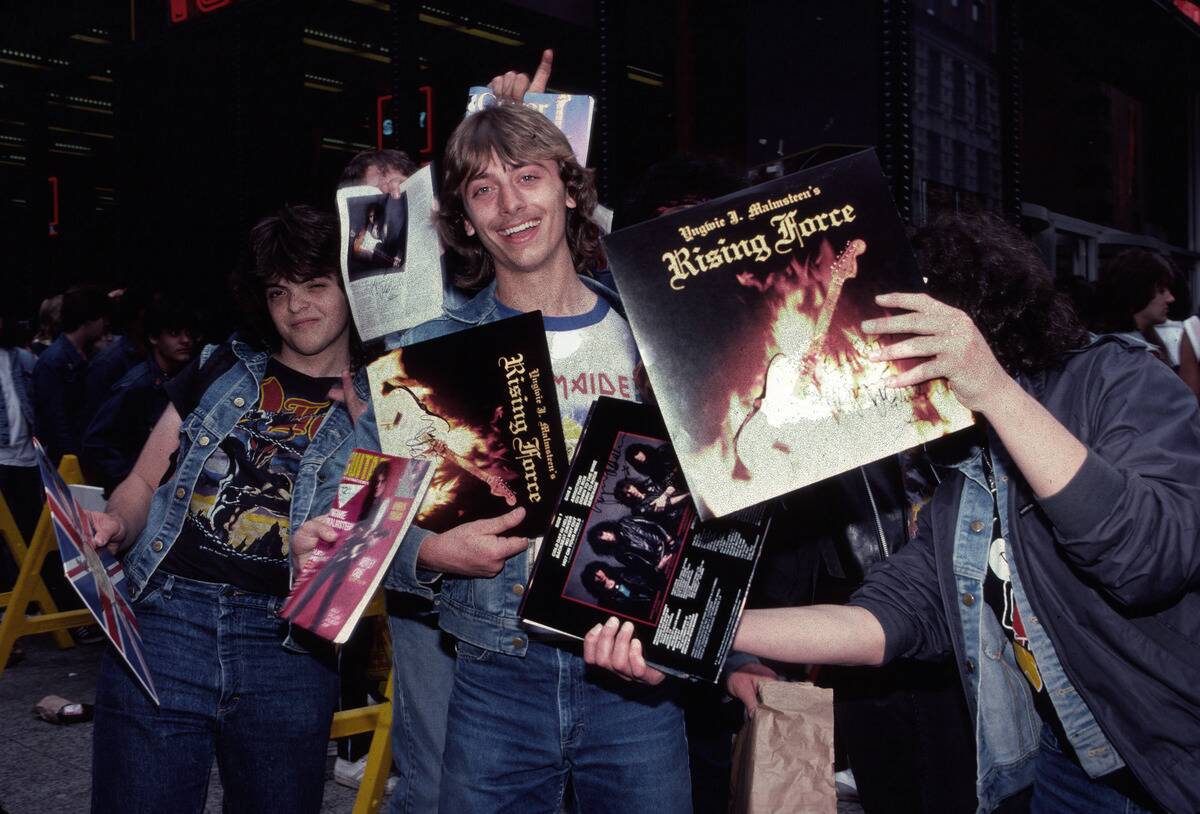
Record stores were the heart and soul of music discovery. Places like Tower Records and HMV were more than just shops; they were community hubs where fans gathered to explore new releases.
Knowledgeable staff often recommended hidden gems, and in-store listening stations allowed customers to preview albums before buying. The tactile experience of flipping through vinyl or CDs added a personal touch to music discovery.
Music Magazines: Flipping Through the Latest Hits
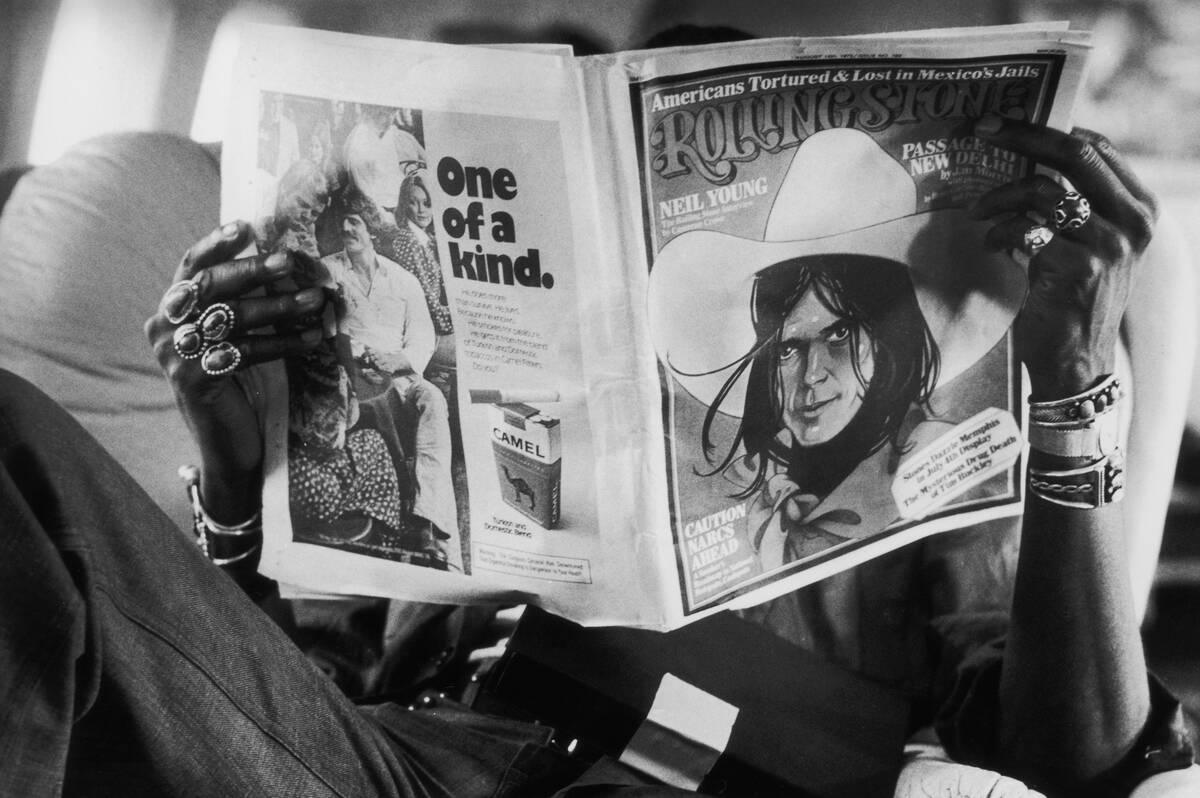
Publications like Rolling Stone and NME were bibles for music fans, offering reviews, interviews, and insights into the music world. These magazines were often the first to spotlight emerging artists and trends.
Readers eagerly awaited each issue, often discovering new bands through features and album reviews. The anticipation of finding out which artists would be covered next added to the excitement of music discovery.
Word of Mouth: Sharing Tunes with Friends
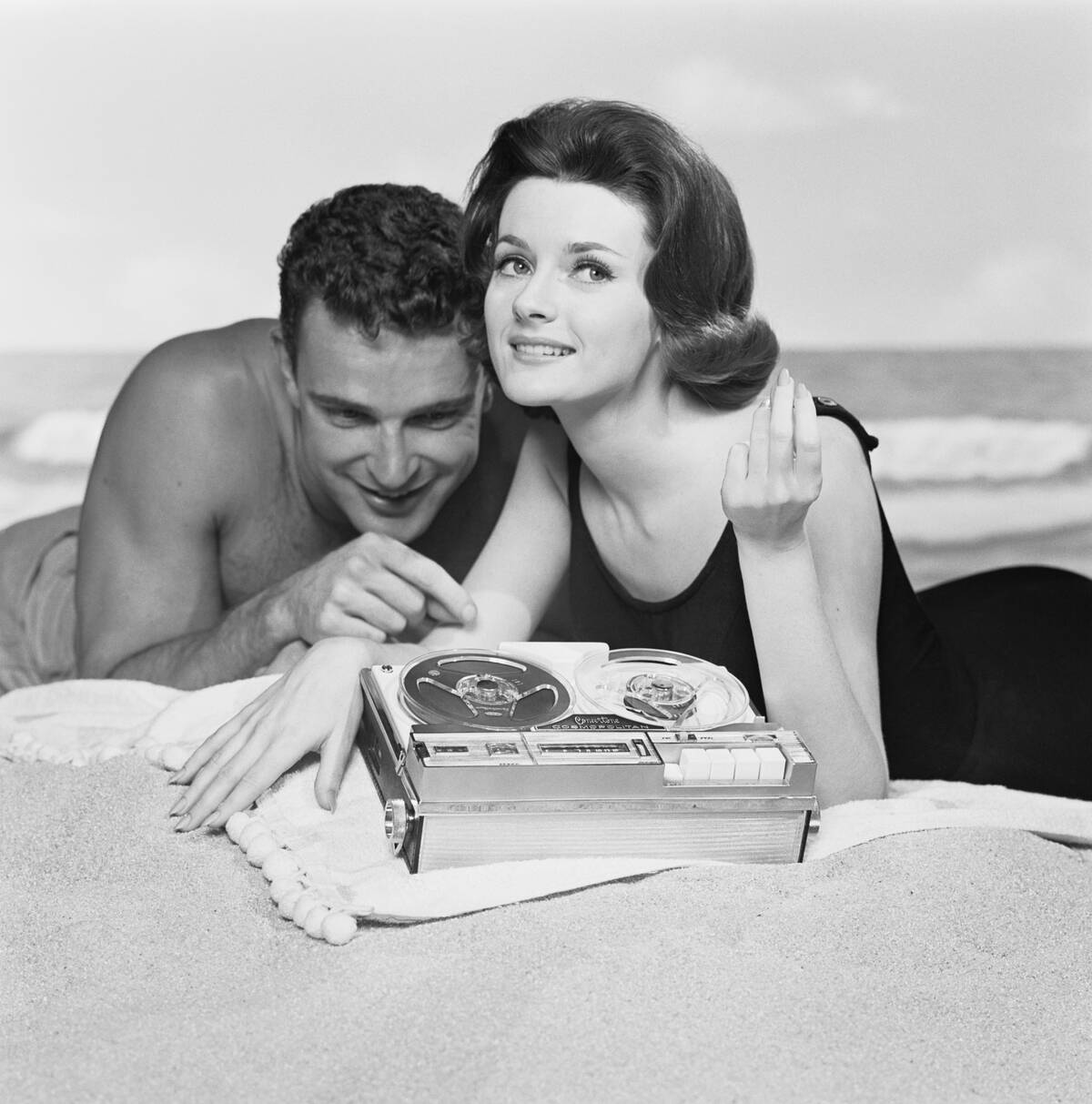
Before social media, sharing music was a personal experience, often involving friends swapping cassette tapes or CDs. Recommendations from trusted friends held significant weight, and a shared love for a band could spark lifelong friendships.
This organic way of discovering music created a sense of community and connection, as people bonded over their favorite tunes and introduced each other to new sounds.
Mix Tapes: Curating Personal Soundtracks
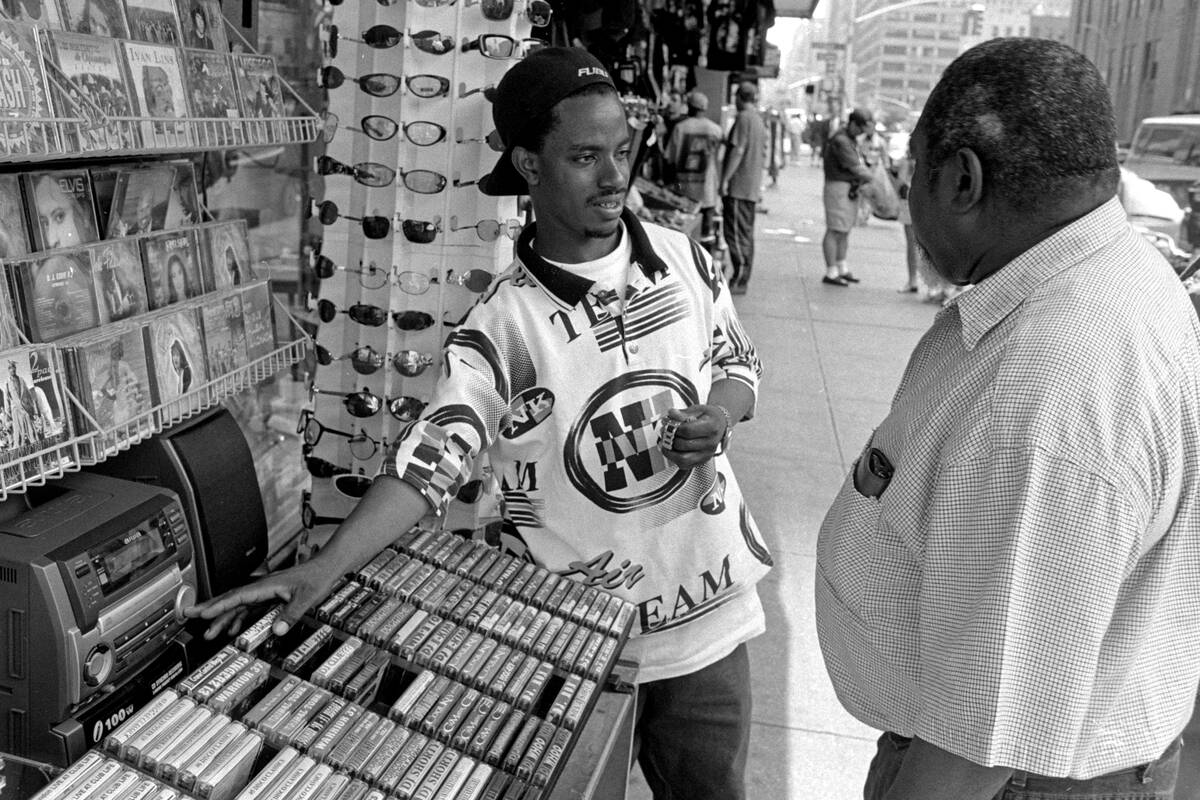
Mix tapes were the ultimate expression of personal taste, allowing individuals to curate their own soundtracks. Creating a mix tape was an art form, requiring thought and care in selecting the perfect tracks.
These tapes were often shared with friends or loved ones, serving as a personalized introduction to new music. The effort involved in making a mix tape made discovering new songs through them feel special and intimate.
Concerts and Live Shows: Discovering Opening Acts
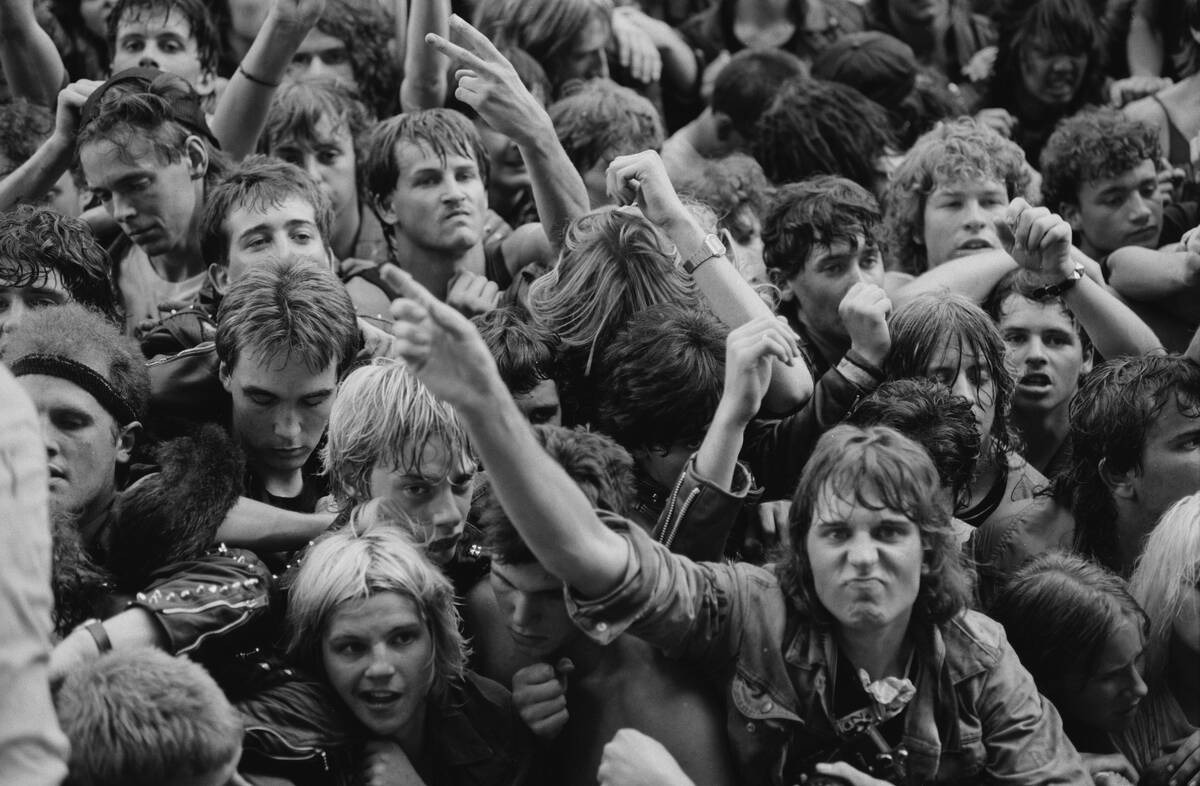
Attending concerts was not just about seeing a favorite band; it was also an opportunity to discover new music through opening acts. Many now-famous bands started as openers, gaining new fans with each performance.
The energy of a live show and the thrill of hearing a new band for the first time created unforgettable experiences. Concerts were a vital part of the music discovery journey, offering a direct connection to the artists.
College Radio Stations: The Indie Music Goldmine
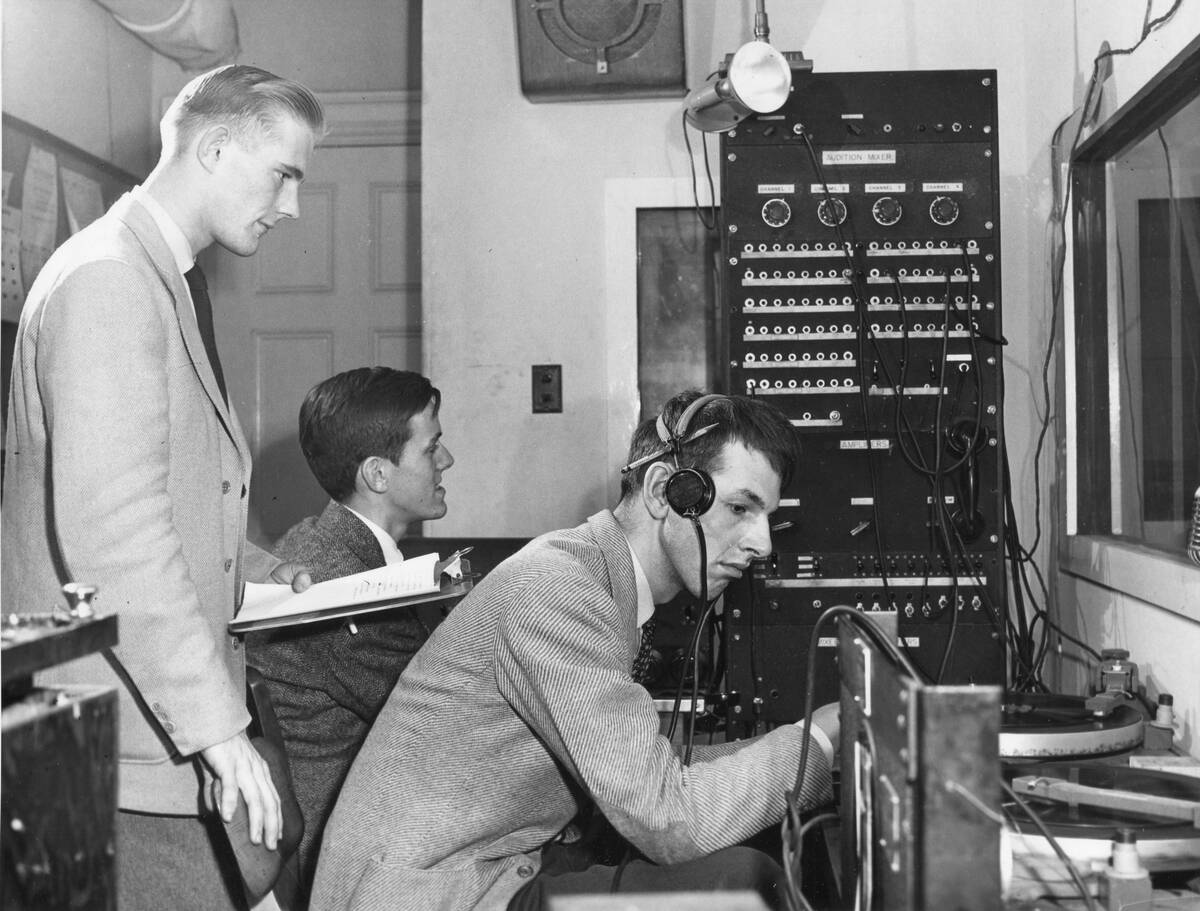
College radio stations were known for their diverse playlists and support of indie and underground music. Stations like KEXP and WFMU became famous for breaking new artists and offering a platform for genres not typically heard on commercial radio.
DJs had the freedom to play what they loved, resulting in eclectic mixes that introduced listeners to a wide range of music. College radio was a treasure trove for those seeking fresh sounds.
Jukeboxes: Picking Hits at Diners and Bars
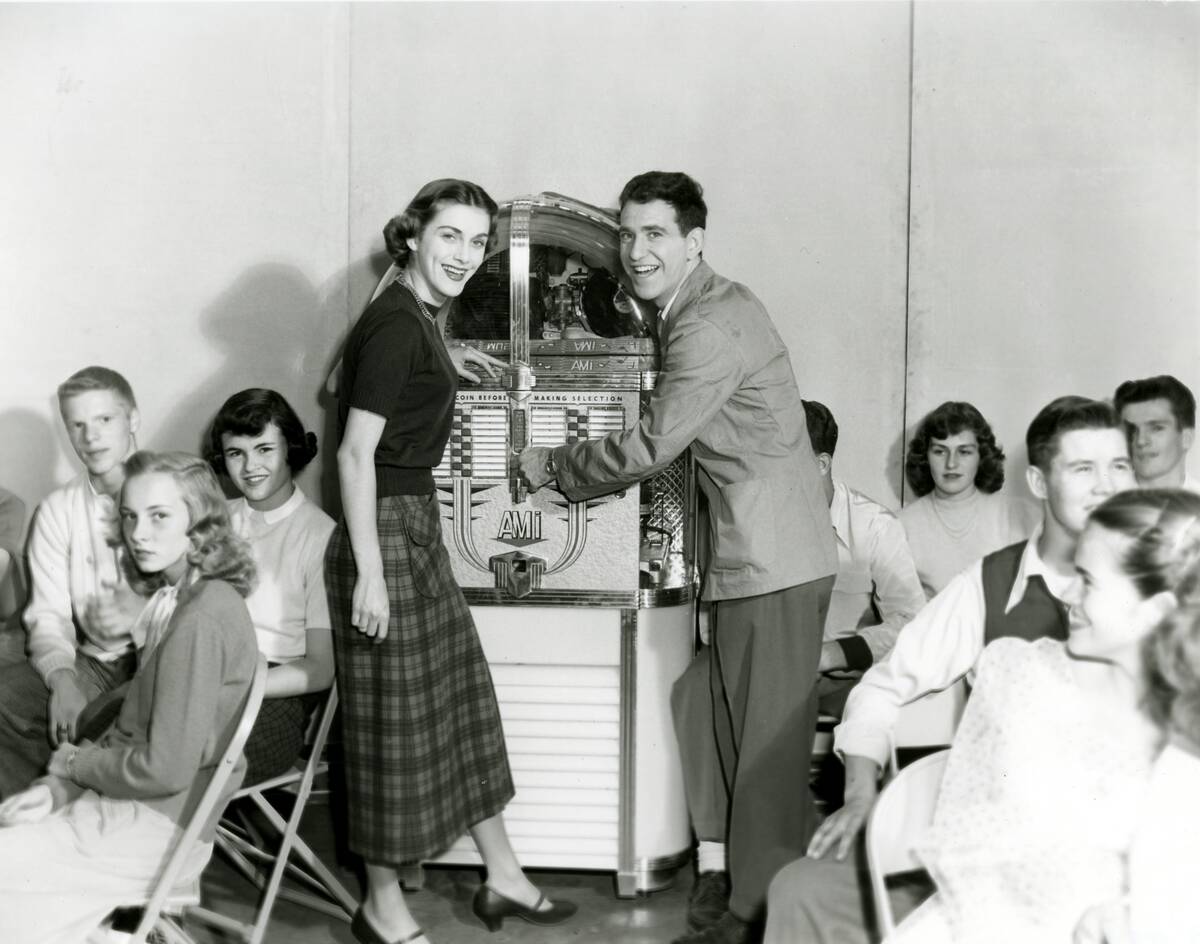
Jukeboxes were more than just background noise; they were a way to discover new music in social settings. Found in diners and bars, these machines offered a curated selection of popular songs and hidden gems.
Choosing a track on a jukebox was a communal experience, often sparking conversations about music preferences. The tactile act of selecting a song added an element of excitement to music discovery in these venues.
Record Clubs: Monthly Surprises in the Mail
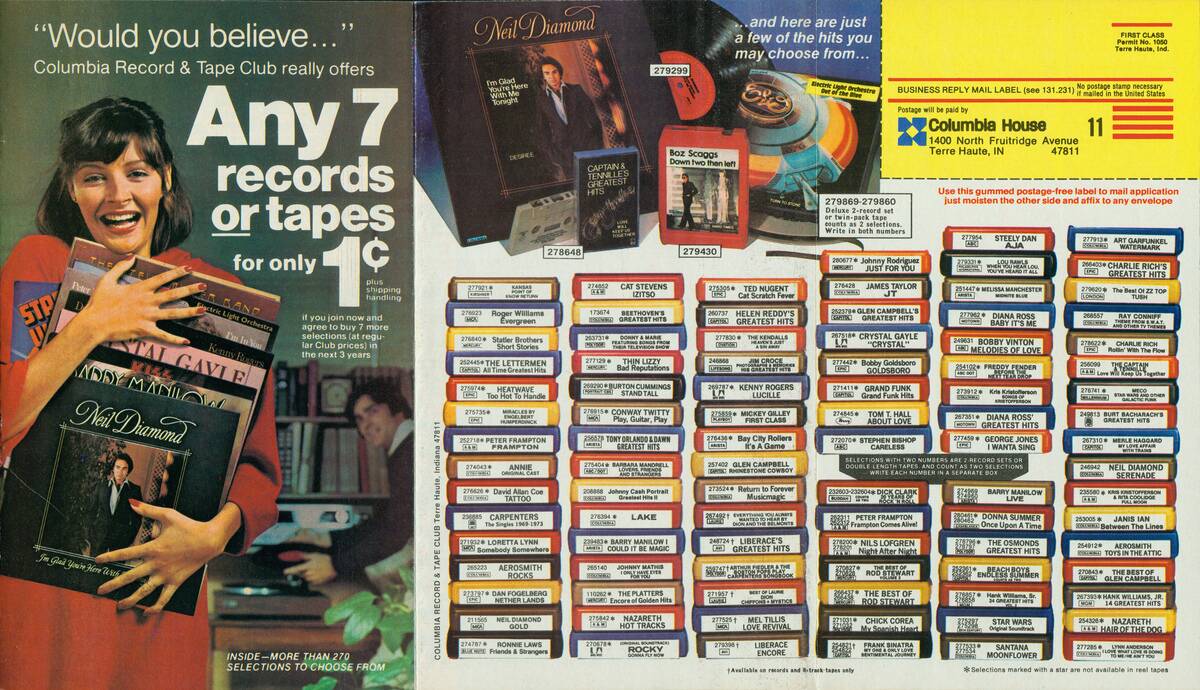
Record clubs offered a unique way to discover music, with monthly deliveries of curated albums. Clubs like Columbia House and BMG provided members with a selection of records, often introducing them to new artists and genres.
The surprise element of receiving new music in the mail was exciting, and the anticipation of what would arrive next kept members engaged. Record clubs were a delightful way to expand one’s musical horizons.
Soundtracks: Falling in Love with Movie Music
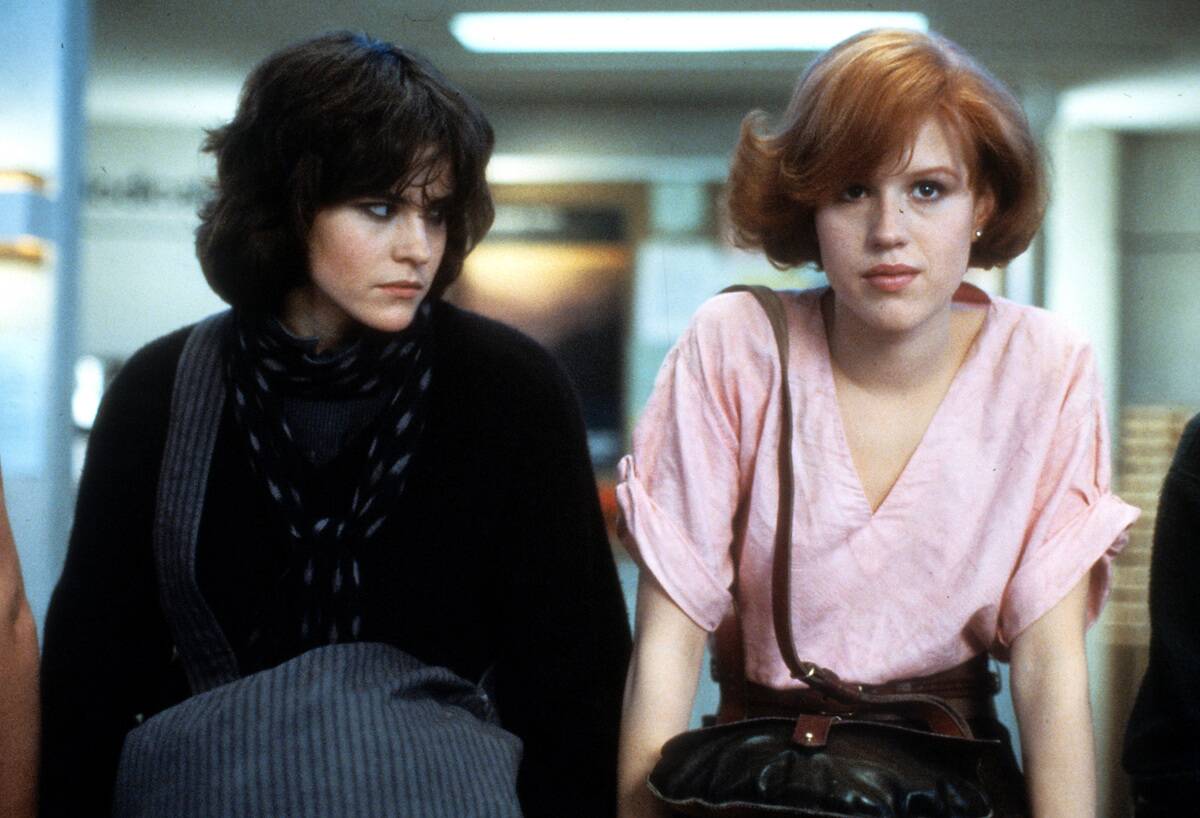
Movie soundtracks were a gateway to discovering new music, often featuring a mix of popular hits and lesser-known tracks. Films like “The Breakfast Club” and “Pulp Fiction” became iconic partly due to their soundtracks, introducing audiences to new artists.
The emotional connection between a movie scene and its music made discovering songs through soundtracks a memorable experience. Fans often sought out these albums to relive the magic of the films.
Libraries and Public Listening Rooms: Exploring Music Collections

Libraries and public listening rooms offered a quiet space for music exploration, with vast collections of records and CDs available for borrowing. These venues provided access to a wide range of genres, allowing patrons to discover new music at their own pace.
The ability to listen to entire albums without purchasing them made libraries an invaluable resource for music lovers seeking to broaden their horizons.
Music Fanzines: Passionate Recommendations from Superfans
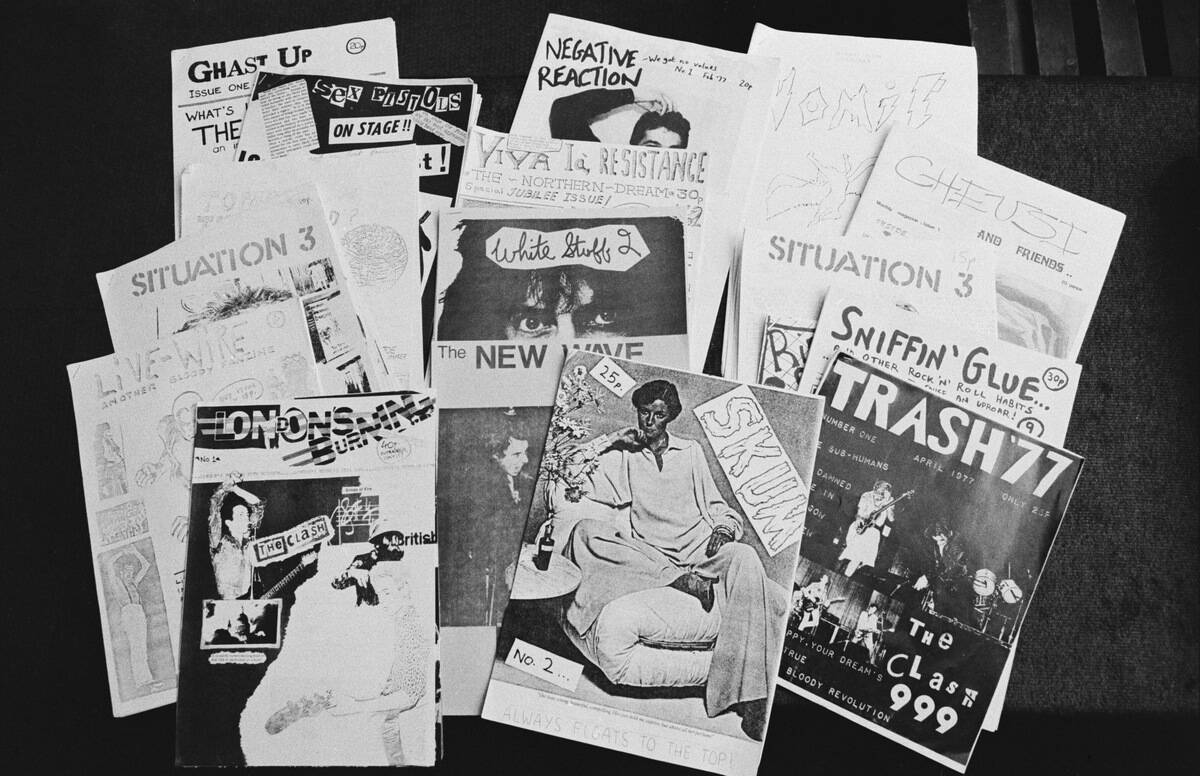
Fanzines were DIY publications created by passionate music fans, offering personal insights and recommendations. These homemade magazines covered niche genres and underground scenes, providing a platform for voices outside the mainstream.
Readers discovered new music through reviews and interviews, often finding bands they might never have encountered otherwise. Fanzines fostered a sense of community among music enthusiasts, united by their love for the art.
Street Performers and Buskers: Discovering Talent on the Go

Street performers and buskers brought music to life in public spaces, offering spontaneous performances that captivated passersby. Cities like New York and London were known for their vibrant busking scenes, where talented musicians showcased their skills.
Discovering new music on the streets added an element of surprise to everyday life, as people stumbled upon hidden talents while going about their day.




