Objects that represented wealth in the 19th century
The 19th century was a time of great transformation, where wealth and status were often displayed through tangible possessions. As industrialization surged, the affluent found new ways to showcase their prosperity.
From lavish homes to intricate personal items, these indicators of wealth were not only about luxury but also about making a statement.
The Opulent World of Grand Pianos
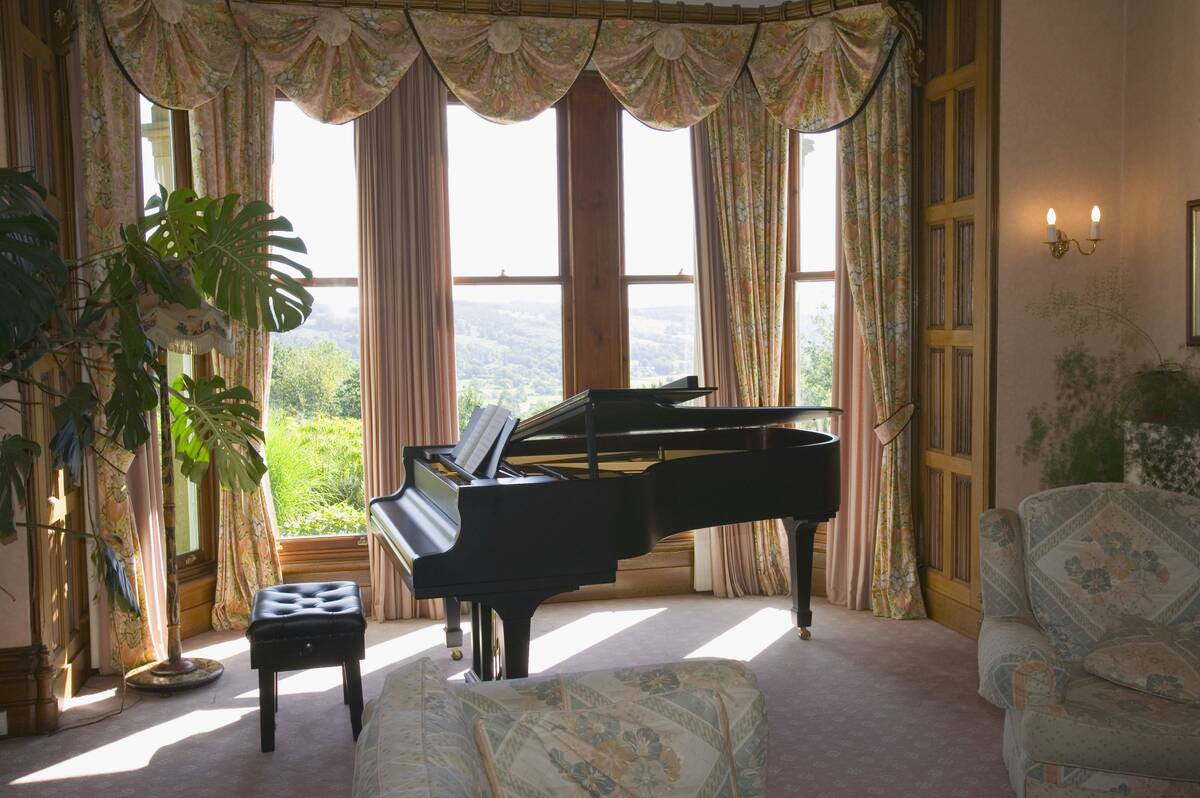
Grand pianos were the centerpiece of many affluent homes, symbolizing both cultural sophistication and financial success. These majestic instruments, often crafted by renowned makers like Steinway & Sons, were not just about music but also about the artistry of their design.
The presence of a grand piano in a parlor was a sign of refinement, often used to entertain guests with impromptu performances or to simply showcase the owner’s appreciation for the arts.
Fine China: More Than Just Dinnerware
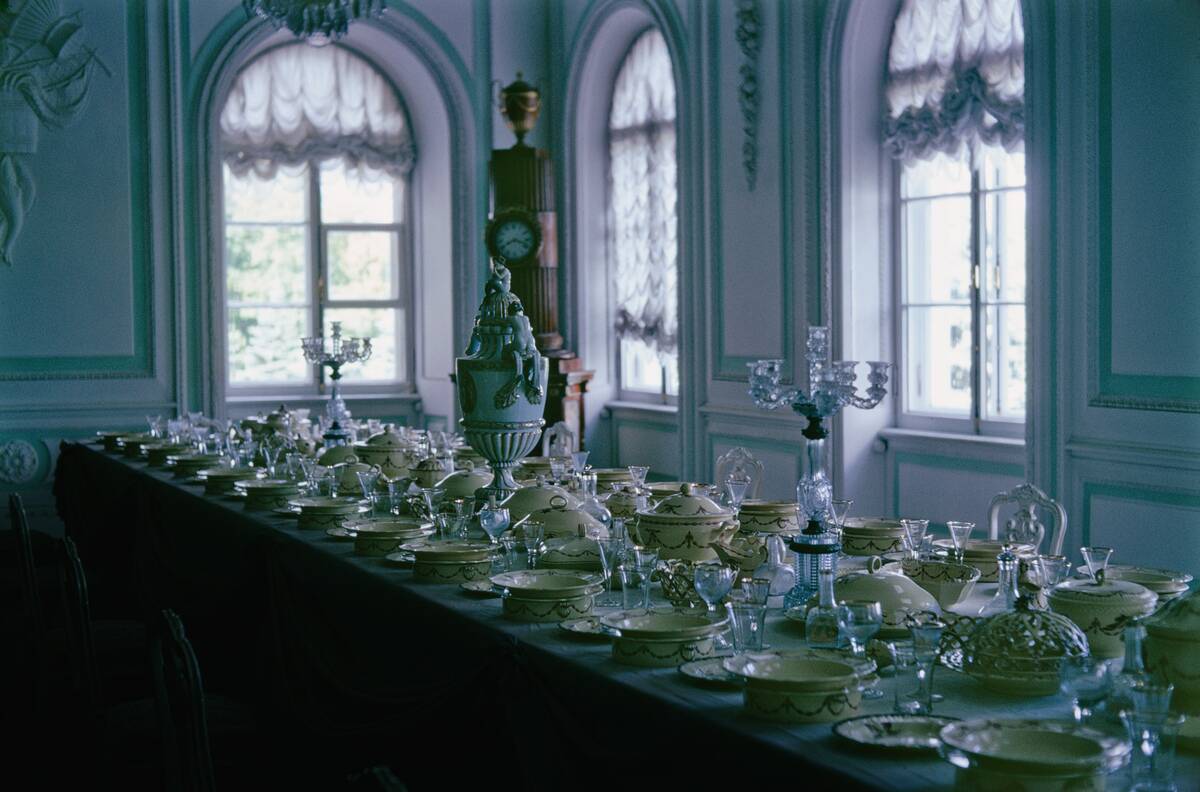
Owning fine china was a hallmark of 19th-century elegance, with patterns and styles often imported from Europe. Brands like Wedgwood and Royal Doulton became synonymous with quality and taste.
These delicate pieces were more than just functional dinnerware; they were a statement of class and were often displayed prominently in dining rooms. Hosting a dinner party with such exquisite china was a way to impress guests and demonstrate one’s refined taste.
The Allure of Pocket Watches
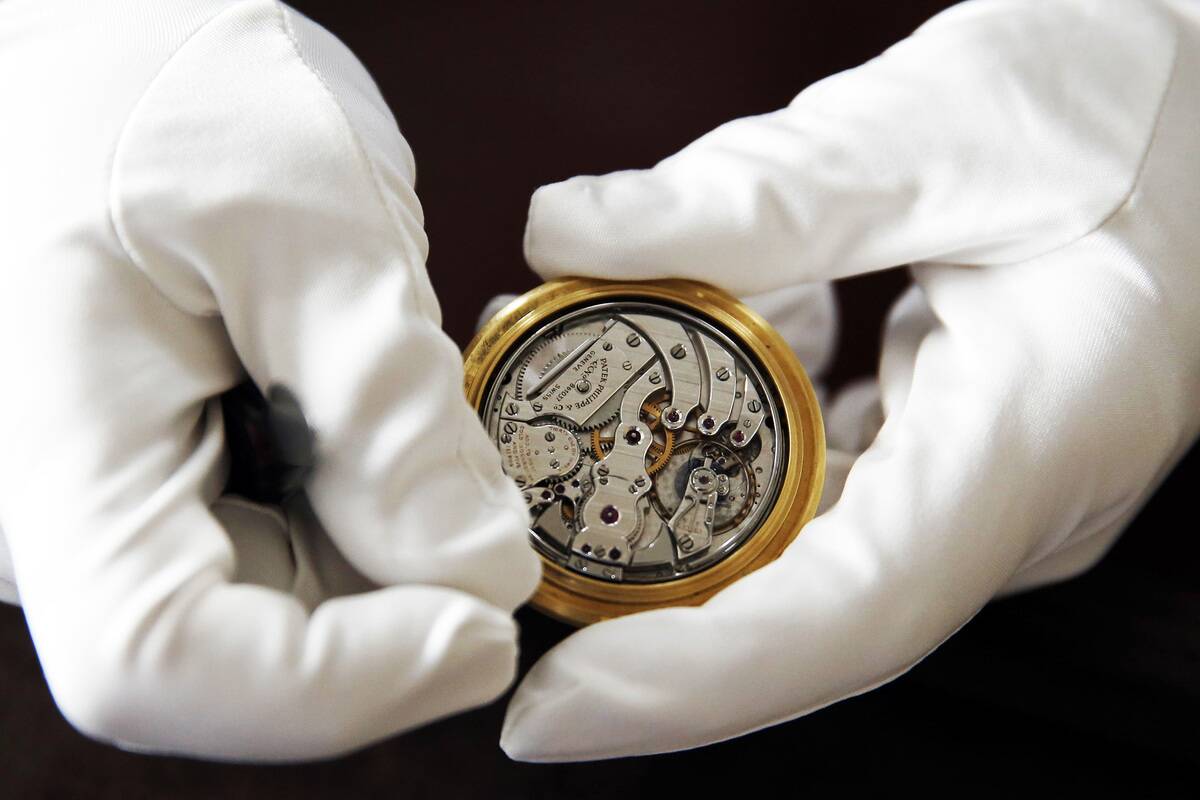
Pocket watches were not merely timekeeping devices; they were a symbol of personal wealth and status. Crafted by skilled watchmakers like Patek Philippe, these intricate pieces often featured gold or silver casings and were sometimes encrusted with jewels.
Carrying a pocket watch was a sign of punctuality and sophistication, and it often became a family heirloom passed down through generations, reflecting the owner’s personal style and affluence.
Lavish Chandeliers: Lighting Up the Wealthy
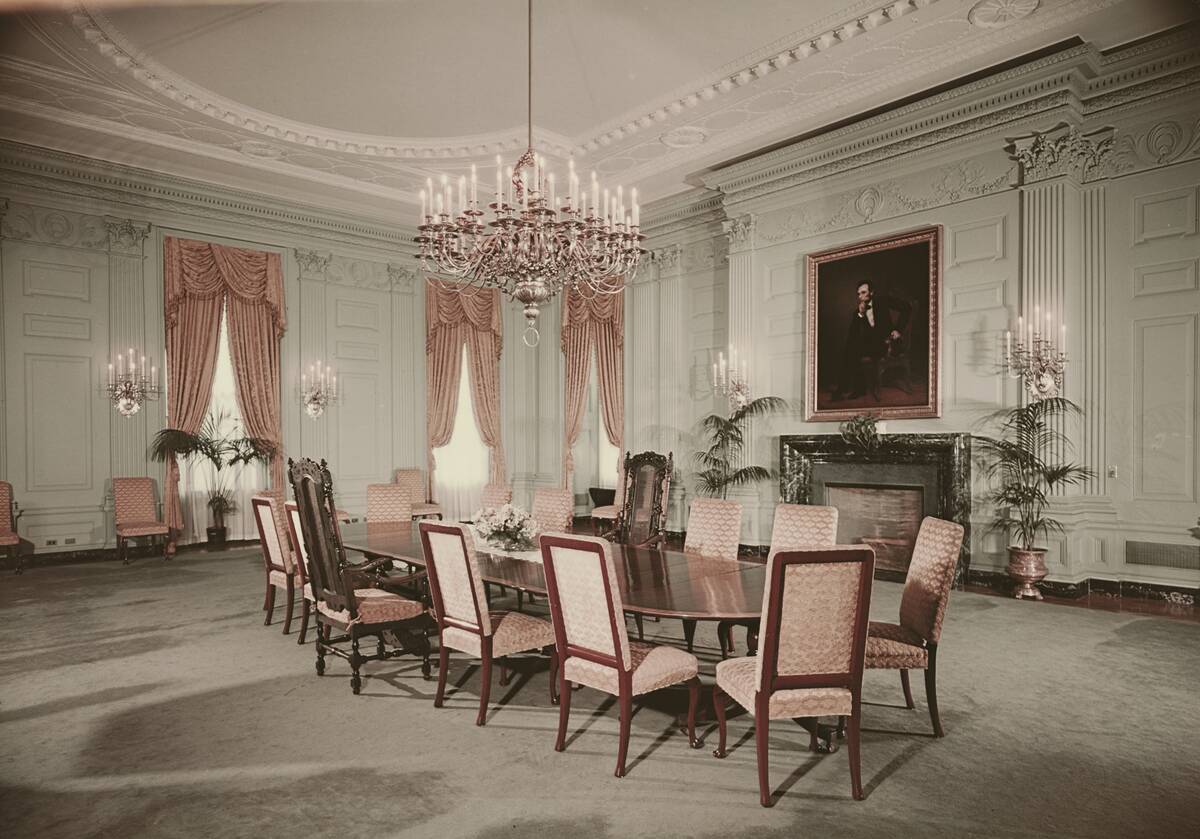
Chandeliers were more than just a source of light; they were a dazzling display of wealth and opulence. Often made from crystal or fine glass, these fixtures adorned the ceilings of grand ballrooms and dining halls.
The intricate designs and the way they refracted light added a touch of magic to any room. Installing a grand chandelier was a way for the wealthy to illuminate their homes with both literal and figurative brilliance.
The Prestige of a Personal Library
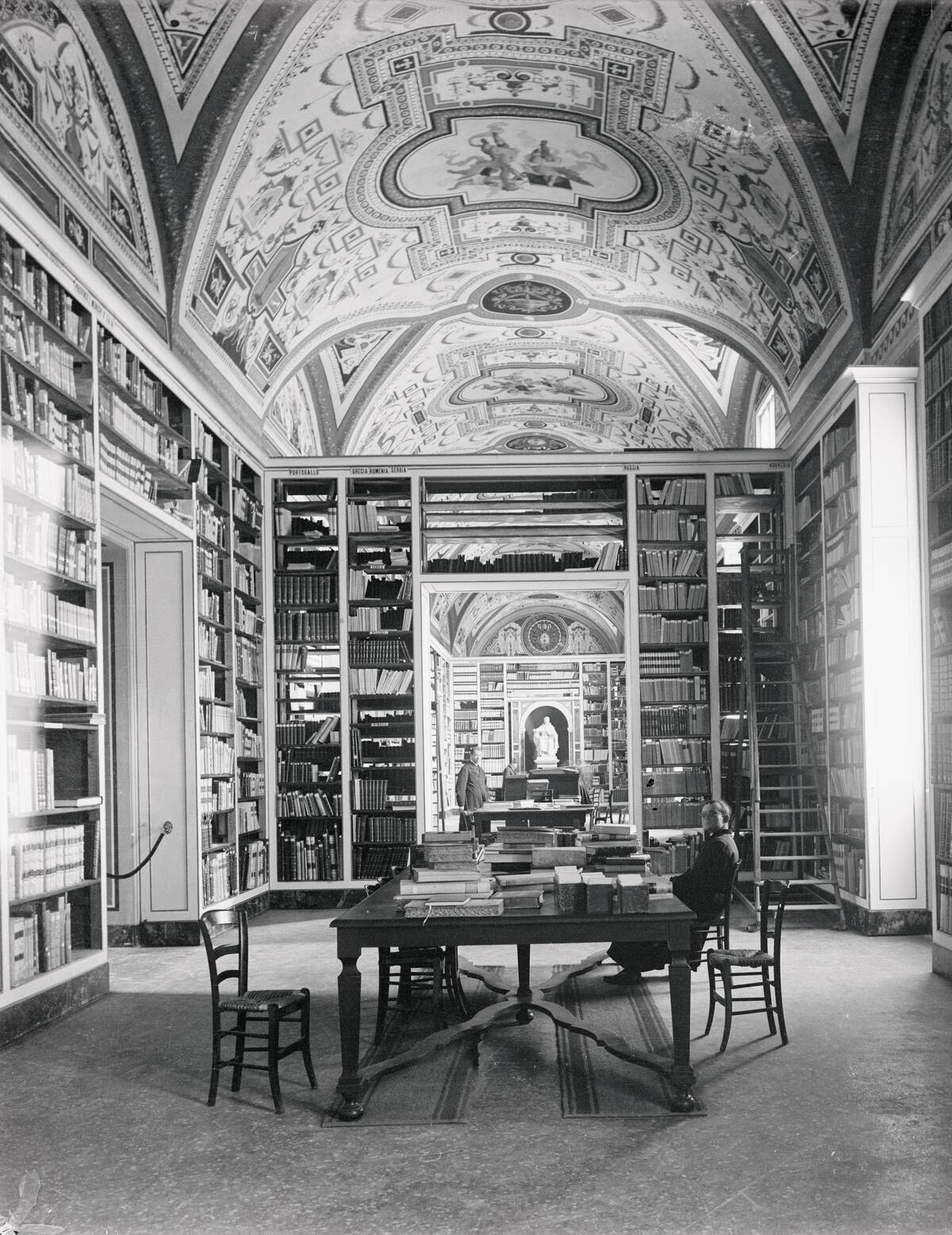
A personal library was a testament to one’s education and intellectual pursuits. Wealthy individuals often amassed collections of books, with leather-bound volumes lining the shelves.
These libraries were not just for reading; they were a reflection of the owner’s mind and interests. Hosting discussions or simply enjoying a quiet evening among the books was a cherished pastime, showcasing a commitment to knowledge and culture.
Ornate Silverware: Dining in Style
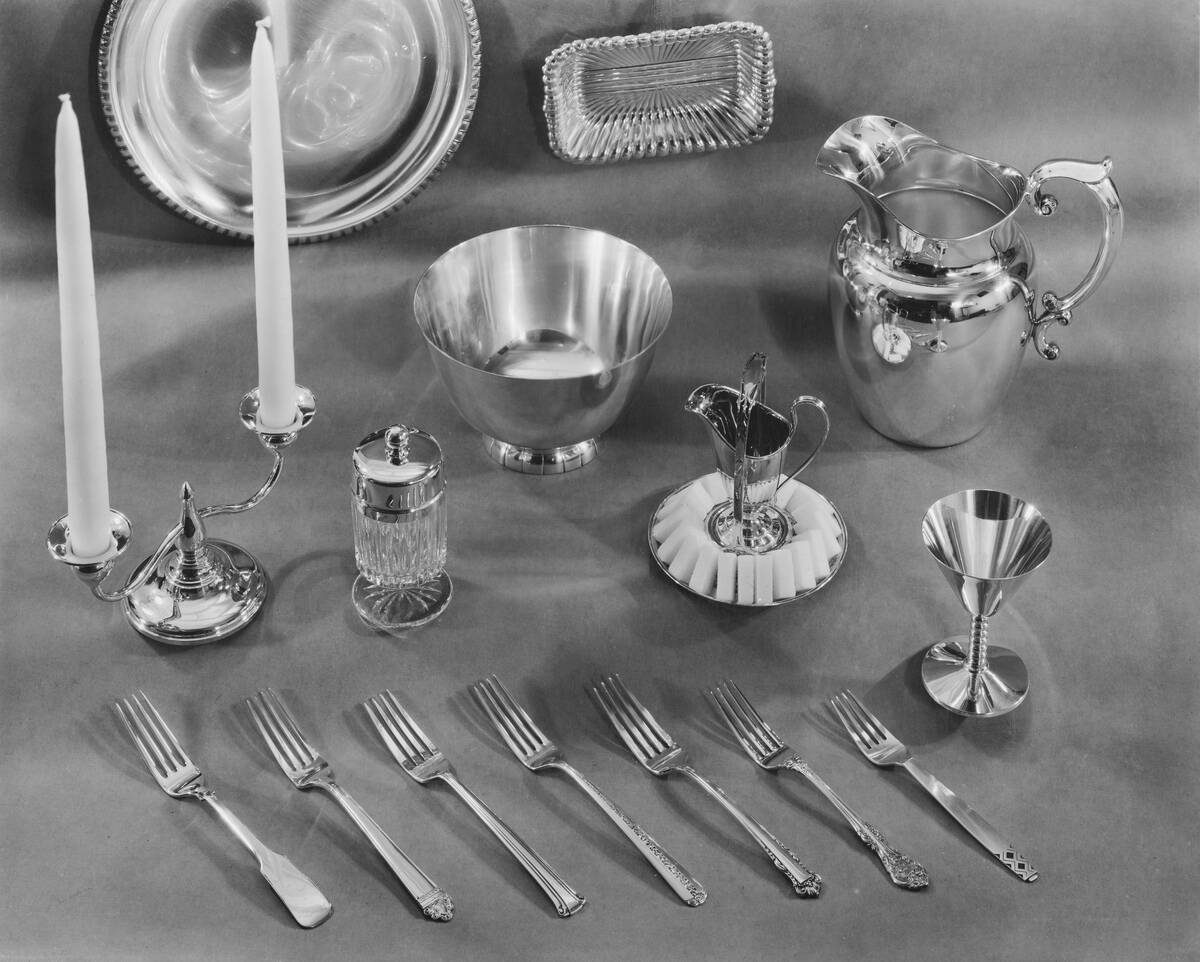
Silverware was an essential part of any affluent dining experience, with each piece often intricately designed and engraved. Brands like Tiffany & Co. produced exquisite sets that were as much about art as they were about utility.
Using ornate silverware during meals was a way to elevate the dining experience, reflecting the host’s attention to detail and appreciation for the finer things in life. It was a staple in any grand dining setting.
The Status Symbol of Horse-Drawn Carriages
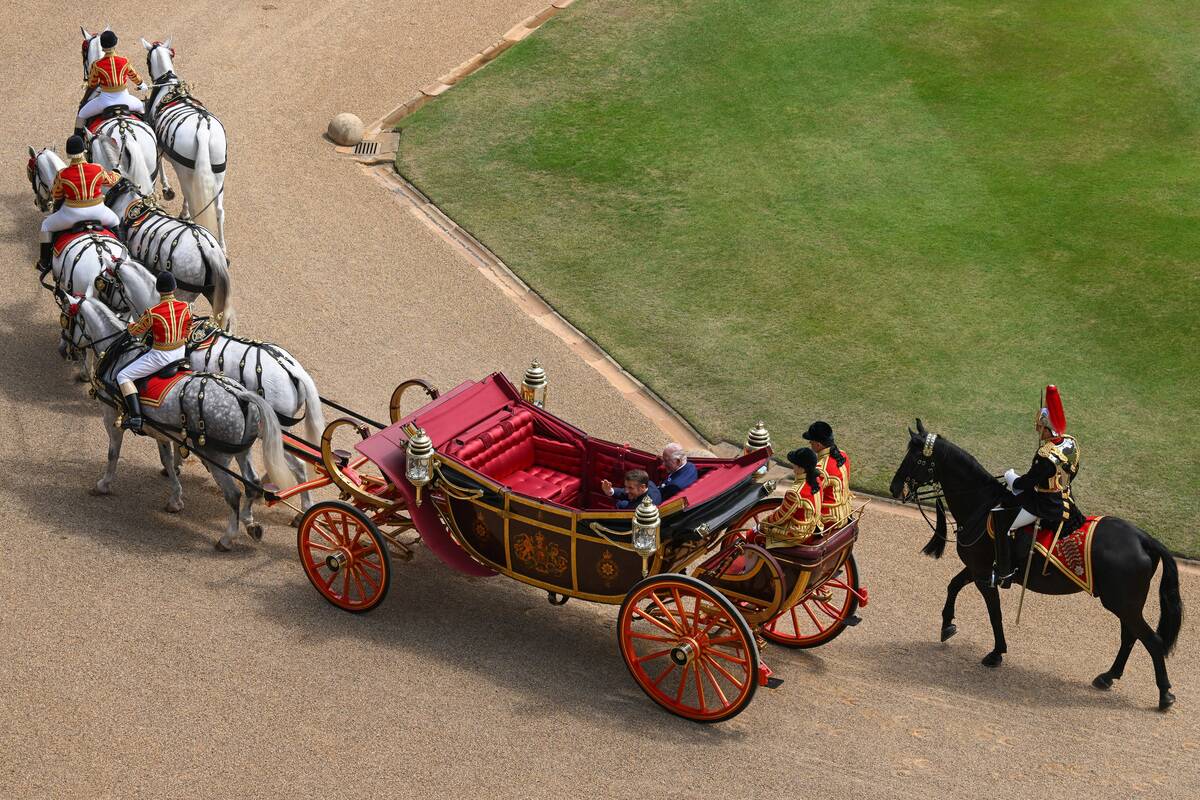
In the 19th century, horse-drawn carriages were the ultimate status symbol, representing both mobility and prestige. The design and craftsmanship of a carriage, often custom-made, indicated the owner’s social standing.
Carriages like the elegant landau or the sporty phaeton were used for different occasions, from leisurely rides in the park to formal events. Owning a well-appointed carriage was akin to having a luxury car today, showcasing wealth and style.
Exotic Tapestries and Rugs
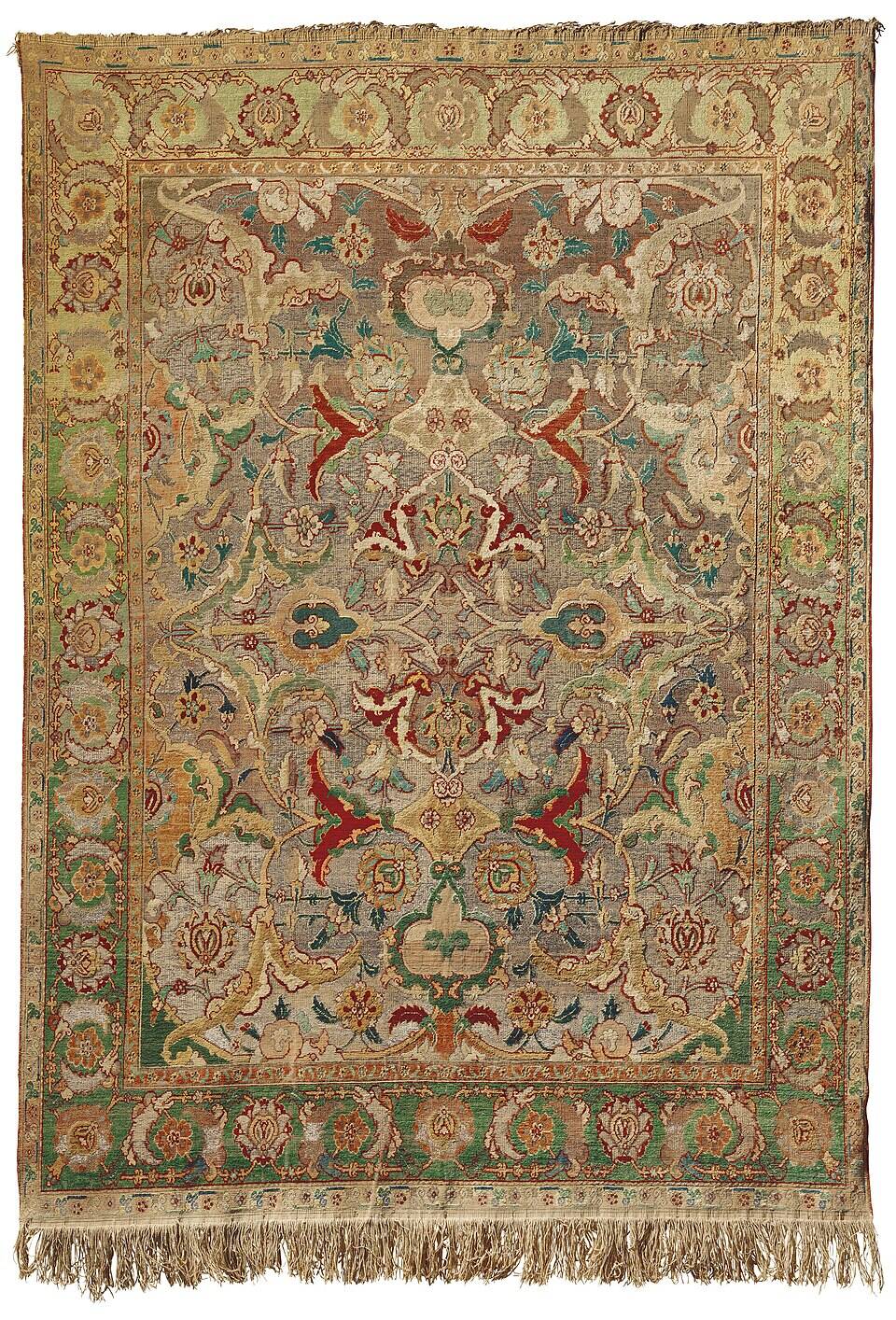
Exotic tapestries and rugs were prized possessions, often sourced from far-off lands like Persia or the Orient. These textiles were not only decorative but also a testament to the owner’s worldly connections and taste.
The intricate patterns and vibrant colors added warmth and character to any room. Displaying such pieces was a way to demonstrate one’s appreciation for global artistry and to create an inviting, luxurious atmosphere in the home.
The Elegance of Tailored Clothing
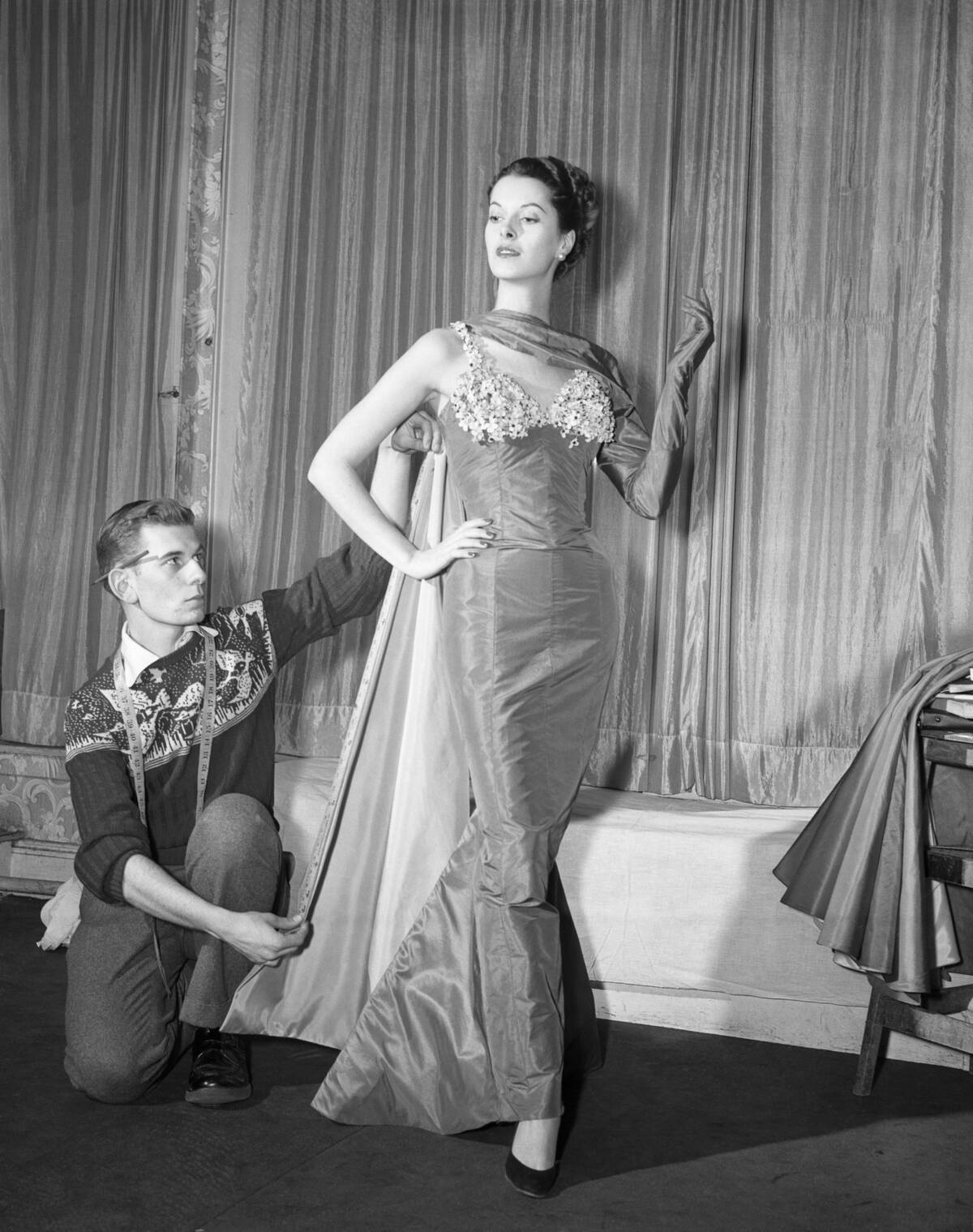
Tailored clothing was a clear indicator of wealth, with bespoke suits and dresses crafted by skilled tailors. The fit and fabric of one’s attire spoke volumes about their social status and personal style.
Fashion houses in cities like Paris and London set the trends, and the affluent were quick to adopt them. Wearing tailored clothing was not just about appearance but also about expressing individuality and sophistication in every stitch.
The Extravagance of Private Art Collections
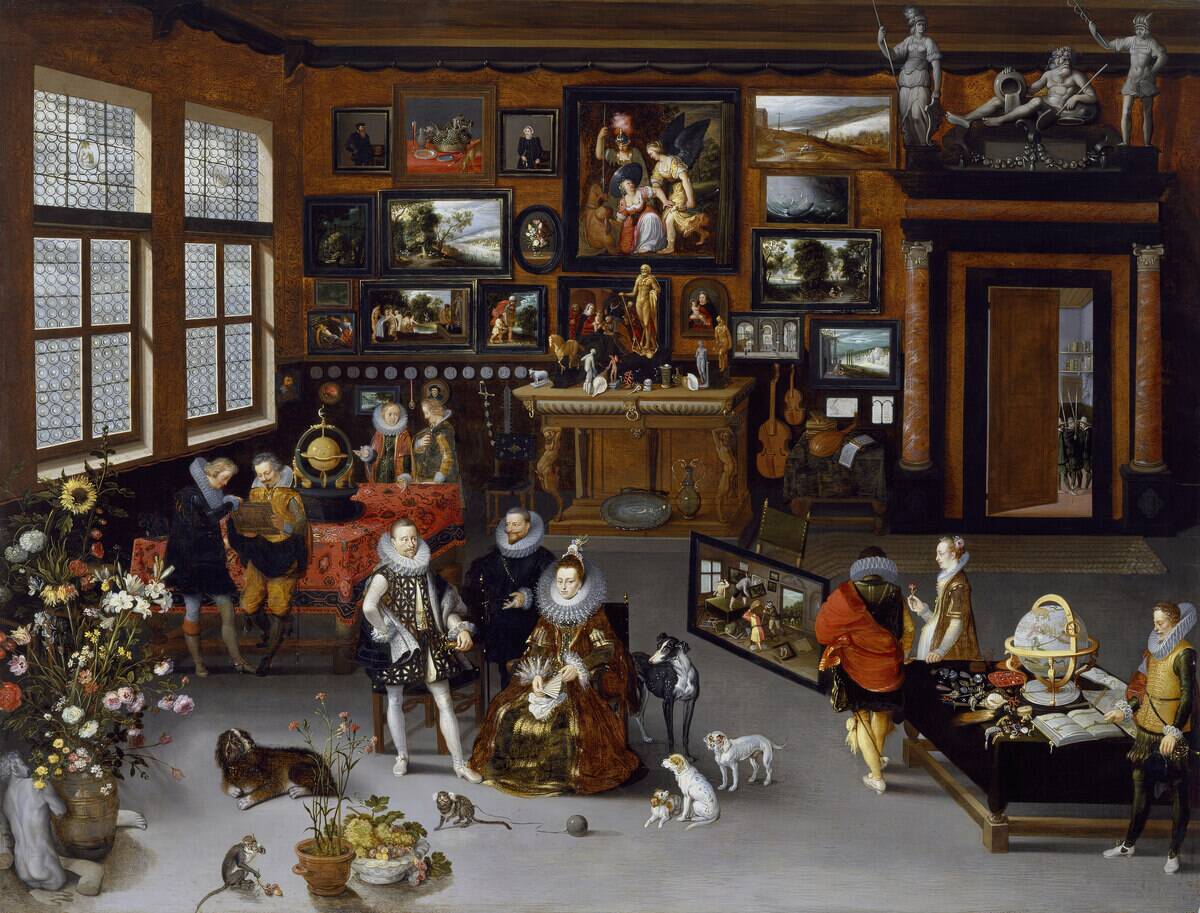
Private art collections were a way for the wealthy to invest in culture and beauty. Collecting works by renowned artists or commissioning portraits was a common practice among the elite.
These collections were often displayed in private galleries within the home, serving as both conversation starters and symbols of refined taste. Owning art was a way to support the arts while also making a statement about one’s cultural and financial capital.
The Luxury of Indoor Plumbing
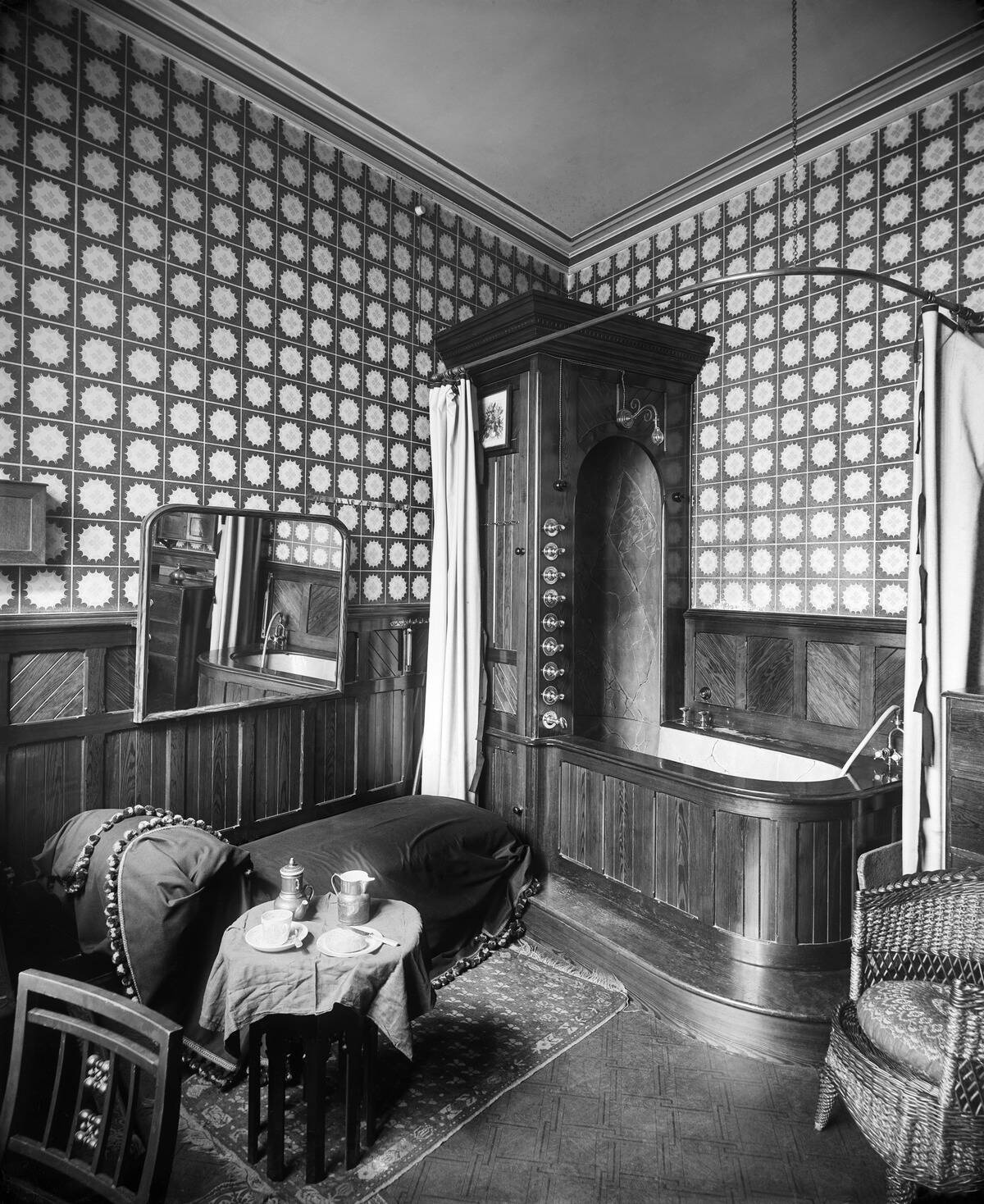
Indoor plumbing was a revolutionary luxury that marked a significant leap in comfort and convenience. Having running water and indoor bathrooms was a privilege not available to all, and it greatly improved the quality of life for those who could afford it.
This advancement in home technology was a clear sign of modernity and wealth, making everyday tasks simpler and more hygienic. It was a transformative feature in affluent homes.
The Sophistication of a Home Conservatory
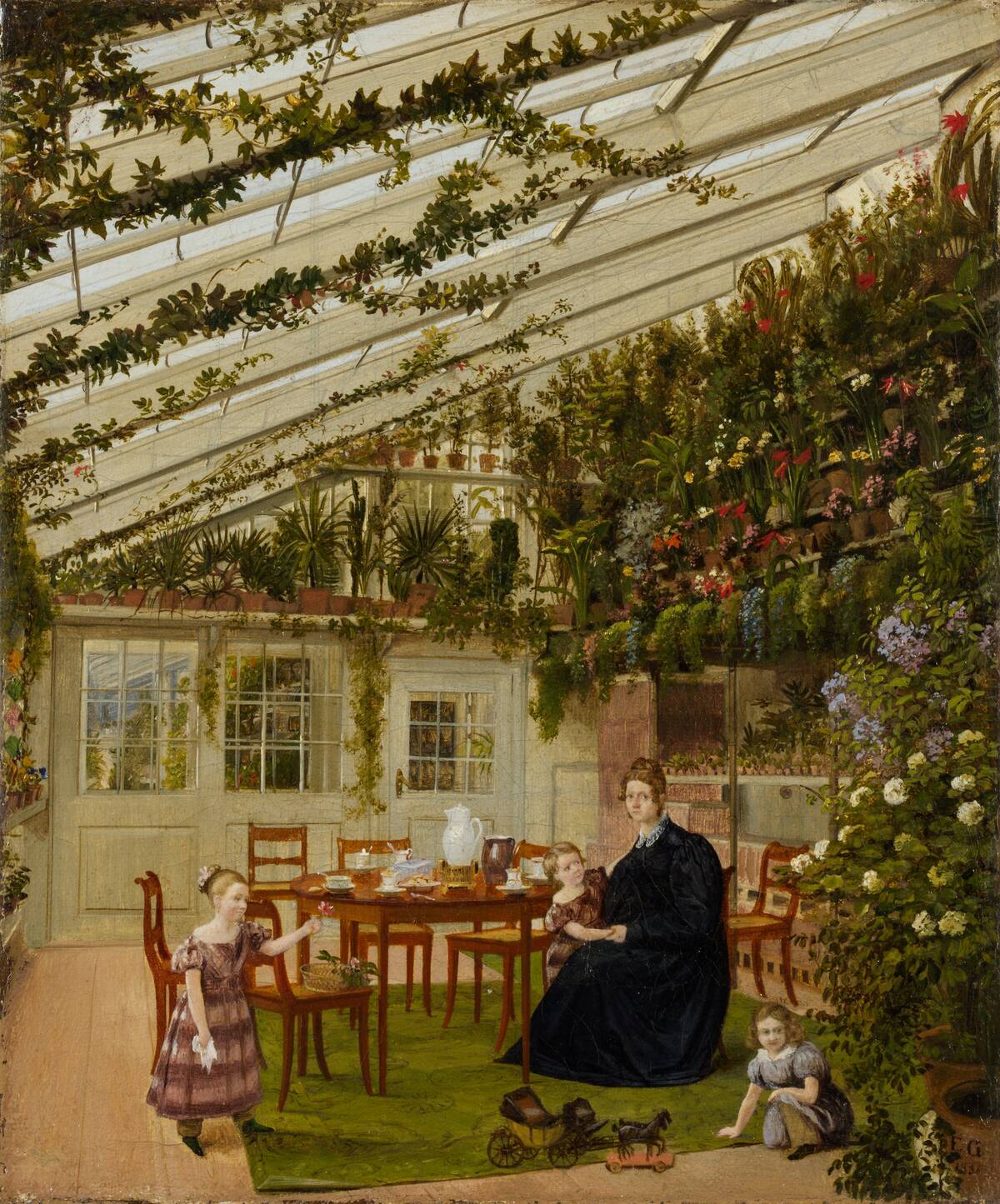
A home conservatory was a luxurious addition, often used to cultivate exotic plants and flowers. These glass-enclosed spaces were a haven for nature lovers and a testament to one’s wealth and sophistication.
The ability to maintain such a space year-round required resources and knowledge, making it a unique feature of affluent homes. Hosting gatherings in a conservatory was a way to impress guests with both natural beauty and architectural elegance.
The Glamour of Jewelry and Gemstones
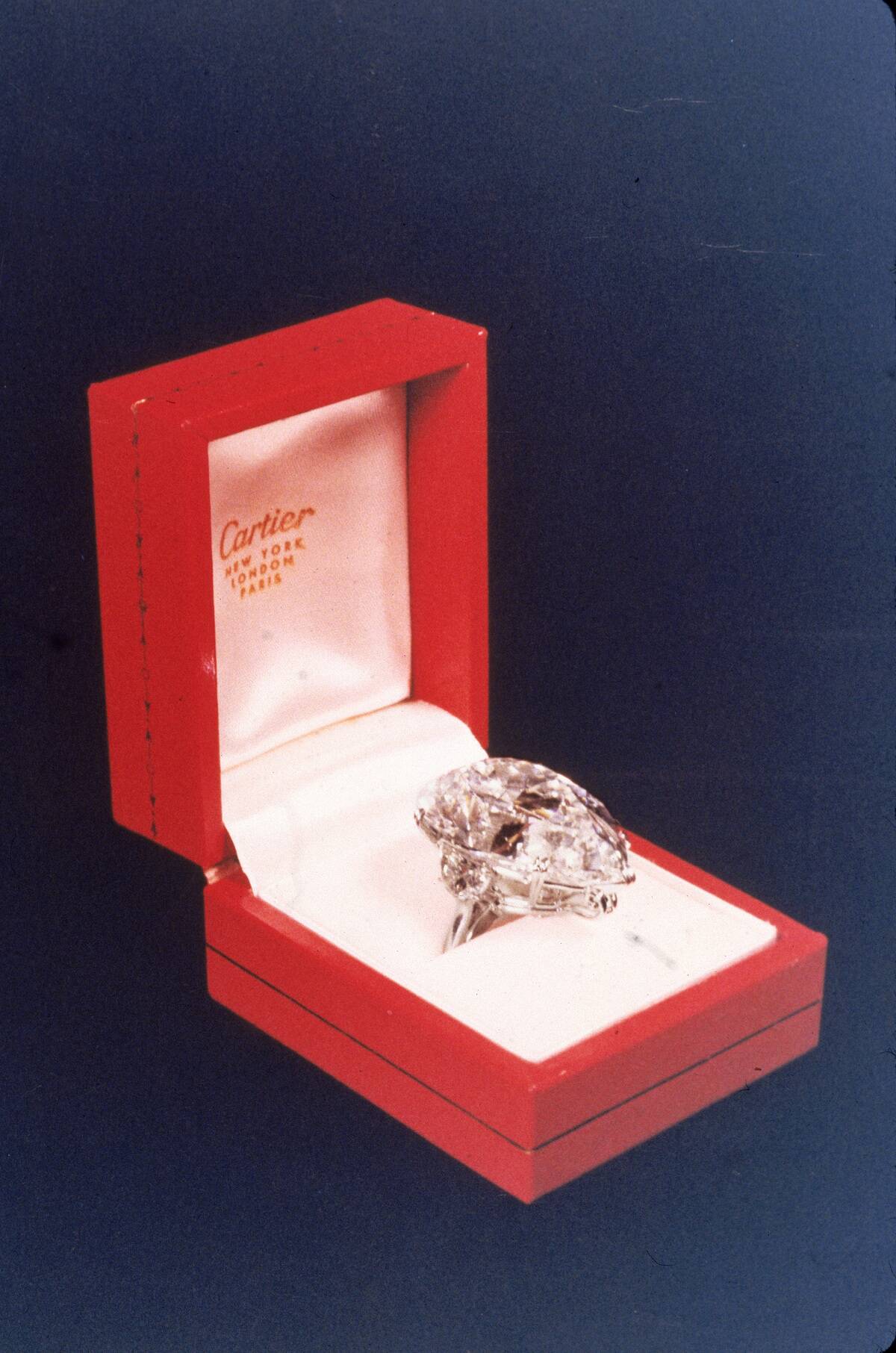
Jewelry and gemstones were the ultimate symbols of glamour and wealth, with pieces often crafted by famous jewelers like Cartier. Diamonds, rubies, and sapphires adorned necklaces, rings, and tiaras, each piece telling a story of opulence.
Wearing such jewelry was a way to display one’s status and taste, often reserved for special occasions. These sparkling treasures were not only beautiful but also valuable investments, passed down through generations.
The Prestige of Owning a Grand Estate
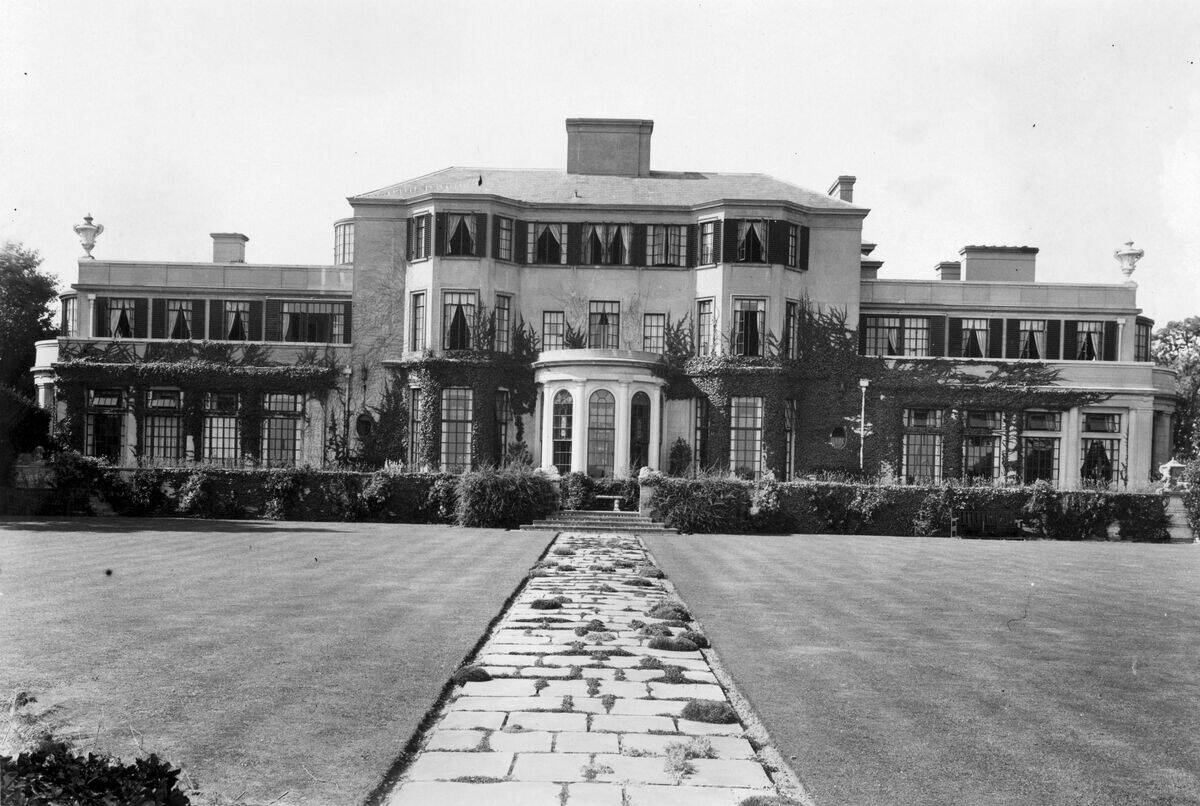
Owning a grand estate was the pinnacle of 19th-century wealth, offering both luxury and privacy. These sprawling properties often featured manicured gardens, stables, and even private lakes.
Estates were a reflection of the owner’s success and were often the setting for lavish parties and social gatherings. The grandeur of such a home was a testament to one’s achievements and a legacy for future generations, embodying the ultimate in prestige and influence.
The Novelty of Early Photography Equipment
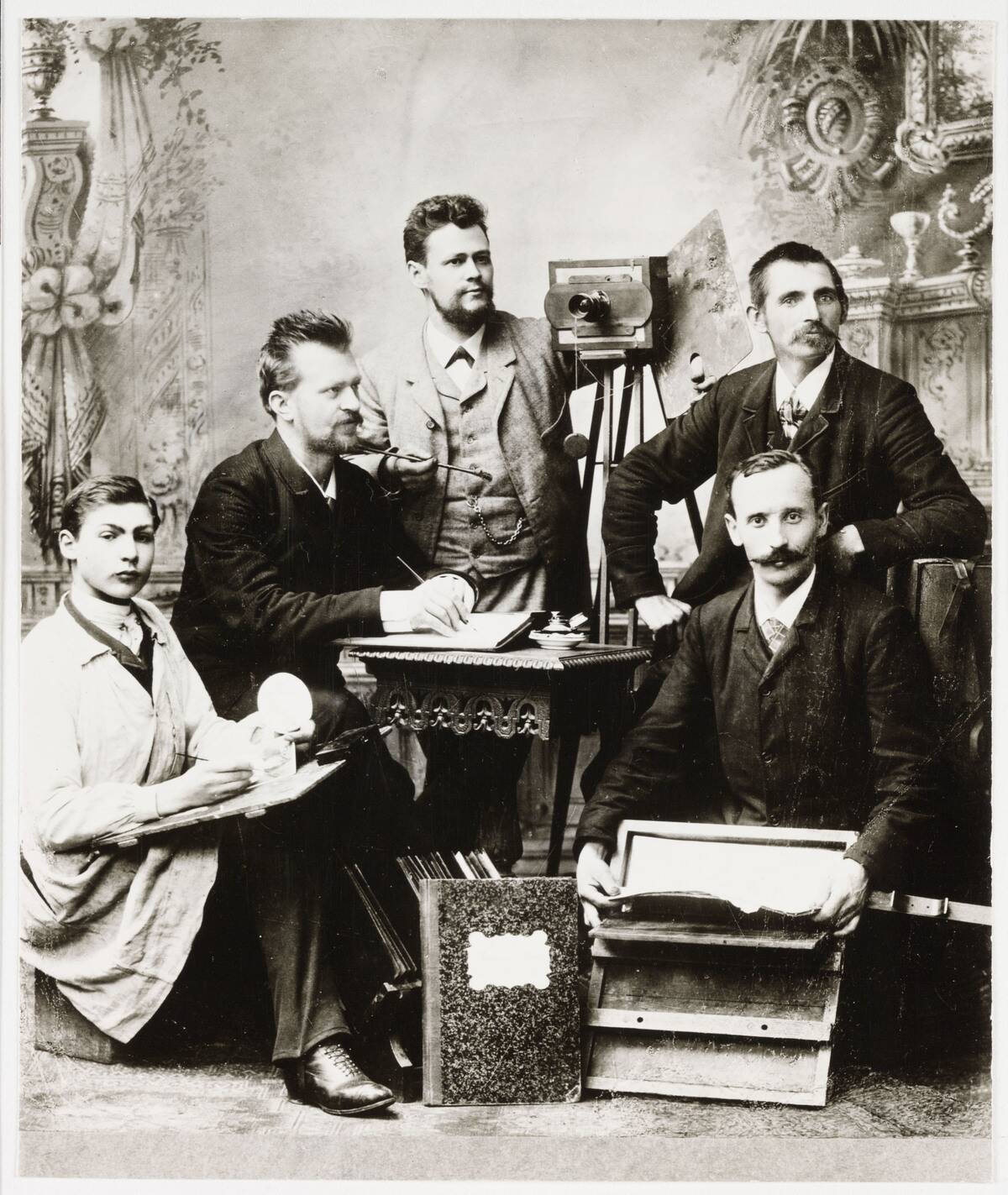
Early photography equipment was a novel luxury, allowing the wealthy to capture moments in time. Owning a camera was a sign of modernity and curiosity, with brands like Kodak making strides in photographic technology.
These devices were not only tools for preserving memories but also status symbols, as they were expensive and required skill to operate. Photography became a new way to document life and share experiences, adding a personal touch to one’s legacy.
The Comfort of Upholstered Furniture
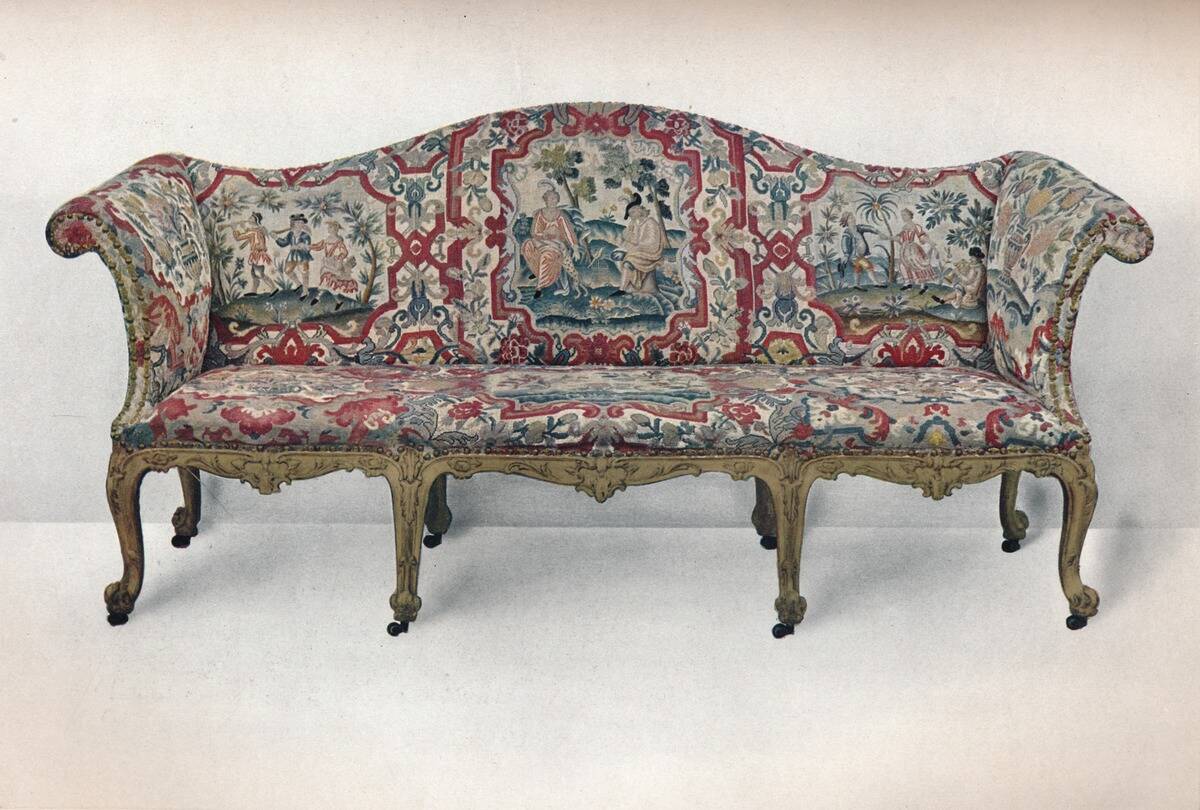
Upholstered furniture was a hallmark of comfort and style, with plush sofas and armchairs gracing the living rooms of the affluent. The use of rich fabrics like velvet and brocade added a touch of luxury, while the craftsmanship ensured durability.
Such pieces were not only about relaxation but also about showcasing one’s taste and attention to detail. Hosting guests in a well-appointed sitting room was a way to extend hospitality with elegance and warmth.




