Architectural trends that disappeared over time
Architecture is a fascinating reflection of society’s ever-changing tastes and technological advancements. From the stark lines of Brutalism to the playful curves of Blobitecture, each trend tells a unique story.
As we stroll down this memory lane, we’ll explore how these styles rose to prominence and why they eventually faded into the background.
The Rise and Fall of Brutalism
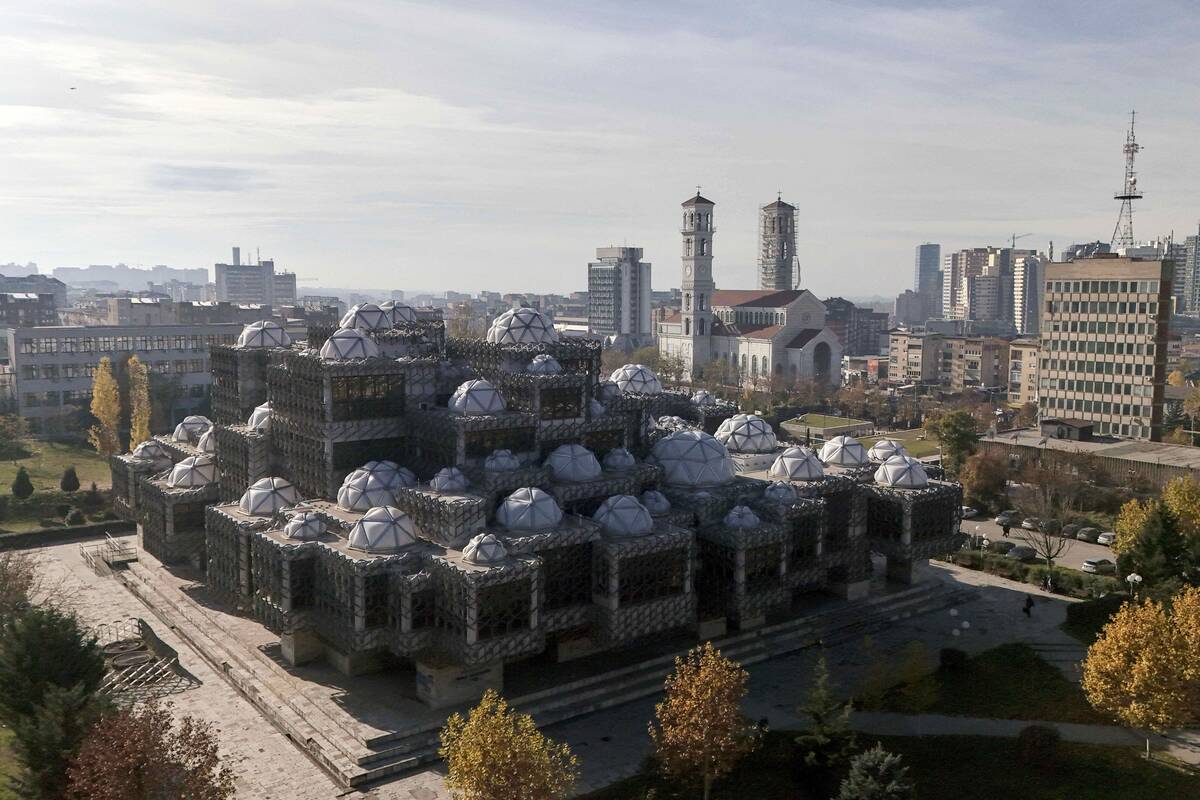
Brutalism emerged in the mid-20th century, characterized by its raw concrete and bold geometric forms. It was a style that aimed to be honest and unpretentious, often used for government buildings and universities.
However, by the 1980s, Brutalism’s stark and imposing nature led to its decline, as people began to view it as cold and uninviting. Today, while some Brutalist structures are celebrated for their historical significance, many have been demolished or repurposed.
The Short-Lived Popularity of Postmodernism
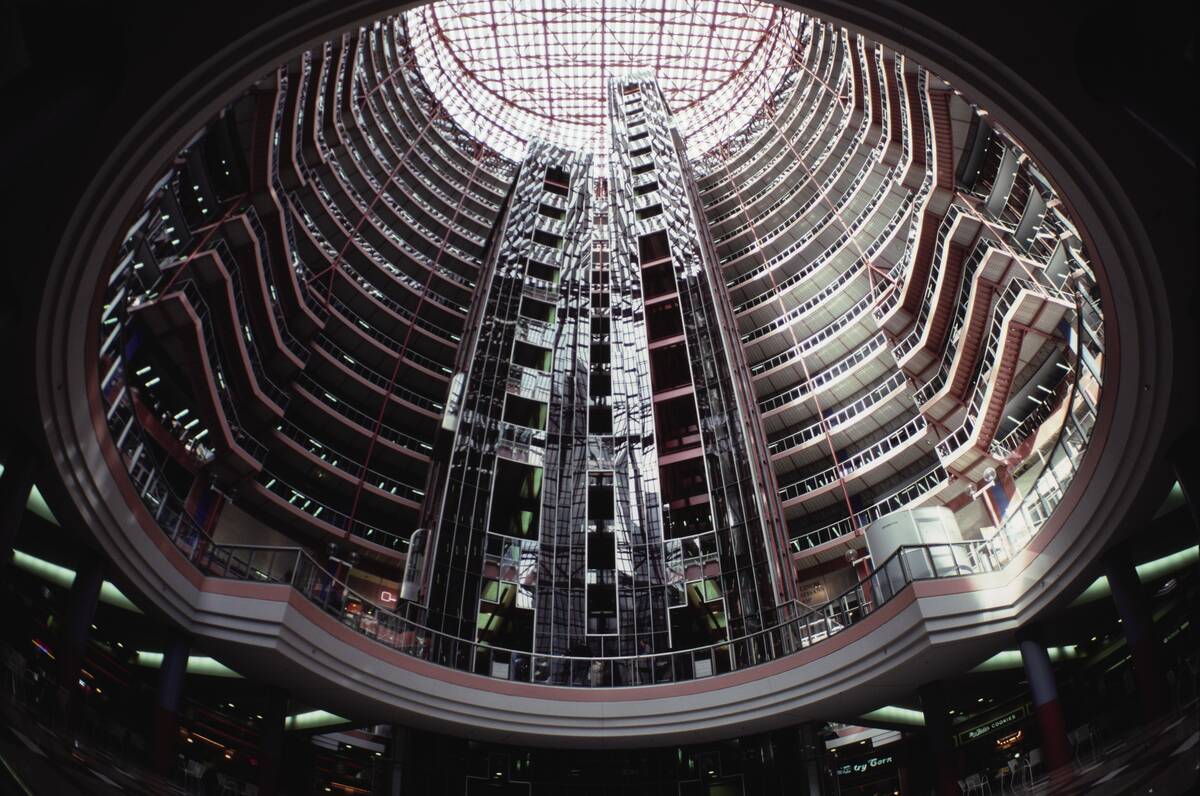
Postmodern architecture burst onto the scene in the late 20th century as a reaction against the austerity of Modernism. Known for its eclectic mix of styles, bright colors, and playful forms, Postmodernism sought to bring humor and irony back into architecture.
Despite its initial popularity, the style’s lack of cohesion and sometimes garish designs led to its decline in the 1990s. Today, Postmodernism is often remembered for its bold experimentation and departure from traditional architectural norms.
The Curious Case of Blobitecture
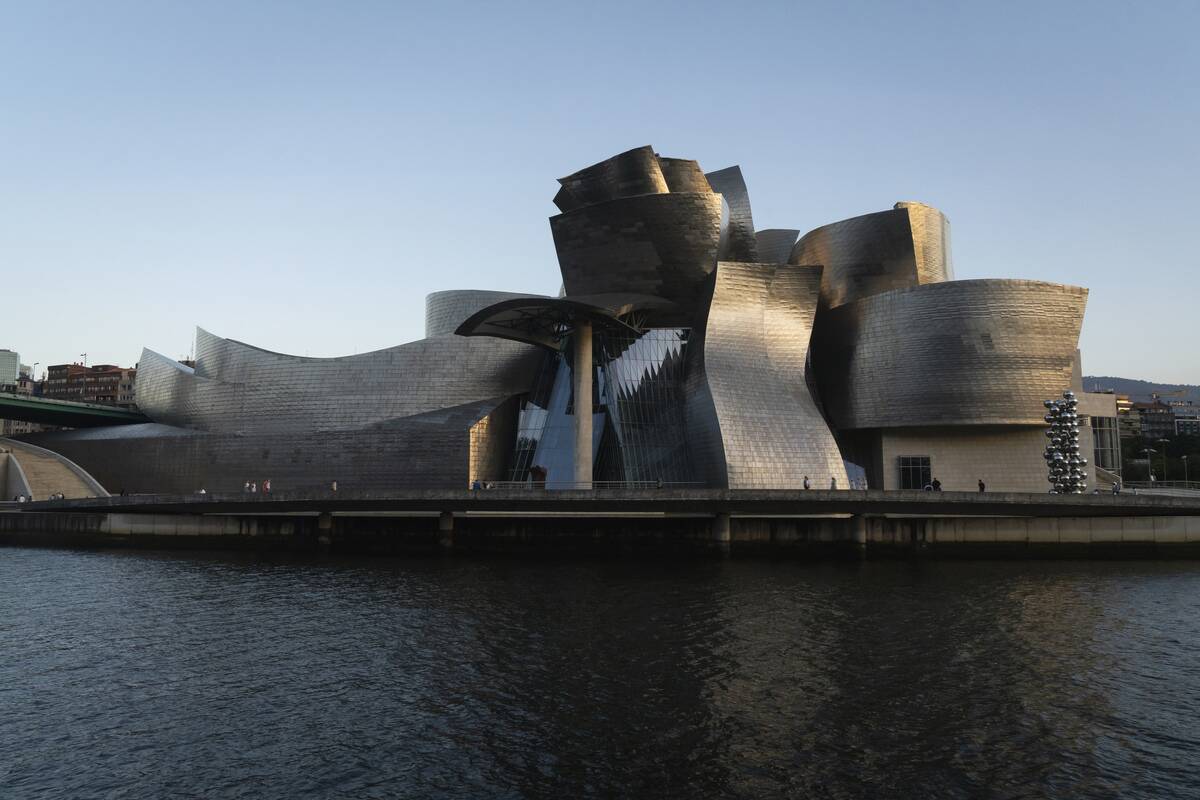
Blobitecture, or blob architecture, emerged in the late 20th century, characterized by its organic, amoeba-like forms. Architects like Greg Lynn pushed the boundaries of design with fluid shapes made possible by computer-aided design.
While visually striking, Blobitecture’s impracticality and high construction costs limited its widespread adoption. Today, it remains a niche style, with only a few iconic examples like the Guggenheim Museum Bilbao standing as testaments to its unique aesthetic.
The Forgotten Charm of Art Deco
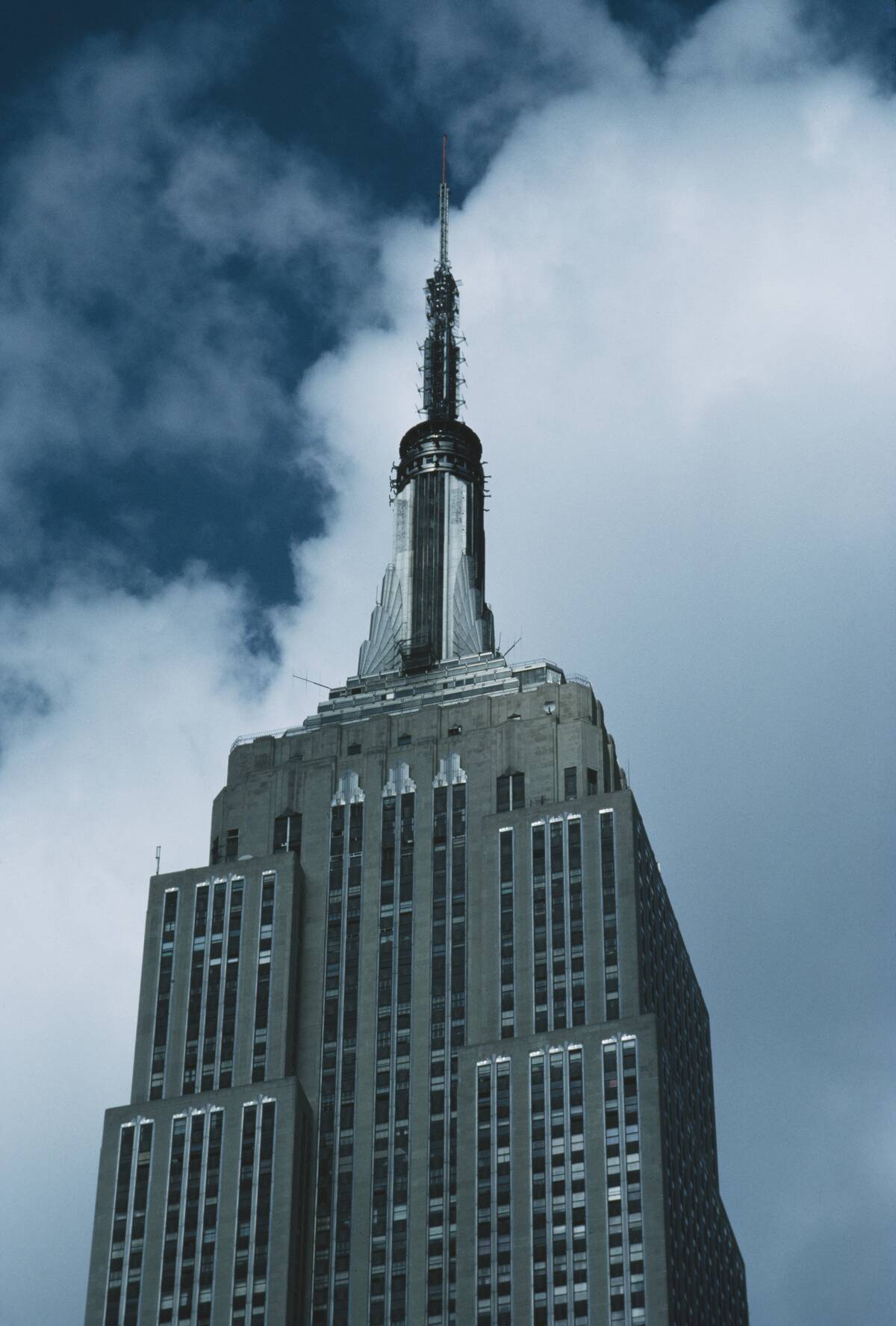
Art Deco, with its lavish ornamentation and geometric motifs, flourished in the 1920s and 1930s. This style epitomized the glamour and opulence of the Roaring Twenties, influencing everything from skyscrapers to furniture.
However, the onset of World War II and the rise of Modernism led to Art Deco’s decline. Today, while many Art Deco buildings have been preserved, the style is often overshadowed by more contemporary architectural movements.
The Brief Reign of Googie Architecture
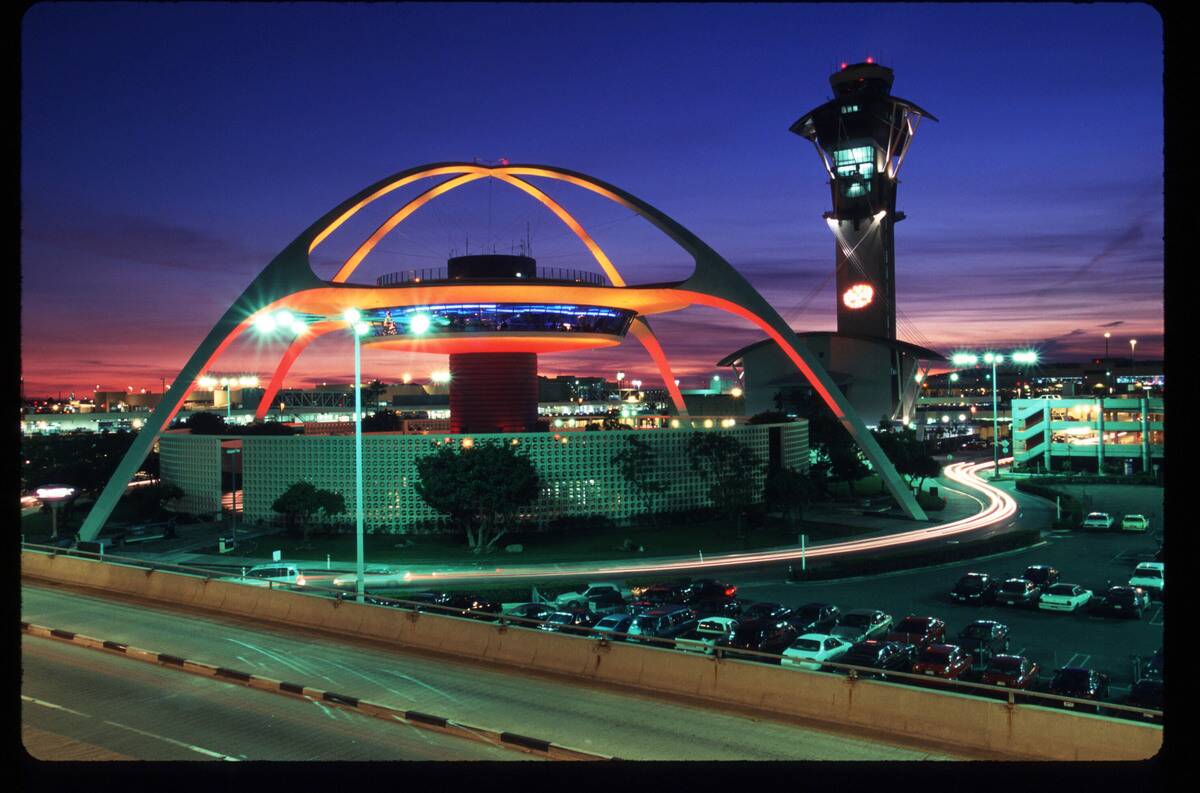
Googie architecture, with its futuristic designs and space-age motifs, captured the imagination of mid-20th century America. Inspired by the Space Race and car culture, Googie buildings often featured bold angles, neon lights, and sweeping curves.
Despite its popularity in the 1950s and 1960s, Googie eventually fell out of favor as tastes shifted towards more subdued styles. Today, surviving Googie structures are cherished relics of a bygone era of optimism and innovation.
The Once-Futuristic Appeal of Streamline Moderne
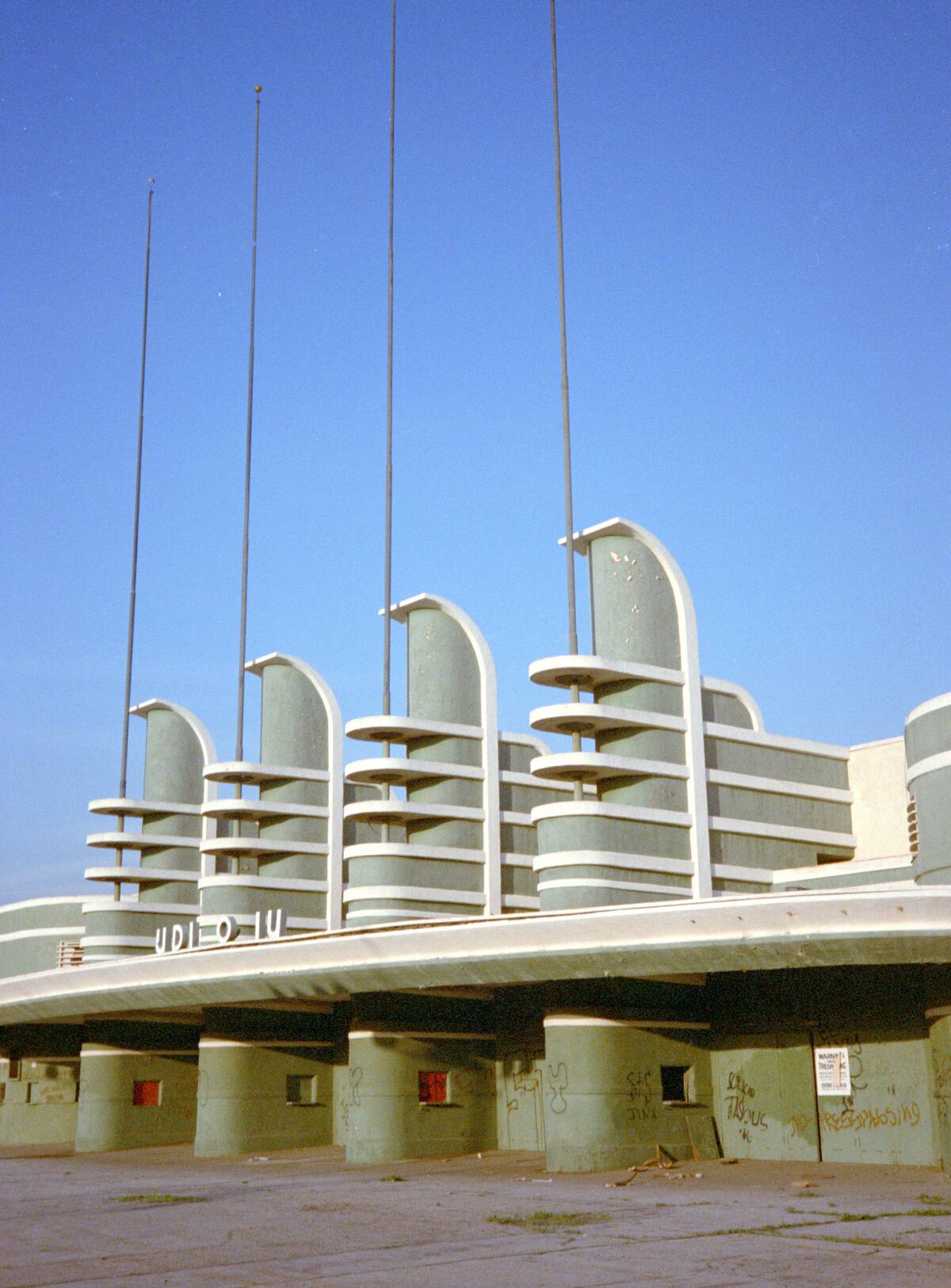
Streamline Moderne, a late type of Art Deco, emphasized sleek, aerodynamic forms and horizontal lines. Emerging in the 1930s, it was influenced by the advancements in transportation design, such as trains and automobiles. The style conveyed a sense of speed and efficiency, embodying the spirit of progress. However, by the 1950s, Streamline Moderne was overshadowed by new architectural trends, leaving behind a legacy of elegant, yet understated, structures.
The Fleeting Fascination with Metabolism
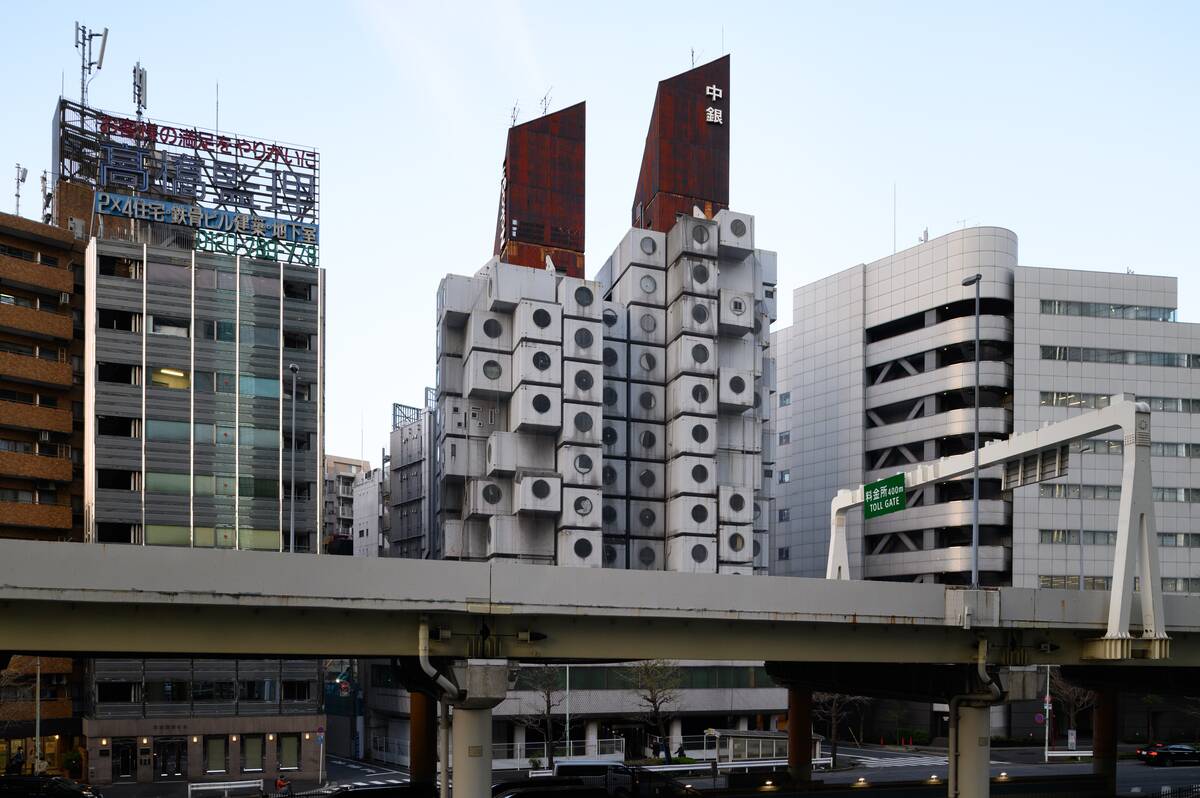
Metabolism was a post-war Japanese architectural movement that envisioned buildings as living organisms capable of growth and change. Prominent architects like Kisho Kurokawa and Kenzo Tange championed this futuristic vision, resulting in innovative projects like the Nakagin Capsule Tower.
Despite its ambitious concepts, Metabolism struggled to gain traction outside of Japan and eventually faded. Today, it remains a fascinating chapter in the history of avant-garde architecture.
The Disappearance of Deconstructivism
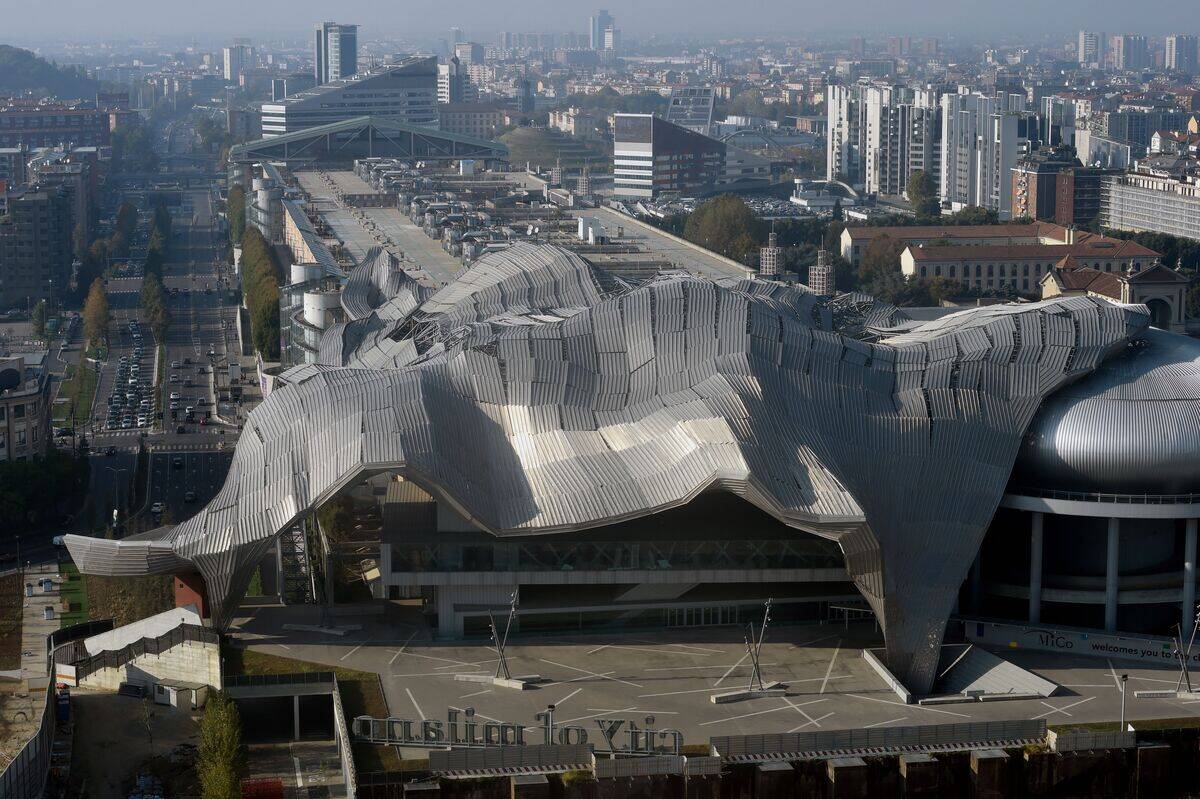
Deconstructivism emerged in the late 20th century, characterized by its fragmented forms and chaotic structures. Architects like Frank Gehry and Zaha Hadid pushed the boundaries of design, creating buildings that seemed to defy gravity.
While the style gained attention for its radical approach, it often faced criticism for prioritizing aesthetics over functionality. By the 2000s, Deconstructivism’s popularity waned, but its influence can still be seen in contemporary architecture.
The Transient Trend of Neo-Expressionism
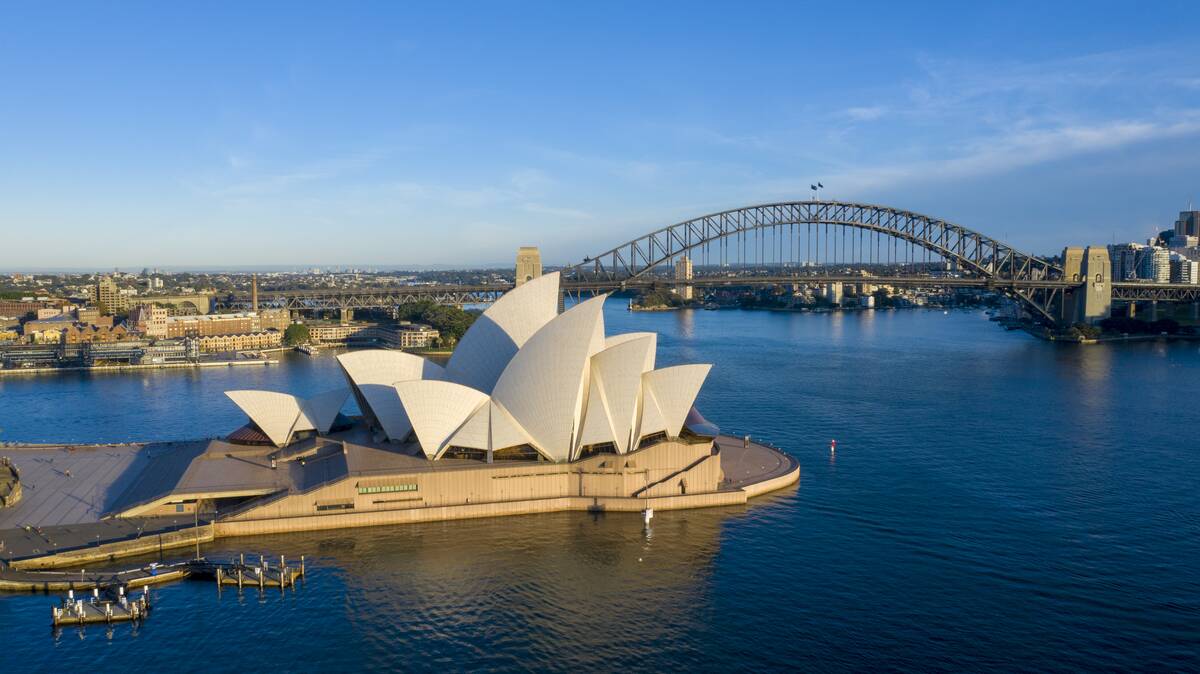
Neo-Expressionism, which emerged in the mid-20th century, sought to evoke emotion through dramatic forms and unconventional materials. Architects like Eero Saarinen and Jørn Utzon created iconic structures like the Sydney Opera House, which embodied the movement’s ideals.
However, the style’s emphasis on artistic expression over practicality led to its decline. Today, Neo-Expressionism is celebrated for its bold creativity, though it remains a niche within the broader architectural landscape.
The Vanishing Act of International Style
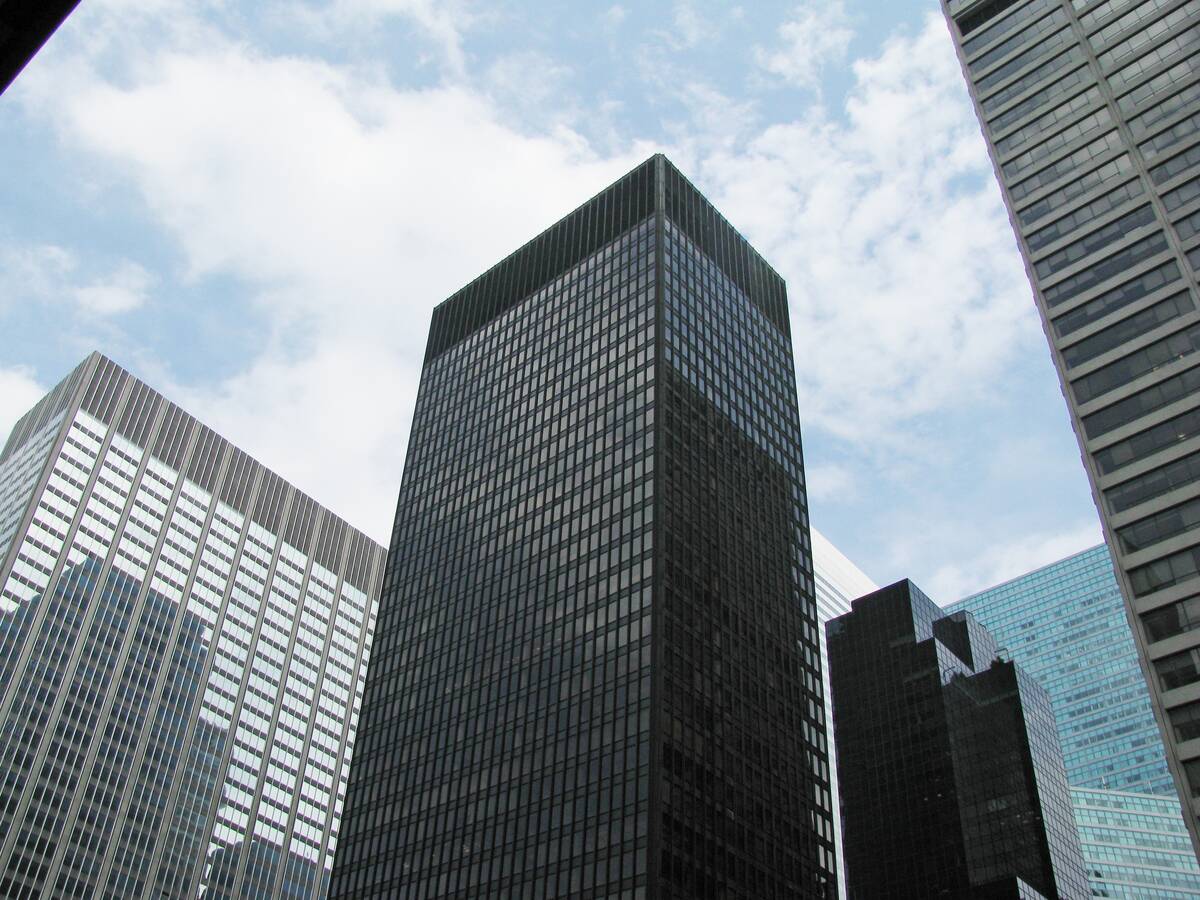
The International Style, characterized by its functional design and lack of ornamentation, gained prominence in the 1920s and 1930s. Architects like Le Corbusier and Ludwig Mies van der Rohe championed its principles, leading to the creation of sleek, modern buildings worldwide.
However, the style’s rigid uniformity eventually led to criticism, and by the 1970s, it began to wane. Today, while some International Style buildings are preserved, others have been altered or replaced by more diverse designs.
The Ephemeral Allure of Mid-Century Modern
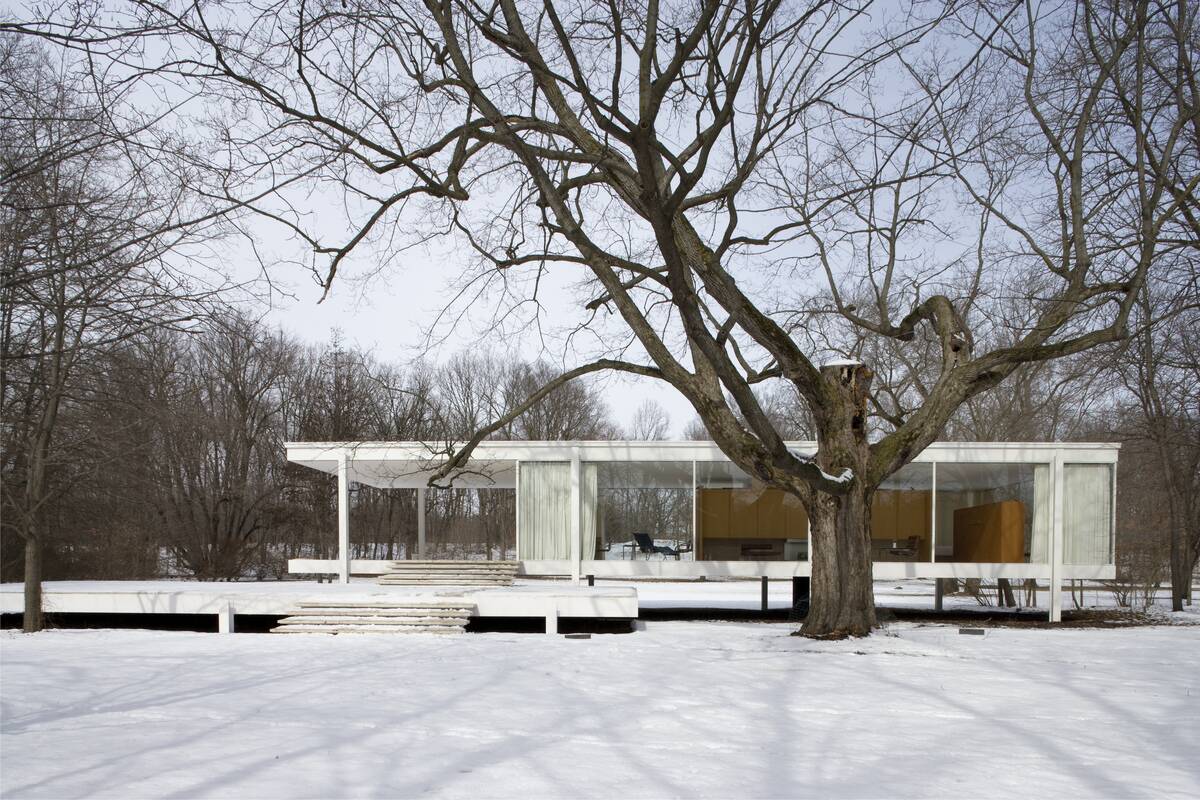
Mid-Century Modern architecture, with its clean lines and integration with nature, became popular in the post-war era. Influenced by the Bauhaus movement, it emphasized simplicity and functionality.
The style’s appeal waned by the 1970s as architectural tastes evolved. However, a resurgence of interest in recent years has led to a renewed appreciation for Mid-Century Modern design, with many enthusiasts seeking to preserve its timeless elegance and connection to the natural environment.
The Passing Fad of High-Tech Architecture
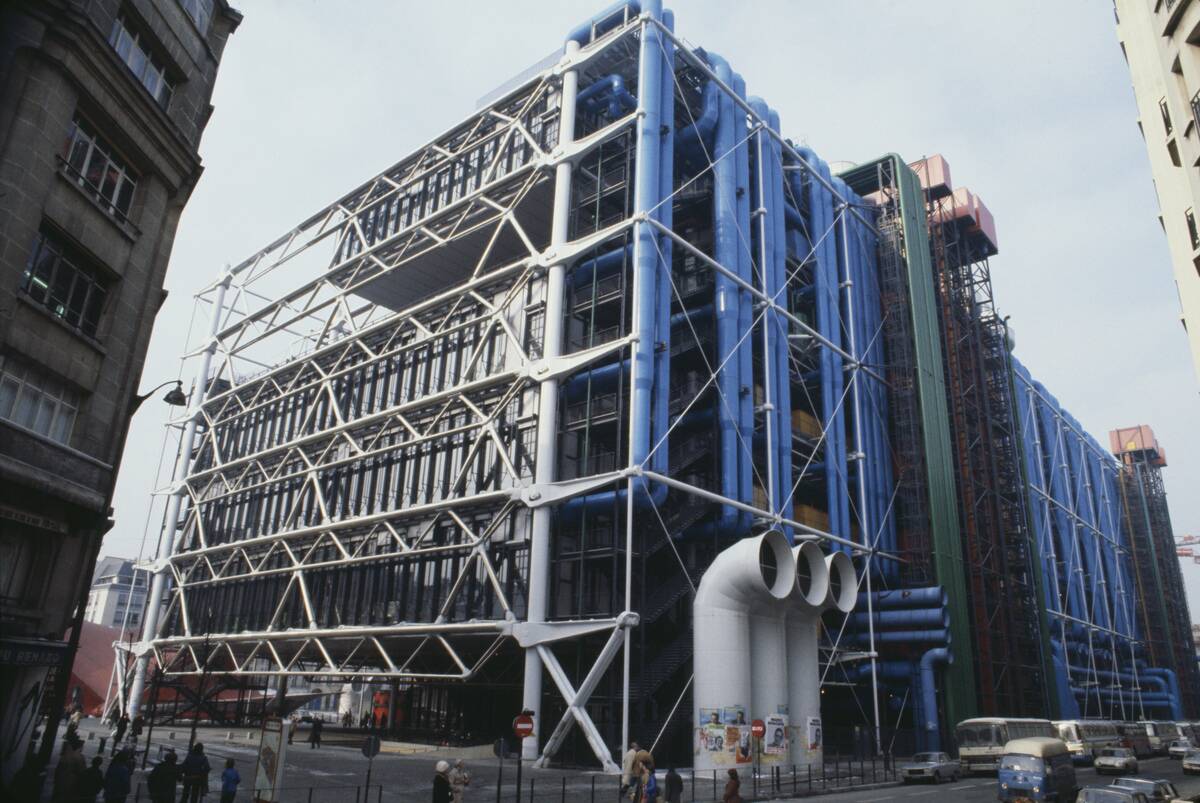
High-Tech architecture emerged in the 1970s, showcasing a fascination with industrial materials and technology. Architects like Richard Rogers and Norman Foster designed buildings that celebrated structural elements, often leaving them exposed.
While the style was initially praised for its innovation, it faced criticism for its cold, mechanical aesthetic. By the 1990s, High-Tech architecture began to decline, though its influence persists in the continued use of advanced materials and technologies in modern design.
The Rise and Decline of Neo-Gothic
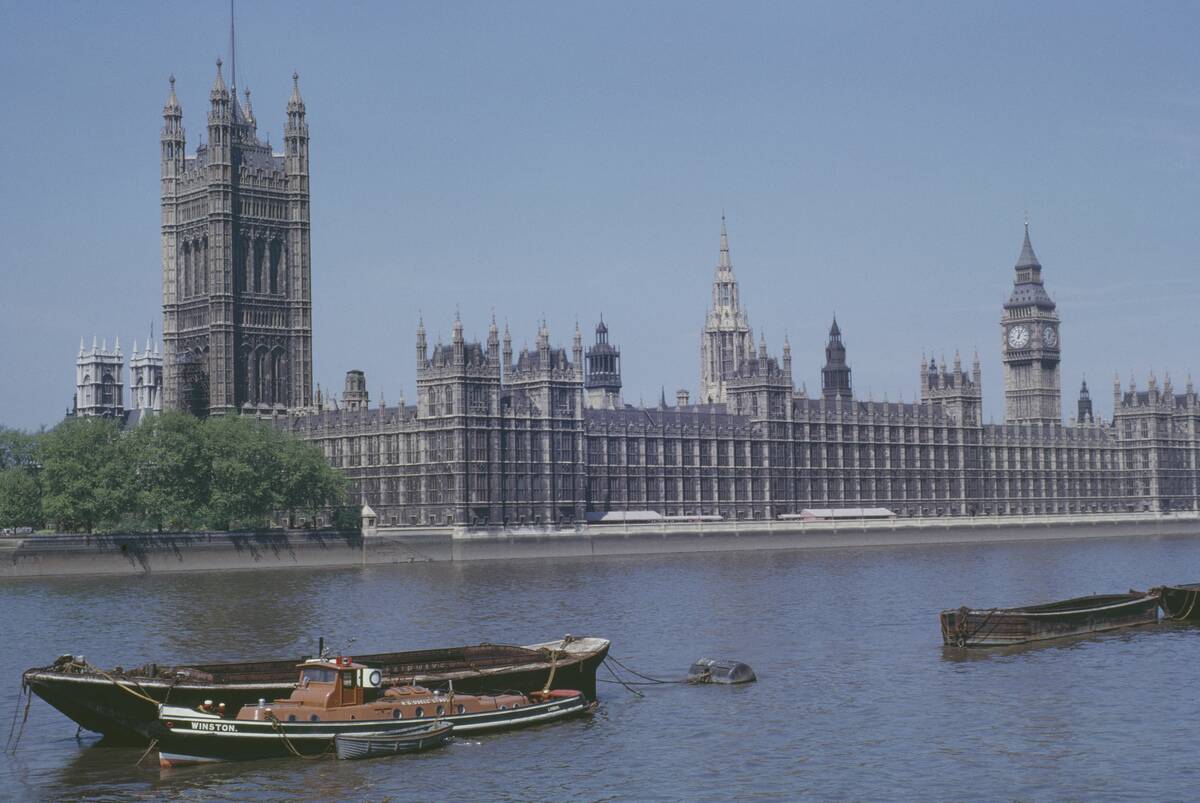
Neo-Gothic architecture, a revival of Gothic design, gained popularity in the 19th century. With its pointed arches and intricate detailing, it was often used for churches and universities.
The style’s romanticism and historical associations made it a favorite for institutional buildings. However, as Modernism took hold in the 20th century, Neo-Gothic fell out of favor. Today, while many Neo-Gothic structures remain, the style is largely seen as a nostalgic nod to the past.
The Ebb and Flow of Minimalism
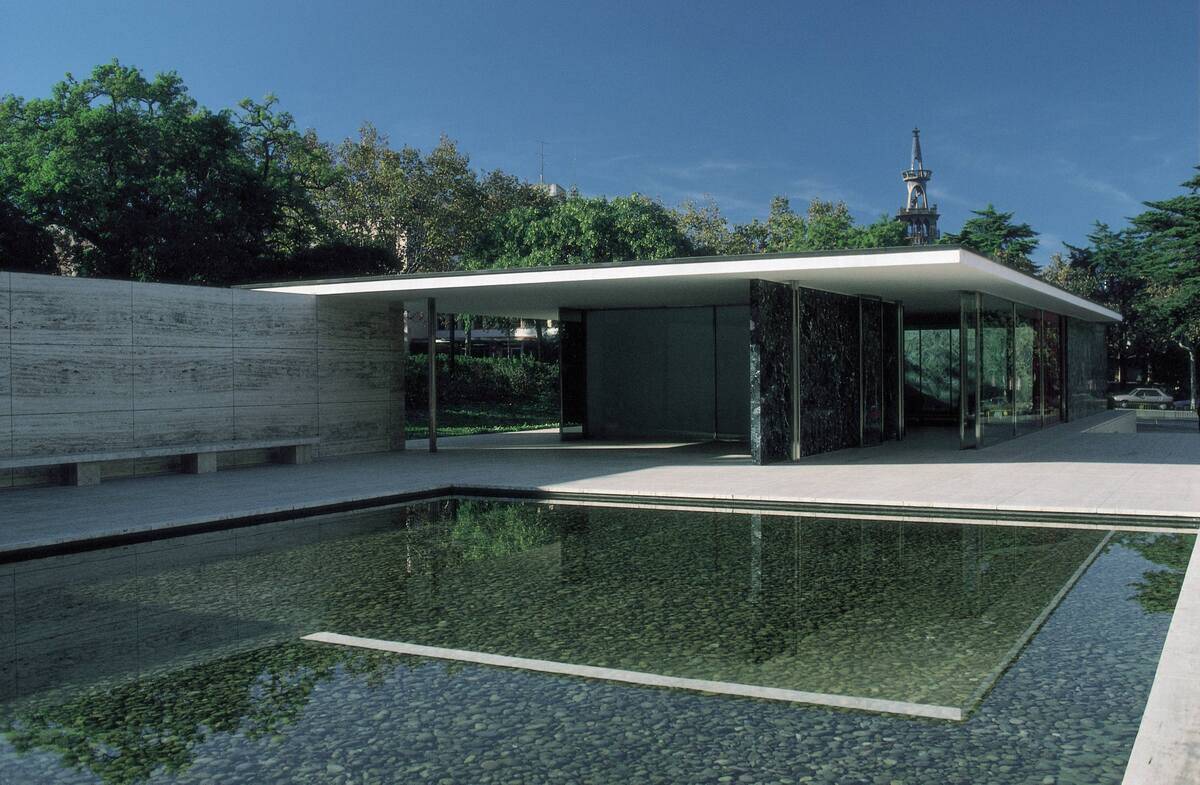
Minimalism, characterized by its simplicity and focus on functionality, emerged in the mid-20th century. Architects like Ludwig Mies van der Rohe embraced the “less is more” philosophy, creating spaces that emphasized light and openness.
While Minimalism has experienced periods of popularity, it has also faced criticism for its perceived coldness. Despite this, the style continues to influence contemporary architecture, with its principles of simplicity and clarity remaining relevant in today’s fast-paced world.
The Evaporating Essence of Organic Architecture
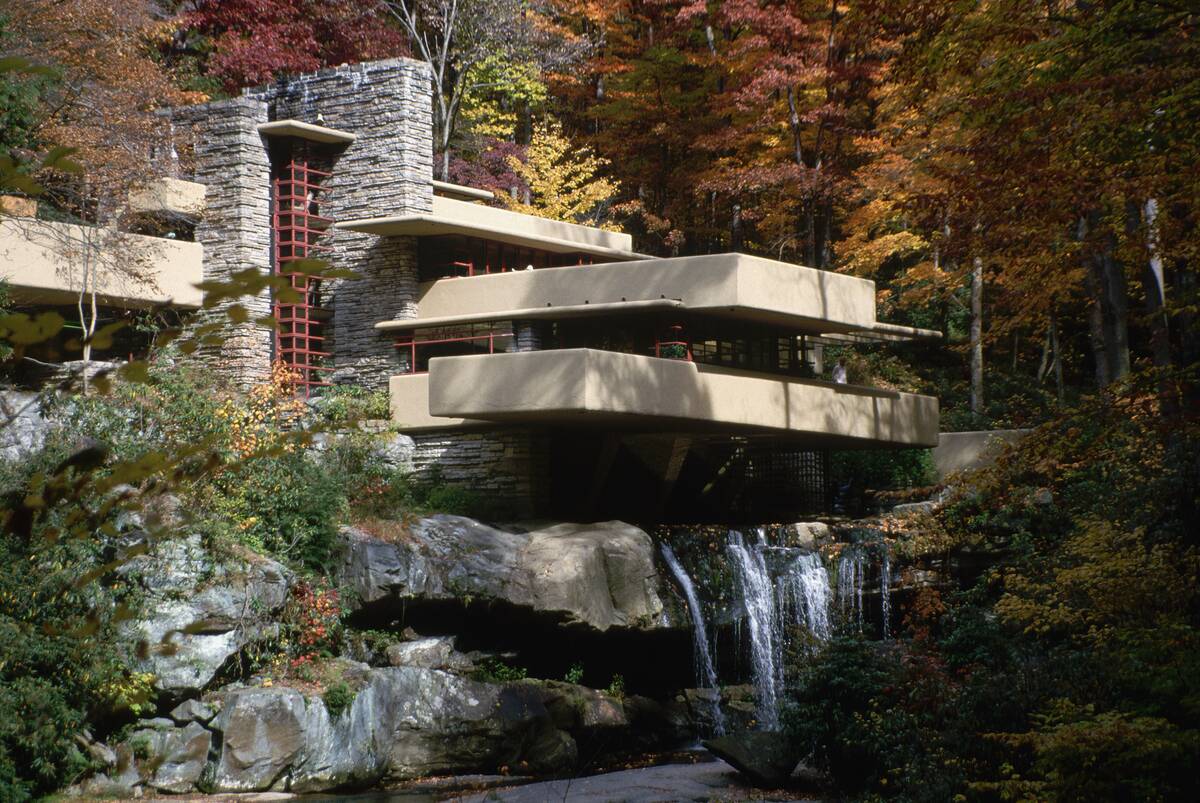
Organic architecture, championed by architects like Frank Lloyd Wright, sought harmony between human habitation and the natural world. With its flowing lines and integration with the landscape, the style aimed to create buildings that were both functional and aesthetically pleasing.
However, the labor-intensive nature of Organic architecture limited its widespread adoption. Today, while some iconic examples endure, the style’s influence is often overshadowed by more conventional architectural approaches.




