People who did things thought to be impossible
History is filled with individuals who have defied expectations and achieved feats once thought impossible. These pioneers not only broke barriers but also inspired generations to dream bigger.
Their stories remind us that with determination and innovation, the boundaries of human potential are limitless. From the skies to the seas, and even to the stars, these figures have left indelible marks on the world.
The Wright Brothers: Soaring Beyond Imagination
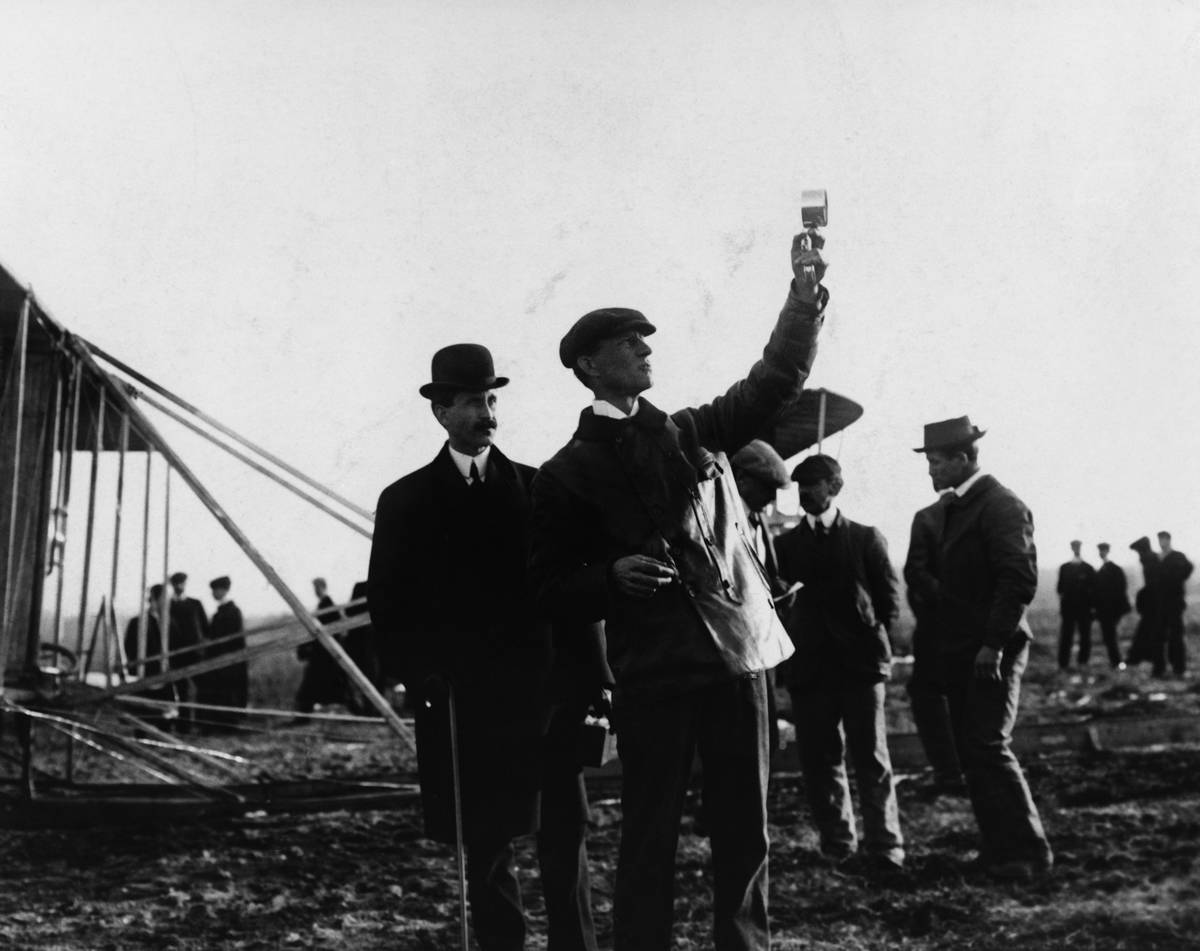
In 1903, Orville and Wilbur Wright achieved the first successful controlled, powered flight of a heavier-than-air aircraft near Kitty Hawk, North Carolina. The first flight lasted just 12 seconds and covered about 120 feet, but it marked a turning point in transportation history and helped launch the era of modern aviation.
The brothers, who operated a bicycle shop in Dayton, Ohio, used their mechanical skills and careful experiments to design and improve their flying machines. Their perseverance and innovation changed the course of human transportation and proved that powered flight was possible.
Edmund Hillary and Tenzing Norgay: Conquering the Roof of the World
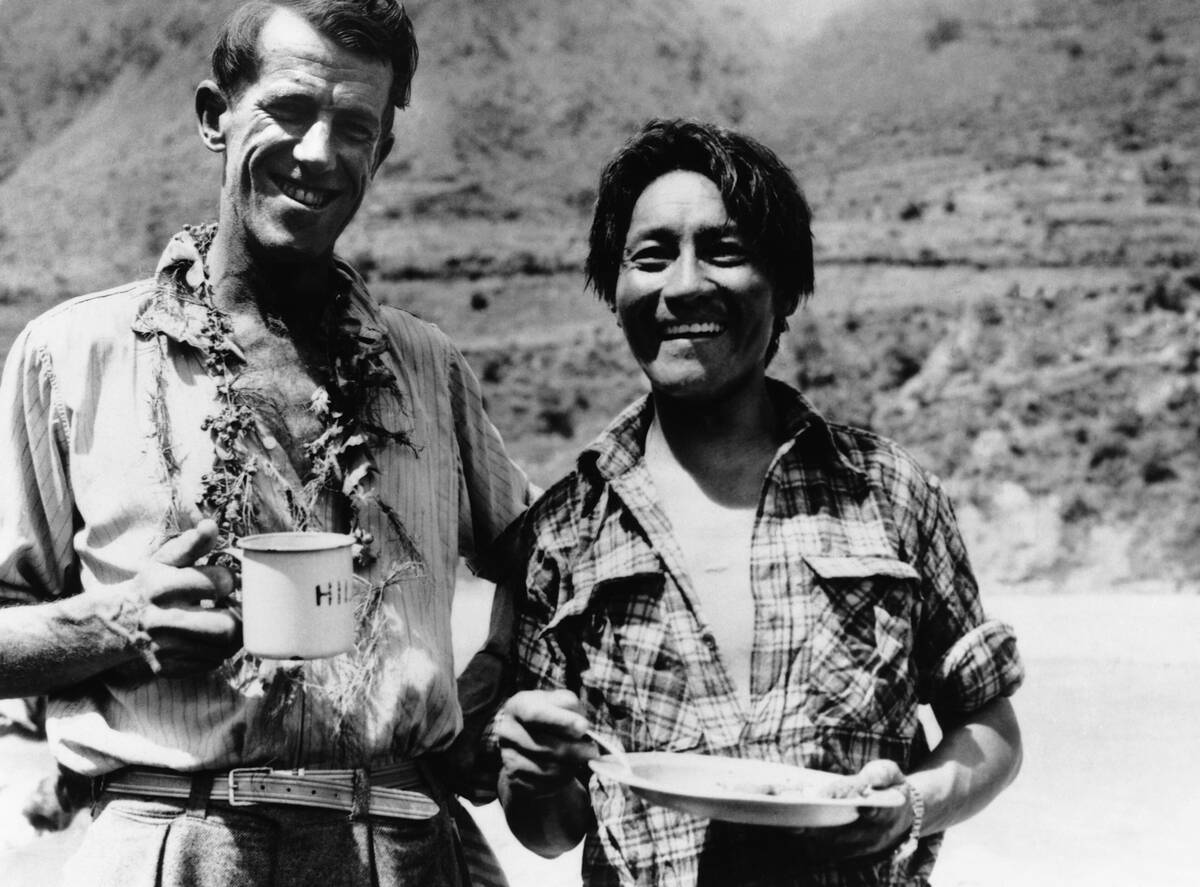
On May 29, 1953, Edmund Hillary and Tenzing Norgay became the first confirmed climbers to reach the summit of Mount Everest. Their historic achievement was made possible through careful planning, teamwork, and the combined efforts of the 1953 British Mount Everest expedition.
Facing extreme altitude, freezing temperatures, and dangerous Himalayan conditions, their successful ascent marked a defining moment in mountaineering history. Their legacy continues to inspire adventurers around the world to explore and overcome some of nature’s greatest challenges.
Roger Bannister: Breaking the Four-Minute Mile Barrier
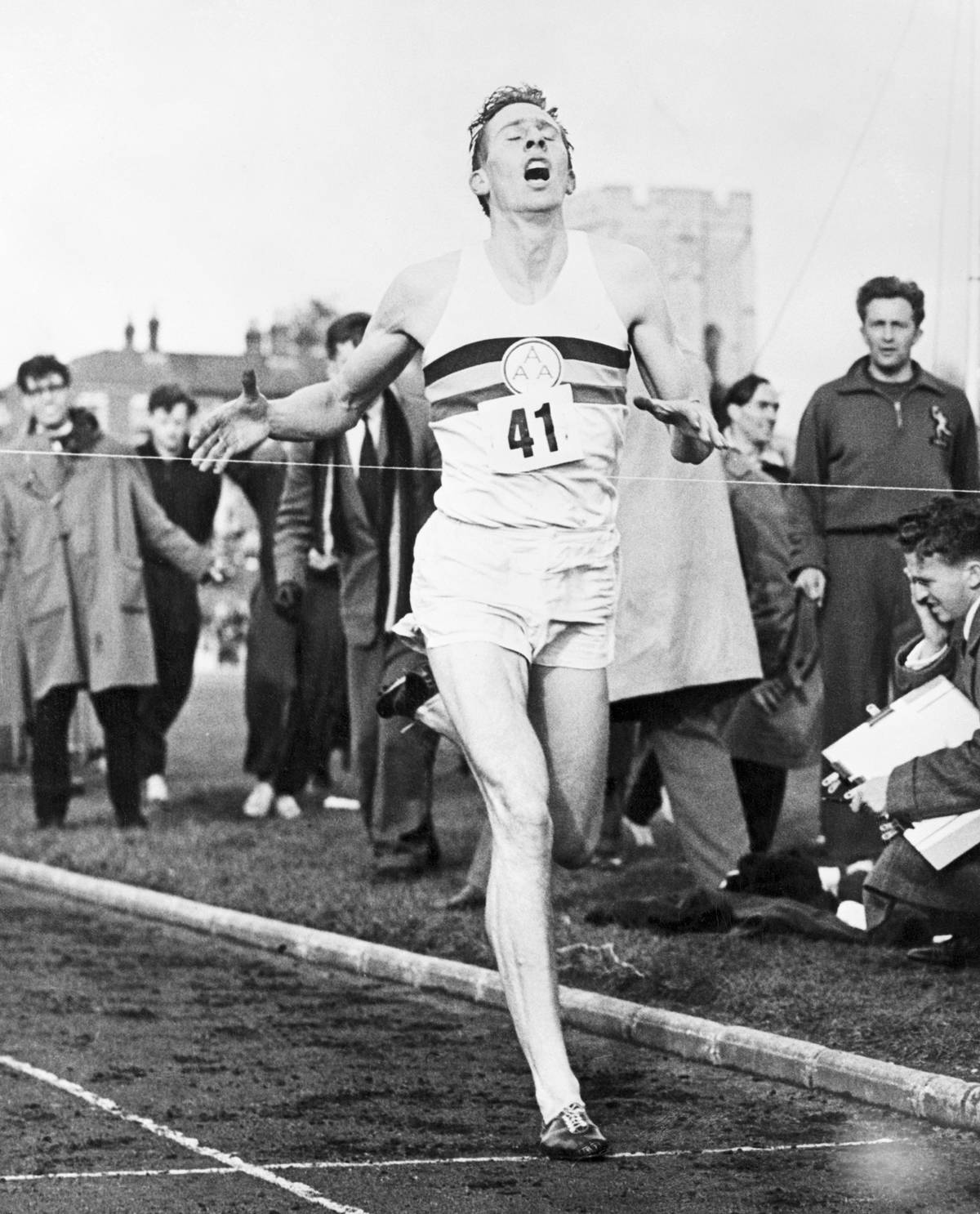
On May 6, 1954, Roger Bannister became the first person to run a mile in under four minutes, clocking in at 3:59.4. This historic run took place at Oxford’s Iffley Road Track and shattered a psychological barrier in athletics.
Bannister, a medical student at the time, balanced his training with his studies, proving that dedication and focus can lead to groundbreaking achievements.
Marie Curie: Pioneering the World of Radioactivity
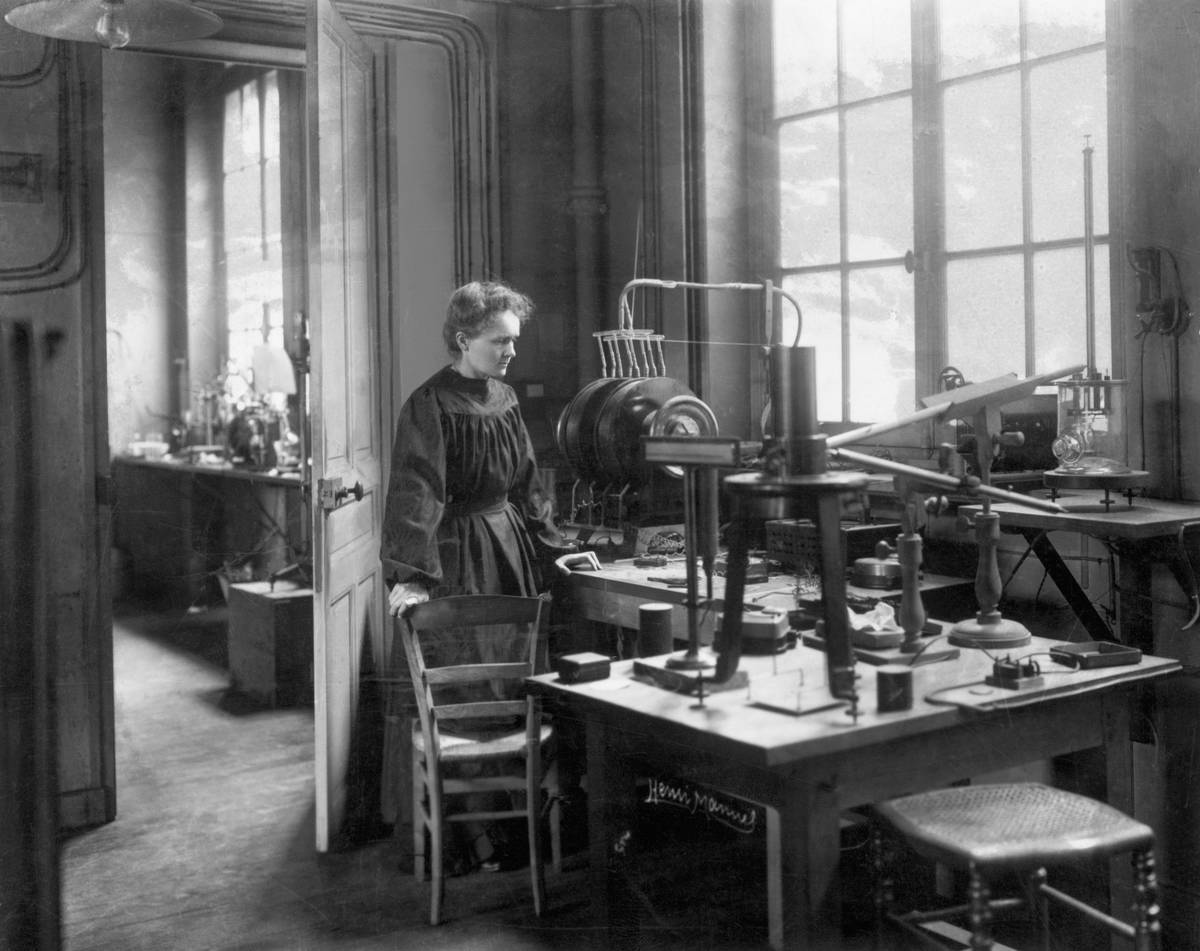
Marie Curie was a trailblazer in the study of radioactivity, becoming the first woman to win a Nobel Prize and the only person to receive Nobel Prizes in two different scientific fields. Her research, including the discovery of the elements polonium and radium with Pierre Curie, transformed scientific understanding of radioactive materials and contributed to advances in medical treatments.
Curie’s dedication to research and her groundbreaking discoveries had a lasting impact on physics, chemistry, and the development of nuclear science.
Chuck Yeager: Shattering the Sound Barrier
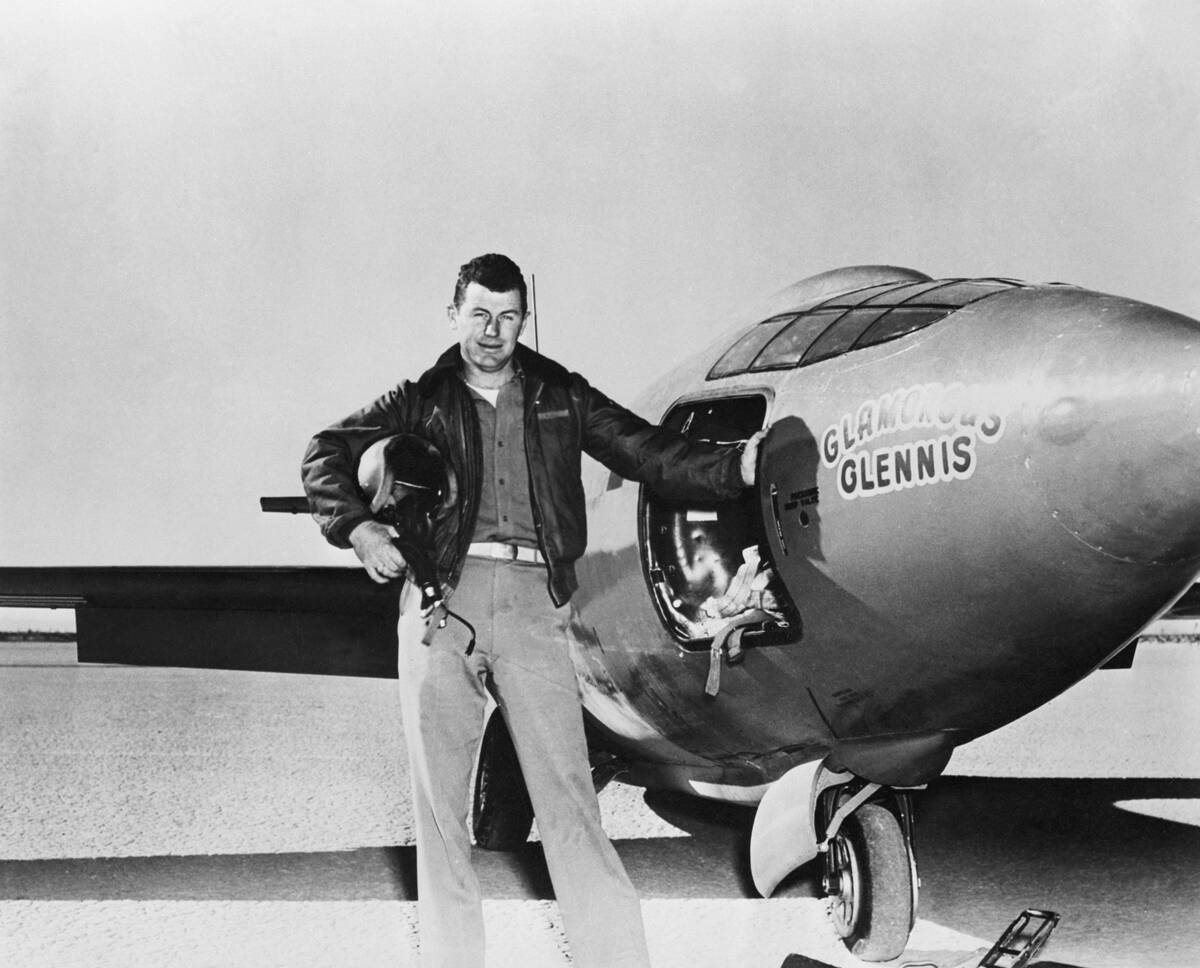
On October 14, 1947, Chuck Yeager became the first pilot to break the sound barrier, flying the Bell X-1 at Mach 1.06. This daring feat took place over the Mojave Desert and marked a significant milestone in aviation history.
Yeager’s courage and skill pushed the boundaries of flight, paving the way for supersonic travel and advancing aerospace technology.
Amelia Earhart: Flying Solo Across the Atlantic
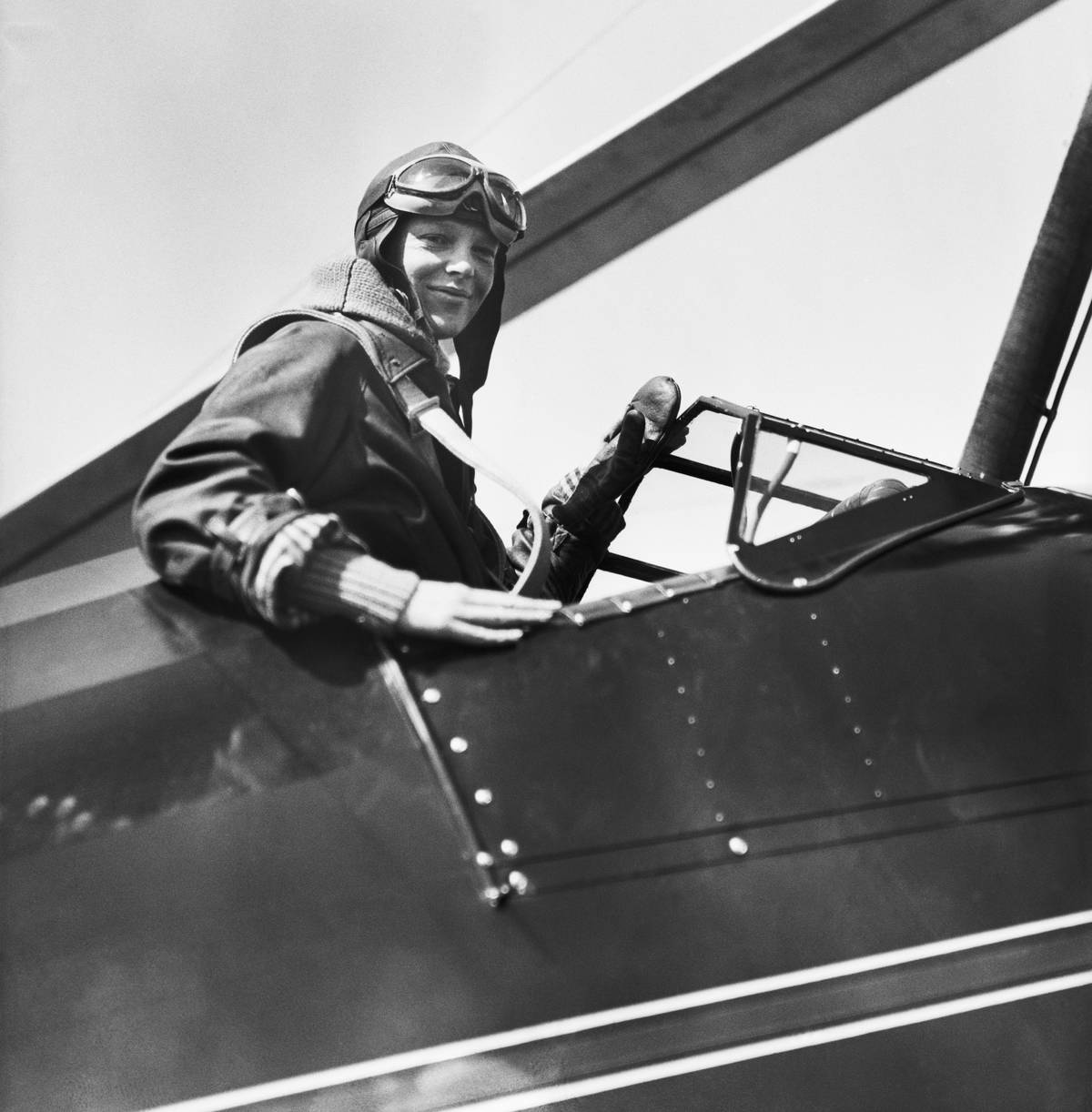
In 1932, Amelia Earhart became the first woman to fly solo nonstop across the Atlantic Ocean. Her historic journey from Newfoundland to Northern Ireland lasted nearly 15 hours and challenged her with difficult weather conditions and mechanical issues.
Earhart’s courage, determination, and achievements made her a symbol of women’s empowerment and a pioneer in aviation. Her legacy continues to inspire aviators, explorers, and adventurers around the world.
Elon Musk: Revolutionizing Space Travel with SpaceX

Elon Musk’s SpaceX has transformed modern space exploration with innovations such as the reusable Falcon 9 rocket. Founded in 2002, SpaceX became the first commercial company to deliver cargo to the International Space Station in 2012 through NASA’s Commercial Orbital Transportation Services program.
Musk’s vision of reducing launch costs and eventually enabling human exploration of Mars has helped renew public interest in space, while SpaceX’s advances have played a major role in expanding the possibilities of commercial spaceflight.
Florence Nightingale: Transforming Healthcare
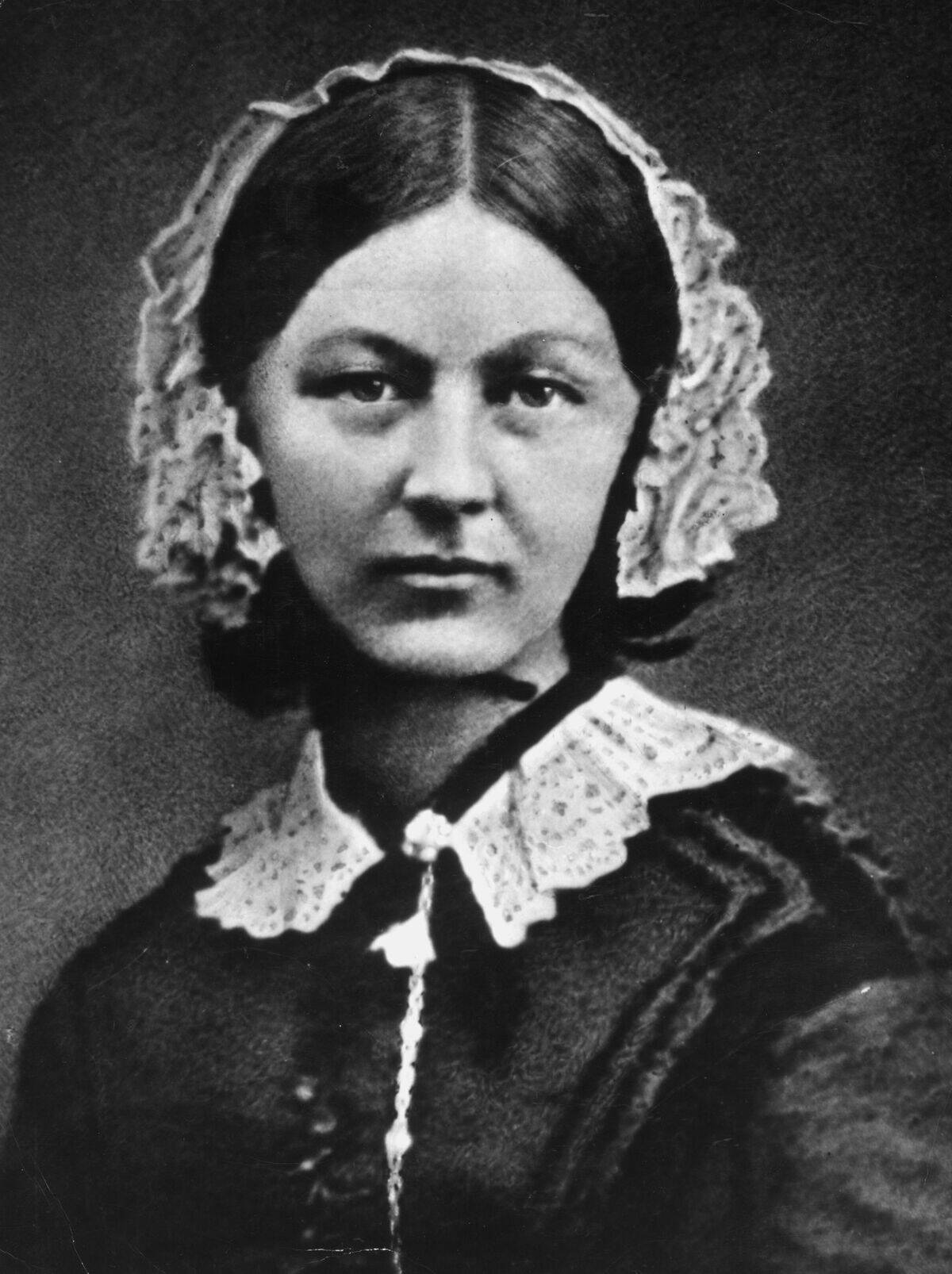
Florence Nightingale, known as “The Lady with the Lamp,” helped transform nursing during the Crimean War. She championed improved sanitation, hygiene, hospital organization, and patient care, contributing to major reforms in military healthcare.
Her pioneering efforts, including the creation of professional nursing education programs, helped establish modern nursing practices and inspired generations of healthcare workers around the world.
Helen Keller: Overcoming Deafblindness to Inspire Millions
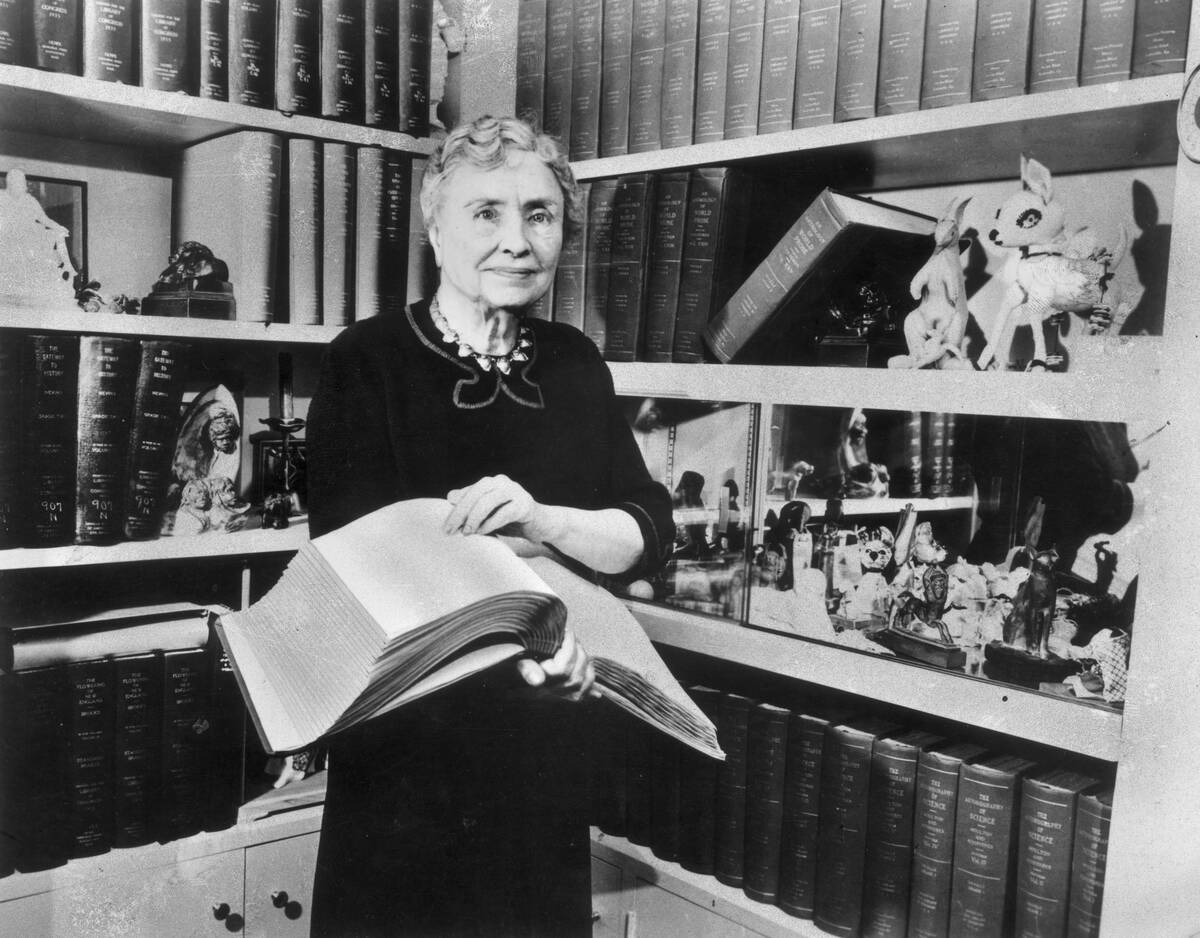
Despite becoming deaf and blind as a young child, Helen Keller became a renowned author, activist, and lecturer. With the guidance of her teacher Anne Sullivan, Keller learned to communicate through tactile sign language and later graduated from Radcliffe College in 1904, becoming the first deafblind person to earn a Bachelor of Arts degree.
Her lifelong advocacy for people with disabilities, education, and social causes continues to inspire people around the world and remains an important part of disability rights history.
Jackie Robinson: Breaking Baseball’s Color Barrier
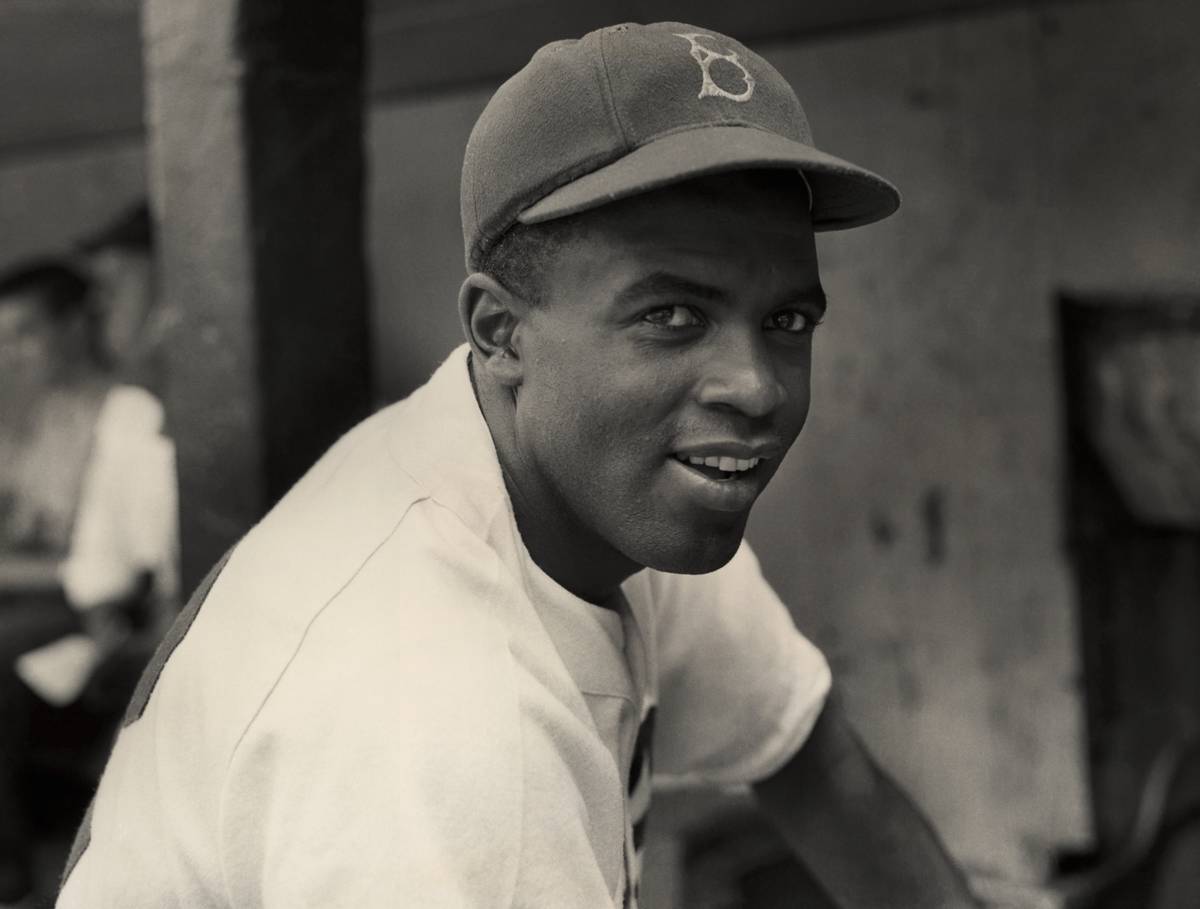
In 1947, Jackie Robinson made history by becoming the first African American player in Major League Baseball’s modern era. After joining the Brooklyn Dodgers, Robinson faced intense racial discrimination but excelled on the field, earning the Rookie of the Year award in his debut season.
His courage, talent, and perseverance helped break baseball’s color barrier and made him an influential figure in the fight for racial equality, inspiring future generations both in sports and beyond.
Malala Yousafzai: Advocating for Girls’ Education Against All Odds

Malala Yousafzai, a Pakistani activist, survived a Taliban attack in 2012 after speaking out in support of girls’ education. Her courage and continued advocacy earned her the Nobel Peace Prize in 2014, making her the youngest Nobel Prize laureate in history at the age of 17.
Through her activism and the work of the Malala Fund, she has helped raise global awareness about the importance of education access for children, especially girls, around the world.
Usain Bolt: Redefining Speed in Athletics
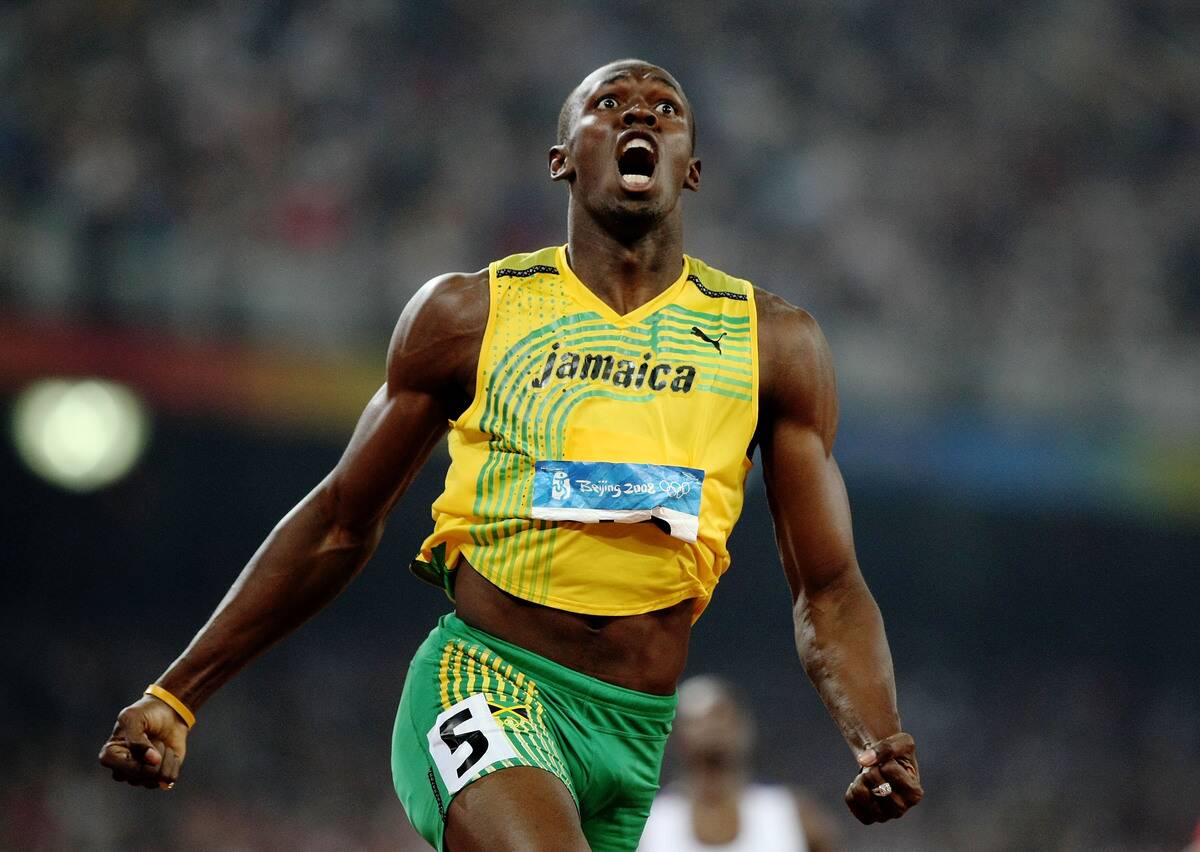
Usain Bolt, the Jamaican sprinter, is widely regarded as one of the greatest athletes in track and field history and is often called the fastest man in the world. He holds the men’s world records in the 100-meter and 200-meter sprints, both set during the 2009 World Championships in Berlin.
Bolt’s extraordinary speed, charismatic personality, and remarkable achievements have captivated audiences worldwide, cementing his legacy as a legend in athletics and inspiring future generations of sprinters.
Katherine Johnson: Calculating a Path to the Moon
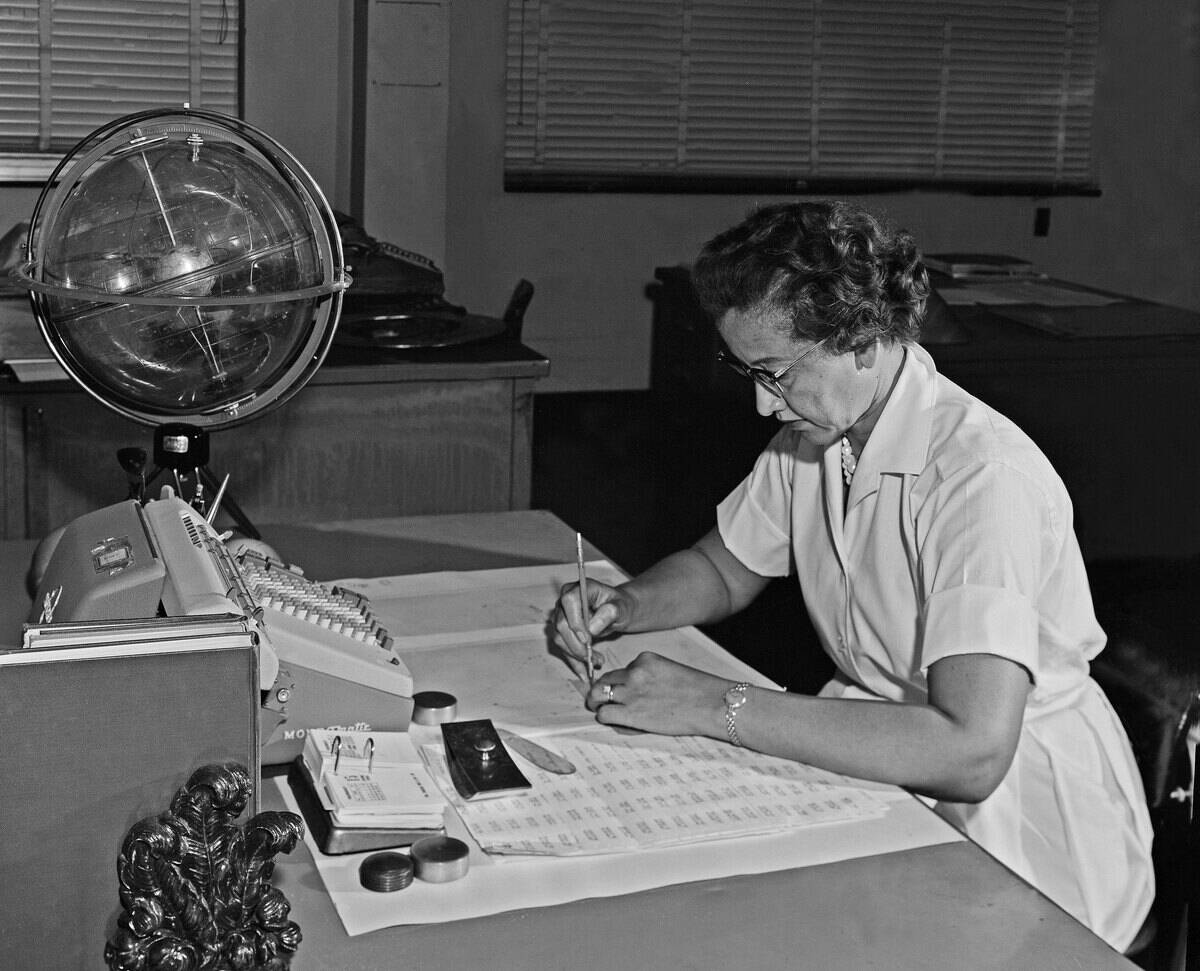
Katherine Johnson, a mathematician at NASA, made important contributions to the success of the U.S. space program through her precise calculations of spacecraft trajectories. Her work supported missions including Project Mercury and later Apollo missions, helping advance human space exploration.
Johnson broke both racial and gender barriers in STEM fields, and her story, highlighted in the film “Hidden Figures,” continues to inspire women and minorities pursuing careers in science, technology, engineering, and mathematics.
Stephen Hawking: Unlocking the Mysteries of the Universe
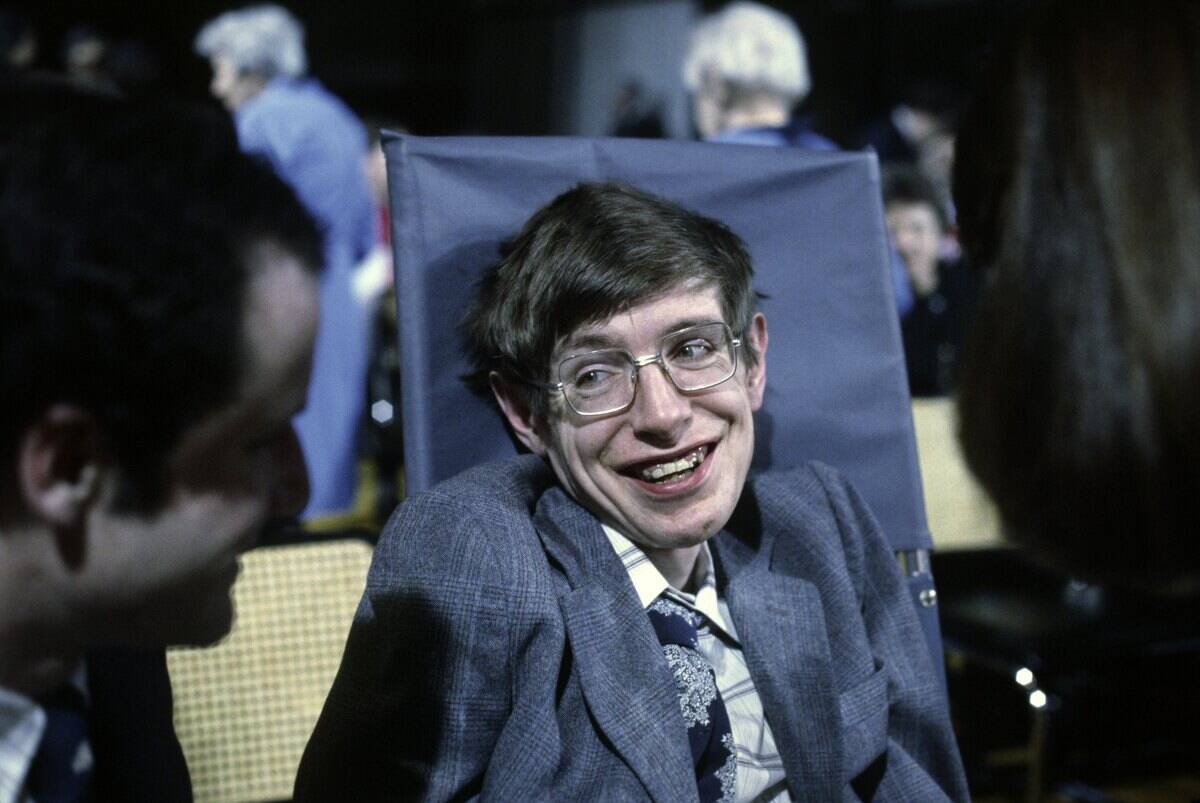
Stephen Hawking, a renowned theoretical physicist, made groundbreaking contributions to our understanding of black holes and cosmology, including his theory that black holes can emit radiation. Despite being diagnosed with a motor neuron disease related to ALS at age 21, Hawking continued his research and became the author of the bestselling book “A Brief History of Time.”
His scientific achievements, curiosity about the universe, and perseverance in the face of adversity have inspired generations to explore the mysteries of space and physics.
Rosa Parks: Standing Up by Sitting Down
![[redacted]](https://media.tellmebest.com/wp-content/uploads/2023/10/rosa-parks-97954.jpeg)
On December 1, 1955, Rosa Parks was arrested after refusing to give up her seat to a white passenger on a segregated bus in Montgomery, Alabama. Her arrest helped spark the Montgomery Bus Boycott, a major protest against racial segregation that became an important moment in the civil rights movement.
Parks, who was already an active member of the NAACP, became an enduring symbol of the struggle for racial equality and civil rights in America.
Reinhold Messner: Climbing Everest Without Supplemental Oxygen
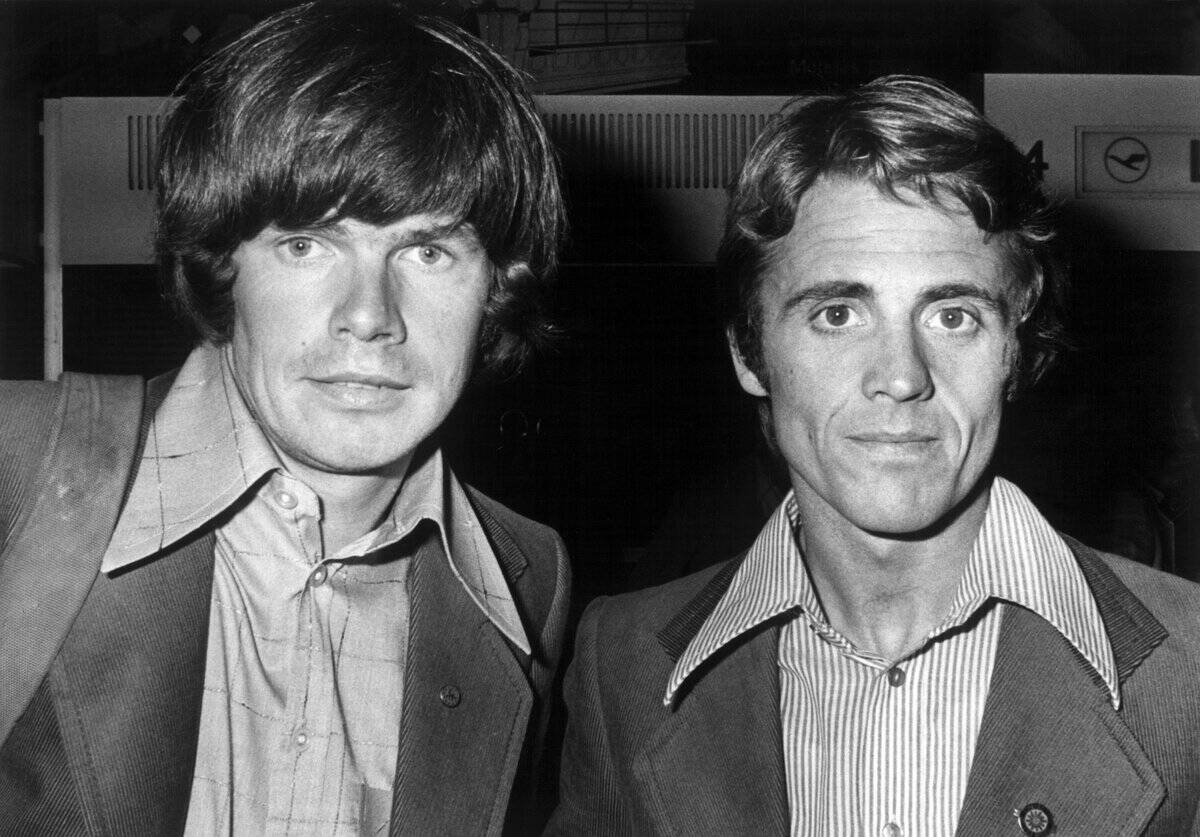
In 1978, Reinhold Messner and Peter Habeler became the first climbers to reach the summit of Mount Everest without using supplemental oxygen. Their groundbreaking achievement challenged assumptions about human survival at extreme altitudes and demonstrated the possibilities of climbing under more demanding conditions.
Messner’s accomplishments helped redefine the limits of high-altitude mountaineering and influenced future generations of climbers who pursued lighter, more independent approaches to major ascents.