Common foods that were once considered medicine
Throughout history, food has been more than just sustenance; it has also served as a form of medicine. Ancient civilizations, from the Egyptians to the Greeks, utilized various foods to treat ailments and promote health.
Hippocrates, often called the father of medicine, famously said, “Let food be thy medicine and medicine be thy food.” This philosophy has transcended time, influencing how we view the healing properties of food today.
Turmeric
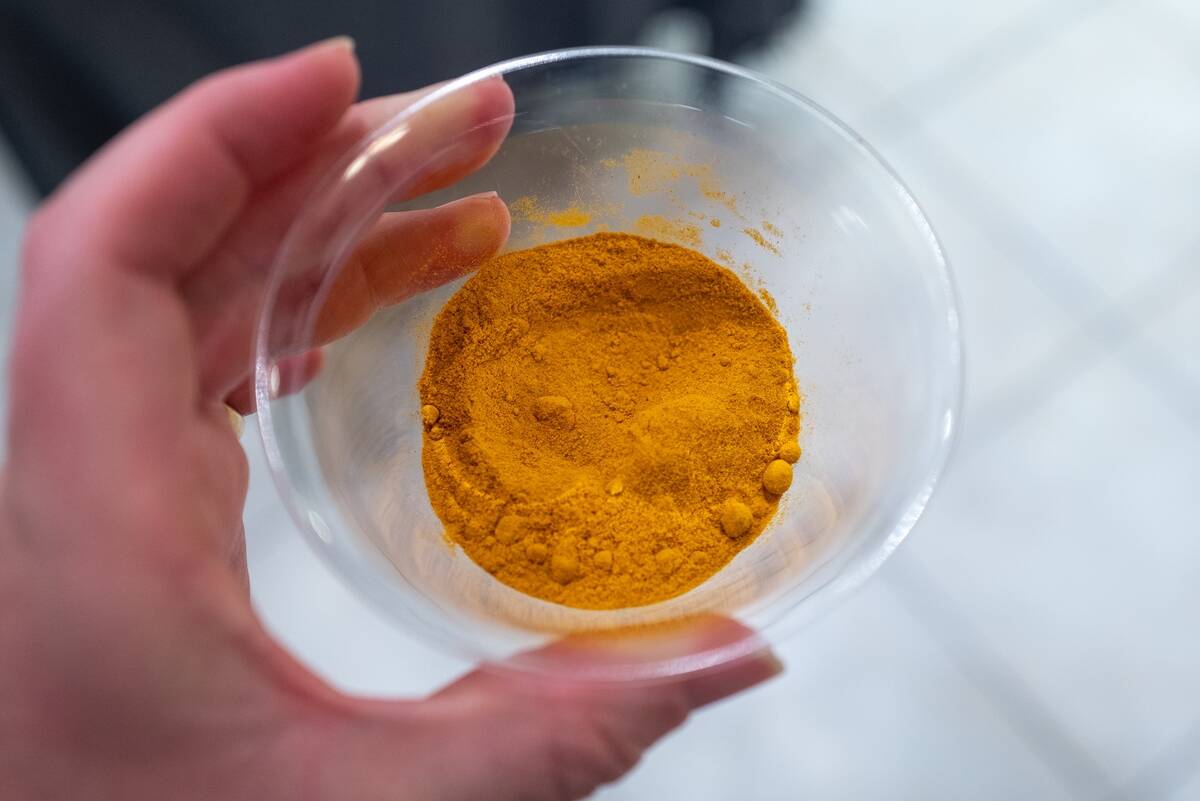
Turmeric, a staple in Ayurvedic medicine, has been used for centuries to treat various ailments. Curcumin, its active compound, is known for its anti-inflammatory and antioxidant properties.
Research suggests turmeric may help manage conditions like arthritis and heart disease. Its vibrant color and earthy flavor make it a popular ingredient in curries and teas, bridging the gap between traditional medicine and modern cooking.
Onions
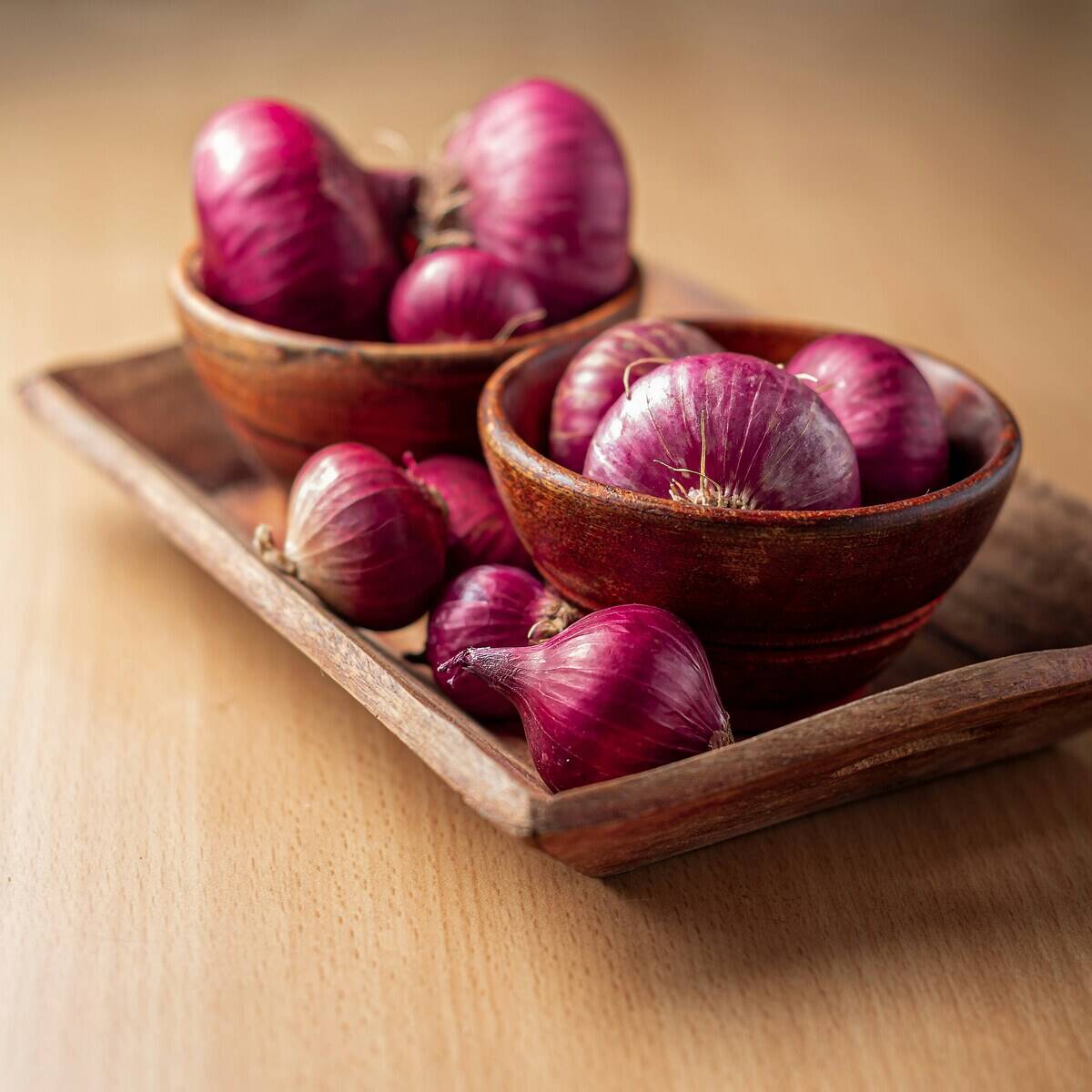
Onions have been used for their medicinal properties since ancient times, known for their ability to boost immunity and reduce inflammation. Rich in quercetin, a powerful antioxidant, onions may help lower blood pressure and improve heart health.
Their pungent flavor adds depth to a variety of dishes, from soups to salads. Onions’ dual role as a food and a medicine highlights their enduring appeal.
Chocolate

Chocolate’s journey from medicinal elixir to sweet indulgence is fascinating. The Aztecs and Mayans revered cacao as a gift from the gods, using it to treat fatigue and improve mood.
Modern studies have found that dark chocolate, rich in flavonoids, may improve heart health and boost brain function. While it’s now a popular treat, its roots in traditional medicine remind us of its potential health benefits.
Mustard

Mustard seeds have been used for their medicinal properties since ancient times, valued for their ability to stimulate appetite and aid digestion. Rich in selenium and magnesium, mustard may also help reduce inflammation and lower blood pressure.
Its pungent flavor makes it a popular condiment, enhancing the taste of sandwiches, salads, and more. Mustard’s dual role as a spice and a medicine is a testament to its versatility.
Garlic
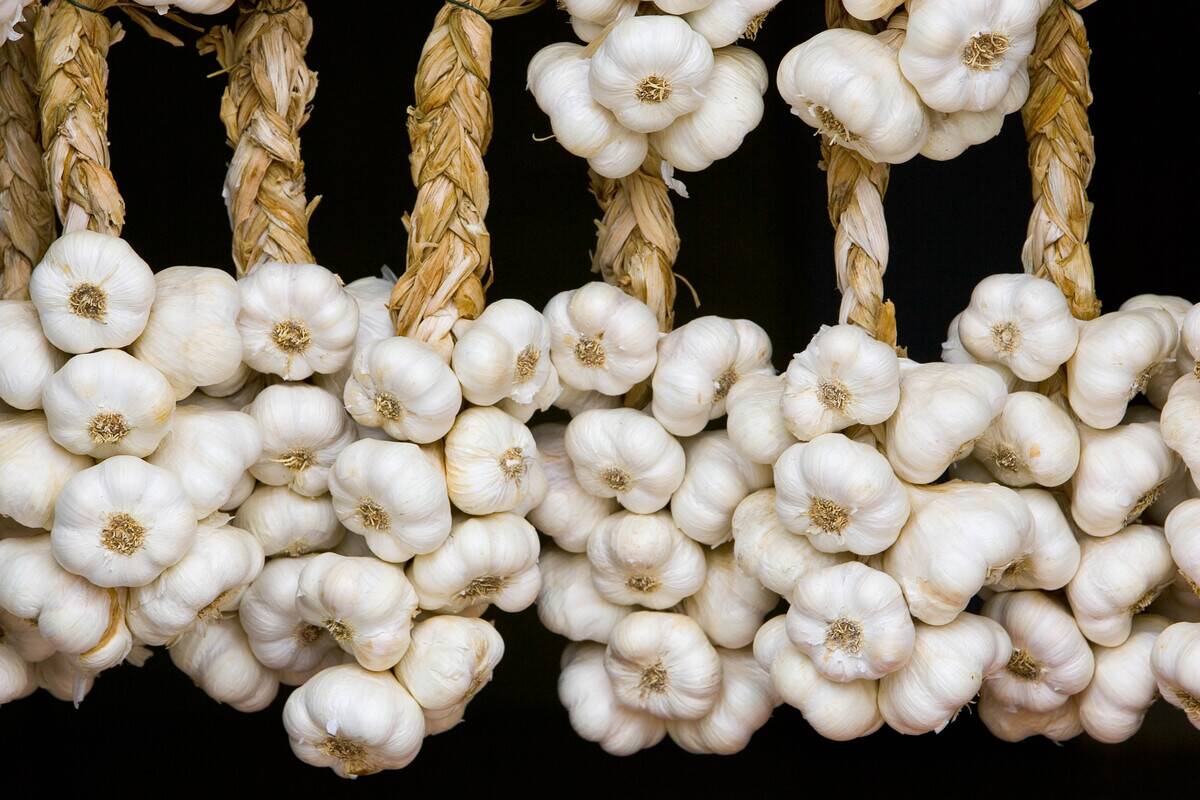
Garlic has been revered for its medicinal properties for thousands of years. Ancient Egyptians used it to boost strength and endurance, while Hippocrates prescribed it for respiratory issues.
Today, garlic is known for its potential to lower blood pressure and cholesterol levels, thanks to its active compound, allicin. Beyond its health benefits, garlic is a beloved ingredient in kitchens worldwide, adding a robust flavor to countless dishes.
Yogurt

Yogurt’s probiotic properties have been recognized since ancient times, with its origins tracing back to Central Asia. Rich in beneficial bacteria, yogurt supports digestive health and boosts the immune system.
It’s also a good source of calcium and protein, making it a nutritious addition to any diet. Whether enjoyed plain or with fruits and granola, yogurt continues to be a breakfast favorite with a healthy twist.
Coffee

Coffee’s origins as a medicinal brew date back to ancient Ethiopia, where it was used to boost energy and alertness. Today, coffee is a beloved morning ritual, with studies suggesting it may reduce the risk of certain diseases, such as Parkinson’s and Alzheimer’s.
Rich in antioxidants, coffee also enhances mood and cognitive function. Its journey from medicine to daily staple highlights its enduring appeal.
Cinnamon

Cinnamon’s history as a medicinal spice dates back to ancient Egypt, where it was valued for its health benefits. Rich in antioxidants, cinnamon has been shown to reduce inflammation and lower blood sugar levels.
Its antimicrobial properties make it a natural preservative, while its warm, sweet flavor enhances both sweet and savory dishes. Cinnamon’s dual role as a spice and a medicine continues to be celebrated today.
Olive Oil

Olive oil, often referred to as “liquid gold,” has been a staple of the Mediterranean diet for centuries. Rich in monounsaturated fats and antioxidants, it is known to promote heart health and reduce inflammation.
Studies suggest that olive oil may also lower the risk of chronic diseases, such as diabetes and cancer. Its smooth, fruity flavor enhances salads, pastas, and countless other dishes.
Lemon

Lemons have been valued for their medicinal properties since ancient times. Rich in vitamin C, lemons boost the immune system and improve skin health. Their antibacterial and antiviral properties make them a natural remedy for sore throats and colds.
Beyond their health benefits, lemons add a refreshing zest to beverages and dishes, making them a versatile fruit in both medicine and cuisine.
Ginger
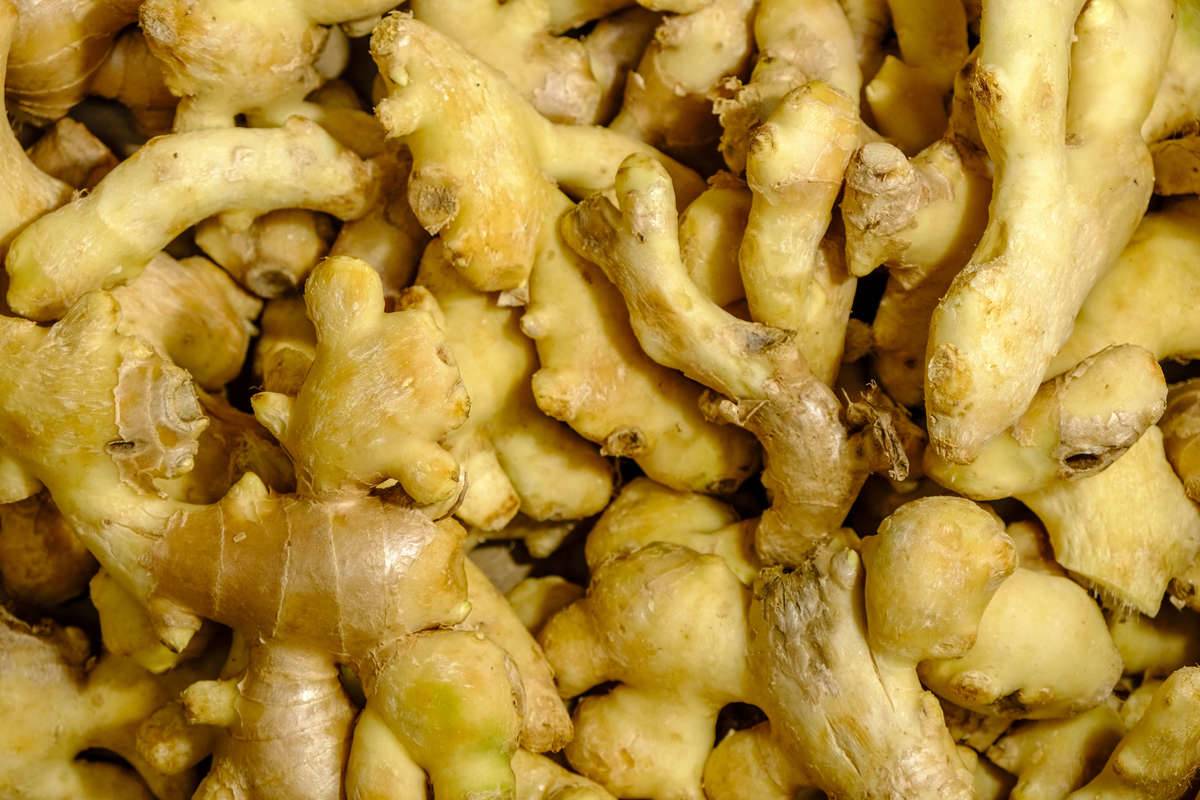
Ginger has long been celebrated for its medicinal properties, particularly in Asian and Indian cultures. Known for its ability to ease nausea and aid digestion, ginger contains gingerol, a compound with powerful anti-inflammatory and antioxidant effects.
It’s also commonly used to relieve muscle pain and soreness. Whether in teas, soups, or stir-fries, ginger adds a zesty kick while offering numerous health benefits.
Wine

Wine has been consumed for its health benefits since ancient times, with the Greeks and Romans using it as a medicinal tonic. Red wine, in particular, is rich in resveratrol, an antioxidant linked to heart health.
Moderate wine consumption has been associated with a reduced risk of cardiovascular disease. While it remains a popular social beverage, its historical use as a medicine adds to its allure.
Honey

Honey has been used as a natural remedy since ancient times, prized for its antibacterial and anti-inflammatory properties. The Egyptians used honey to treat wounds, a practice supported by modern research showing its effectiveness in promoting healing.
Rich in antioxidants, honey also soothes sore throats and suppresses coughs. Its versatility extends beyond medicine, as it sweetens everything from tea to desserts.
Vinegar
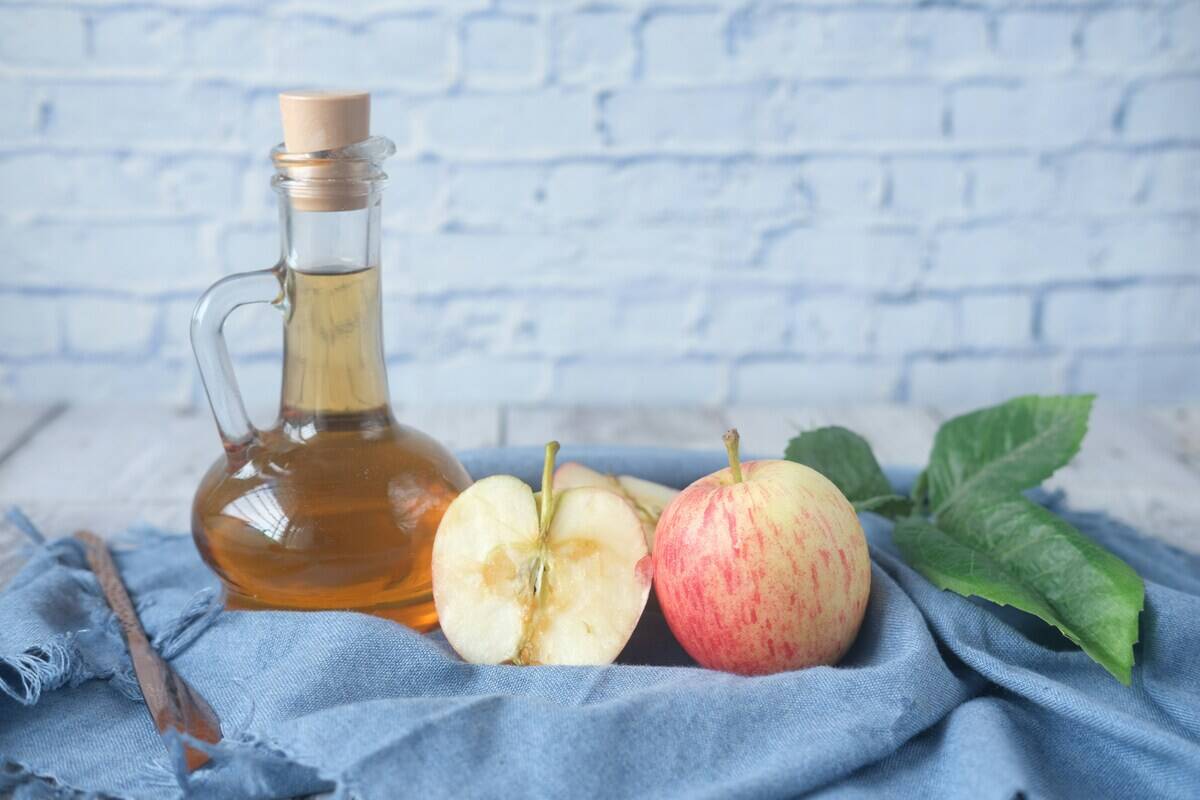
Vinegar’s use as a health tonic can be traced back to ancient civilizations, including the Babylonians and Romans. Apple cider vinegar, in particular, is touted for its potential to aid digestion and regulate blood sugar levels.
Its acidic nature makes it an effective preservative and cleaning agent. Beyond its health claims, vinegar adds tanginess to salads and marinades, making it a kitchen staple.
Apples

The saying “an apple a day keeps the doctor away” has roots in the 19th century, reflecting the fruit’s health benefits. Apples are rich in fiber and vitamin C, supporting heart health and aiding digestion.
Their antioxidants may also reduce the risk of chronic diseases, such as diabetes and cancer. With their crisp texture and sweet flavor, apples are a nutritious snack enjoyed by many.
Tea

Tea has a long history as a healing beverage, with its origins in ancient China. Known for its calming effects, tea contains antioxidants called catechins, which may improve heart health and aid in weight management.
c, in particular, is celebrated for its potential to enhance brain function and reduce cancer risk. Whether sipped hot or iced, tea remains a soothing and healthful drink worldwide.




