The most unusual machines ever built
Welcome to the fascinating realm of unusual machines, where creativity knows no bounds and imagination takes center stage. From mechanical marvels to whimsical contraptions, these machines offer a glimpse into the ingenuity and artistry of their creators.
Whether powered by wind, steam, or sheer inventiveness, each machine tells a unique story, blending art with engineering in ways that captivate and inspire.
The Strandbeests: A Mechanical Marvel
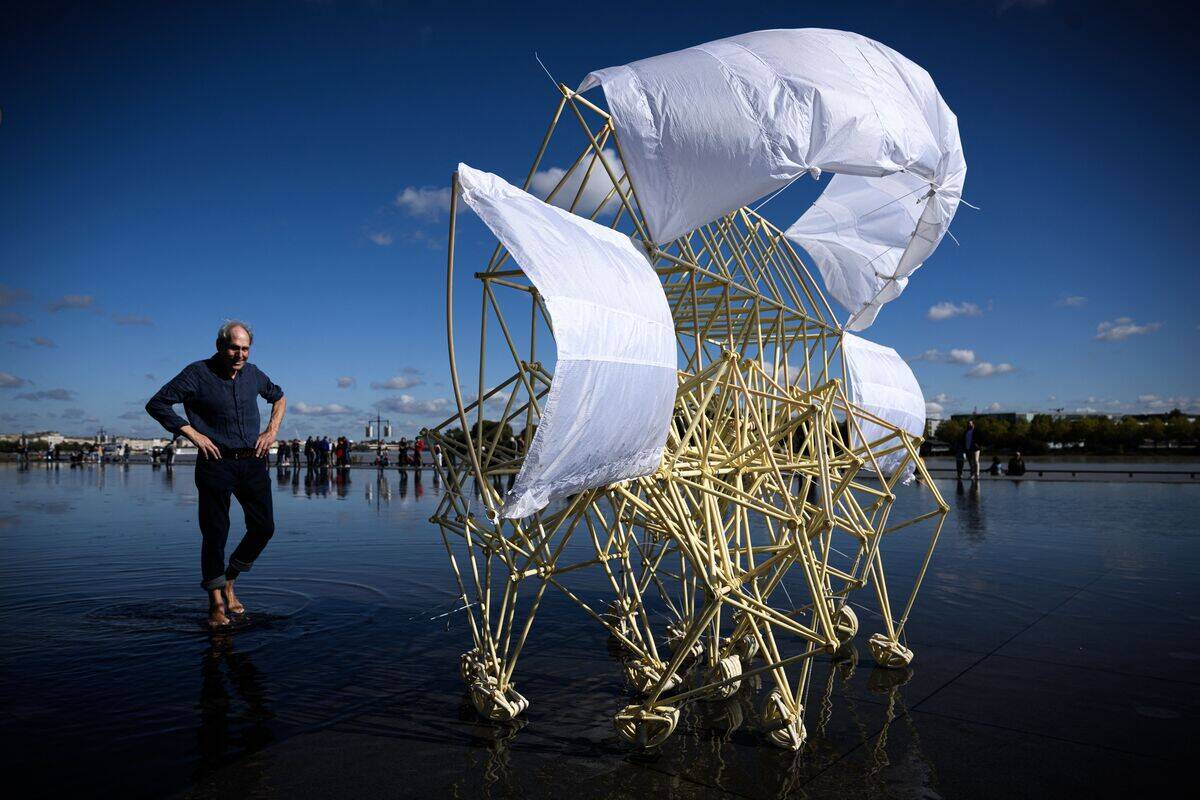
The Strandbeest, a colossal kinetic sculpture, is a testament to the wonders of engineering. Created by artist Theo Jansen, this machine is powered solely by the wind. With its intricate network of PVC pipes and sails, it strides across beaches, resembling a living creature.
Jansen’s vision was to create a new form of life, and the Walking Beast certainly brings that vision to life, mesmerizing onlookers with its graceful, mechanical movements.
The Giant Mechanical Spider of Nantes
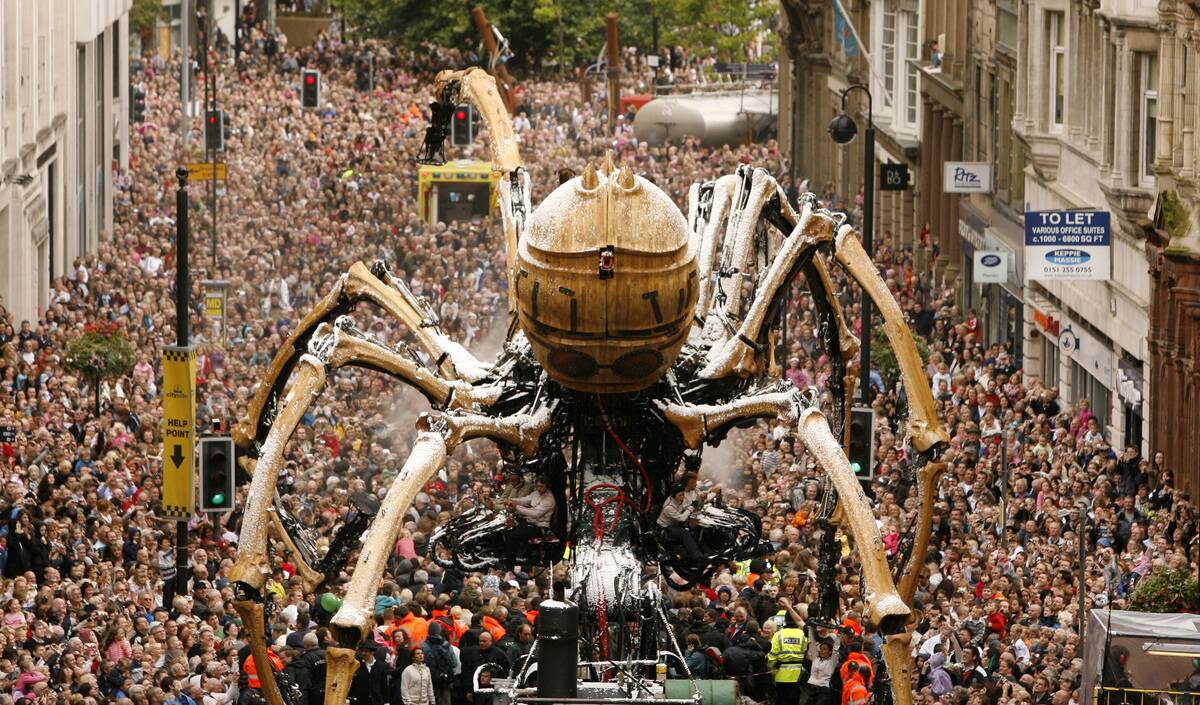
La Princesse is a 50-foot-tall mechanical spider created by the Nantes-based performance company La Machine. It famously roamed the streets of Liverpool in 2008 as part of the city’s European Capital of Culture celebrations and later appeared in Yokohama, Japan.
Operated by a team of performers, it could move its legs, spray water and interact theatrically with spectators. This awe-inspiring creation blends art and engineering, transforming the urban landscape into a playground of imagination.
The Steampunk Octopus: A Burning Man Spectacle
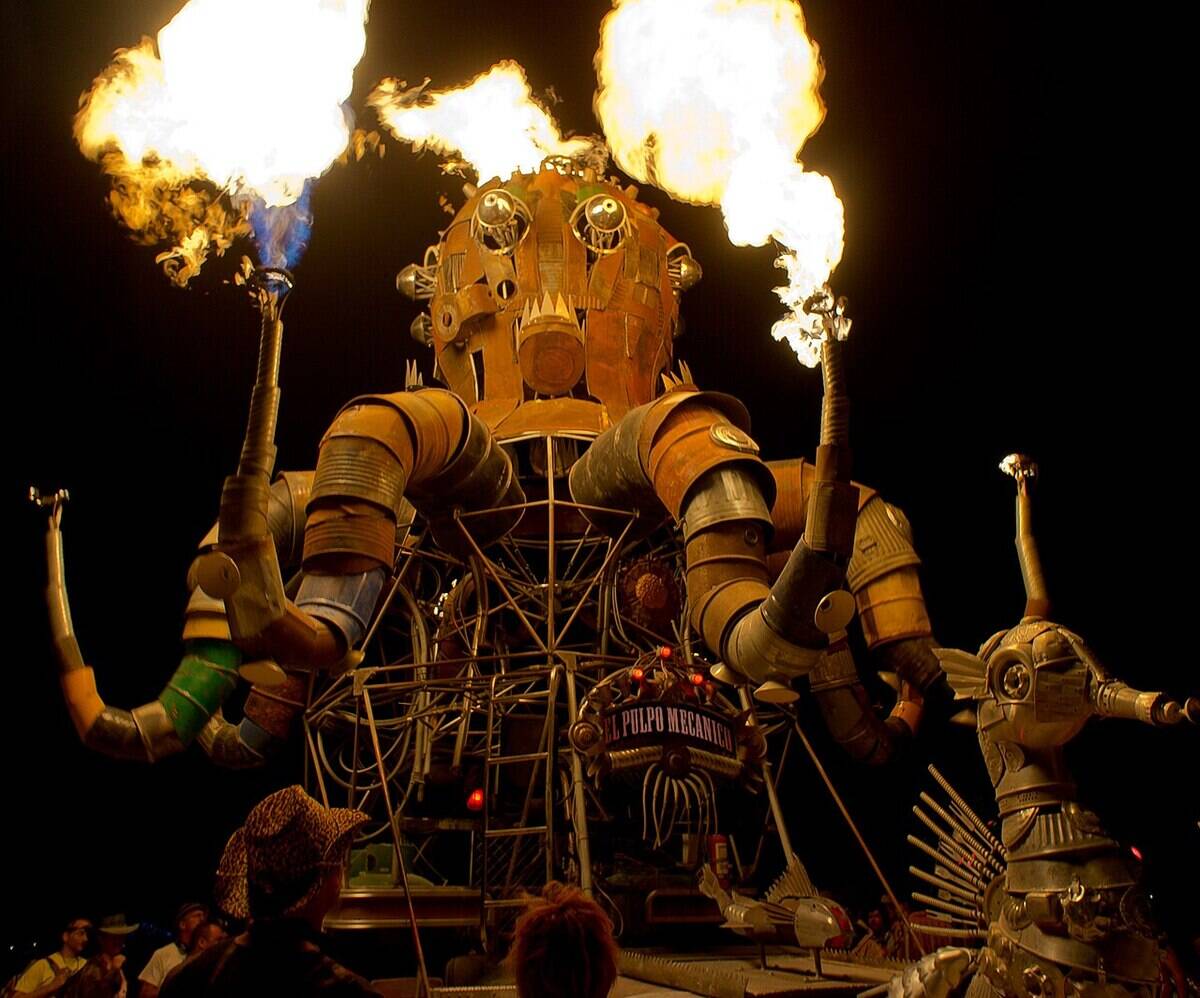
Every year at Burning Man, the Steampunk Octopus emerges as a fiery spectacle. This massive metal creature, known as El Pulpo Mecanico, is equipped with flame-throwing tentacles. Created by artist Duane Flatmo, it combines the aesthetics of steampunk with the thrill of pyrotechnics.
As the octopus roams the desert, it captivates festival-goers with its dazzling display of fire and steam, embodying the spirit of creativity and innovation.
The Mysterious Antikythera Mechanism
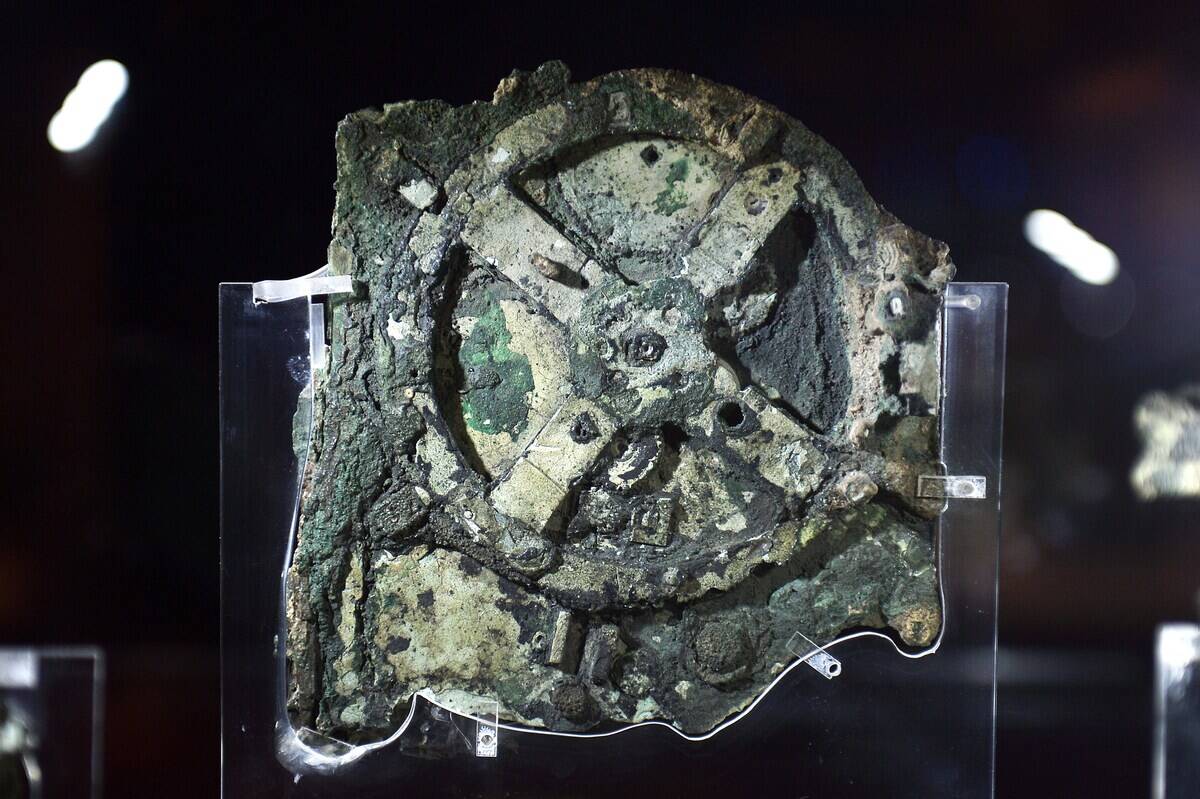
The Antikythera Mechanism, discovered in a shipwreck off the coast of Greece, is an ancient marvel of engineering. Dating back to around 100 BC, this intricate device is believed to be an early analog computer used to predict astronomical positions and eclipses.
Its complex system of gears and dials has puzzled historians and scientists alike, offering a glimpse into the advanced technological capabilities of the ancient world. The Antikythera Mechanism remains one of history’s greatest enigmas.
The Enigmatic Orchestrion: A Self-Playing Orchestra
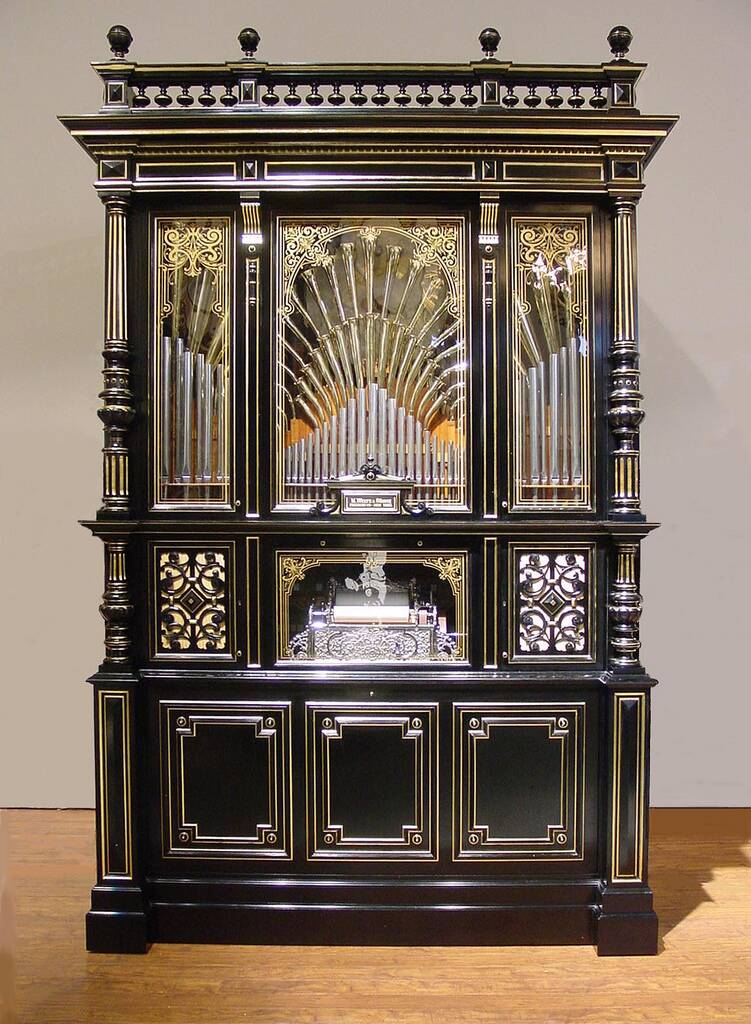
Orchestrions were automatic musical machines designed to imitate an orchestra or band using combinations of organ pipes, pianos, drums, cymbals, and other instruments. Popular during the late 19th and early 20th centuries, they were commonly installed in restaurants, hotels, dance halls, and other public venues.
Depending on the model and period, they were programmed using pinned cylinders, punched-card books, or perforated paper rolls. These machines are a testament to the ingenuity of their creators, blending music and mechanics in a harmonious dance.
The Unbelievable Strandbeest: Wind-Powered Creatures
Theo Jansen’s Strandbeests are wind-powered creatures that roam the beaches of the Netherlands. Made from lightweight materials like PVC pipes, these kinetic sculptures harness the power of the wind to move gracefully across the sand.
Jansen’s vision was to create a new form of life, and the Strandbeests certainly embody that vision, with their lifelike movements and intricate designs. These mesmerizing creations blur the line between art and engineering, capturing the imagination of all who encounter them.
The Bizarre Rube Goldberg Machines
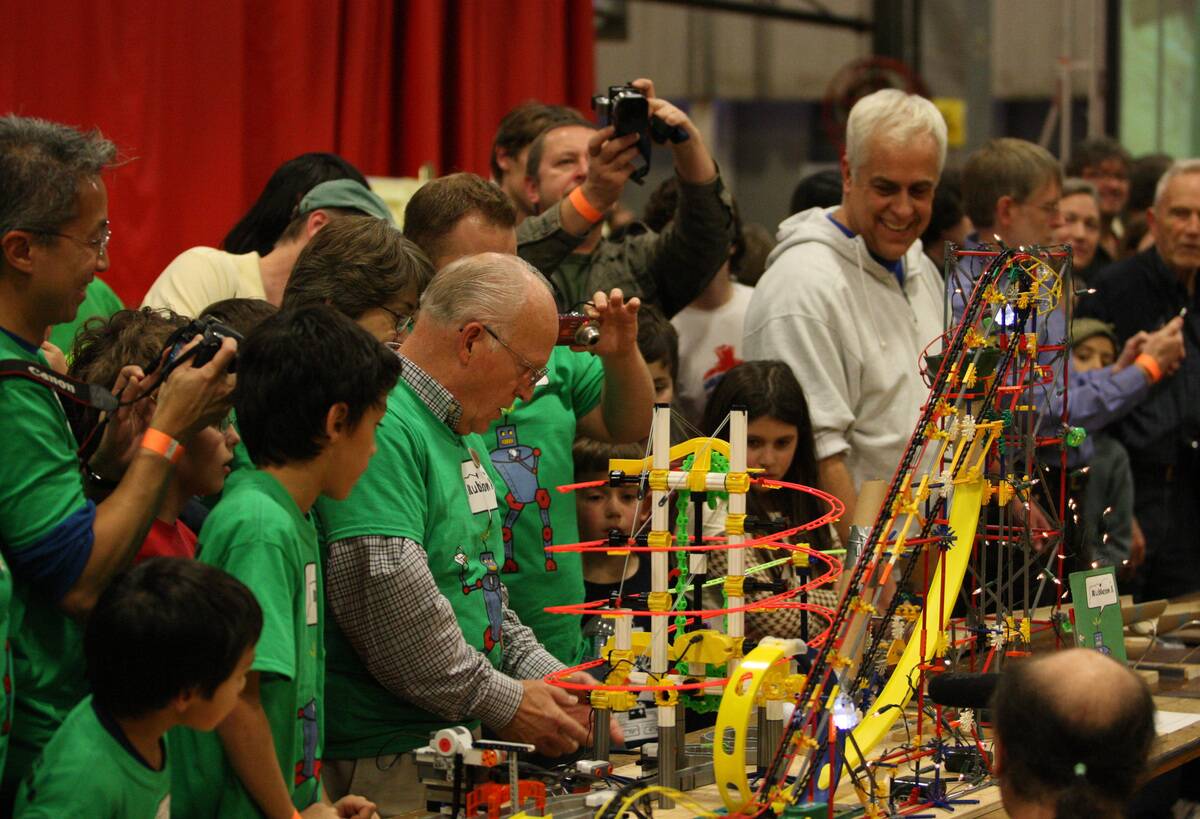
Rube Goldberg machines are the epitome of whimsical complexity. Named after the American cartoonist known for his illustrations of overly complicated contraptions, these machines perform simple tasks in the most convoluted ways imaginable.
From setting off a chain reaction of events to achieving a mundane goal, Rube Goldberg machines are a celebration of creativity and humor. They challenge our perception of efficiency, turning the mundane into a delightful spectacle of ingenuity.
The Astonishing Mechanical Elephant
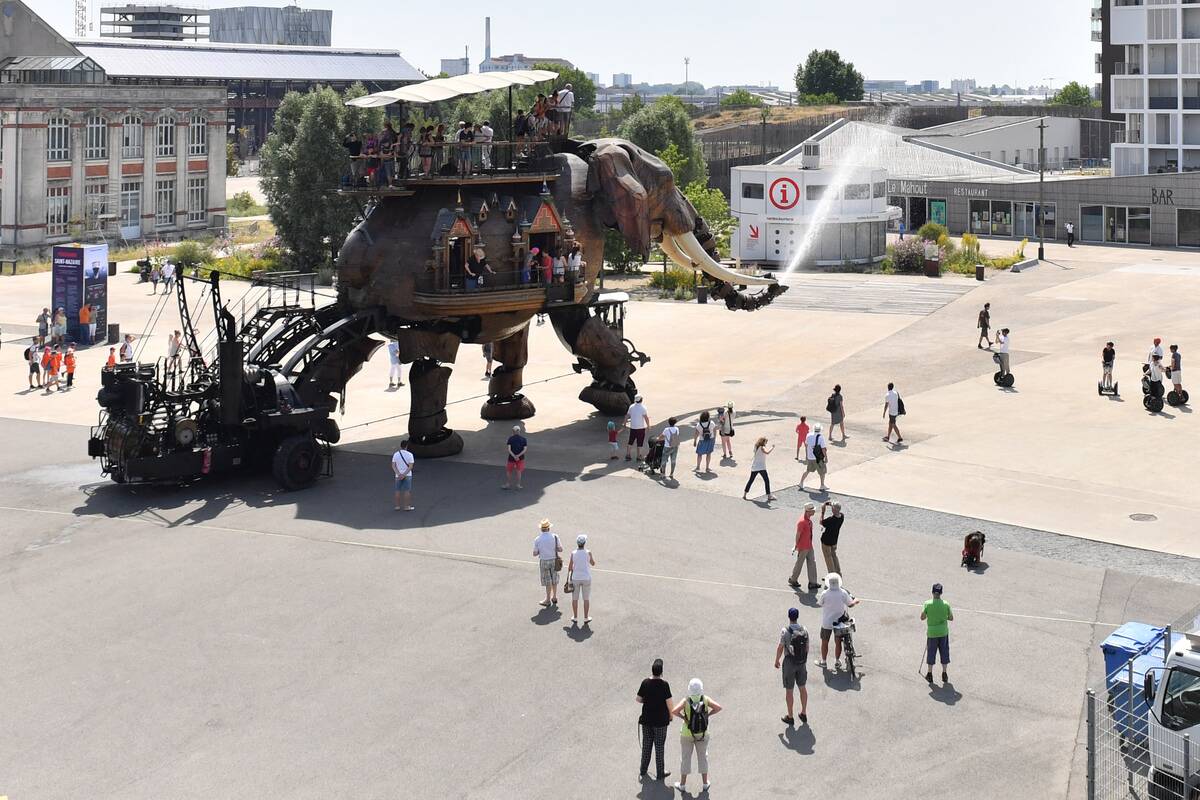
The Mechanical Elephant of Nantes is a marvel of engineering and artistry. Part of the Machines of the Isle of Nantes project, this 40-foot-tall creature can carry up to 50 passengers on its back.
With its intricate system of gears and hydraulics, the elephant moves with a lifelike grace, spraying water from its trunk and trumpeting to the delight of onlookers. This mechanical wonder transforms the urban landscape into a fantastical world of imagination and wonder.
The Intriguing Clockwork Universe Model
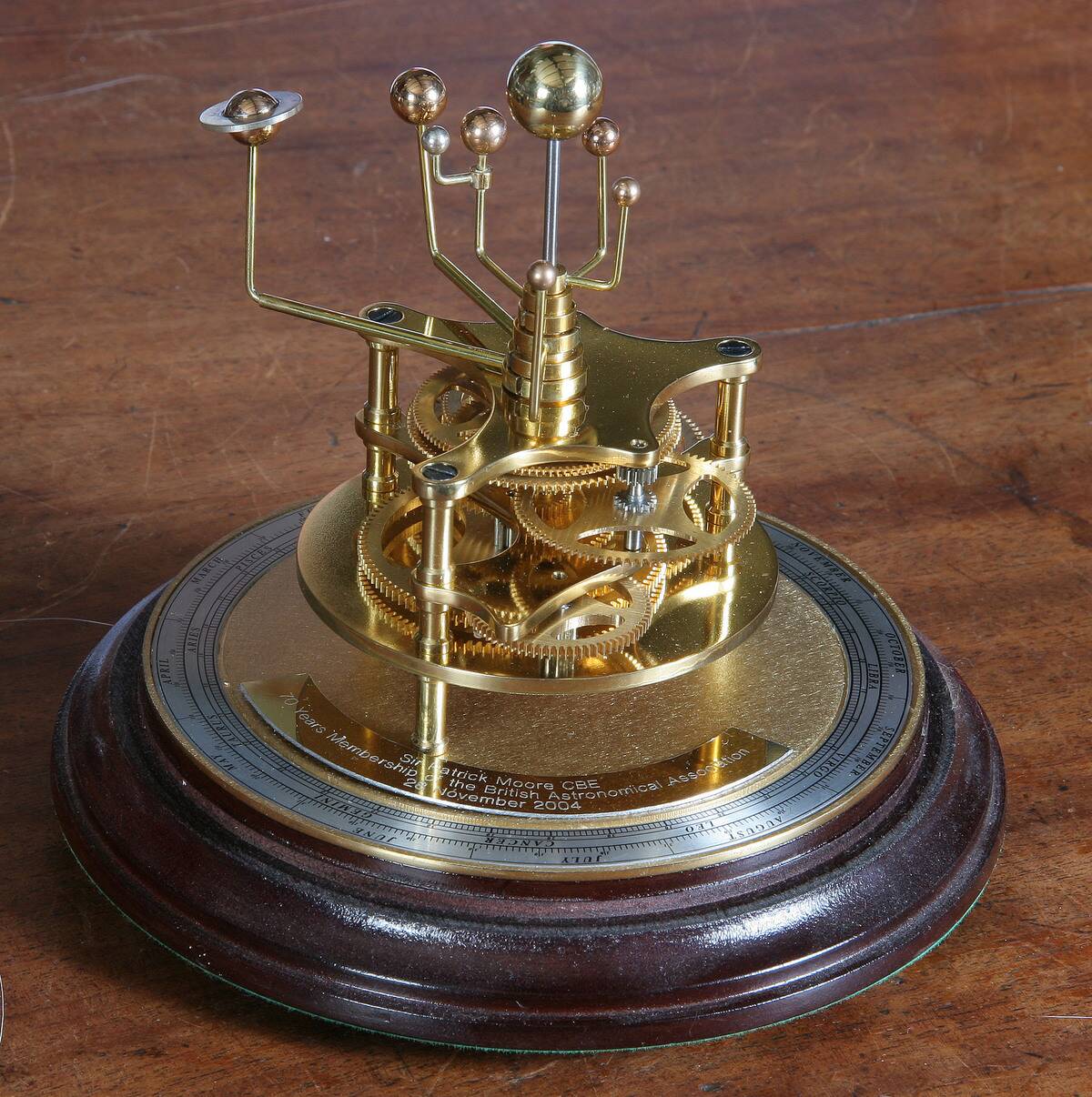
The Clockwork Universe Model, also known as an orrery, is a mechanical representation of the solar system. These intricate devices, popular in the 18th and 19th centuries, use a system of gears to simulate the motion of planets around the sun.
Orreries were used as educational tools, providing a tangible way to understand celestial mechanics. They are a testament to the curiosity and ingenuity of their creators, offering a glimpse into the wonders of the cosmos through the lens of mechanical artistry.
The Peculiar Automaton Dolls of the 18th Century

Automaton dolls of the 18th century were marvels of mechanical craftsmanship. These intricate figures, often dressed in elaborate costumes, could perform a variety of tasks, from writing letters to playing musical instruments.
Powered by clockwork mechanisms, these dolls were a testament to the ingenuity and creativity of their makers. They captivated audiences with their lifelike movements, blurring the line between art and technology. Today, they remain a fascinating glimpse into the past, showcasing the artistry of a bygone era.
The Difference Engine: The First Mechanical Computer
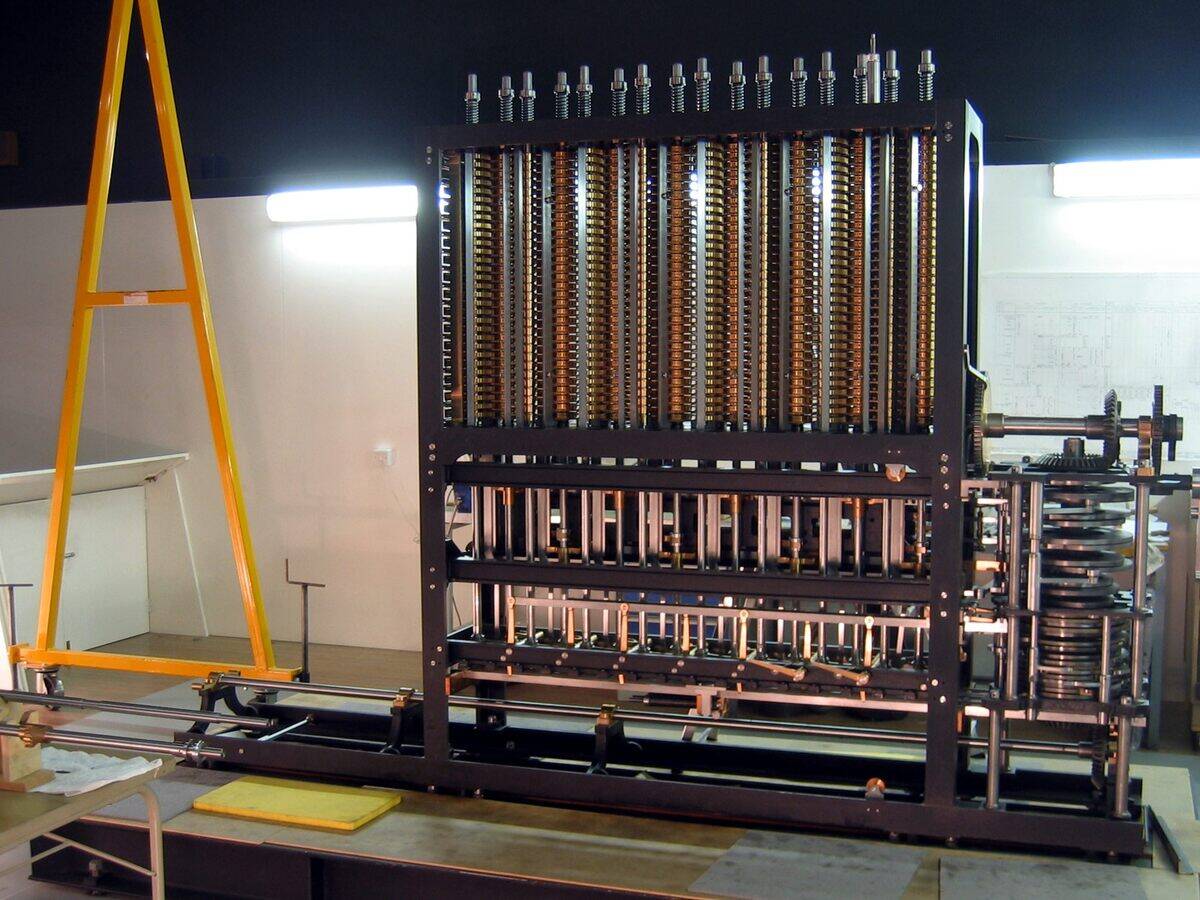
The Difference Engine, conceived by English mathematician Charles Babbage in the 1820s, was a groundbreaking mechanical calculator designed to perform complex mathematical computations automatically. Powered by a system of precision gears and cranks, it was intended to produce accurate mathematical tables without human error.
Although Babbage never completed the original machine during his lifetime, the Difference Engine laid the foundation for modern computing and demonstrated how mechanical engineering could automate calculations long before the invention of electronic computers.
The Great Clock of Strasbourg: A Mechanical Masterpiece
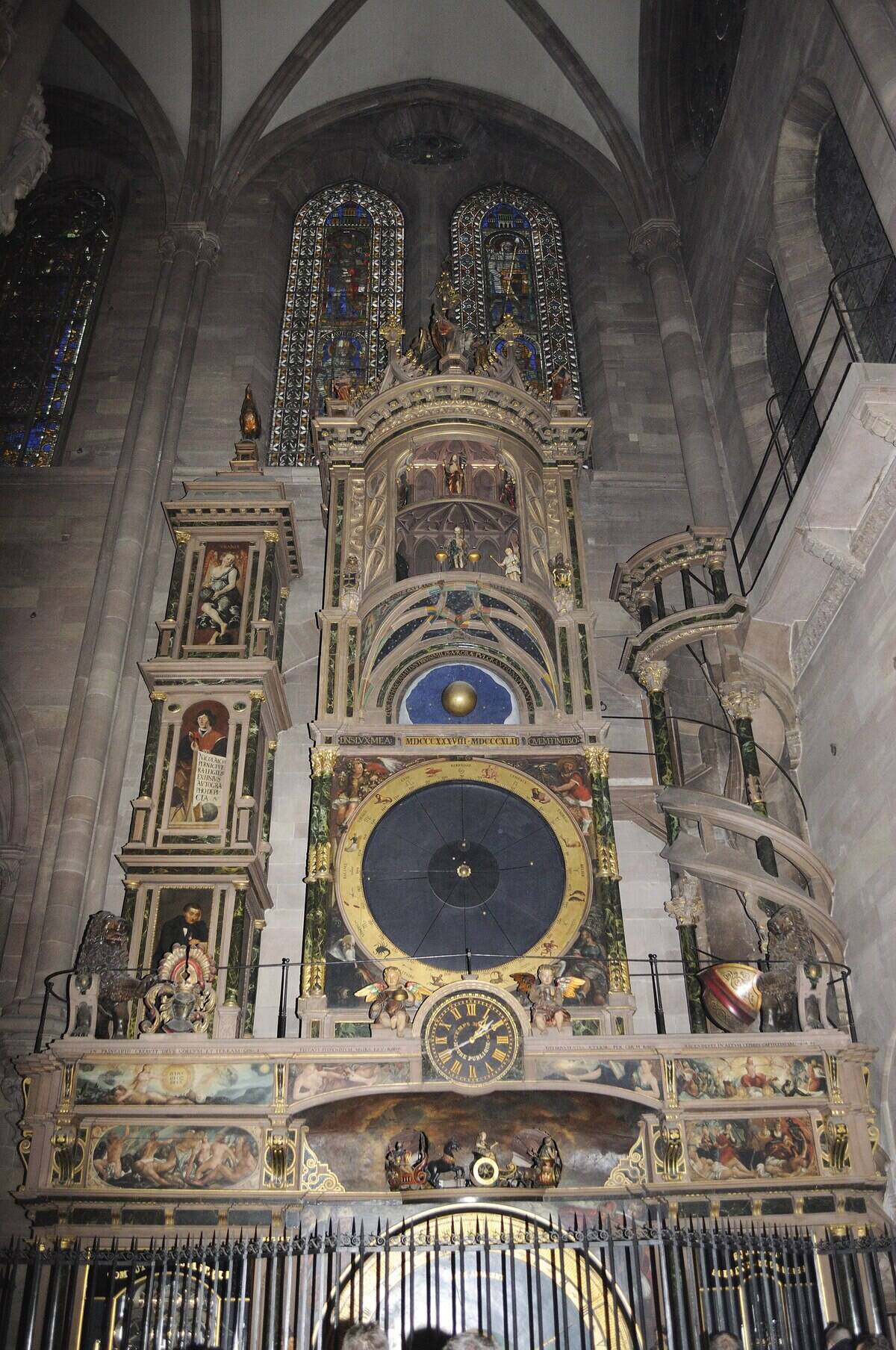
The Astronomical Clock inside Strasbourg Cathedral in France is one of the most extraordinary mechanical creations ever built. Completed in its current form in 1843, the clock combines intricate gears, astronomical calculations, and animated figures to display the time, the positions of the planets, the phases of the Moon, and the date of Easter.
Every day, a procession of mechanical figures comes to life, delighting visitors with a performance that blends precision engineering, artistry, and centuries of scientific knowledge.