Strange rules royals had to follow
Royal etiquette is a fascinating blend of tradition and decorum, steeped in centuries of history. These rules are not just about maintaining appearances but also about preserving the dignity of the monarchy.
From dining protocols to dress codes, each guideline has its own story and purpose. Understanding these customs offers a glimpse into a world where every gesture and word is carefully considered. It’s a realm where even the simplest actions are imbued with meaning.
The No-Shellfish Rule: A Royal Seafood Ban

One of the more curious royal rules is the ban on shellfish. This precaution is primarily due to the risk of food poisoning, which could disrupt royal duties. While it might seem like an arbitrary restriction, it highlights the importance placed on the health and well-being of the royals.
Even though this rule might seem restrictive, it ensures that the monarchy can continue its functions without unexpected interruptions.
Mourning in Black: Grief with Protocol
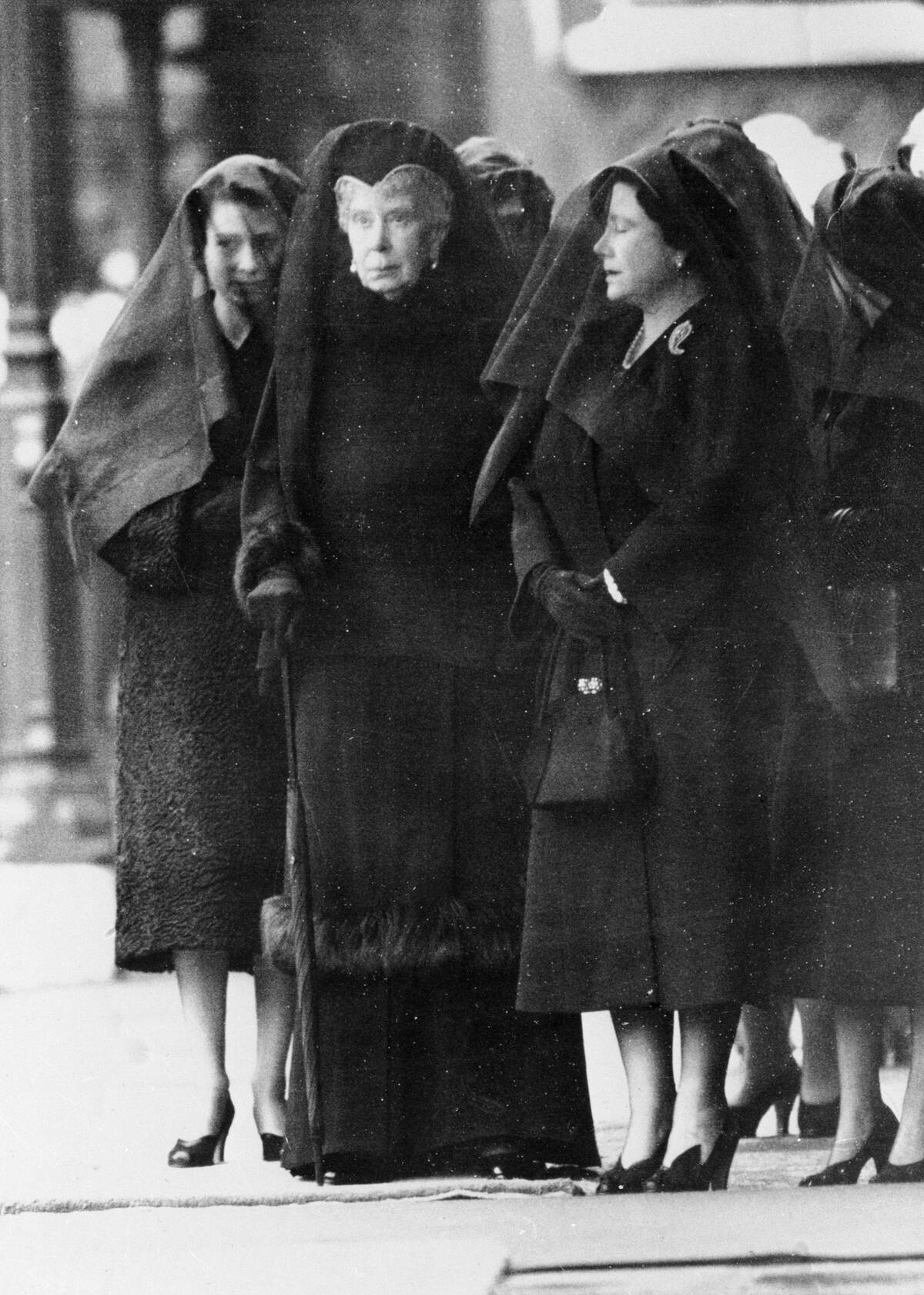
Royal mourning once involved strict and highly visible dress codes. Following a death in the family, members of the British court were expected to wear black clothing for prescribed periods, with fabrics and accessories changing as mourning progressed.
Queen Victoria followed the custom especially intensely after Prince Albert’s death in 1861, wearing black for the remainder of her life. These rules turned personal grief into a public display of respect, duty, and royal tradition.
Bedtime Protocol: The Queen Sleeps First
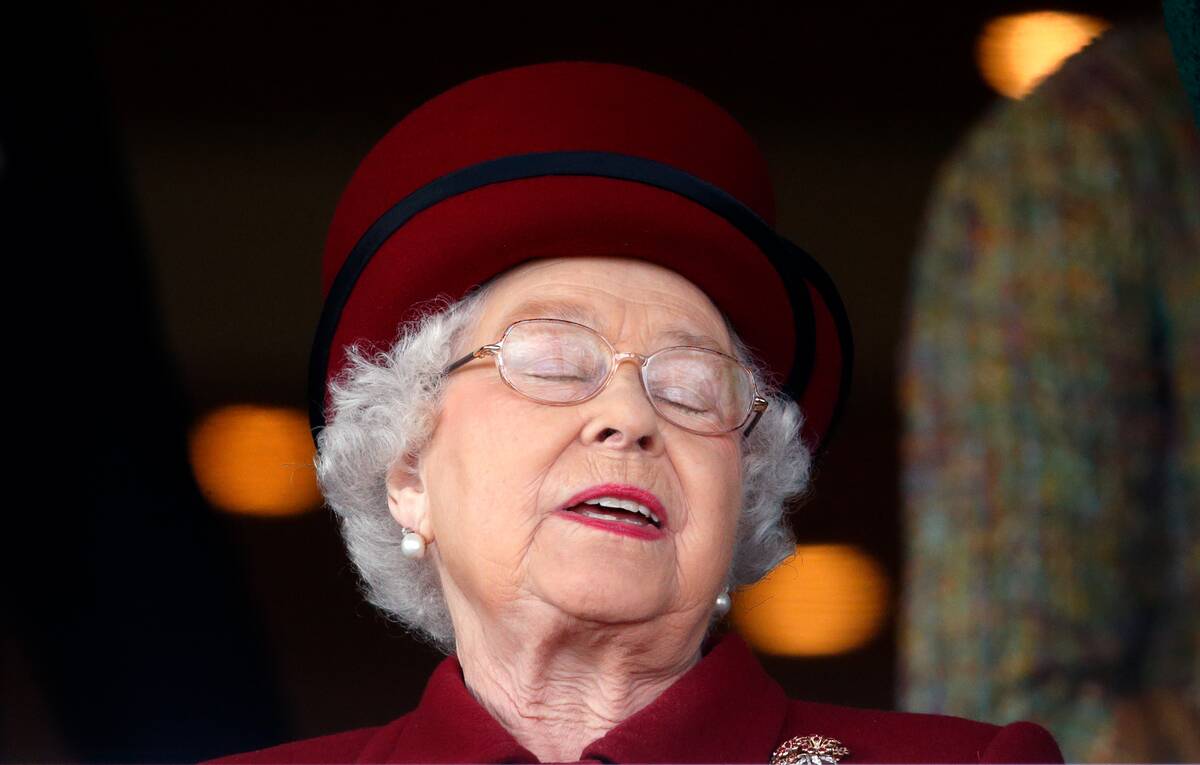
In the royal household, it is customary for everyone to stay awake until the Queen retires for the night. This tradition underscores the respect and reverence afforded to the monarch.
It’s a practice that ensures the Queen’s comfort and acknowledges her position as the head of the family. While it may seem quaint, it’s a testament to the deep-rooted traditions that govern royal life.
Monopoly Ban: The Board Game That’s Off-Limits
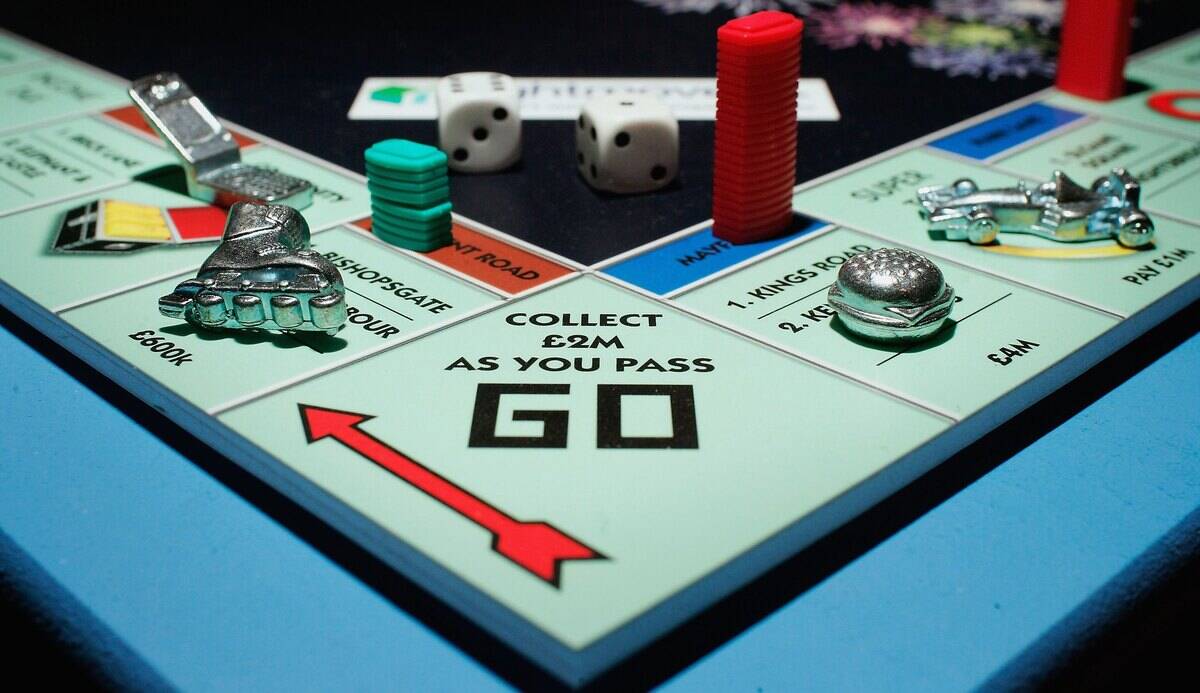
Monopoly has reportedly been discouraged within the British royal family because games could become overly competitive. In 2008, Prince Andrew said that the family was not allowed to play Monopoly at home because it became “too vicious.”
However, there is no evidence of a formal palace-wide ban or an official royal rule. The story is best understood as a humorous family custom rather than established royal protocol.
Royal Permission to Marry: Love Needs Approval
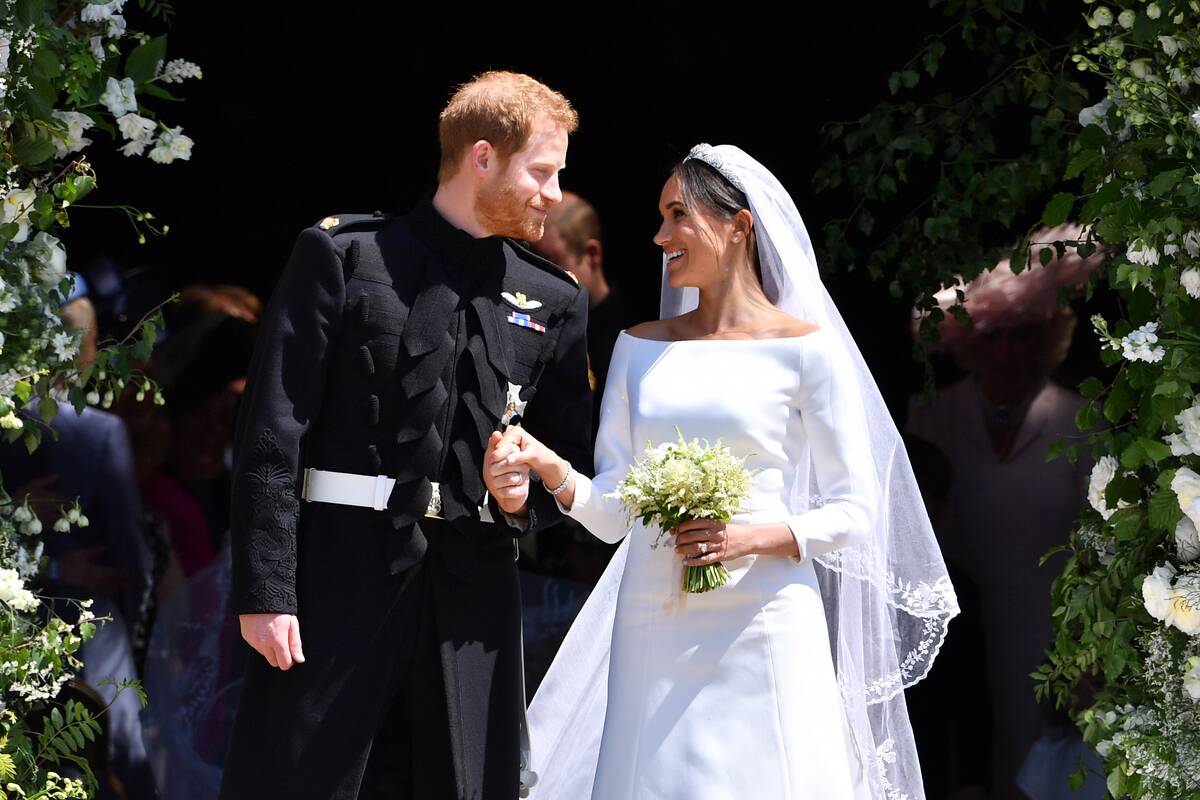
Royals close to the British throne cannot always marry without official approval. Under current law, the first six people in the line of succession must obtain the monarch’s consent before marrying.
A marriage without permission remains legally valid, but the royal and their descendants lose the right to inherit the Crown. This unusual requirement shows how even a deeply personal decision can carry constitutional consequences for senior royals.
PDA Restrictions: Keeping It Private in Public
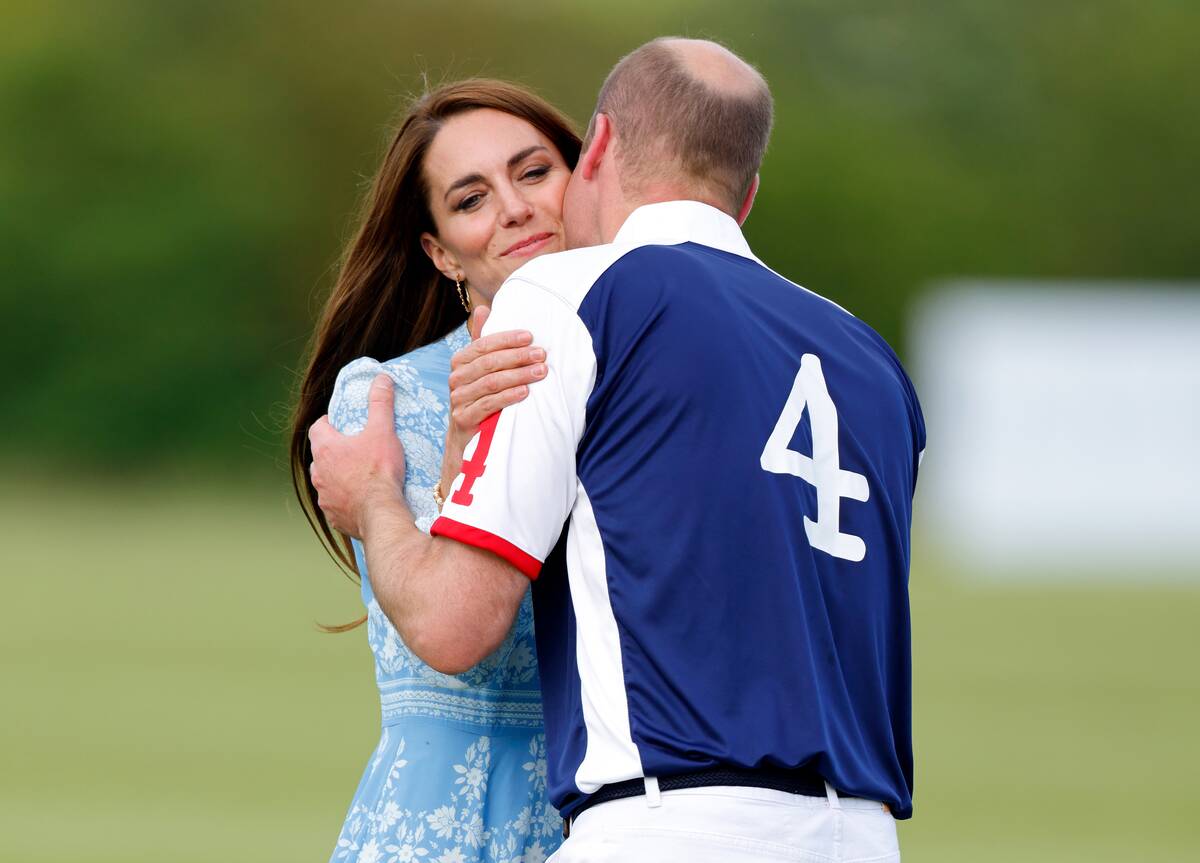
Public displays of affection are generally discouraged among royals. This rule is in place to maintain a sense of decorum and professionalism during public engagements.
While modern royals have occasionally relaxed this rule, it remains a guideline that underscores the importance of maintaining a dignified public image. It’s a subtle reminder of the balance royals must strike between personal affection and public duty.
Travel Restrictions: Two Heirs Can’t Fly Together
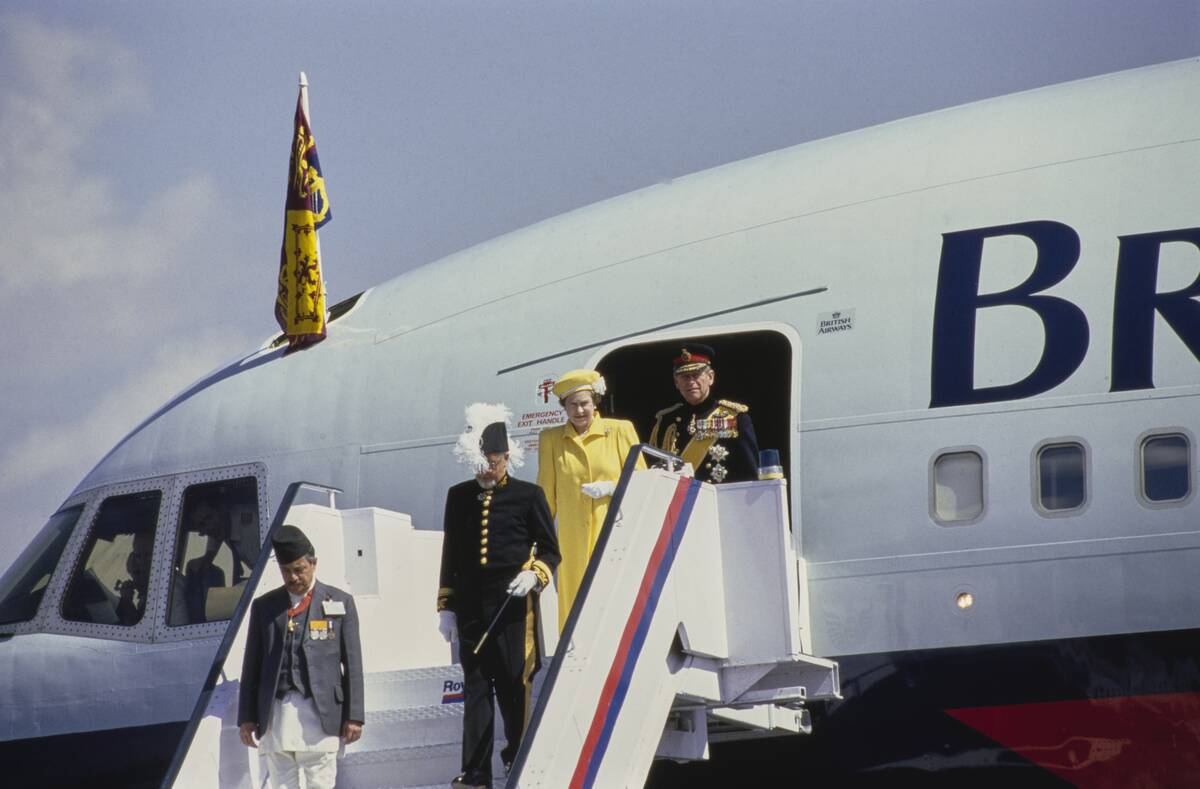
A lesser-known rule is that two heirs to the throne should not travel together by plane. This precaution is taken to ensure the continuity of the monarchy in case of an accident. It’s a practical measure that underscores the importance of safeguarding the royal lineage.
While modern travel has made this rule more flexible, it remains a poignant reminder of the responsibilities that come with royal status.
The No-Autograph Policy: Royals Don’t Sign
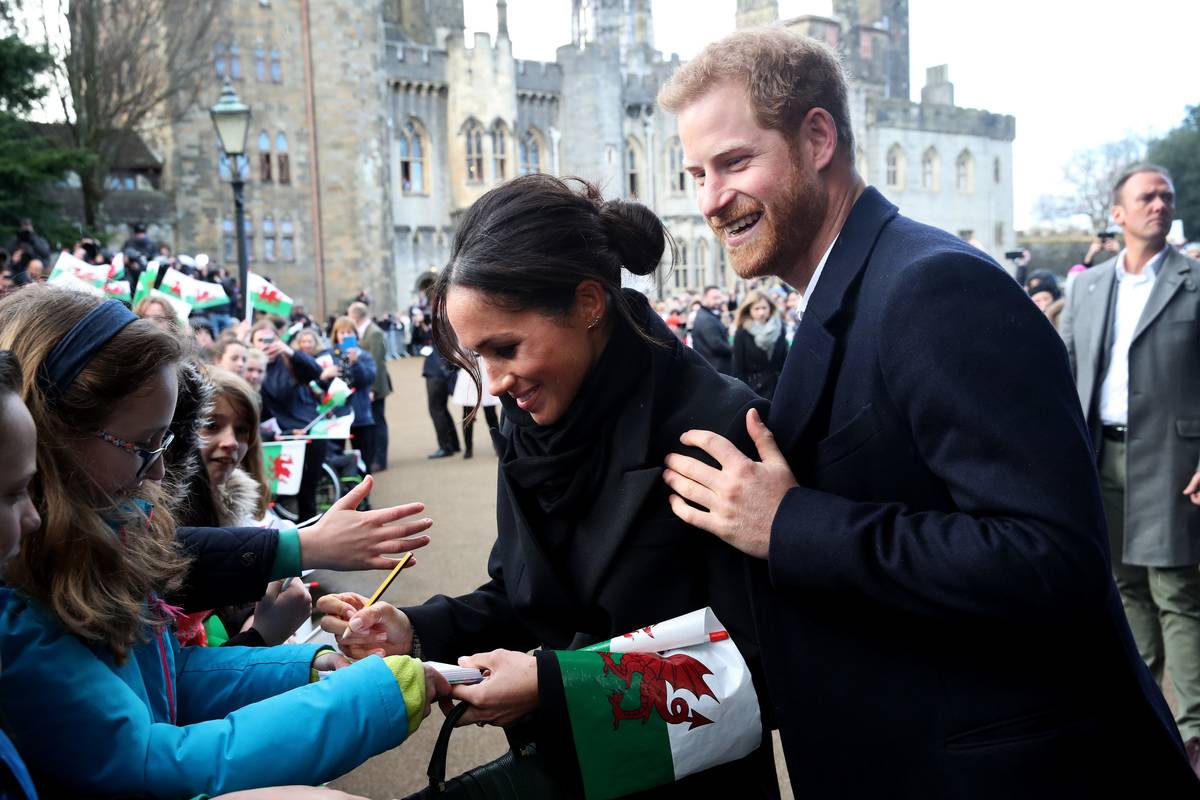
Royals are advised against signing autographs to prevent forgery and maintain security. This rule helps protect their signatures from being misused or replicated. While it might disappoint fans, it’s a necessary measure to safeguard the royal family’s privacy and identity.
Instead, royals often engage with the public through conversations and photographs, offering a more personal connection.
Feathers, Trains, and Formality
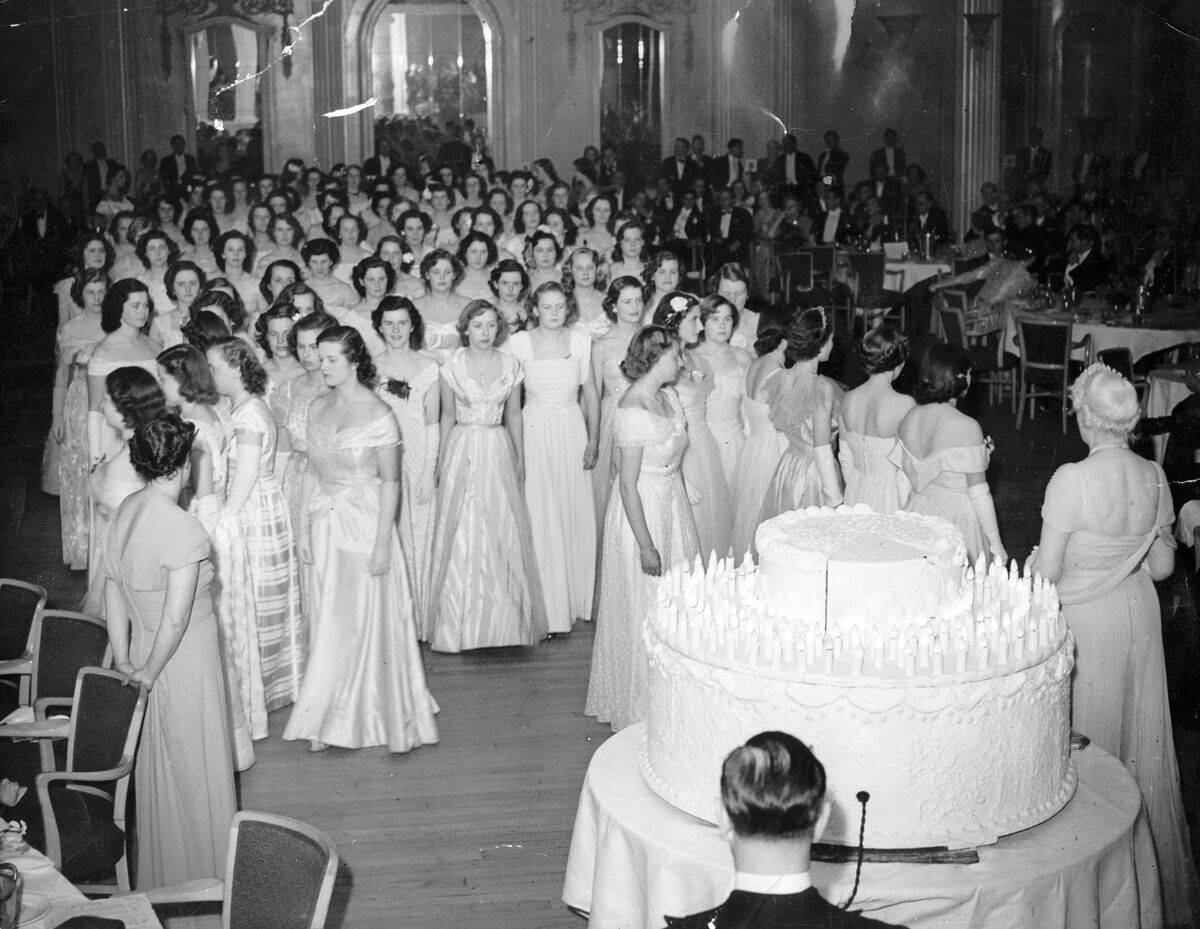
Appearing at the royal court once required women to follow an exceptionally detailed dress code. Debutantes presented to the British monarch were traditionally expected to wear formal evening gowns, long trains, veils, and arrangements of ostrich feathers in their hair.
The clothing was designed to emphasize ceremony and status, but it could also be expensive and uncomfortable. Court presentations ended in the reign of Queen Elizabeth II, bringing this elaborate social ritual to a close.
Dining Etiquette: When the Queen Stops Eating, So Do You
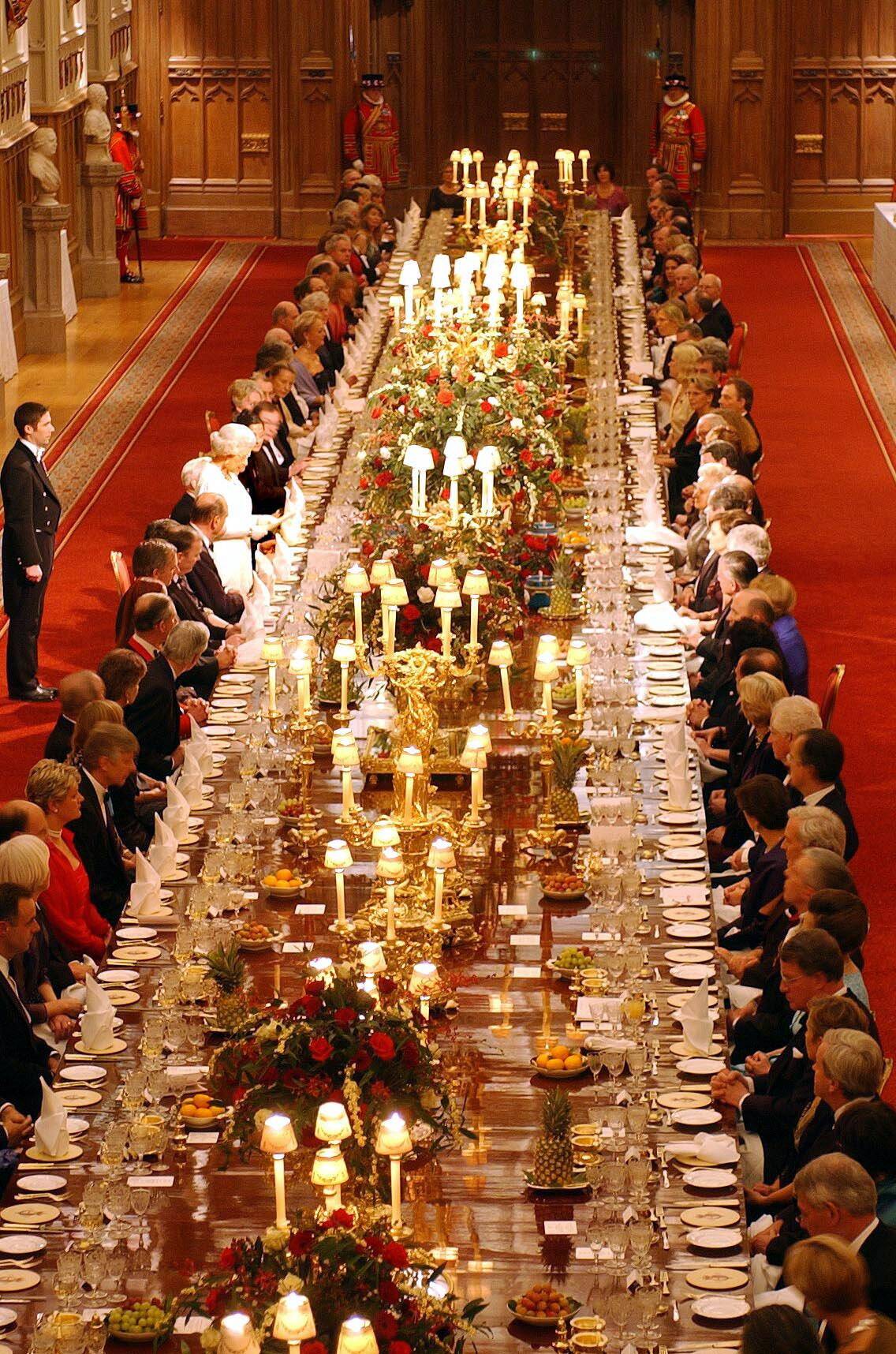
Dining with the Queen involves a unique protocol: when she finishes her meal, everyone else must stop eating as well. This rule is a nod to the Queen’s position as the head of the table.
It ensures that the meal progresses smoothly and respectfully. While it requires attentiveness from guests, it also highlights the structured nature of royal dining experiences.
The Ban on Political Opinions: Royals Stay Neutral
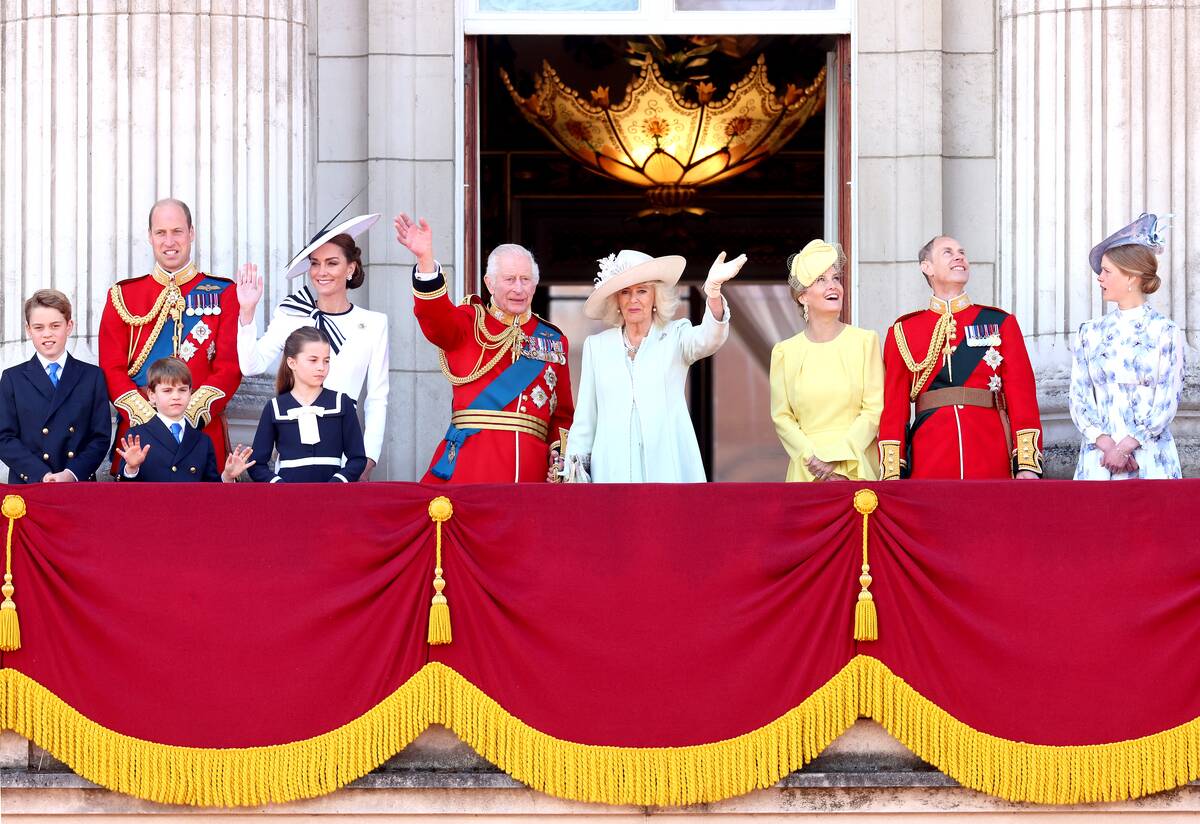
In the United Kingdom, the monarch is constitutionally expected to remain politically neutral and avoid publicly supporting political parties or taking sides in political disputes. Working members of the Royal Family generally follow similar conventions to protect the monarchy’s impartial public role.
However, royals may support nonpartisan causes and discuss social or charitable issues. Political neutrality allows the sovereign to perform constitutional and ceremonial duties on behalf of the nation while privately advising and warning government ministers..
Gift-Giving Guidelines: Accepting Presents with Poise
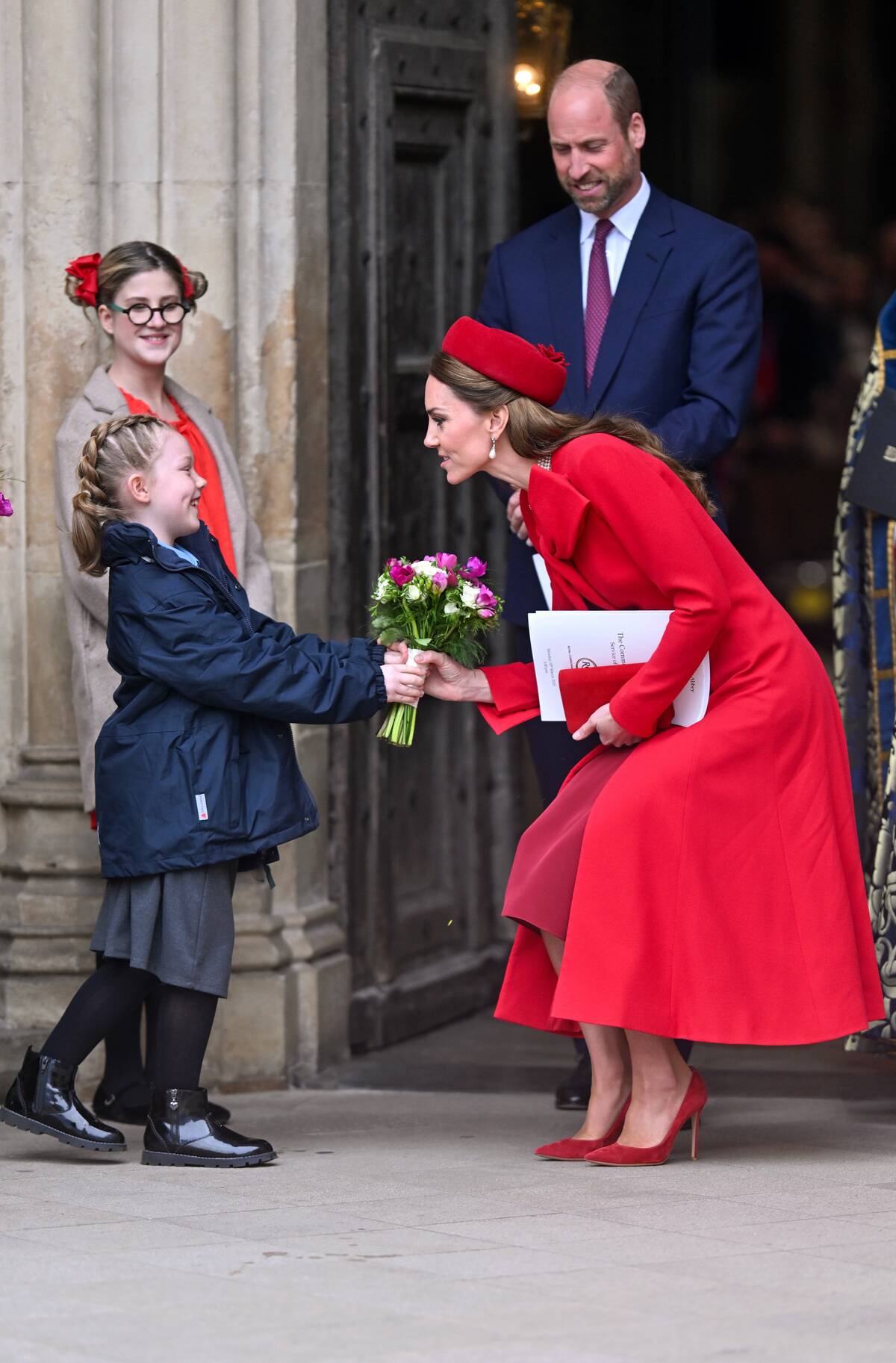
Members of the British royal family must follow specific guidelines when receiving official gifts. Gifts are accepted courteously, then recorded, classified, and managed according to Royal Household policy.
Depending on their source, value, and nature, gifts may be retained, displayed, donated, stored, or returned. These procedures promote transparency and reduce the risk of gifts creating obligations or conflicts of interest while allowing appropriate exchanges during official engagements.
The Christmas Weigh-In: A Festive Tradition
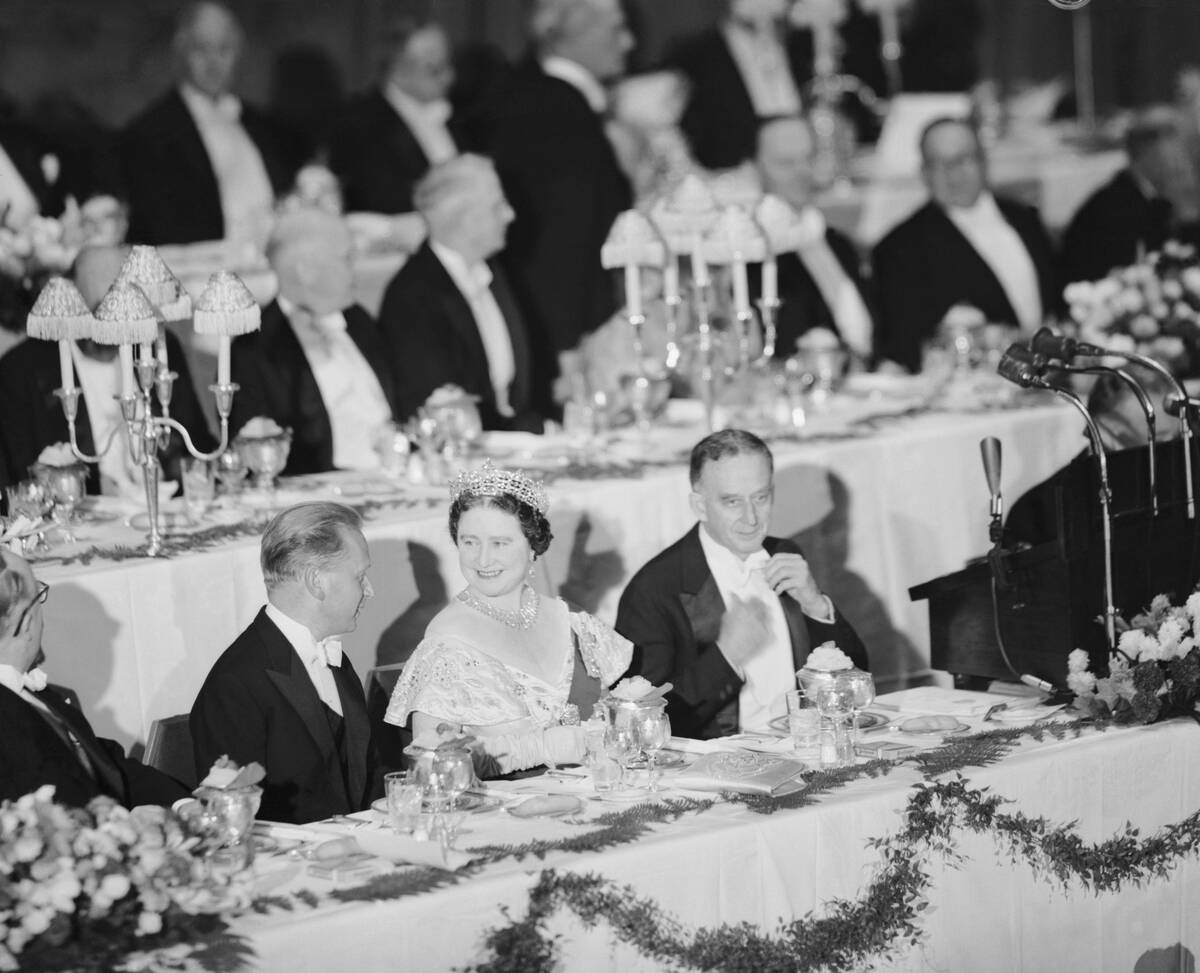
A quirky royal tradition involves weighing guests before and after Christmas festivities. This custom dates back to King Edward VII, who wanted to ensure his guests were well-fed.
While it might seem unusual, it’s a lighthearted tradition that adds a touch of humor to the holiday season. It’s a reminder of the royal family’s unique blend of formality and familial warmth.




