How families lived during the postwar boom
The postwar era was a transformative period for families, marked by economic prosperity and societal shifts. As soldiers returned home, they brought with them dreams of stability and growth, setting the stage for a new way of life.
This time of change saw families grow and evolve, with new opportunities and challenges shaping the dynamics of everyday life.
The Economic Prosperity of the Postwar Era
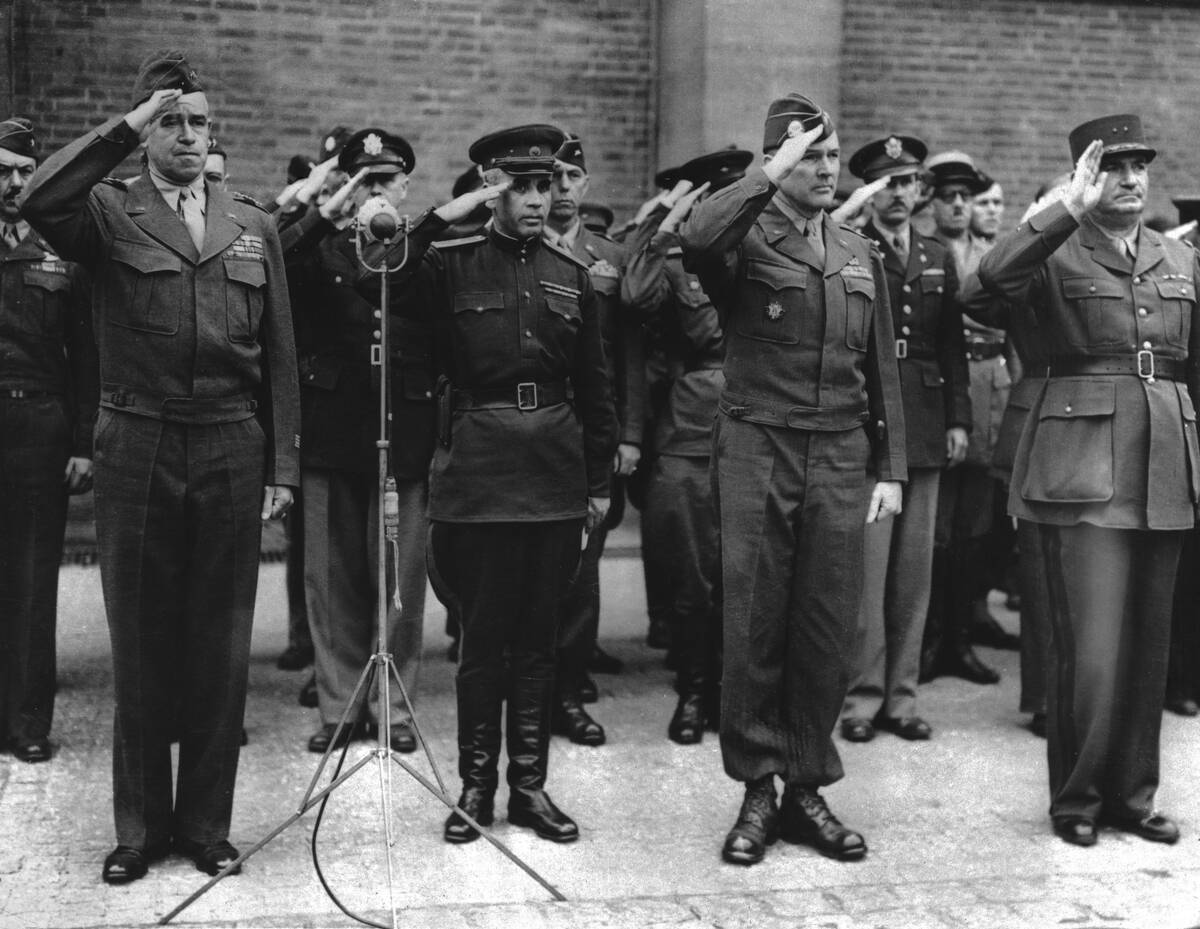
The postwar boom was characterized by unprecedented economic growth, with the U.S. GDP nearly doubling between 1945 and 1960. This prosperity was fueled by increased consumer spending and a booming manufacturing sector.
Families enjoyed higher incomes, which allowed them to invest in homes, cars, and other goods that were once considered luxuries. This era of abundance laid the foundation for the modern consumer-driven economy we know today.
The Rise of Suburban Living

Suburban living became synonymous with the American Dream during the postwar years. The construction of affordable housing developments, like Levittown, offered families the chance to own homes with white picket fences and spacious yards.
This migration to the suburbs was facilitated by the expansion of highways, making it easier for people to commute to urban jobs while enjoying the tranquility of suburban life. The suburbs became a symbol of prosperity and stability for many families.
The Baby Boom Phenomenon
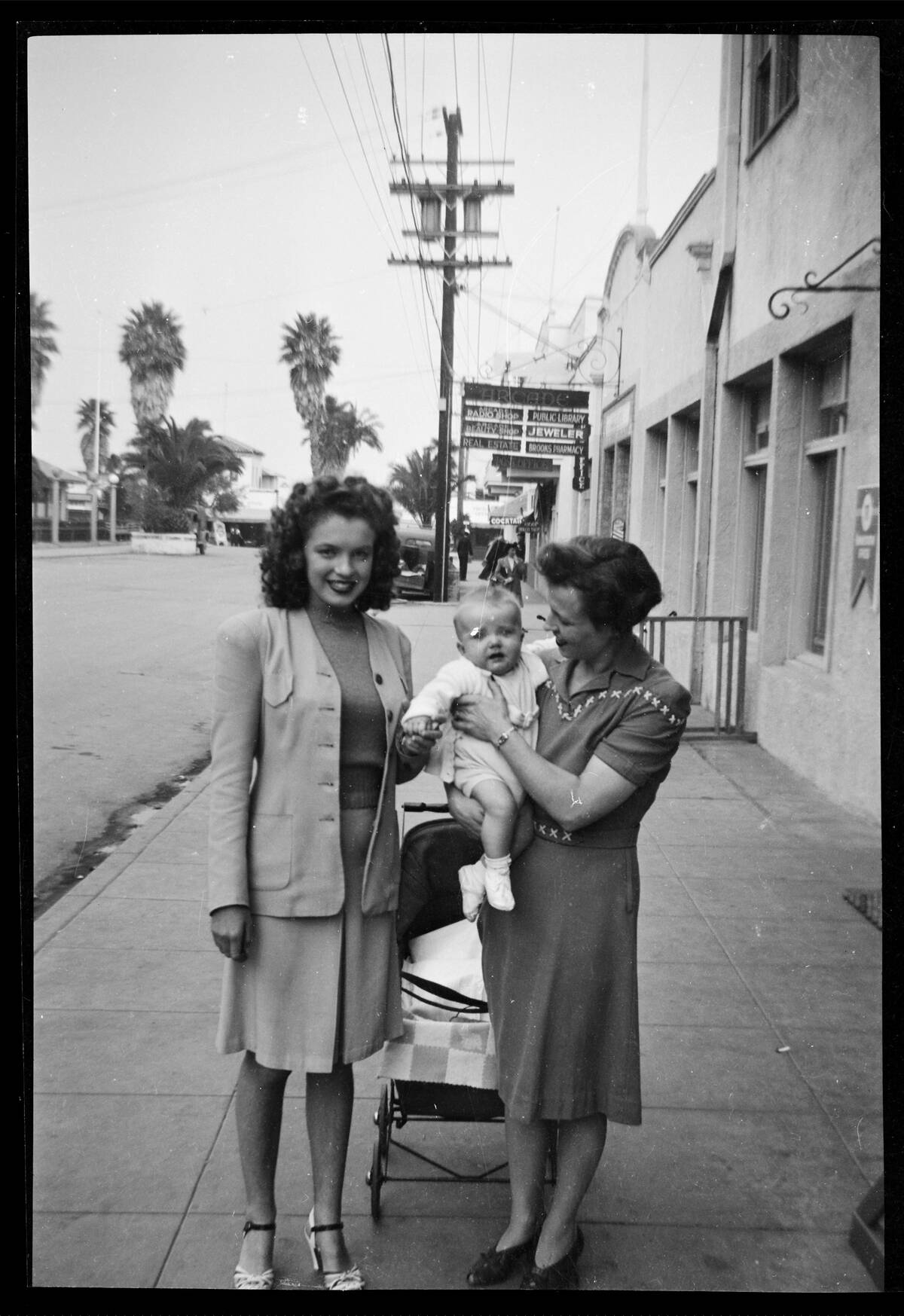
The postwar era witnessed a significant increase in birth rates, known as the Baby Boom. Between 1946 and 1964, approximately 76 million babies were born in the United States. This population surge was driven by economic confidence and the desire for larger families.
The Baby Boom had lasting impacts on society, influencing everything from education systems to housing markets. Today, Baby Boomers continue to play a significant role in shaping cultural and economic trends.
The Role of the Nuclear Family

The nuclear family became the idealized family structure during the postwar period. Consisting of two parents and their children, this model was seen as a stable and efficient unit.
The emphasis on the nuclear family was reinforced by media and cultural norms, which portrayed it as the cornerstone of American society. This focus on the nuclear family influenced everything from housing designs to social policies, reflecting the values of the time.
Technological Advancements in the Home
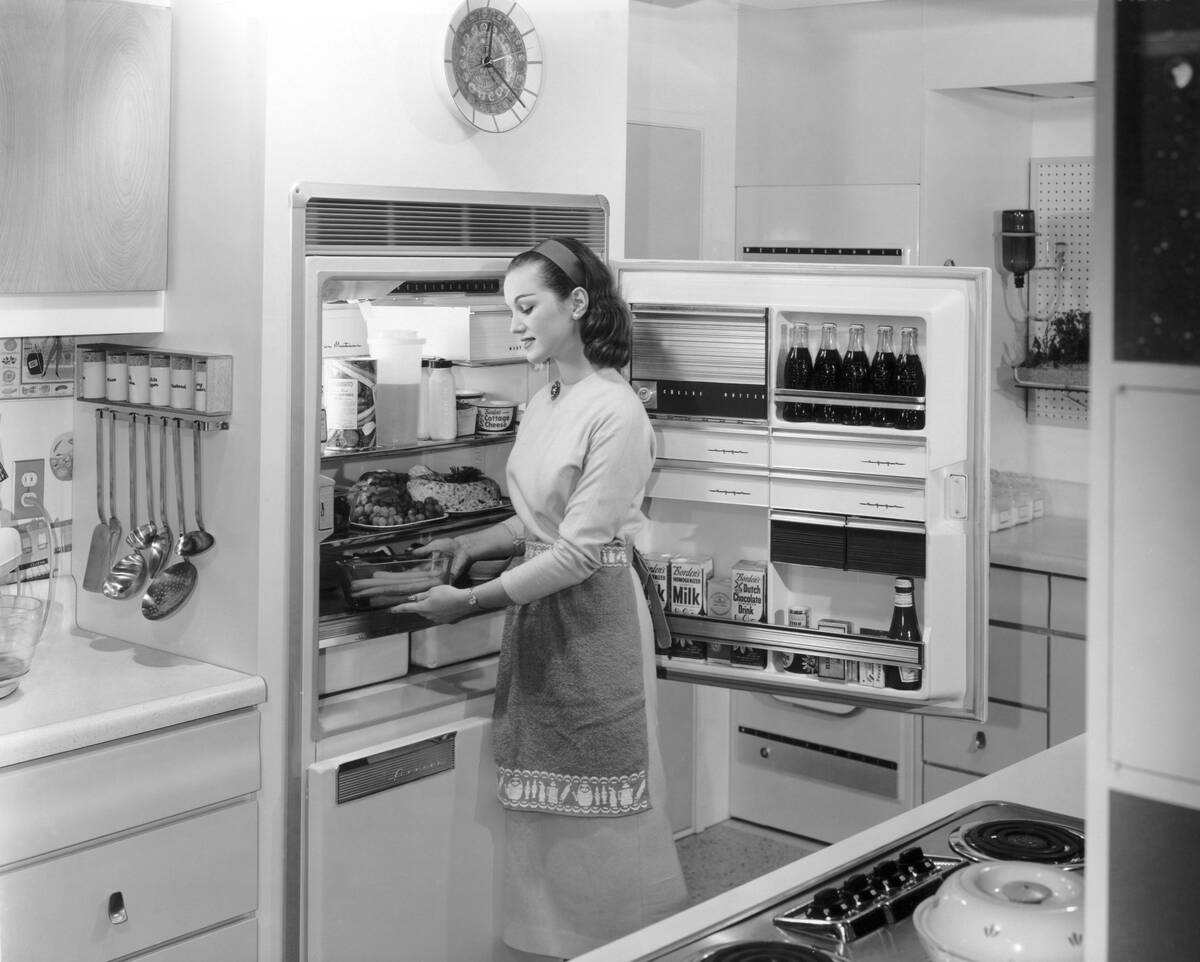
Postwar families benefited from a range of technological advancements that made home life more convenient. The widespread adoption of household appliances like refrigerators, washing machines, and vacuum cleaners revolutionize domestic chores.
These innovations not only saved time but also contributed to a higher standard of living. The introduction of these technologies marked the beginning of the modern household, where convenience and efficiency became key priorities.
The Impact of Television on Family Dynamics
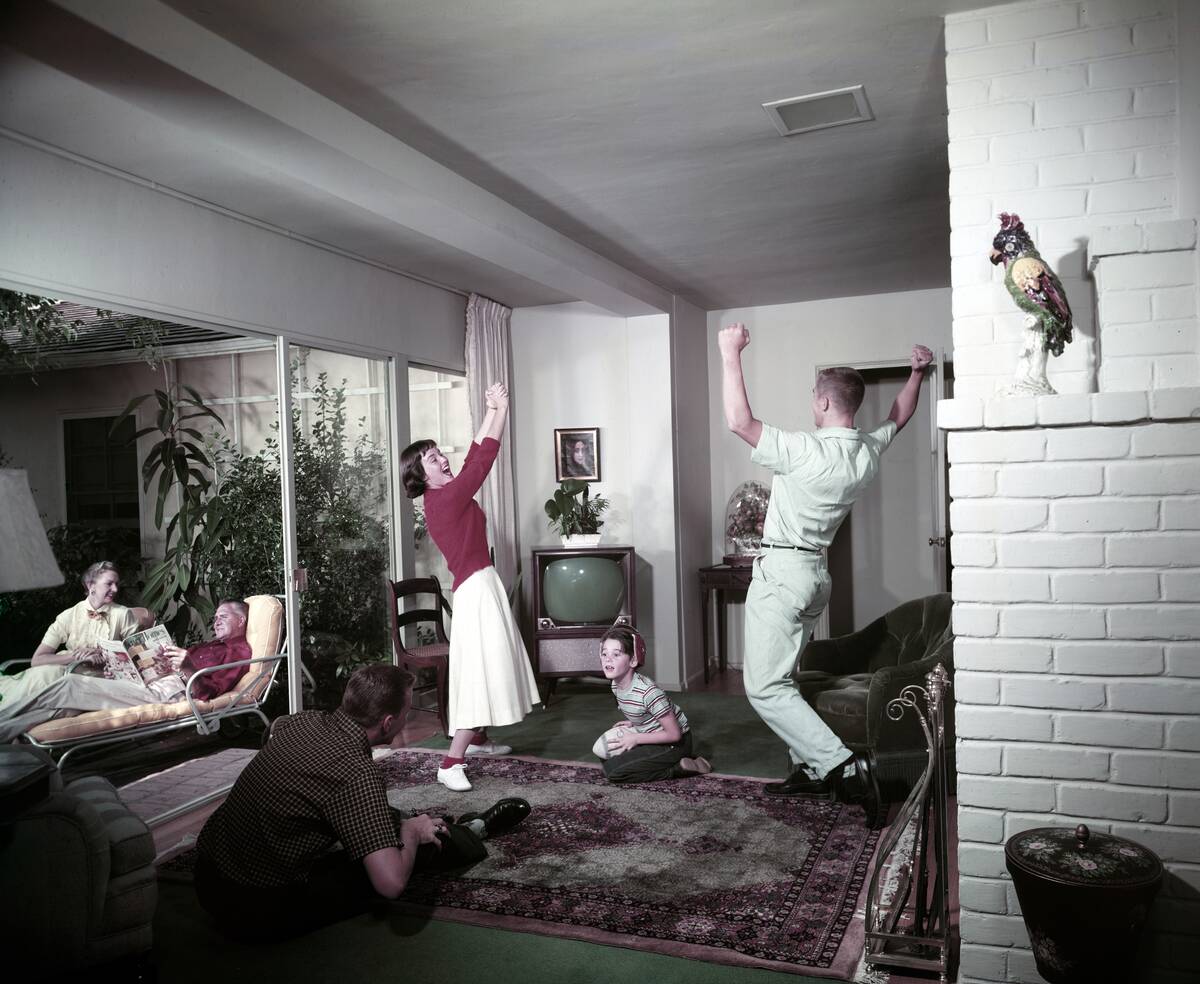
Television emerged as a central fixture in postwar family life, transforming entertainment and communication. By 1960, nearly 90% of American households owned a TV, making it a primary source of information and entertainment.
Television brought families together for shared viewing experiences, but it also influenced social norms and values through popular shows. This new medium played a significant role in shaping cultural narratives and family dynamics during the postwar years.
The Evolution of Gender Roles
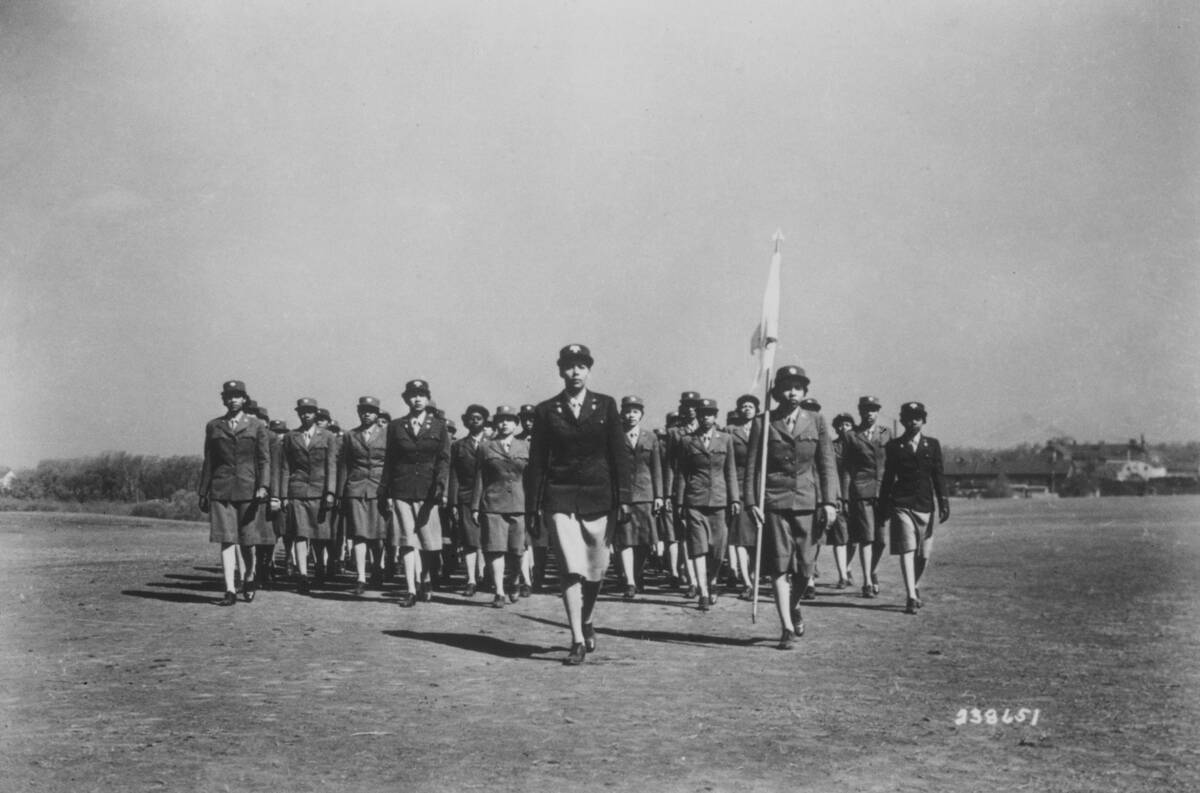
The postwar era brought gradual changes in women’s employment and gender roles in the United States. During World War II, millions of women entered jobs traditionally dominated by men. After the war, many were displaced from wartime positions or encouraged to return to domestic roles, although women’s participation in the workforce continued to rise over the following decades.
Popular culture and social expectations still strongly emphasized marriage, motherhood, and homemaking. The tension between these expectations and women’s growing educational, professional, and personal ambitions contributed to the conditions in which the women’s liberation movement expanded during the 1960s and 1970s.
The Growth of the Middle Class
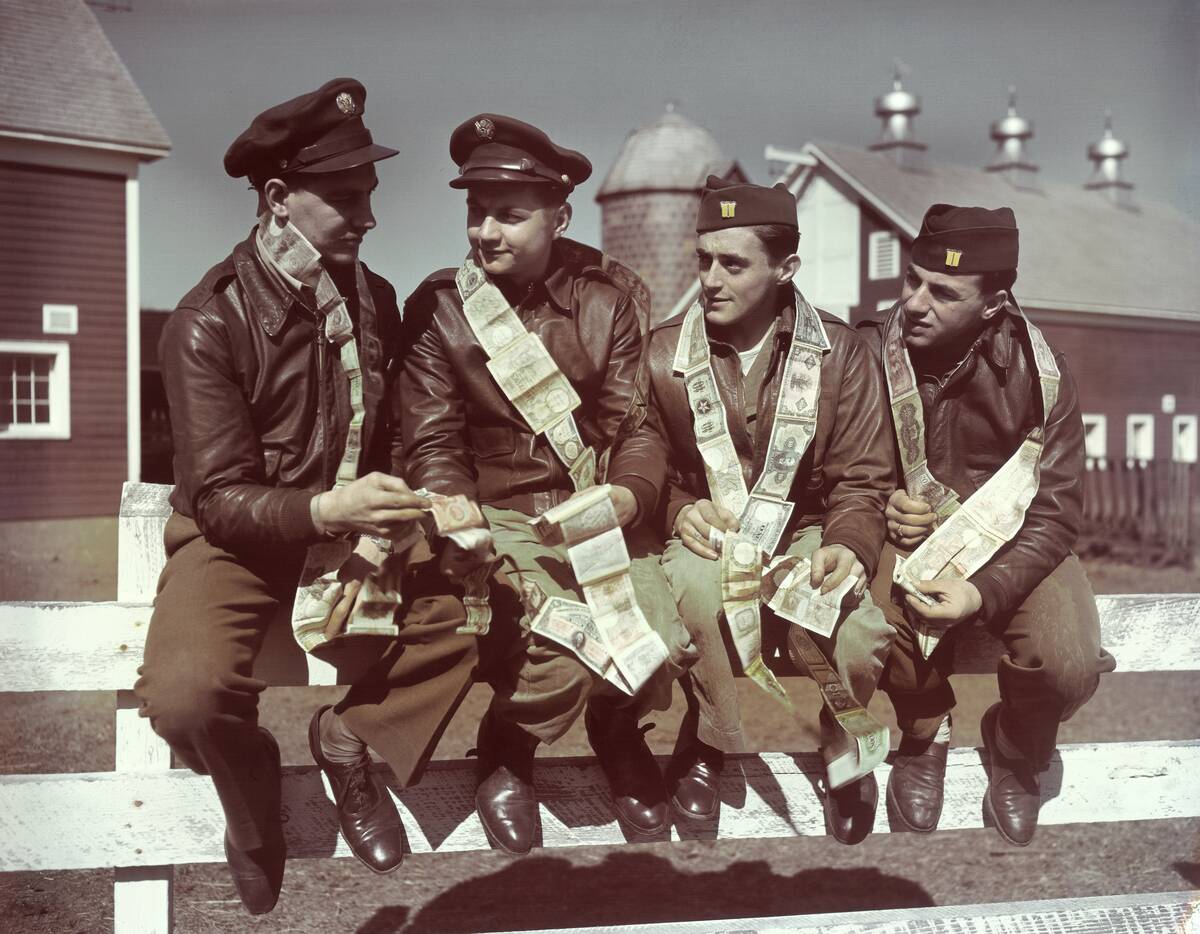
The postwar economic boom led to the expansion of the middle class, with more families achieving financial stability and upward mobility. This growth was fueled by higher wages, increased access to education, and government programs like the GI Bill, which provided veterans with educational benefits and housing loans.
The rise of the middle class contributed to a more consumer-oriented society, as families had the means to purchase goods and services that enhanced their quality of life.
The Influence of Automobiles on Family Life
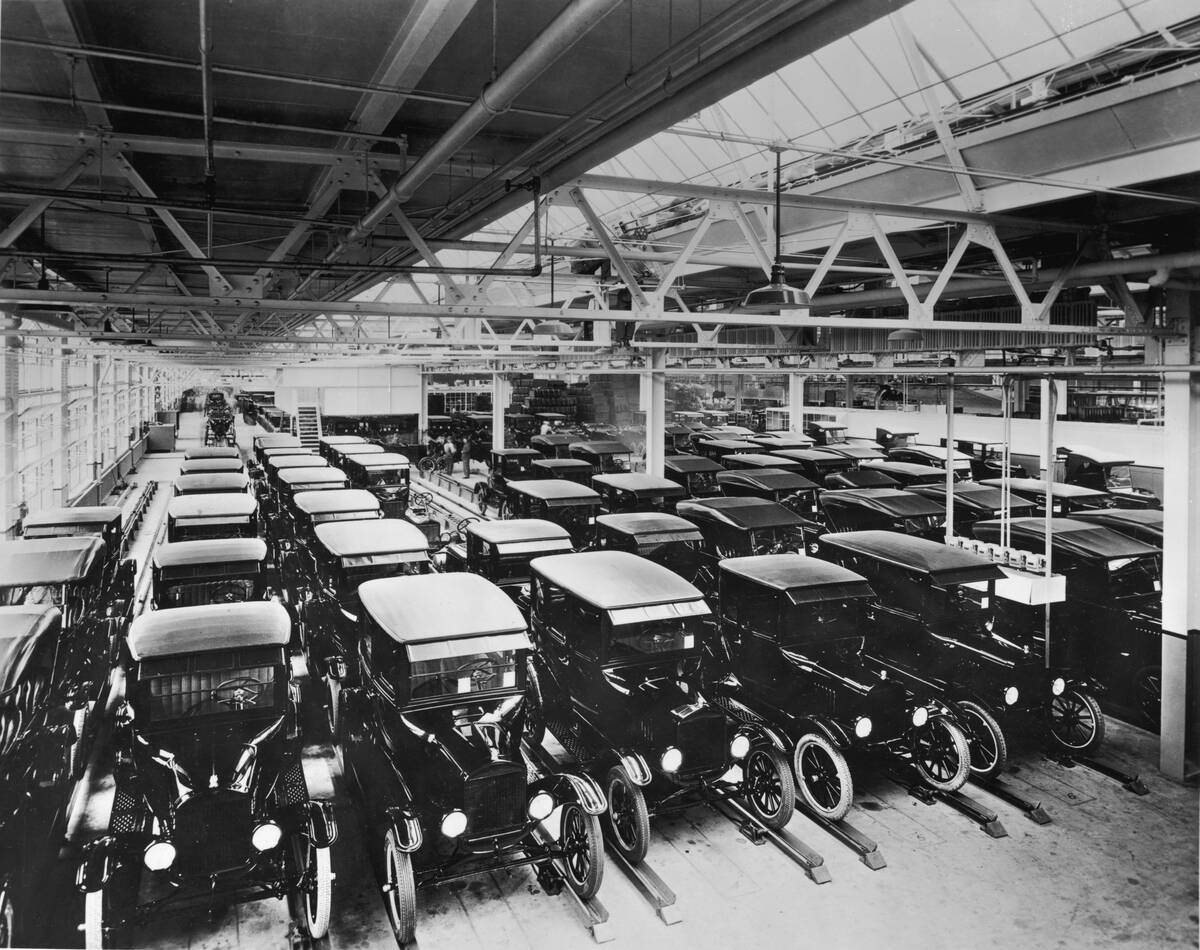
Automobiles became an integral part of American family life during the postwar era, often symbolizing freedom and independence. Although affordable mass-produced cars had become available earlier in the century, automobile ownership expanded substantially after World War II as incomes rose and manufacturers resumed civilian production.
Cars supported suburban growth by allowing families to travel between their homes and workplaces, schools, shops, and leisure destinations.
The Expansion of Educational Opportunities

Educational opportunities expanded significantly during the postwar period, driven by the GI Bill and increased public investment in schools. Higher education became more accessible, with college enrollment rates soaring. This emphasis on education was seen as essential for maintaining economic growth and ensuring social mobility.
The postwar focus on education laid the foundation for the knowledge-based economy of the future, with an educated workforce becoming a key driver of innovation and progress.
The Emergence of Youth Culture

The postwar era saw the emergence of a distinct youth culture, characterized by new music, fashion, and attitudes. Teenagers became a significant consumer demographic, influencing trends and popular culture.
The rise of rock ‘n’ roll, epitomized by artists like Elvis Presley, captured the spirit of rebellion and freedom. This cultural shift was fueled by increased disposable income among young people and the growing influence of media, which catered to their tastes and interests.
The Role of Religion in Family Life
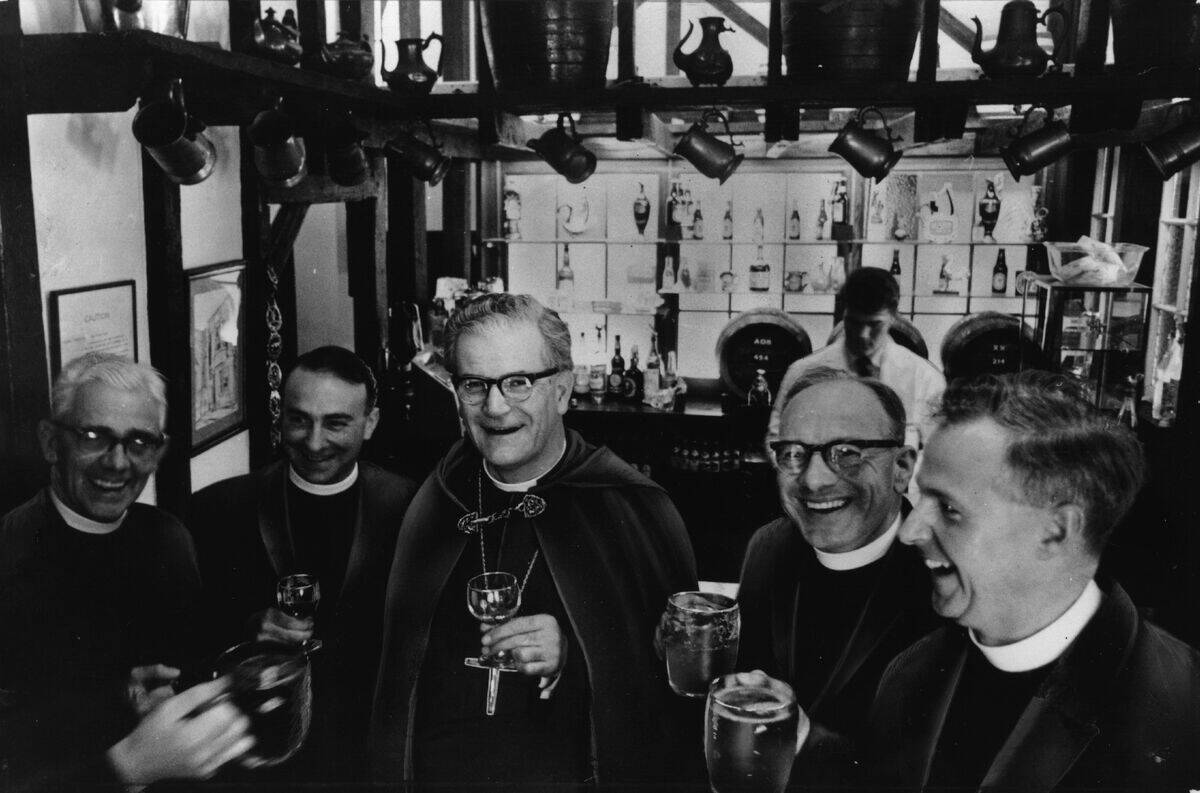
Religion played a prominent role in postwar family life, with church attendance reaching its peak during this period. Faith communities provided social support and a sense of belonging, reinforcing traditional values and norms.
Religious institutions also played a role in shaping public discourse on issues like civil rights and social justice. The emphasis on religious observance reflected the desire for stability and moral guidance in a rapidly changing world.
The Importance of Leisure and Recreation
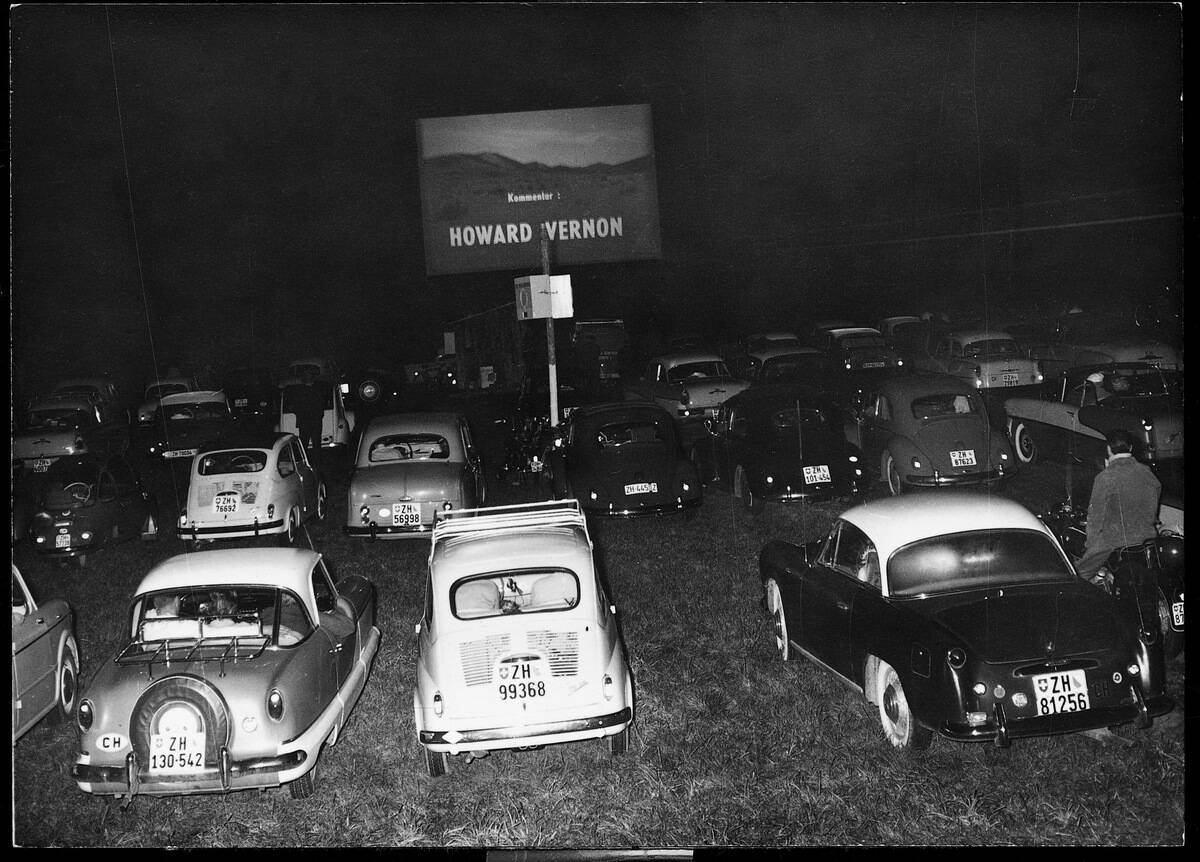
Leisure and recreation became increasingly important for postwar families, as economic prosperity allowed for more free time and disposable income. Activities like family vacations, sports, and hobbies provided opportunities for relaxation and bonding.
The rise of amusement parks, drive-in theaters, and other recreational venues offered new forms of entertainment. This focus on leisure contributed to the development of a more balanced lifestyle, emphasizing the importance of work-life harmony.
The Challenges Faced by Minority Families
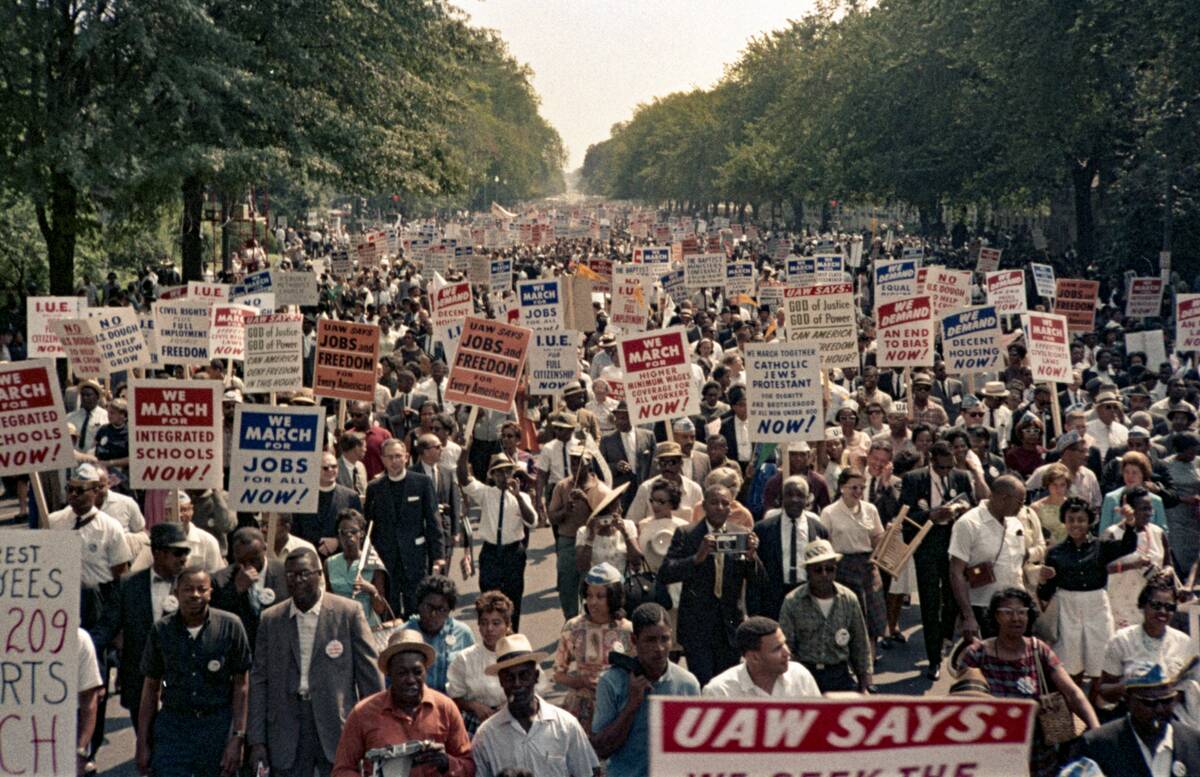
Despite the overall prosperity of the postwar era, minority families faced significant challenges. Racial segregation and discrimination limited access to housing, education, and employment opportunities.
The civil rights movement began to gain momentum during this period, as minority communities fought for equality and justice. These struggles highlighted the disparities within American society and laid the groundwork for future social and legislative changes aimed at achieving greater inclusivity.




