What early photography was really like
Taking a photograph once required far more than pointing a camera and pressing a button. Early photographers worked with long exposure times, bulky equipment, and experimental methods that could make even a simple portrait difficult to capture.
Those early images may look basic today, but they changed how people recorded their families, surroundings, and major events. Here’s a look at photography’s earliest years and the unusual techniques that helped turn a new invention into part of everyday life.
The Birth of Photography: A Revolutionary Invention
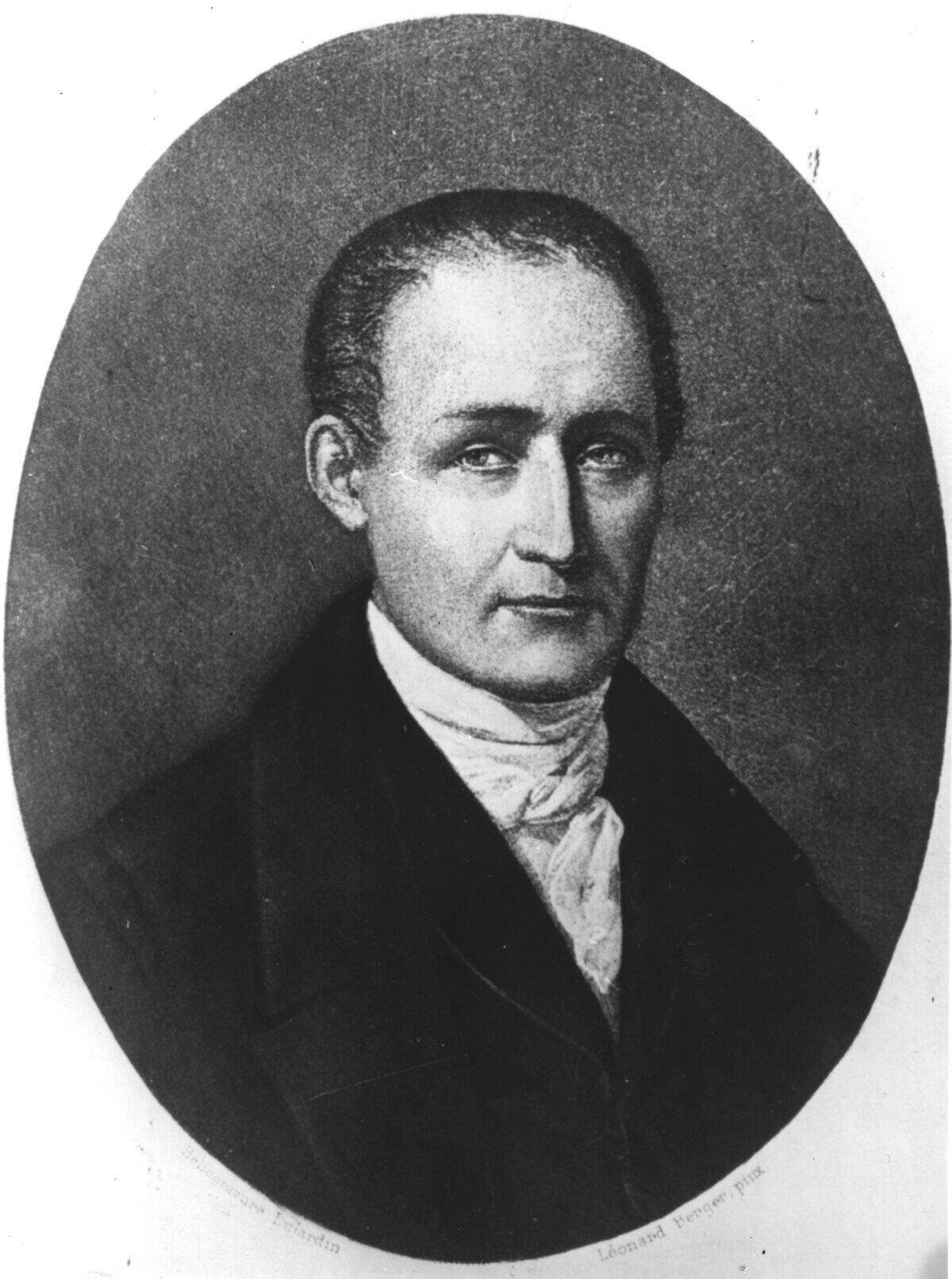
The inception of photography can be traced back to the early 19th century, thanks to pioneers like Joseph Nicéphore Niépce. Using a rudimentary camera obscura and a pewter plate coated with bitumen, Niépce captured the first permanent photograph in 1826.
This groundbreaking invention laid the foundation for future innovations, forever changing the way we document history and view the world around us.
The First Photograph Ever Taken
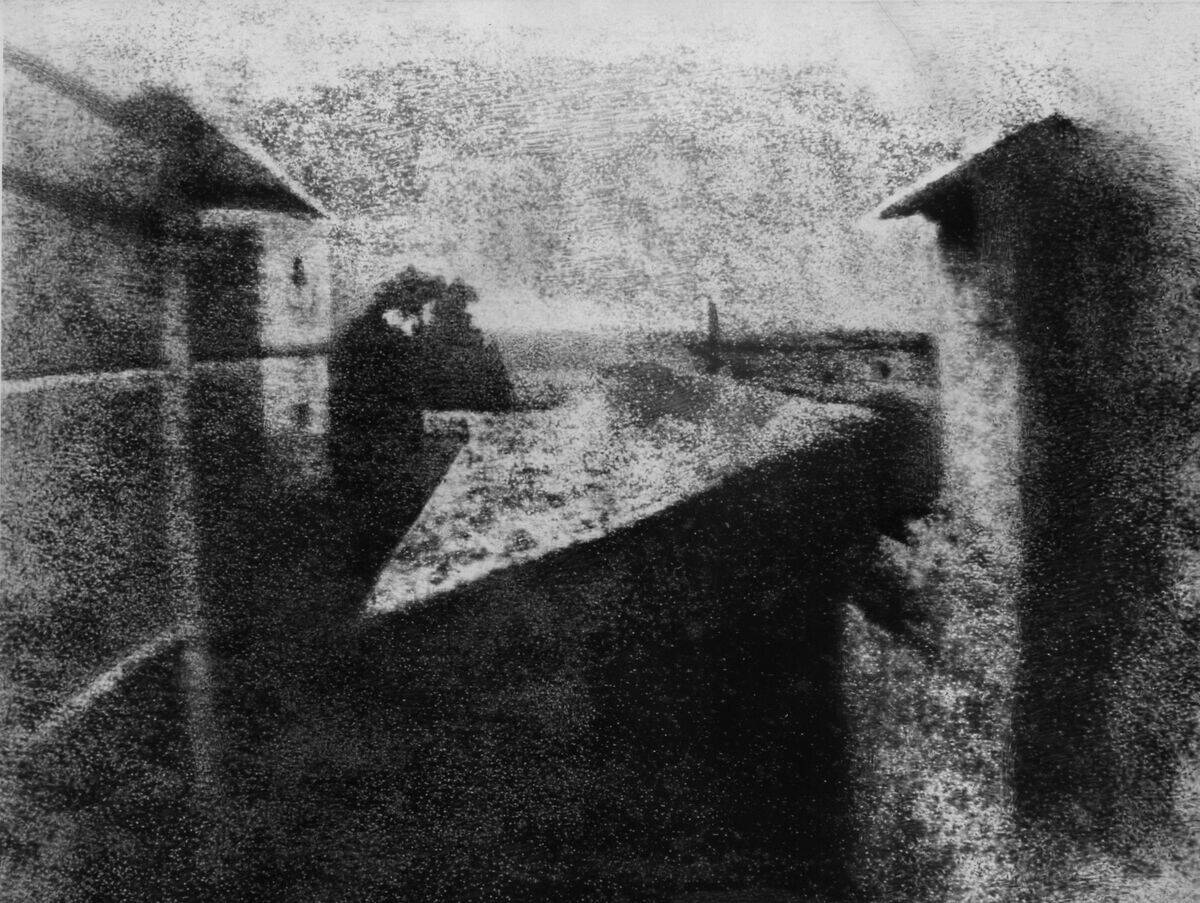
The first photograph ever taken, known as “View from the Window at Le Gras,” is a hauntingly beautiful glimpse of Niépce’s estate in France. Captured over an eight-hour exposure, this image offers a window into a world almost two centuries old.
It’s remarkable to think that this grainy, monochromatic scene was the humble beginning of the vibrant, digital images we know today.
Daguerreotypes: The Selfie of the 19th Century
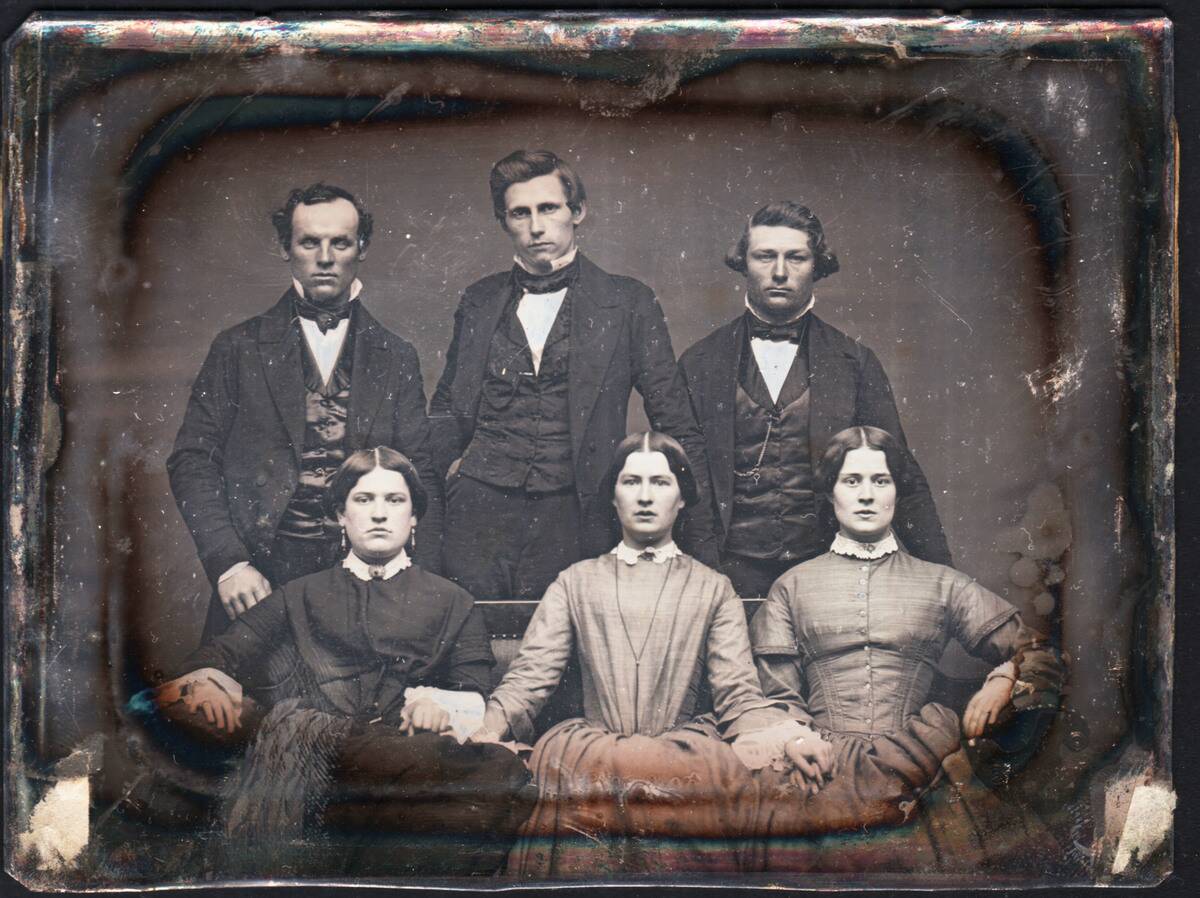
Daguerreotypes, introduced by Louis Daguerre in 1839, were the first commercially successful photographic process. These highly detailed images were created on silver-plated copper sheets, capturing portraits with an uncanny realism.
Much like today’s selfies, daguerreotypes allowed people to preserve personal moments, serving as cherished keepsakes for families and individuals alike.
The Long Exposure Era: Posing for Hours
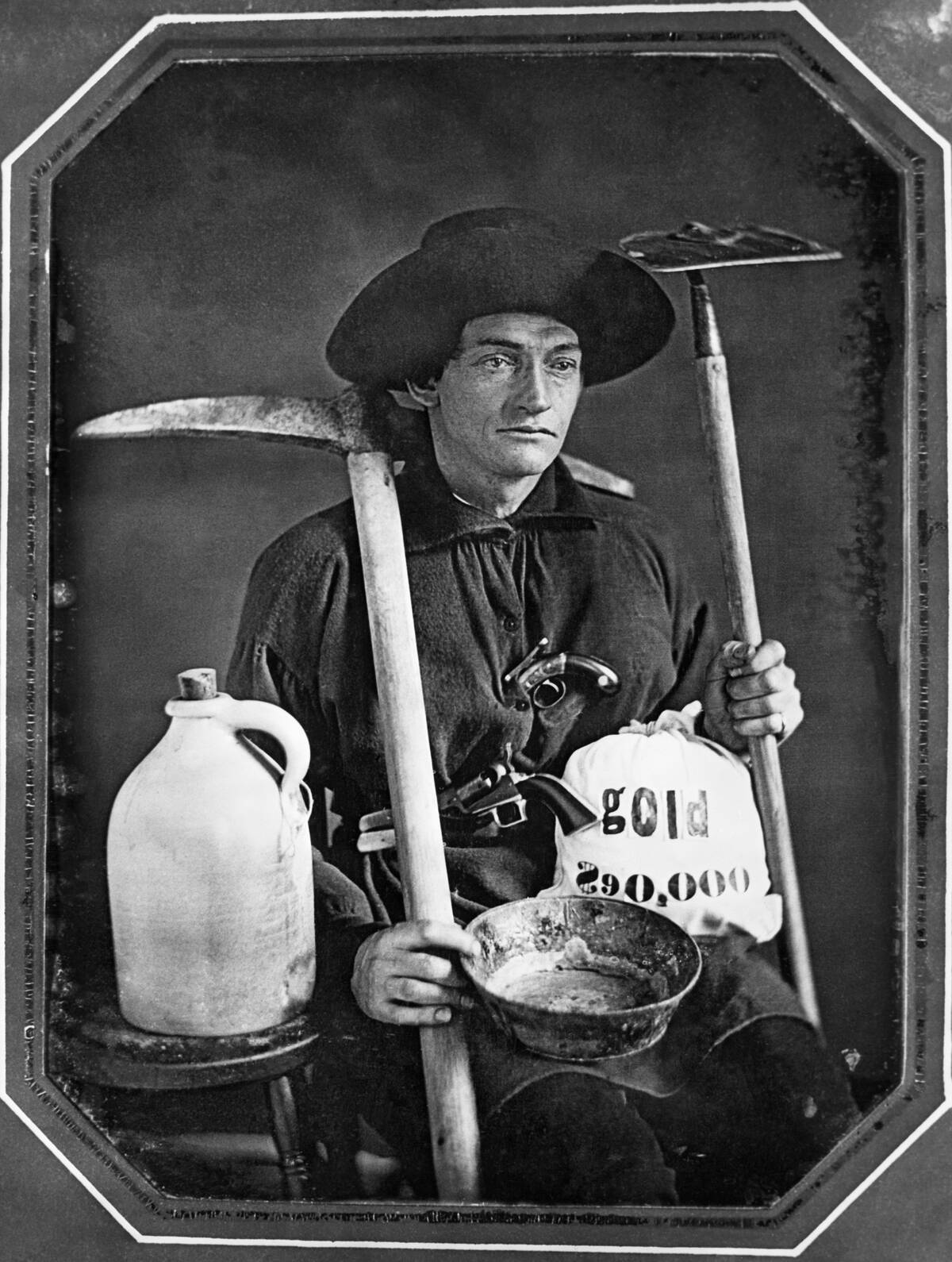
In the early days of photography, posing for a portrait was a test of patience. Long exposure times, sometimes lasting several minutes, required subjects to remain perfectly still. This often resulted in stiff, solemn expressions, as any movement could blur the image.
Despite the challenges, these early photographs remain a testament to both technological advancements and human perseverance.
Say Cheese!
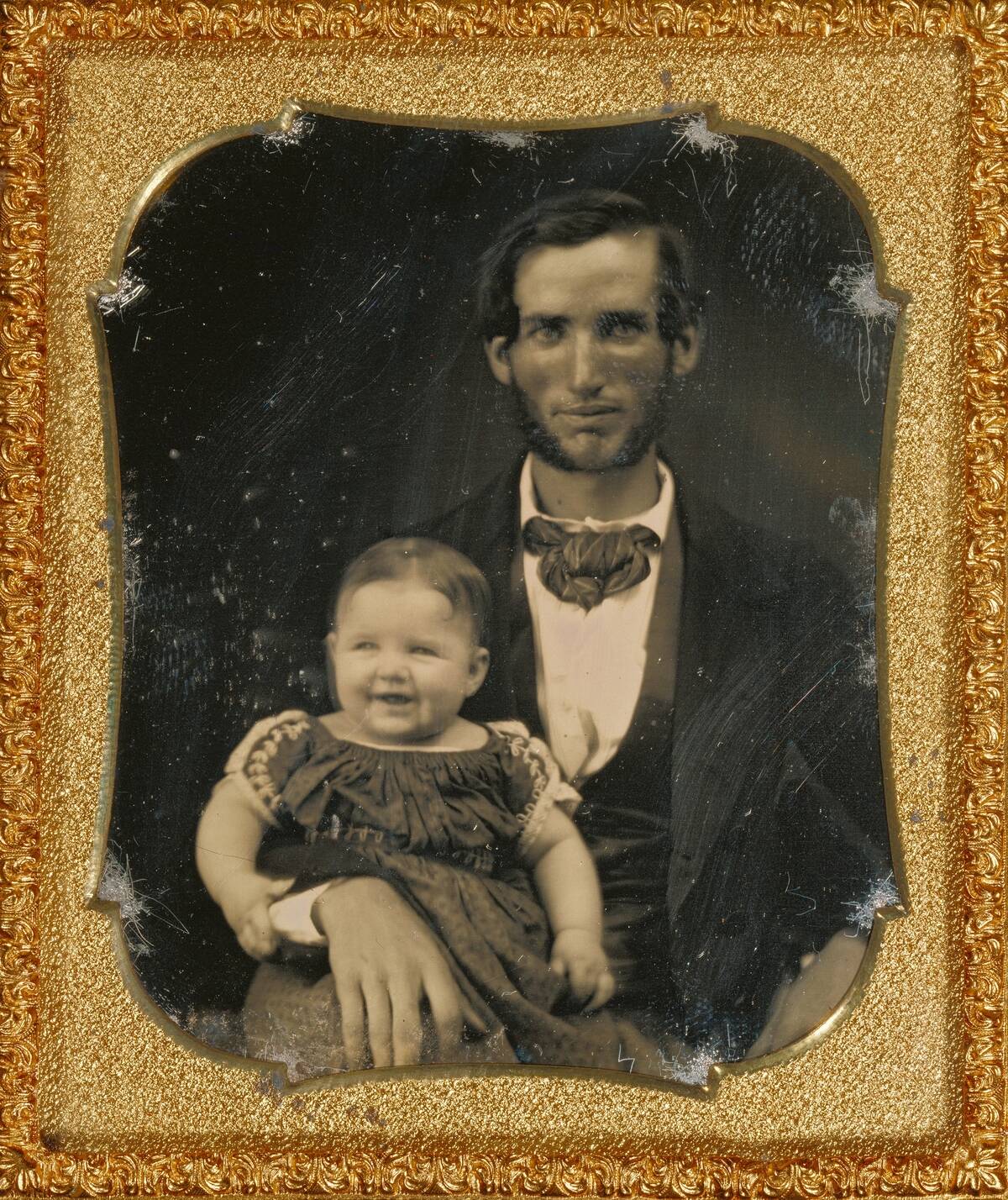
Smiling in photographs wasn’t always the norm; in fact, it only became popular in the 20th century. Early portraits featured serious expressions, partly due to the long exposure times and the cultural belief that smiling was for informal occasions.
It wasn’t until faster shutter speeds and changing social norms emerged that people began to capture their grins for posterity.
The Instagram of the 1800s
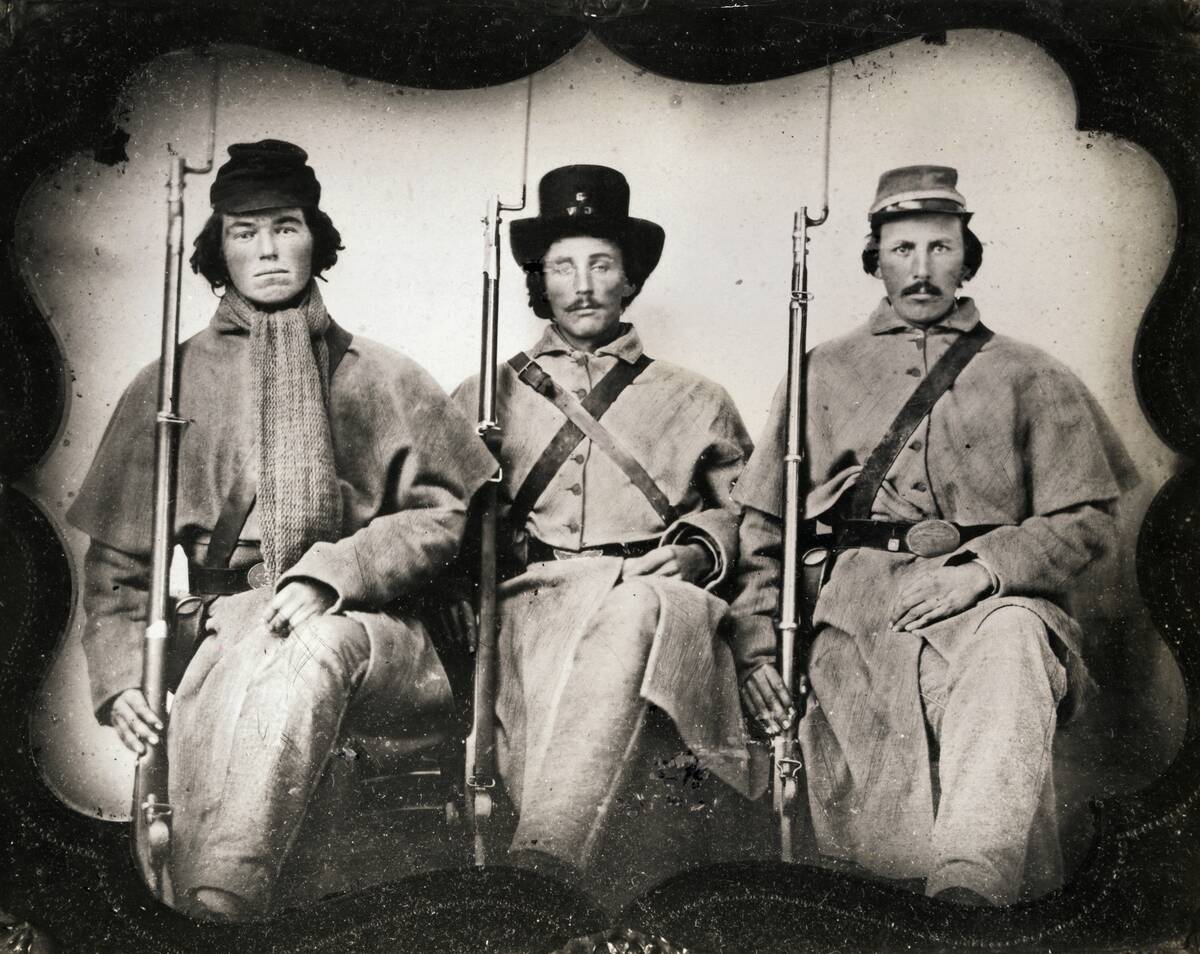
Tintypes and ambrotypes were popular photographic trends in the mid-1800s. These inexpensive alternatives to daguerreotypes captured images on thin sheets of iron or glass, respectively.
Their affordability and portability made them the perfect medium for capturing everyday life, much like Instagram allows us to share snapshots of our daily adventures in the modern age.
Alchemy Meets Art
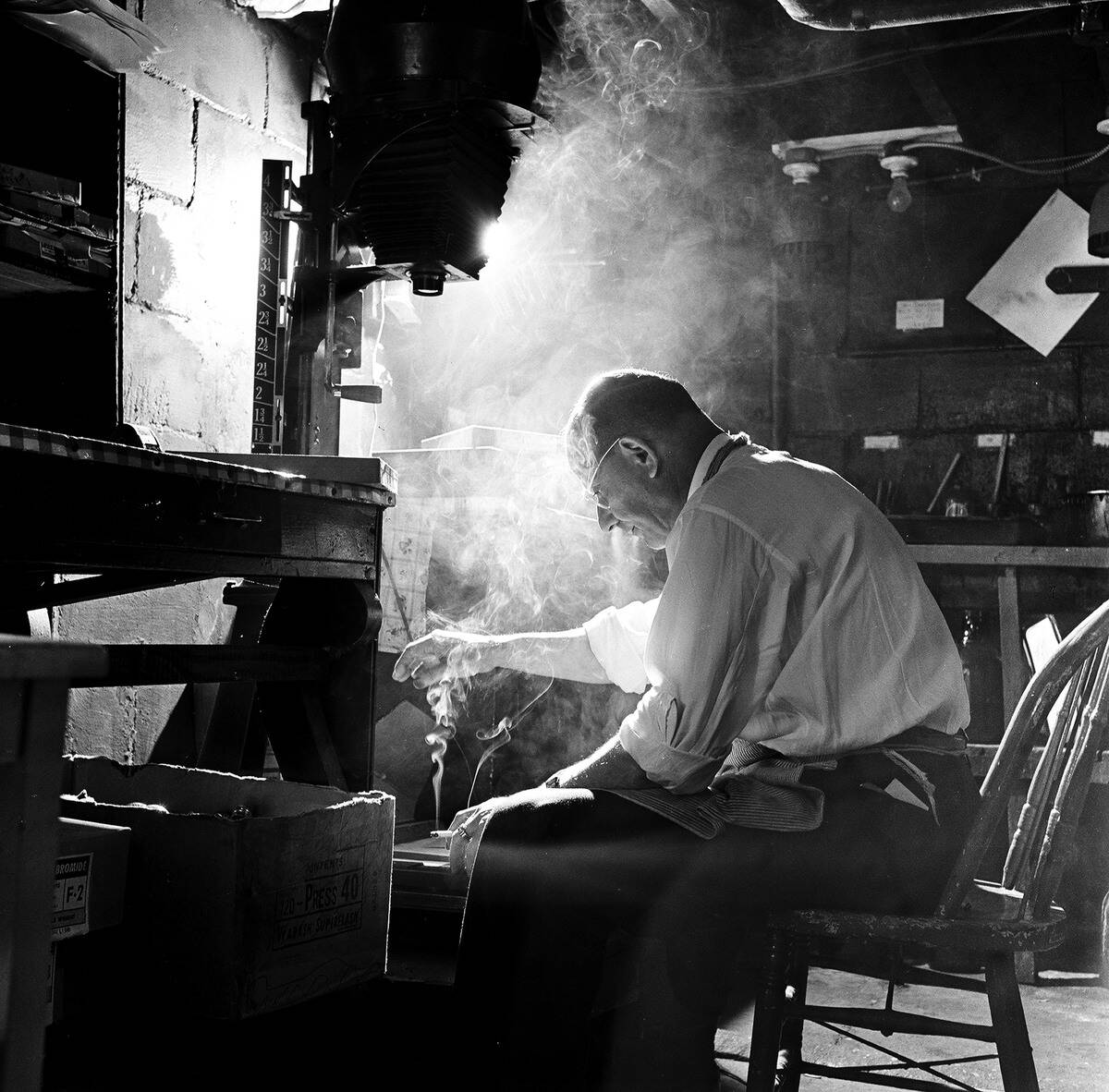
Photography in the 19th century was as much about chemistry as it was about art. Early photographers were akin to alchemists, experimenting with various chemicals to develop and fix images.
Silver nitrate, iodine, and mercury were just a few of the substances used to bring images to life, a process that required both precision and creativity to master.
The Strange Case of Post-Mortem Photography
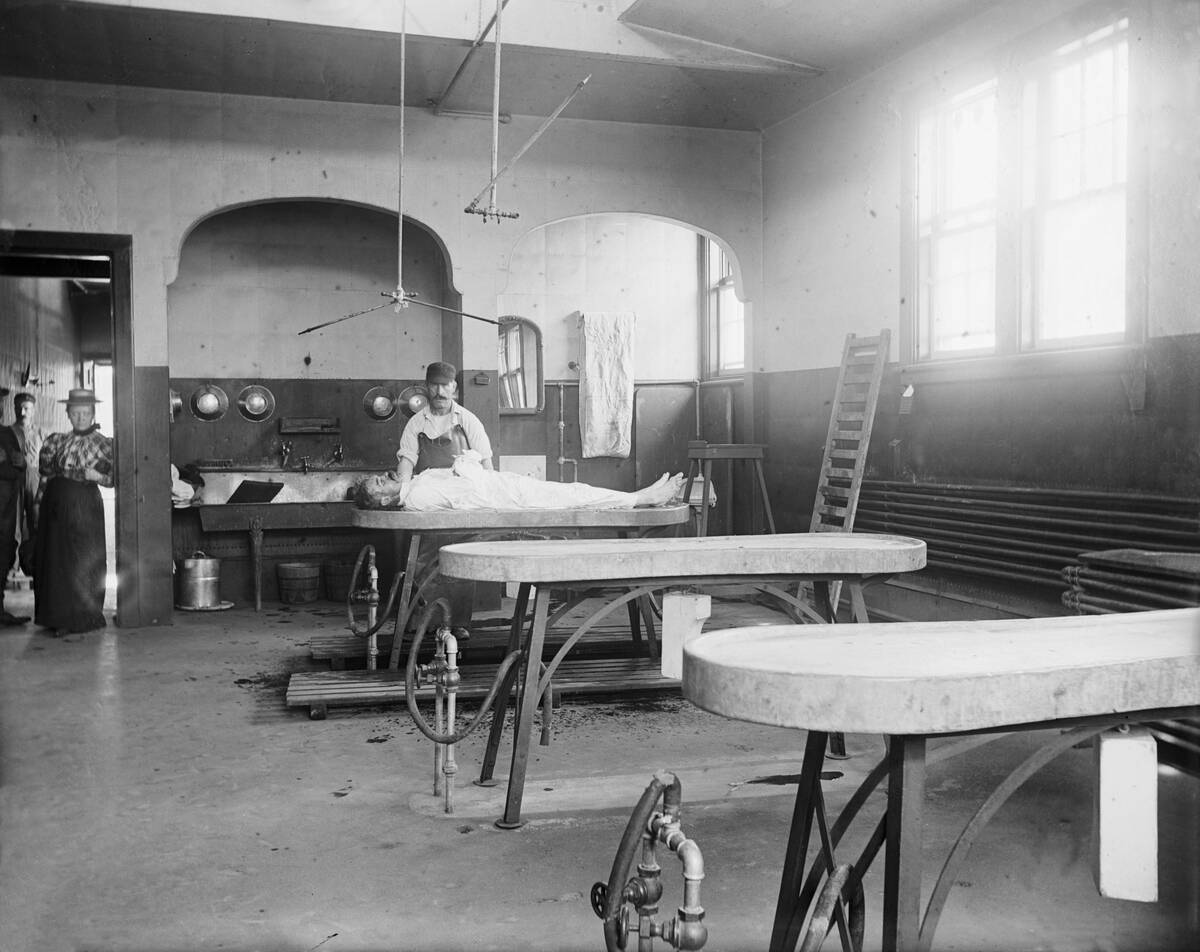
In the Victorian era, post-mortem photography was a common practice to memorialize deceased loved ones. Families would commission portraits of the departed, often posing them as if they were still alive.
While it may seem macabre today, these photographs served as cherished mementos for grieving families, providing a tangible connection to those they had lost.
The First Color Photographs
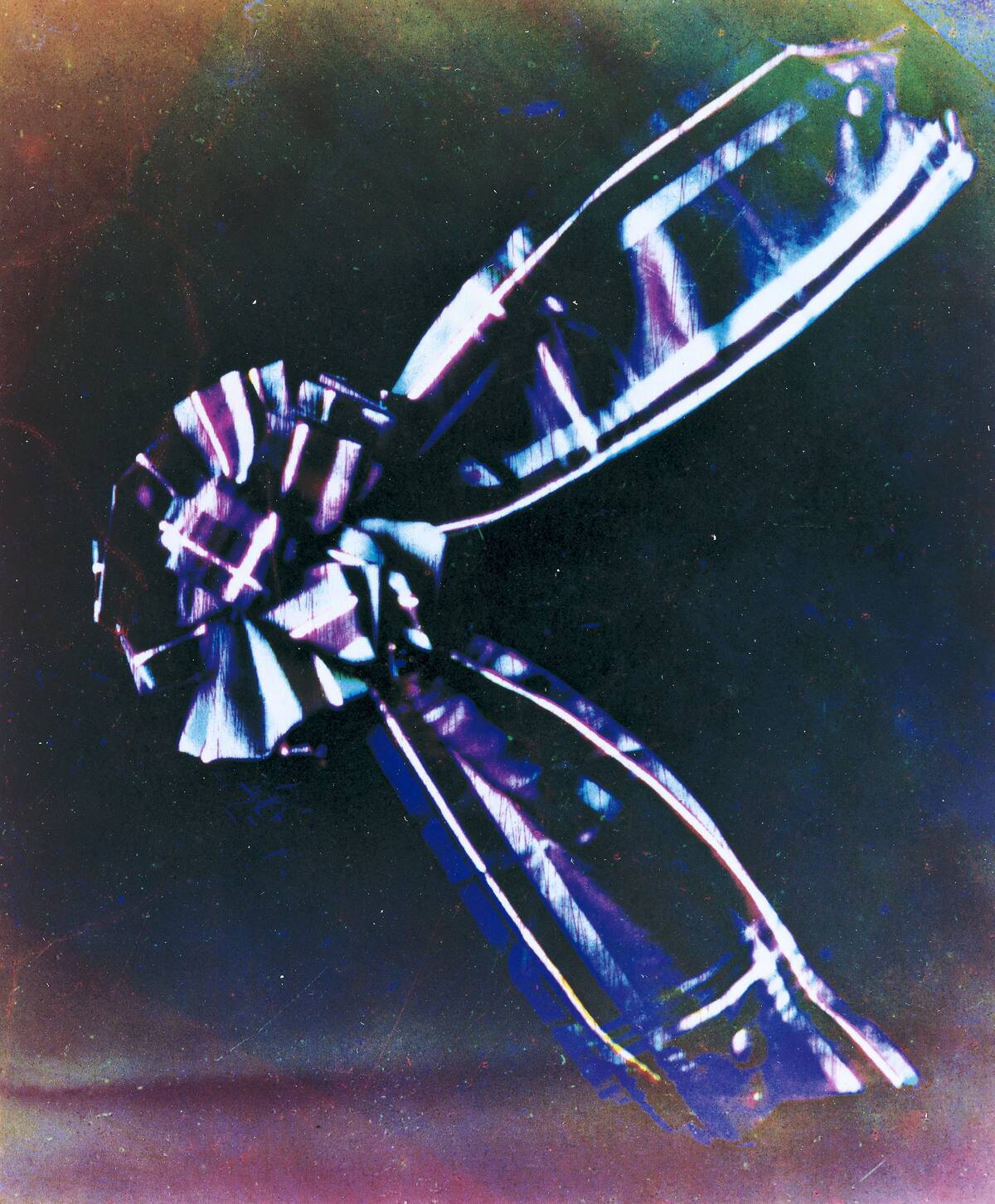
The journey to color photography began with Scottish physicist James Clerk Maxwell in 1861. He demonstrated the first color photograph using a method of combining three black-and-white negatives filtered through red, green, and blue.
This experiment laid the groundwork for the vibrant color photography we enjoy today, adding a new dimension to capturing the world around us.
The Role of Women in Early Photography
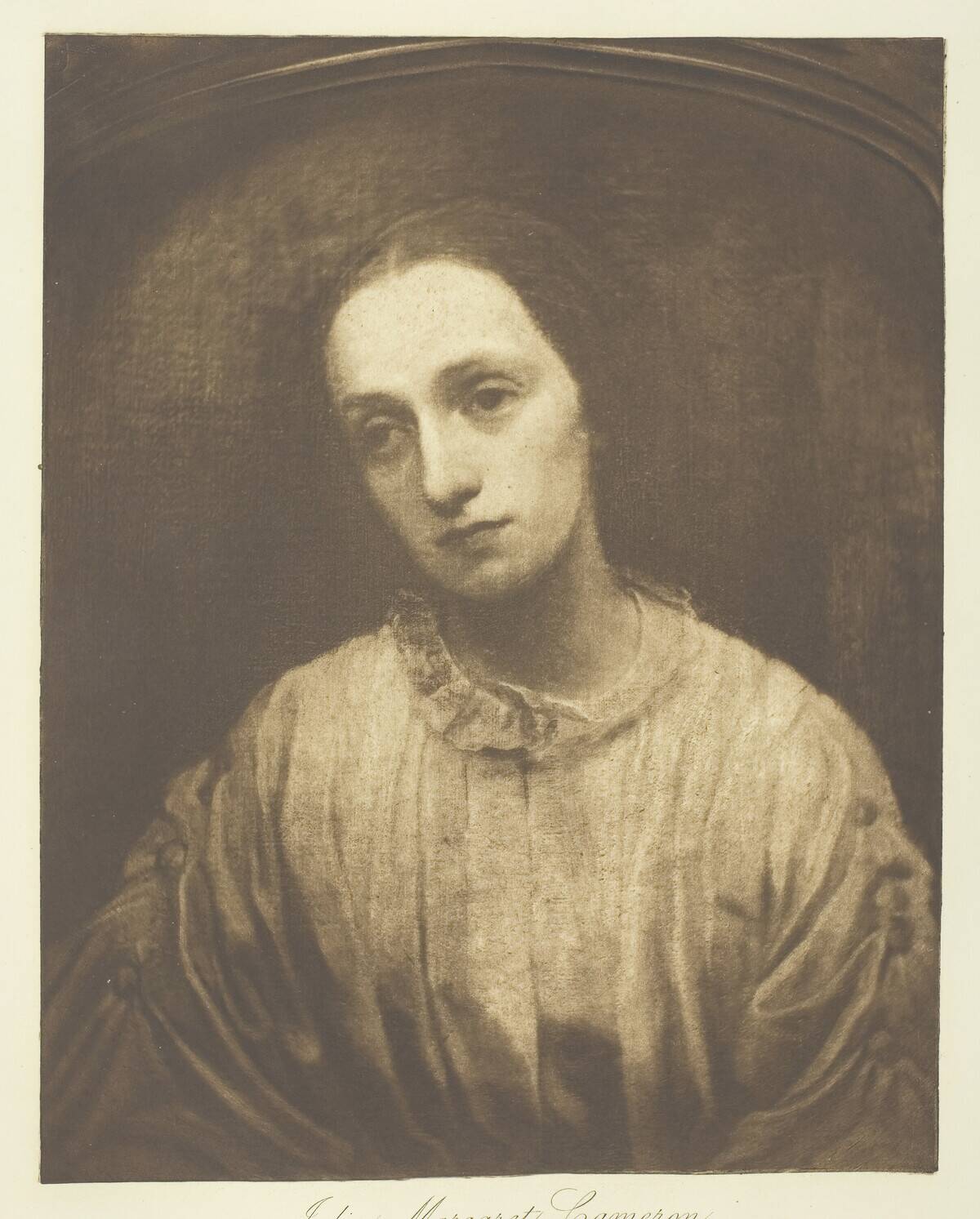
Women played a pivotal role in the development of early photography, often working behind the scenes as assistants, colorists, and even photographers. Figures like Julia Margaret Cameron and Anna Atkins pushed the boundaries of the medium, creating stunning images that challenged societal norms.
Their contributions helped pave the way for future generations of female photographers.
The Original Photoshop
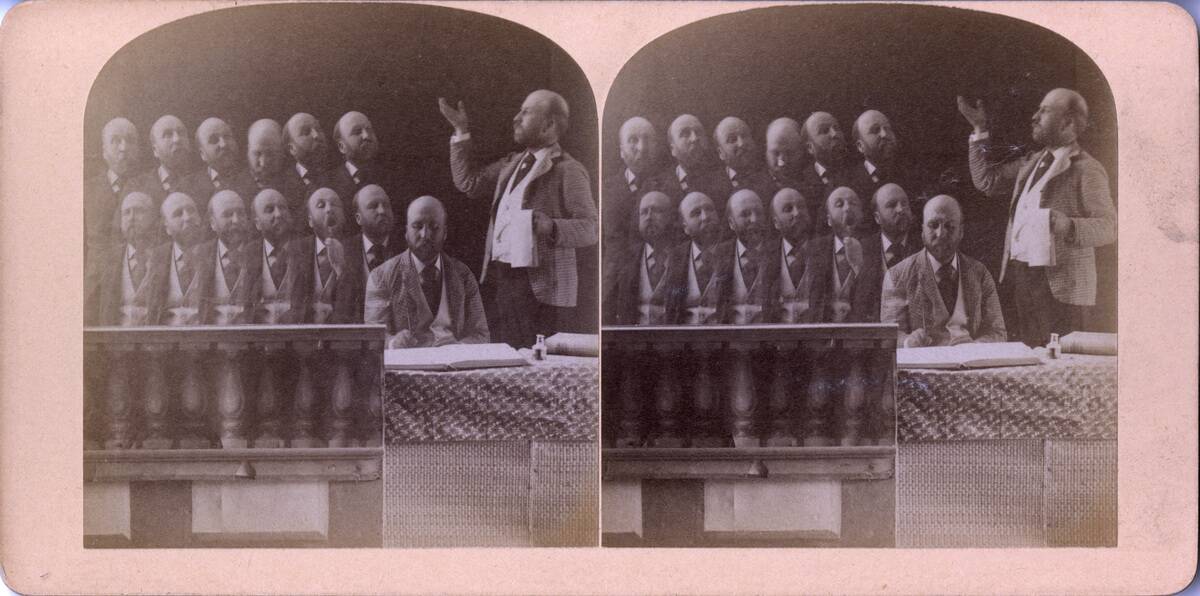
Long before digital editing, photographers were manipulating images using creative techniques. Double exposures, composite images, and hand-coloring were popular methods to alter and enhance photographs.
These early experiments in photo manipulation paved the way for modern tools like Photoshop, showcasing the timeless human desire to bend reality through artistic expression.
From Room-Sized to Pocket-Sized
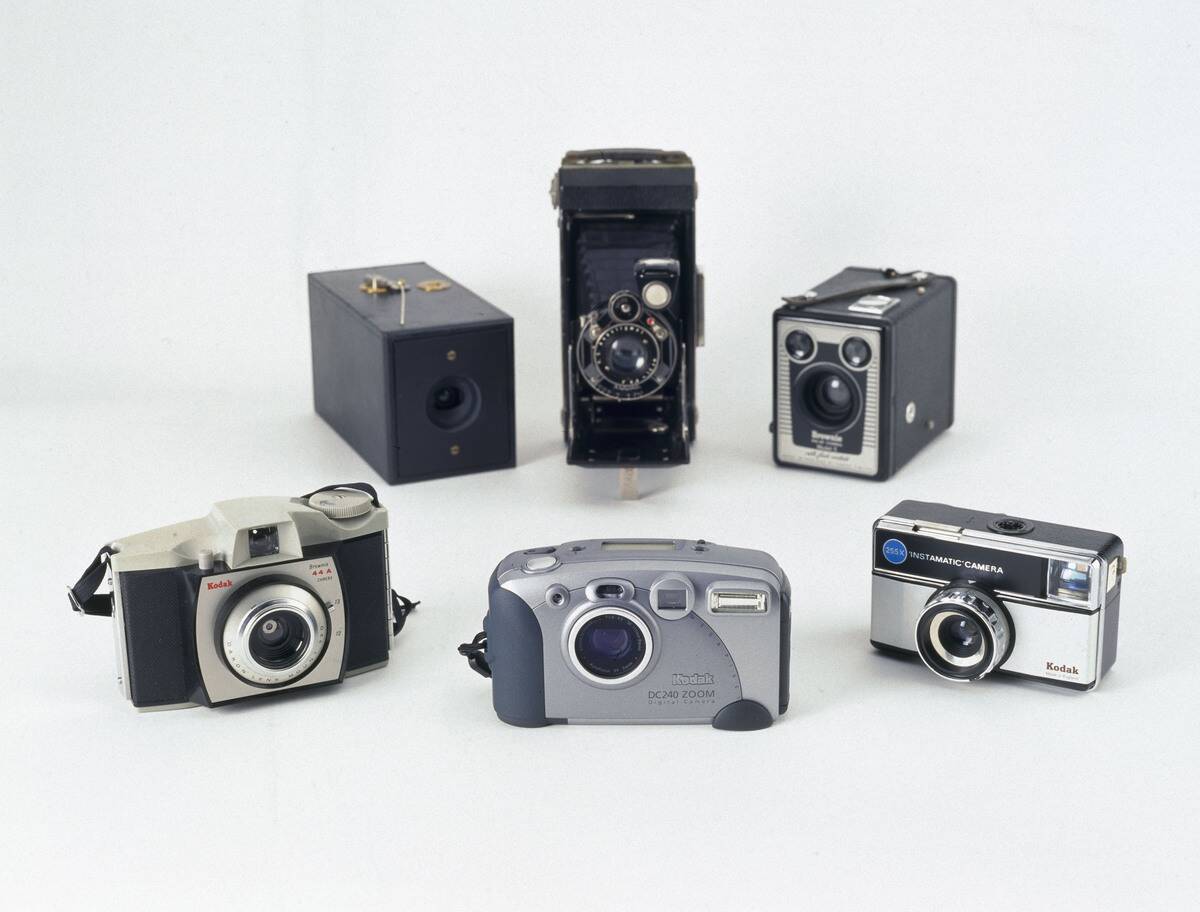
Cameras have come a long way since their inception, evolving from cumbersome, room-sized contraptions to sleek, pocket-sized devices. The development of roll film and the introduction of the Kodak Brownie in 1900 made photography accessible to the masses.This democratization of photography allowed people from all walks of life to capture and share their unique perspectives with the world.
The Influence of Early Photography on Modern Art
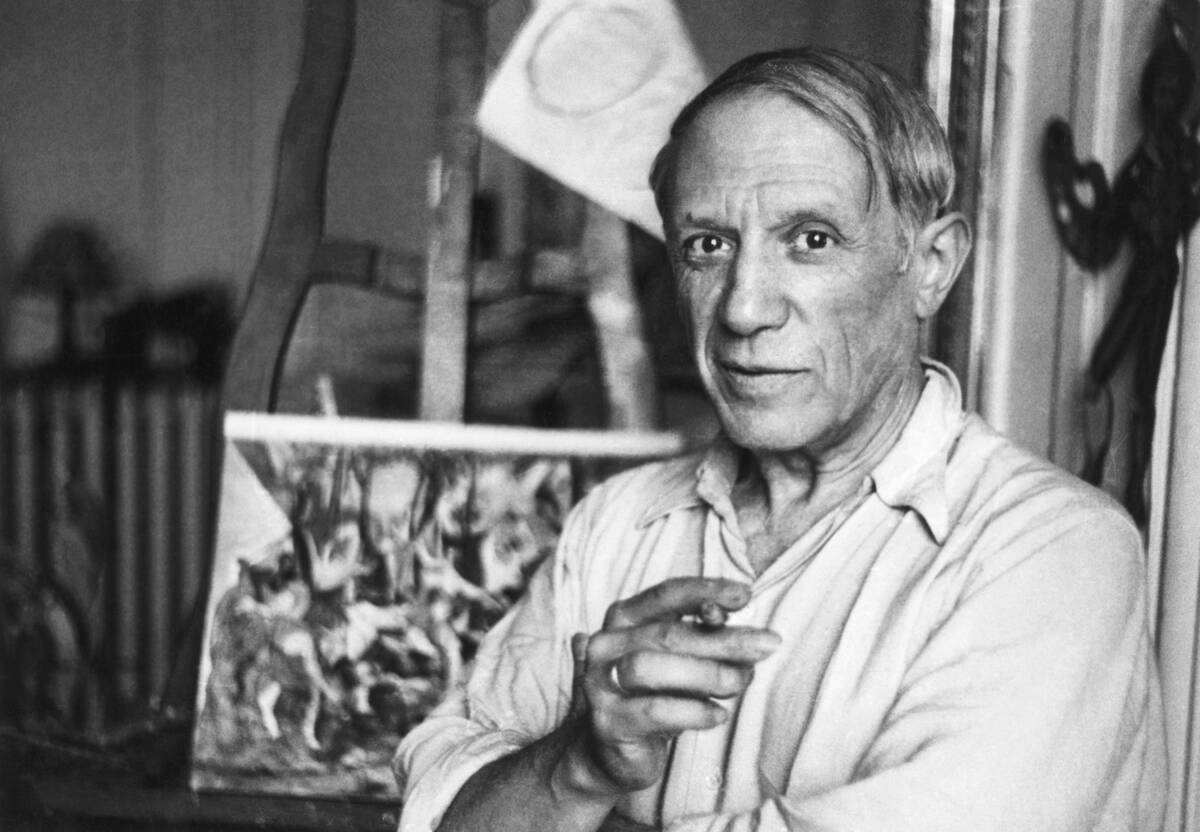
Early photography had a profound impact on modern art, inspiring artists to explore new perspectives and techniques. It challenged traditional notions of representation, leading to movements like Impressionism and Surrealism.
The interplay between photography and art continues to evolve, with each medium influencing and enriching the other in a dynamic, ongoing dialogue.
Celebrity Portraits: The First Paparazzi Shots
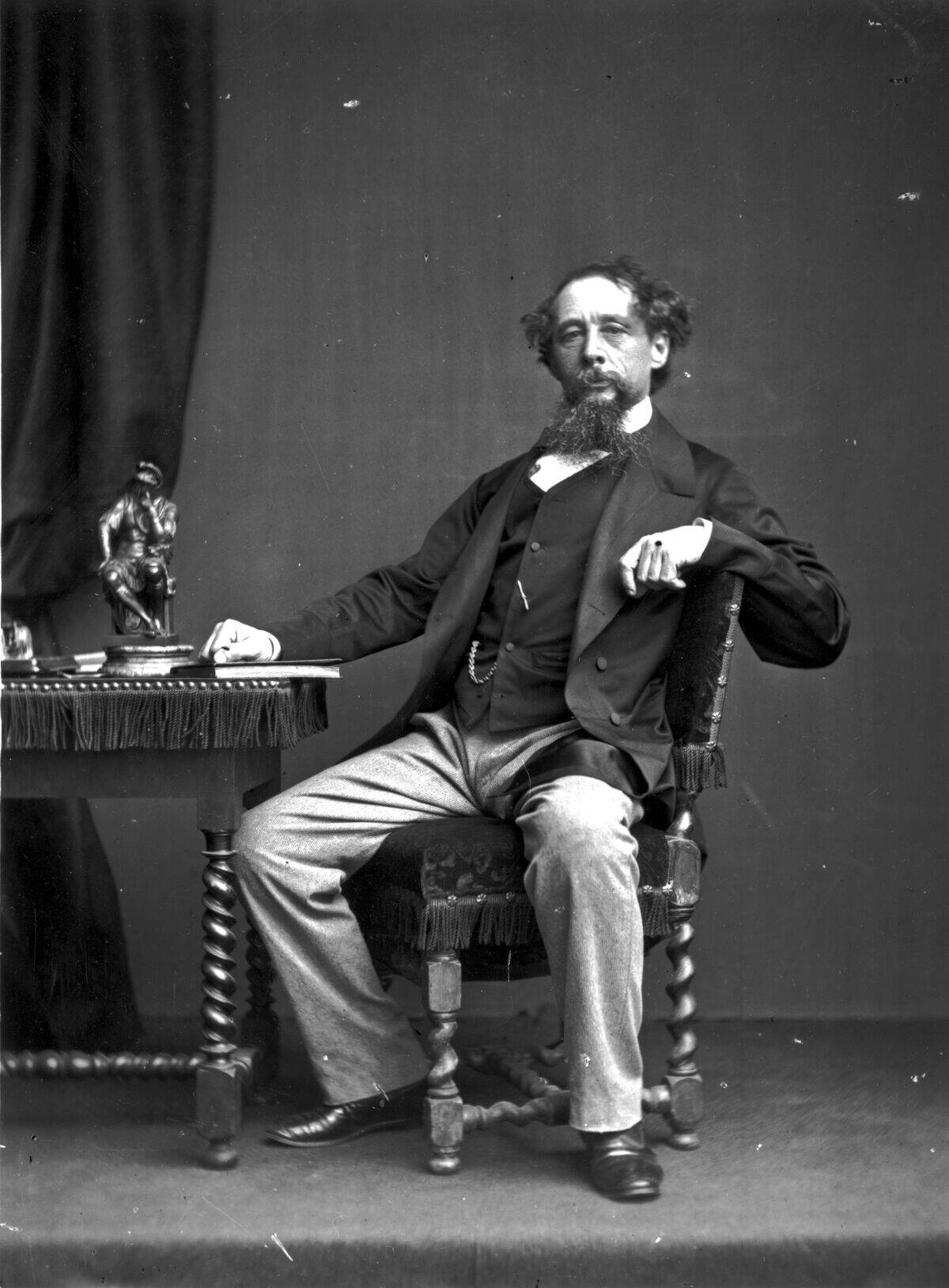
Even in the 19th century, the public’s fascination with celebrities was evident through portrait photography. Renowned figures like Charles Dickens and Abraham Lincoln were immortalized through carefully crafted images.
These portraits were the precursors to today’s paparazzi shots, providing fans with a glimpse into the lives of their favorite public figures, long before the age of social media.
Birth of Photography Clubs
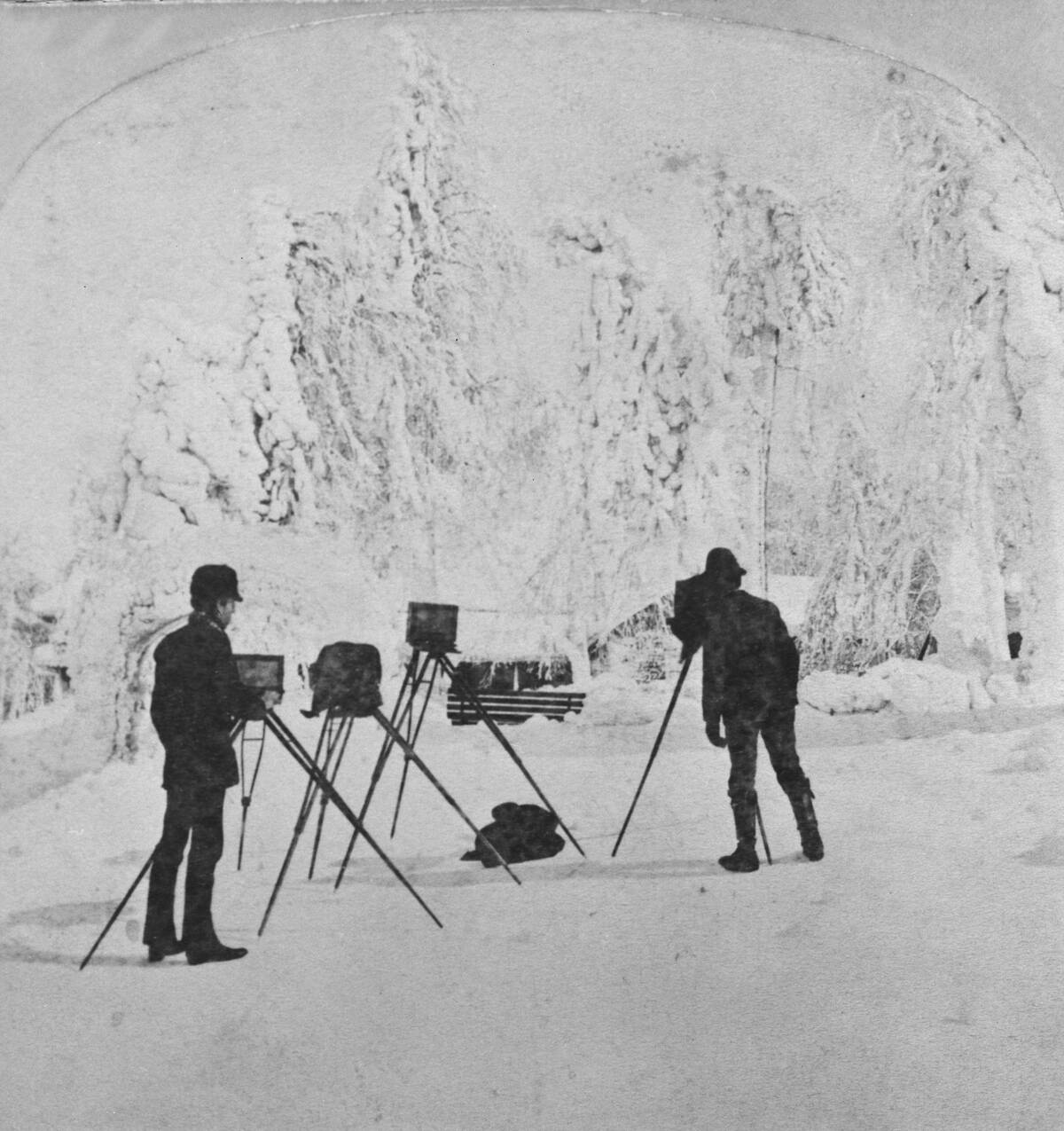
The rise of photography clubs and societies in the 19th century fostered a sense of community among enthusiasts. These organizations provided a platform for photographers to share techniques, ideas, and innovations.
Clubs like the Photographic Society of London, founded in 1853, played a crucial role in advancing the art and science of photography, laying the groundwork for the vibrant photographic communities we see today.
Journalists Went from Using Sketches to Snapshots
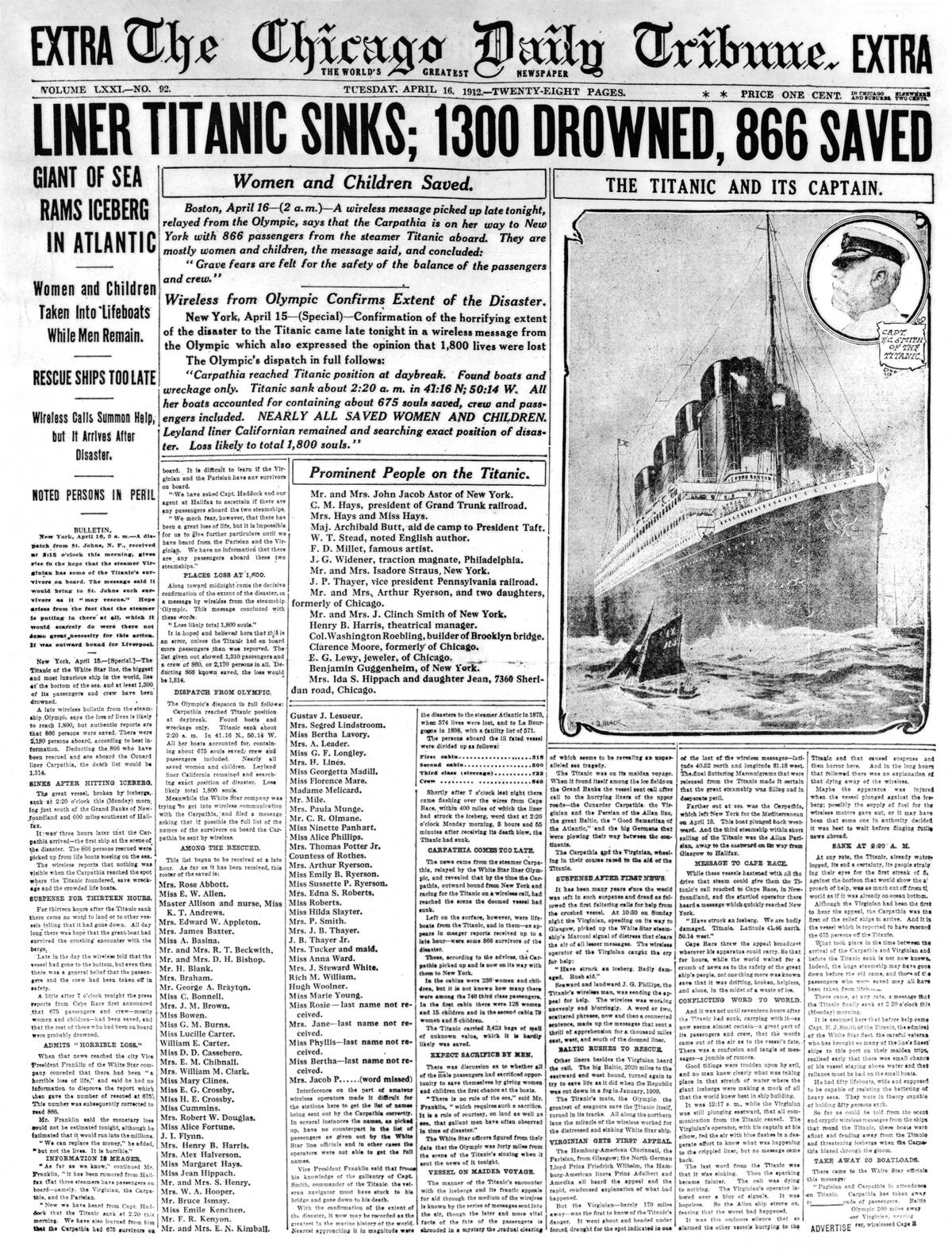
Photography revolutionized journalism by providing a more accurate depiction of events than sketches ever could. The ability to capture real-time images brought a new level of authenticity and immediacy to news reporting.
This shift from illustrations to photographs transformed the way stories were told, offering audiences a more vivid and engaging glimpse into world events.
The Surprise Impact of Photography on Science and Exploration
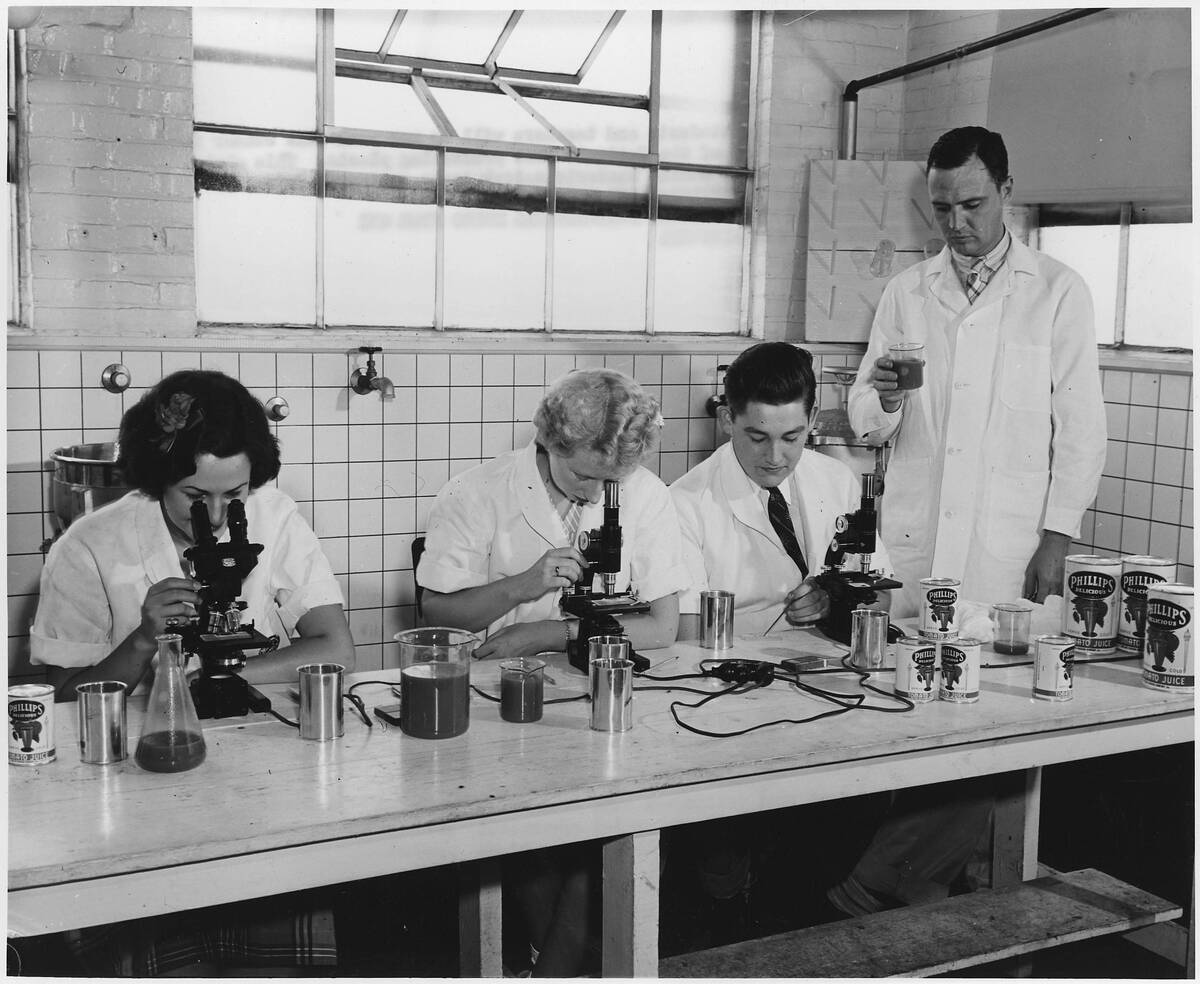
Photography has long been a valuable tool for scientists and explorers, aiding in the documentation of discoveries and research. Early photographs provided visual evidence of new species, distant lands, and celestial bodies.
This ability to capture and share detailed images transformed scientific inquiry, making it easier to communicate findings and collaborate across disciplines.
The Antique Market’s Hidden Gems
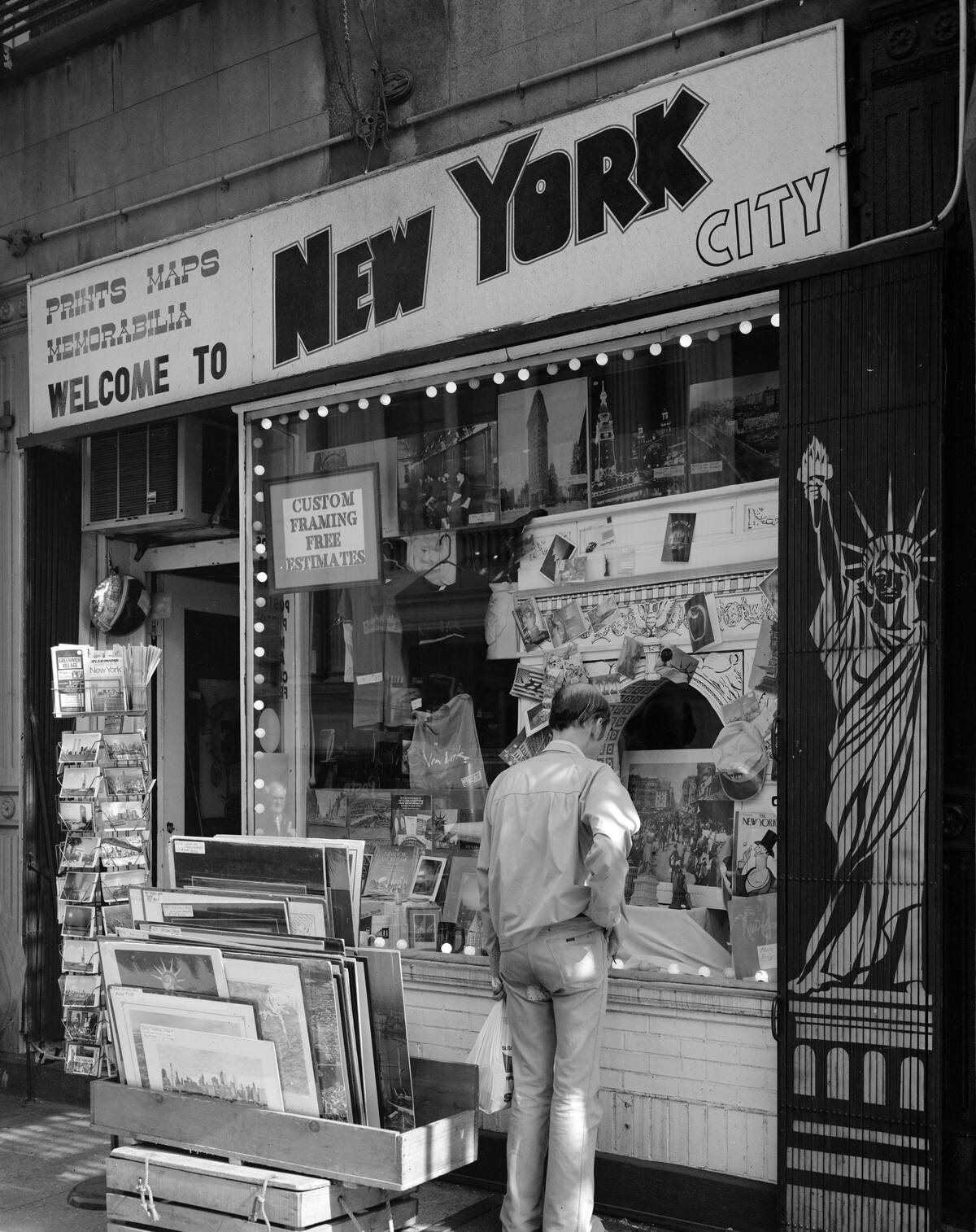
Vintage photographs have become highly sought-after collectibles, with daguerreotypes, tintypes, and cartes de visite fetching high prices at auctions. These antique images offer a tangible connection to the past, capturing moments of history in a way that few other artifacts can.
As collectors scour the market for these hidden gems, the allure of early photography continues to captivate enthusiasts worldwide.




