What sports were like before modern rules
Sports have been an integral part of human culture for centuries, offering a glimpse into the values and lifestyles of ancient civilizations. From the dusty arenas of Rome to the lush fields of medieval Europe, each sport tells a unique story of human endeavor and competition.
As we explore the origins of these games, we uncover not just the rules and equipment, but the spirit and passion that drove early athletes to push their limits.
The Wild World of Ancient Greek Athletics
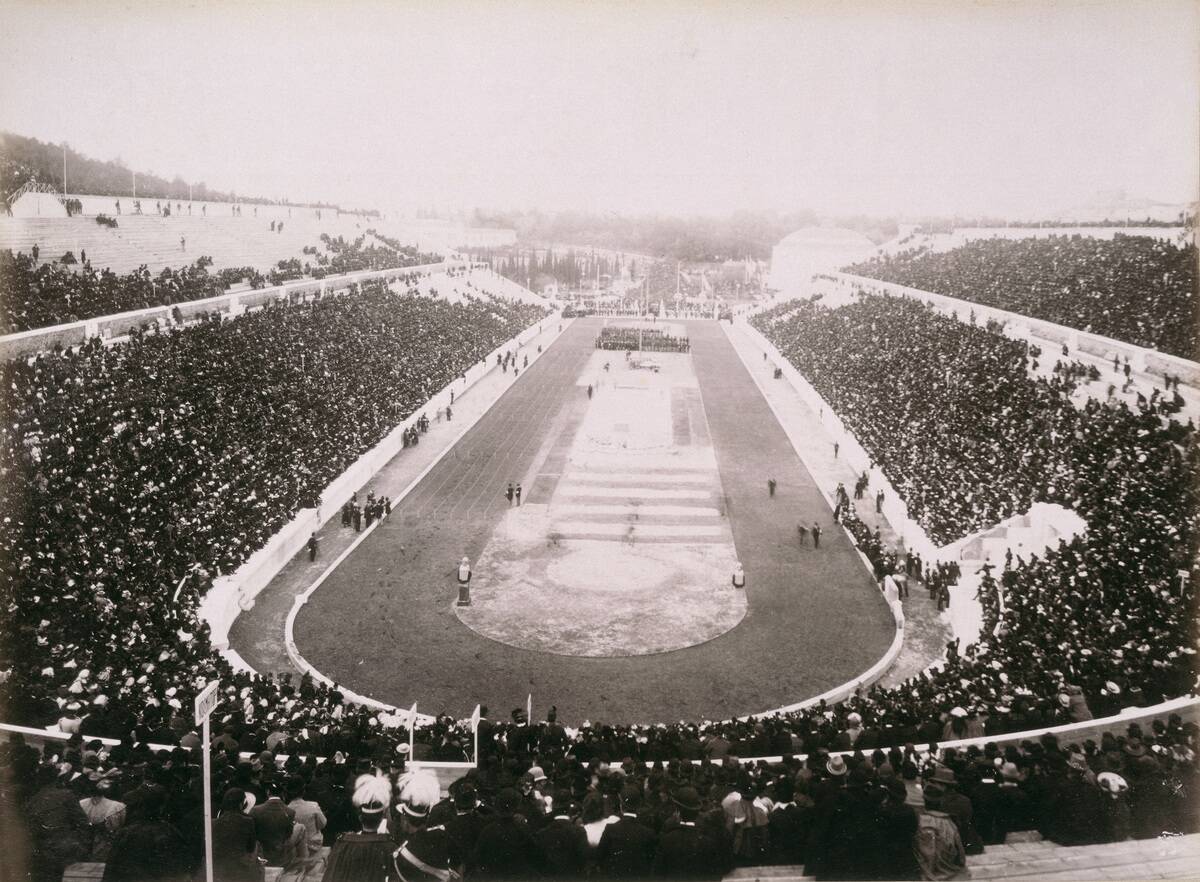
In ancient Greece, athletics were more than just a pastime; they were a way of life. The Olympic Games, first held in 776 BC, were a testament to this, featuring events like the stadion race, a sprint of about 192 meters.
Athletes competed nude, celebrating the human form and the gods who blessed them with strength. Wrestling, boxing, and the pankration—a brutal mix of both—were popular, showcasing the Greeks’ admiration for physical prowess and endurance.
Roman Gladiators: The Original Contact Sport
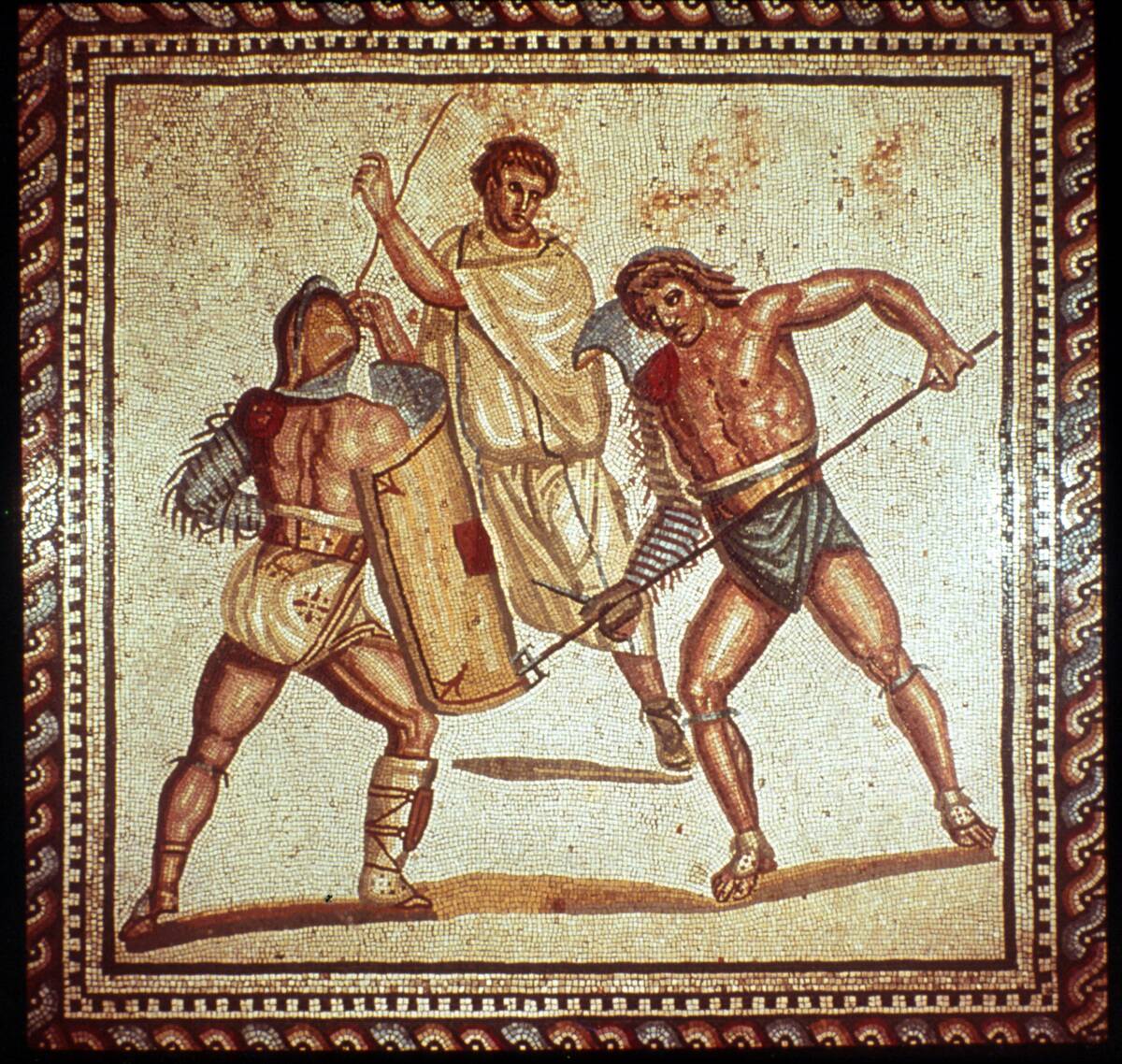
The Roman gladiatorial games were a spectacle of blood and bravery, captivating audiences in massive amphitheaters like the Colosseum. Gladiators, often slaves or prisoners of war, fought to the death in battles that were as much about entertainment as they were about survival.
These contests were a reflection of Roman society’s values, emphasizing courage, skill, and the might of the empire. Despite their grim nature, gladiators could achieve fame and fortune, becoming heroes in the eyes of the public.
Medieval Jousting: Knights in Shining Armor
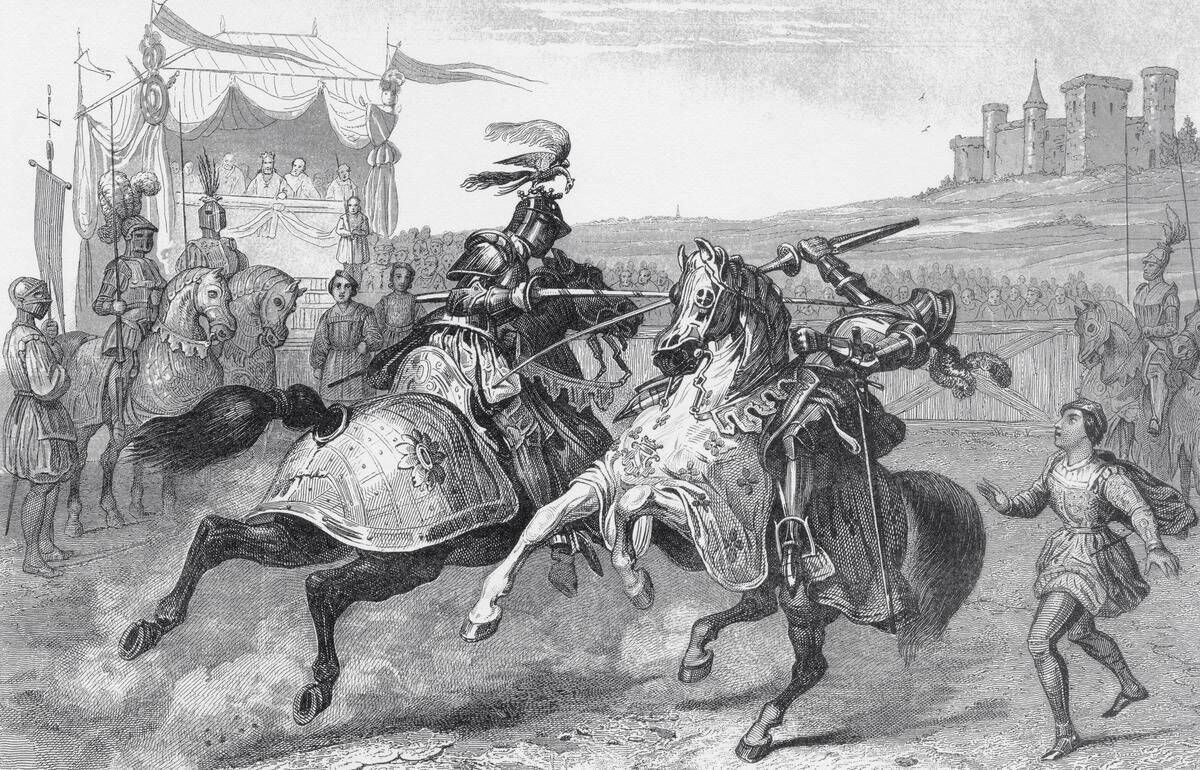
Jousting emerged in the Middle Ages as a martial game between knights, symbolizing the chivalric ideals of the time. Armed with lances, knights charged at each other on horseback, aiming to unseat their opponent.
These tournaments were not only displays of martial skill but also social events, drawing crowds from all walks of life. The pageantry and honor associated with jousting made it a staple of medieval culture, celebrating the knightly virtues of bravery and gallantry.
Early Football: Chaos on the Field
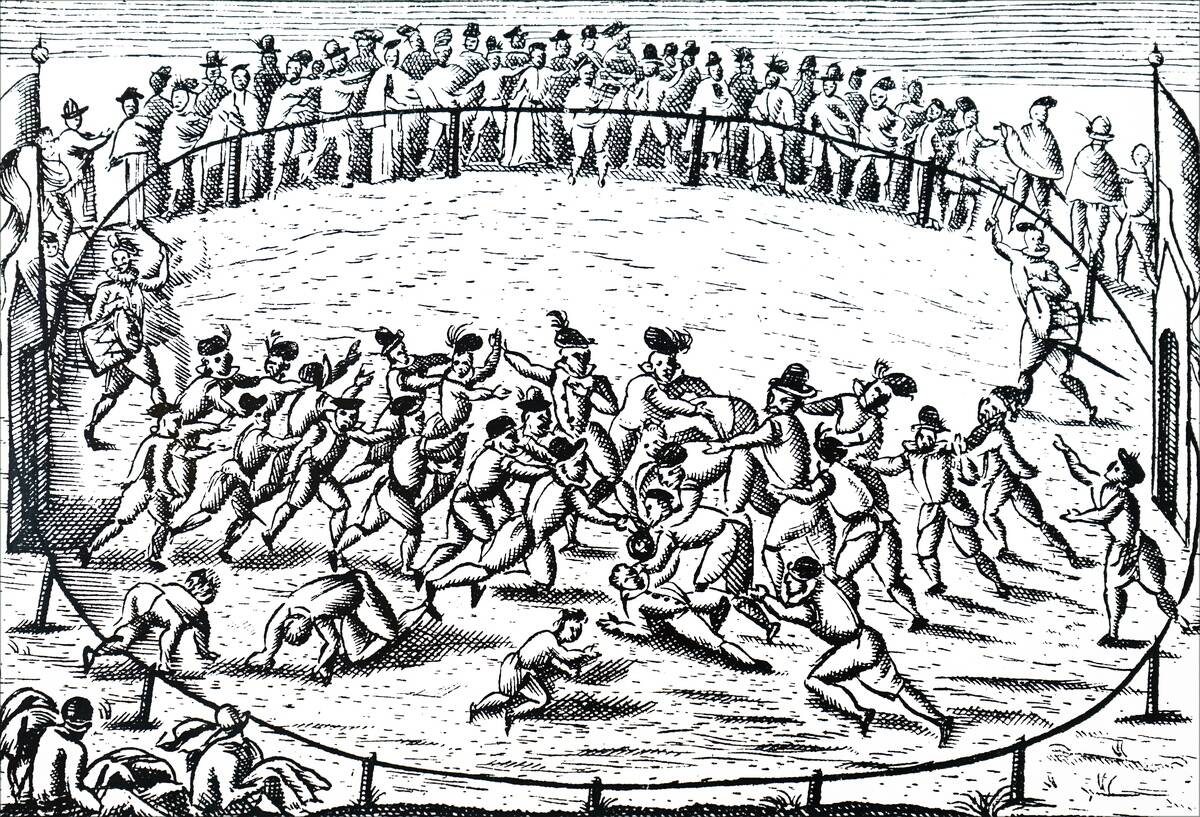
The roots of modern football can be traced back to medieval England, where chaotic and often violent games were played between neighboring villages. Known as ‘mob football,’ these matches had few rules and could involve hundreds of players, leading to broken bones and even fatalities.
The objective was simple: get the ball to the opposing village’s church. Over time, these unruly games evolved into more structured forms, eventually giving rise to the organized sport we know today.
The Birth of Cricket: A Gentleman’s Game in its Infancy
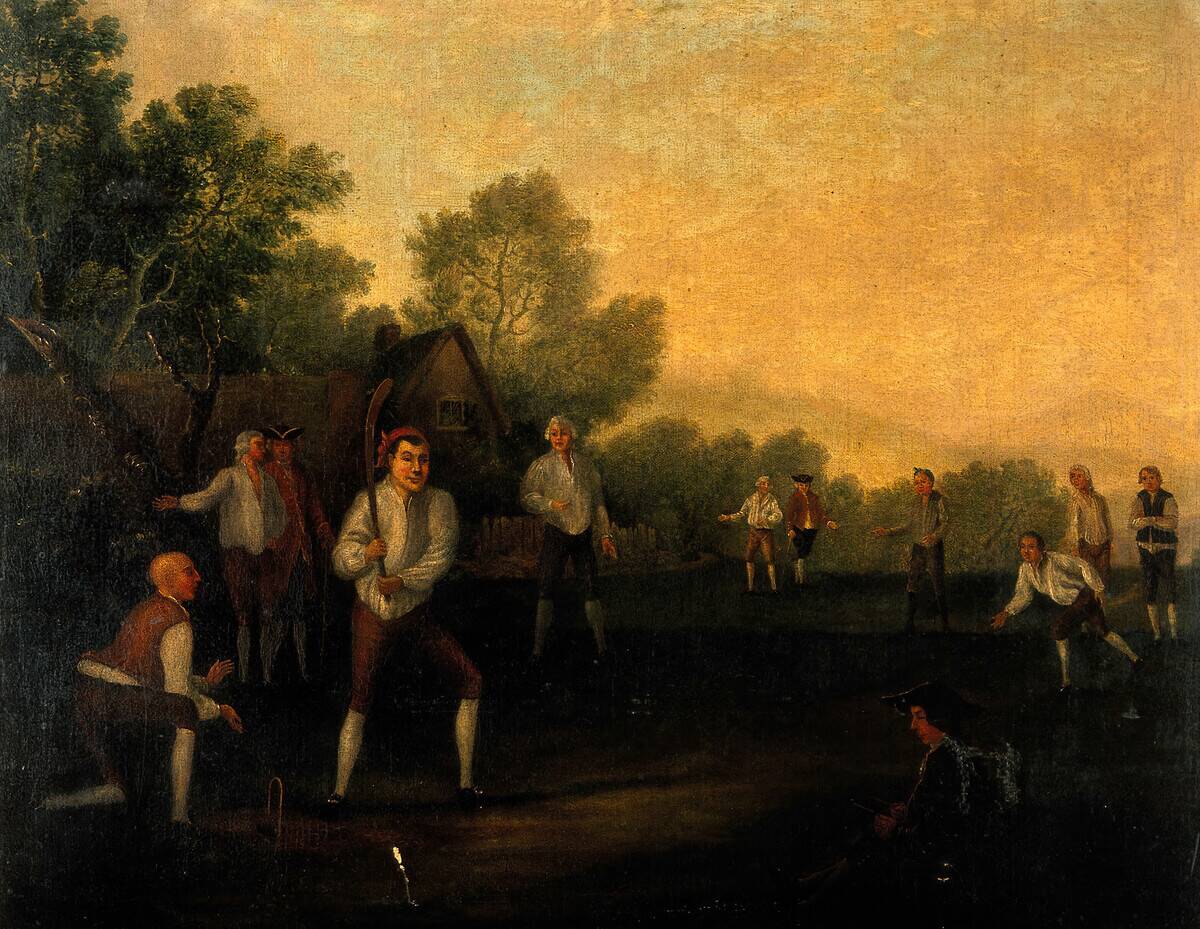
Cricket’s origins can be traced back to 16th-century England, where it was played by children in the countryside. By the 17th century, it had gained popularity among adults, with matches often organized by local gentry.
The game was initially played with a curved bat, and the rules were rudimentary compared to modern standards. Cricket’s emphasis on sportsmanship and fair play earned it the reputation of a ‘gentleman’s game,’ a title it carries with pride to this day.
The Evolution of Basketball: From Peach Baskets to Slam Dunks
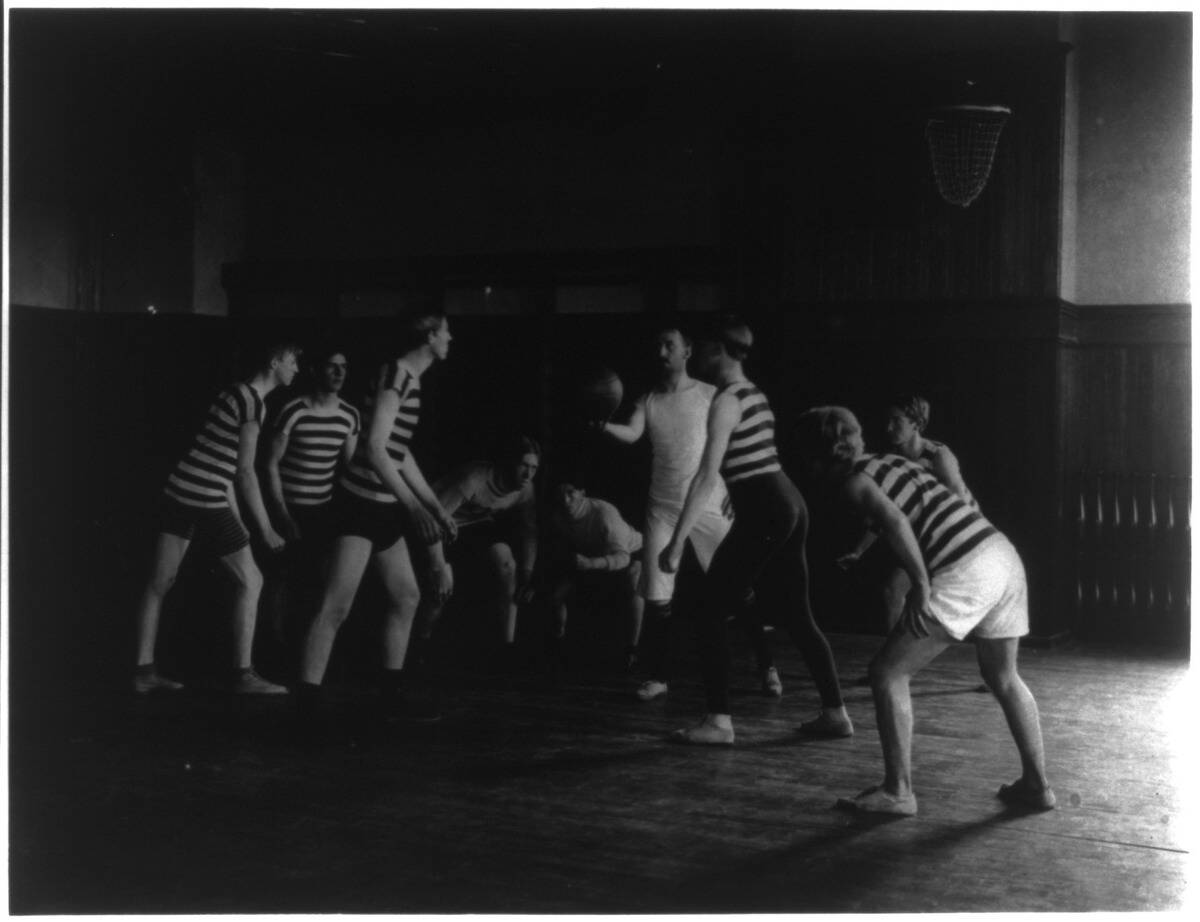
Basketball was invented in 1891 by Dr. James Naismith, a Canadian physical education instructor, as a way to keep his students active indoors during the winter. The first games were played with a soccer ball and two peach baskets as goals.
Over time, the sport evolved, with the introduction of dribbling, the development of the backboard, and the creation of the slam dunk. Today, basketball is a global phenomenon, known for its fast pace and high-flying athleticism.
Ancient Wrestling: Grappling with the Gods
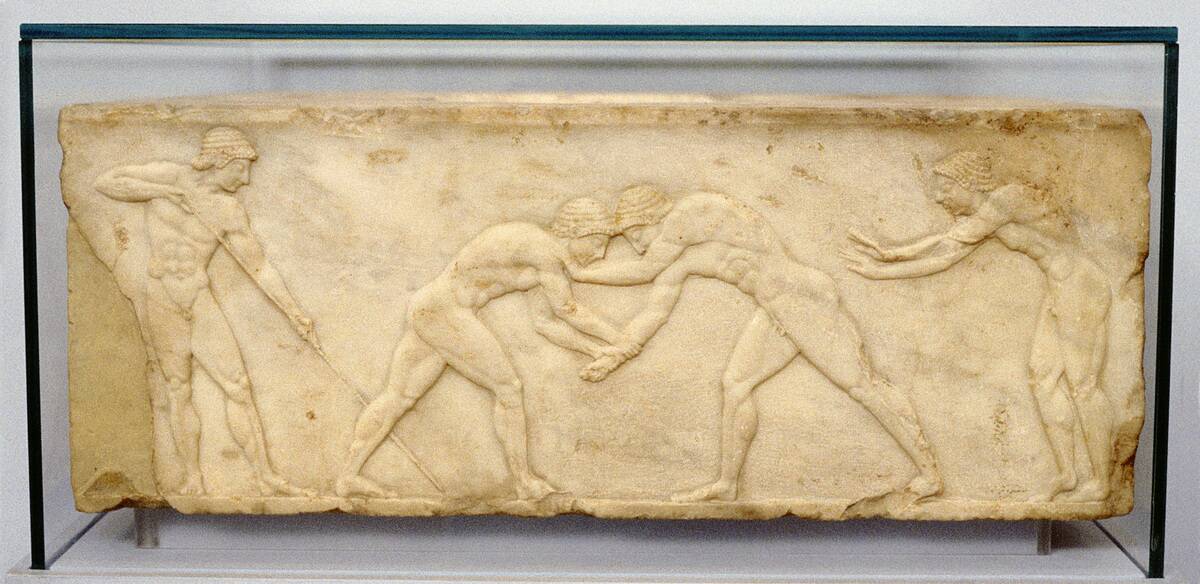
Wrestling is one of the oldest forms of combat, with evidence of its practice dating back to ancient civilizations like Mesopotamia and Egypt. In Greece, wrestling was a key event in the Olympic Games, with athletes competing in a sand-filled arena.
The sport was seen as a test of strength and strategy, with techniques that have influenced modern wrestling styles. Wrestlers were often depicted in art and mythology, highlighting their revered status in ancient society.
The Original Marathon: A Race for Survival
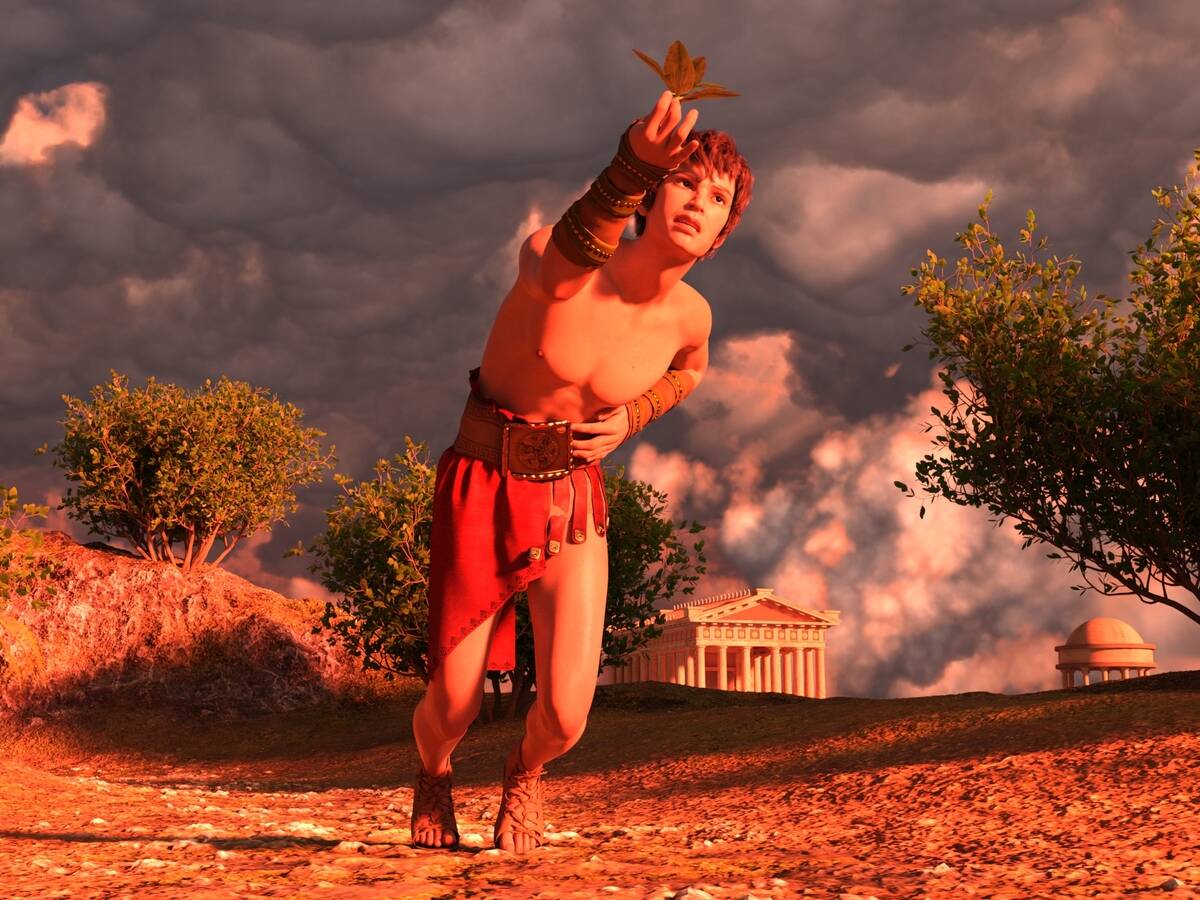
The marathon has its origins in a legendary run by Pheidippides, a Greek messenger who, in 490 BC, ran from the battlefield of Marathon to Athens to announce victory over the Persians.
This grueling 26-mile journey inspired the modern marathon race, first introduced at the 1896 Athens Olympics. The marathon symbolizes endurance and perseverance, qualities that have made it a beloved event in athletic competitions worldwide, attracting runners of all levels to test their limits.
Polo: The Sport of Kings and Warriors
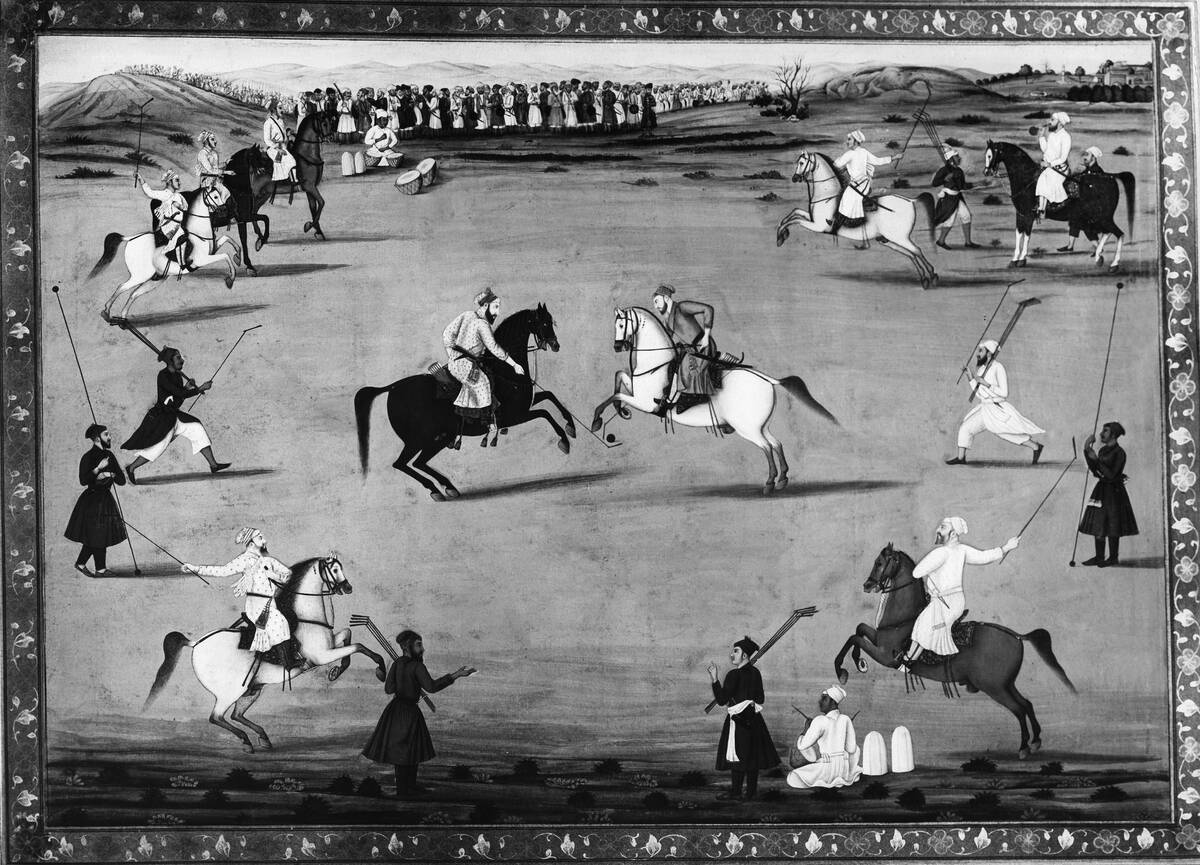
Polo is one of the oldest team sports, with origins in Persia around the 6th century BC. Initially a training game for cavalry units, it was played by kings and warriors, earning it the title ‘the sport of kings.’
Polo spread across Asia and was embraced by the British in India, who formalized the rules in the 19th century. The game is known for its speed and skill, requiring players to maneuver horses and strike a ball with precision and agility.
The First Olympics: A Festival of Feats
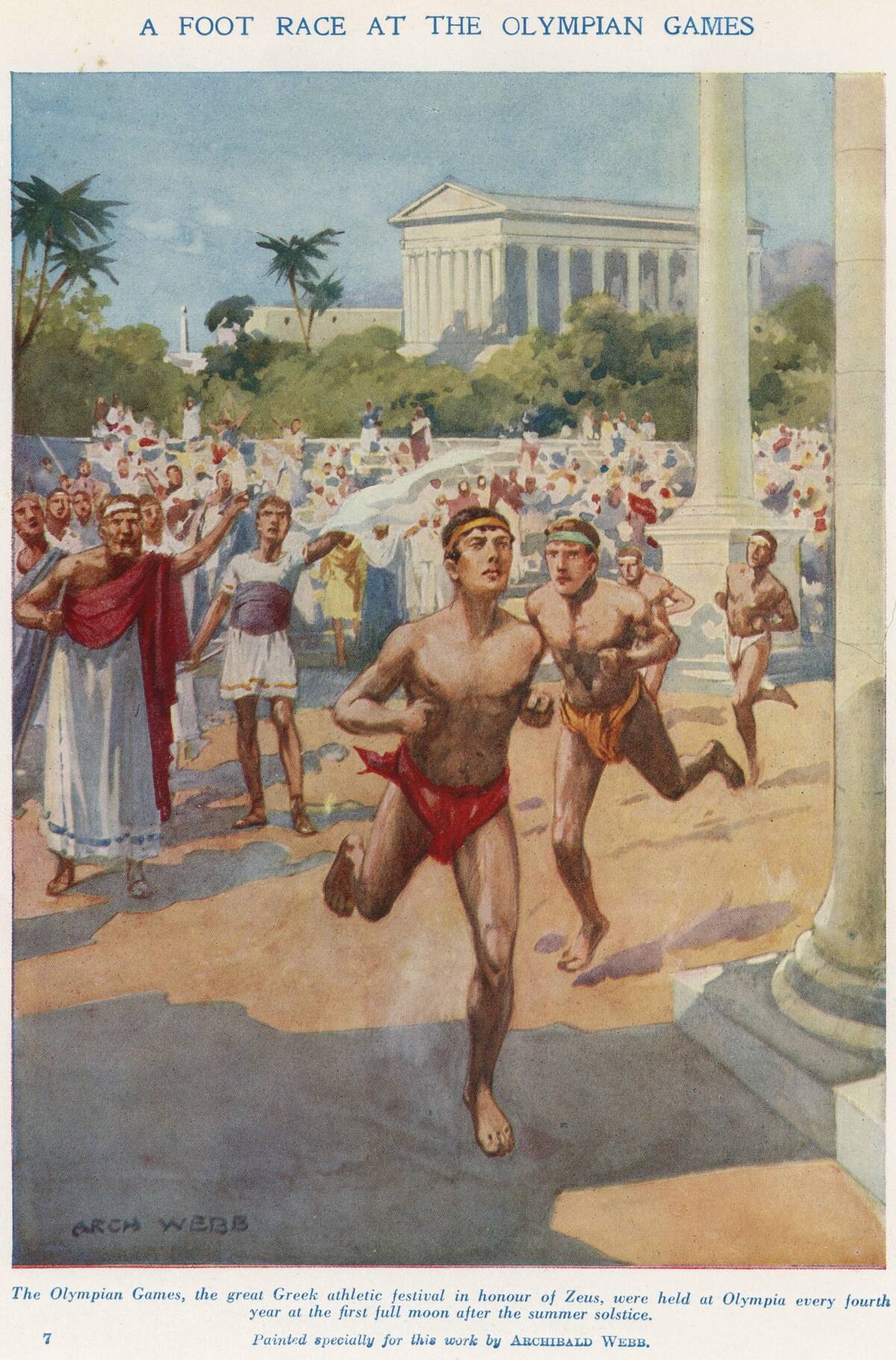
The ancient Olympic Games were held every four years in Olympia, Greece, starting in 776 BC. These games were a religious festival honoring Zeus, featuring events like running, long jump, and chariot racing. Athletes from various city-states competed for glory and a simple olive wreath.
The games fostered a spirit of unity and competition, laying the groundwork for the modern Olympic movement. Despite the passage of time, the Olympics continue to celebrate human achievement and international camaraderie.
The Development of Rugby: From Mob Football to Modern Play
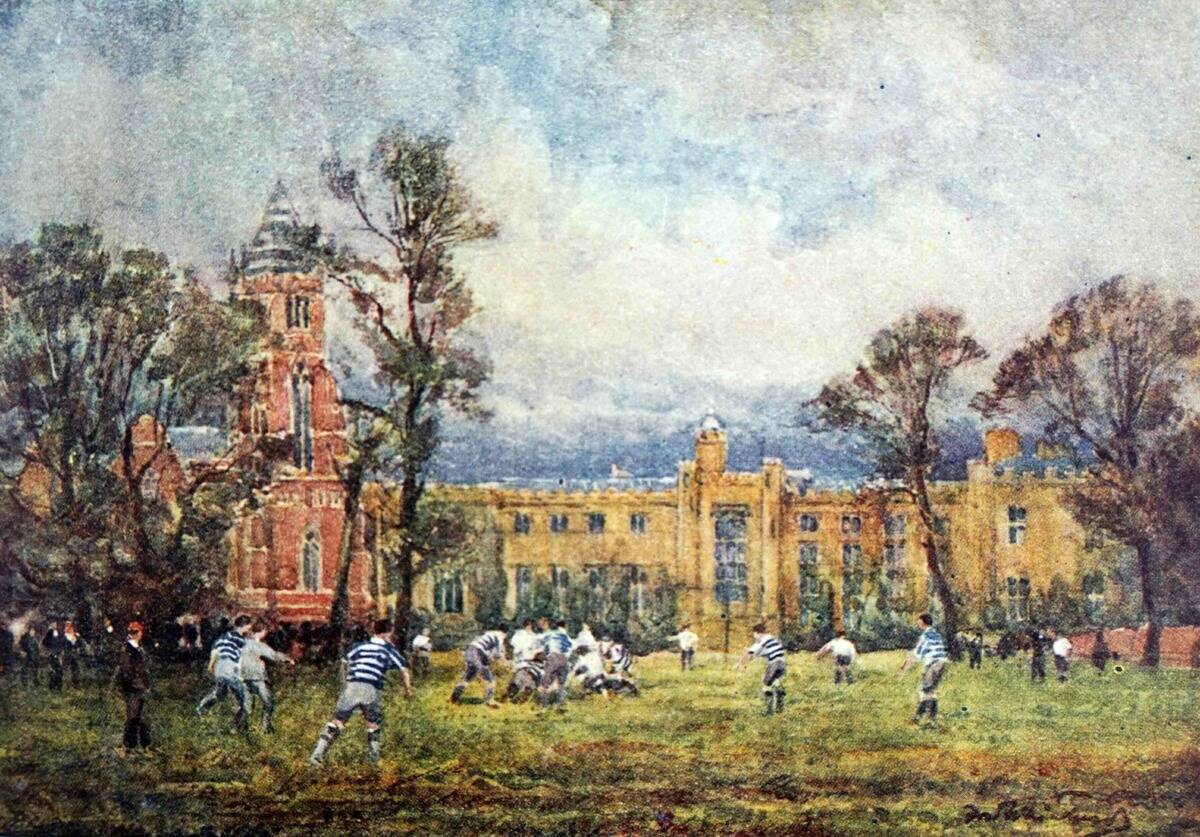
Rugby evolved from the rough-and-tumble games of mob football played in England. Legend has it that in 1823, William Webb Ellis, a student at Rugby School, picked up the ball and ran with it during a match, defying the rules.
This act is considered the birth of rugby, leading to the development of distinct rules and the formation of the Rugby Football Union in 1871. Today, rugby is a global sport, known for its physicality and strategic play.
The Origins of Tennis: From Courtyards to Courts
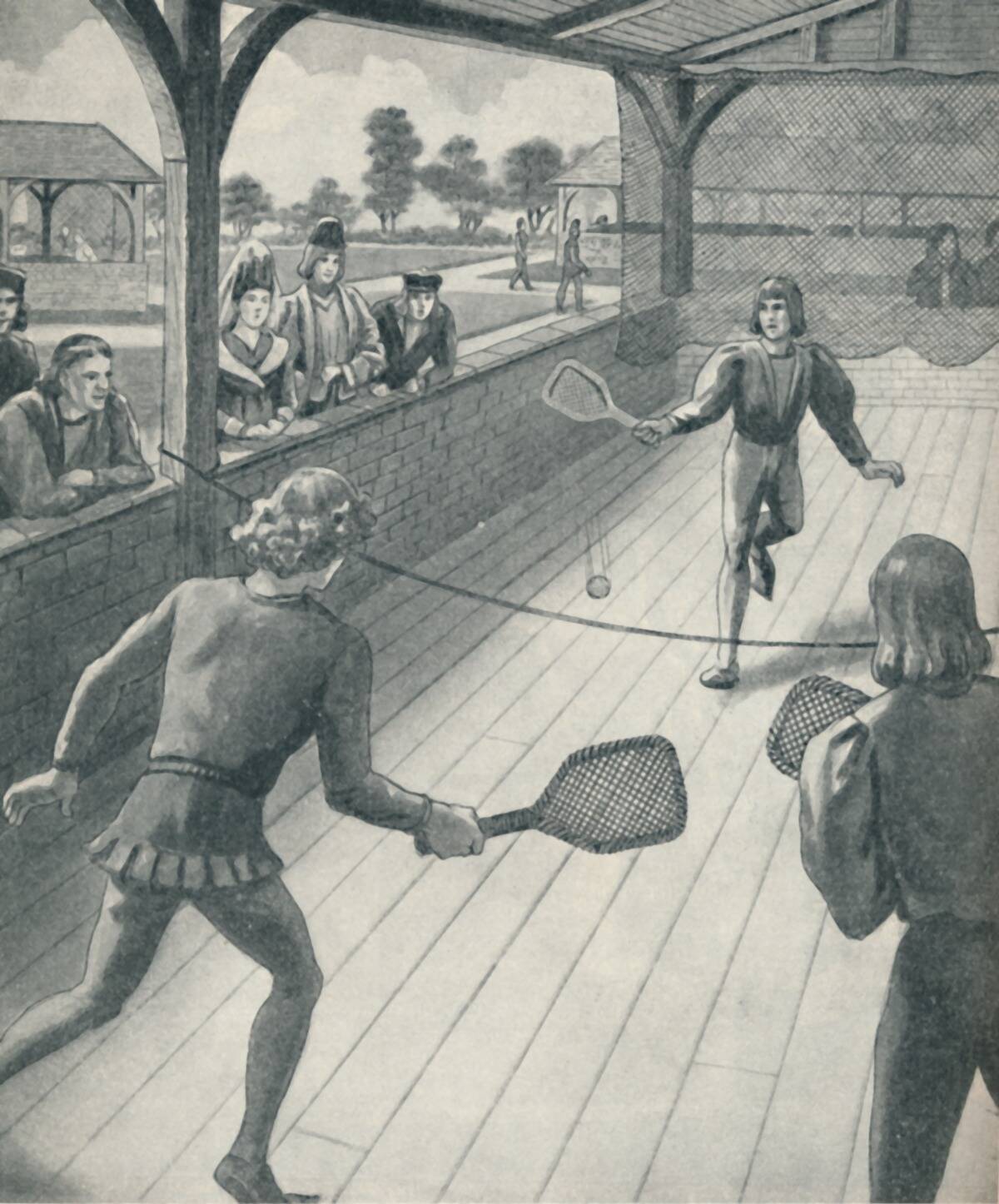
Tennis traces its roots to 12th-century France, where it was played with the hand in monastery courtyards. Known as ‘jeu de paume,’ or ‘game of the palm,’ it evolved into a racquet sport by the 16th century.
The modern game of lawn tennis was developed in the 19th century, with the first Wimbledon Championship held in 1877. Tennis has grown into a popular global sport, celebrated for its grace, precision, and the intense rivalries it fosters.
Early Forms of Ice Hockey: Skating on Thin Ice
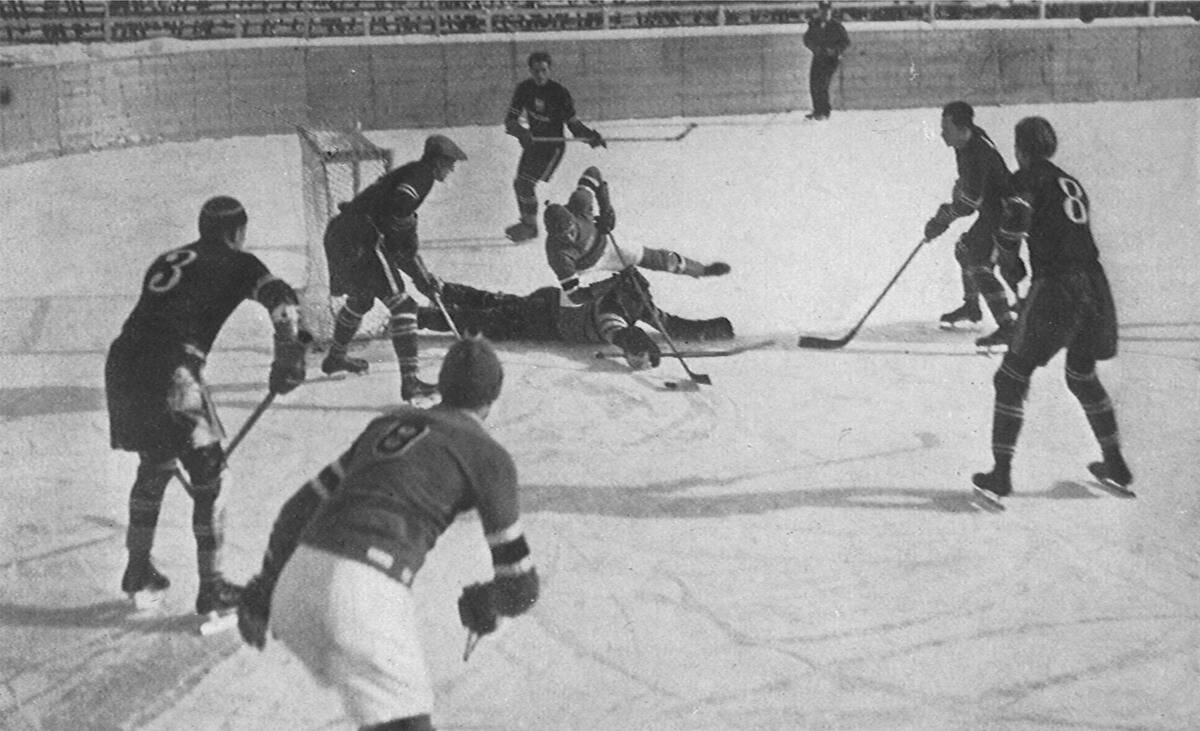
Ice hockey’s origins are linked to stick-and-ball games played on frozen ponds in Canada during the 19th century. The first organized indoor game took place in Montreal in 1875, with rules adapted from field hockey.
The sport quickly gained popularity, leading to the formation of leagues and the establishment of the Stanley Cup in 1893. Known for its speed and intensity, ice hockey has become a beloved winter sport, captivating fans with its thrilling gameplay and fierce competition.
Archery: From Hunting Skill to Competitive Sport
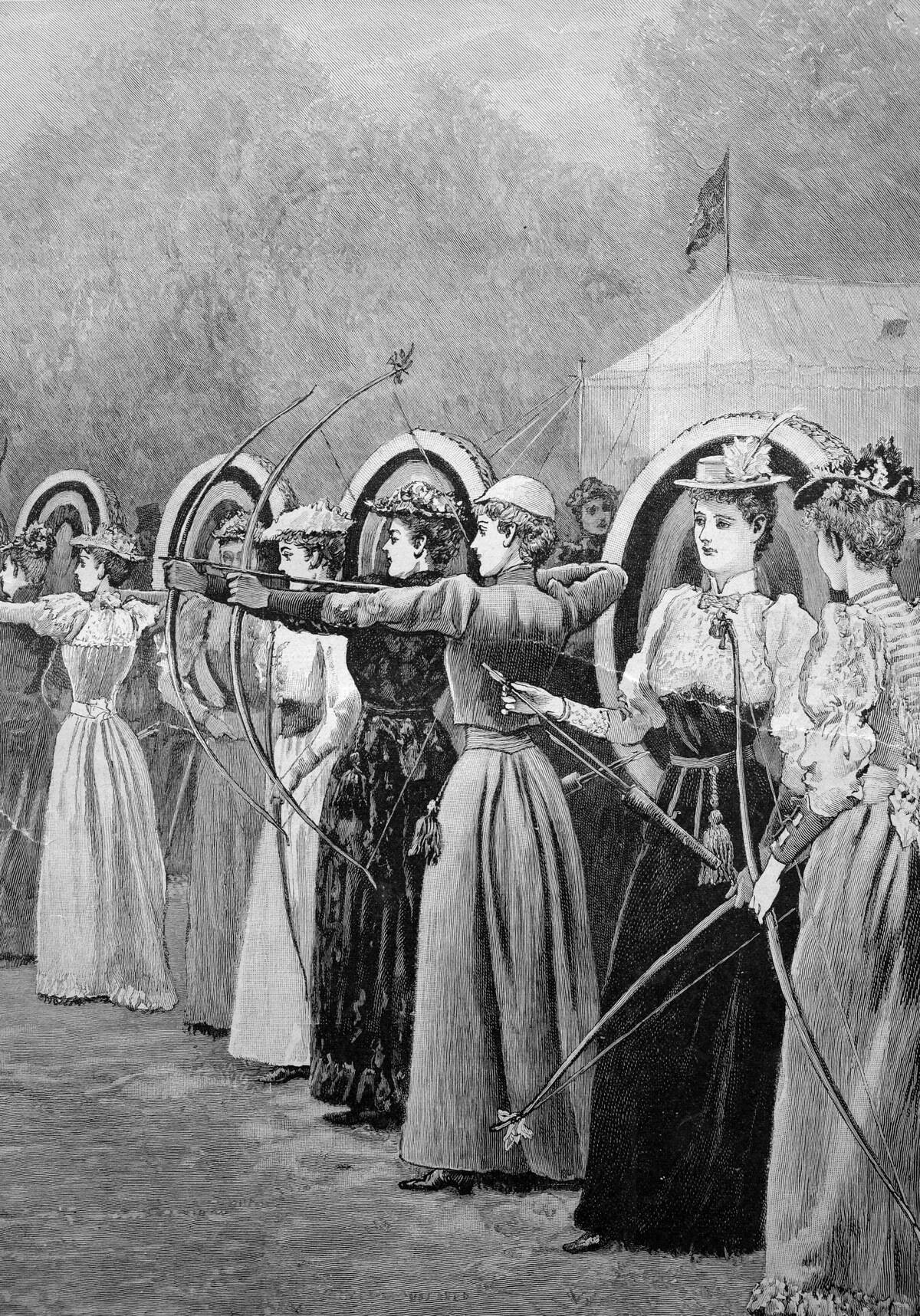
Archery has been practiced for thousands of years, originally as a hunting and warfare skill. The bow and arrow were crucial tools for survival, used by ancient civilizations like the Egyptians and Chinese.
As firearms replaced bows in combat, archery transitioned into a sport. The first known archery competition was held in Finsbury, England, in 1583. Today, archery is a popular Olympic sport, celebrated for its precision and the mental focus required to hit the target.
The Transformation of Baseball: From Rounders to the American Pastime
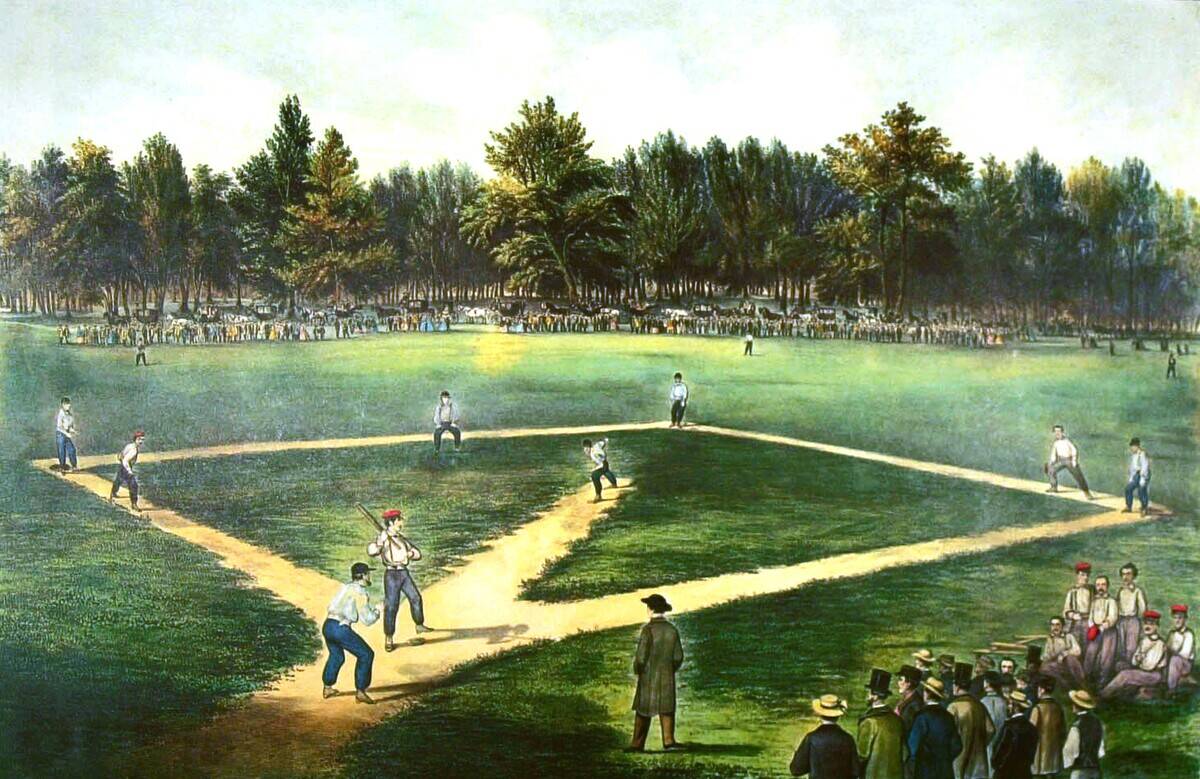
Baseball’s origins lie in the English game of rounders, brought to North America by immigrants. The first recorded baseball game took place in 1846 in Hoboken, New Jersey.
The sport quickly evolved, with the formation of professional leagues and the establishment of the National League in 1876. Baseball became known as America’s pastime, celebrated for its strategic depth and the iconic moments it has produced. Today, it remains a beloved sport, with a rich history and a devoted fan base.
Golf’s Humble Beginnings: From Shepherds to the Open Championship
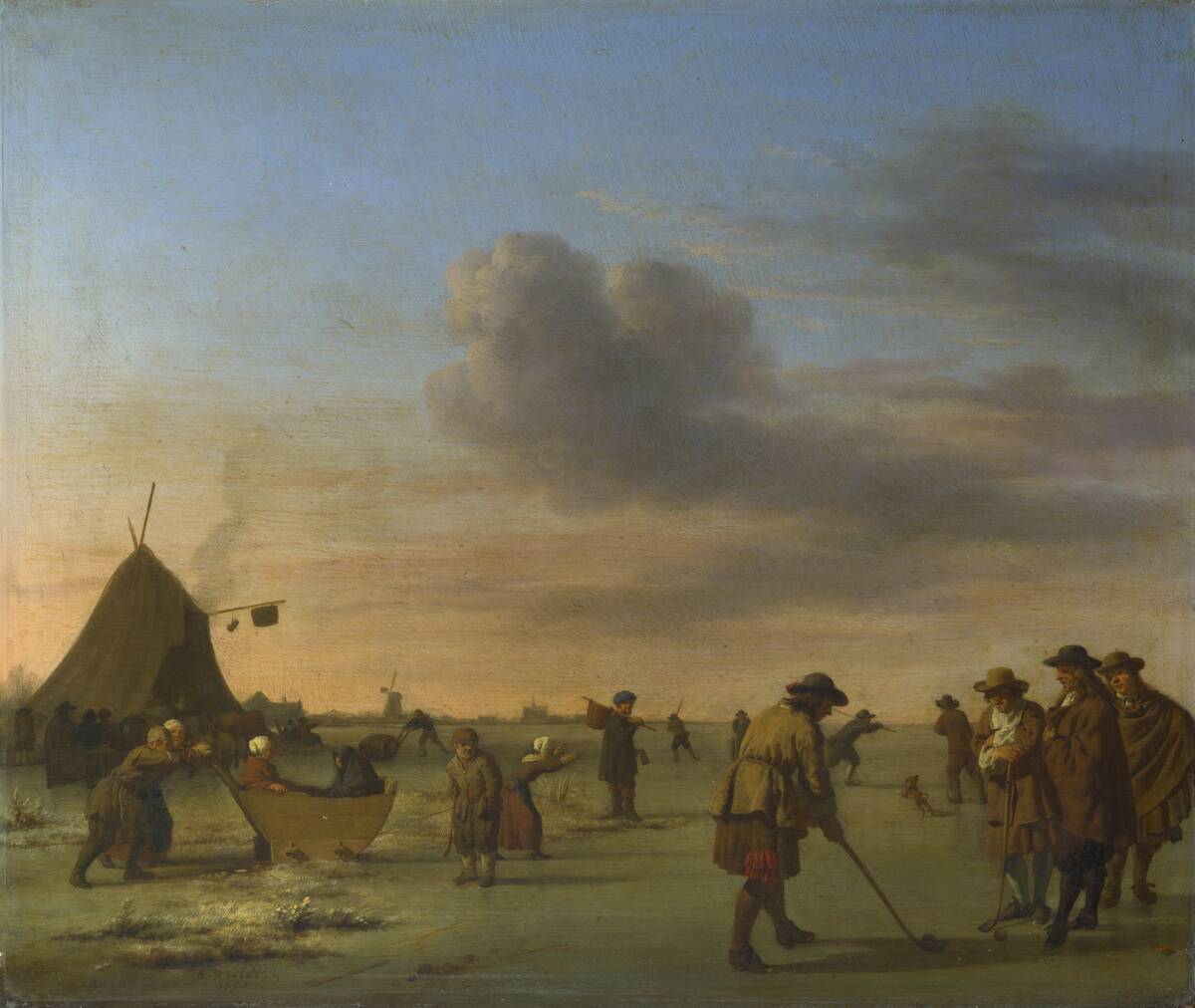
Golf’s origins can be traced to 15th-century Scotland, where shepherds used sticks to hit stones into rabbit holes. The game evolved over the centuries, with the first written rules established in 1744 by the Honourable Company of Edinburgh Golfers.
The Open Championship, first held in 1860, is the oldest major tournament, showcasing the sport’s rich tradition. Golf is celebrated for its blend of skill, strategy, and the serene landscapes that serve as its backdrop.
The Advent of Boxing: Bare Knuckles and Bravado
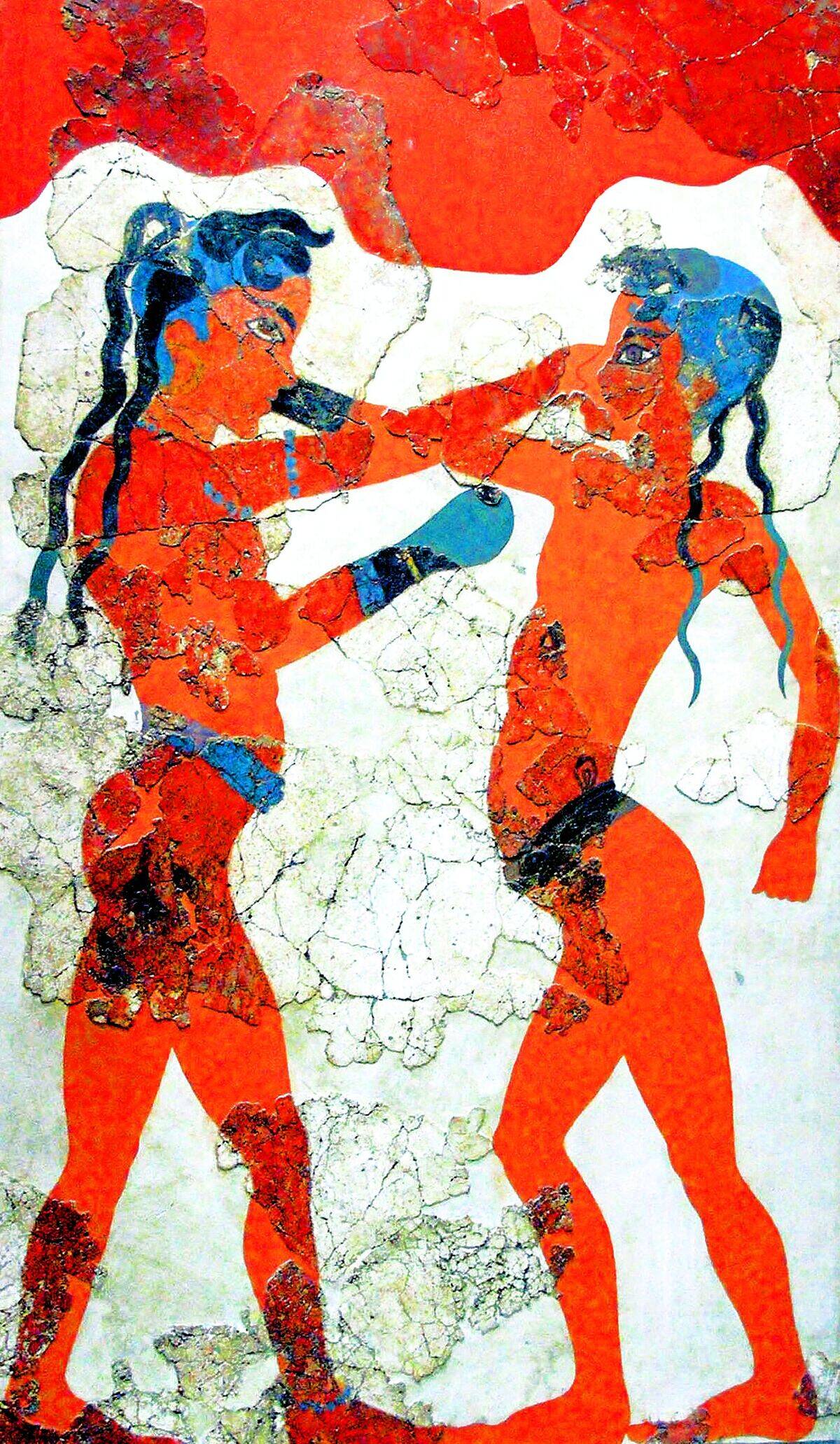
Boxing has ancient roots, with depictions found in Egyptian and Mesopotamian art. The sport gained popularity in 18th-century England, where bare-knuckle fighting was common.
The introduction of the Marquess of Queensberry Rules in 1867 transformed boxing into a more regulated sport, with gloves and timed rounds. Boxing’s appeal lies in its raw intensity and the courage required to step into the ring. It remains a popular sport, known for its legendary fighters and dramatic bouts.