Children’s television hosts everyone remembers
Children’s television hosts have a unique way of captivating young audiences, blending education with entertainment. These charismatic figures often become beloved icons, their shows serving as a comforting presence in the lives of children.
From teaching valuable life lessons to sparking curiosity, these hosts play a pivotal role in shaping young minds. Their ability to engage and inspire through a screen is nothing short of magical, leaving a lasting impact on generations.
The Pioneers of Children’s TV: How It All Began
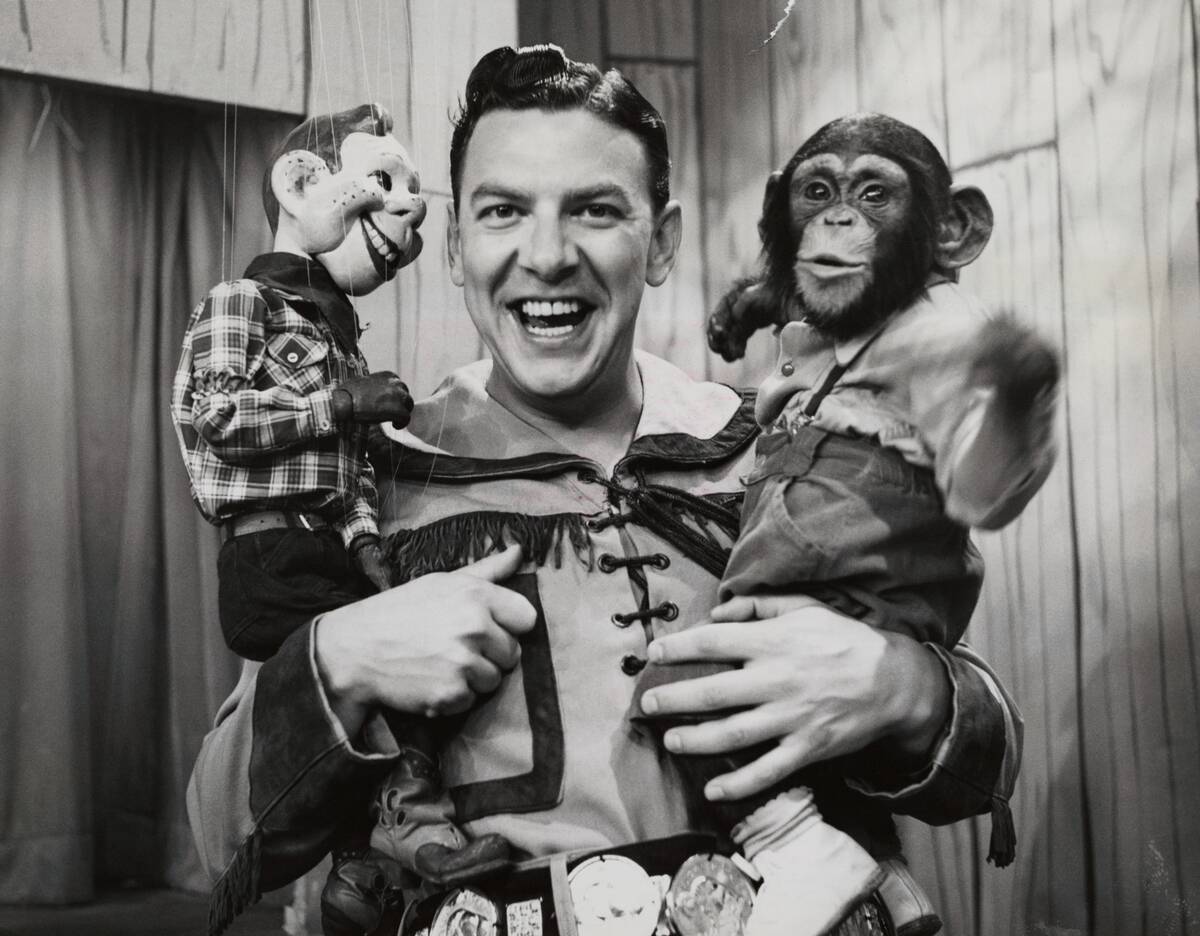
The dawn of children’s television can be traced back to the 1950s, with shows like ‘Howdy Doody’ leading the charge. This era marked the beginning of a new form of entertainment that catered specifically to young audiences.
Puppets and live-action hosts were the norm, offering a mix of fun and learning. These pioneers laid the groundwork for future shows, setting standards for creativity and educational content that would evolve over the decades.
Captain Kangaroo: The Gentle Giant of Morning TV
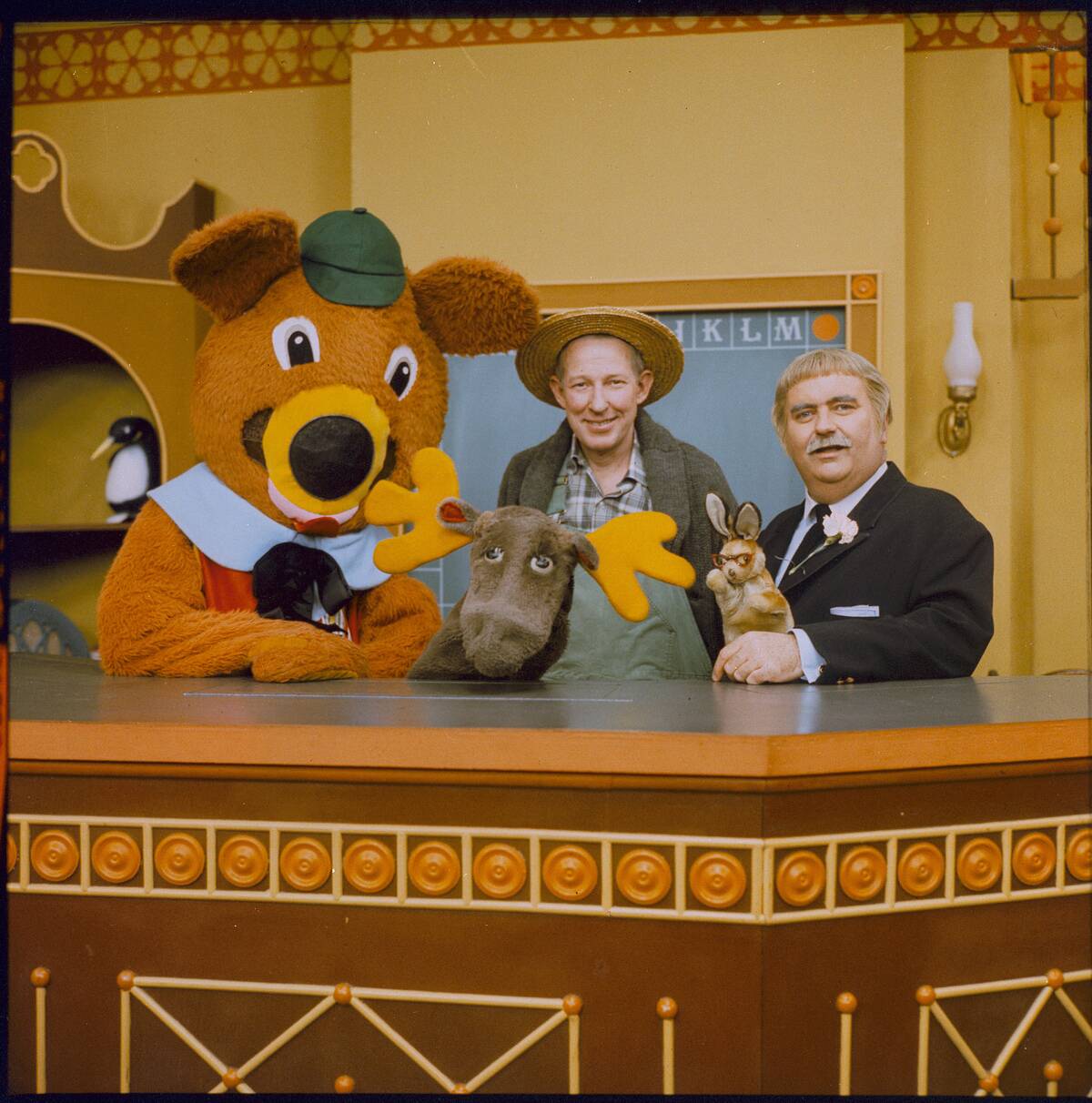
Captain Kangaroo, played by Bob Keeshan, was a staple of morning television from 1955 to 1984. Known for his gentle demeanor and friendly interactions, Captain Kangaroo created a warm and inviting atmosphere.
The show featured a cast of memorable characters, including Mr. Green Jeans and Bunny Rabbit, and focused on storytelling and educational segments. It was a comforting start to the day for countless children, blending humor with important life lessons.
Mister Rogers: The Neighbor We All Loved
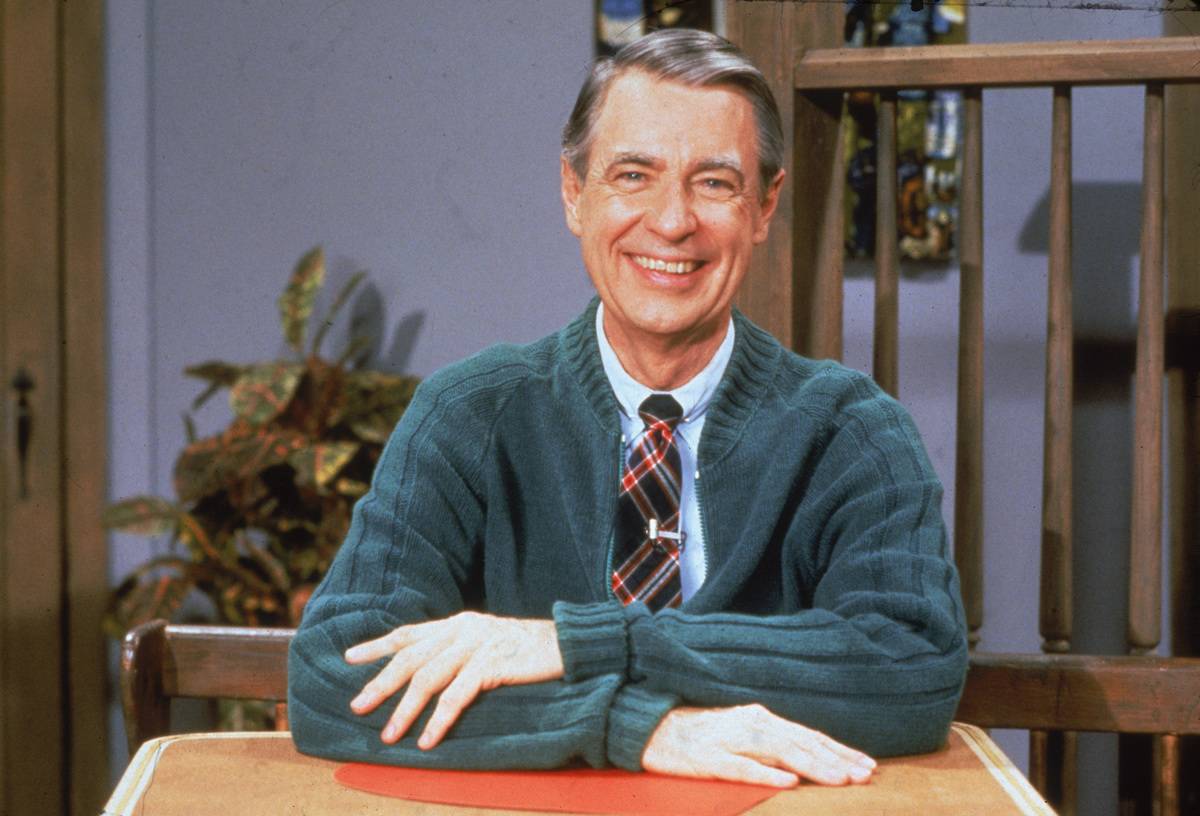
Fred Rogers, the beloved host of ‘Mister Rogers’ Neighborhood,’ was a gentle and reassuring presence on television from 1968 to 2001. His show emphasized kindness, empathy, and understanding, addressing complex emotions in a way that children could grasp.
Mister Rogers’ iconic sweaters and soothing voice became synonymous with comfort and safety. His legacy continues to influence children’s programming, reminding us of the power of genuine connection.
The Electric Company: Where Learning Was Fun
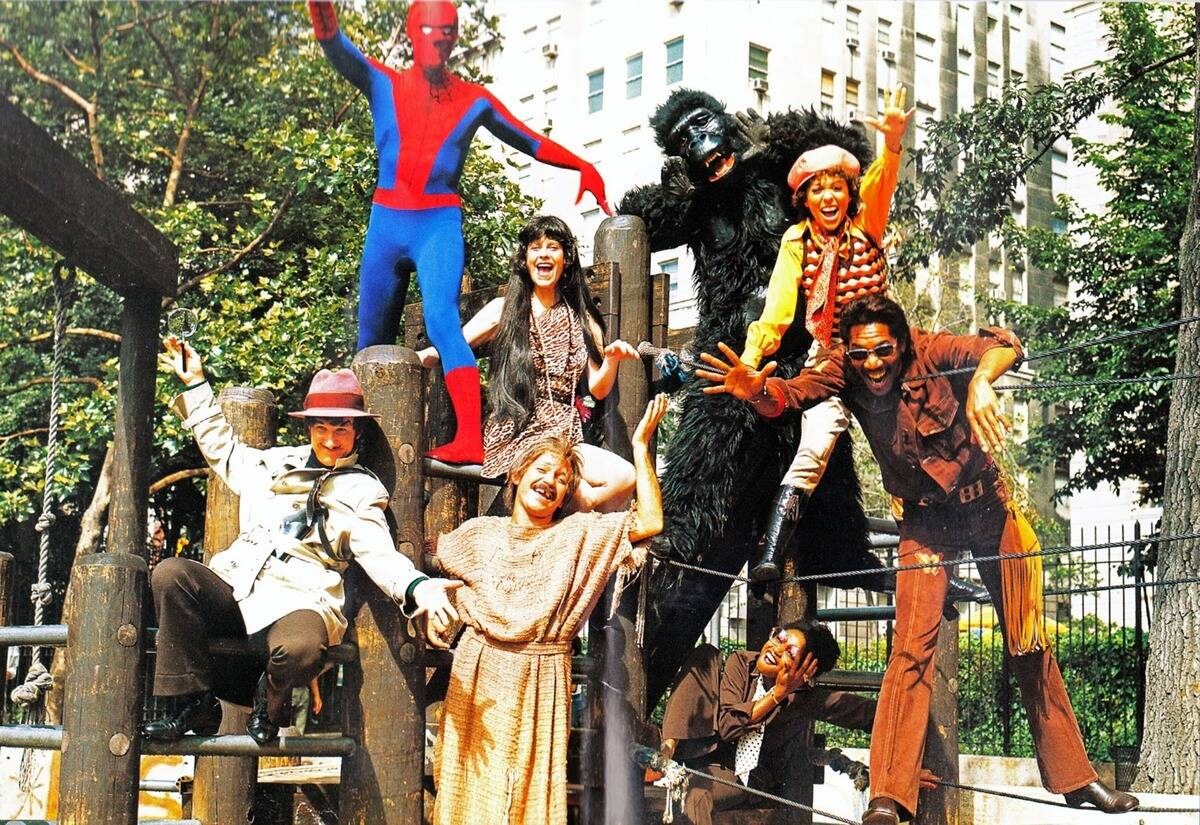
Premiering in 1971, ‘The Electric Company’ was a groundbreaking show that combined music, comedy, and education to teach reading skills. With a star-studded cast, including Morgan Freeman and Rita Moreno, the show was both entertaining and educational.
It used catchy songs and skits to engage children, making learning an enjoyable experience. ‘The Electric Company’ was a vibrant and energetic part of PBS’s lineup, leaving a lasting impression on its viewers.
Sesame Street: The Street That Changed Everything
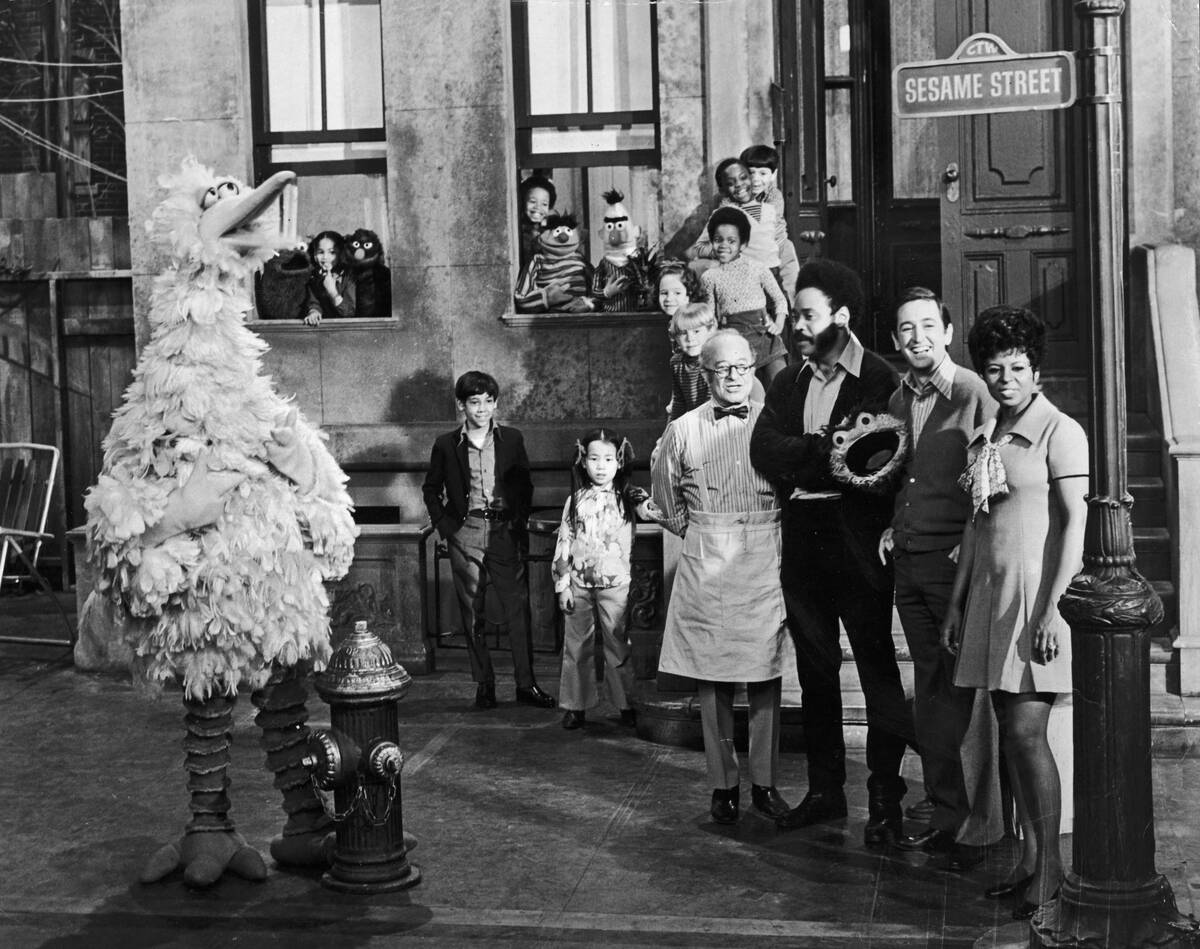
Since its debut in 1969, ‘Sesame Street’ has revolutionized children’s television with its diverse cast and innovative approach to education. The show’s use of puppetry, animation, and live-action segments introduced children to letters, numbers, and social skills.
Iconic characters like Big Bird, Elmo, and Cookie Monster have become cultural icons. ‘Sesame Street’ continues to adapt and evolve, addressing contemporary issues while maintaining its core educational mission.
Blue’s Clues: The Interactive Revolution
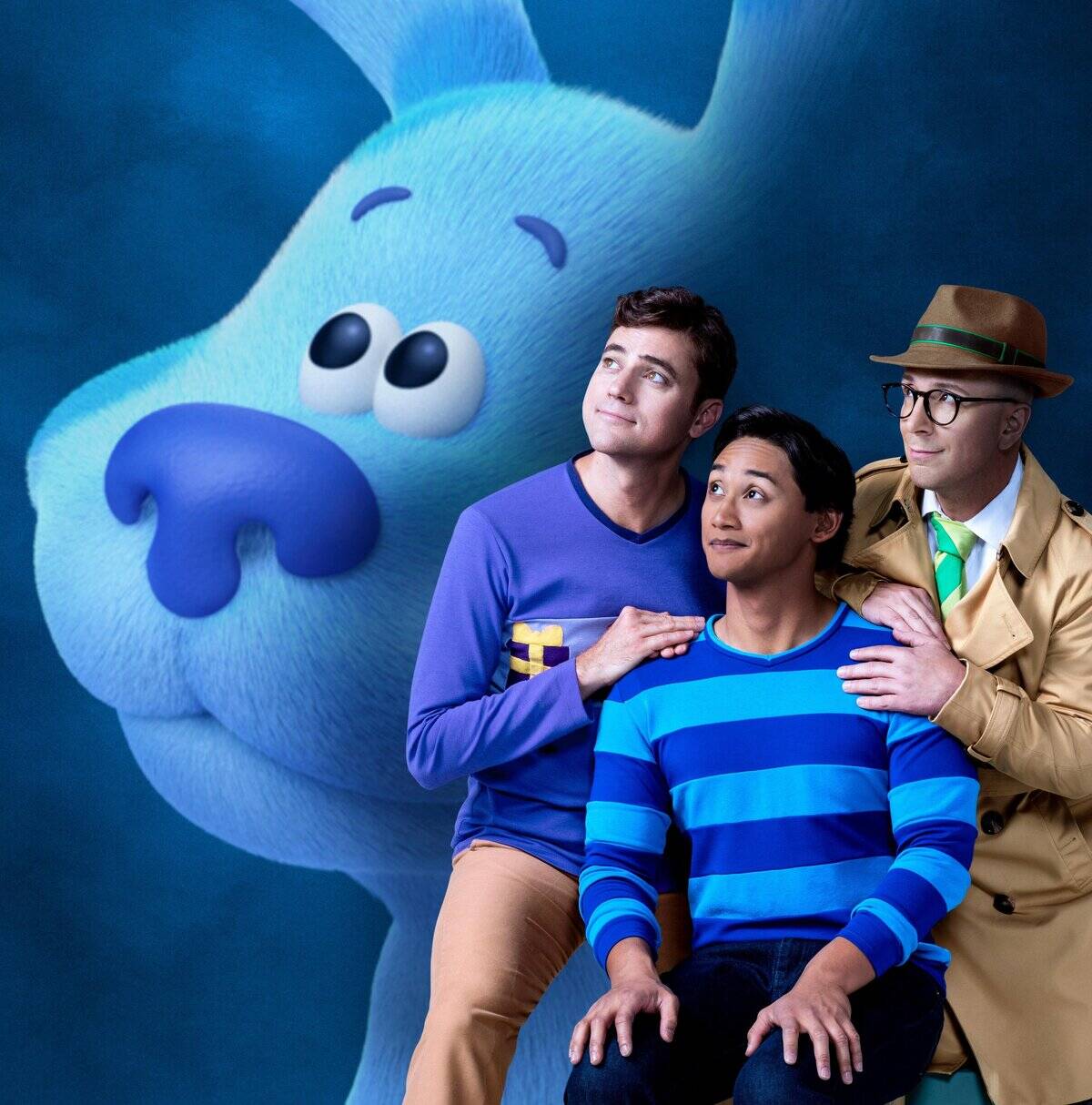
Launched in 1996, ‘Blue’s Clues’ introduced a new level of interactivity to children’s television. Hosted by Steve Burns and later Donovan Patton, the show encouraged viewers to solve puzzles and participate in the storyline.
Its unique format, featuring a blue animated dog named Blue, engaged children in critical thinking and problem-solving. ‘Blue’s Clues’ was a pioneer in audience participation, setting the stage for future interactive programming.
Pee-wee Herman: The Quirky Innovator
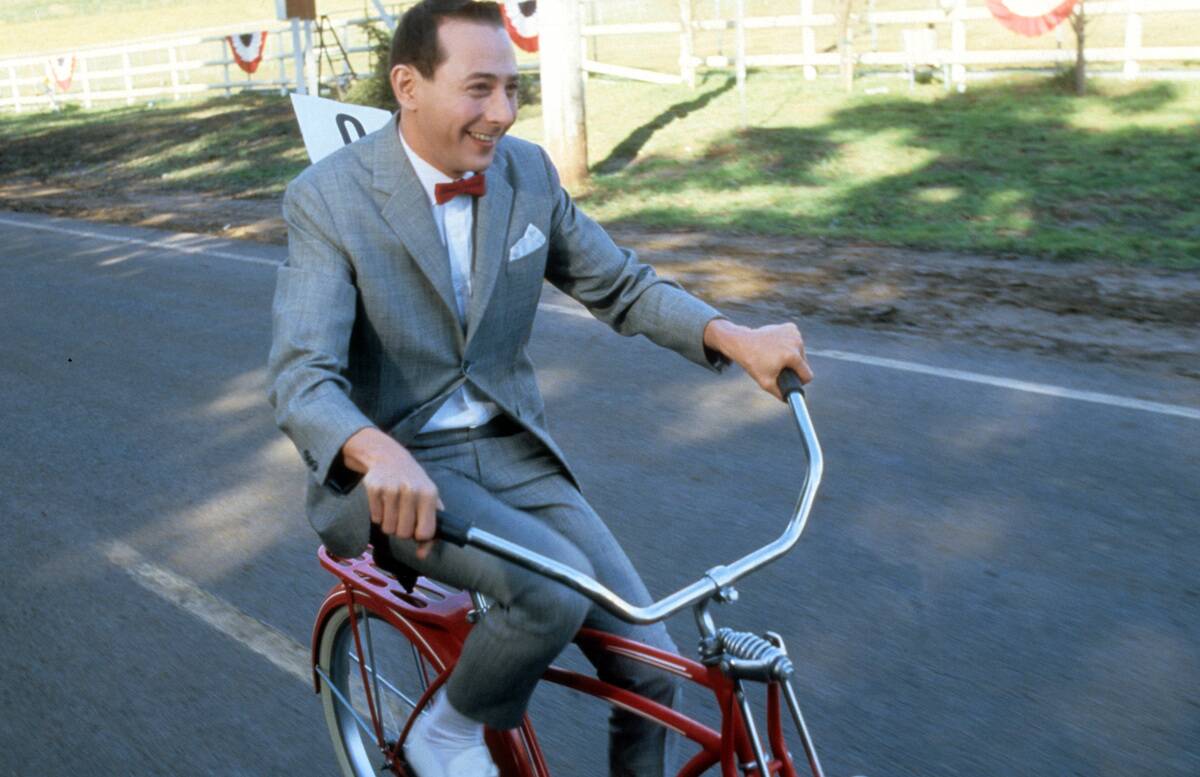
Pee-wee Herman, portrayed by Paul Reubens, brought a quirky and whimsical energy to children’s television with ‘Pee-wee’s Playhouse’ in the 1980s. The show was a colorful and surreal experience, blending humor with creativity.
Pee-wee’s unique style and eccentric personality captivated audiences, making the show a cult favorite. Its imaginative set design and offbeat characters encouraged children to embrace their creativity and think outside the box.
Reading Rainbow: Inspiring a Love for Books
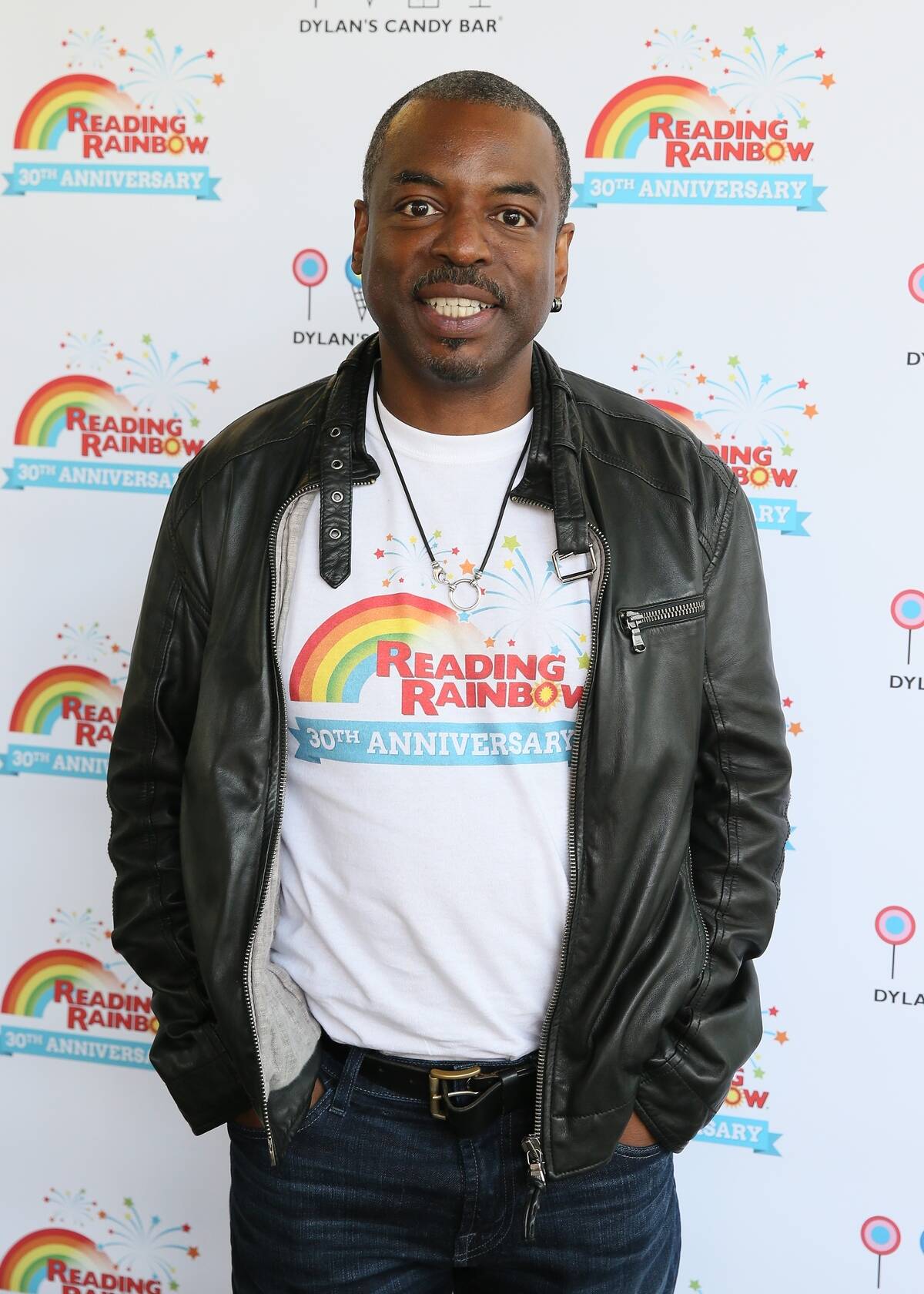
Hosted by LeVar Burton, ‘Reading Rainbow’ aired from 1983 to 2006, encouraging children to explore the world of books. The show featured book reviews, author interviews, and imaginative storytelling segments.
LeVar Burton’s enthusiasm for reading was infectious, inspiring countless children to develop a love for literature. ‘Reading Rainbow’ emphasized the importance of literacy and imagination, leaving a lasting impact on its viewers.
Barney the Dinosaur: The Purple Icon
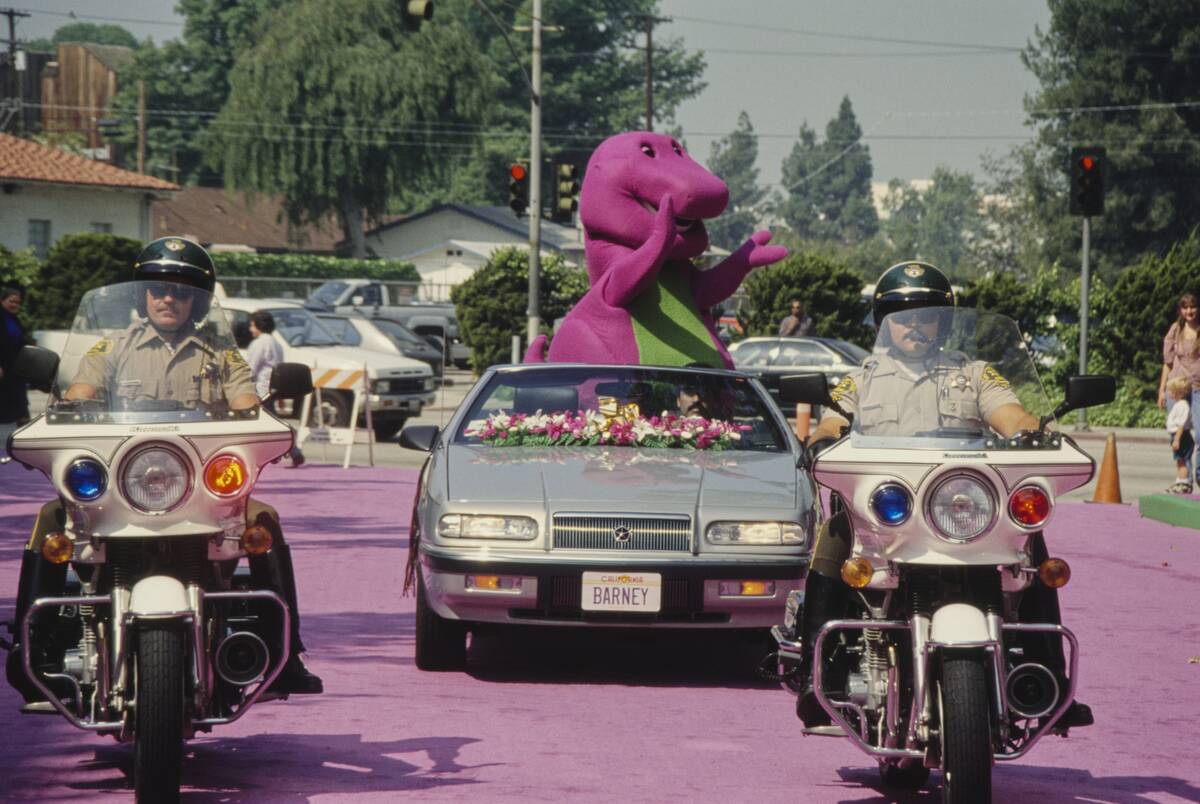
Barney the Dinosaur, with his catchy songs and positive messages, became a beloved figure in children’s television during the 1990s. The show ‘Barney & Friends’ focused on friendship, sharing, and imagination, with Barney leading the way.
Despite some criticism, Barney’s upbeat and inclusive approach resonated with young audiences. The show’s simple yet effective formula made it a staple in many households, spreading joy and positivity.
The Wiggles: The Australian Sensation
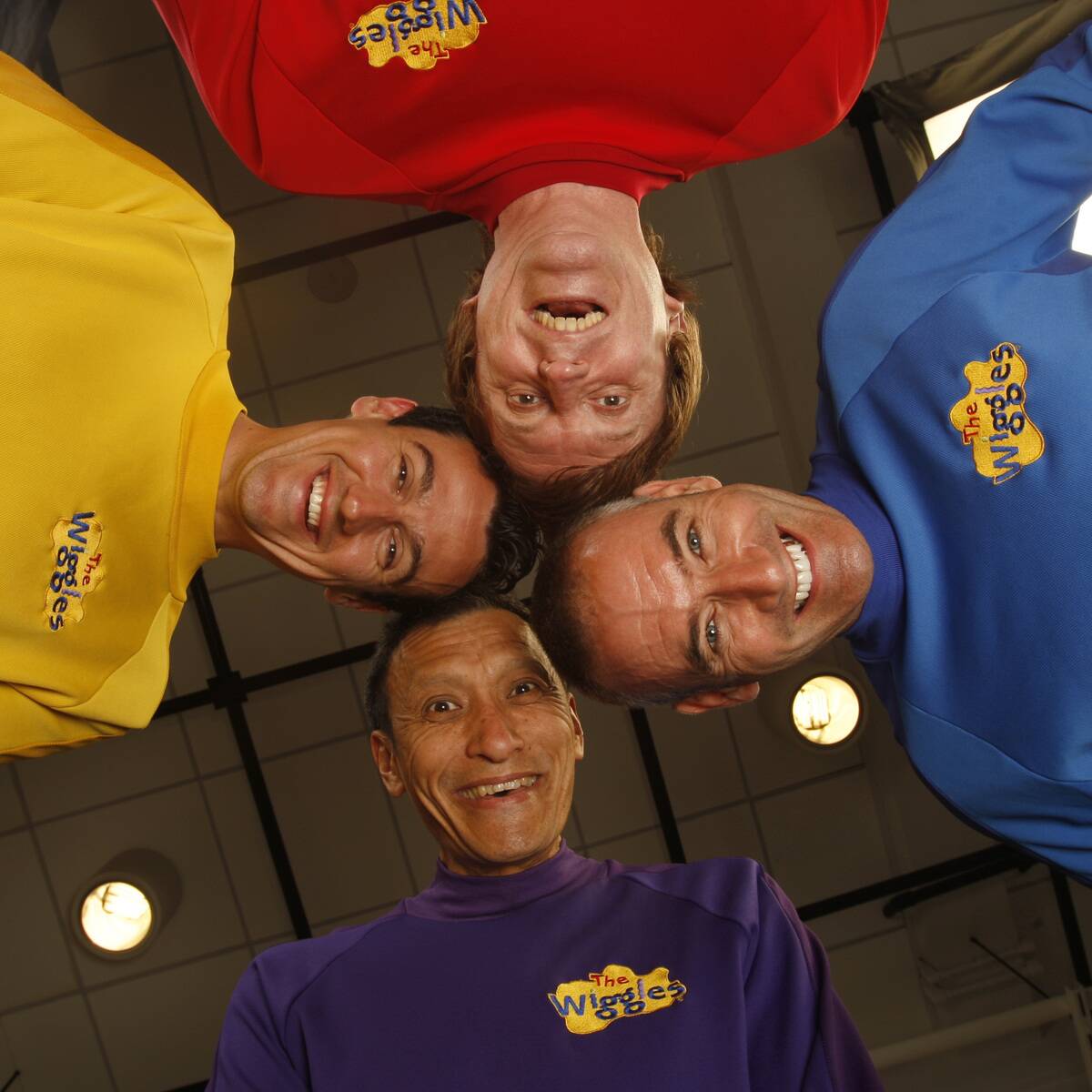
The Wiggles, an Australian children’s music group, took the world by storm with their energetic performances and catchy tunes. Formed in 1991, the group quickly gained popularity with songs like ‘Hot Potato’ and ‘Fruit Salad.’
Their colorful outfits and engaging stage presence made them a hit with children globally. The Wiggles’ unique blend of music and education has made them a beloved fixture in children’s entertainment, promoting fun and learning.
Bill Nye the Science Guy: Making Science Cool
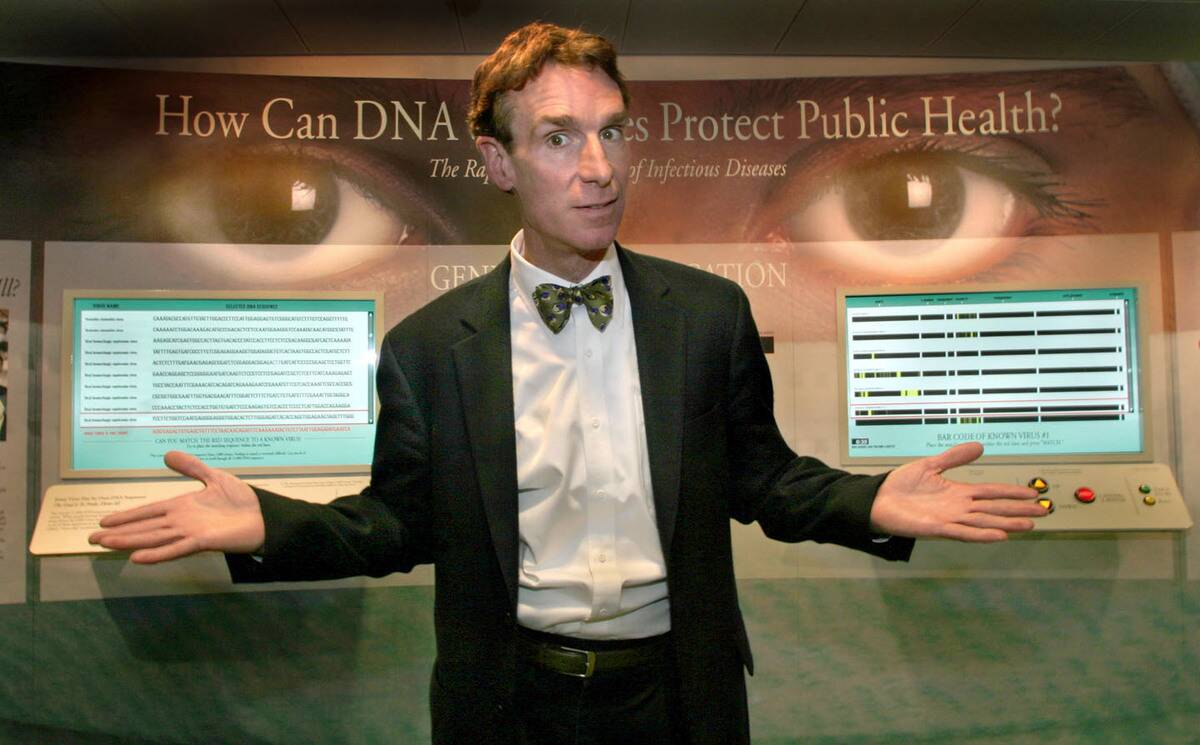
Bill Nye, known as ‘The Science Guy,’ made science accessible and exciting for kids through his show that aired from 1993 to 1998. With his quirky humor and engaging experiments, Bill Nye inspired a generation to explore the wonders of science.
The show’s blend of comedy and education made complex scientific concepts easy to understand. Bill Nye’s enthusiasm for science and learning continues to influence educational programming today.
Dora the Explorer: The Adventurous Educator
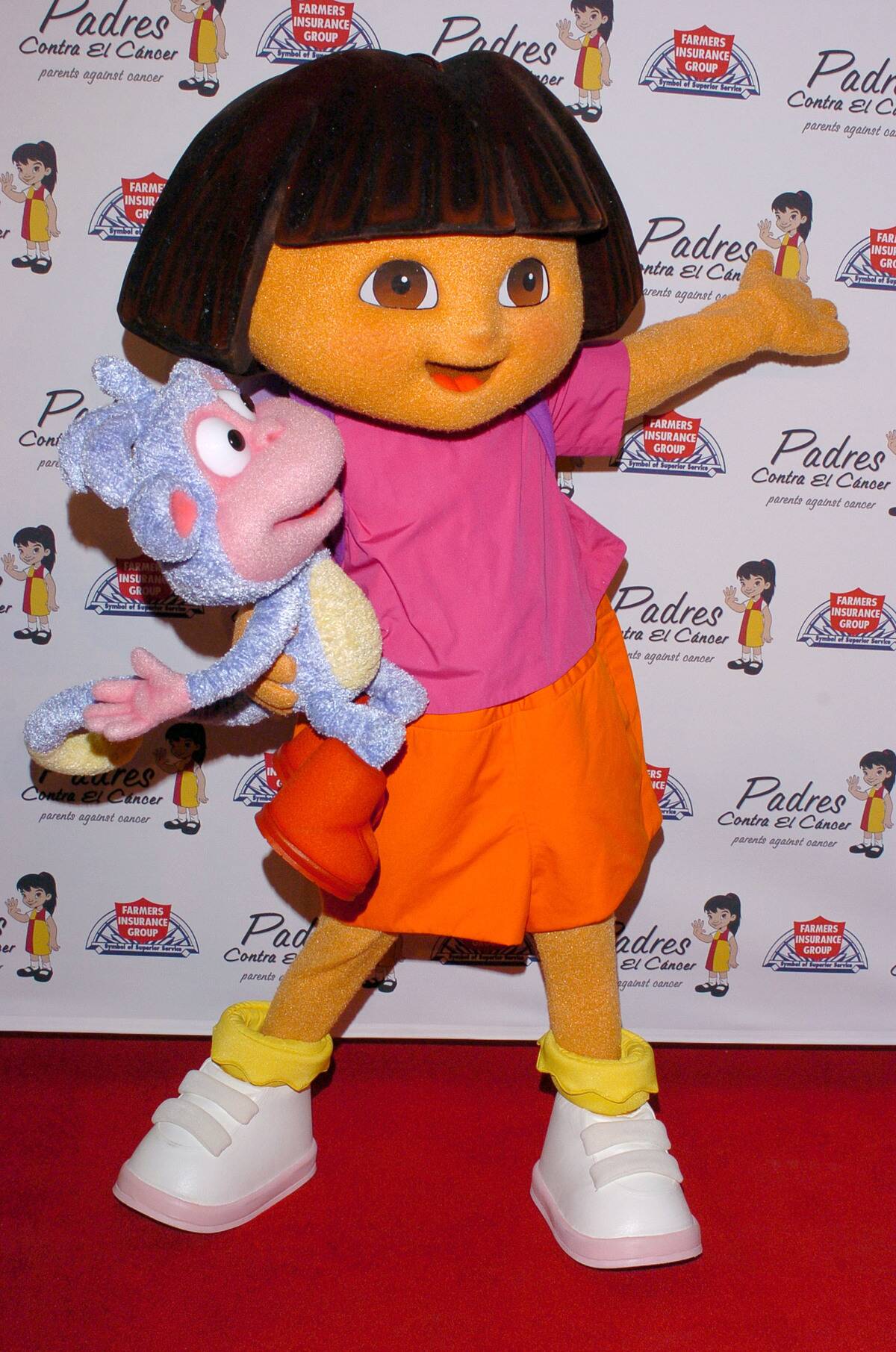
Debuting in 2000, ‘Dora the Explorer’ introduced young viewers to a bilingual world of adventure and problem-solving. Dora, a young Latina girl, along with her monkey friend Boots, embarked on journeys that taught Spanish vocabulary and cultural awareness.
The show’s interactive format encouraged audience participation, making learning an engaging experience. ‘Dora the Explorer’ not only entertained but also educated, promoting diversity and inclusivity.
Bob the Builder: Can We Fix It? Yes, We Can!
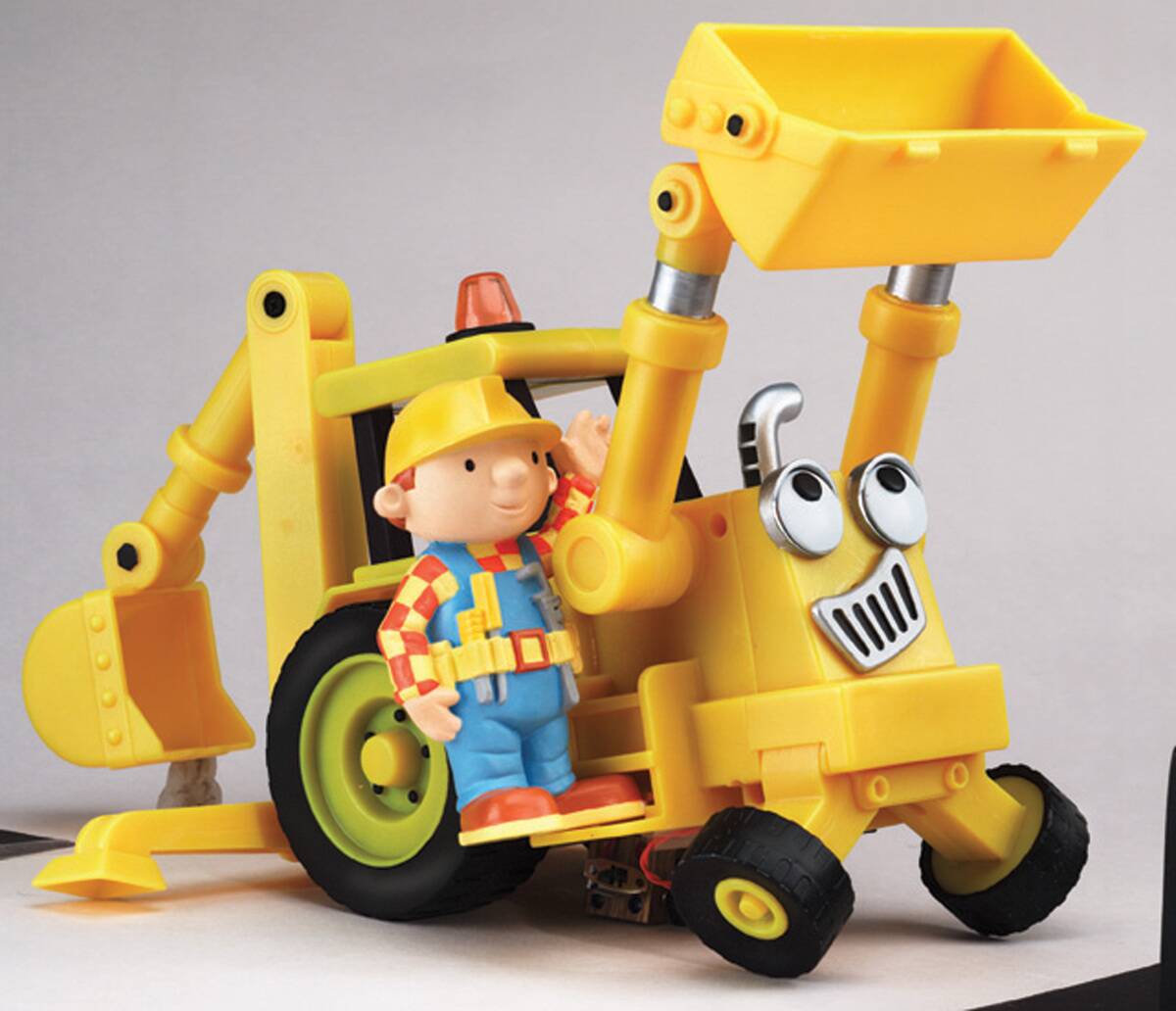
Bob the Builder, with his catchphrase ‘Can we fix it? Yes, we can!’ became a favorite among children for his problem-solving skills and teamwork. The show, which began in 1998, featured Bob and his team of machines working together to complete construction projects.
It emphasized the importance of cooperation, perseverance, and creativity. Bob the Builder’s positive messages and engaging storylines made it a hit with young audiences worldwide.
Teletubbies: The Colorful Phenomenon
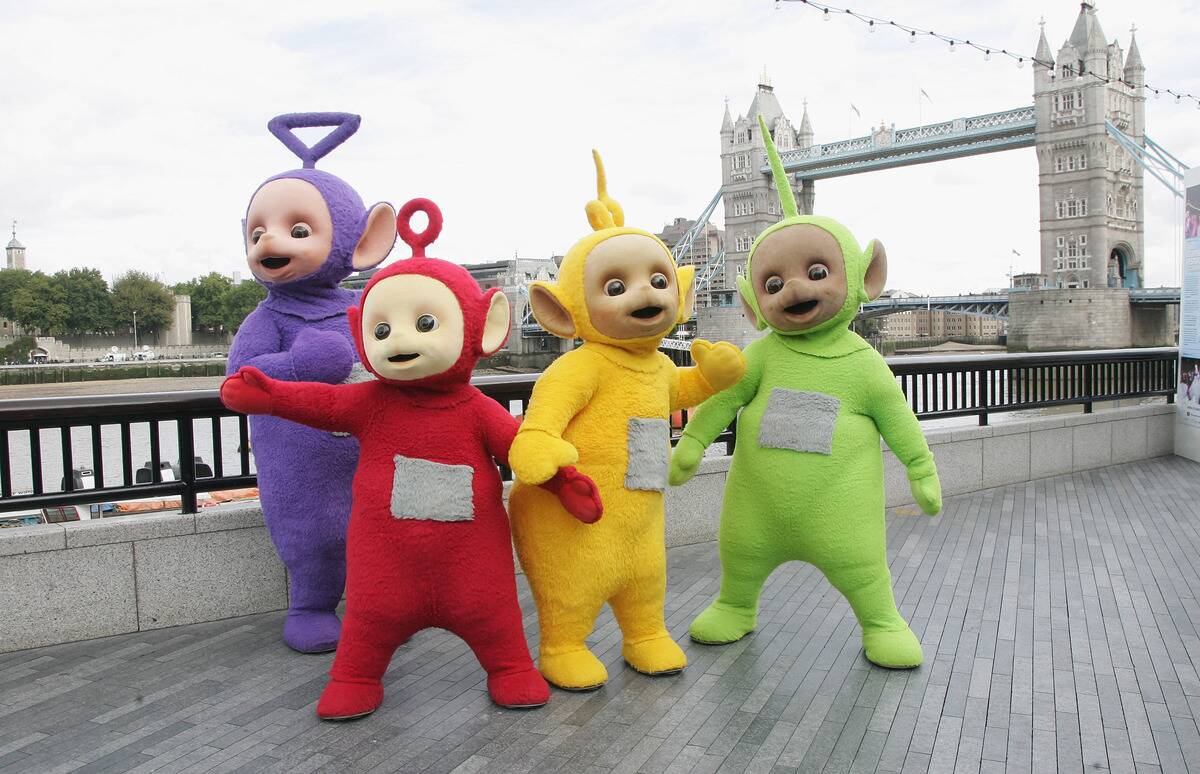
The ‘Teletubbies,’ with their bright colors and playful antics, captivated toddlers when they first appeared on screens in 1997. Tinky Winky, Dipsy, Laa-Laa, and Po lived in a whimsical land filled with laughter and exploration.
The show’s simple dialogue and repetitive structure were designed to appeal to very young children. Despite some controversy, ‘Teletubbies’ became a global phenomenon, celebrated for its innovative approach to early childhood entertainment.




