Historical events that sound unbelievable
History is full of tales that seem too bizarre to be true, yet they happened. From inexplicable phenomena to quirky events, our past is peppered with stories that boggle the mind.
These events remind us that truth can indeed be stranger than fiction. So, buckle up as we journey through some of history’s most unbelievable moments that will leave you both amused and amazed.
The Great Emu War: Australia’s Feathered Fiasco
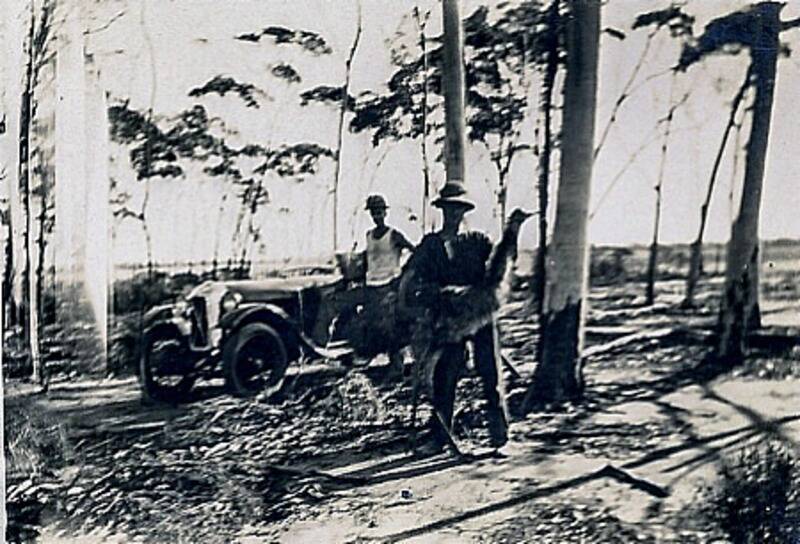
In 1932, Australia faced an unusual enemy: emus. These large, flightless birds were wreaking havoc on wheat crops in Western Australia. The military was called in to combat the problem, armed with soldiers and machine guns.
Despite their efforts, the emus proved surprisingly elusive, and the operation was deemed a failure. The emus won this peculiar war, highlighting the challenges of battling nature with brute force.
The Year Without a Summer: When the Sun Took a Vacation
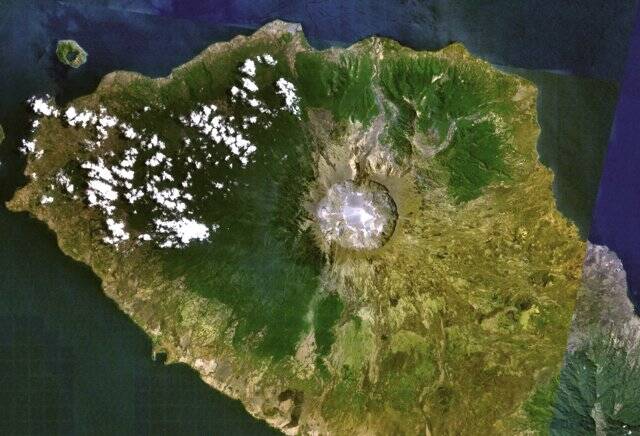
The year 1816 is known as the “Year Without a Summer” due to a series of climatic abnormalities. Following the massive eruption of Mount Tambora in Indonesia in 1815, volcanic ash spread across the globe, blocking sunlight.
This led to widespread crop failures and food shortages, particularly in the Northern Hemisphere. The unusual weather patterns inspired literary works like Mary Shelley’s “Frankenstein,” written during a cold, dreary summer in Switzerland.
The London Beer Flood of 1814: A Brewery’s Bizarre Blunder
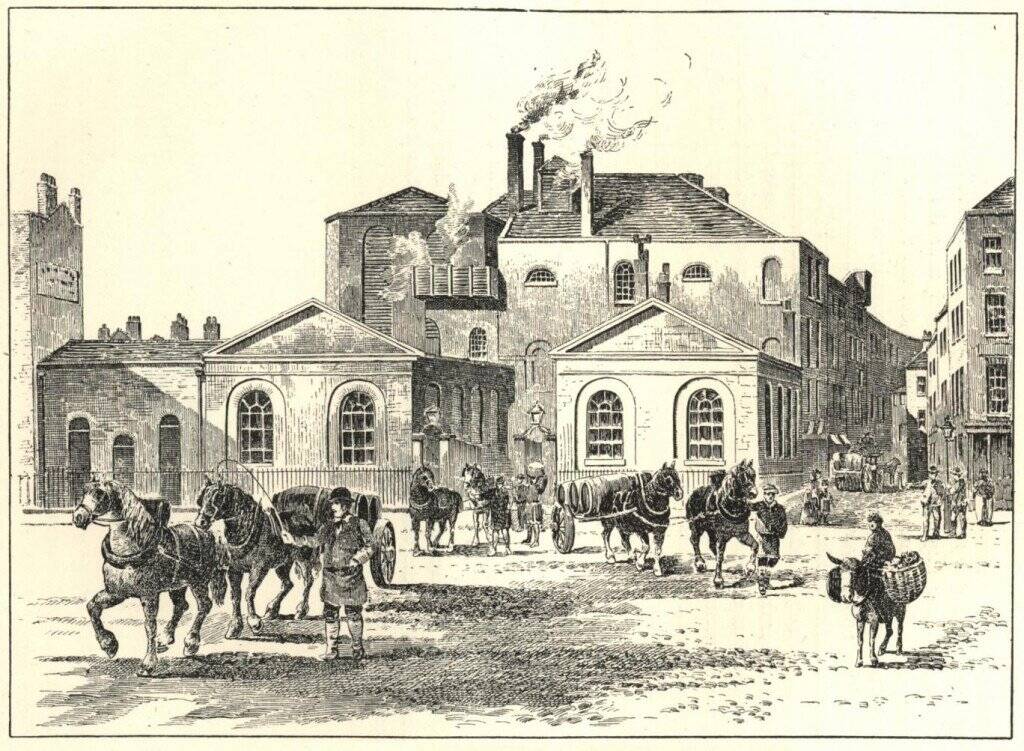
On October 17, 1814, a vat at the Meux and Company Brewery in London burst, releasing over 323,000 gallons of beer into the streets. The tidal wave of porter demolished two homes and killed eight people.
The incident was ruled an act of God, and the brewery was not held responsible. This bizarre event remains a curious chapter in London’s history, illustrating the unexpected dangers of industrialization.
The Tulip Mania: When Flowers Were Worth More Than Gold
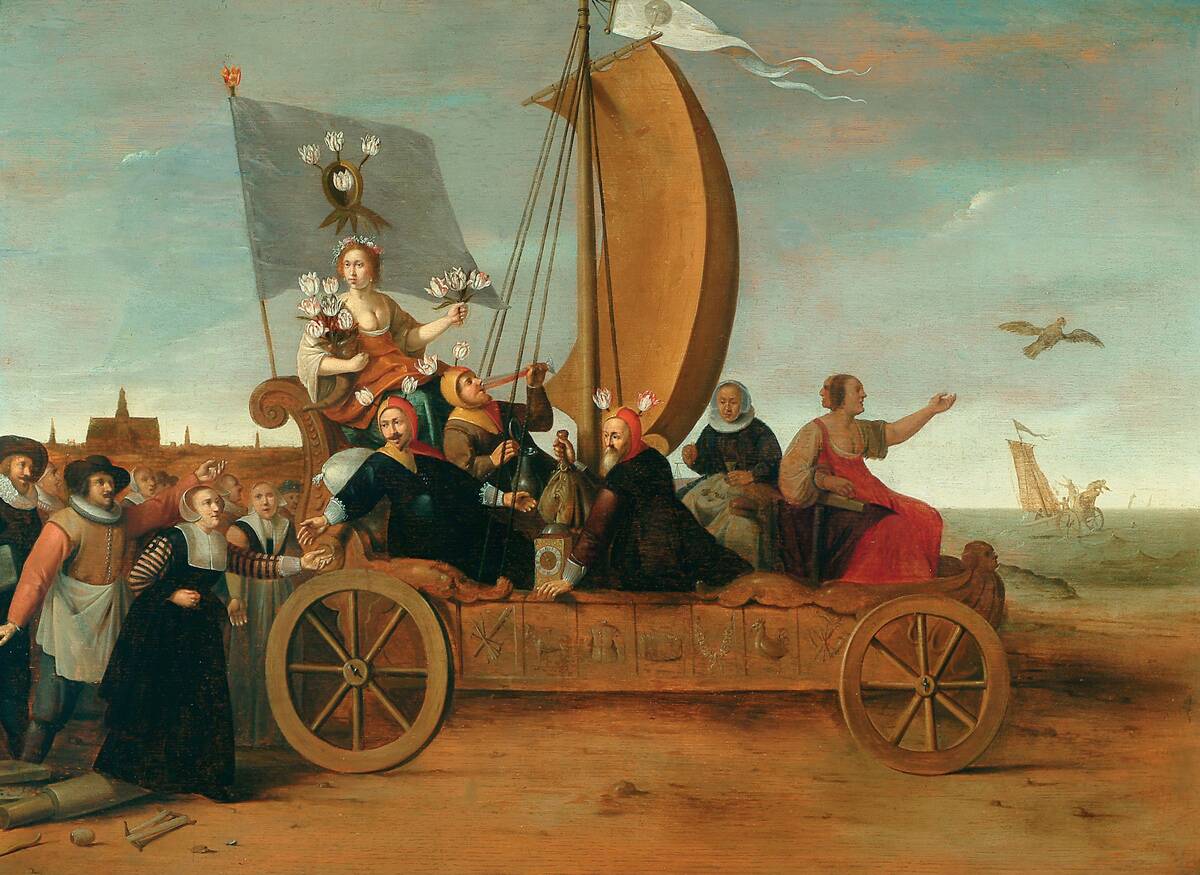
In the 1630s, the Netherlands experienced a period known as Tulip Mania, where tulip bulbs became extraordinarily valuable. At the height of this economic bubble, a single bulb could cost as much as a house.
Speculation drove prices to unsustainable levels, and the market eventually crashed in 1637. Tulip Mania is often cited as one of the first recorded speculative bubbles, serving as a cautionary tale about the perils of market frenzy.
The Great Molasses Flood of 1919: Boston’s Sticky Situation
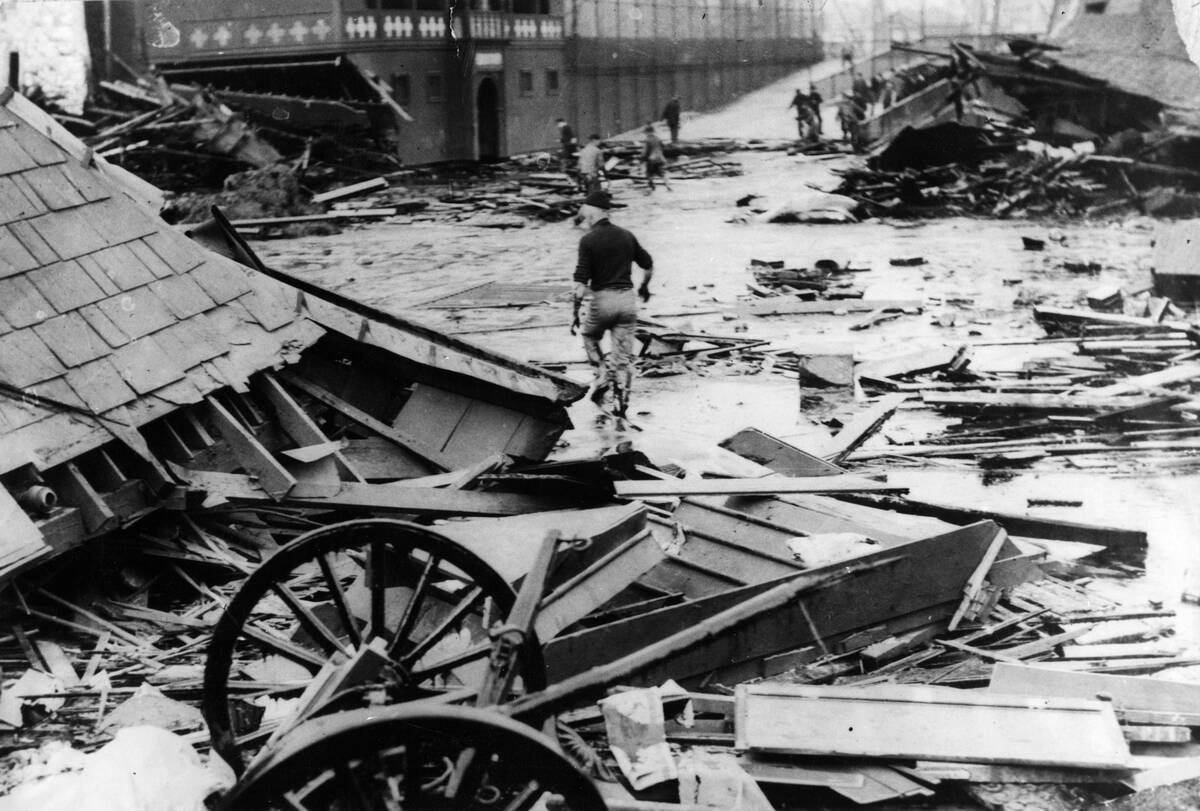
On January 15, 1919, a storage tank burst in Boston’s North End, unleashing a wave of 2.3 million gallons of molasses. The sticky deluge traveled at 35 mph, destroying buildings and killing 21 people.
Cleanup efforts took weeks, and the smell of molasses lingered for decades. The disaster highlighted the need for stricter safety regulations and remains a peculiar yet tragic chapter in Boston’s history.
The War of the Stray Dog: A Canine Conflict
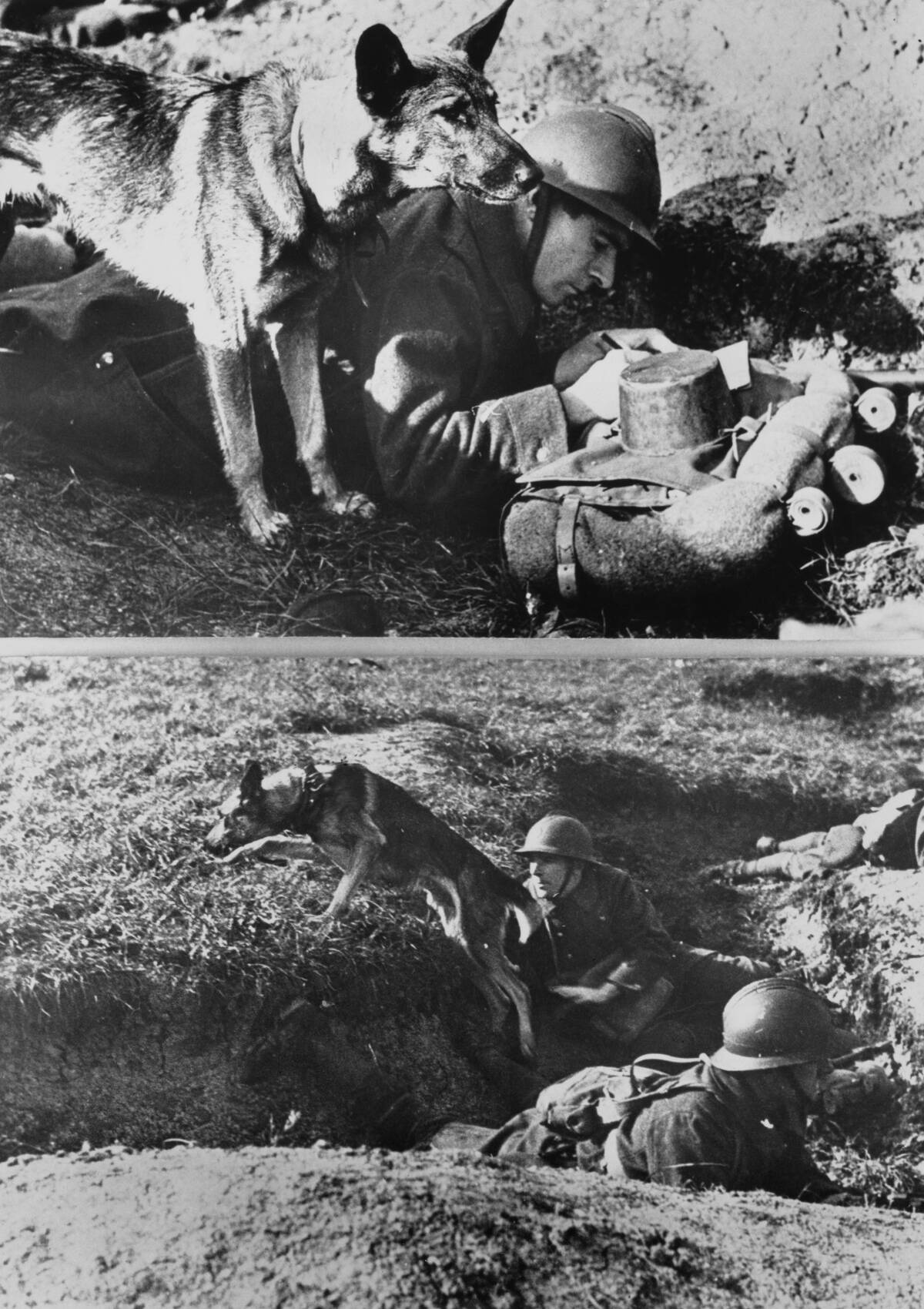
In 1925, a stray dog inadvertently sparked a conflict between Greece and Bulgaria. The incident began when a Greek soldier chased his dog across the border into Bulgaria, leading to a skirmish.
Tensions escalated, and both nations mobilized their forces. The League of Nations intervened, and the conflict was resolved diplomatically. The “War of the Stray Dog” is a testament to how minor incidents can sometimes lead to international disputes.
The Battle of Karansebes: When an Army Fought Itself
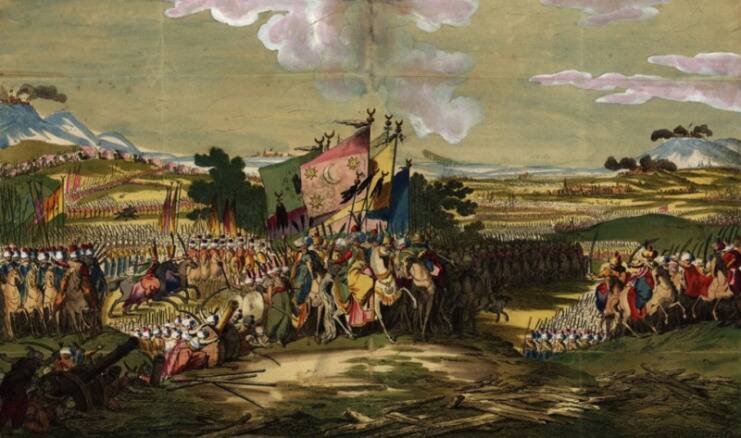
The Battle of Karansebes in 1788 is a notorious example of friendly fire. The Austrian army, camped near the town of Karansebes, was on high alert for an Ottoman attack. In a tragicomic turn of events, soldiers mistook their own returning cavalry for the enemy, leading to chaos.
The confusion resulted in hundreds of casualties, and the Ottomans arrived two days later to find the Austrians in disarray. This blunder is often cited as one of history’s most embarrassing military mishaps.
The Dancing Plague of 1518: When Dancing Became a Deadly Affair
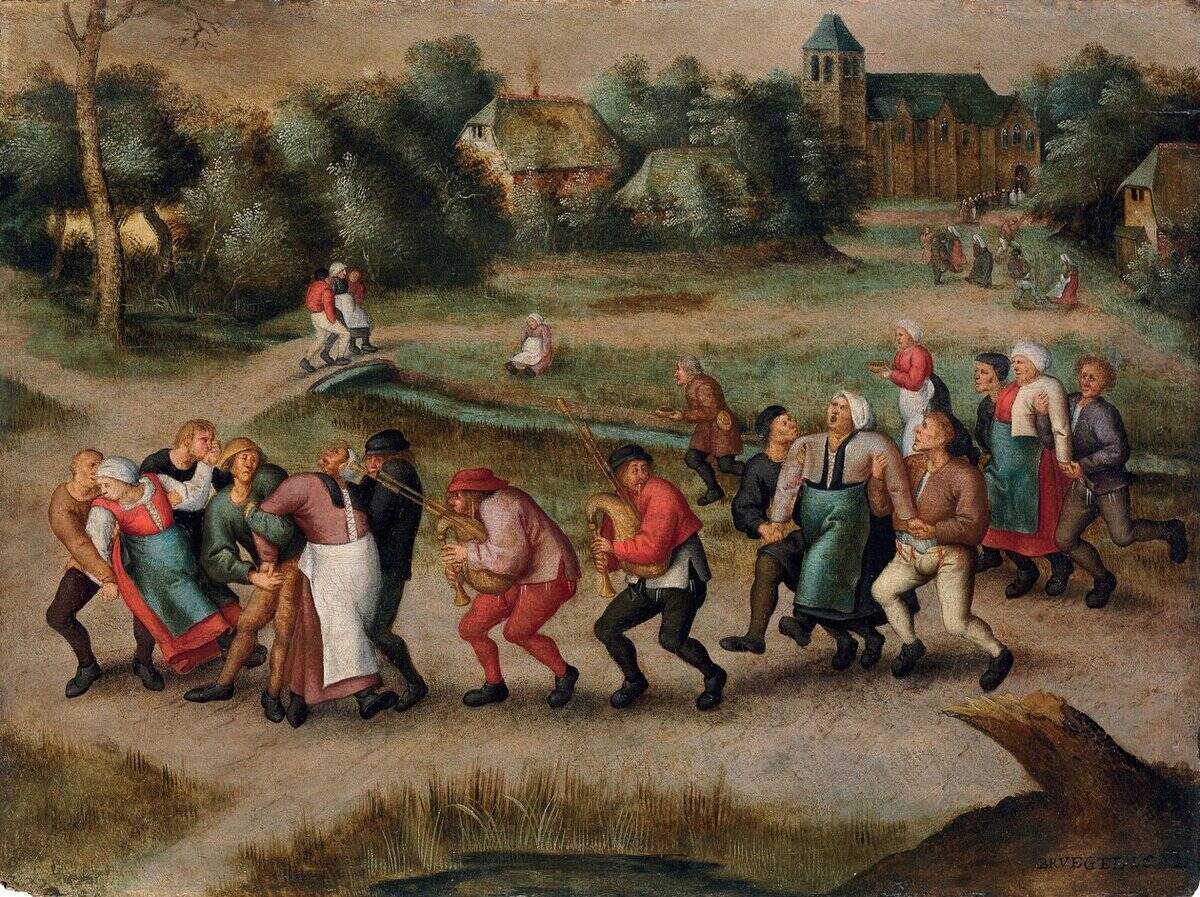
In July 1518, the residents of Strasbourg, then part of the Holy Roman Empire, were struck by a dancing mania. It all began when Frau Troffea started dancing uncontrollably in the streets. Within a week, dozens joined her, and the dancing continued for over a month.
Historical records suggest that some dancers died from exhaustion or heart attacks. Despite various theories, from mass hysteria to ergot poisoning, the exact cause remains a mystery.
The Miracle of the Sun: A Celestial Spectacle in Portugal
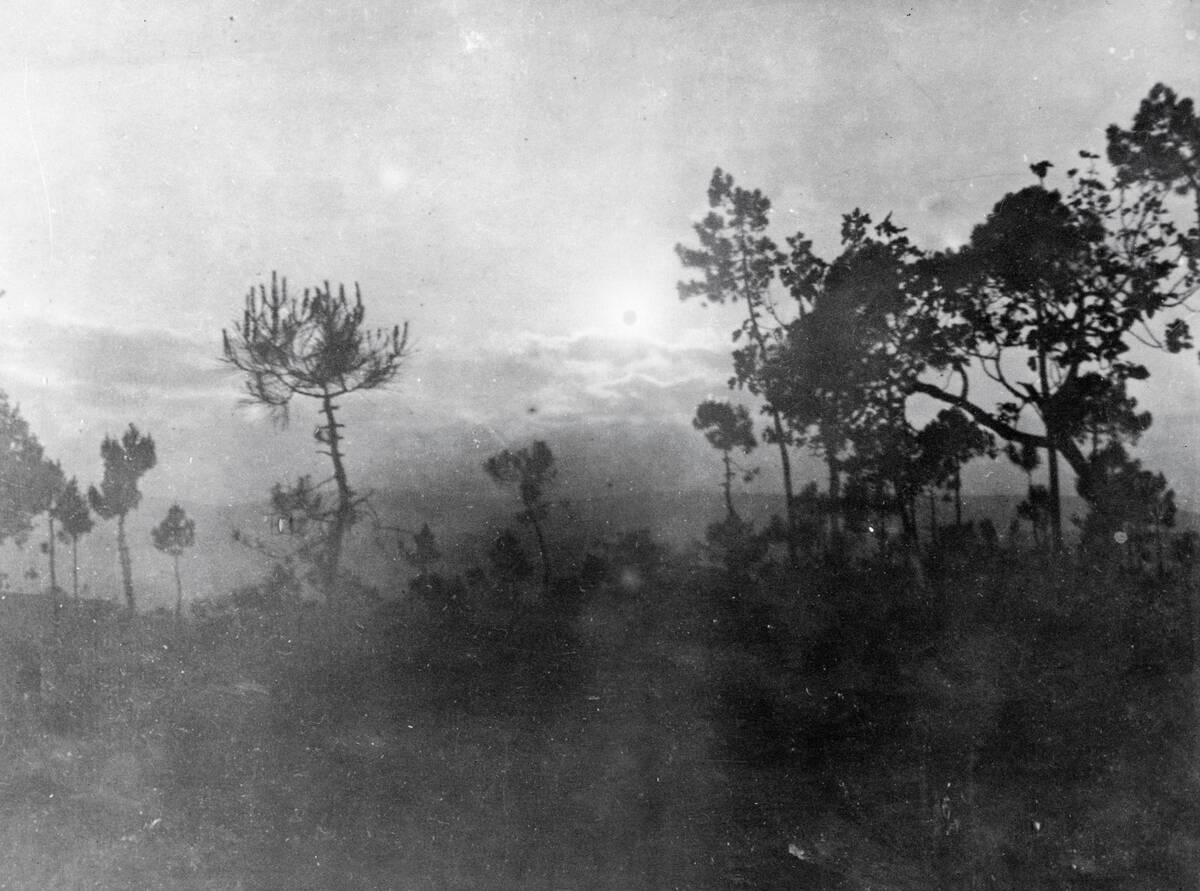
On October 13, 1917, thousands gathered in Fátima, Portugal, to witness a predicted miracle. According to reports, the sun appeared to dance in the sky, emitting multicolored lights. This phenomenon, known as the “Miracle of the Sun,” was witnessed by both believers and skeptics.
While some attribute it to religious significance, others suggest meteorological explanations. Regardless, the event remains a fascinating chapter in the history of religious apparitions.
The Mad Gasser of Mattoon: A Town’s Gas-Fueled Panic
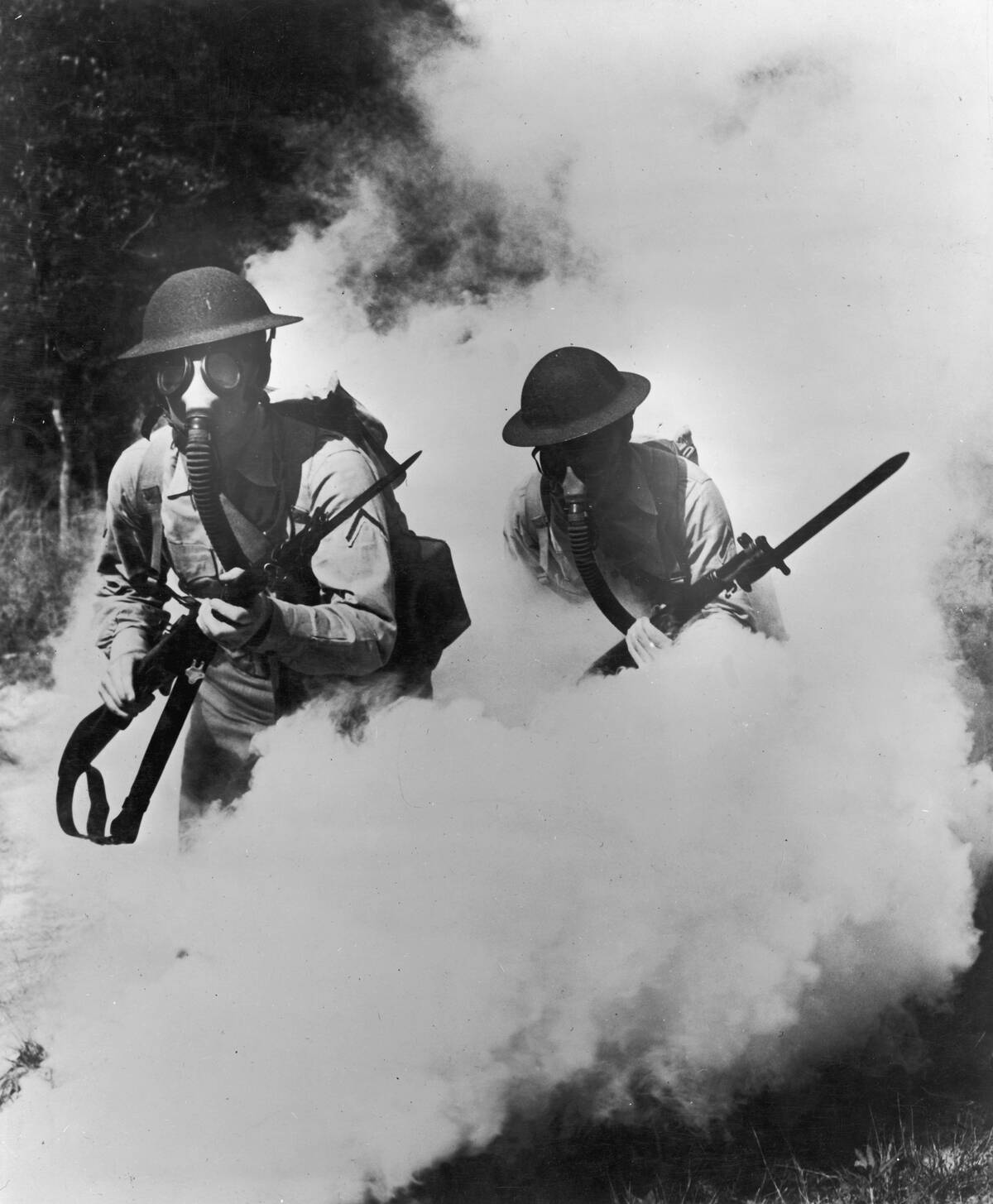
In the fall of 1944, the town of Mattoon, Illinois, was gripped by fear of a mysterious assailant known as the “Mad Gasser.” Residents reported smelling sweet gas and experiencing symptoms like nausea and paralysis.
Despite extensive investigations, no culprit was ever found, leading some to speculate mass hysteria was at play. The Mad Gasser of Mattoon remains an unsolved mystery, capturing the imagination of true crime enthusiasts and skeptics alike.
The Cursed Pharaoh’s Tomb: Unraveling the Legend of Tutankhamun
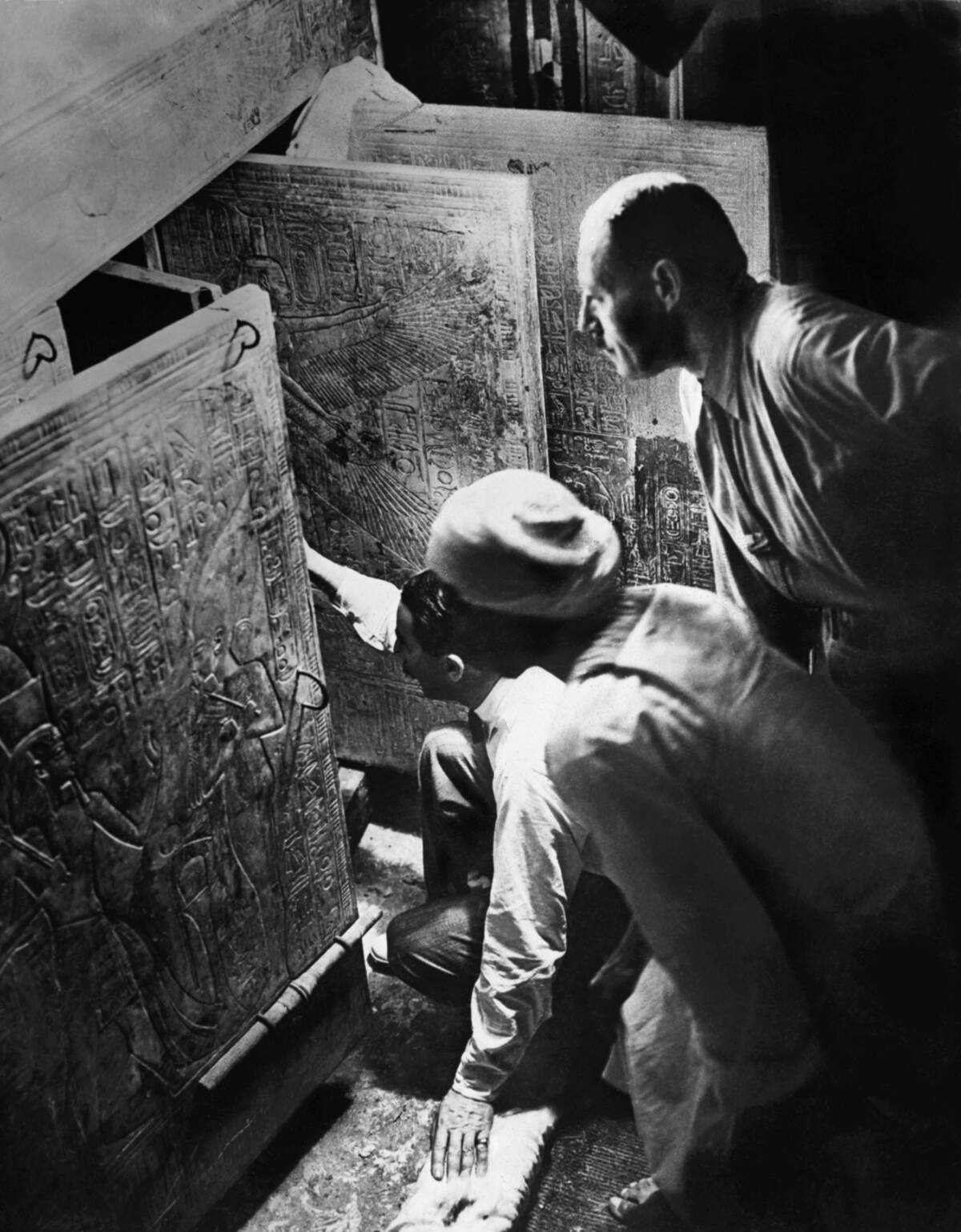
The discovery of Tutankhamun’s tomb in 1922 by Howard Carter sparked worldwide fascination and rumors of a curse. Several people connected to the excavation died under mysterious circumstances, fueling the legend.
However, studies have shown that the mortality rate among those involved was not unusual for the time. The “curse” is now largely dismissed as a media creation, yet it continues to intrigue those fascinated by ancient Egypt and its mysteries.
The Great Stink of 1858: London’s Smelly Summer
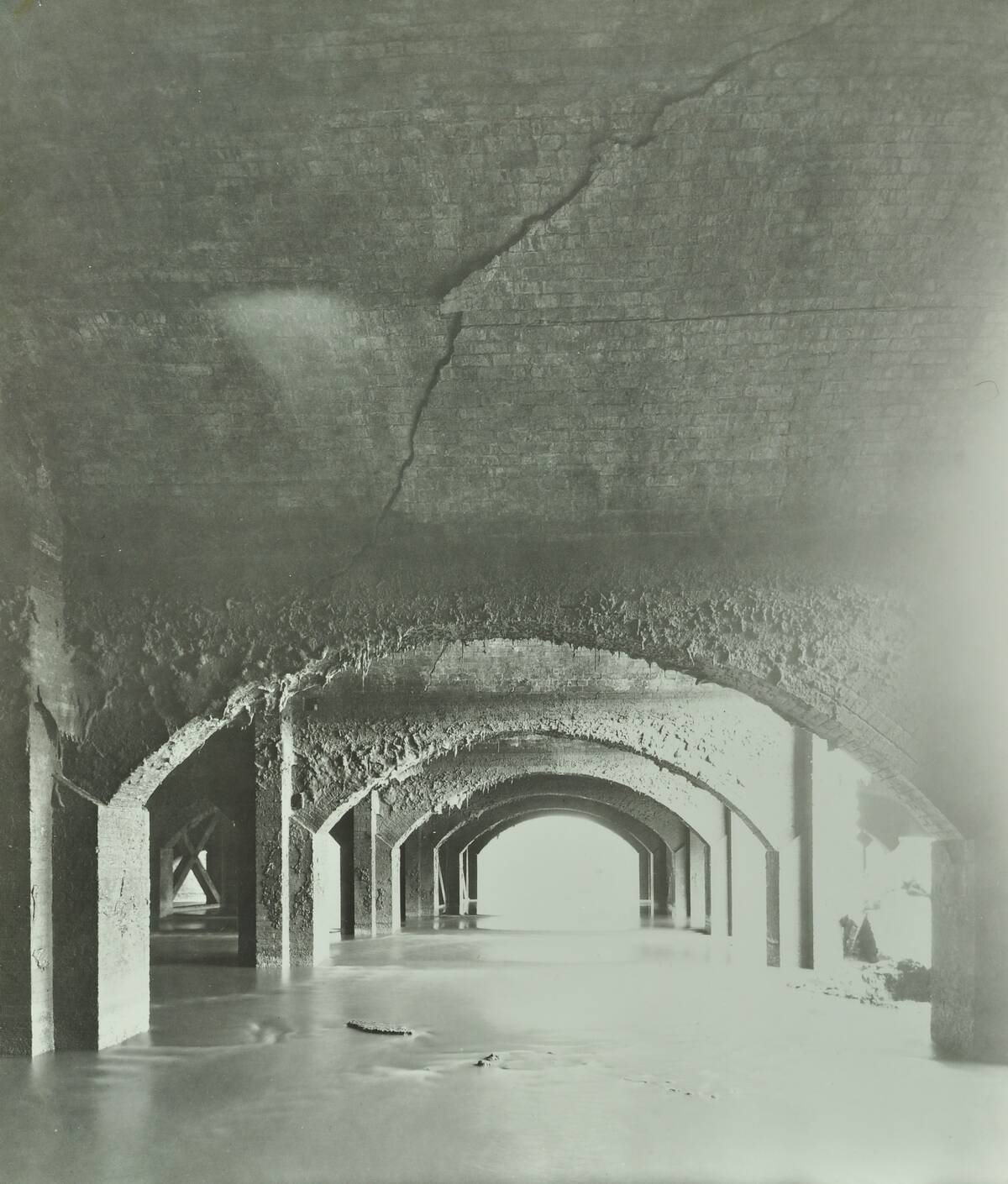
In the summer of 1858, London was overwhelmed by a foul odor emanating from the Thames River. The “Great Stink” was caused by untreated human waste and industrial effluent. The stench was so overpowering that it disrupted Parliament.
This crisis led to the construction of a modern sewer system, designed by engineer Joseph Bazalgette, which transformed the city’s sanitation. The Great Stink is a pivotal moment in public health history, marking a shift towards modern urban infrastructure.
The Night of the Radishes: Oaxaca’s Quirky Holiday Tradition
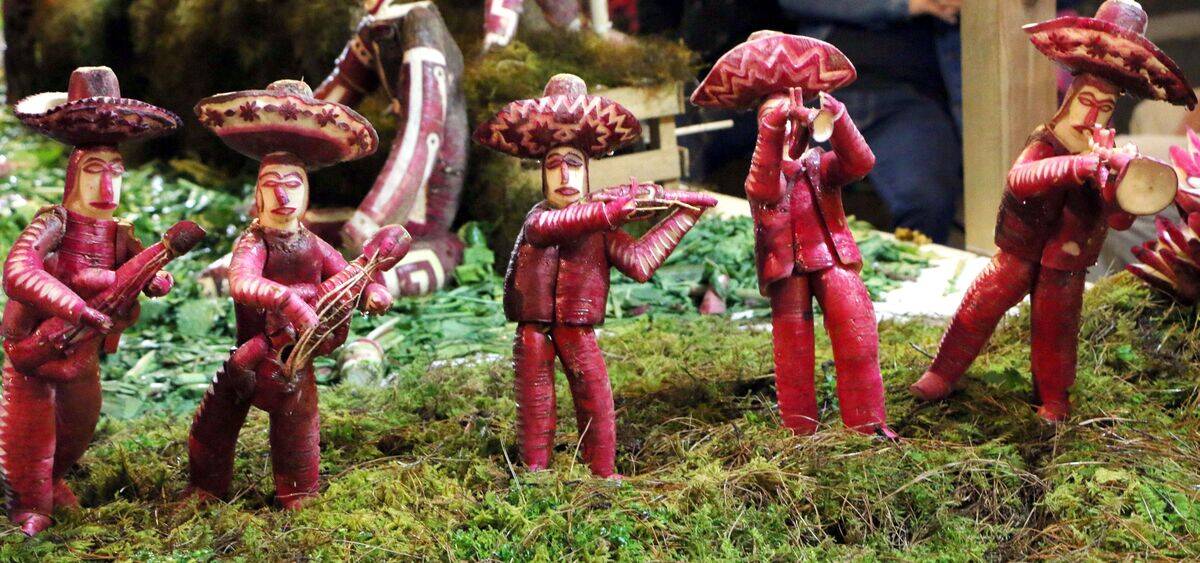
Every December 23rd, the city of Oaxaca, Mexico, hosts the “Night of the Radishes” festival. This unique event features intricate sculptures carved from radishes, depicting scenes from folklore, history, and everyday life.
The tradition dates back to the colonial period when radishes were introduced by the Spanish. Today, it attracts tourists from around the world, celebrating creativity and cultural heritage in a festive atmosphere. The Night of the Radishes is a testament to the enduring power of local traditions.




