30 of the coolest cars ever built in Japan
Ever since Japan entered the automotive industry, there has been no shortage of cool Japanese cars. From sports coupes and supercars to rally specials, the land of the rising sun has given us numerous unique models to lust and dream for.
Whatever your driving appetite is, Japanese automakers seem to already have the recipe. These are the coolest Japanese cars ever built, from cheap sports cars to expensive classics.
Honda Prelude Si VTEC
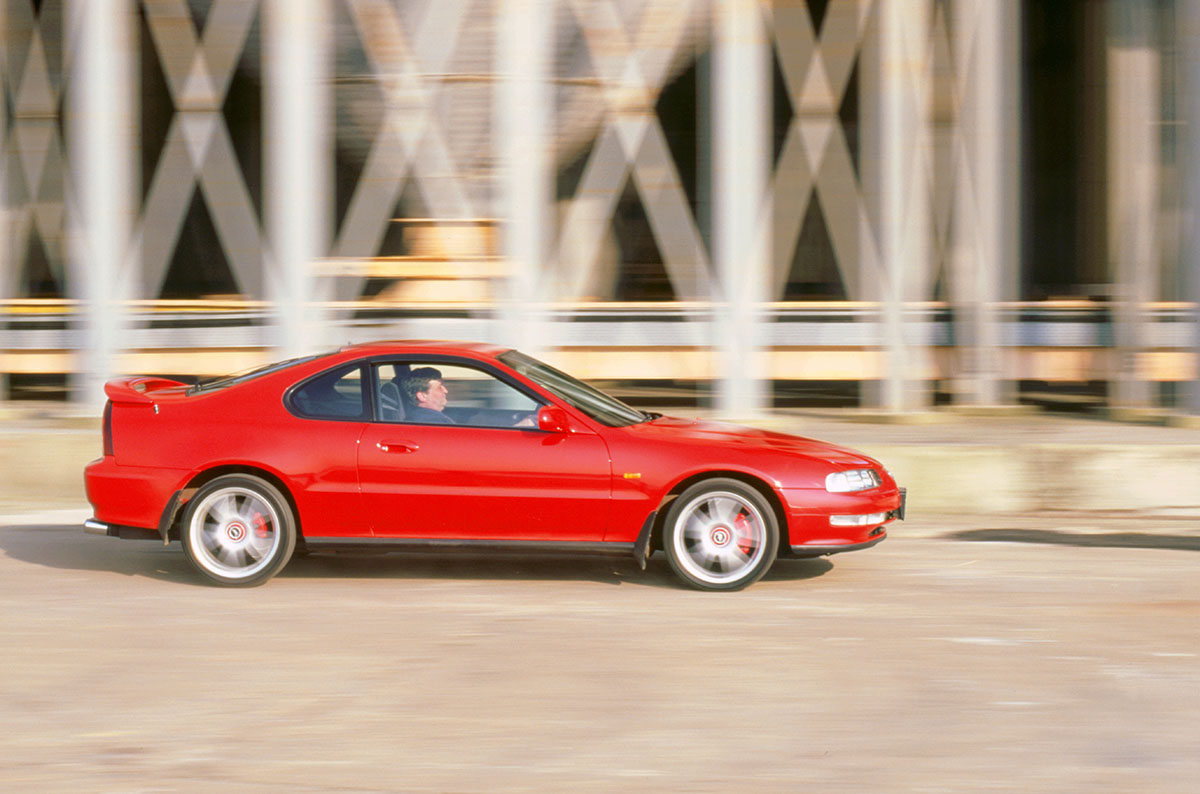
For drivers that considered the Integra too spartan, Honda offered the Prelude. In this elegant coupe, the manufacturer showed its advanced technologies. The best example of this is the 4WS (four-wheel steering) system that turned the rear wheels along with the front wheels. This made the Prelude extremely stable at higher speeds, but also more maneuverable in the city.
The range-topping Si VTEC version came with a 2.2-liter engine that developed 197hp and 162 lb-ft. That was enough for a brisk 0-60mph time of only 6.6 seconds and a top speed of 148mph. The coolness factor of the Prelude Si VTEC is intensified with an interior that looks like it came from a Sci-Fi movie.
Nissan Skyline GT-R (R32, R33, and R34)
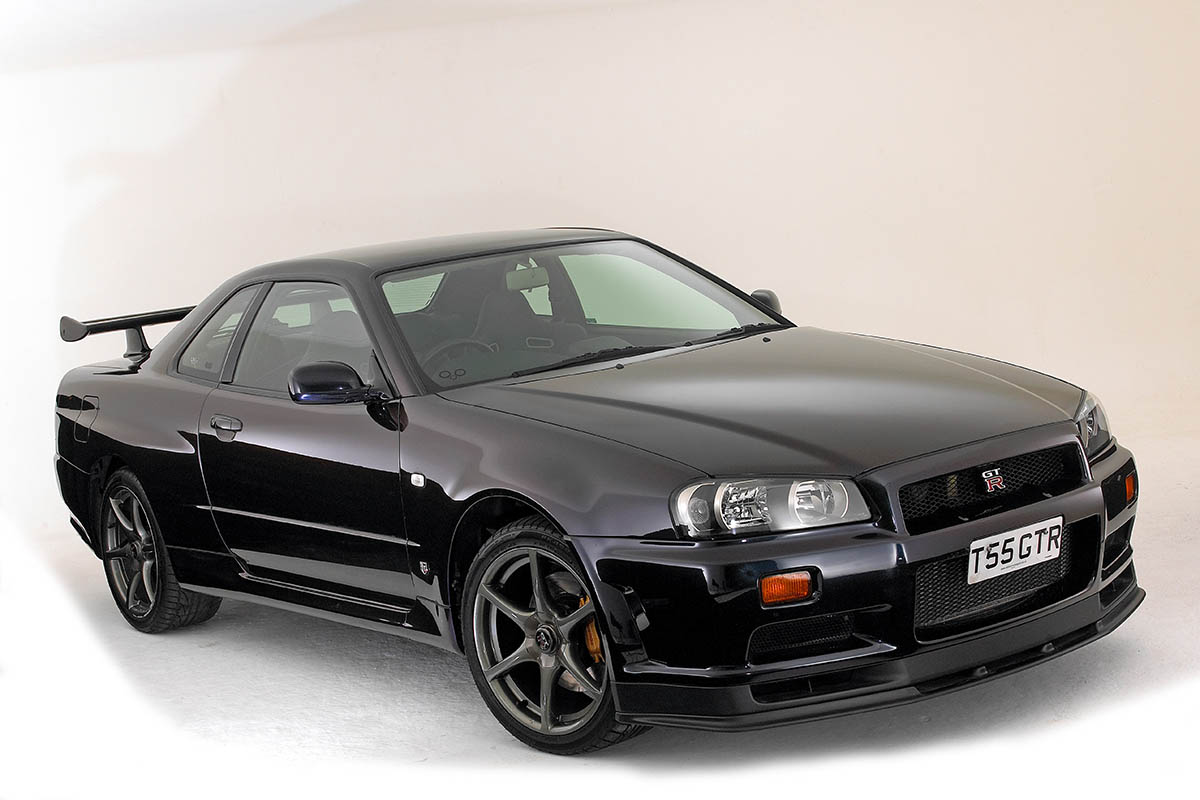
With the Skyline GT-R, Nissan created the most successful racing car in history. Throughout the three generations, the Skyline GT-R won almost all the races it ran. What you need to know is that most of the racing tech is available in the street versions as well.
The RB26 engine is one of the highest-regarded motors in history. The twin-turbocharged 2.6-liter marvel is powerful from the factory, but it can also be tuned to over 500hp with ease. Furthermore, the advanced AWD system in the R32, R33, and R34 generations give the car outstanding handling abilities. You’ll be surprised by how much speed you can carry through the corners with these racing masterpieces, even when compared to modern supercars.
Daihatsu Copen
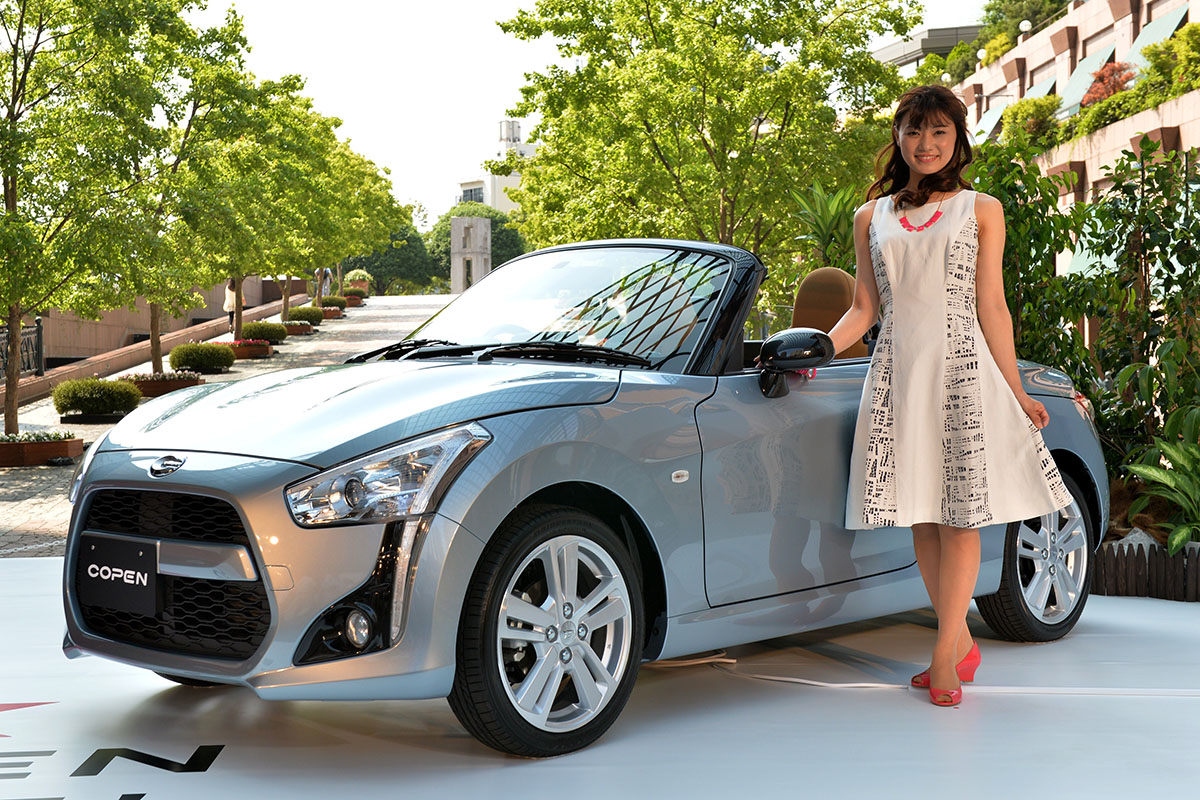
Daihatsu isn’t very well known in Western markets, but they still manage to produce some funky and cool cars. The Copen is their “Kei” car roadster designed for people that want an agile and fun driving experience. Now in its second generation, the Copen kept all of the things that made it loveable, including the tiny 658cc turbocharged engine and diminutive dimensions.
Toyota (owns Daihatsu) and their racing Gazoo division even made a sportier version of the Copen with enhanced looks, suspension, and interior. Daihatsu is the only manufacturer that offers its roadster out of Japan, which further enhances the appeal.
Subaru BRZ / Toyota 86
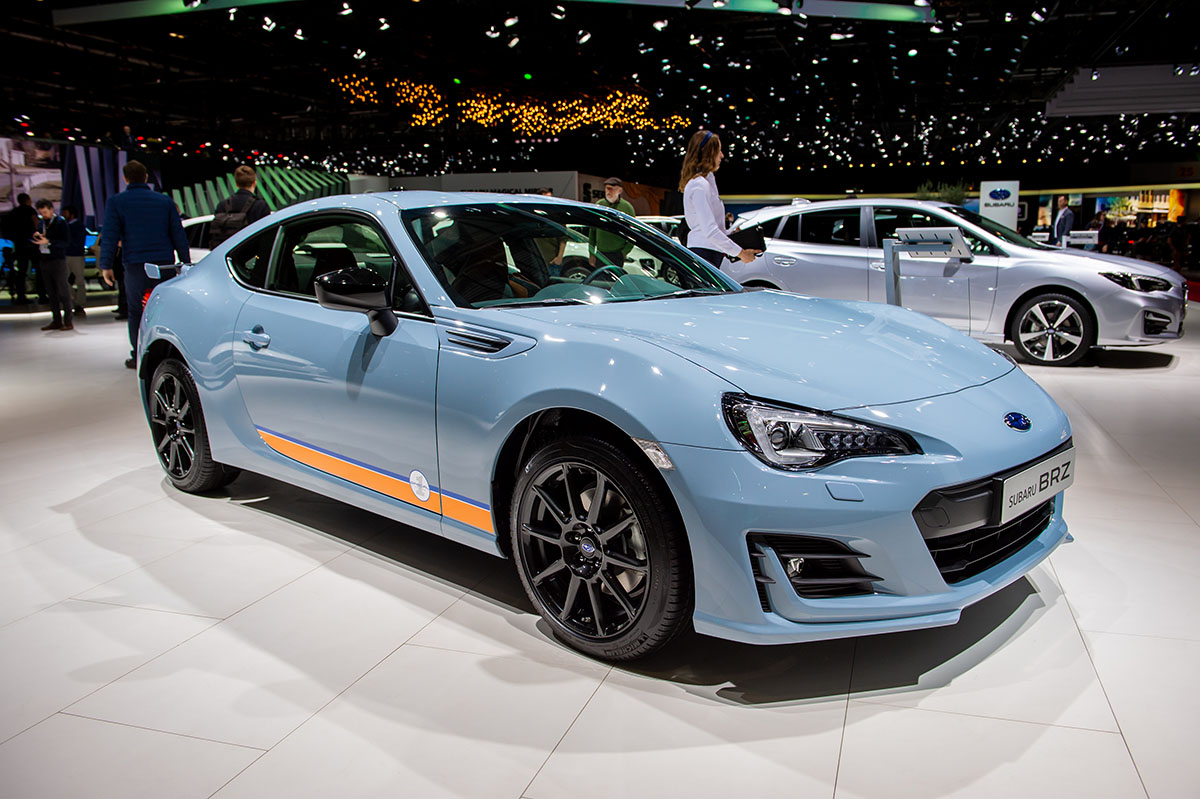
The Toyota 86 (previously Scion FR-S) and Subaru BRZ are jointly-developed sports coupes that share many of the traits with the AE86. The light and balanced chassis, RWD configuration, and 2.0-liter naturally-aspirated boxer engine make these coupes a blast to drive and drift. The real reason why these coupes became so popular, though, is that nobody else is making cars like this.
These coupes are almost archaic in their approach. Their engines only develop 200hp, and the tires are skinny, so don’t expect to be the fastest driver on the track. However, they still manage to provide the driver with outstanding drivability, excellent steering feel, and balanced handling. You may not be the fastest driver, but you will surely have the most fun.
Nissan Silvia / 240SX
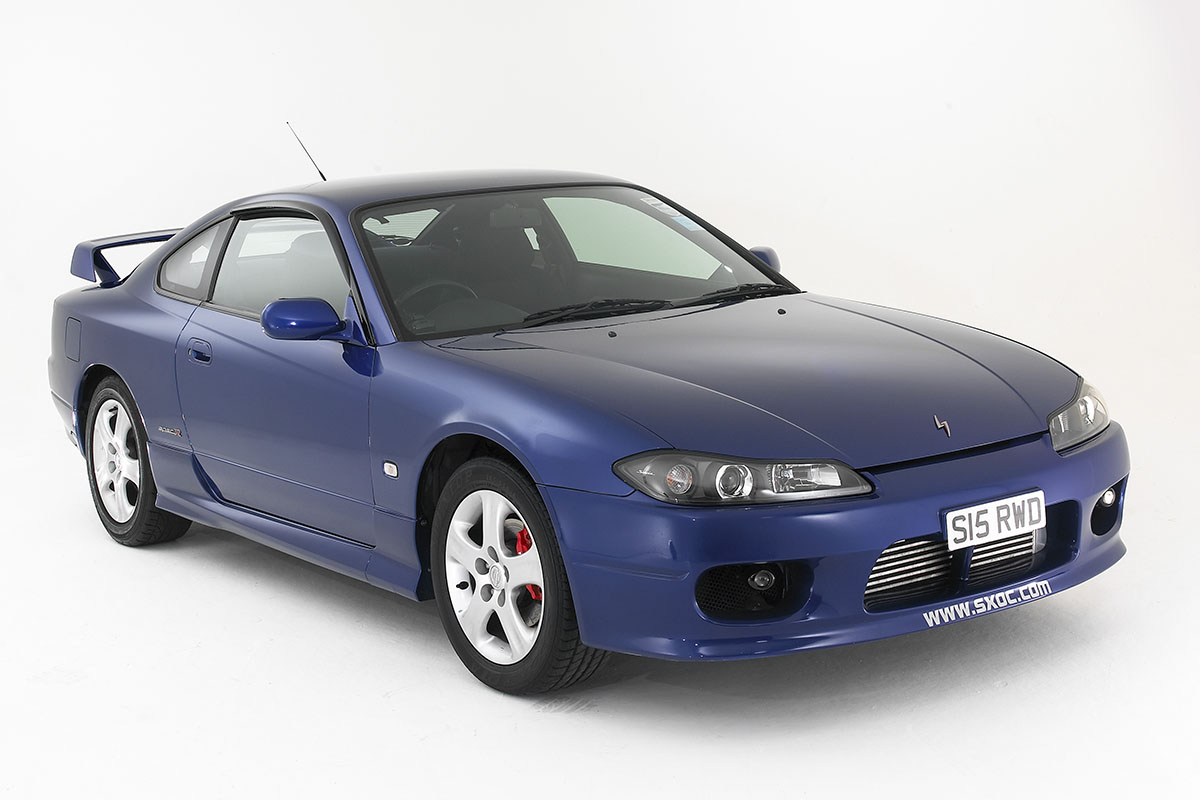
While the Toyota AE86 is often coveted as the drifting pioneer, it’s the Nissan Silvia (240SX in the US) that really popularized the sport. Nissan’s entry-level RWD sports coupe might have been cheap, but enthusiasts still saw potential in it, especially for tuning. The chassis engineering of the Silvia was so sound that it could easily withstand a lot more power.
Even today, drifters consider the Silvia as one of the most agile and stable drifting cars in the world. The only downside – lack of power, can be easily corrected with a turbo. The result is a coupe that still instills fear into modern sports cars that cost a lot more money.
Toyota 2000GT
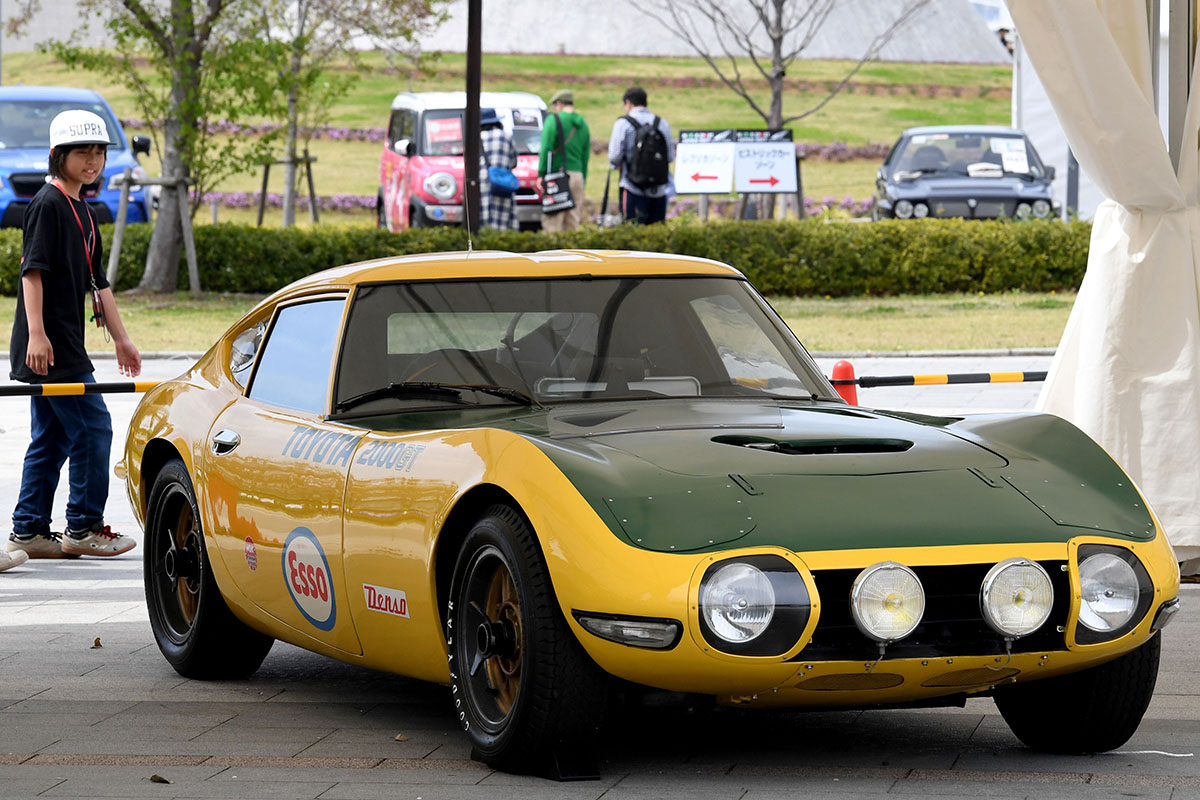
Toyota’s first foray into the sports car world was a limited-production masterpiece called the 2000GT. Only 351 cars were produced from 1967 to 1970, and one of them even appeared in a James Bond movie (You Only Live Twice). Due to its exclusivity, one can only buy the car today via auctions and at very steep prices.
Back in the day, the 2000GT was considered a halo car for Toyota. The company took its time to develop a coupe that, according to magazines from that era, was one of the most exciting sports cars to drive. The 2.0-liter inline-6 engine in the front was just the icing on the cake – it developed 150hp, which is considered very high for a naturally aspirated engine from the era.
Subaru WRX and WRX STi
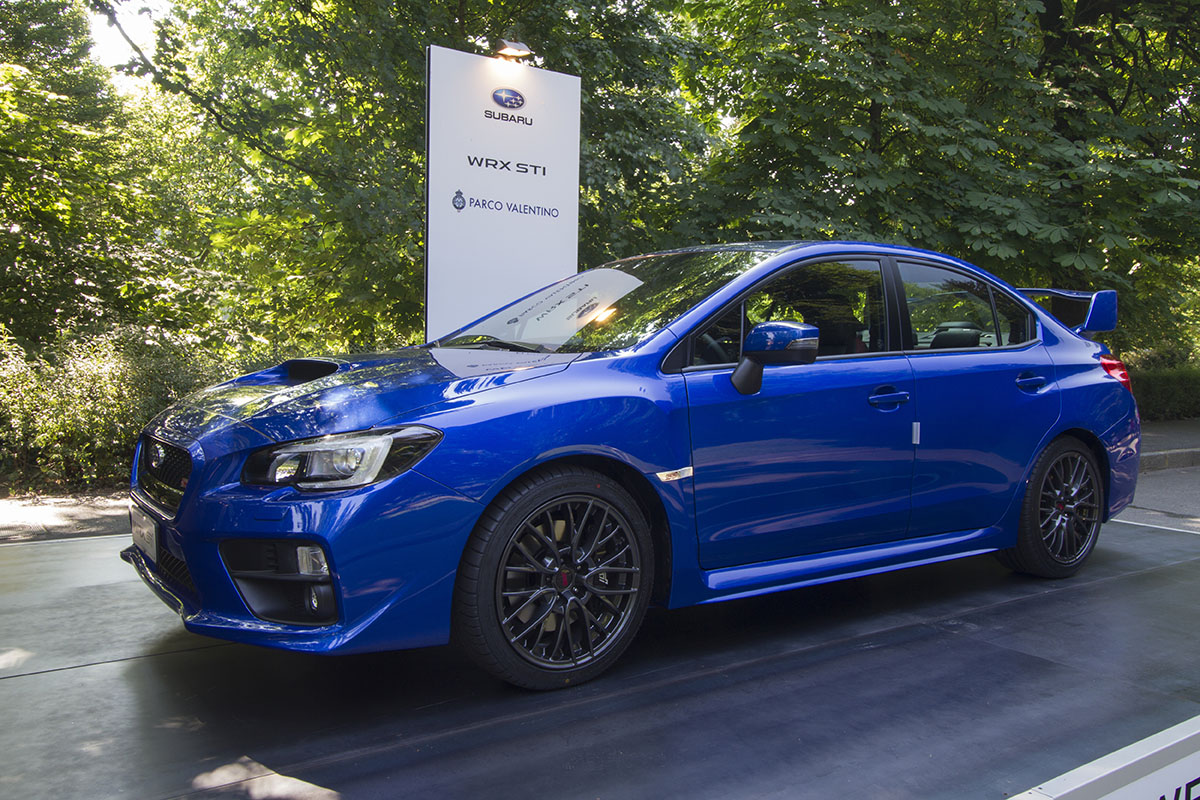
Unlike Mitsubishi, Subaru still offers the rally-inspired Impreza on the market. Every new generation of the WRX and WRX STI cars bring their own advancements, but there are a few things that they share in common, and that make them famous in the enthusiast world.
The first one is the boxer engine, which lowers the center of gravity of the car, making it more stable at higher speeds. The motors themselves are mighty – each one has a big turbo attached. Finally, Subaru’s symmetrical AWD system is still lauded as one of the best in the world, making the WRX and WRX STI handle like actual rally cars.
Mitsubishi 3000GT VR-4
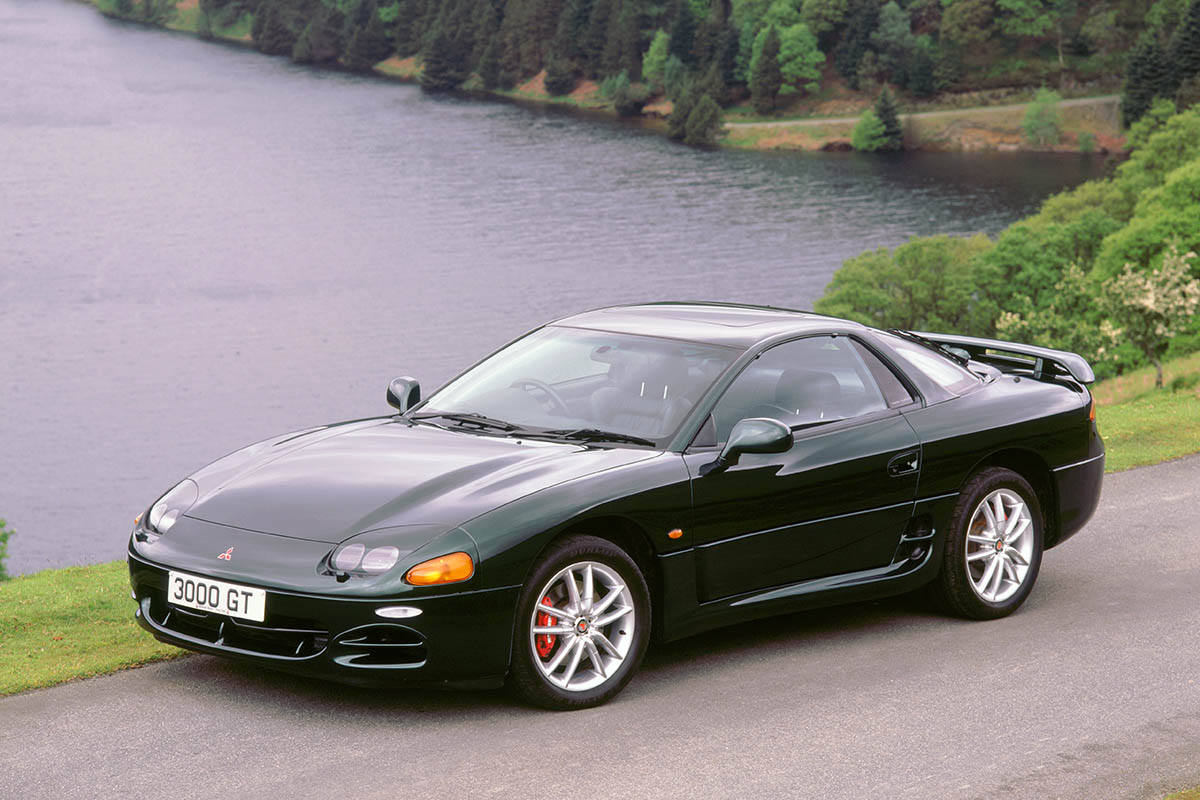
While undoubtedly not as famous as the Skyline GT-R, Mitsubishi’s 4WD sports coupe is still considered a technological marvel. With a 3.0-liter V6 twin-turbo motor upfront, the 3000GT VR-4 can accelerate to 60mph in under 5 seconds, which was pretty fast at the time. Like most Japanese engines of the era, this one is also easily tunable.
Mitsubishi’s answer to the Skyline GT-R was no slouch in the corners, too. Thanks to the advanced 4WD system, the VR-4 offered outstanding grip, while the carefully designed aerodynamics took care of high-speed stability. Dodge offered the same car under the Dodge Stealth moniker in the USA.
Toyota Supra A80
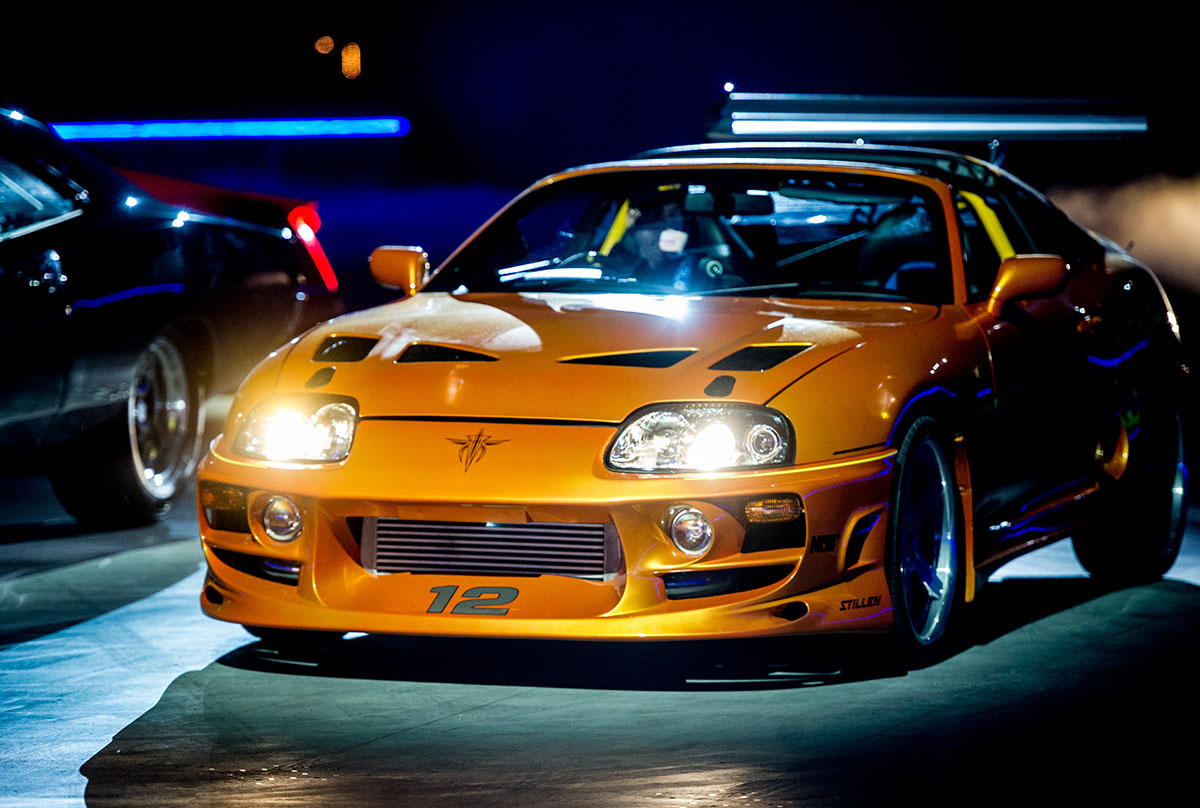
Arguably the most famous sports car to ever come out of Japan, the Toyota Supra MKIV is a true cultural icon. When Toyota launched the Supra, it was lauded for the exceptional dynamics and the outstanding 3.0-liter inline-6 with twin-turbochargers that in the final version developed 325hp.
Today, the 2JZ-GTE motor is even more popular. Toyota managed to design a marvel that can take much more power than the factory numbers. Upgrade the turbo and ECU, and you’re easily looking at over 600hp. The best thing about the engine is that it’s probably the sturdiest and most reliable engine ever made. It’s no coincidence that tuners around the world put the 2JZ-GTE in every car where it fits, including the BMW-derived J29 Supra.
Honda S2000
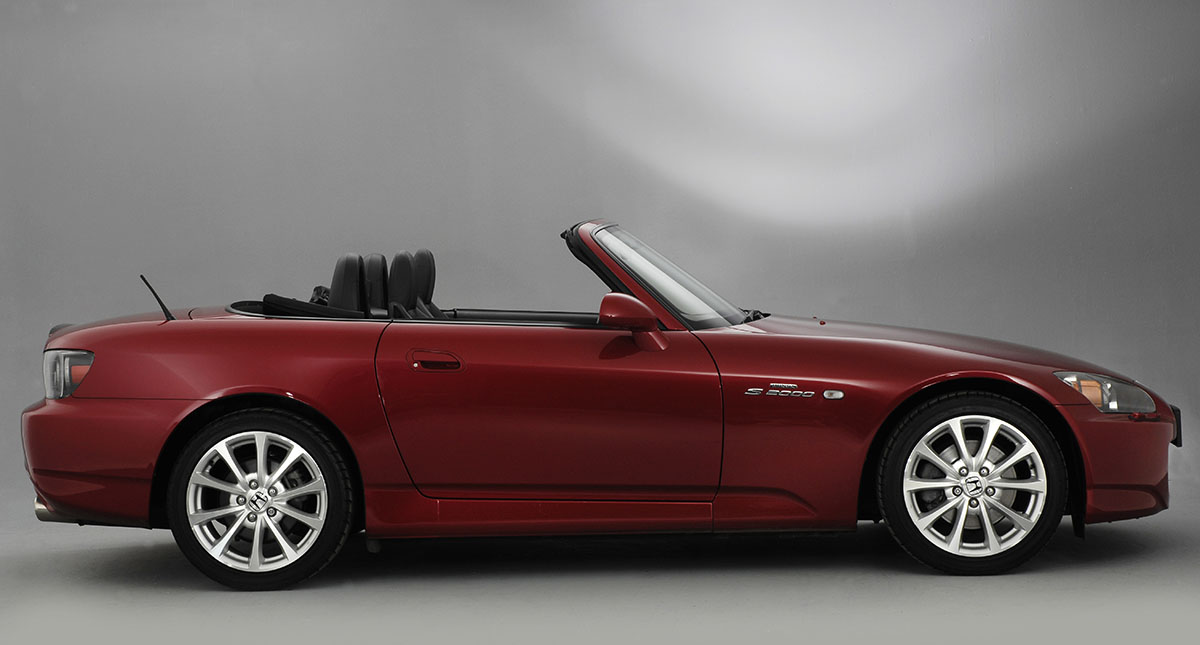
With the S2000, Honda took everything that made roadsters desirable and cranked it up to 9000. Nine thousand RPM, that is. The 2.0-liter and 2.2-liter naturally-aspirated engines with 250ps in the S2000 are probably one of the finest motors ever made. They rev up to the stratosphere and launch the light roadster to 60mph in no time.
Honda didn’t rest on its laurels when it designed the chassis either. The S2000 is one of the finest-handling roadsters of all time. On top of that, the manual shifter is still one of the most precise and direct ever made. All of this adds to unparalleled driving experience and cool appeal even two decades after the introduction.
Mazda MX-5 Miata
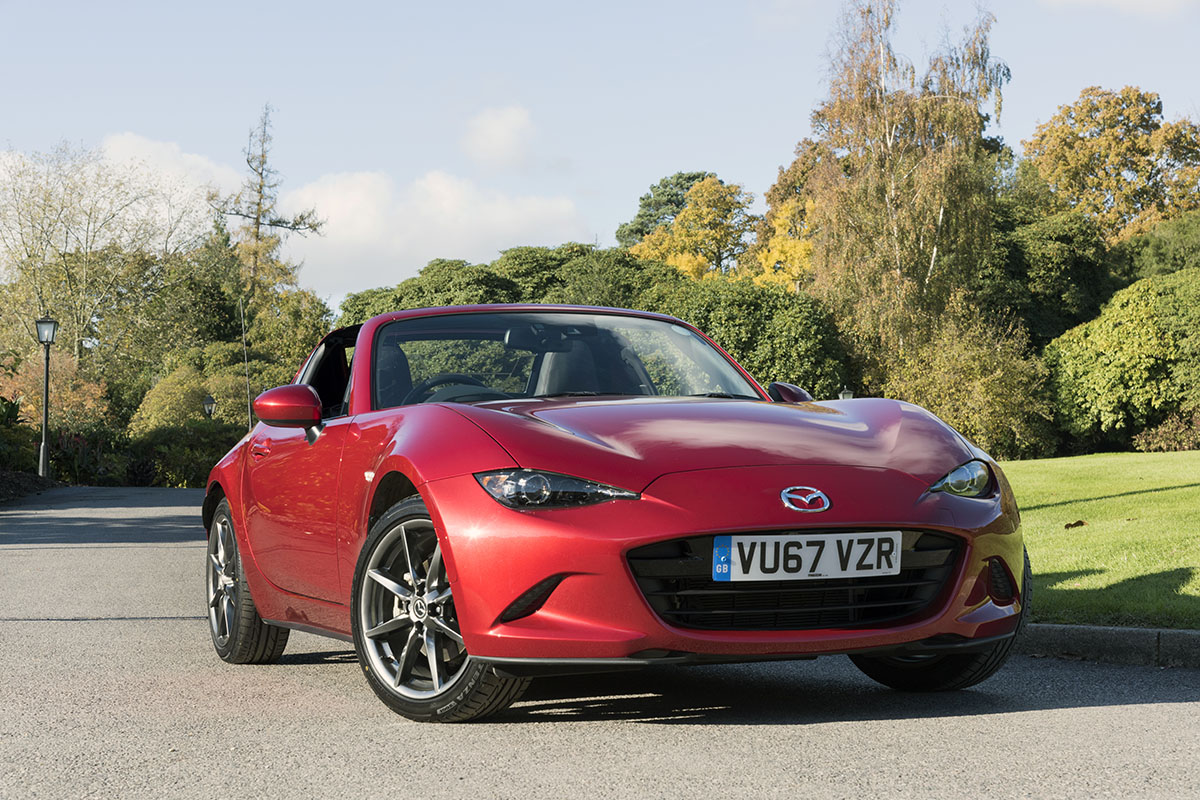
The MX-5 Miata might not be as aggressive or fast as the S2000, but it’s still a blast to drive. The feather-light chassis, peppy engines, and perfect 50/50 weight distribution make the Miata one of the most playful cars ever. It surely doesn’t hurt that every generation looks cool and trendy.
Today, Mazda still makes the MX-5 Miata, which survived over four generations and is the best-selling roadster of all time. The affordable price surely helps Mazda find its buyers. And that’s fine. Not a lot of companies make cheap roadsters today, and we can only applaud Mazda’s commitment here.
Toyota MR2
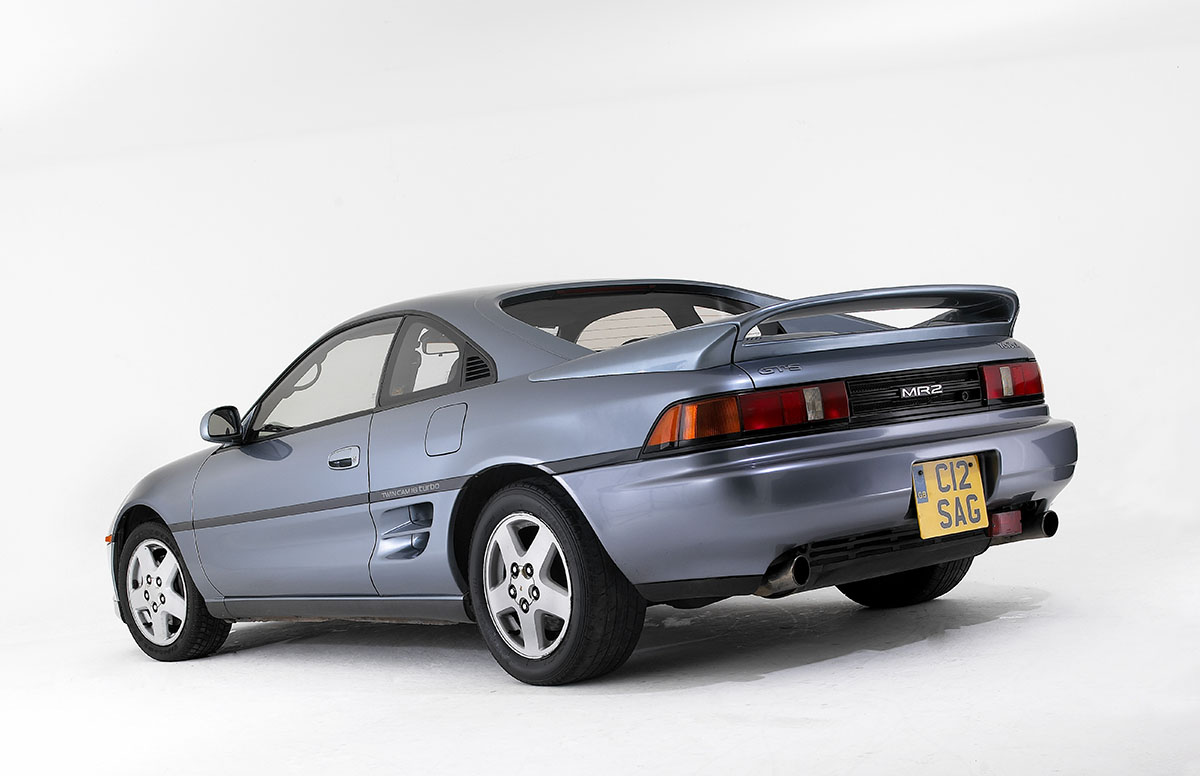
When Toyota launched the first MR2 in 1984, many publications named it “the Ferrari for the masses.” With a centrally-located 1.6-liter 4A-GE engine and advanced chassis engineering, the MR2 pushed the boundaries of what’s possible in a cheap roadster. The next two generations managed to improve the recipe further, making more power and drive even better through the corners.
Today, the second-gen car is the most desirable among enthusiasts, largely thanks to the robust and tunable engines. Still, whatever MR2 you choose, you can expect a delightful driving experience with balanced handling and peppy engines. Let’s hope that Toyota brings back the popular mid-engined roadster soon.
Honda S660
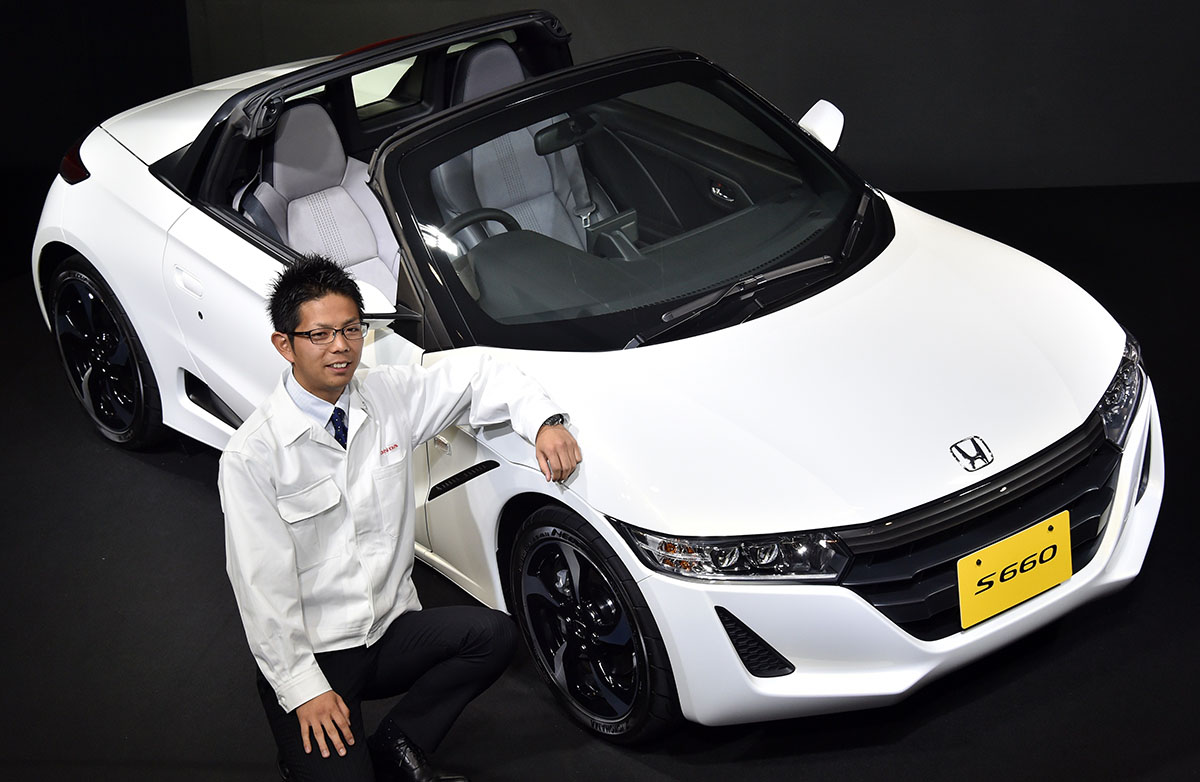
If you thought that the MX-5 Miata and MR2 are tiny, wait until you see the Honda S660 in person. With 133.7 inches in length, this is one of the smallest roadsters ever made. In Japan, it is sold as a “Kei” car, the lowest category of vehicles there that’s legal for highway use.
What you should be interested in is how this car drives. The curb weight of 1,830 lb and centrally-located 658cc turbocharged engine with 63hp give this car a playful character that few other vehicles can match. Just be sure that you order the 6-speed manual version – the CVT is nowhere near as fun.
Honda Integra Type R
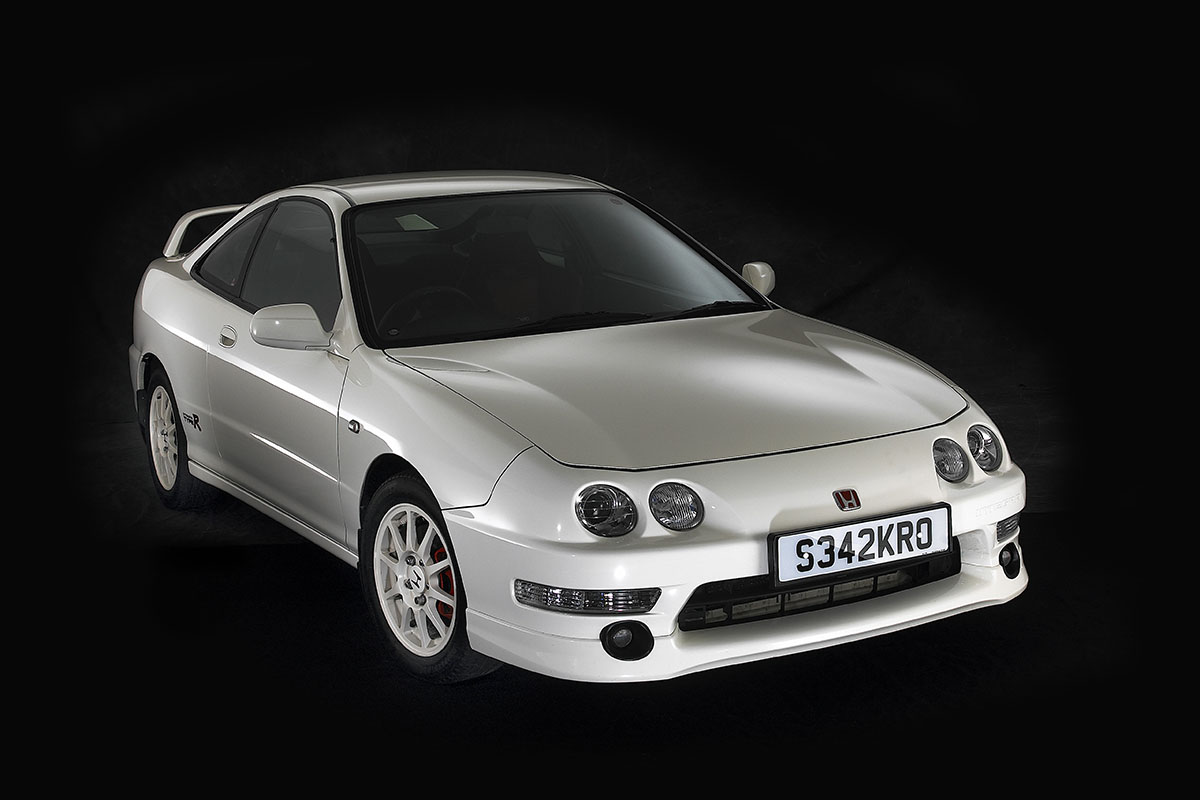
Many car enthusiasts will cringe at the thought of a front-wheel-drive sports car. However, that’s probably because they’ve never driven an Integra Type R. Honda’s racing-derived sports coupe is regarded by many as the best handling FWD car of all time. On a twisty road, the Integra Type R is as agile as RWD cars, and might we say it, more stable through the corners.
The engine is just the icing on the cake here. The 1.8-liter capacity may sound low for a naturally-aspirated motor, but Honda still managed to extract 195hp at 8,000 rpm. On a car that weighs only 2,400 lb, that’s enough for a 0-60mph time of only 6.2 seconds.
Mazda Mazdaspeed 3
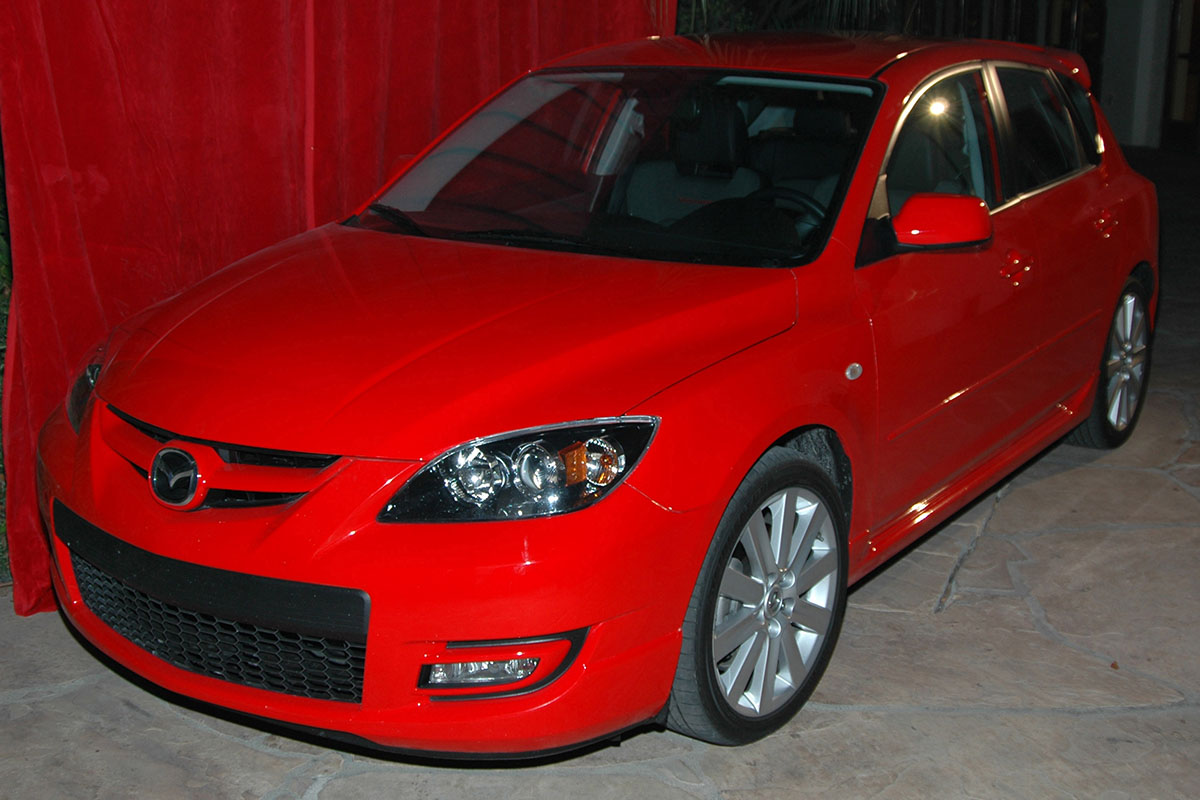
When Mazda launched its Mazdaspeed 3 sports compact in 2007, it was easily the most powerful front-wheel-drive car in its category. The 2.3-liter turbocharged engine develops 267hp and 280 lb-ft, enough for a 0-60mph time in less than six seconds. That’s a lot for an FWD car, but Mazda used a few tricks to make it agile and drivable.
All Mazdaspeed 3 models come with a limited-slip differential to limit wheel spin during hard acceleration. Mazda even limited to power delivery in 1st gear to 230hp to keep the tires healthy for longer. Overall, this is one of the most manageable and fast FWD cars you can buy.
Mitsubishi Lancer Evo X
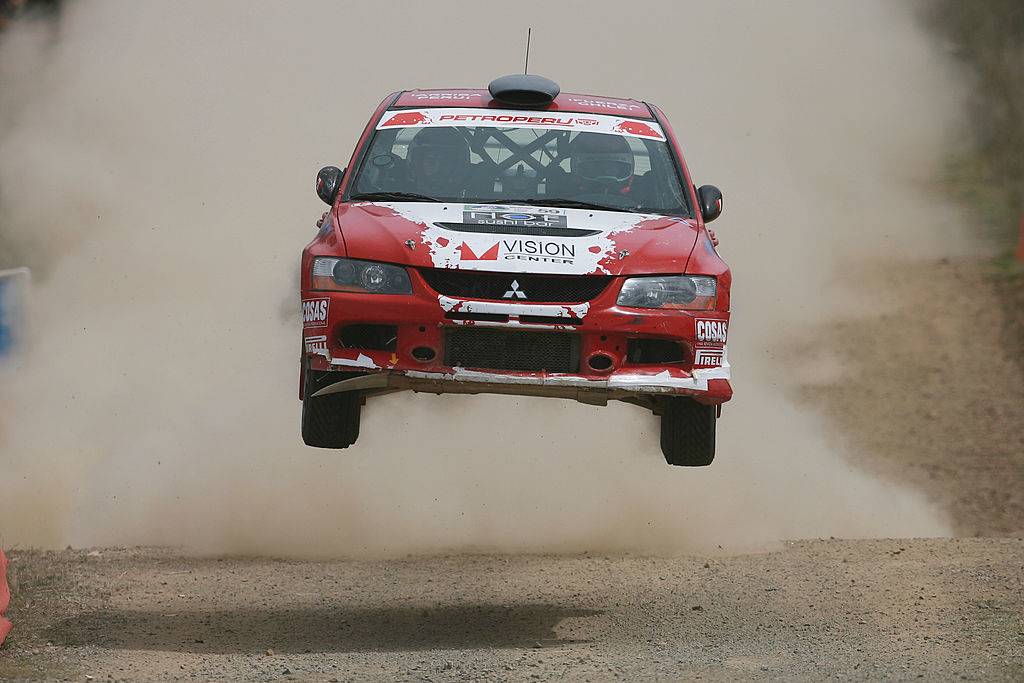
The Evo X is sadly the last evolution of Mitsubishi’s rally-inspired cars for the road. Luckily, though, you can buy a used one and still run circles around many modern sports cars. Depending on the version, the 2.0-liter turbo develops from 295hp to over 400hp – crazy numbers for what actually is a family sedan.
The S-AWC (Super All Wheel Control) 4WD system is still one of the most exceptional in the world, giving the Lancer Evo X outstanding high-speed stability and grip in the corners. Some versions were also available with a newly-developed 6-speed dual-clutch transmission, which changes gears in no time.
Subaru Forester XT Sports Turbo / STI
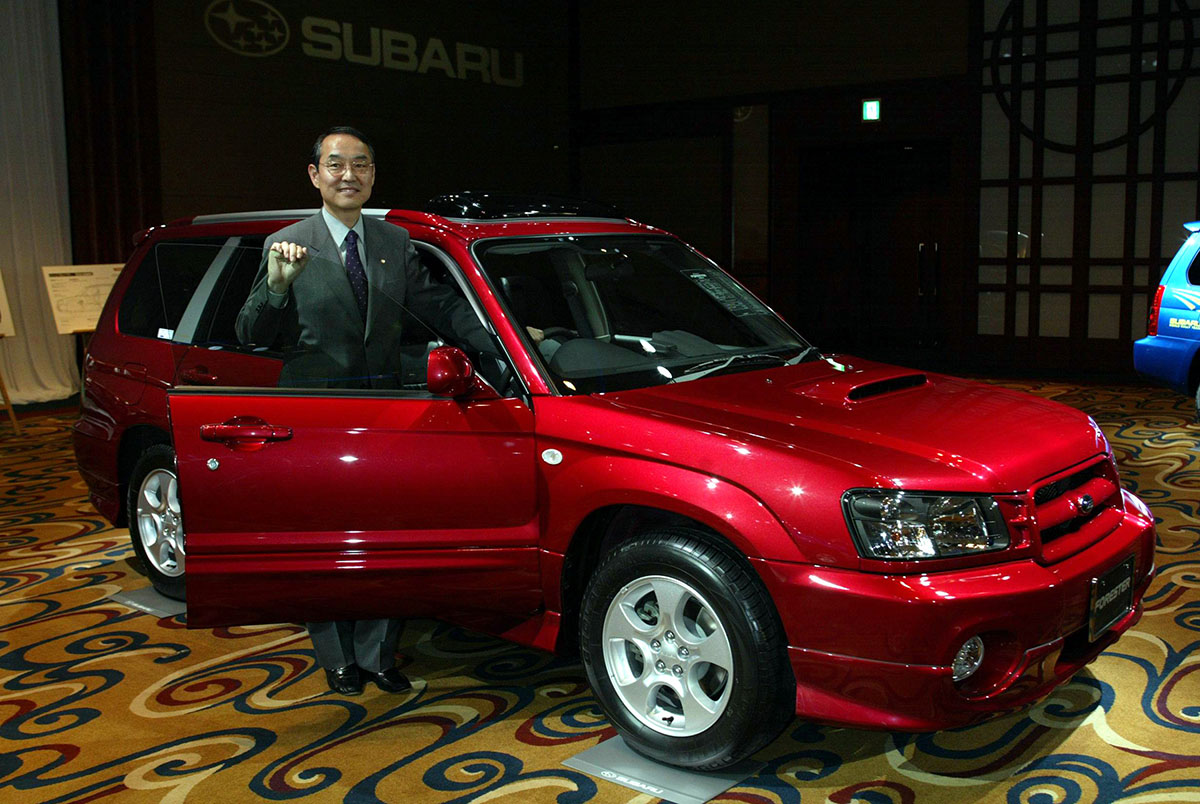
Subaru engineers aren’t afraid to create exotic cars – apart from the Baja; they also had a rally-inspired family crossover in their lineup. The Forester XT Sports Turbo came with a 2.5-liter turbocharged boxer engine with 224hp and 258 lb-ft, paired with a permanent 4WD system. The JDM version had en even more potent version of the same motor with 285 horses!
The best thing about the Forester XT Sports Turbo and STI is that they offered excellent performance and handling without sacrificing on practicality. Back in the day, this was the perfect vehicle for cool dads.
Mazda Mazdaspeed 6
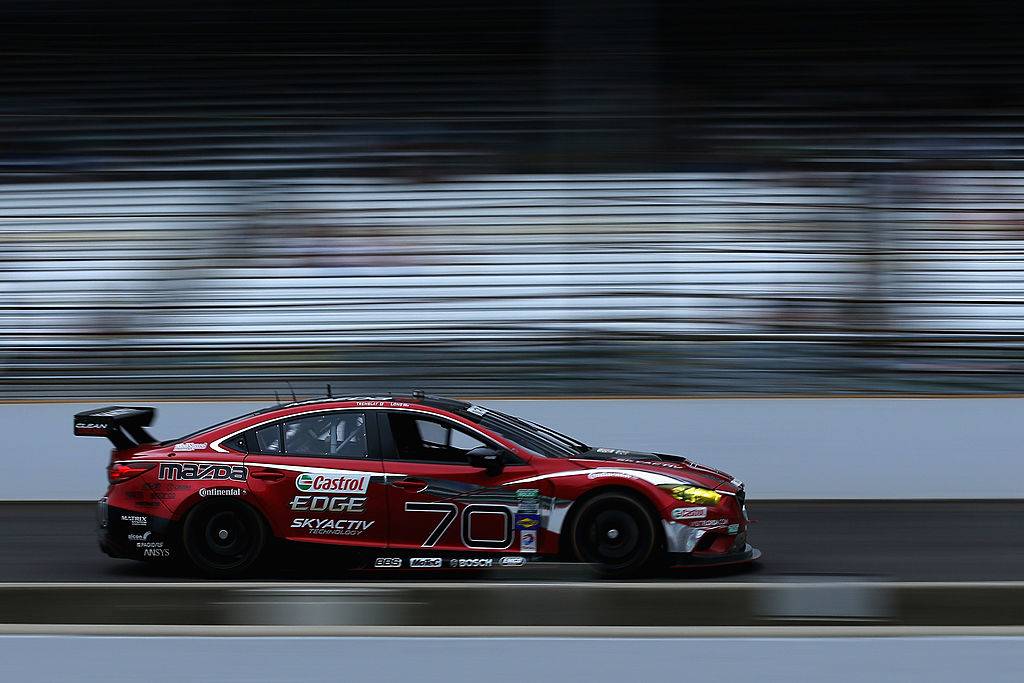
The Mazdaspeed 6 has a 2.3-liter turbocharged engine upfront that develops 274hp and 280 lb-ft. The 0-60mph in the Mazda takes 6.2 seconds, which is far from spectacular.
However, unlike the Evo X or WRX STI, the Mazdaspeed 6 massages its passengers with high levels of comfort. The handling is also one of the best of any sedan from that era. Despite the larger dimensions, the car is still playable and agile in the corners, while the steering is direct and communicative.
Toyota Celica GT-4
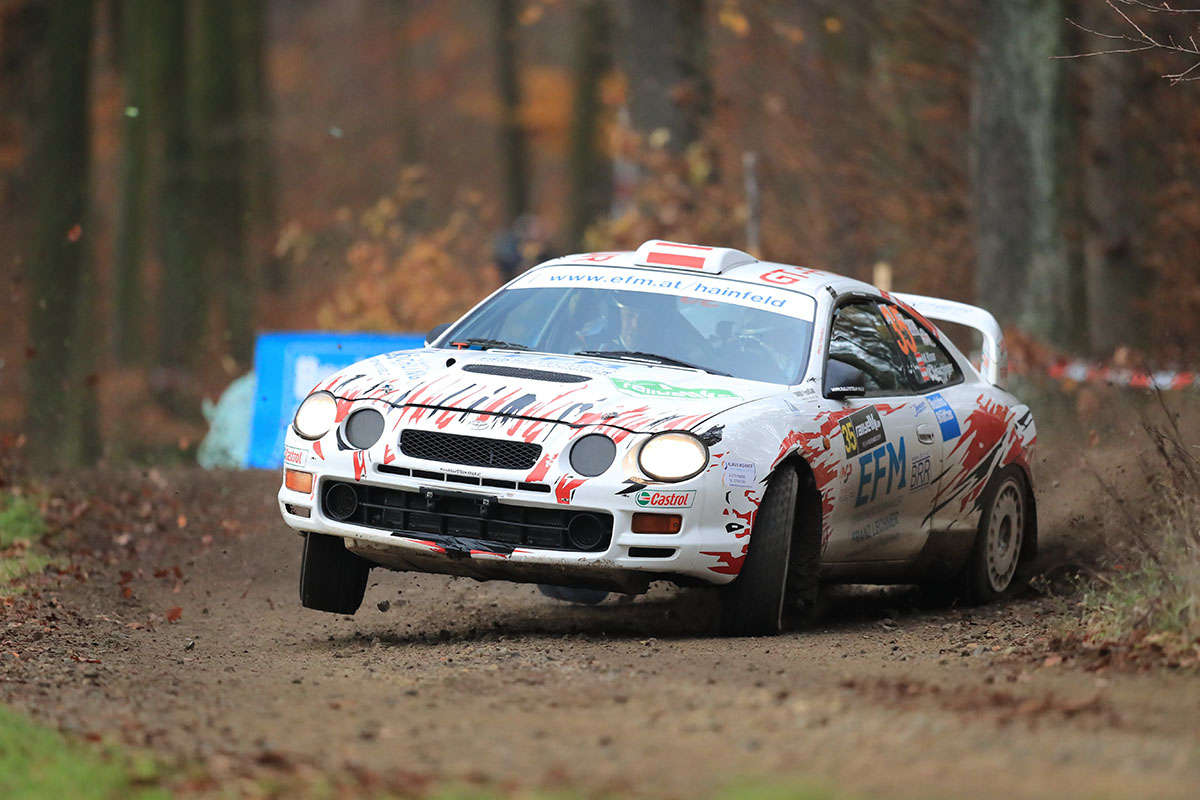
Toyota had its share of outstanding rally cars, and in its case, it all started with the Celica GT-4. Toyota’s foray into rally produced three generations of the GT-4 – ST165, ST185, and ST205. All versions came with the same 2.0-liter turbocharged 3S-GTE engine. In the latest model, it developed 255hp.
Like most rally-inspired cars, the Celica GT-4 had a full-time AWD system for better stability in the corners. More importantly, Toyota employed several technologies to reduce turbo lag, such as a twin-entry turbocharger. This made the GT-4 much more enjoyable on a twisty road, while also improving performance. Sadly, though, all generations of the GT-4 were available in limited numbers.
Mazda RX-8
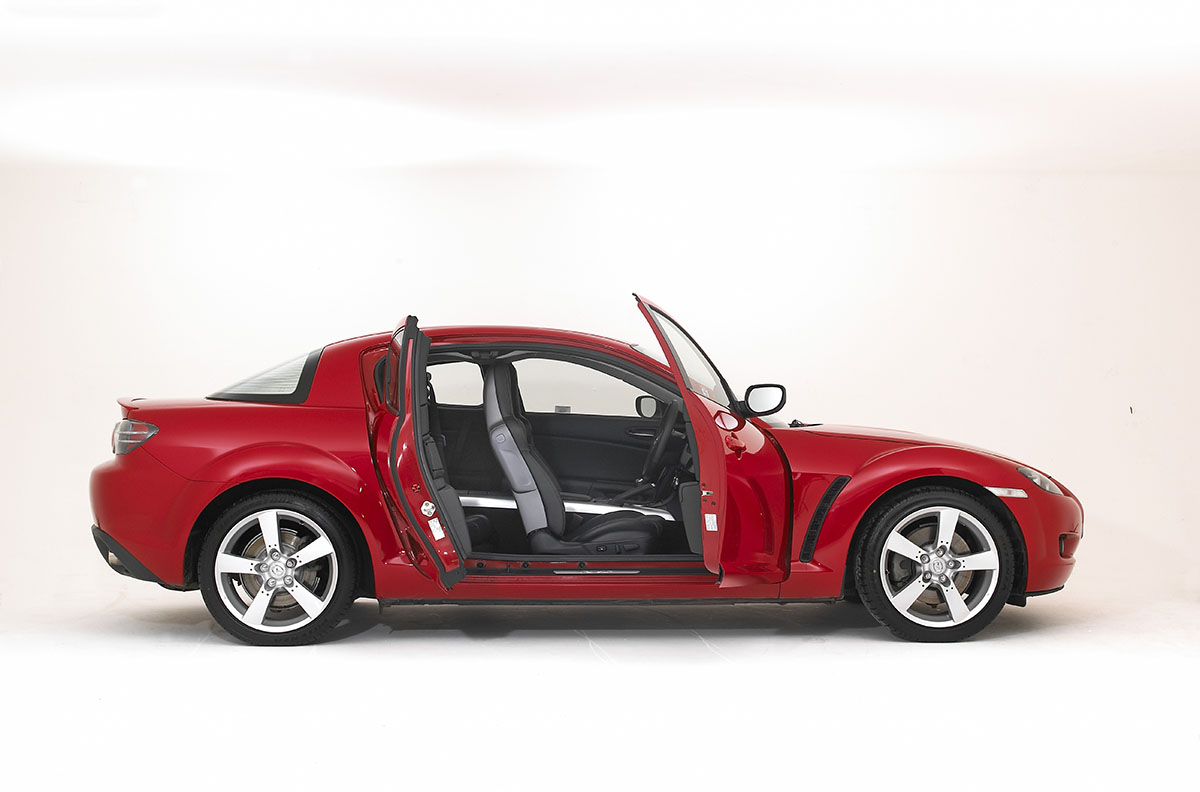
Mazda followed the hugely popular RX-7 with the RX-8. Mazda put more emphasis on practicality in the RX-8 – it even had rear half-doors that opened like in a Rolls-Royce. The RX-8 was still a blast to drive, though, largely thanks to the low center of gravity and rear-wheel-drive configuration.
A new RENESIS Wankel twin-rotor engine provided power in the RX-8. It had a capacity of 1.3-liters, but unlike the RX-7, the motors in this model weren’t turbocharged. However, Mazda still managed to squeeze 238hp at 8,250 rpm in the more powerful version, enough for 0-60 time of 6 seconds.
Toyota GR Yaris
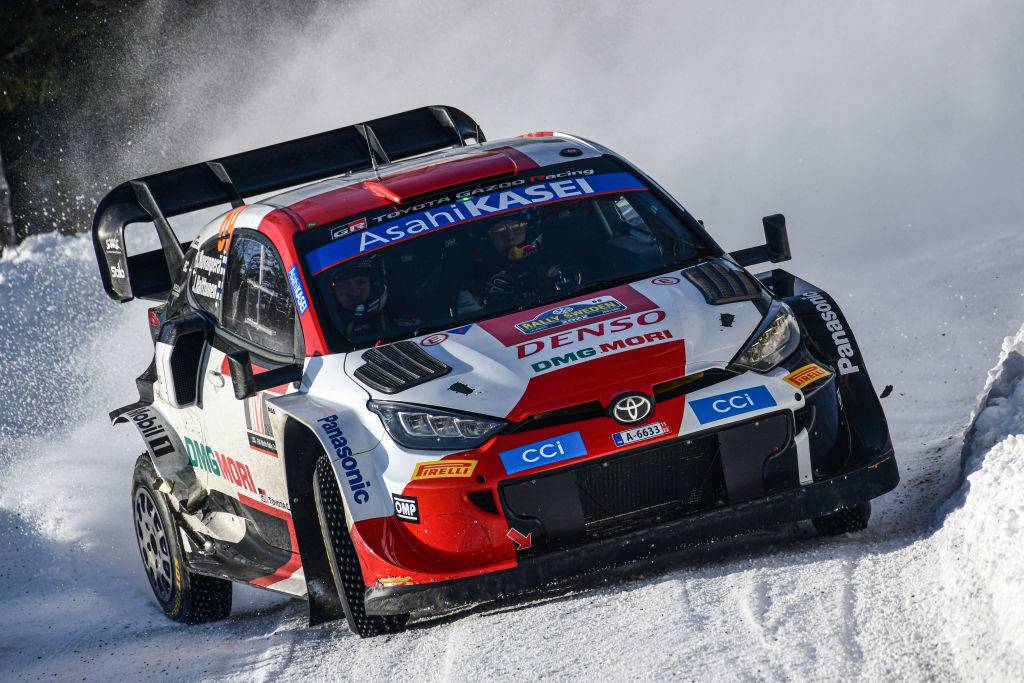
After over two decades of hiatus, Toyota again launched a rally-derived special on the market. And, oh, boy they nailed it! The GR Yaris is based on Toyota’s economy car, but it shares almost nothing with it. The roof is lowered substantially to give the vehicle a lower center of gravity, while Toyota even used aluminum and carbon fiber for the body.
The engine is the same that will be used by Gazoo Racing’s WRC team – a 1.6-liter three-cylinder turbocharged monster with 261hp. Thanks to the low weight of the car (2.820 pounds) and the advanced four-wheel-drive system, the GR Yaris accelerates to 62mph in only 5.2 seconds. Toyota promises that it will be the best-handling small hatch, too.
Nissan/Datsun S30 (240Z/260Z/280Z)
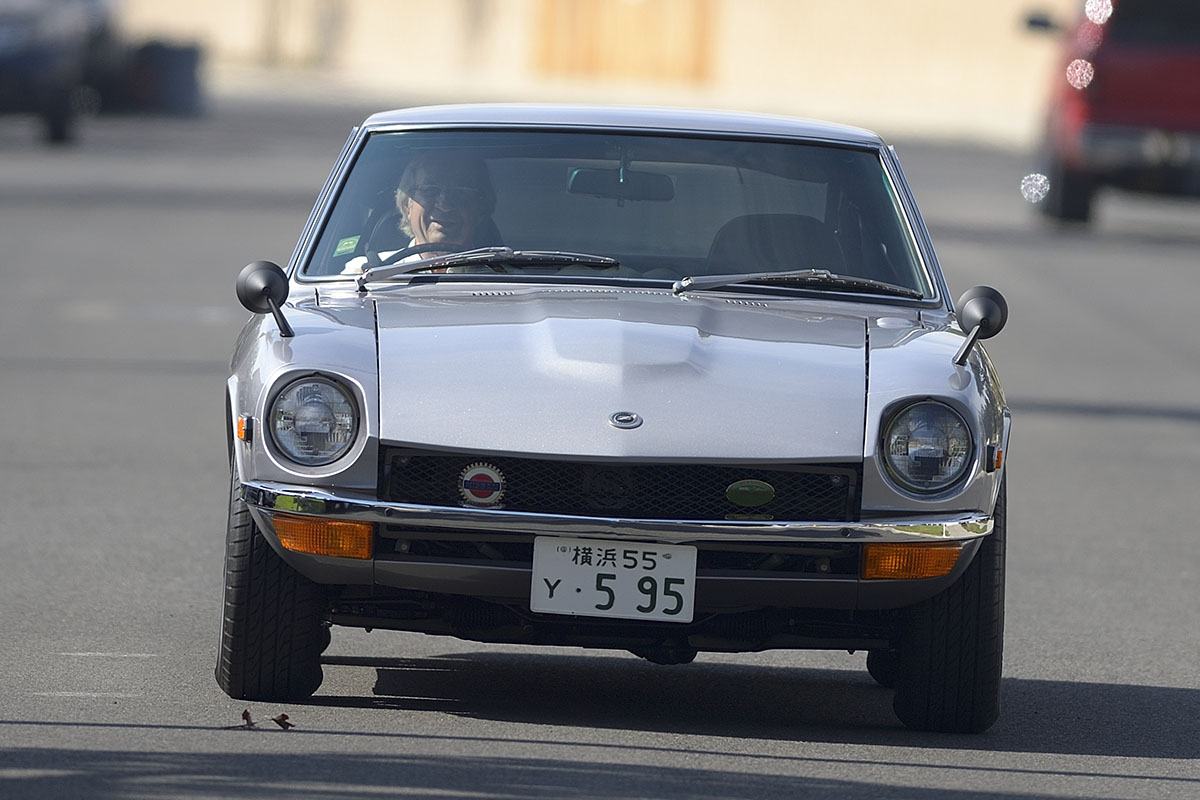
The Nissan/Datsun 240Z was the first foray for the company in the sports car sector, and it was an immediate success. Every model of the generation had an inline-6 engine in the front with 2.4-liter, 2.6-liter, or 2.8-liter capacity, depending on the model (240Z, 260Z, and 280Z respectively). The power figures ranged from 139hp to 170hp.
The Nissan S30 is probably one of the best-looking vehicles to come out of Japan. When Nissan launched it in 1970, it was also one of the best-handling coupes in its category, at least if we can trust journalists from that era. Today, the 240Z, 260Z, and 280Z are considered icons and demand very high prices.
Mazda RX-7 FD
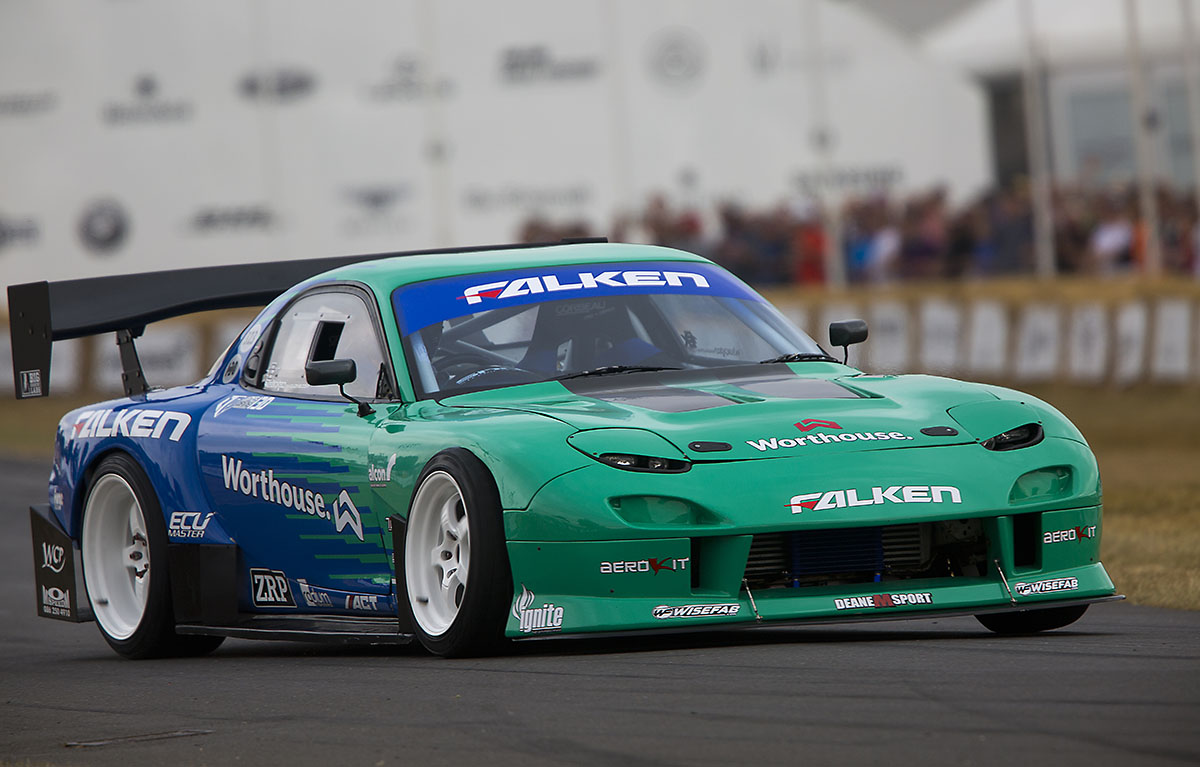
The Mazda RX-7 was produced in a time when the Japanese companies wanted to prove superiority over their western counterparts. Mazda’s way of showing that was putting Wankel rotary engines in their RX-7 supercar, and massaging them with the first sequential twin-turbocharger in the world.
The twin-rotary motor has a capacity of only 1.3-liters, yet it develops 280hp in the final version. The beauty of the engine was that it was light and positioned very close to the ground. That made the RX-7 FD one of the best-driving cars of its era. It doesn’t hurt that the coupe still looks sleek to this day.
Lexus LFA
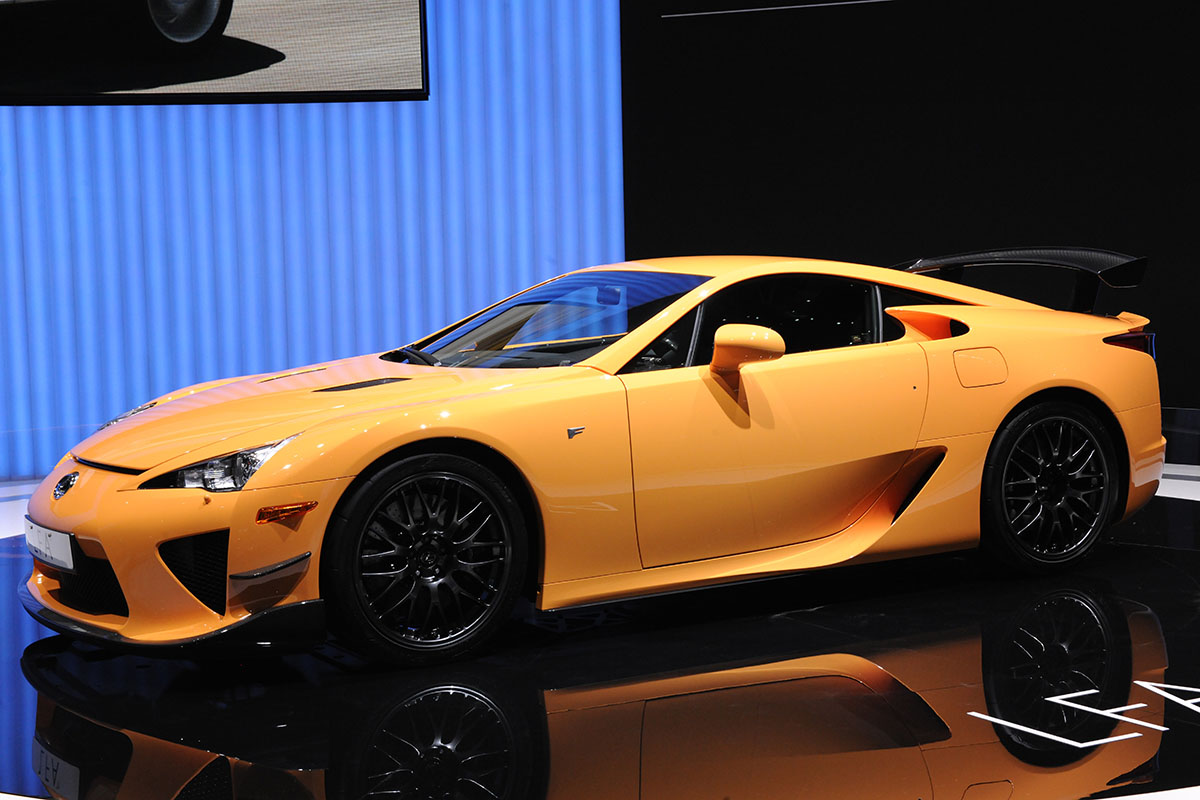
With the LFA, Lexus wanted to show the world that it is capable of creating a supercar. And boy, it succeeded. The weirdly-shaped LFA is a technological marvel in almost every sense. It is completely made of carbon-fiber, a first for a Japanese supercar. Lexus even built a special carbon-fiber weaving machine to create the body because no other tool could do such complex shapes.
On top of that, the engine is often considered as the best naturally-aspirated unit in the world. The V10 masterpiece sounds like an old F1 car, has 4.8-liters of capacity, and develops healthy 553hp. Fun fact: the engine can rev so fast that Lexus had to implement a digital dial – an analog needle wasn’t fast enough! Sadly, Lexus only built 500 examples of this future classic.
Honda/Acura NSX (NA1 and NA2)
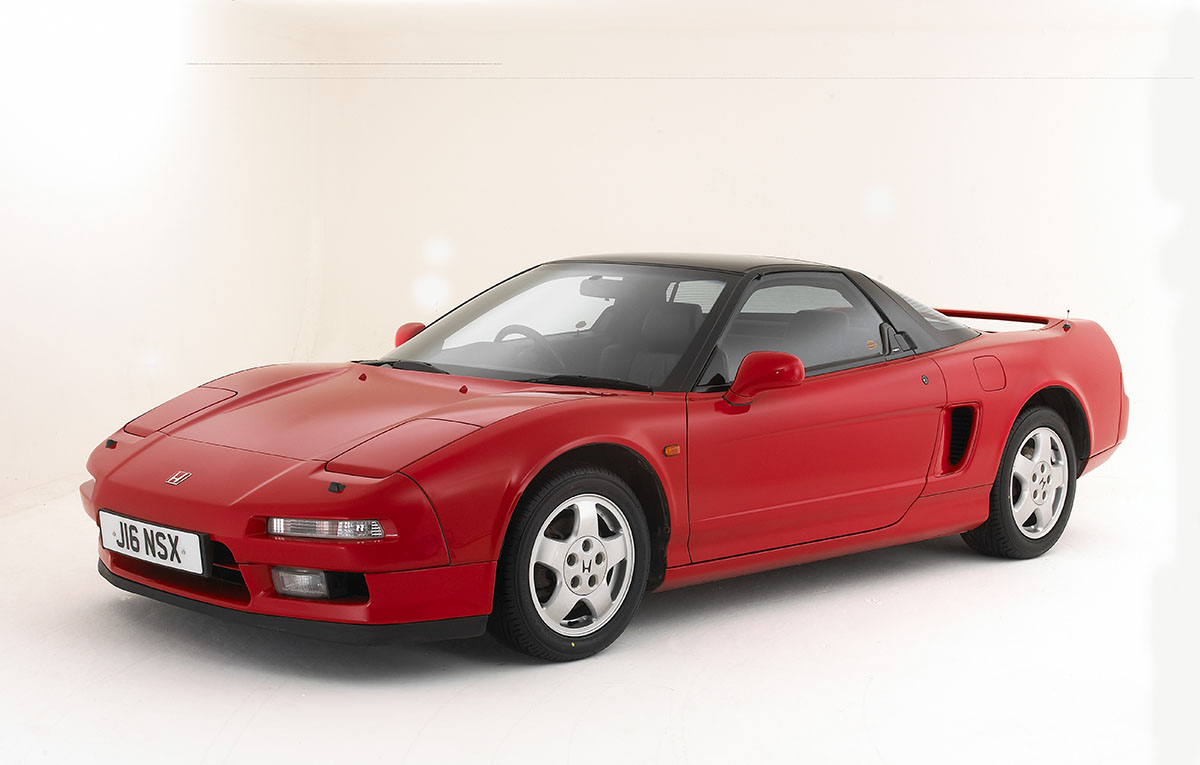
The first generation of the NSX, Honda’s answer to Ferrari, was one of the most advanced sports cars of its era. The Japanese even used the help from certain Ayrton Senna to make the NSX handle as good as it gets. The result was a reliable supercar that could efficiently serve as a daily driver, unlike the Italian opposition.
Apart from the outstanding chassis dynamics, the first-gen NSX got praise for its 3.0-liter V6 VTEC naturally-aspirated engine with 274hp (3.2-liter and 294hp in the facelifted NA2), which is still one of the most responsive V6 units around. Even today, many journalists consider the NSX to be a blast to drive on a twisty road.
Mitsubishi Eclipse 2G
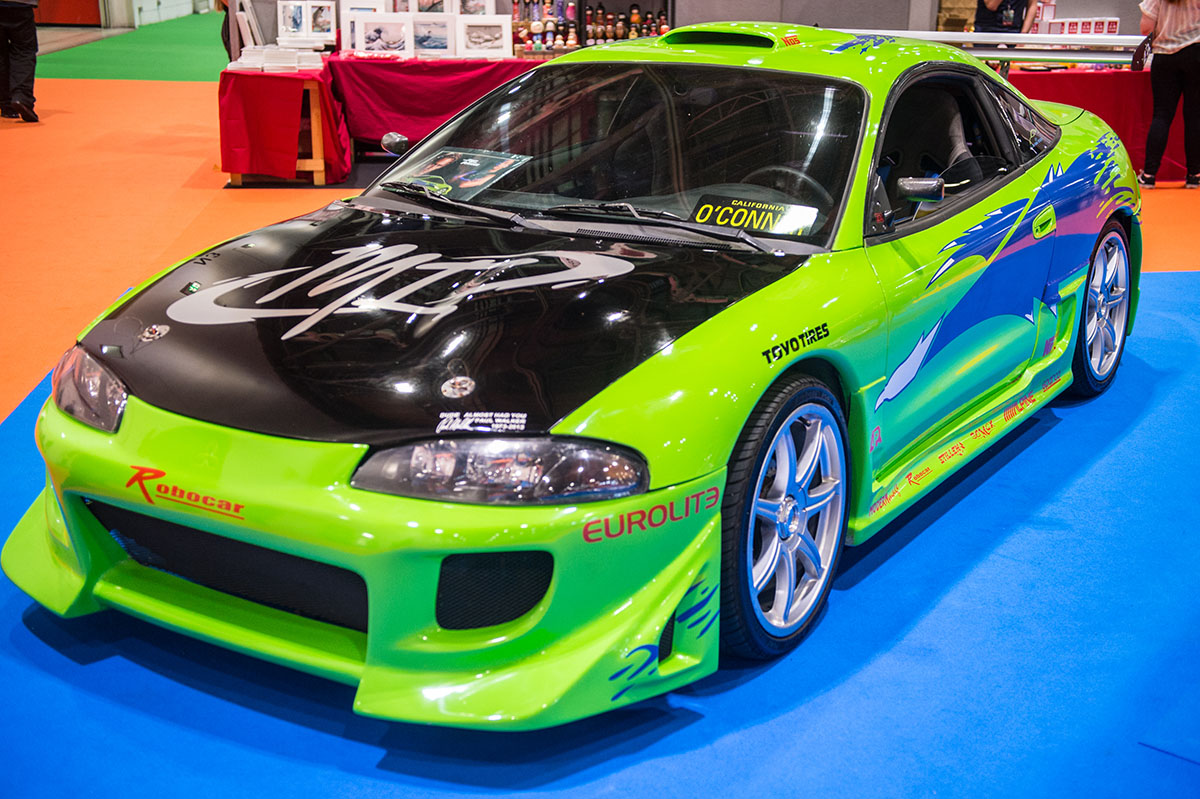
The Eclipse family of sports coupes from Mitsubishi sadly migrated into a compact crossover called the Eclipse Cross. That shouldn’t detract from the fact that the coupes were excellent vehicles for their time. A mint Eclipse 2G (second-gen) is also a great foundation for tuning, while the Sci-Fi design is undoubtedly capable of catching looks on the road.
If you’re in the market for an Eclipse 2G, we recommend going for the GSX model that has permanent AWD and 2.0-liter turbocharged engine with 210hp. That is enough to launch the sleek coupe to 60mph in 6.8 seconds and up to a top speed of 140mph.
Toyota FJ Cruiser
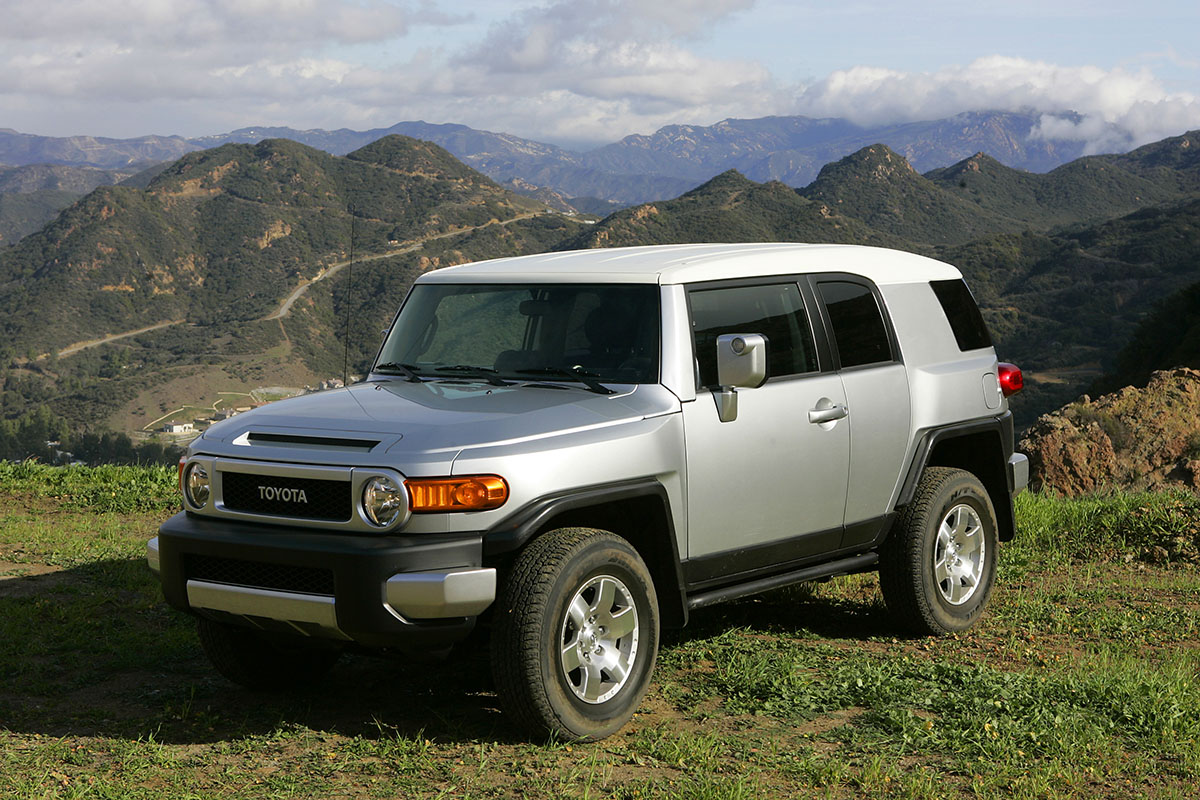
The Land Cruiser might be the most popular Toyota SUV ever, but the FJ Cruiser is the cool one. Toyota used the foundation from the Land Cruiser to make this vehicle. Thanks to that, the FJ still gets the outstanding off-road capability and legendary reliability. The retro-derived styling is only the icing on the cake here.
The 4WD versions of the FJ Cruiser have a center TORSEN differential with a 50:50 lock for driving over demanding terrains. The differential is also able to vary the power distribution based on wheel spinning, which helps the FJ Cruiser retain traction on slippery off-road conditions. Finally, the 4.0-liter V6 engine is also perfectly-suited for off-roading, and also extremely reliable.
Mitsubishi Pajero V20
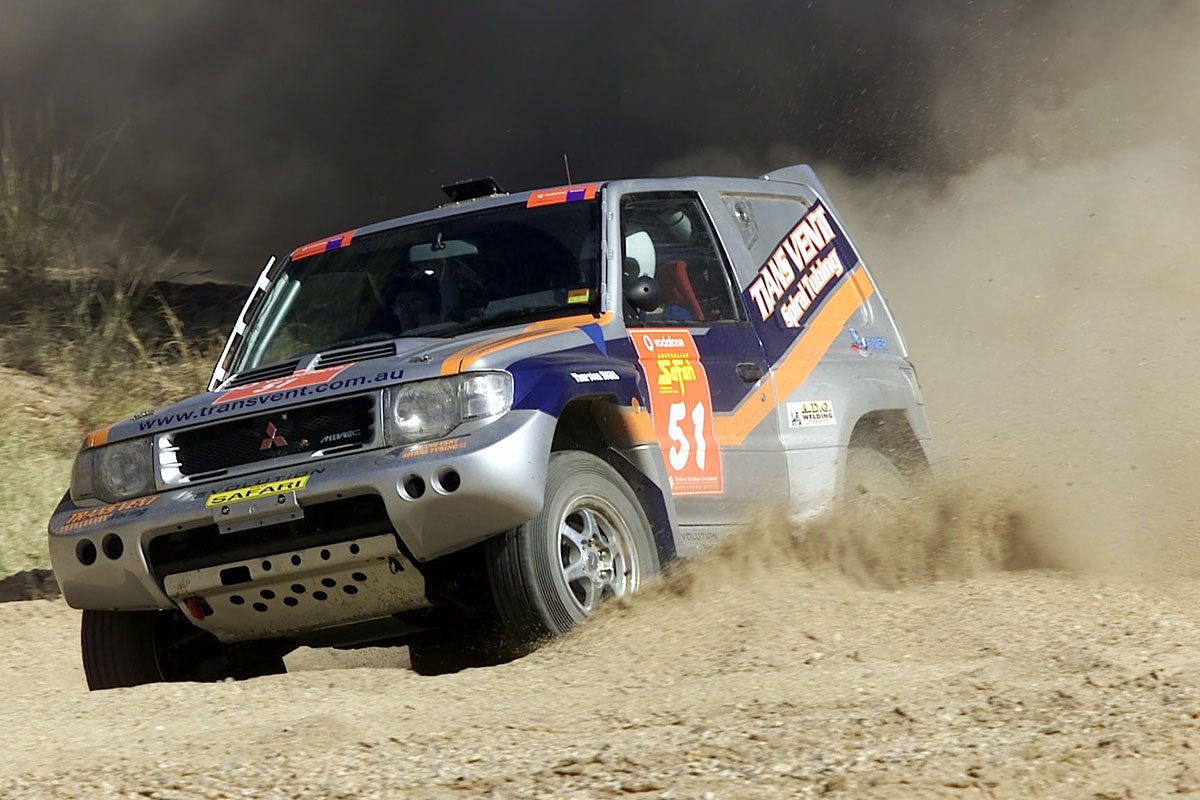
The second-gen Mitsubishi Pajero was one of the most accomplished SUVs of its era. It won four Paris Dakar Rally championships, which makes it one of the most successful cars in the rally’s history. More importantly, though, the street version had many of the technologies derived from racing installed.
Interestingly, Mitsubishi even launched an Evolution version of the car that borrowed many cues from the rally-winning car. Apart from the wide-body kit, the Pajero Evolution is tuned to 260 horses and has an even sturdier suspension. This model is very rare, but it’s good to know that you can have off-roading fun with almost every version of this generation.
Nissan 350Z/370Z
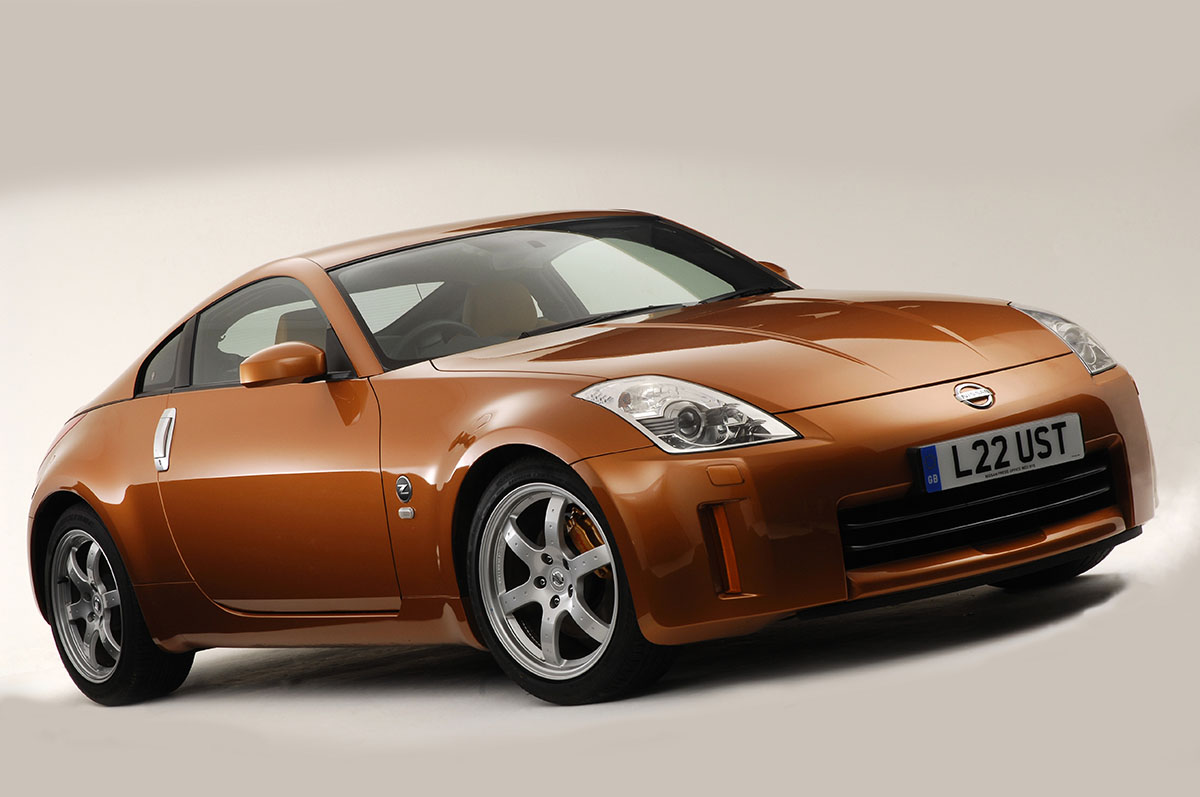
In a time when most Japanese manufacturers shifted towards low-emission passenger cars, Nissan was busy making the 350Z. With a 3.5-liter V6 engine upfront (306hp) and rear-wheel-drive configuration, the 350Z can satisfy the driving needs of most enthusiasts. It doesn’t hurt that the shape of the body is also very appealing.
Nissan followed the 350Z with an improved version called the 370Z. That model has a larger 3.7-liter V6 engine that develops 332hp. The Nissan 370Z can make the 0-60 sprint in only 4.5 seconds, which is still considered fast to this day. The driving dynamics were also improved, making the 370Z one of the best-handling coupes in its class.
Nissan GT-R
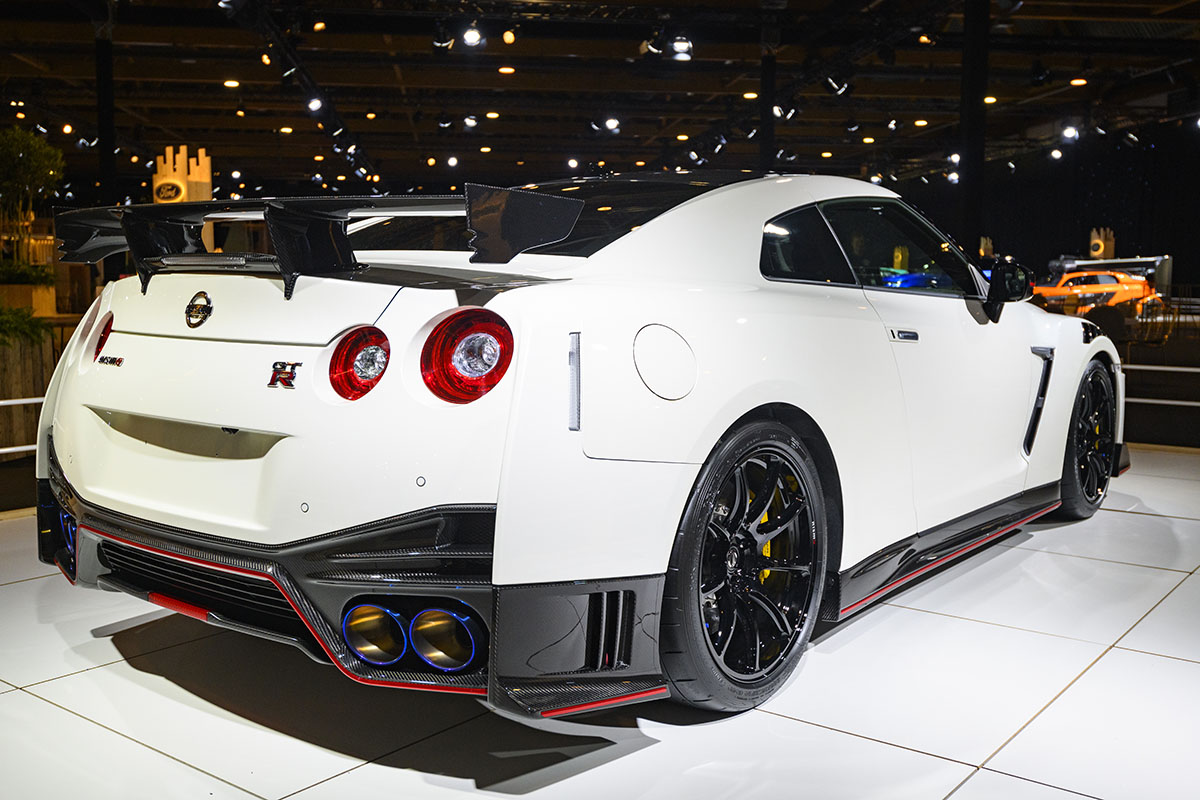
Just like with the Skyline GT-R models, Nissan literally shattered its competitors with the launch of the GT-R. Just like its predecessors, the new model has an advanced 4WD system that can put the power to the floor like no vehicle before.
The 3.8-liter V6 VR38DETT engine started with 485hp, but improved versions quickly came along. Today, the GT-R Nismo makes 600hp, enough for an outstanding 0-60mph time of 2.5 seconds. Apart from how quick it is, the GT-R is known to be extremely capable on the track. Even to this day, the GT-R can beat supercars that are two- to -three times more expensive, which is undoubtedly impressive.




