A look back at 1962 through historic photos
While 1962 is often remembered for the Cuban Missile Crisis and one of the most tense moments of the Cold War, it was also a year of remarkable achievements, cultural milestones, and unforgettable moments that shaped the decade. From John Glenn’s historic spaceflight and Marilyn Monroe’s final months to the debut of iconic Marvel characters, history was unfolding on many fronts.
These photographs revisit the people, events, and defining moments that made 1962 a year the world would never forget.
A Historic Achievement In A Harsh Environment
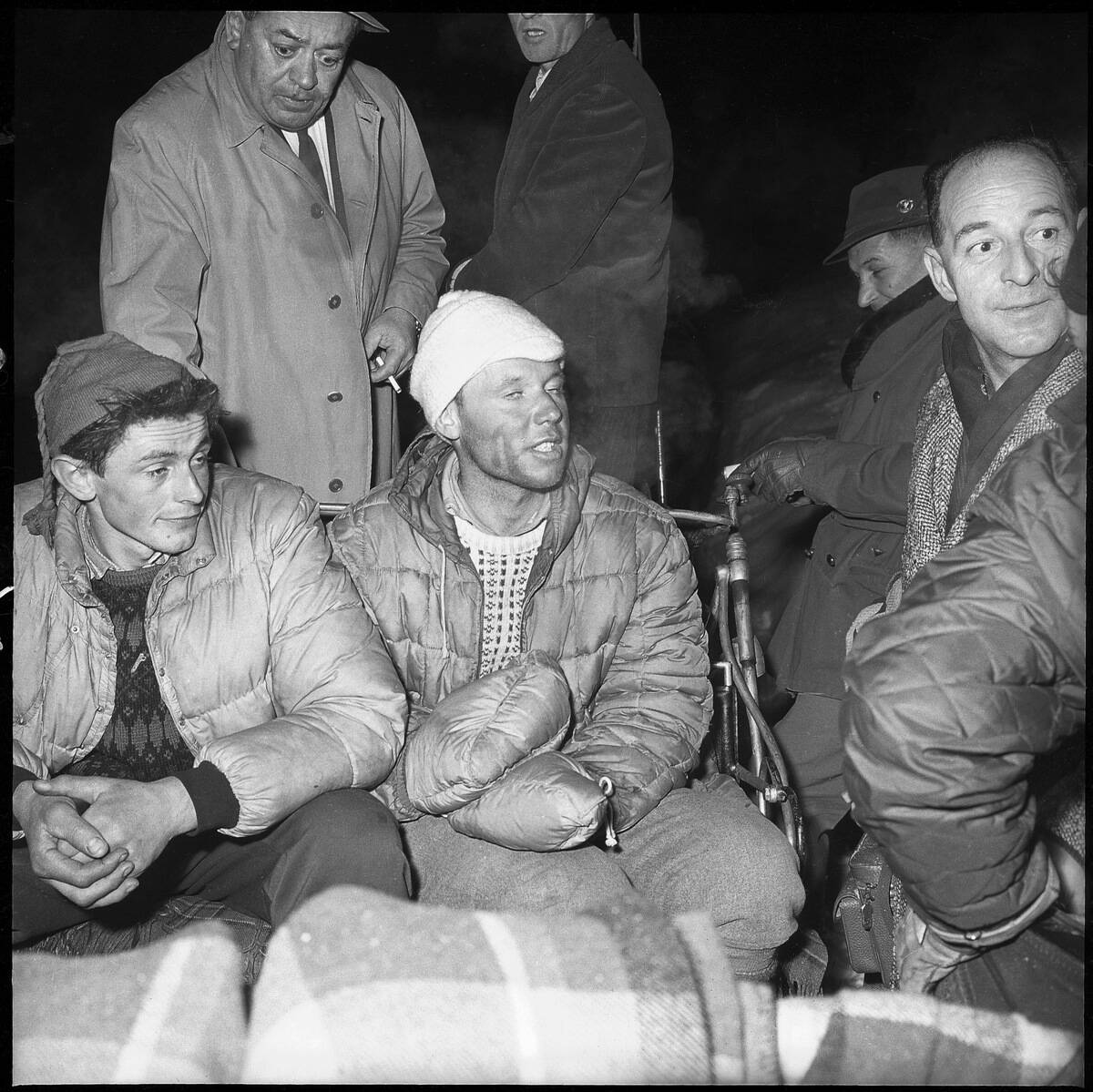
The two men pictured in this shot are Swiss mountain climbers Paul Etter and Hilti von Allmen. Although both are likely a bit frosbitten, Allmen’s wearing those large, puffy mittens because the condition particularly affected his hands. However, there’s a reason they look happier than not.
That’s because on February 4, 1962, these two men made the historic achievement of successfully climbing the Matterhorn’s North Face during winter. This would mark the first time in history anyone made it to the summit under those conditions.
The Beatles As They Would Be Known And Loved
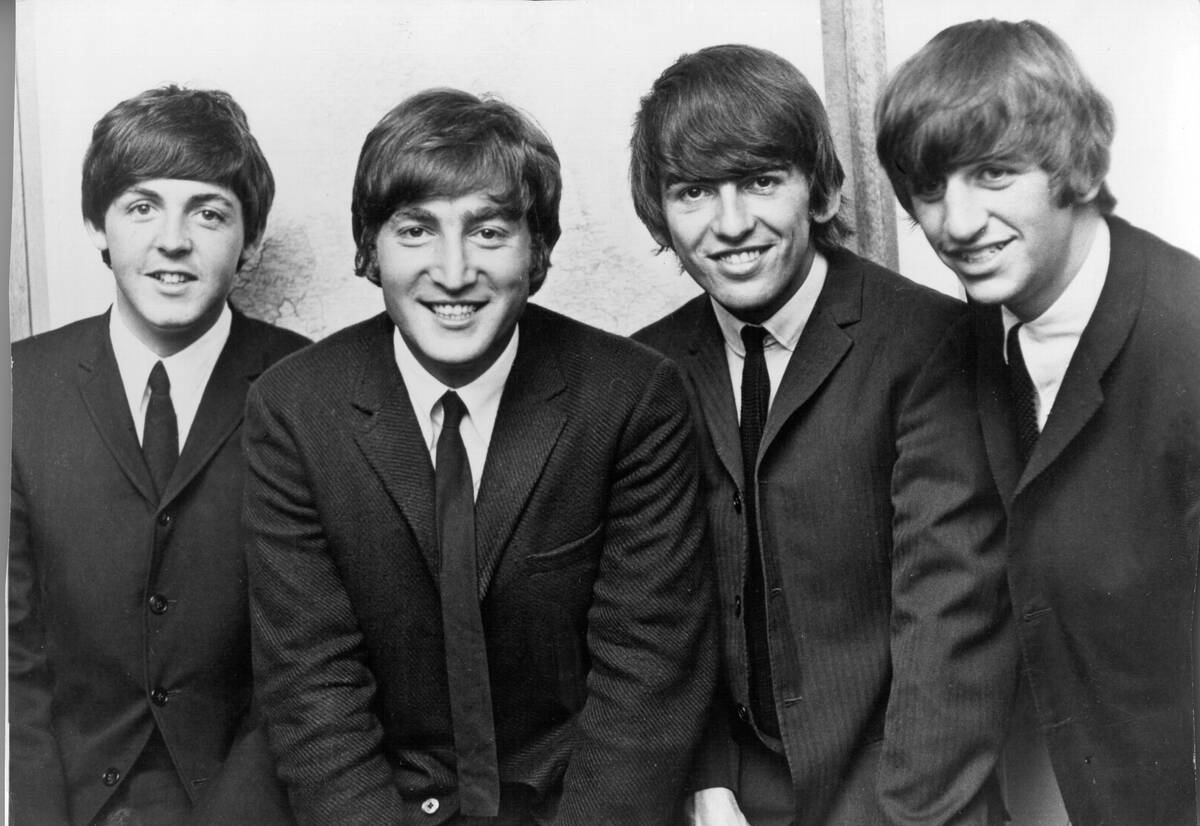
1962 was a massive year for British music, and this was partially because the Rolling Stones had made their official debut then. While the same could not be said for The Beatles, that year nonetheless proved just as meaningful for their futures.
This wasn’t only because they released their first original single, “Love Me Do” in 1962, but also because that year marked the occasion that Ringo Starr would officially join the band and become their full-time drummer. After firing drummer Pete Best and losing Stuart Sutcliffe to a cerebral haemorrhage, The Beatles had assembled their signature lineup.
An Achievement That Made Him A Household Name
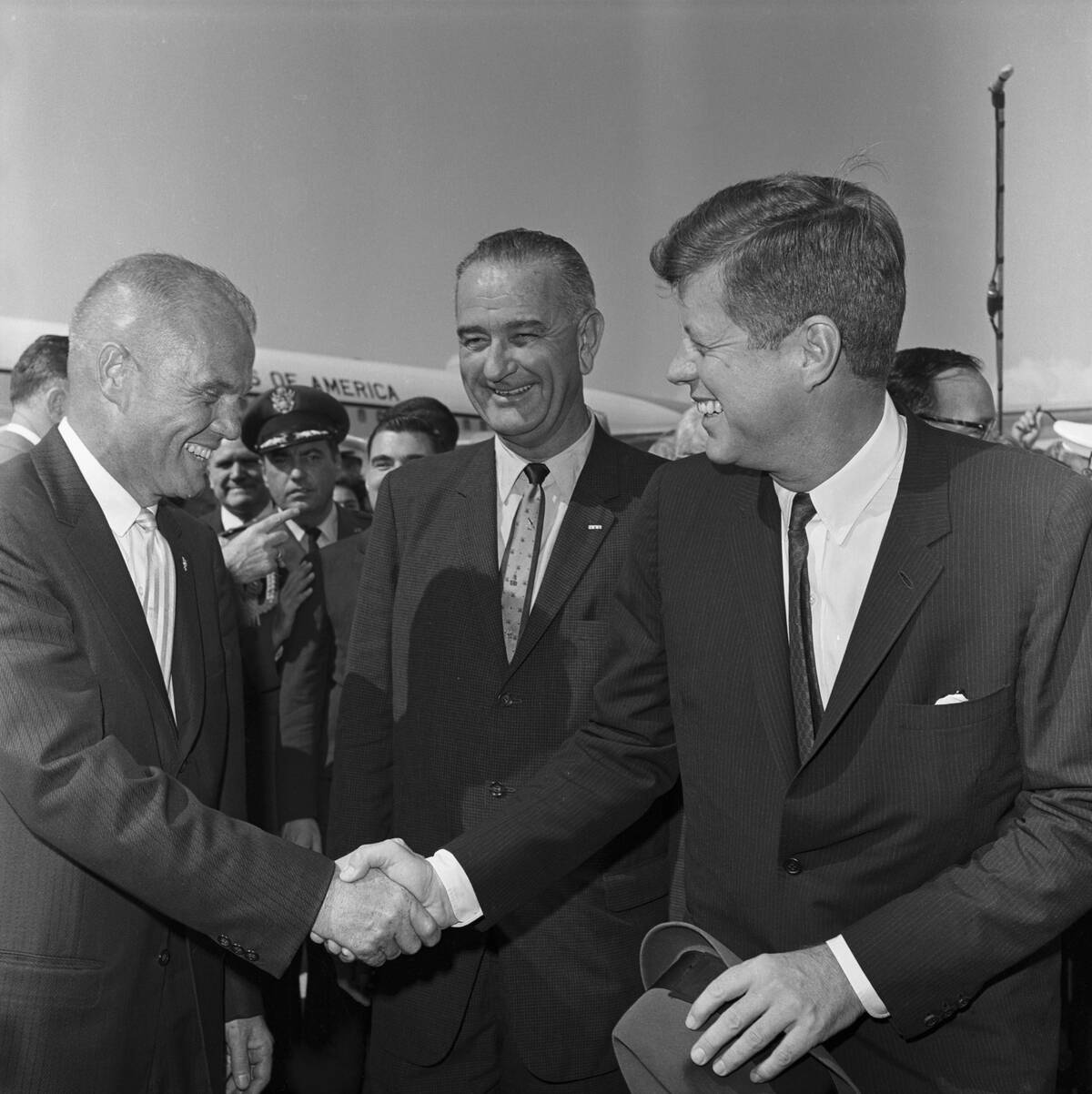
Here we can see President John F. Kennedy shaking hands with astronaut John Glenn on February 23, 1962. Three days earlier, Glenn had firmly placed himself in the annals of the Space Race with an unprecedented achievement.
Although Soviet cosmonaut Yuri Gagarin had both made himself the first man in space and the first to orbit the Earth in 1961, Glenn was able to up the ante with the flight of Friendship 7. That’s not only because he was the first American to orbit the planet but also because he did so three times in less than five hours.
An Unexpected Look At Two Famous Revolutionary Leaders
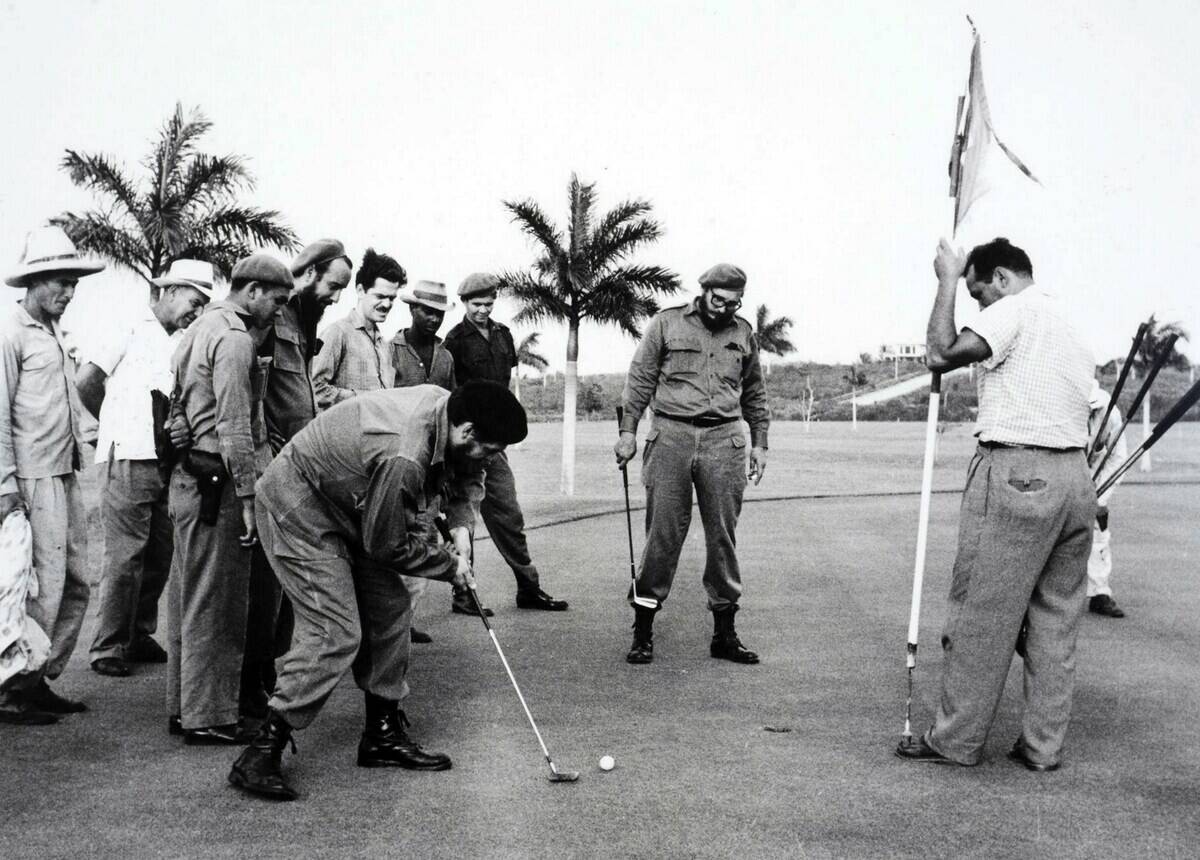
When people picture the famed Marxist guerrilla leader Ernesto “Che” Guevara, the last thing they’re likely to picture him doing is playing golf. After all, it’s typically a game associated with elitism and the rich.
However, since the golf courses existed before the Cuban Revolution, Fidel Castro and Guevara clearly saw no issue with using one for its intended purpose. Since this game at Havana’s Colinas de
Villarreal golf course came in the wake of the Cuban Missile Crisis, they were likely celebrating the fact that a nuclear crisis had been averted.
The Final Days Of A Tragic Icon
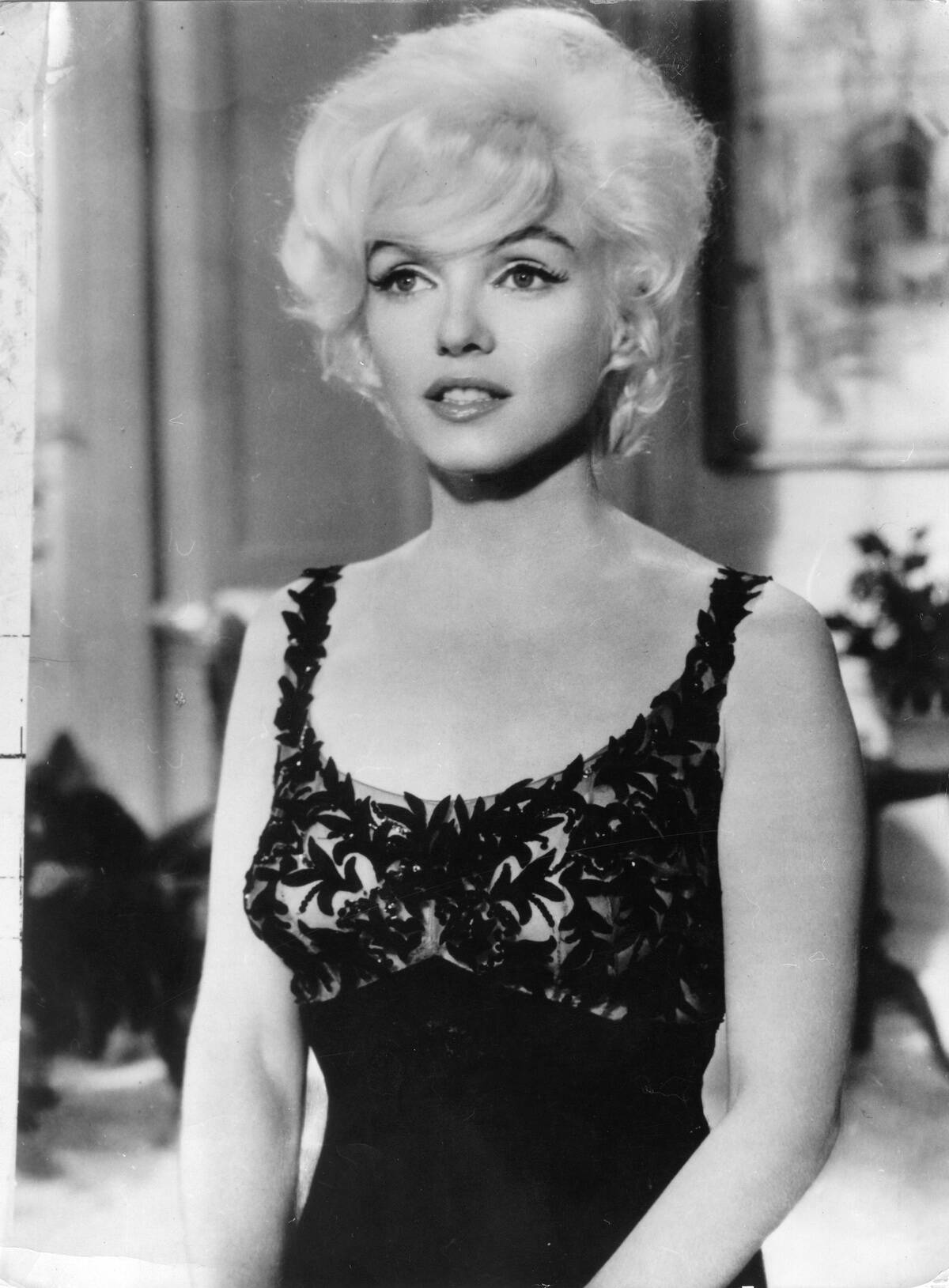
Throughout 1962, iconic movie star Marilyn Monroe was struggling through the troubled production of the film Something’s Got To Give, which she co-starred in alongside Dean Martin. Although she had been fired from the production early into filming due to erratic behavior, she was eventually rehired.
However, the movie would never see its release. On August 5, Monroe was found dead at the age of 36 in her Brentwood, California home. Although the circumstances of her death remain hotly disputed, the cause was determined to be an overdose of barbiturates and chloral hydrate.
The First Lady Showed Her Media Savvy
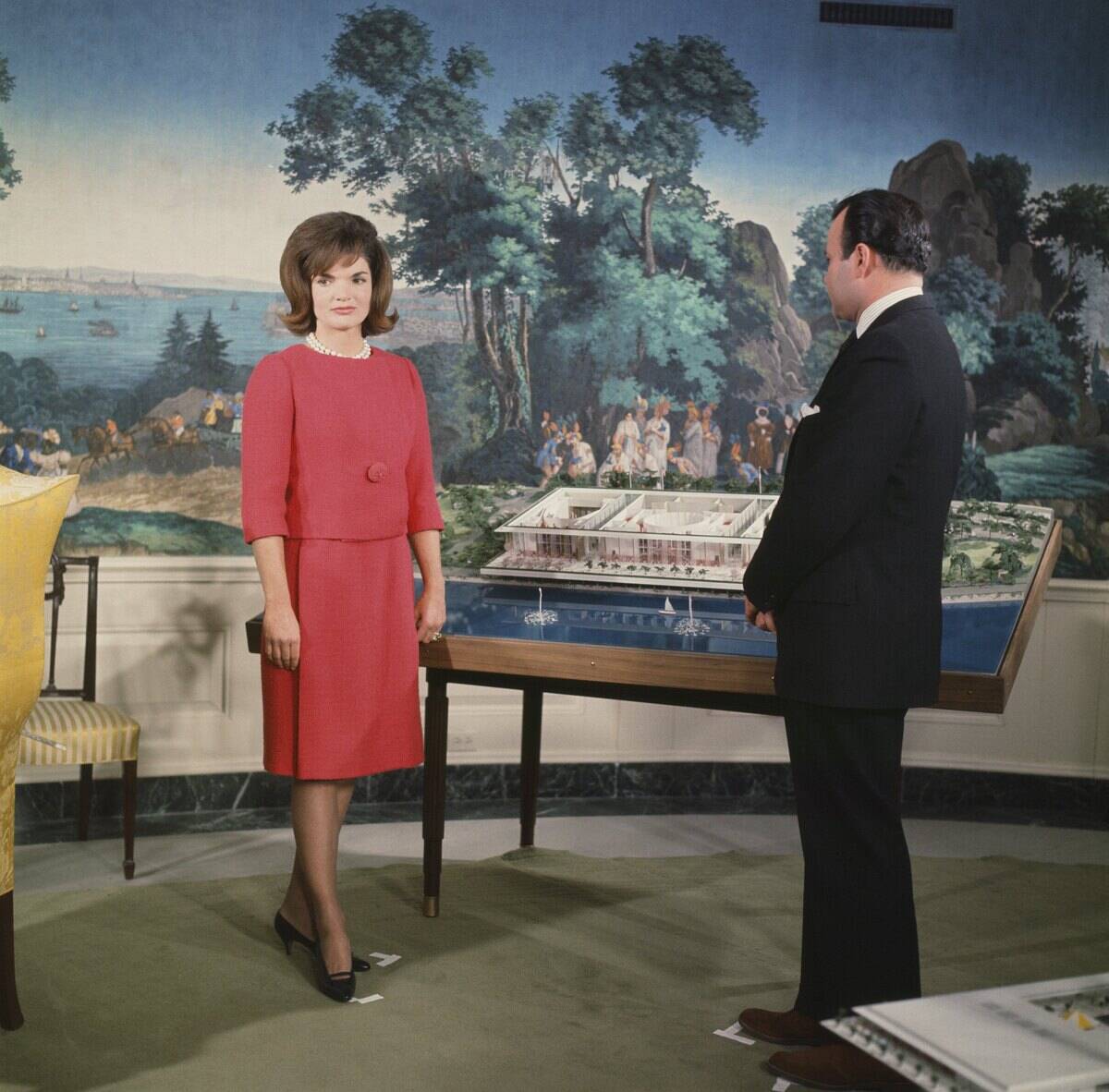
Although Eleanor Roosevelt still goes down in history as the gold standard for American First Ladies, it’s hard to imagine one better suited for the age of television than Jacqueline Kennedy (later Onassis). This partially came from her grace and razor-sharp eye for fashion, but also from her awareness of what the public wanted to see.
Although this photo depicts her during an interview regarding the then-upcoming National Culture Center (later the Kennedy Center) modelled here, she also made the historic decision to take the American public on the first televised tour of the White House on February 14, 1962.
Marvel Comics Introduces Some Flagship Characters
In March 1962, Marvel Comics unveiled The Hulk for the first time through the launch of The Incredible Hulk #1, which would reach comic book stores that May. However, Stan Lee, Jack Kirby, and Steve Ditko wouldn’t be finished but the comics company on the map that year.
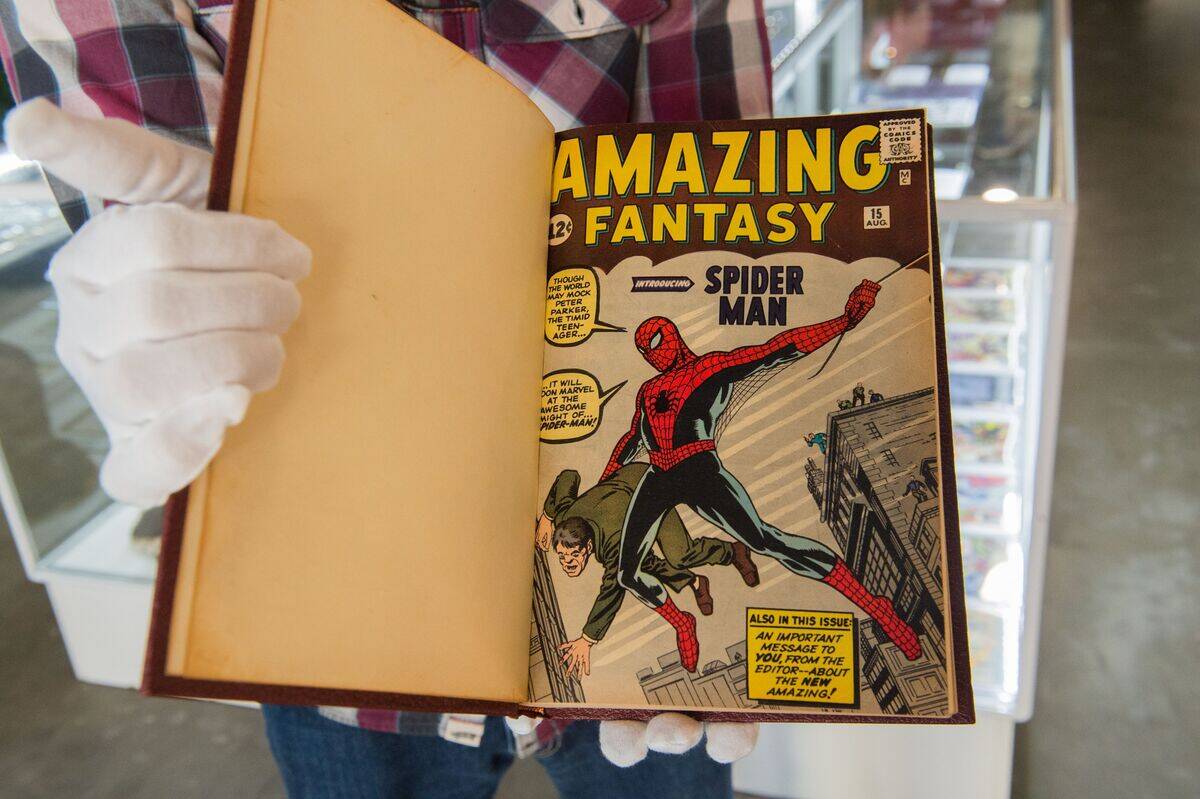
That’s because Amazing Fantasy #15 would be introduced on June 5. As comic collectors are intimately familiar with now, this was the first comic book to ever feature one of Marvel’s most core signature characters. As we can all see, that refers to Spider-Man.
It’s Easy To Underestimate How Popular This Was
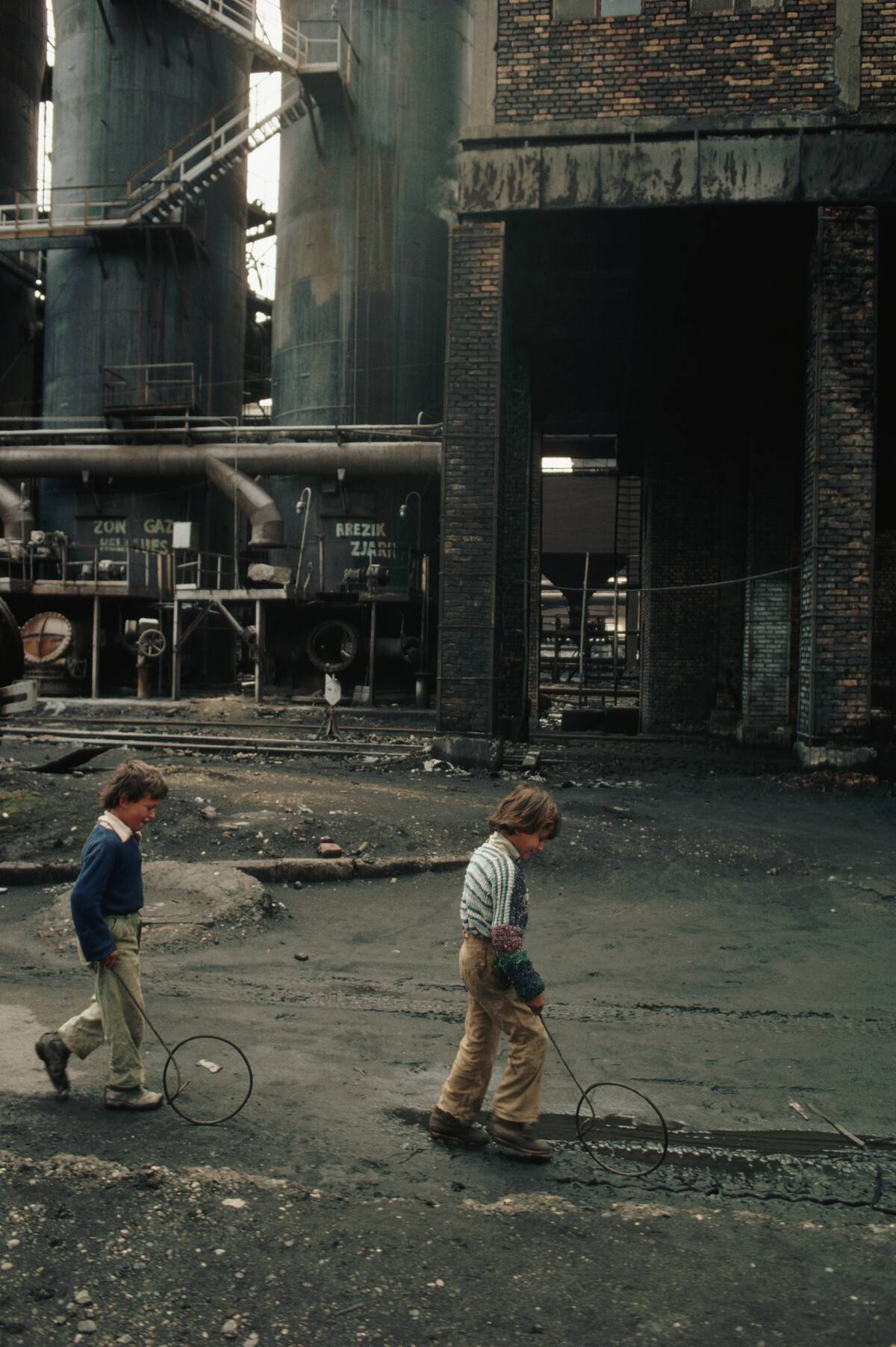
When TV shows depicted generational divides in the past, it was common to depict older generations as appreciating the simple act of rolling a hoop with a stick and the younger generations finding it bewilderingly boring. Although that trope may be cliché, it’s not exactly exaggerating how popular it was to do this in the early ’60s.
Children were photographed playing with hoops and sticks as early as the 19th Century, but there was a development in 1962 that serves as a time capsule for the era. On July 19, a firm called Swiss & Wielder held the first annual Hoop and Stick Tournament.
A Foundational Document For ’60s Counterculture
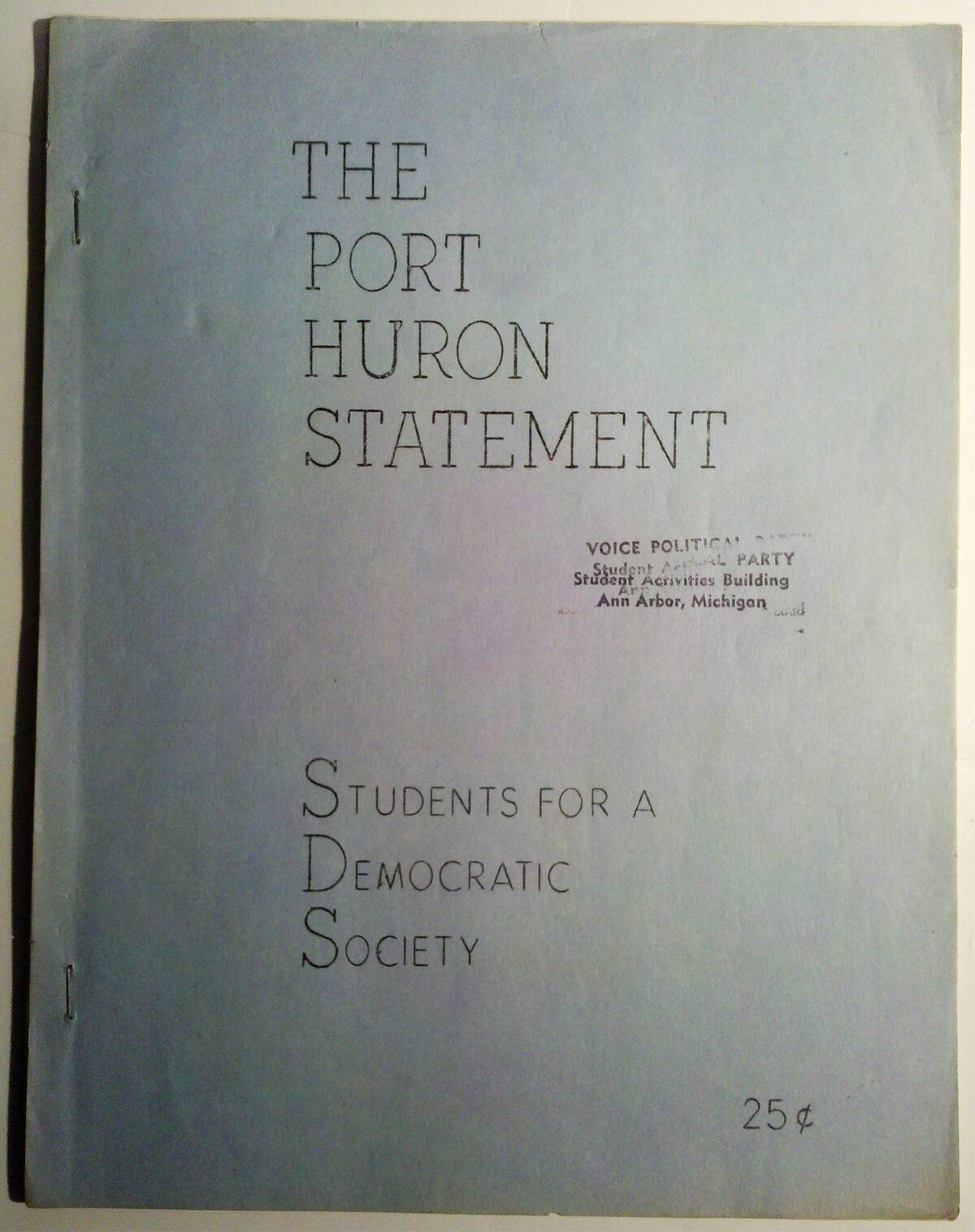
Although the ’60s were practically defined by protests against acts of military adventurism like the Vietnam War, discrimination on the basis of race, gender, and orientation, and economic inequality among other issues affecting Americans. Yet while groups like the Hippies, the Black Panthers, and second-wave feminist organizations all fought for their movements with dedication, the Students For A Democratic Society pioneered the resistance they would all take part in.
This group of student demonstrators were known for occupying their campus’s administrative buildings in protest, but were even more famous for putting these aforementioned grievances into a comprehensive document called The Port Huron Statement.
The End Of A Destructive Era

This was the Sedan Crater, a 300-yard-wide and 100-yard-deep crater left in the Nevada section of the Mojave Desert as the result of atomic weapons tests overseen by the U.S. Atomic Energy Commission between July 7 and July 17, 1962.
These were known as the “Little Feller” series of tests, and while they hardly ended the era of nuclear weapons proliferation or the era of atomic testing, they did mark the last occasion that the American government would engage in atmospheric nuclear testing. All further tests would be conducted underground.
A Global Sigh Of Relief
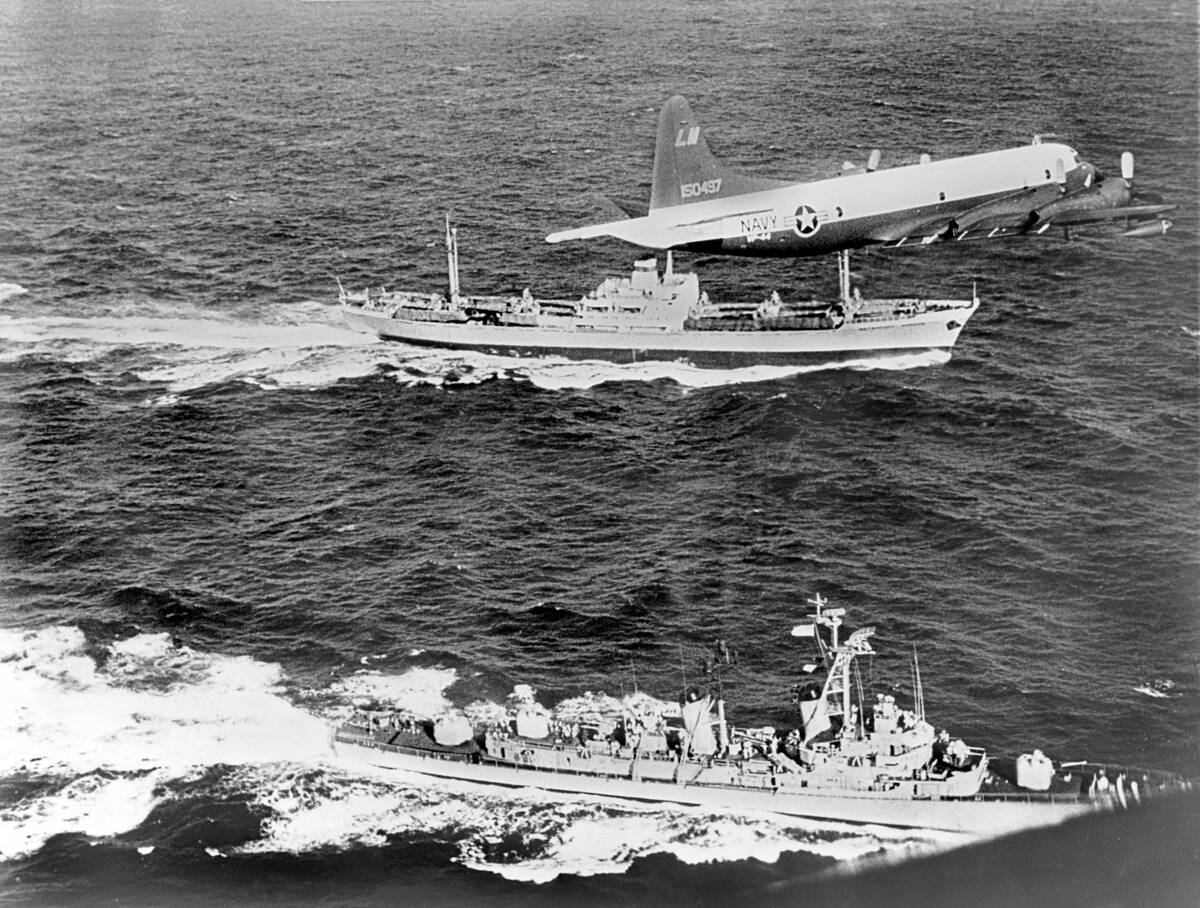
Following a tense 13-day standoff and U.S. naval blockade around Cuba that the world worried would escalate into apocalyptic nuclear war, this photo confirmed that the Cuban Missile Crisis had finally been averted.
That’s because it depicts the Soviet freighter SS Metallurg Anosov as it departs Cuba under the escort of a U.S. Navy plane and the USS Barry destroyer. After a series of tense negotiations between the U.S. and the U.S.S.R., both nations agreed to remove their ballistic missiles from deployment range. This meant that the U.S. had to remove its missiles from what is now Türkiye, while the Anosov was one of the Soviet ships moving the Cuban missiles and their dismantled launchers back to Russia.
The End Of Alcatraz’s Inescapable Reputation
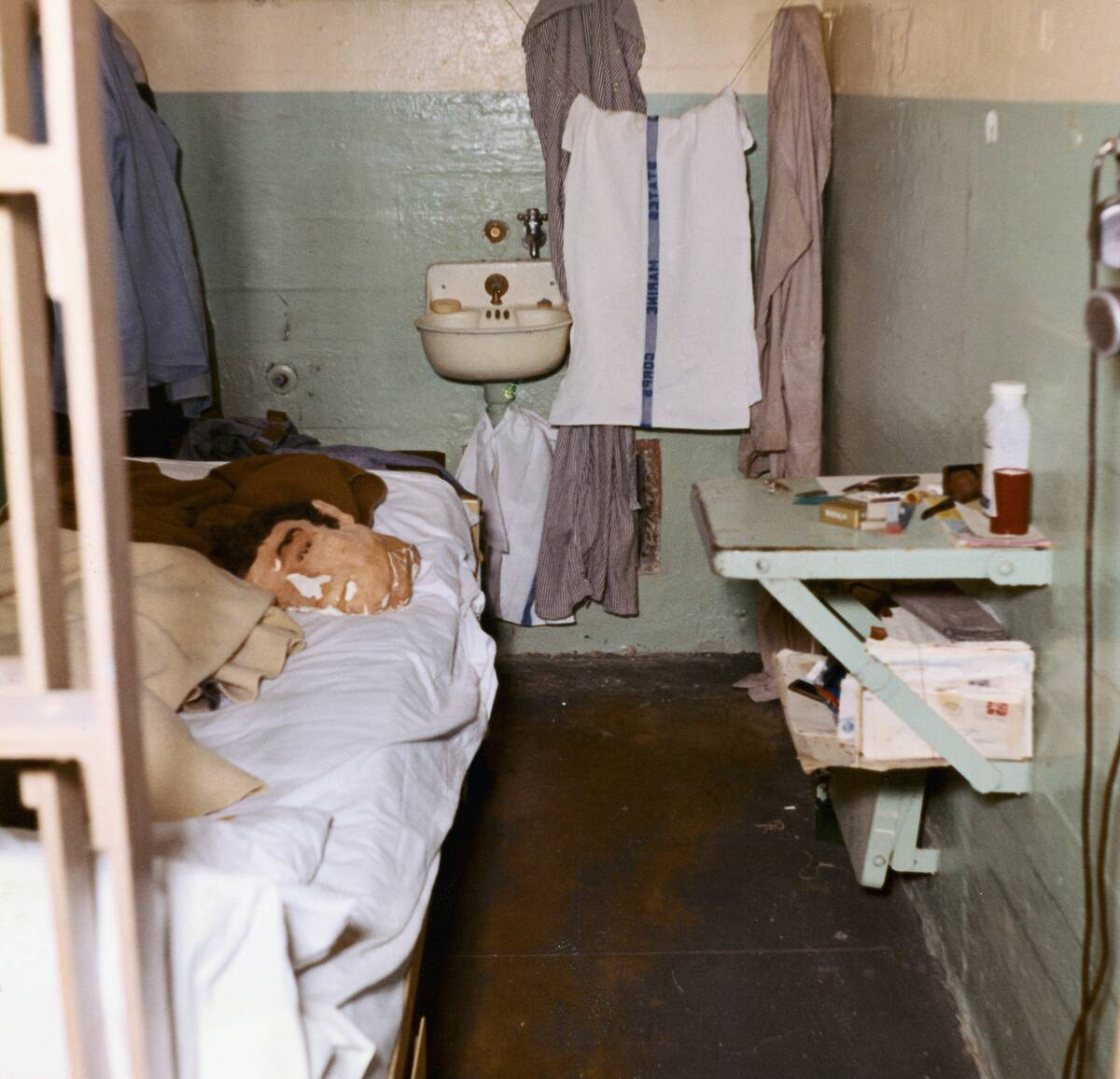
Although theirs wouldn’t be the first escape attempt from Alcatraz to achieve a partial success, every other inmate to get close by 1962 was either recaptured or perished in the process. Indeed, authorities maintained their stance that this also happened to three daring escapees well after Alcatraz closed the following year.
However, that fate has never been confirmed. Indeed, it’s possible that after Frank Morris, Clarence Anglin, and his brother John fooled night guards with clever plaster heads like this one and paddled into the San Francisco Bay, they truly escaped into unknown new lives.
The Start Of A Legendary Run
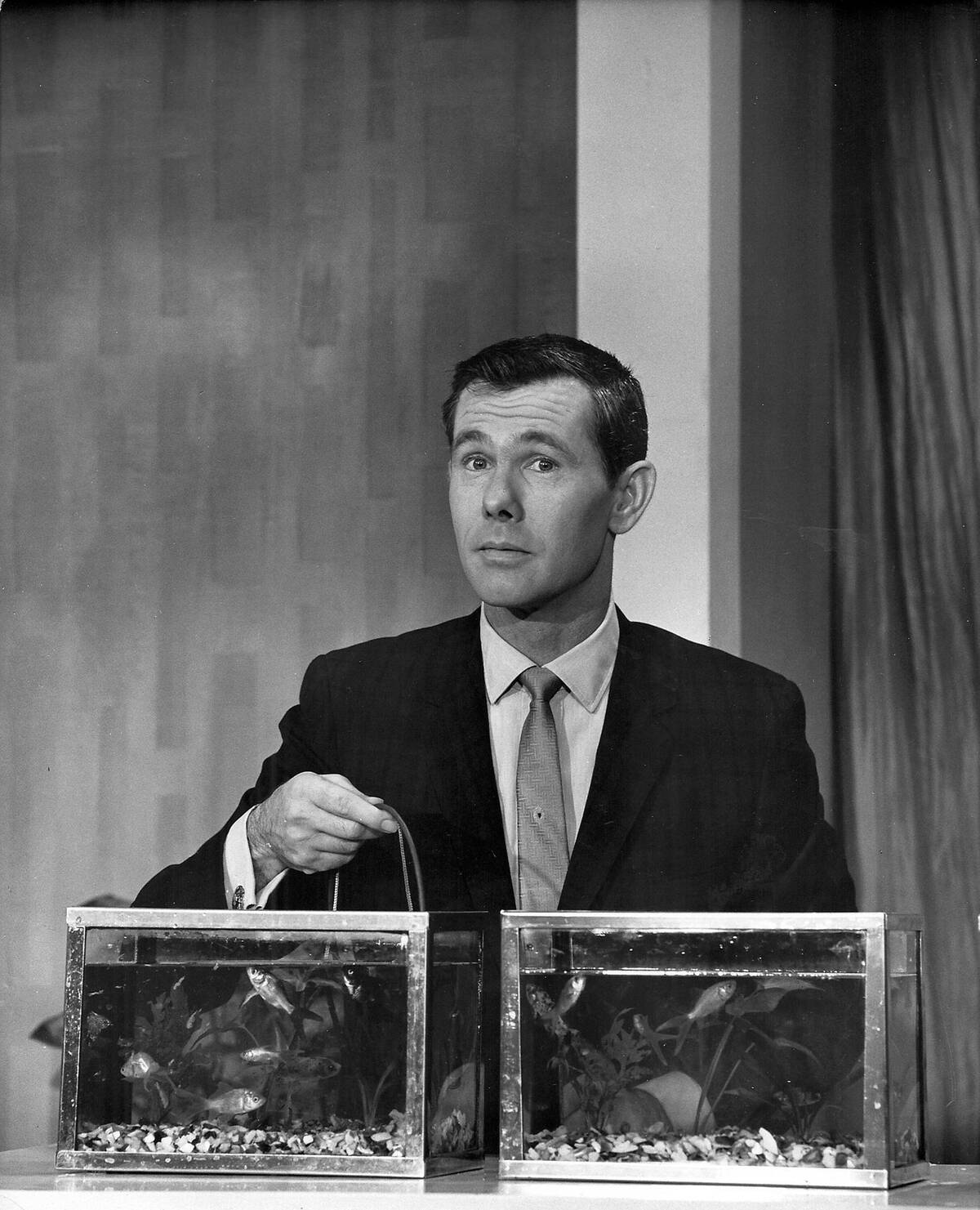
By the time Johnny Carson first sat behind the Tonight Show desk on October 1, 1962, the show had already been famously associated with previous hosts like Jack Parr and its co-creator, Steve Allen. However, he would prove such a legendarily popular face for the show that multiple generations grew up watching him.
That came to a bittersweet end in 1992, but between this auspicious start and his retirement at the age of 66, Carson would film 4,531 episodes of The Tonight Show. That record has yet to be beaten by any future host.
A Well-Deserved Honor
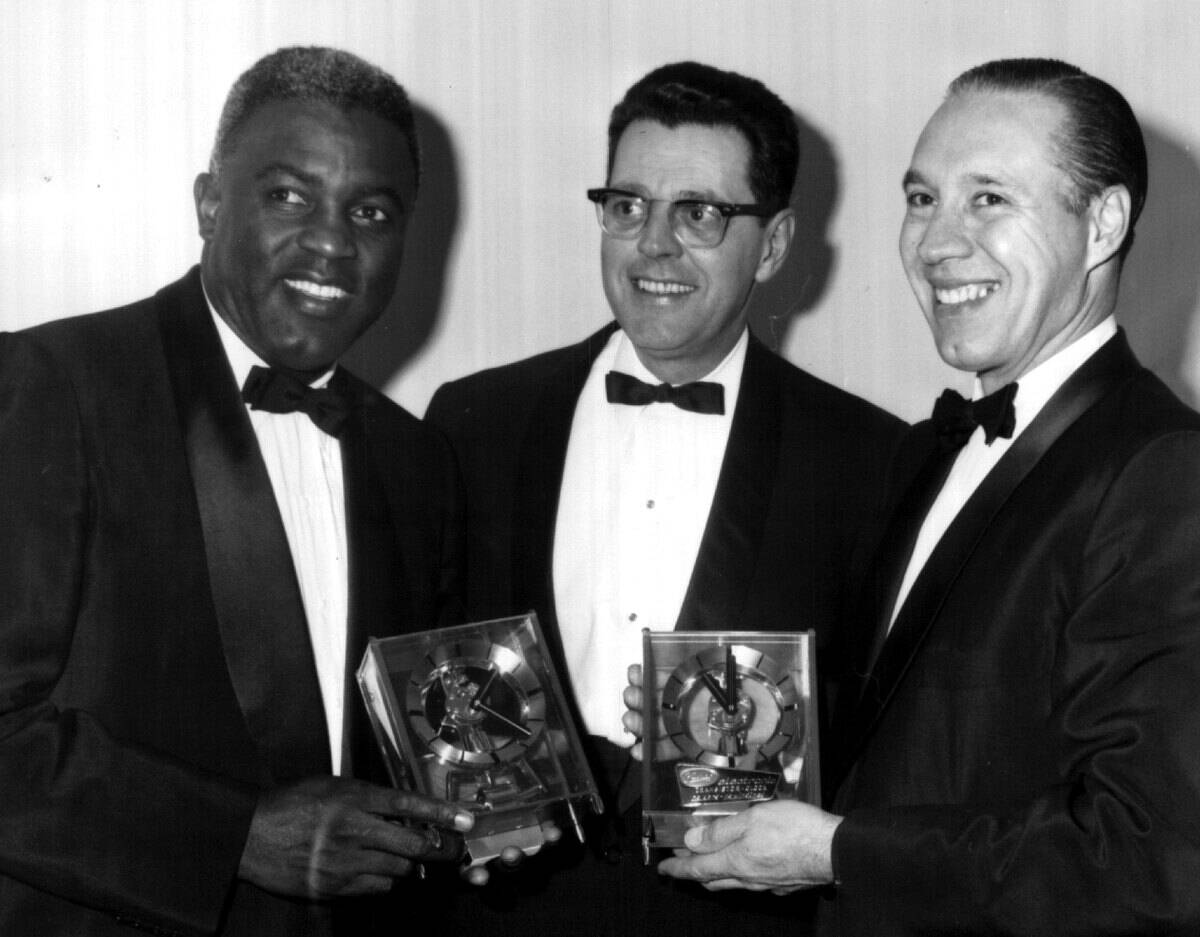
While the ’60s can generally be described as a watershed decade for America — for good or for ill — 1962 was particularly clear as a major transition point where eras begun and ended all at once. However, this photo marks a moment that exemplifies how the year was as indebted to past triumphs as it was on the cusp of new beginnings.
Specifically, January 23 saw baseball legend Jackie Robinson — famous both for his talents and for breaking baseball’s color barrier — accept an award marking his induction into the Baseball Hall Of Fame alongside Bob Feller.