What people feared most in the early 1900s
The early 1900s were a time of rapid change and uncertainty, leaving many people feeling anxious about the future. As new technologies emerged and global tensions rose, society grappled with a host of fears and anxieties.
From the looming threat of war to the rise of industrialization, these concerns shaped the lives and thoughts of people during this transformative era.
The Rise of Industrialization: Machines Taking Over Jobs
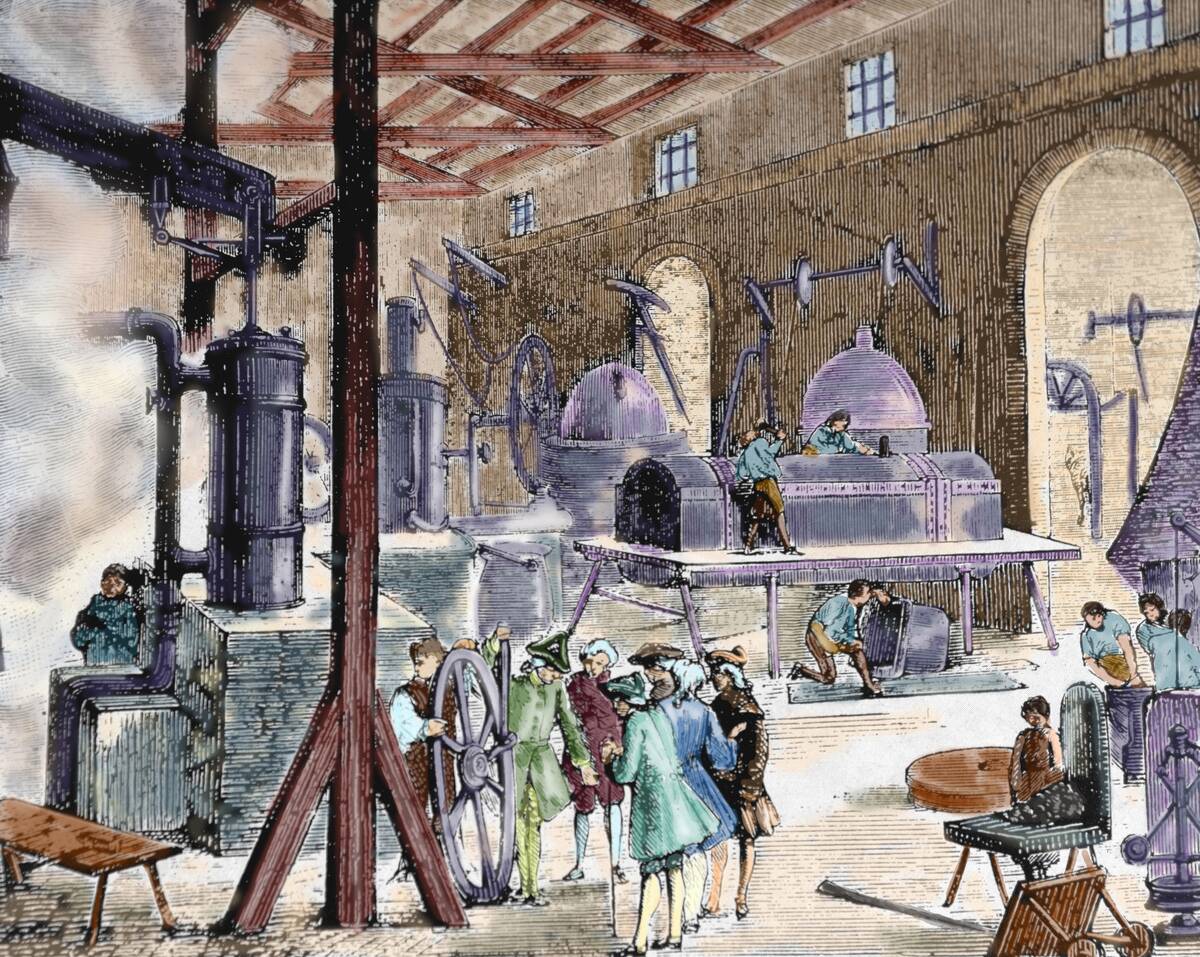
With the advent of industrialization, machines began to replace manual labor, leading to widespread anxiety about job security. Factories sprung up, and while they increased production, they also displaced many workers.
This shift raised concerns about the future of employment and the ability of individuals to adapt to a rapidly changing job market.
The Spanish Flu Pandemic: A World Gripped by Illness
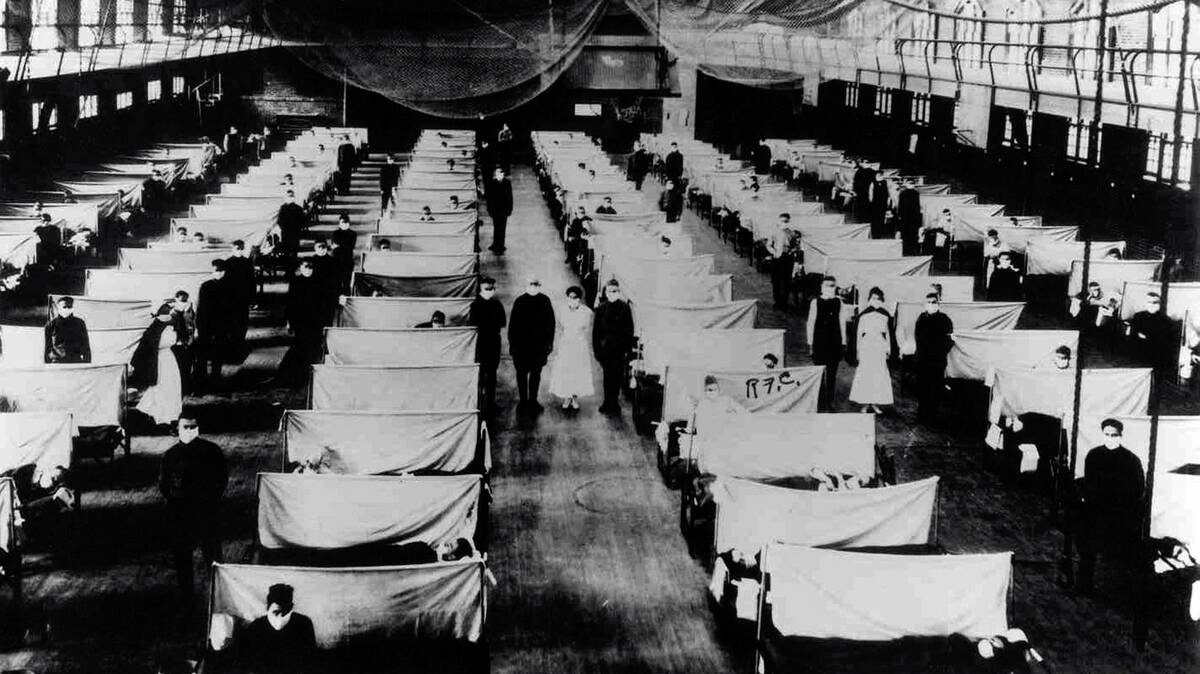
The Spanish Flu pandemic of 1918-1919 was one of the deadliest in history, infecting a third of the world’s population and claiming an estimated 50 million lives.
The rapid spread of the virus created a climate of fear and uncertainty, as communities struggled to contain the outbreak and care for the sick. The pandemic highlighted the vulnerabilities of public health systems at the time.
Economic Uncertainty: The Panic of 1907 and Financial Instability
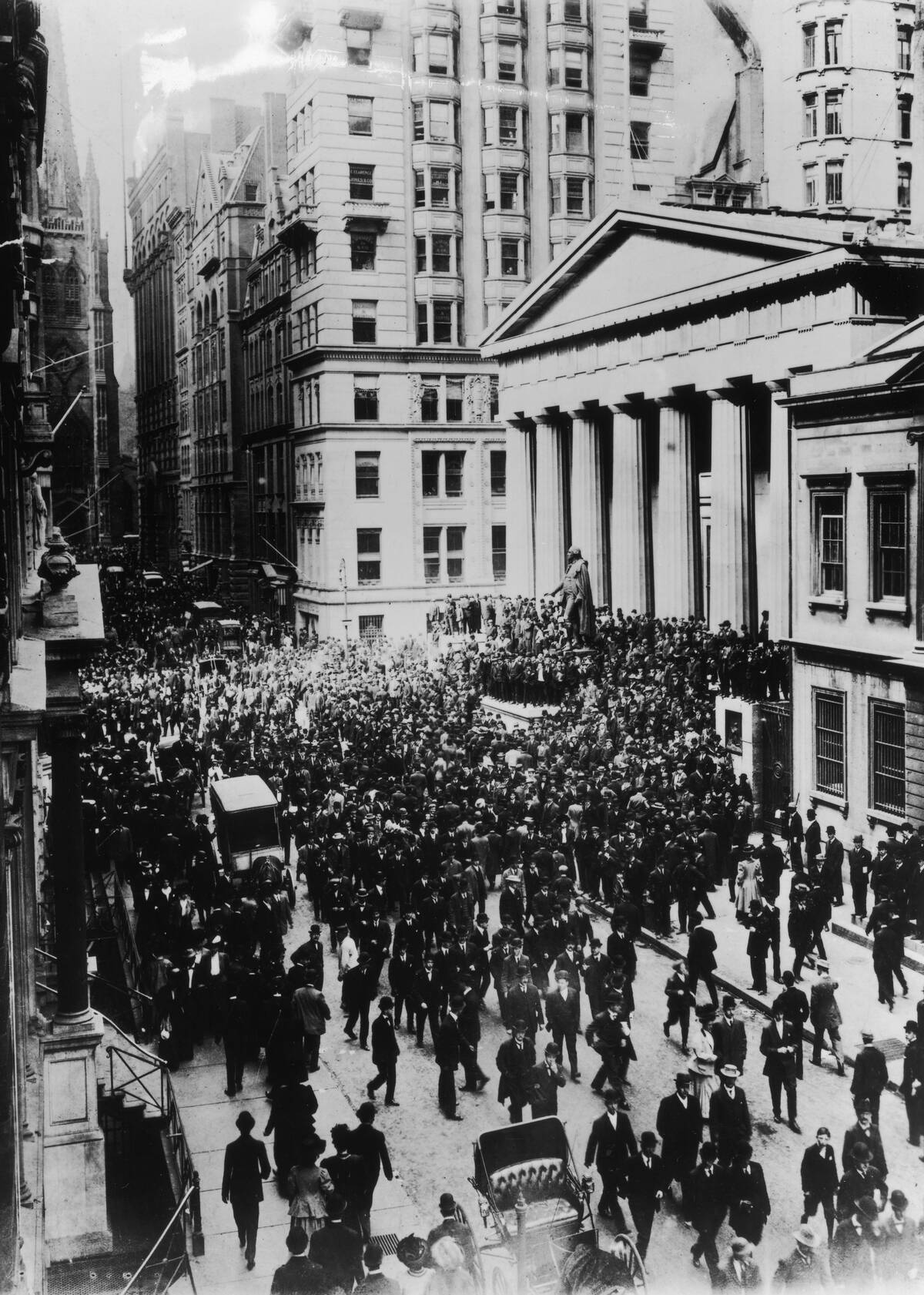
The Panic of 1907 was a financial crisis that shook the United States, leading to bank runs and the collapse of major financial institutions.
This economic instability underscored the fragility of the financial system and prompted the eventual creation of the Federal Reserve in 1913. The panic served as a stark reminder of the unpredictability of financial markets.
The Fear of Immigration: Cultural Shifts and Xenophobia
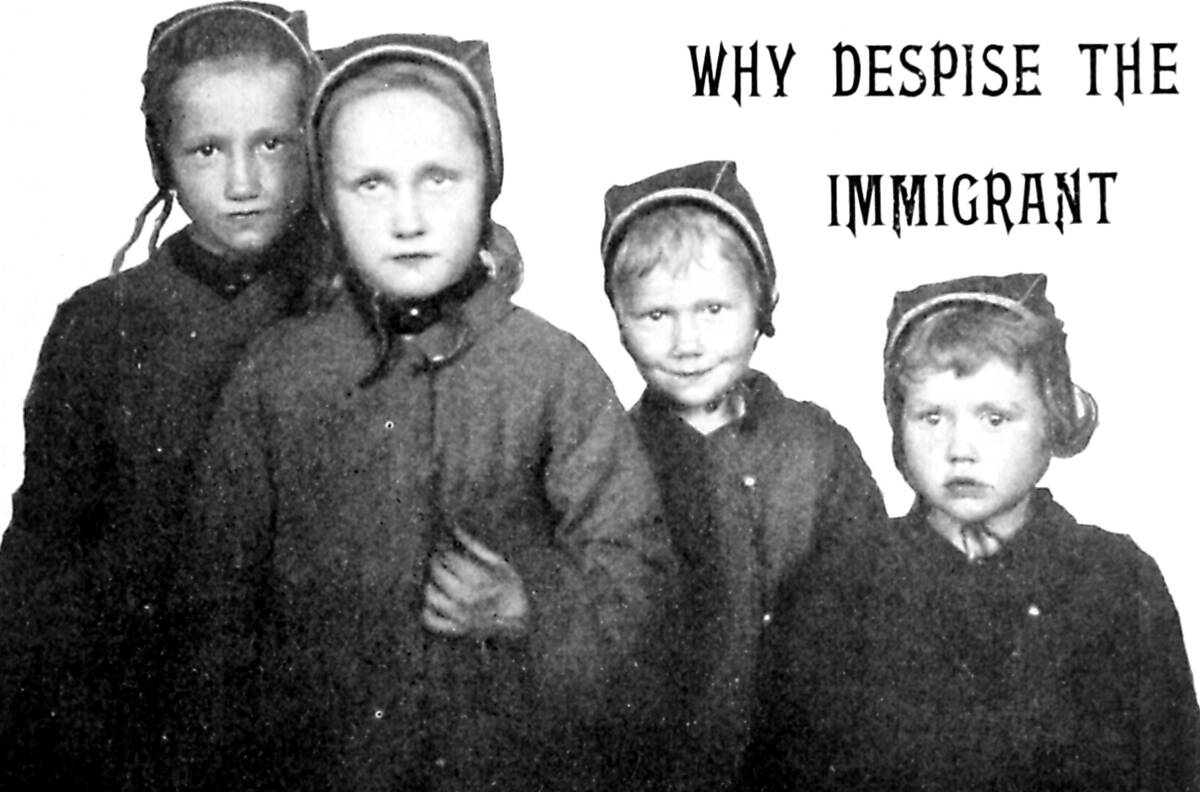
The early 20th century was a period of significant immigration to the United States, with millions arriving from Europe and Asia.
This influx led to cultural shifts and a rise in xenophobia, as some native-born Americans feared the loss of traditional values and competition for jobs. The resulting tension influenced immigration policies and fueled debates about national identity.
Technological Advancements: The Unknowns of New Inventions
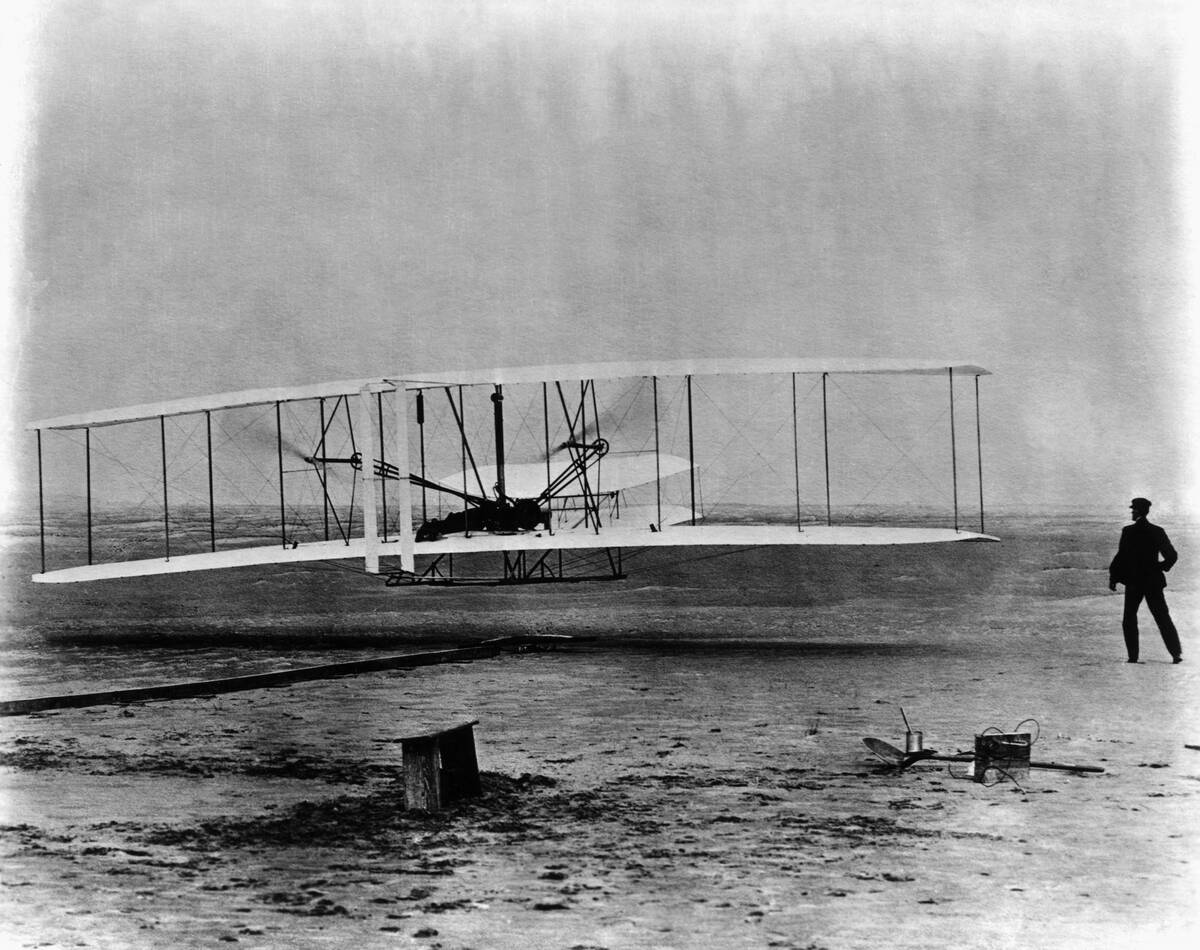
As new inventions like the automobile and the airplane emerged, society was both fascinated and fearful of the unknowns they presented.
These technological advancements promised to revolutionize transportation and communication, but also raised concerns about safety and the potential for societal disruption. The rapid pace of innovation left many wondering what the future might hold.
The Titanic Tragedy: Safety Concerns in Modern Travel
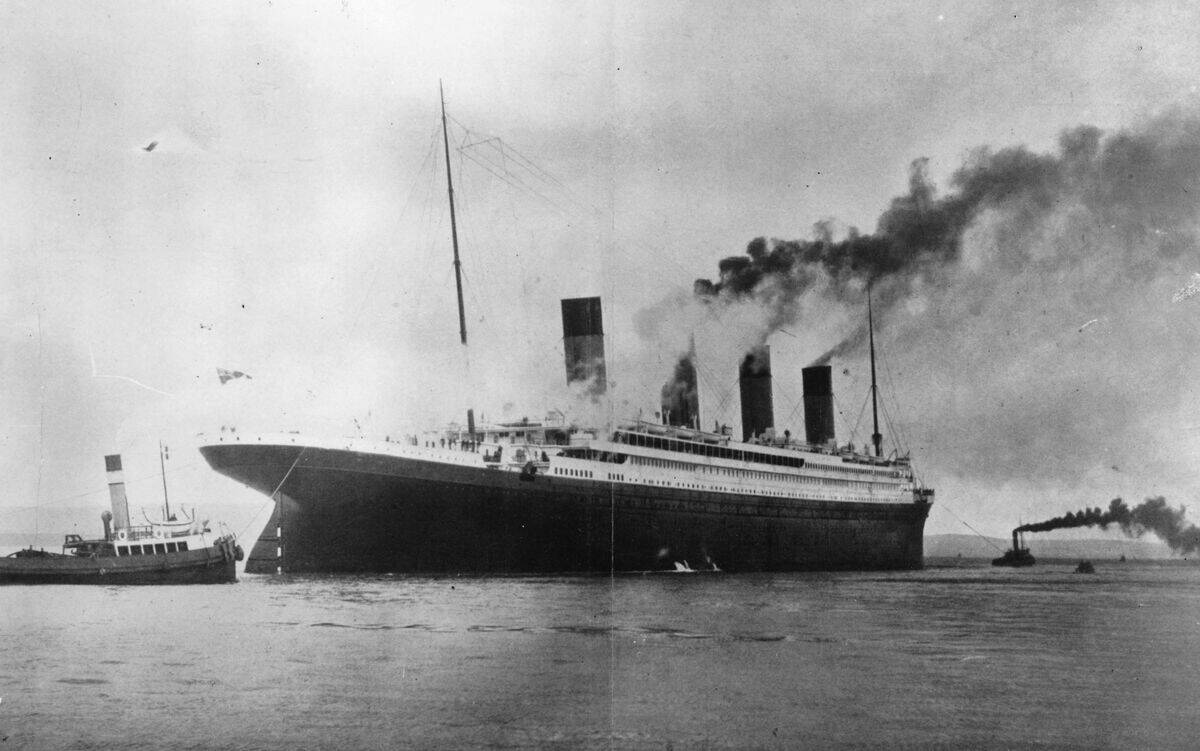
The sinking of the Titanic in 1912 was a stark reminder of the potential dangers of modern travel. Despite being deemed “unsinkable,” the ship’s tragic fate highlighted the limitations of technology and the importance of safety regulations.
The disaster led to changes in maritime laws and practices, as the world sought to prevent similar tragedies in the future.
The Suffragette Movement: The Fear of Women’s Empowerment
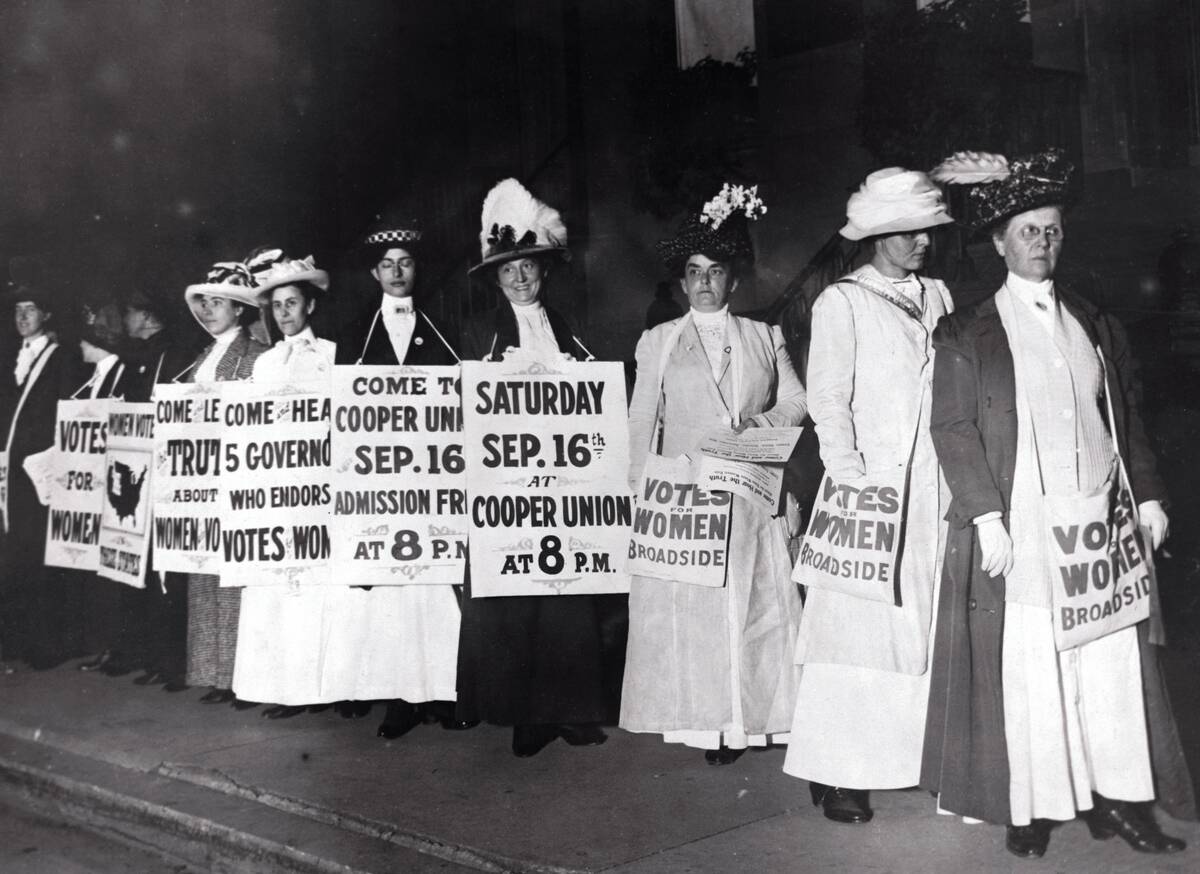
The suffragette movement, advocating for women’s right to vote, was met with both support and opposition. Some feared that women’s empowerment would disrupt social order and traditional family roles.
Despite these fears, the movement gained traction, culminating in the ratification of the 19th Amendment in 1920, which granted women the right to vote in the United States.
Racial Tensions: The Struggle for Civil Rights
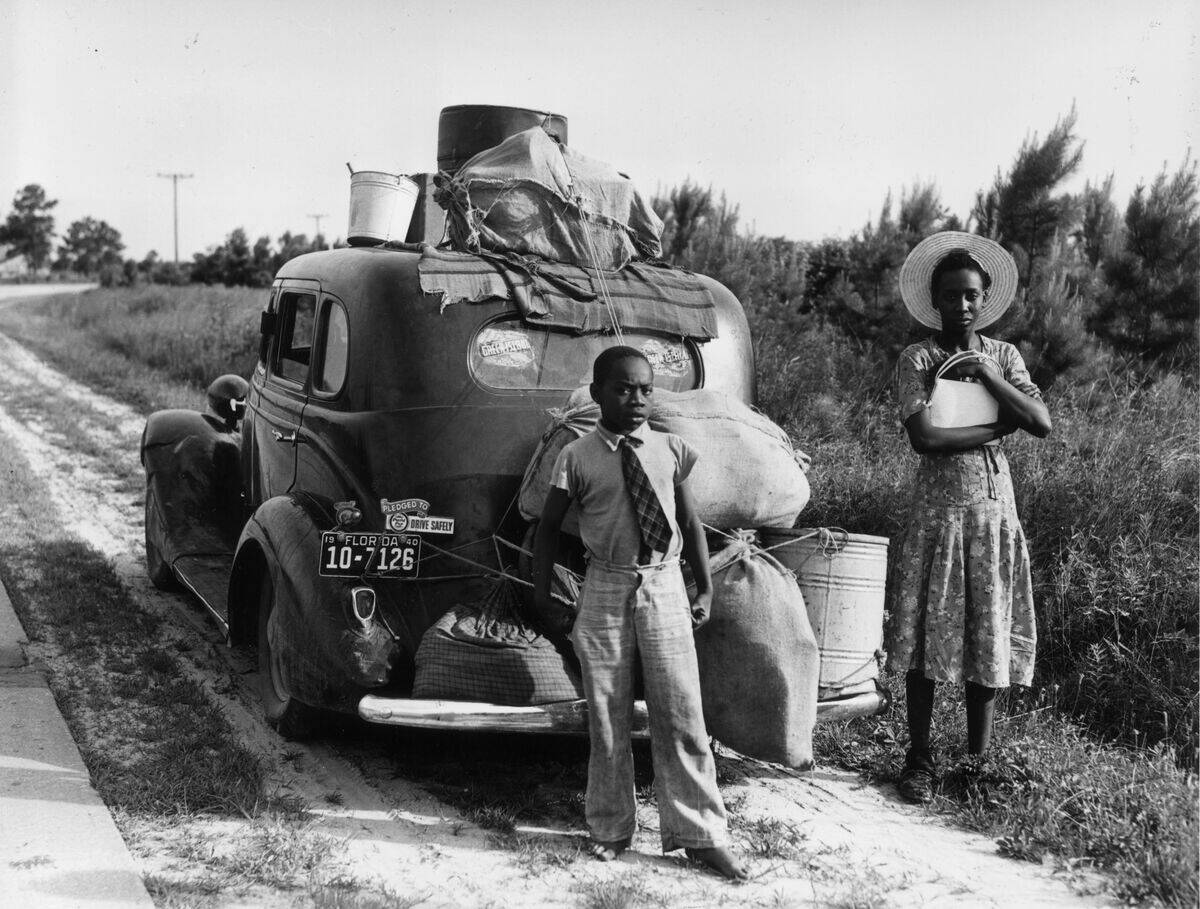
Racial tensions in the early 1900s were marked by the struggle for civil rights and equality. The Great Migration saw African Americans moving from the rural South to urban areas in the North, seeking better opportunities and escaping Jim Crow laws.
This shift led to increased racial tensions and the rise of movements advocating for civil rights and social justice.
The Fear of Urbanization: The Decline of Rural Life
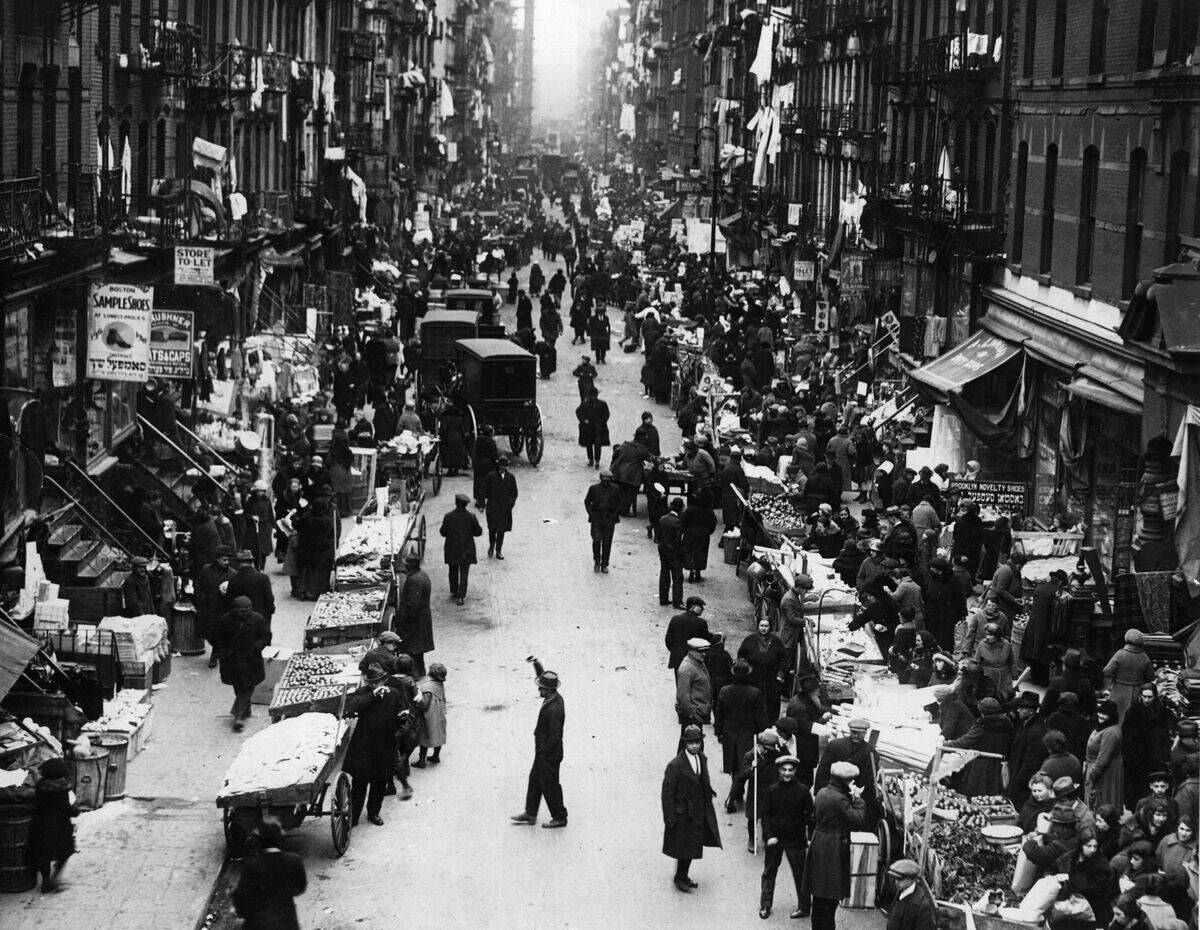
As cities expanded and urbanization increased, there was a growing fear of the decline of rural life. Many worried about the loss of traditional values and the impact of city living on health and morality.
This fear was compounded by the perception that urban areas were breeding grounds for crime and vice, leading to a romanticization of rural life in literature and media.
The Mystery of the Unknown: Superstitions and the Occult
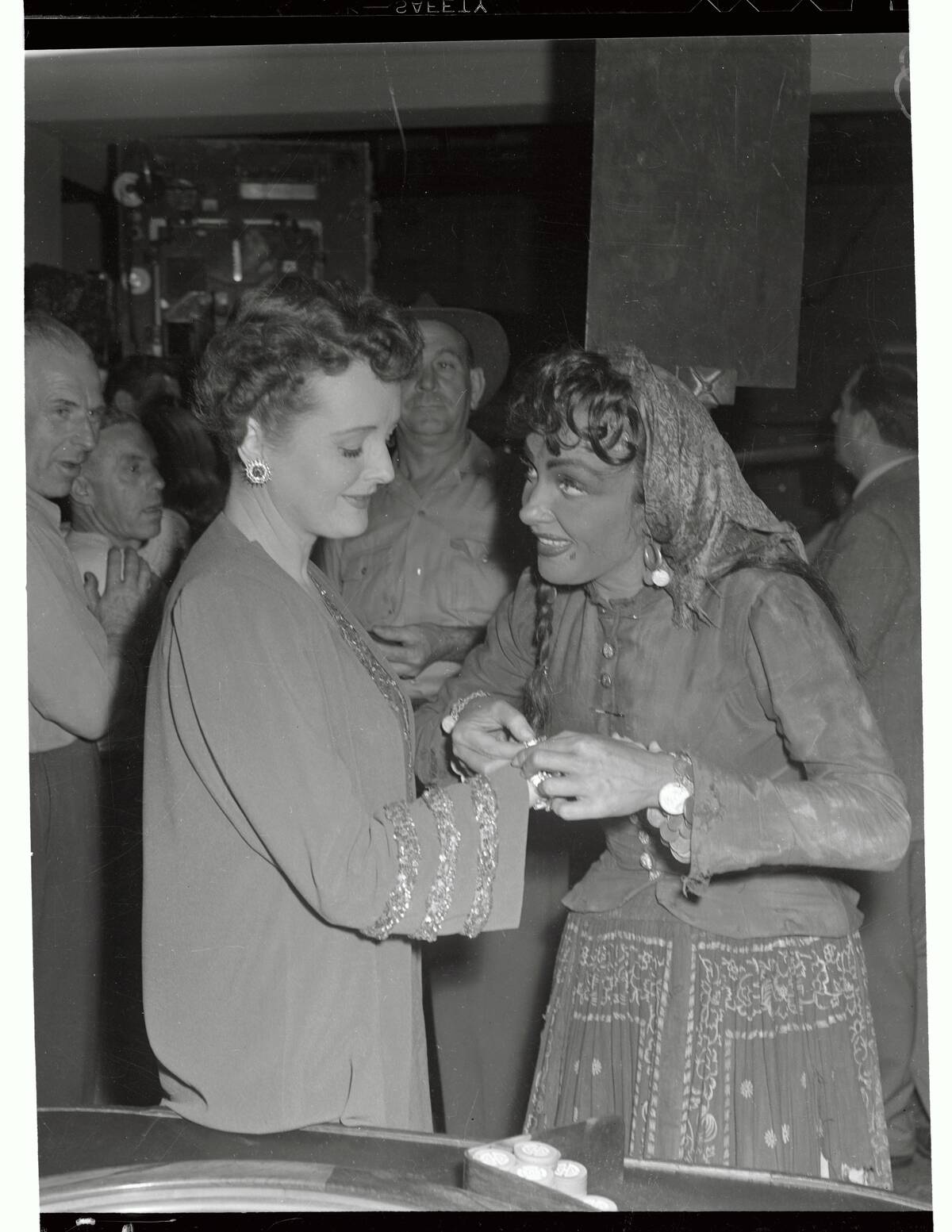
The early 1900s saw a fascination with the occult and supernatural, as people sought to understand the mysteries of the unknown. Seances, spiritualism, and fortune-telling gained popularity, reflecting a desire to connect with the spiritual world.
This interest in the occult was both a source of entertainment and a way to cope with the uncertainties of the era.
The Fear of Moral Decay: The Influence of Jazz and Modern Culture
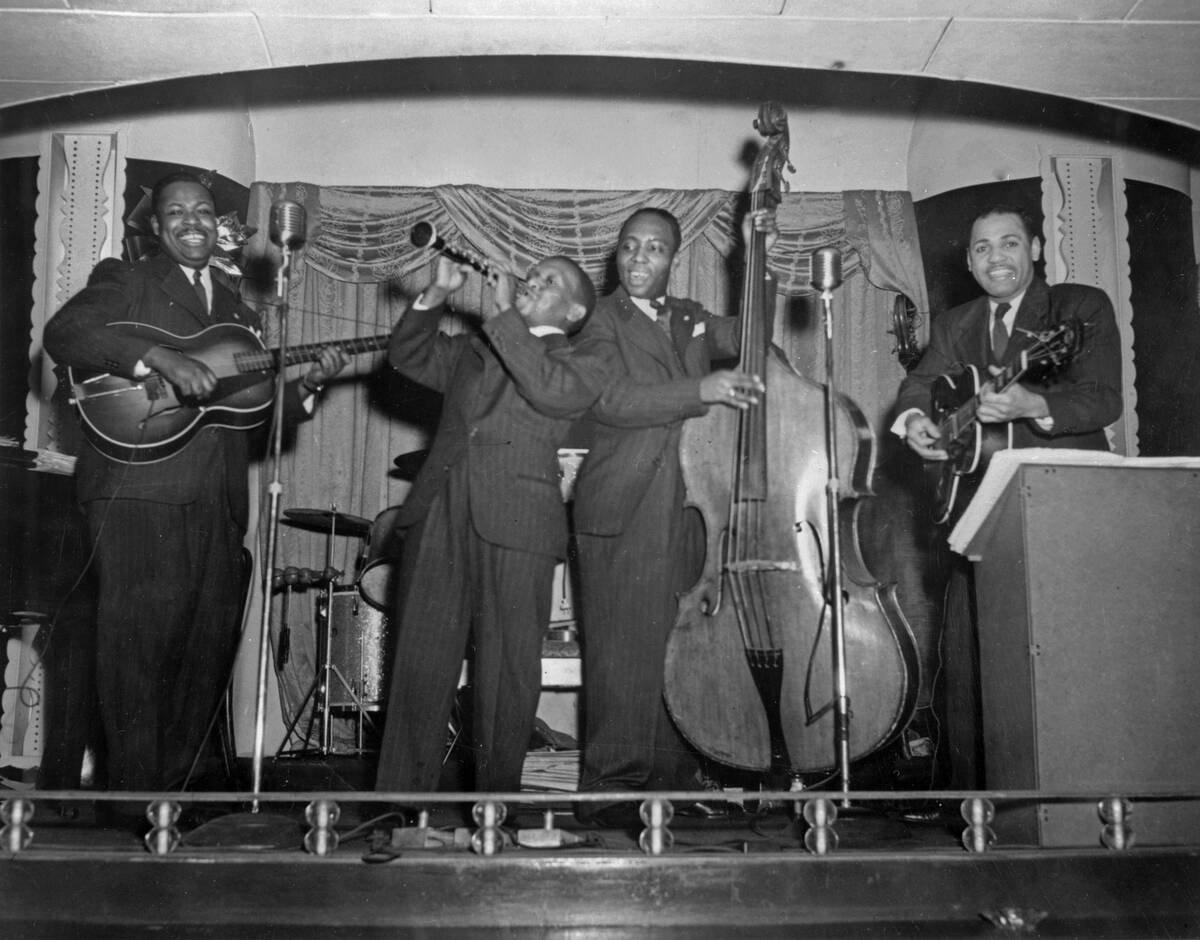
The rise of jazz music and modern culture in the early 20th century sparked fears of moral decay. Jazz, with its roots in African American communities, was seen by some as a corrupting influence on youth, challenging traditional values and norms.
This cultural shift was part of a broader movement towards modernity, which included changes in fashion, art, and social behavior.
The Prohibition Era: Concerns Over Alcohol Consumption
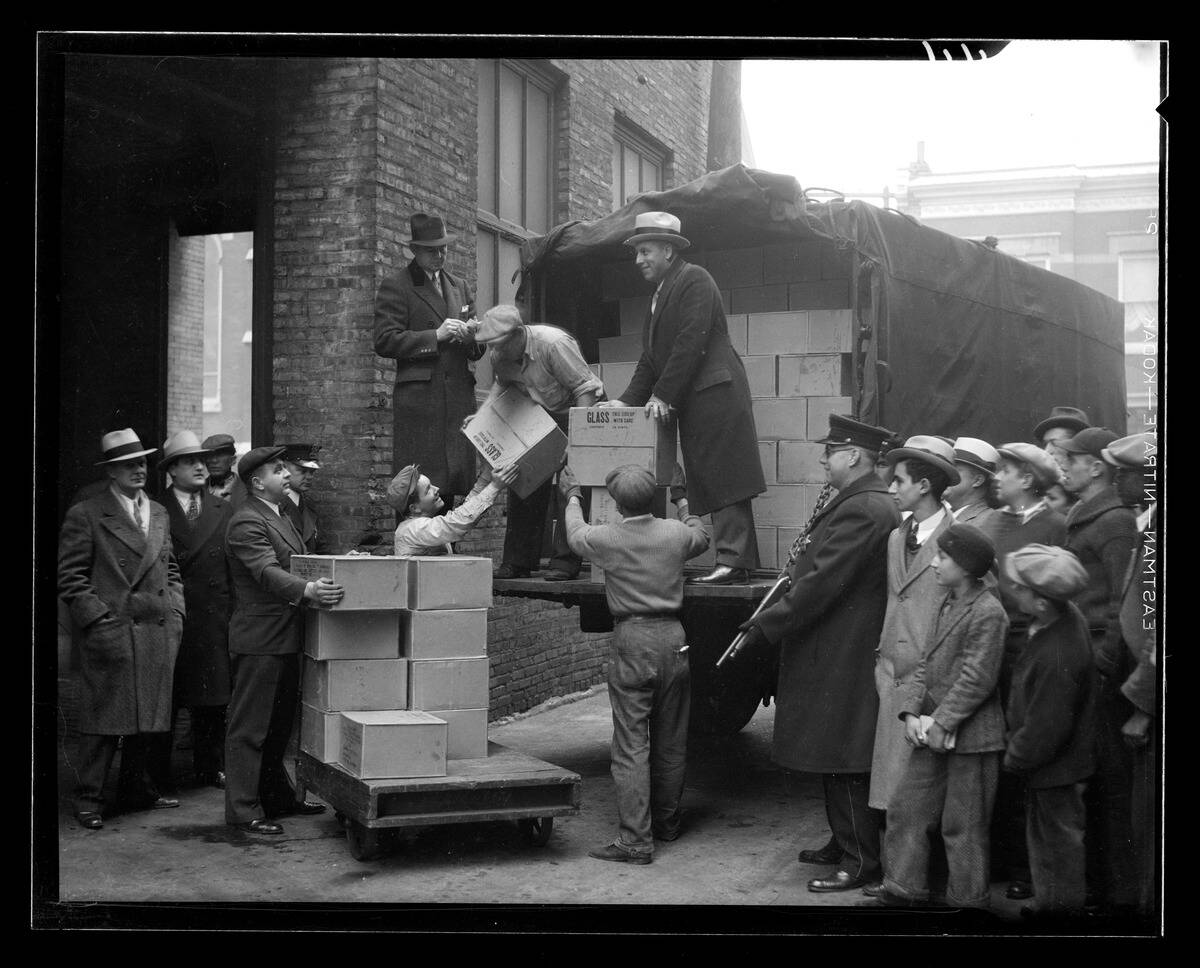
Prohibition, enacted in 1920, was a response to concerns over alcohol consumption and its perceived impact on society. The 18th Amendment banned the manufacture, sale, and transportation of alcohol, leading to the rise of speakeasies and bootlegging.
While intended to reduce crime and improve public morals, Prohibition had the opposite effect, contributing to the growth of organized crime.
Natural Disasters: The Impact of Earthquakes and Fires
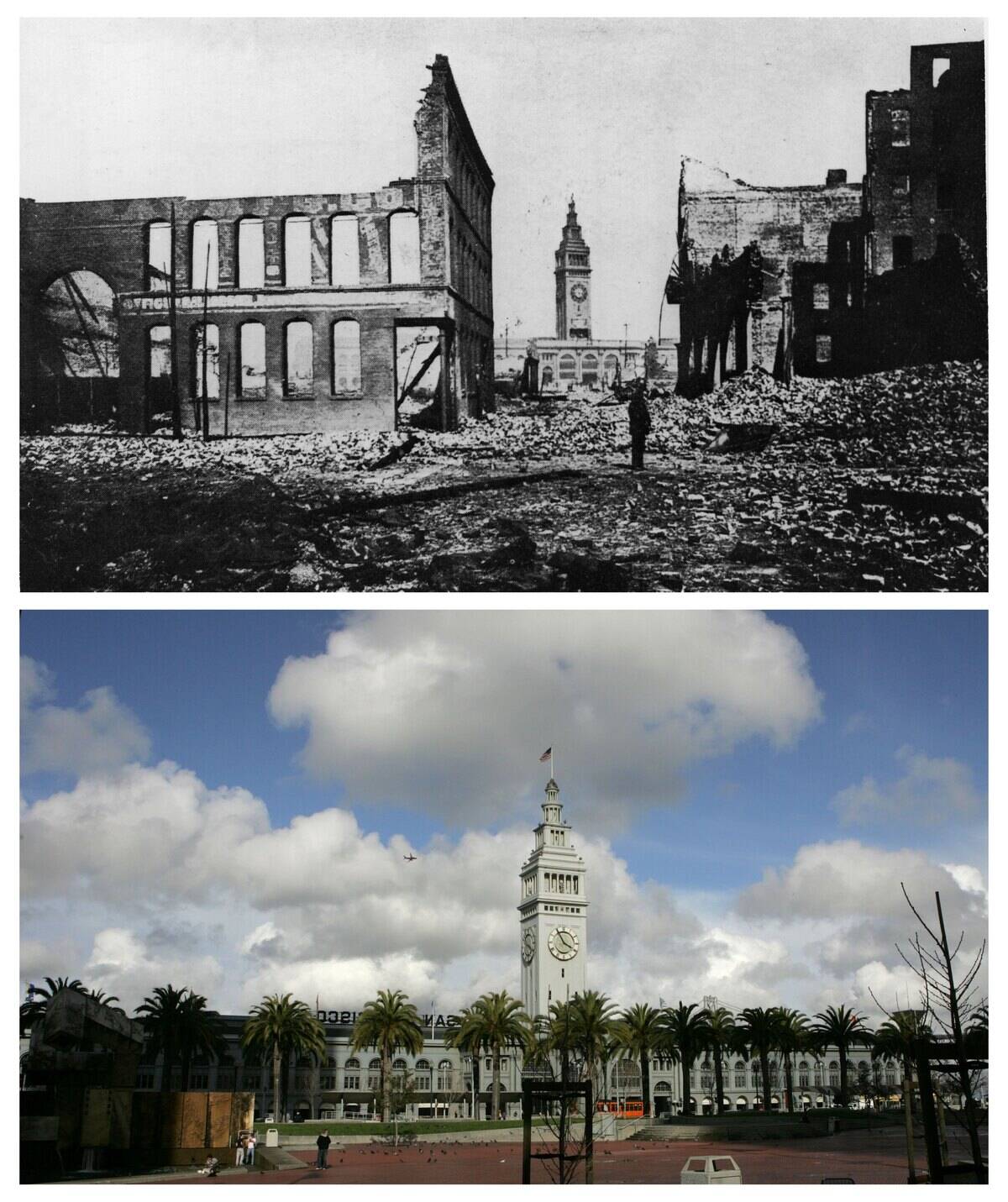
Natural disasters in the early 1900s, such as the 1906 San Francisco earthquake and fire, highlighted the vulnerability of urban areas to such events. The devastation caused by these disasters prompted improvements in building codes and emergency response systems.
These events served as reminders of the power of nature and the need for preparedness in the face of potential calamities.
The Menace of Organized Crime: The Rise of the Mafia
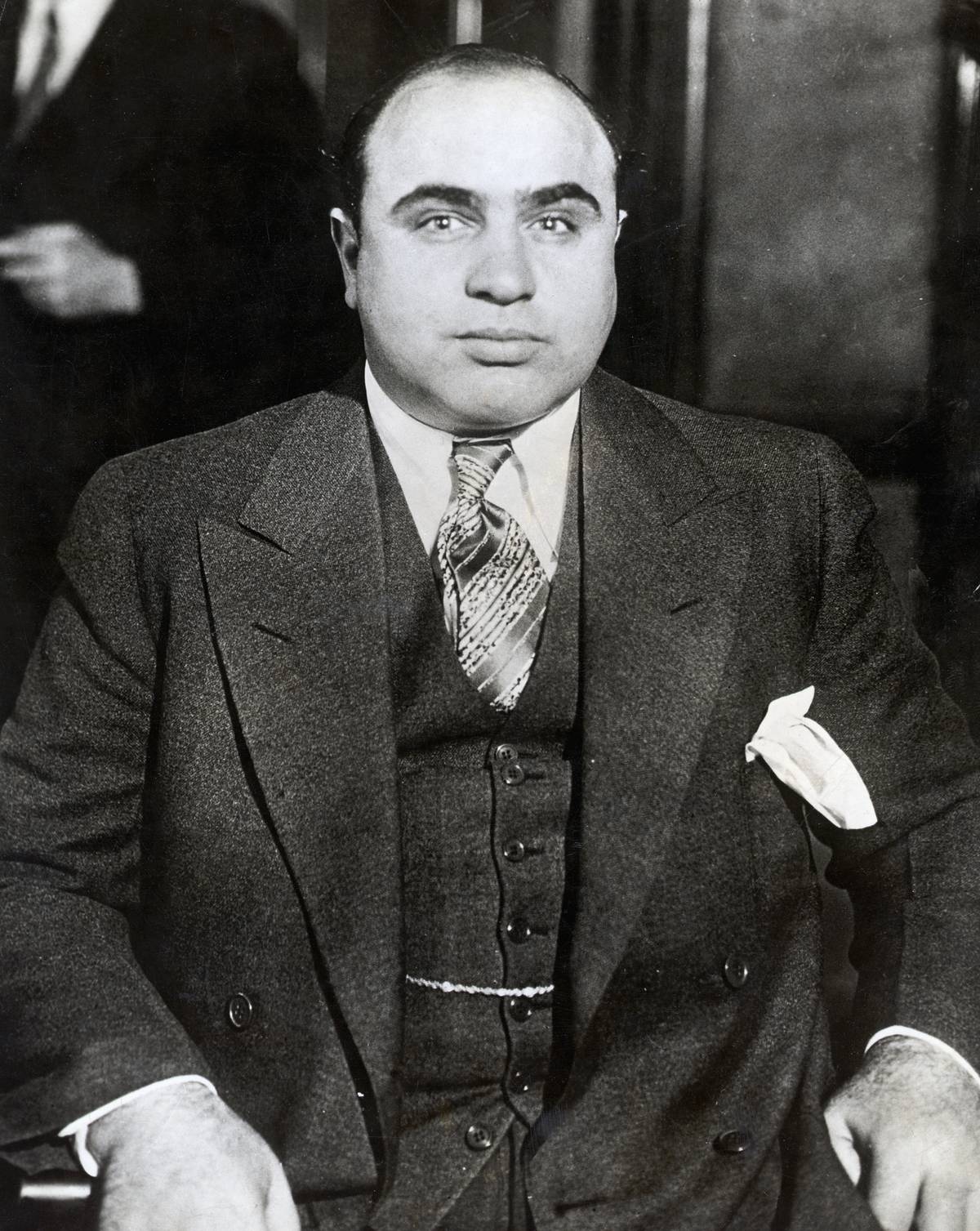
The early 20th century saw the rise of organized crime, particularly the Mafia, which capitalized on Prohibition and other illegal activities. Figures like Al Capone became infamous, as crime syndicates expanded their influence and operations.
This rise in organized crime highlighted the challenges faced by law enforcement and the need for more effective strategies to combat criminal networks.