Ancient inventions that were centuries ahead of their time
Throughout history, humans have demonstrated incredible ingenuity, crafting inventions that continue to fascinate us today. These ancient creations not only solved practical problems but also laid the groundwork for modern technology.
From mysterious artifacts to groundbreaking engineering, ancient inventions reveal the brilliance of early civilizations and their ability to innovate with the resources available to them.
The Antikythera Mechanism: The First Analog Computer
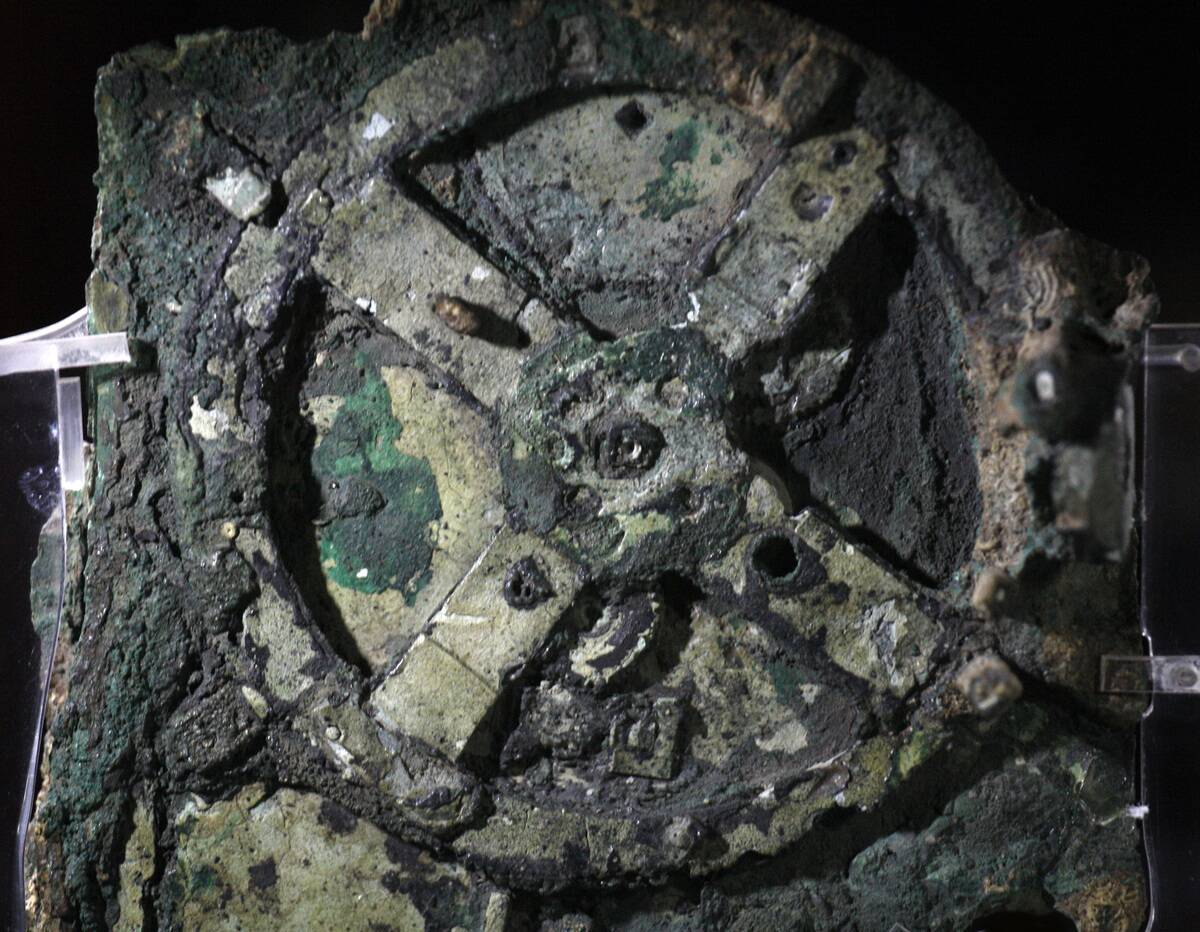
Discovered in a shipwreck off the coast of Greece in 1901, the Antikythera Mechanism dates back to around 100 BC. This intricate device, often considered the world’s first analog computer, was used to predict astronomical positions and eclipses.
Its complex system of gears and dials showcases the advanced understanding of astronomy and mechanics possessed by the ancient Greeks.
The Greek Fire
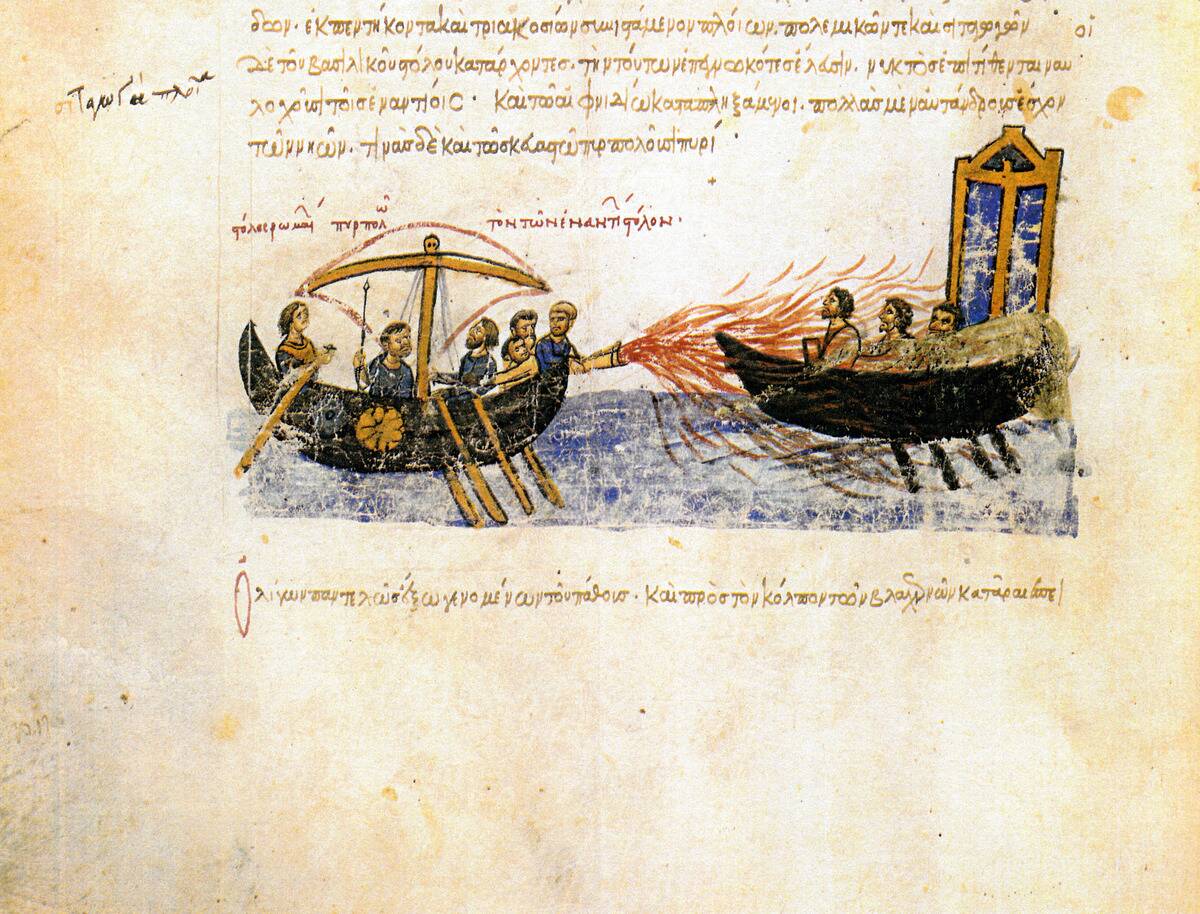
Greek Fire was a formidable weapon used by the Byzantine Empire, capable of burning even on water. The exact composition of this incendiary weapon remains unknown, as its formula was a closely guarded secret.
Its fearsome reputation was enough to deter enemy fleets, showcasing the strategic prowess of Byzantine military engineers.
The Indus Valley Plumbing

The Indus Valley Civilization, flourishing around 2500 BC, boasted a sophisticated plumbing system. Cities like Mohenjo-Daro featured advanced drainage networks and indoor toilets, highlighting their emphasis on hygiene and public health.
This level of urban planning and sanitation was unparalleled in the ancient world, reflecting the civilization’s remarkable engineering skills.
The Lycurgus Cup
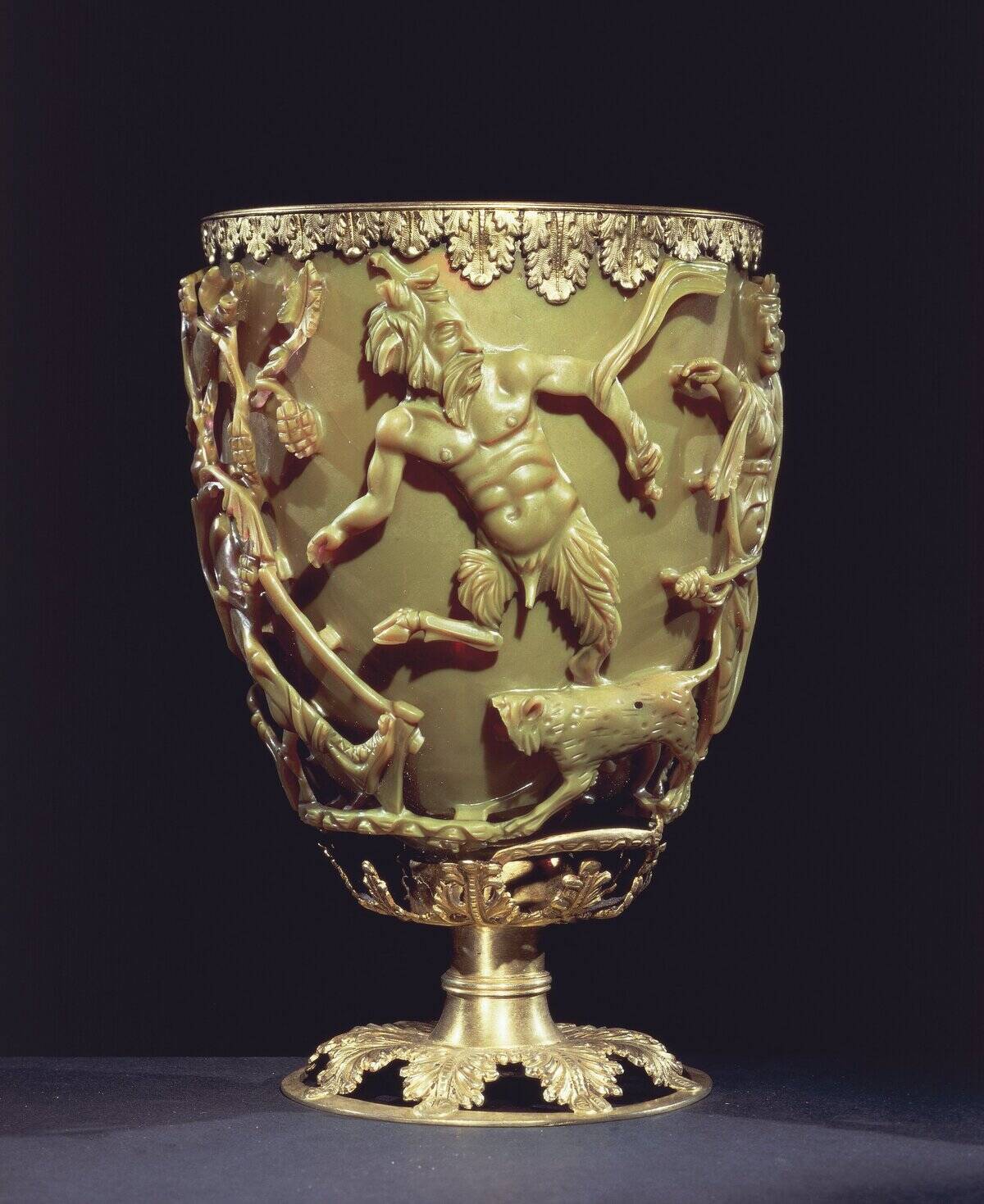
The Lycurgus Cup, a Roman glass goblet from the 4th century AD, changes color depending on the light source. This effect is due to the presence of tiny particles of gold and silver embedded in the glass, a form of ancient nanotechnology.
The cup’s ability to shift from green to red highlights the Romans’ advanced craftsmanship and understanding of materials.
The Phaistos Disc
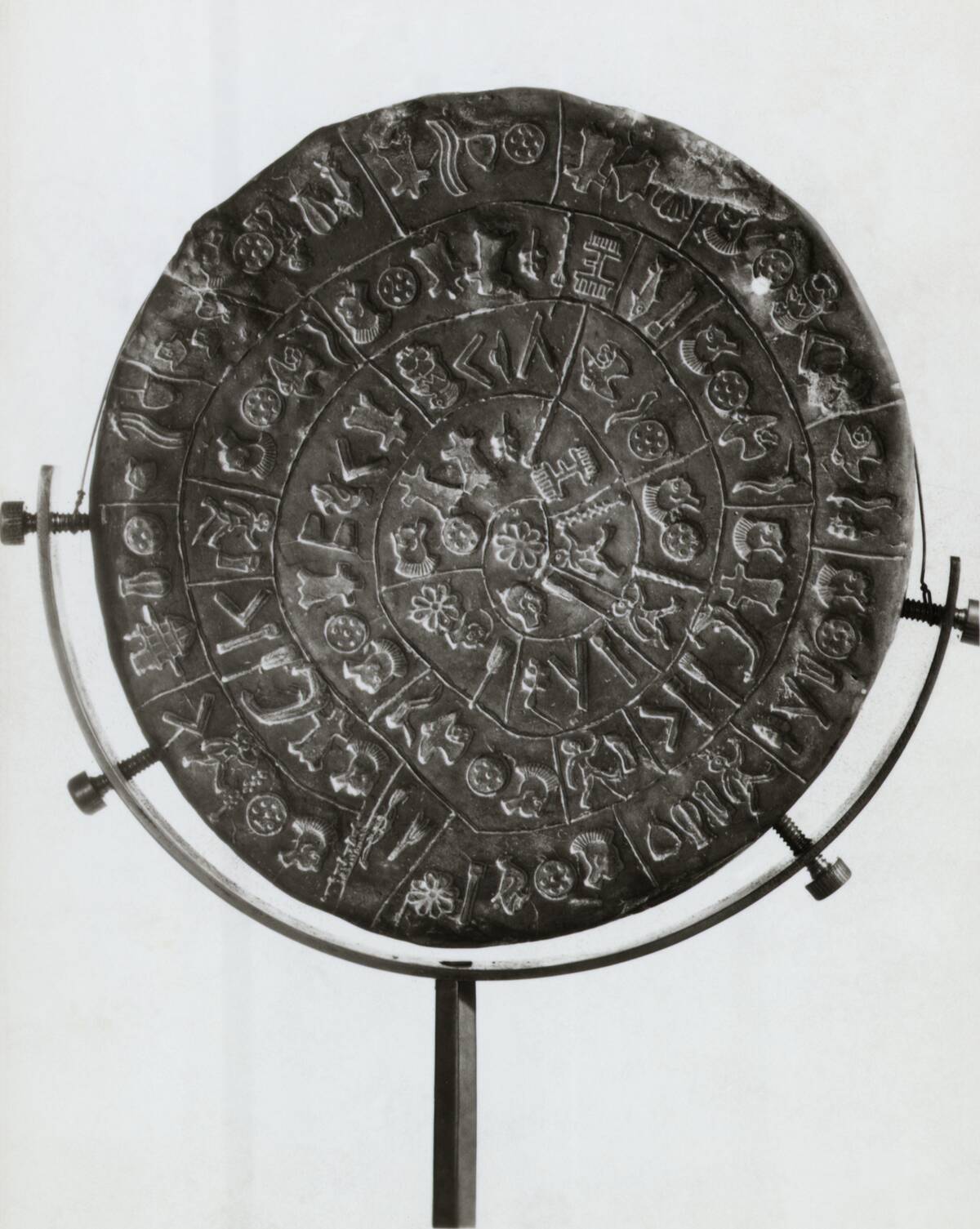
The Phaistos Disc, discovered in Crete, is a clay disc inscribed with mysterious symbols arranged in a spiral. Dating back to the second millennium BC, its purpose and meaning remain undeciphered, sparking numerous theories.
This enigmatic artifact continues to intrigue linguists and archaeologists, representing one of the great unsolved mysteries of ancient writing.
Chinese Seismograph: Detecting Earthquakes in 132 AD
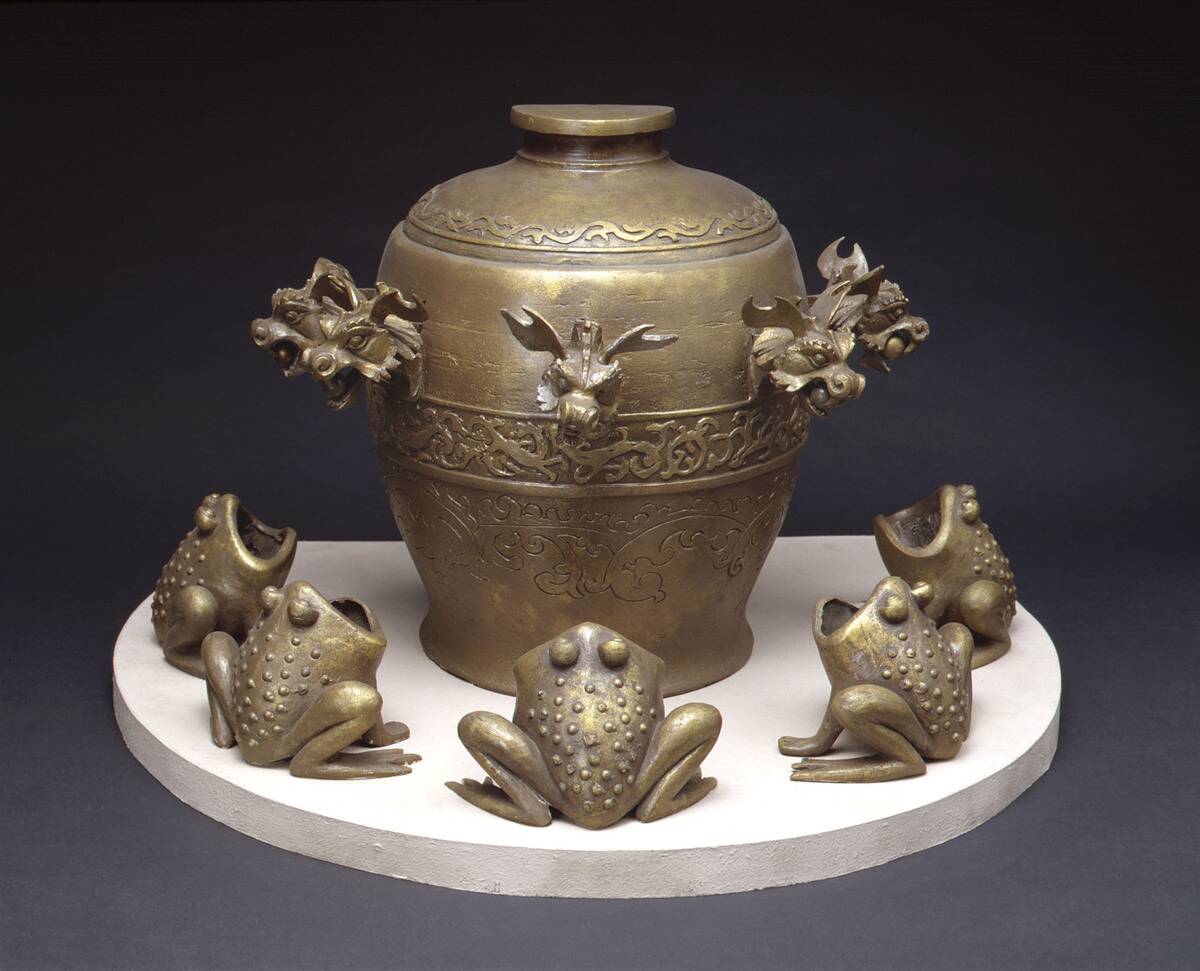
Invented by Zhang Heng in 132 AD, the Chinese seismoscope was the first known device designed to detect earthquakes. According to historical descriptions, it consisted of a large bronze vessel with eight dragon heads, each holding a ball above a toad-shaped receiver.
When seismic motion reached the device, one of the balls would drop, indicating the direction from which the earthquake had come. Though it did not provide advance warning before an earthquake occurred, this ingenious invention could detect distant tremors and showcases the scientific and mechanical knowledge of ancient China.
The Roman Aqueducts
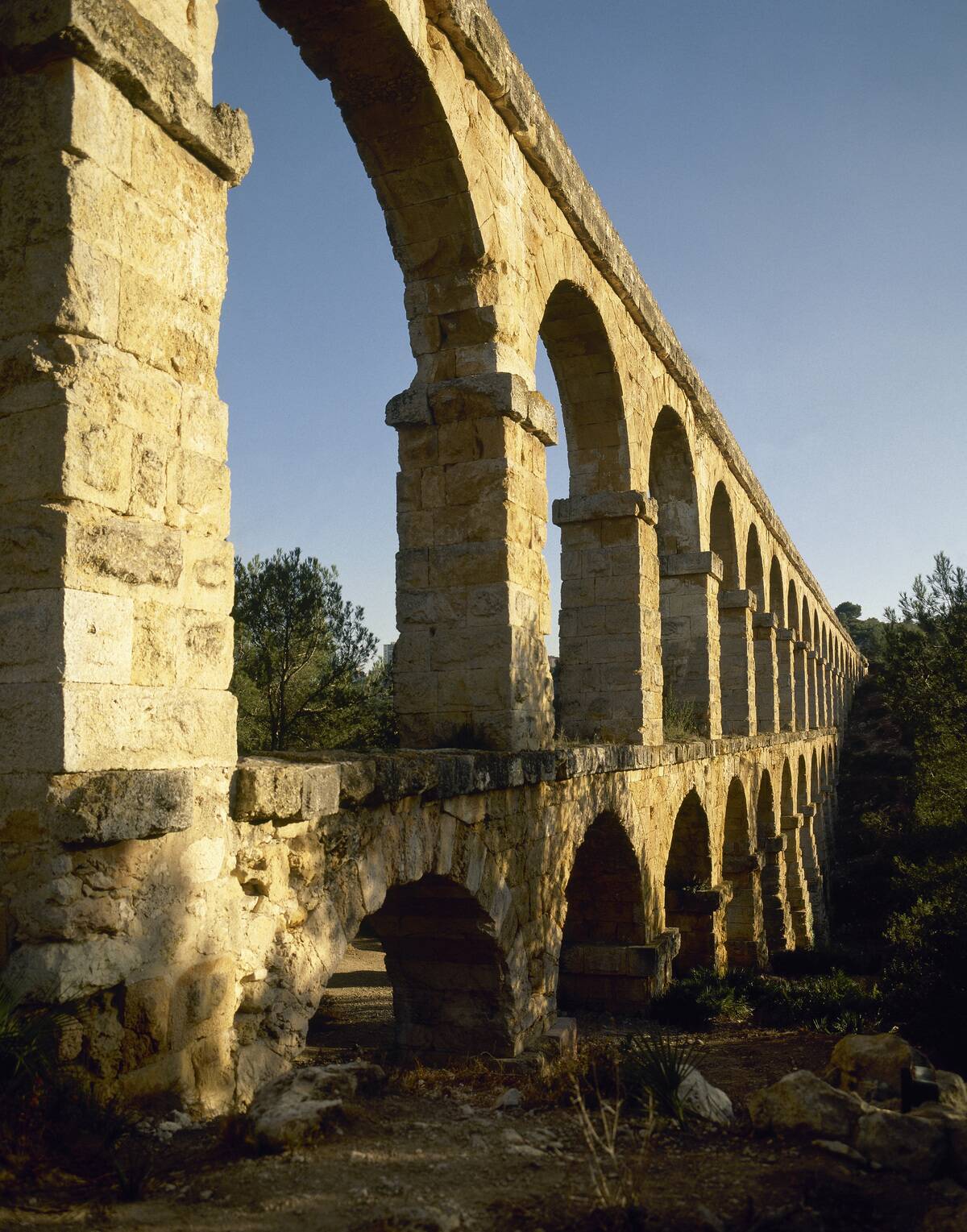
Roman aqueducts were monumental feats of engineering, transporting water over long distances to urban centers. These structures relied on gravity to maintain a steady flow, using a series of arches and channels.
The aqueducts not only supplied water for drinking and bathing but also supported sanitation and agriculture, contributing to the prosperity of Roman cities.
The Aeolipile: The Ancient Steam Engine
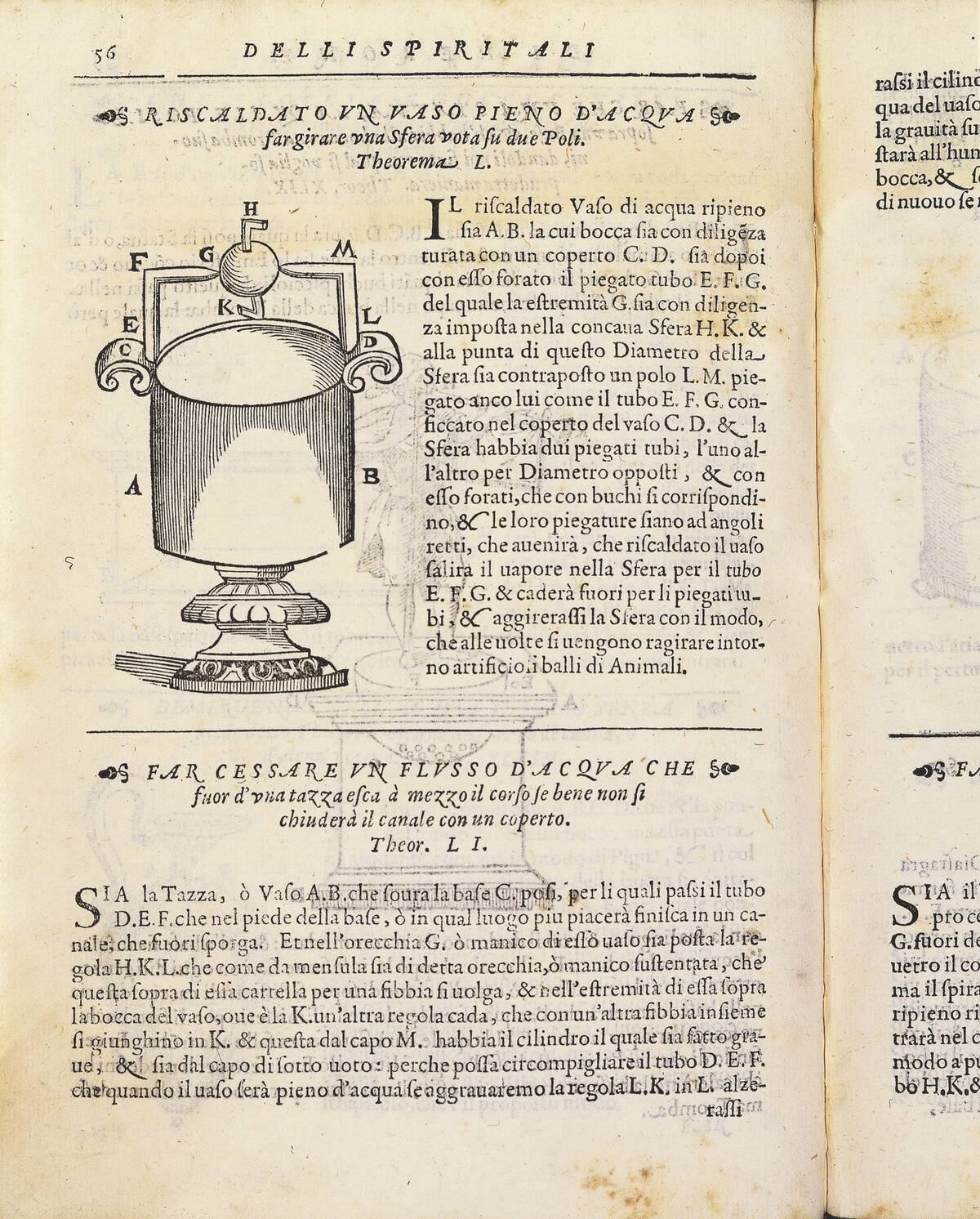
The Aeolipile, invented by Hero of Alexandria in the first century AD, is often considered the first steam engine. This simple device consisted of a spherical vessel mounted on a pair of tubes, which expelled steam to create rotational motion.
While it was primarily a novelty, the Aeolipile demonstrated the potential of steam power long before the Industrial Revolution.
The Incan Quipu: Knot-Based Record Keeping

The Incan quipu was a sophisticated system of record-keeping using knotted strings. Each knot and its position represented numerical data, allowing the Incas to manage resources and census information.
This unique method of communication highlights the ingenuity of the Incan civilization in maintaining complex administrative tasks without a written language.
The Anasazi Kiva

The Anasazi, or Ancestral Puebloans, constructed kivas—circular, subterranean rooms used for religious and communal purposes.
These structures were built with meticulous stonework and often featured a central fire pit and a ventilation shaft. The kivas reflect the Anasazi’s architectural skill and their cultural emphasis on community and spirituality.
The Archimedes Screw
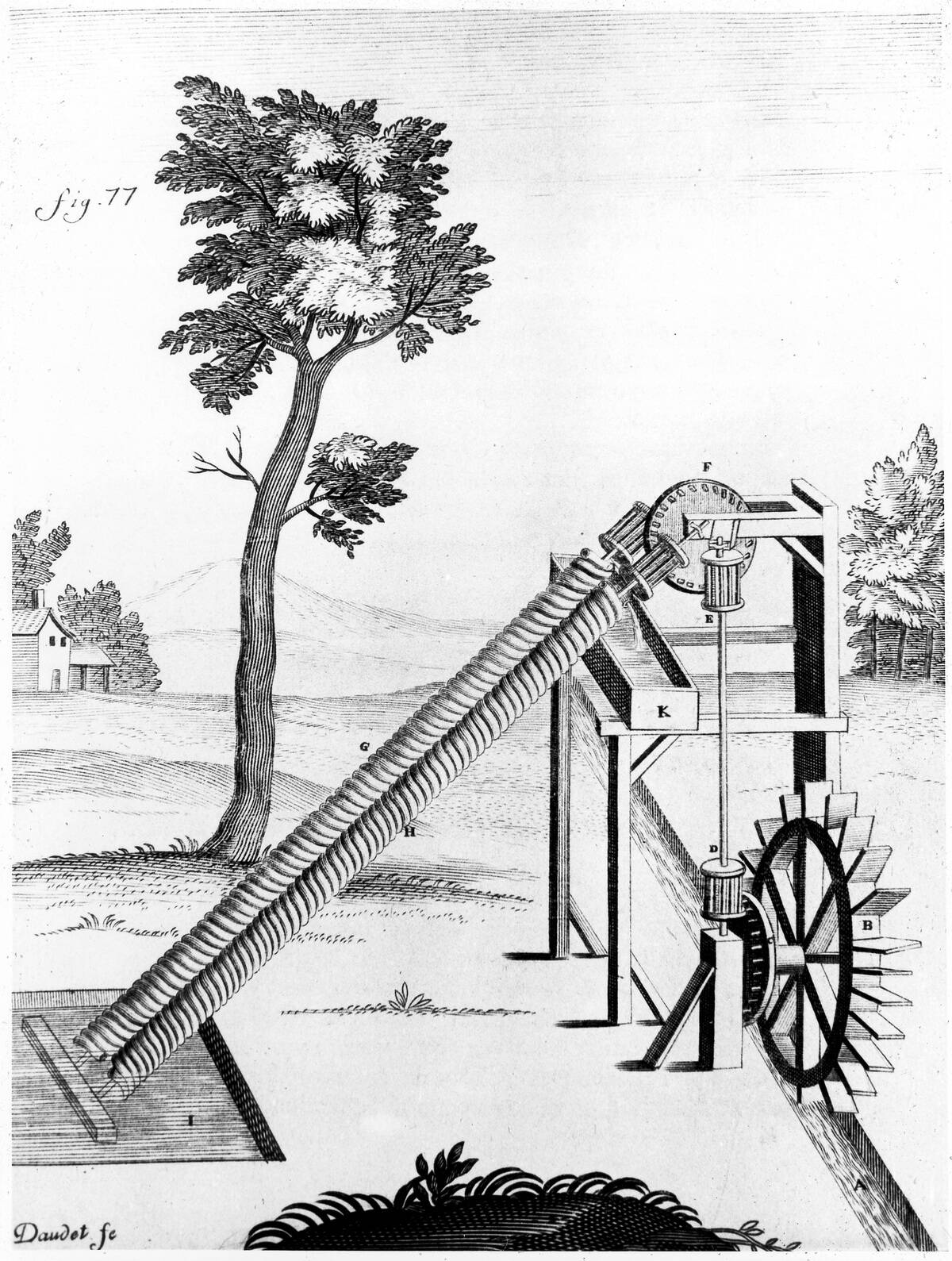
The Archimedes Screw, attributed to the ancient Greek scientist Archimedes, is a device used to lift water for irrigation and drainage.
It consists of a helical screw inside a hollow pipe, which, when turned, transports water upwards. This simple yet effective invention is still used in various applications today, demonstrating its enduring utility.
Roman Concrete

Roman concrete, known for its durability, has withstood the test of time, unlike many modern materials. The secret lies in its unique composition, which includes volcanic ash that reacts with seawater to strengthen the material over time.
This ingenious formula allowed the Romans to construct enduring structures like the Pantheon and the Colosseum, which still stand today.
Viking Sunstones
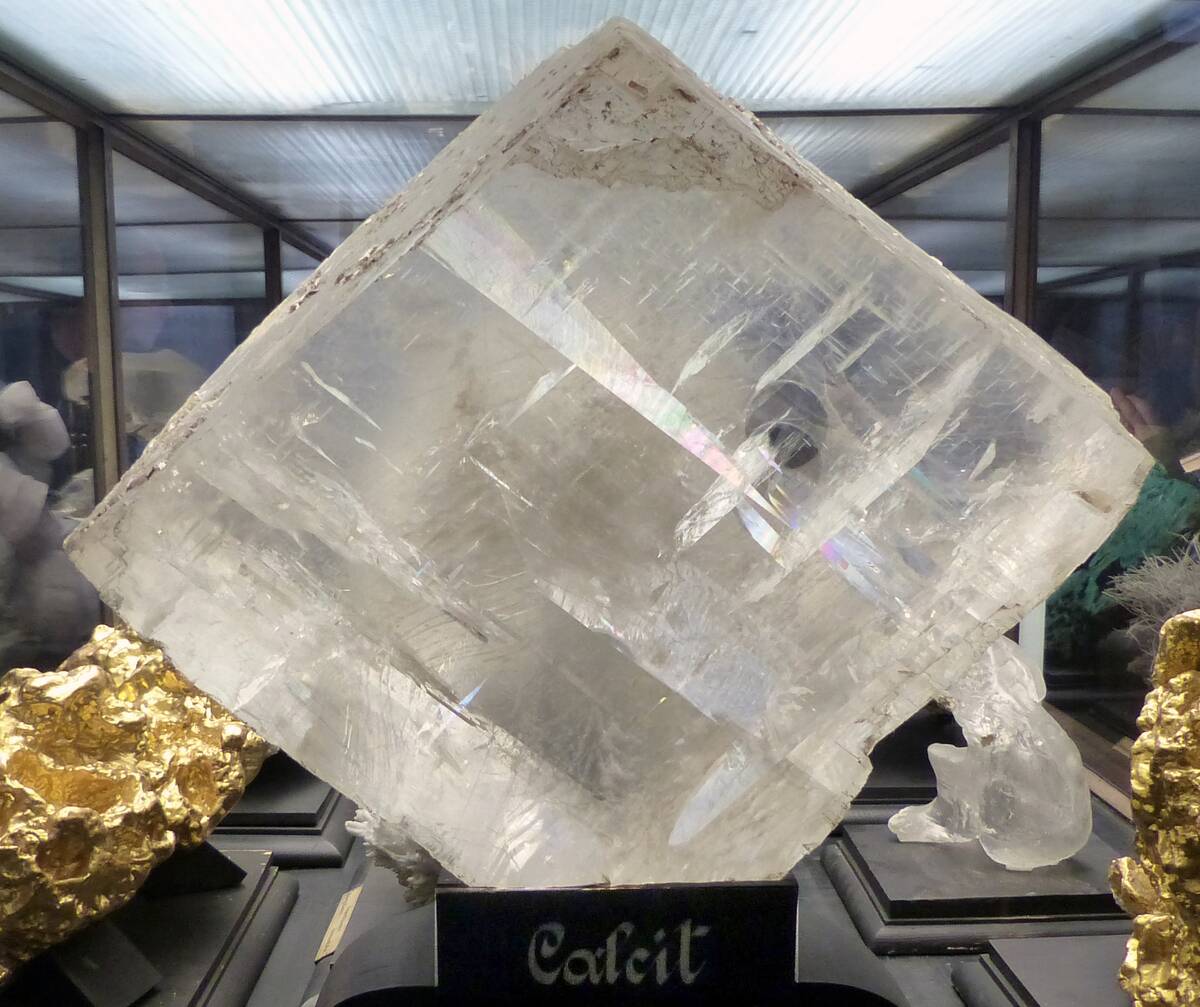
The Viking sunstone is believed to have been a navigational tool used by Norse sailors to locate the sun on cloudy days. This crystal, possibly Iceland spar, could polarize light, allowing navigators to determine the sun’s position even when it was obscured.
The sunstone exemplifies the Vikings’ seafaring prowess and their innovative approach to exploration.
The Baghdad Battery
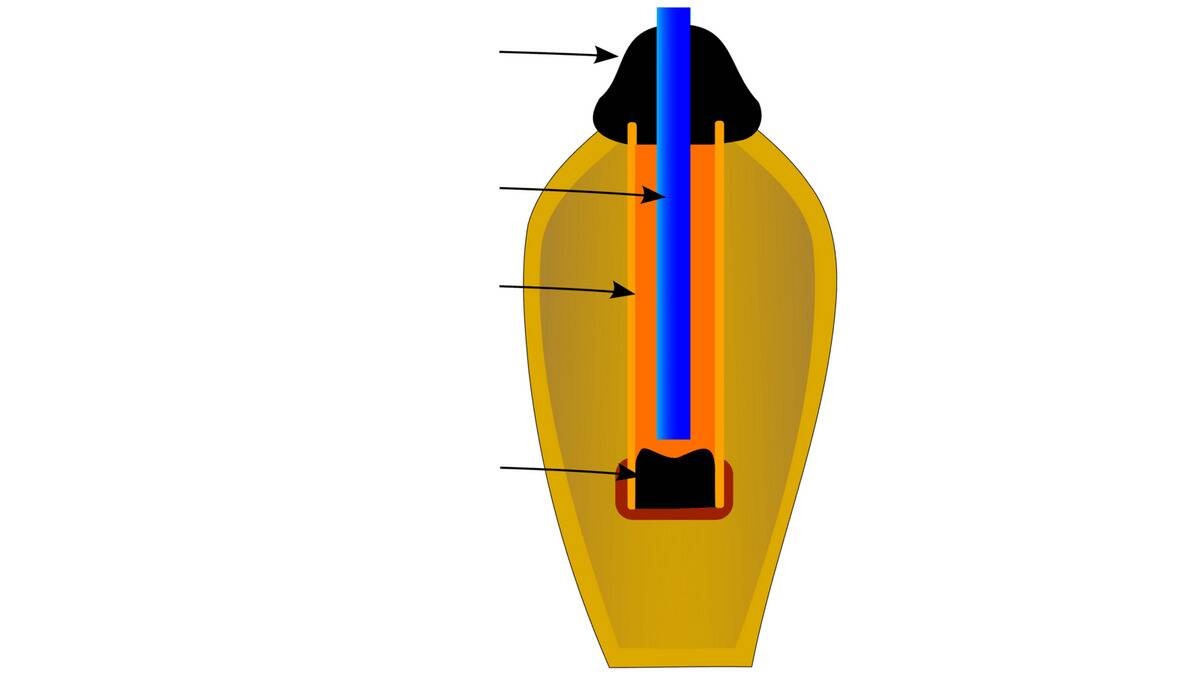
The Baghdad Battery, discovered in Iraq, consists of a clay jar with a copper cylinder and iron rod, dating back to the Parthian period.
Some speculate it could have been used to generate a small electric charge, possibly for electroplating. However, its true purpose remains a mystery, leaving us to wonder whether it was an ancient experiment or simply a storage vessel.
The Egyptian Shaduf
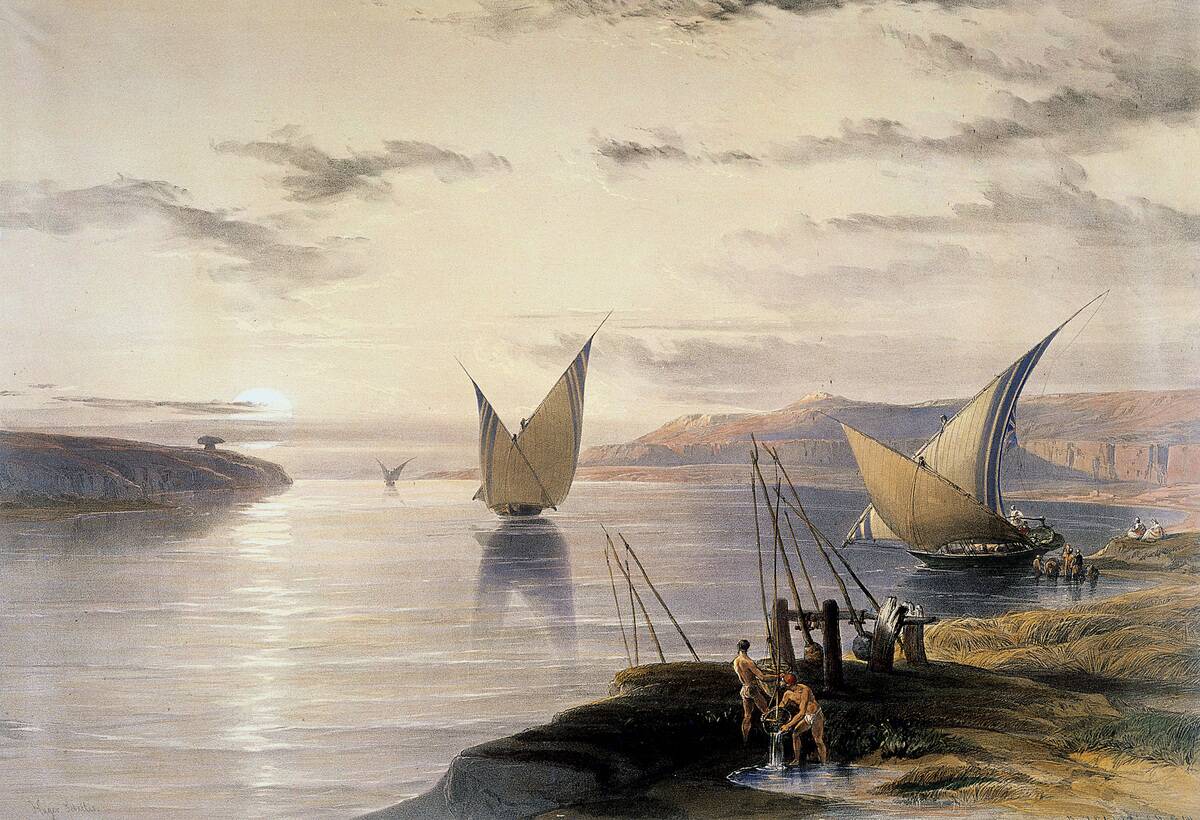
The shaduf, an ancient Egyptian invention, was a simple yet effective irrigation tool used to lift water from the Nile River. Consisting of a long pole with a bucket on one end and a counterweight on the other, it allowed farmers to efficiently water their crops.
This innovation was crucial for agriculture in the arid climate of Egypt, ensuring the sustainability of their civilization.




