History’s most lavish royal banquets
Throughout history, royal banquets have been the epitome of extravagance and opulence, showcasing the wealth and power of monarchs.
These grand feasts were not just about the food; they were a display of cultural richness, political power, and social status. From the elaborate dishes to the exquisite decorations, every detail was meticulously planned to impress guests and assert dominance.
The Opulence of Ancient Egyptian Feasts
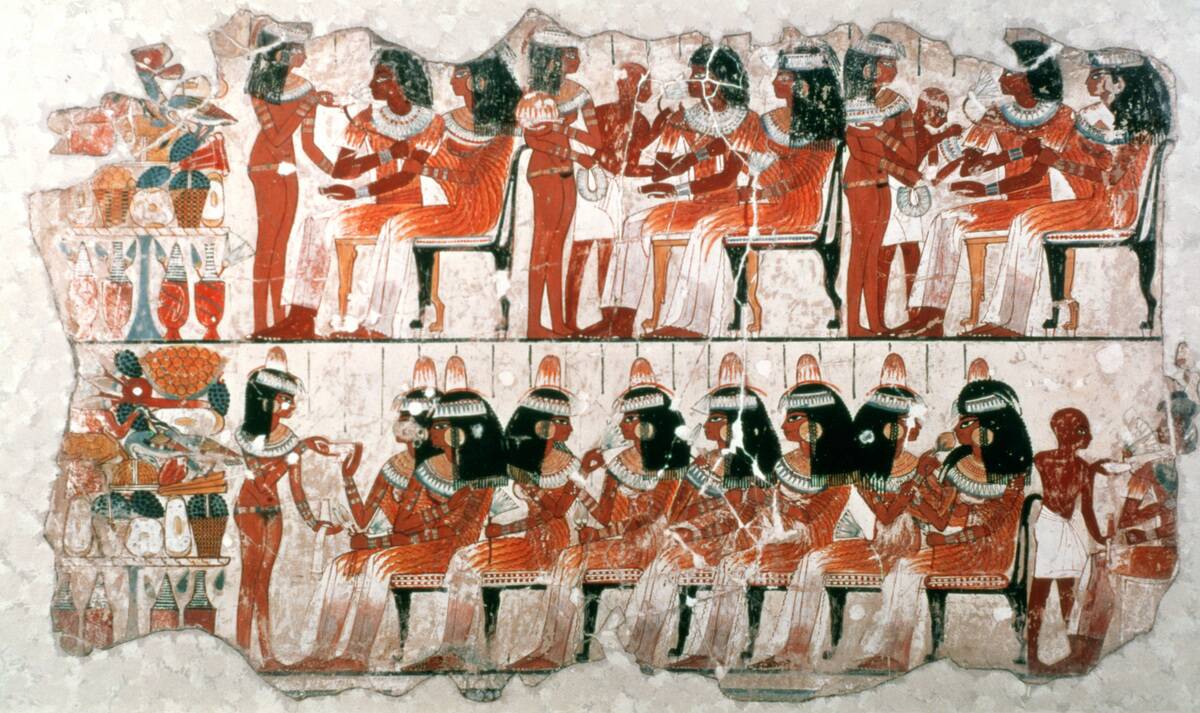
In ancient Egypt, feasts were grand affairs that often lasted several days, featuring music, dance, and an abundance of food. Bread and beer were dietary staples, while wine was especially popular among the upper classes during banquets.
Meat was considered a luxury, with beef being particularly prized, while duck and goose were commonly served at elite feasts and special occasions. These celebrations also featured fruits such as dates and figs, and banquet spaces were decorated with beautiful lotus flowers and floral garlands, reflecting the Egyptians’ appreciation for beauty, prosperity, and abundance.
The Grandeur of Roman Imperial Banquets
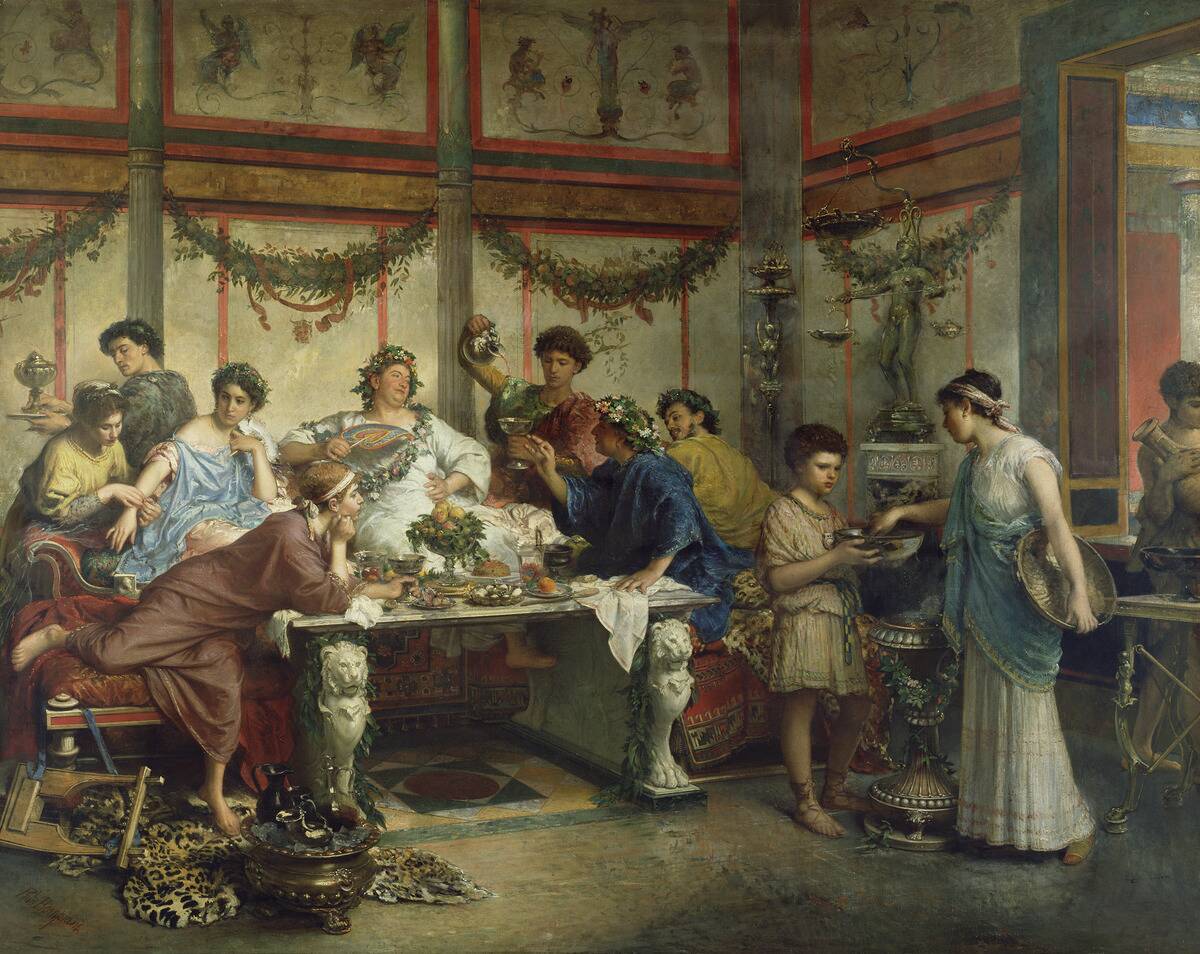
Roman imperial banquets were legendary for their excess and indulgence. These elaborate feasts featured multiple courses, beginning with appetizers such as olives and oysters, followed by roasted meats, fish, and other luxurious dishes. Wealthy Romans often served exotic delicacies, including peacock and, on rare occasions, flamingo.
Dining was a social affair, with guests reclining on couches while enjoying entertainment from musicians, dancers, and other performers. The Romans also popularized the triclinium, a three-couch dining arrangement that became a defining feature of elite Roman dining culture.
Medieval Merriment: The Feasts of English Kings
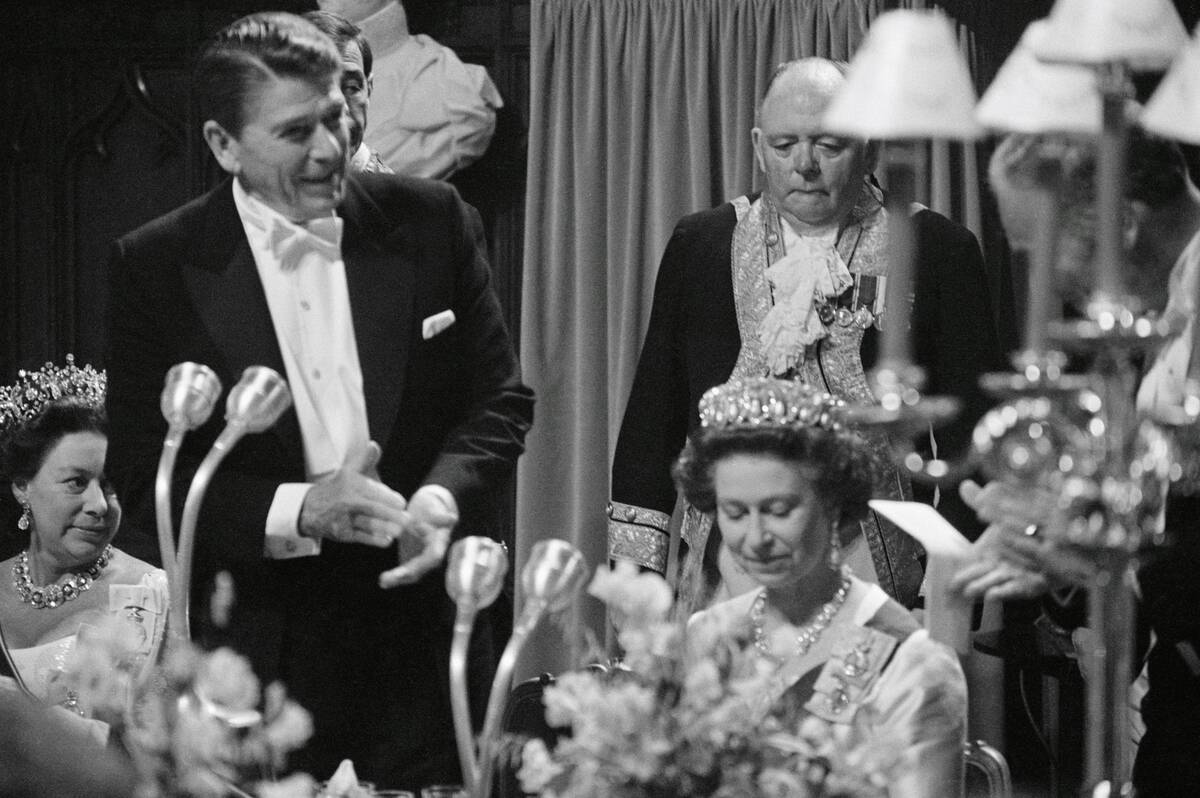
English medieval feasts were grand spectacles, often held to celebrate royal weddings, military victories, coronations, and other important occasions. These lavish banquets featured a variety of meats, including venison, boar, and swan, along with pies filled with game. Expensive imported spices such as cinnamon and cloves were used generously to flavor dishes, showcasing the wealth and status of the host.
The centerpiece of many elite banquets was a subtlety—an elaborate edible sculpture or decorative display that served as both a work of art and a form of entertainment, delighting and impressing guests.
The Extravagance of the French Court at Versailles
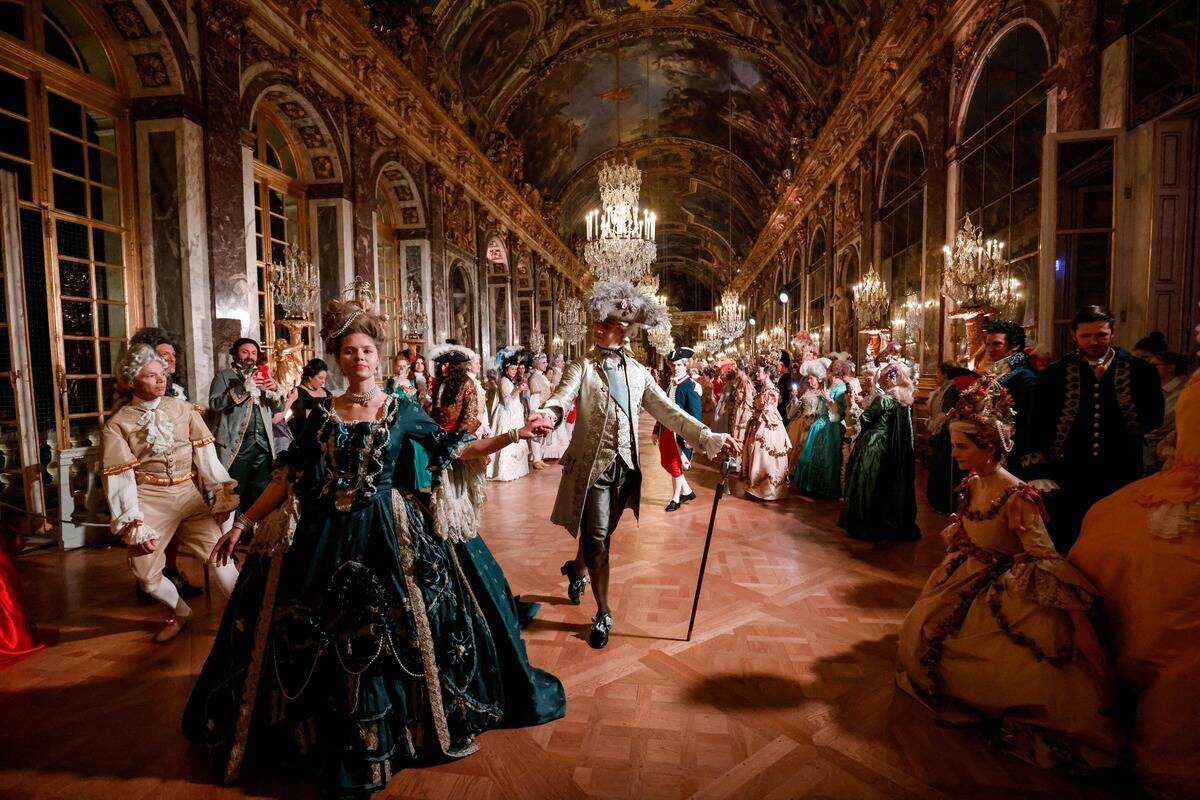
The French court at Versailles was synonymous with opulence, and its royal banquets reflected this grandeur. Under the reign of Louis XIV, known as the Sun King, court meals were highly formal events, featuring elaborate table settings, ceremonial service, and multiple courses.
Dishes such as truffles, fine pastries, game, seafood, and luxurious desserts were served alongside prestigious wines. The court’s emphasis on etiquette and presentation was evident in every aspect of the banquet, from the arrangement of the table to the carefully controlled rituals surrounding each course.
The Splendor of Mughal Empire Celebrations
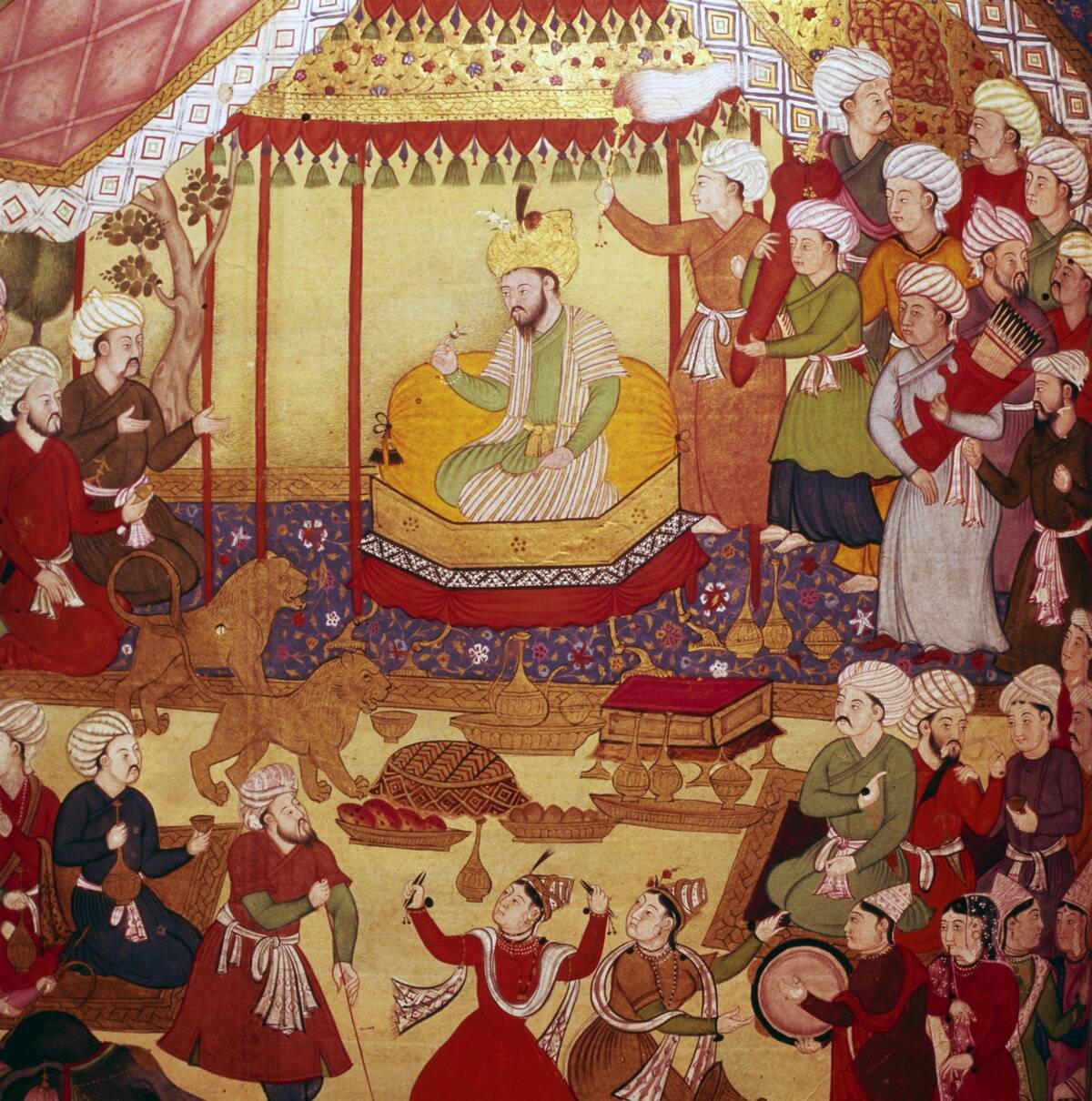
Mughal emperors were known for their lavish celebrations, which often included grand feasts that showcased the empire’s diverse culinary traditions. These banquets featured richly spiced dishes such as kebabs, aromatic rice preparations, and elaborate curries influenced by Persian, Central Asian, and Indian cuisines.
The Mughals also enjoyed a wide variety of sweets, including milk- and sugar-based desserts that became important parts of South Asian culinary culture. The dining experience was enhanced by luxurious gold and silver utensils, while music and poetry reflected the empire’s artistic and cultural richness.
The Tsars’ Tables: Russian Imperial Banquets
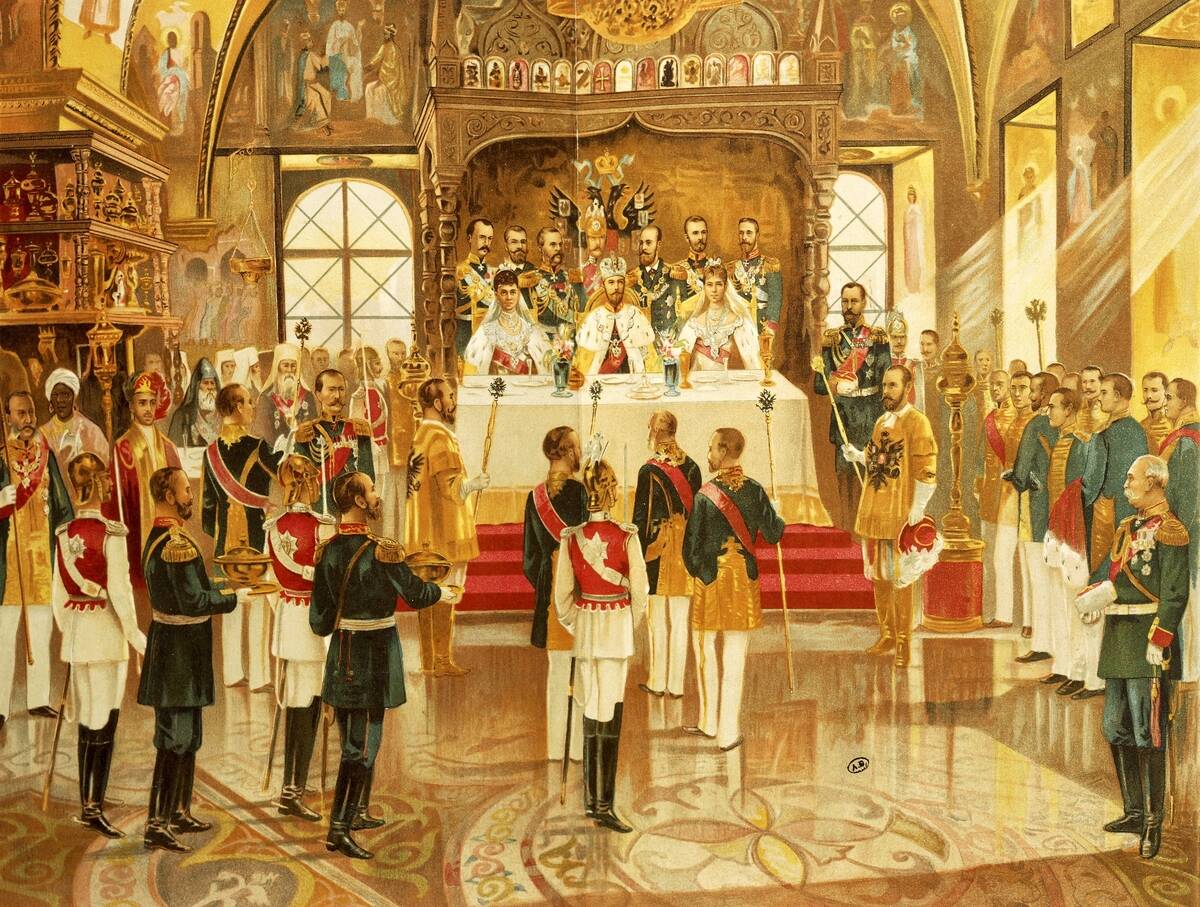
Russian imperial banquets were known for their grandeur and abundance, often featuring an impressive array of dishes. The tsars enjoyed delicacies such as caviar, blini, and a variety of meats, including game and fish.
Vodka, champagne, and fine wines were commonly served, while some grand celebrations featured elaborate decorations such as ice sculptures. These banquets were not only about food but also served as displays of imperial wealth and power, allowing the tsars to impress foreign dignitaries and reinforce their status on the world stage.
The Majestic Feasts of the Ottoman Empire
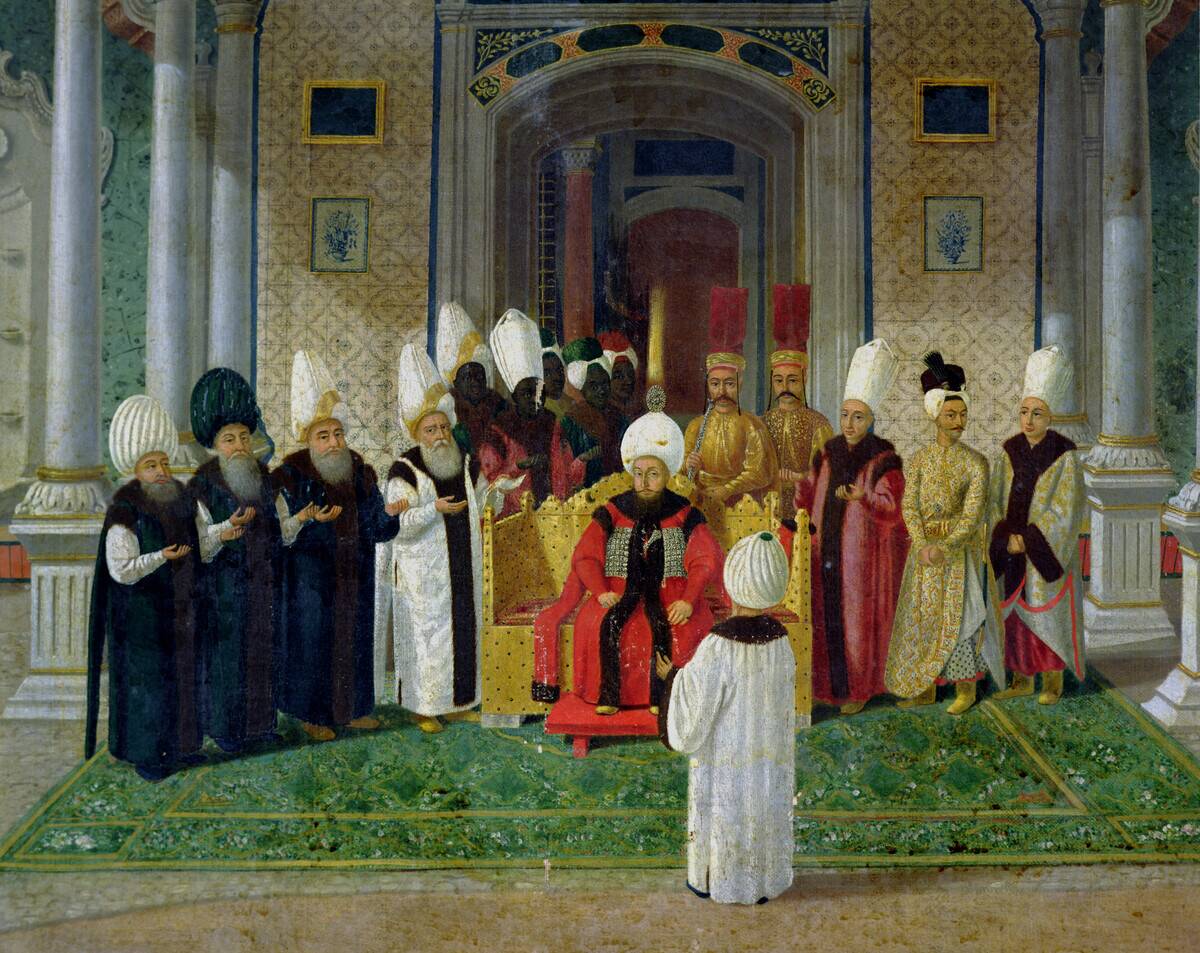
The Ottoman Empire was renowned for its majestic feasts, which blended Middle Eastern, Central Asian, and Mediterranean culinary traditions. These banquets featured dishes such as lamb kebabs, stuffed grape leaves, and elaborate sweets like baklava, often accompanied by sherbets and, in later periods, Turkish coffee.
The Ottomans placed great emphasis on hospitality, with carefully organized palace service reflecting the importance of generosity and ceremony. The banquets were held in opulent settings, with lavish decorations and music, creating an atmosphere of grandeur and celebration.
The Legendary Banquets of the Ming Dynasty
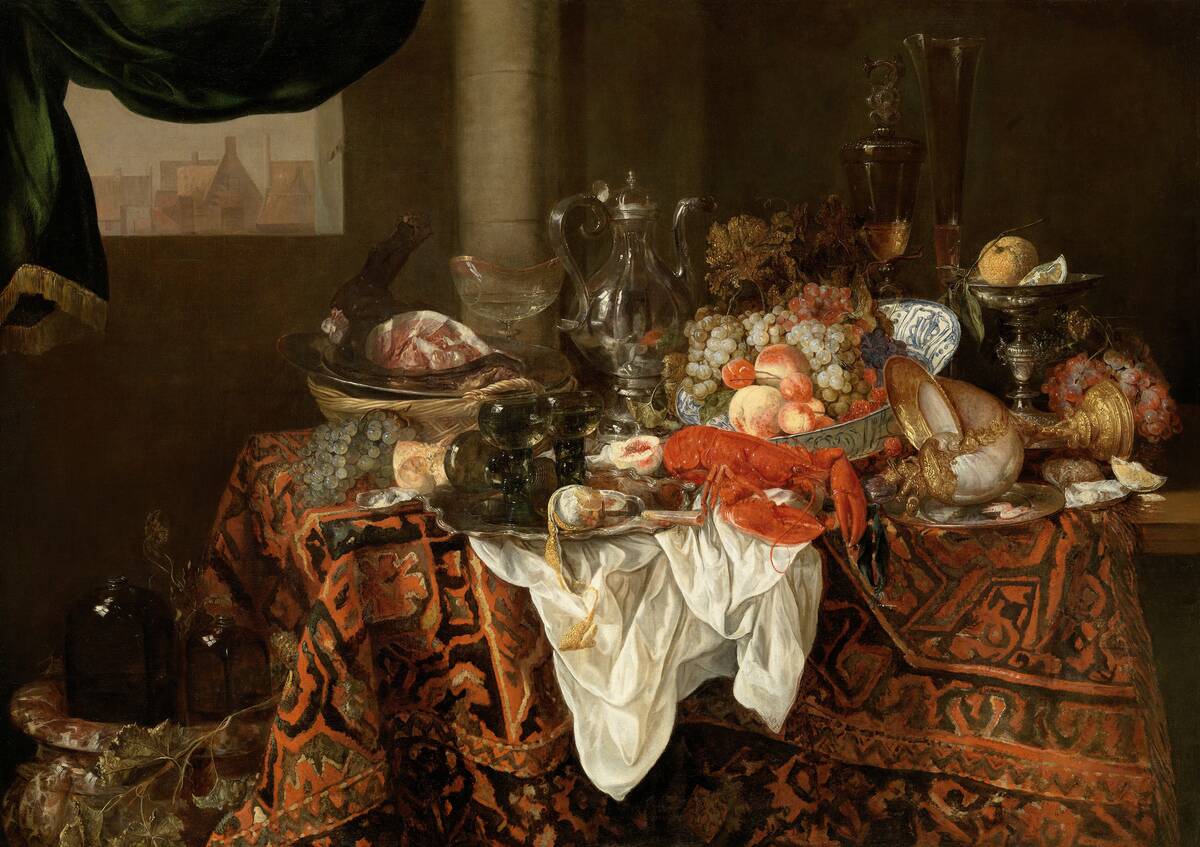
Ming Dynasty banquets were renowned for their variety and sophistication, featuring a wide range of dishes that showcased the refinement of Chinese imperial cuisine. These feasts often included luxury ingredients such as shark fin, bird’s nest, and other rare delicacies, while elaborate preparations of meats, seafood, and regional specialties were also served.
The Ming emperors placed great emphasis on detail, with dishes carefully prepared and presented. The banquets were also displays of cultural refinement, with guests entertained by traditional music, dance, and theatrical performances.
The Extravagant Celebrations of the Bourbon Kings
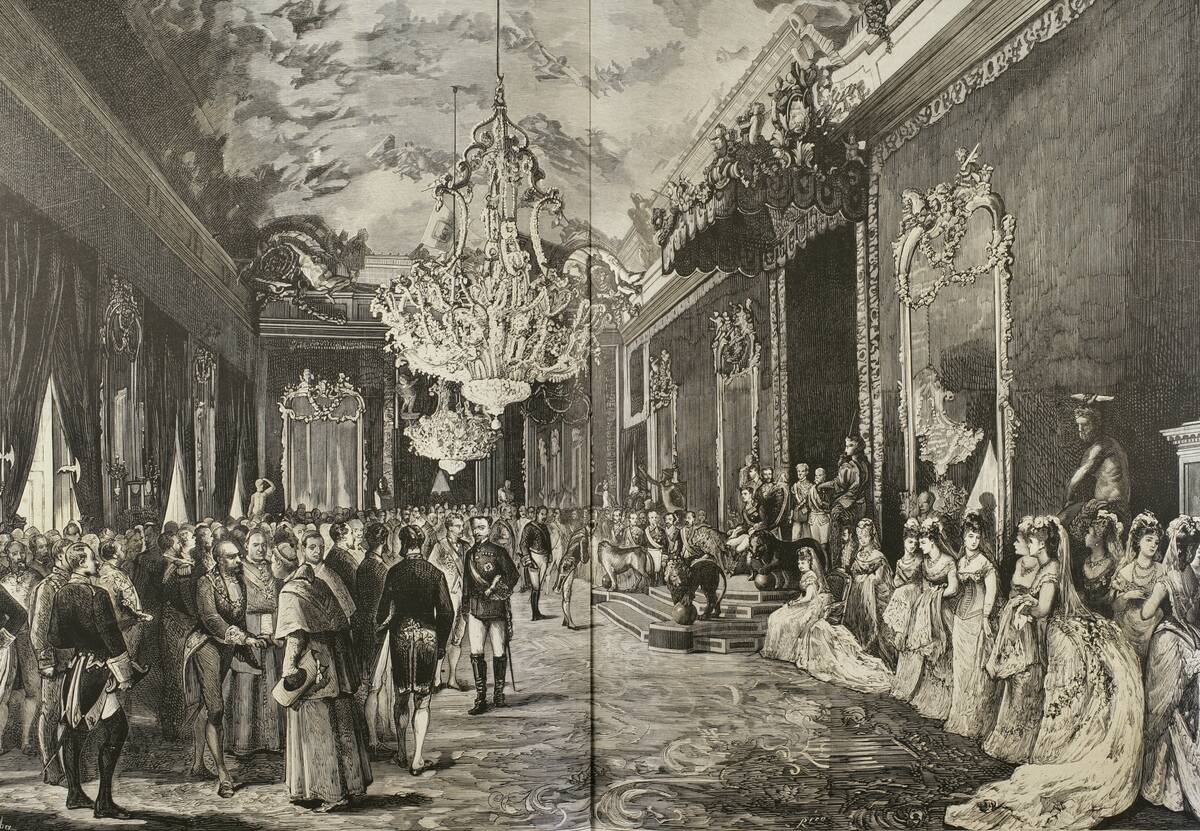
The Bourbon kings of France were known for their extravagant celebrations, which often included lavish banquets showcasing the sophistication of French royal cuisine. These events featured multiple courses, including elaborate preparations of meats, seafood, pastries, and other refined dishes.
The banquets were held in opulent settings at royal residences such as Versailles, with luxurious decorations and fine tableware reflecting the wealth and power of the Bourbon dynasty. The kings used these occasions to impress their guests and reinforce their status as rulers of one of Europe’s most powerful nations.
The Glitz and Glamour of British Coronation Banquets
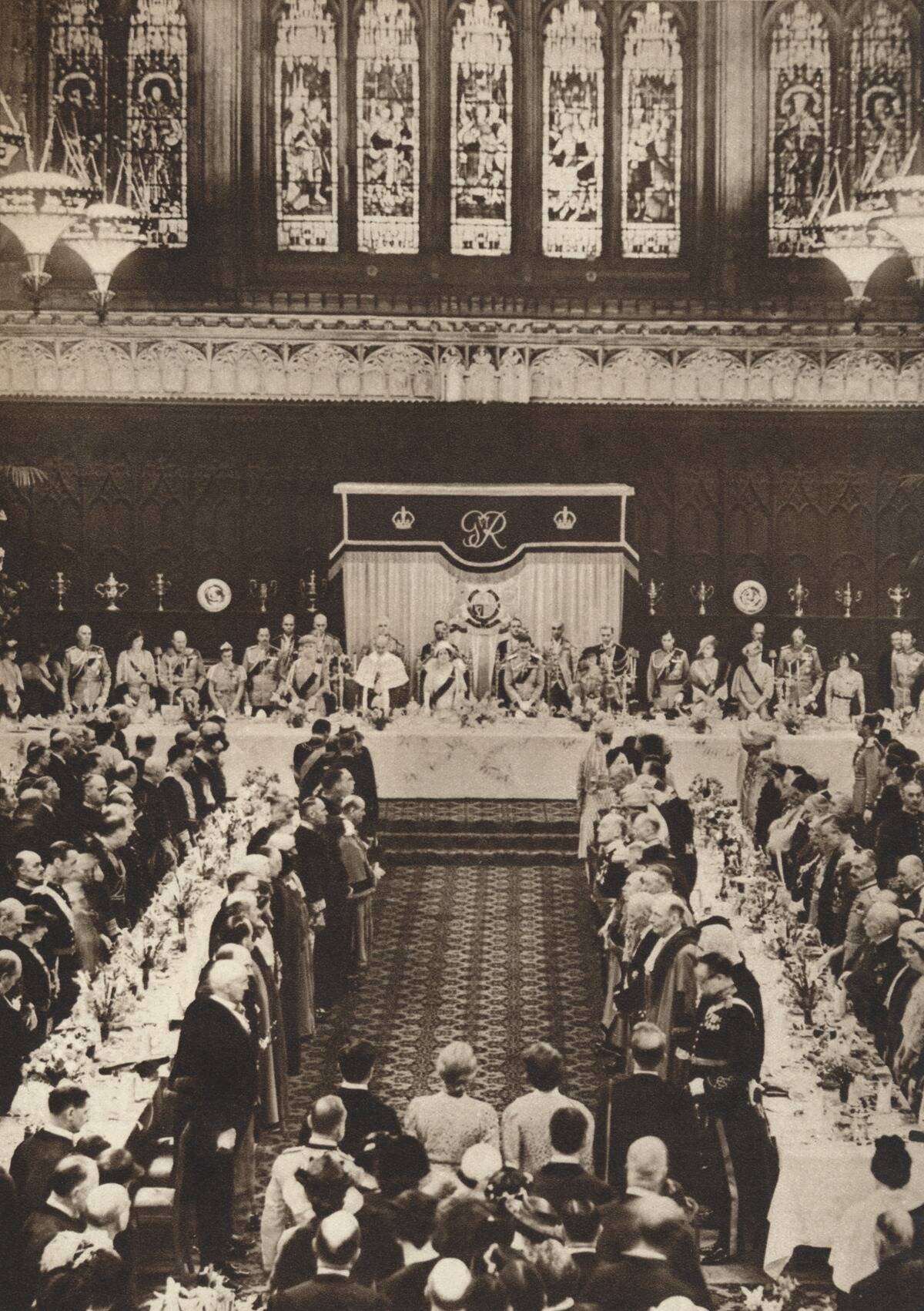
British coronation banquets were historically grand events held to celebrate the crowning of a new monarch. These feasts featured elaborate menus that reflected the culinary traditions of their time and were often held in prestigious settings such as Westminster Hall.
Attended by members of the nobility, officials, and important guests, coronation banquets served not only as celebrations but also as displays of royal authority, continuity, and tradition. Over time, the formal coronation banquet tradition declined, with later coronations focusing more on the ceremony itself.
The Sumptuousness of Spanish Royal Feasts
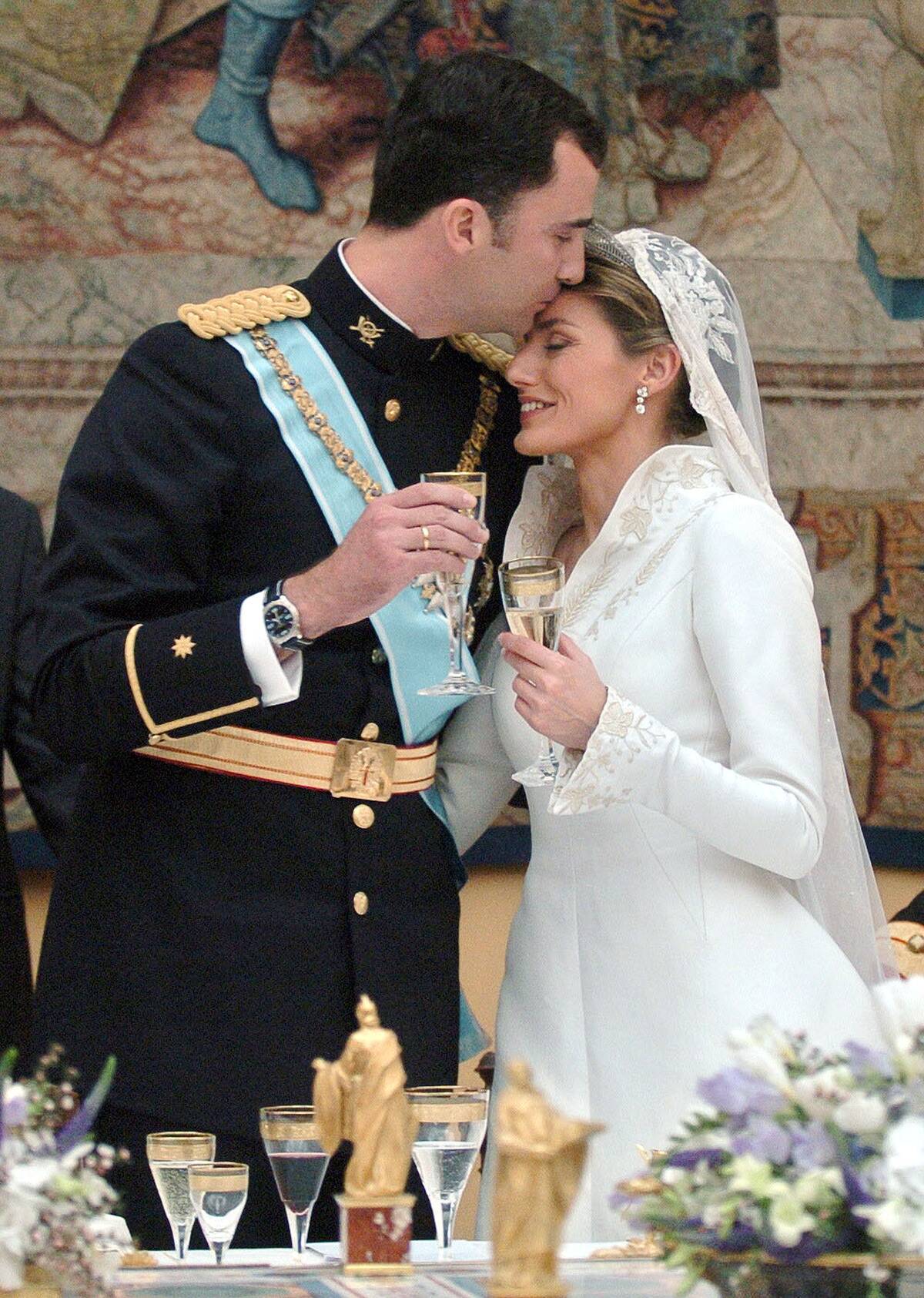
Spanish royal feasts were known for their sumptuousness, reflecting a blend of Iberian, European, and Moorish culinary influences. These banquets featured elaborate dishes such as roasted meats, game, seafood, rich stews, sweets, and fine Spanish wines. Royal kitchens incorporated a variety of regional ingredients and traditions, showcasing the diversity of Spanish cuisine.
The feasts were held in grand palaces, with intricate decorations, music, and entertainment creating an atmosphere of celebration and cultural richness.
The Lavish Banquets of the Habsburg Empire
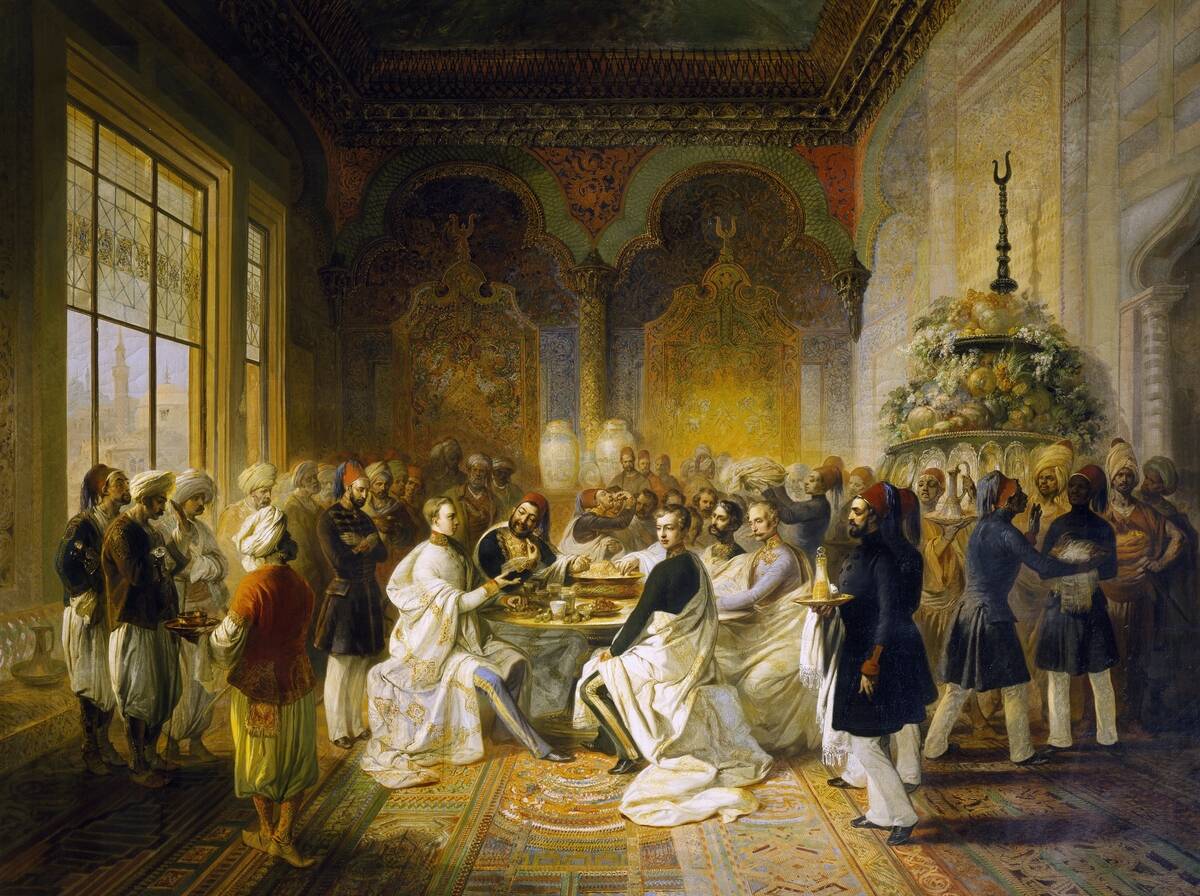
The Habsburg Empire was known for its lavish banquets, which reflected the cultural diversity of its vast territories. These events featured a wide range of dishes influenced by Austrian, Hungarian, Bohemian, and other regional cuisines.
The Habsburgs were also known for their love of elaborate desserts, including pastries such as strudel and, in later periods, specialties like Sachertorte. The banquets were held in opulent settings, with elaborate decorations, music, and ceremonial traditions creating an atmosphere of grandeur and elegance.
The Opulent Celebrations of the Japanese Imperial Court
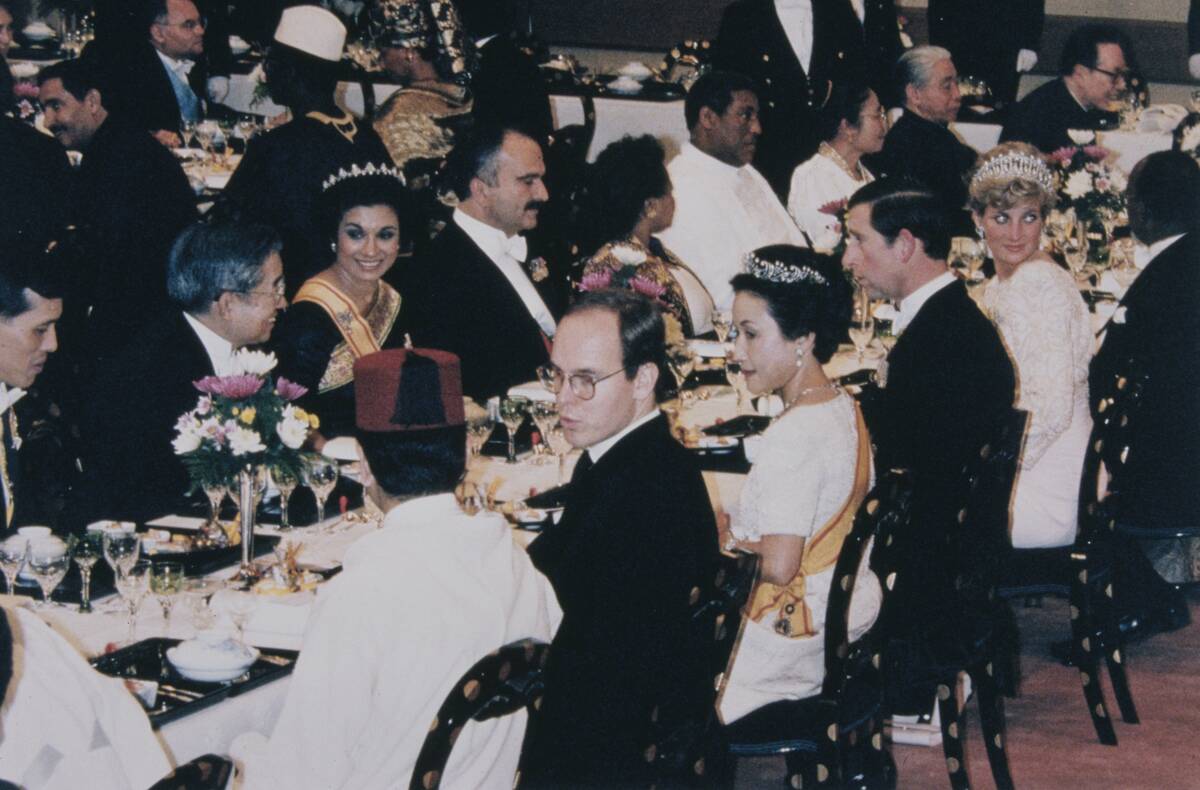
The Japanese imperial court was known for its refined celebrations, which often included elaborate banquets featuring traditional Japanese cuisine. These feasts emphasized seasonal ingredients, careful preparation, and ceremonial presentation, with influences from court cuisine traditions such as yūsoku ryōri.
Over time, refined dining styles such as kaiseki developed and became associated with Japanese culinary artistry. The Japanese placed great emphasis on presentation, with dishes arranged beautifully and served on exquisite tableware. Imperial gatherings often featured traditional music and dance performances, reflecting the elegance and refinement of Japanese culture.
The Grandeur of Indian Maharaja Banquets
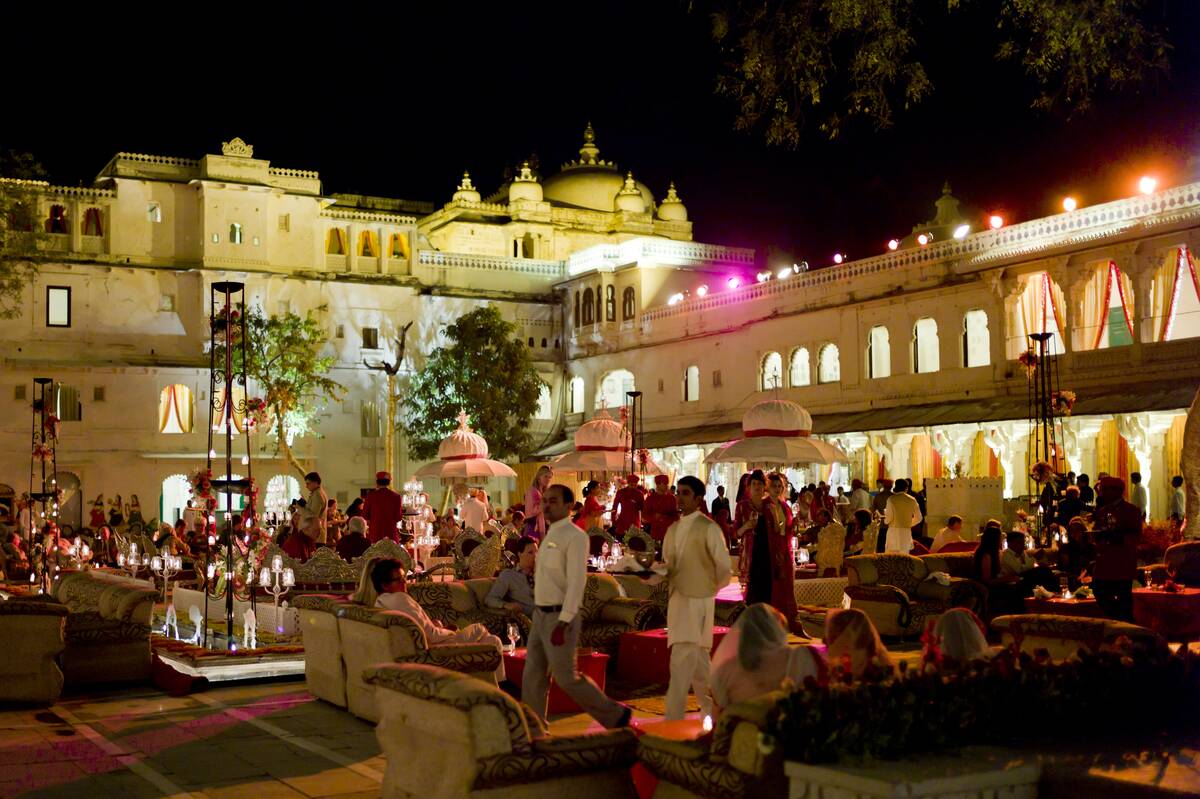
Indian maharajas were known for their grand banquets, which reflected their wealth, power, and appreciation for culinary traditions. These feasts featured a wide variety of dishes, including elaborate rice preparations, kebabs, tandoori-style meats, and richly spiced curries influenced by regional and royal cuisines.
The maharajas also enjoyed an array of sweets and desserts that showcased India’s diverse confectionery traditions. The banquets were held in opulent palaces, with elaborate decorations, music, and performances creating an atmosphere of celebration and cultural richness.




