Places on Earth that continue to fascinate scientists
Scientists have explored much of our planet, but some places continue to stand out for their unique features and unanswered questions. Whether it’s an unusually deep lake, a vast desert, or a landscape shaped by powerful natural forces, these locations continue to draw interest from researchers around the world.
Take a closer look at some of the remarkable places that continue to intrigue scientists and inspire new discoveries.
The Salt Flats of Salar de Uyuni
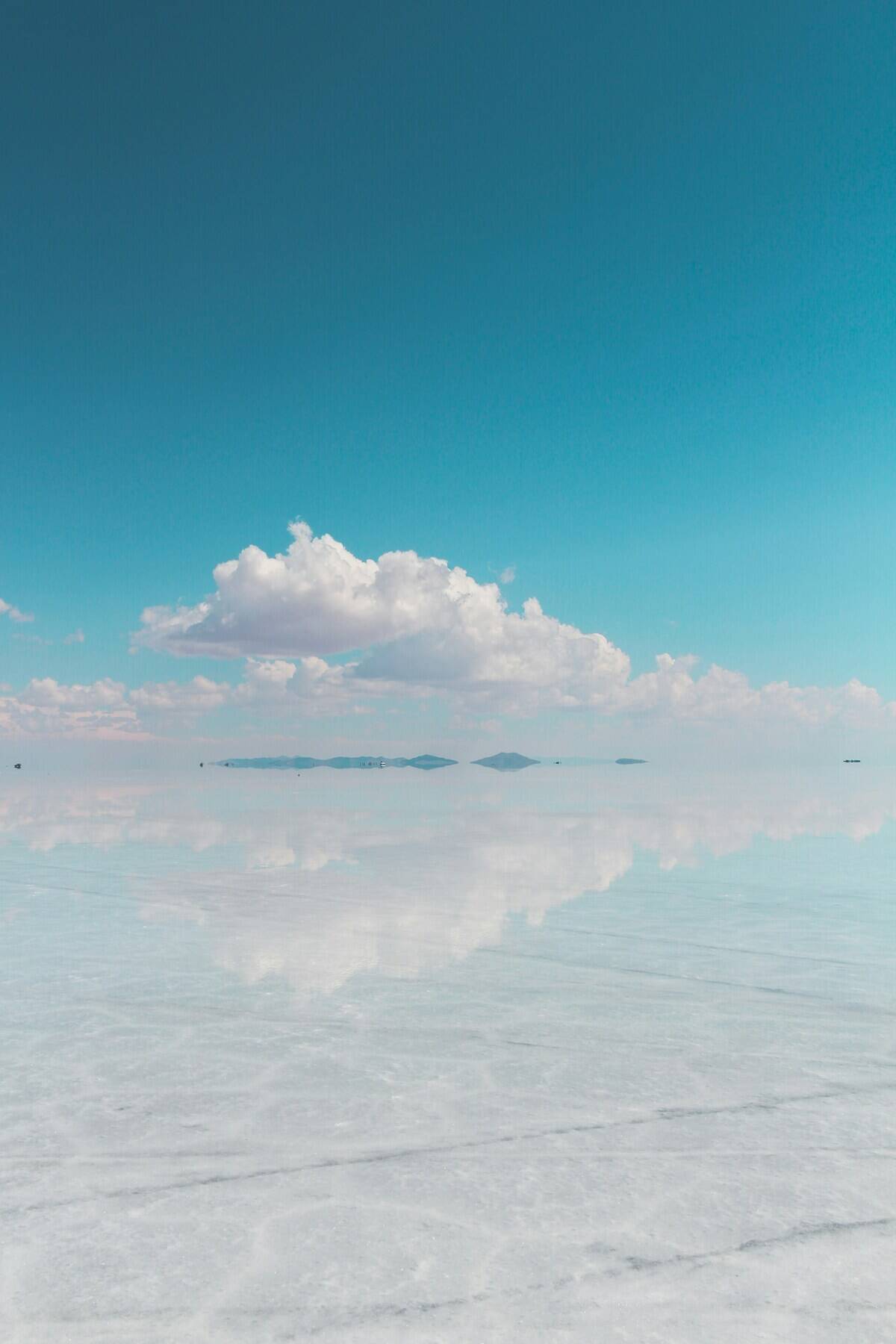
Salar de Uyuni in Bolivia is the world’s largest salt flat, spanning over 4,000 square miles. Formed from prehistoric lakes, the flats create a stunning mirror effect when covered with a thin layer of water.
Scientists study Salar de Uyuni because it helps reveal the history of ancient lakes, climate change, mineral formation, and high-altitude desert environments. Its lithium-rich brines are also important for research into battery resources, sustainable extraction, and the environmental impact of mining in fragile ecosystems.
The Depths of the Mariana Trench
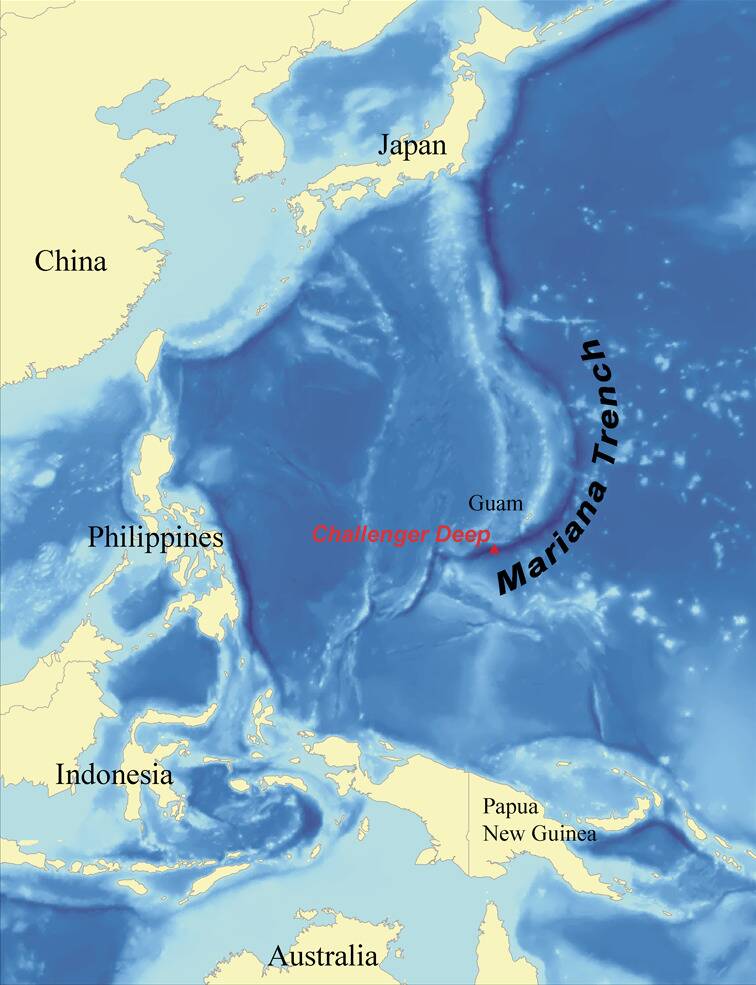
The Mariana Trench is the deepest part of the world’s oceans, reaching depths of over 36,000 feet. Located in the western Pacific Ocean, it is home to unique species adapted to extreme pressure and darkness. In 1960, the bathyscaphe Trieste made the first manned descent to the trench’s deepest point, the Challenger Deep.
Research there helps scientists understand how life can survive in harsh environments, discover unusual deep-sea species, and learn more about Earth’s geology and ocean ecosystems.
The Loch Ness Monster
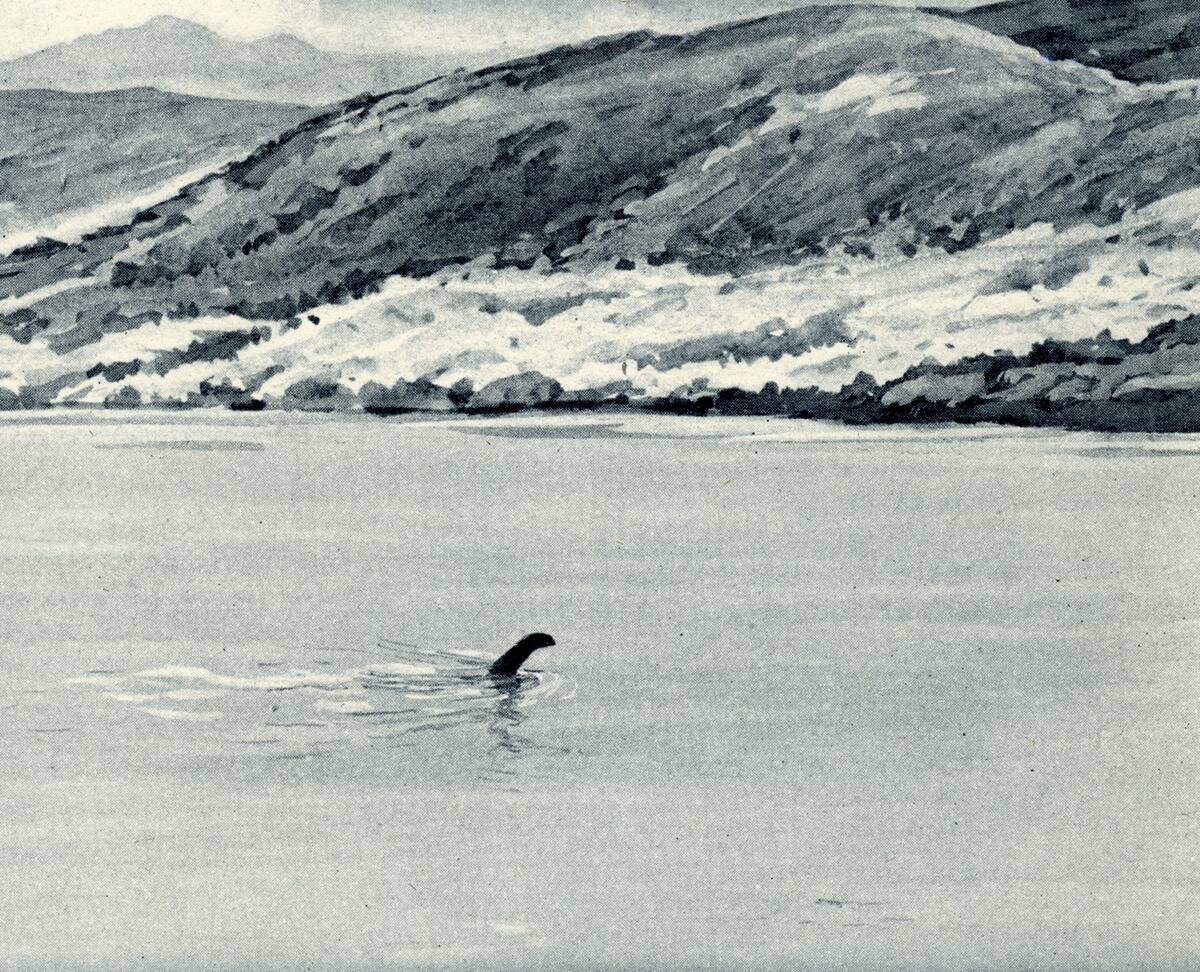
The Loch Ness Monster, affectionately known as “Nessie,” is a legendary creature said to inhabit Scotland’s Loch Ness. Scientists study Loch Ness because it is a deep, unusual freshwater lake.
Research there helps scientists understand its real ecosystem, map what species live in the water, test environmental DNA methods, and explain how natural events or misidentified animals can become part of folklore. While the monster legend draws attention, scientific study focuses more on biology, ecology, and evidence-based explanations.
Lake Baikal
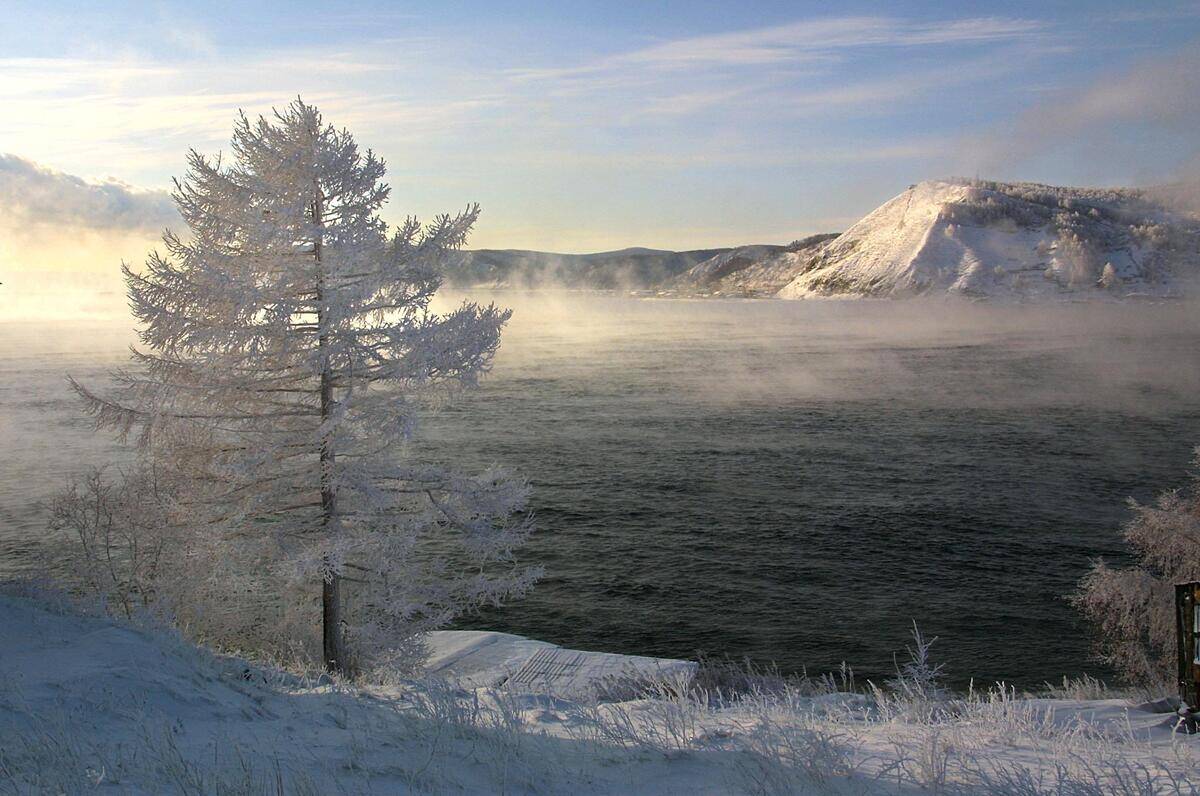
Lake Baikal in Siberia is the world’s deepest and oldest freshwater lake, reaching depths of over 5,300 feet and estimated to be 25 million years old. It contains about 20% of the world’s unfrozen freshwater and is home to thousands of species, many of which are endemic.
Scientists study Lake Baikal because it is an ancient, isolated lake with a unique ecosystem found nowhere else on Earth. Its deep waters, endemic species, sediments, and climate records help researchers understand evolution, biodiversity, freshwater ecosystems, pollution, and long-term environmental change.
The Nazca Lines
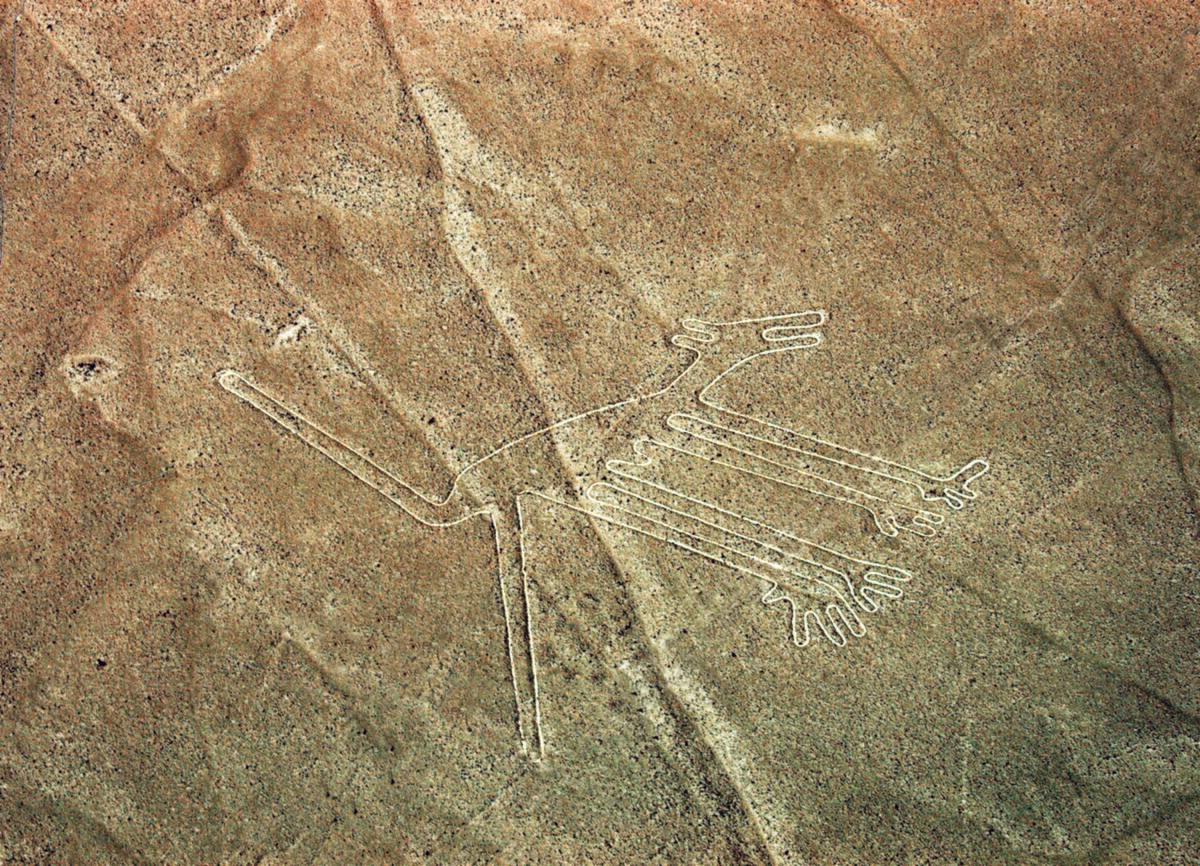
The Nazca Lines, etched into the desert plains of southern Peru, are a series of large geoglyphs depicting animals, plants, and geometric shapes. Created by the Nazca culture between 500 BC and 500 AD, their purpose remains a mystery.
Scientists study the Nazca Lines because they offer clues about ancient engineering, ritual life, astronomy, and how people adapted to desert environments. Archaeologists analyze their shapes, placement, and surrounding sites to understand why the Nazca people created such enormous designs and how these geoglyphs connected to water, religion, movement, and community identity.
The Amazon Rainforest
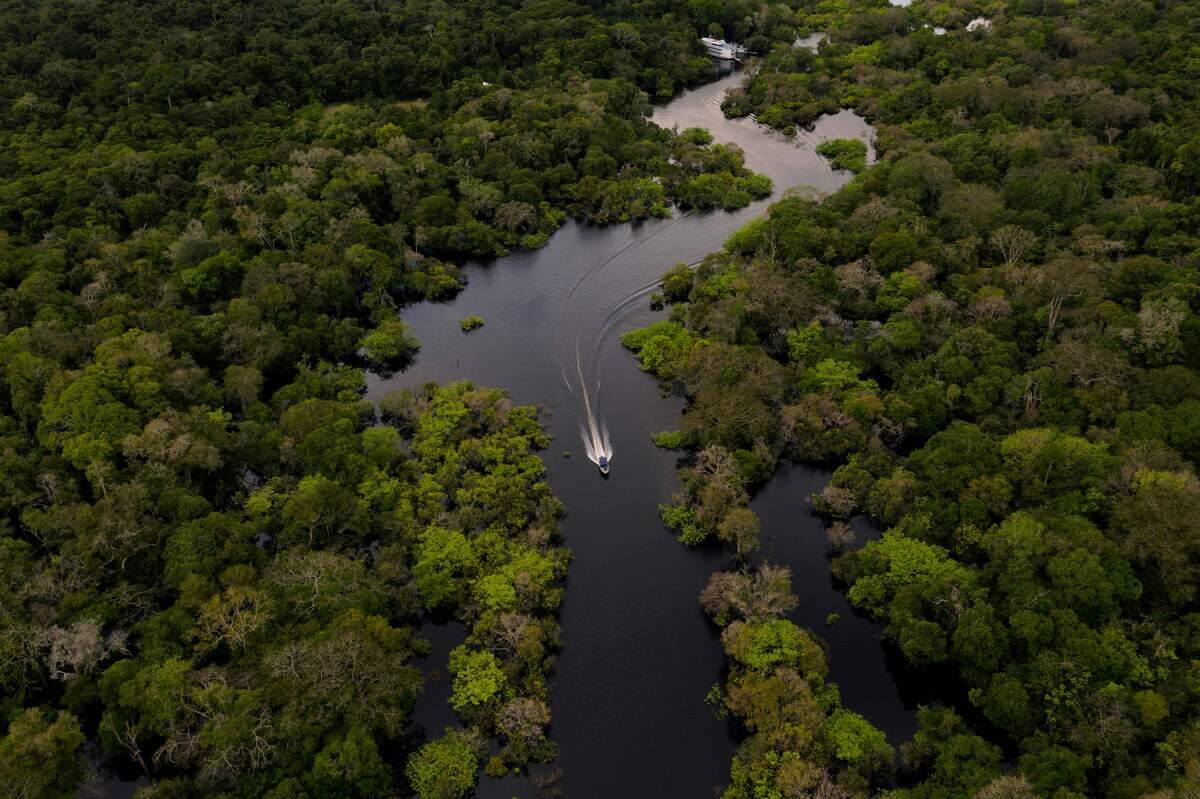
The Amazon Rainforest, often referred to as the “lungs of the Earth,” covers over 2.1 million square miles across nine countries. It is home to an estimated 390 billion individual trees and countless species, many of which are yet to be discovered.
Scientists study the Amazon Rainforest because it is one of the most biodiverse ecosystems on Earth and plays a major role in climate regulation. Research there helps scientists understand carbon storage, rainfall patterns, species evolution, medicinal plants, and the effects of deforestation and climate change on global ecosystems.
The Dynamics of the Great Barrier Reef
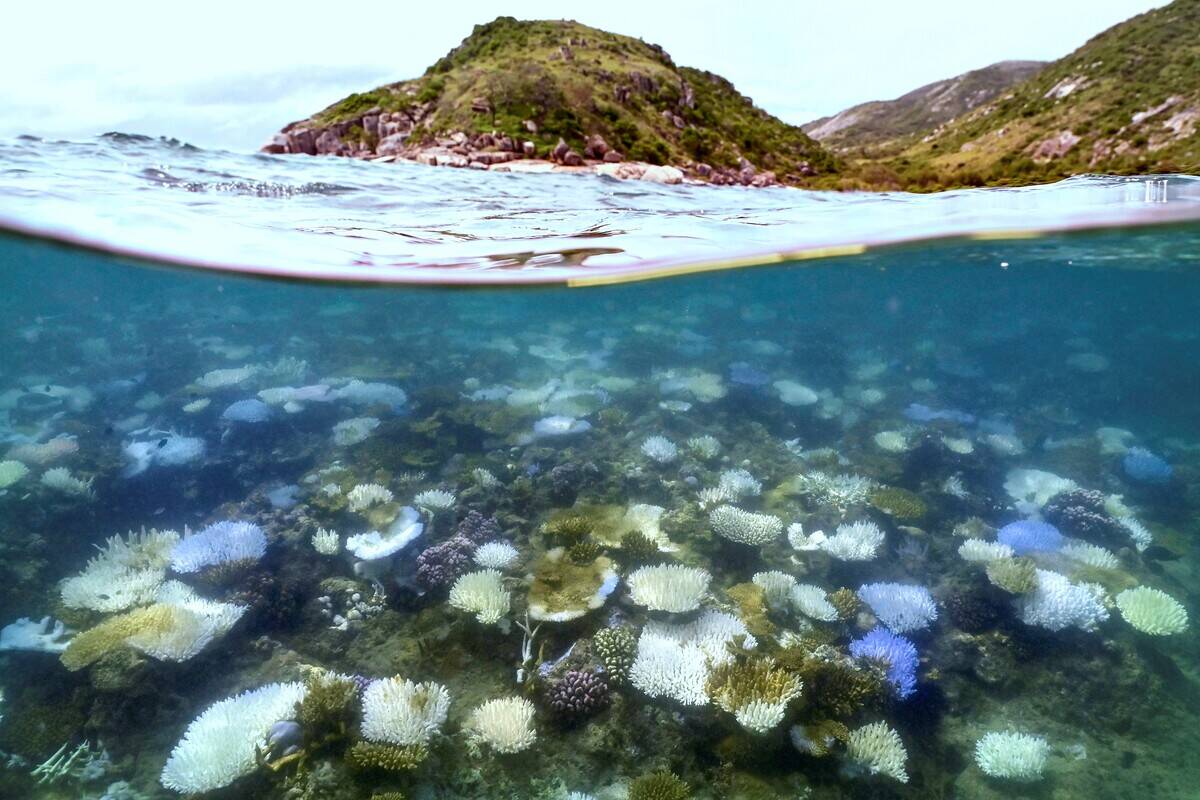
The Great Barrier Reef, located off the coast of Queensland, Australia, is the world’s largest coral reef system. Spanning over 1,400 miles, it is composed of nearly 3,000 individual reefs and 900 islands.
Research helps scientists understand coral bleaching, warming seas, ocean acidification, biodiversity loss, and how reef ecosystems can recover or adapt. Studying the reef also helps guide conservation strategies to protect coral reefs around the world.
The Magnetic Hill in India
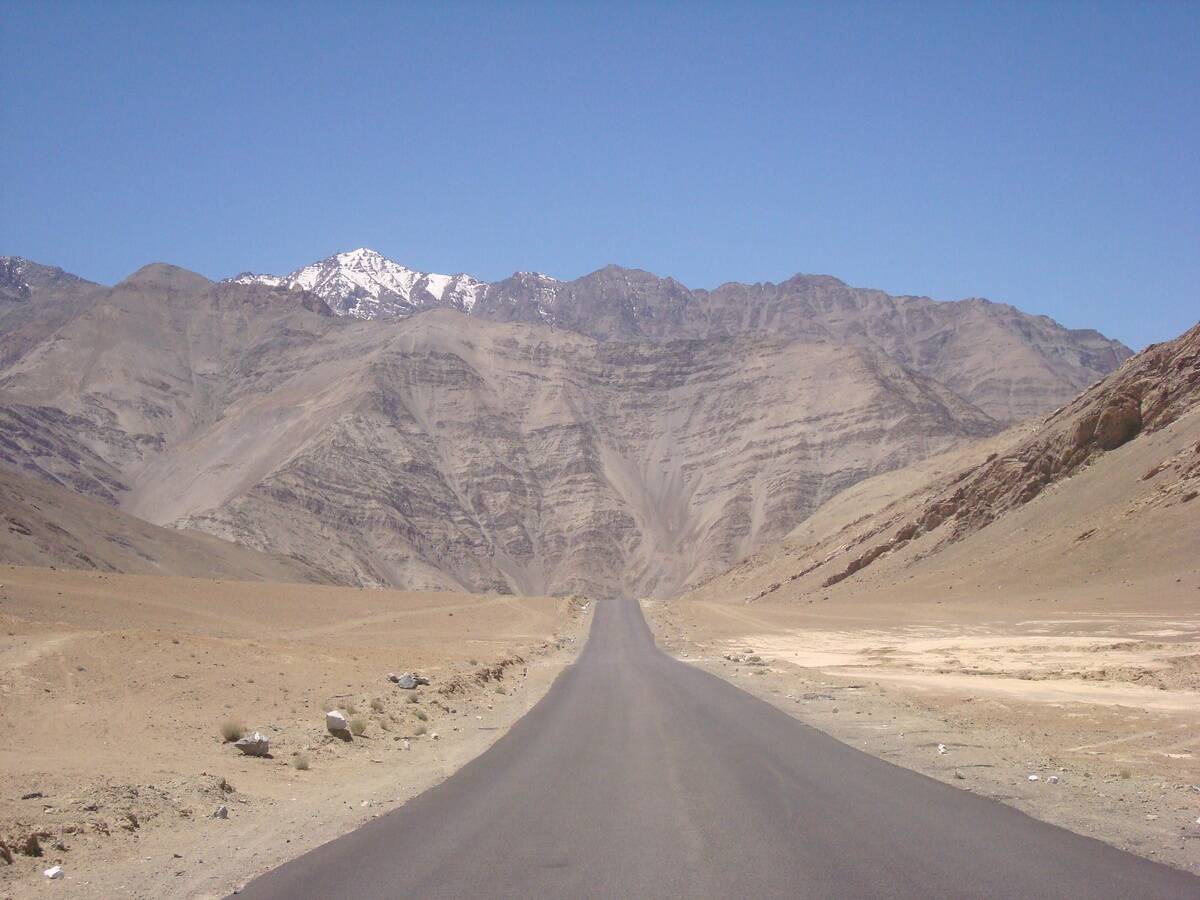
Magnetic Hill, located near Leh in Ladakh, India, is known for its optical illusion that makes vehicles appear to roll uphill. This phenomenon is caused by the layout of the surrounding land, which creates a false horizon.
The site helps explain optical illusions, false horizons, gravity hills, and how surrounding terrain can make a downhill slope appear uphill. It is less a mystery of magnetism and more a useful example of how geology, perspective, and visual perception shape what people think they are seeing.
The Bermuda Triangle
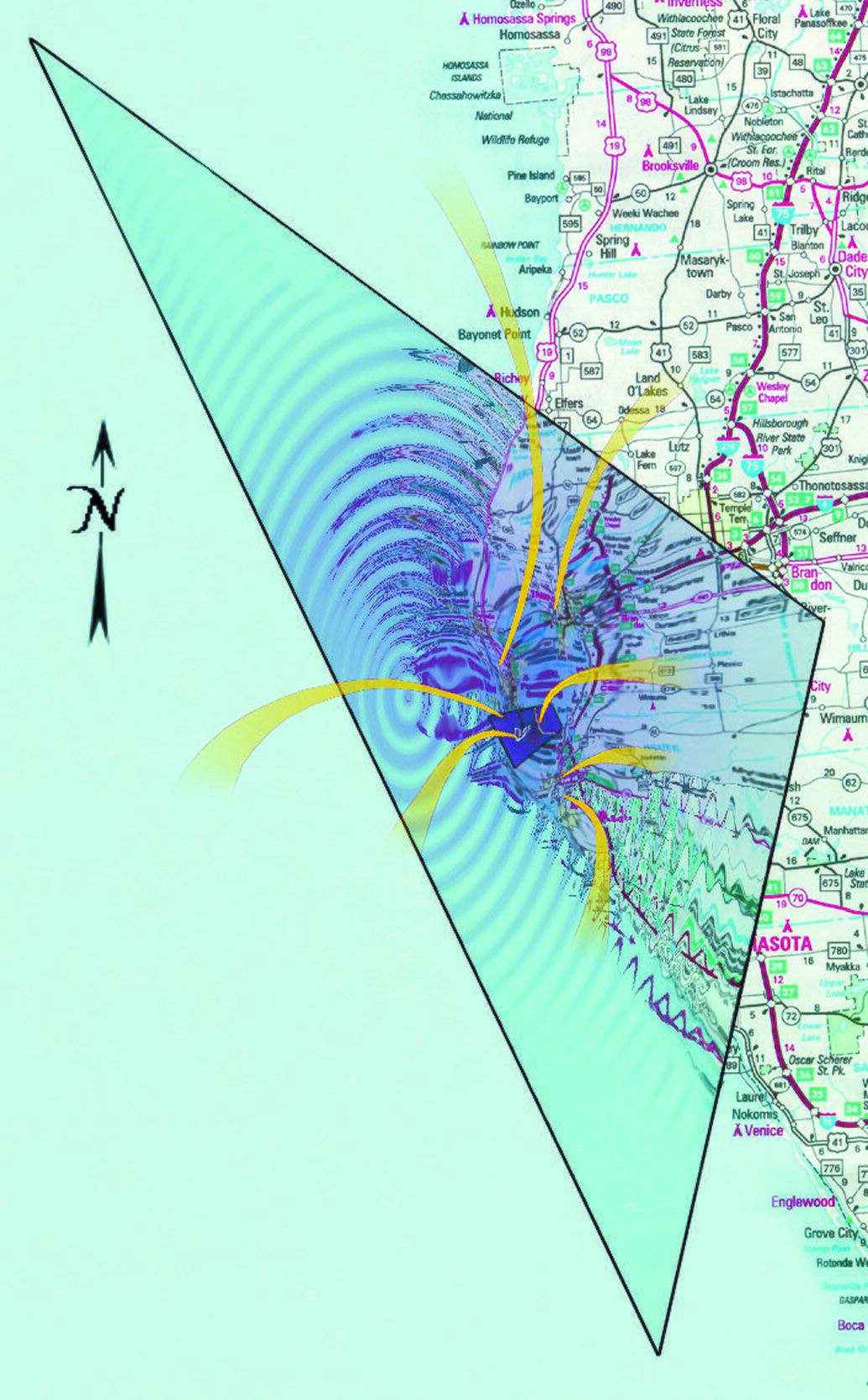
Scientists study the Bermuda Triangle because it sits in a busy and sometimes dangerous part of the Atlantic, where powerful currents, sudden storms, and heavy traffic can create real risks for ships and aircraft.
Although many disappearances have been exaggerated by legend, the region remains useful for studying ocean currents, weather patterns, navigation challenges, and how natural events become enduring mysteries.
The Ice Caves of Iceland
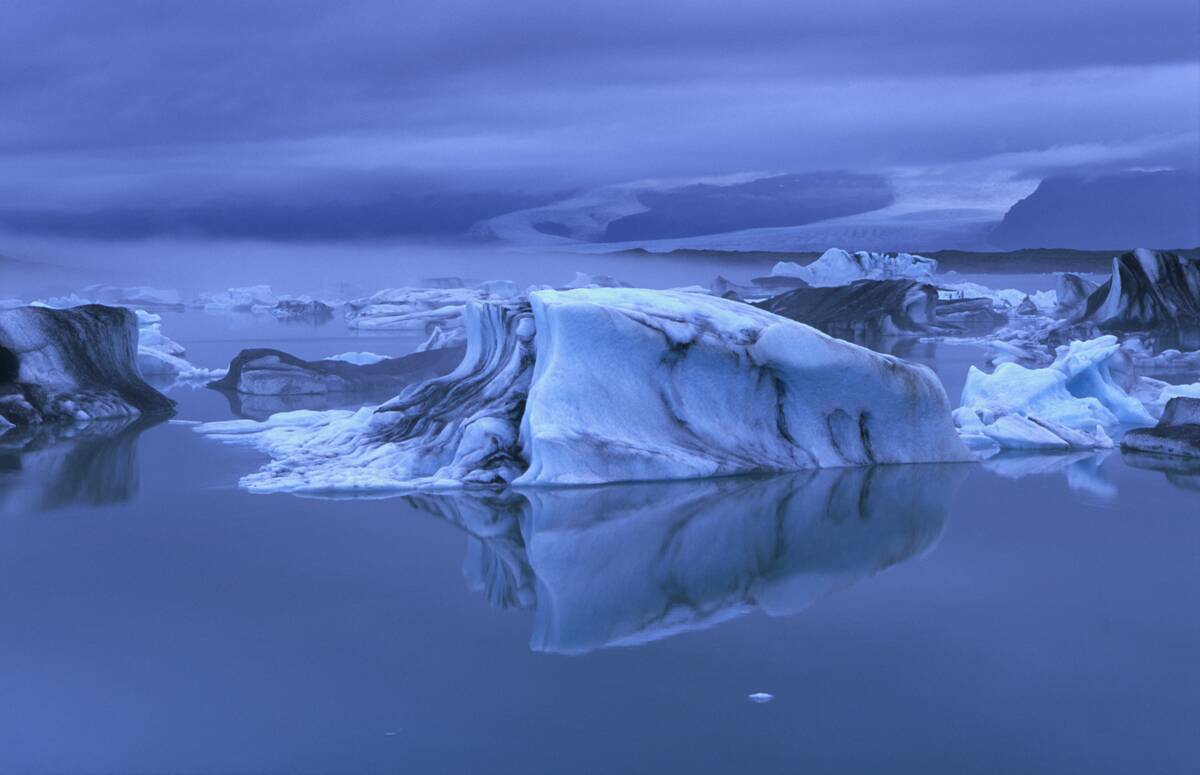
Iceland’s ice caves are natural formations created by melting and refreezing water within glaciers. These stunning blue caves are constantly changing, making each visit unique. The Vatnajökull Glacier, Europe’s largest, is home to some of the most famous ice caves.
These caves help researchers understand glacier structure, meltwater flow, seasonal ice changes, and the effects of warming temperatures on Arctic and sub-Arctic landscapes.
The Sahara Desert
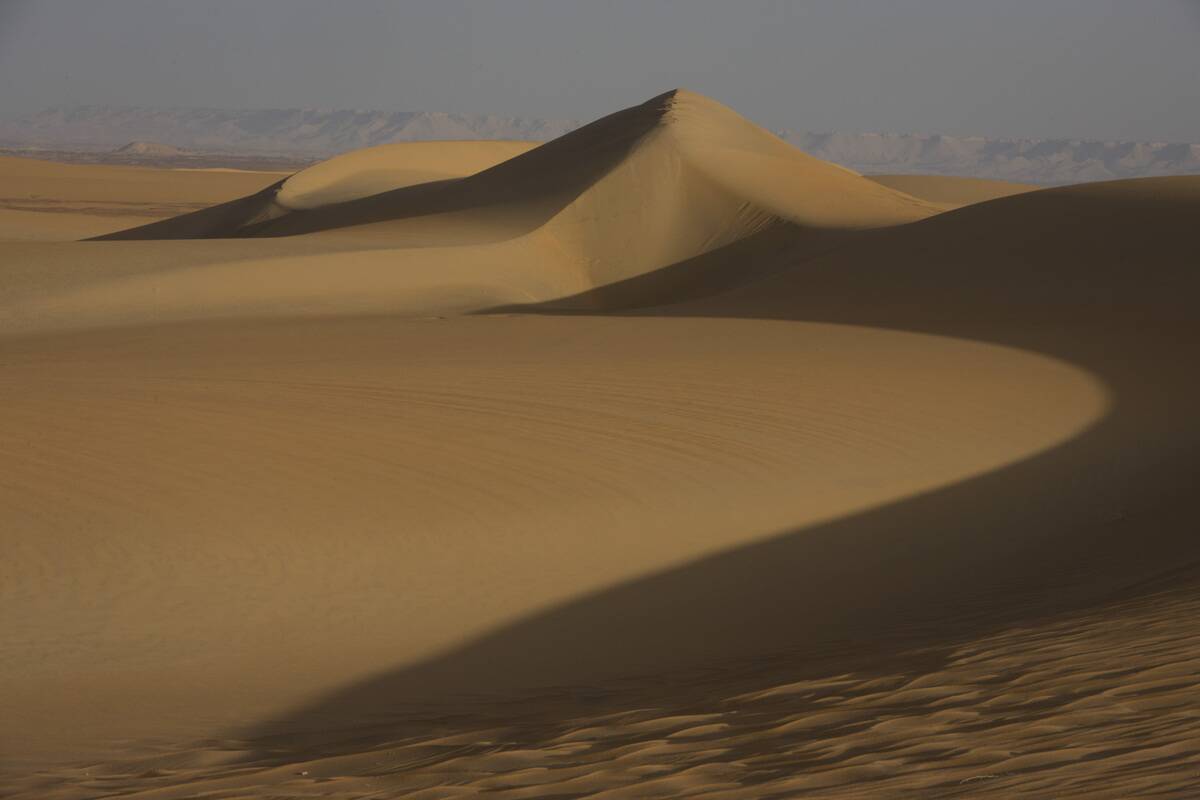
The Sahara Desert, the largest hot desert in the world, covers much of North Africa. Its vast sand dunes and rocky landscapes are shaped by wind and weather, creating ever-changing patterns.
The desert is home to unique ecosystems and ancient rock art, offering insights into the region’s history. Despite its harsh conditions, the Sahara supports a surprising array of life, adapted to survive in extreme environments.
The Wonders of Stonehenge
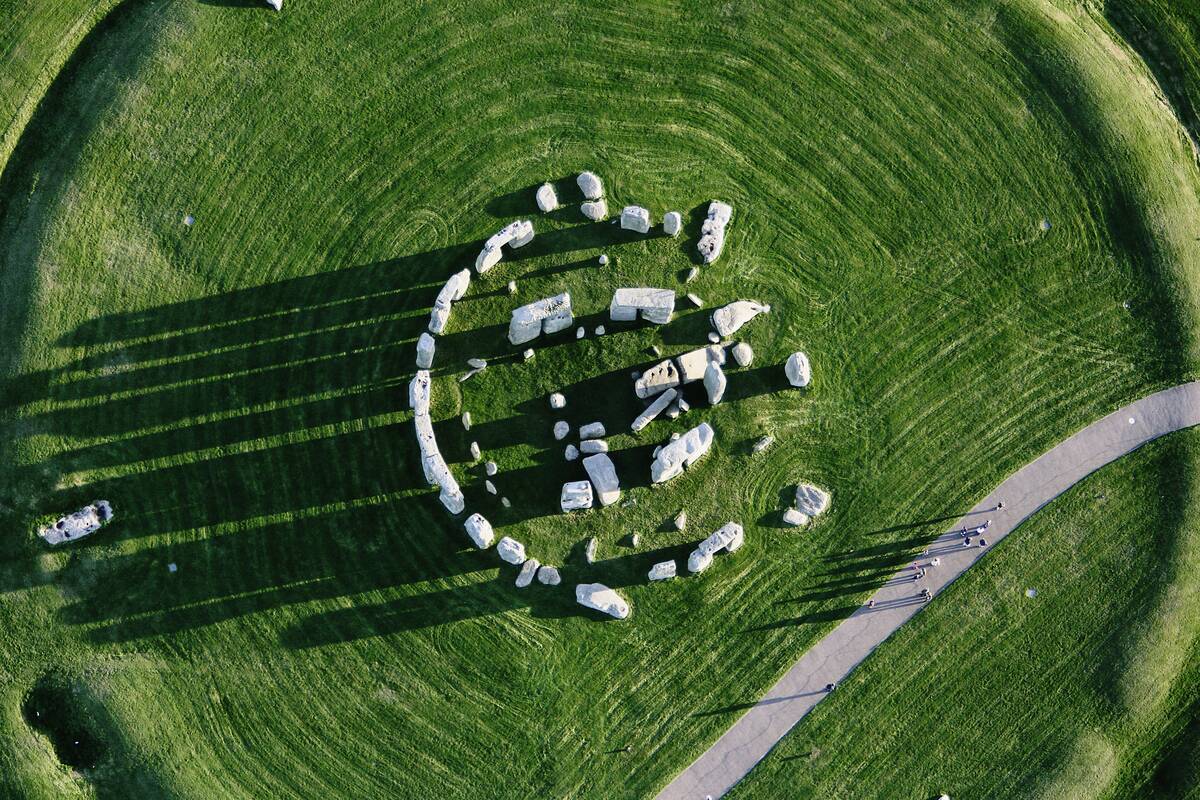
Stonehenge, located in Wiltshire, England, is a prehistoric monument shrouded in mystery. Comprising massive stone circles, it is believed to have been constructed between 3000 and 2000 BC.
The purpose of Stonehenge remains debated, with theories ranging from astronomical observatory to religious site. Scientists study Stonehenge because it offers clues about prehistoric engineering, astronomy, religion, and social organization.
The Bioluminescent Bays of Puerto Rico
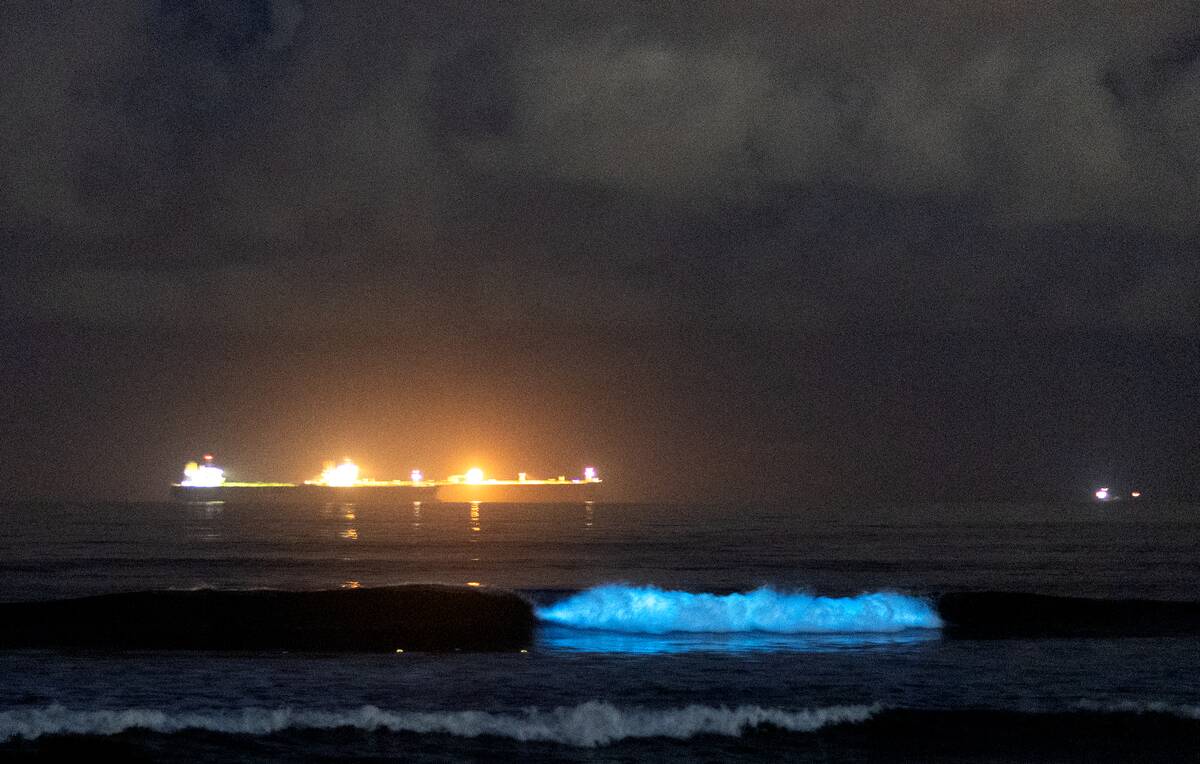
Puerto Rico is home to several bioluminescent bays, where microscopic organisms called dinoflagellates emit a blue-green glow when disturbed. Mosquito Bay on Vieques Island is the brightest of these bays, offering a magical nighttime spectacle.
Scientists study Puerto Rico’s bioluminescent bays because they are rare ecosystems where microorganisms, water chemistry, mangroves, and coastal geography work together to create natural light. Research helps scientists understand plankton behavior, ecosystem health, pollution impacts, hurricane recovery, and how fragile coastal environments can be protected.
The Phenomena of the Northern Lights
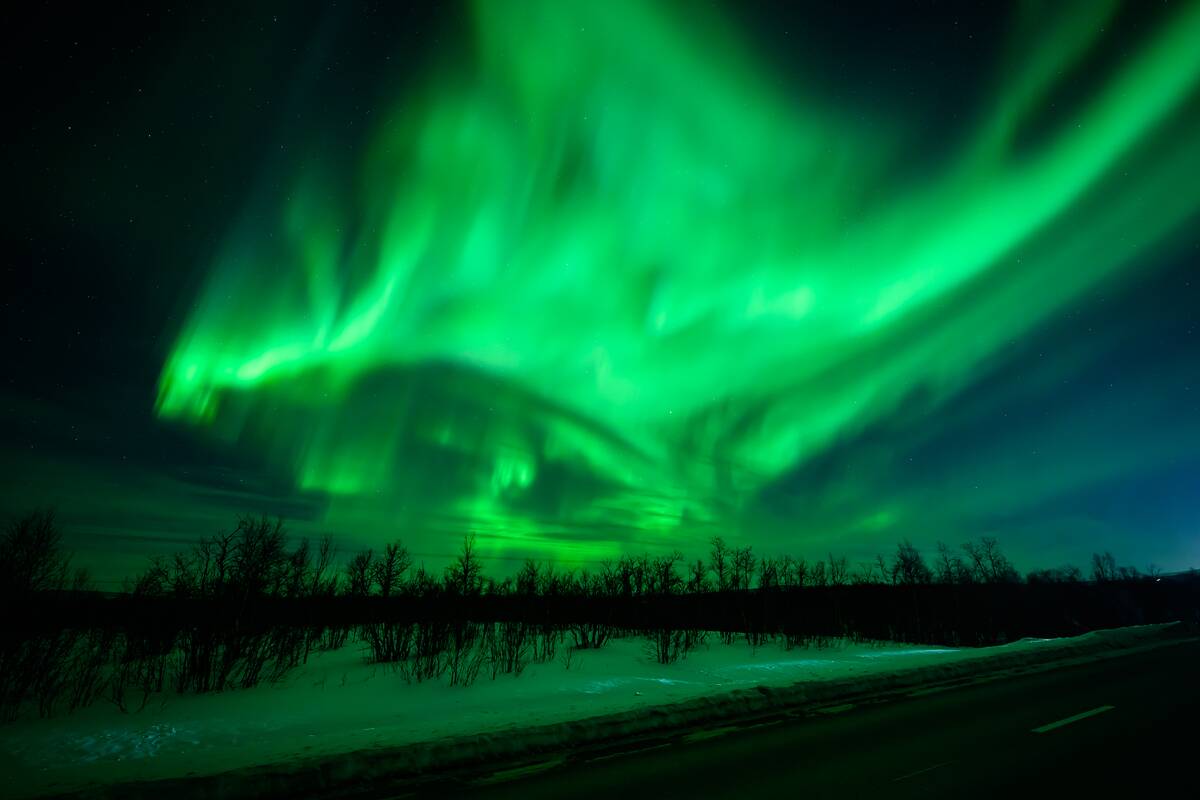
The Northern Lights, or Aurora Borealis, are a mesmerizing natural light display in the polar regions. Caused by the interaction of solar particles with Earth’s magnetic field, they create vibrant colors in the night sky.
Scientists study the Northern Lights because they reveal how solar activity affects Earth’s magnetic field and atmosphere. Aurora research helps scientists understand space weather, geomagnetic storms, satellite disruptions, radio communication problems, and possible effects on power grids.




