Life during long winters before electricity
Before the hum of electricity filled our homes, winter evenings were a time to embrace the chill and find warmth in simpler pleasures. People relied on their resourcefulness and community to make the most of the long, dark nights.
It was a time when the glow of a fire or candlelight was the only source of illumination, creating an atmosphere that was both intimate and inviting. Life moved at a slower pace, allowing for reflection and connection.
Gathering Around the Hearth: The Heart of the Home

The hearth was more than just a source of warmth; it was the heart of the home. Families would gather around the fire to share stories, meals, and companionship. The crackling of the fire provided a comforting soundtrack to the evening’s activities.
It was a place where bonds were strengthened, and memories were made, as the flickering flames cast a warm glow on faces and hearts alike.
Storytelling: The Original Netflix

Long before streaming services, storytelling was the entertainment of choice. Elders would recount tales of adventure, mystery, and humor, captivating listeners with their words.
These oral traditions were a way to pass down history, culture, and values, ensuring that each generation remained connected to their roots. The art of storytelling fostered imagination and brought families together in a shared experience.
Candlelit Reading: Books and Pamphlets of the Past
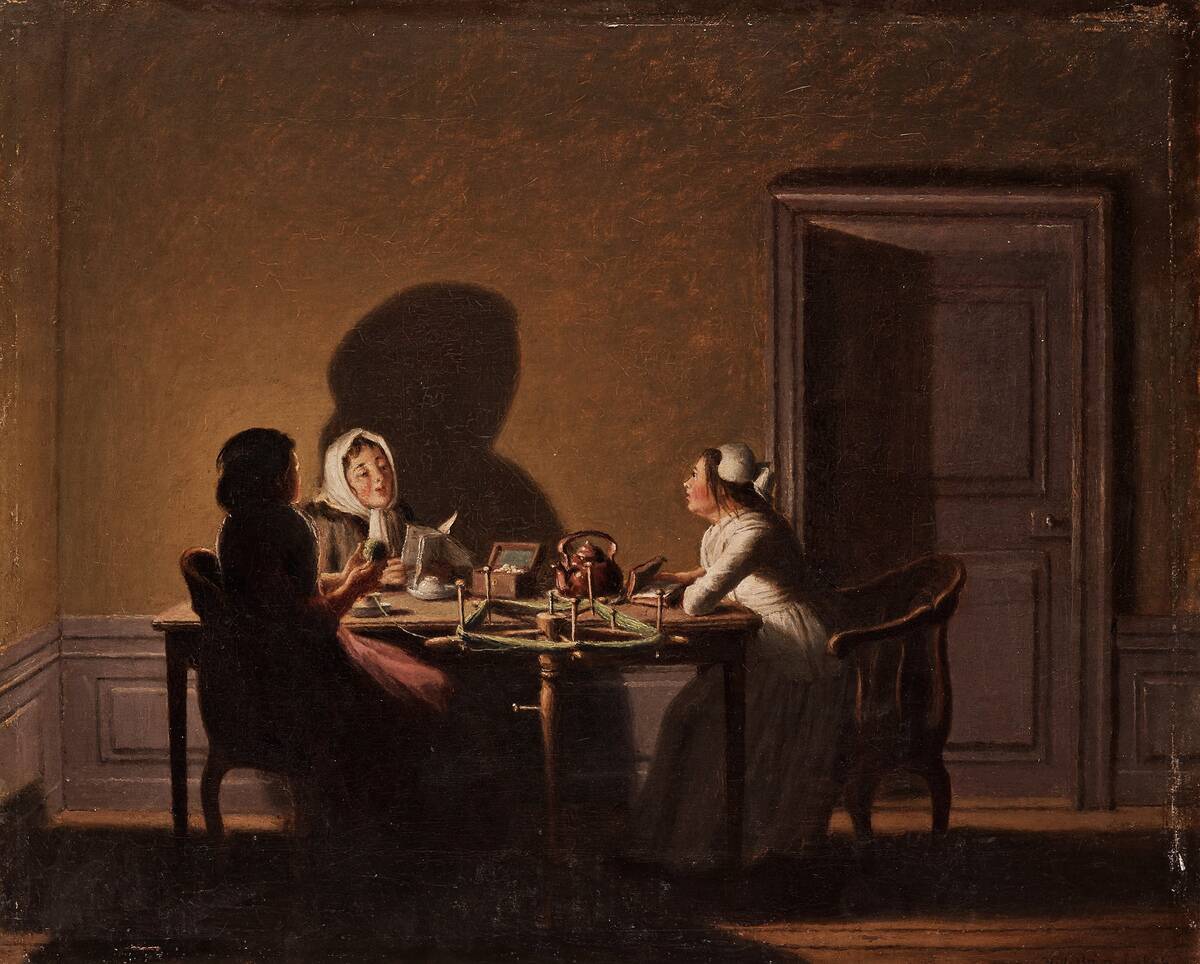
Reading by candlelight was a cherished pastime, offering an escape into the pages of books and pamphlets. The dim glow of a candle provided just enough light to explore the worlds within the text.
From classic literature to local news, these written works were a source of knowledge and entertainment. They sparked curiosity and fueled discussions, making them a valuable part of winter evenings.
Crafting and Handiwork: Creating Beauty and Utility
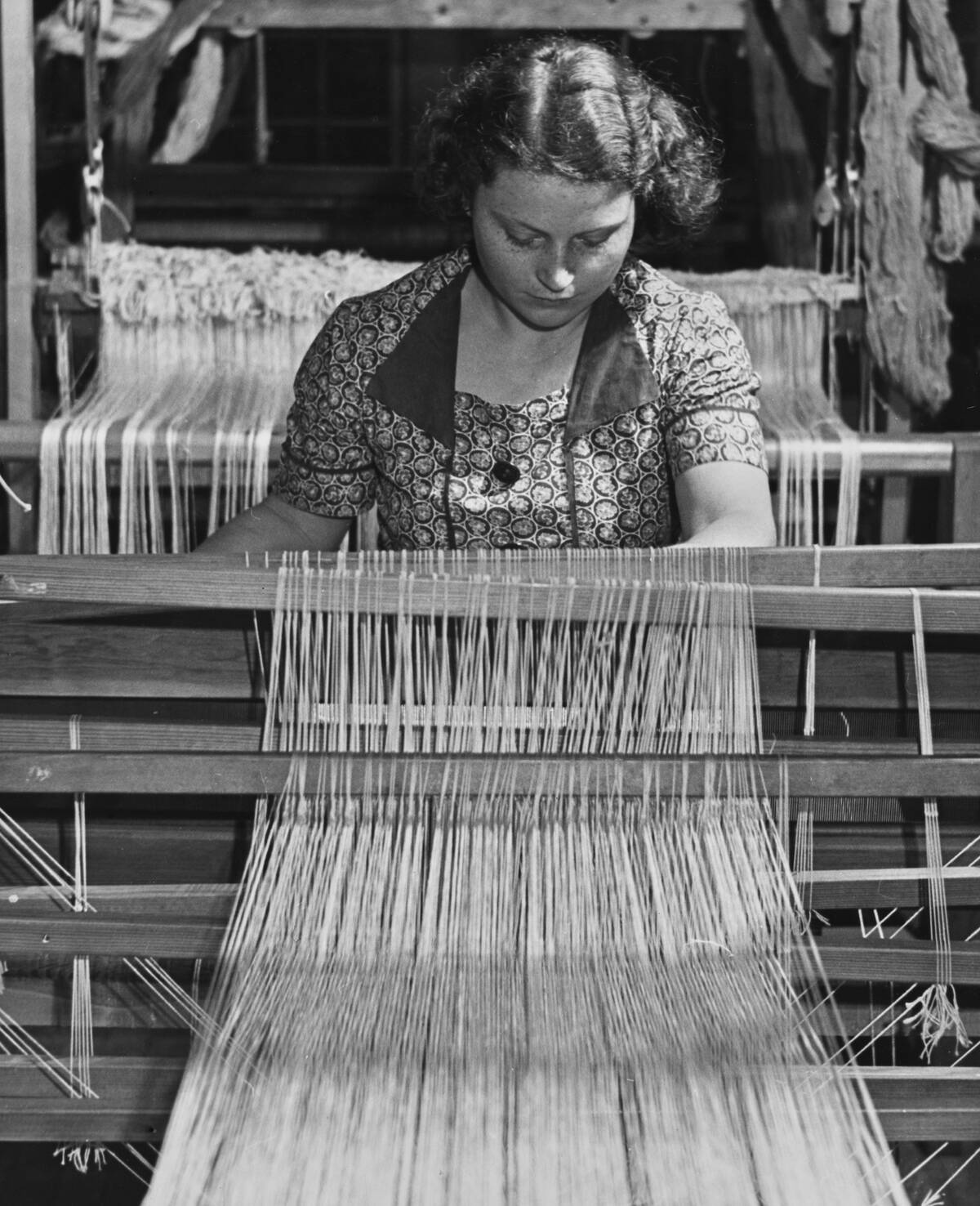
Crafting was both a necessity and a form of creative expression. People engaged in handiwork such as knitting, weaving, and carving, creating items that were both beautiful and useful.
These activities were a way to pass the time while producing goods that would serve the household. The satisfaction of crafting something by hand brought a sense of accomplishment and pride.
Winter Feasts: Cooking and Baking as a Communal Activity
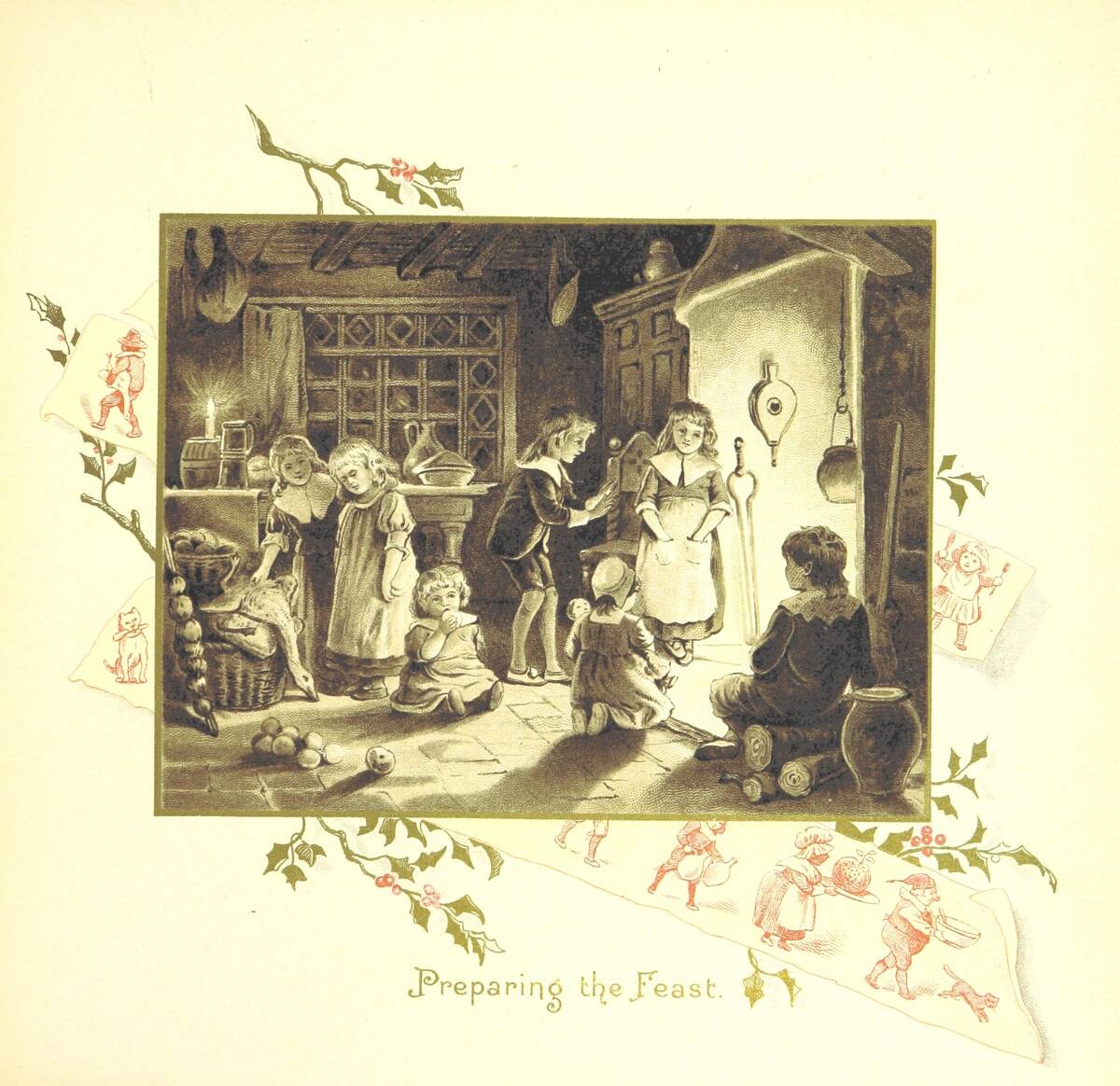
Winter feasts were a highlight of the season, bringing people together to share in the bounty of the harvest. Cooking and baking were communal activities, with everyone contributing to the preparation of hearty meals.
The aroma of freshly baked bread and simmering stews filled the home, creating a warm and inviting atmosphere. These feasts were a celebration of community and the fruits of collective labor.
Music and Dance: Homemade Tunes and Jigs
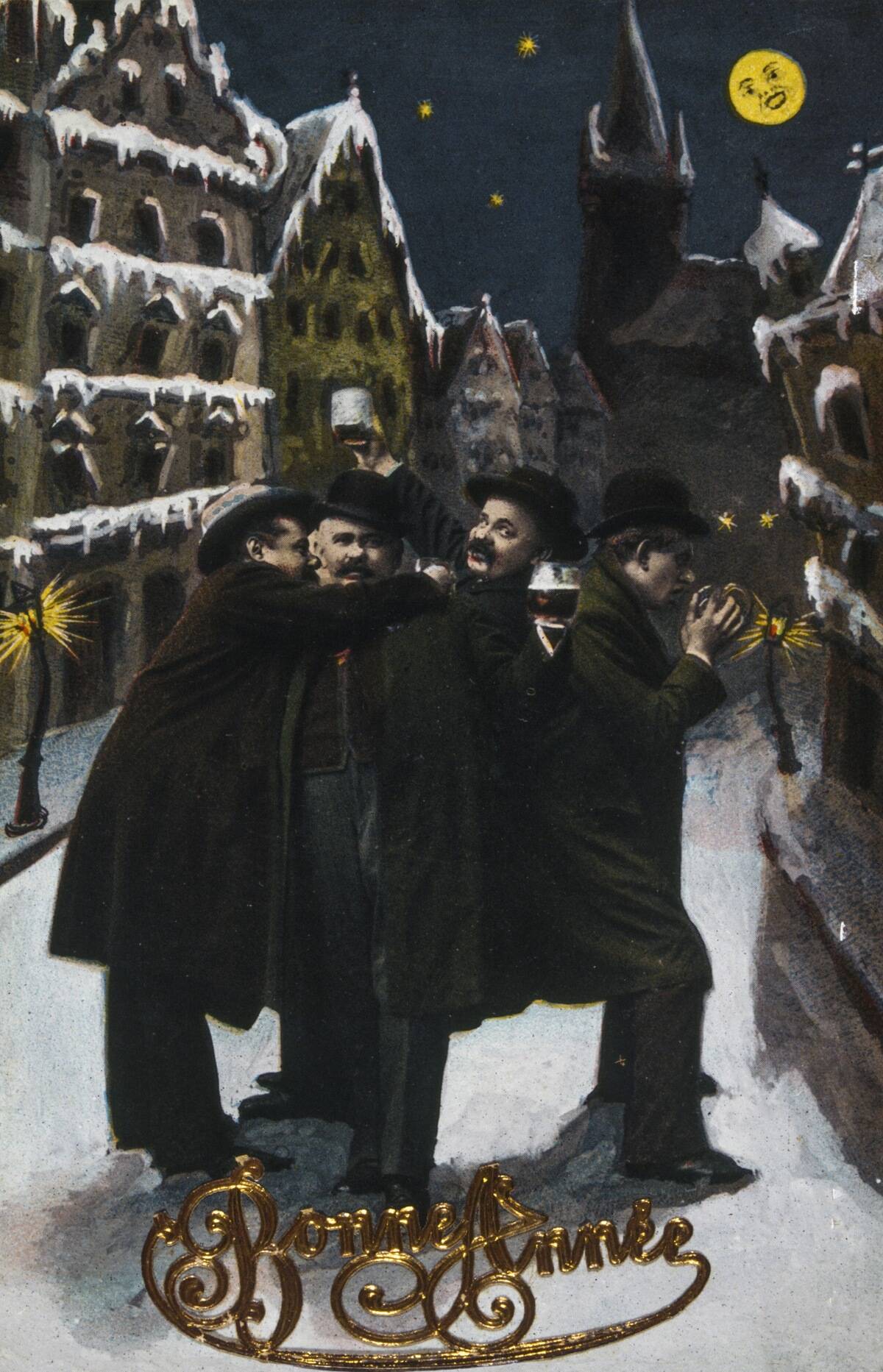
Music and dance were integral to winter gatherings, bringing joy and energy to the long nights. Homemade instruments and lively jigs provided entertainment, encouraging everyone to join in the fun.
These musical interludes were a way to lift spirits and foster a sense of camaraderie. Whether it was a simple tune or a spirited dance, the rhythm of the music was a universal language that connected people.
Quilting Bees and Sewing Circles: Socializing with a Purpose
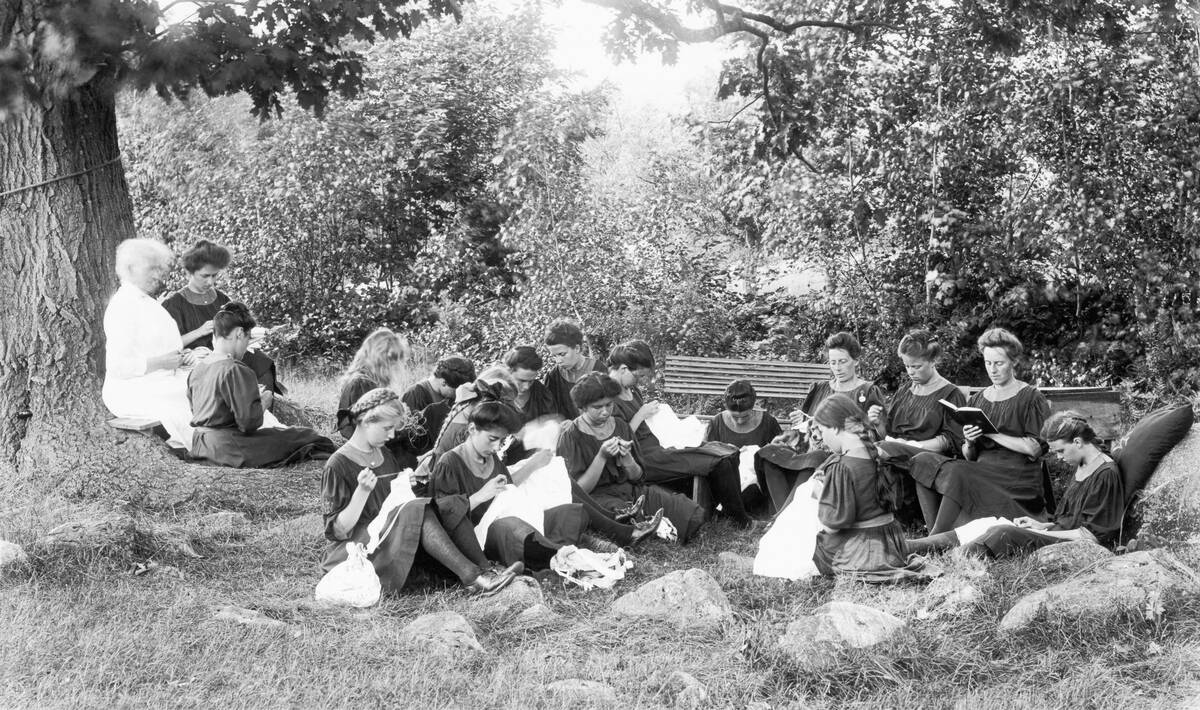
Quilting bees and sewing circles were more than just opportunities to create; they were social gatherings with a purpose. Women would come together to work on quilts and garments, sharing stories and support as they stitched.
These gatherings were a way to strengthen community bonds and pass down skills to younger generations. The finished products were a testament to collective effort and creativity.
Puzzles and Board Games: The Classics That Endure
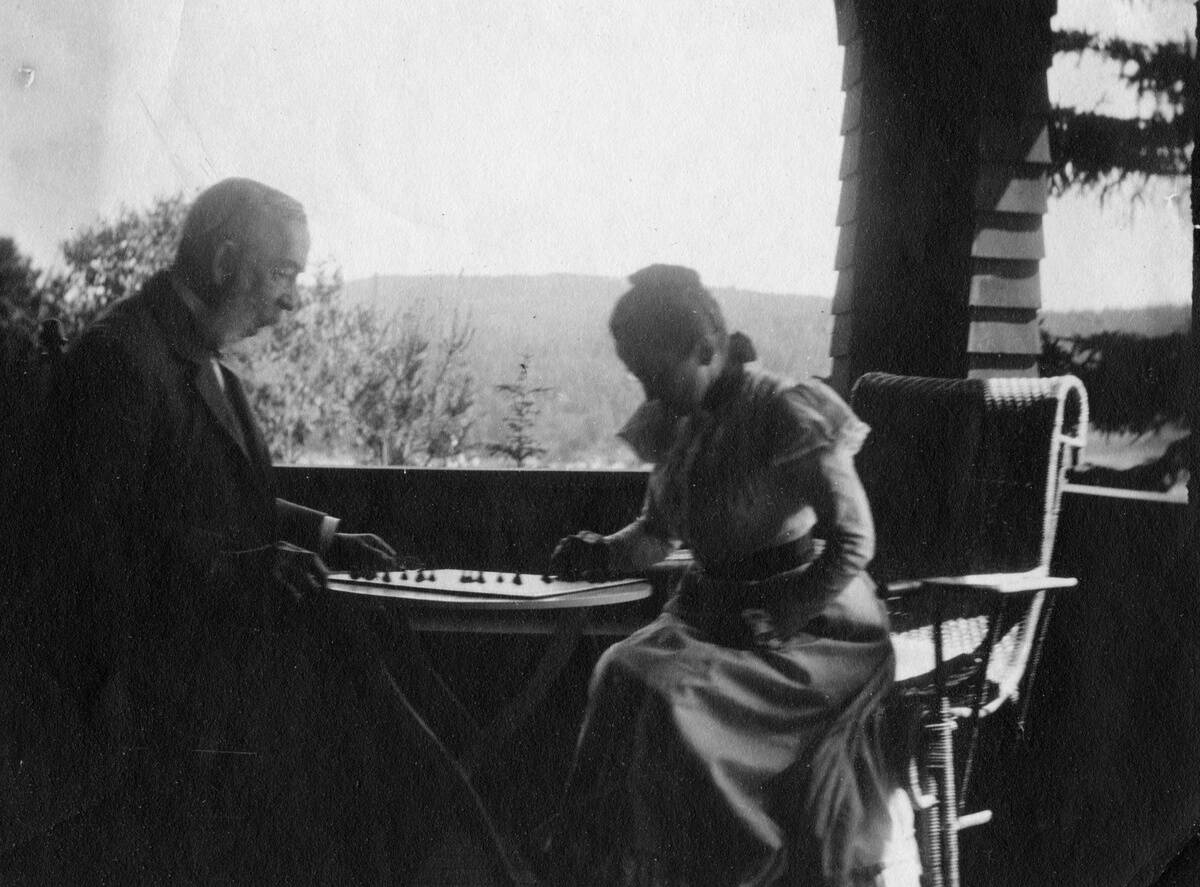
Puzzles and board games have long been a staple of winter entertainment, providing hours of fun and challenge. Games like chess, checkers, and backgammon were popular choices, engaging players in strategic thinking and friendly competition.
These games were a way to bring people together, fostering interaction and laughter. The timeless appeal of these classics continues to endure, even in our modern world.
Animal Care: Tending to Livestock in the Cold
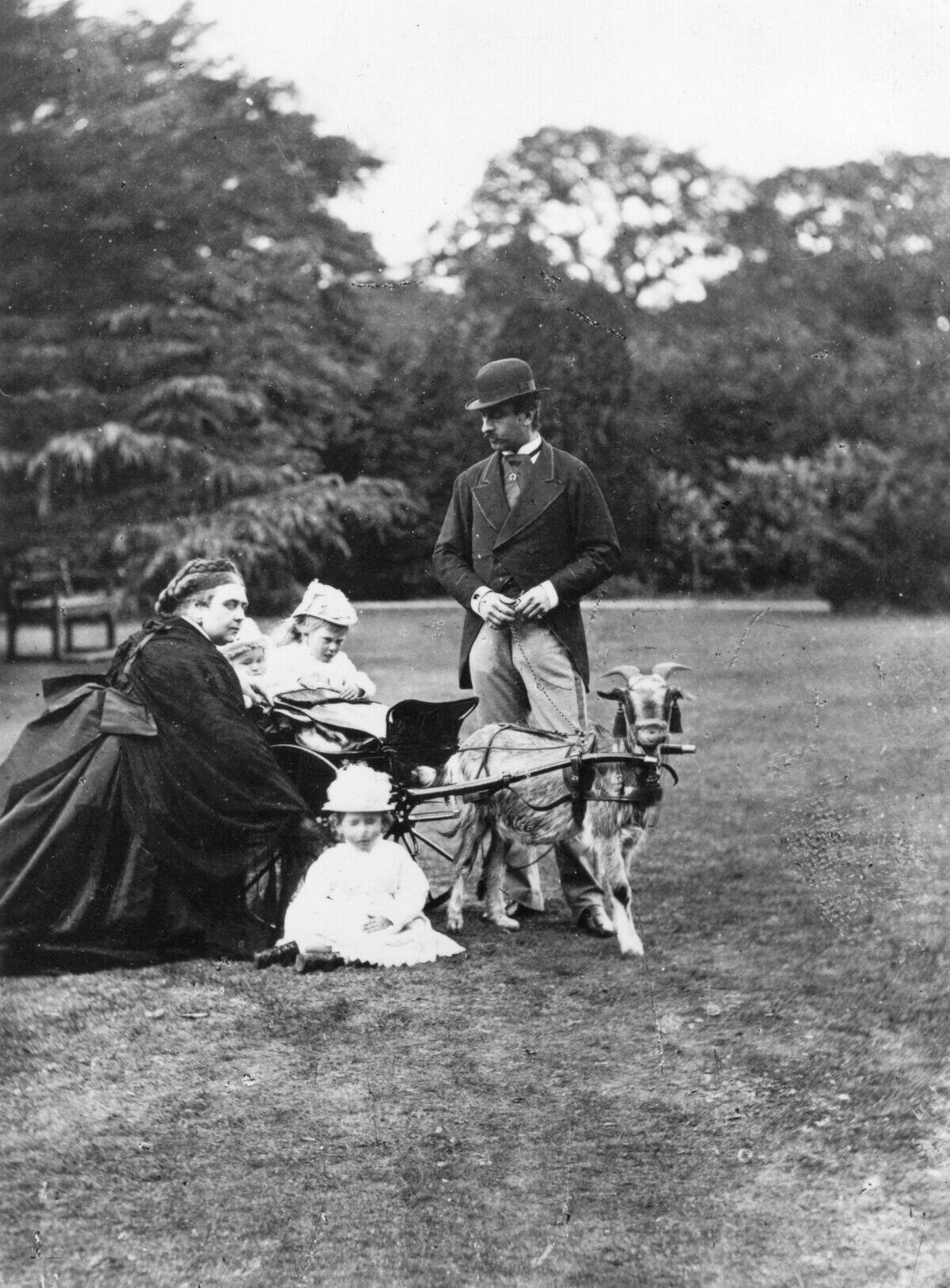
Caring for livestock was a crucial task during the winter months, ensuring that animals remained healthy and well-fed. Farmers would brave the cold to tend to their animals, providing food, water, and shelter.
This responsibility required dedication and resilience, as the well-being of the livestock was essential for the family’s survival. The bond between humans and animals was strengthened through this daily care.
Spiritual Gatherings: Faith and Fellowship
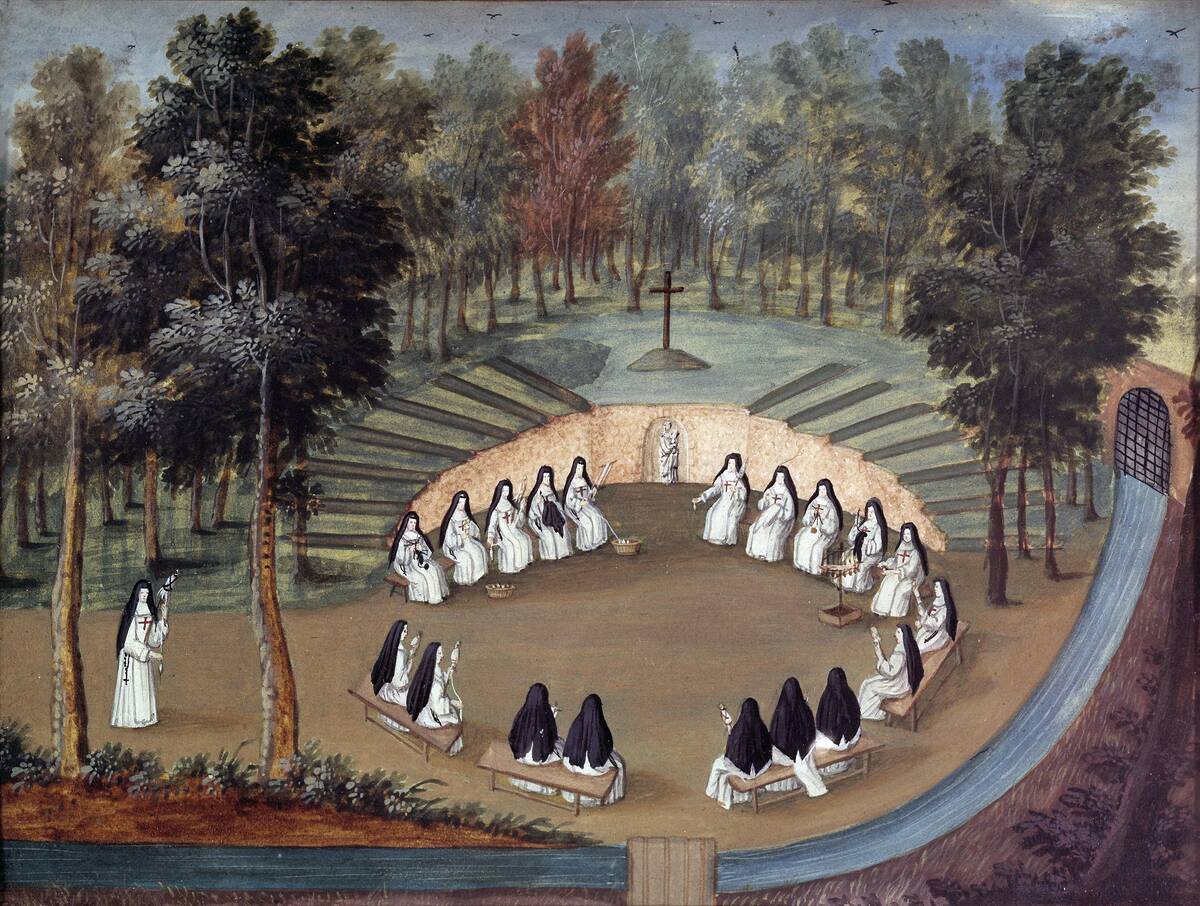
Spiritual gatherings were an important aspect of winter life, offering a chance for faith and fellowship. Communities would come together for worship and reflection, finding solace and strength in shared beliefs.
These gatherings provided a sense of belonging and purpose, reinforcing the values and traditions that guided daily life. The warmth of community and spirituality offered comfort during the coldest months.
Letters and Journals: Writing as a Winter Pastime
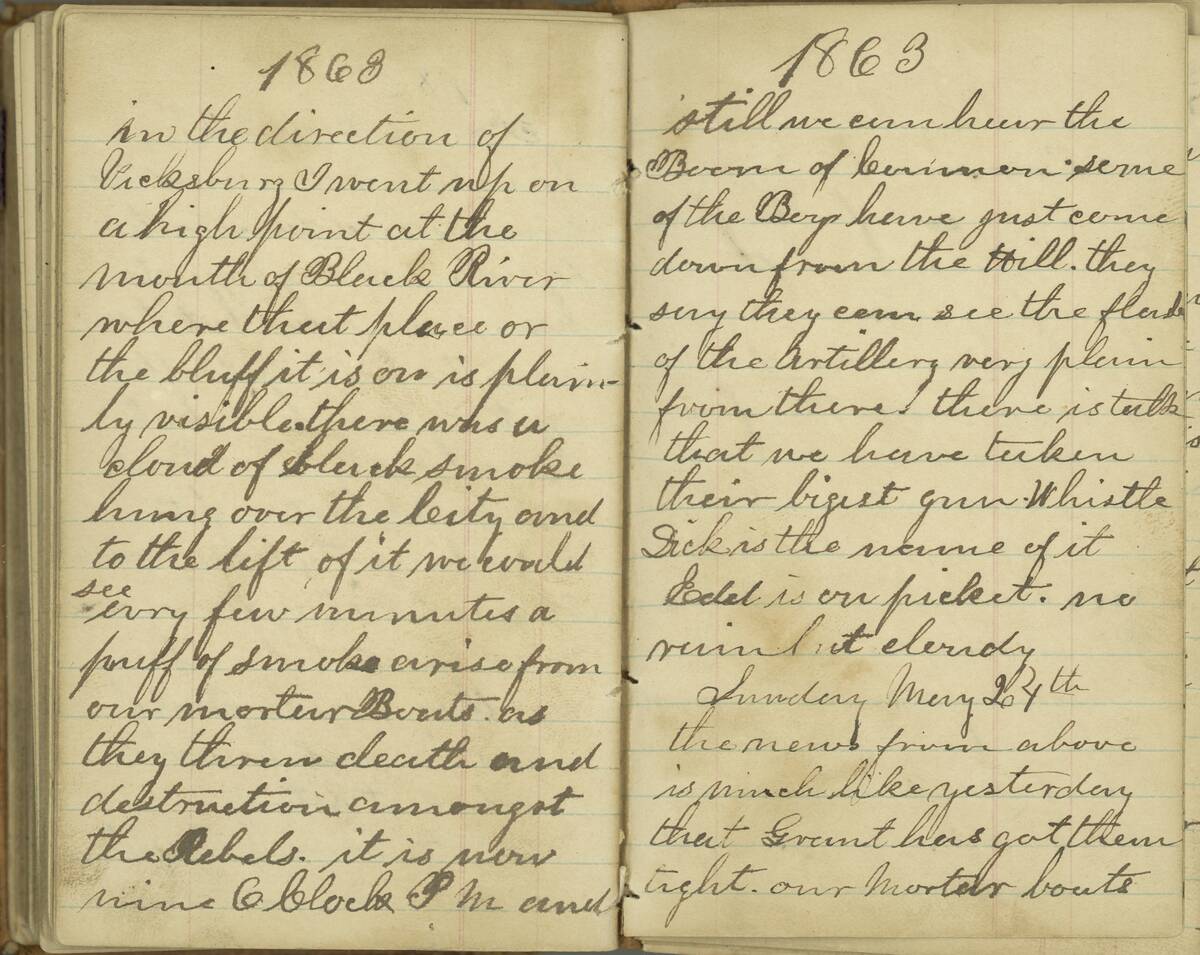
Writing letters and keeping journals were popular winter pastimes, offering a way to connect with distant loved ones and reflect on personal experiences. Letter writing was an art, with each missive carefully crafted to convey news and affection.
Journals provided a space for introspection and creativity, capturing the thoughts and events of daily life. These written records were cherished keepsakes, preserving memories for future generations.
Hunting and Trapping: Providing for the Family
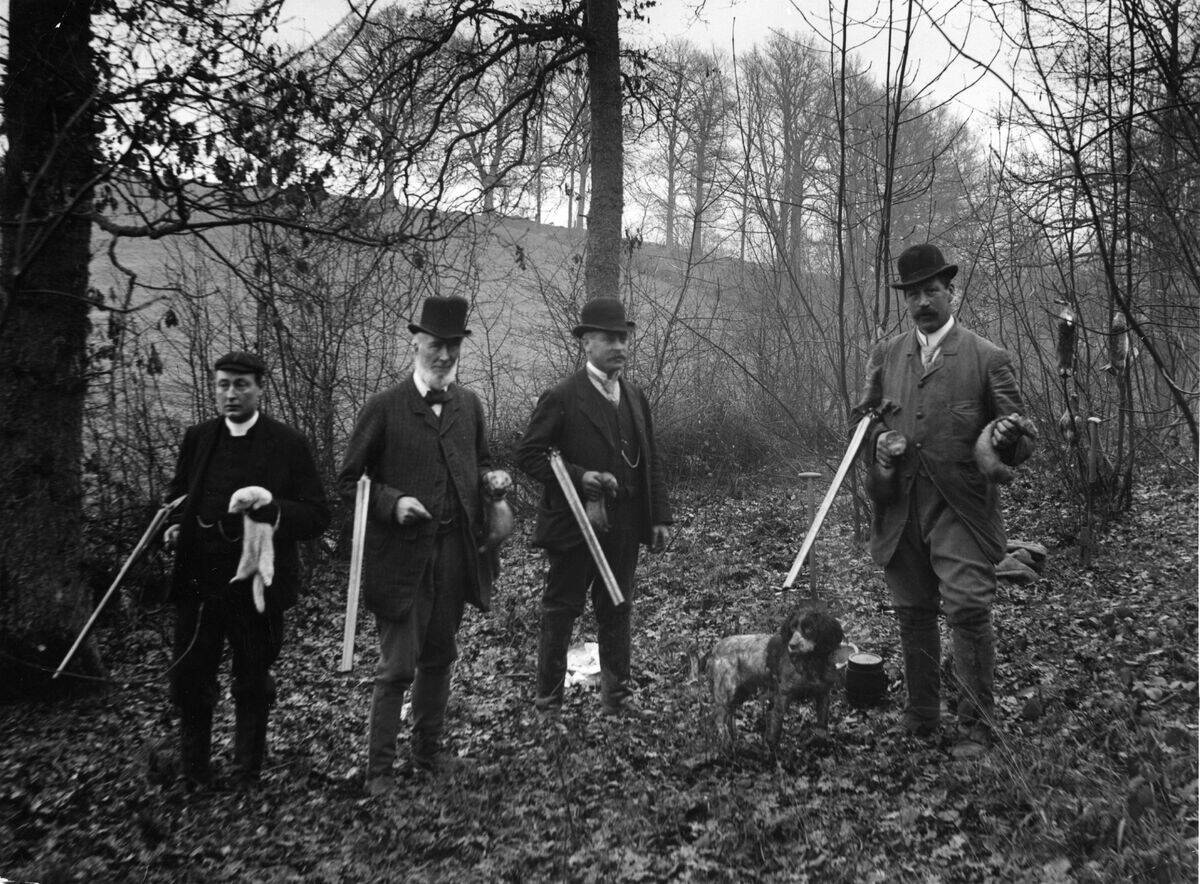
Hunting and trapping were vital activities during the winter, providing food and resources for the family. Skilled hunters would venture into the wilderness, braving the elements to secure game.
Trapping was a methodical practice, requiring knowledge of animal behavior and terrain. These pursuits were a testament to human ingenuity and survival, ensuring that the family had enough provisions to last through the winter.
Woodworking and Repairs: Preparing for the Thaw
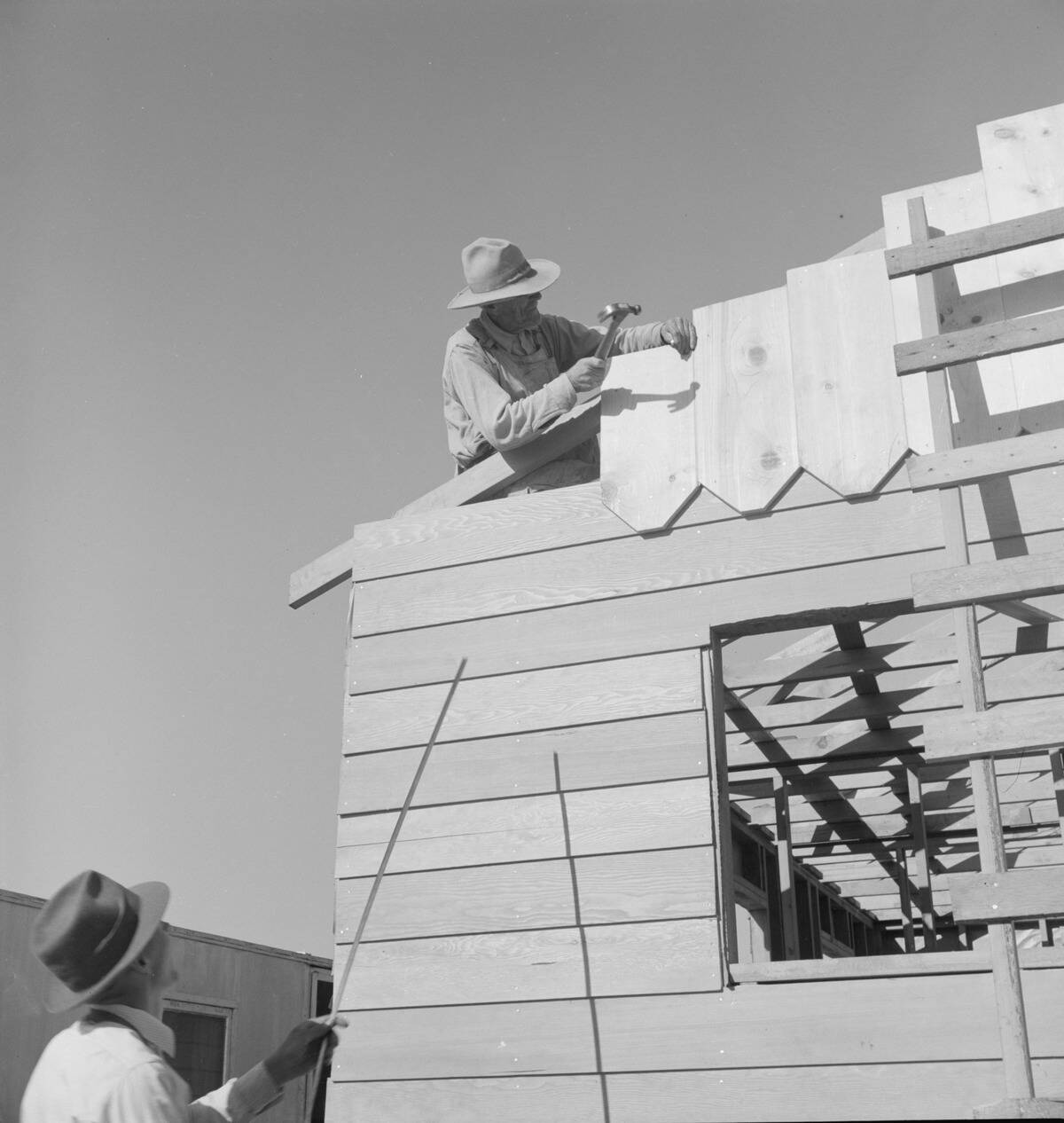
Winter was a time for woodworking and repairs, as people prepared for the coming spring. Tasks included mending tools, building furniture, and crafting items needed for the warmer months.
This work required skill and patience, as each piece was carefully constructed to ensure durability and functionality. The satisfaction of completing these projects was a reward in itself, as they contributed to the household’s efficiency and comfort.
Planning for Spring: Dreaming of Warmer Days
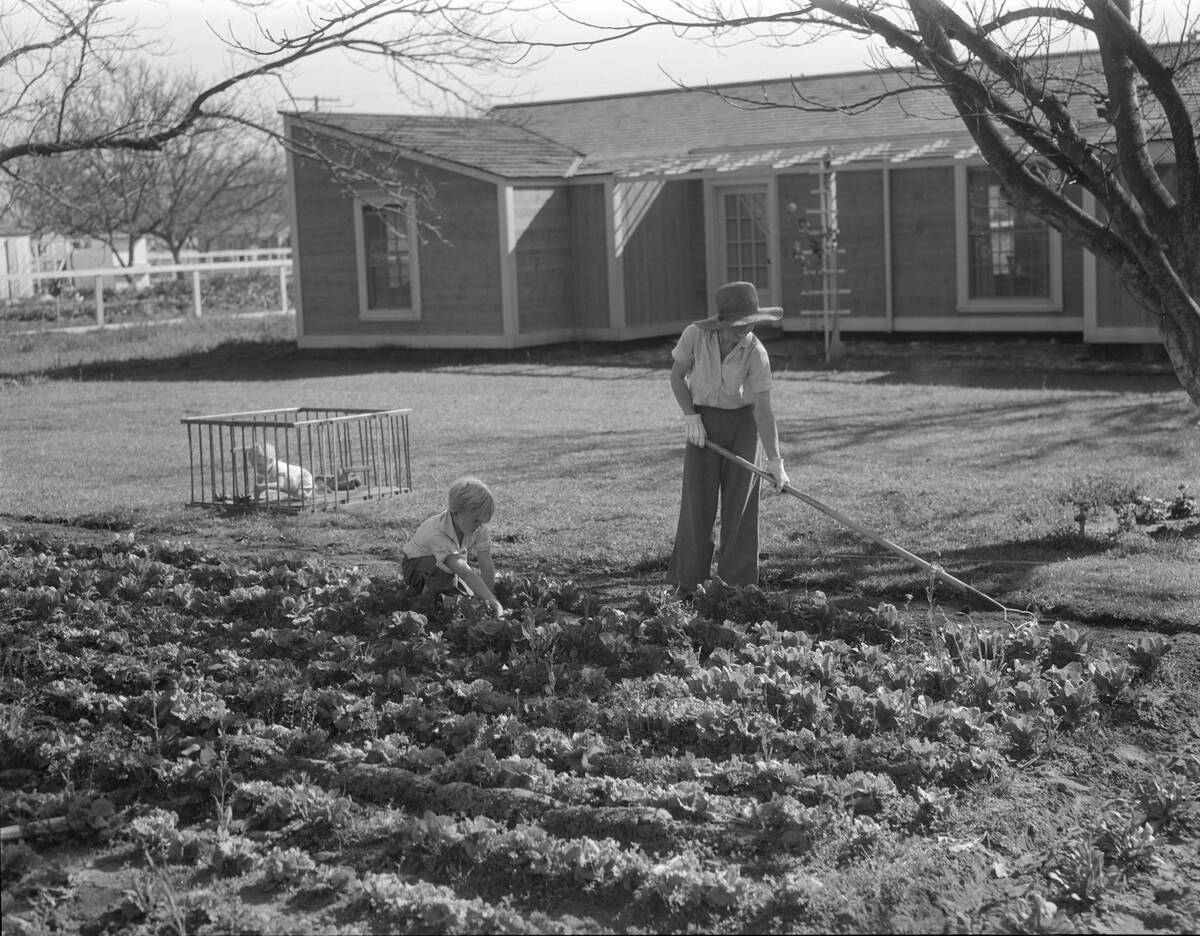
As winter waned, thoughts turned to the promise of spring and the renewal it would bring. Planning for the warmer months involved preparing gardens, organizing supplies, and setting goals for the year ahead.
This anticipation was filled with hope and excitement, as the earth would soon awaken from its slumber. Dreaming of spring was a reminder of the cyclical nature of life and the endless possibilities each new season holds.




