Pivotal accidents that changed the course of history
History is a tapestry woven with threads of intentional actions and unexpected accidents. Often, it’s the unplanned events that leave the most profound impact.
From accidental discoveries to unintended consequences, these moments have shaped our world in ways we could never have imagined.
The Great Fire of London: A Blaze That Transformed a City
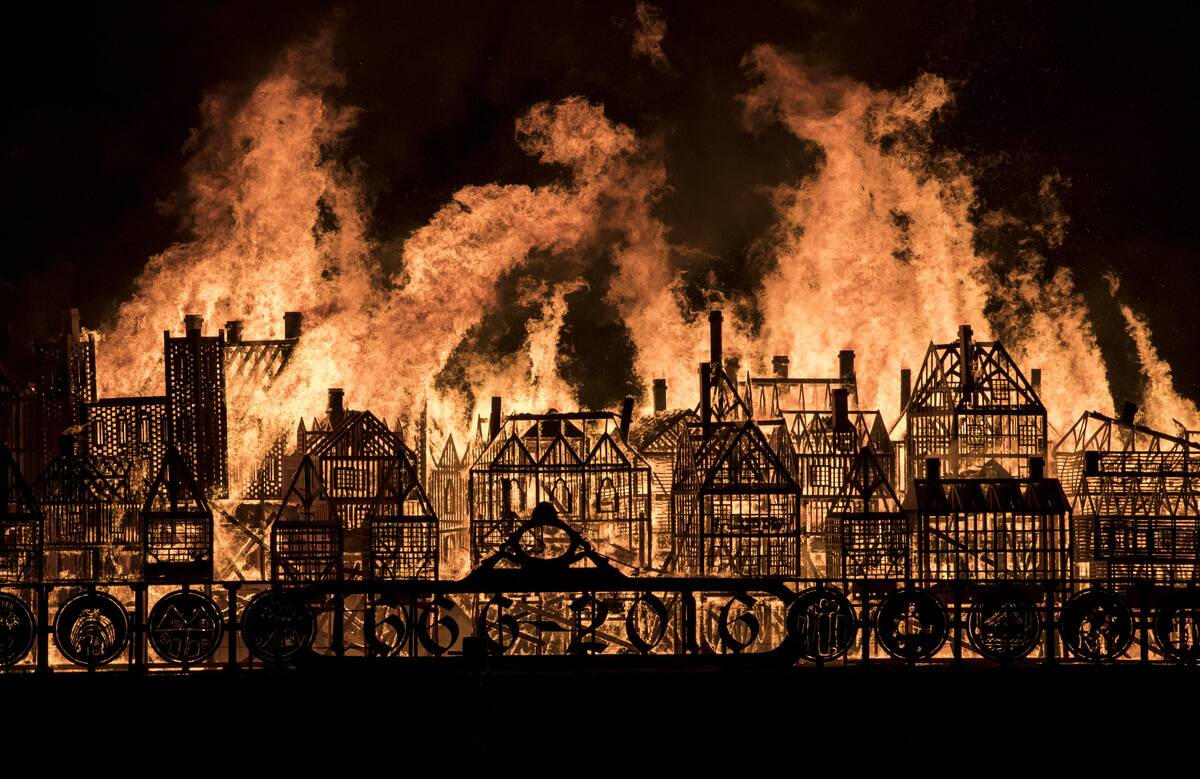
In 1666, a small fire in a bakery on Pudding Lane spiraled out of control, leading to the Great Fire of London. This catastrophic blaze destroyed over 13,000 homes but paved the way for a modernized city.
The rebuilding process introduced new architectural standards and fire safety regulations, transforming London into a safer and more structured metropolis. The fire inadvertently led to the end of the bubonic plague, as the flames eradicated the unsanitary conditions that fueled the disease.
The Accidental Discovery of Penicillin: How a Moldy Petri Dish Revolutionized Medicine
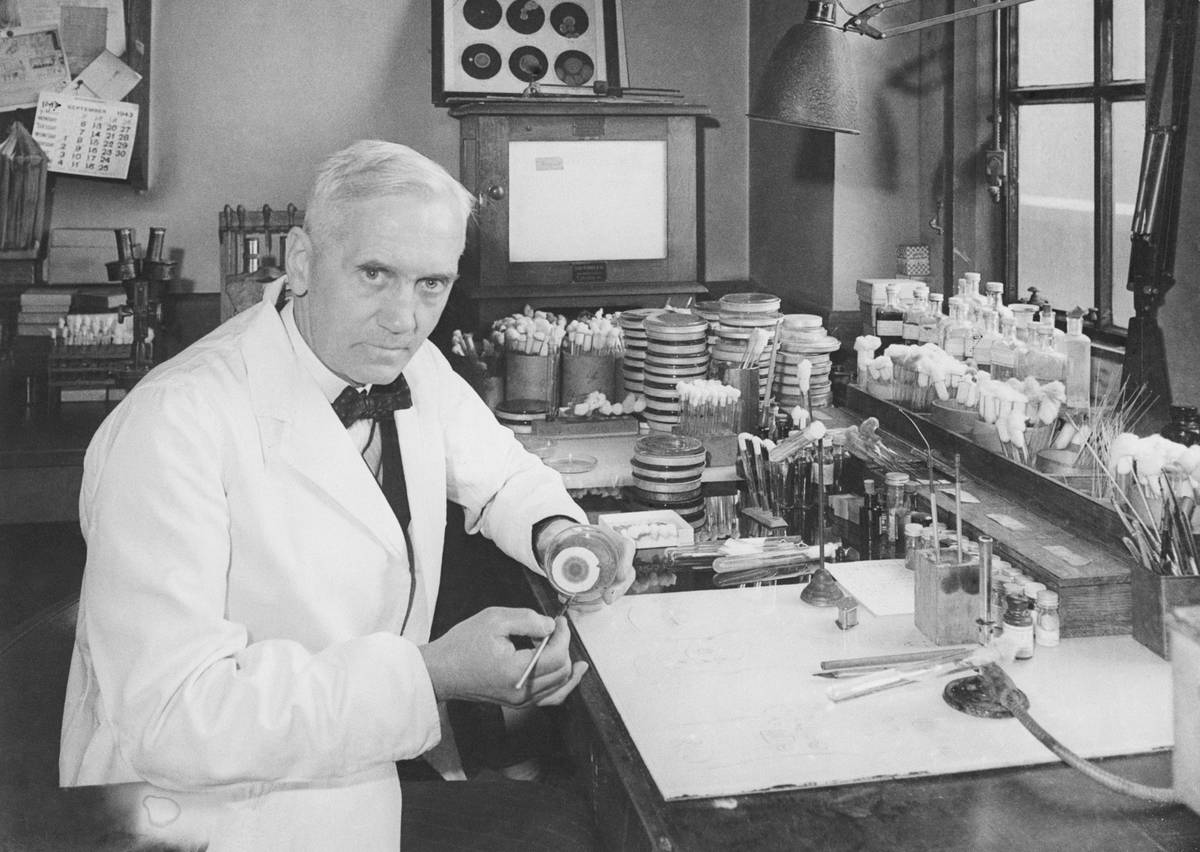
In 1928, Alexander Fleming returned from vacation to find mold growing on a petri dish of Staphylococcus bacteria. This mold, Penicillium notatum, had killed the surrounding bacteria, leading to the discovery of penicillin.
This serendipitous find revolutionized medicine by introducing the first true antibiotic, saving countless lives from bacterial infections. Penicillin’s impact during World War II was monumental, drastically reducing the number of deaths and infections among soldiers.
The Invention of the Microwave Oven: A Sweet Accident with Lasting Impact

In 1945, Percy Spencer, an engineer working on radar technology, noticed that a candy bar in his pocket melted while he was testing a magnetron. This accidental discovery led to the invention of the microwave oven.
By 1947, the first commercial microwave was introduced, revolutionizing how we cook and heat food. This kitchen staple has since become an essential appliance, saving time and energy in households worldwide. Spencer’s sweet accident truly changed the culinary landscape.
The Titanic Disaster: A Tragic Catalyst for Maritime Safety
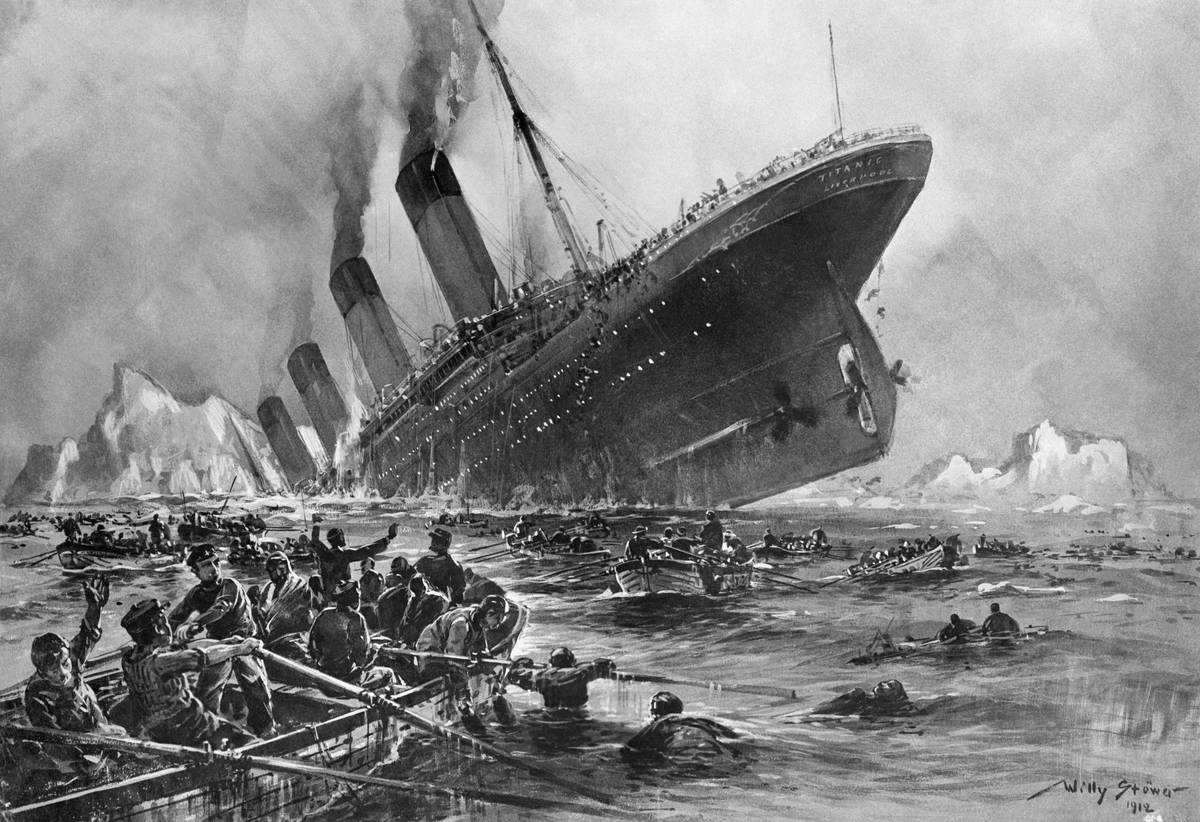
The sinking of the RMS Titanic in 1912 was a maritime tragedy that led to significant changes in safety regulations. Over 1,500 passengers lost their lives, highlighting the need for better safety measures.
The disaster prompted the establishment of the International Convention for the Safety of Life at Sea (SOLAS) in 1914, which mandated lifeboat availability and continuous radio communication. These changes have since become standard practice, ensuring safer sea travel for future generations.
The Chernobyl Nuclear Disaster: An Unplanned Shift in Global Energy Policies
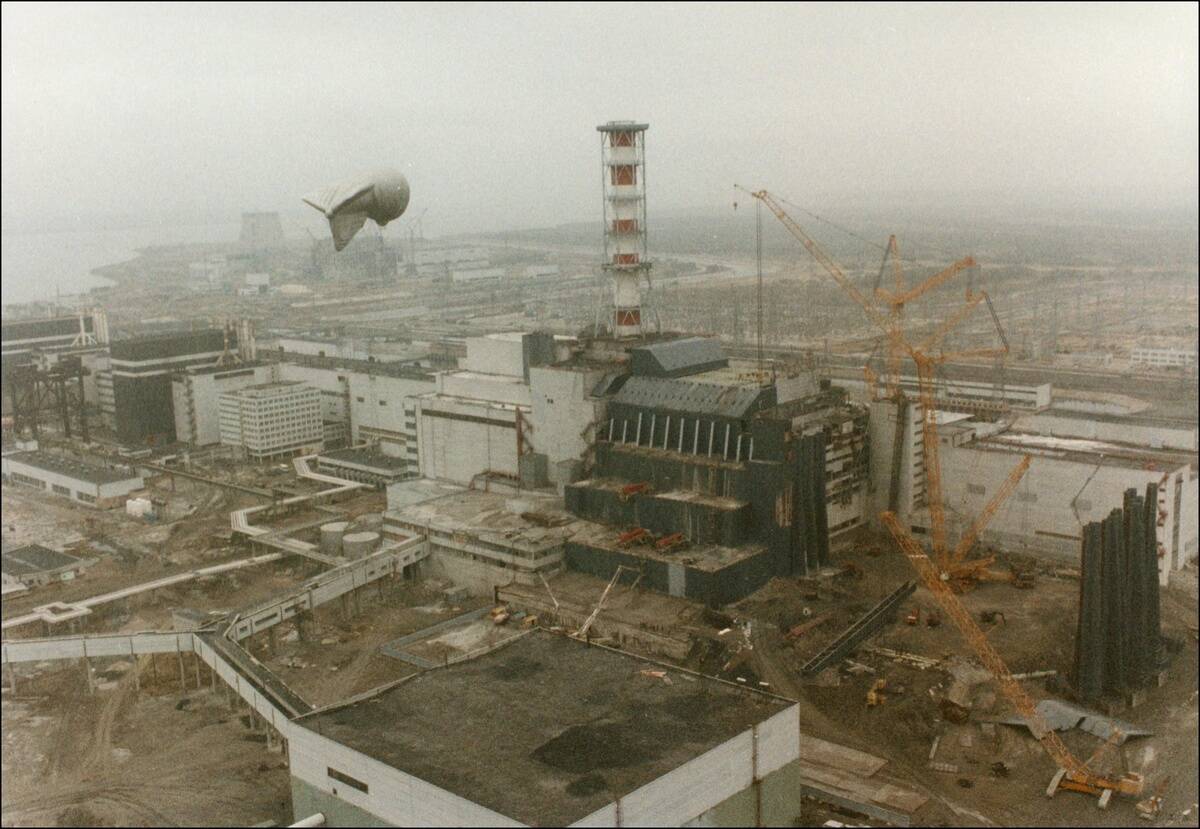
The Chernobyl disaster in 1986 was a catastrophic nuclear accident that had far-reaching consequences. The explosion at the Chernobyl Nuclear Power Plant in Ukraine released radioactive materials into the atmosphere, affecting millions of people.
This incident highlighted the dangers of nuclear energy and led to a reevaluation of safety protocols worldwide. In response, many countries strengthened their nuclear regulations, and some even shifted their focus towards alternative energy sources.
The Discovery of America by Columbus: A Navigational Error with Global Consequences
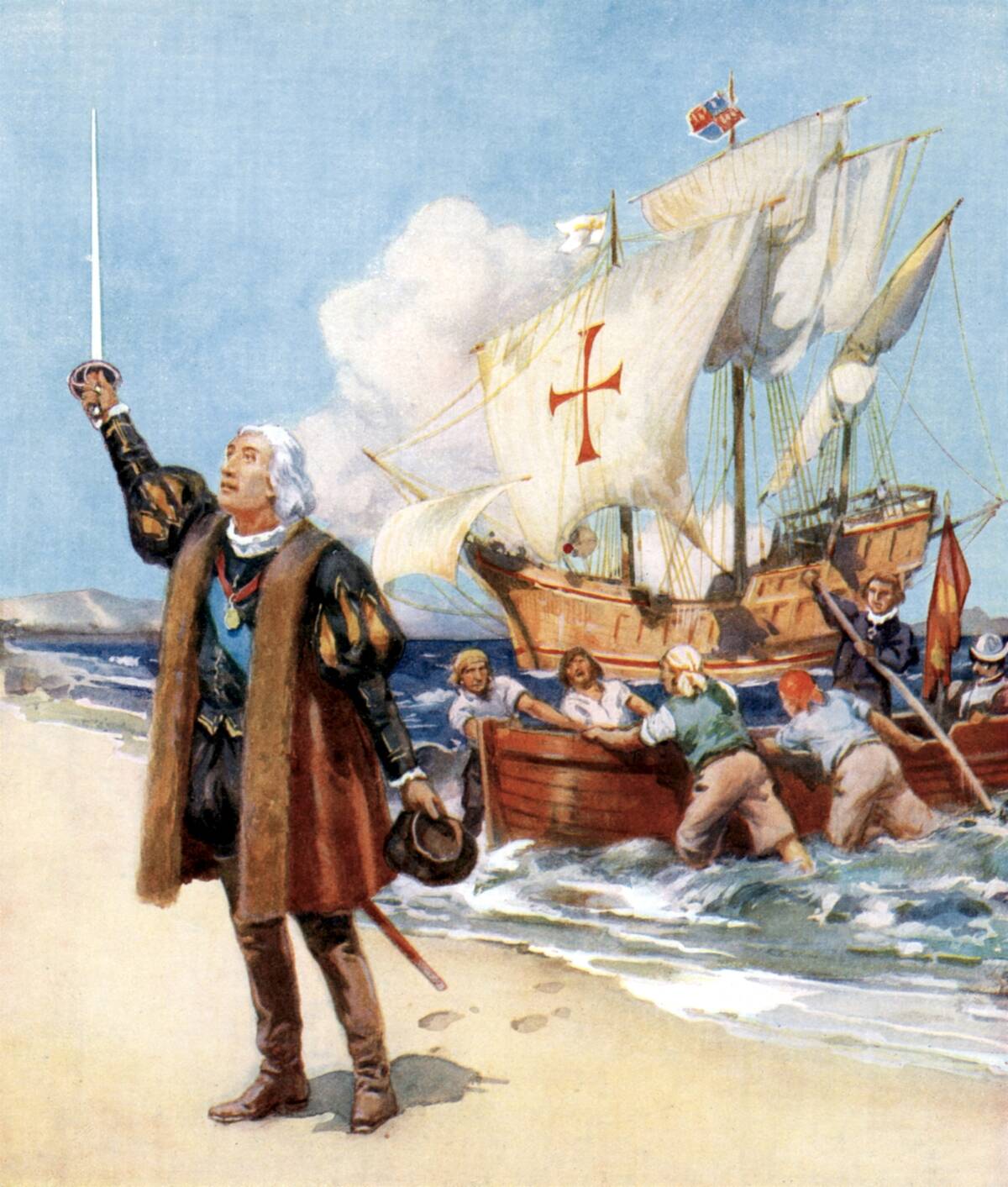
In 1492, Christopher Columbus set sail to find a new route to Asia but instead stumbled upon the Americas. This navigational error had profound global consequences, leading to the exchange of goods, cultures, and ideas between the Old and New Worlds.
Columbus’s voyages also paved the way for European colonization, which dramatically altered the course of history. While his discovery was accidental, its impact on global exploration and trade was monumental.
The Roswell Incident: How a Mysterious Crash Sparked UFO Mania
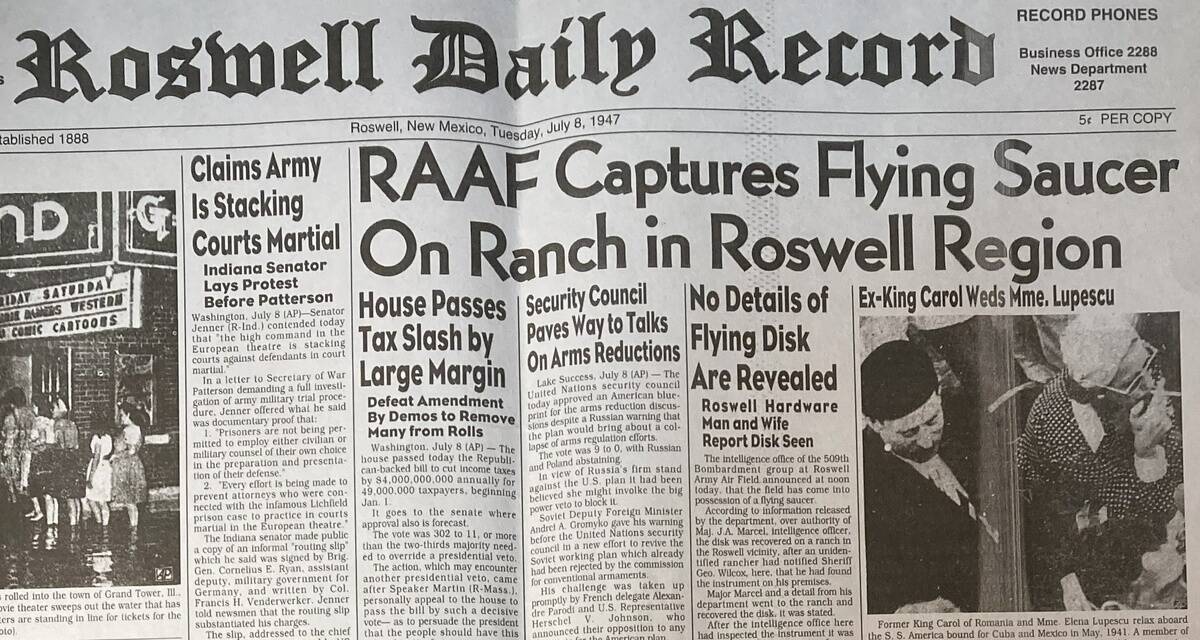
In 1947, a mysterious object crashed near Roswell, New Mexico, sparking widespread speculation about extraterrestrial life. Initially reported as a “flying disc,” the U.S. military later claimed it was a weather balloon.
Despite this explanation, the incident fueled UFO theories and popularized the idea of alien encounters. Roswell has since become synonymous with UFO lore, attracting enthusiasts and tourists eager to explore the mystery surrounding this enigmatic event.
The Sinking of the Lusitania: A Catalyst for U.S. Entry into World War I
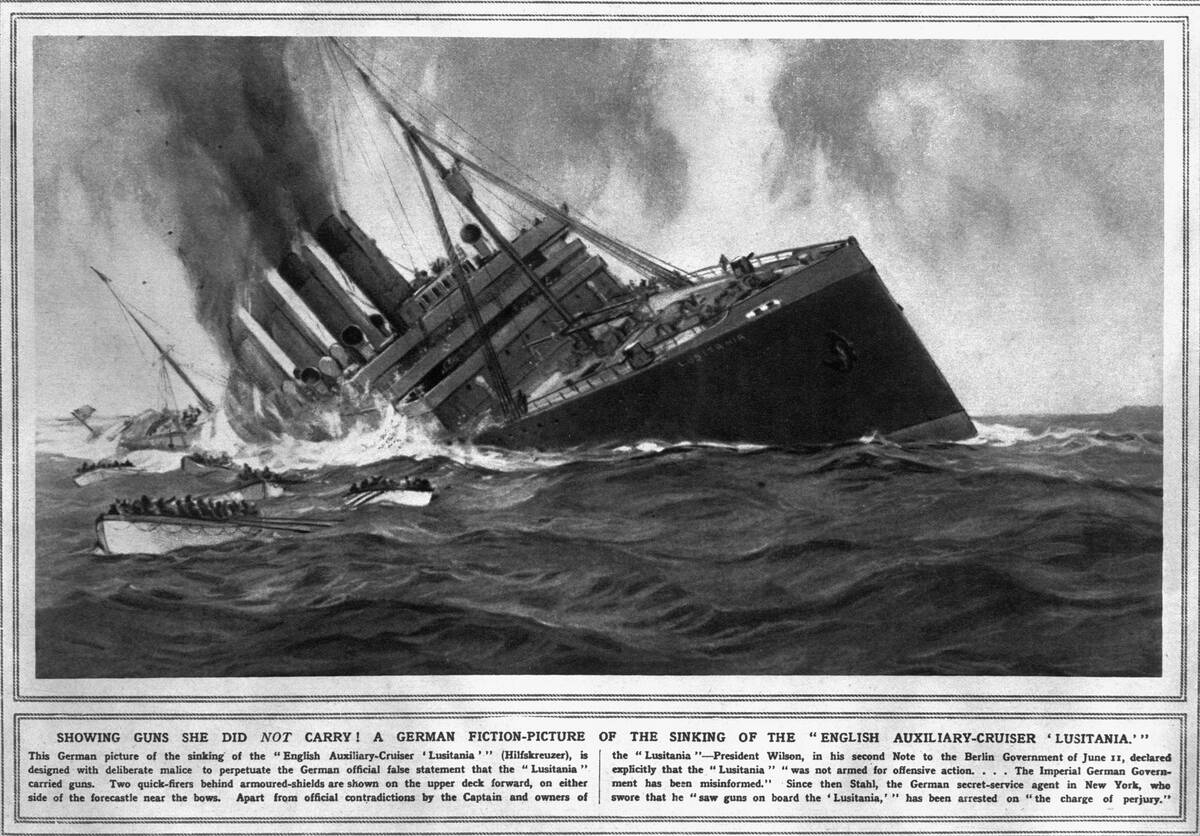
The sinking of the RMS Lusitania in 1915 by a German U-boat was a turning point in World War I. The attack killed 1,198 passengers, including 128 Americans, and shifted public opinion in the United States.
The incident fueled anti-German sentiment and contributed to the U.S. decision to enter the war in 1917. This entry significantly bolstered the Allied forces and played a crucial role in the eventual defeat of the Central Powers.
The Accidental Discovery of X-Rays: A Glimpse Inside the Human Body
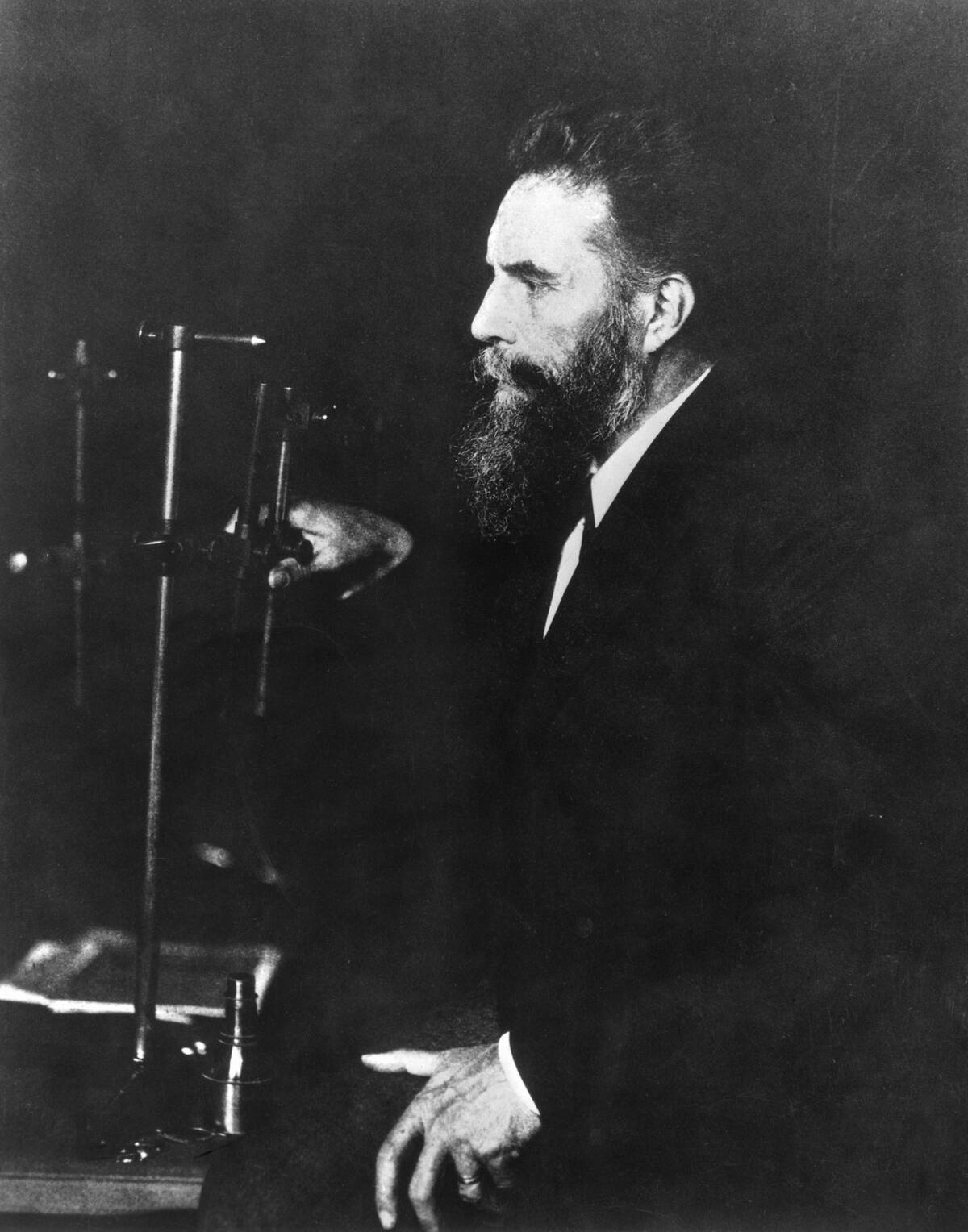
In 1895, Wilhelm Röntgen accidentally discovered X-rays while experimenting with cathode rays. He noticed that a fluorescent screen in his lab glowed even when shielded by thick cardboard.
This discovery revolutionized medical diagnostics, allowing doctors to see inside the human body without invasive procedures. X-rays have since become an essential tool in medicine, aiding in the diagnosis and treatment of countless conditions. Röntgen’s accidental find opened a new window into the human body.
The Accidental Invention of the Post-It Note: A Sticky Solution to Everyday Problems

In 1968, Spencer Silver, a scientist at 3M, accidentally developed a low-tack adhesive while attempting to create a super-strong glue. Years later, his colleague Art Fry found a practical use for it as a bookmark that wouldn’t damage pages.
This led to the creation of the Post-It Note, which debuted in 1980. The product quickly became a staple in offices and homes, offering a simple yet effective solution for reminders and organization.
The Challenger Explosion: A Tragedy That Reshaped Space Exploration
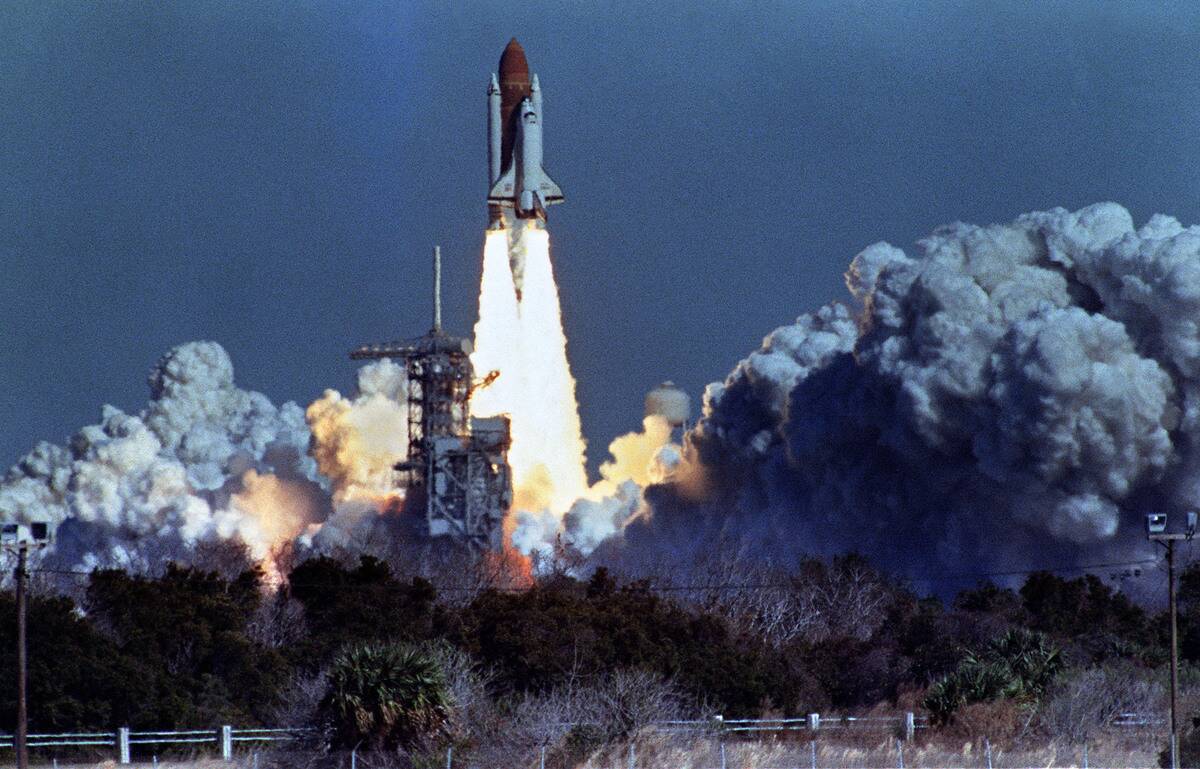
The Challenger space shuttle disaster in 1986 was a tragic event that reshaped NASA’s approach to space exploration. The shuttle exploded 73 seconds after liftoff, killing all seven crew members.
This tragedy highlighted the risks of space travel and led to significant changes in NASA’s safety protocols and design processes. The loss of the Challenger crew served as a sobering reminder of the complexities and dangers of exploring the final frontier.
The Fall of Constantinople: A Siege That Redefined European and Asian Boundaries
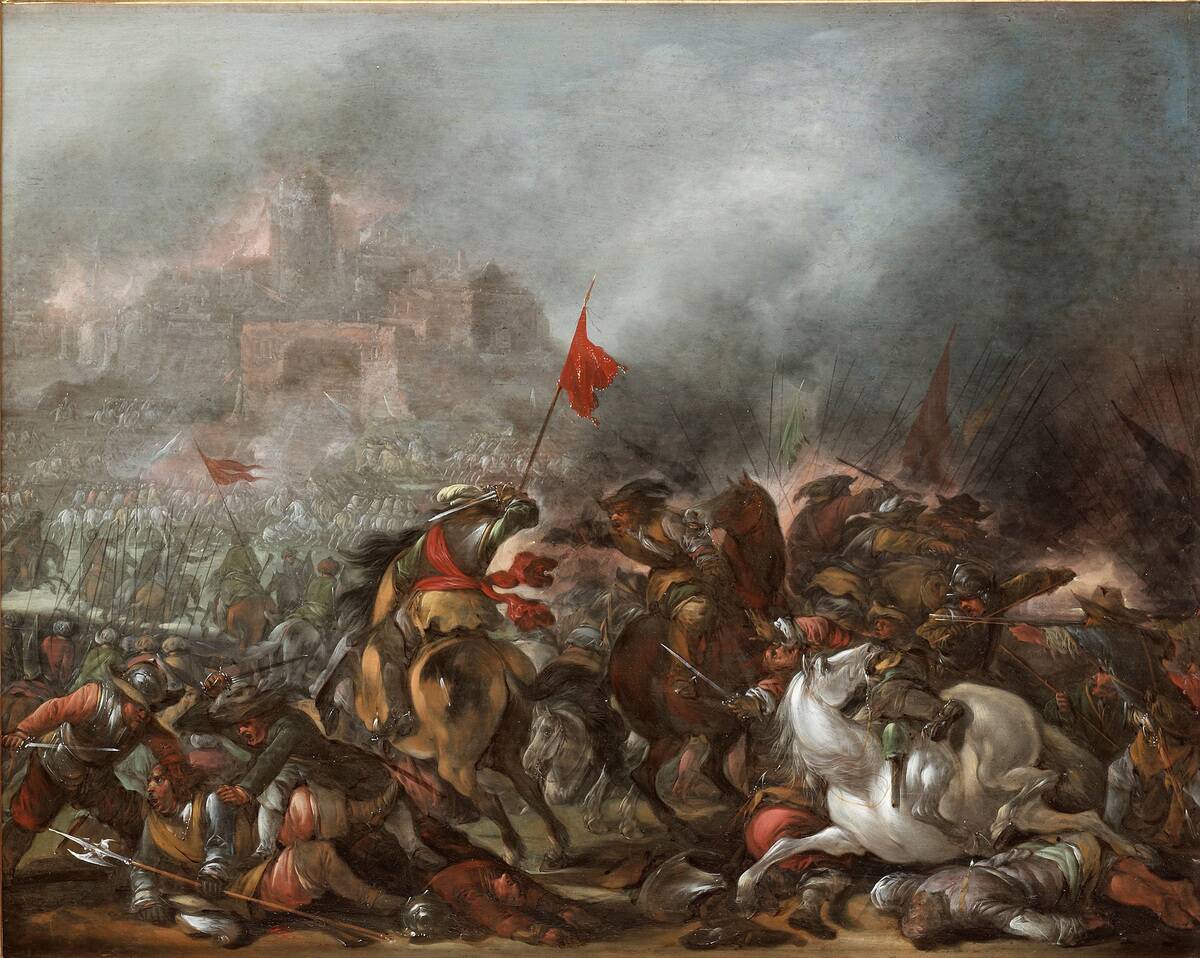
In 1453, the fall of Constantinople marked the end of the Byzantine Empire and a shift in power dynamics between Europe and Asia. The Ottoman Empire’s victory under Sultan Mehmed II opened new trade routes and influenced the spread of Renaissance ideas to the West.
This event also prompted European nations to seek alternative routes to Asia, eventually leading to the Age of Exploration. The fall of this iconic city was a turning point that reshaped geopolitical boundaries.
The Accidental Invention of Plastic: A Material That Changed the World
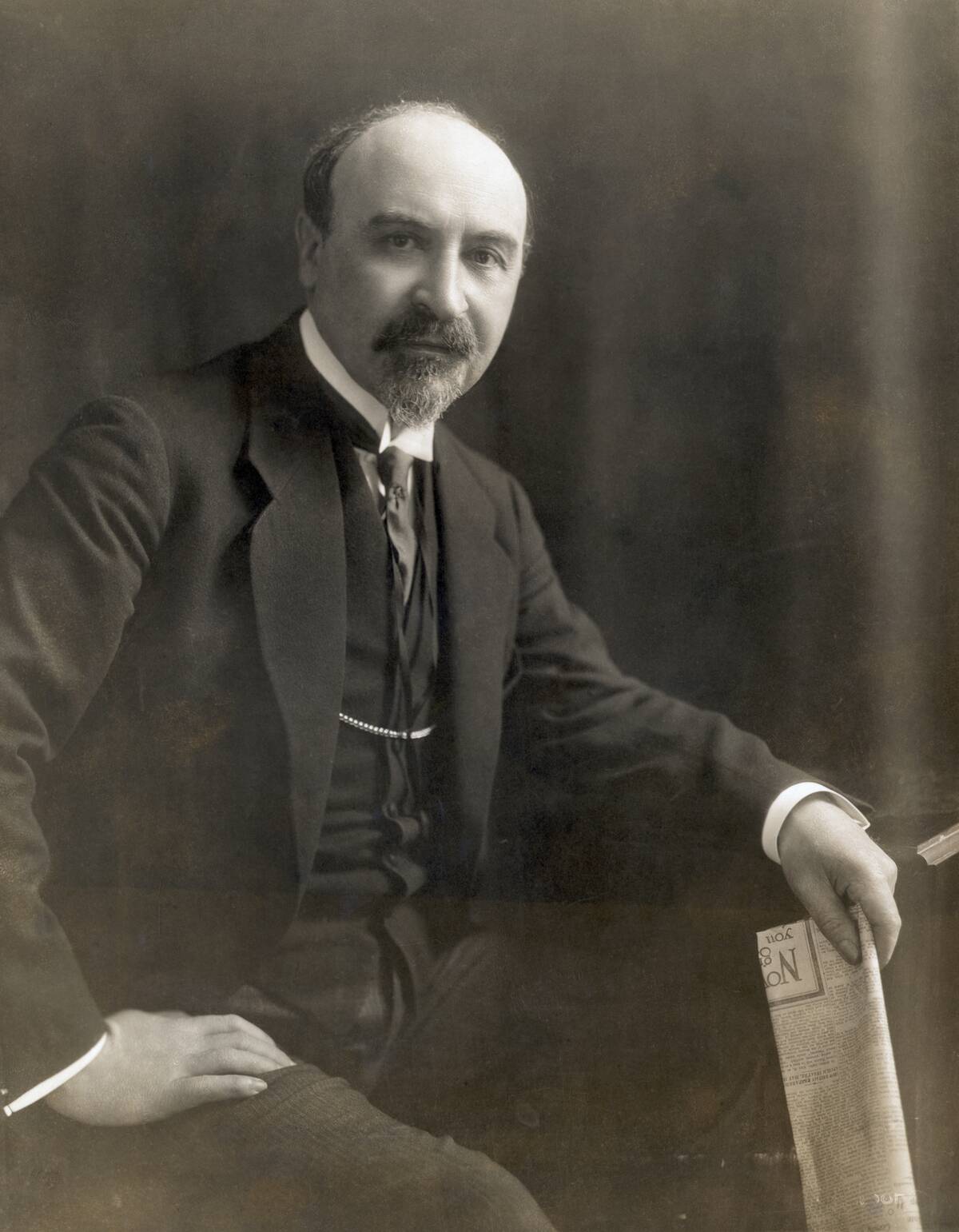
In 1907, Leo Baekeland accidentally created Bakelite, the first synthetic plastic, while attempting to develop a synthetic replacement for shellac. This invention marked the beginning of the modern plastics industry, revolutionizing manufacturing and consumer goods.
Plastics have since become ubiquitous, used in everything from packaging to medical devices. While the environmental impact of plastic is a growing concern, its invention undeniably transformed the way we live and interact with the world.
The Wrong Turn at the Battle of Gettysburg: A Tactical Error with Monumental Outcomes
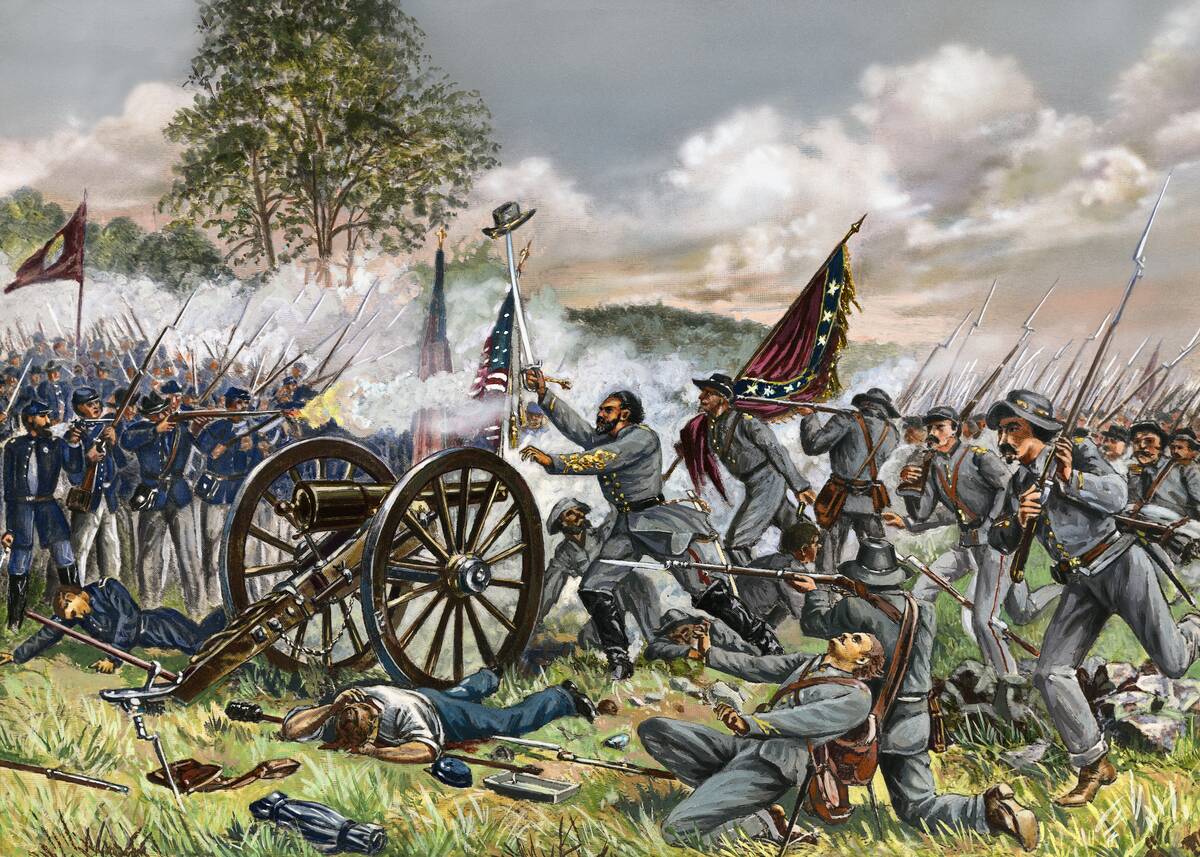
During the Battle of Gettysburg in 1863, Confederate General Robert E. Lee’s decision to engage Union forces was partly influenced by a wrong turn taken by his cavalry, leading to an unplanned encounter between advancing forces. This tactical error contributed to the Confederate defeat, marking a turning point in the American Civil War.
The Union victory at Gettysburg halted Lee’s invasion of the North and boosted Northern morale. This battle is often considered the war’s turning point, leading to the eventual Union victory.
The Vesuvius Eruption: A Natural Disaster That Froze History in Time
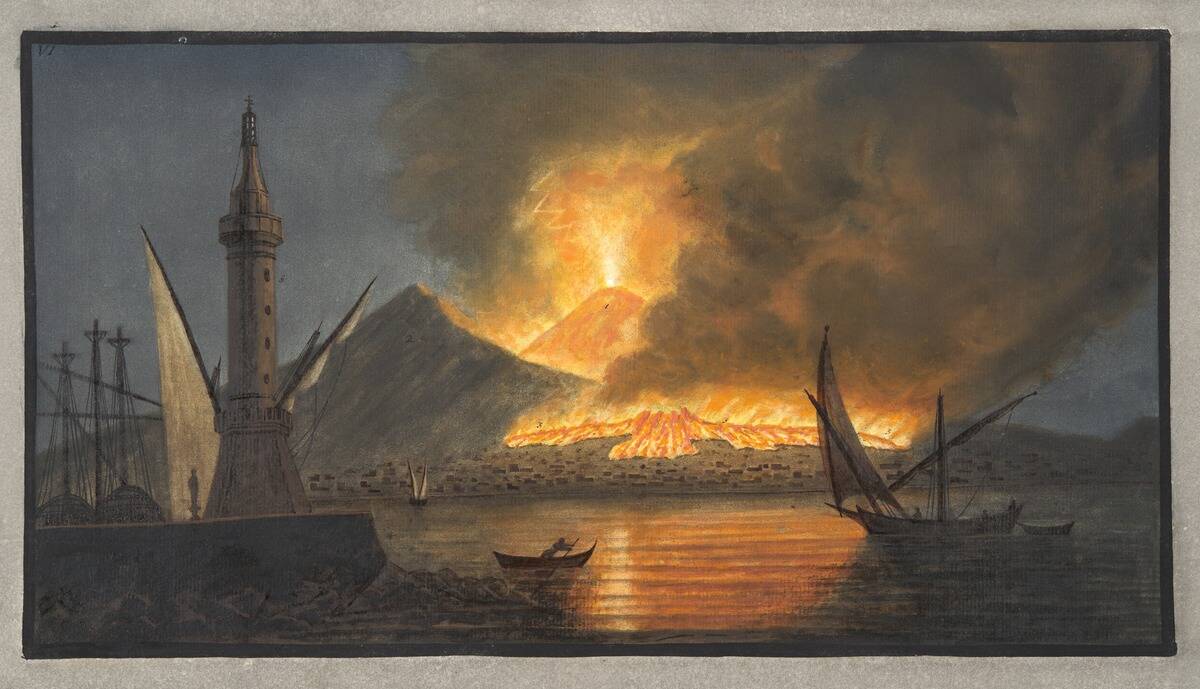
In 79 AD, Mount Vesuvius erupted, burying the Roman cities of Pompeii and Herculaneum under layers of ash and pumice. This natural disaster preserved the cities in remarkable detail, providing a unique snapshot of ancient Roman life.
Archaeological excavations have uncovered well-preserved buildings, artifacts, and even casts of the victims, offering invaluable insights into the past. The eruption of Vesuvius serves as a poignant reminder of nature’s power and the fragility of human life.
The Accidental Invention of the Internet: A Network That Connected the World

The internet, as we know it today, was born out of a series of unplanned developments. In the 1960s, the U.S. Department of Defense funded ARPANET, a project to connect computers for research purposes.
This network eventually evolved into the internet, connecting people globally and transforming communication, commerce, and information sharing. The internet’s accidental creation has had an immeasurable impact on society, revolutionizing how we live, work, and interact with one another.




