15 Photos of inventions in their original forms
Inventions have always been at the heart of human progress, transforming the way we live, work, and play. From the simplest tools to the most complex machines, each invention tells a story of innovation and adaptation.
This journey through time will explore how some of the most pivotal inventions have evolved, highlighting the ingenuity and creativity that have driven their development. Get ready to embark on a fascinating exploration of human achievement!
The Wheel: From Stone Slabs to Rubber Tires
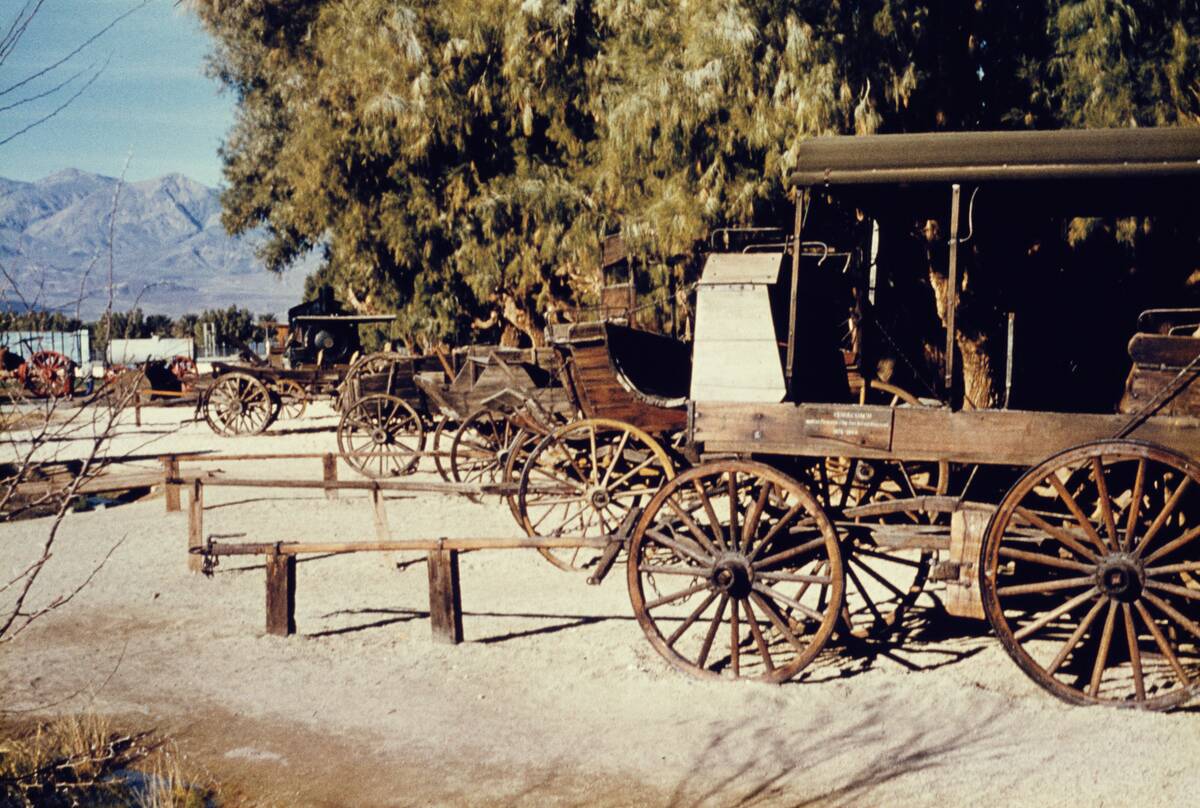
Early wheels, developed around 3500 BC in Mesopotamia, were typically made from solid wooden planks and were heavy and cumbersome. Fast forward to today, and we have lightweight rubber tires that provide smooth rides and increased efficiency.
The invention of pneumatic tires in the late 19th century revolutionized transportation, making travel faster and more comfortable. It’s amazing to think how such a simple concept has rolled its way into modern innovation!
The Telephone: From String and Cans to Smartphones
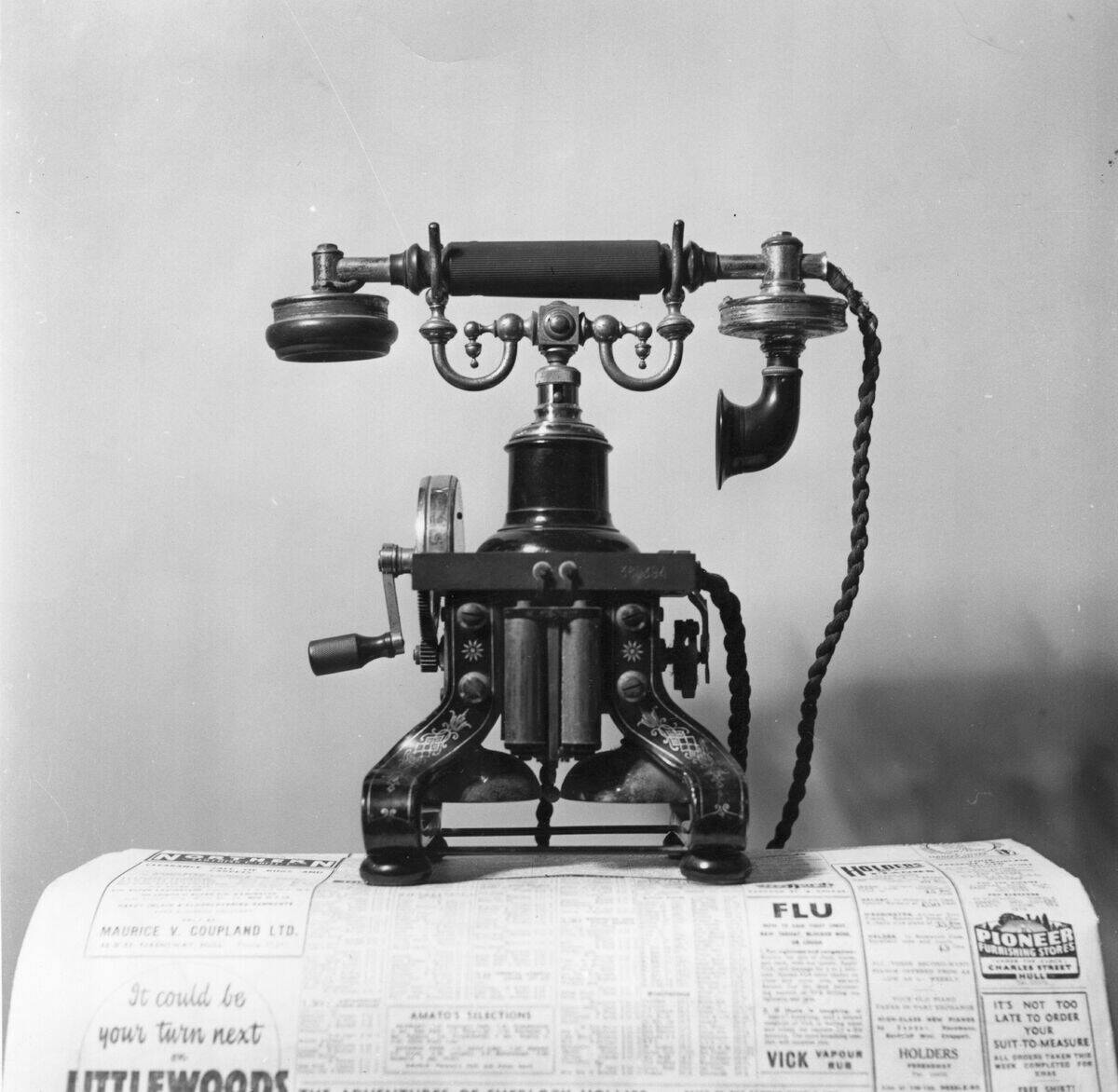
The telephone has come a long way since Alexander Graham Bell’s first successful call in 1876. Early telephones were bulky and required operators to connect calls manually. Today, smartphones fit in our pockets and offer instant communication worldwide.
With features like internet access, cameras, and apps, modern phones are more than just communication devices. It’s incredible to see how the telephone has evolved from a simple voice transmitter to an essential part of our daily lives.
The Light Bulb: From Filament Experiments to LED Marvels
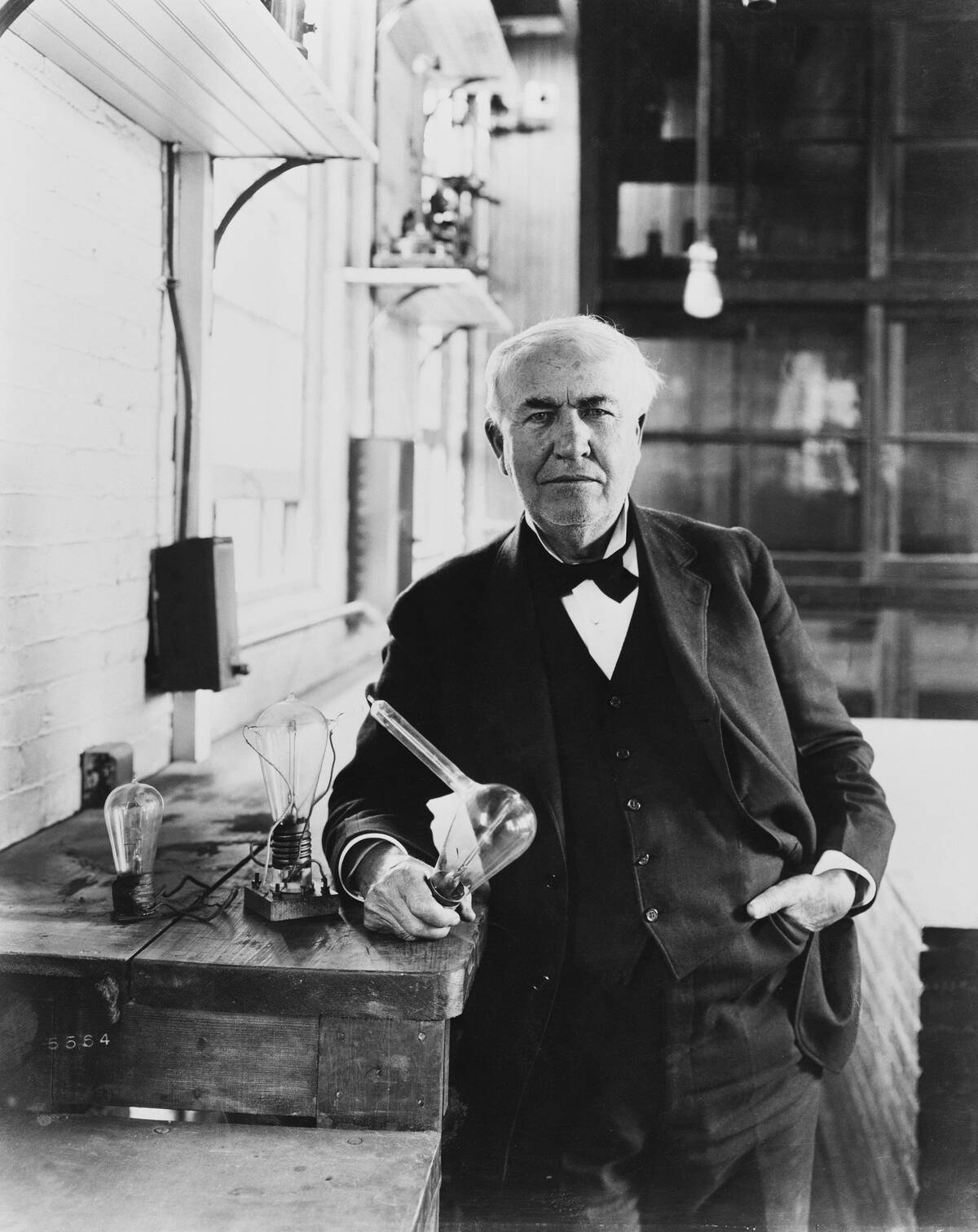
Thomas Edison is often credited with inventing the light bulb, but it was a culmination of efforts by many inventors. Edison’s 1879 version used a carbon filament, which was a breakthrough at the time.
Today, LED bulbs are the norm, offering energy efficiency and longevity. LEDs use semiconductors to emit light, a far cry from the filaments of the past. The journey from Edison’s lab to modern lighting solutions highlights the power of persistent innovation.
The Airplane: From Wright Brothers’ Flyer to Jumbo Jets
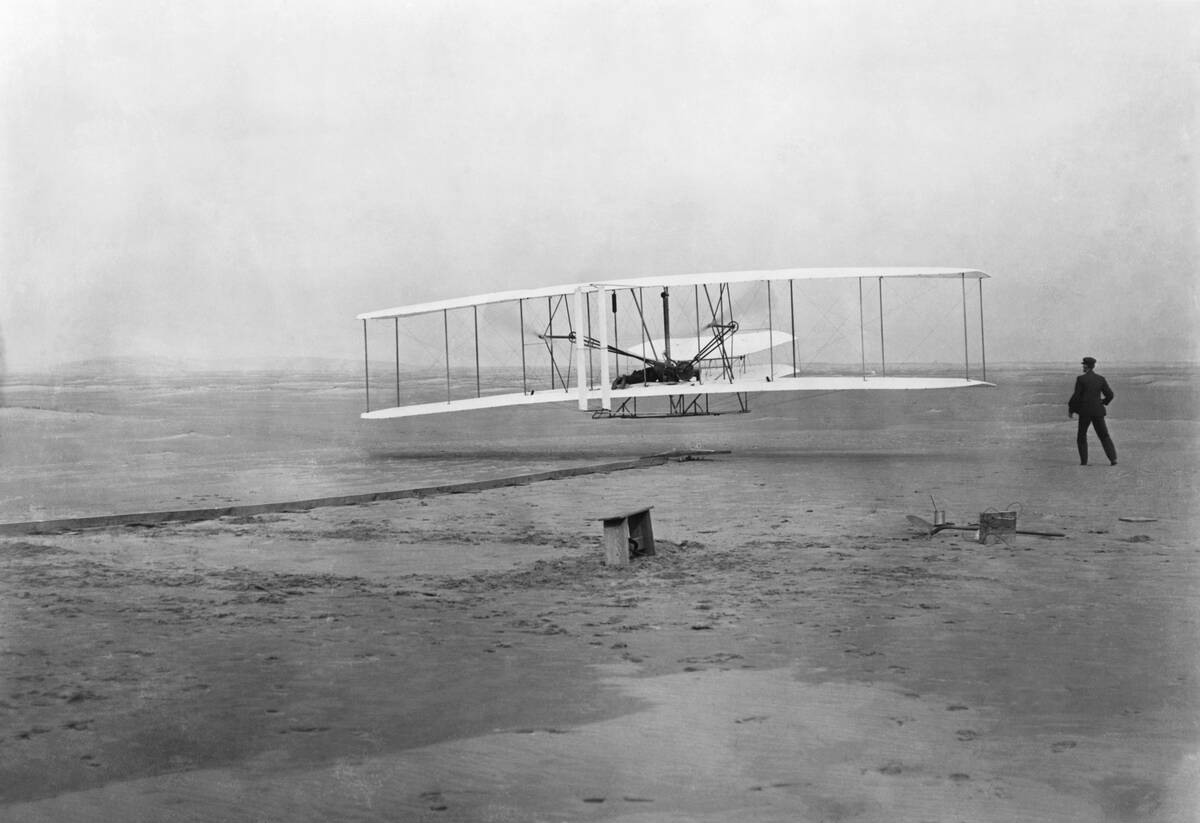
The Wright brothers made history in 1903 with the first powered flight, a modest 12-second journey. Their Flyer was a fragile biplane, but it paved the way for modern aviation. Today, jumbo jets like the Boeing 747 can carry hundreds of passengers across continents in hours.
Advances in aerodynamics, materials, and engineering have transformed air travel, making it safer and more accessible. From a humble start, aviation has truly taken flight!
The Camera: From Boxy Contraptions to Digital Devices
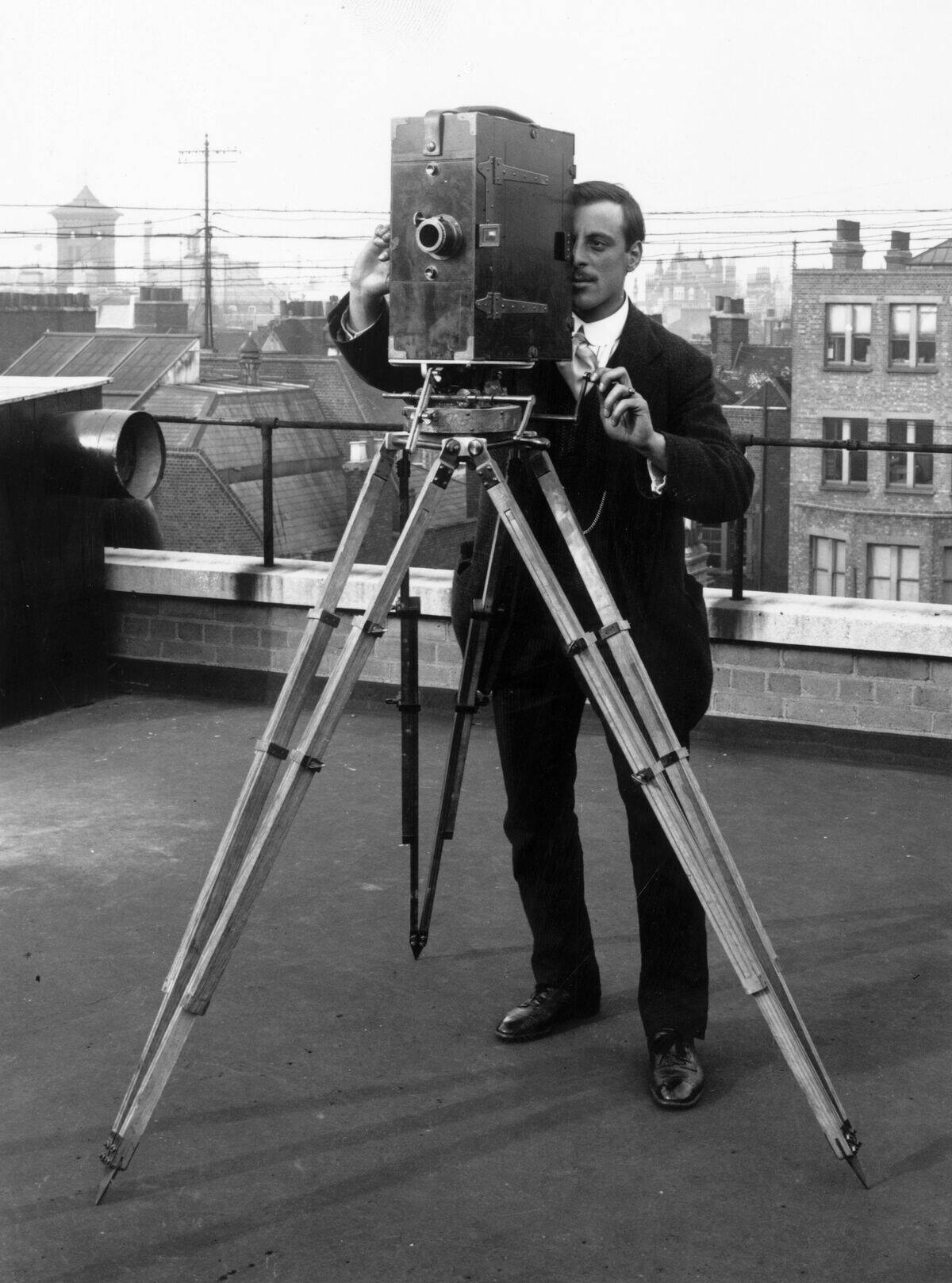
The camera has undergone a dramatic transformation since the days of the daguerreotype in the 19th century. Early cameras were cumbersome and required long exposure times. The invention of digital cameras in the late 20th century revolutionized photography, allowing instant image capture and editing.
Today, smartphones have powerful cameras built-in, making photography accessible to everyone. The evolution of the camera reflects our desire to capture and share moments with ease.
The Automobile: From Horseless Carriages to Electric Cars
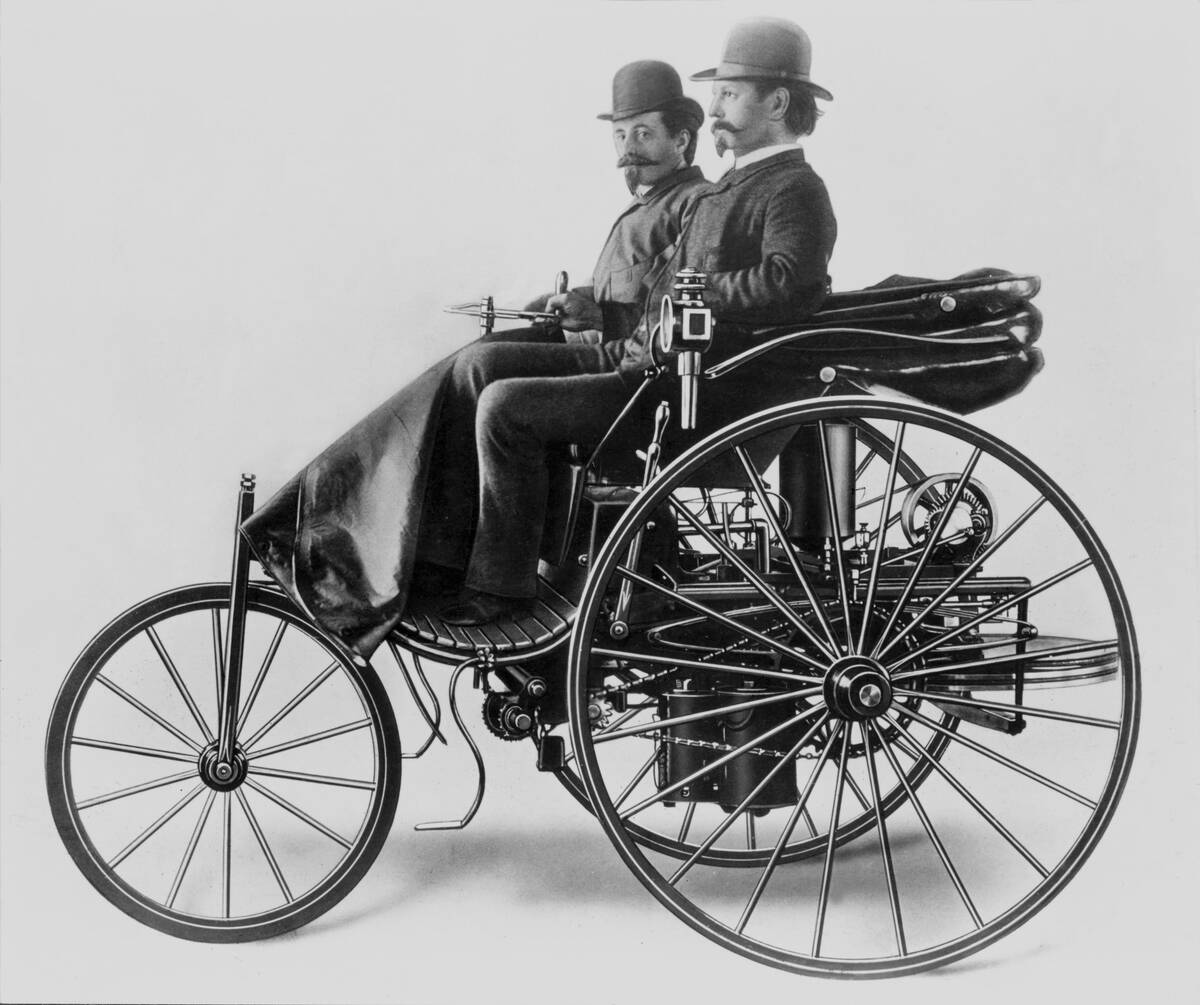
The automobile has evolved from the steam-powered vehicles of the 18th century to the sleek electric cars of today. Karl Benz’s 1885 Motorwagen is often considered the first true car, setting the stage for mass production by Henry Ford.
Today’s electric vehicles, like those from Tesla, offer sustainable alternatives to gasoline engines. With advances in battery technology and autonomous driving, the future of automobiles promises to be as exciting as its past.
The Computer: From Room-Sized Machines to Sleek Laptops
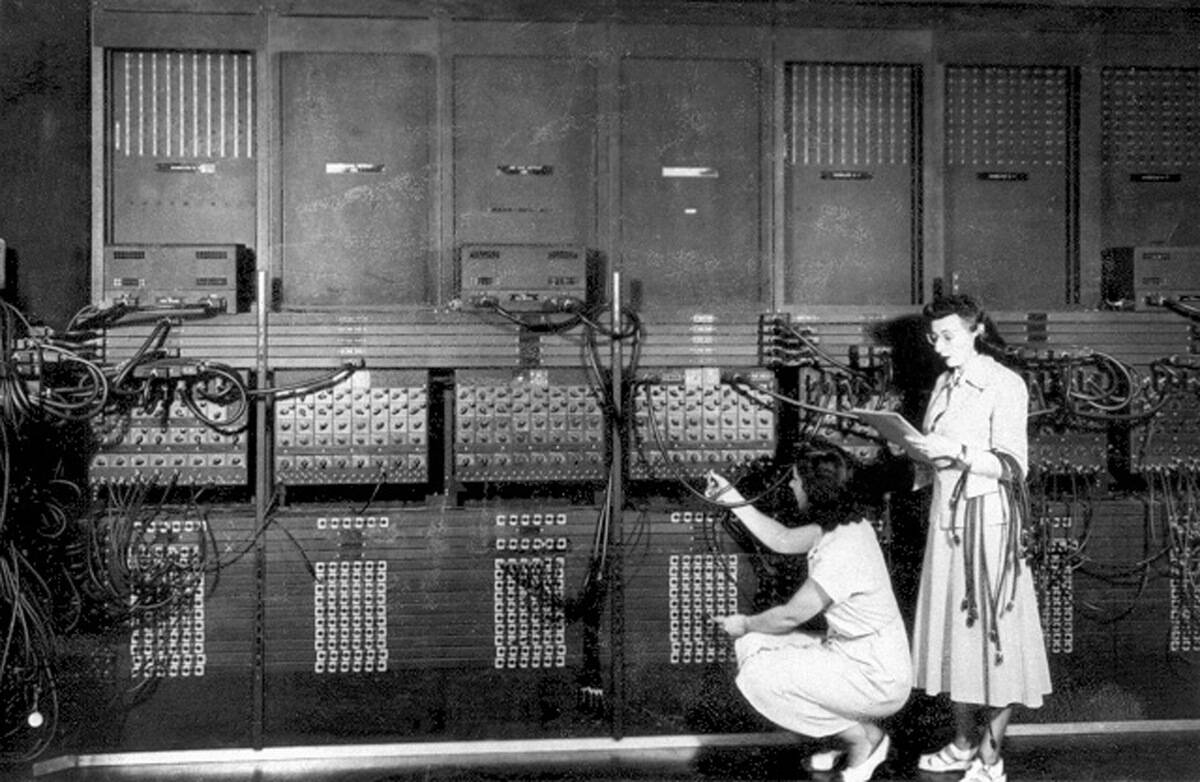
Computers have shrunk dramatically since the ENIAC, which filled an entire room in the 1940s. Early computers were limited to basic calculations, but today’s laptops are powerful tools for work and play.
The invention of the microprocessor in the 1970s was a game-changer, leading to personal computers and the digital age. With cloud computing and AI, computers continue to evolve, shaping the way we interact with technology and each other.
The Television: From Bulky Boxes to Ultra-Thin Screens
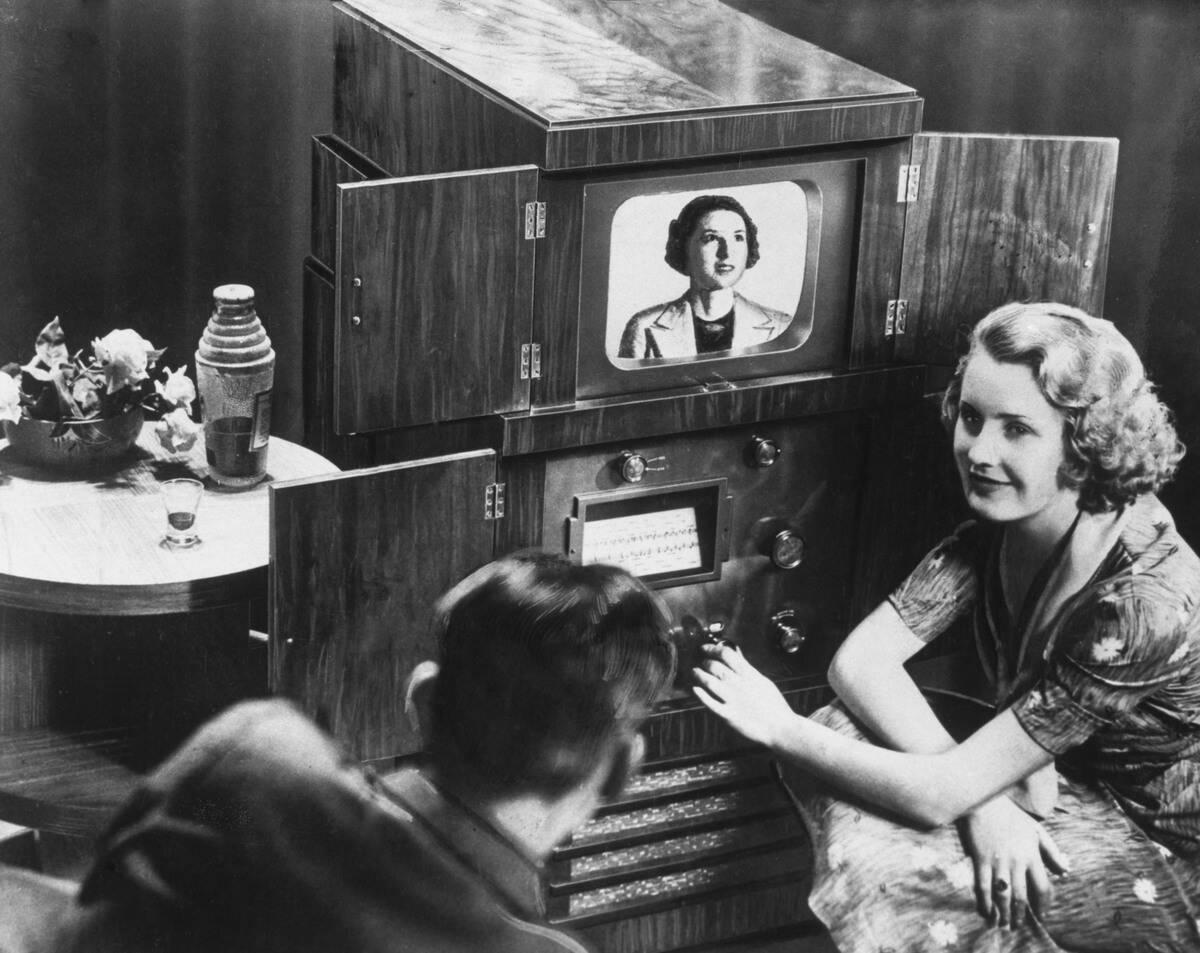
Television has come a long way since its black-and-white beginnings in the 1920s. Early sets were bulky and offered limited programming. The advent of color TV in the 1950s and flat-screen technology in the 21st century transformed viewing experiences.
Today, ultra-thin OLED screens deliver stunning visuals, and streaming services offer endless content. Television’s evolution reflects our changing media consumption habits and the relentless pursuit of better picture quality.
The Radio: From Crackly Transmissions to Streaming Services

Radio has been a staple of communication since the early 20th century, starting with crackly AM broadcasts. FM radio improved sound quality, and the transistor made radios portable.
Today, digital streaming services bring radio to the internet, offering personalized playlists and podcasts. Despite changes in technology, radio remains a beloved medium, adapting to new formats while continuing to connect people through music and stories.
The Bicycle: From Penny-Farthings to Mountain Bikes
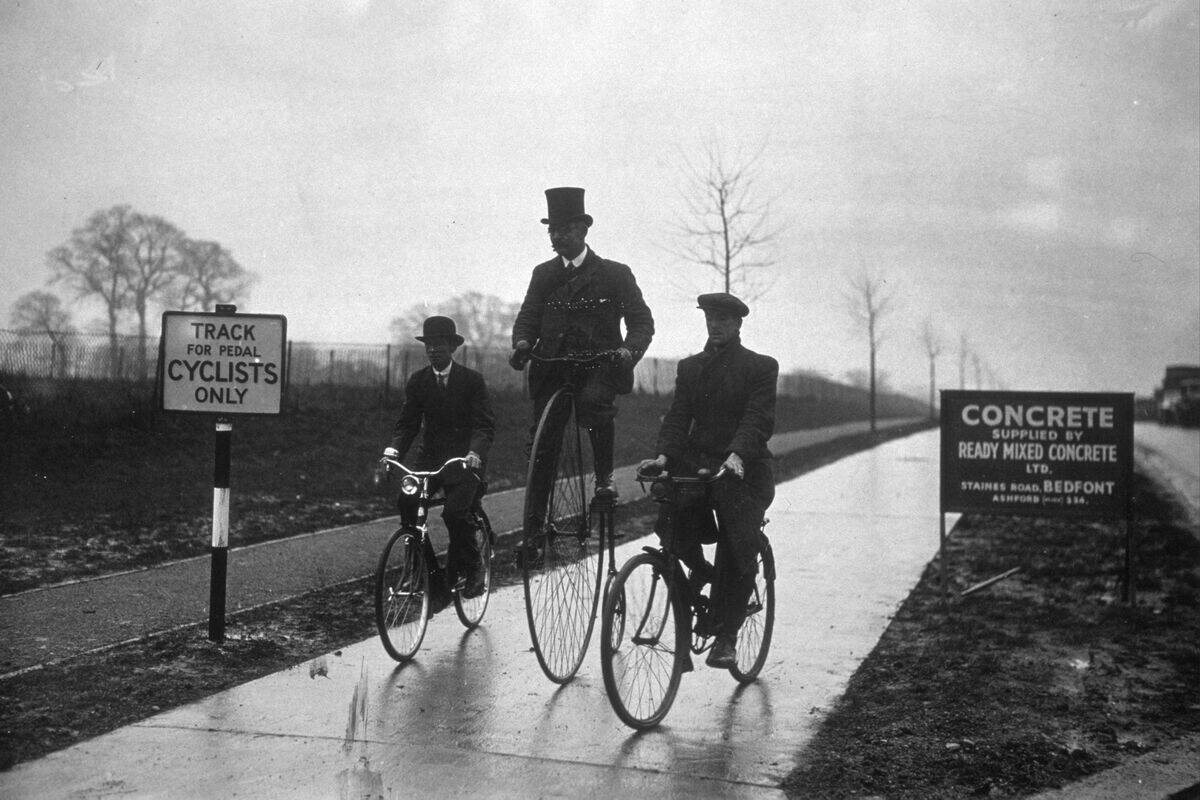
Bicycles have evolved from the high-wheeled penny-farthings of the 19th century to the versatile mountain bikes of today. Early bicycles were difficult to ride, but the invention of the safety bicycle in the 1880s made cycling more accessible.
Modern bikes feature lightweight materials and advanced gearing systems, catering to various terrains and riding styles. The bicycle’s evolution showcases the blend of simplicity and innovation in personal transportation.
The Printing Press: From Hand-Cranked to Digital Publishing
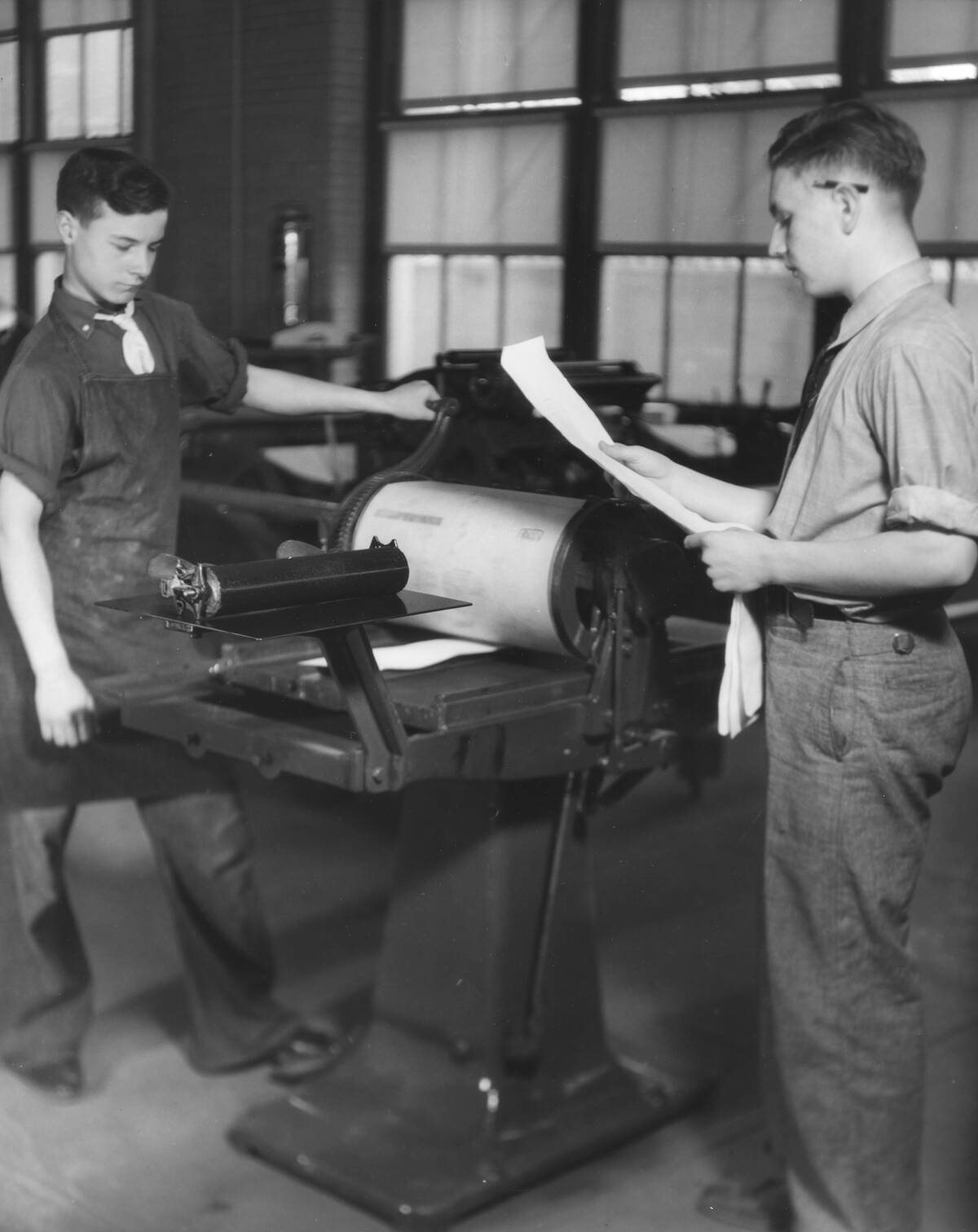
The printing press, invented by Johannes Gutenberg in the 15th century, revolutionized the spread of information. Early presses were hand-cranked and labor-intensive, but they paved the way for mass communication.
Today, digital publishing allows instant dissemination of information worldwide. E-books and online news have transformed how we consume written content, highlighting the enduring impact of Gutenberg’s invention on literacy and knowledge sharing.
The Sewing Machine: From Manual Labor to Automated Precision
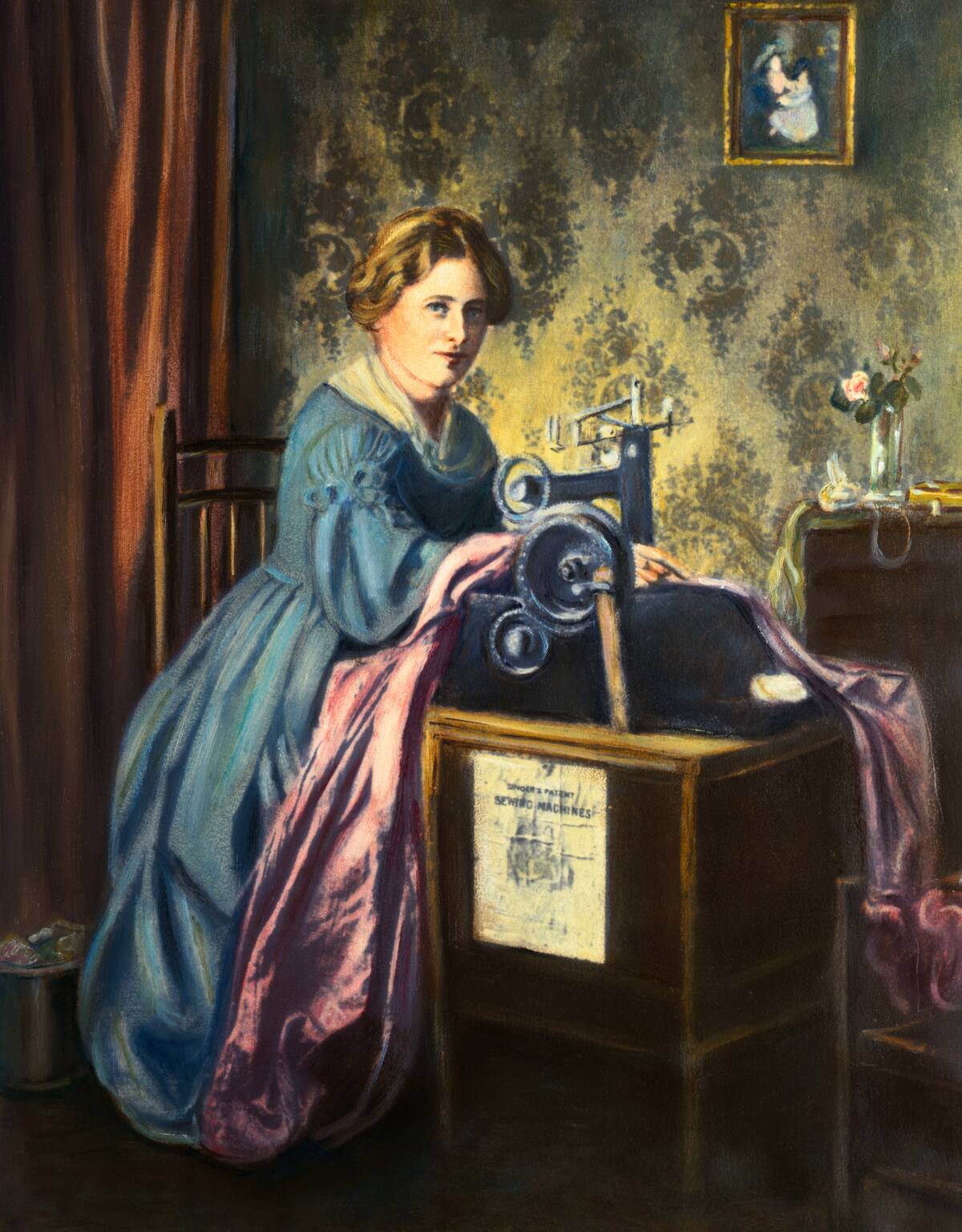
The sewing machine, developed in the 19th century, revolutionized garment production. Early machines were hand-operated and required skill to use. The introduction of electric sewing machines in the 20th century increased efficiency and precision.
Today, automated sewing machines can produce intricate designs with minimal human intervention. The evolution of the sewing machine reflects the broader trend of automation in manufacturing, making clothing production faster and more accessible.
The Typewriter: From Clunky Keys to Touchscreen Keyboards
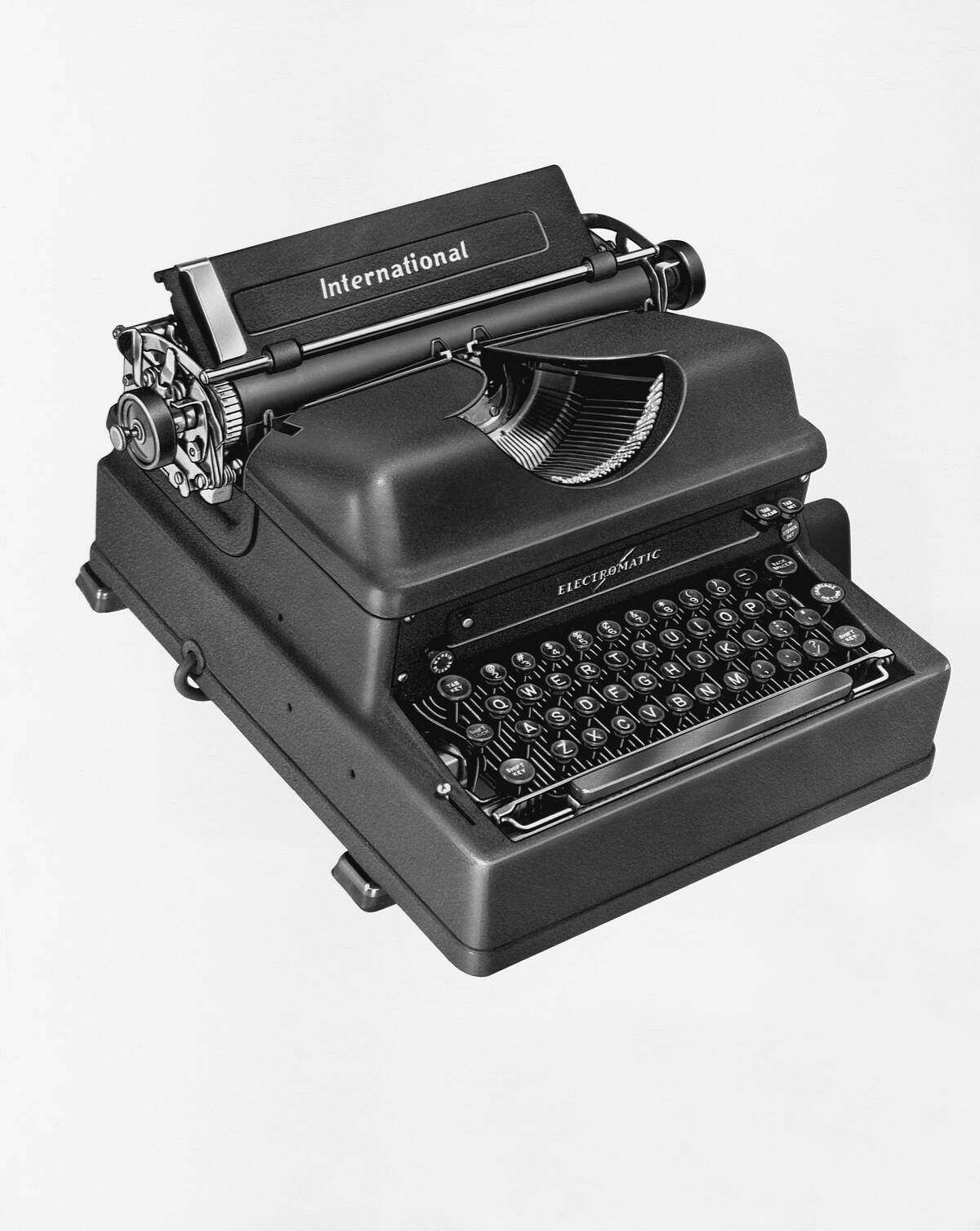
The typewriter, a staple of offices in the 19th and 20th centuries, has evolved into the digital keyboards we use today. Early typewriters were mechanical and required significant force to operate.
The transition to electric typewriters in the mid-20th century improved typing speed and comfort. Today, touchscreen keyboards on smartphones and tablets offer a seamless typing experience. The typewriter’s evolution mirrors the shift from mechanical to digital in communication tools.
The Clock: From Sundials to Smartwatches
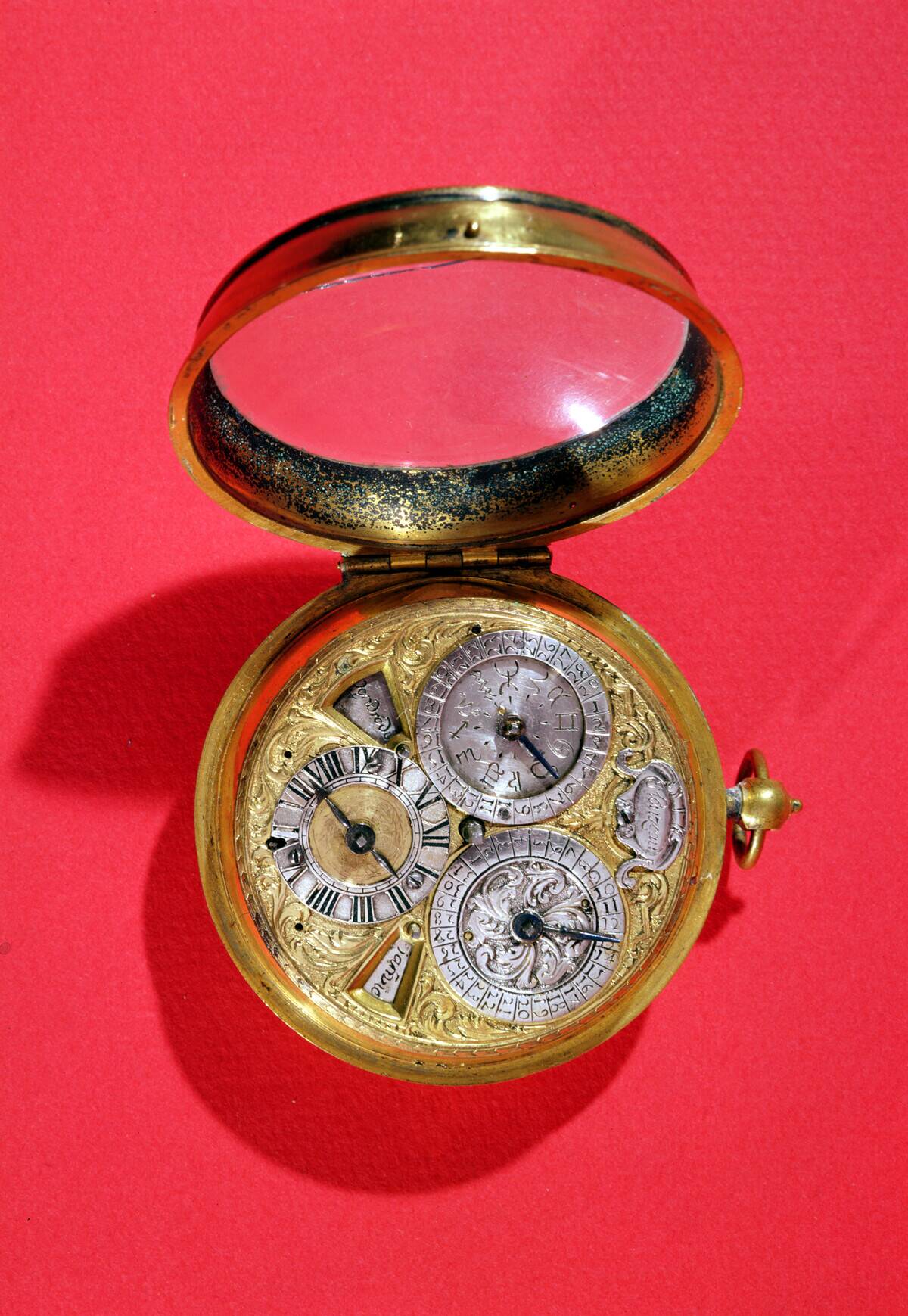
Timekeeping has evolved from ancient sundials to sophisticated smartwatches. Mechanical clocks, developed in the Middle Ages, allowed for more accurate time measurement. The invention of quartz clocks in the 20th century further improved precision.
Today, smartwatches offer more than just timekeeping, with features like fitness tracking and notifications. The clock’s evolution from simple to smart reflects our ongoing quest to manage time more effectively.
The Refrigerator: From Iceboxes to Smart Fridges
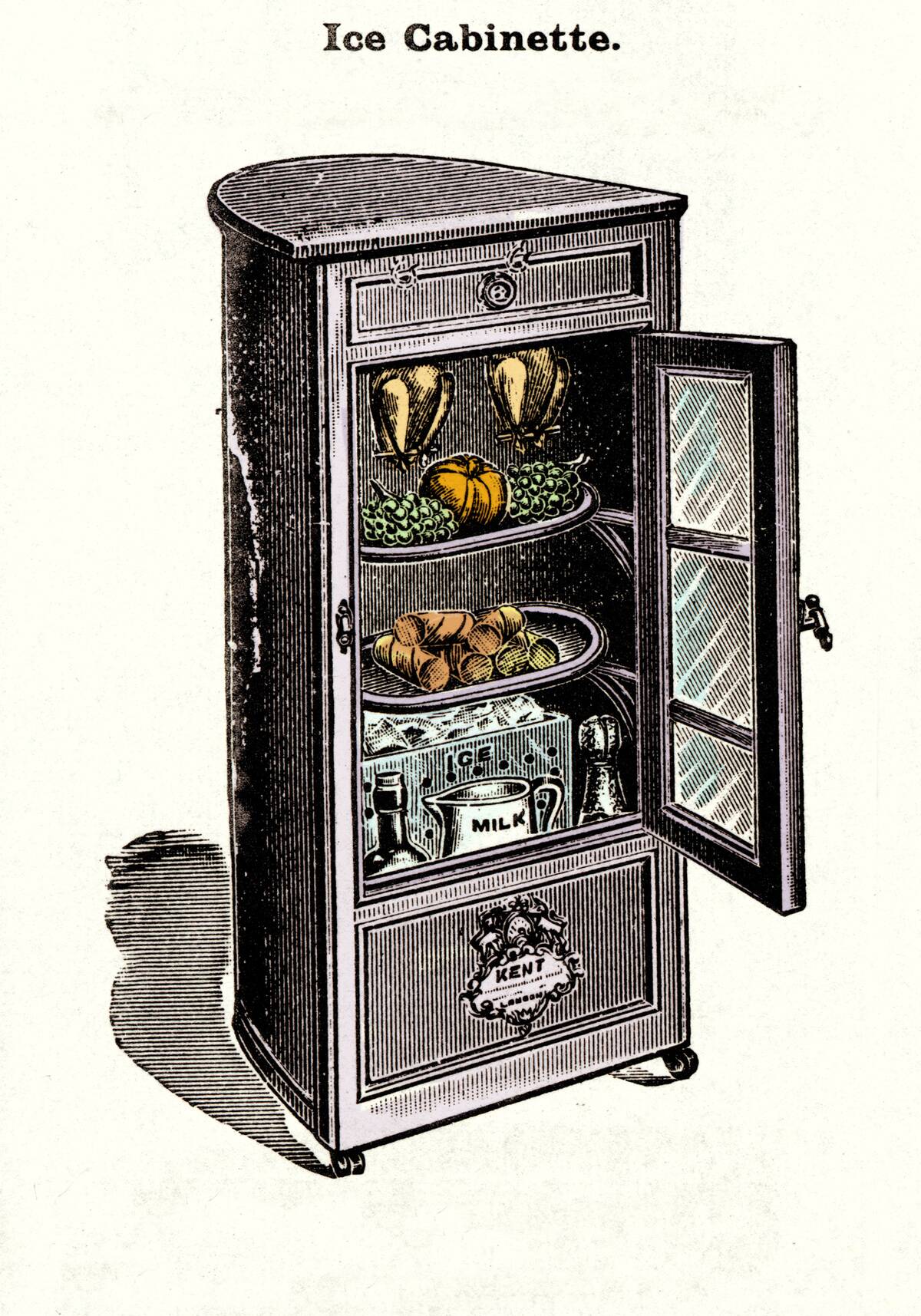
The refrigerator has come a long way from the iceboxes of the 19th century, which relied on blocks of ice to keep food cool. The introduction of electric refrigerators in the early 20th century transformed food storage, making it more convenient and reliable.
Today, smart fridges can monitor food freshness and suggest recipes. The evolution of the refrigerator highlights the intersection of technology and everyday convenience, making life a little bit cooler.




