15 Beliefs about science a century ago
Welcome to the roaring 1920s, a time when jazz was hot, flappers were in vogue, and science was a mix of groundbreaking discoveries and curious misconceptions. As we journey back to 1926, we’ll explore the fascinating beliefs that shaped the scientific landscape of the era.
From the mysterious ether to the allure of the fourth dimension, these ideas reflect a world on the brink of modernity, yet still clinging to the vestiges of the past.
The Mystique of Ether: Space’s Invisible Substance

100 years ago, the concept of ether was still a popular explanation for how light traveled through space. This invisible substance was thought to fill the universe, providing a medium for the propagation of electromagnetic waves.
However, the Michelson-Morley experiment of 1887 had already cast doubt on its existence, paving the way for Einstein’s theory of relativity. Despite this, ether lingered in scientific discussions, a testament to the persistence of old ideas in the face of new evidence.
The Atom: Indivisible or Not?
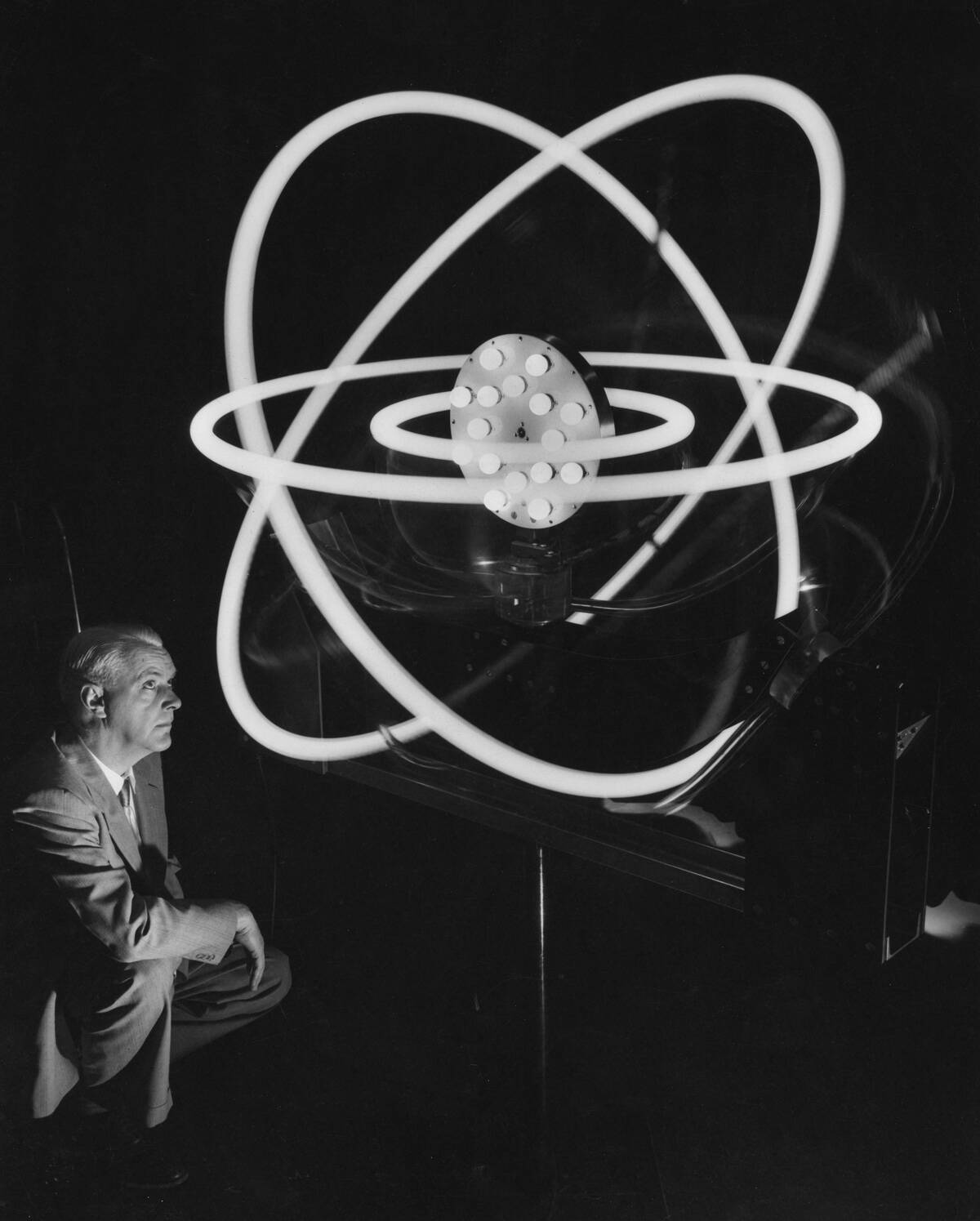
The early 20th century was a time of great debate about the nature of the atom. While the word ‘atom’ means indivisible, scientists were beginning to uncover the complex inner workings of these tiny particles.
In 1911, Ernest Rutherford’s gold foil experiment revealed the existence of the atomic nucleus, challenging the long-held belief that atoms were solid spheres. By 1923, the atom was no longer seen as indivisible, but as a dynamic structure with electrons orbiting a dense core.
The Universe: Static and Eternal?
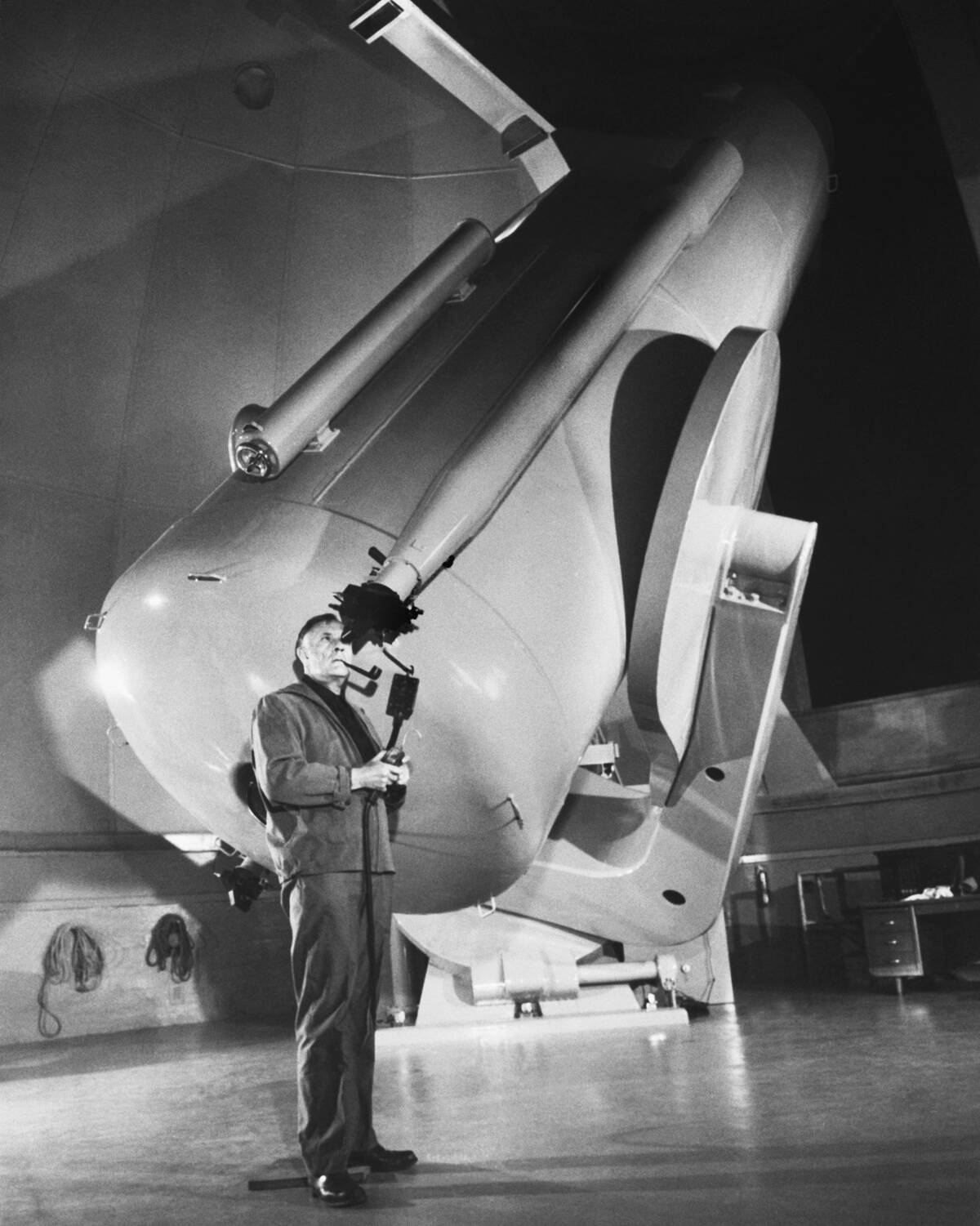
In the early 20th century, the prevailing view of the universe was that it was static and eternal, a belief rooted in the ideas of Newtonian physics. However, this notion was soon to be challenged by the work of astronomers like Edwin Hubble, who discovered that distant galaxies were moving away from us, suggesting an expanding universe.
This groundbreaking revelation would eventually lead to the formulation of the Big Bang theory, forever changing our understanding of the cosmos.
The Enigma of the Canal-Building Martians
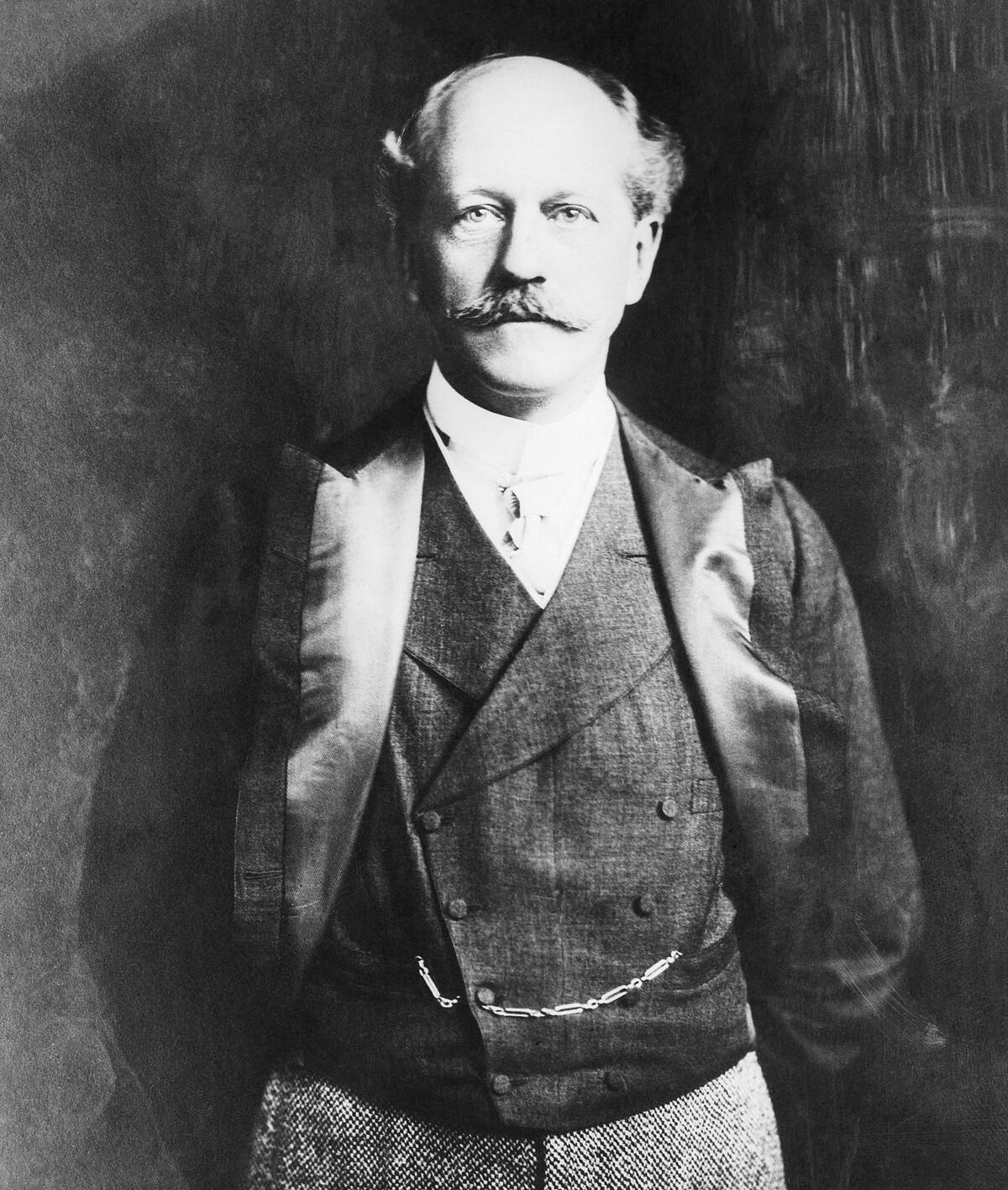
The idea of intelligent life on Mars captivated the public imagination in the early 20th century, fueled by the observations of astronomer Percival Lowell. He claimed to have seen canals on the Martian surface, which he believed were the work of an advanced civilization.
Although Lowell’s canals were later debunked as optical illusions, the notion of Martians persisted in popular culture, inspiring countless works of science fiction and keeping the dream of extraterrestrial life alive.
Earth’s Age: A Mere Few Million Years?
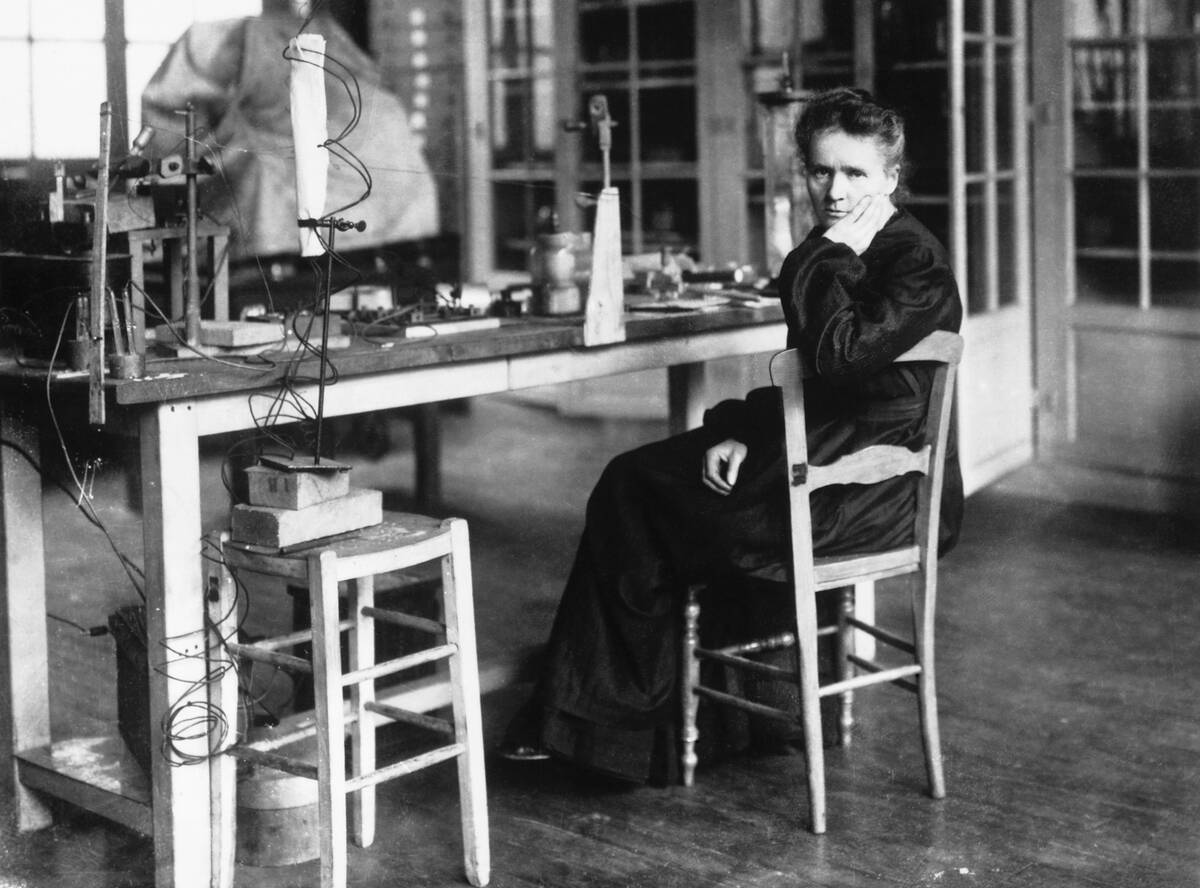
In 1926, the age of the Earth was still a topic of hot debate among scientists. Estimates ranged from a few million to several billion years. The discovery of radioactivity in the late 19th century provided a new method for dating rocks, leading to the realization that the Earth was much older than previously thought.
By the mid-20th century, radiometric dating would establish the Earth’s age at approximately 4.5 billion years, a figure that remains widely accepted today.
The Mysterious Power of Radio Waves
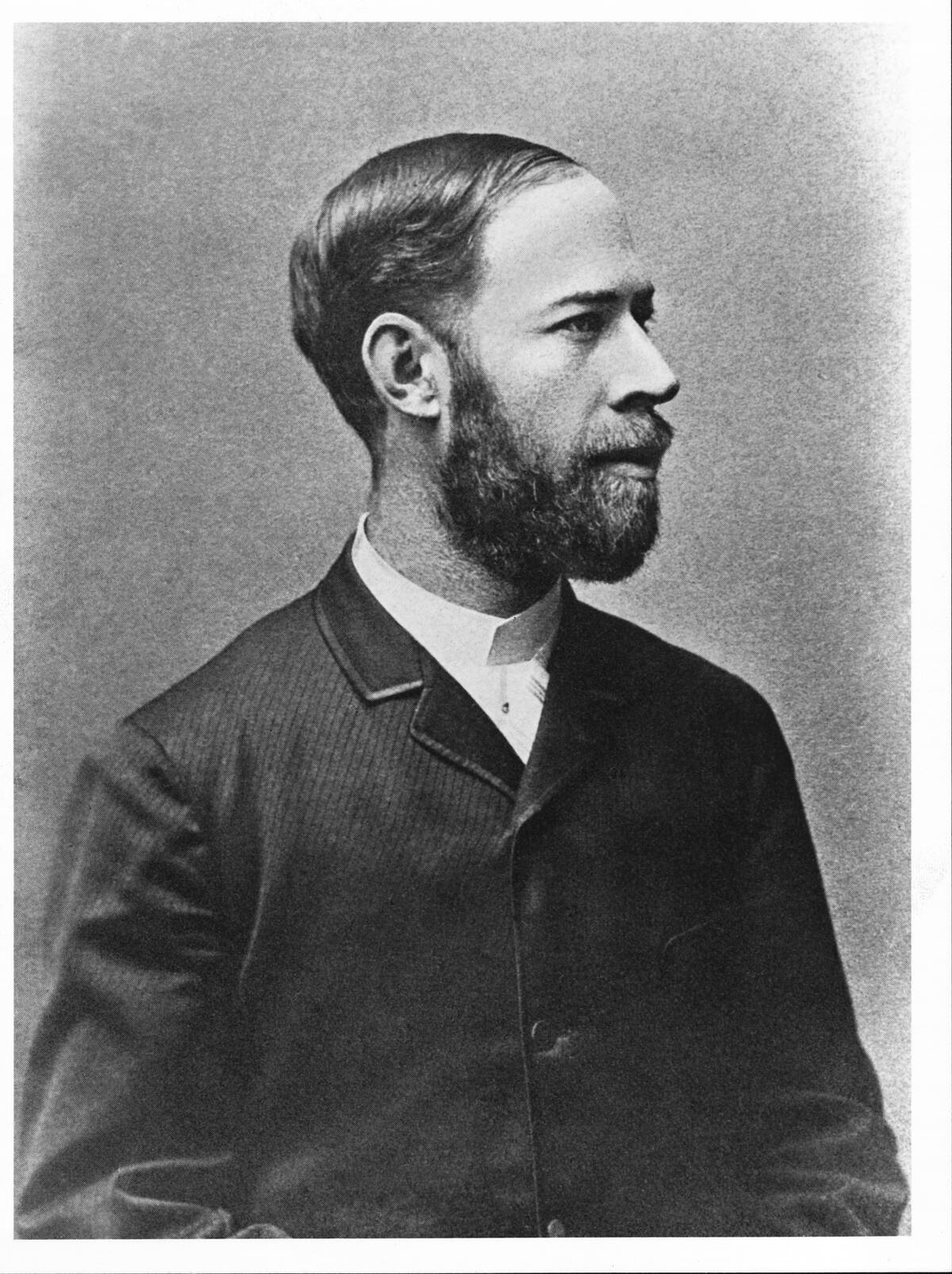
Radio waves were a source of wonder and intrigue in 1926, as they enabled long-distance communication without the need for wires. This invisible technology revolutionized the way people received news and entertainment, with radio broadcasts becoming a staple of daily life.
The science behind radio waves was rooted in the work of pioneers like Heinrich Hertz and Guglielmo Marconi, whose discoveries laid the foundation for modern wireless communication, forever altering the landscape of global connectivity.
The Science of Phrenology: Reading Minds Through Skull Bumps
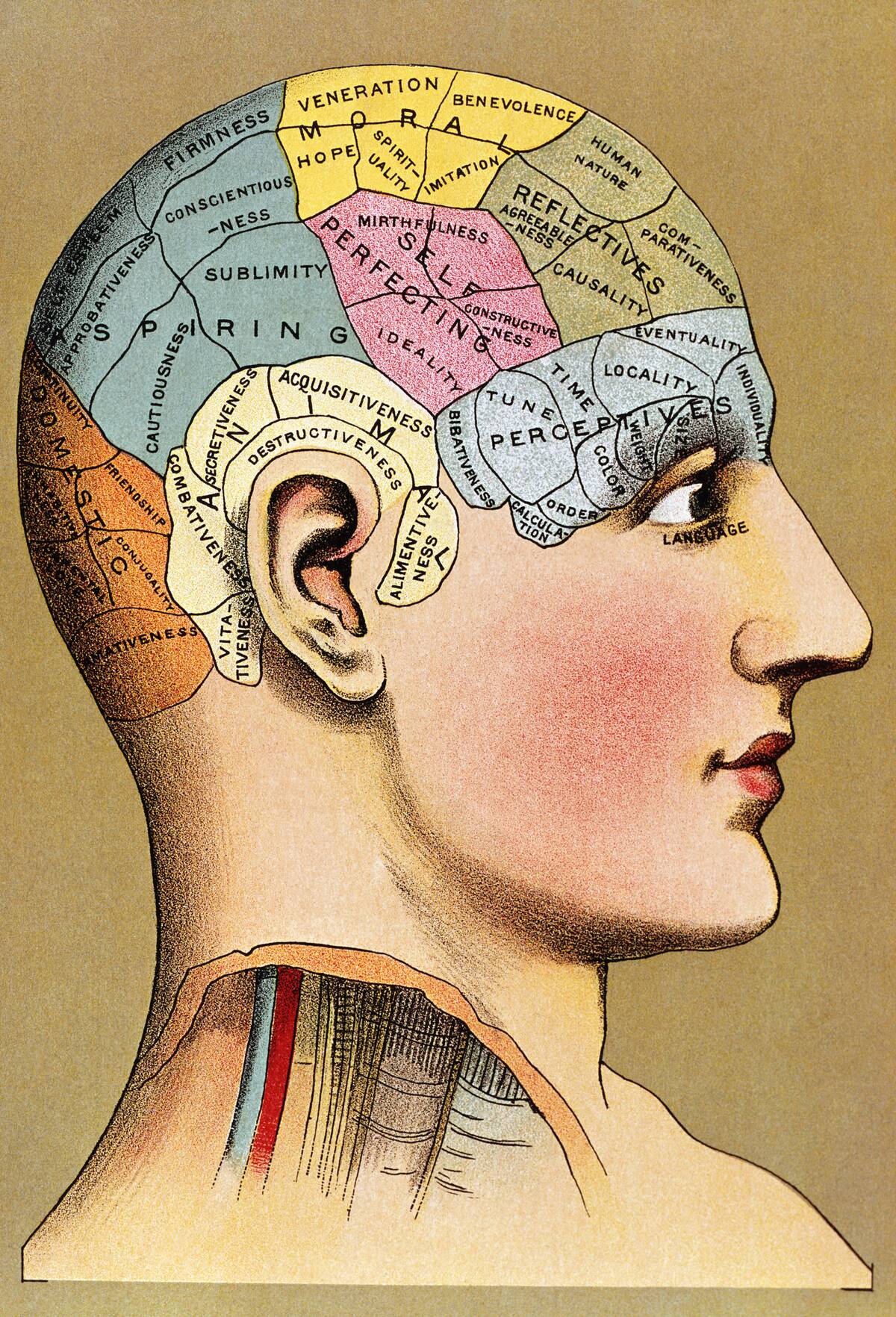
Phrenology, the study of skull shapes to determine personality traits, was still practiced by some in the early 20th century, despite being discredited by mainstream science. This pseudoscience was based on the idea that different brain areas corresponded to specific character traits, which could be assessed by examining the bumps on a person’s head.
While phrenology has long been debunked, its influence can still be seen in the development of modern neuroscience and psychology.
The Marvel of Radium: A Glowing Wonder
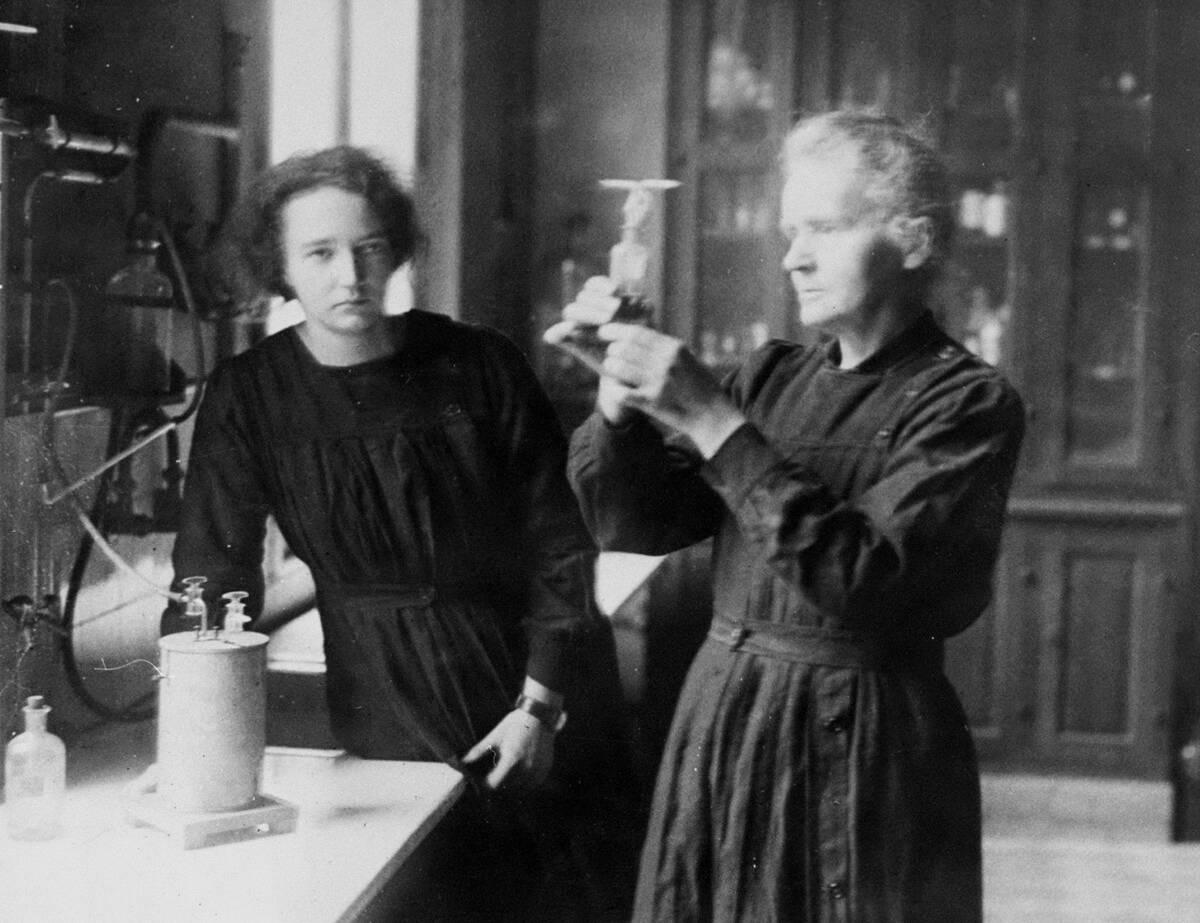
Radium was a source of fascination in the early 20th century, celebrated for its luminescent properties and touted as a miracle cure for various ailments. Discovered by Marie and Pierre Curie in 1898, radium was used in everything from glow-in-the-dark watches to health tonics.
However, the dangers of radiation exposure were not yet fully understood, leading to tragic consequences for many who worked with the element. Today, radium’s legacy is a reminder of the delicate balance between scientific discovery and safety.
The Possibility of Human Flight: Still a Novelty

By 1926, human flight was still a relatively new phenomenon, with the Wright brothers’ first powered flight occurring just two decades earlier in 1903. Aviation was rapidly advancing, with pioneers like Charles Lindbergh and Amelia Earhart capturing the world’s imagination.
Despite these achievements, many people remained skeptical about the future of air travel, viewing it as a risky novelty rather than a viable mode of transportation. Little did they know, the aviation industry was on the cusp of revolutionizing global travel.
The Role of Miasma in Disease: Bad Air and Illness

The miasma theory, which attributed disease to ‘bad air’ or noxious vapors, was still influential in the early 20th century, despite the rise of germ theory. This outdated belief held that illnesses like cholera and malaria were spread through foul-smelling air, rather than microorganisms.
The work of scientists like Louis Pasteur and Robert Koch eventually debunked the miasma theory, leading to a better understanding of infectious diseases and the development of modern sanitation practices that have saved countless lives.
The Unseen World of Germs: A New Frontier
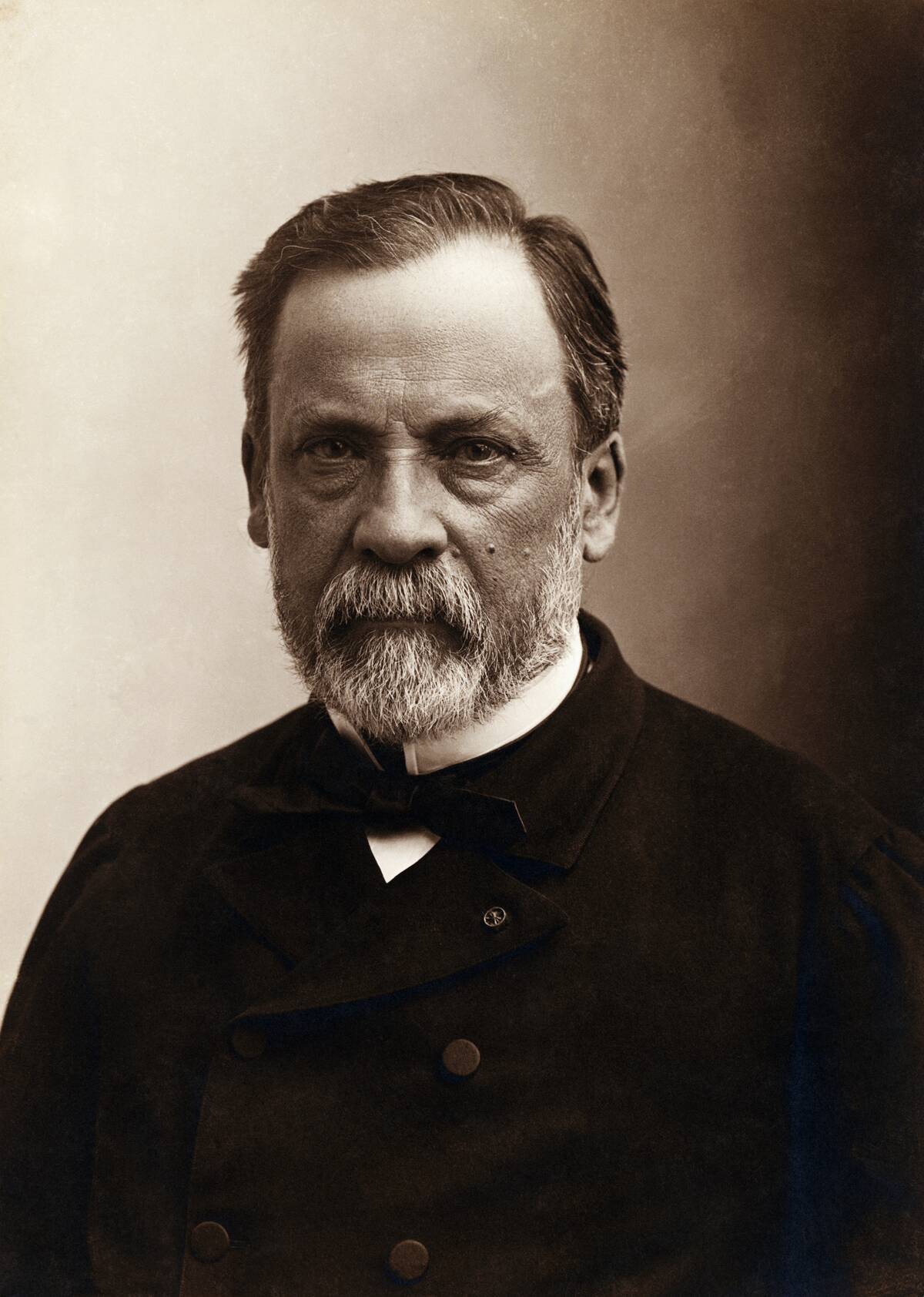
The early 20th century was a time of great discovery in the field of microbiology, as scientists began to uncover the unseen world of germs. The germ theory of disease, which proposed that microorganisms were responsible for illness, was gaining acceptance, thanks to the pioneering work of researchers like Louis Pasteur and Robert Koch.
This new understanding revolutionized medicine, leading to the development of vaccines and antibiotics that have saved countless lives and transformed public health.
The Potential of Eugenics: Science’s Controversial Path
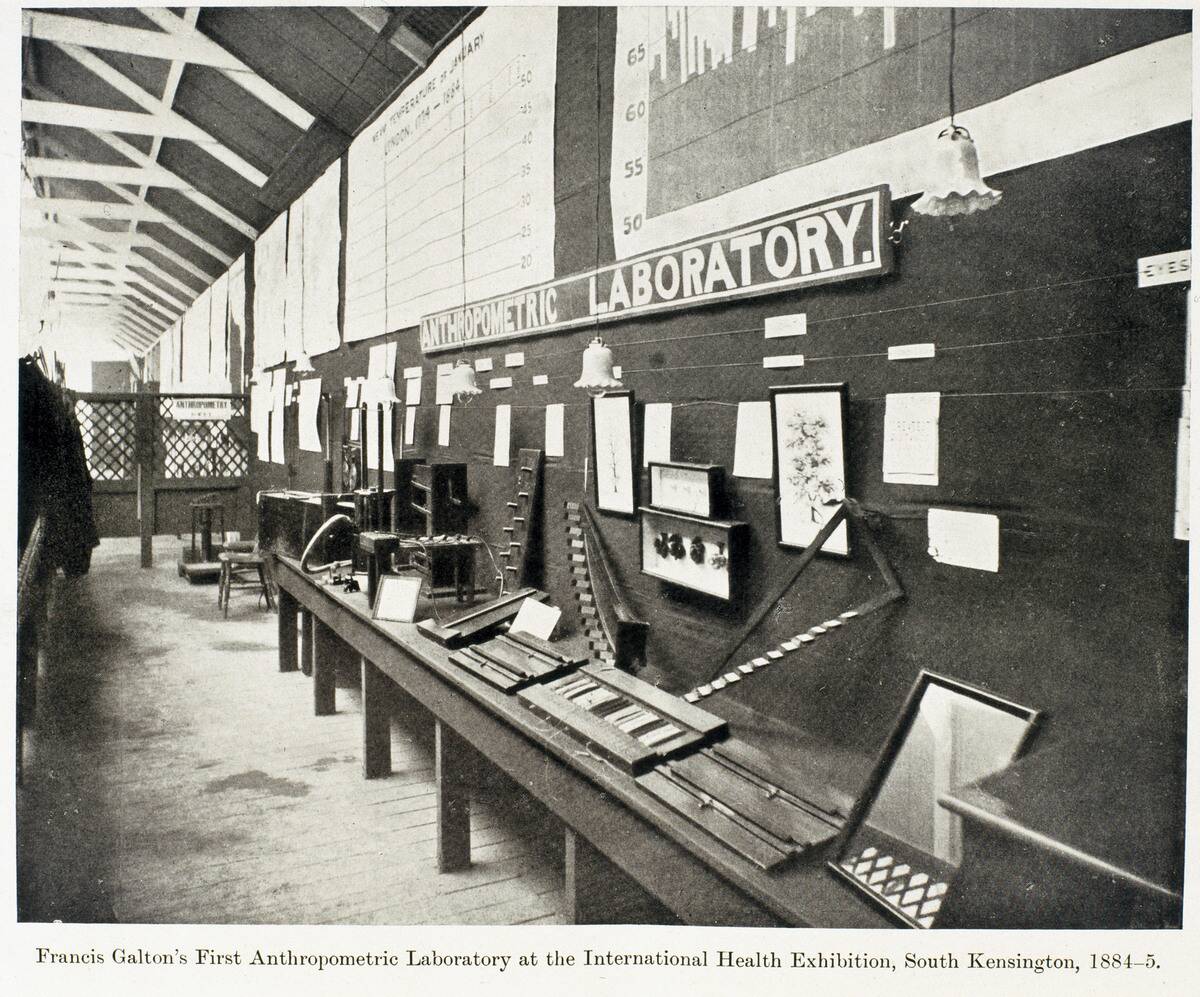
Eugenics, the idea of improving the human race through selective breeding, was a controversial topic in the early 20th century. Promoted by figures like Francis Galton, eugenics aimed to eliminate undesirable traits from the population.
While some saw it as a path to a better future, others recognized the ethical implications and potential for abuse. The dark history of eugenics, including its role in the atrocities of World War II, serves as a cautionary tale about the misuse of scientific ideas.
The Fascination with Hypnotism: Science or Sorcery?
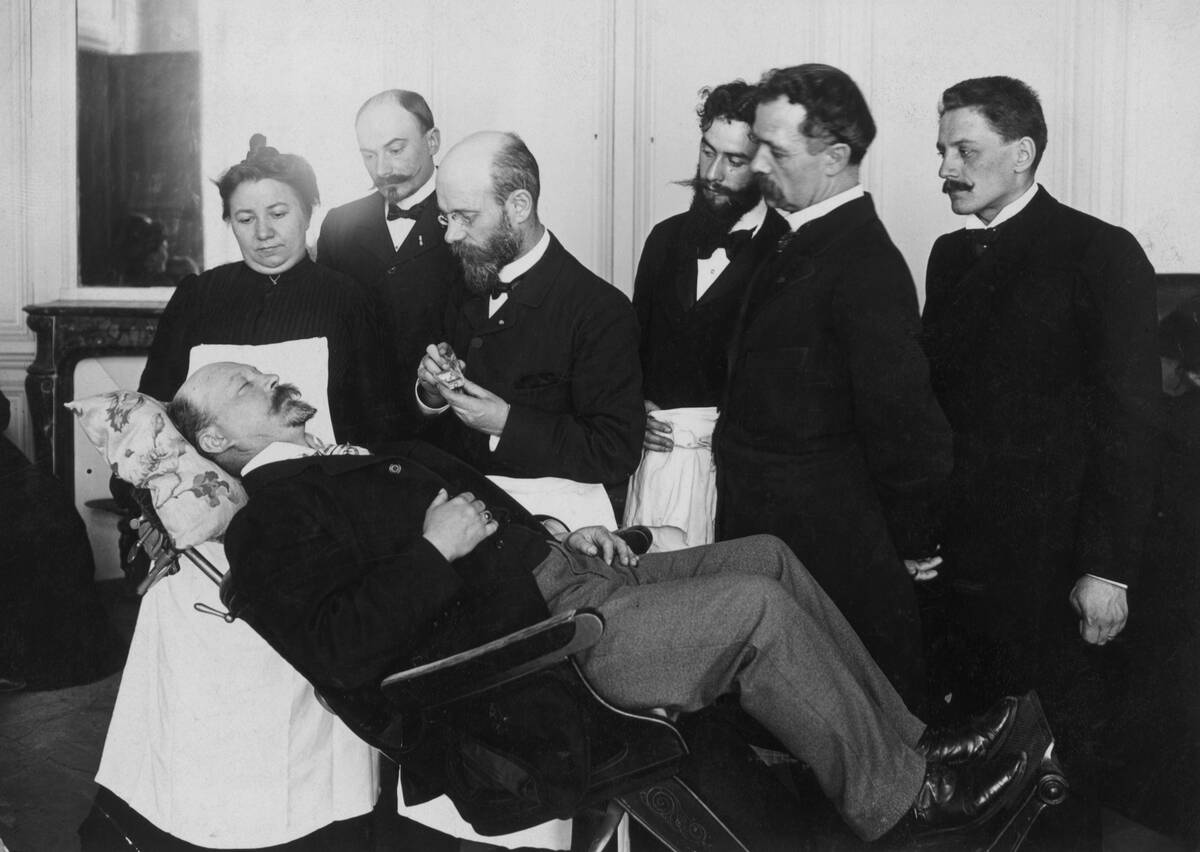
Hypnotism was a subject of fascination and debate in the early 20th century, straddling the line between science and sorcery. While some viewed it as a legitimate therapeutic tool, others saw it as a form of entertainment or even a hoax.
The work of pioneers like Sigmund Freud and James Braid helped to legitimize hypnotism as a field of study, paving the way for its use in psychotherapy and pain management. Today, hypnotism is still a topic of intrigue, with ongoing research into its potential benefits and applications.
The Advent of Quantum Mechanics: A Revolutionary Idea
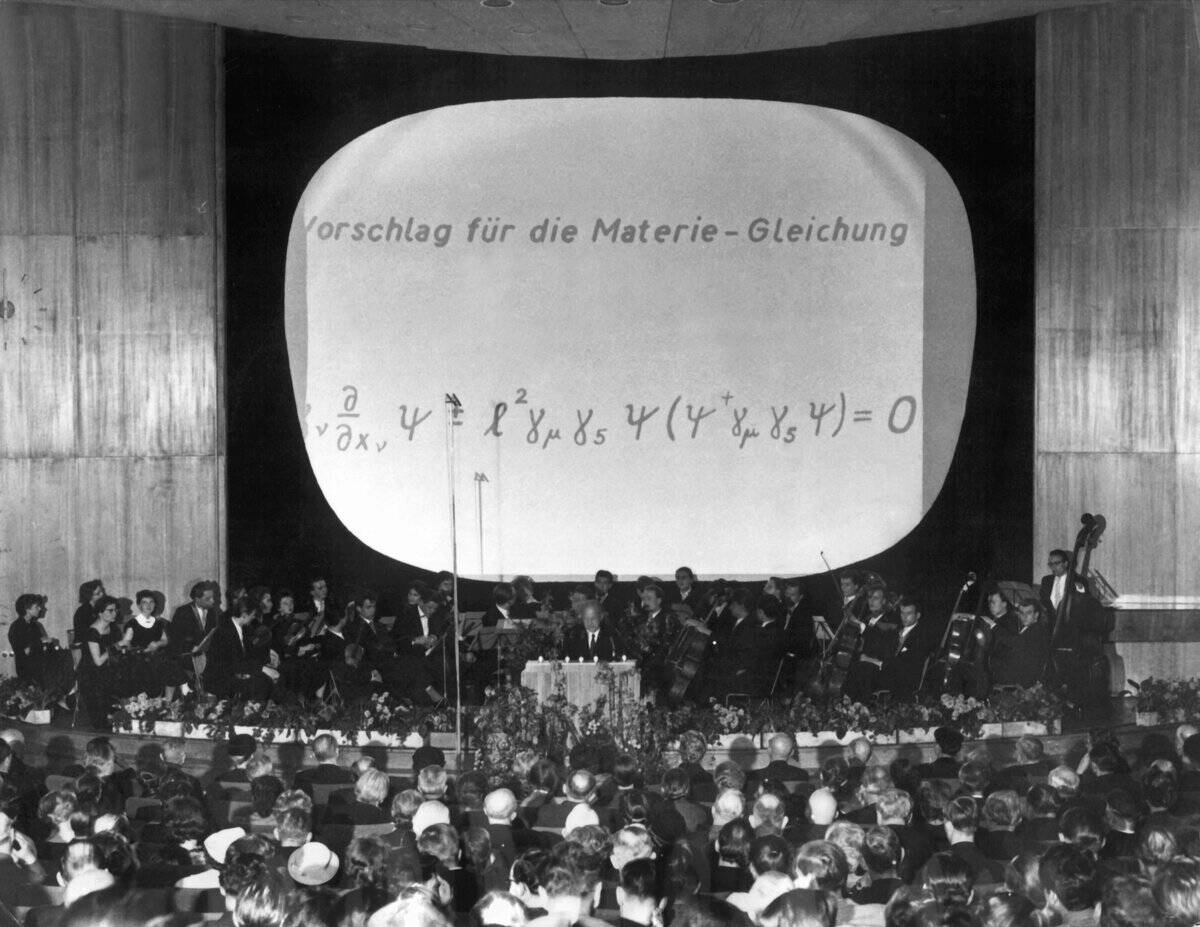
The early 20th century saw the birth of quantum mechanics, a revolutionary theory that challenged classical physics and reshaped our understanding of the universe. Pioneered by scientists like Max Planck and Albert Einstein, quantum mechanics introduced concepts like wave-particle duality and uncertainty, which defied conventional logic.
By 1926, this new framework was beginning to gain traction, setting the stage for future breakthroughs in physics and technology that would transform the world in unimaginable ways.
The Allure of the Fourth Dimension: Beyond Our Senses
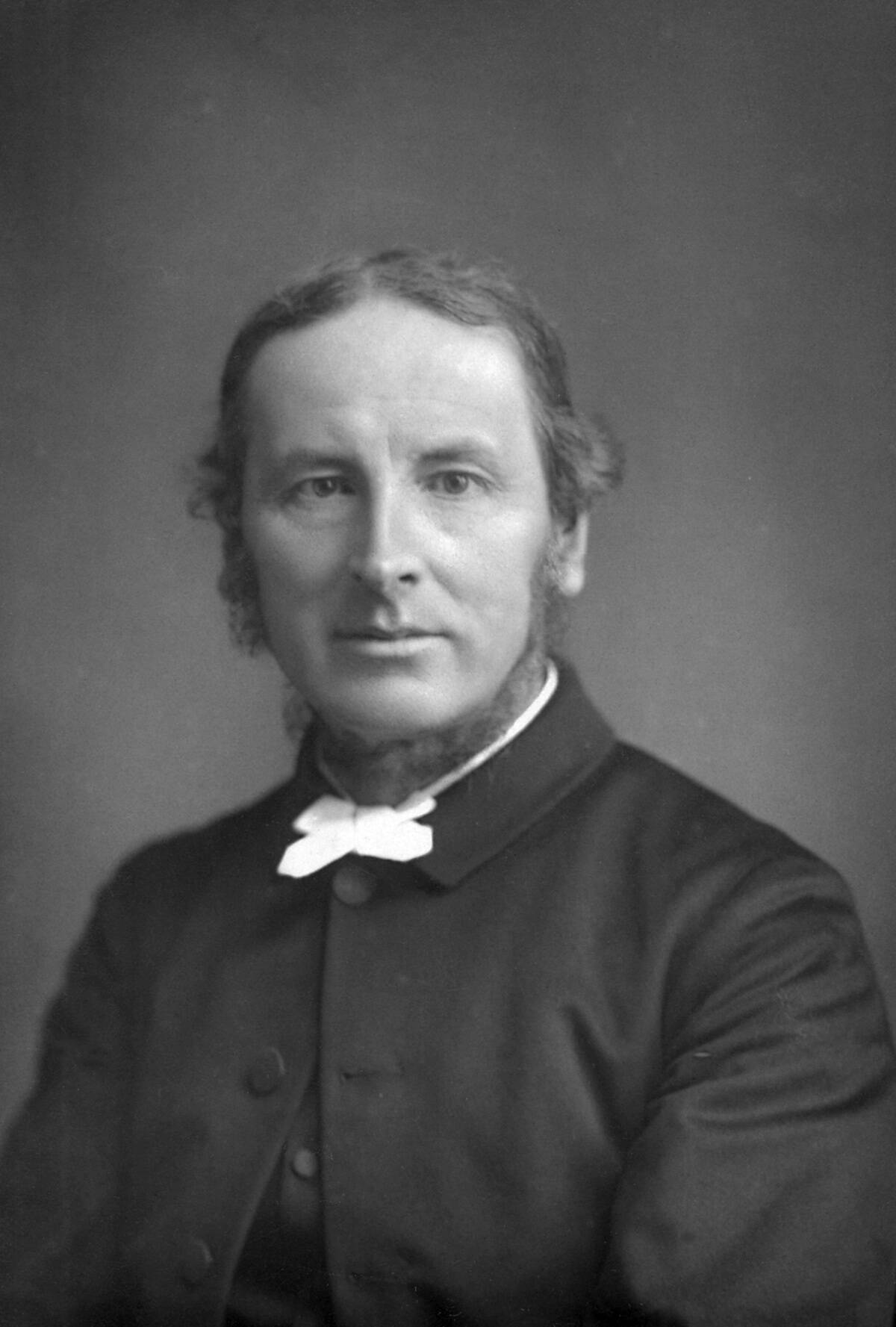
In 1926, the idea of a fourth dimension captured the imagination of both scientists and the public. While we live in a three-dimensional world, the concept of a fourth spatial dimension suggested the existence of realms beyond our perception.
This idea was popularized by works like Edwin Abbott’s “Flatland” and inspired artists and thinkers to explore new ways of understanding space and time. Although the fourth dimension remains largely theoretical, it continues to intrigue and challenge our perceptions of reality.