14 Tech predictions from the 1920s that became reality
The 1920s, often referred to as the Roaring Twenties, was a decade filled with optimism and innovation. It was a time when writers and thinkers dared to dream about the future, envisioning technologies that seemed far-fetched at the time.
Looking back, it’s fascinating to see how many of their predictions have come true. From the early ideas of global communication to the concept of personal flying machines, the 1920s laid the groundwork for much of today’s technological advancements.
The Roaring Twenties: A Hub of Futuristic Imagination
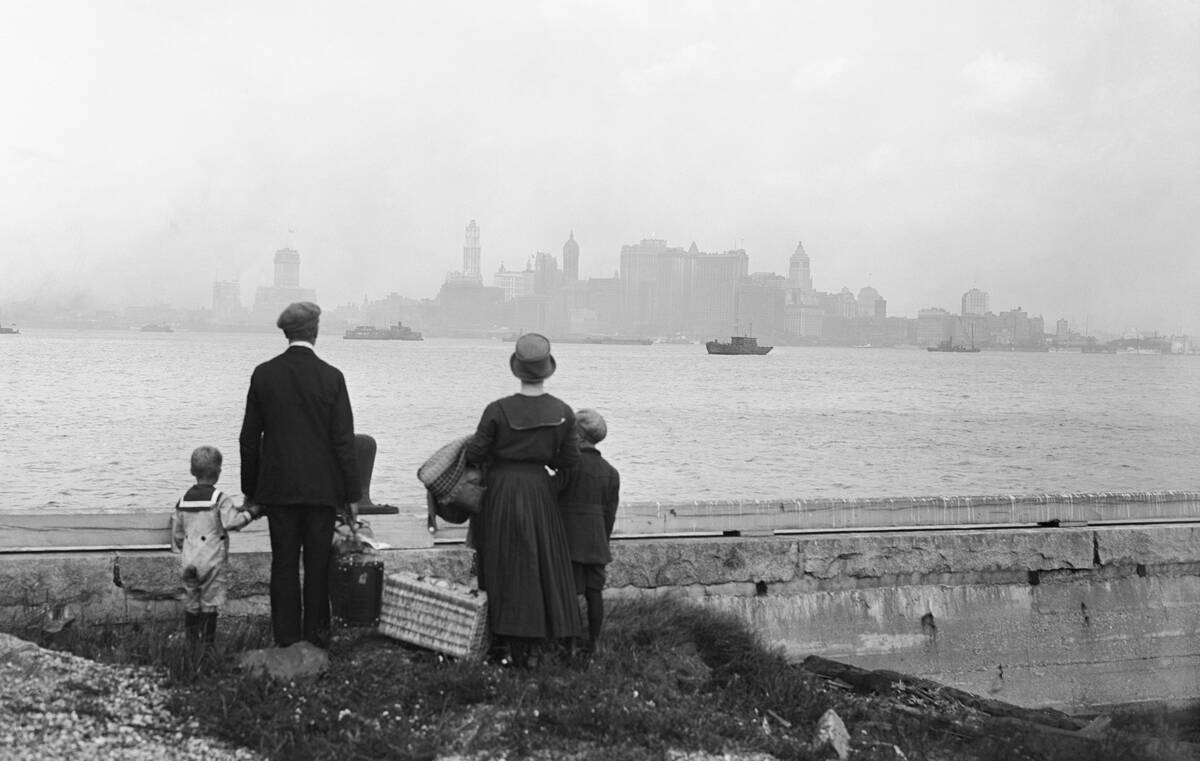
The 1920s was a period of great change and excitement, with rapid advancements in technology and culture. It was a time when people were captivated by the possibilities of the future.
Science fiction emerged as a popular genre, with writers like H.G. Wells and Jules Verne inspiring imaginations worldwide. Their works often featured futuristic gadgets and inventions, sparking curiosity and wonder about what the future might hold.
The Visionary Writers of the 1920s
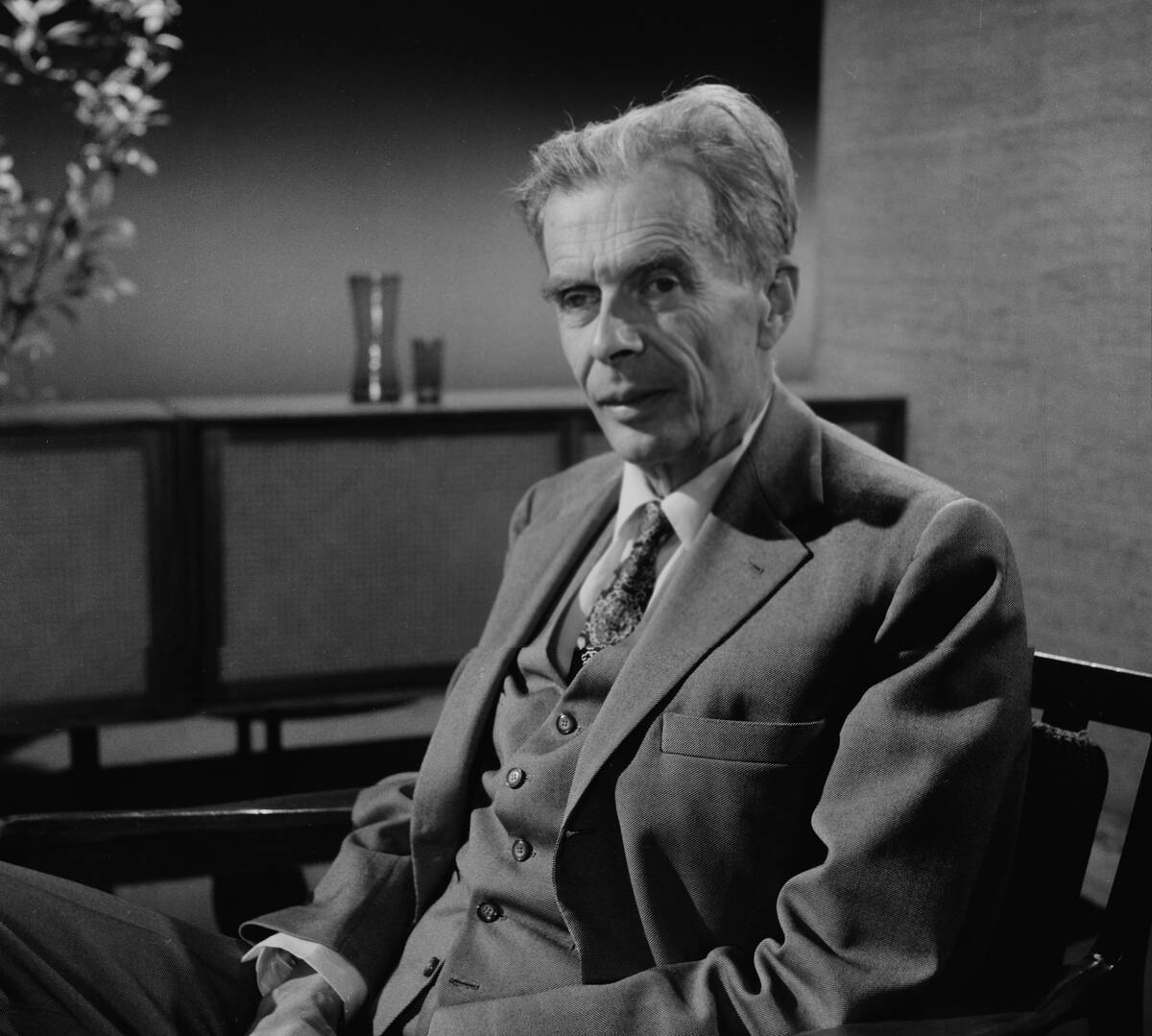
Writers of the 1920s played a pivotal role in shaping the future through their imaginative stories. Authors like Aldous Huxley and Karel Čapek explored themes of technology and humanity in their works.
Čapek’s play “R.U.R.” introduced the word “robot” to the world, while Huxley’s “Brave New World” delved into the impact of scientific advancements on society. Their visionary ideas continue to influence modern science fiction and technology.
Early Concepts of the Internet and Global Communication
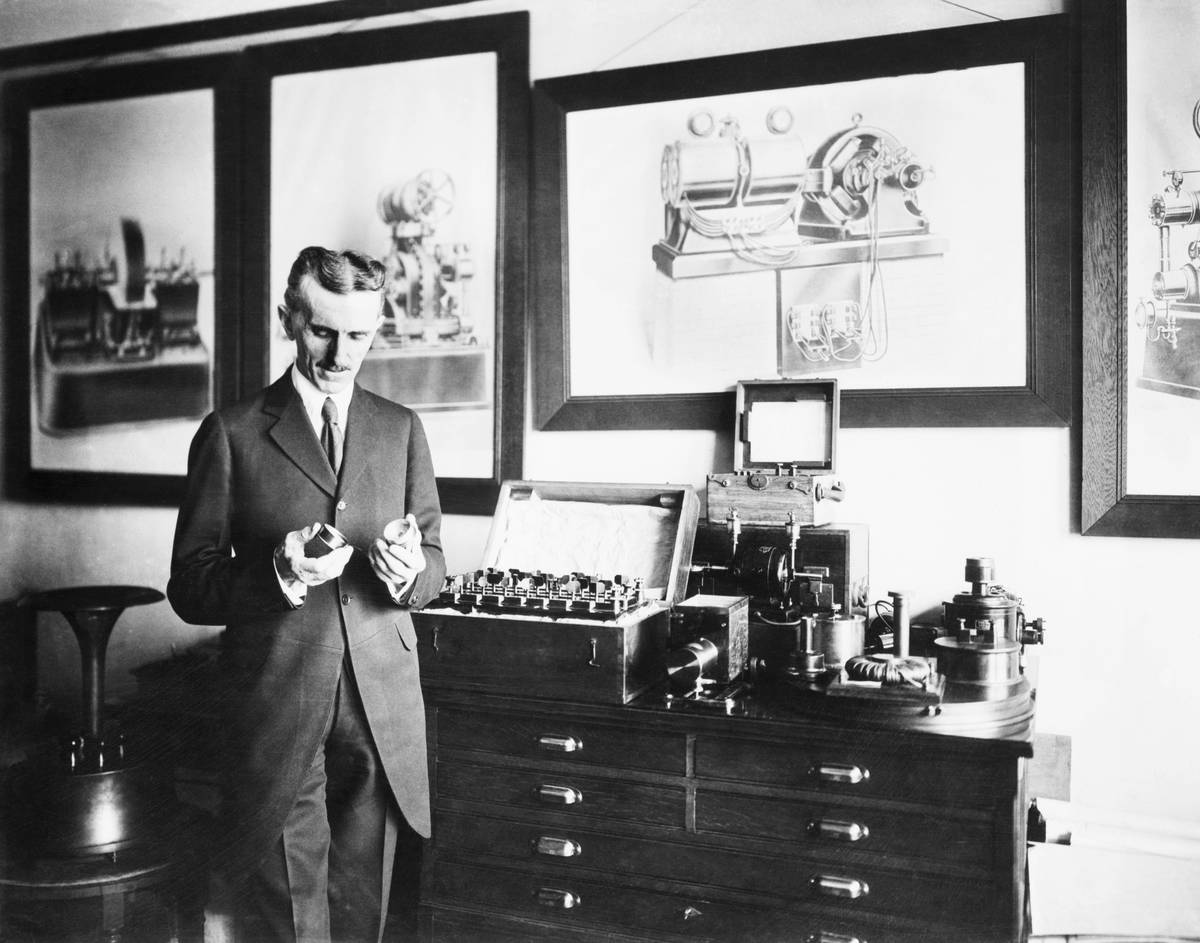
In the 1920s, the idea of a global communication network was already taking shape. Visionaries imagined a world where information could be shared instantly across great distances.
Nikola Tesla, a renowned inventor, envisioned a “world wireless system” that would allow people to communicate without wires. This early concept laid the groundwork for the development of the internet, which has revolutionized how we connect and share information today.
Predicting Smart Homes and Automation
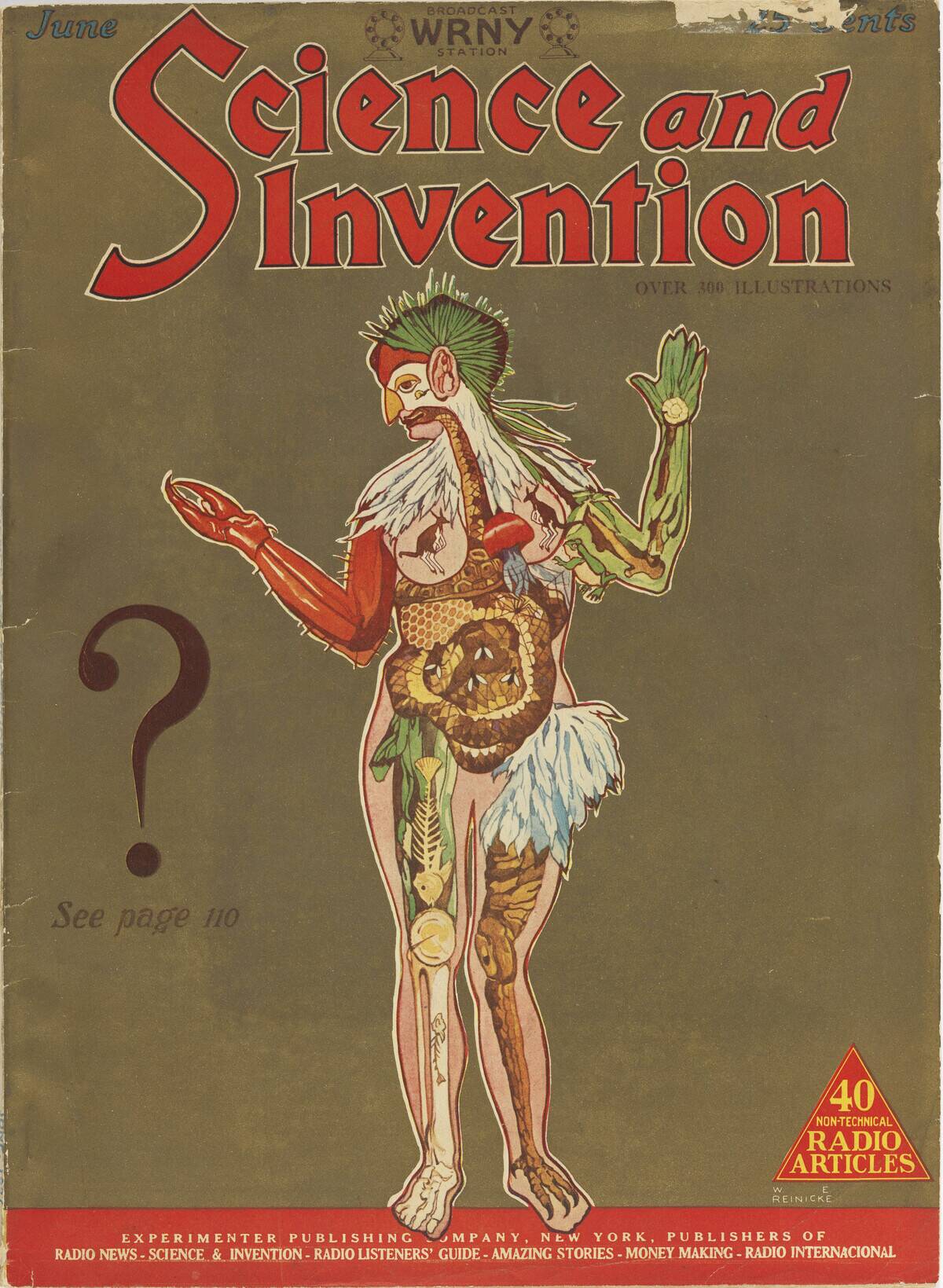
The idea of smart homes and automation was already present in the 1920s. Futurists imagined homes equipped with devices that could perform tasks automatically, making life more convenient.
In 1923, the magazine Science and Invention featured a concept of a “radio-controlled” house where appliances could be operated remotely. This vision has become a reality with today’s smart home technology, allowing us to control lighting, security, and appliances with a touch of a button.
The Birth of Video Calling in Fiction
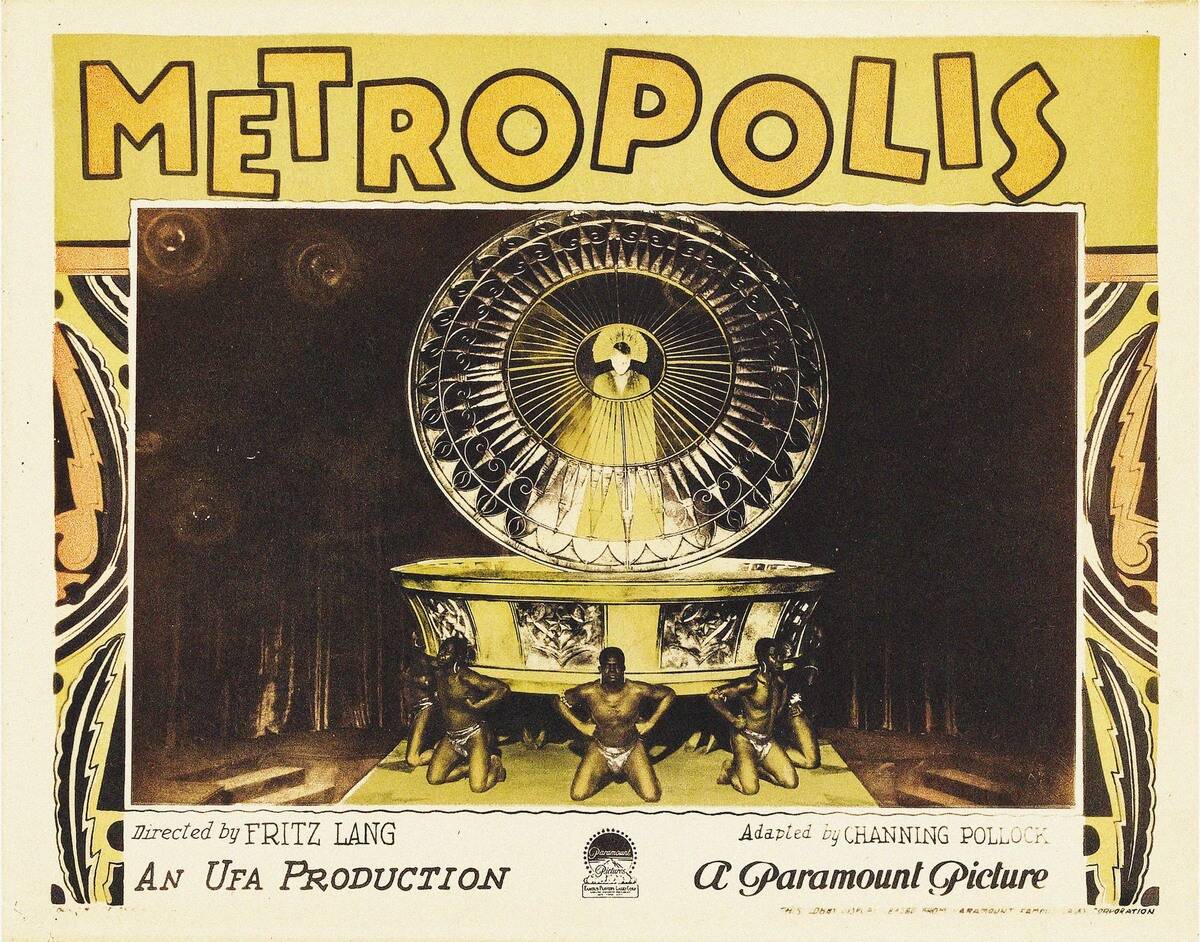
The notion of video calling was depicted in 1920s science fiction, long before it became a reality. Fritz Lang’s 1927 film Metropolis featured a scene with a video phone, showcasing the futuristic idea of seeing and talking to someone from a distance.
This concept fascinated audiences and foreshadowed the development of technologies like Skype and FaceTime, which have become integral to modern communication.
Imagining Personal Flying Machines
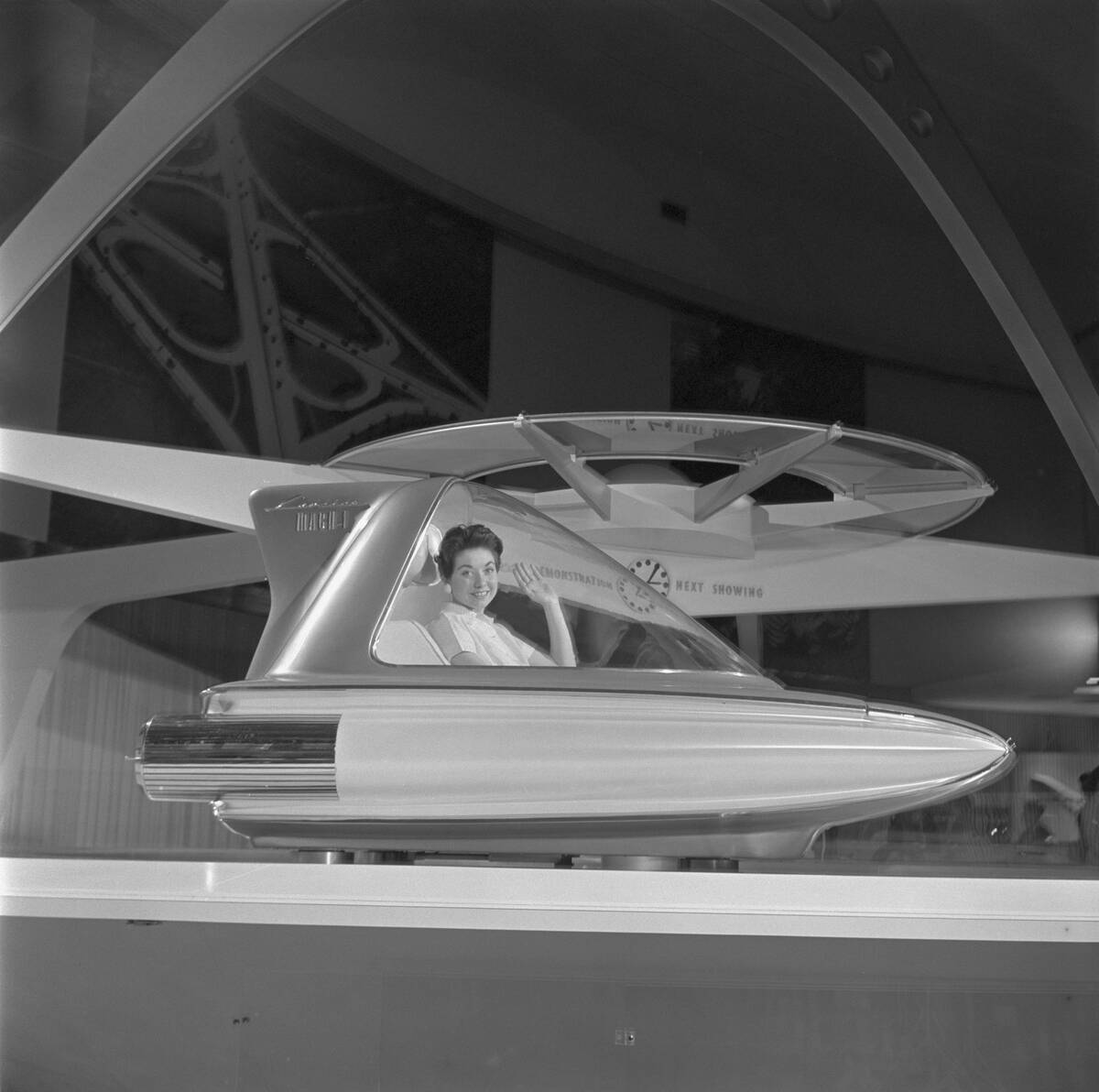
The dream of personal flying machines captivated the imagination of the 1920s. Magazines and books featured illustrations of individuals soaring through the skies in their own aircraft. While personal flying cars are not yet commonplace, the concept has inspired modern advancements in aviation technology.
Companies like Uber and Kitty Hawk are currently exploring the development of air taxis, bringing us closer to the dream of personal aerial transportation.
The Dream of Self-Driving Cars
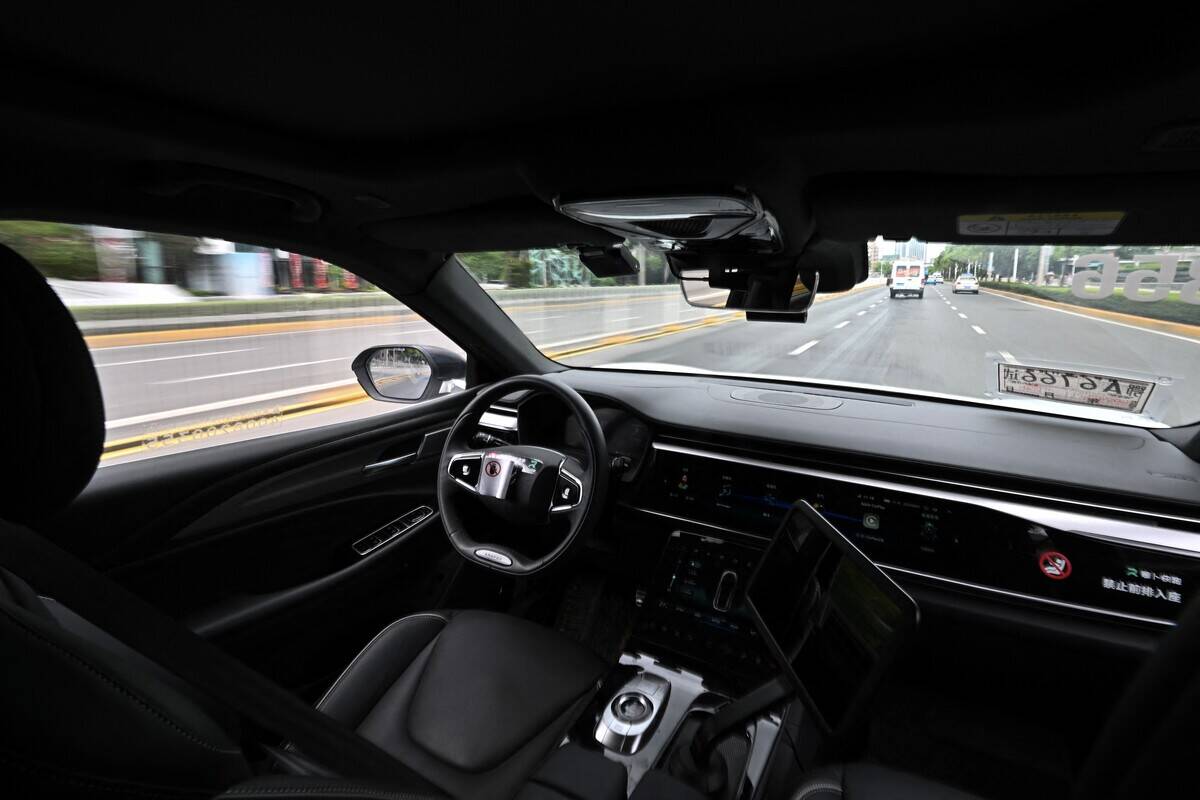
Self-driving cars were a futuristic concept even in the 1930s. The idea of vehicles that could navigate roads without human intervention was explored in various science fiction stories.
Today, companies like Tesla and Waymo are making significant strides in developing autonomous vehicles. While there are still challenges to overcome, the progress made in self-driving technology is a testament to the visionary ideas of the past.
Speculations on Artificial Intelligence
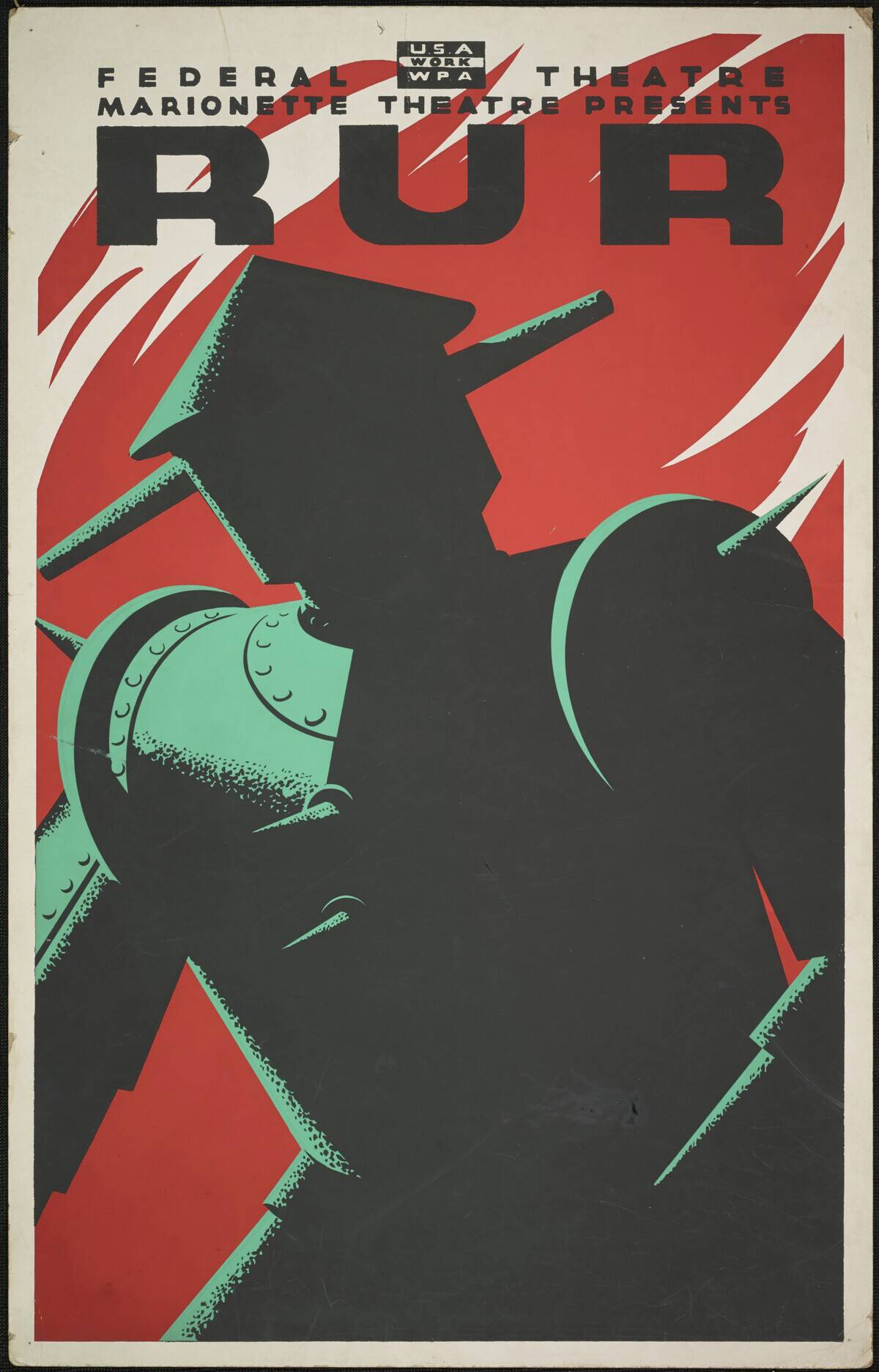
The 1920s saw early speculations on artificial intelligence, with writers imagining machines that could think and learn. Karel Čapek’s play “R.U.R.” introduced the concept of robots with human-like intelligence.
While AI technology has evolved significantly since then, the idea of machines with cognitive abilities continues to be a topic of fascination and research. From virtual assistants to machine learning algorithms, AI is now a crucial part of our daily lives.
Wearable Technology: A 1920s Dream
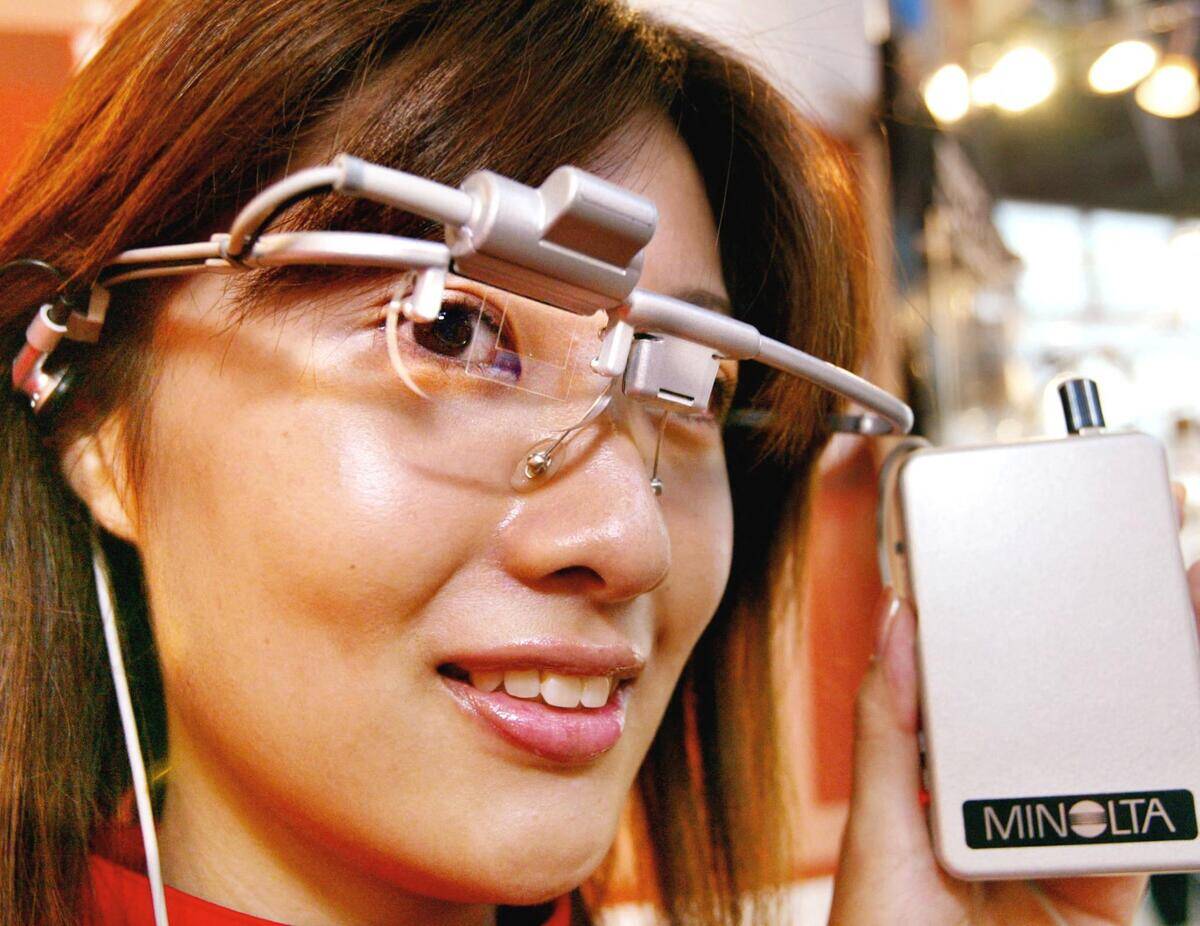
The concept of wearable technology was already present in the 1920s, with visions of gadgets integrated into clothing and accessories. Science fiction stories depicted characters wearing devices that enhanced their abilities or provided information.
Today, wearable technology like smartwatches and fitness trackers have become commonplace, allowing us to monitor our health and stay connected on the go. This evolution highlights the enduring appeal of integrating technology into our daily lives.
Imagining Advanced Medical Devices
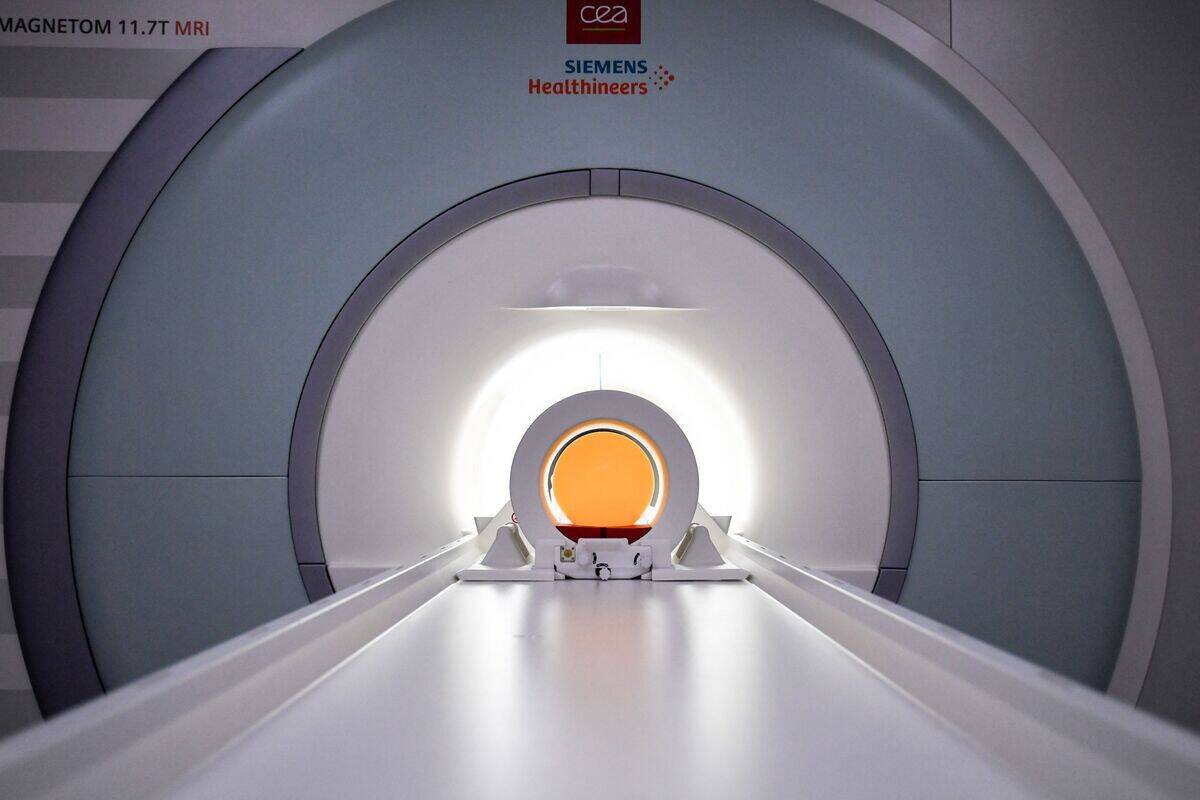
The 1920s saw imaginative ideas about advanced medical devices that could revolutionize healthcare. Writers envisioned machines capable of diagnosing and treating ailments with precision.
While medical technology has come a long way since then, the dream of advanced diagnostic tools and treatments is now a reality. Innovations like MRI machines and robotic surgery have transformed medicine, reflecting the visionary concepts of the past.
The Concept of Virtual Reality
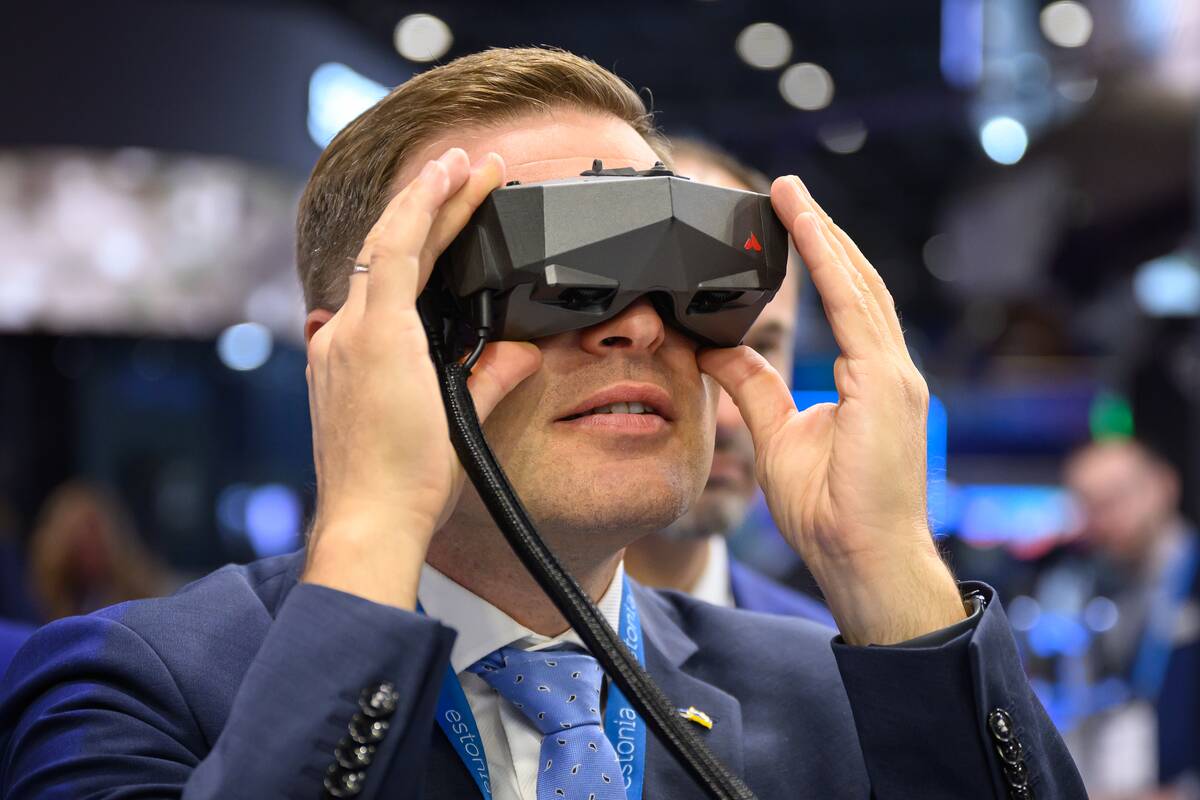
Virtual reality was a concept that intrigued 1920s futurists, who imagined immersive experiences that could transport users to different worlds. While the technology was not feasible at the time, the idea laid the foundation for modern VR systems.
Today, virtual reality is used in various fields, from gaming to education, offering users a chance to explore virtual environments in ways that were once only dreamed of.
Predictions of Space Travel and Exploration

Space travel and exploration were popular themes in the 1920s, with writers dreaming of journeys to other planets. Science fiction stories often depicted rockets and spacecraft venturing into the unknown.
The fascination with space laid the groundwork for real-world advancements in space exploration. The achievements of NASA and other space agencies in reaching the moon and exploring Mars are a testament to the visionary ideas of the past.
Futuristic Public Transport Ideas

Public transport was another area where 1920s visionaries imagined futuristic advancements. Concepts like high-speed trains and monorails were depicted in science fiction, promising efficient and rapid travel.
While some of these ideas took time to materialize, modern developments in public transportation, such as bullet trains and hyperloop projects, reflect the innovative spirit of the 1920s. These advancements continue to shape how we travel today.
The Influence of 1920s Science Fiction on Modern Tech

The influence of 1920s science fiction on modern technology is undeniable. The imaginative ideas and concepts explored during this era have inspired generations of innovators and engineers.
From smartphones to space exploration, the visionary thinking of the 1920s continues to shape our world. As we look to the future, the legacy of this remarkable decade serves as a reminder of the power of imagination and the potential of human ingenuity.