15 Ivy League secret societies and their history
Ivy League secret societies have long captured the public’s imagination, shrouded in mystery and exclusivity. These clandestine groups, often with storied histories, are known for their enigmatic rituals and influential memberships.
While some see them as elite social clubs, others view them as power brokers with far-reaching influence. Regardless of the perspective, they continue to intrigue and fascinate, drawing curiosity from both within and outside the academic world.
A Brief History of Secret Societies in Ivy League Schools
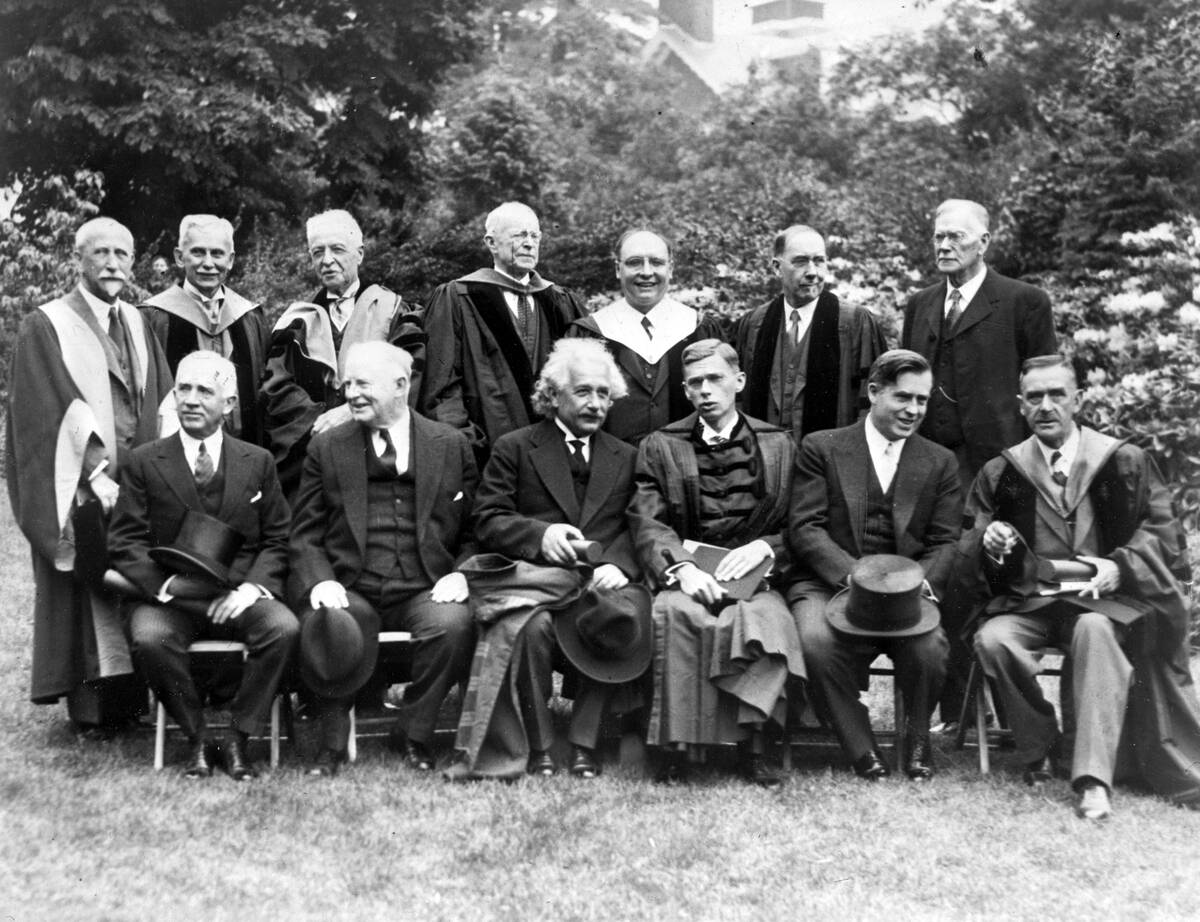
The origins of secret societies in Ivy League schools date back to the early 19th century. These societies were initially formed as a response to the rigid academic structures, offering students a space for intellectual debate and camaraderie.
Over time, they evolved into exclusive clubs, with membership often seen as a mark of prestige. Despite their evolution, these societies have managed to retain their secretive nature, adding to their allure and mystique.
The Allure and Mystery Behind Secret Societies
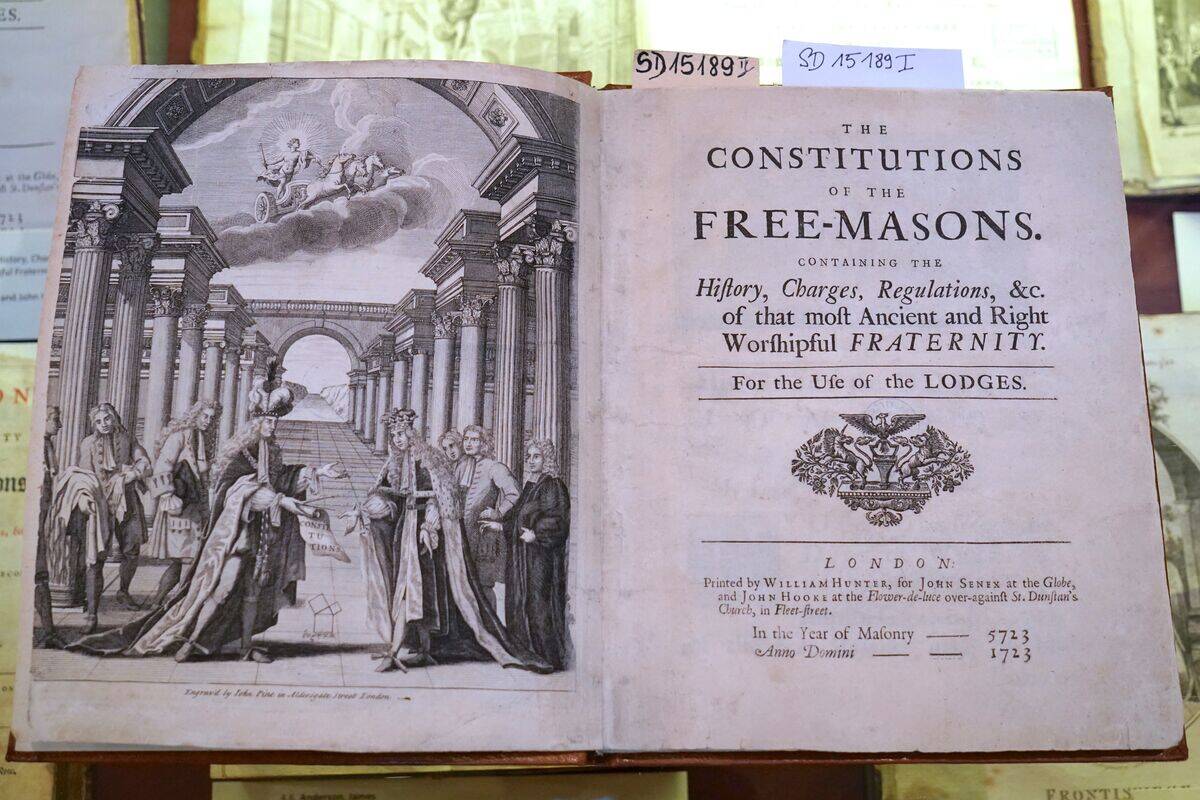
The allure of secret societies lies in their exclusivity and the promise of lifelong connections. Members are often privy to confidential information and rituals that are closely guarded. This sense of belonging to an elite group can be incredibly appealing, offering both social and professional advantages.
However, it is the mystery surrounding these societies that truly captivates, with stories of hidden agendas and clandestine meetings fueling intrigue.
Skull and Bones: Yale’s Most Infamous Secret Society
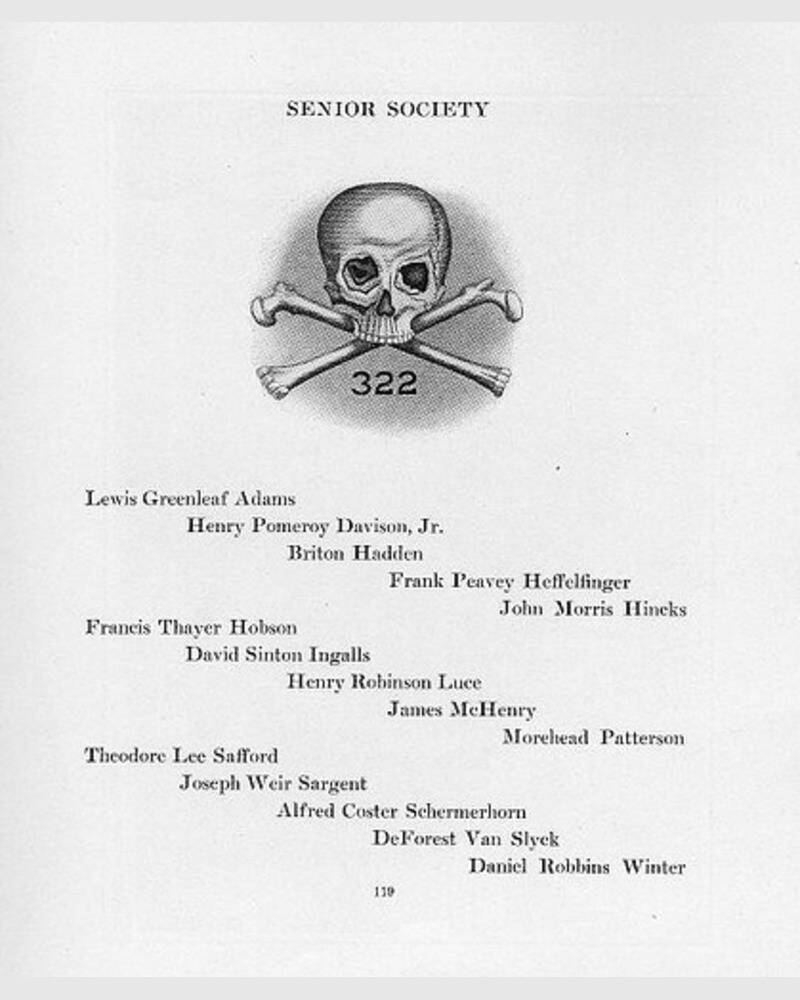
Founded in 1832, Yale’s Skull and Bones is arguably the most famous secret society in the United States. Known for its powerful alumni, including multiple U.S. presidents, the society is steeped in tradition and secrecy.
Members, known as ‘Bonesmen,’ are selected in their junior year and participate in mysterious rituals. The society’s headquarters, the ‘Tomb,’ is a windowless building that adds to the air of mystery surrounding it.
The Porcellian Club: Harvard’s Elite Social Circle
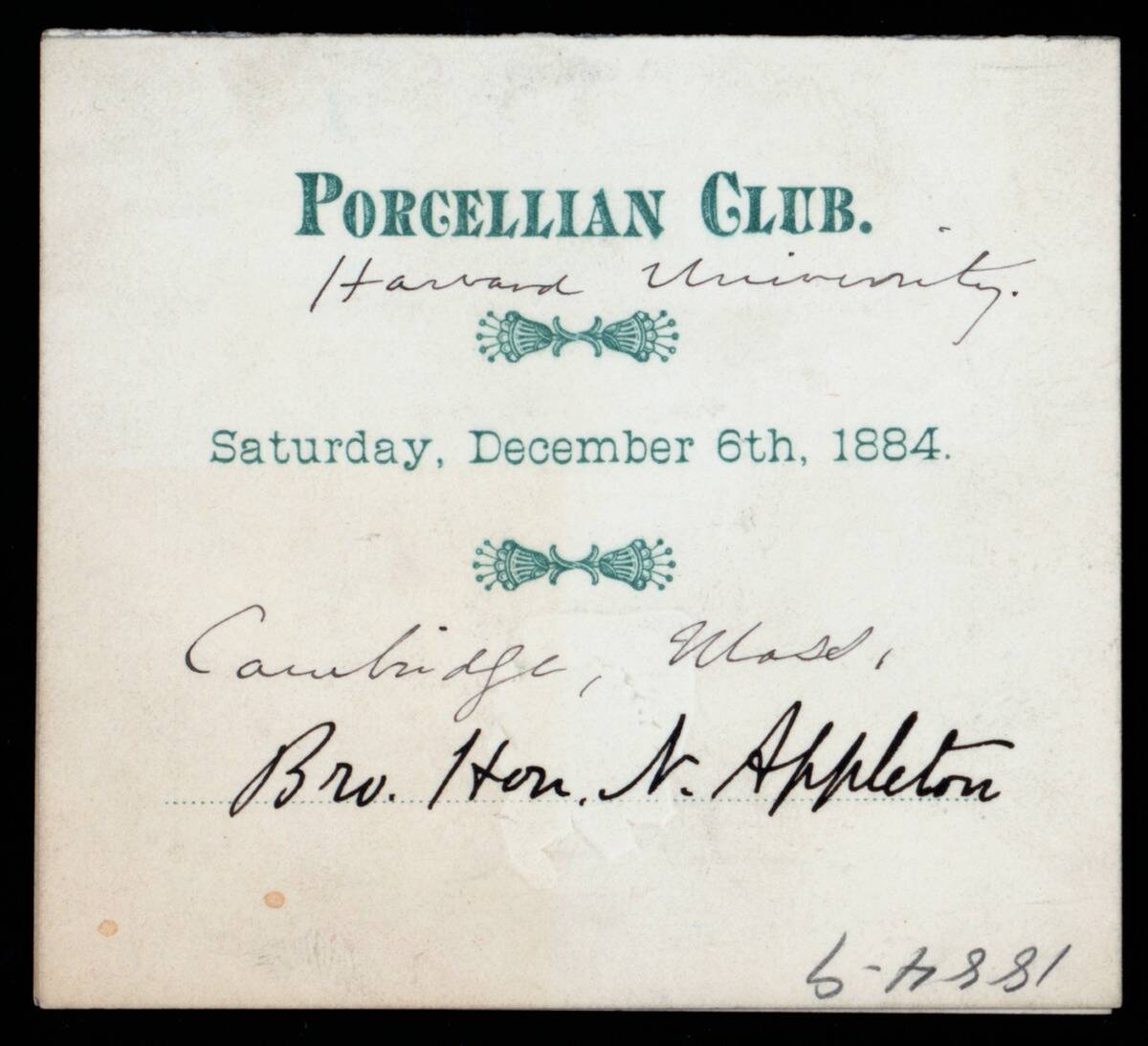
The Porcellian Club at Harvard, established in 1791, is one of the oldest social clubs in the United States. Known for its exclusivity, the club has counted numerous prominent figures among its members, including Theodore Roosevelt.
The club’s emblem, a boar, reflects its name, derived from the Latin ‘porcus.’ Despite its social nature, the club maintains a strict privacy policy, with little known about its internal workings.
Princeton’s Ivy Club: Tradition and Influence
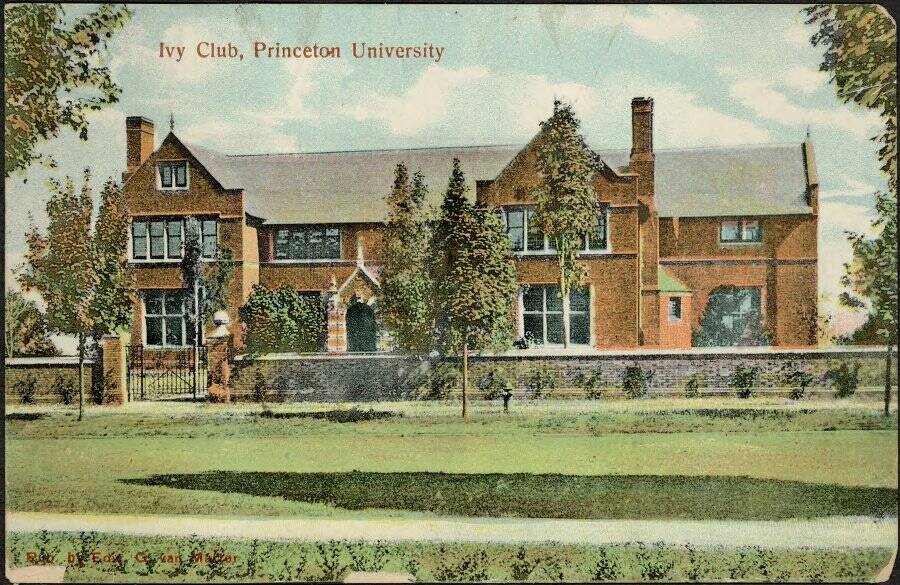
Princeton’s Ivy Club, founded in 1879, is one of the university’s most prestigious eating clubs. Known for its elegant clubhouse and influential alumni, the club has played a significant role in shaping campus life.
Members are selected through a rigorous process known as ‘bicker,’ which involves interviews and social events. The club’s emphasis on tradition and camaraderie has helped it maintain its status as a leading social institution at Princeton.
The Scroll and Key: Yale’s Prestigious Brotherhood
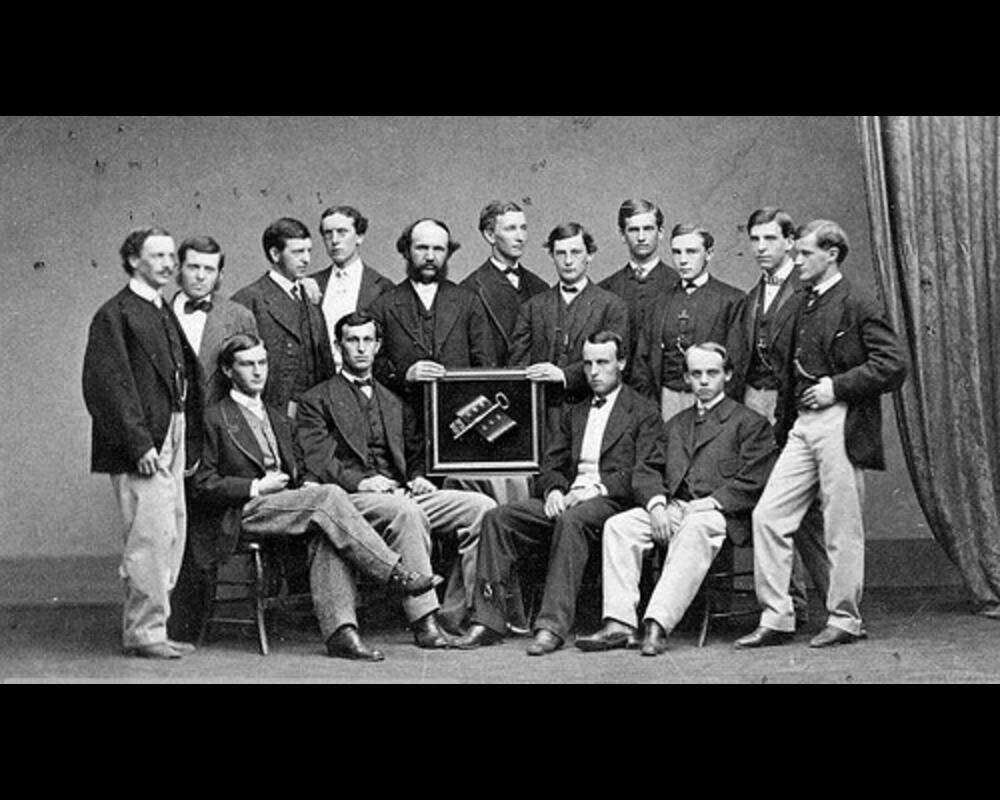
Established in 1842, Yale’s Scroll and Key is renowned for its distinguished membership and elaborate rituals. The society’s emblem, a key crossed with a scroll, symbolizes knowledge and wisdom. Membership is highly selective, with only a handful of students chosen each year.
The society’s meetings are held in a grand, temple-like building, adding to its prestigious image. Scroll and Key is known for fostering strong bonds among its members, both during and after their college years.
Harvard’s Fly Club: A Legacy of Exclusivity
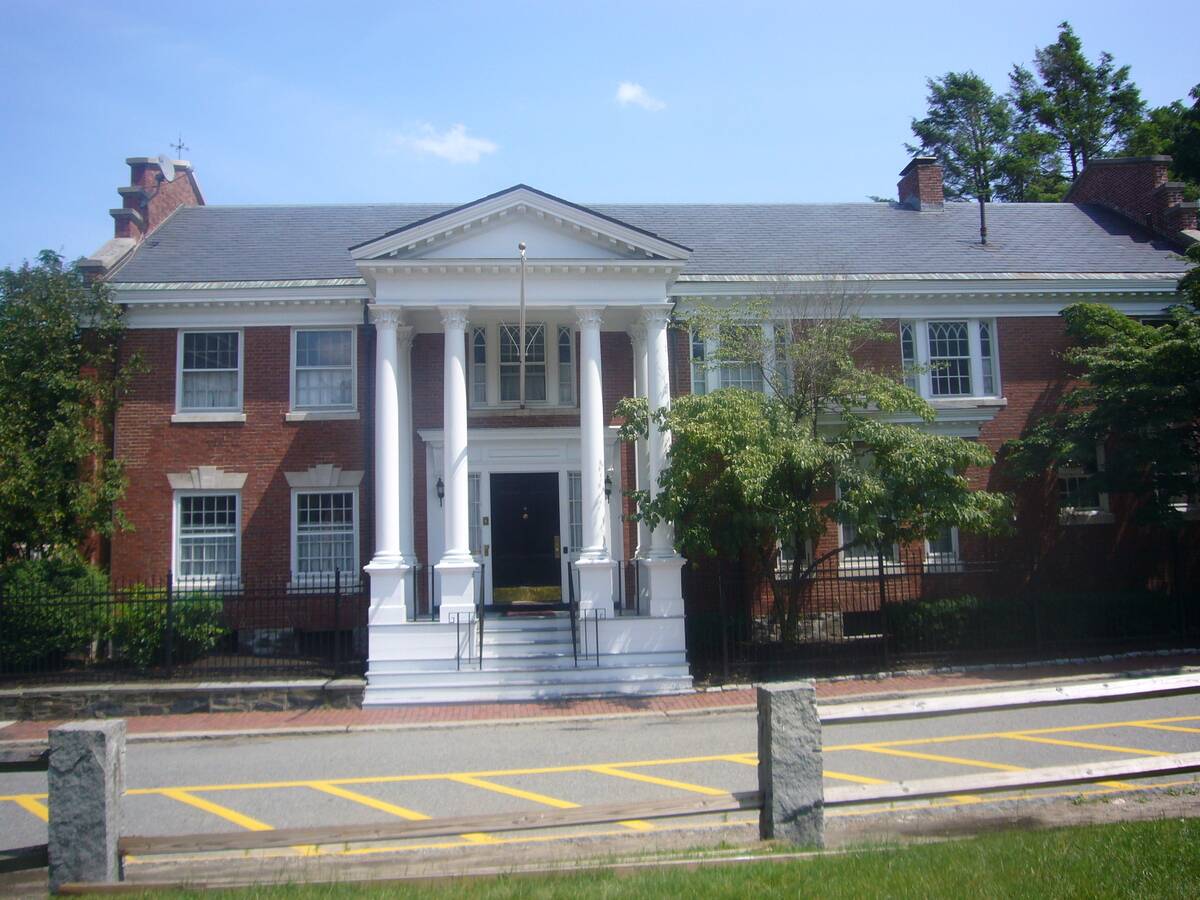
The Fly Club, founded in 1836, is one of Harvard’s most exclusive final clubs. Known for its rich history and prominent alumni, the club has long been a symbol of social status on campus. Membership is by invitation only, with a rigorous selection process.
The club’s Georgian-style clubhouse serves as a gathering place for members, who enjoy a range of social events and networking opportunities. Despite its exclusivity, the Fly Club remains a vibrant part of Harvard’s social scene.
The Sphinx Society: Dartmouth’s Mysterious Gathering
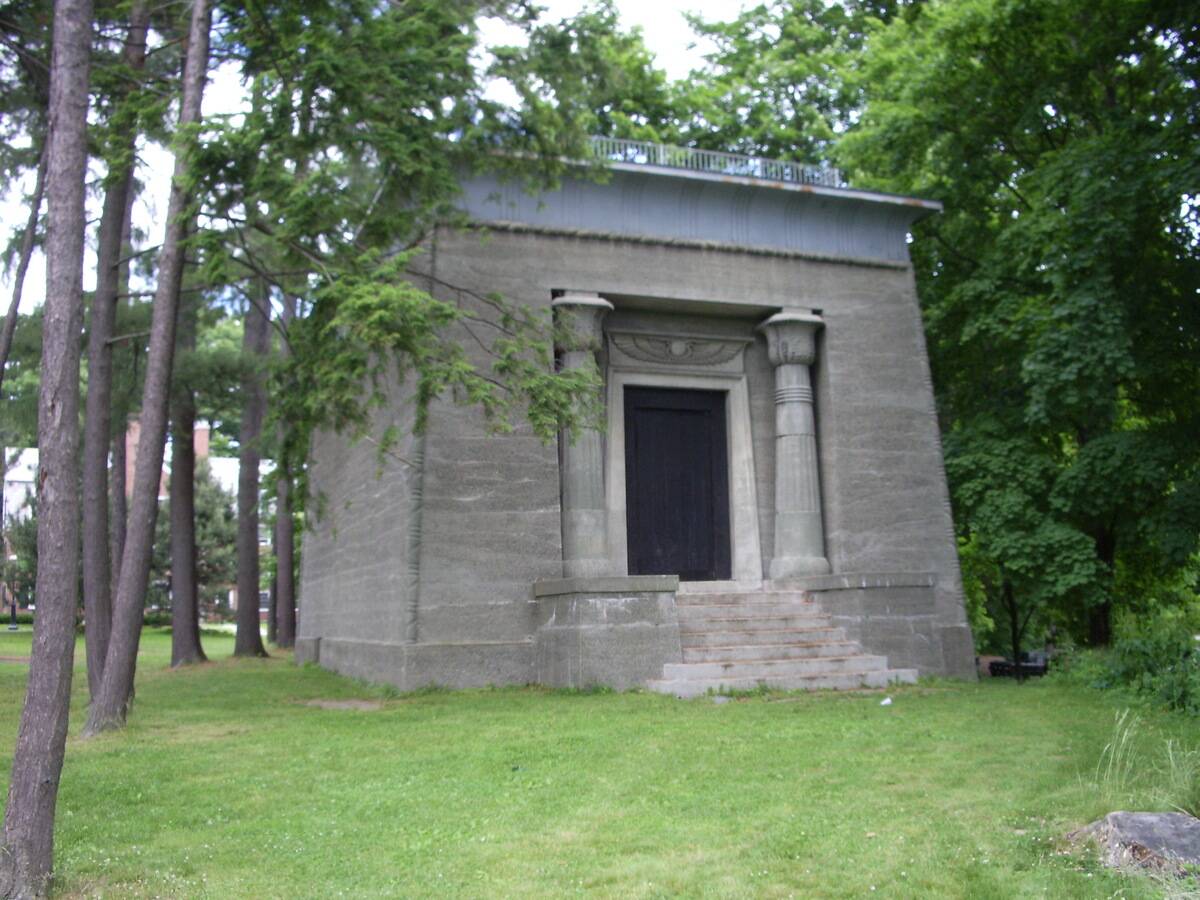
Dartmouth’s Sphinx Society, founded in 1885, is one of the college’s most secretive organizations. Known for its distinctive Egyptian-themed rituals, the society meets in a pyramid-shaped building on campus.
Membership is highly selective, with students chosen based on their leadership and academic achievements. The society’s activities are shrouded in secrecy, adding to its mystique. Despite its clandestine nature, the Sphinx Society is a respected and influential group at Dartmouth.
The Book and Snake: Yale’s Lesser-Known Secret Society
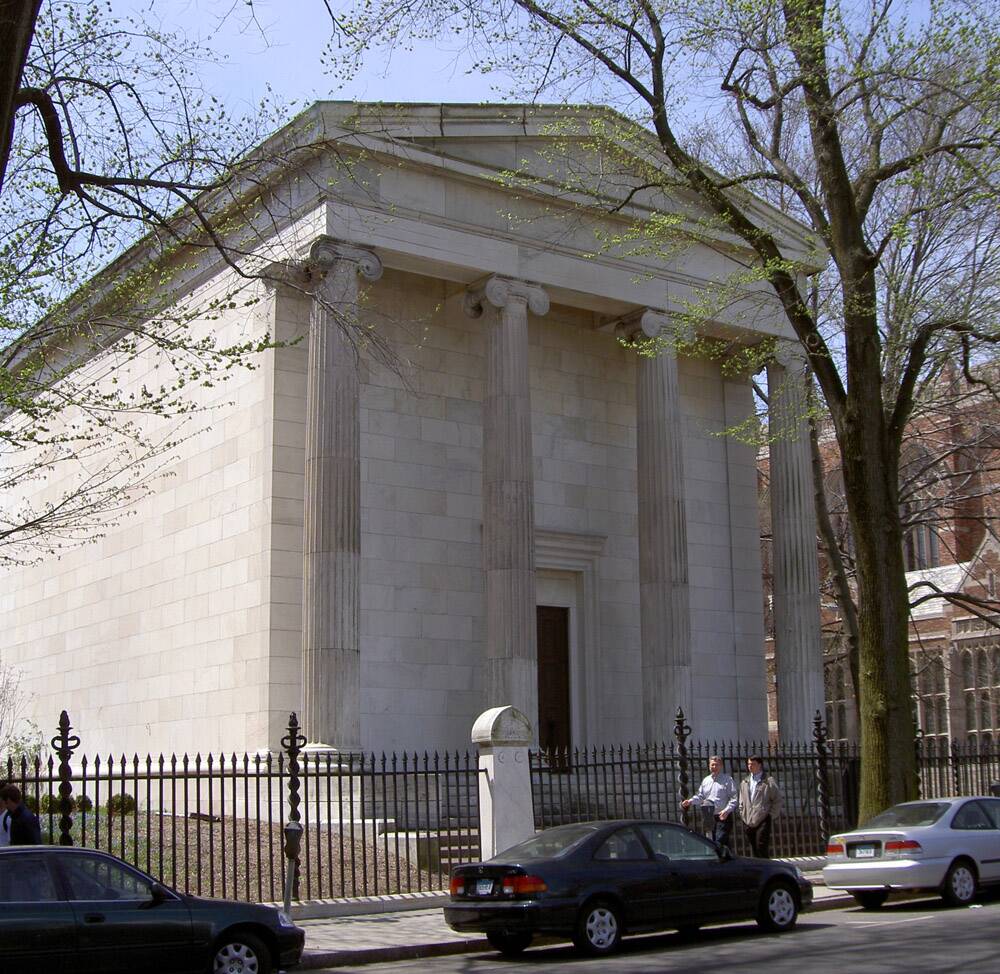
The Book and Snake society at Yale, established in 1863, is one of the university’s lesser-known secret societies. Despite its lower profile, the society boasts a rich history and a dedicated membership. The society’s emblem, a snake coiled around a book, symbolizes wisdom and power.
Members meet in a distinctive building known as the ‘Tomb,’ where they participate in traditional rituals. The Book and Snake society is known for its close-knit community and emphasis on leadership.
The Seven Society: University of Virginia’s Hidden Network
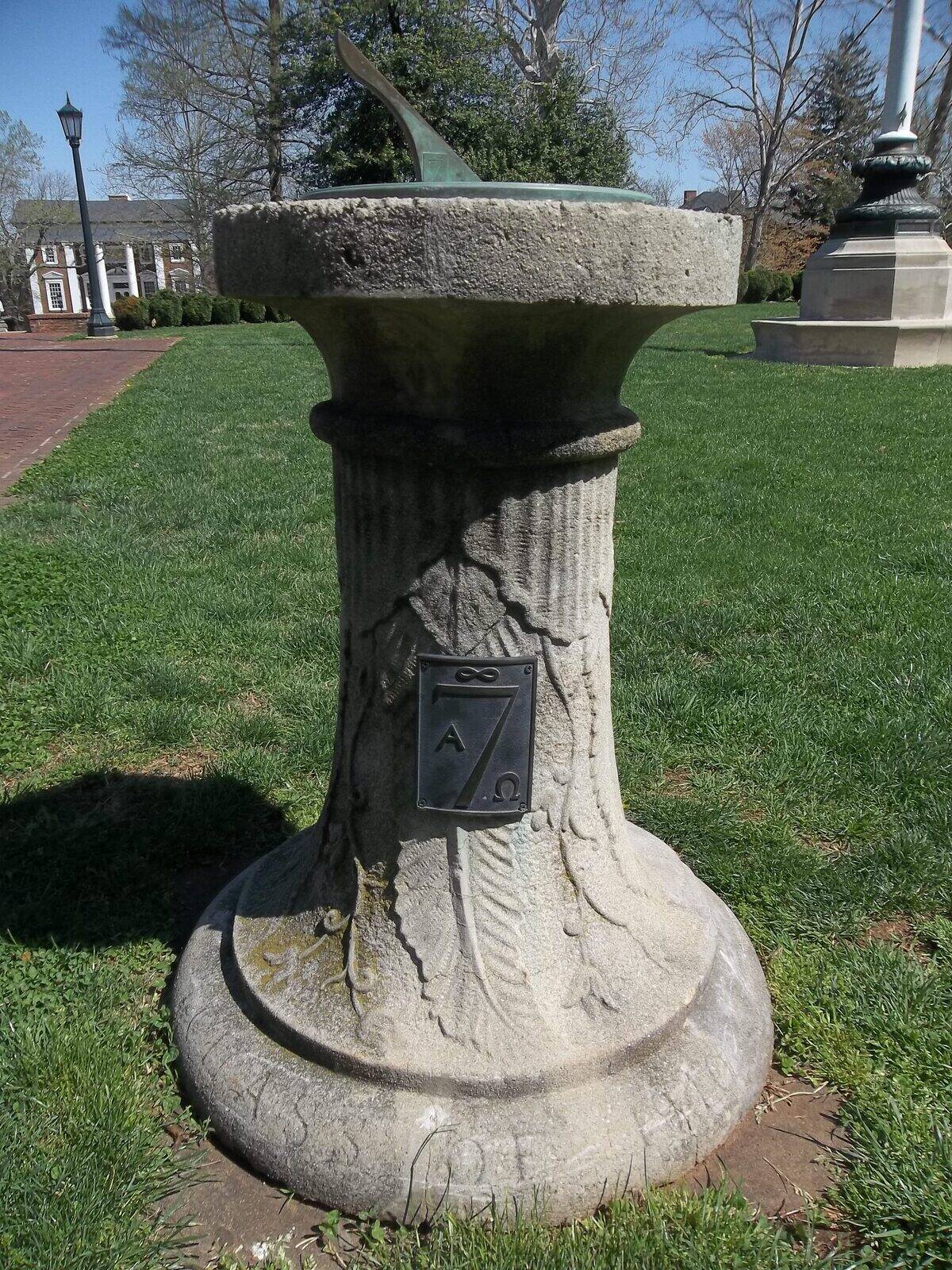
The Seven Society at the University of Virginia is renowned for its secrecy and philanthropy. Members are unknown until their death, when a wreath shaped like the number seven is placed at their grave.
The society is known for its generous donations to the university, often made anonymously. Despite its secretive nature, the Seven Society has a significant impact on campus life, supporting various initiatives and scholarships.
Cornell’s Quill and Dagger: A Tradition of Leadership
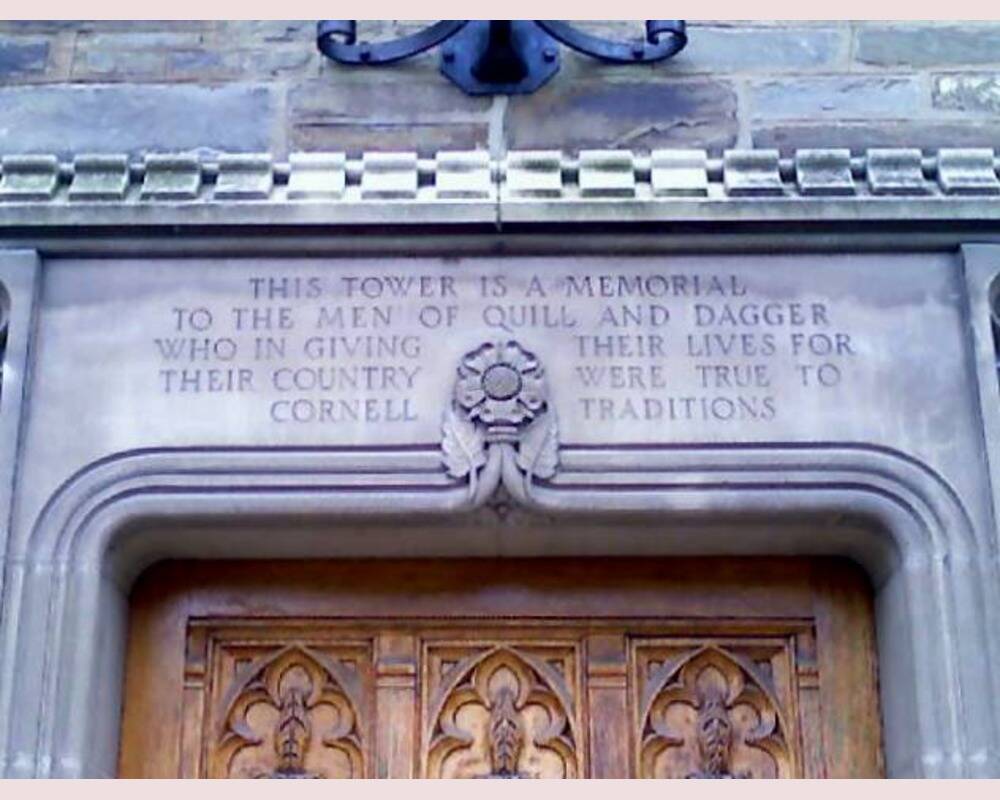
Cornell University’s Quill and Dagger society, founded in 1893, is known for its focus on leadership and service. Members are selected based on their achievements and contributions to the university community.
The society’s emblem, a quill crossed with a dagger, symbolizes the power of words and action. Meetings are held in a tower on campus, providing a secluded space for members to gather. Quill and Dagger is respected for its commitment to fostering leadership and civic engagement.
The Signet Society: Harvard’s Artistic Haven
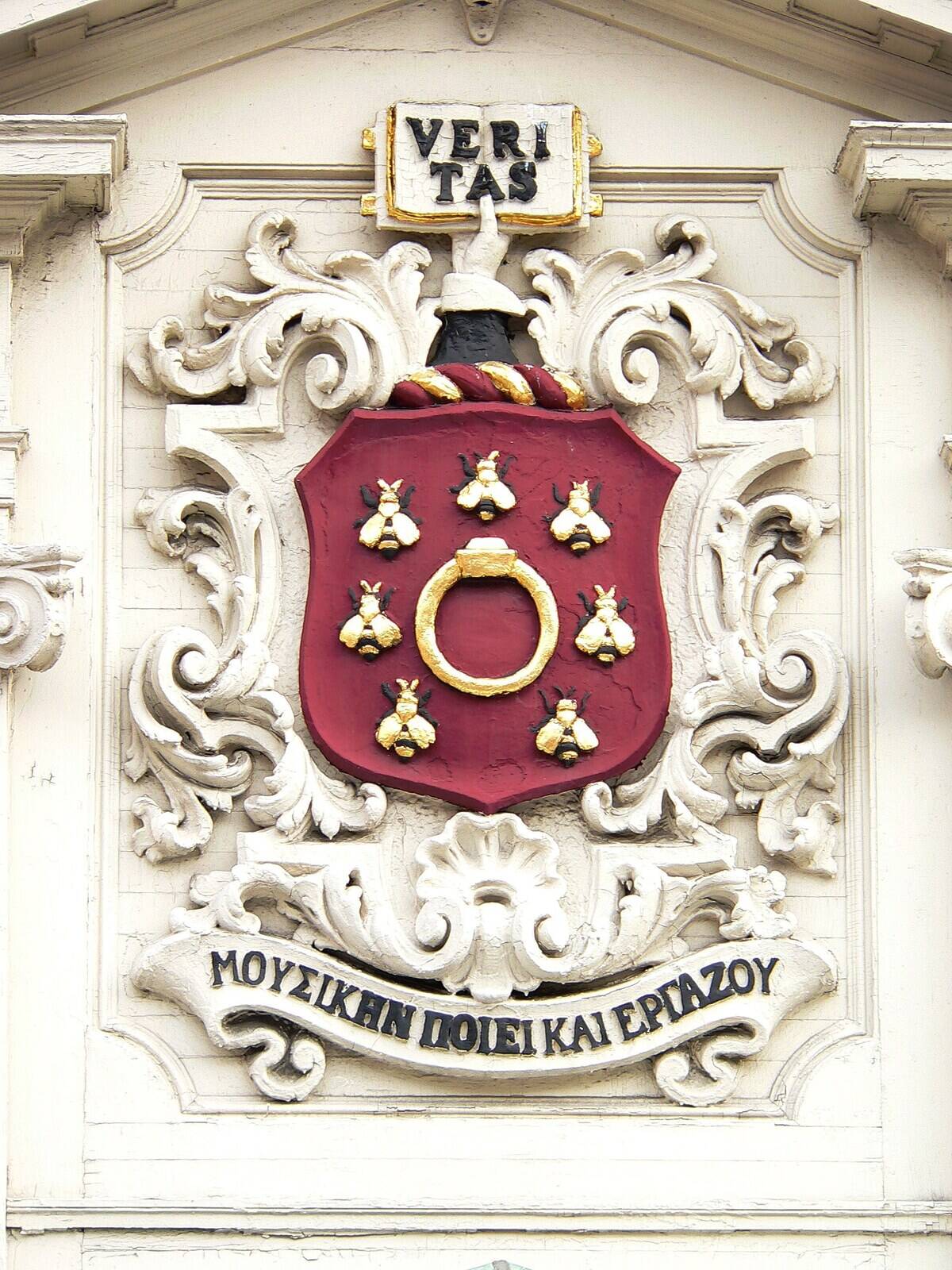
The Signet Society at Harvard, founded in 1870, is a unique club dedicated to the arts and literature. Members include writers, poets, and artists who have made significant contributions to their fields. The society’s emblem, a signet ring, symbolizes creativity and expression.
Meetings are held in a historic building on campus, where members share their work and engage in intellectual discussions. The Signet Society is celebrated for nurturing artistic talent and fostering a vibrant creative community.
The Order of Gimghoul: University of North Carolina’s Enigmatic Group
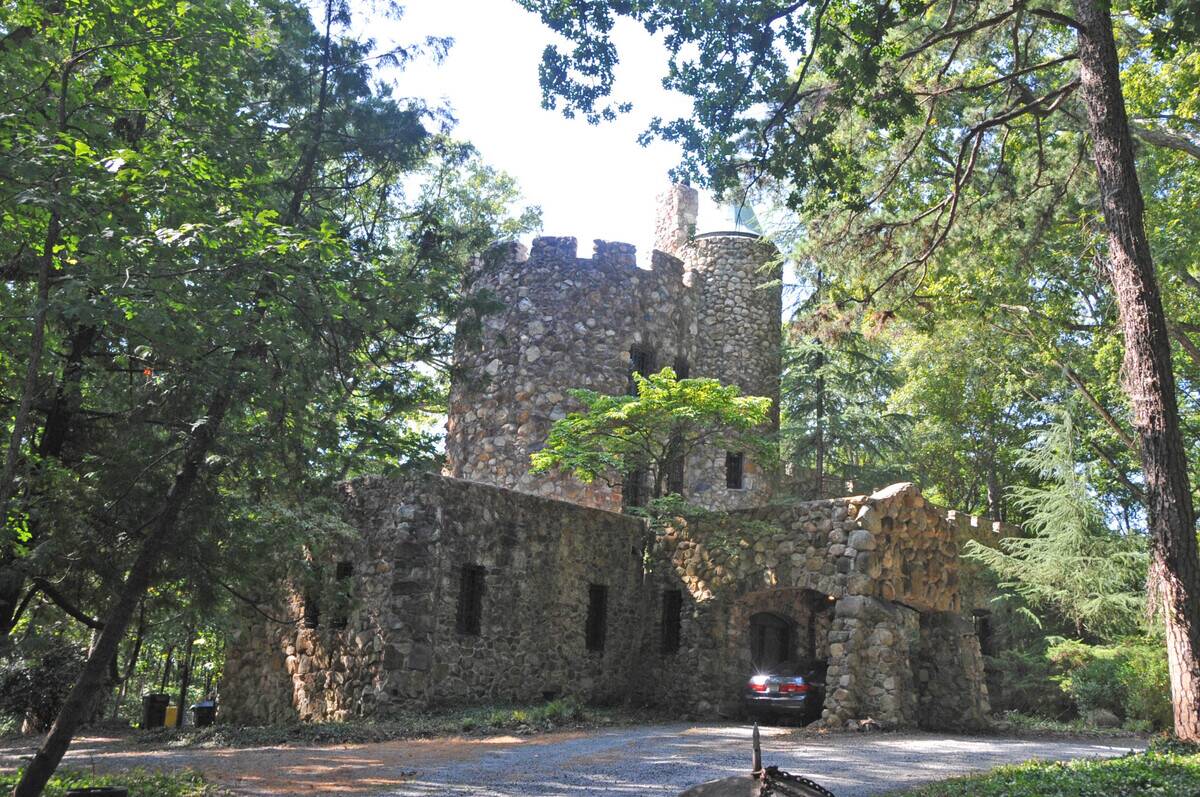
The Order of Gimghoul, established in 1889 at the University of North Carolina, is steeped in legend and mystery. The society is said to be inspired by the medieval tales of King Arthur and the Knights of the Round Table.
Members meet in a castle-like structure known as Gimghoul Castle, located on the edge of campus. The society is known for its secretive rituals and focus on chivalry and honor. Despite its enigmatic nature, the Order of Gimghoul remains a respected and influential group at UNC.
The Phoenix S.K. Club: Harvard’s Modern-Day Mystery

The Phoenix S.K. Club at Harvard, formed from the merger of two older clubs in the 20th century, is one of the university’s more modern secret societies. Known for its vibrant social events and exclusive membership, the club has quickly gained a reputation for influence and prestige.
Members are selected based on their social connections and achievements, with a focus on fostering a sense of community. The club’s activities are largely kept under wraps, adding to its air of mystery.
The Influence of Secret Societies Beyond University Walls
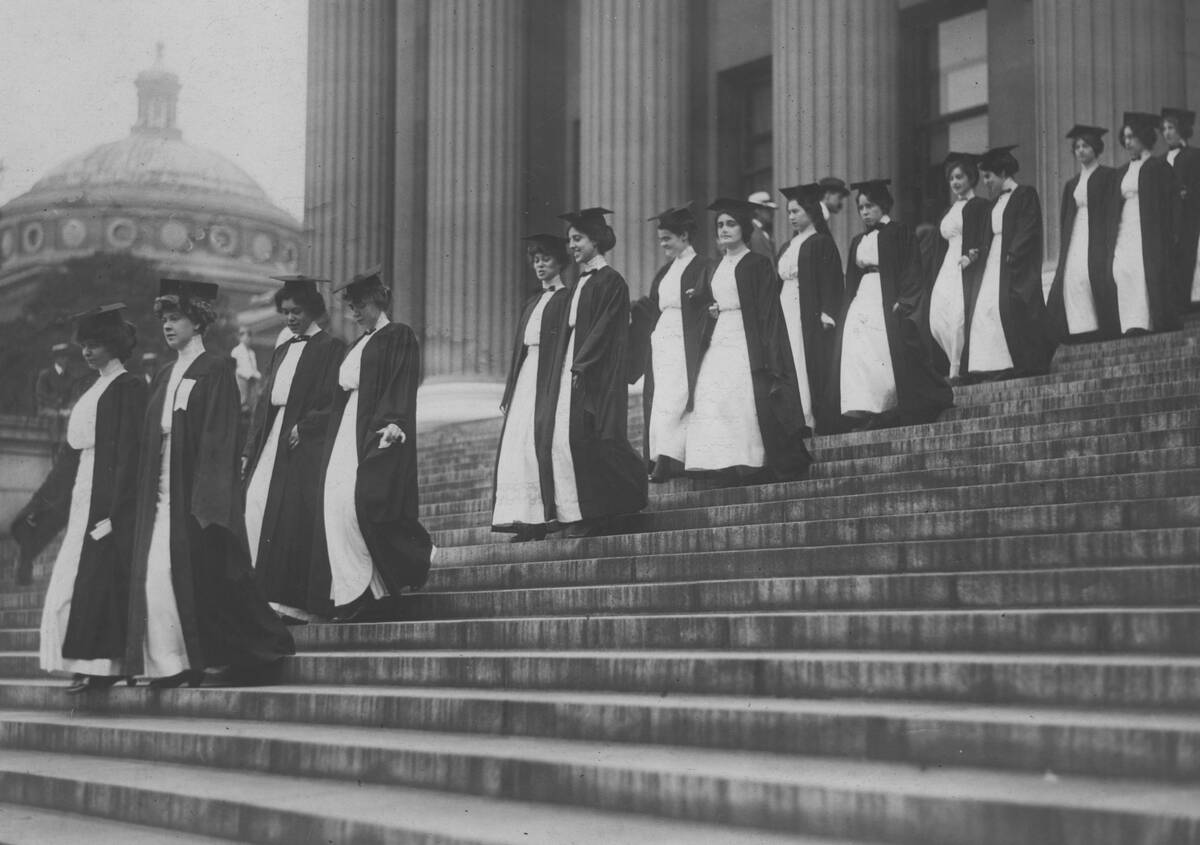
The influence of secret societies often extends beyond university walls, with many members going on to hold prominent positions in business, politics, and other fields. The connections and skills gained through these societies can provide a significant advantage in the professional world.
Alumni networks offer support and opportunities long after graduation, further cementing the society’s influence. While the true extent of their power is difficult to measure, secret societies undeniably play a role in shaping the careers of their members.