12 Bizarre Victorian health trends that proved lethal
The Victorian era was a time of great innovation, but it was also a period rife with bizarre health trends. From deadly beauty secrets to questionable medical practices, the Victorians were willing to try just about anything in the name of health and beauty.
While some of these practices may seem absurd today, they provide a fascinating glimpse into the past and highlight the lengths people will go to achieve their ideal of health.
The Rise of Arsenic: A Deadly Beauty Secret
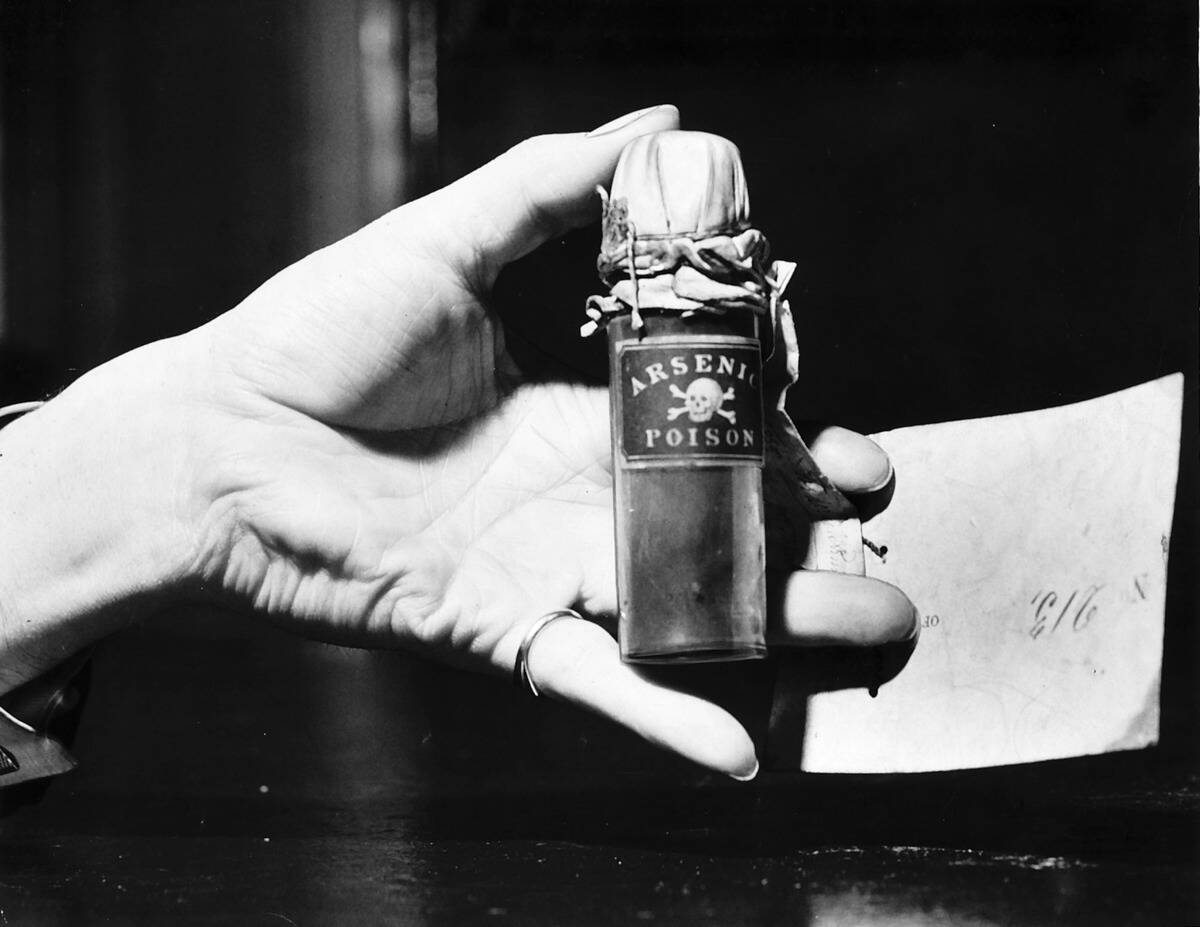
In the quest for pale, porcelain skin, Victorian women turned to arsenic wafers, a deadly beauty secret. Arsenic was believed to clear the complexion and was sold in various forms, including soaps and powders.
However, it was highly toxic and could lead to severe health issues, including organ failure and death. Despite the risks, the desire for a fair complexion overrode concerns, illustrating the dangerous allure of beauty in the Victorian era.
Laudanum: The Victorian Cure-All with Fatal Consequences
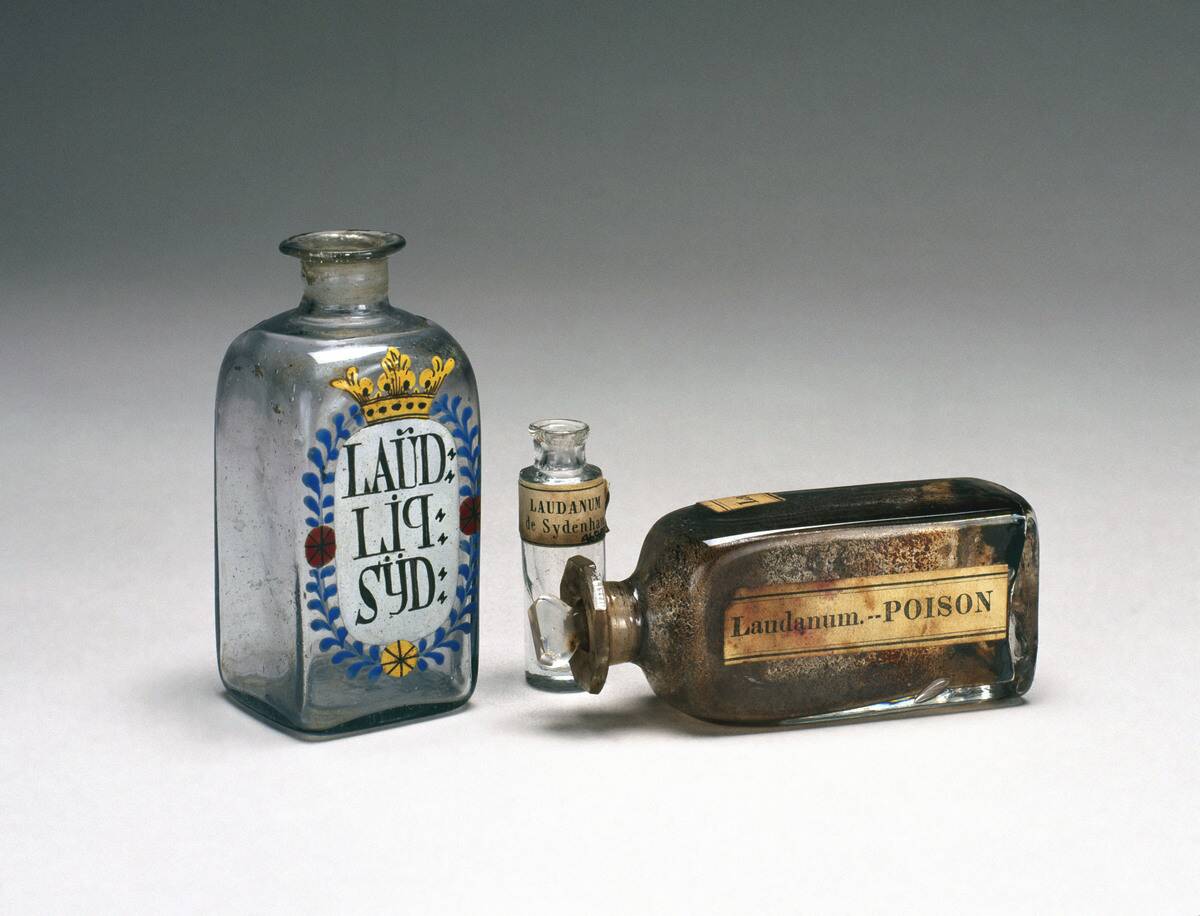
Laudanum, a mixture of opium and alcohol, was a popular Victorian remedy for everything from headaches to insomnia. It was readily available and widely used, often without a prescription.
While it provided temporary relief, it was highly addictive and could lead to overdose and death. The widespread use of laudanum highlights the lack of regulation and understanding of the dangers of opiates during the Victorian era.
Bloodletting: Draining the Body to Health
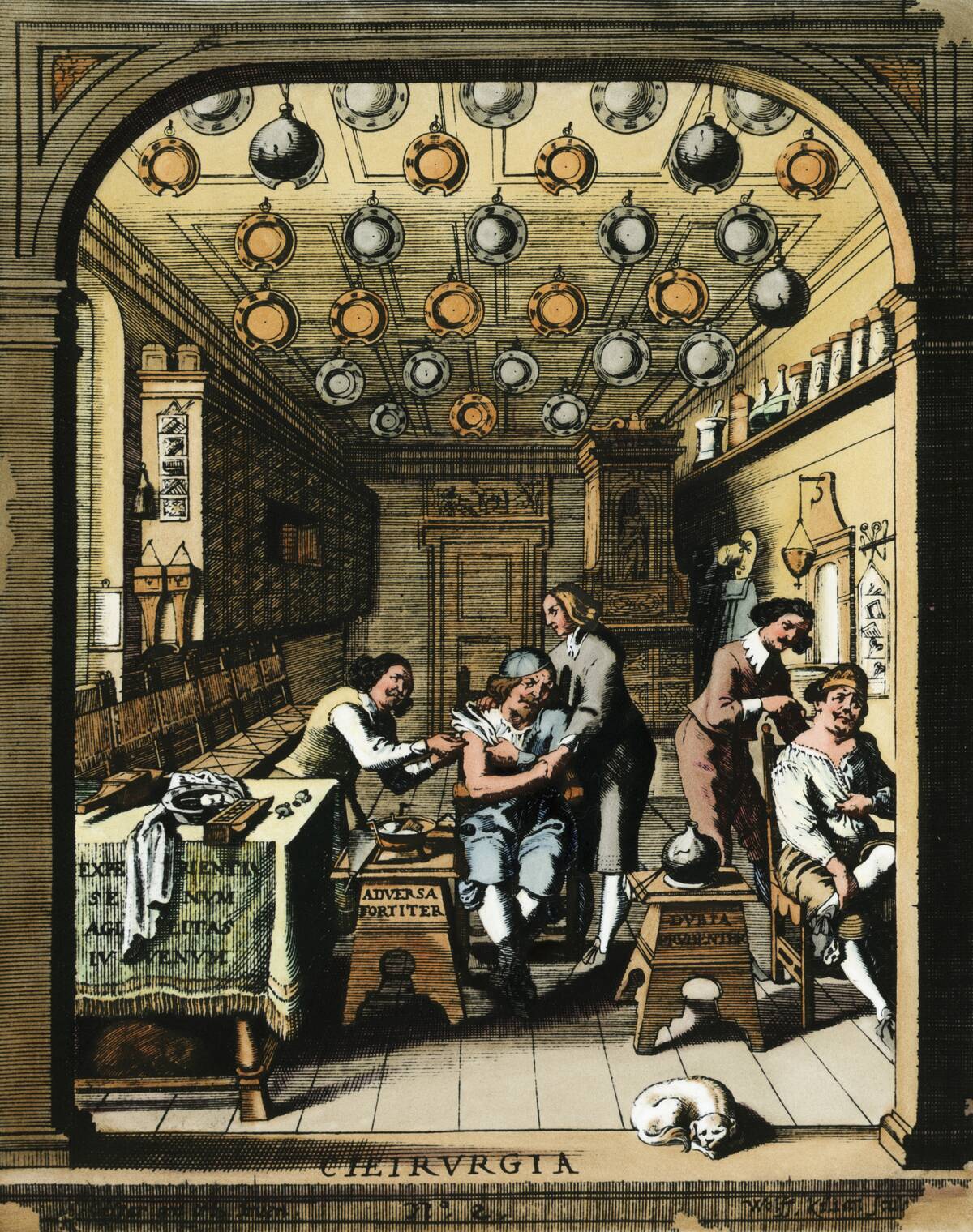
Bloodletting was a common medical practice in the Victorian era, based on the belief that many ailments were caused by an imbalance of bodily fluids. Physicians used leeches or lancets to draw blood, hoping to restore balance and health.
However, this practice often weakened patients and could lead to infections or even death. Despite its dangers, bloodletting persisted as a treatment method, underscoring the limited medical knowledge of the time.
The Dangers of Mercury in Medicine
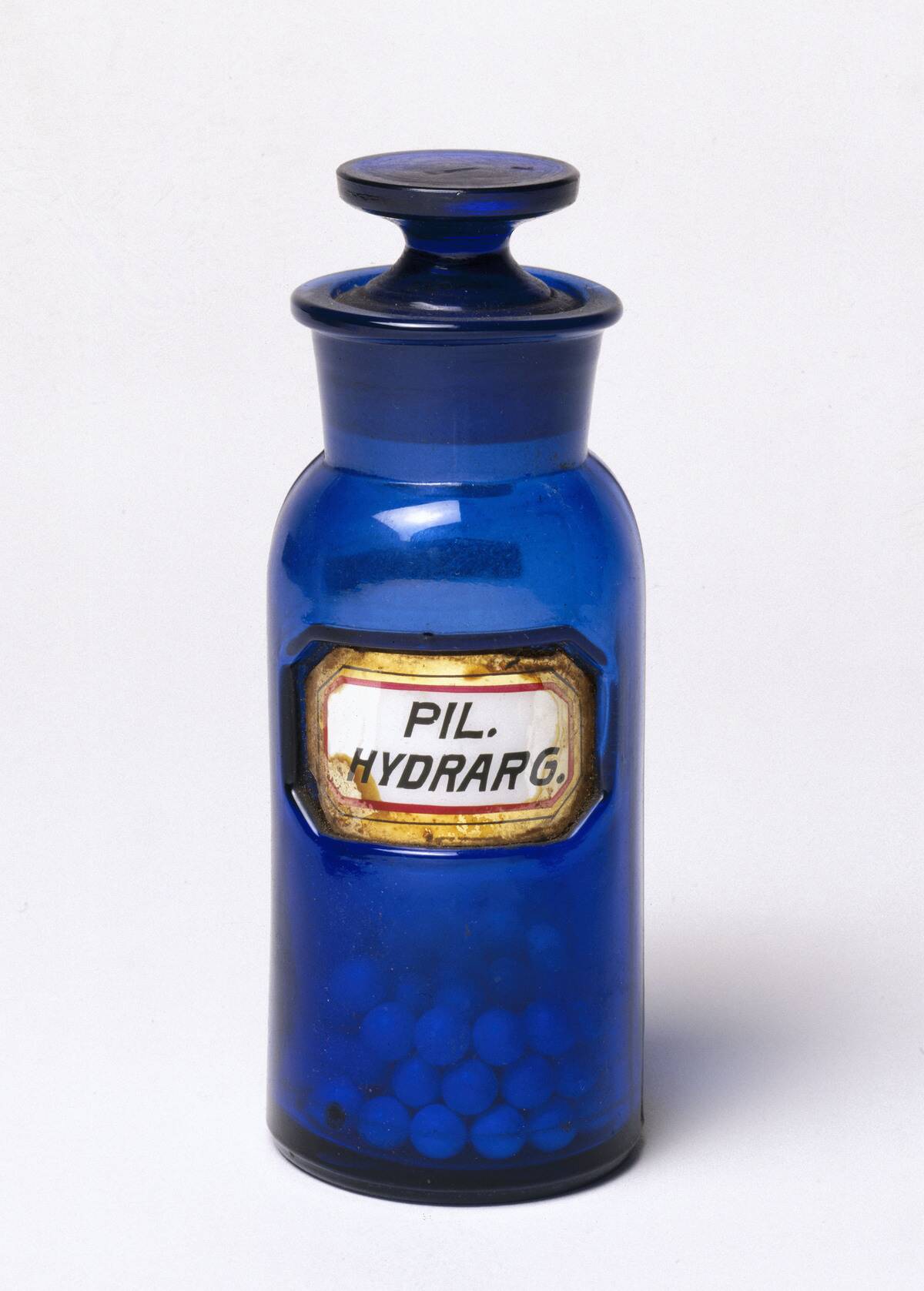
Mercury was a popular ingredient in many Victorian medicines, used to treat ailments such as syphilis and constipation. While it was believed to have curative properties, mercury is highly toxic and can cause severe health problems, including neurological damage and kidney failure.
The use of mercury in medicine reflects the trial-and-error approach of Victorian healthcare, with little understanding of the long-term effects of such treatments.
Radium Water: The Glowing Health Elixir
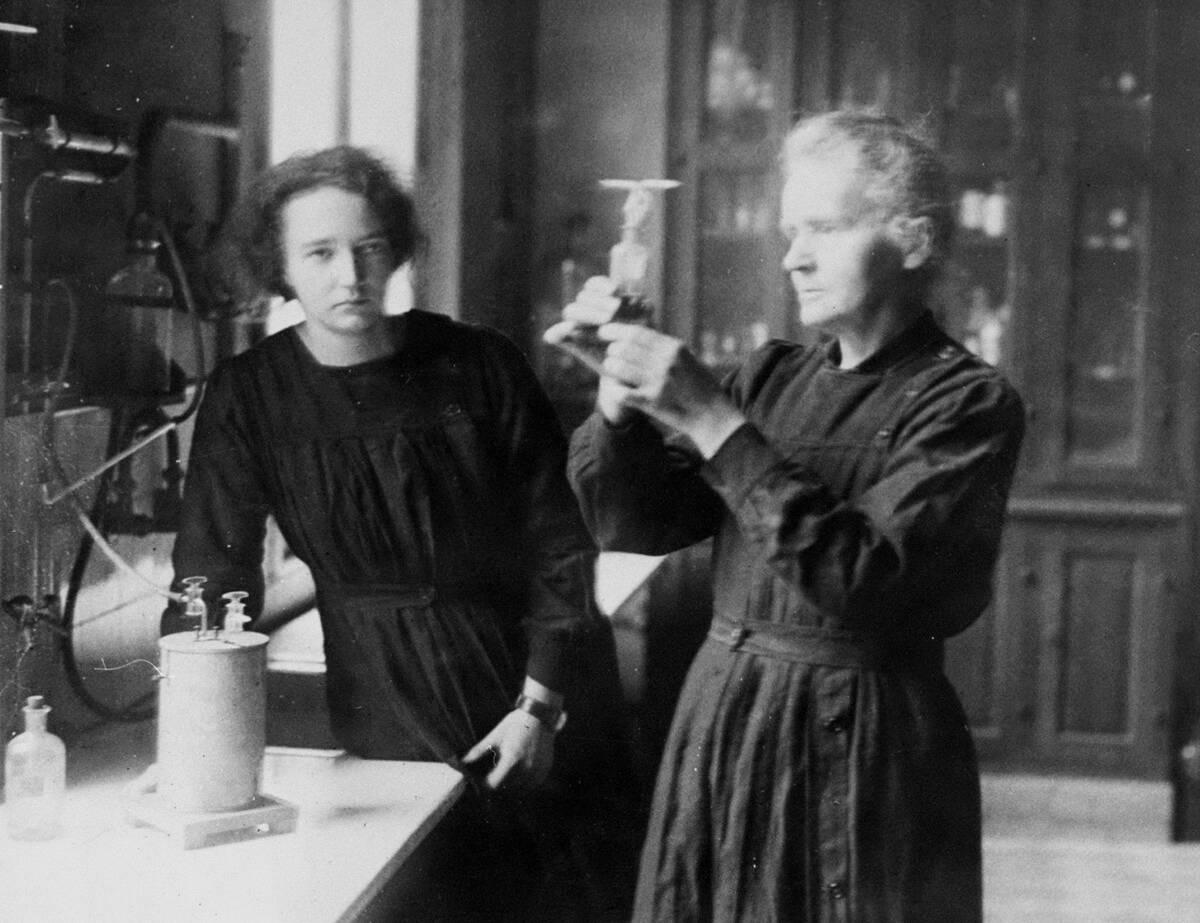
Radium water was marketed as a health tonic in the early 20th century, following the discovery of radium by Marie Curie. It was believed to boost energy and vitality, and was sold in various forms, including bottled water and spa treatments.
However, radium is radioactive and prolonged exposure can cause cancer and other serious health issues. The popularity of radium water highlights the fascination with new scientific discoveries, often without understanding their potential dangers.
Corsets: Fashionable Yet Fatal
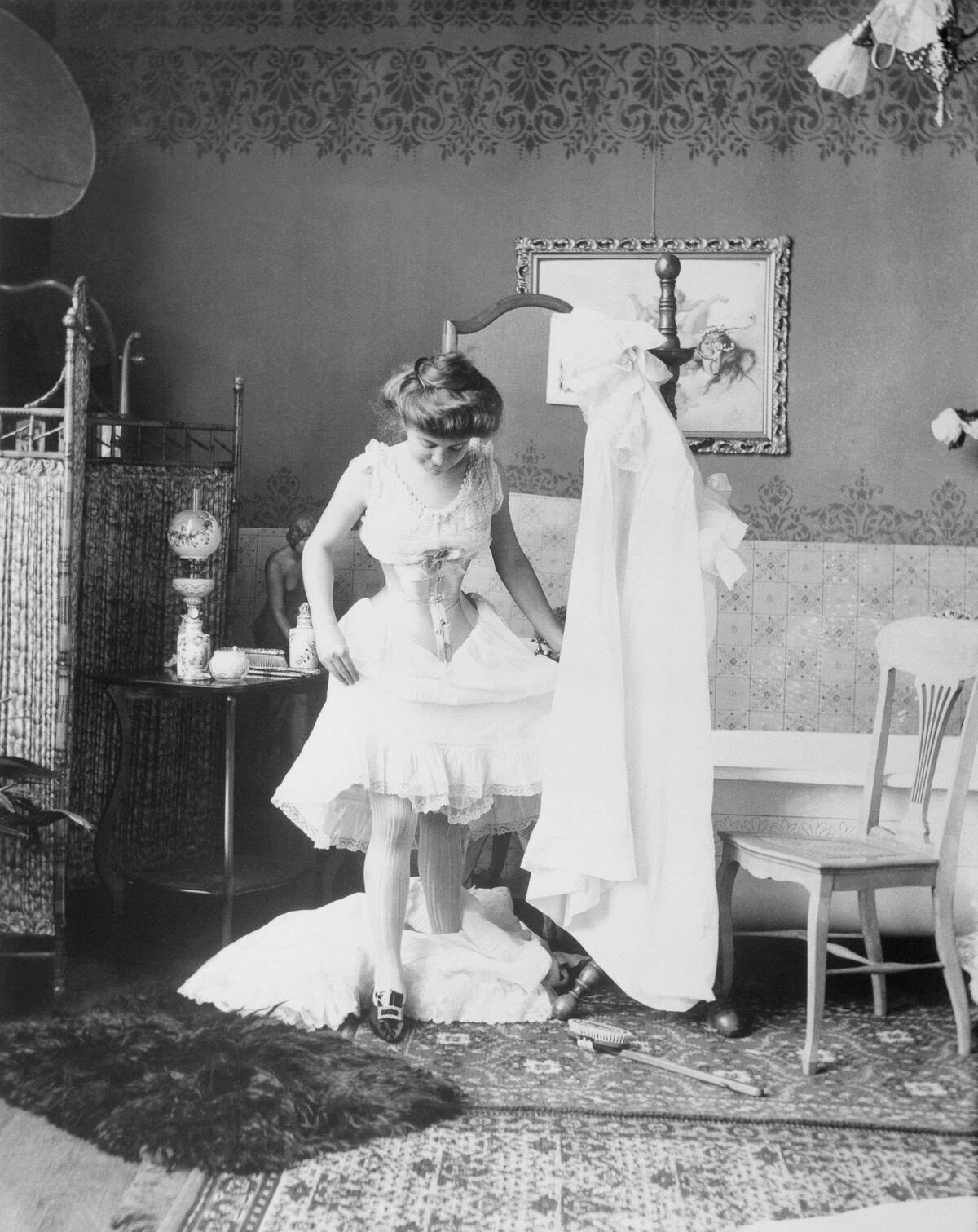
Corsets were a fashion staple in the Victorian era, worn to achieve an hourglass figure. However, they were often laced tightly, compressing the ribcage and internal organs, leading to health problems such as difficulty breathing, fainting, and even organ damage.
Despite the risks, corsets remained popular, illustrating the extreme measures taken for beauty and the societal pressures placed on women to conform to fashion standards.
Electric Belts: Shocking Health Claims
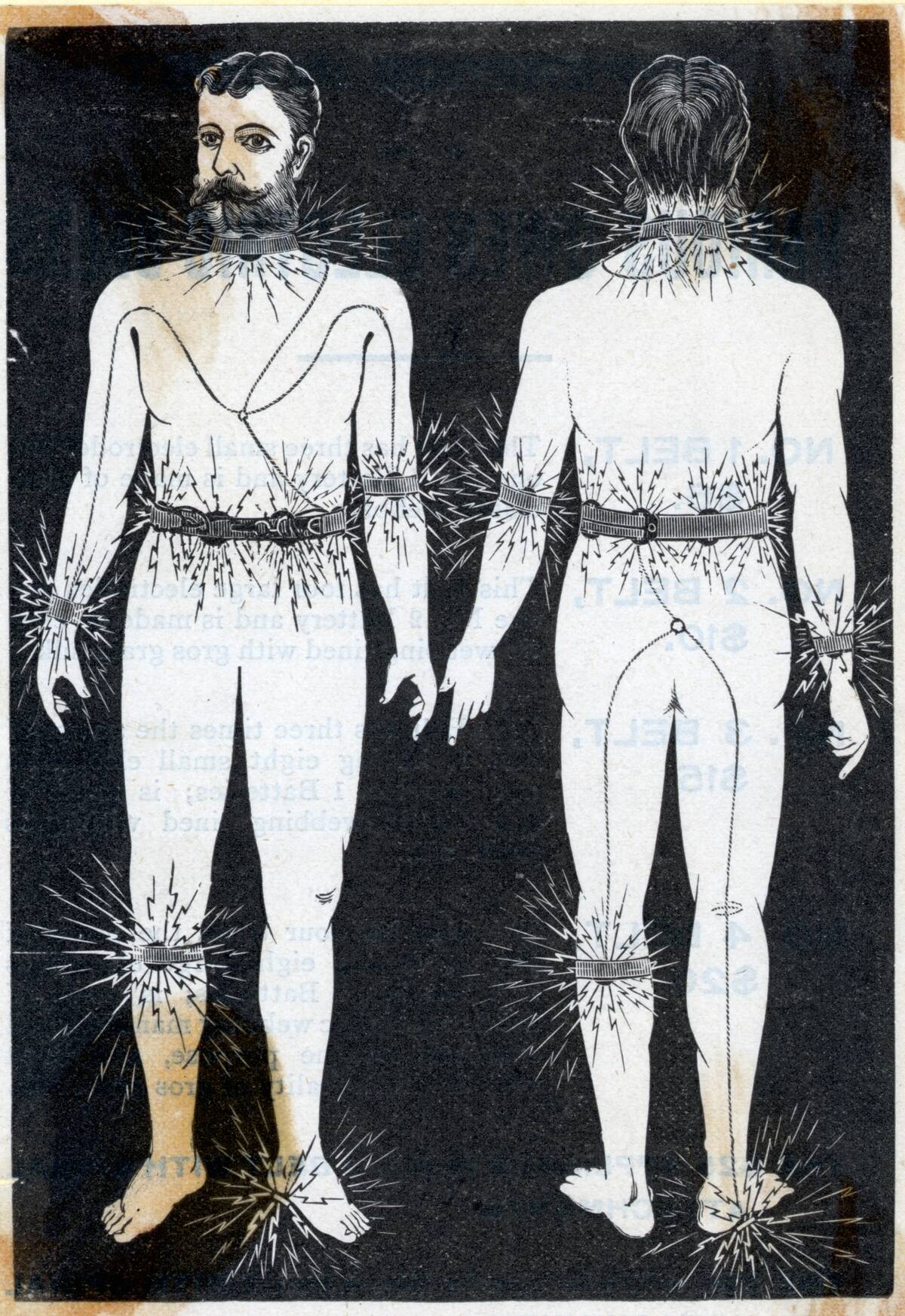
Electric belts were marketed as a revolutionary health device in the Victorian era, claiming to cure ailments such as impotence and indigestion through electric currents. While they were popular, there was little scientific evidence to support their effectiveness, and they could cause burns and other injuries.
The popularity of electric belts reflects the Victorian fascination with electricity and the willingness to embrace new technologies, often without understanding their true impact.
The Perils of Victorian Weight Loss Remedies
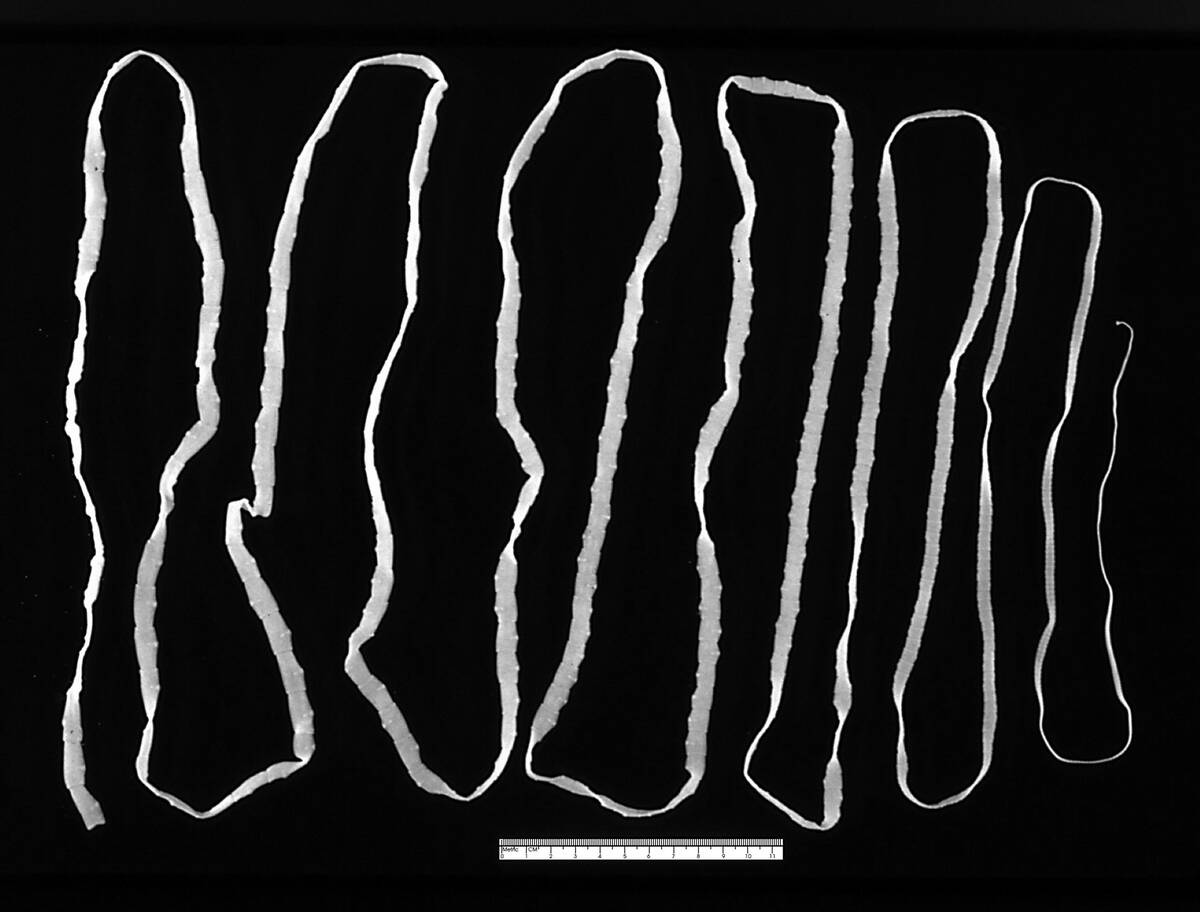
Victorian weight loss remedies ranged from diet pills to bizarre techniques like the tapeworm diet. These methods were often dangerous and ineffective, posing serious health risks. The tapeworm diet involved ingesting tapeworm eggs to lose weight, but it could lead to malnutrition and other health problems.
The extremes of Victorian weight loss remedies highlight the societal pressures to conform to beauty standards and the lack of understanding of healthy weight management.
Vinegar and Water Diet: A Recipe for Disaster
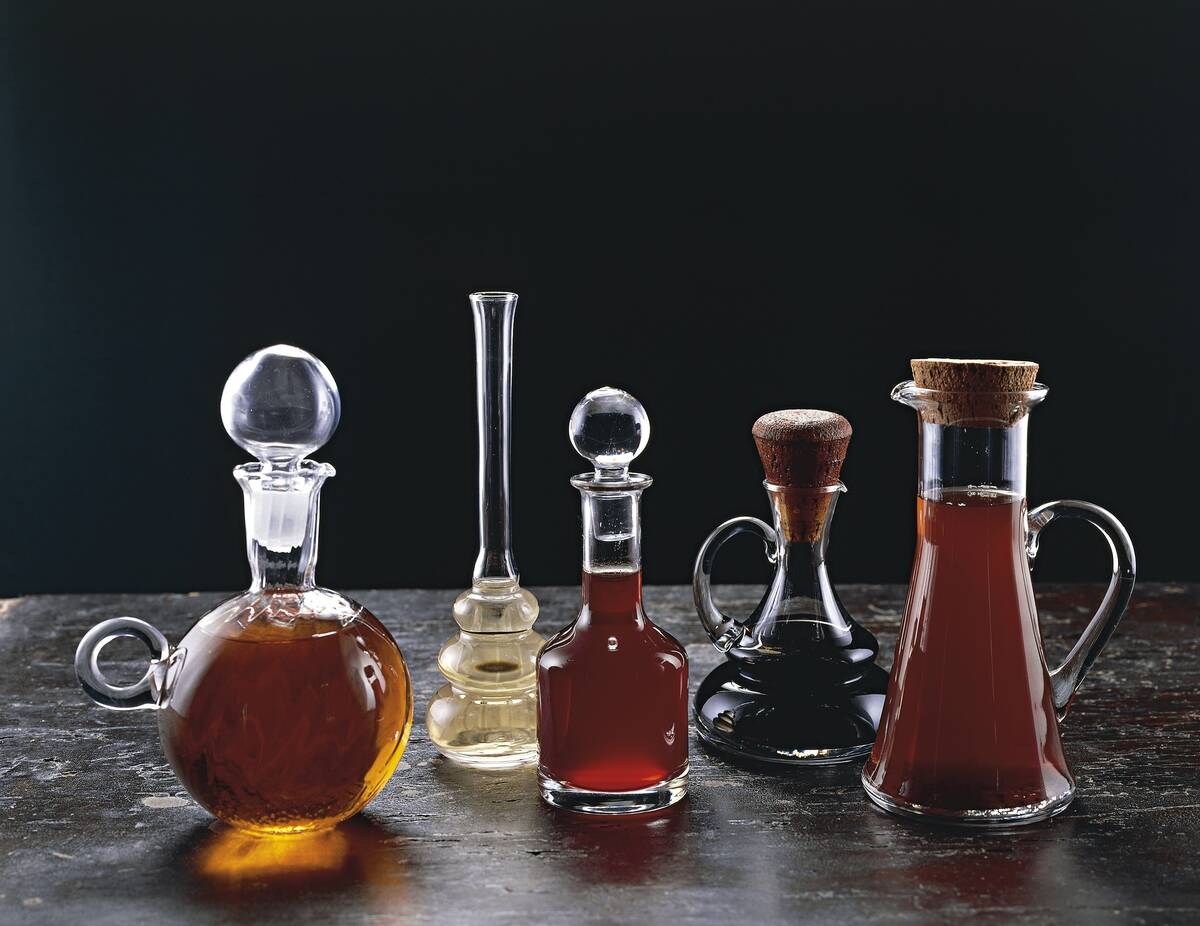
The vinegar and water diet was popularized by Lord Byron in the 19th century, promising weight loss through the consumption of vinegar mixed with water. While it may have led to temporary weight loss, it could cause digestive issues and other health problems.
The diet reflects the ongoing search for quick fixes and the influence of celebrity endorsements on health trends, often without considering the potential consequences.
Victorian Smoking Cures: A Breath of Fresh Poison
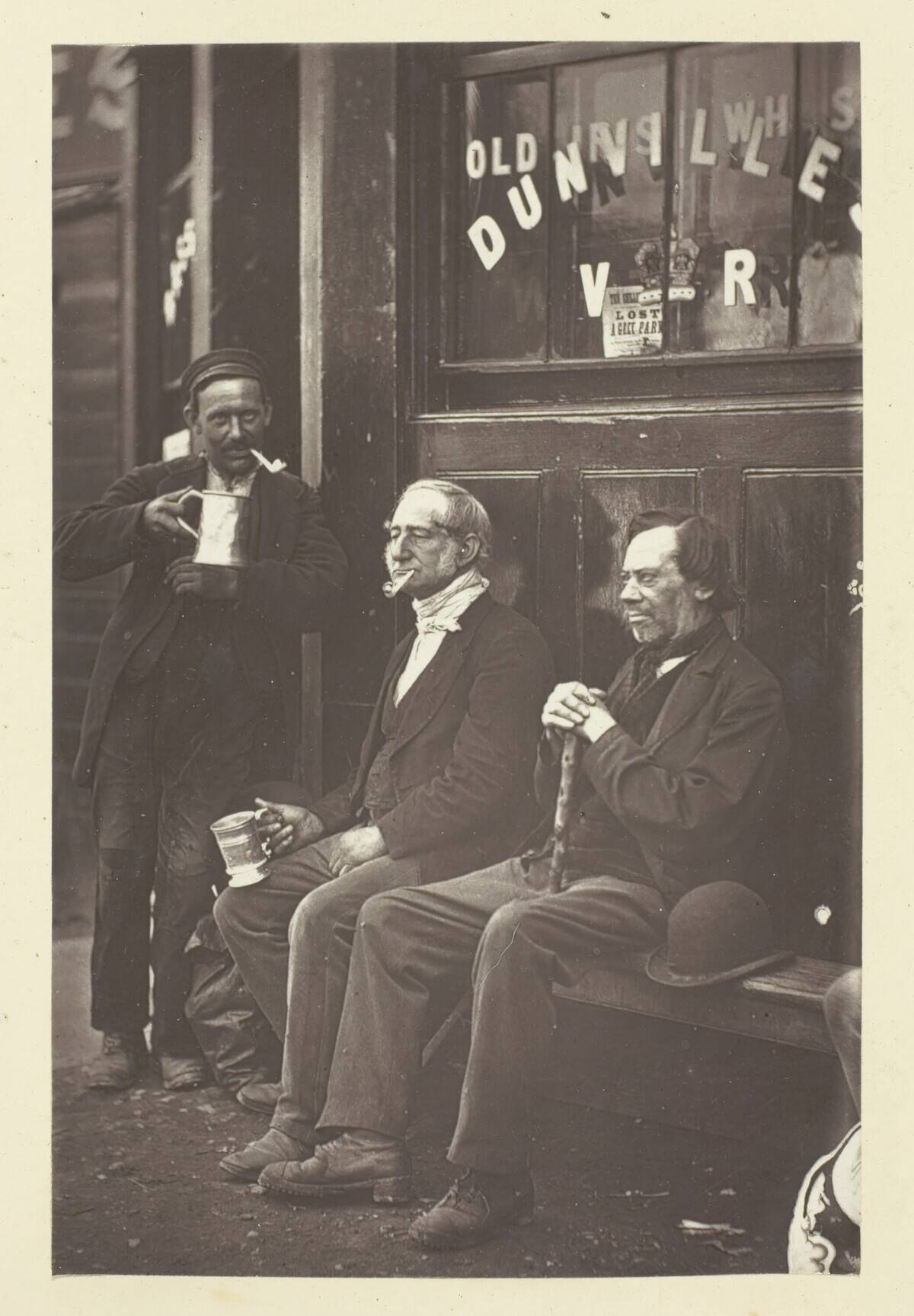
Smoking was promoted as a cure for various ailments in the Victorian era, including asthma and respiratory issues. Tobacco was believed to have medicinal properties, but it also posed significant health risks, including lung disease and cancer.
The promotion of smoking as a health remedy underscores the lack of understanding of its dangers and the influence of marketing on public perceptions of health.
The Lethal Lure of Strychnine
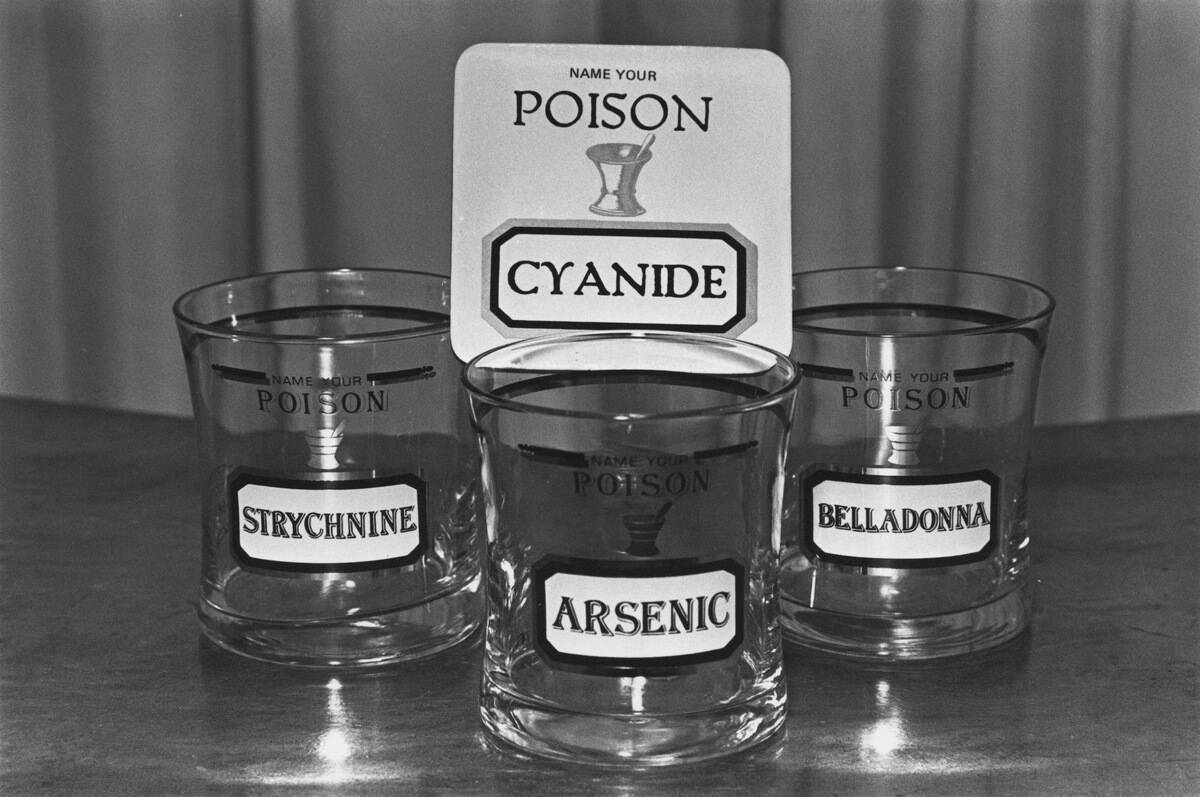
Strychnine was used in small doses as a stimulant and performance enhancer during the Victorian era. It was believed to increase energy and endurance, but it is highly toxic and can cause convulsions and death.
The use of strychnine reflects the Victorian fascination with chemical enhancements and the willingness to take risks for perceived health benefits, often without understanding the potential consequences.
Victorian Era Lead Poisoning: A Silent Killer
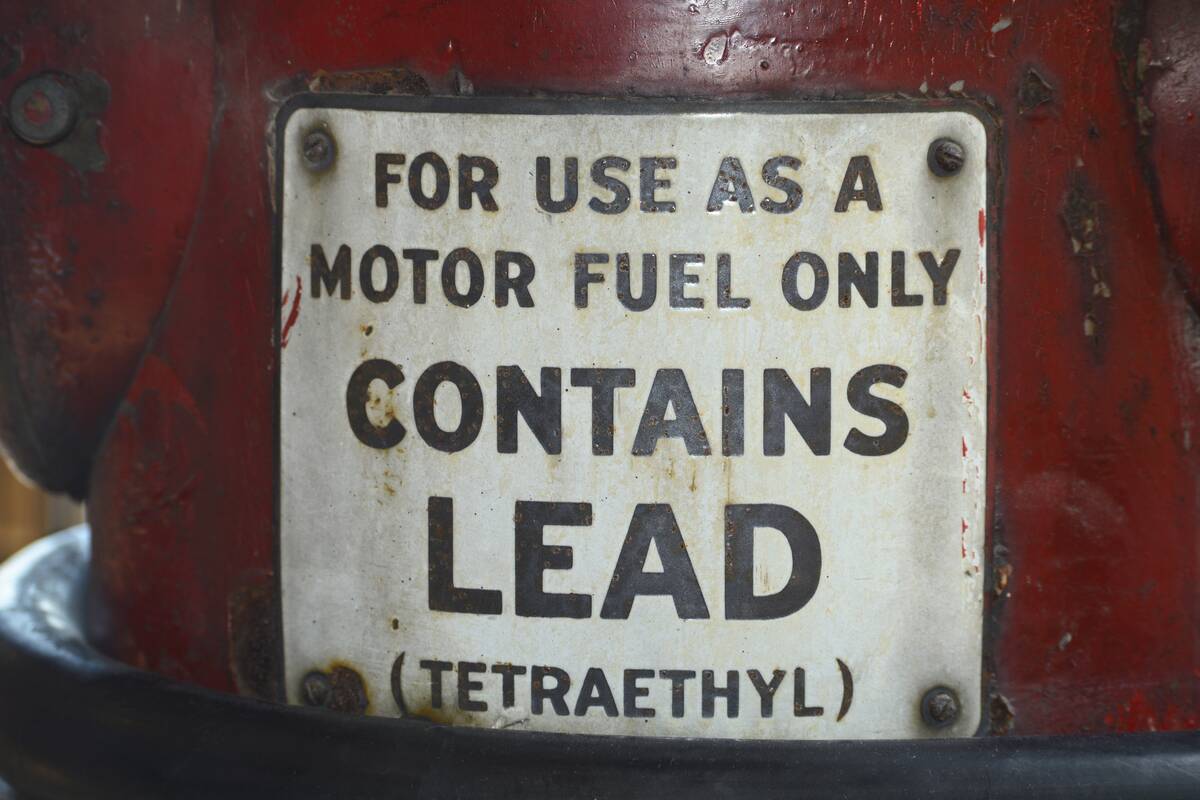
Lead was commonly used in Victorian products, from paint to cosmetics, posing a significant health risk. Chronic exposure to lead can cause severe health issues, including neurological damage and developmental delays.
The prevalence of lead in everyday products highlights the lack of regulation and awareness of its dangers, making it a silent killer of the Victorian era.




