16 Photos of roads, aqueducts, and networks of ancient empires
Ancient engineering marvels are a testament to human ingenuity and perseverance. These structures and systems not only served practical purposes but also reflected the societies’ cultural and economic priorities.
From roads that connected empires to aqueducts that brought life-giving water to cities, ancient infrastructure was the backbone of civilizations. These achievements laid the groundwork for modern engineering and continue to inspire awe and admiration.
Paving the Way: The Importance of Roads in Ancient Times
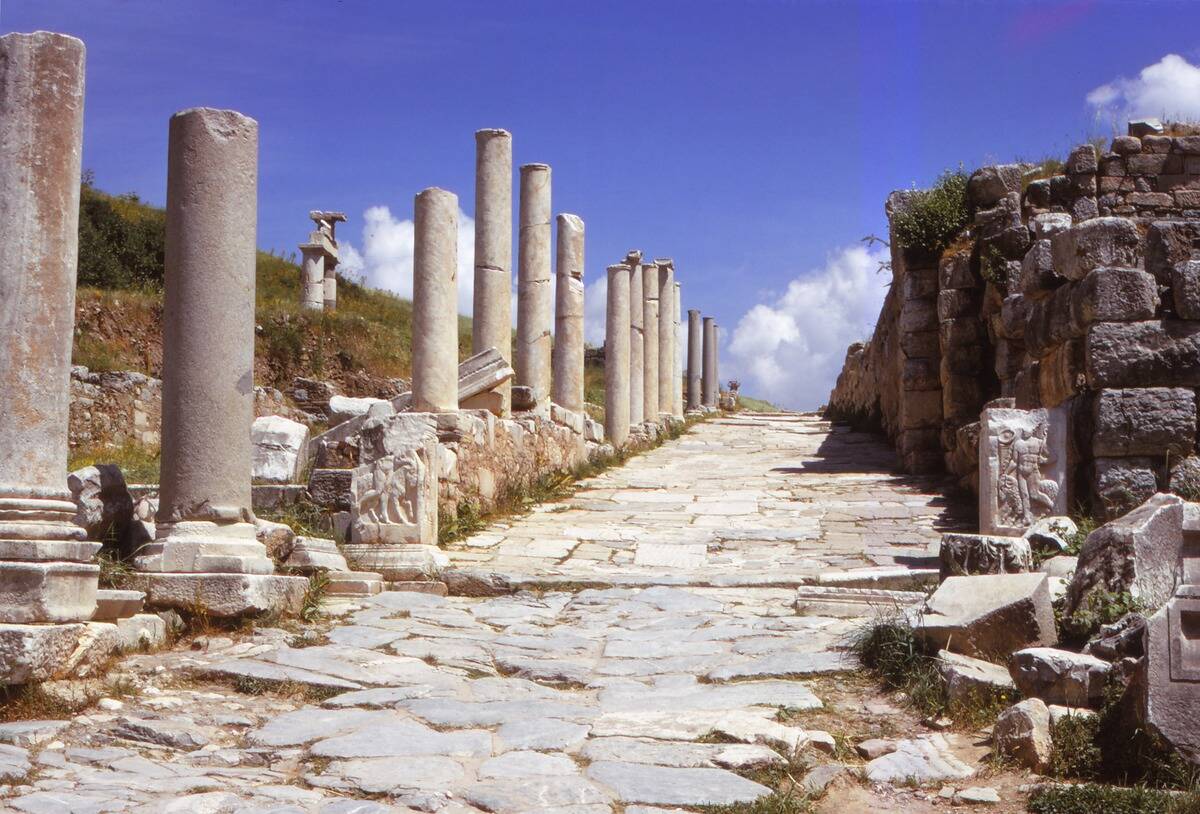
In ancient times, roads were vital for trade, communication, and military movement. They facilitated the exchange of goods, ideas, and cultures among distant regions. Well-maintained roads enabled armies to move swiftly, securing empires and expanding territories.
The construction and maintenance of roads were seen as a reflection of a civilization’s sophistication and power, playing a crucial role in the development and unification of societies.
The Roman Empire: Masters of Road Construction
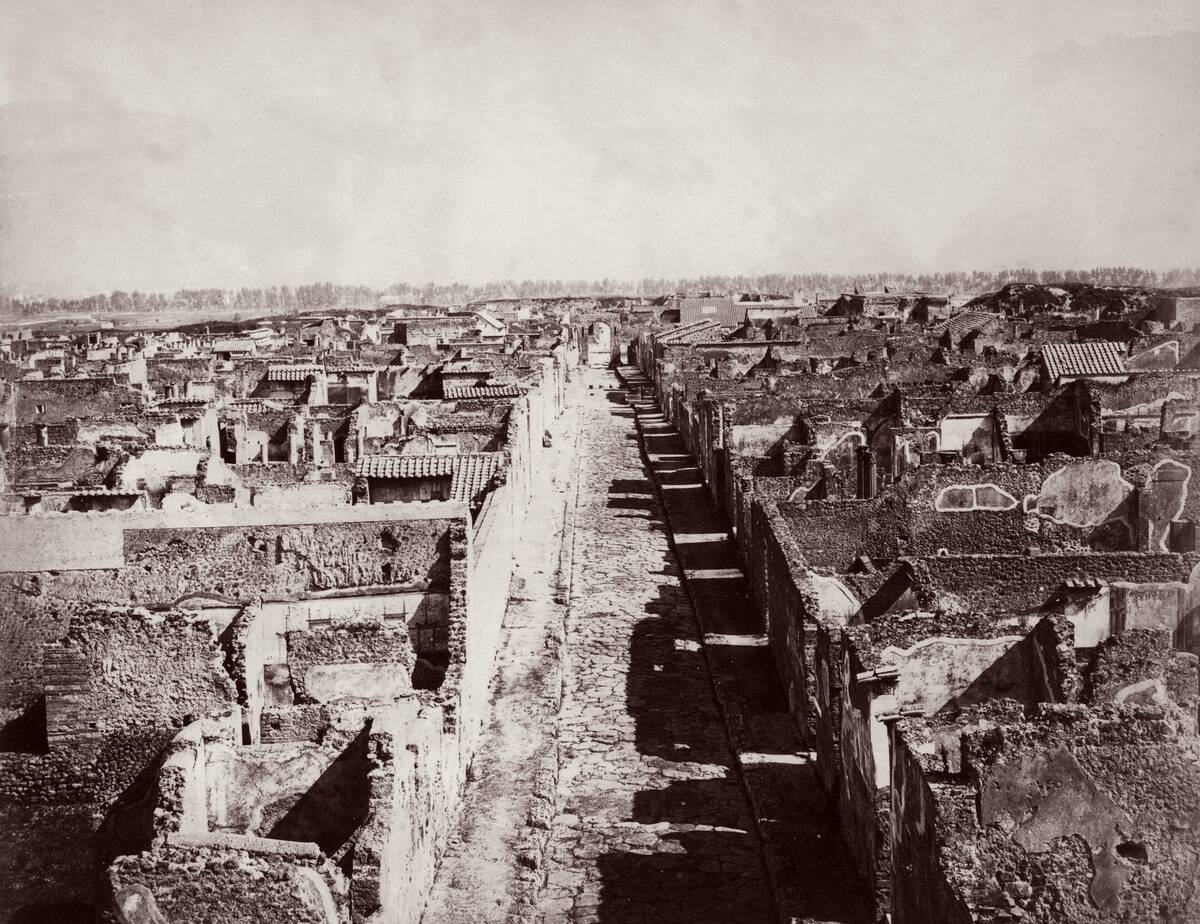
The Romans were unparalleled in their road construction techniques, building over 250,000 miles of roads throughout their empire. These roads were engineered for durability, with layered structures that ensured longevity and efficient drainage.
Roman roads allowed for swift military deployments and facilitated trade across Europe, Asia, and Africa. Their enduring legacy is still visible today, with many modern roads following ancient Roman routes.
The Appian Way: Rome’s Gateway to the World
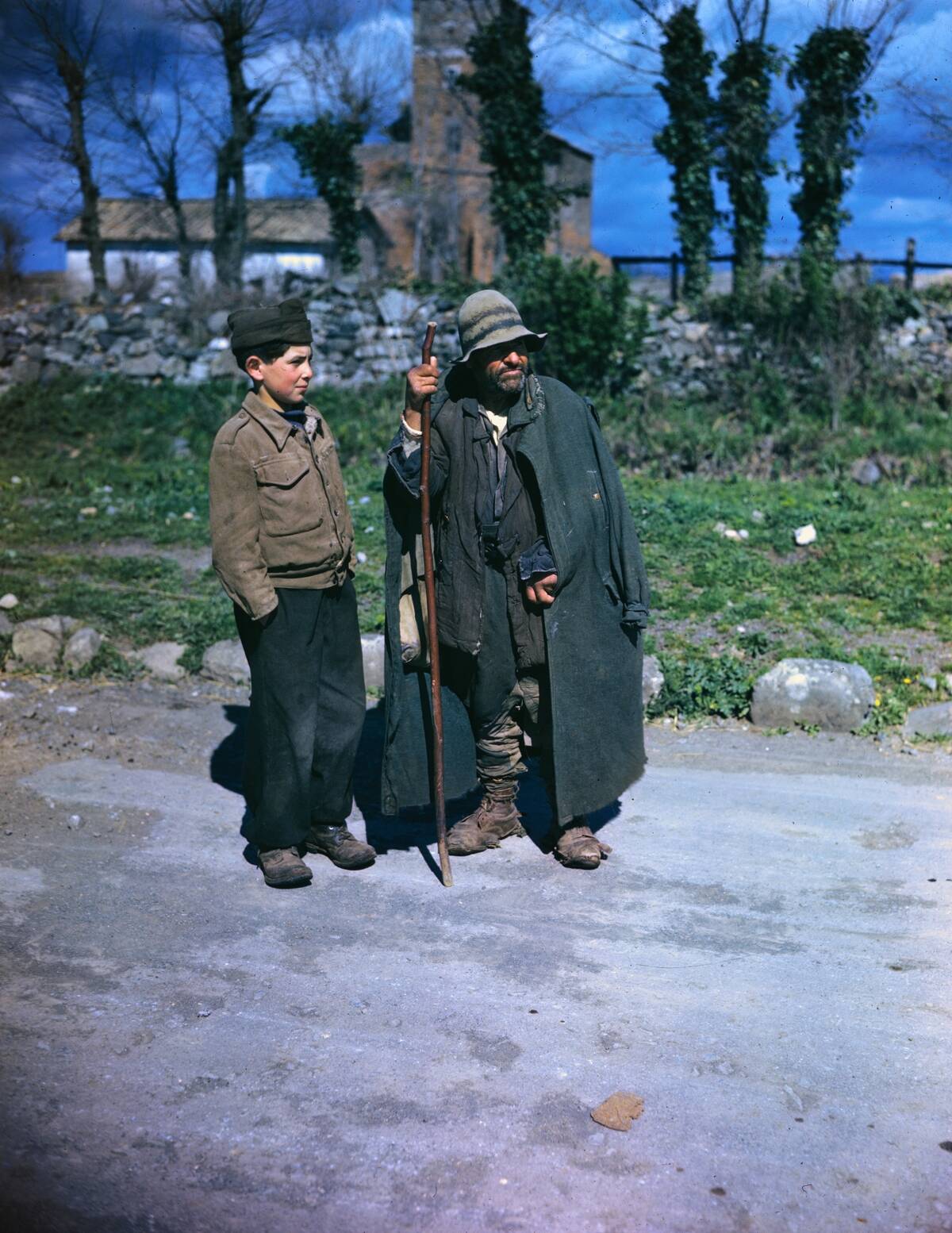
The Appian Way, known as “Regina Viarum” or the “Queen of Roads,” was one of the earliest and most important Roman roads. Stretching over 350 miles from Rome to Brindisi, it served as a critical route for military campaigns and trade.
Its construction revolutionized travel in the ancient world, allowing for more efficient movement of people and goods. The Appian Way remains a symbol of Roman engineering prowess and strategic planning.
Persian Royal Roads: Linking an Empire
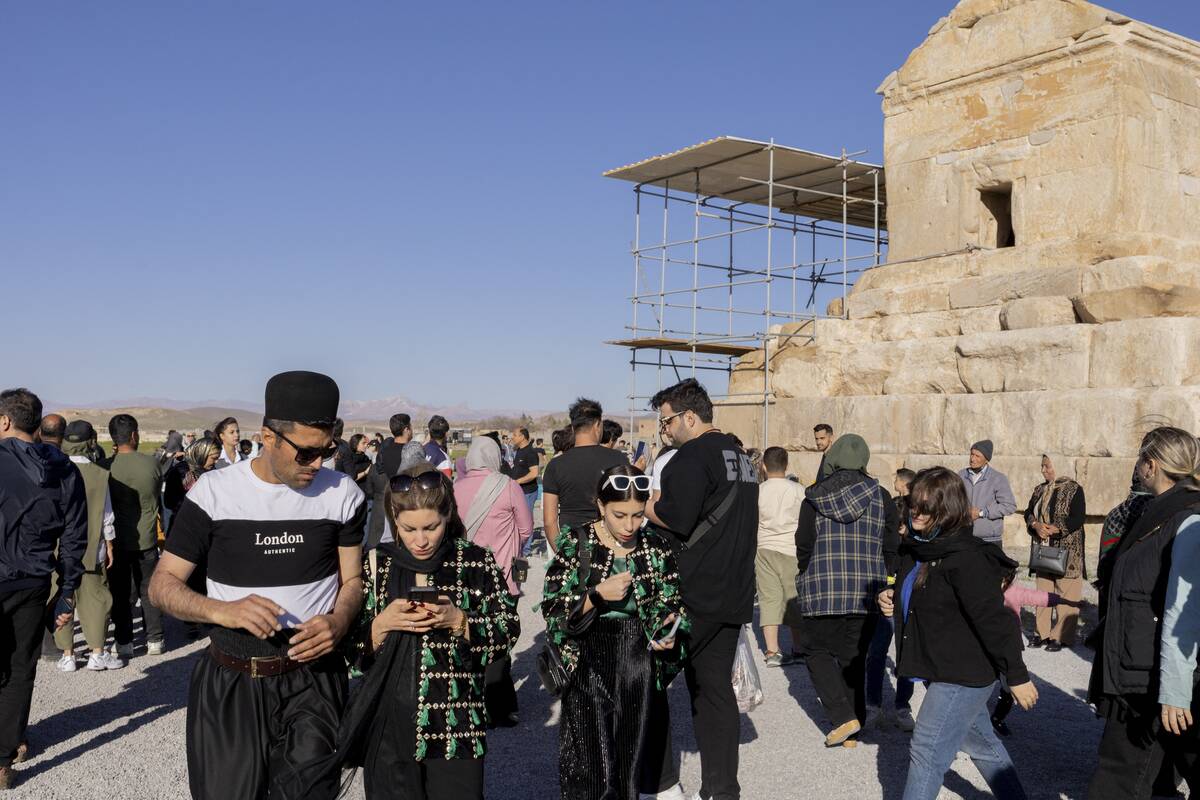
The Persian Royal Road stretched over 1,500 miles, connecting the Persian Empire from Susa to Sardis. This vast network facilitated efficient communication and trade across the empire’s vast territories.
The road was equipped with stations that provided rest and fresh horses for couriers, significantly reducing travel time. This infrastructure was crucial in maintaining the cohesion and control of the Persian Empire, demonstrating their advanced organizational skills.
The Incan Empire: Engineering in the Andes

The Incas developed an impressive network of roads across the rugged Andes, spanning nearly 25,000 miles. These roads connected the vast empire from Ecuador to Chile, enabling efficient administration and resource distribution.
The Incas displayed remarkable engineering skills, constructing roads that traversed mountains, rivers, and deserts. Their road system was crucial for communication and trade, playing a vital role in the cohesion of the Incan Empire.
The Great Wall of China: More Than a Defense
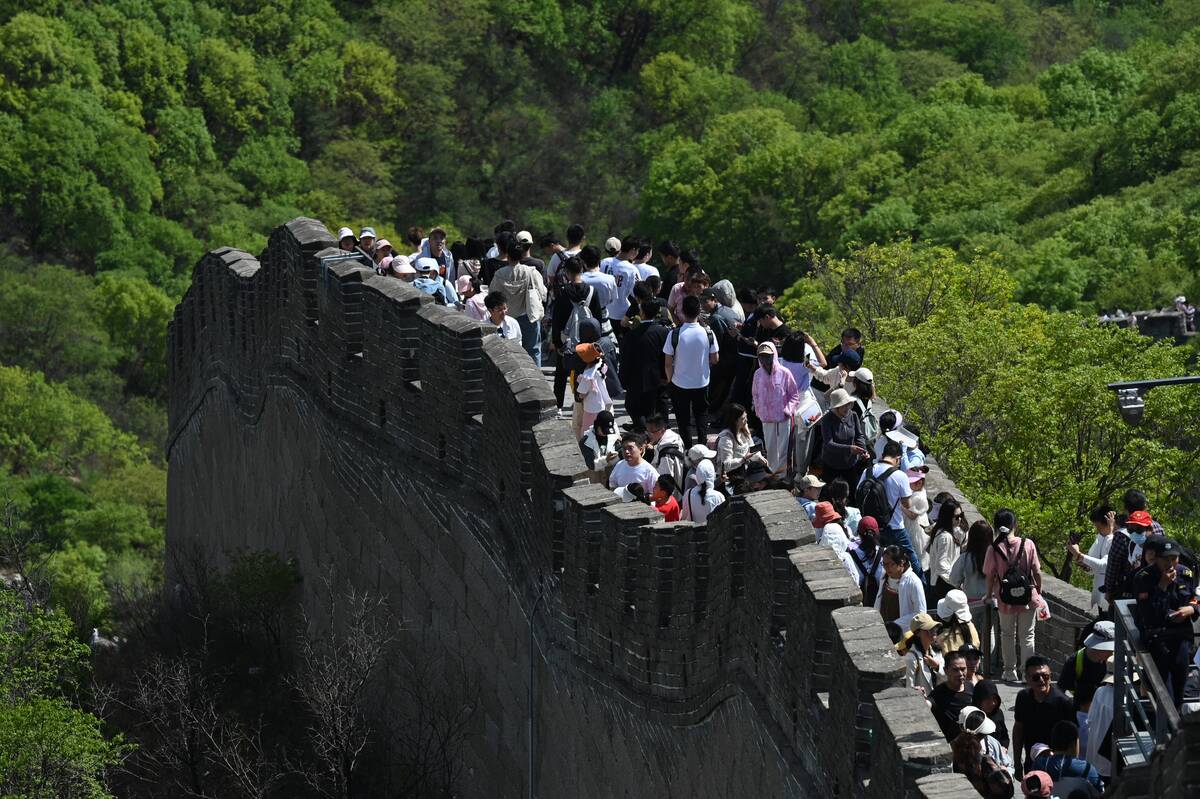
While primarily built for defense, the Great Wall of China also played a significant role in transportation and communication. Stretching over 13,000 miles, it facilitated trade along the Silk Road by protecting merchants from invasions.
Watchtowers along the wall served as signaling stations, enabling communication across vast distances. The Great Wall stands as a symbol of Chinese strength and unity, highlighting the multifaceted nature of ancient infrastructure.
Aqueducts: Lifelines of Ancient Cities
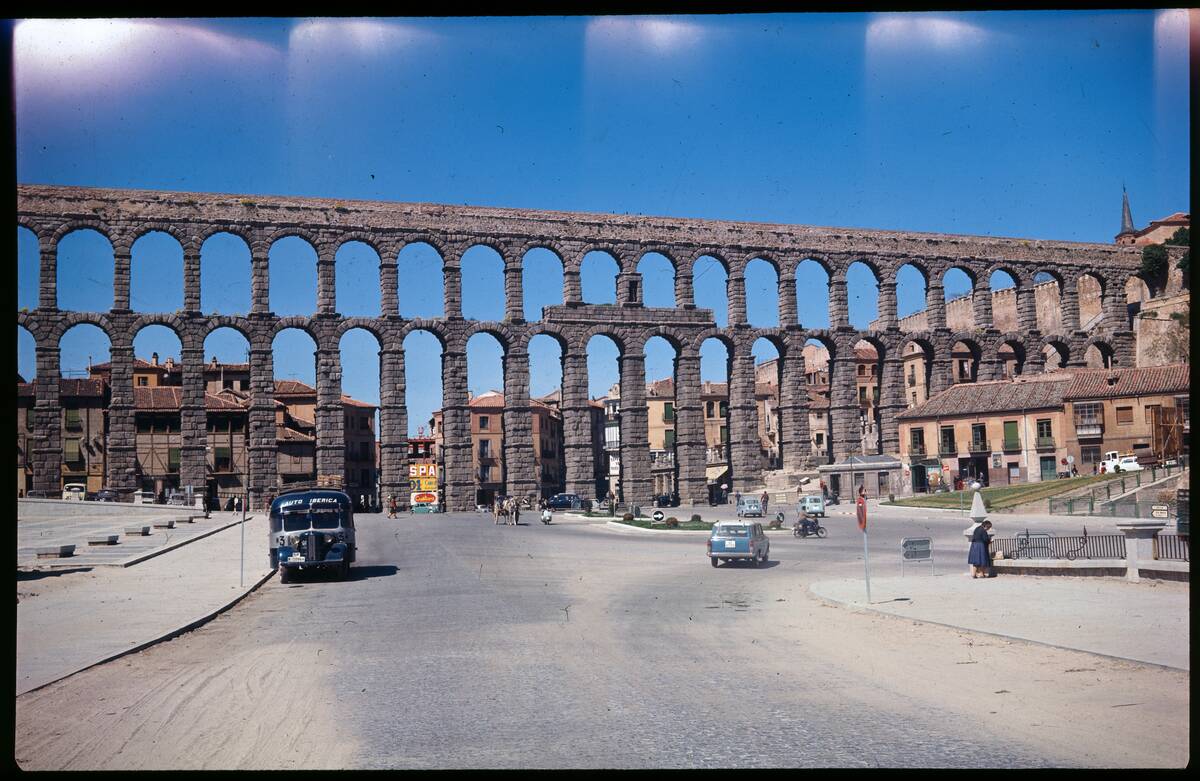
Aqueducts were essential for sustaining large urban populations in ancient times. These ingenious structures transported water from distant sources to cities, supporting public baths, fountains, and private households.
They exemplified the advanced understanding of hydraulics and civil engineering possessed by ancient civilizations. The availability of fresh water was a cornerstone of urban planning, contributing to the health, sanitation, and growth of ancient cities.
Roman Aqueducts: Engineering Feats of the Empire
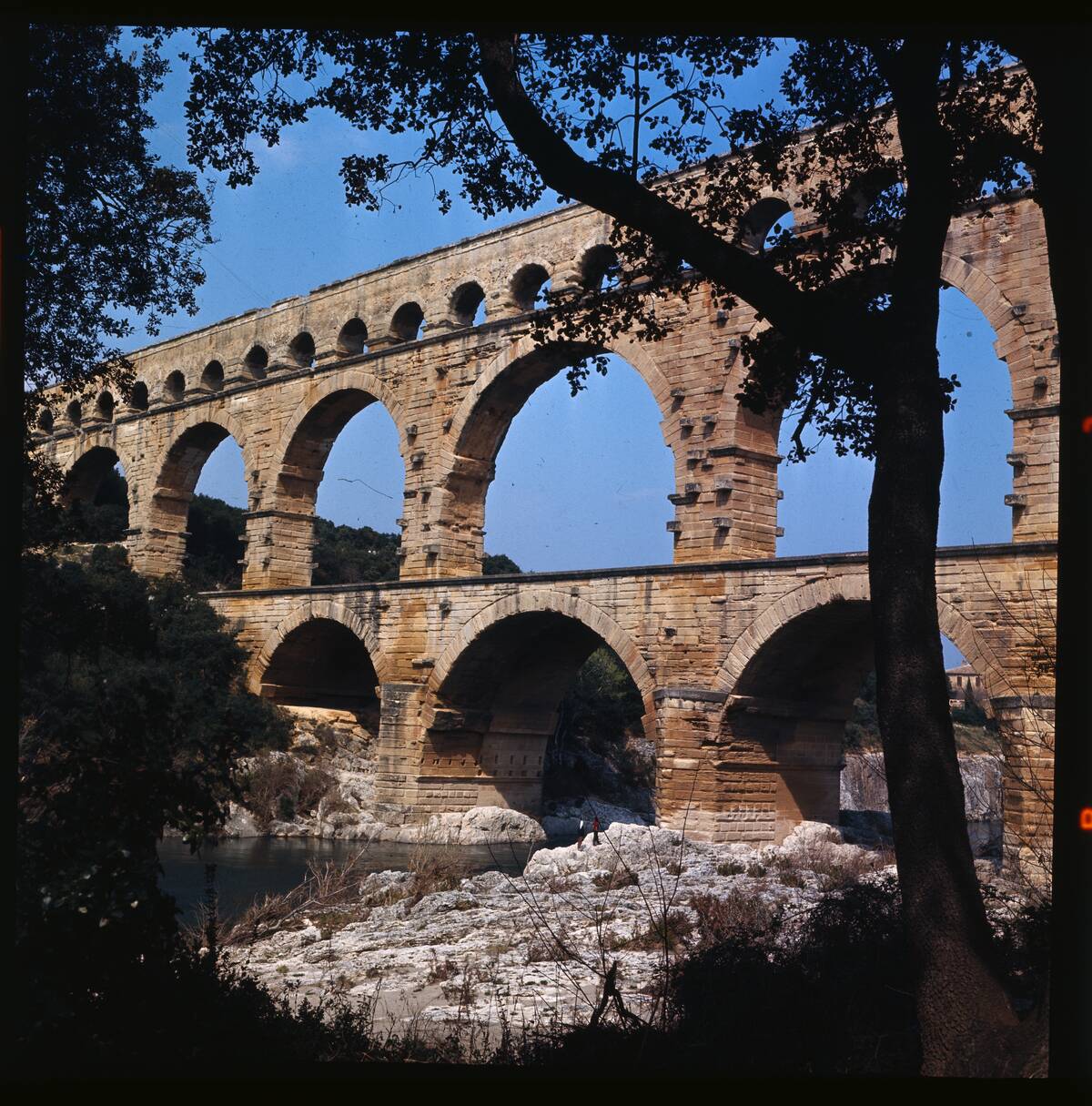
Roman aqueducts stand as one of the greatest achievements of ancient engineering. With over 11 major aqueducts supplying water to Rome, they transported millions of gallons daily. Constructed using a precise gradient, these aqueducts relied on gravity to move water over long distances.
The Pont du Gard in France remains a stunning example of Roman engineering, showcasing their ability to combine functionality with architectural beauty.
Persian Qanats: Ingenious Underground Water Channels
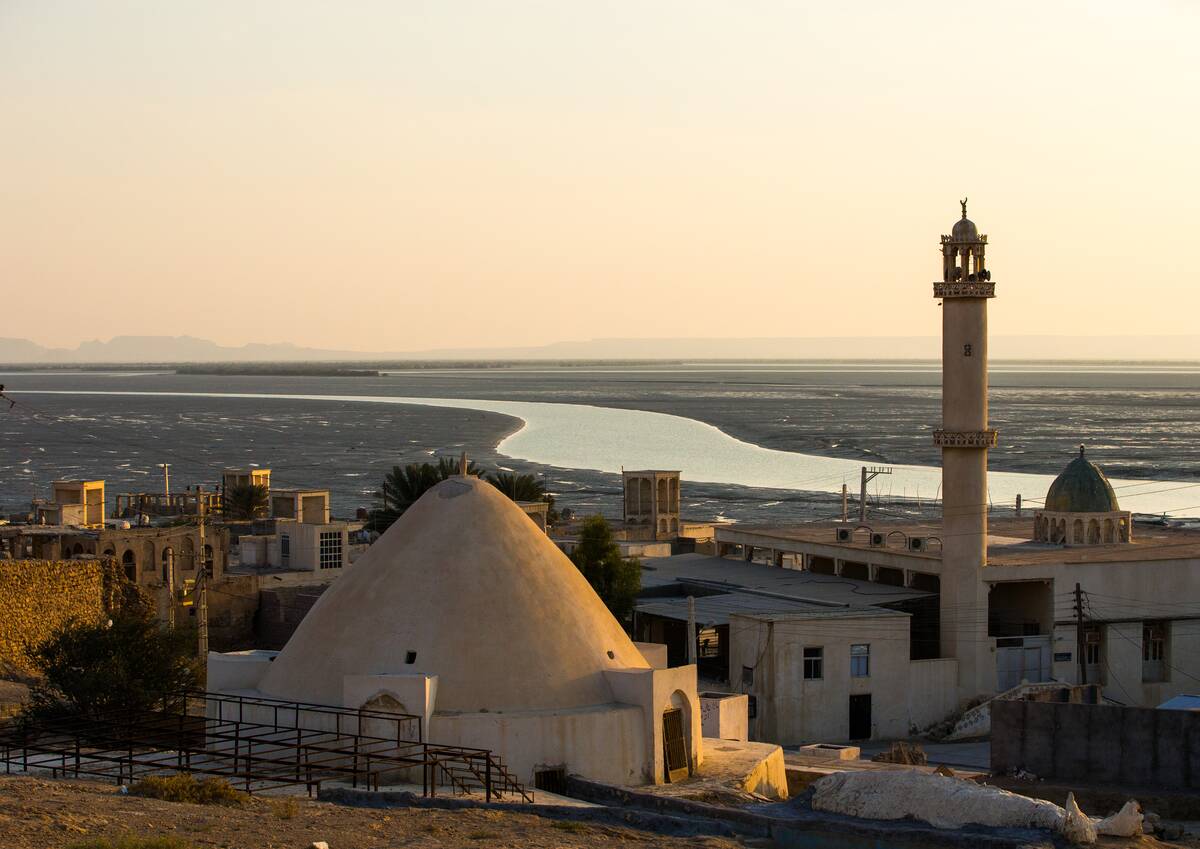
The Persians developed qanats, an ingenious system of underground water channels, to supply arid regions with water. By tapping into underground aquifers, they transported water over long distances with minimal evaporation.
This sustainable method allowed for agriculture and settlement in otherwise inhospitable areas. Qanats are a testament to Persian ingenuity and their ability to adapt to challenging environments, showcasing their advanced understanding of hydro-engineering.
The Khmer Empire: The Barays and Canals of Angkor

The Khmer Empire constructed an intricate network of barays and canals around Angkor, their capital city. These massive reservoirs and waterways regulated water supply for agriculture, ensuring food security and supporting a large population.
The hydraulic system also demonstrated sophisticated planning and engineering skills. The remnants of this infrastructure highlight the Khmer’s mastery of water management, contributing to Angkor’s prosperity and cultural achievements.
Communication Networks: The Ancient Information Superhighways
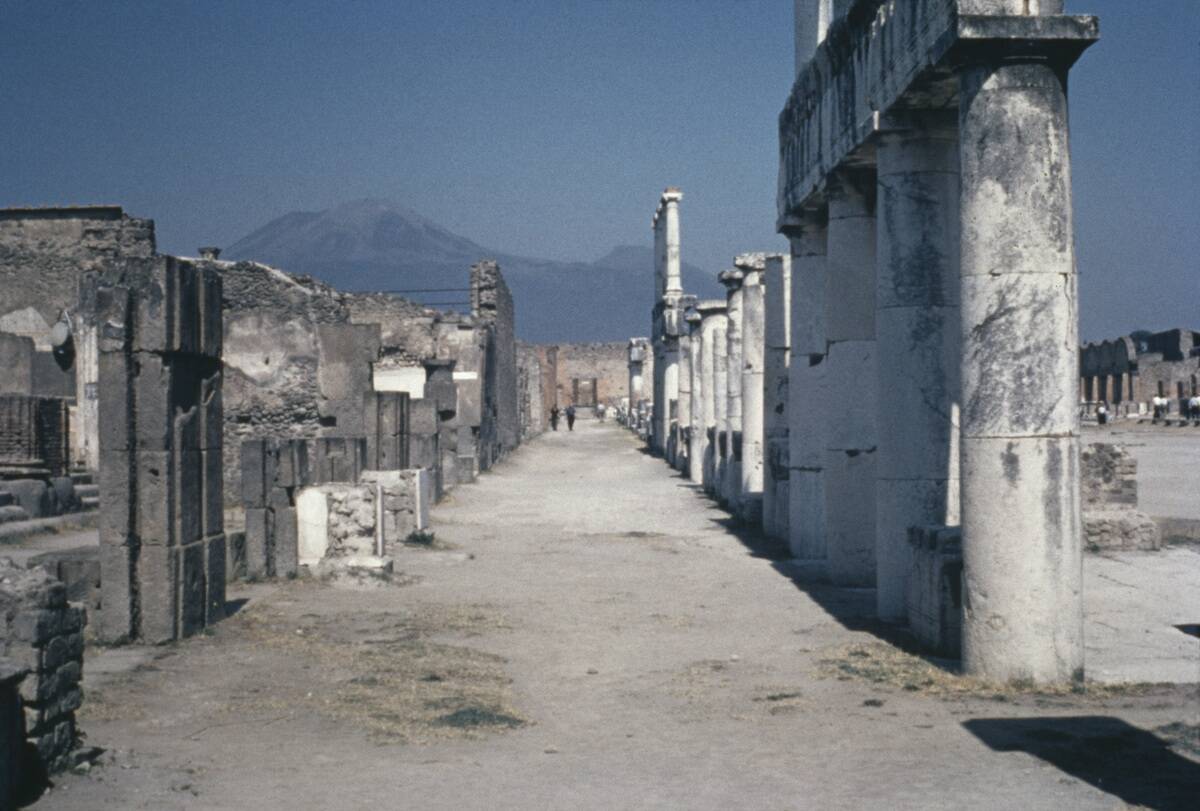
Ancient civilizations developed communication networks that can be seen as precursors to modern information superhighways. These systems enabled the swift exchange of information across vast distances, crucial for administration and governance.
From the Roman cursus publicus to the Persian courier system, these networks facilitated political control and economic integration. They highlight the importance of efficient communication in maintaining the stability and cohesion of ancient empires.
The Cursus Publicus: Rome’s Postal Service
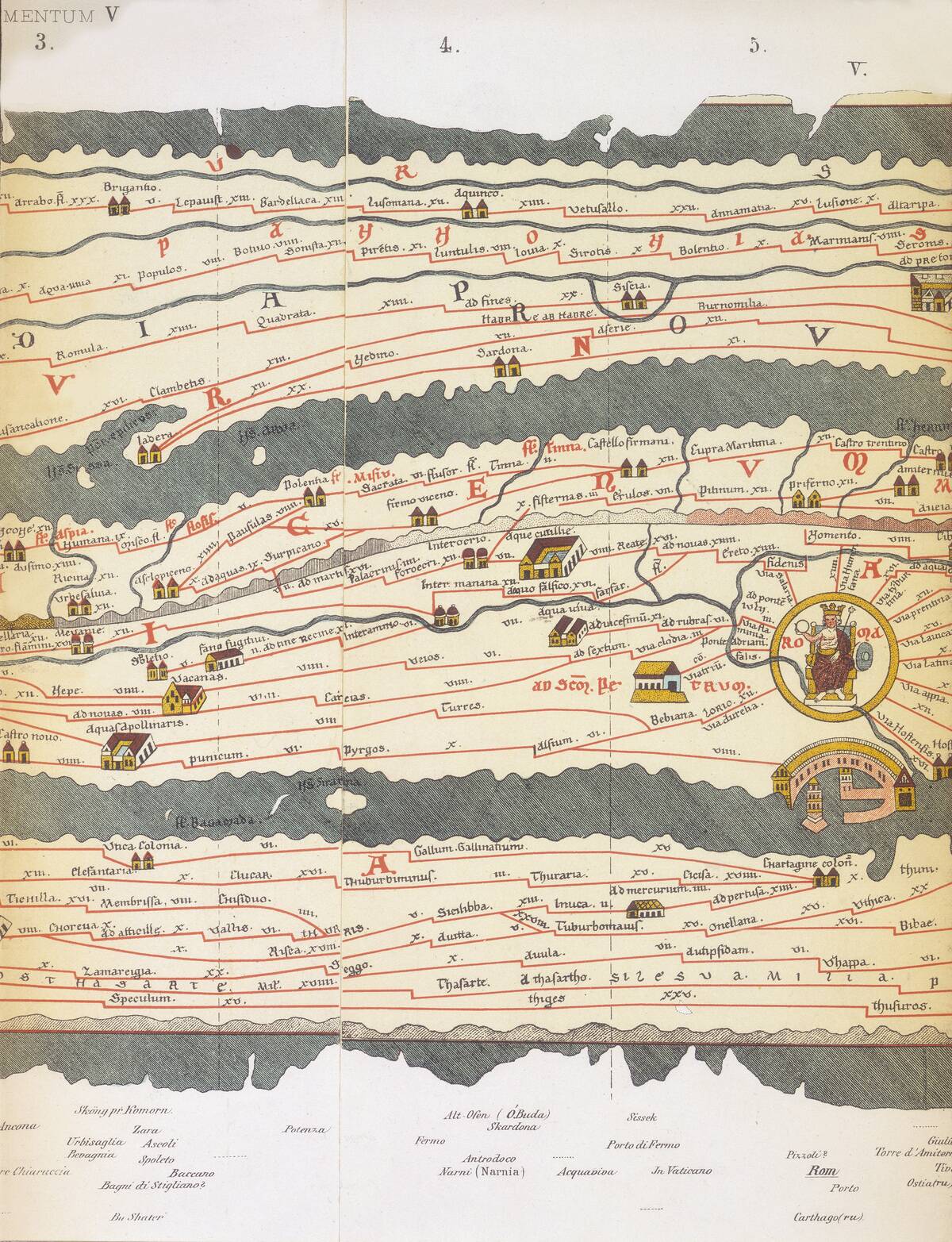
The Roman cursus publicus was a state-run postal service that ensured efficient communication across the vast empire. Equipped with relay stations and fresh horses, it enabled the quick delivery of government messages and goods.
This service was vital for maintaining political control and responding swiftly to developments throughout the empire. The cursus publicus exemplifies Rome’s organizational capabilities and its commitment to effective administration.
The Persian Couriers: The First “Pony Express”
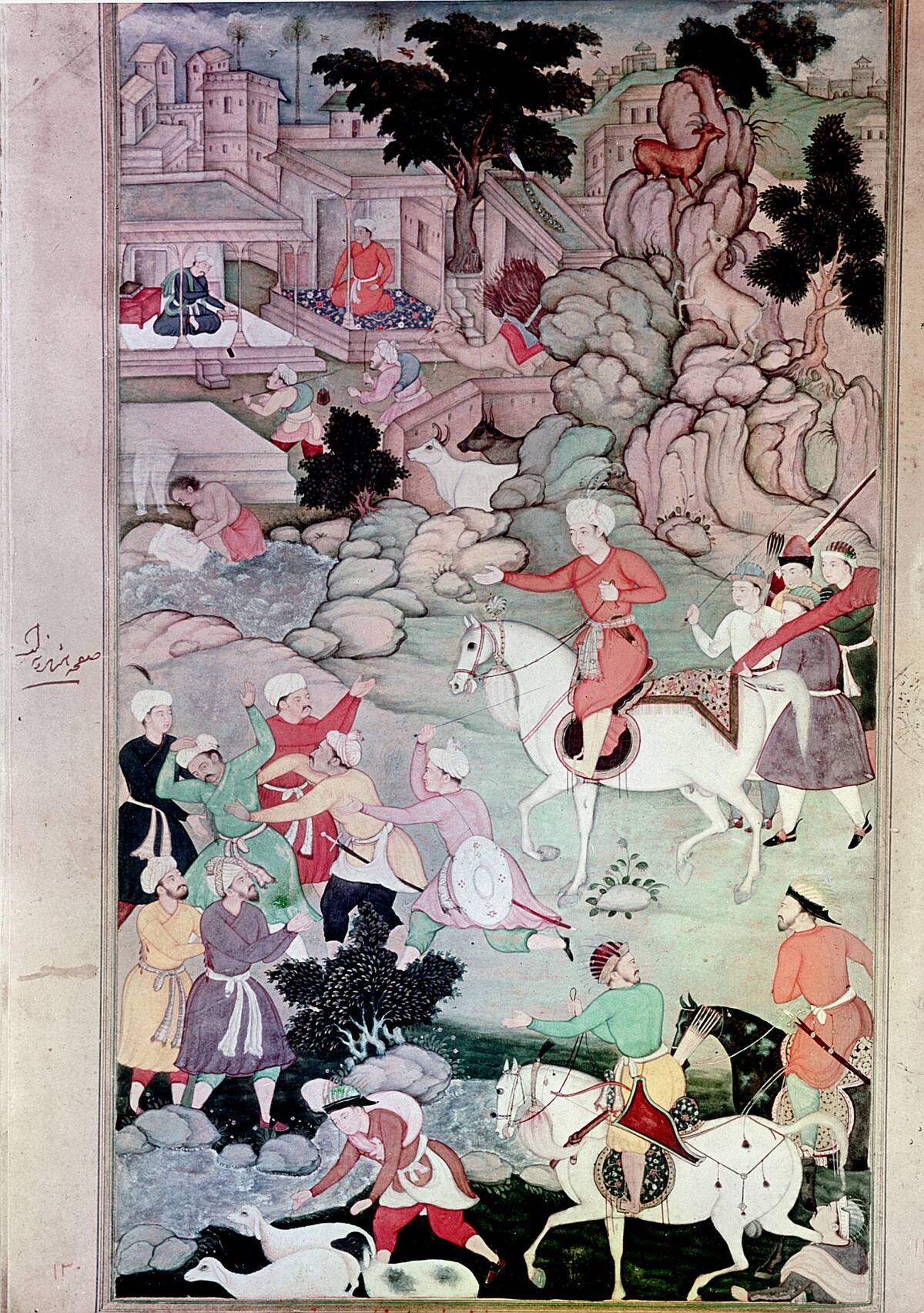
The Persian courier system was a sophisticated network that predated the American Pony Express by centuries. It utilized mounted couriers who relayed messages across the vast Persian Empire with remarkable speed.
These couriers were known for their endurance and reliability, ensuring that information flowed smoothly between the empire’s administrative centers. This system was critical for maintaining the cohesion and efficiency of the Persian administration.
The Incan Chasquis: Messengers of the Andes
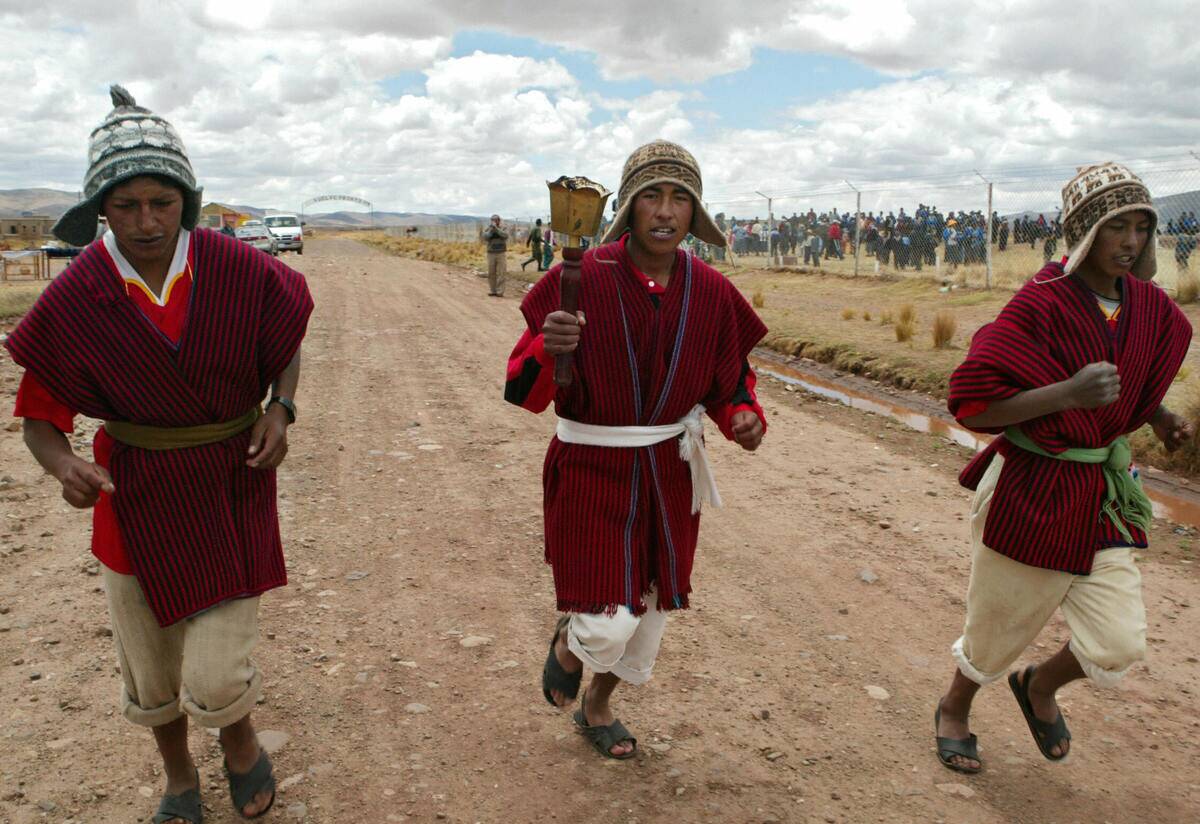
The Incan chasquis were agile runners who served as messengers across the empire’s extensive road network. These highly trained individuals relayed messages and goods over long distances at remarkable speeds.
Using relay stations, chasquis maintained a constant flow of communication, crucial for the efficient administration of the Incan Empire. Their role highlights the importance of effective communication in managing a vast and diverse empire like the Incas.
Trade Routes: The Silk Road and Beyond
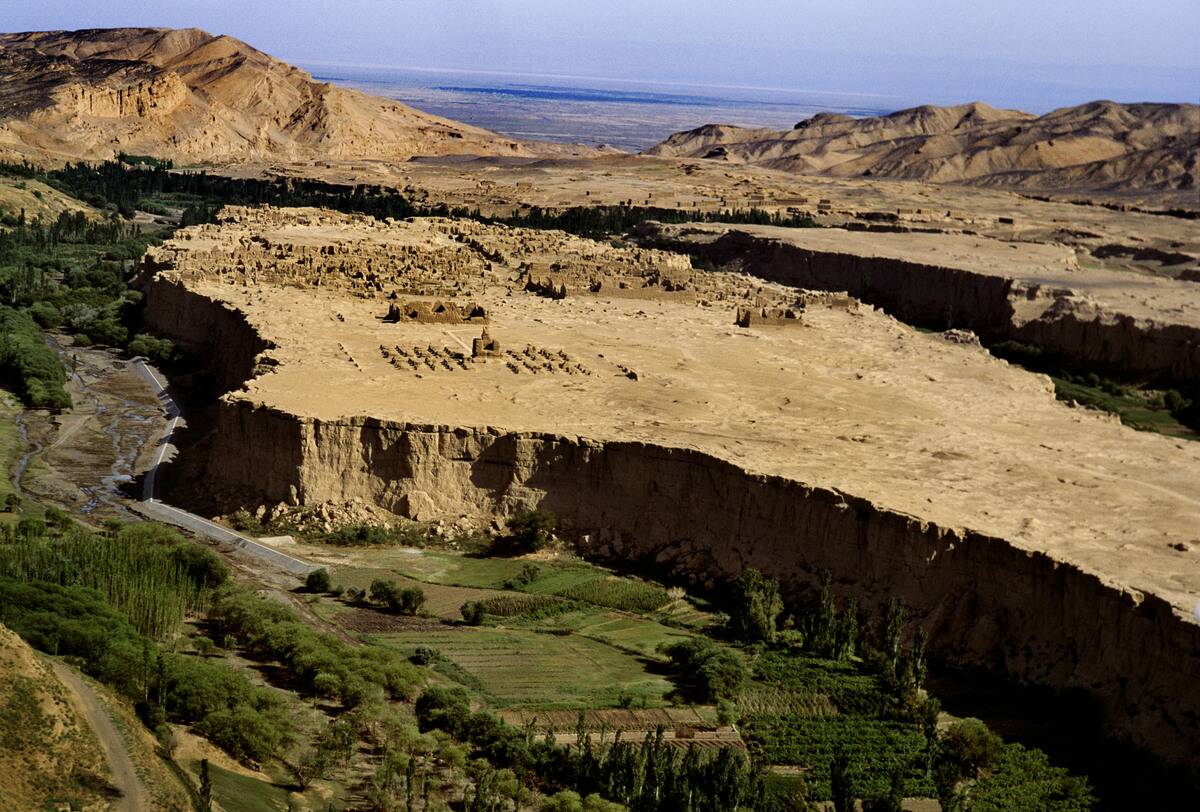
Trade routes such as the Silk Road were vital for the exchange of goods, ideas, and cultures between East and West. Spanning thousands of miles, the Silk Road connected China with the Mediterranean, facilitating the flow of silk, spices, and other valuable commodities.
These routes were more than just economic conduits; they were cultural highways that enriched civilizations through the exchange of knowledge and traditions, shaping the world we know today.
The Legacy of Ancient Infrastructure in Today’s World
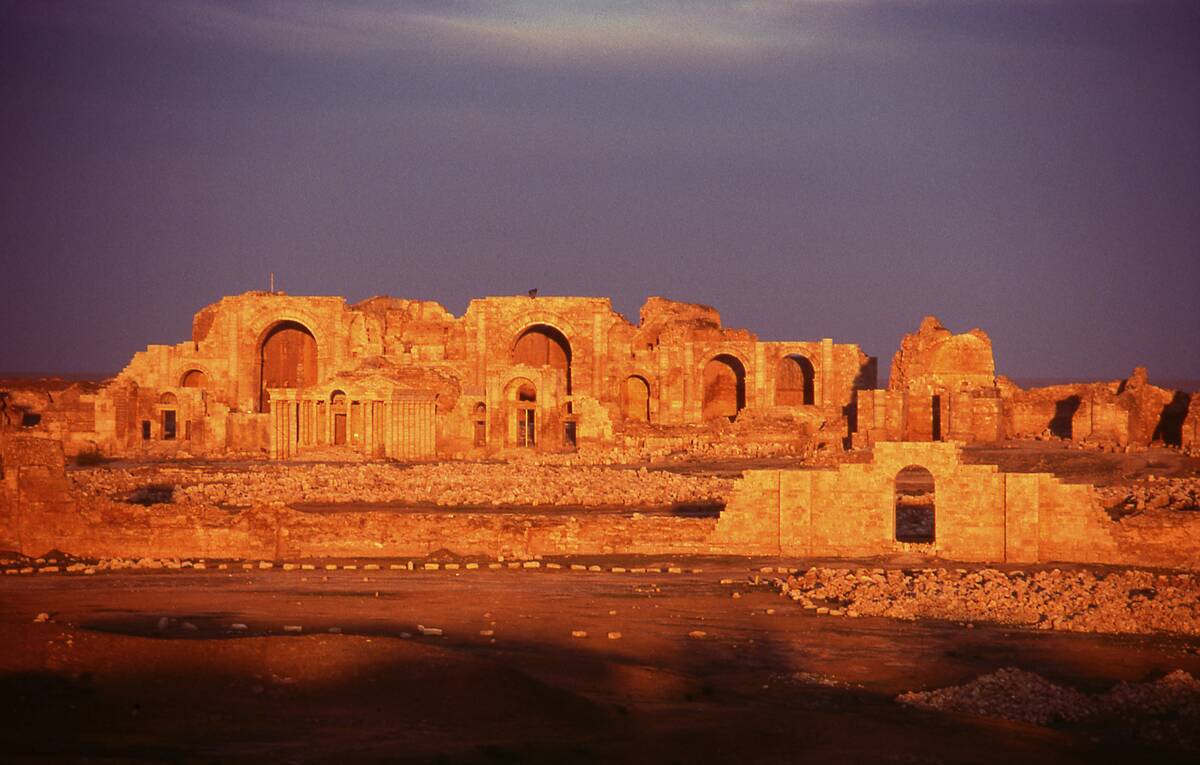
The legacy of ancient infrastructure is evident in today’s world, influencing modern engineering and urban planning. Many contemporary roads, bridges, and water systems trace their origins to ancient designs.
These ancient innovations laid the groundwork for the development of modern society, showcasing the timeless relevance of engineering ingenuity. By studying these ancient achievements, we gain insights into sustainable practices and the enduring impact of human creativity.