17 Insights into early comic book history
Welcome to the vibrant world of comic books, a universe where imagination knows no bounds! From their humble beginnings to their current status as pop culture giants, comic books have carved an indelible mark on entertainment.
The journey from simple ink drawings to multi-million dollar franchises is as colorful as the pages themselves. It’s a story of creativity, innovation, and evolution that continues to captivate fans worldwide. Let’s dive into the dynamic history of this beloved medium.
The Birth of Comic Books: Where It All Began
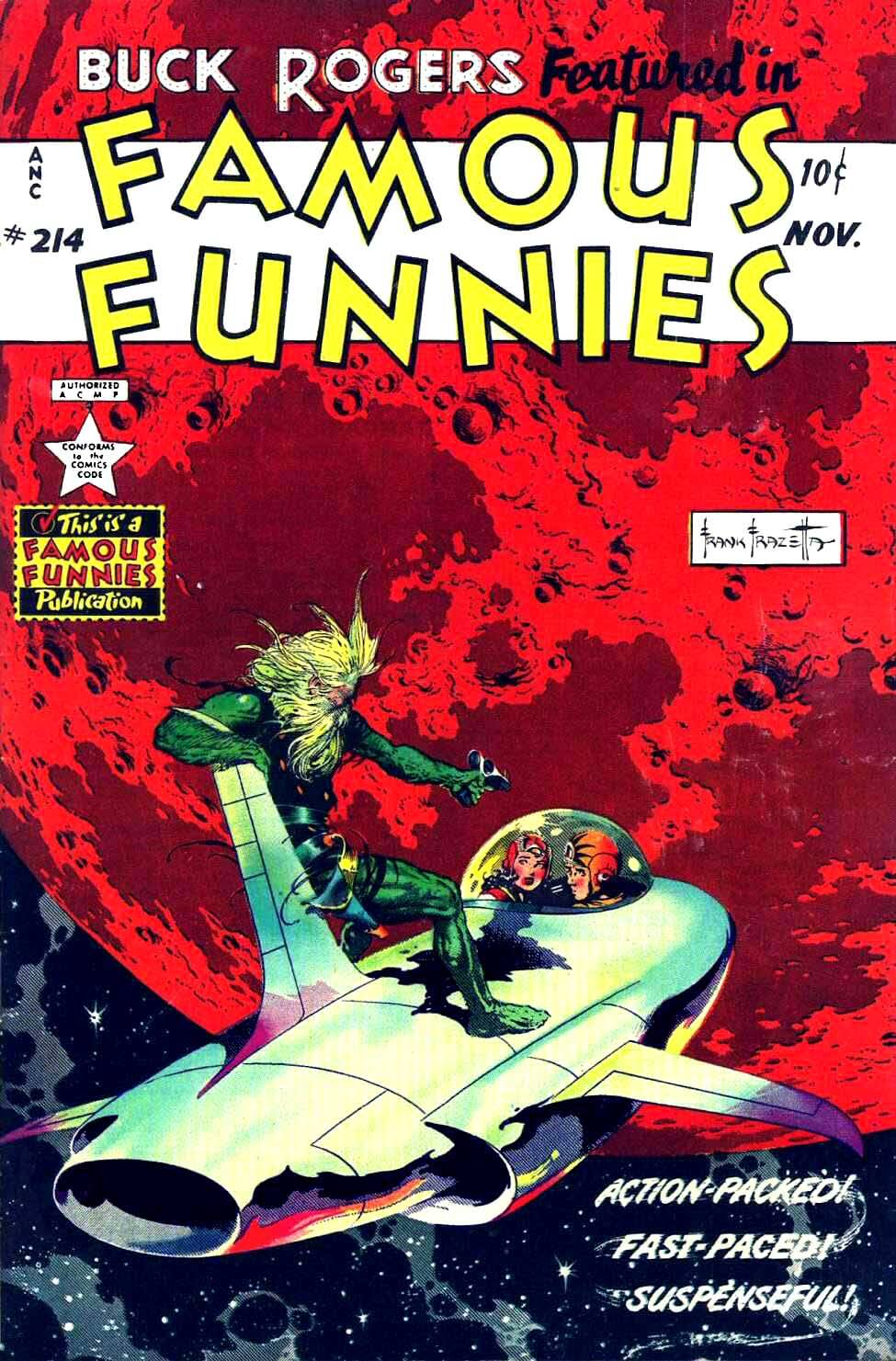
The roots of comic books can be traced back to the late 19th and early 20th centuries, with the introduction of comic strips in newspapers. These short, humorous narratives captured the public’s imagination, paving the way for longer forms.
The first comic book, Famous Funnies, was released in 1933, compiling popular comic strips. This anthology format proved to be a hit, setting the stage for the standalone comic books we know today.
The Influence of Comic Strips on Early Comics
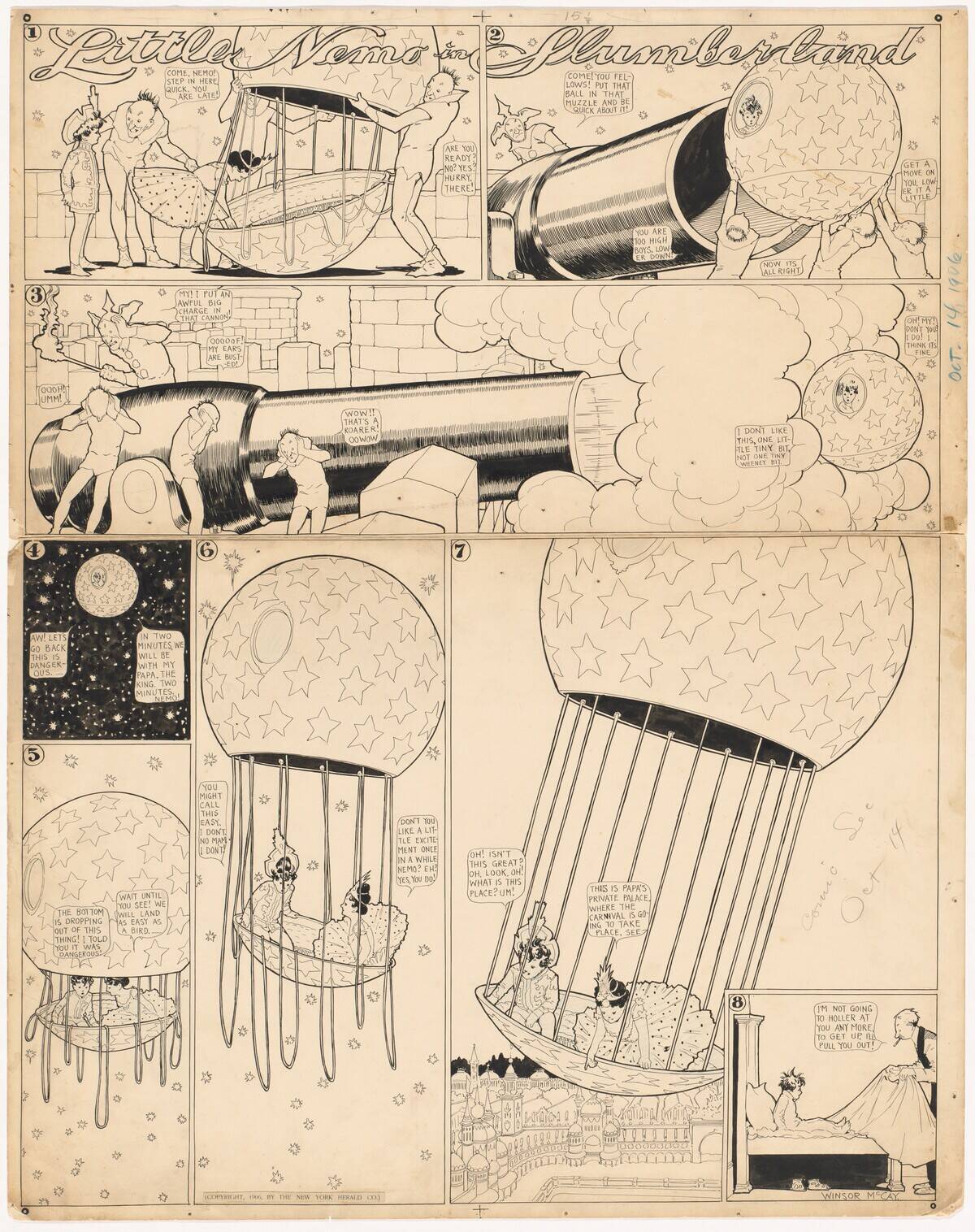
Comic strips like Little Nemo and Krazy Kat helped popularize and refine serialized storytelling and visual techniques (including speech balloons), which had already been used in earlier comics.
Readers eagerly followed the antics of their favorite characters, creating a demand for more extensive stories. This transition from strips to books opened a new chapter in visual storytelling, one that would soon explode in popularity.
The Golden Age: Comics in the 1930s and 1940s
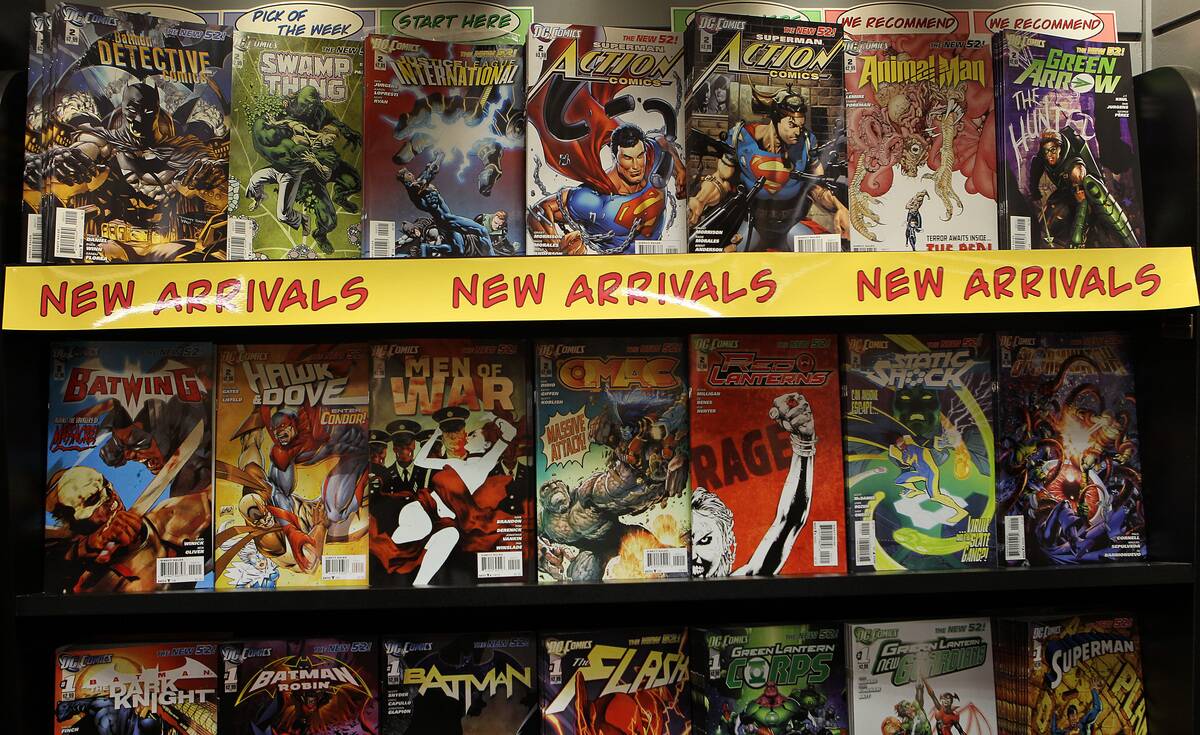
The Golden Age of comics, spanning the 1930s and 1940s, was a time of rapid growth and experimentation. Characters like Superman and Batman emerged, ushering in the era of superheroes.
World War II also played a significant role, with comics serving as both entertainment and morale boosters for troops. This period saw the birth of many long-standing heroes, making it a foundational time for comic book history.
Superman: The First Superhero Sensation
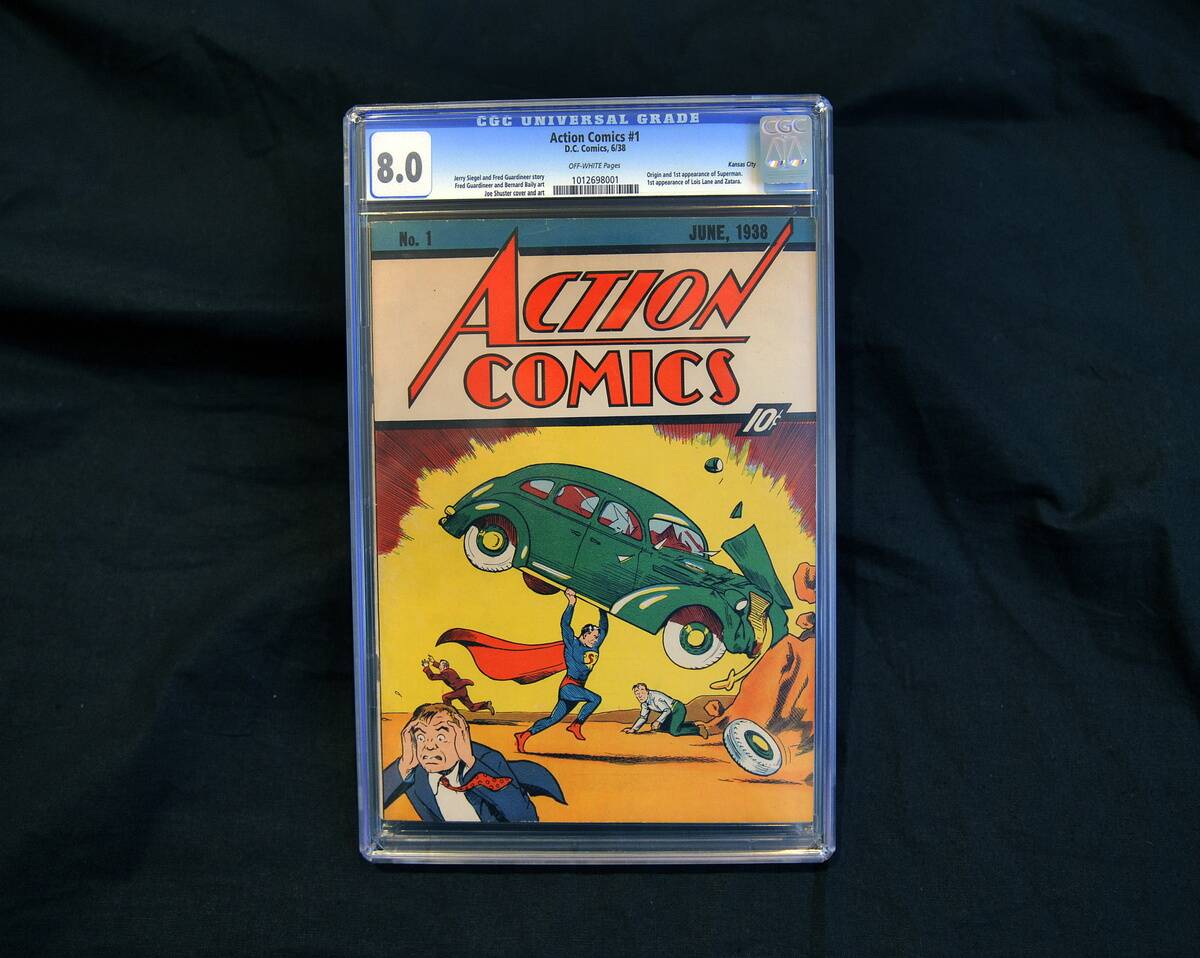
Superman made his debut in Action Comics #1 in 1938, marking the beginning of the superhero genre. Created by Jerry Siegel and Joe Shuster, Superman quickly became a cultural icon.
With his powers and sense of justice, he represented the ideal hero, capturing the hearts of readers. Superman’s success paved the way for countless other superheroes, establishing the blueprint for future comic book characters.
Marvel and DC: The Titans of the Comic World
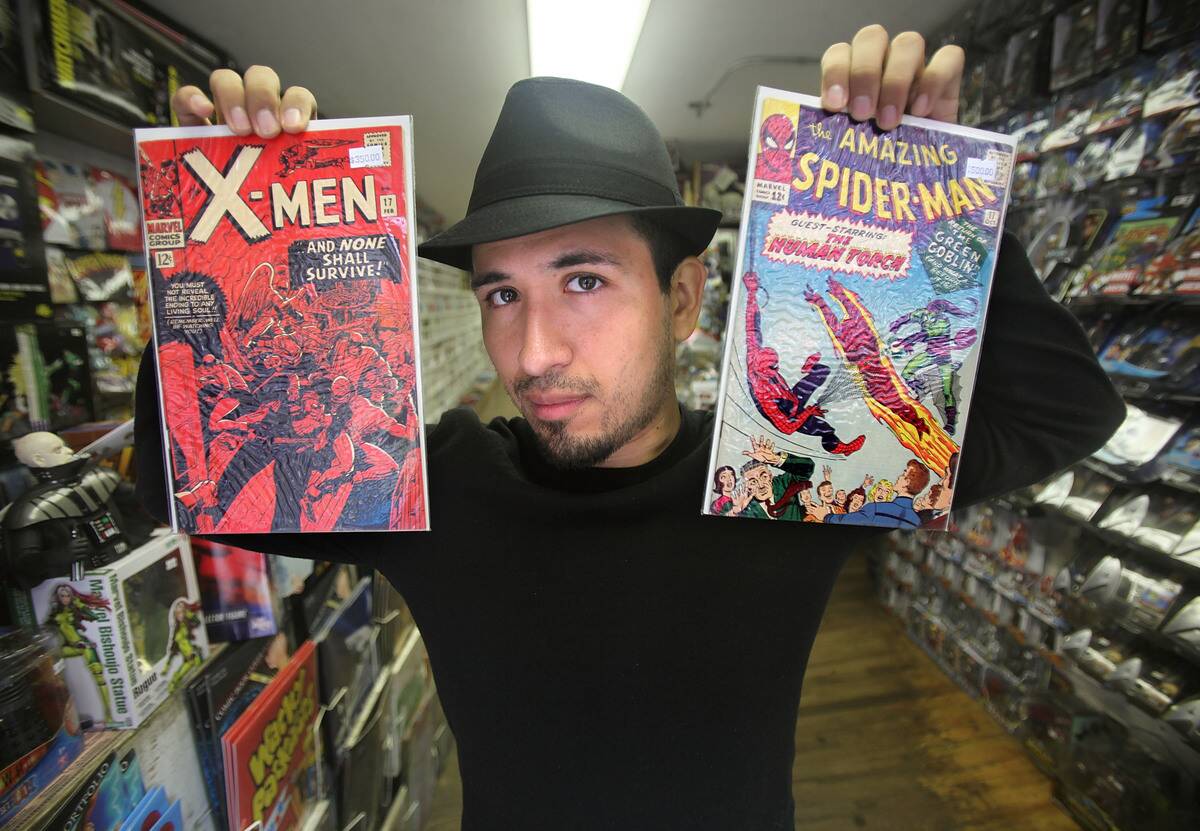
Marvel and DC Comics are the juggernauts of the comic book industry, each with a rich legacy of characters and stories. DC, with icons like Batman and Wonder Woman, has been a cornerstone since the Golden Age.
Marvel, known for its relatable heroes like Spider-Man and the X-Men, revolutionized the industry in the 1960s. The rivalry and collaboration between these two giants have shaped the comic book landscape for decades.
Iconic First Issues: Collectors’ Dreams

First issues are the holy grail for comic book collectors, often commanding sky-high prices. Action Comics #1, featuring Superman, and Marvel Comics #1, introducing the Human Torch, are prime examples.
These debut issues offer a glimpse into the origins of beloved characters, making them prized possessions. Collectors hunt for these rare gems, driven by nostalgia and the thrill of owning a piece of comic history.
The Impact of World War II on Comic Storylines
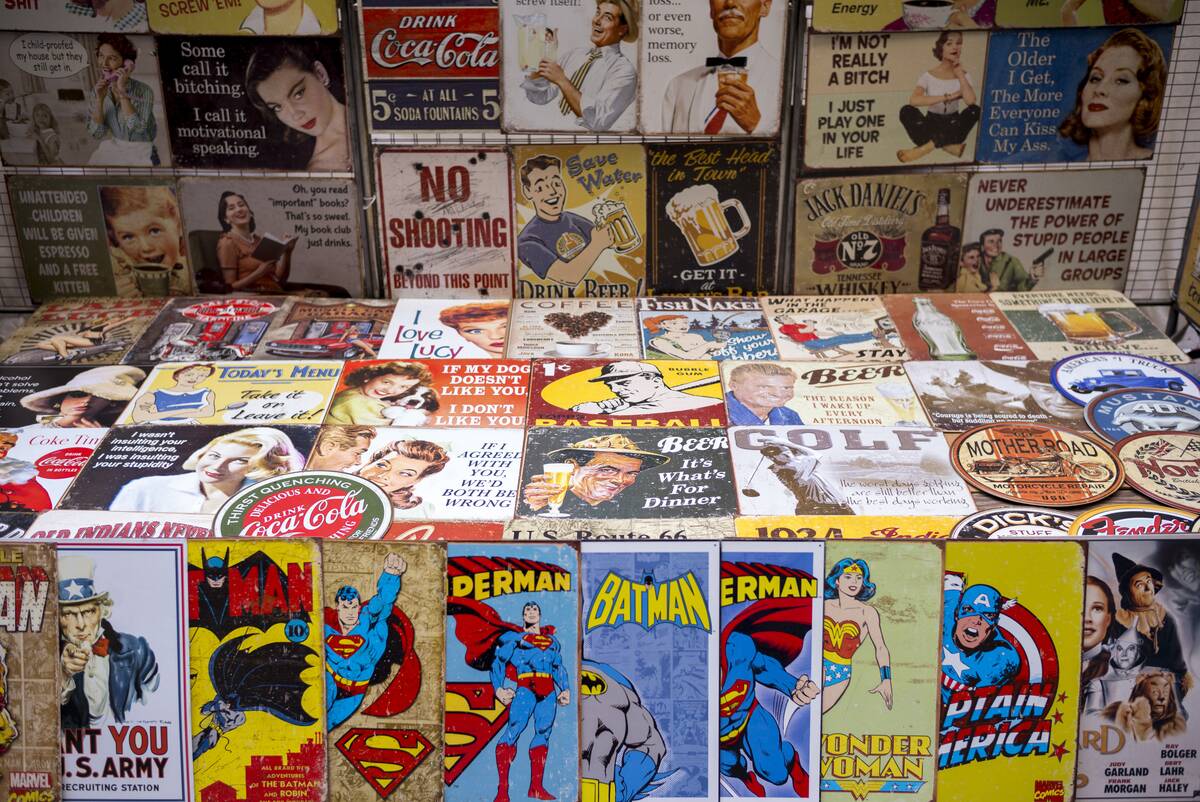
World War II had a profound impact on comic book narratives. Heroes like Captain America were created to boost American morale, battling Axis powers on the page. Comics became a tool for propaganda, with stories reflecting the era’s sentiments.
The war influenced character development and plotlines, embedding a sense of patriotism and duty in many superheroes that persists in comics today.
The Rise of Superhero Teams: Avengers and Justice League
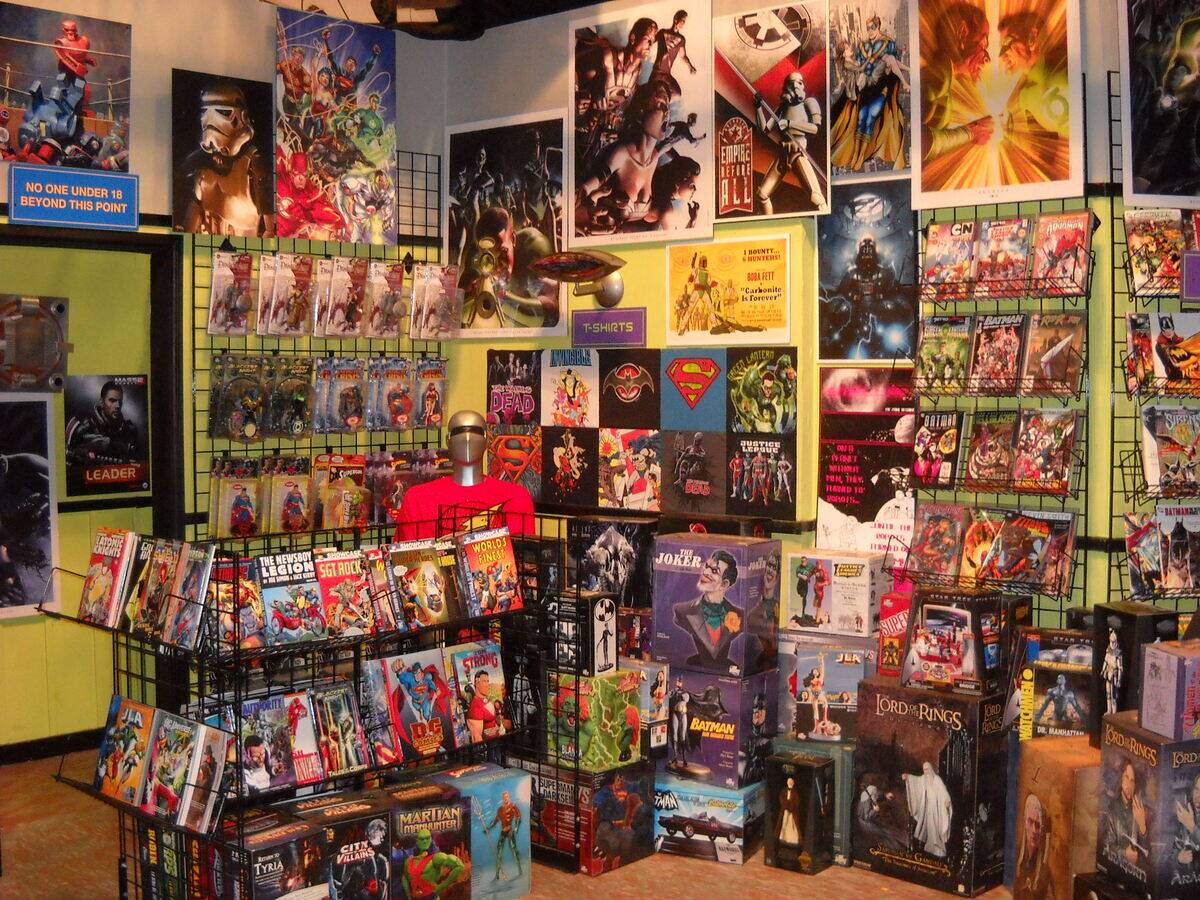
The concept of superhero teams brought a new dynamic to comics, blending individual heroics with teamwork. The Justice League, debuting in 1960, united DC’s top heroes like Superman and Batman.
Marvel’s Avengers followed in 1963, showcasing a diverse lineup of characters. These teams expanded storytelling possibilities, allowing for complex interactions and epic battles, captivating readers with their ensemble casts and shared universes.
Comic Books as Propaganda Tools
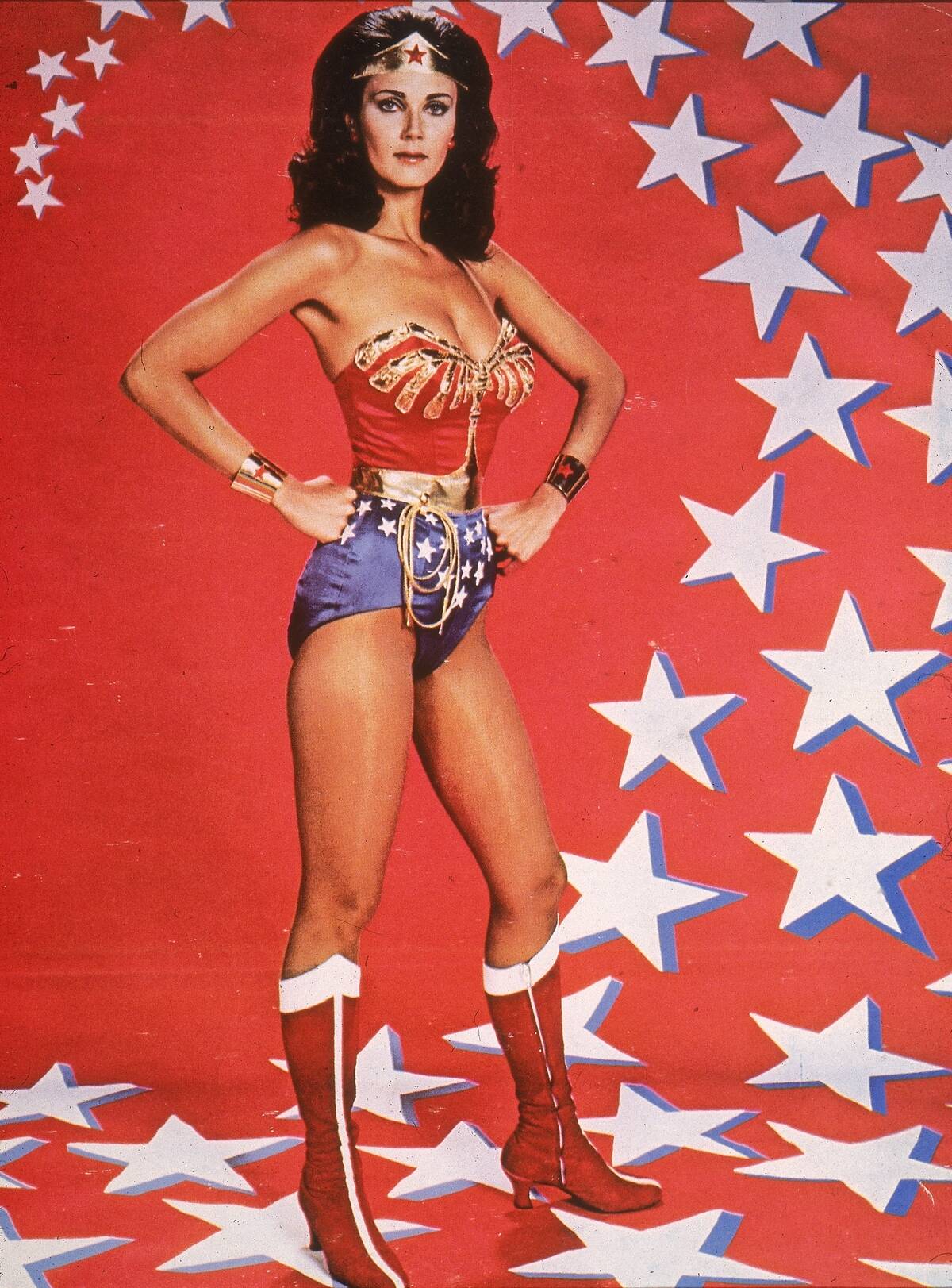
During wartime, comic books were used as propaganda tools, promoting nationalistic themes and ideals. Characters like Wonder Woman and Captain America became symbols of justice and freedom.
These stories often portrayed the enemy in exaggerated ways, reinforcing the war effort’s narrative. Comics served as both entertainment and educational tools, influencing public perception and rallying support for the cause.
The Comic Code Authority: Censorship in Comics
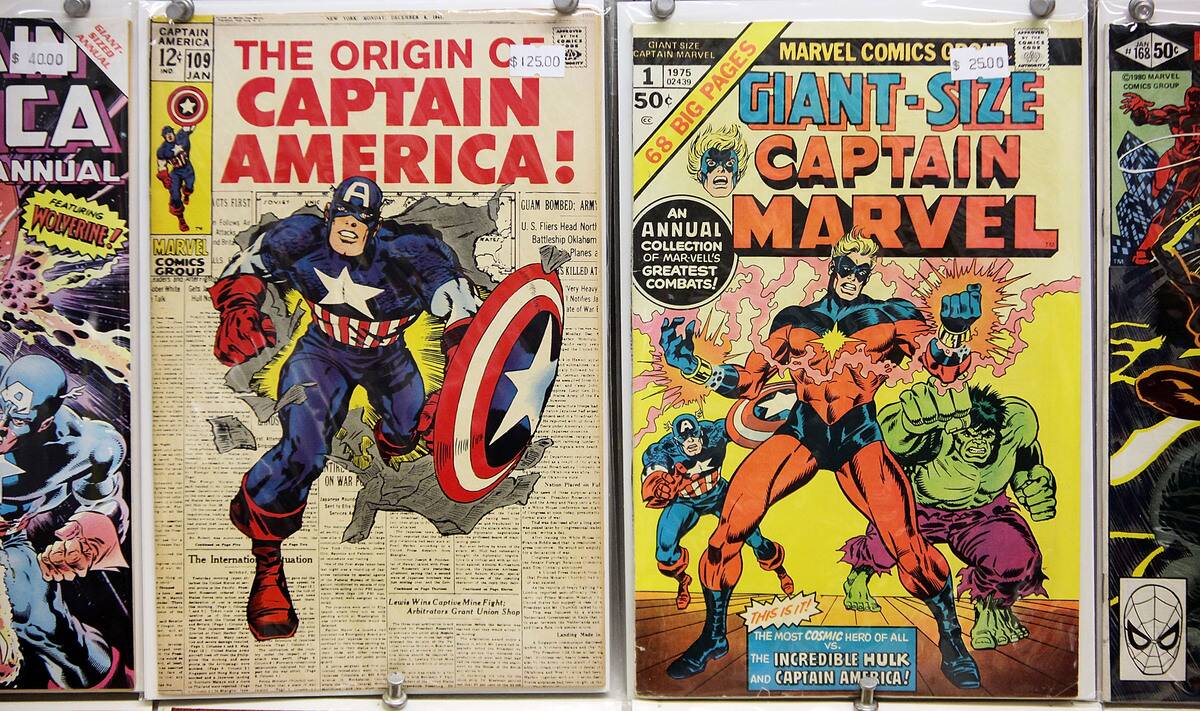
The Comic Code Authority (CCA) was established in 1954 in response to concerns about comic book content. The CCA imposed strict guidelines, banning depictions of crime, horror, and mature themes.
This censorship affected creativity, forcing publishers to adhere to sanitized narratives. While it helped clean up the industry’s image, it also stifled innovation, leading to a more homogenized comic landscape until its influence waned in the 1970s.
The Introduction of Female Superheroes
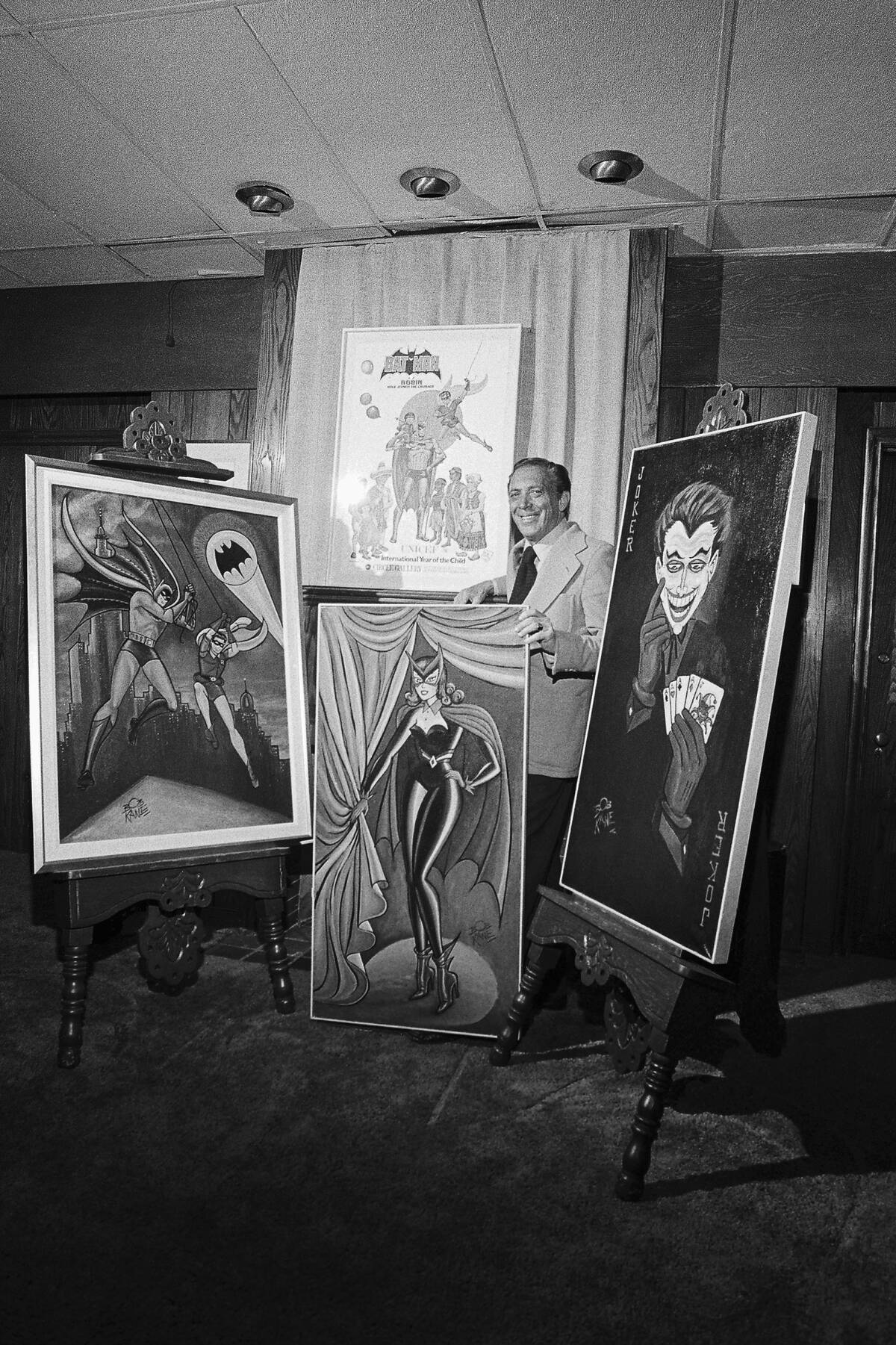
Female superheroes have been an integral part of comics, challenging gender norms and inspiring readers. Wonder Woman, debuting in 1941, was a trailblazer, embodying strength and compassion.
Characters like Supergirl and Batwoman followed, each bringing unique perspectives to the superhero genre. These heroines paved the way for more diverse and empowered female characters, reflecting societal changes and expanding the medium’s appeal.
Diversity in Early Comic Books: Pioneering Characters
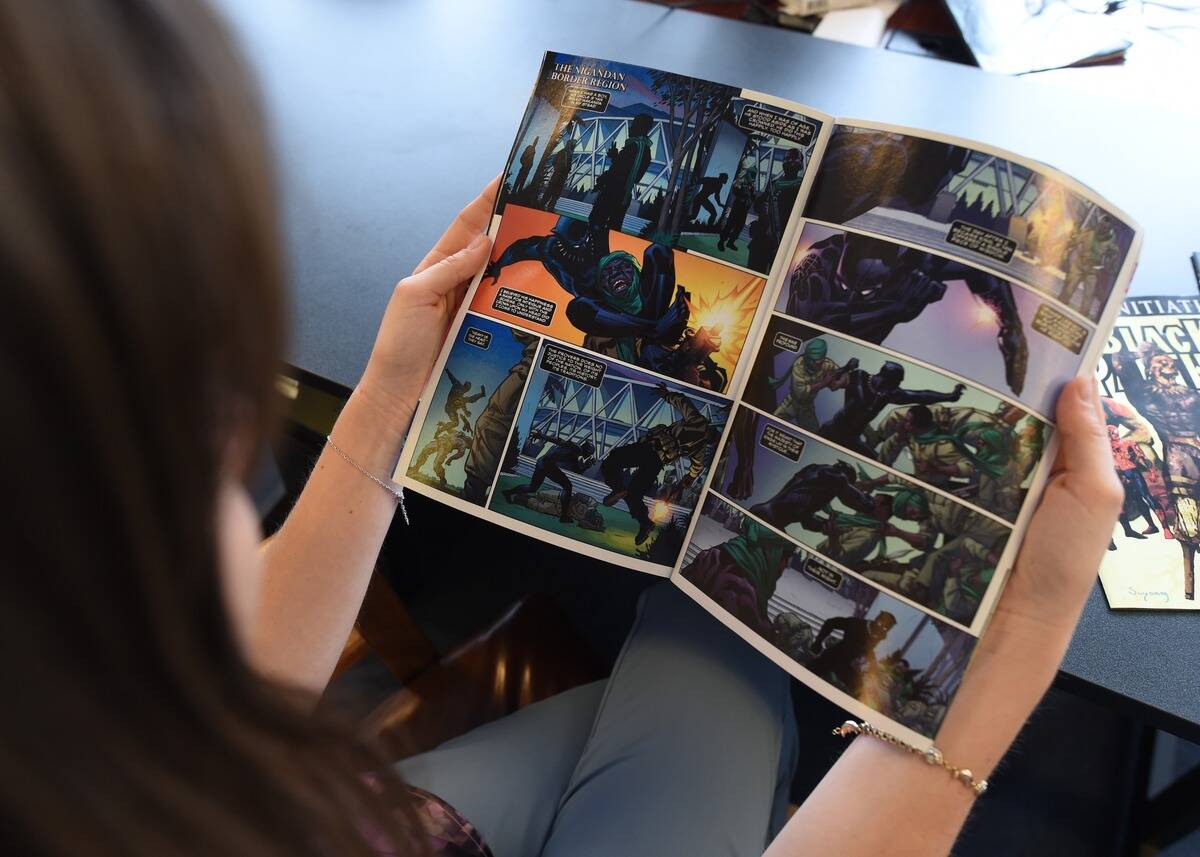
Diversity in comic books has evolved over time, with early efforts setting the stage for more inclusive storytelling. Characters like Black Panther and Falcon were among the first African American superheroes, breaking racial barriers in the 1960s.
These pioneers paved the way for a broader representation of ethnicities and cultures, enriching the comic book world and reflecting the diversity of its audience.
The Evolution of Comic Book Art Styles
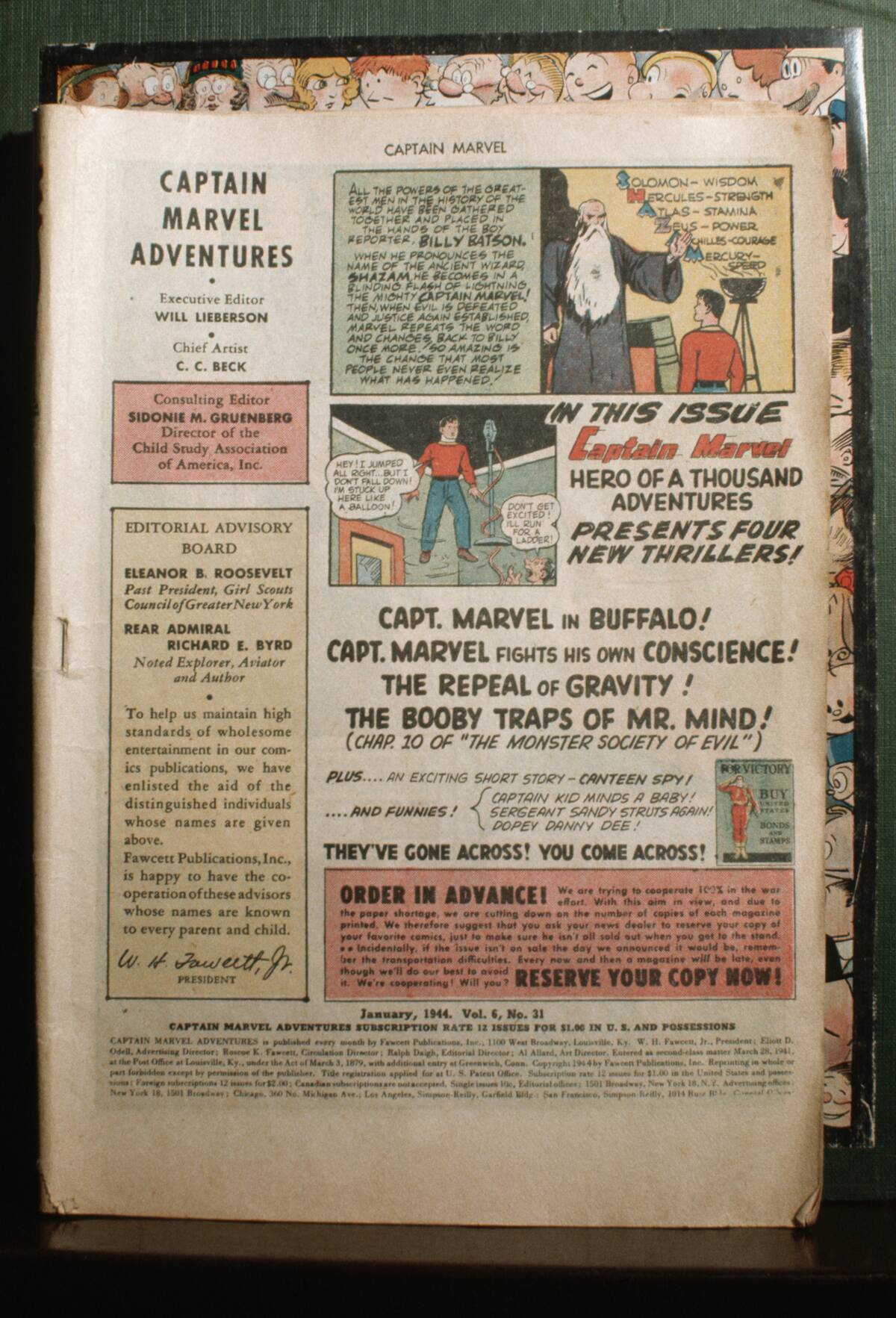
Comic book art has undergone significant transformations, reflecting changes in technology and artistic trends. From the simple, bold lines of the Golden Age to the detailed, dynamic styles of today, artists have continually pushed the boundaries.
Innovations like digital coloring and computer graphics have enhanced visual storytelling, offering readers a more immersive experience. This evolution keeps comics fresh, attracting new generations of fans.
The Role of Fanzines in Comic Book Culture
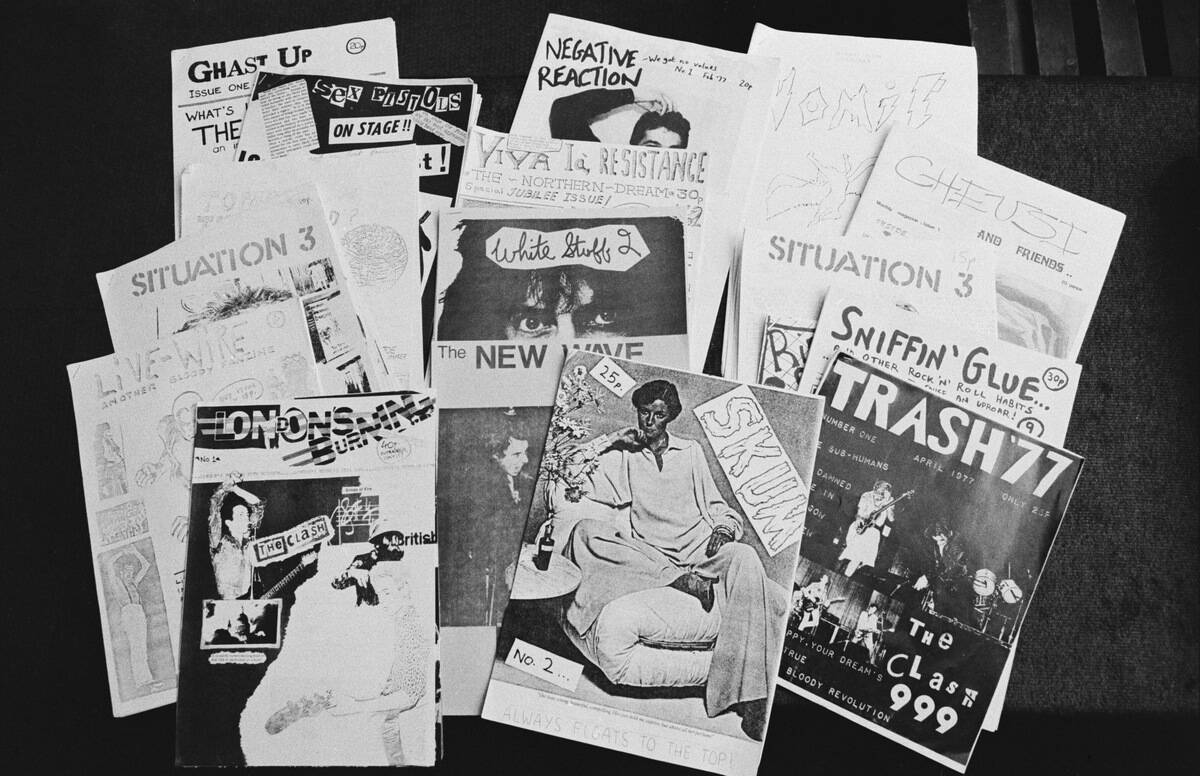
Fanzines played a crucial role in the development of comic book culture, providing a platform for fans to share their passion. These self-published magazines offered reviews, fan art, and discussions, creating a sense of community among enthusiasts.
Fanzines allowed fans to connect with creators and each other, fostering a grassroots movement that supported the industry. They laid the groundwork for today’s vibrant fan communities and conventions.
The Collectors’ Craze: Comic Book Conventions
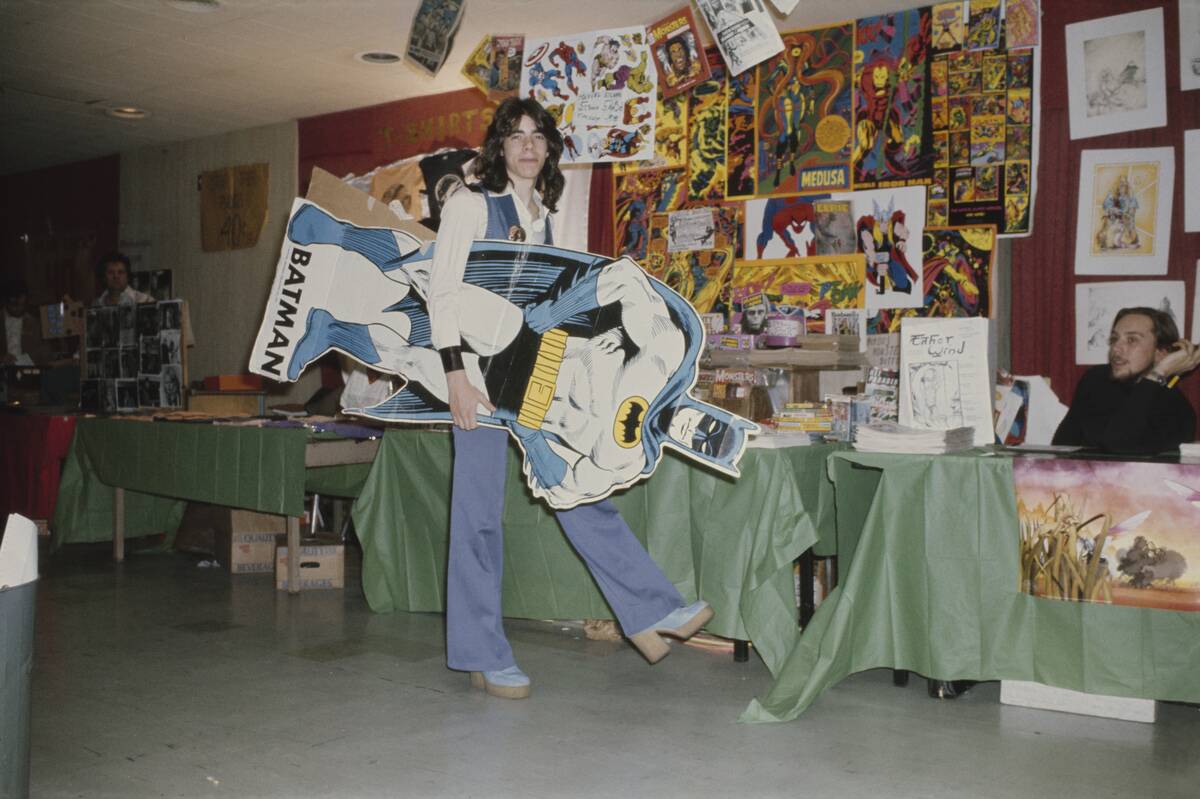
Comic book conventions, or cons, have become major events, drawing fans, creators, and celebrities from around the world. San Diego Comic-Con, one of the largest, showcases everything from comics to movies and games.
These gatherings offer collectors a chance to find rare issues and meet their favorite artists. Cons have evolved into pop culture celebrations, highlighting the enduring appeal and influence of comic books.
The Transition from Print to Screen: Early Adaptations
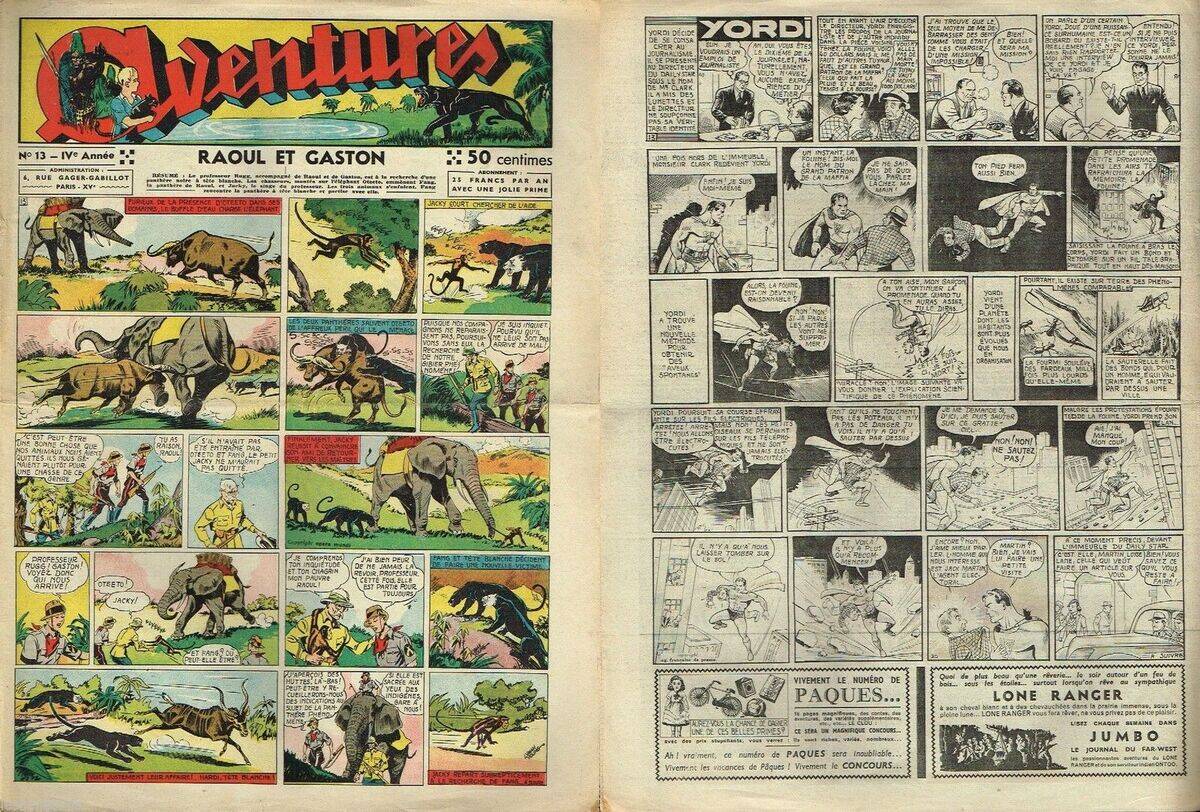
The transition from print to screen began in the early days of television and film, with adaptations of popular comic book characters. The 1950s saw serials like The Adventures of Superman, bringing heroes to life for the first time.
These adaptations introduced comics to a broader audience, setting the stage for the blockbuster films and TV series we enjoy today. This cross-media success continues to expand the reach of comic storytelling.
Comic Books and Their Influence on Pop Culture
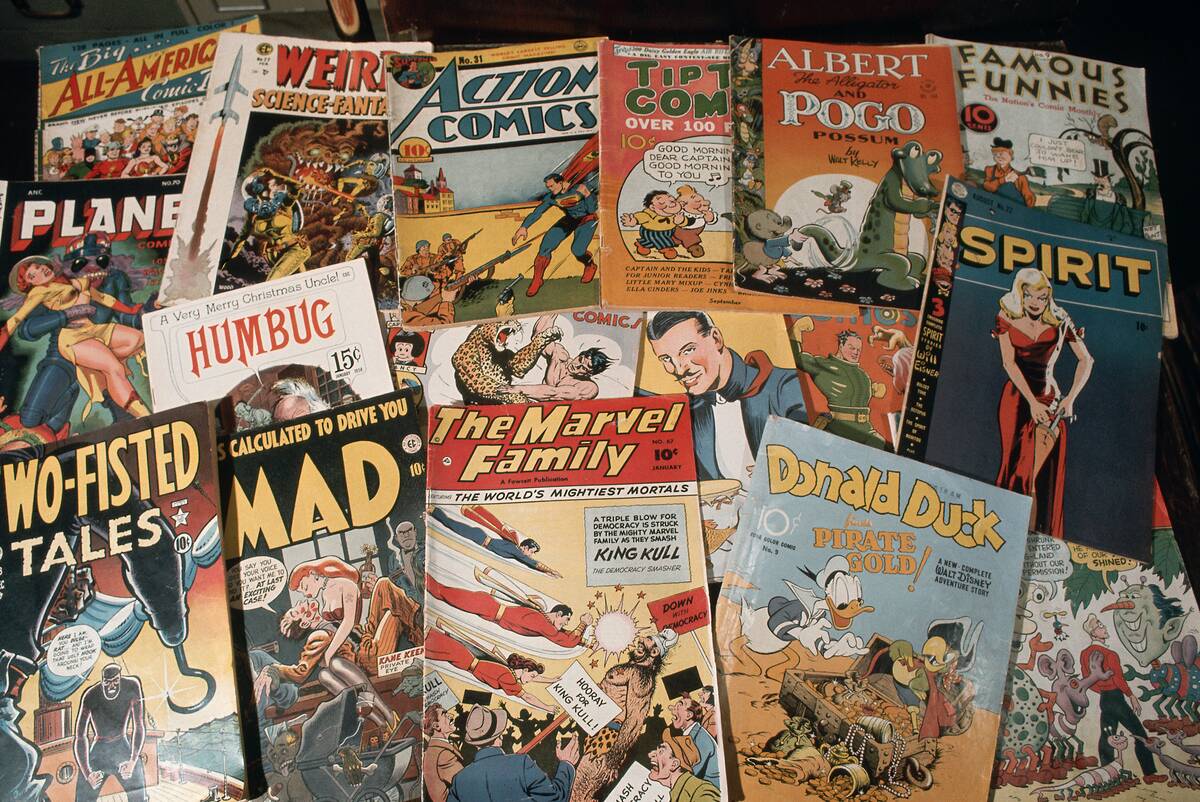
Comic books have left an indelible mark on pop culture, influencing everything from fashion to language. Phrases like “kryptonite” and “with great power comes great responsibility” have entered common parlance.
Superheroes inspire countless adaptations, merchandise, and parodies, reflecting their pervasive presence. This cultural impact underscores the power of comics to capture imaginations and shape the zeitgeist, proving their enduring significance.