The history of the White House executive chef
The White House Executive Chef is a prestigious position that combines culinary expertise with a knack for diplomacy. Tasked with preparing meals for the First Family, the Executive Chef also plays a crucial role during state dinners, where every dish is an opportunity to showcase American culture.
This position requires a delicate balance of maintaining tradition while embracing the evolving tastes and dietary preferences of those they serve.
The Origins of the White House Kitchen
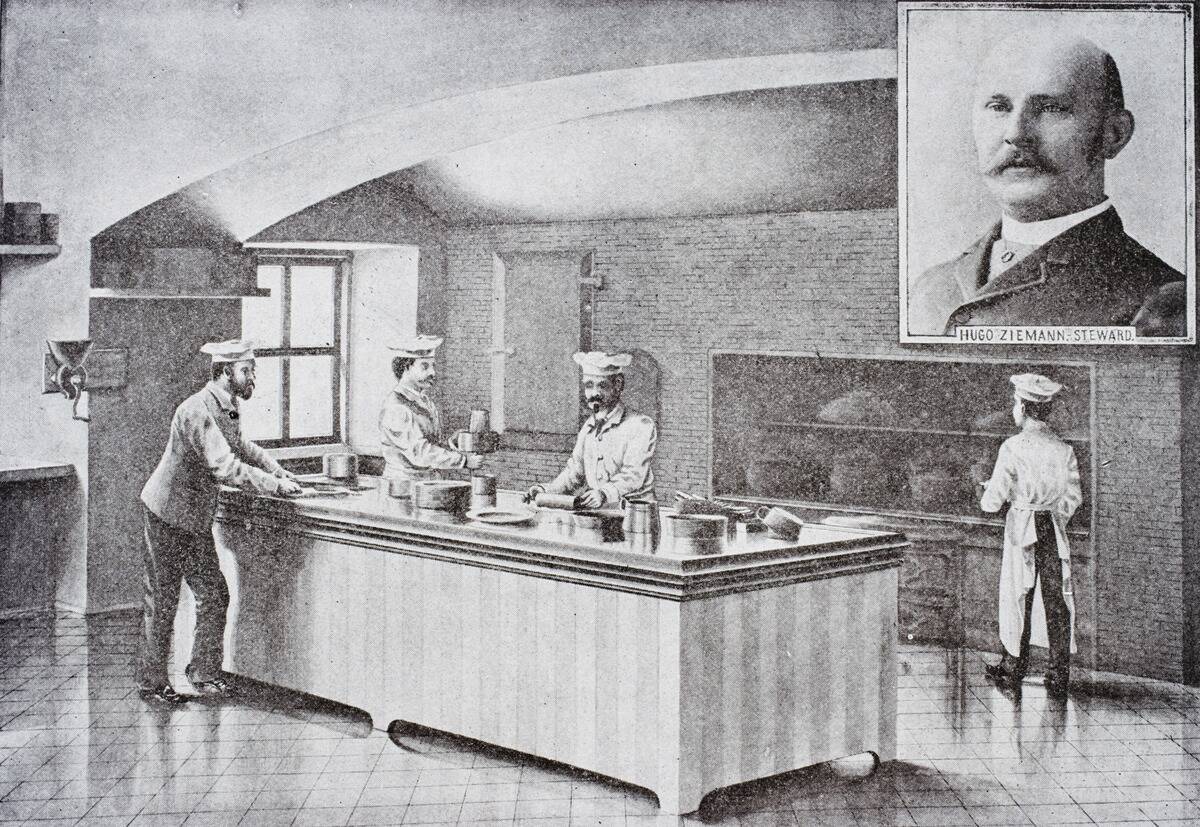
The White House kitchen has its roots in the early 1800s, when it was no more than a modest setup in the basement. Initially, the kitchen served basic fare, but as the nation grew, so did the culinary expectations.
The installation of modern appliances in the 20th century transformed it into a state-of-the-art facility. Today, it boasts cutting-edge technology, enabling chefs to prepare everything from simple snacks to elaborate banquets.
A Glimpse into Early Presidential Dining
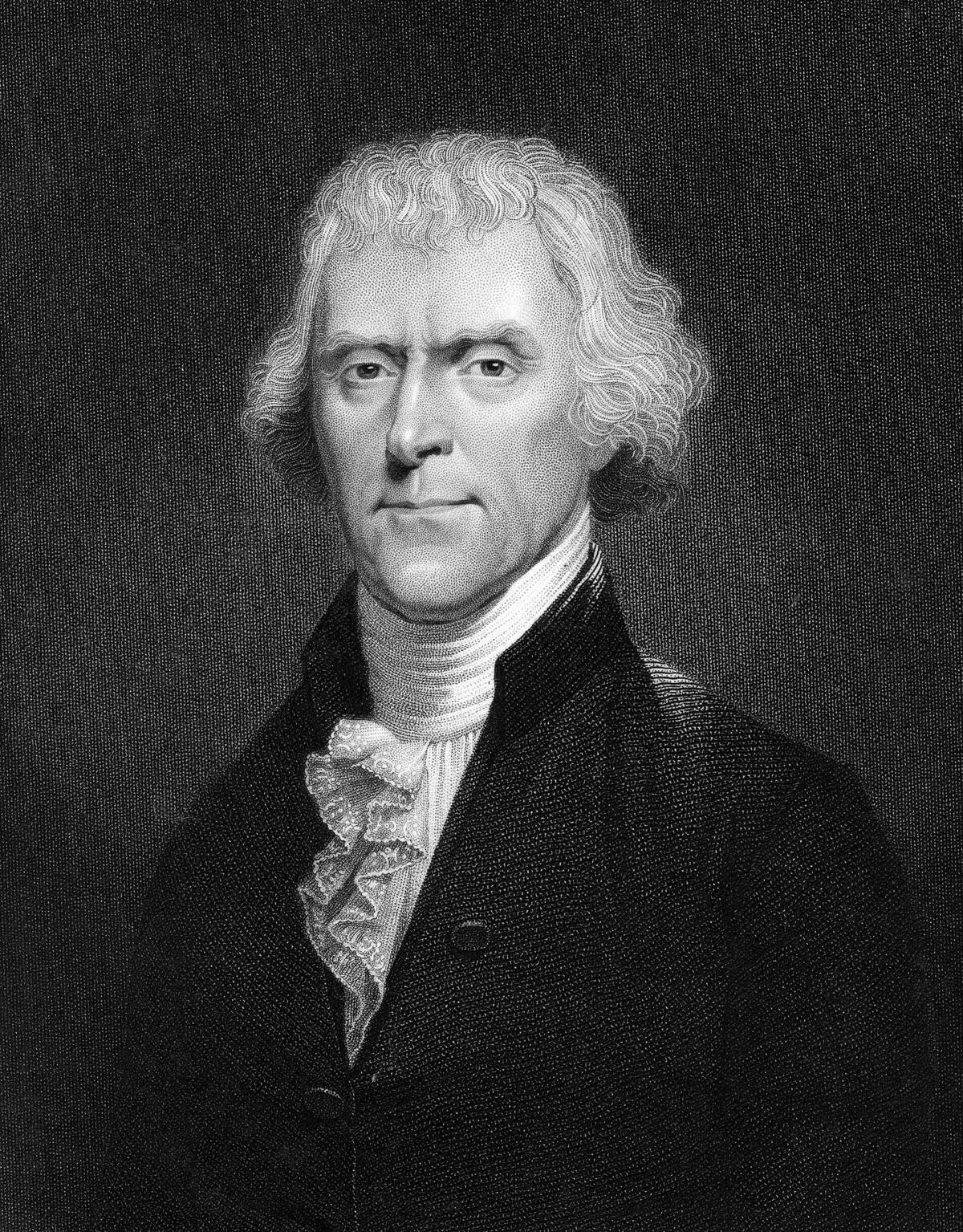
Dining in the early days of the presidency was a simpler affair compared to today’s standards. Presidents like Thomas Jefferson, known for his love of fine French cuisine, often imported delicacies to grace his table.
Meals were intimate and focused on hearty, accessible dishes that reflected the fledgling nation’s agricultural bounty. Despite the simplicity, these meals laid the foundation for the formal dining traditions that would follow.
The First Official White House Chef: A Historical Perspective
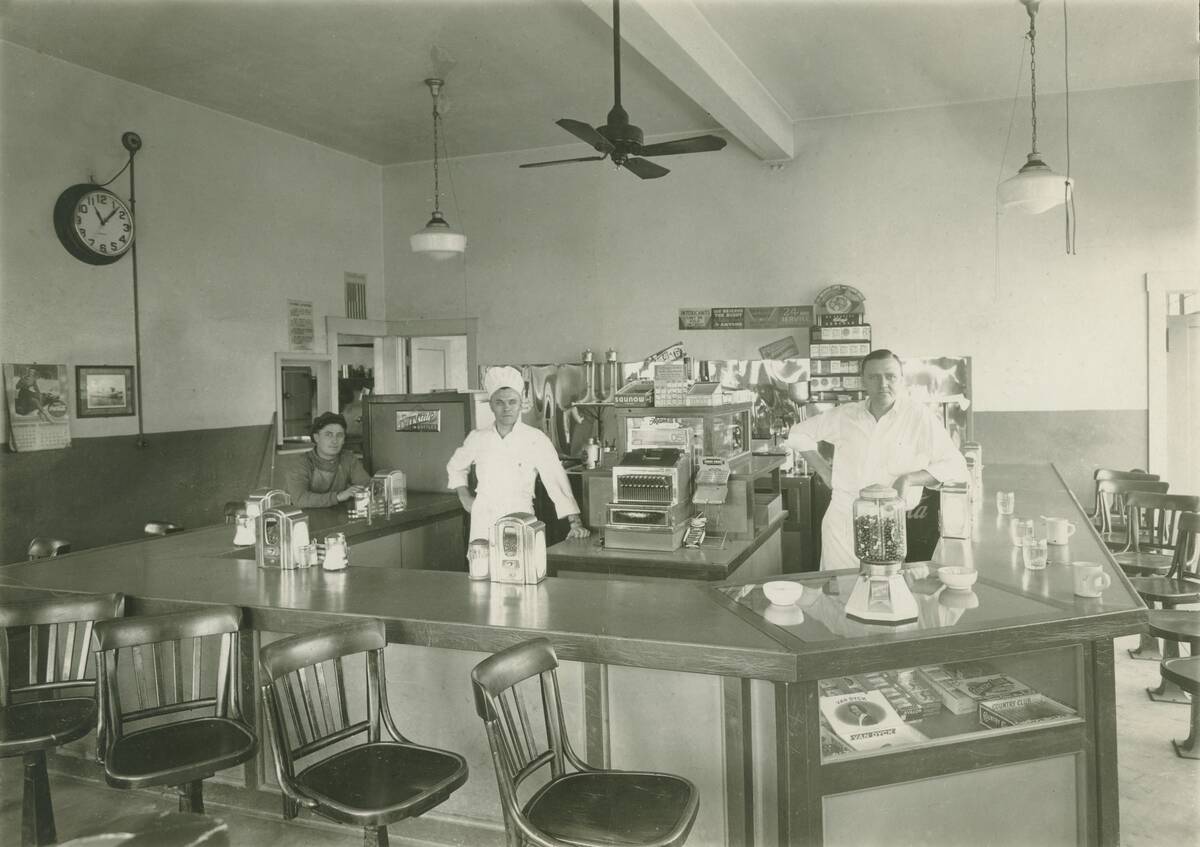
The title of the first official White House chef is often attributed to René Verdon, who served under John F. Kennedy. Verdon, a Frenchman, brought a touch of European flair to the White House, elevating its culinary reputation.
His tenure marked a shift towards more sophisticated and international menus, setting a precedent for his successors. Verdon’s influence is still felt today, as chefs continue to draw inspiration from his pioneering work.
The Evolution of the Executive Chef Position
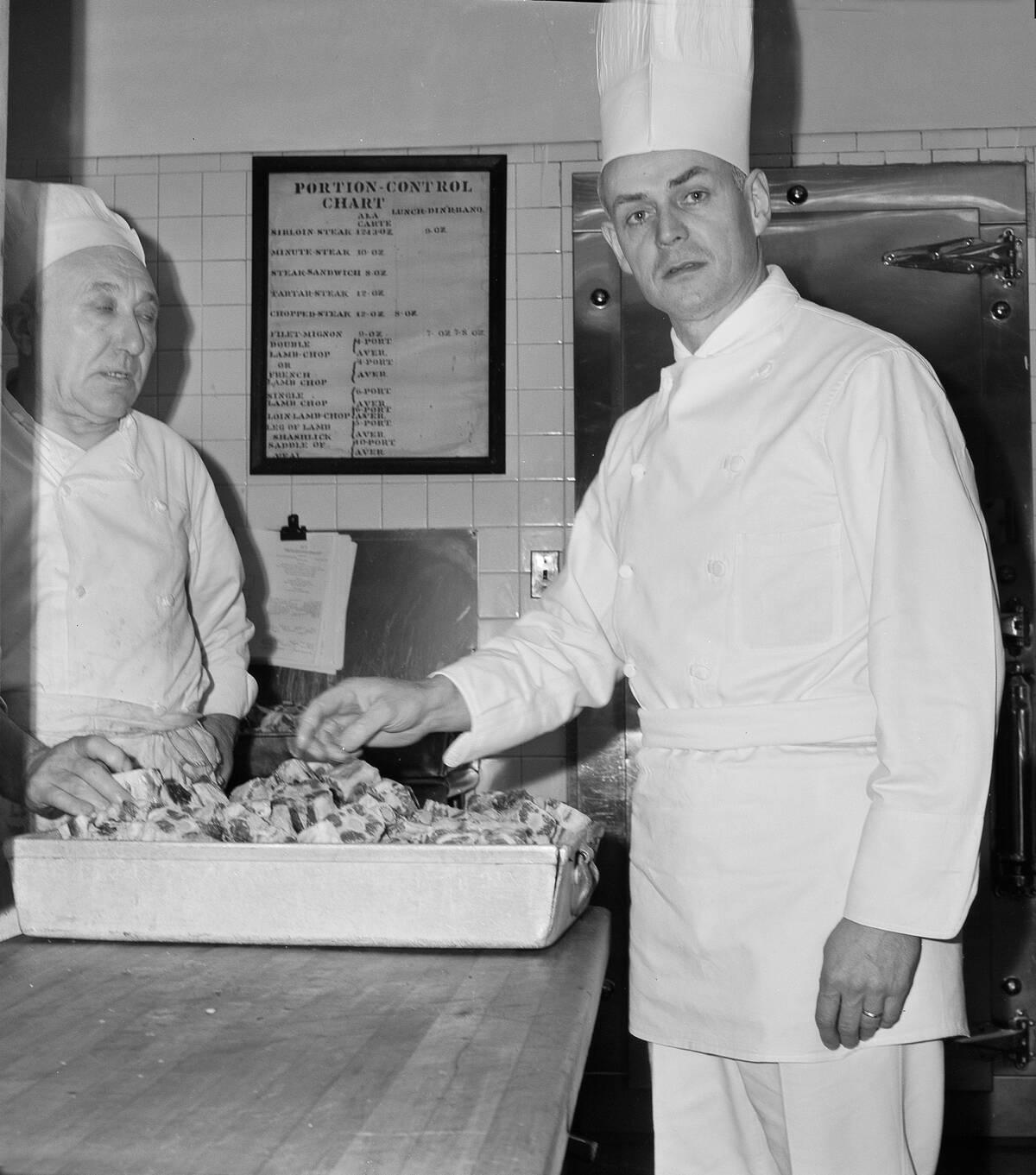
Over the years, the role of the Executive Chef has evolved from simply providing sustenance to crafting experiences. Each chef brings their own unique style, adapting to the dietary trends of the times.
The position has expanded to include responsibilities such as menu planning for state functions and integrating local farm-to-table practices. This evolution reflects the changing landscape of American cuisine and the importance of culinary diplomacy.
Culinary Traditions of the 19th Century White House
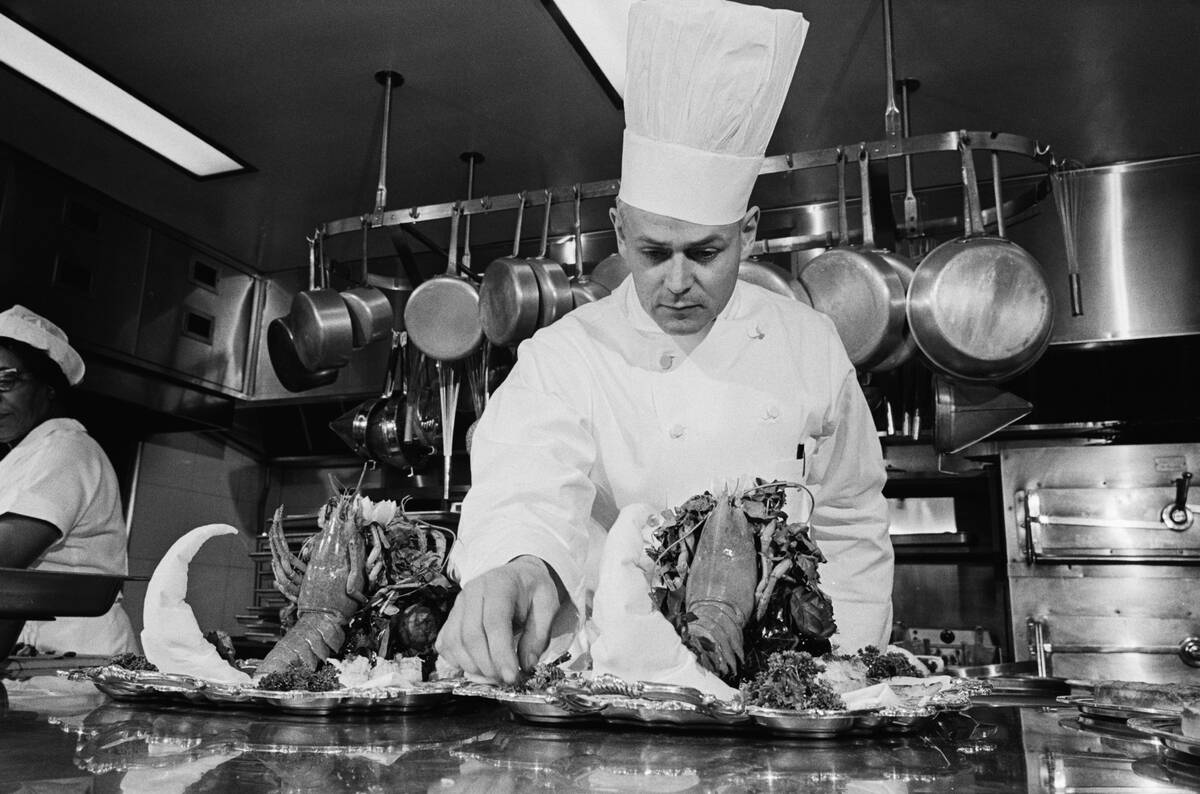
In the 19th century, White House meals were deeply rooted in American culinary traditions. Dishes like turtle soup and game meats were common, reflecting the country’s rich natural resources.
The influence of European immigrants introduced new flavors and cooking techniques, broadening the culinary repertoire. These traditions were the building blocks for the diverse and inclusive menus seen in the White House today.
Chefs Who Made Their Mark: Notable Names in History
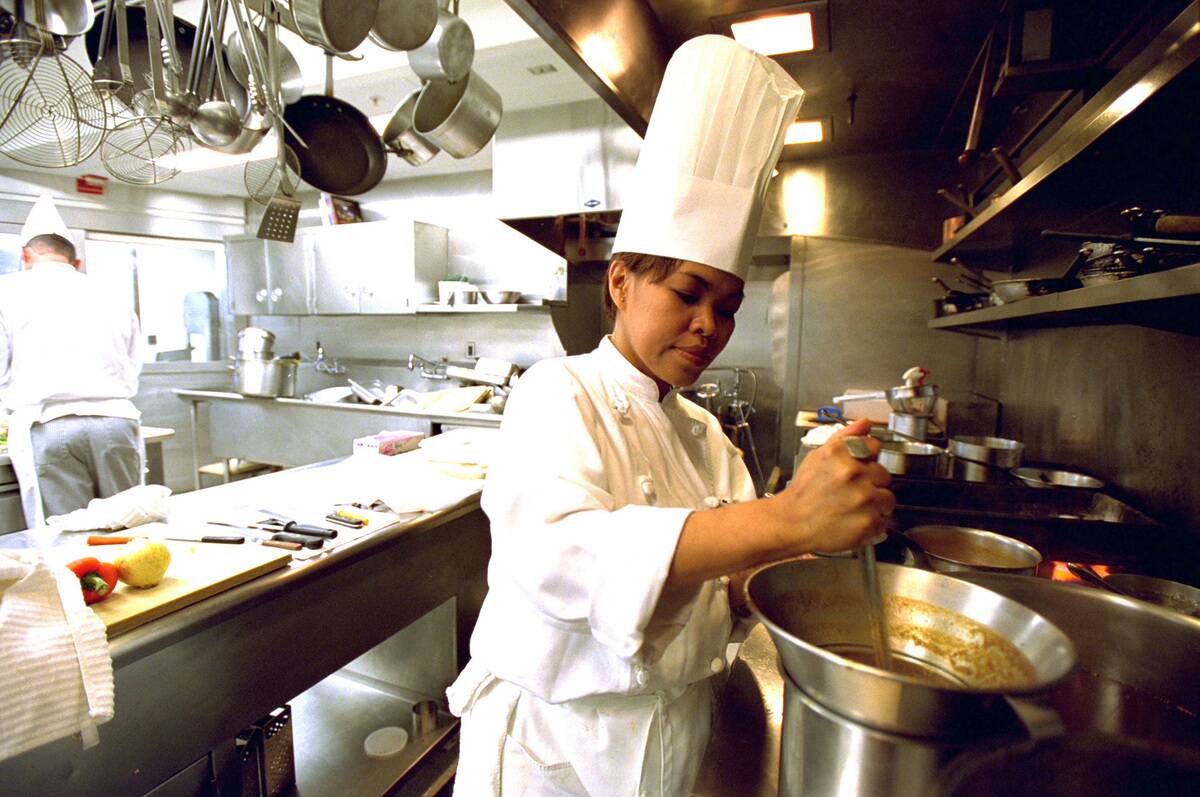
Several chefs have left an indelible mark on the history of the White House kitchen. Henry Haller, who served five presidents from 1966 to 1987, is celebrated for his versatility and creativity.
Cristeta Comerford, the first female and first Asian-American Executive Chef, introduced modern techniques and diverse flavors. These chefs, among others, have shaped the culinary narrative of the White House, leaving a legacy of innovation and excellence.
Changes in the Culinary Landscape Through the Decades
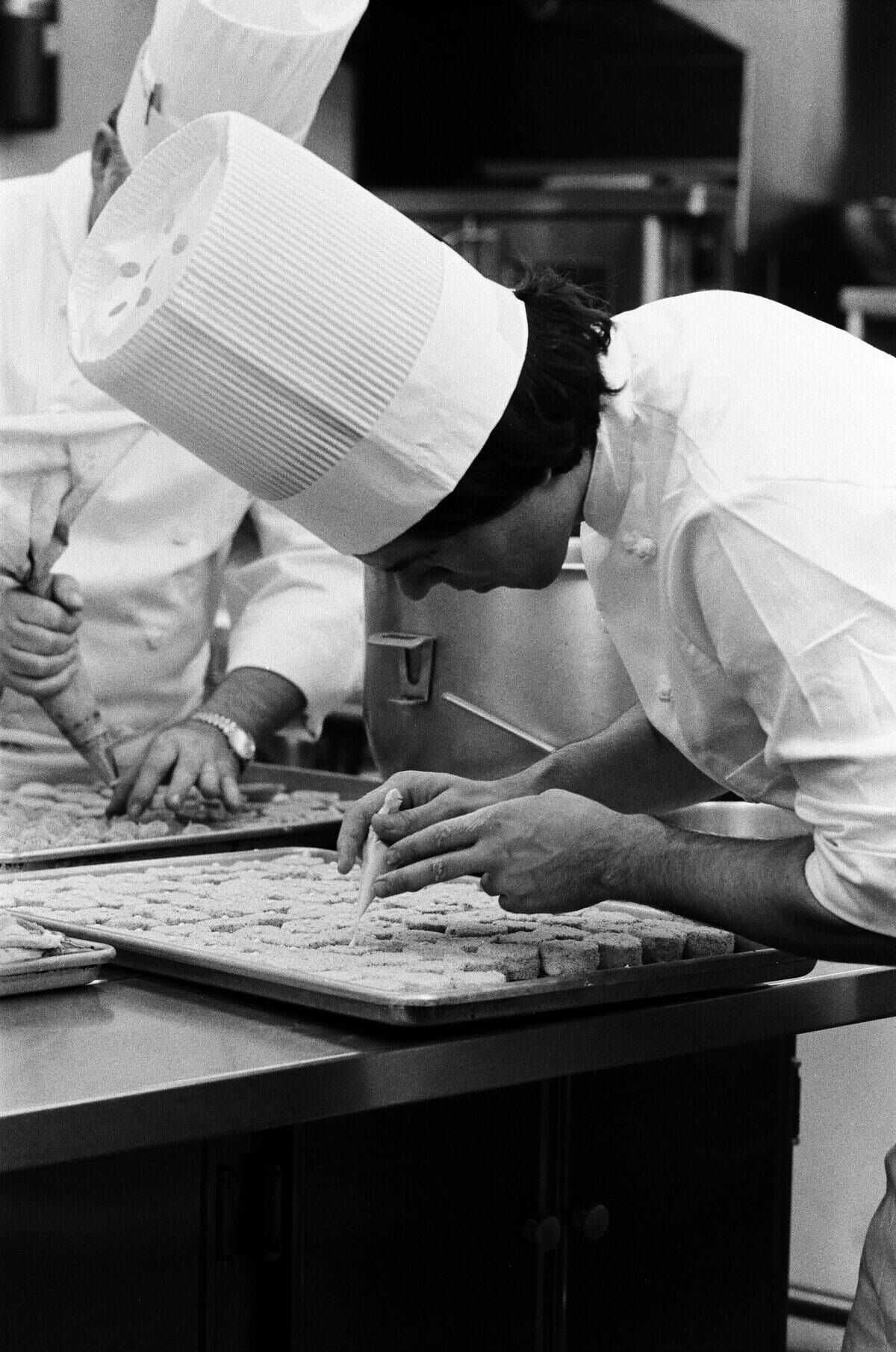
The culinary landscape of the White House has mirrored broader societal shifts over the decades. From the opulent feasts of the Gilded Age to the health-conscious menus of today, each era brings new trends to the forefront.
The 1970s saw a rise in organic and locally sourced ingredients, while the 2000s embraced global flavors. These changes highlight the dynamic nature of the White House kitchen, always adapting to the times.
The Influence of First Ladies on White House Cuisine
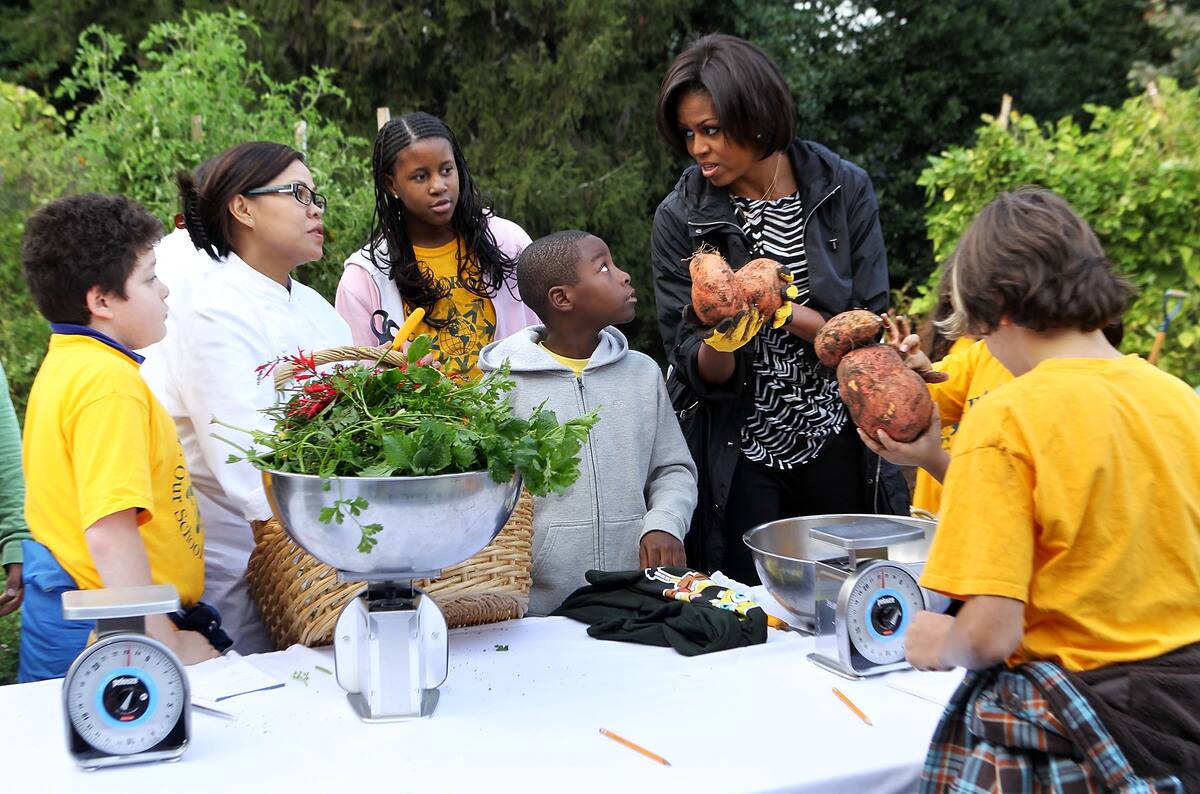
First Ladies have played a significant role in shaping the culinary direction of the White House. Jacqueline Kennedy introduced French cuisine, while Michelle Obama championed healthy eating with the “Let’s Move!” initiative.
Each First Lady brings her own vision to the table, impacting menu choices and dietary trends. Their influence extends beyond the kitchen, often reflecting broader cultural and social movements of their time.
Memorable State Dinners and Their Chefs
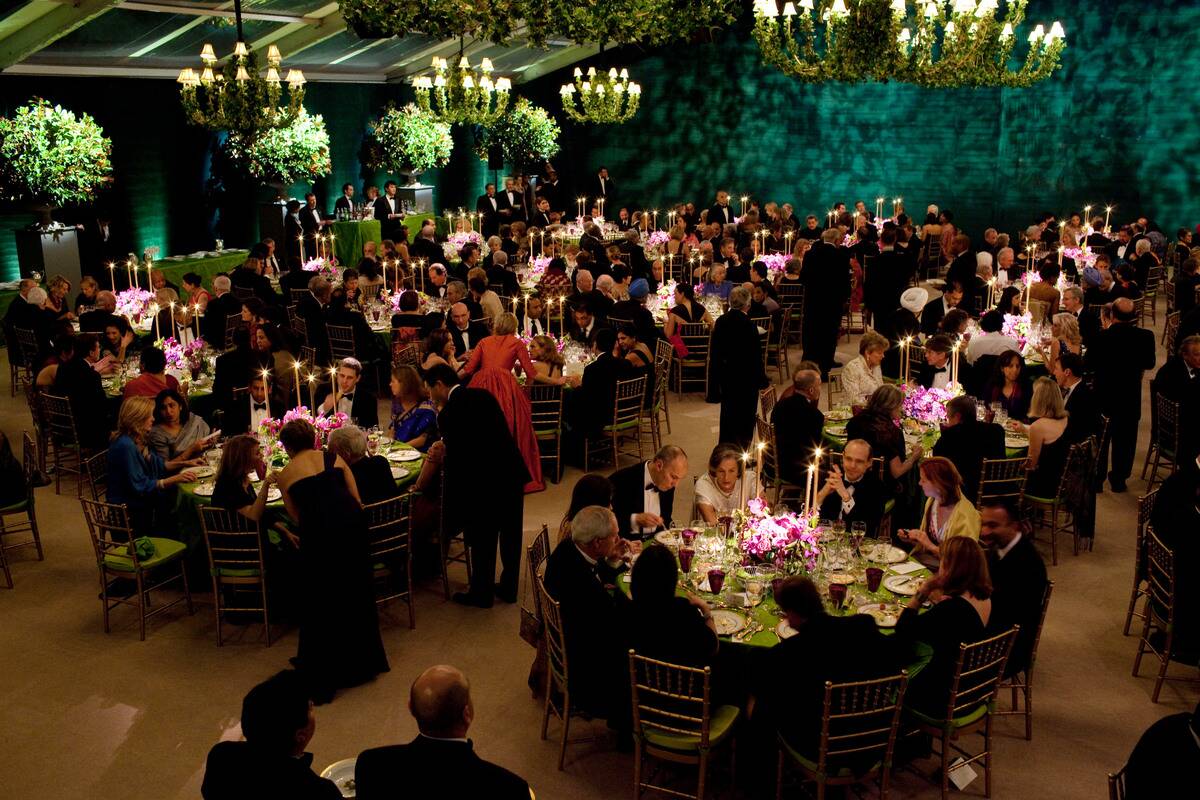
State dinners at the White House are grand affairs, showcasing the best of American hospitality. Notable events include the 2009 dinner for India’s Prime Minister, prepared by Chef Comerford, featuring a blend of American and Indian flavors.
These occasions require meticulous planning and execution, with chefs crafting menus that honor both the guest of honor and the host country. Such dinners are a testament to the art of culinary diplomacy.
The Balance of Tradition and Innovation in the White House Kitchen
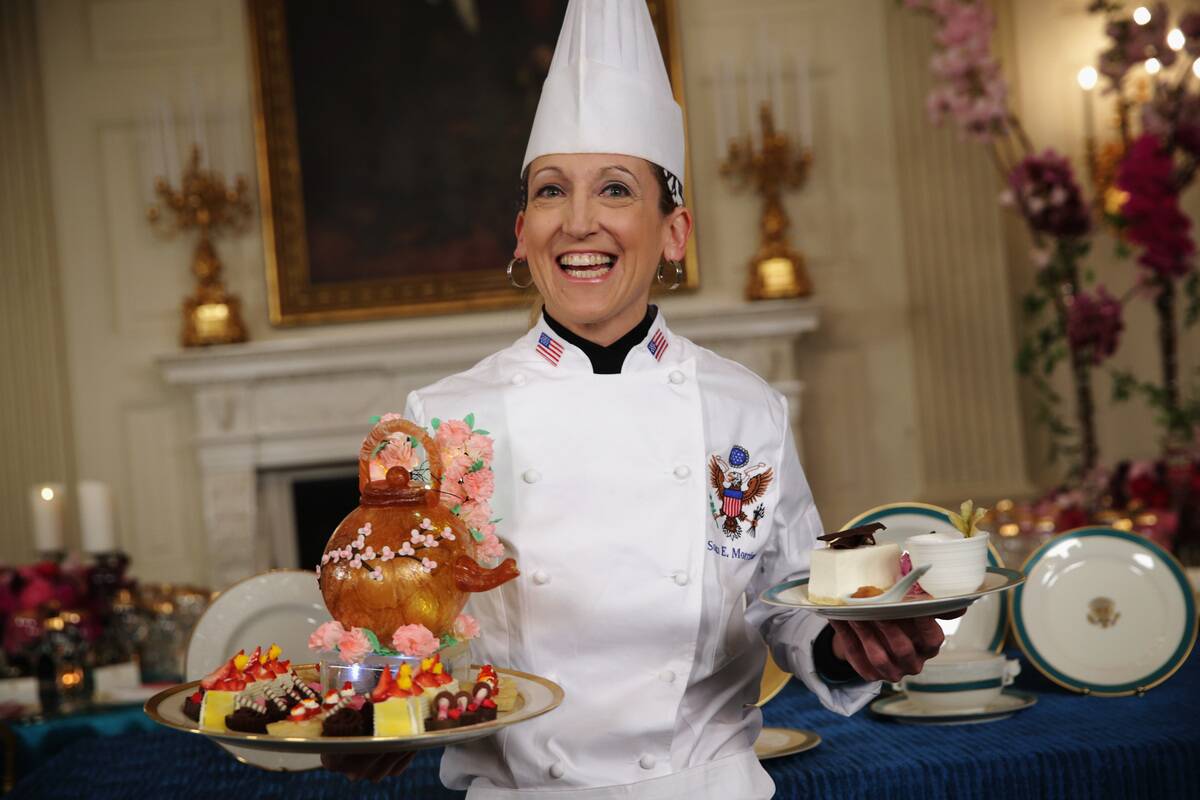
The Executive Chef must strike a delicate balance between tradition and innovation in the White House kitchen. While some recipes are steeped in history, there is always room for modern twists.
This blend of old and new keeps the menu fresh and exciting, without losing the essence of time-honored favorites. It’s this harmonious balance that allows the White House to maintain its culinary prestige while embracing contemporary trends.
Behind the Scenes: A Day in the Life of an Executive Chef
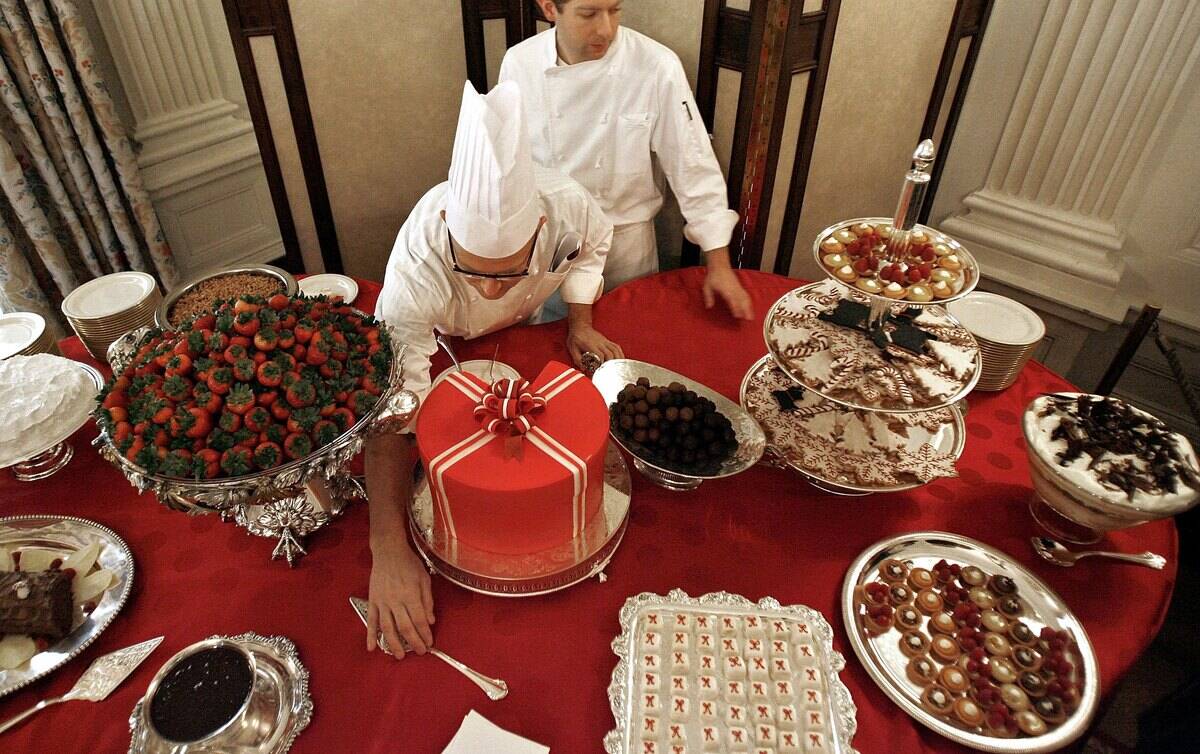
A day in the life of the White House Executive Chef is anything but ordinary. From early morning planning meetings to late-night preparations for state events, the schedule is demanding yet rewarding.
The chef oversees a team of talented professionals, ensuring every dish meets the highest standards. Whether it’s a family meal or a formal dinner, the chef’s dedication to excellence is evident in every bite served at 1600 Pennsylvania Avenue.
Presidential Preferences: Favorite Dishes of U.S. Presidents
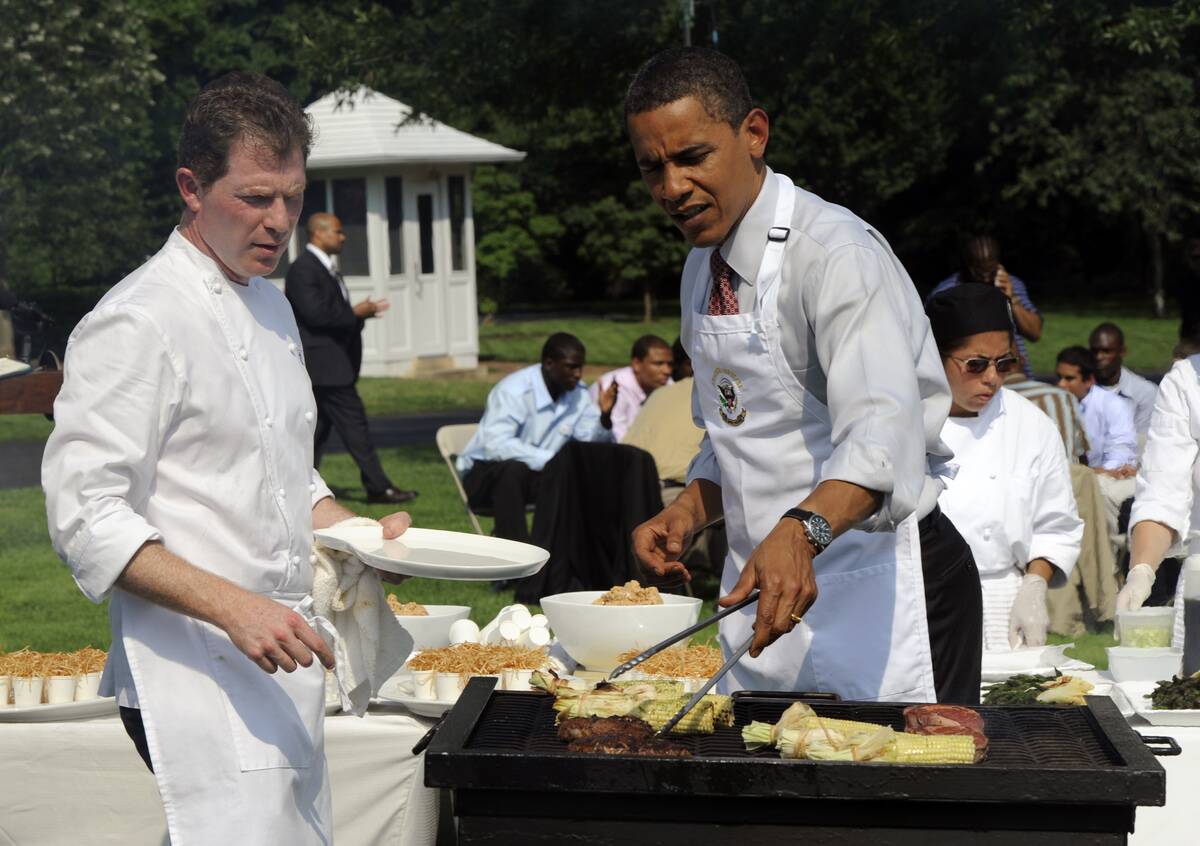
U.S. Presidents have had their share of favorite dishes, reflecting their personal tastes and regional influences. For example, Abraham Lincoln was fond of apples and simple fare.
More recently, Barack Obama is known for his love of chili. These preferences often find their way into White House menus, offering a glimpse into the personal lives of the nation’s leaders through their culinary choices.
Challenges and Rewards of Cooking in the Nation’s Most Famous Kitchen
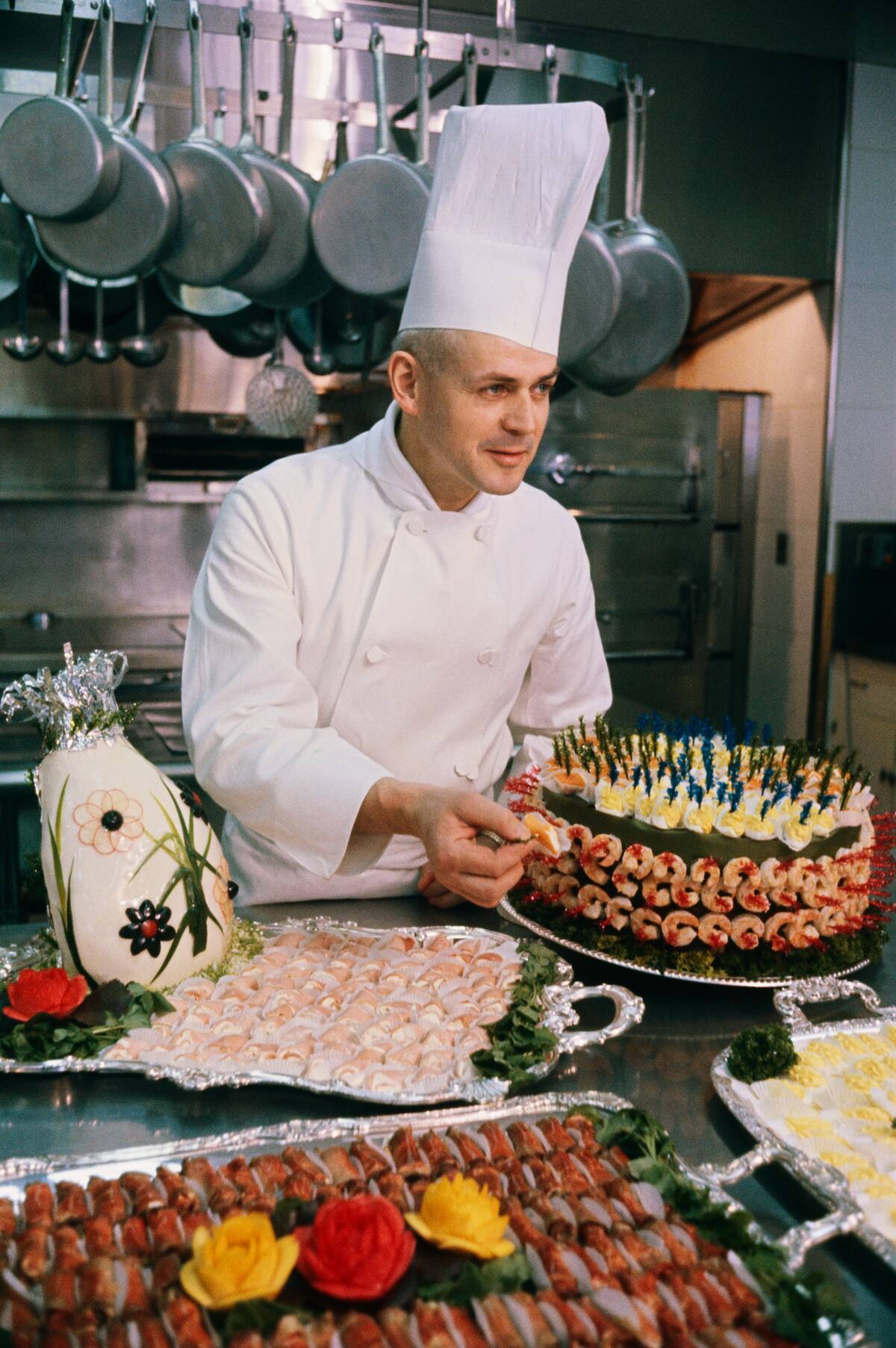
Cooking in the White House kitchen comes with its own set of challenges and rewards. The pressure to deliver flawless meals for the nation’s leaders and their guests is immense.
However, the opportunity to be a part of history and contribute to the culinary legacy of the White House is unparalleled. The chefs who work in this iconic kitchen take pride in their craft, knowing their creations are enjoyed by some of the most influential people in the world.




