The top movies from each decade
Consider this your ticket to a tour through movie history, from hand-cranked marvels to IMAX-shaking epics. We’ll hop decades and peek at milestones that shaped what we watch and how we watch it — think the first public film screenings in the 1890s, the rise of sound in the 1920s, and seismic blockbuster shifts in the 1970s. Along the way, we’ll dip into global scenes that regularly rewire the art form, because cinema’s greatest hits don’t live in just one country or language.
To keep things grounded, we’ll name names and years you can look up, while leaving room for debate — that’s half the fun. We’ll nod to institutions that map taste over time, from the Academy Awards (first held in 1929) to Cannes (launched in 1946). And yes, we’ll chat about how the streaming era changed release patterns and discovery, without forgetting the theaters and festivals that still make moviegoing feel like an event.
The 1890s: the birth of cinema and eye-popping firsts

Cinema arrives as a novelty. In 1895, the Lumière brothers publicly exhibited short films in Paris, including Workers Leaving the Lumière Factory and The Sprinkler Sprinkled. Across the Atlantic, Thomas Edison and W.K.-L. Dickson’s Kinetoscope parlors (debuting 1894) let viewers peer into cabinets to watch moving images like Dickson Greeting. Most films were under a minute, shot on hand-cranked cameras, and projected (or viewed) on 35mm stock — a gauge that, remarkably, became a standard for over a century.
Even then, filmmakers chased sensation. The Lumières’ Arrival of a Train reportedly startled viewers with its onrushing locomotive, while Edison’s The Kiss (1896) drew attention — and controversy — for its intimate close-up. British pioneer Robert W. Paul helped develop cameras and projectors that sped adoption in Europe. Narrative wasn’t the point yet; movement was. But the raw tools — light, celluloid, projection, and curious crowds — were all in place for a storytelling revolution.
The 1900s: trick films, shorts, and storytelling seedlings
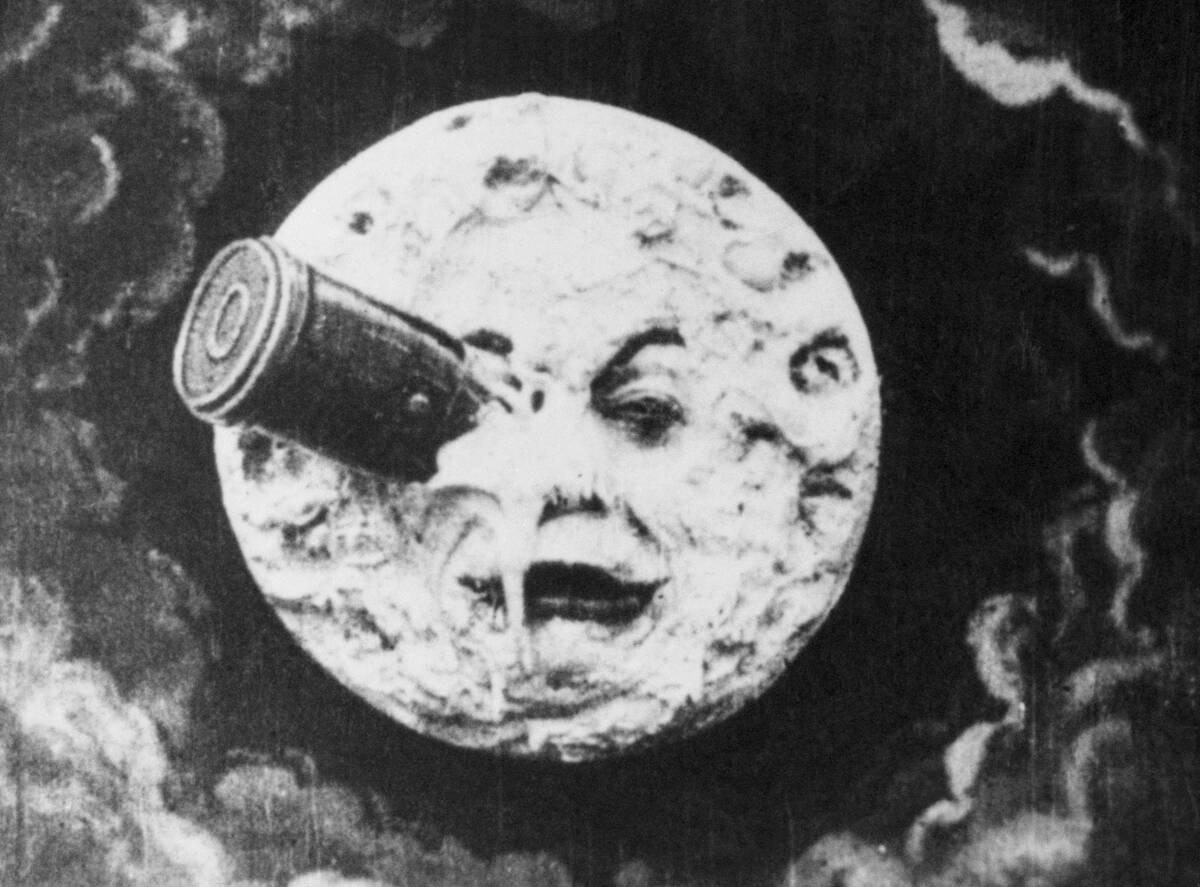
The 1900s turned spectacle into stories. Georges Méliès fused stagecraft and camera wizardry in A Trip to the Moon (1902), popularizing multiple exposures and jump cuts. In the U.S., Edwin S. Porter’s Life of an American Fireman (1903) and The Great Train Robbery (1903) pushed continuity and cross-cutting. Nickelodeons — cheap storefront theaters — boomed after 1905 (Pittsburgh often cited as the first), making movies a regular habit. Pathé and Gaumont scaled production, laying groundwork for studio systems.
Women shaped the form early.
Alice Guy-Blaché, among the first narrative directors, made hundreds of films at Gaumont before moving to the U.S. and, by 1910, founding Solax in New York City’s Flushing neighborhood before movin production to Fort Lee, New Jersey. Meanwhile, one-reel comedies and melodramas standardized runtimes around 10–15 minutes. Camera placement, editing rhythm, and staging grew more sophisticated, priming audiences for features. The appetite was there; all that remained was to stretch these shorts into evening-length events.
The 1910s: features mature and auteurs break through
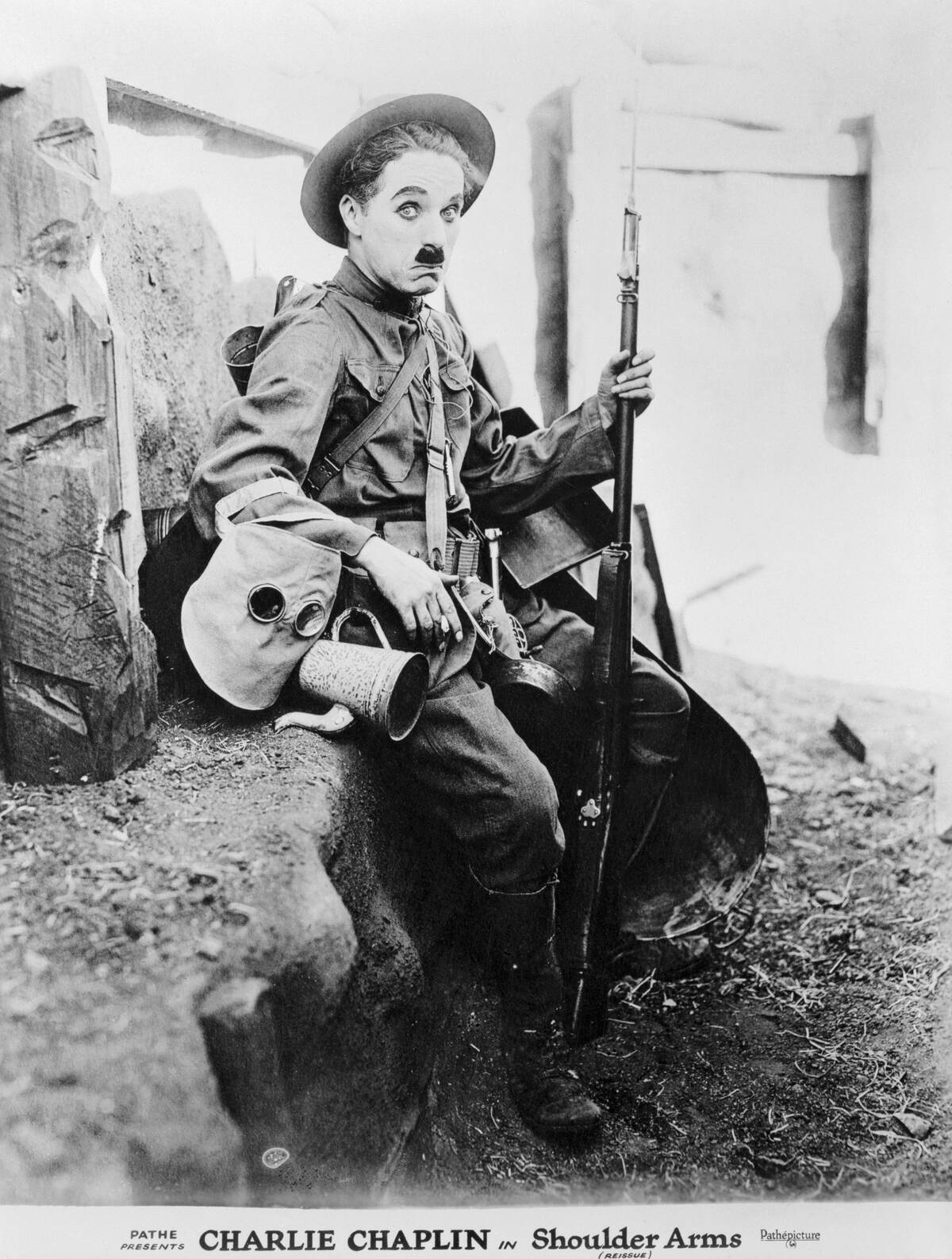
Features took hold. Italy’s Cabiria (1914) wowed with vast sets and tracking shots. D.W. Griffith’s The Birth of a Nation (1915), while virulently racist, accelerated film grammar and spurred responses like his sprawling Intolerance (1916). Charlie Chaplin refined screen comedy through his 1916–17 Mutual shorts and leapt into longer form with Shoulder Arms (1918). The first Technicolor experiments (Process 1) arrived in 1916, while intertitles and orchestral accompaniment became standardized theatrical practices.
New power centers emerged.
Mary Pickford’s stardom helped drive the 1919 founding of United Artists with Chaplin, Douglas Fairbanks, and Griffith, aiming for creative control. Oscar Micheaux self-financed The Homesteader (1919), the first feature by an African American director, launching a career of independent race films. Scandinavian filmmakers like Victor Sjöström and Mauritz Stiller exported austere, psychologically rich dramas. By decade’s end, the feature film had become the default canvas for global storytellers.
The 1920s: silent-era splendor around the world
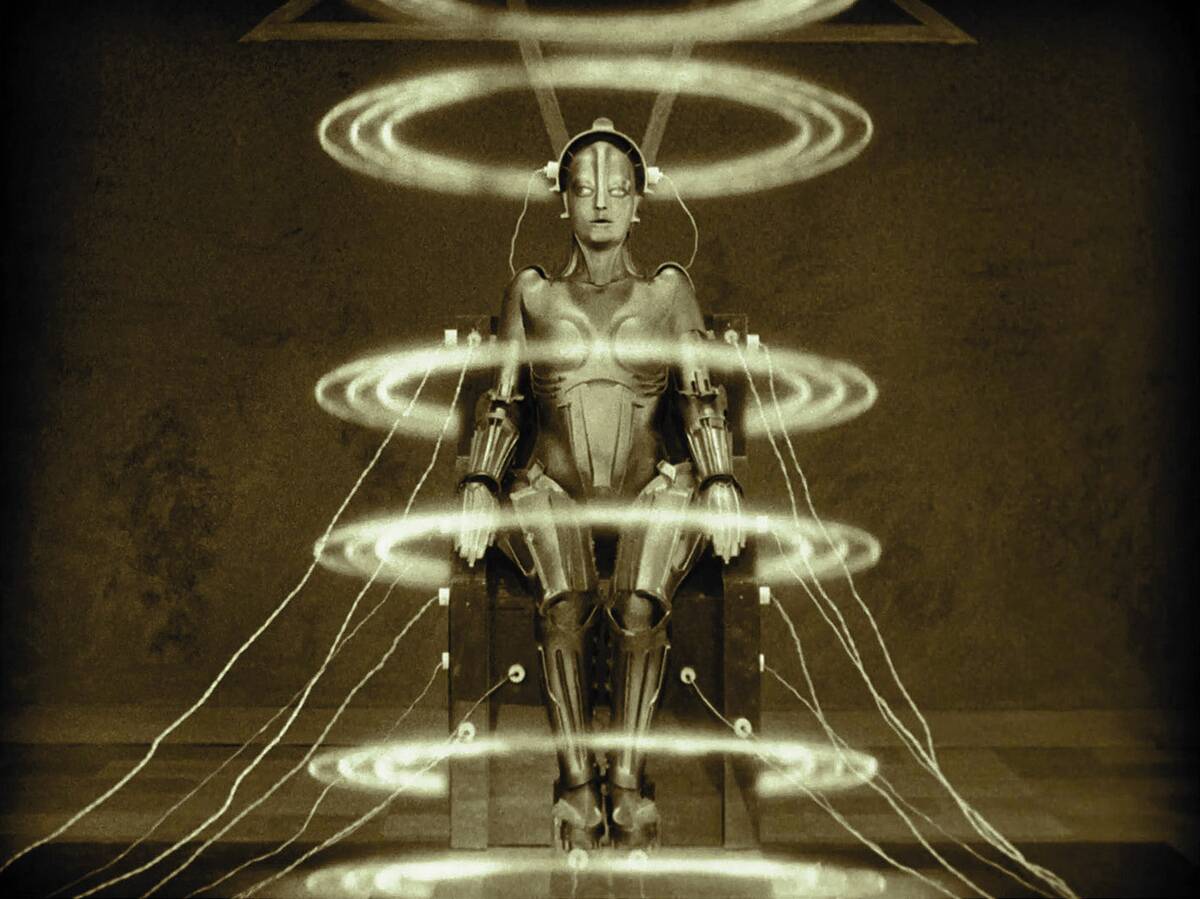
Silent cinema hit a peak. F.W. Murnau’s Sunrise (1927) blended lyrical camerawork with a fable so potent it won a unique Oscar for “Unique and Artistic Picture” at the first Academy Awards (1929). Fritz Lang’s Metropolis (1927) envisioned a towering, mechanized future; Sergei Eisenstein’s Battleship Potemkin (1925) burnished montage theory; and Carl Theodor Dreyer’s The Passion of Joan of Arc (1928) used relentless close-ups to sear through history. Buster Keaton’s The General (1926) perfected deadpan physical genius.
Styles multiplied. German Expressionism spiked shadows in The Cabinet of Dr. Caligari (1920), while Japanese directors like Yasujiro Ozu began honing domestic dramas. Then the thunderclap: The Jazz Singer (1927), a part-talkie, turbocharged the shift to synchronized sound. Studios scrambled to wire theaters; stars and directors adapted — or didn’t. Even so, late silents remain dazzlingly modern once scored and restored, proof that cinema’s visual language had already found stunning fluency.
The 1930s: Hollywood’s Golden Age glitters
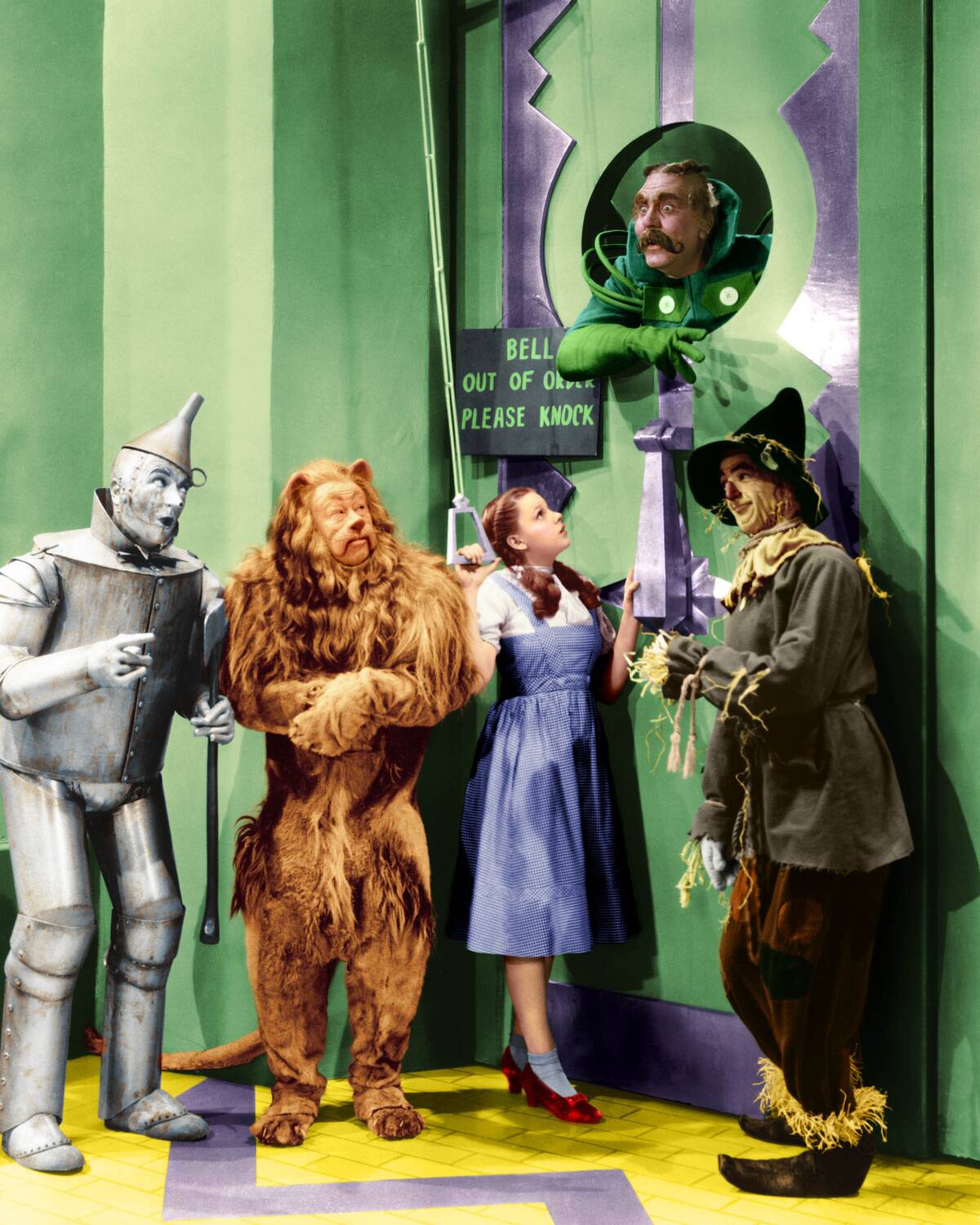
Studio sheen turned blinding. With the Production Code enforced in 1934, Hollywood refined genres: screwball comedies like It Happened One Night (1934) sprinted on banter; Universal draped horror in gothic glamour with Frankenstein (1931) and The Bride of Frankenstein (1935). King Kong (1933) made stop-motion a spectacle, while three-strip Technicolor, demonstrated in 1932 and mainstreamed mid-decade, gave The Adventures of Robin Hood (1938) and Snow White and the Seven Dwarfs (1937) eye-popping palettes.
By year-end, 1939 became legend: The Wizard of Oz and Gone with the Wind arrived weeks apart, each redefining scale in its own way. Musicals, gangster pictures, and westerns flowed from a vertically integrated system that controlled production, distribution, and exhibition. Stars were minted and managed, from Clark Gable to Katharine Hepburn. Even with tight content rules, filmmakers smuggled subversive ideas through innuendo and wit, proving that constraints can sharpen creativity.
The 1940s: noir shadows and wartime classics
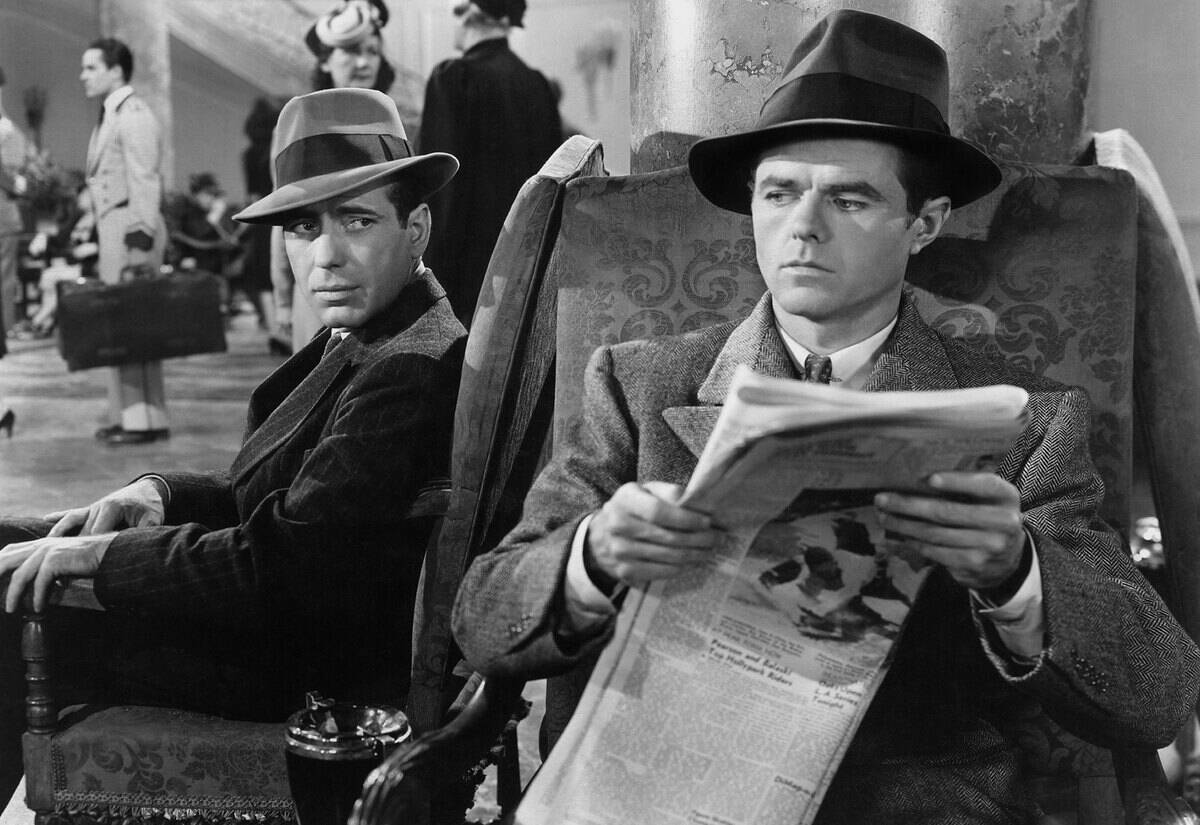
Wartime urgency and postwar anxiety left a mark. Casablanca (1942) fused romance and geopolitics to timeless effect, while Citizen Kane (1941) pushed deep focus and audacious structure. Film noir’s hard edges arrived with The Maltese Falcon (1941) and crystallized in Double Indemnity (1944), all Venetian blinds and fatal choices. The Best Years of Our Lives (1946) tackled veterans’ return with uncommon candor, as studios adjusted to audiences hungry for both escape and reflection.
Beyond Hollywood, new schools took root. Italian neorealism’s Rome, Open City (1945) and Bicycle Thieves (1948) championed street locations and nonprofessional actors. In Japan, Akira Kurosawa’s Drunken Angel (1948) previewed a postwar humanism; Yasujiro Ozu’s Late Spring (1949) refined family drama. At home, the 1948 Paramount Decree cracked studio monopolies by banning most theater ownership. Add HUAC’s 1947 hearings, and the decade set legal and stylistic shifts that reshaped movie power.
The 1950s: widescreen epics, musicals, and global gems
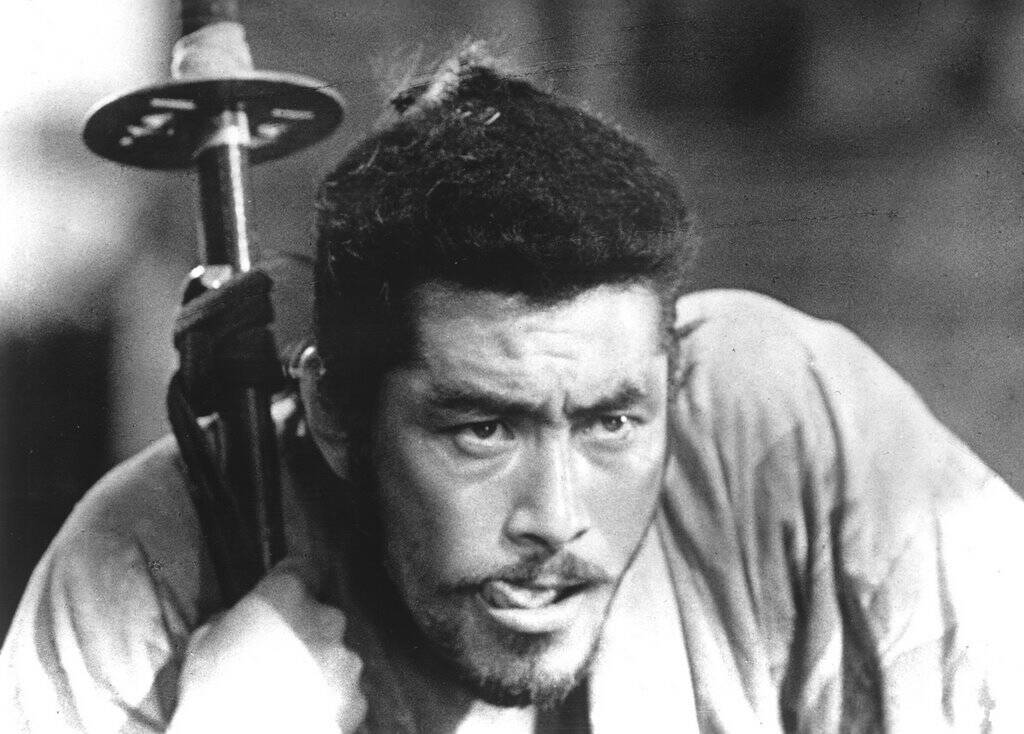
Theaters fought TV with scale. CinemaScope launched with The Robe (1953), stretching images for sword-and-sandal grandeur that culminated in Ben-Hur (1959), which won 11 Oscars. Musicals like Singin’ in the Rain (1952) celebrated the sound era with balletic glee, while Hitchcock’s Vertigo (1958) bent suspense into obsession. John Ford’s The Searchers (1956) deepened the western’s moral palette. Prestige and crowd-pleasers coexisted, often within the same filmmaker’s career.
World cinema roared. Akira Kurosawa’s Seven Samurai (1954) set a blueprint remade endlessly; Ingmar Bergman’s The Seventh Seal (1957) grappled with mortality; Satyajit Ray’s Pather Panchali (1955) introduced the Apu Trilogy’s tender realism; and Ozu’s Tokyo Story (1953) distilled family ache into quiet perfection. International festivals — Cannes, Venice, Berlin — became launchpads for discovery. Bigger screens and bolder ideas met audiences perfectly ready to chase awe from subtitled minimalism to 70mm thunder.
The 1960s: rebellious new waves shake things up
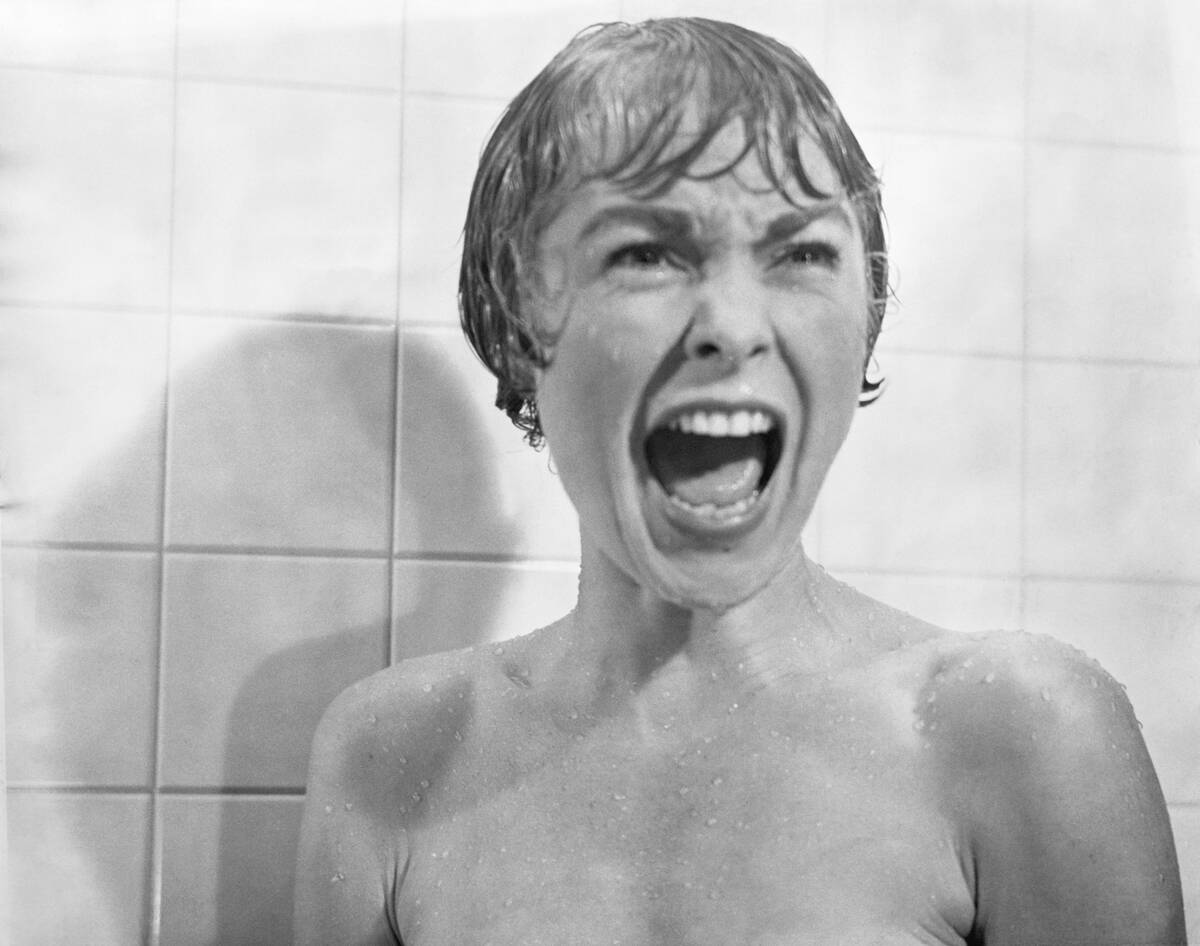
The rules got rewritten, often by kids with cameras. France’s New Wave cracked cinema open with Breathless (1960) and Jules and Jim (1962), casual about jump cuts and bold about life’s mess. Italy’s Federico Fellini dove into dream-logic with 8½ (1963). In Eastern Europe, Czech New Wave films like Closely Watched Trains (1966) mixed humor and oppression. Meanwhile, Alfred Hitchcock’s Psycho (1960) detonated audience expectations with a mid-film twist and nerve-shredding montage.
America’s own upheaval arrived late-decade: Bonnie and Clyde (1967) and Easy Rider (1969) declared generational independence, violence and all. The Hays Code effectively died, replaced in 1968 by the MPAA ratings system. Sergio Leone’s The Good, the Bad and the Ugly (1966) remixed the western into operatic style, and Ousmane Sembène’s Black Girl (1966) signaled a modern African cinema. Across continents, movies started speaking more frankly— about sex, politics, and power — and audiences leaned in.
The 1970s: auteur era, grit, and game-changers

New Hollywood put directors in the driver’s seat. The Godfather (1972) and The Godfather Part II (1974) turned crime saga into operatic tragedy; Martin Scorsese’s Taxi Driver (1976) peered into urban alienation; and Chinatown (1974) made paranoia feel classical. Horror redefined itself with The Exorcist (1973) and Halloween (1978). Risky subjects and formal ambition thrived, even as studios watched the bottom line more nervously than in the early TV era.
Then came the blockbuster blueprint.
Jaws (1975) pioneered the modern wide-release, TV-advertised summer smash; Star Wars (1977) fused myth with merchandising to create a galaxy-sized franchise. Rocky (1976) and Annie Hall (1977) won Best Picture back-to-back, proof that crowd-pleasers and talky romances could both capture the zeitgeist. Apocalypse Now (1979) closed the decade with sensory overload and production legend. The 1970s stretched the medium’s range — and defined how hits would be launched.
The 1980s: blockbuster boom with big style
Audiences chased adventure and high concepts. Raiders of the Lost Ark (1981) revived serial thrills; E.T. the Extra-Terrestrial (1982) became the decade’s box-office juggernaut; and Back to the Future (1985) folded time travel into teen comedy. Blade Runner (1982) hatched a rain-soaked sci-fi aesthetic, while Die Hard (1988) remapped the action movie into a skyscraper siege. The MPAA’s PG-13 rating arrived in 1984, splitting the difference after Temple of Doom and Gremlins sparked parental uproar.
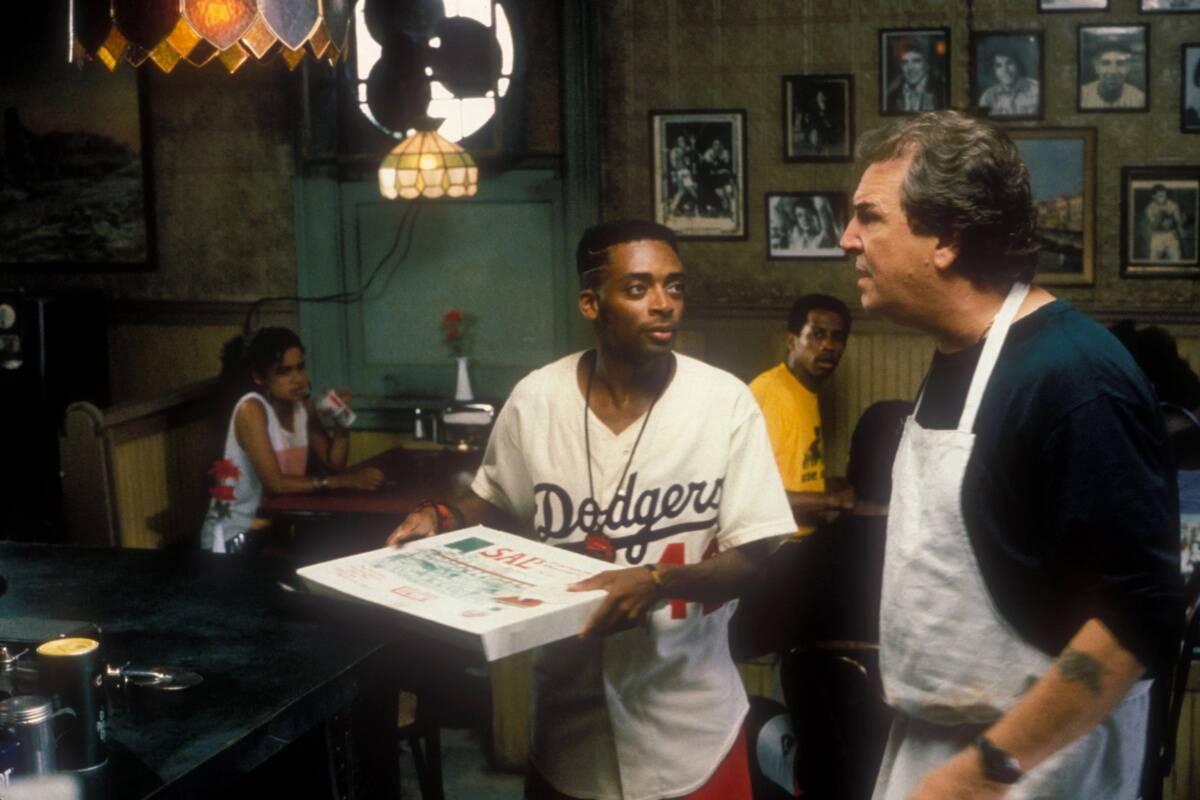
Culture shifted at home, too. VHS and video rental exploded, making cult classics possible and rewatching habitual. Abroad, Hong Kong action — like Jackie Chan’s Police Story (1985), and John Woo’s A Better Tomorrow (1986) — poured kinetic grammar into the global bloodstream. Horror found new icons in The Shining (1980) and A Nightmare on Elm Street (1984). Spike Lee’s Do the Right Thing (1989) ended the decade with a blistering, stylish statement that still debates loudly with every viewing.
The 1990s: indie heat and genre reinvention

Sundance, Miramax, and multiplex risk-taking gave indies oxygen. Reservoir Dogs (1992) and Pulp Fiction (1994) made nonlinear cool again, with the latter taking Cannes’ Palme d’Or. The Coen brothers riffed noir with Fargo (1996), while Richard Linklater and Kevin Smith went micro-budget conversational in Slacker (1990) and Clerks (1994). Animation jumped to all-CGI with Pixar’s Toy Story (1995), and Dogme 95’s stripped-down rules challenged filmmakers to focus on performance and story over polish.
Spectacle found new tricks. Jurassic Park (1993) welded practical wizardry to then-cutting-edge CGI, paving the way for Titanic (1997) to break box-office records and win 11 Oscars. Meanwhile, The Matrix (1999) bent physics and philosophy with bullet time, and international cinema surged: Wong Kar-wai’s Chungking Express (1994), Abbas Kiarostami’s Taste of Cherry (1997), and Hayao Miyazaki’s Princess Mononoke (1997) expanded what mainstream cinephilia embraced. Reinvention was the default setting.
The 2000s: franchise fever meets world cinema
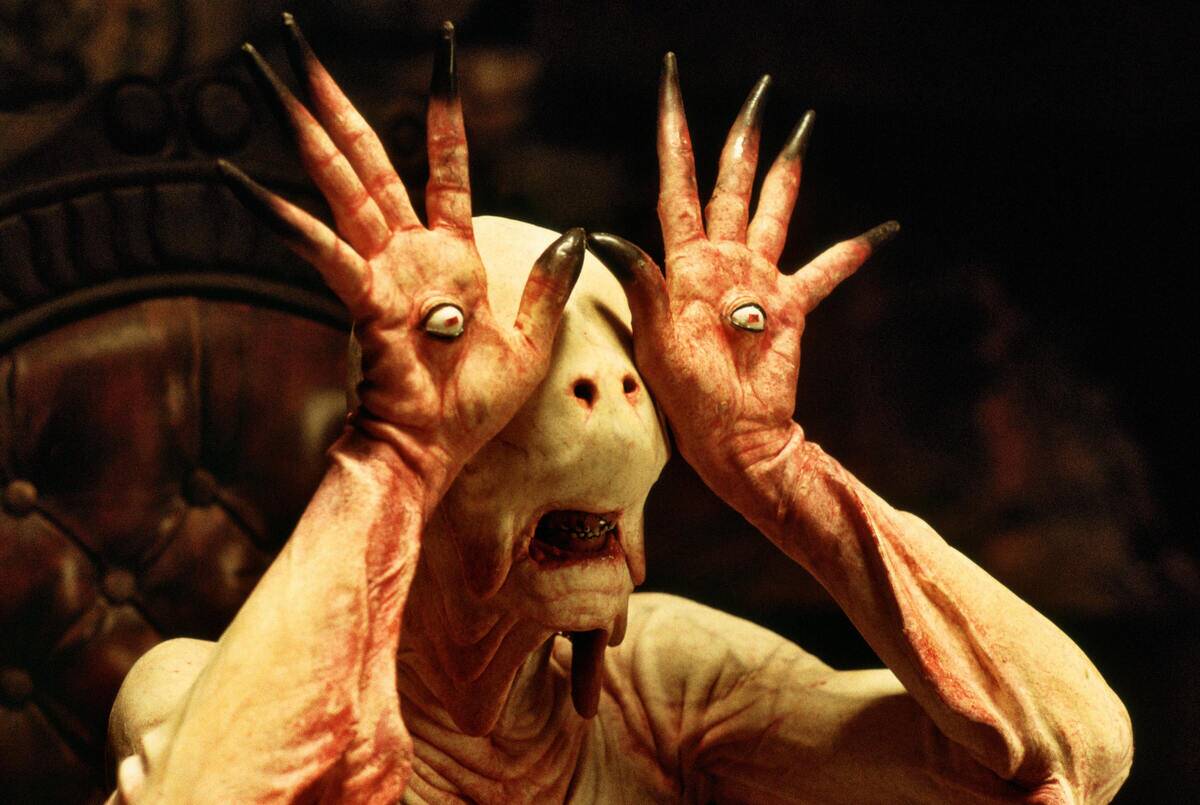
Series ruled. The Lord of the Rings crescendoed with The Return of the King (2003), tying the all-time Oscar record with 11 wins. Christopher Nolan’s The Dark Knight (2008) reframed superhero seriousness, while Iron Man (2008) jump-started the Marvel Cinematic Universe. James Cameron’s Avatar (2009) flexed 3D and performance capture into a global phenomenon. At home, Blu-ray (2006) and Netflix’s streaming launch (2007) reshaped how and when we watched.
Global voices cut through the franchise roar.
Crouching Tiger, Hidden Dragon (2000) crossed over with balletic wuxia; City of God (2002) delivered kinetic Brazilian grit; Oldboy (2003) headlined a Korean New Wave that kept cresting; Spirited Away (2001) won the Animated Feature Oscar; and Pan’s Labyrinth (2006) fused fairy tale and a dark portrait of fascism. Digital projection expanded rapidly mid-to-late decade, smoothing international distribution and restoration, and making repertory screenings feel newly pristine.
The 2010s: prestige peaks and streaming shifts
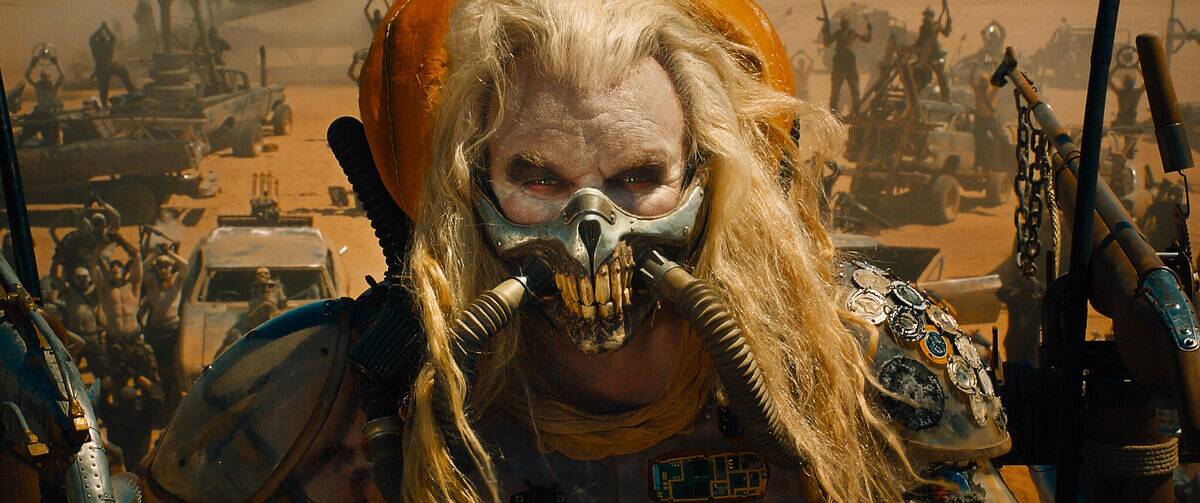
The prestige lane thrived alongside tentpoles. Moonlight (2016) won Best Picture in a now-famous envelope mix-up; Parasite (2019) took Cannes’ Palme d’Or and then the Best Picture Oscar, a historic first for a non-English-language film. Mad Max: Fury Road (2015) redefined action craft; Get Out (2017) turned social horror into box-office lightning; and Boyhood (2014) unfolded across 12 years of filming. A24, founded in 2012, became a reliable pipeline for audacious, awards-courting indies.
Meanwhile, streaming went from convenience to ecosystem. Netflix invested in auteur cinema with Roma (2018) and The Irishman (2019), stirring debates about theatrical windows. Avengers: Endgame (2019) briefly became the highest-grossing film worldwide before Avatar reclaimed the crown after re-releases. 4K Ultra HD discs arrived mid-decade, a boon for cinephiles. The decade ended with a robust mix: franchise finales packing multiplexes, while streaming premieres ignited festival buzz and living-room chatter alike.
The 2020s (so far): bold swings in a changing landscape
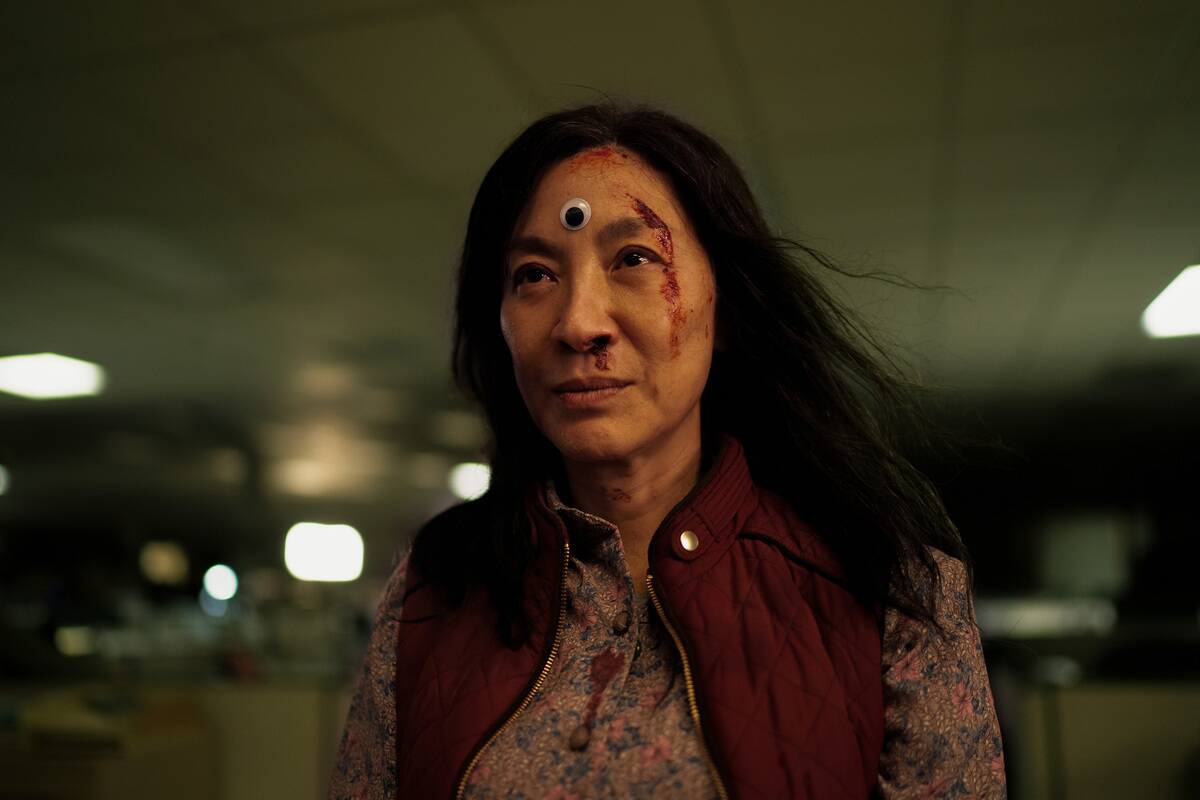
The decade opened with a shock: pandemic shutdowns in 2020, reshuffling calendars and accelerating at-home releases. Warner Bros.’ 2021 slate debuted day-and-date on HBO Max, a dramatic (and controversial) windowing experiment. Tenet (2020) tested theatrical waters; Nomadland (2020) won Best Picture amid hybrid awards season. Dune (2021) split one epic into two grand canvases. Industry labor stoppages—WGA (May–Sept. 2023) and SAG-AFTRA (July–Nov. 2023)—put artist rights and AI front and center.
Audiences still showed up big. Top Gun: Maverick (2022) soared past $1.4 billion worldwide, while Everything Everywhere All at Once (2022) turned multiversal chaos into seven Oscars, including Best Picture. In 2023, the “Barbenheimer” phenomenon packed double features as Barbie topped $1.4 billion and Oppenheimer claimed Best Picture and major craft awards. Global sensations kept pulsing — India’s RRR (2022) won an Oscar for Original Song — proving theatrical crowd electricity remains very real.