16 classical music facts you should know
Welcome to the enchanting world of classical music! This genre, often associated with elegance and sophistication, has a rich tapestry that spans centuries. From grand symphonies to delicate sonatas, classical music has something for everyone. It’s a genre that transcends time, offering a unique blend of history, emotion, and artistry. Whether you’re a seasoned listener or a newcomer, there’s always something new to discover in its vast repertoire.
The Origins of Classical Music: A Dive into History
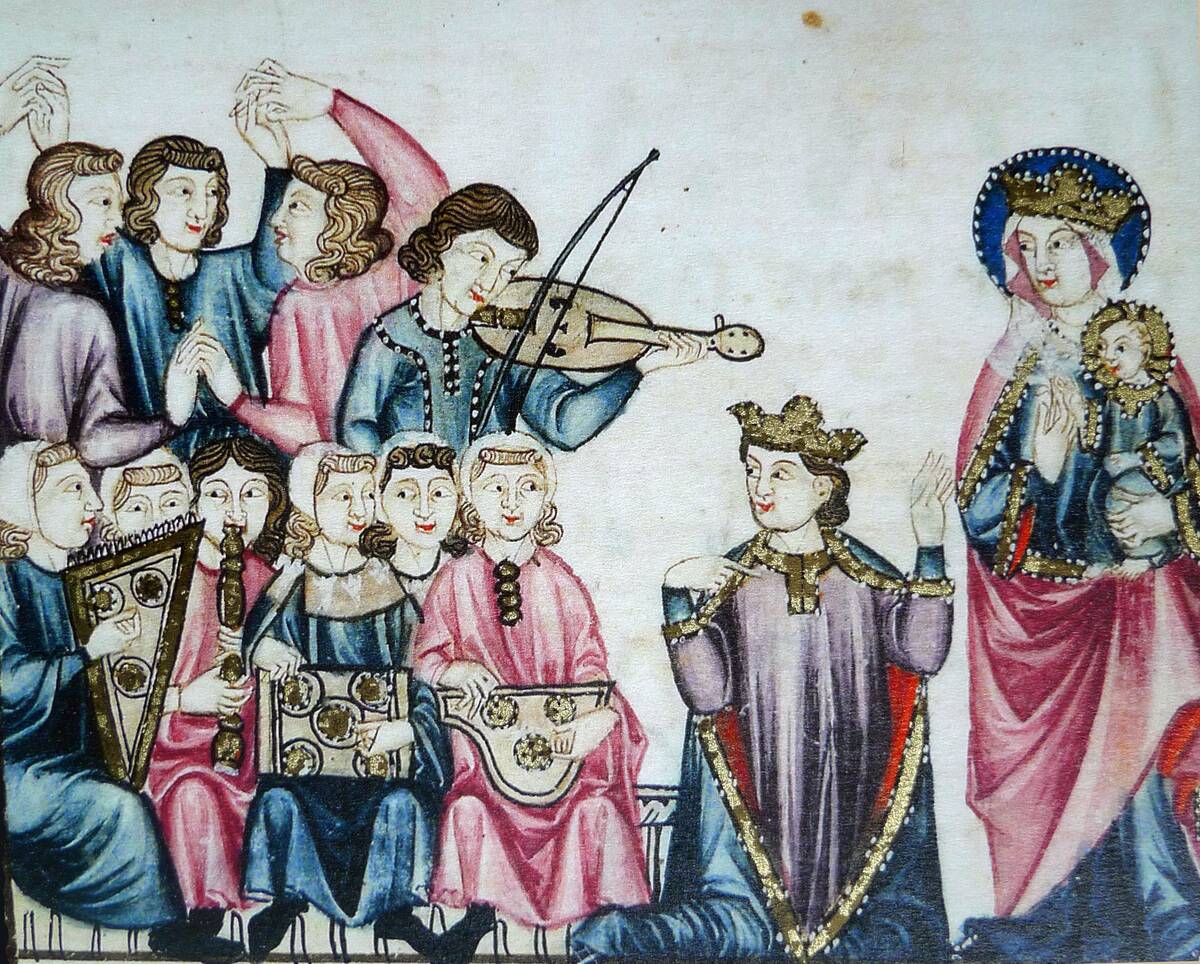
Classical music’s roots can be traced back to the Medieval period, but it truly began to flourish during the Renaissance. This era saw composers like Palestrina and Monteverdi experimenting with polyphony and harmony. The Baroque period followed, with Bach and Handel leading the way, creating more structured compositions. Each era brought its own innovations, laying the foundation for the Classical period, where giants like Haydn and Mozart emerged, forever influencing the trajectory of Western music.
Meet the Masters: Famous Classical Composers
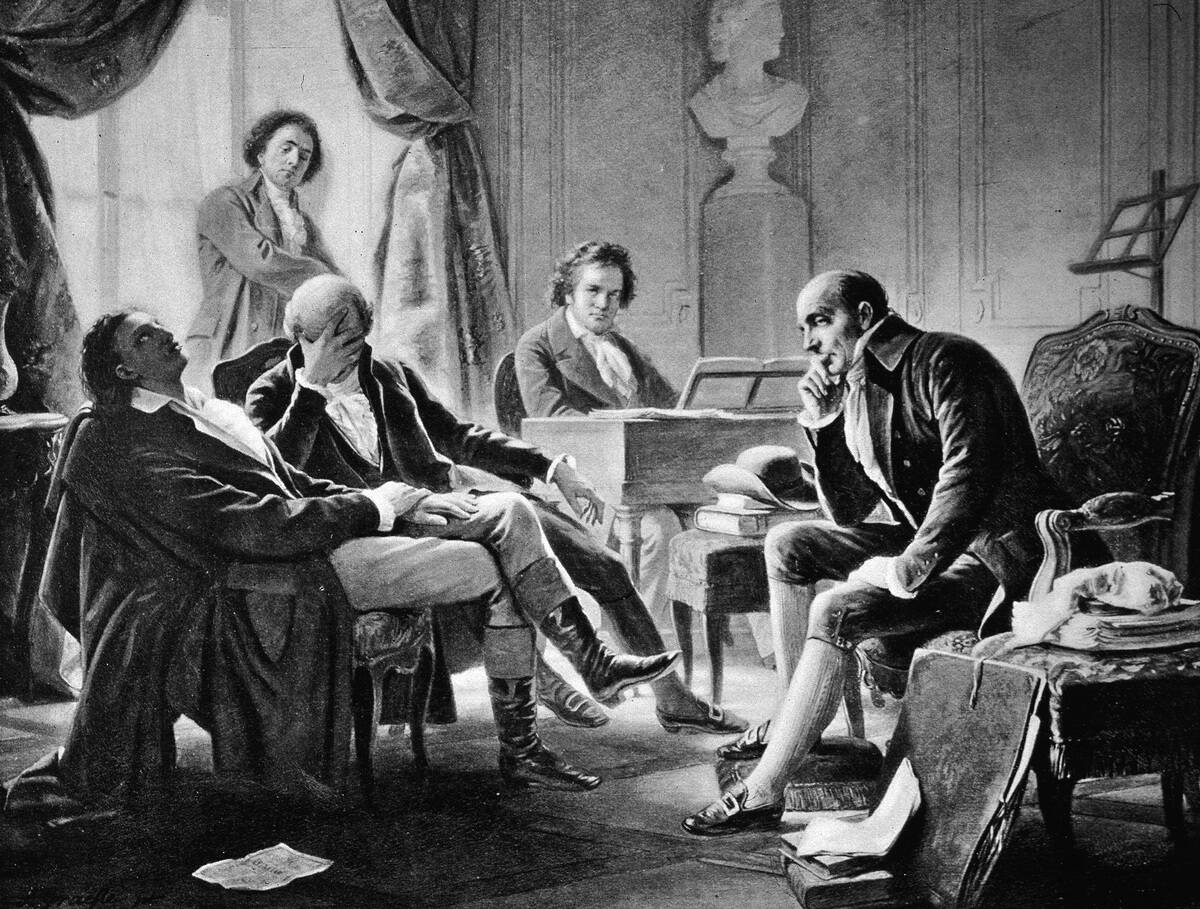
When it comes to classical music, a few names instantly come to mind. Ludwig van Beethoven, with his groundbreaking symphonies, pushed the boundaries of music. Wolfgang Amadeus Mozart, a child prodigy, composed over 600 works, many of which are still celebrated today. Johann Sebastian Bach, often considered the father of classical music, created intricate pieces that continue to challenge musicians. These composers, among others, have left an indelible mark on the world of music, their legacies enduring through the ages.
The Evolution of Classical Music Through the Ages
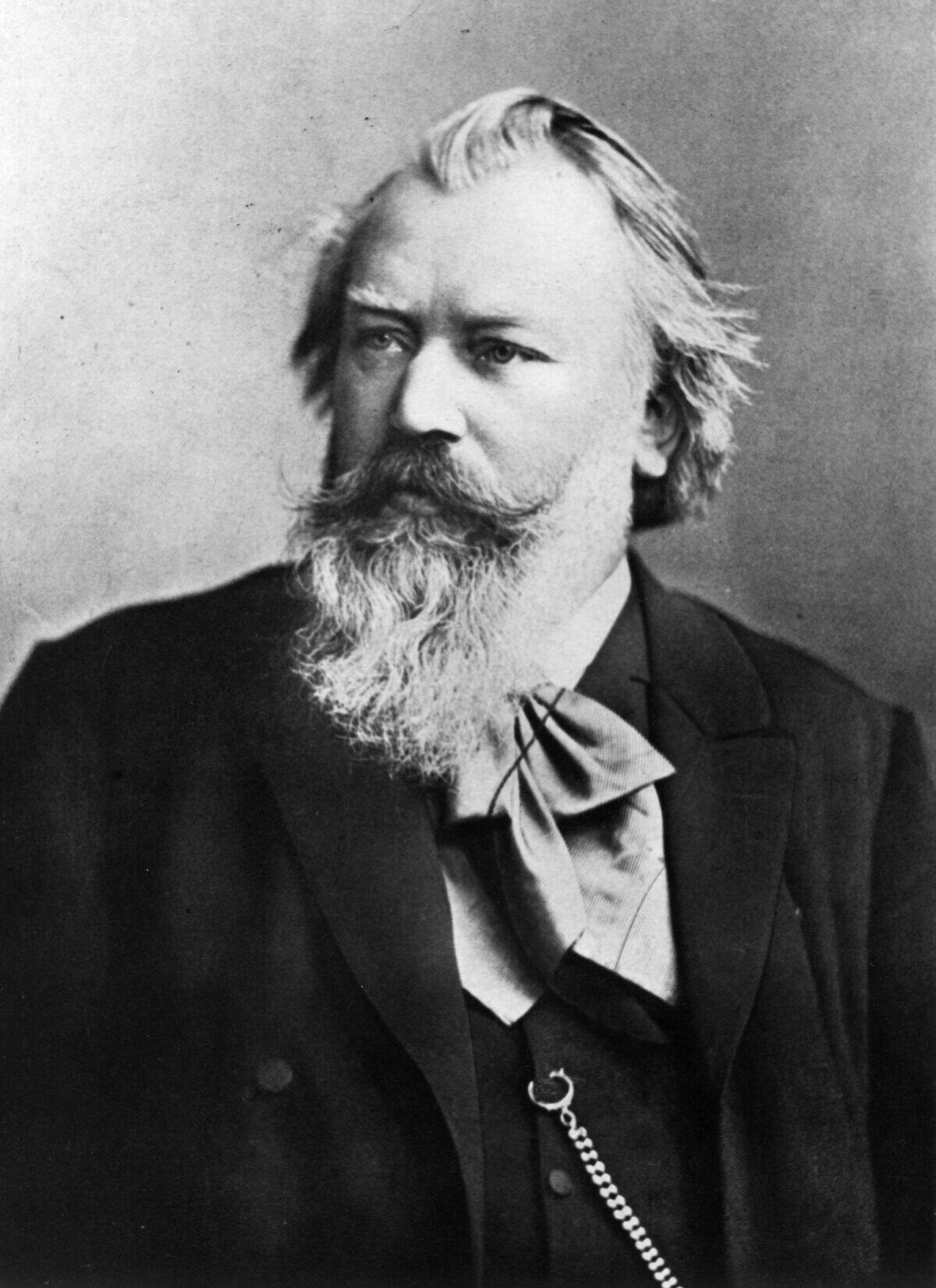
Classical music has undergone immense transformation over the centuries. The Baroque era introduced elaborate musical ornamentation, while the Classical period focused on clarity and balance. The Romantic era brought emotional intensity and expanded orchestras, with composers like Tchaikovsky and Brahms at the helm. The 20th century saw even more experimentation, with elements of jazz and folk music being woven into classical compositions. Each transition reflected the changing tastes and cultural shifts of the time, keeping the genre vibrant and relevant.
The Role of the Orchestra in Classical Music
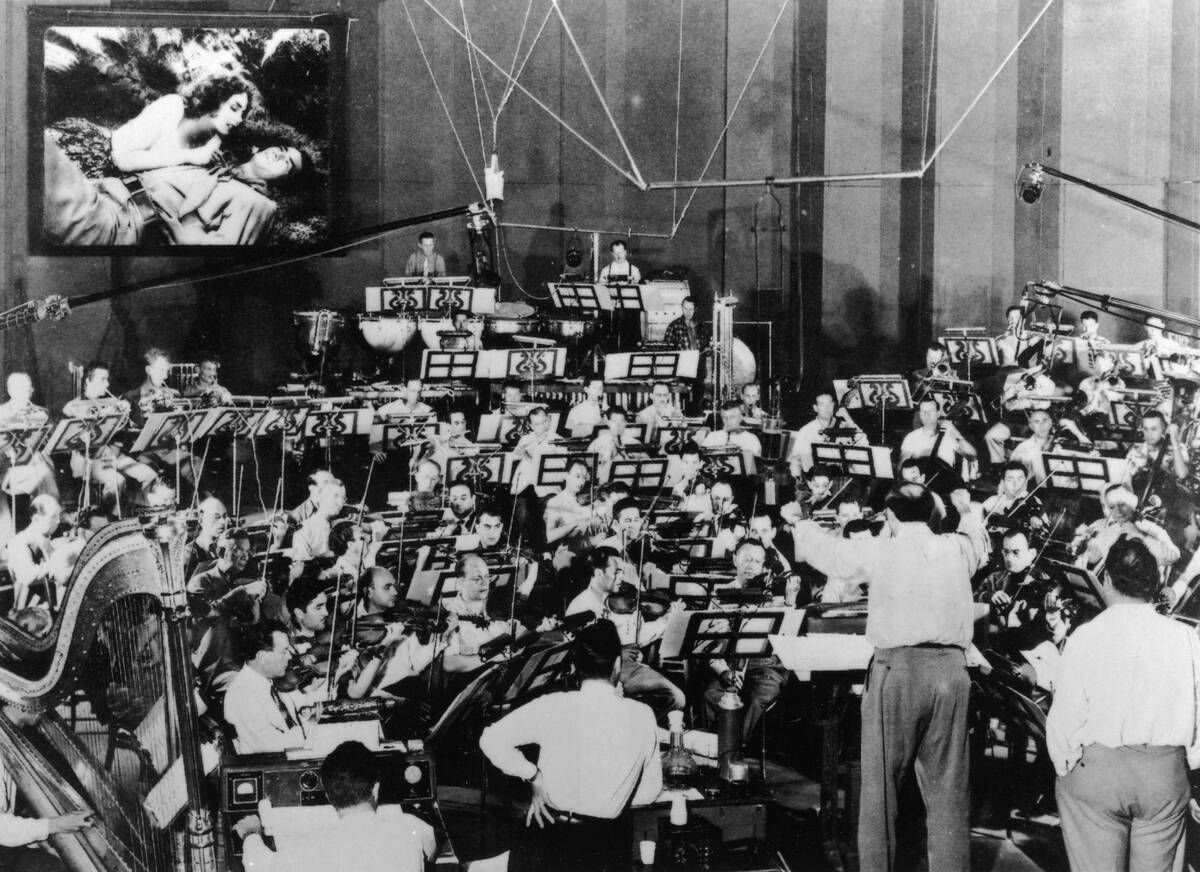
Orchestras are the heart and soul of classical music, bringing compositions to life with their rich and varied sounds. A full orchestra typically consists of four main sections: strings, woodwinds, brass, and percussion. Each section contributes its unique timbre, allowing for a dynamic range of expression. The conductor, often seen as the ‘maestro,’ guides the musicians, ensuring unity and precision. From grandiose symphonies to serene chamber pieces, the orchestra’s ability to convey emotion is unparalleled, captivating audiences worldwide.
Symphonies and Sonatas: Understanding the Forms
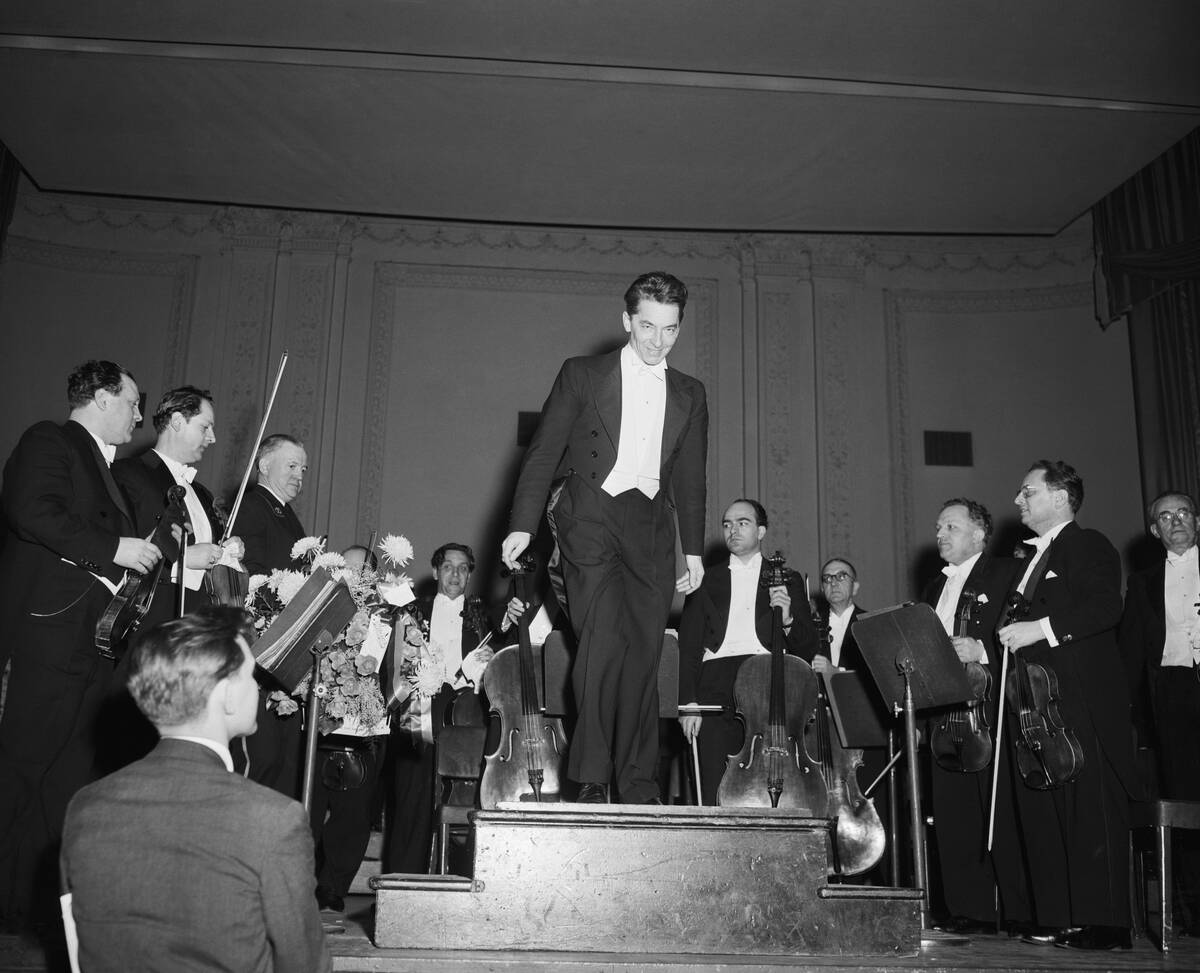
Symphonies and sonatas are quintessential forms in classical music, each with distinct characteristics. A symphony is a large-scale composition for orchestra, typically consisting of four movements, each with its own tempo and mood. Beethoven’s Symphony No. 9, for instance, is renowned for its choral finale. In contrast, a sonata is usually written for a solo instrument, often with piano accompaniment, and follows a three-movement structure. Mozart and Beethoven both excelled in this form, creating sonatas that are both technically demanding and emotionally resonant.
The Magic of Classical Instruments: From Strings to Brass
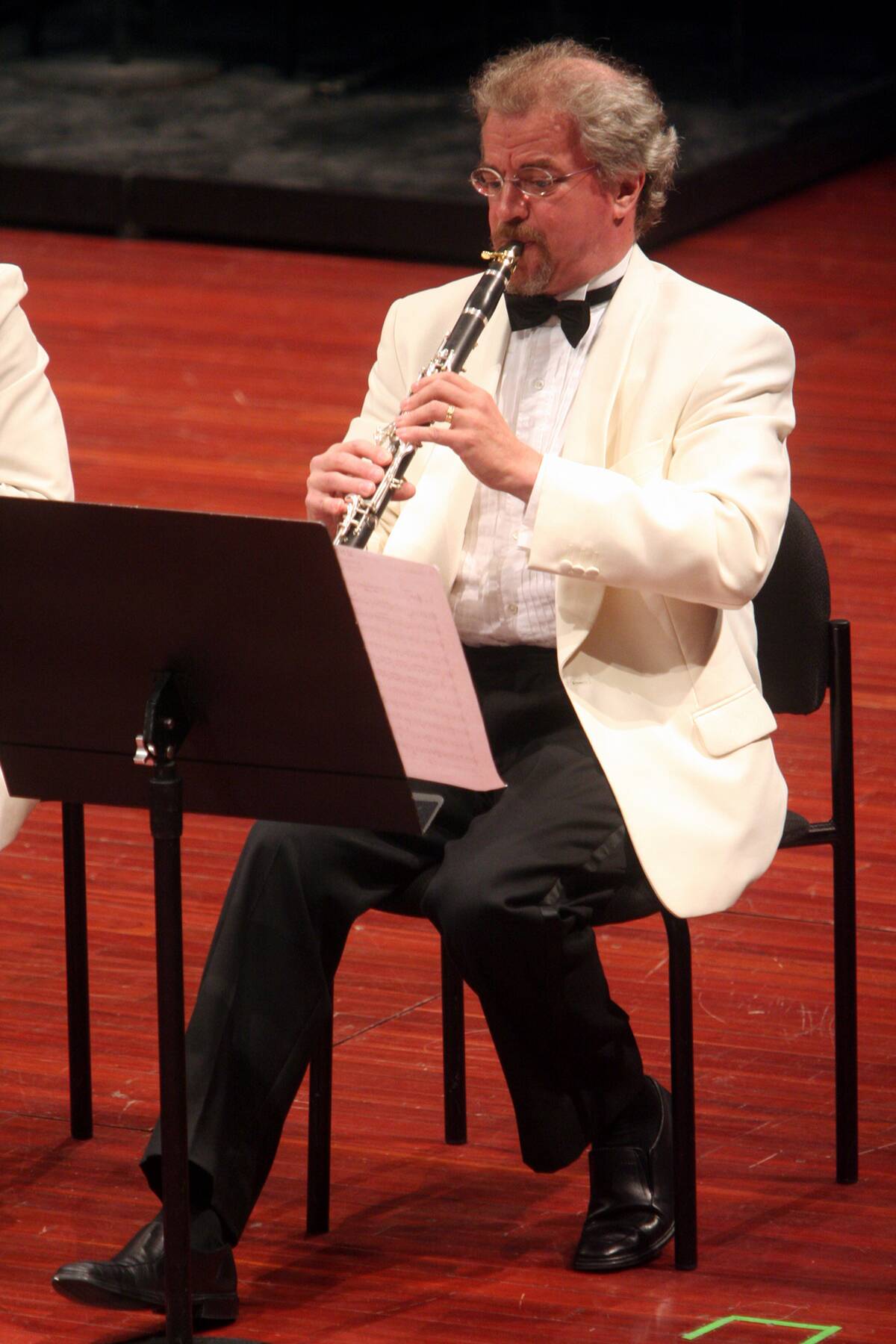
Classical music is brought to life through a diverse array of instruments, each adding its own flavor. The violin, with its expressive range, often leads the string section. The woodwinds, including the flute and clarinet, add color and contrast. Brass instruments like the trumpet and French horn provide power and brilliance. The piano, a staple in many compositions, offers unparalleled versatility. Together, these instruments create a rich tapestry of sound, allowing composers to explore a vast emotional palette, from the serene to the triumphant.
The Influence of Classical Music on Modern Genres

Classical music has had a profound influence on numerous modern music genres. Rock musicians like Freddie Mercury of Queen have incorporated classical elements into their work, creating iconic pieces like ‘Bohemian Rhapsody.’ Film composers such as John Williams draw heavily on classical traditions, crafting scores that enhance the cinematic experience. Even electronic music producers sample classical pieces, blending past and present. This cross-pollination has kept classical music alive in contemporary culture, demonstrating its timeless appeal and versatility.
Beethoven vs. Mozart: A Musical Showdown
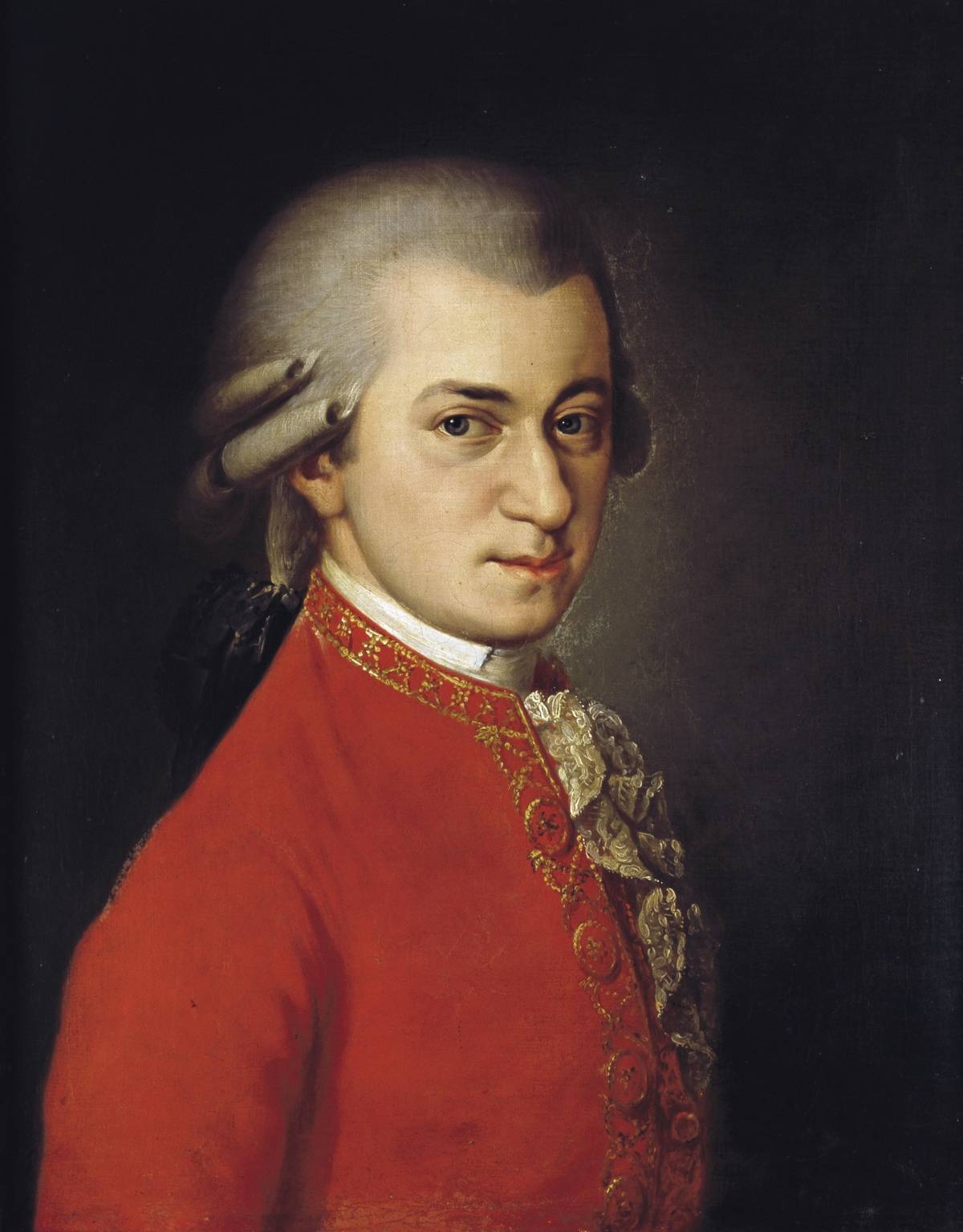
Beethoven and Mozart are often pitted against each other in discussions about classical music. Mozart, the prodigy, was known for his effortless composition and melodic genius. His works, like ‘The Magic Flute,’ are celebrated for their clarity and elegance. Beethoven, on the other hand, was a revolutionary force, pushing the boundaries of music with his bold and emotive compositions. His Symphony No. 5 is a testament to his innovative spirit. While both composers have their unique strengths, their contributions to music are equally monumental, each leaving an indelible legacy.
A Closer Look at Classical Opera
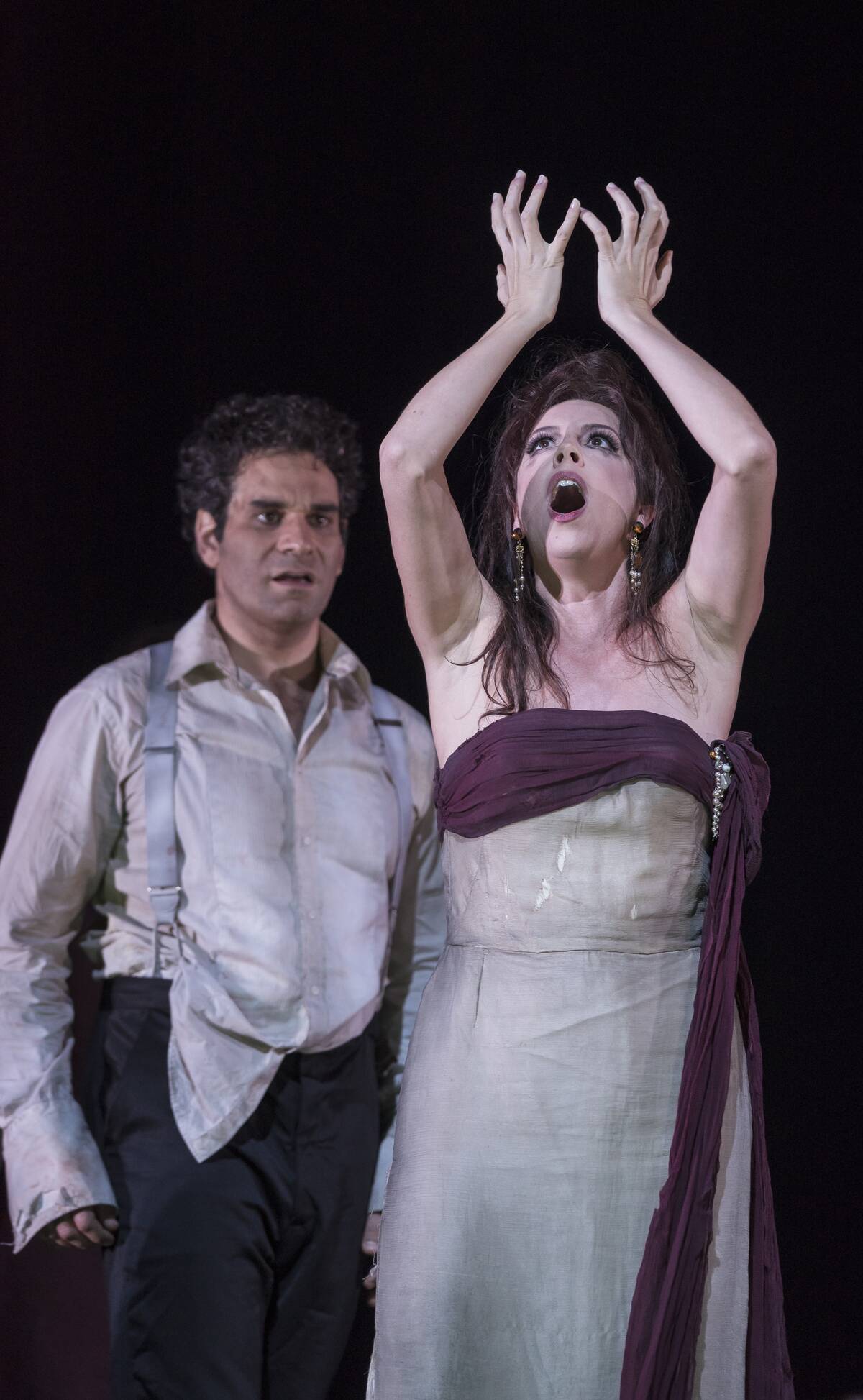
Opera, a grand art form within classical music, combines singing, orchestration, and drama. It originated in Italy in the late 16th century, with Monteverdi’s ‘L’Orfeo’ often credited as the first great opera. The genre quickly spread across Europe, with composers like Verdi and Wagner pushing its boundaries. Operas are known for their emotional intensity and elaborate productions. Famous arias such as “Nessun dorma” from Puccini’s ‘Turandot’ continue to captivate audiences, showcasing the powerful blend of music and storytelling that opera offers.
The Impact of Classical Music on Film Scores
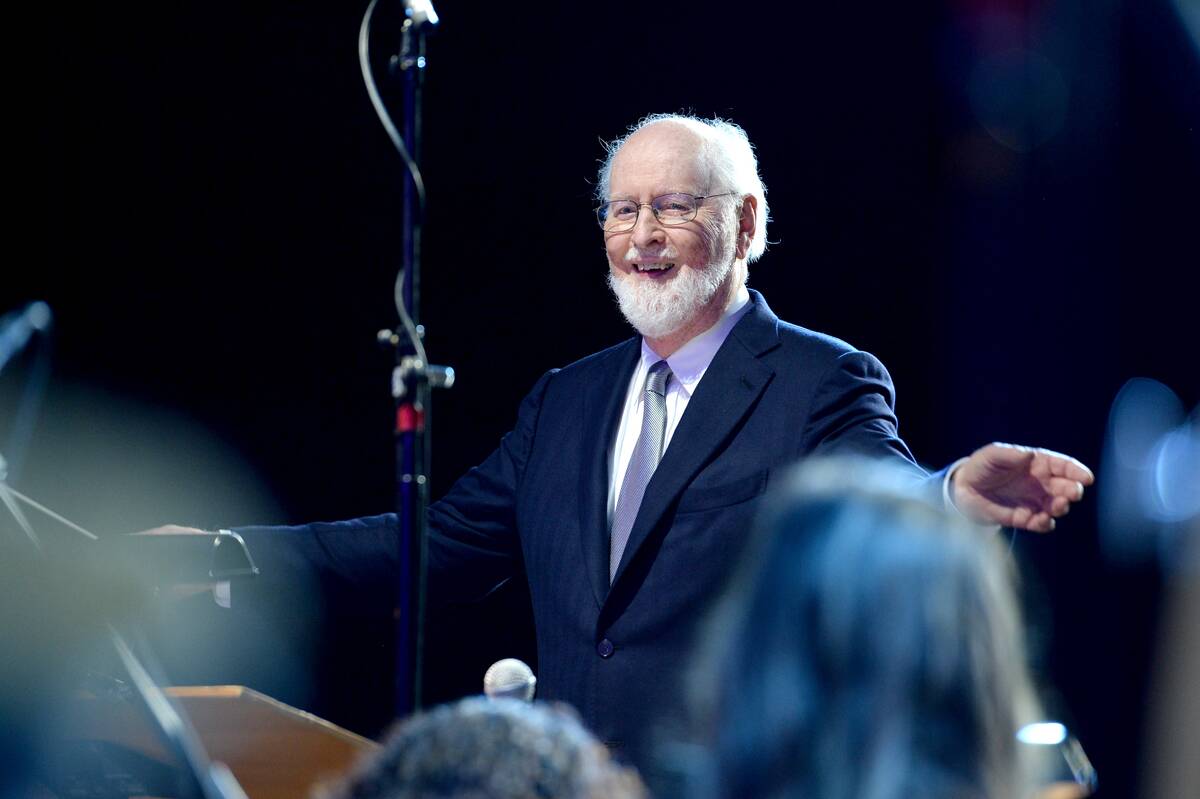
Film scores owe a great deal to classical music, with many composers drawing inspiration from its rich traditions. John Williams, known for his work on ‘Star Wars’ and ‘Indiana Jones,’ often cites classical influences, crafting scores that are both epic and emotive. Bernard Herrmann, who scored Hitchcock’s films, utilized orchestral arrangements to heighten suspense. Classical techniques provide filmmakers with a vast emotional palette, allowing them to enhance storytelling through music. This synergy has led to some of the most memorable moments in cinematic history.
Classical Music’s Place in Popular Culture
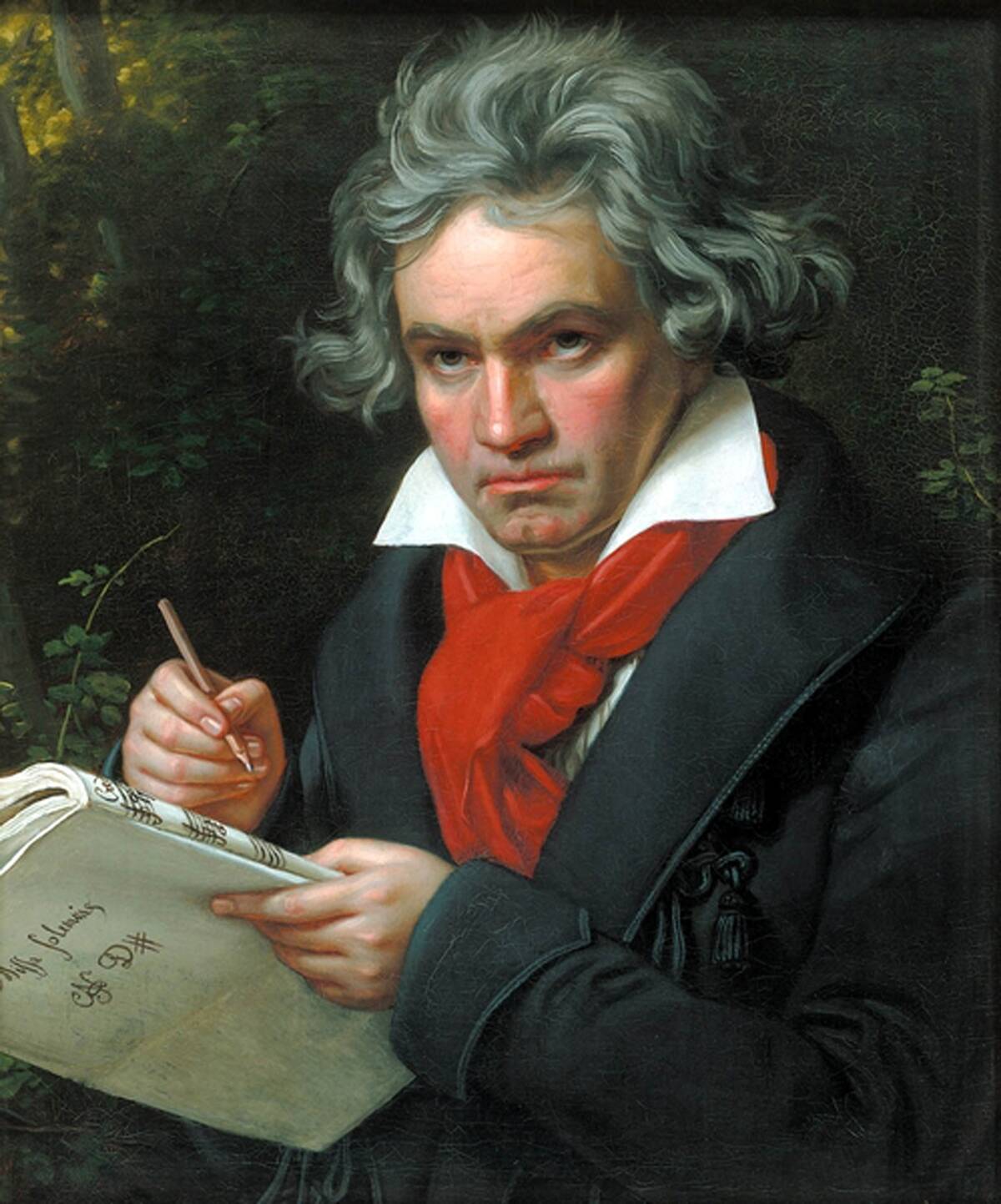
Classical music has a surprising presence in popular culture. From commercials to video games, its influence is widespread. Pieces like Beethoven’s “Für Elise” and Pachelbel’s “Canon in D” are instantly recognizable, often used to evoke emotion or add a touch of elegance. Television series and movies frequently incorporate classical music to set the mood or underscore dramatic moments. This integration into various media forms keeps classical music relevant, introducing it to new audiences and ensuring its enduring appeal.
Debunking Myths: Classical Music Isn’t Just for the Elite
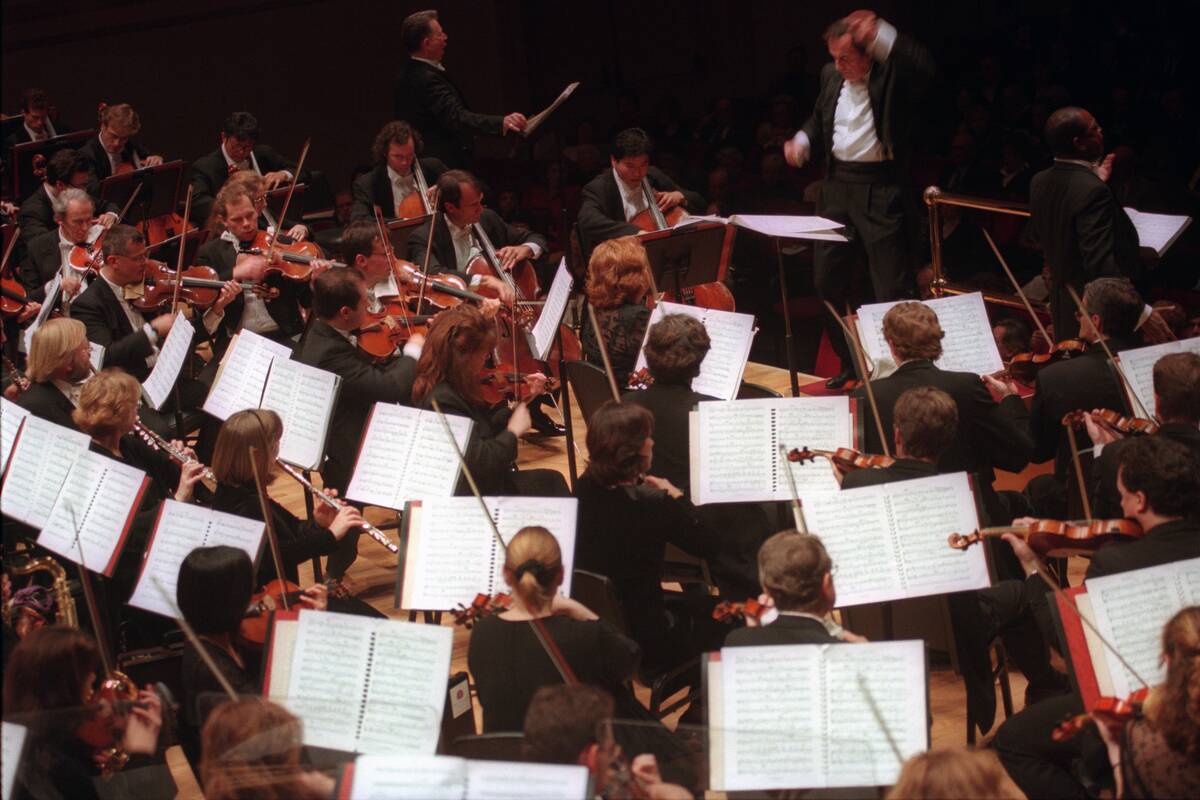
Despite common misconceptions, classical music is not just for the elite. While it may have origins in royal courts and grand concert halls, today it is accessible to everyone. Many cities offer free or affordable concerts, and streaming services provide access to extensive classical catalogs. Educational programs and initiatives aim to introduce children and adults alike to this rich genre. Classical music’s emotional depth and storytelling capabilities resonate with audiences from all walks of life, proving its universal appeal.
The Healing Power of Classical Music: Benefits for the Mind and Body
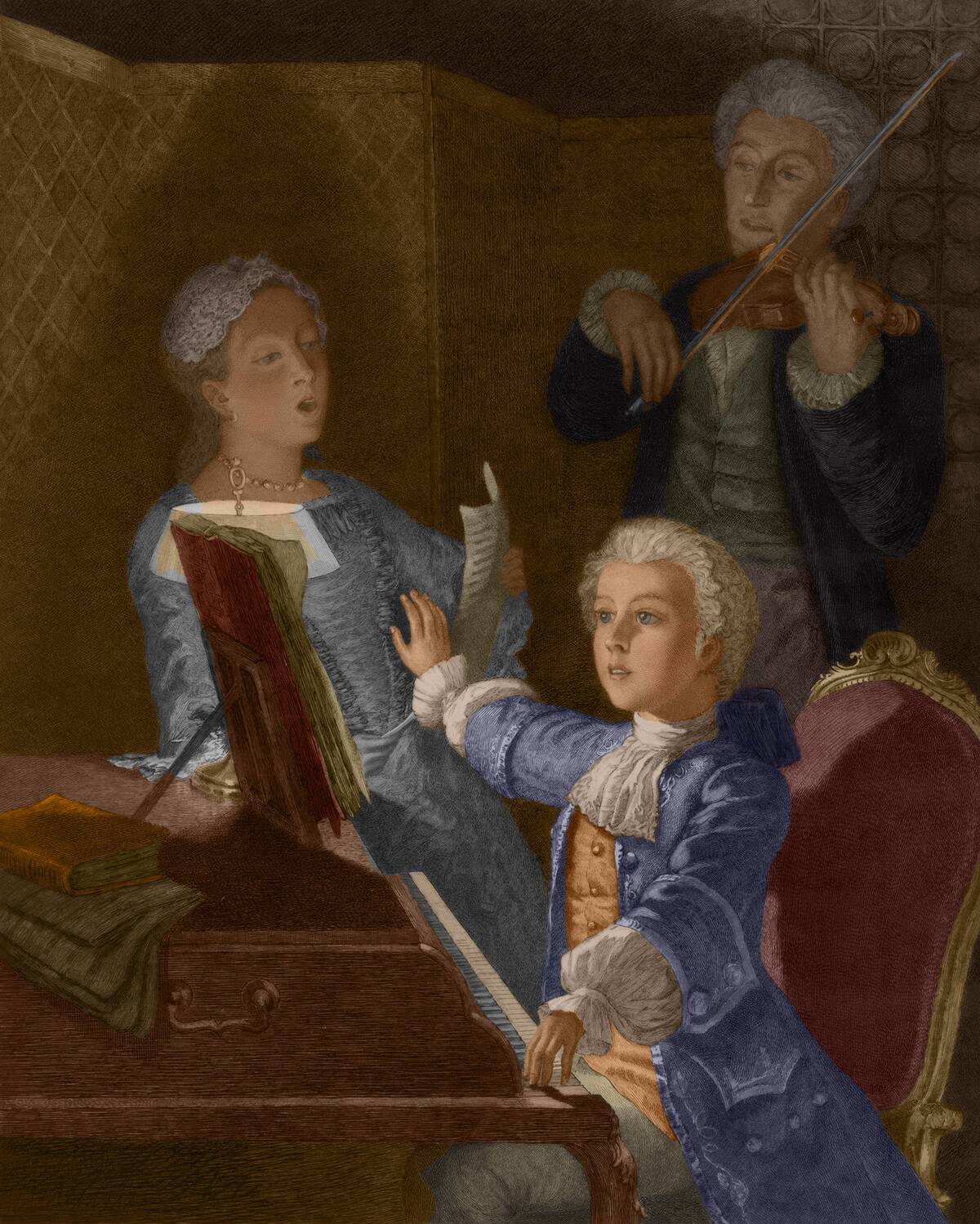
Classical music is renowned for its therapeutic benefits, offering both mental and physical advantages. Studies have shown that listening to classical music can reduce stress and improve concentration. The “Mozart effect” suggests that exposure to classical compositions may enhance cognitive function. Additionally, its calming melodies can aid in relaxation and even improve sleep quality. Hospitals and wellness centers often incorporate classical music into healing environments, leveraging its soothing properties to support patient recovery and promote overall well-being.
Exploring Classical Music Festivals Around the World

Classical music festivals offer an immersive experience for enthusiasts and newcomers alike. The Salzburg Festival in Austria celebrates Mozart’s legacy with performances set against the stunning alpine backdrop. The BBC Proms in London is renowned for its accessible ‘Promenade Concerts,’ attracting a diverse audience. Across the Atlantic, the Tanglewood Music Festival in Massachusetts hosts world-class musicians in a picturesque setting. These festivals, among others, provide a unique opportunity to experience classical music in vibrant, communal atmospheres, celebrating its enduring impact.
How to Start Your Own Classical Music Journey
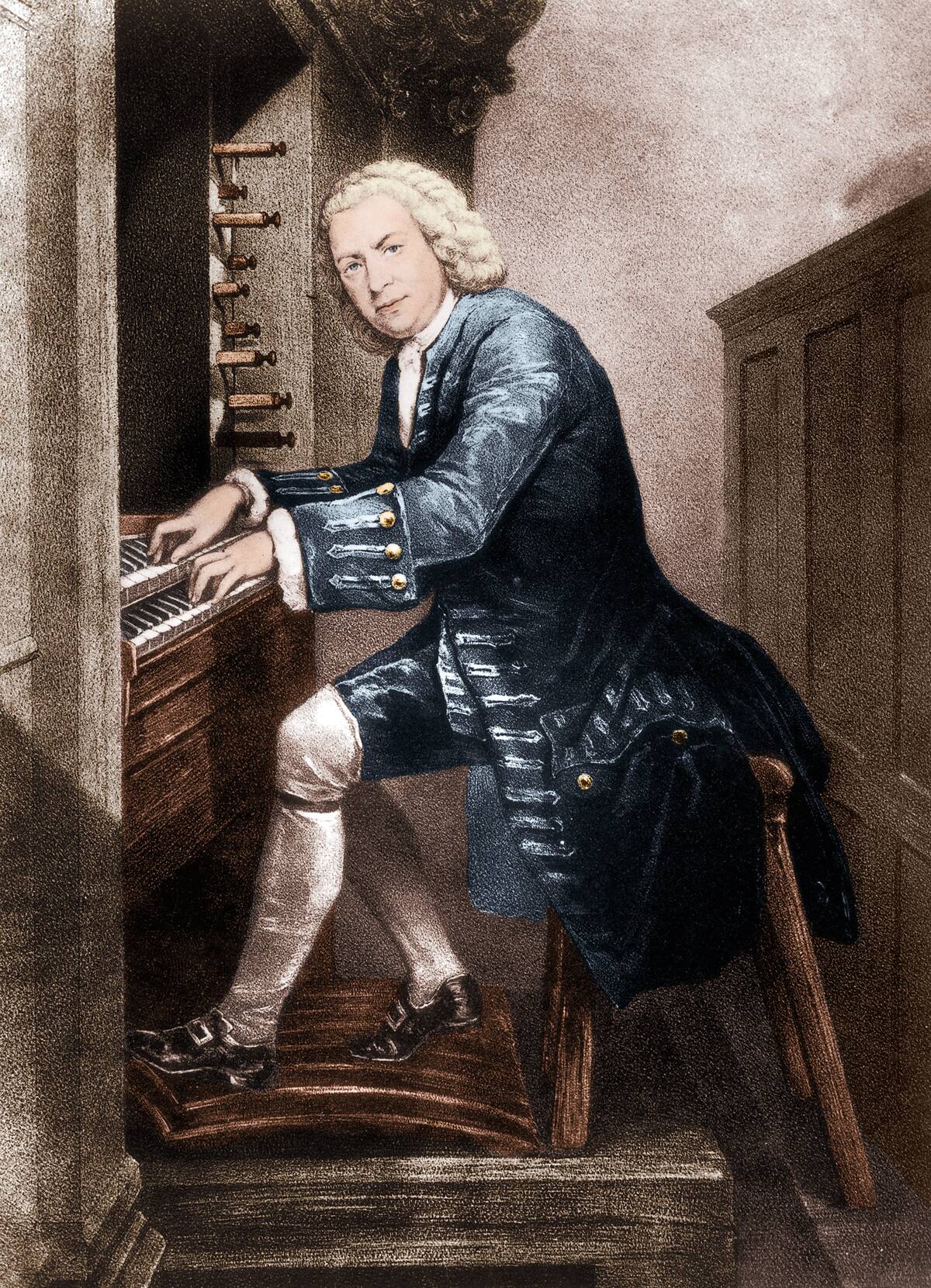
Embarking on a classical music journey can be both exciting and rewarding. Start by exploring the works of well-known composers like Bach, Beethoven, and Tchaikovsky. Online streaming services offer curated playlists to guide your listening experience. Attend live performances to witness the power of orchestral music firsthand. Books and documentaries about classical music history can provide deeper insights into the genre. Most importantly, keep an open mind and allow yourself to be moved by the beauty and complexity of classical music.
Fun Facts You Didn’t Know About Classical Music
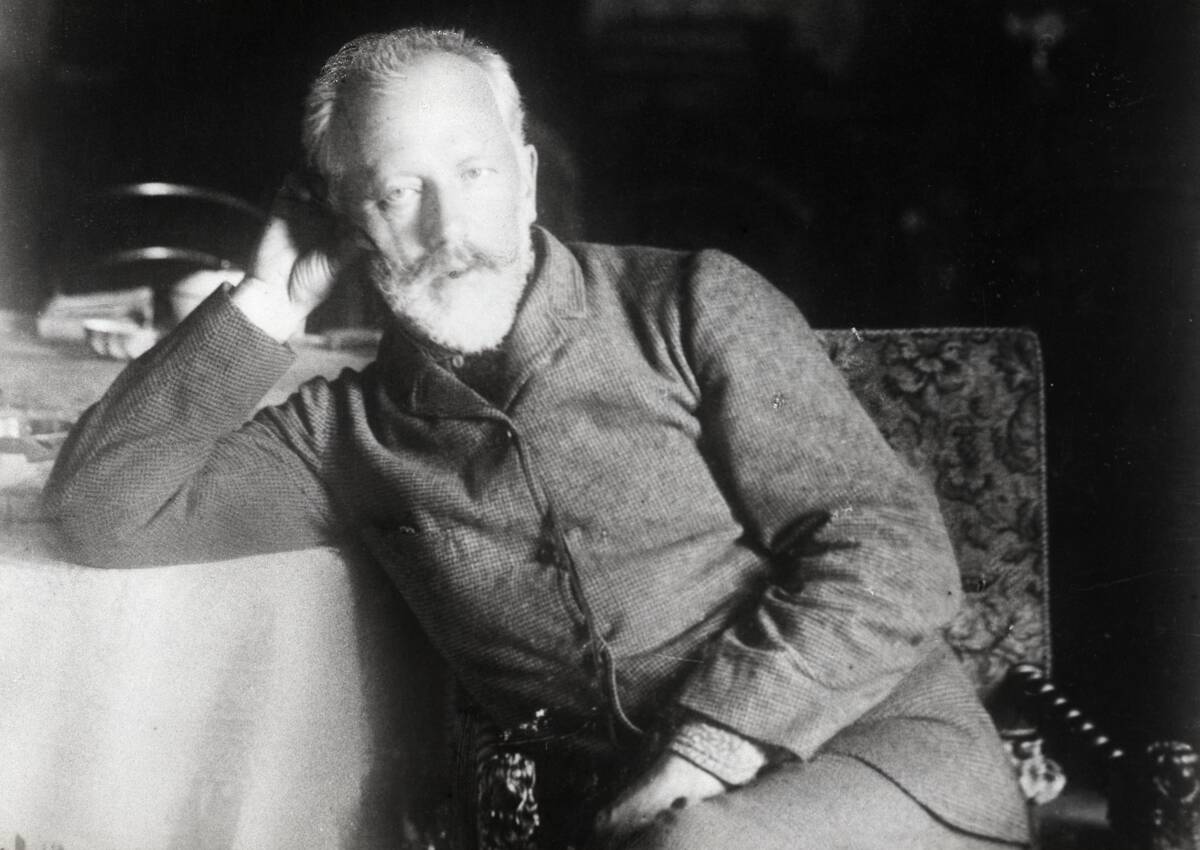
Did you know that Beethoven continued to compose even after going deaf? His Ninth Symphony is a testament to his resilience and genius. Another fun fact: Mozart wrote his first symphony at the tender age of eight! And, Tchaikovsky’s iconic “1812 Overture” famously includes live cannon fire in its performances. These intriguing tidbits highlight the fascinating stories behind classical music’s greatest works and composers, offering a glimpse into the dedication and creativity that define this enduring art form.