20 early theme parks with strange histories
Before princess castles and parades, fun looked more like moonlit gardens, ice slides, and the occasional walk‑in elephant. The roots of today’s theme parks sprouted from centuries-old pleasure gardens, public fairs, and city midways where fireworks and mechanical novelties met music and snacks. We’ll make 23 stops on this time machine tour, hopping from 16th‑century Denmark to mid‑century Anaheim. Expect wooden coasters born from frozen hills, candlelit promenades, and a surprising number of attractions that involved water, wax, or wildly optimistic electricity.
What makes the story so fun is how early everything appears. Copenhagen’s Bakken claims 1583. London’s Vauxhall Gardens was drawing promenaders by the 1660s. Vienna’s imperial Prater opened to everyday strollers in 1766. Paris had “Russian Mountains” by the 1810s, and Coney Island turned thrills into an arms race by the 1900s. Long before anyone coined “theme park,” showmen were already fusing ride systems, spectacle, and snacks into crowd-pleasing packages—some classy, some cheerfully chaotic.
Pleasure gardens paved the way: fireworks, music, and moonlit mingling
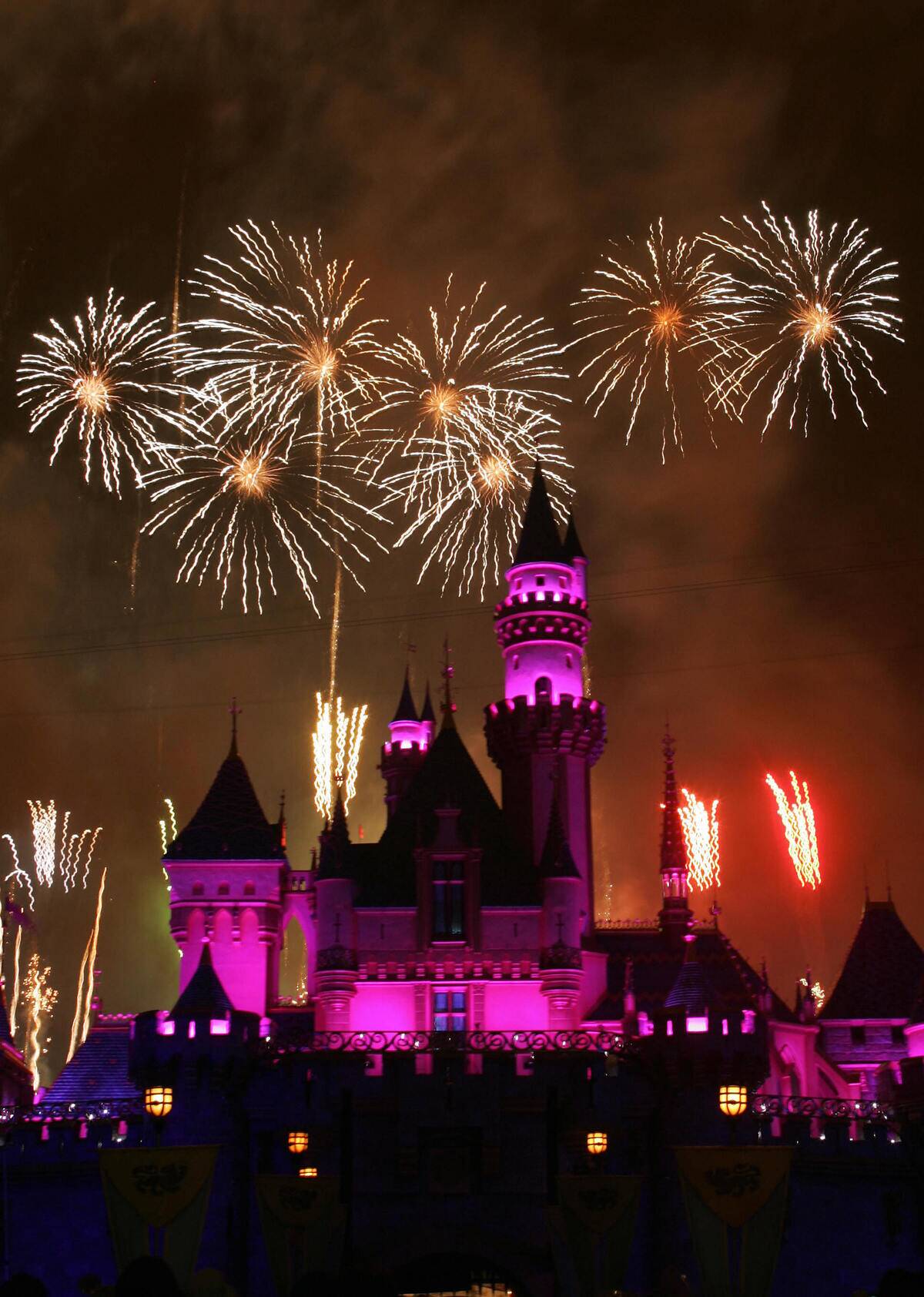
In the 18th and 19th centuries, pleasure gardens were nightlife’s open-air living rooms. Paths edged with trees, bandstands, supper boxes, and thousands of oil lamps turned summer evenings into spectacles. Fireworks were regular headliners, often advertised with as much pomp as today’s nighttime spectaculars. London’s pleasure gardens mixed promenading with performance—waltzes floating across lawns, masked balls under glowing lanterns, and ornate pavilions selling refreshments to crowds that came as much to see each other as to be seen.
They weren’t just about glitz; they beta‑tested crowd control and ambience. Ticketed entries, posted programs, and carefully planned lighting created mood and safety—skills parks still prize. Music was serious business: composers like Thomas Arne supplied Vauxhall with popular songs, and virtuoso soloists drew paying audiences. Essentially, these gardens were early masters of the “complete evening out”—a fenced micro‑world where the food, the soundtrack, the vistas, and the pyrotechnics worked together.
Bakken’s bawdy beginnings: healing springs and Denmark’s 16th‑century fun zone
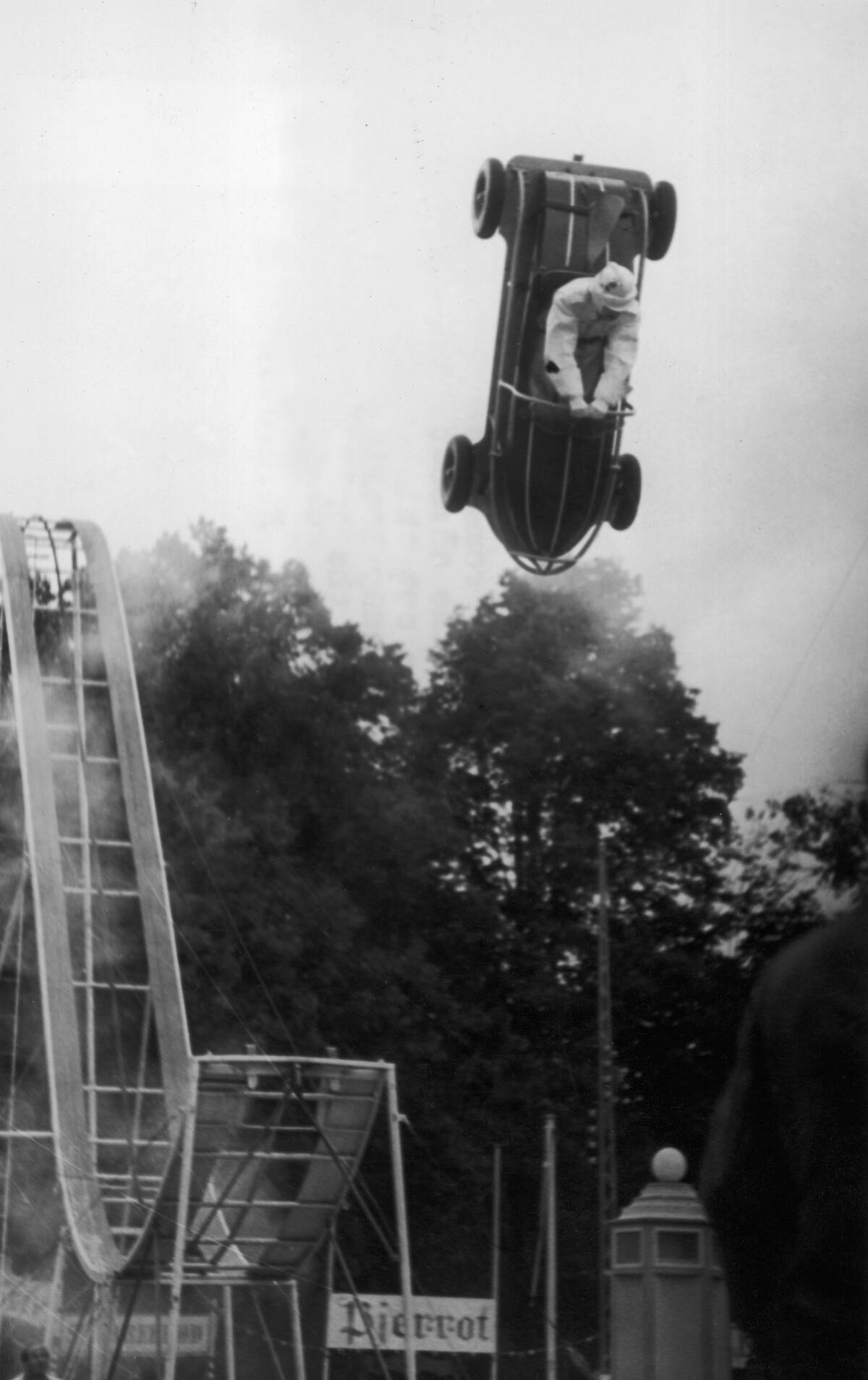
Dyrehavsbakken—usually shortened to Bakken—traces its start to 1583, when crowds flocked to a natural spring north of Copenhagen credited with healing powers. Wherever crowds gathered, entertainers followed: fortune tellers, acrobats, and hawkers set up shop, and the royal hunting forest around Jægersborg Dyrehave doubled as a lively fairground. Over the centuries, permanent attractions stuck. By the 19th century, rides and puppet theaters were fixtures; in 1932 the wooden coaster Rutschebanen arrived, and it’s still roaring today.
Bakken nurtured some enduring quirks. Admission remains free, and cars are banned inside the surrounding deer park, preserving a stroll‑in feel. Its bawdier eras—rowdy shows and free‑flowing drink—gave way to a family focus without losing the fairground charm. Think picnic groves, cabaret tents, candy stalls, and ride operators who’ve been there for decades. For a park pushing 440 years, it’s remarkably spry, and a living link between roadside revelry and organized amusements.
Vauxhall and Ranelagh: London’s candlelit proto-parks of spectacle and swagger
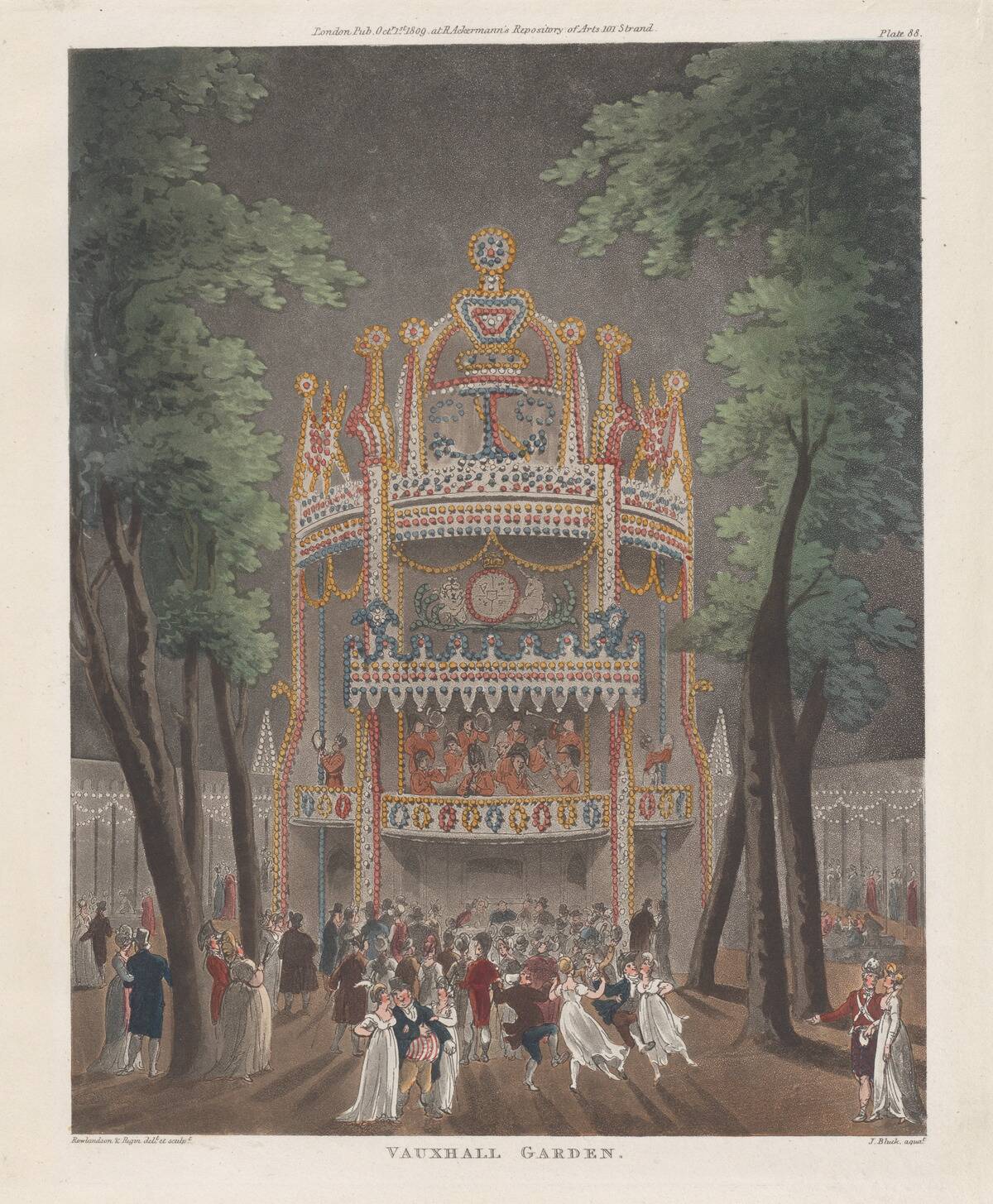
Vauxhall Gardens, open to paying visitors by the 1660s, perfected the art of the illuminated night out. Its tree-lined walks framed supper boxes and stages lit by tens of thousands of lamps on gala nights. Music anchored the experience—Thomas Arne’s songs were staples—and the garden loved a good novelty: balloon ascents, tableaux, and fireworks that mirrored off ornamental lakes. It was a place to flirt, feast, and be dazzled, all under a carefully managed canopy of light.
Ranelagh Gardens, opened in 1742 in Chelsea, brought architectural bravura with its vast Rotunda, a circular pleasure palace where promenaders circled to orchestras. The venue even hosted an eight‑year‑old Wolfgang Amadeus Mozart during his 1764 London visit. Ranelagh closed in 1803; Vauxhall lasted until 1859. But both taught later parks the playbook: grand entrances, choreographed vistas, premium refreshments, and a well-advertised program that made visitors feel part of the spectacle rather than mere spectators.
Vienna’s Prater goes public: from imperial hunting grounds to whirl-of-wonders
For centuries the Prater was Habsburg hunting territory. In 1766 Emperor Joseph II opened it to the public, triggering a boom in coffeehouses, carousels, and punch‑and‑Judy shows along the Hauptallee. The Wurstelprater amusement zone took shape there, a tangle of show booths and rides that kept evolving with each generation of Viennese thrill‑seekers. By the late 19th century, mechanical amusements and colorful façades made the area a permanent playground rather than a seasonal fair.
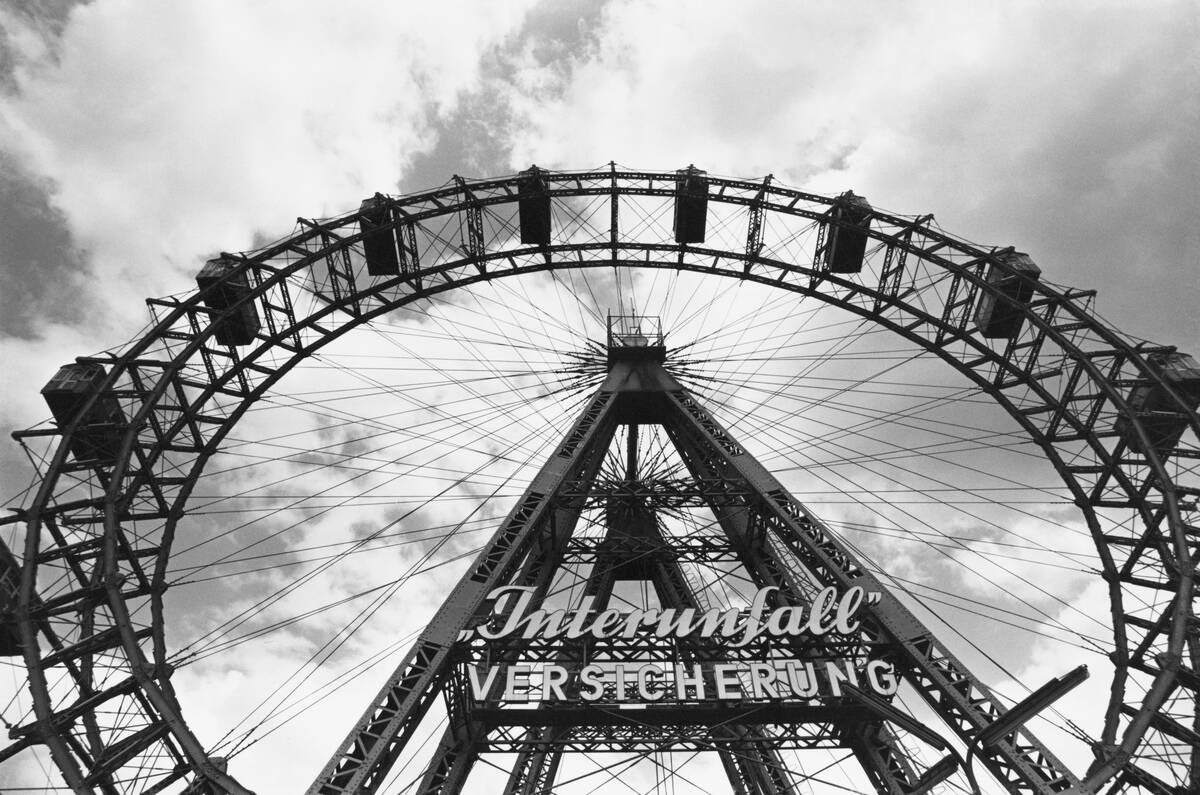
Its emblem is the Riesenrad, the great Ferris wheel erected in 1897 for Emperor Franz Joseph’s Golden Jubilee. Built by British engineer Walter Bassett, the wheel survived war and weather to become an indelible skyline marker (and a film star in The Third Man). Today the Prater still blends old‑world stalls with modern coasters, a reminder that urban parks and amusements can coexist—picnic lawns an easy stroll from ghost trains, ice cream from ices whirled since the 1800s.
From Russian Mountains to roller coasters: icy slides spark a global thrill
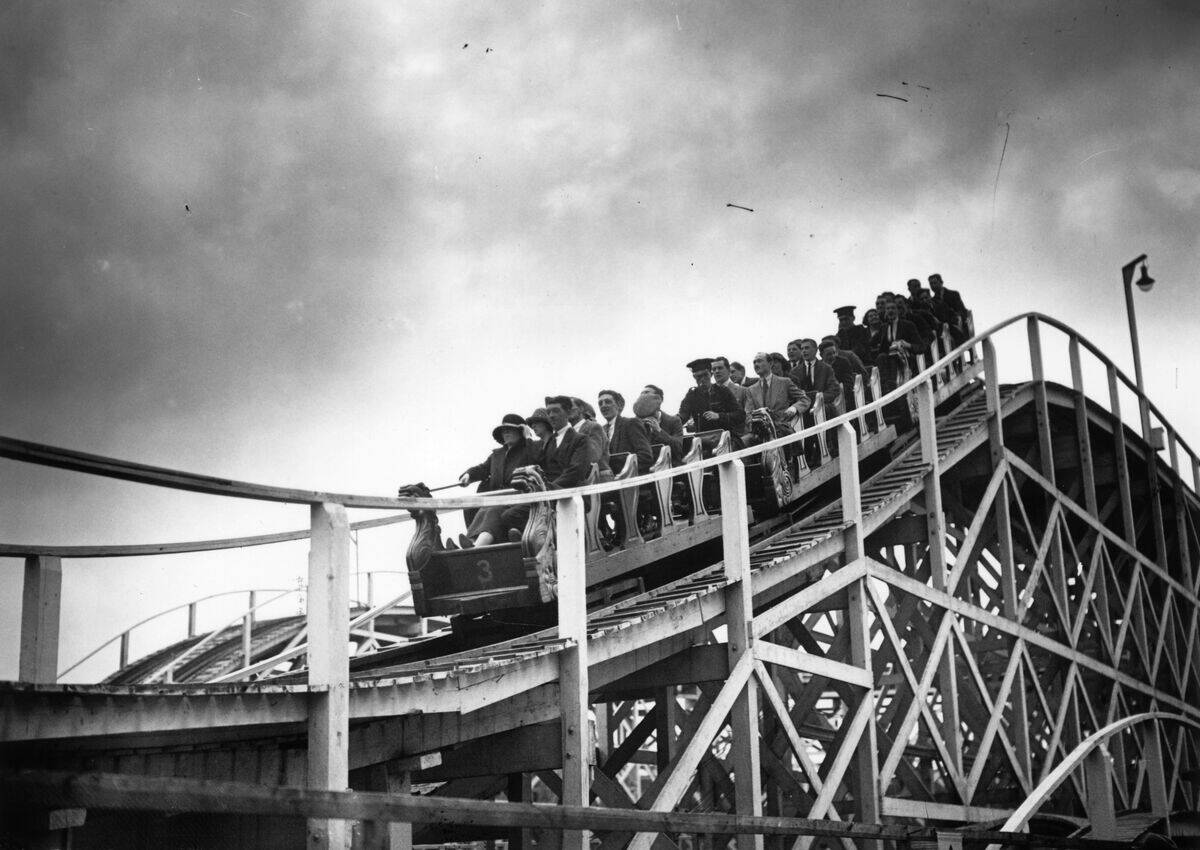
The ancestor of the roller coaster wasn’t wood so much as ice. In 17th‑ and 18th‑century Russia, winter “mountains” near St. Petersburg sent riders down steep, iced timber ramps on sleds. The concept emigrated to France, where Paris hosted wheeled “Montagnes Russes” by the 1810s. Adding flanged wheels and guide rails meant summer thrills at last—no frost required. Soon, scenic switchbacks and decorative tunnels turned simple gravity into something spectators could admire as well as ride.
The American leap came in 1884 when LaMarcus A. Thompson’s Switchback Railway opened at Coney Island: a hill‑and‑valley shuttle where riders faced sideways and paid a nickel. Speeds were modest, but the business model screamed potential. Meanwhile, Pennsylvania’s Mauch Chunk Gravity Railroad—built in 1827 to haul coal—had doubled as a tourist descent by the 1870s, showing that gravity tourism could draw crowds. From there, upstop wheels, chain lifts, and steel tracks followed, and the arms race began.
World’s Fairs and Midways: electric nights, odd villages, and big ideas
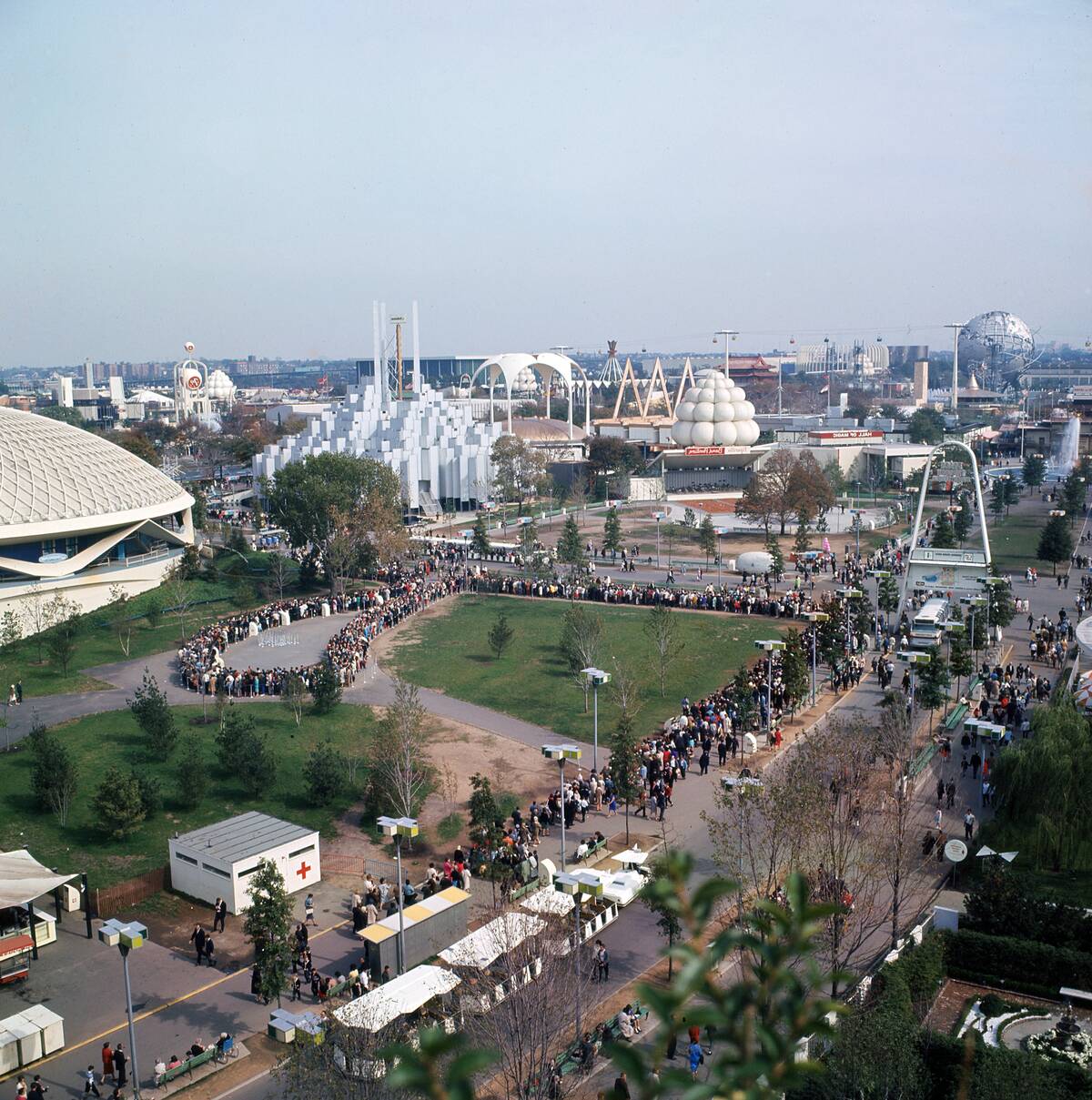
World’s Fairs juiced the spectacle. Chicago’s 1893 World’s Columbian Exposition electrified nights and birthed the modern “midway” on the Midway Plaisance. George Ferris’s 264‑foot wheel lifted visitors above the White City, while attractions like Hagenbeck’s animal shows and the sensationalized “hoochy‑koochy” dance drew debate and dollars. Ethnological “villages,” now rightly criticized, presented living people as exhibits—a reminder that wonder and exploitation often uncomfortably coexisted on the same midway.
The template persisted. Buffalo’s 1901 Pan‑American Exposition glowed with electric cascades; St. Louis’s 1904 fair piled on thrill rides along “The Pike,” served new snacks, and mixed earnest technology halls with theatrical fantasy. Fairs were R&D labs for amazements: moving sidewalks, early cinema palaces, scenic railways, and architectural make‑believe that taught guests to expect total environments. When permanent parks borrowed the midway’s lights, arches, and grand entrances, they were lifting stagecraft honed on the fairgrounds.
Coney Island’s competing dreamlands: Luna, Dreamland, and a walk-in elephant
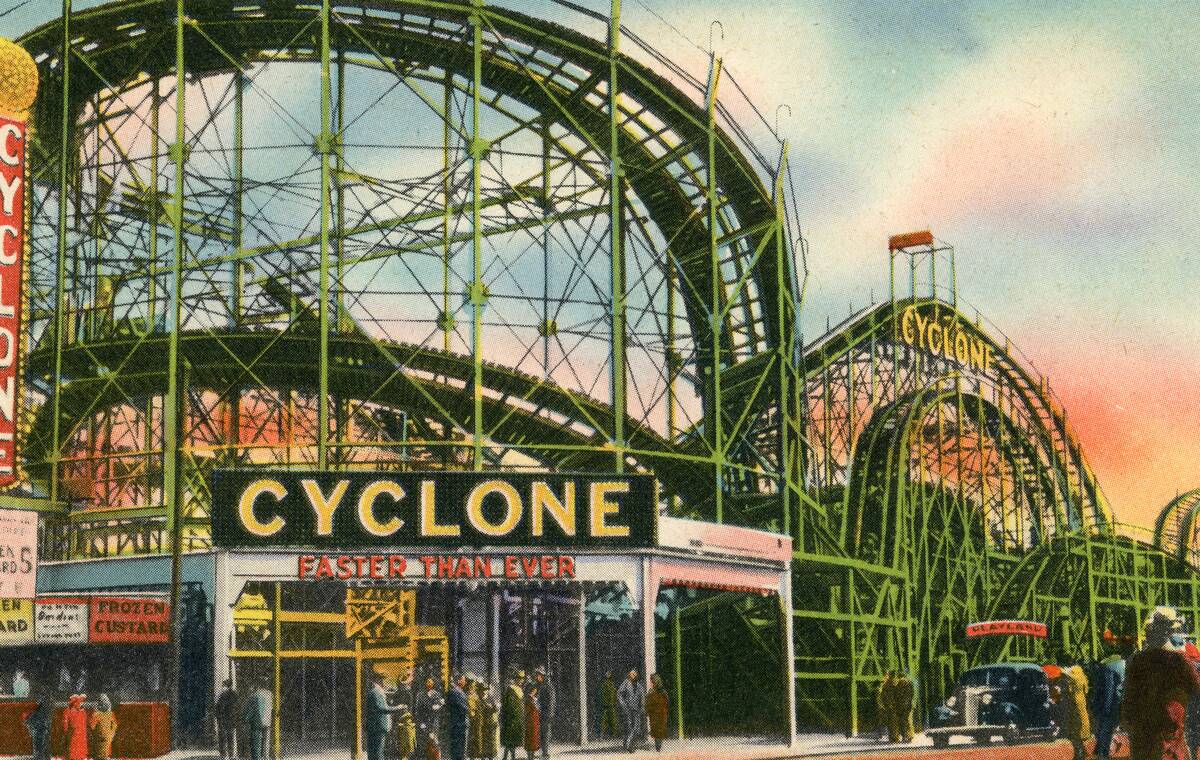
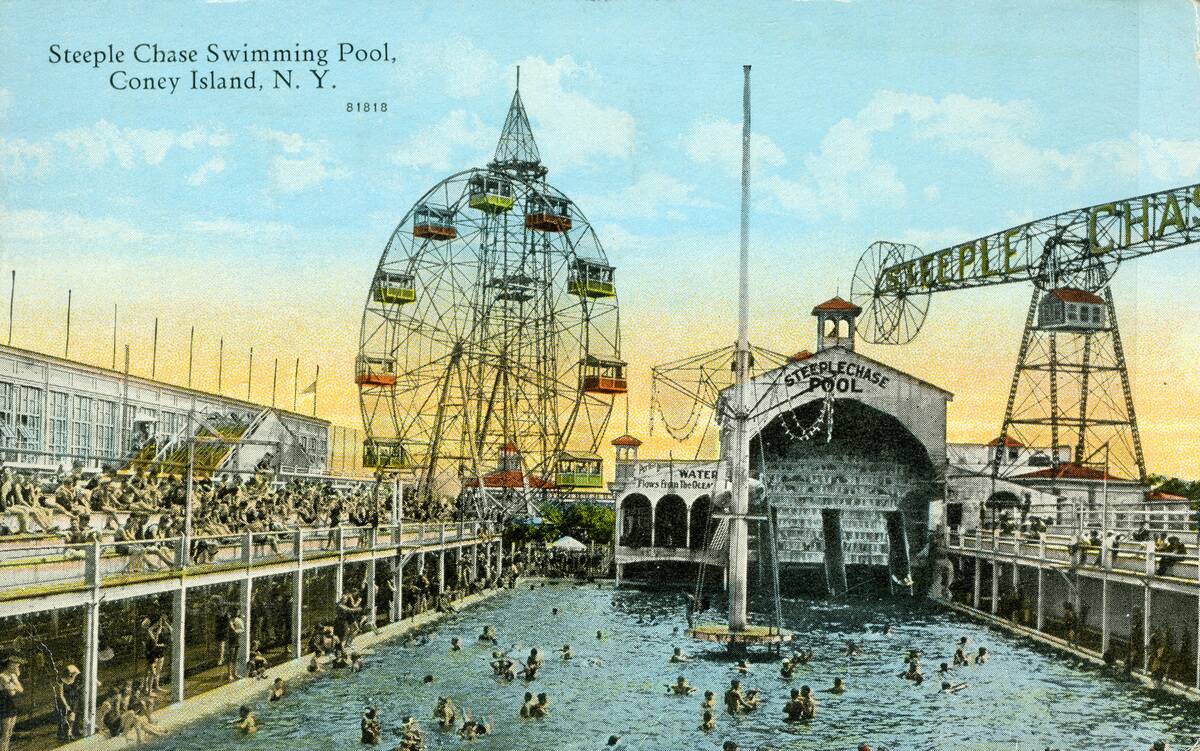
Coney Island became the cauldron where big ideas boiled. Steeplechase Park (1897) pioneered fun‑house capers; Luna Park (1903) drenched towers in incandescent bulbs until the night looked like day; Dreamland (1904) chased it with bigger, whiter monuments and sensational shows. Each tried to out‑spectacle the others with chutes, scenic rides, and simulated disasters. The skyline doubled as advertising—ornate domes and spires promising marvels long before guests reached a ticket booth.
Coney also loved the bizarre. The Elephantine Colossus, a walk‑in elephant building that opened in 1885, stood roughly 122 feet tall with rooms inside and an observation platform. It burned in 1896, but the legend stuck. Dreamland’s own legend ended in 1911 when a fire—reportedly starting near the Hell Gate ride—leveled the park overnight. Through booms and blazes, Coney taught the world that spectacle sells, competition accelerates creativity, and electricity makes excellent theater.
Early “theming” gets extra: pagodas, Moorish palaces, and exotic façades
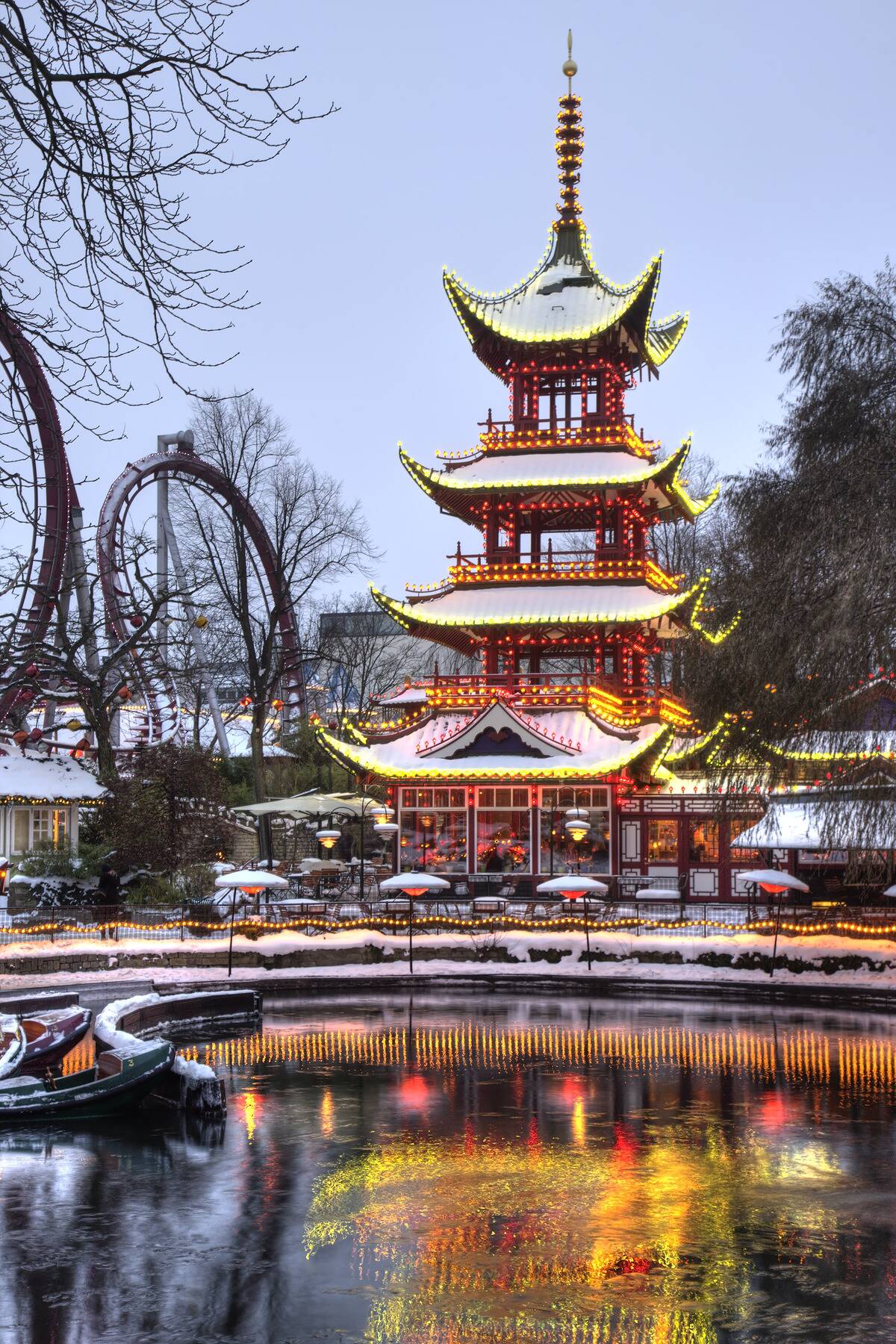
Before anyone said “immersive,” park builders used architecture as a passport stamp. A stroll could jump from a faux Moorish palace to a Chinese pagoda to a Swiss chalet without needing customs. Tivoli’s Chinese Tower (early 1900s) glowed with lanterns; “Moorish” façades popped up from St. Louis’s 1904 fair to seaside resorts. These weren’t ethnographies; they were stage sets—romantic, theatrical, and designed to feel transportive from the moment you glimpsed a silhouette over the gate.
This decorative arms race linked fantasy with wayfinding. Ornate entrances promised worlds inside; specialized signage, color palettes, and costume cues helped operators steer crowds and set moods. Dreamland’s whitewashed monumental style said “grand,” while Luna’s onion domes whispered “otherworldly.” The lesson endured: you don’t need a deep story bible to achieve a sense of place. A skyline, a style, and consistent detail can create a convincing “elsewhere” long before the first ride dispatches.
Trolley parks boom: when streetcars built weekend wonderlands
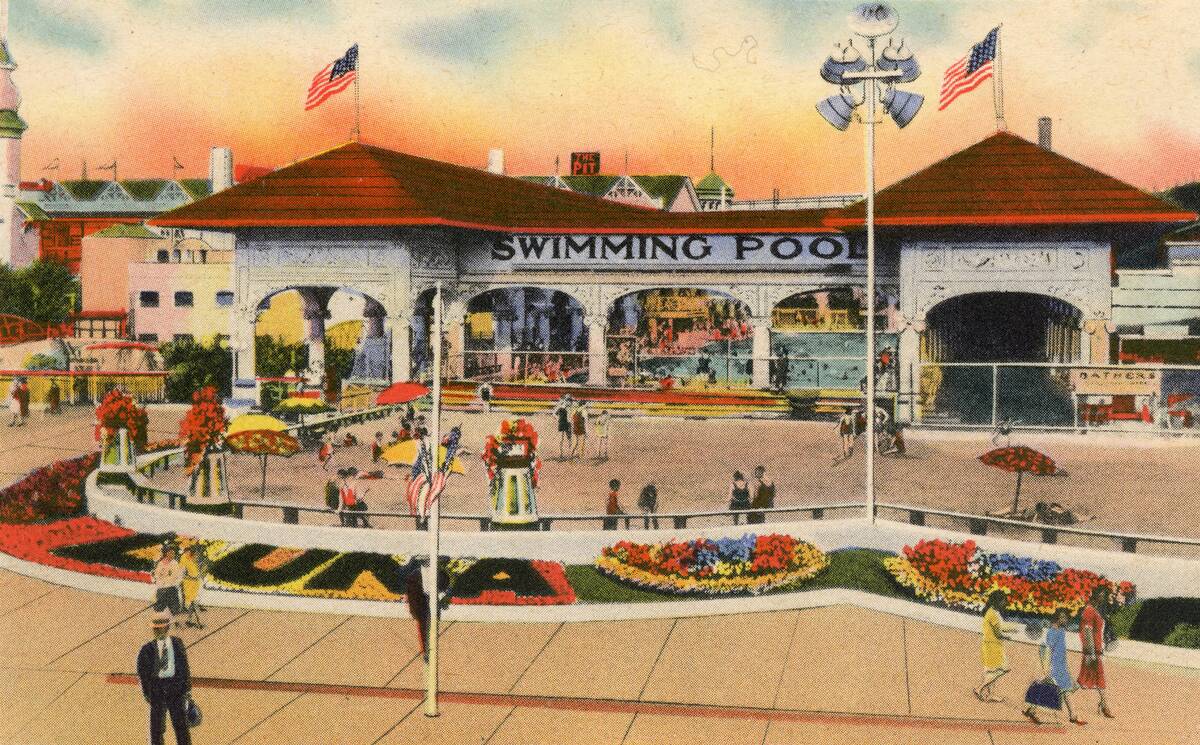
From the 1890s through the 1910s, streetcar companies discovered a brilliant trick: build a pleasure ground at the end of the line, and weekend ridership spikes. The result was the trolley park—picnic groves sprouting dance pavilions, bathhouses, and rides. Kennywood (1898) near Pittsburgh started as a trolley park; so did Euclid Beach Park (1895) in Cleveland, Lagoon (1896) in Utah, and Oaks Amusement Park (1905) in Portland. A nickel fare got you to a nickel coaster and a free band concert.
These parks felt different from city midways—more lawns and lakes, less hustle. But they borrowed fairground hits fast: carousels, Old Mill rides, and figure‑eight coasters soon dotted the lakeshores. Some parks, like Kennywood, matured into historic hybrids, preserving classic rides while adding modern steel. The transit tie eventually waned as cars took over, but the model proved that reliable transport plus reliable fun equals a family ritual that can last generations.
Tivoli Gardens’ secret sauce: lights, music, and the charm that wowed Walt
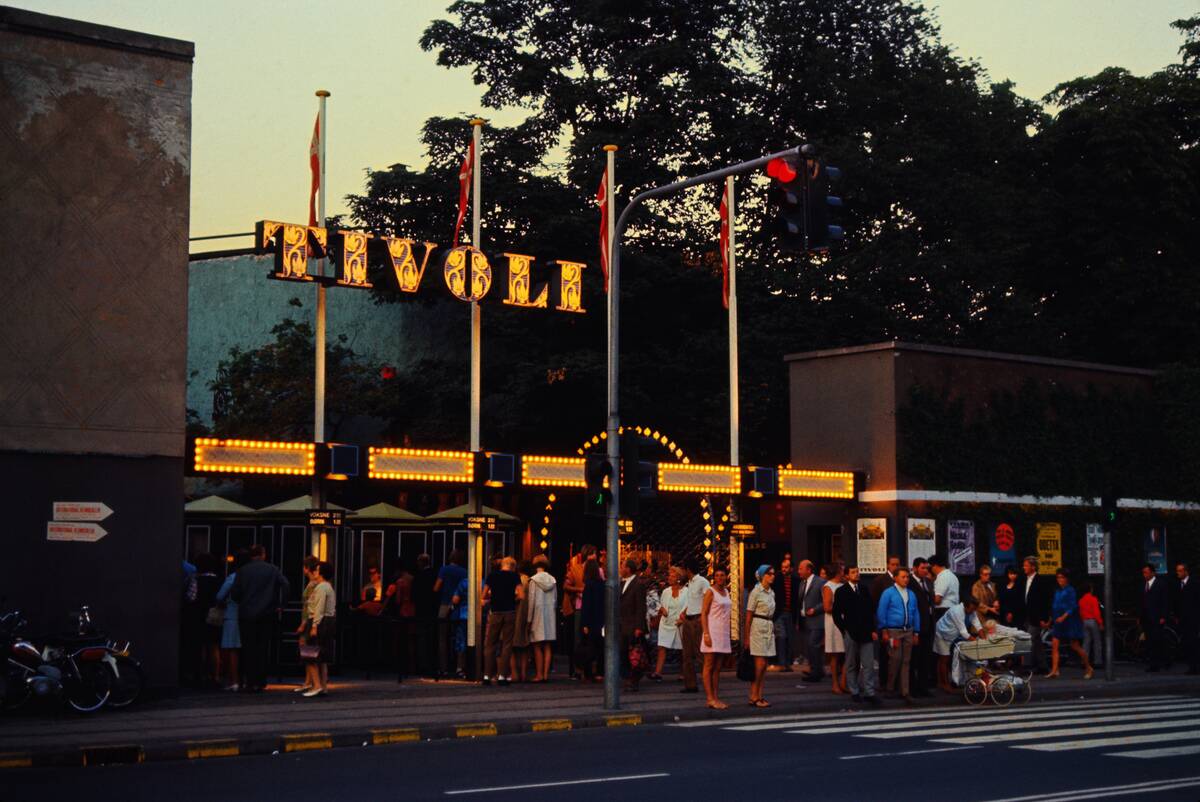
Copenhagen’s Tivoli Gardens opened in 1843 after founder Georg Carstensen won royal permission by arguing that when people amuse themselves, they don’t think about politics. He delivered delight: outdoor theaters, pantomimes, gardens, and illuminations that turned night into a gentle festival. The Pantomime Theatre’s peacock curtain (1874) still fans open for shows, and the Moorish‑style Nimb (1909) adds a romantic glow. Tivoli proved that atmosphere—lanterns in trees, bandstands by the water—can be the headline act.
Rides joined the charm. Rutschebanen, a brakeman‑operated wooden coaster from 1914, still provides scenic swoops; newer coasters tuck among flower beds rather than bulldozing them. Walt Disney visited in the early 1950s and reportedly admired Tivoli’s cleanliness, scale, and civility—the idea that a park could be beautiful first and thrilling second. That balance of show and soul inspired Disneyland’s standards: tidy streets, nighttime sparkle, and a feeling that the whole place is smiling back at you.
Blackgang Chine’s cliffside curios: Victorian whimsy on the move
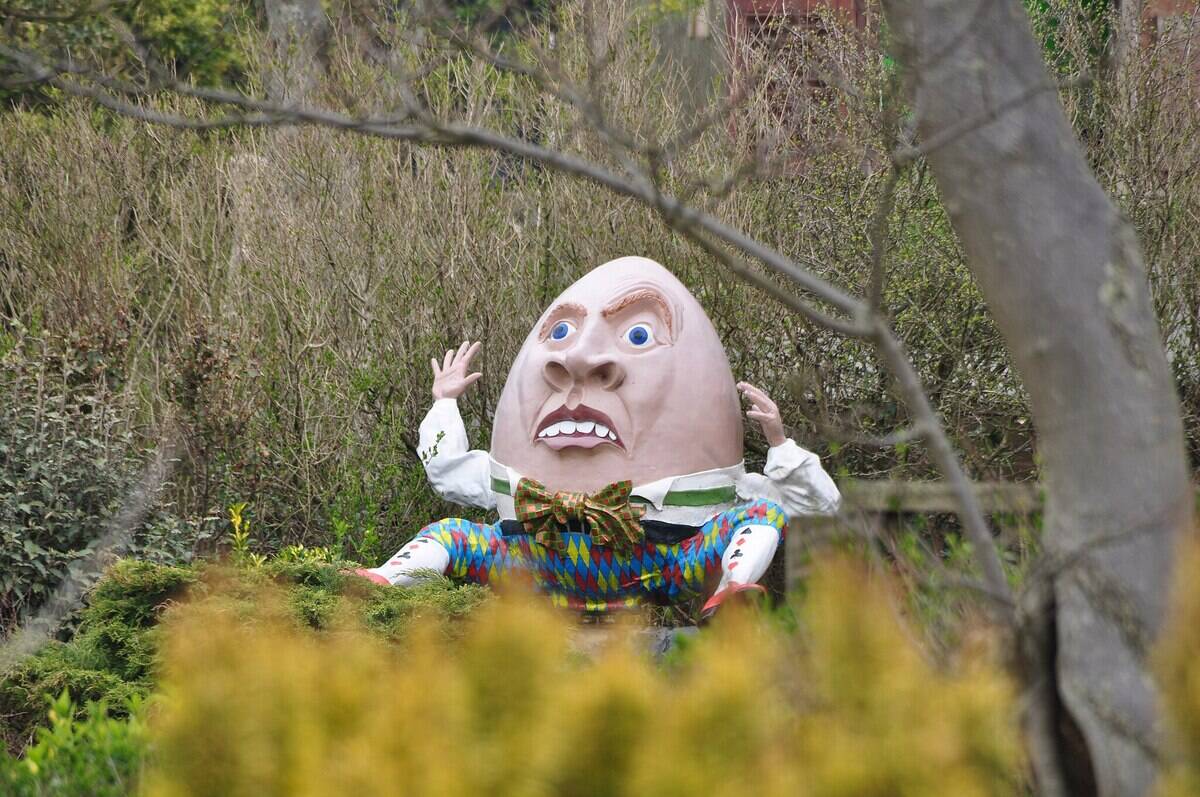
On England’s Isle of Wight, Blackgang Chine opened in 1843 as a scenic gorge walk and attraction site. Early visitors marveled at the dramatic landslip landscape and oddities like a massive whale skeleton displayed by proprietor Alexander Dabell. Over time, the site collected Victorian whimsies—model villages, smugglers’ hideouts, and later, dinosaurs—stitched together with footpaths teetering near sea views. Nature kept rewriting the script; the coastline here is famously unstable.
Those landslips forced the park to pick up and move pieces—rebuilding scenes farther inland multiple times across the 20th and 21st centuries. The result is part museum of British seaside kitsch, part lesson in adaptive attraction design. Claimed as Britain’s oldest theme park, Blackgang Chine isn’t about big iron rides; it’s about scenes, sets, and stories that have survived salt air and sliding earth with cheerful persistence—and a certain British affection for the delightfully peculiar.
Hanayashiki in Tokyo: a flower garden that learned to thrill
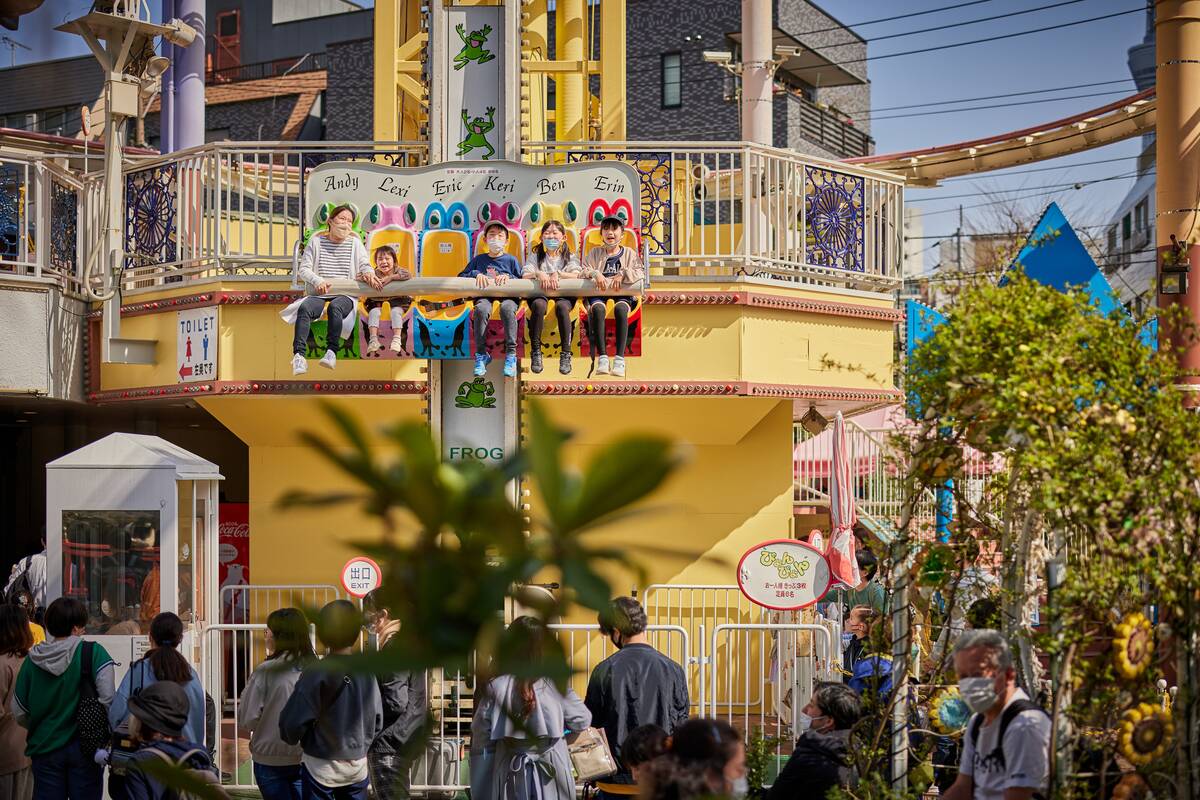
Tokyo’s Hanayashiki began in 1853 as a flower garden in Asakusa, welcoming visitors the same year Commodore Perry arrived in Japan. The blooms eventually shared space with sideshows and small amusements, and after wartime damage the park reopened in 1949. Its tight urban footprint encouraged charm over brawn—compact rides tucked among lanterns and stalls, with the neighborhood’s temples just a stroll away. It’s an amusement time capsule pressed into a few cozy city blocks.
The headline artifact is Japan’s oldest operating roller coaster, simply named Roller Coaster, which debuted in 1953. Don’t expect high‑G insanity; do expect history squeaking around corners above shopping streets. Hanayashiki’s mascot pandas, rooftop views, and festival energy make it feel more like a neighborhood fair that never left. In a city of neon canyons, it’s a reminder that small parks can endure by being specific: local, lovable, and content to trade megawatts for memories.
The oddest attractions: incubator babies, flea circuses, and waxen royalty
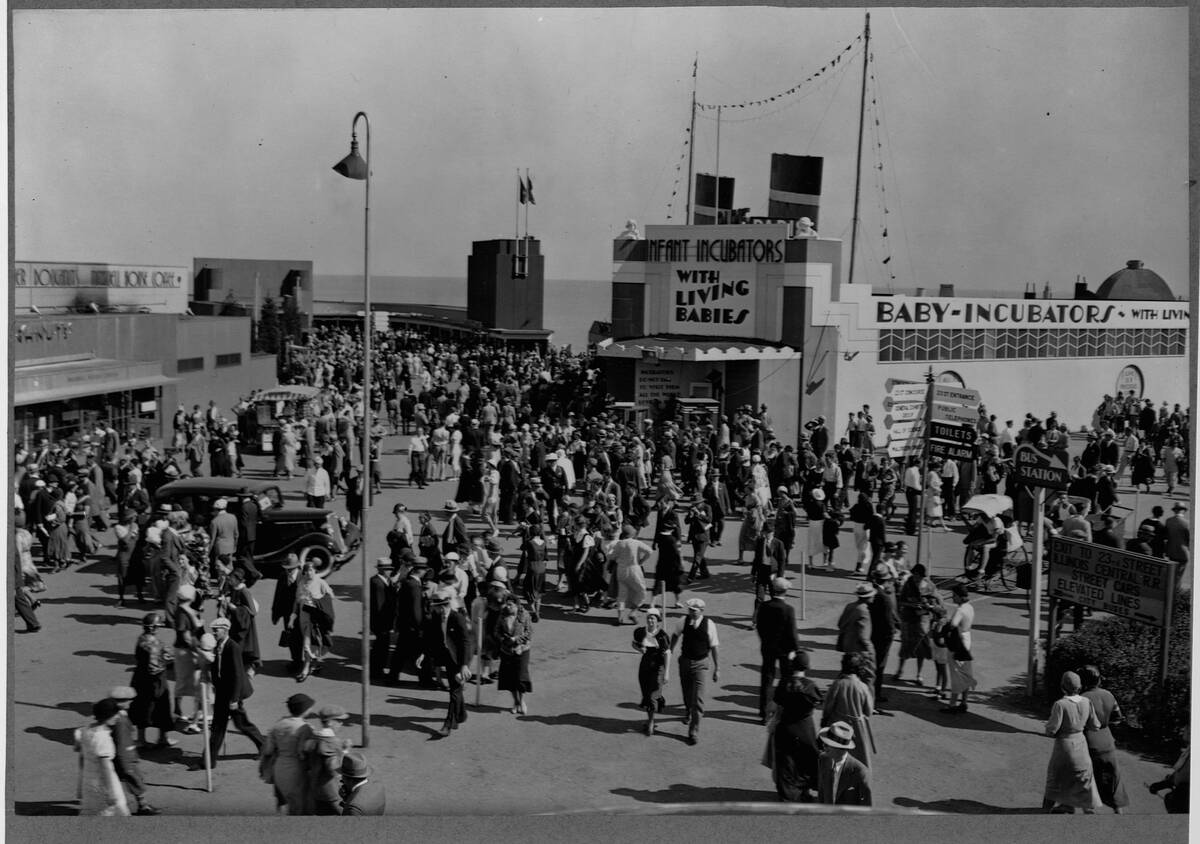
Early parks and midways didn’t shy from the sensational or strange. Dr. Martin Couney’s incubator baby exhibits ran at fairs and at Coney Island from 1896 into the 1940s, charging admission to fund care for premature infants—controversial, but credited with saving thousands of lives and advancing neonatal awareness. Flea circuses, with minuscule harnesses and chariots, produced eyebrow‑raising bills of fare for magnifying‑glass crowds. The line between science, sideshow, and sales pitch was often a brightly lit blur.
Waxworks rounded out the curiosities. Madame Tussauds established a permanent London home in 1835, and wax halls—royalty in repose, rogues in the “Chamber of Horrors”—became staples at seaside resorts and traveling shows. These attractions taught operators a practical lesson: not every draw needed gears or gravity. Spectacle could be biomedical, microscopic, or paraffin‑based, as long as the framing was strong. Today’s oddball walkthroughs owe a debt to these cabinets of wonder, equal parts education and eerie delight.
Shoot-the-Chutes and splashy bravado: gravity takes the spotlight

Water found its calling in the late 19th century with Shoot‑the‑Chutes rides: flat‑bottom boats climbing a ramp and skimming down into a lagoon in a glorious, soaking fan of spray. Captain Paul Boyton popularized the format at Sea Lion Park at Coney Island in 1895, and imitators multiplied from seaside piers to inland Electric Parks. Photographers loved it; so did crowds, who could cheer at the splashdown even if they weren’t brave enough to board.
Designs quickly scaled up. Wider boats, steeper descents, and nighttime runs under arcs of bulbs made chutes signature skyline pieces, framing parks with spray and shrieks. The experience was refreshingly public compared to enclosed dark rides—an aquatic punch line everyone could share. Today’s log flumes and shoot‑the‑rapids traces owe more than a little to those shiny skids, where simple physics, perfect sightlines, and a well‑timed drench did more marketing than any billboard.
Fairground food firsts: hot dogs, cotton candy, and neon lemonade
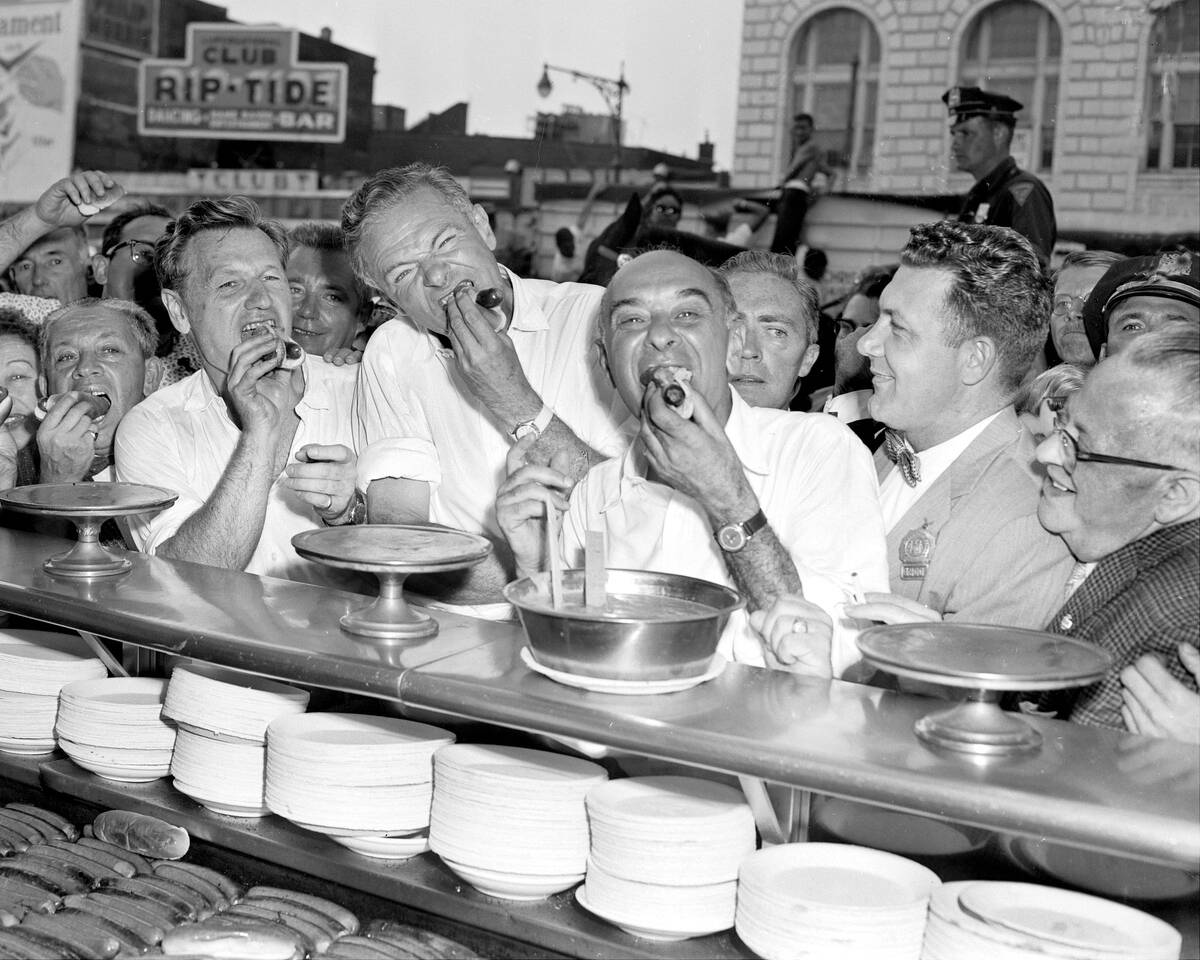
Coney Island helped codify the menu. Charles Feltman sold sausages in rolls on the beach as early as 1867, and Nathan Handwerker’s Nathan’s Famous opened in 1916, turning the hot dog into an American staple. Popcorn went mobile after Charles Cretors debuted his steam‑powered popping machine at Chicago’s 1893 World’s Fair, perfuming midways forever. Cotton candy, invented by dentist William Morrison and confectioner John C. Wharton, hit the 1904 St. Louis World’s Fair as “Fairy Floss” and stuck to smiles nationwide.
The 1904 St. Louis fair also popularized the ice cream cone, thanks to vendors improvising waffle cups—though multiple claimants keep the origin story spicy. Lemonade stands found a perfect partner in electric nights, their glass urns glowing under bulbs as vendors hawked “ice cold” refreshment. Fair food wasn’t just fuel; it was part of the theater, portable and photogenic long before social media, engineered to be eaten one‑handed while pointing at wonders with the other.
Up in smoke: the fires that kept redesigning early park skylines
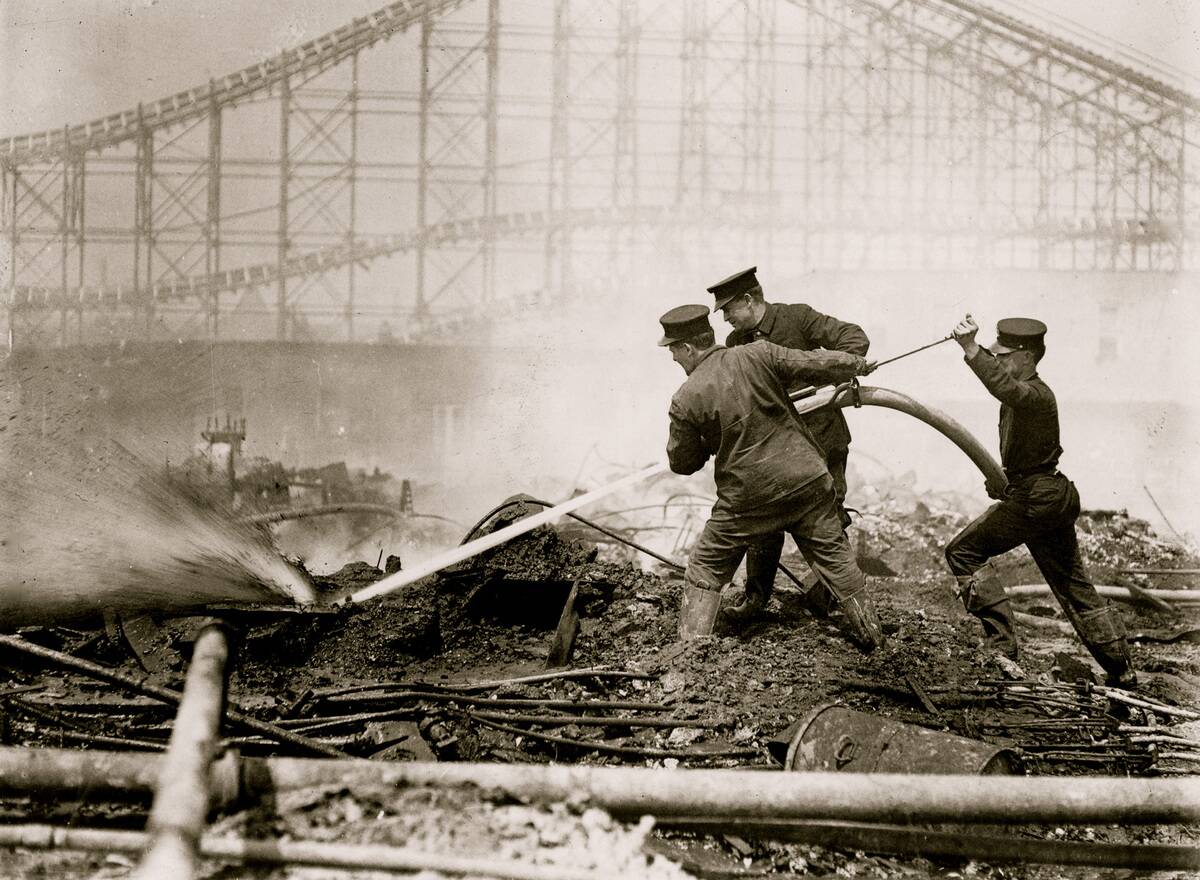
Wooden buildings, open flames, and ad‑hoc wiring proved a volatile mix. Coney Island’s Dreamland vanished in a single night in 1911 after a blaze reportedly started near the Hell Gate attraction; spectators watched from the shore as towers collapsed. The Elephantine Colossus burned in 1896. Luna Park suffered multiple fires, including a devastating one in 1944. Each inferno reset the skyline and the business plans, forcing owners to rebuild, relocate, or simply bow out.
Disaster wasn’t limited to Coney. Vienna’s Prater endured wartime destruction in 1945, and Copenhagen’s Tivoli suffered Nazi sabotage in 1944 that burned much of the park—yet it reopened within weeks in makeshift form. Fire codes, water systems, and materials improved over time, nudging parks toward safer construction. Still, early photos of glowing bulbs and timber palaces carry a crackle of risk: beauty by the bucketful, running a little too close to the fuse.
Respectability vs. raucous: blue laws, reformers, and “family-friendly” makeovers
Amusements long walked a tightrope between rowdy charm and moral panic. Blue laws in many U.S. cities restricted Sunday operations and certain entertainments, while temperance advocates targeted beer gardens and dance halls inside parks. Operators responded with dress codes, “Ladies’ Days,” and stricter content policies. Attractions that leaned too suggestive—like some dance shows or risqué fun‑house gags—faced periodic crackdowns, sending designers back to the drawing board to keep thrills buzzy but acceptable.
Out of this push‑and‑pull came the family formula. Cleaner promenades, better lighting, and straightforward wayfinding made parks feel safer. Even hard‑charging Coney experimented with gentler branding: Steeplechase billed itself “The Funny Place,” and many parks segregated liquor or dropped it entirely. The impulse to be respectable didn’t kill the fun; it professionalized it—ushers instead of barkers, uniforms instead of barkeepers, and a pitch that families, not just thrill‑seekers, could make a habit out of visiting.
From roadside chicken to Ghost Town: Knott’s Berry Farm stumbles into theming
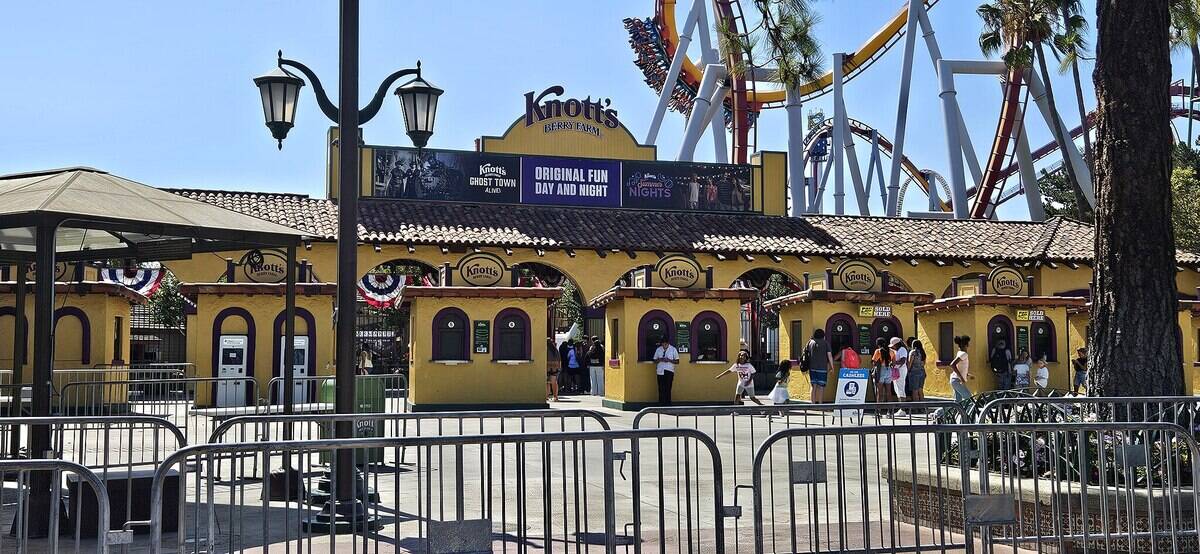
In Buena Park, California, Walter and Cordelia Knott started with berries and fried chicken. Cordelia’s chicken dinners, first served in 1934, drew lines so long that Walter built diversions—shops and displays—beside the restaurant. In 1940 he unveiled Ghost Town, a streetscape stitched together from relocated and reconstructed Old West buildings, plus craft demos and staged gunfights. The move from roadside stop to living set piece happened organically: while you waited for pie, you wandered into a frontier.
The rides followed. The Ghost Town & Calico Railroad opened in 1951, and Bud Hurlbut’s Calico Mine Ride arrived in 1960 with elaborate rockwork and show scenes—proof that narrative could live inside a regional park. Knott’s charged for rides long before it charged a gate; only later did it fence and formalize admission. The park’s secret was sincerity: real timber, real artifacts, and operators who acted like townsfolk, not attendants—a low‑tech immersion lesson Disneyland noticed.
Ho-ho-historic: Santa Claus Land and the year‑round holiday experiment
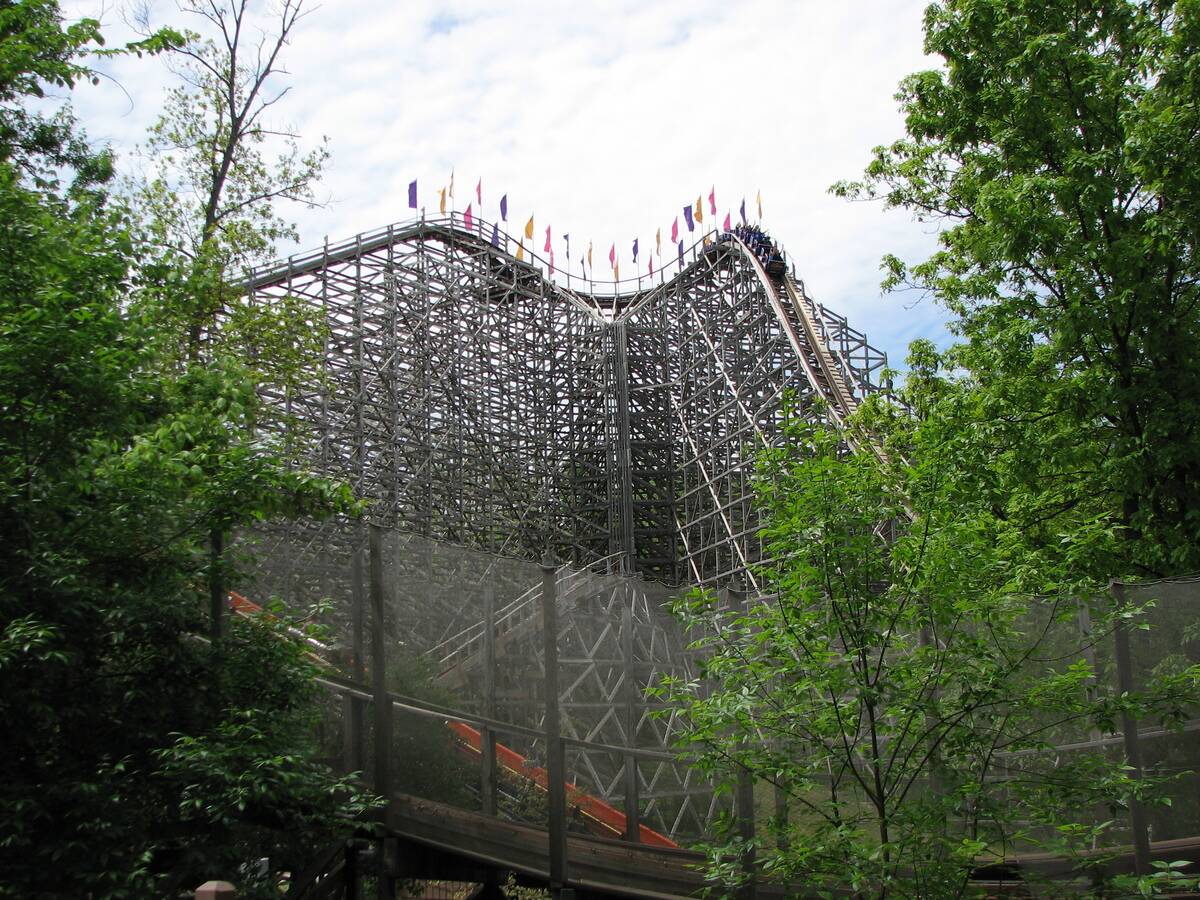
In 1946, Louis J. Koch opened Santa Claus Land in Santa Claus, Indiana, giving postwar families a wholesome, themed destination built around a single, cheerful idea. Guests met Santa any month, rode kiddie attractions, and browsed toy shops under candy‑striped trimmings. It’s widely cited as America’s first true theme park—an environment where rides, shows, and landscaping supported a unified concept rather than a grab bag of amusements.
Santa Claus Land thrived by doubling down on hospitality: free soft drinks and friendly staffing became traditions. As the park grew, it added themed sections and, in 1984, a new name—Holiday World—while honoring its Christmas core. The model proved that a well‑executed theme doesn’t need palace budgets; it needs clarity, care, and consistency. In the farm fields of southern Indiana, a blueprint quietly formed: pick a story, stick to it, and let families make it their own tradition.
The Disney difference: why 1955 felt brand-new after centuries of fun
Disneyland opened on July 17, 1955, in Anaheim with a live ABC broadcast hosted by Art Linkletter, Bob Cummings, and Ronald Reagan. Its hub‑and‑spoke plan led to distinct lands—Main Street, U.S.A.; Adventureland; Frontierland; Fantasyland; Tomorrowland—each with tailored architecture, music, and cast costumes. A landscaped berm hid the outside world. No barkers, no litter, and background music everywhere signaled a radical idea: the entire property is the show, not just the attractions.
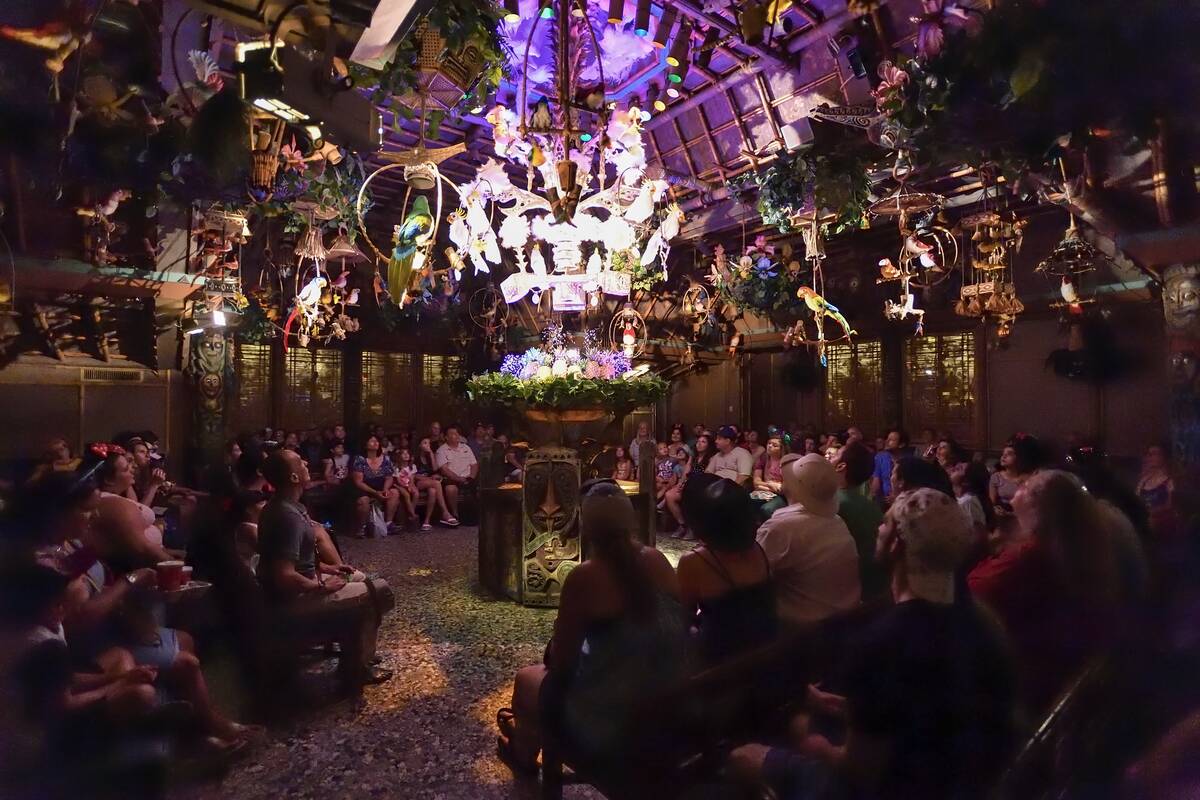
Technology met taste. The Santa Fe & Disneyland Railroad encircled the park; dark rides like Peter Pan’s Flight delivered compact storytelling; and, within a few years, Audio‑Animatronics debuted with the Enchanted Tiki Room (1963). Ticket books managed demand; night lighting made strolling an art. Disneyland synthesized centuries of lessons—from Tivoli’s charm to Coney’s spectacle—into a coherent, cinematic walk‑through world. After 1955, “theme park” wasn’t a metaphor; it was the standard.




