23 unusual military strategies that worked
War rarely rewards the obvious. Again and again, offbeat schemes have tipped the balance—from wooden “guns” that stalled whole armies to inflatable divisions that fooled enemy scouts. Military history is full of these gambles: a corpse with forged papers nudging German defenses in 1943, or aluminum strips blinding radar in 1944.
They weren’t just clever; they were timely, targeted, and tailored to the tech and psychology of their day. When the right weird idea meets a real constraint, the battlefield suddenly plays by new rules.
The Trojan Horse: history’s ultimate sneak-in win
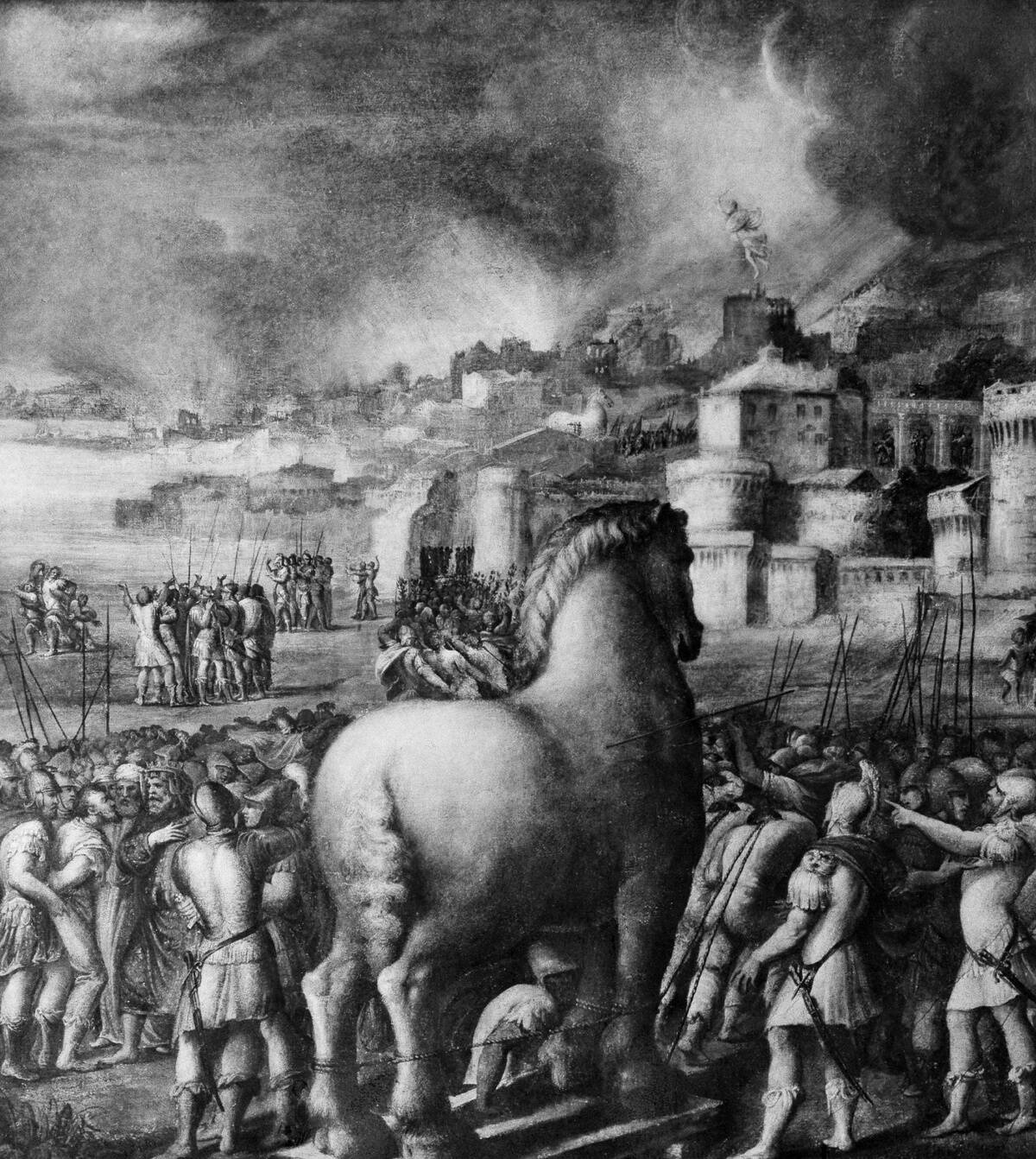
The wooden horse that tricked Troy survives as legend, not court transcript. Homer’s Odyssey and Virgil’s Aeneid tell the story; archaeology suggests Troy VIIa fell around the late 12th century BCE, destroyed by fire. A seventh‑century BCE Mykonos vase even shows a wheeled wooden horse with warriors peeking out—evidence the tale was old and vivid in Greek memory.
The Greeks “depart,” leave a “gift,” and let Trojan pride finish the job. In later warfare, contraband intentions hid in plain sight too. The technology changed; the psychology stayed timeless.
Dazzle camouflage: zebra-striped ships that baffled U-boat crews
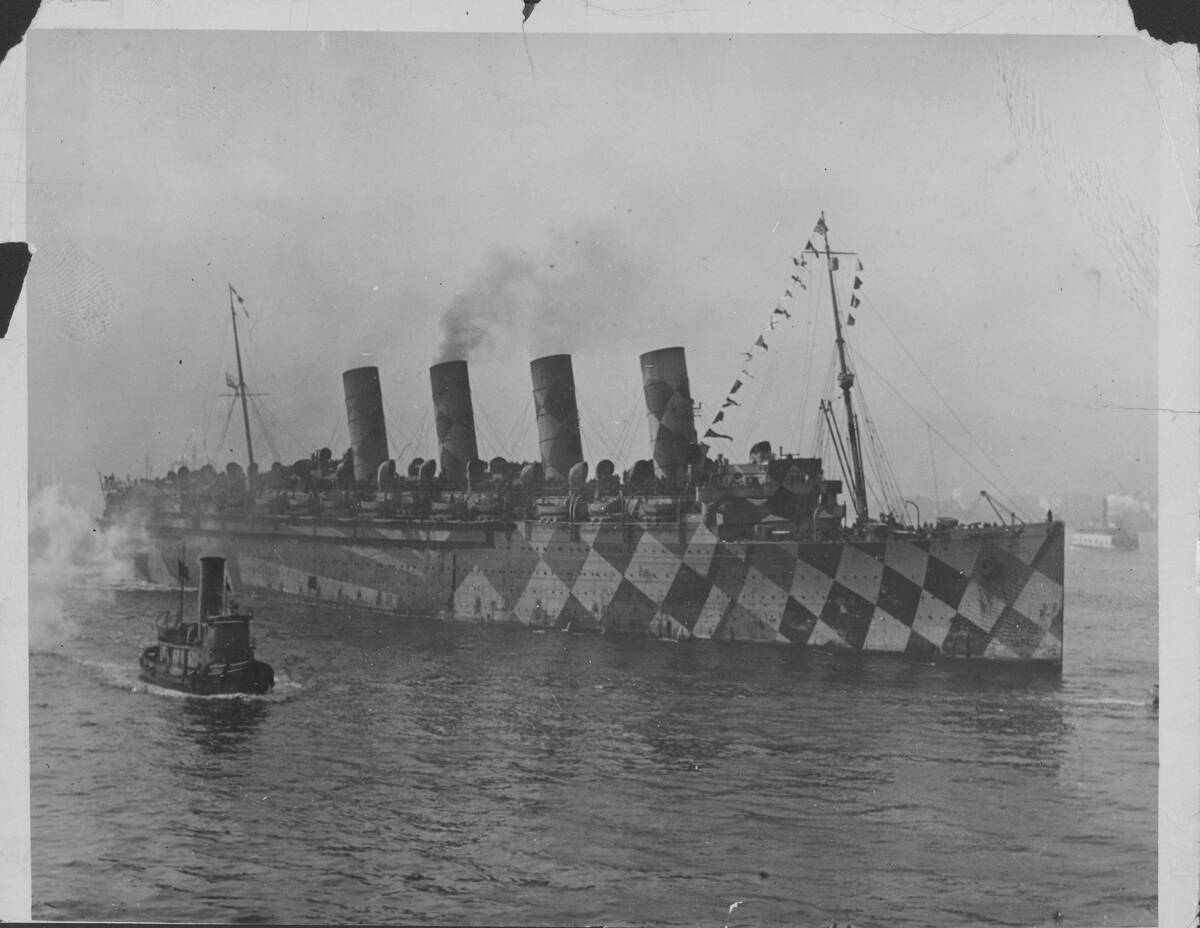
In 1917, naval officer Norman Wilkinson proposed painting ships in wild, geometric patterns. “Dazzle” wouldn’t hide a vessel—it would scramble a U-boat periscope officer’s estimates of course and speed. By war’s end, more than 4,000 British ships wore dazzle; the U.S. Navy painted roughly 1,200. Liners like RMS Mauretania sported bold stripes, cubes, and swirls that broke up hull lines at a glance, especially through a narrow periscope.
Admiralty analyses suggested dazzle reduced successful torpedo solutions, though results varied by theater and training. Modern navies don’t rely on it, but the principle is alive in today’s decoys and electronic jamming.
Operation Mincemeat: a planted “spy” who was already dead
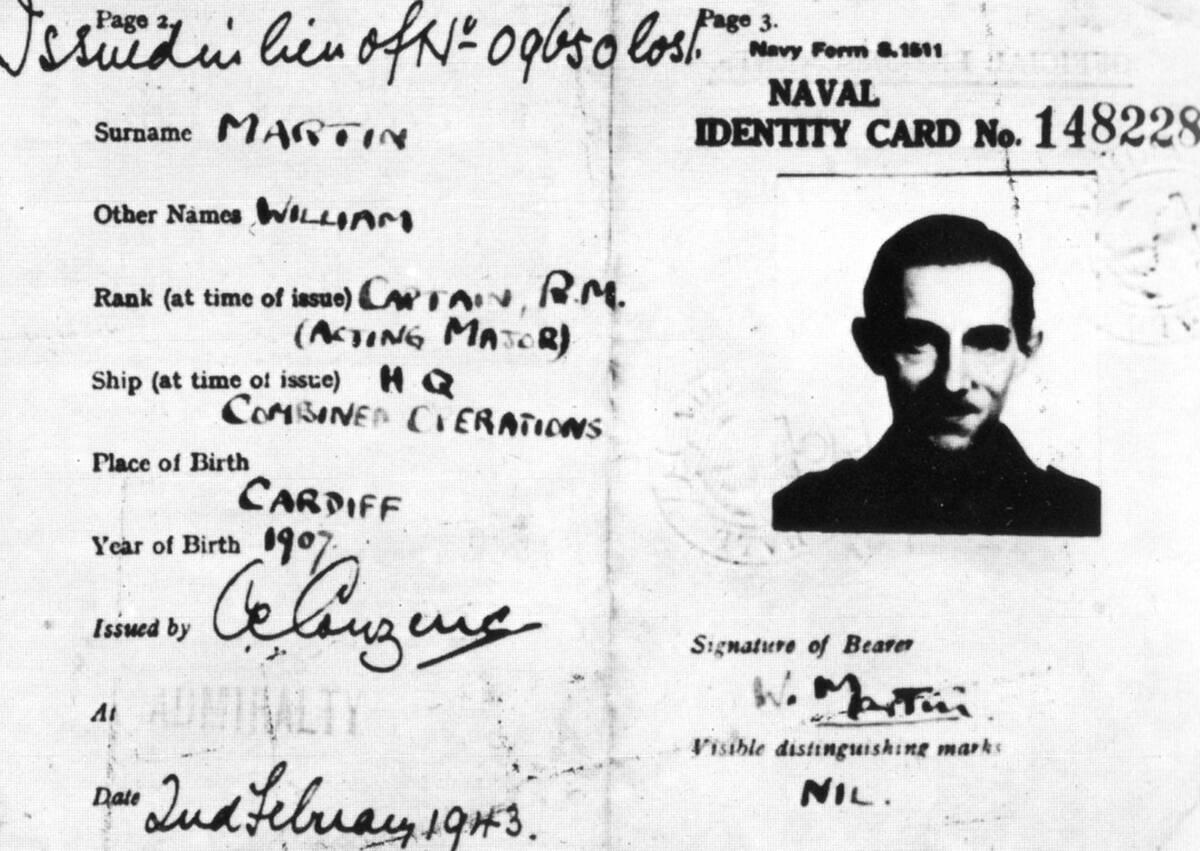
In 1943, British intelligence dressed a corpse as “Major William Martin, Royal Marines,” handcuffed a briefcase of forged invasion plans to him, and let the tide near Huelva, Spain, do the rest. Spanish authorities passed copies of the “found” letters to the Germans, who concluded the Allies would strike Greece and Sardinia, not Sicily.
Ultra decrypts later confirmed German redeployments that eased the July 1943 invasion of Sicily (Operation Husky). The forgers sweated credibility: theater tickets, love letters, and bank statements to sell the persona. It worked because it exploited Axis confirmation bias and a leaky intelligence channel.
The Ghost Army: inflatable tanks and make-believe radio chatter
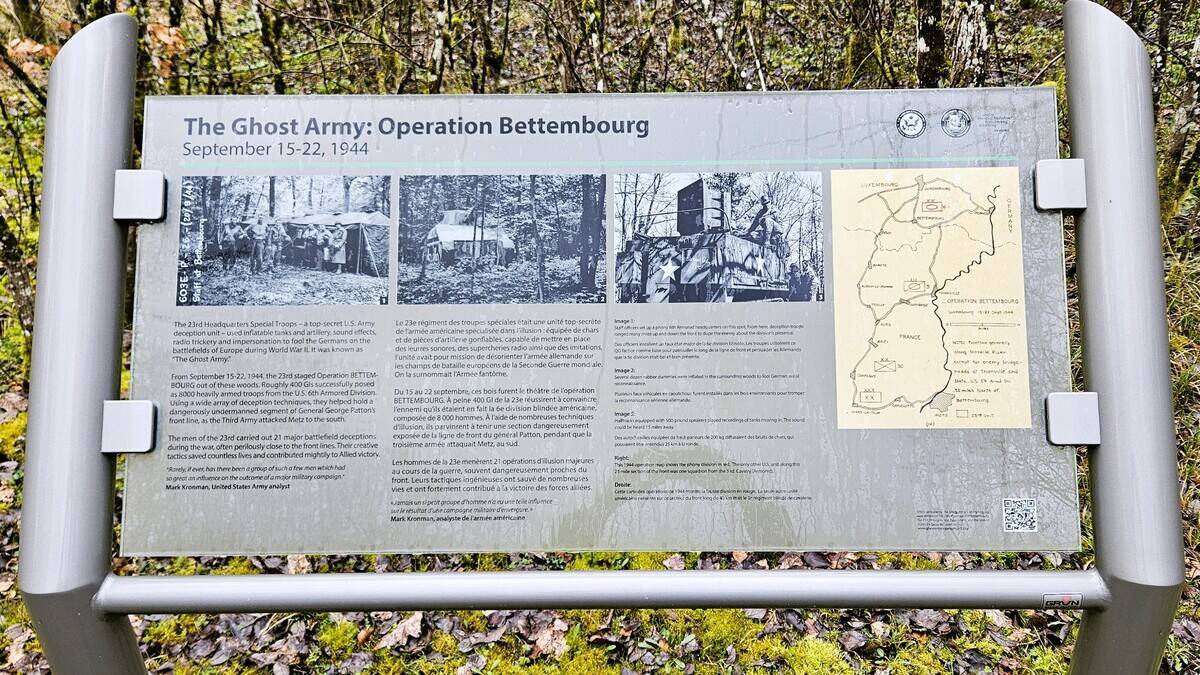
The U.S. Army’s 23rd Headquarters Special Troops—about 1,100 artists, radio operators, engineers, and sound techs—operated across northwest Europe in 1944–45. They staged more than 20 deception missions using inflatable Sherman tanks, canvas trucks, fake artillery, 500‑pound loudspeakers blasting prerecorded convoys, and spoofed radio networks. Their capstone, Operation Viersen (March 1945), mimicked an entire corps crossing the Rhine to draw German reserves away from the real crossings.
The unit’s existence stayed classified until 1996, and its veterans received a Congressional Gold Medal in 2022. Casualties were remarkably low given the risks; their job was to look valuable enough to shoot at. Like stagecraft on a lethal stage, they curated every angle—unit patches in nearby cafés, tire tracks in muddy fields, and chatter on the air—to sell a story enemy scouts would believe long enough to matter.
Quaker guns: fake cannons that bluffed real armies
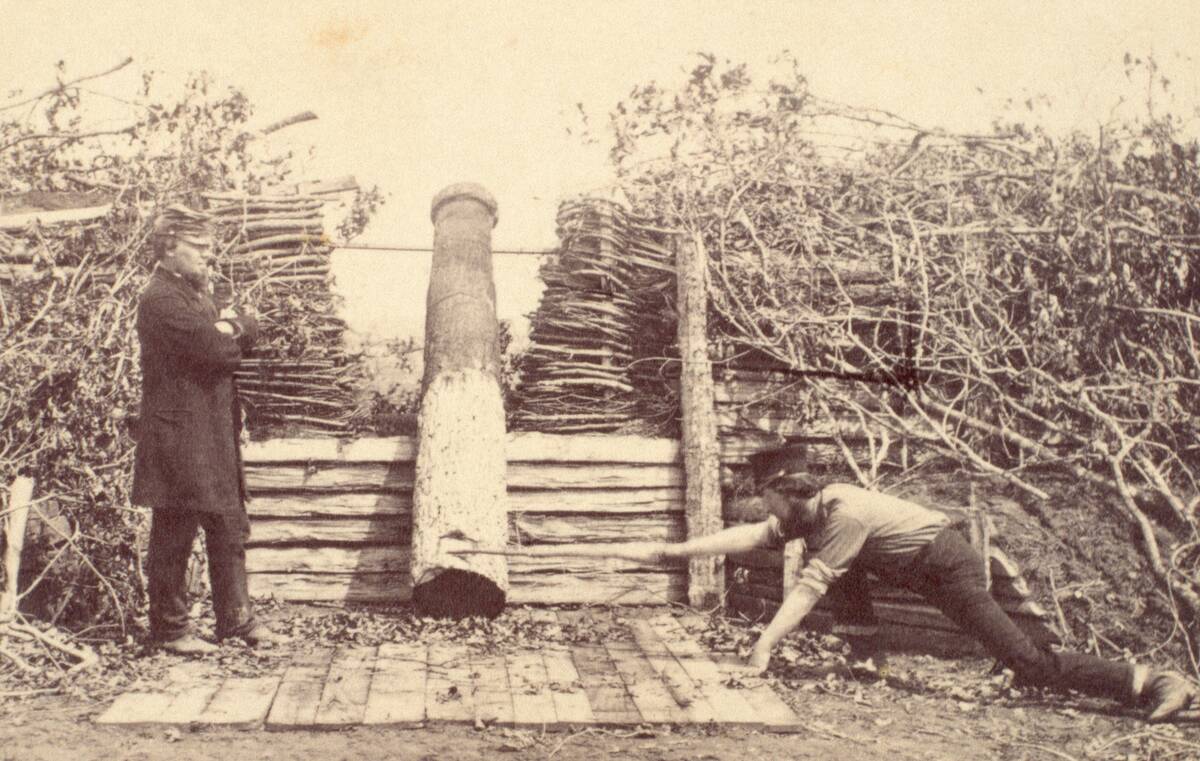
Named, cheekily, after pacifist Quakers, “Quaker guns” were logs painted and mounted to resemble artillery. During the American Civil War, Confederates used them at Centreville, Virginia, in 1862; when Union troops advanced, they found imposing earthworks guarded by wooden fakes. The trick conserved scarce batteries and—crucially—time. Artillery ruled the battlefield’s psychology, so even the rumor of more guns could freeze an advance.
On the Peninsula in 1862, Confederate General John B. Magruder bolstered his thin lines along the Warwick–Yorktown front with theatrics, including Quaker guns and ostentatious troop movements, to mislead Union commander George B. McClellan. The ruse slowed the offensive and bought days. As with many deceptions, a cheap prop leveraged an opponent’s caution, forcing them to treat a bluff as if it might be a battery.
The Haversack Ruse: “lost” documents the enemy helpfully found
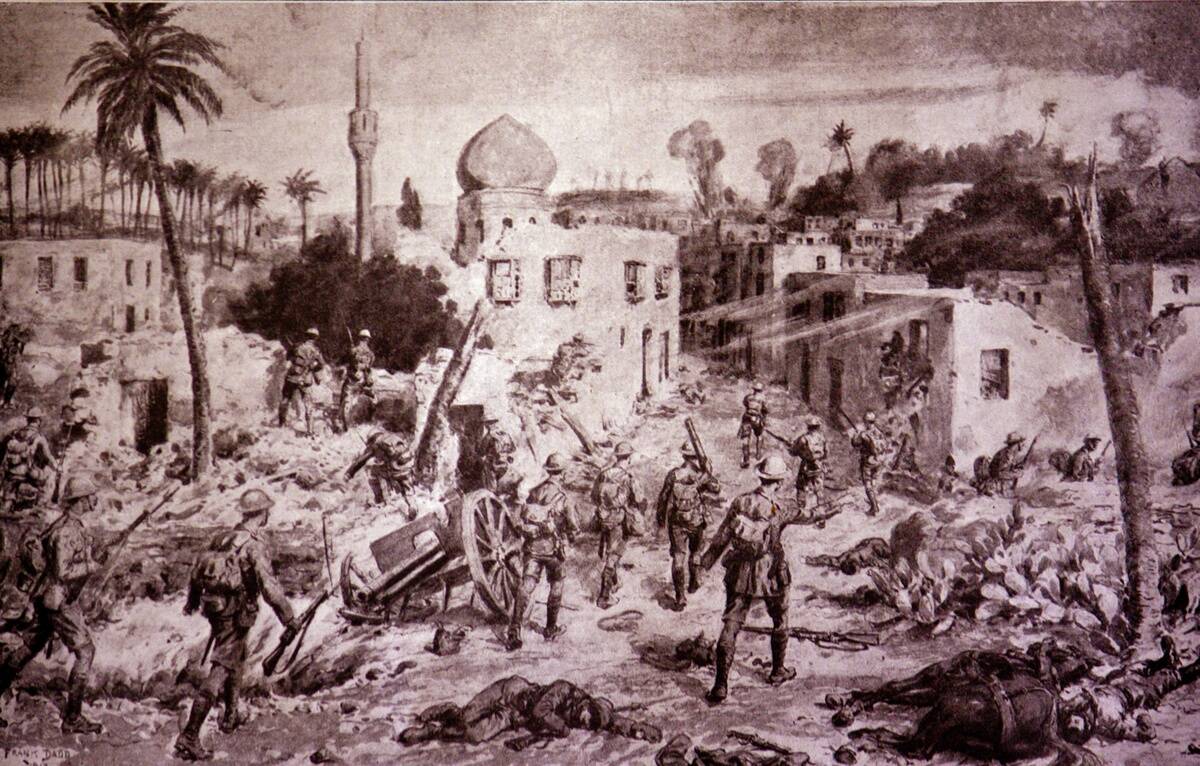
In October 1917, during the Sinai–Palestine campaign, British intelligence arranged for a haversack containing “sensitive” plans to be captured by Ottoman forces. The documents suggested a main attack toward Gaza while downplaying Beersheba. Ottoman commander Friedrich Kress von Kressenstein received them—and acted accordingly. On 31 October, General Edmund Allenby struck Beersheba instead, famously seizing its vital wells and unhinging the Gaza line.
The operation is often credited to Richard Meinertzhagen, though several historians dispute his account and point to other staff officers as architects. What’s not in dispute is the outcome: the Ottomans misallocated strength, and the British–ANZAC attack achieved surprise. It’s a classic of planted evidence: believable, not perfect; risky, not reckless; and delivered by a channel the enemy already trusted.
Operation Fortitude: a phantom army that guarded D-Day’s secret
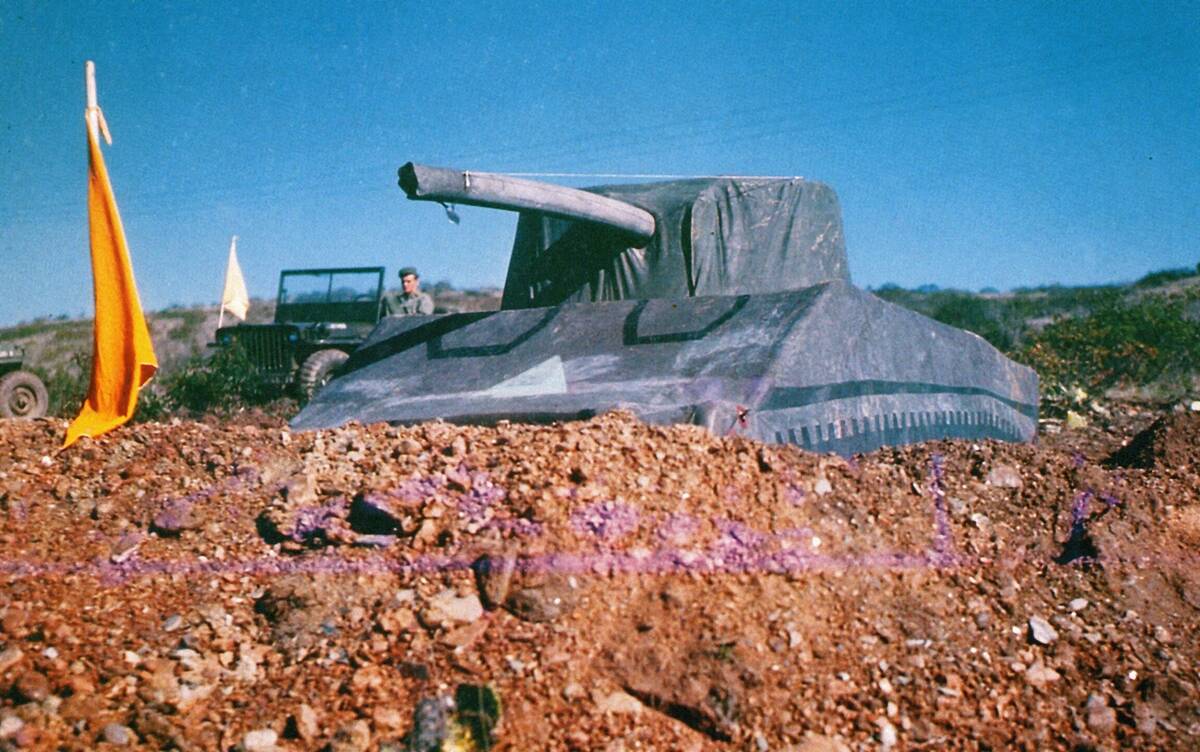
Under the broader umbrella of Operation Bodyguard, Fortitude South invented the First U.S. Army Group (FUSAG) in southeast England, complete with dummy landing craft, fake depots, and scripted radio traffic. Its notional commander? General George S. Patton—catnip for German analysts. Double agents, especially “Garbo” (Juan Pujol), reinforced the illusion with carefully timed reports. Fortitude North, meanwhile, threatened Norway to pin German divisions there.
The measure of success was German inaction. Even after 6 June 1944, Hitler’s 15th Army lingered for weeks near the Pas‑de‑Calais, waiting for the “real” blow. That bought the Allies weeks to expand the Normandy beachhead. Deception planners like Colonel David Strangeways obsessed over consistency: plausible unit badges in pubs, aerially convincing decoys, and radio operators mimicking the grammar and schedule of real staffs. The enemy saw what they were primed to see.
Chaff and Window: tinfoil confetti that blinded radar
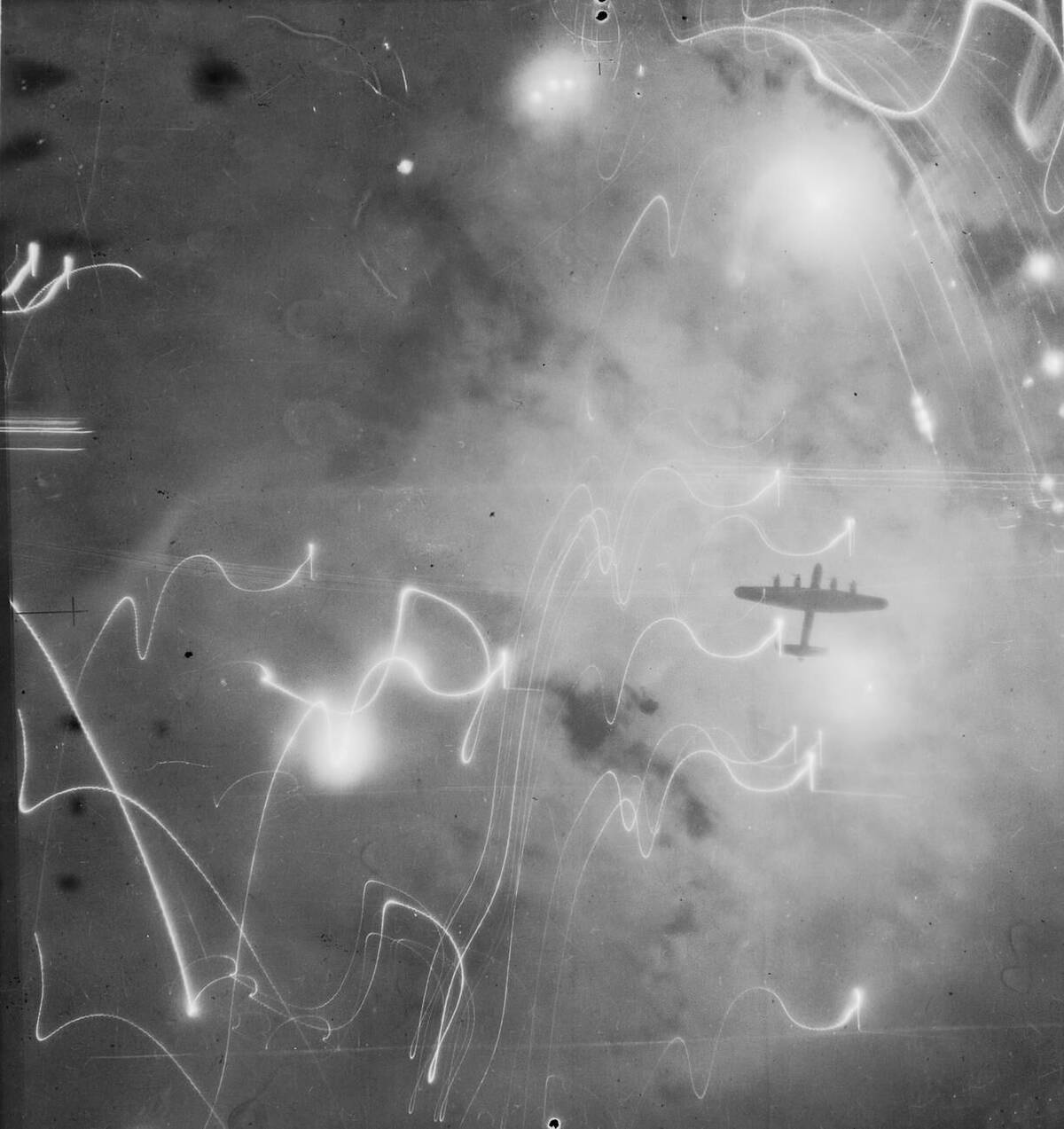
In July 1943, RAF Bomber Command unleashed “Window” over Hamburg—clouds of metallic strips cut to the resonant length of German radar. Würzburg gun-laying sets stared into bright, drifting echoes; night fighters lost clear tracks. The effect during Operation Gomorrah helped enable devastating raids while jamming the eyes of the flak network. The U.S. soon adopted the same countermeasure under the friendlier name “chaff.”
Chaff became a magician’s scarf with a physics degree. On D‑Day, Operations Glimmer and Taxable dropped it in patterns offshore to simulate invasion convoys, nudging German coastal radar to misread the map. The principle endures in modern pods and decoys: saturate sensors with false targets, overwork the filters, and make a shooter hedge. Sometimes the cheapest payload in the sky is the most confusing.
Fire ships at the Spanish Armada: floating bonfires that broke a fleet
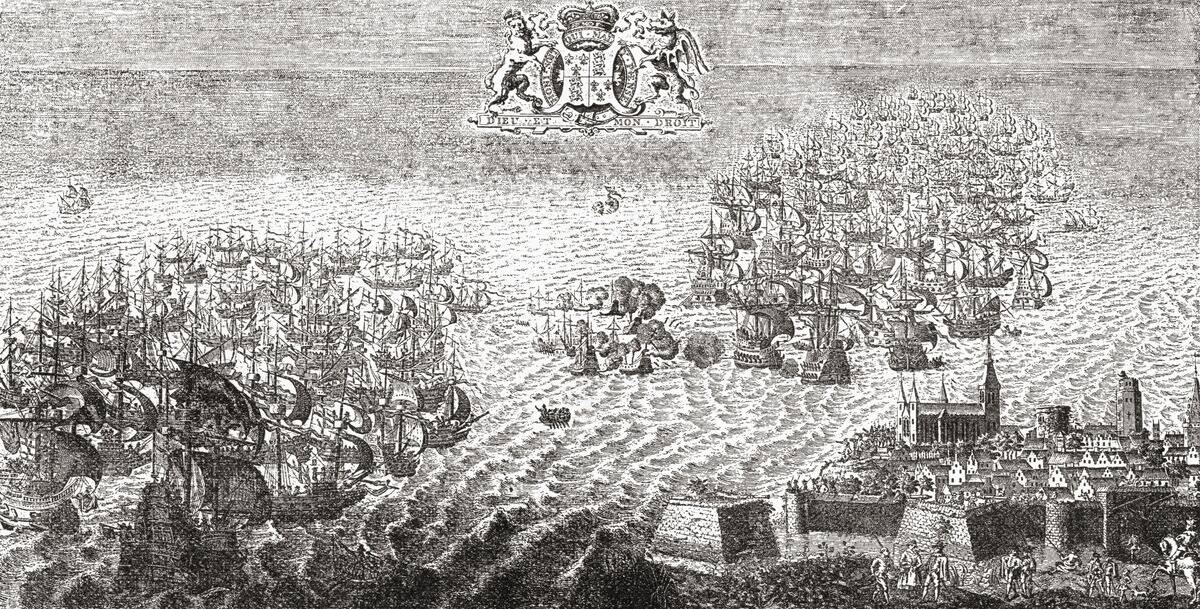
On the night of 7–8 August 1588, the English sent eight fireships, set alight and steered toward the Spanish Armada anchored off Calais. The Armada’s tight crescent formation unraveled as captains cut cables to escape the flaming hulks. In the scramble, cohesion—and many anchors—were lost. By dawn, the Spanish were scattered downwind and vulnerable.
The follow‑on fight at Gravelines later on 8 August sealed the Armada’s fate. The English couldn’t match Spain ship-for-ship in heavy guns, but they didn’t need to. A handful of sacrificial vessels—cheap, terrifying, and impossible to ignore—created a window for gunnery and maneuver. Weather and logistics finished the job as the battered Armada limped around Scotland and Ireland, far from its original plan.
Operation Chariot: a disguised destroyer rams a vital dock
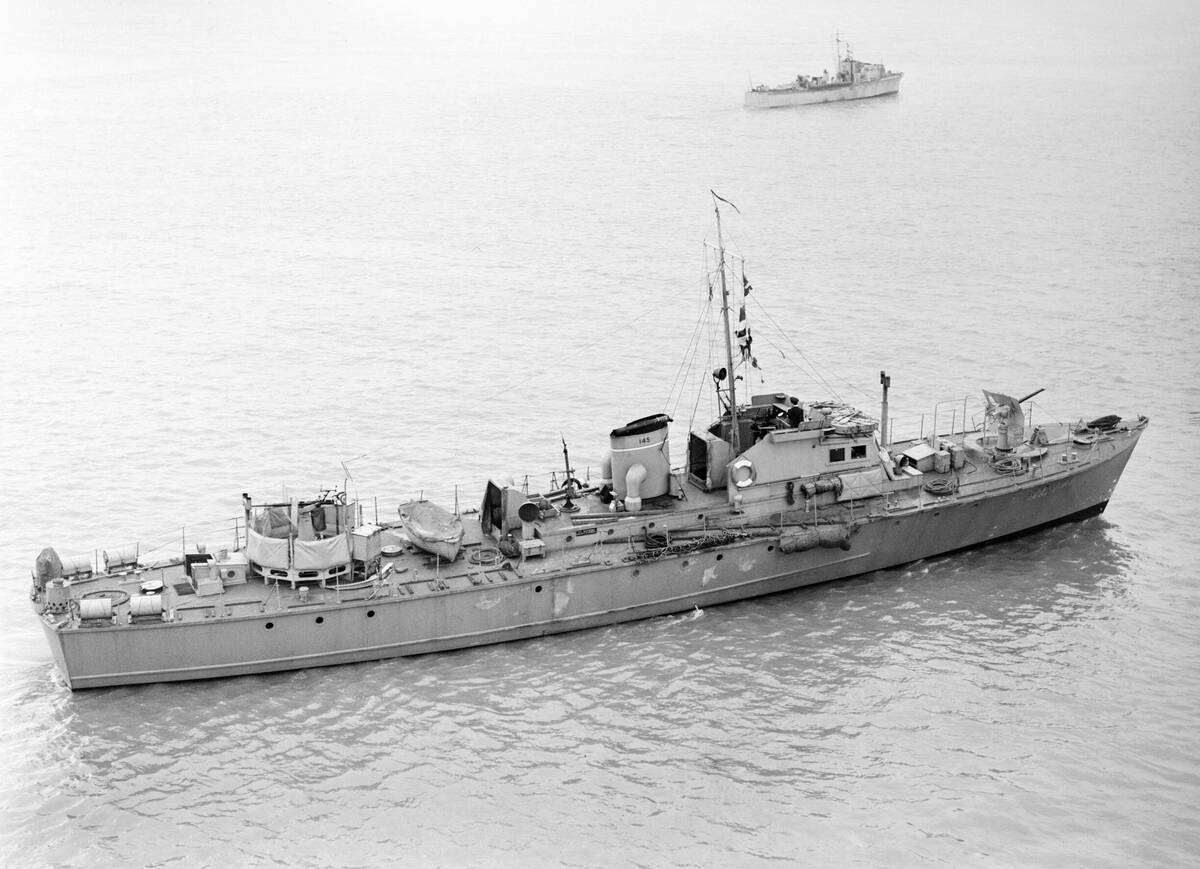
Before dawn on 28 March 1942, HMS Campbeltown, refitted to resemble a German Möwe‑class vessel, drove straight into the gates of the Normandie dry dock at Saint‑Nazaire. The dock was the only one on the Atlantic coast that could service battleships like Tirpitz. Royal Navy sailors and British Commandos fought a brutal close‑quarters battle ashore while Campbeltown’s timers ticked on several tons of explosives hidden in her bow.
Hours later, the ship exploded, destroying the caisson and putting the dock out of action for the rest of the war. The raiding force numbered about 600; losses were heavy, with more than 150 killed and many captured, and multiple Victoria Crosses awarded. Yet the strategic payoff was immense: Germany’s surface fleet lost a crucial repair option, constraining Atlantic operations without a fleet engagement.
Hobart’s Funnies: the weirdest tanks that made D-Day work
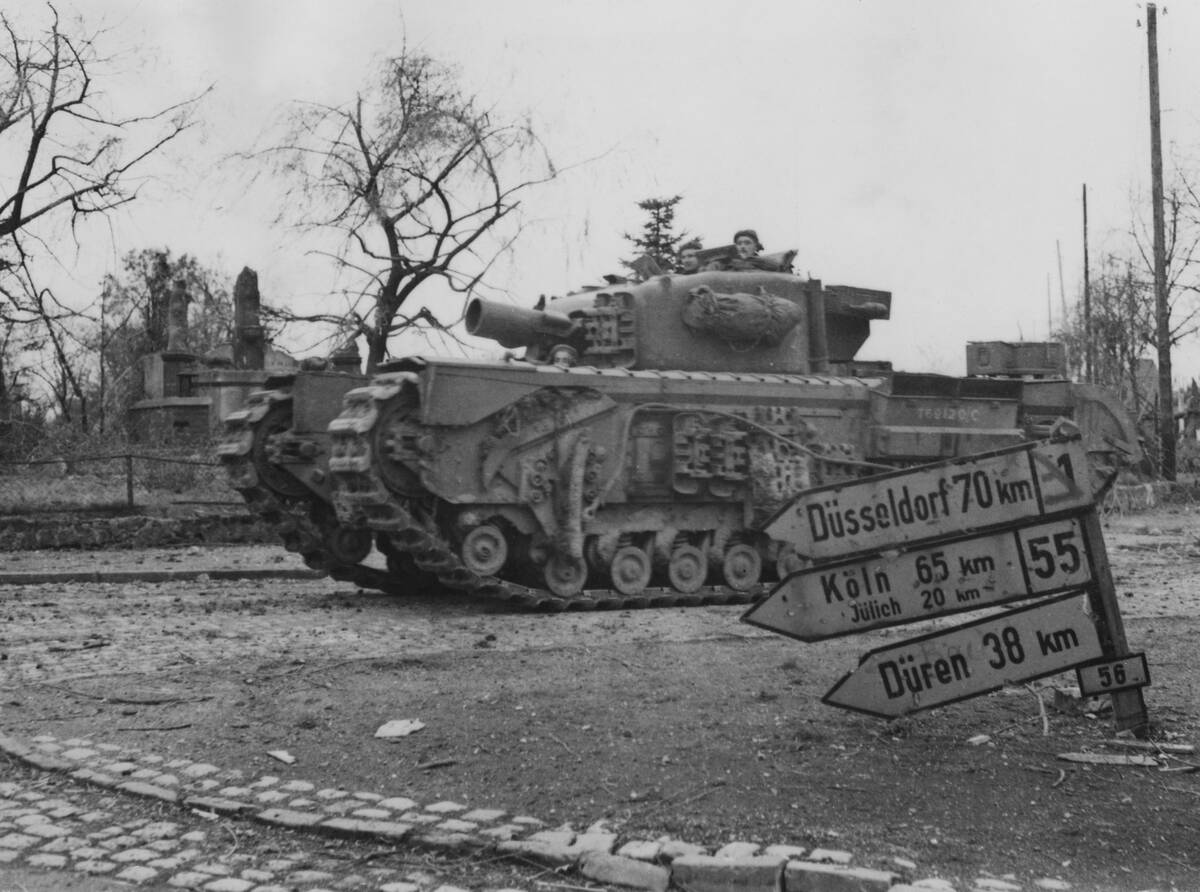
Major General Percy Hobart’s 79th Armoured Division fielded contraptions that looked like a prop department’s fever dream—and solved real problems. Churchill AVREs lobbed 290 mm “flying dustbin” demolition charges; Crab tanks flailed mines; ARKs formed instant bridges; and DD Shermans swam ashore behind canvas screens. On 6 June 1944, these vehicles turned beaches and seawalls into solvable engineering tasks, especially on Gold, Juno, and Sword.
The U.S. adopted some, but fewer Funnies reached Omaha Beach, where obstacles and mines proved lethal. Historians debate how much difference wider use would have made, but the logic is clear: specialized tools unlock tempo. Hobart’s teams rehearsed relentlessly, pairing armor with engineers so the first wave could make lanes, not just casualties. Strange works, if strange is what the job needs.
Operation Bertram: dummy armor and “magic” pipelines in the desert

Before the Second Battle of El Alamein in October 1942, the British staged a logistical mirage. Real tanks were disguised as “supply trucks” with canvas sunshields; dummy tanks rolled into a fake assembly area visible to Luftwaffe scouts. A conspicuously “unfinished” water pipeline suggested the main attack couldn’t start before November. Deception planners under Geoffrey Barkas synchronized carpentry, camouflage, and movement so aerial photos told a false but coherent story.
When the offensive began on 23 October, Axis forces were oriented toward the wrong sector and timetable. “Jasper Maskelyne the magician did it” makes for fun reading, but historians credit a broader team and methodical craftwork. The point wasn’t to hide everything; it was to make the visible misleading and the important ordinary. In the open desert, a cardboard army can be louder than steel—if it’s where the camera looks.
Gliders at Pegasus Bridge: silent wings, loud results

Just after midnight on 6 June 1944, three Horsa gliders carrying D Company, 2nd Oxfordshire and Buckinghamshire Light Infantry, landed yards from the bridge over the Caen Canal at Bénouville; three more aimed for the nearby Orne River bridge. Pilot Jim Wallwork’s first glider skidded to a halt within a stone’s throw of the objective. Major John Howard’s men took the crossings in minutes; the codeword “Ham and Jam” signaled success.
The price was real—Lieutenant Den Brotheridge became the first Allied fatality on D‑Day—but the payoff was enormous. Securing the bridges blocked German moves against the eastern flank of the beachheads and enabled later linkups. Gliders traded engine noise for precision and surprise, turning a high‑risk arrival into a near‑perfect coup de main. Silent approaches, decisive minutes—that was the arithmetic.
Q-ships: harmless-looking merchants with a nasty surprise
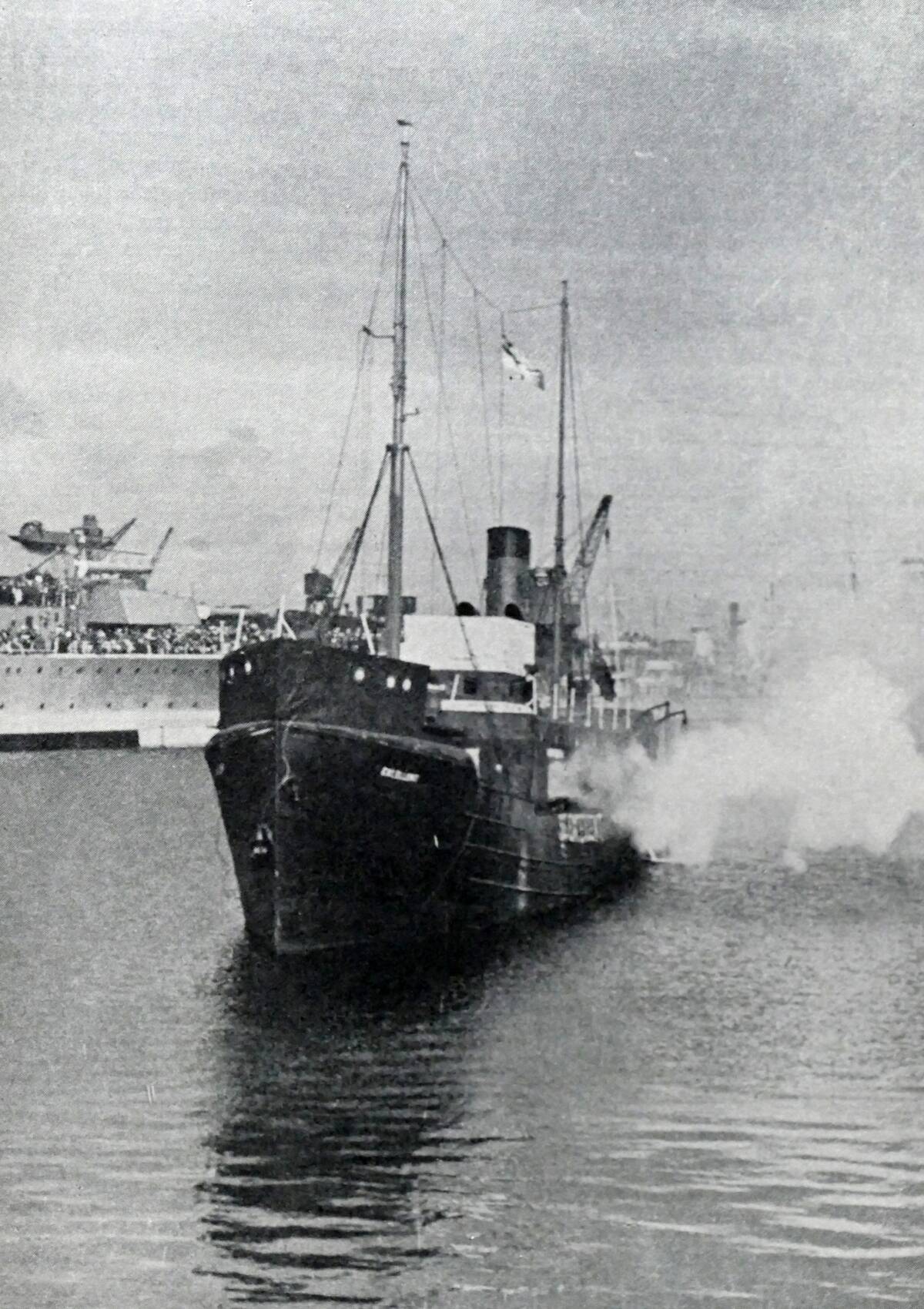
In World War I, the Royal Navy hid guns behind false bulwarks and sailed “Q-ships” as bait. When a U‑boat surfaced to stop and search, the merchant façade dropped, a “panic party” feigned abandonment, and concealed 12‑pounders spoke up. HMS Farnborough (Q.5), under Gordon Campbell, famously sank U‑68 on 22 March 1916 using just such theatrics. The idea worked best when submarines conserved torpedoes and surfaced to attack with deck guns.
Effectiveness waned as U‑boats shifted to submerged, torpedo-first tactics—and as German crews learned hard lessons. Still, Q‑ships lingered into World War II on both Allied and Axis sides, including U.S. attempts like USS Atik in 1942. The concept distilled deception to a duel: bait, patience, and a convincing costume long enough to lure a predator within reach.
Messines Ridge mining: a quiet dig with an earth-shaking payoff
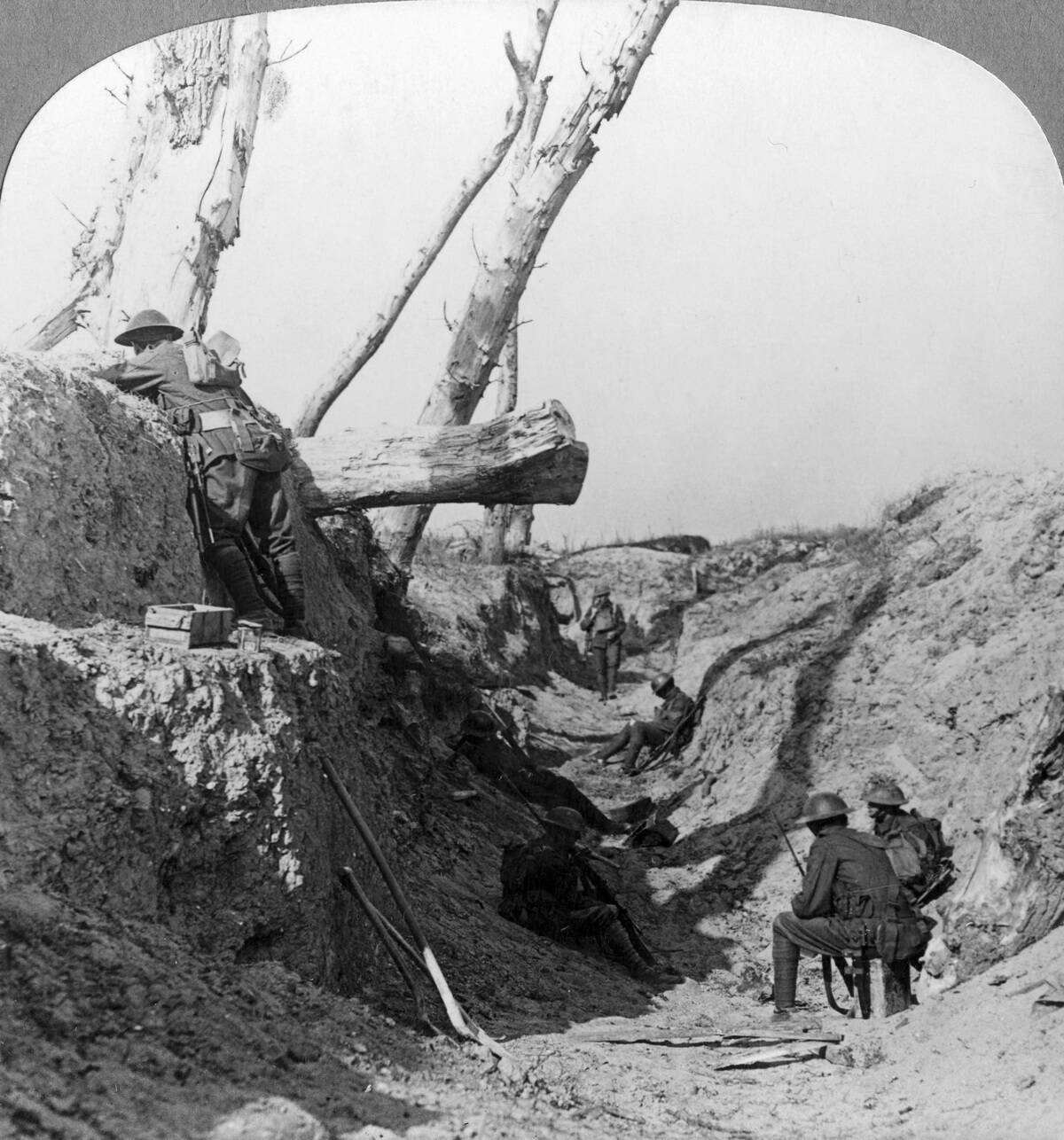
Before dawn on 7 June 1917, British tunneling companies detonated 19 mines under German positions along Messines Ridge in Belgium—roughly 455 tons of explosives in total. The blasts killed thousands, flipped the tactical map in seconds, and were reportedly heard in London. General Herbert Plumer’s Second Army then advanced behind a precisely timed barrage, taking ground that months of frontal attacks had failed to seize.
Several prepared mines did not go off; one in the La Petite Douve sector was neutralized decades later. Craters like Spanbroekmolen’s “Lone Tree” remain as somber landmarks. The operation showed what meticulous engineering, soundproof digging, and patient logistics could do when aligned with artillery and infantry plans. In a war of attrition, Messines was a rare demonstration that preparation could still buy shock.
Operation Eiche: the silent glider raid that snatched Mussolini
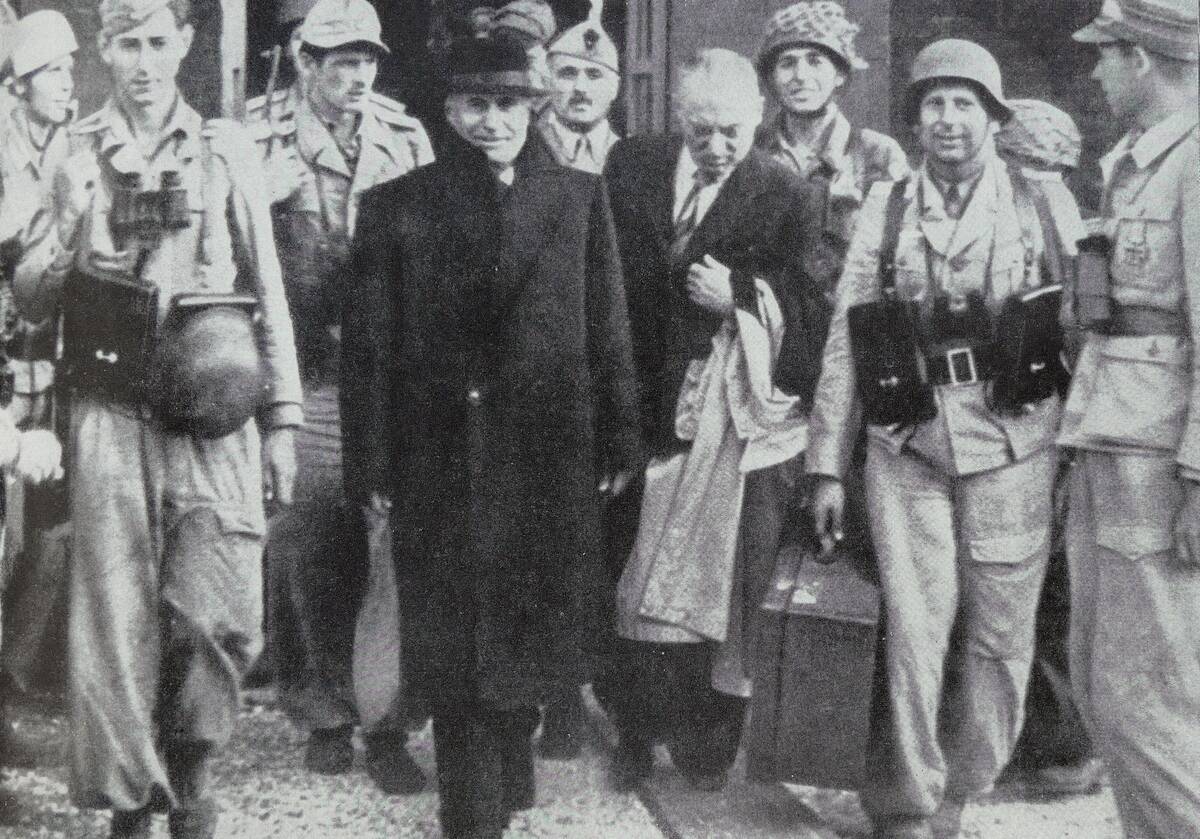
On 12 September 1943, German paratroopers and SS commandos swooped in on DFS 230 gliders to the Hotel Campo Imperatore atop the Gran Sasso in Abruzzo. Their target: Benito Mussolini, deposed and held by Italy’s new government after the 8 September armistice. The raiders overpowered guards with minimal shots fired. A tiny Fieseler Fi 156 Storch then lifted off from the mountain plateau with Mussolini aboard.
Propaganda hailed SS officer Otto Skorzeny, but Luftwaffe Major Harald Mors planned and led the operation, with his team securing the lower cable station. The rescue installed Mussolini as head of a German‑backed regime on Lake Garda. The raid’s mechanics—gliders for surprise, rapid seizure of key nodes—echo other coups de main: a quiet arrival, a loud message, and a swift exit.
The Double-Cross System: enemy spies who didn’t know they’d switched sides
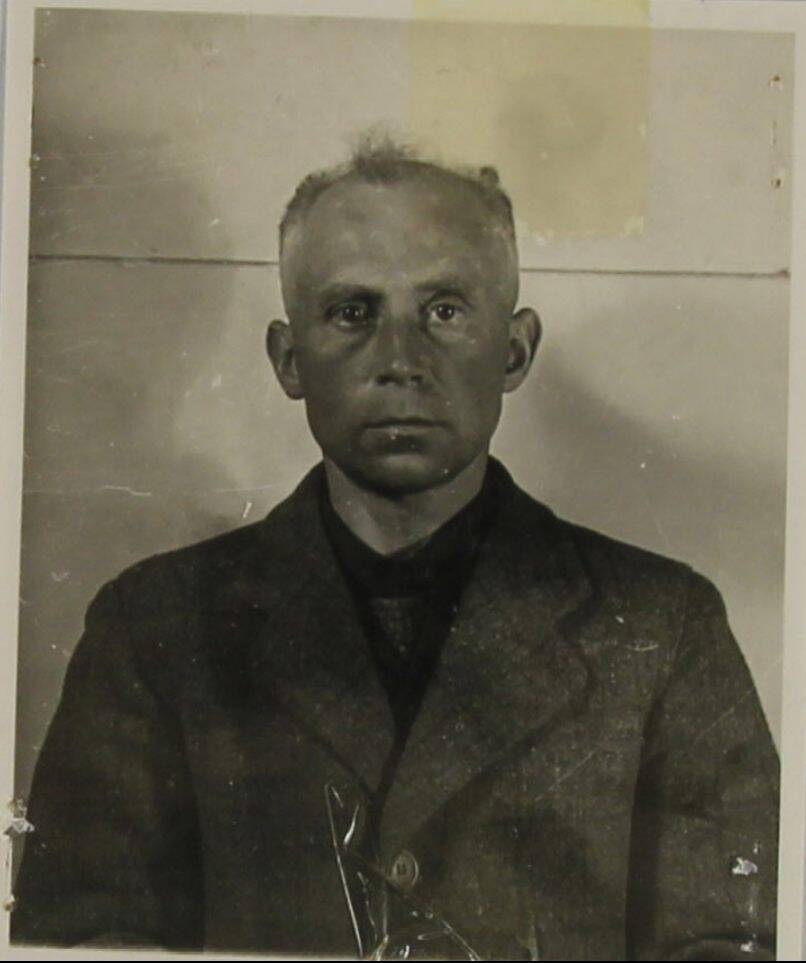
Britain’s MI5 corralled almost every German agent sent to the UK, then turned or impersonated them under the XX Committee chaired by John Masterman. Controlled radios drip‑fed Berlin with curated truths and persuasive fictions. Star double agents included “Garbo” (Juan Pujol), “Tate” (Wulf Schmidt), and “Tricycle” (Dušan Popov). Their credibility, checked via Bletchley Park decrypts, made their lies potent at just the right moments.
During 1944, Double‑Cross reports underpinned Operation Fortitude, reinforcing the phantom FUSAG and a Pas‑de‑Calais narrative. Masterman later chronicled the method in The Double‑Cross System (published 1972), long after the war. The genius wasn’t just recruitment; it was management—paying expenses, inventing sub‑agents, and crafting a rhythm that felt authentic to German case officers. Spies became authors of the enemy’s misunderstanding.
Navajo Code Talkers: everyday words the enemy couldn’t crack
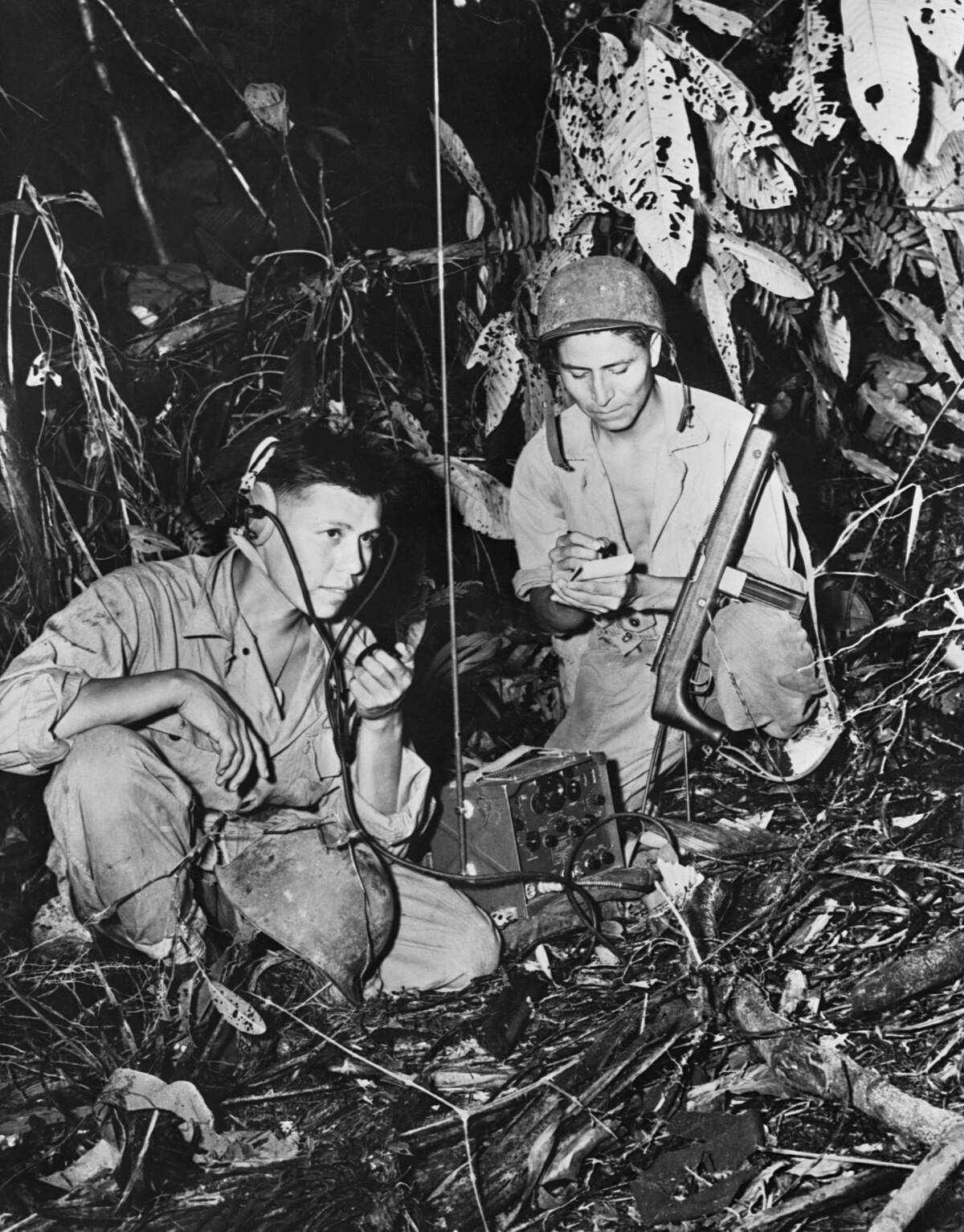
In 1942, the U.S. Marine Corps recruited 29 Navajo speakers to build a voice code atop their language. They created an initial lexicon of hundreds of terms—airplanes as “birds,” ships as “whales”—and an alphabet system for names. By war’s end, more than 400 Navajo served as code talkers across the Pacific, from Guadalcanal to Iwo Jima. Messages that might take hours to encrypt and send by machine went in minutes, error‑free.
At Iwo Jima, Major Howard Connor of the 5th Marine Division said his six Navajo operators handled over 800 messages in the first two days without a single mistake. The code remained classified until 1968; in 2000, Congress awarded the original 29 Gold Medals and subsequent code talkers Silver. It’s a rare case where culture and language became a battlefield advantage as decisive as a new weapon.
Operation Outward: runaway balloons that zapped power grids
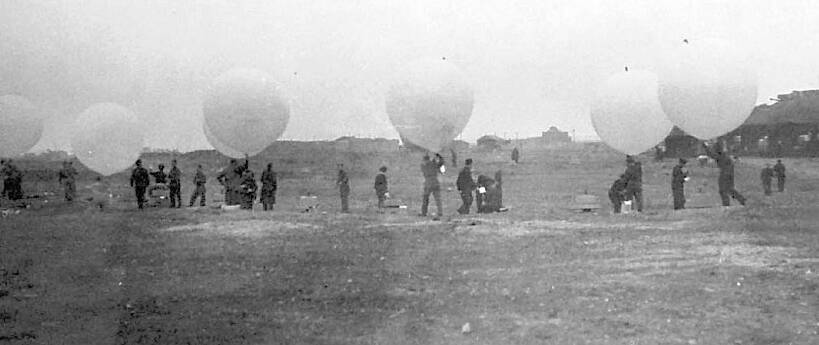
From March 1942 to 1944, Britain launched about 99,000 free‑flying balloons carrying either trailing steel wires to short out power lines or small incendiary devices to start fires. Steered only by wind and weather forecasts, they drifted into occupied Europe and Germany, occasionally causing electrical outages and disrupting rail signaling. Cheap to build and launch from coastal sites, they were a low‑risk way to nibble at infrastructure over a wide area.
German records and postwar assessments note multiple power interruptions and firefighting responses attributable to the balloons. The program’s scale mattered: a single balloon was a nuisance; tens of thousands became a background hazard the enemy couldn’t easily suppress. It’s the logic of area denial applied by the cubic kilometer—simple, statistical, and surprisingly effective for something that looked like a child’s toy.
Yom Kippur’s water cannons: blasting through sand to cross the Suez
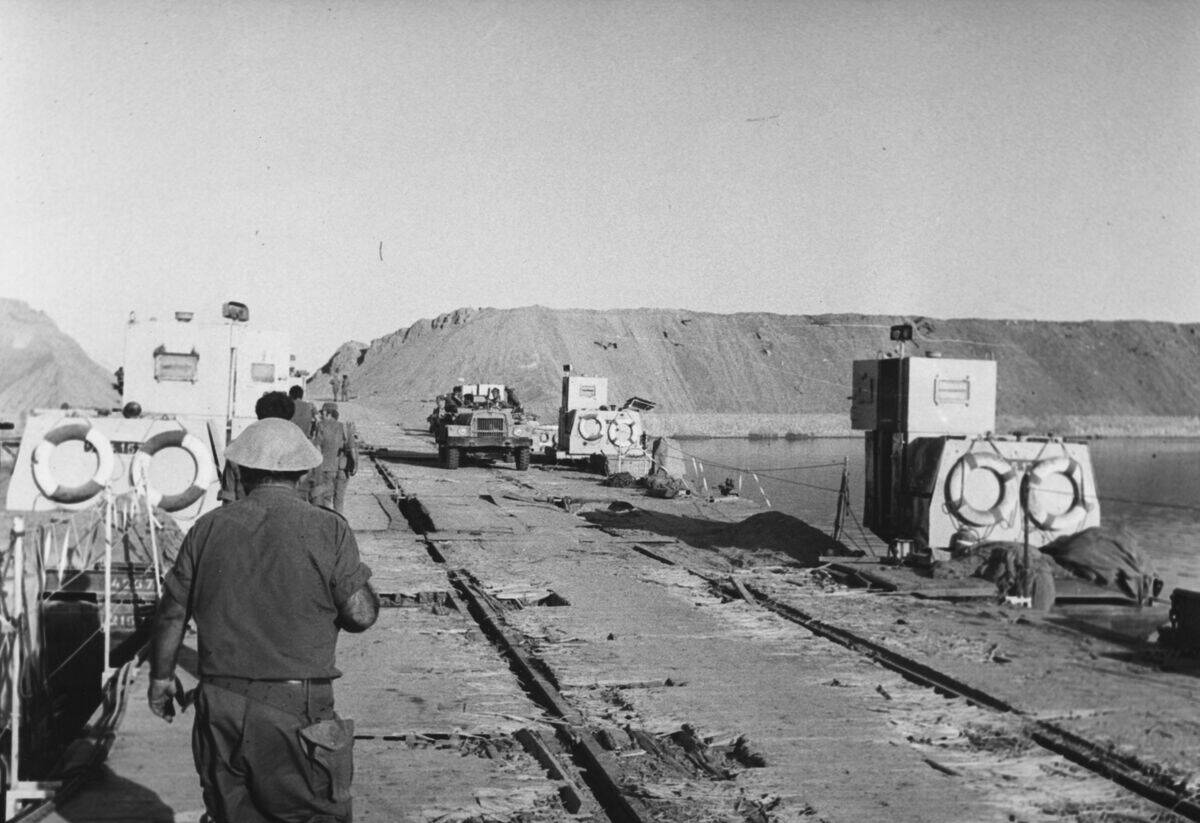
On 6 October 1973, Egyptian forces faced a man‑made wall: the Bar Lev Line’s sand rampart on the Suez Canal’s east bank, roughly 15–20 meters high. Instead of bulldozers alone, combat engineers used high‑pressure water pumps to cut breaches rapidly, turning a static obstacle into slurry. Within hours, multiple crossing points were open for assault boats and, soon, Soviet‑made pontoon bridges.
The numbers tell the story. Tens of thousands of Egyptian troops crossed on day one; more than 60 breaches were created over the following days along the canal front. The method saved time, fuel, and lives under fire. A hydraulic solution to a geological problem let tactics outrun expectations—and made a defensive line designed to absorb time suddenly very perishable.
Operation Paul Bunyan: chainsaws, swagger, and a Cold War stare-down
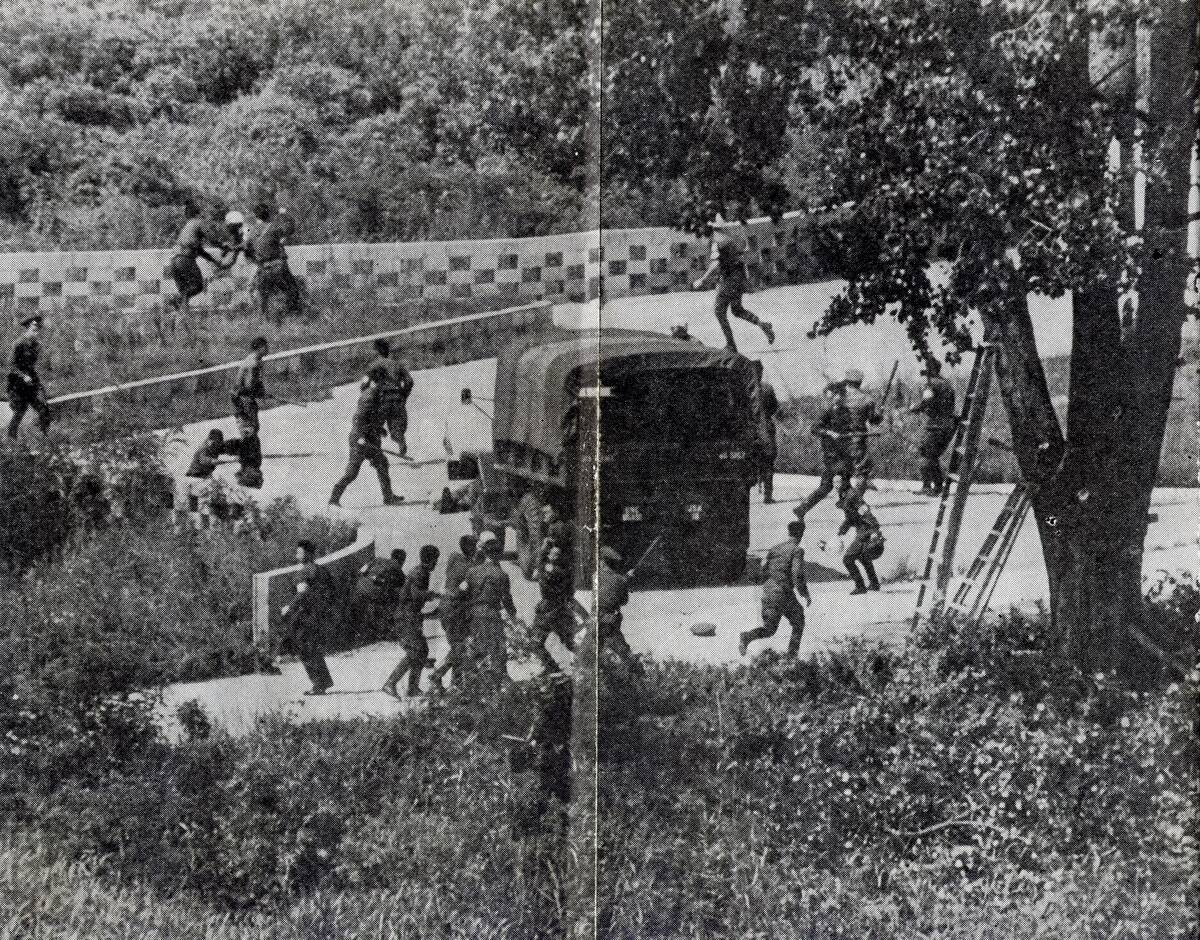
After North Korean soldiers killed two U.S. officers with axes in the Joint Security Area on 18 August 1976, the United Nations Command replied with a meticulous show of force. At dawn on 21 August, a convoy of engineers rolled in with chainsaws to cut down the offending poplar tree. Infantry, armor, attack helicopters, and even B‑52s orbiting at altitude backed them up; teams prepped to blow bridges if needed.
No shots were fired.
The message was calibrated: finish the job in minutes, then leave. The tree fell; the crisis cooled. The operation’s name—Paul Bunyan, America’s folk lumberjack—fit the tone. It wasn’t subtle deception so much as overt theater, but it relied on the same psychology: make your intent unmistakable, your preparation undeniable, and your timeline too short for the other side to gamble against.
The Little Ships of Dunkirk: a civilian armada that saved an army
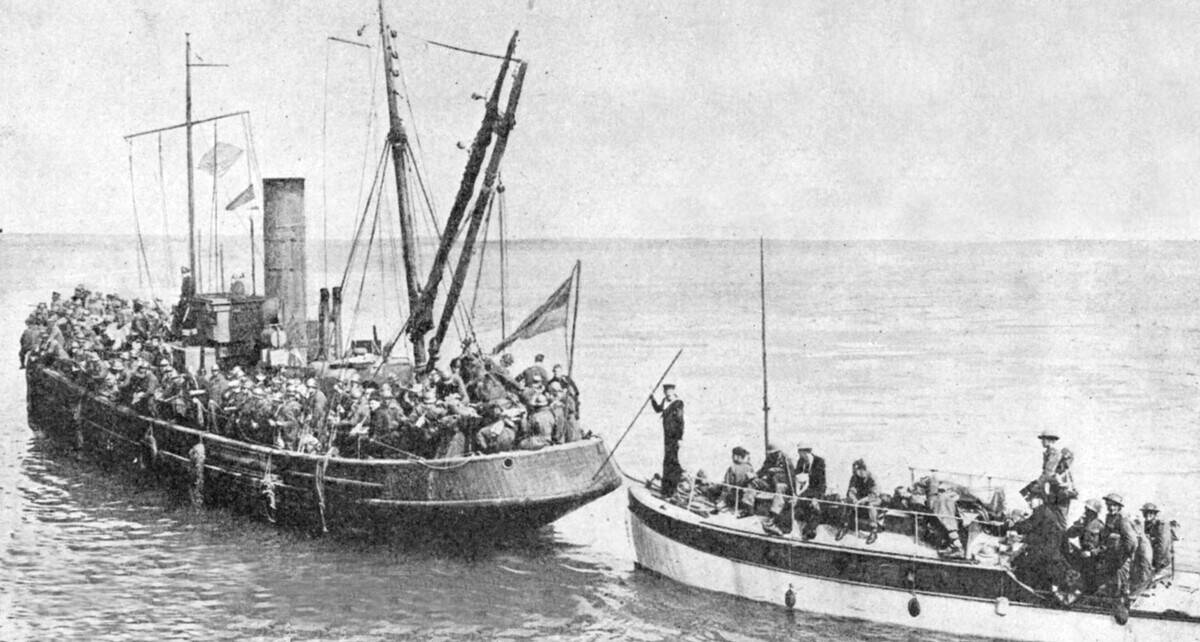
Between 26 May and 4 June 1940, Operation Dynamo evacuated 338,000 Allied troops from Dunkirk. Warships did the heavy lifting, but shallow waters and wreck‑choked piers made small craft indispensable. Around 700 “Little Ships”—lifeboats, pleasure cruisers, tugs, and fishing boats—ferried soldiers from beaches to larger vessels or straight across the Channel. Famous names like Medway Queen, Sundowner, and Tamzine became bywords for grit and improvisation.
The evacuation didn’t erase the defeat in France, but it rescued the British Expeditionary Force to fight another day. The Royal Navy coordinated and, in many cases, crewed the civilian boats, while volunteers and owners joined in where possible. German air attacks and artillery made every crossing a wager. Scale, speed, and the right kind of hulls turned a corner of the Channel into a lifeline.
Q-ship cousins on land: dummy tanks, guns, and entire fake divisions
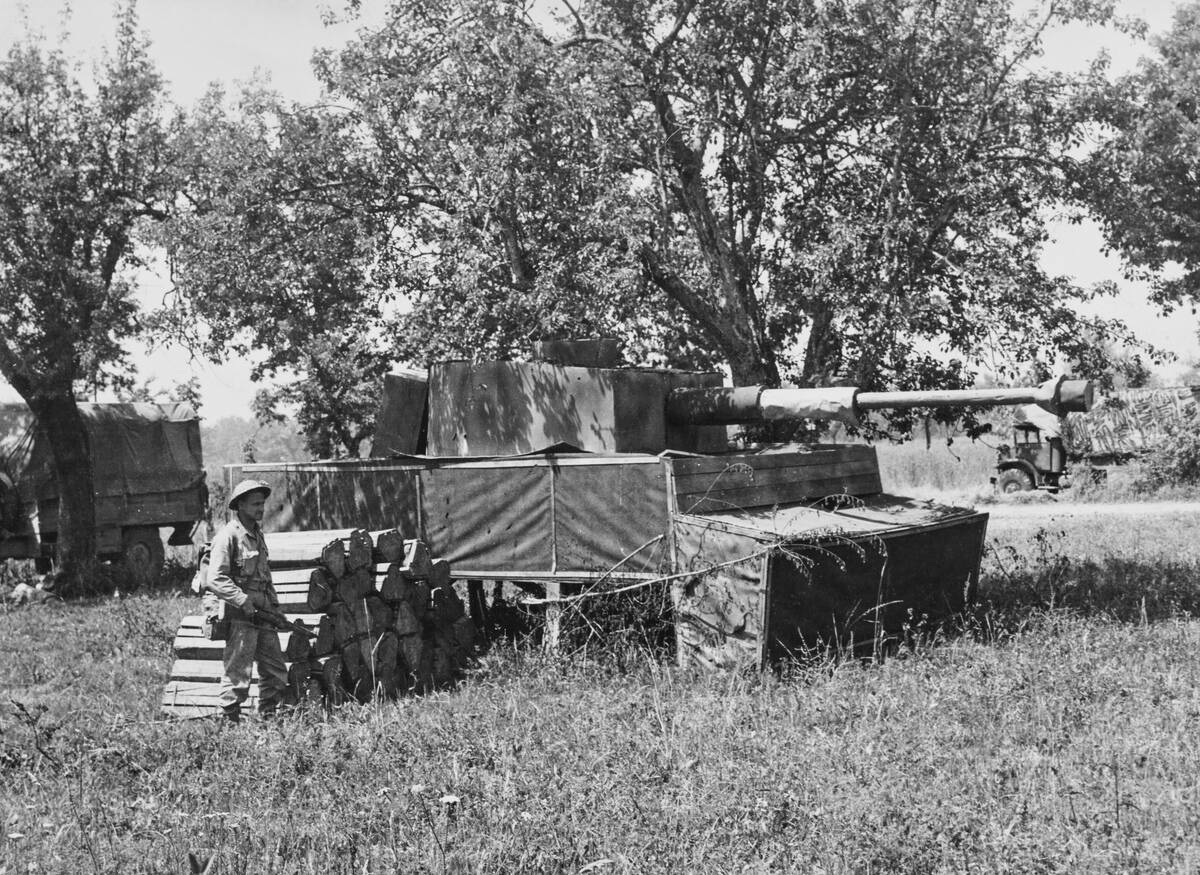
If Q‑ships fooled periscopes, their land cousins tricked binoculars and cameras. In Britain, decoy “Starfish” sites lit controlled fires to lure Luftwaffe bombers away from real cities starting in 1940. Later, carpenters and canvas crews mass‑produced dummy Shermans, fake artillery, and plywood landing craft. Under Fortitude’s sub‑plans (like Quicksilver), southeast England filled with convincing signs of a massive invasion force that didn’t exist.
Elsewhere, armies salted battlefields with inflatable tanks and phony gun pits, complete with tire tracks and spent shell casings for low‑flying recon. The trick wasn’t invisibility—it was plausibility, framed for an enemy’s sensors and expectations. Combined with radio spoofing and planted “sightings,” these props created orders of battle on paper that tied down real divisions. Sometimes the deadliest unit on a map is the one that’s only on the map.




