Proof ancient societies were more connected than believed
The tapestry of ancient history is woven with intricate threads of connection, revealing a world far more interconnected than one might imagine.
From bustling trade routes to shared artistic motifs, ancient societies were far from isolated. Curiosity and necessity drove these connections, as people of the past reached across lands and seas to share, learn, and grow. Let’s embark on a journey through time to uncover some of these unexpected links that knit ancient civilizations together.
The Silk Road: More Than Just a Trade Route
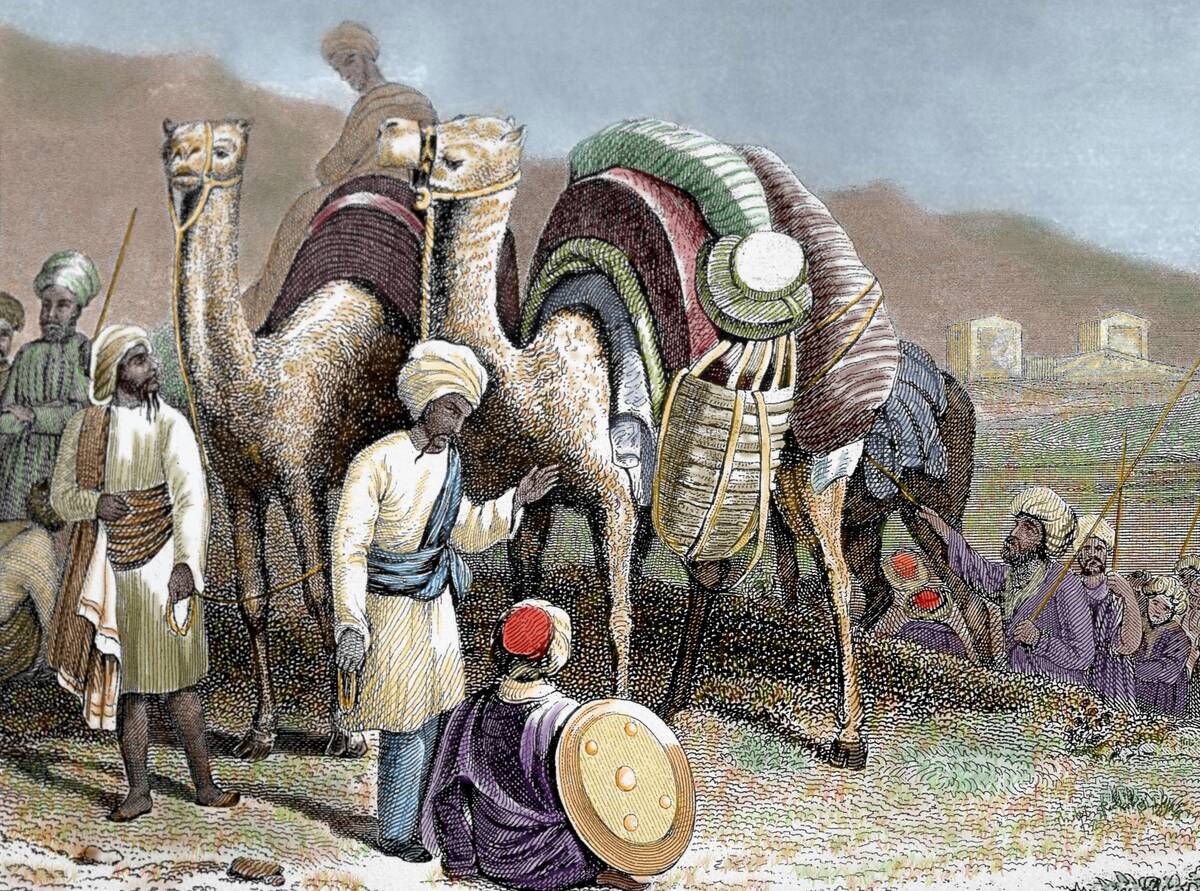
The Silk Road was much more than a mere pathway for goods; it was a vibrant artery of cultural exchange. Stretched over 4,000 miles, it linked the East and West, facilitating not only the trade of silk, spices, and precious metals but also the exchange of ideas, religion, and technology.
This ancient network contributed to the spread of Buddhism into China and introduced the West to papermaking techniques that revolutionized communication.
Ancient Maritime Networks: Seas as Highways of Exchange
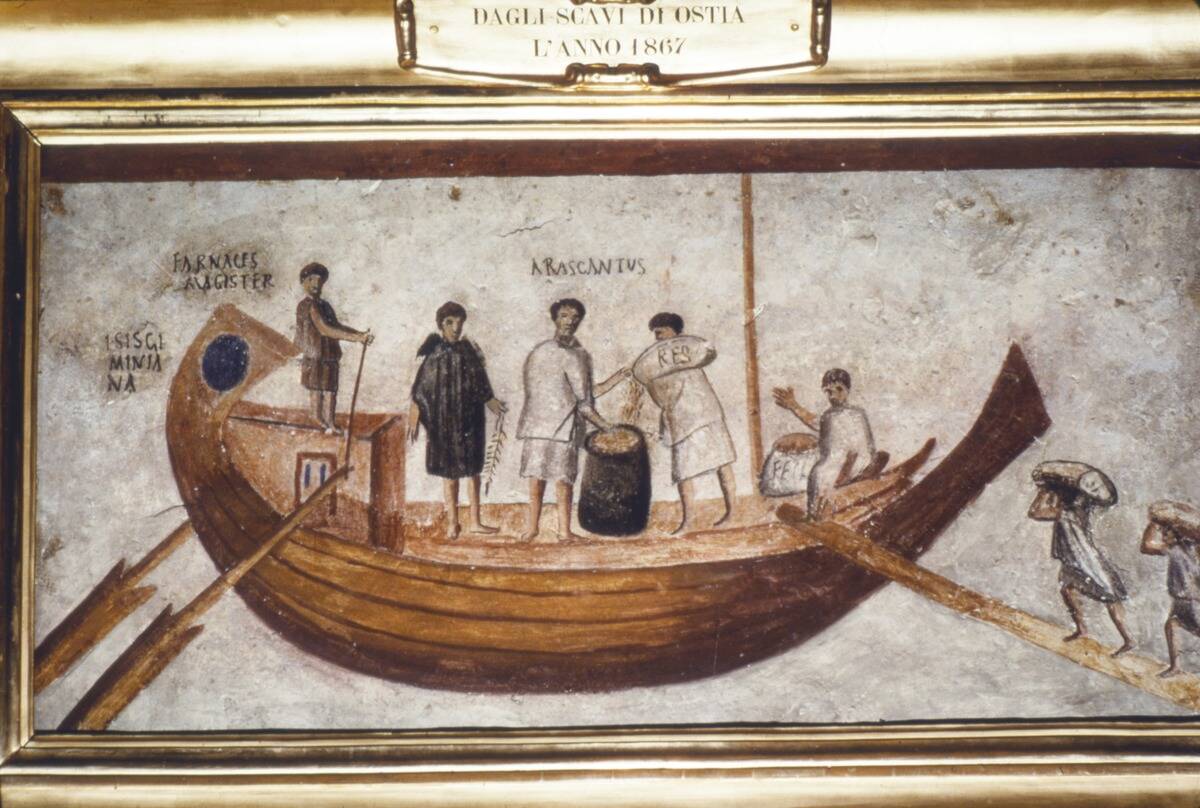
While the Silk Road is renowned, ancient maritime routes were equally pivotal in connecting societies. The Indian Ocean, for instance, was a bustling hub where sailors and merchants exchanged goods and knowledge.
These sea routes enabled the spice trade and facilitated the spread of Hinduism and Buddhism to Southeast Asia. Navigators shared maritime techniques and tools, enhancing navigation and shipbuilding, which further bridged distant cultures.
The Spread of Agriculture: A Shared Knowledge Across Continents
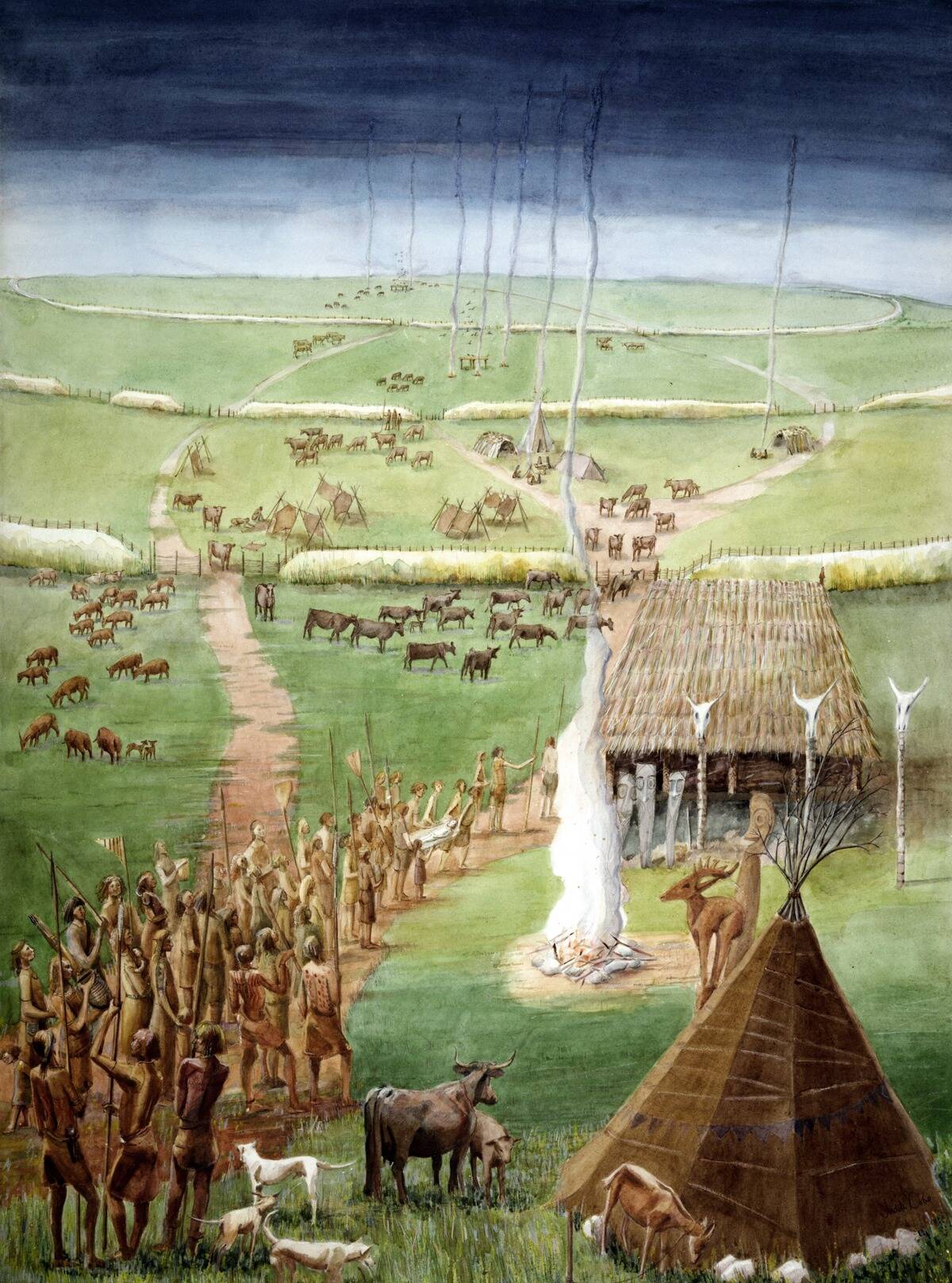
Agriculture’s spread across continents was a testament to humanity’s ingenuity and adaptability. Techniques like crop rotation and irrigation were shared and adapted, leading to agricultural flourishing in regions like the Fertile Crescent and the Nile Valley.
The domestication of crops like wheat and barley in the Middle East eventually found their way to Europe and Asia, transforming diets and societies. This agricultural diffusion laid the groundwork for settled civilizations and complex societies.
Language Links: Tracing the Roots of Common Tongues
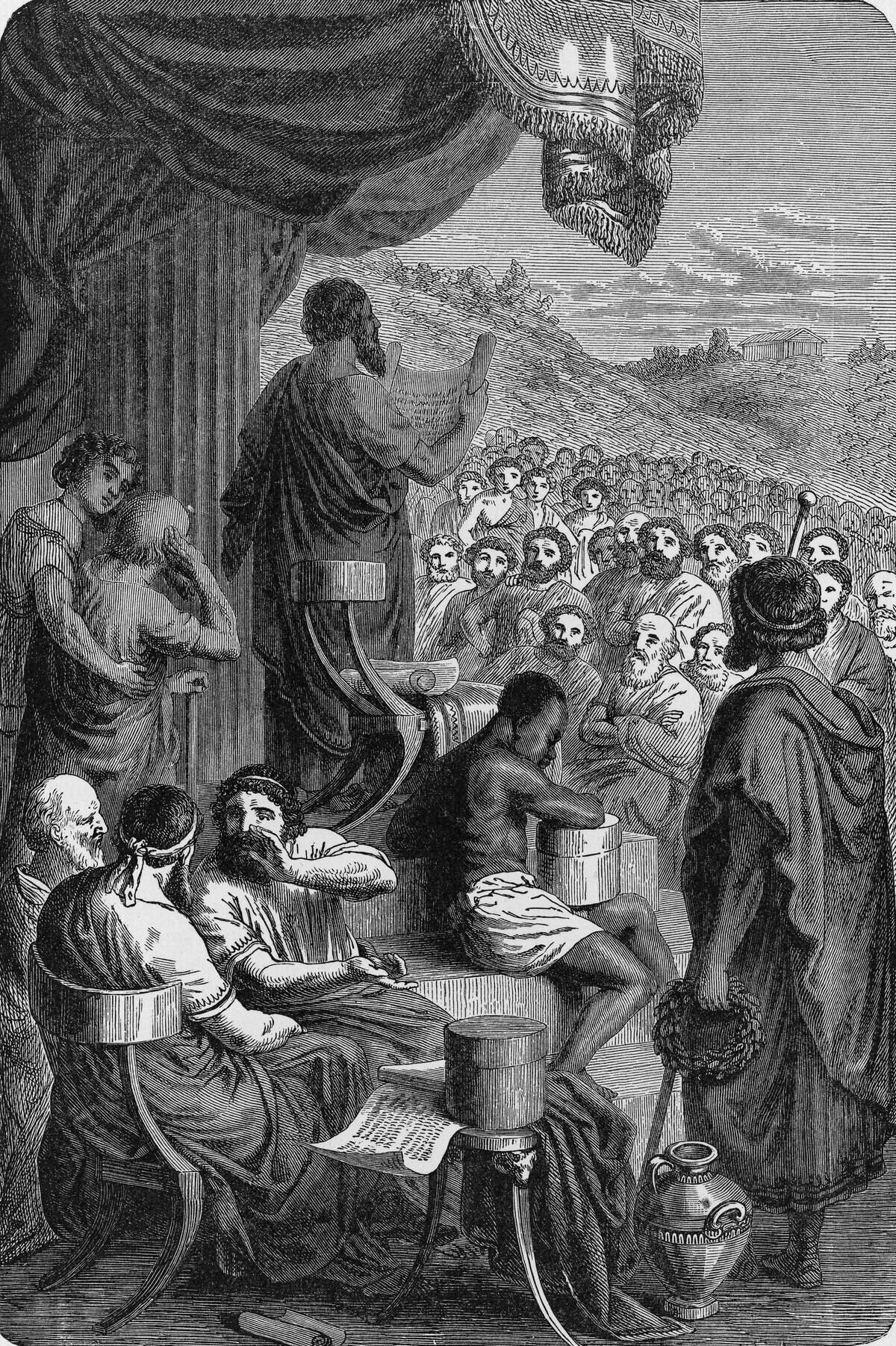
Languages are living records of human connection and migration. Many languages today share common roots, tracing back to ancient linguistic families. The Indo-European language family, for instance, spans from English to Hindi, illustrating ancient migrations and interactions.
Linguistic studies reveal how ancient peoples communicated and influenced each other, with words for trade goods and technologies often shared across borders. Language not only connected people but also preserved the stories of their journeys.
Cultural Exchange Through Art and Symbolism
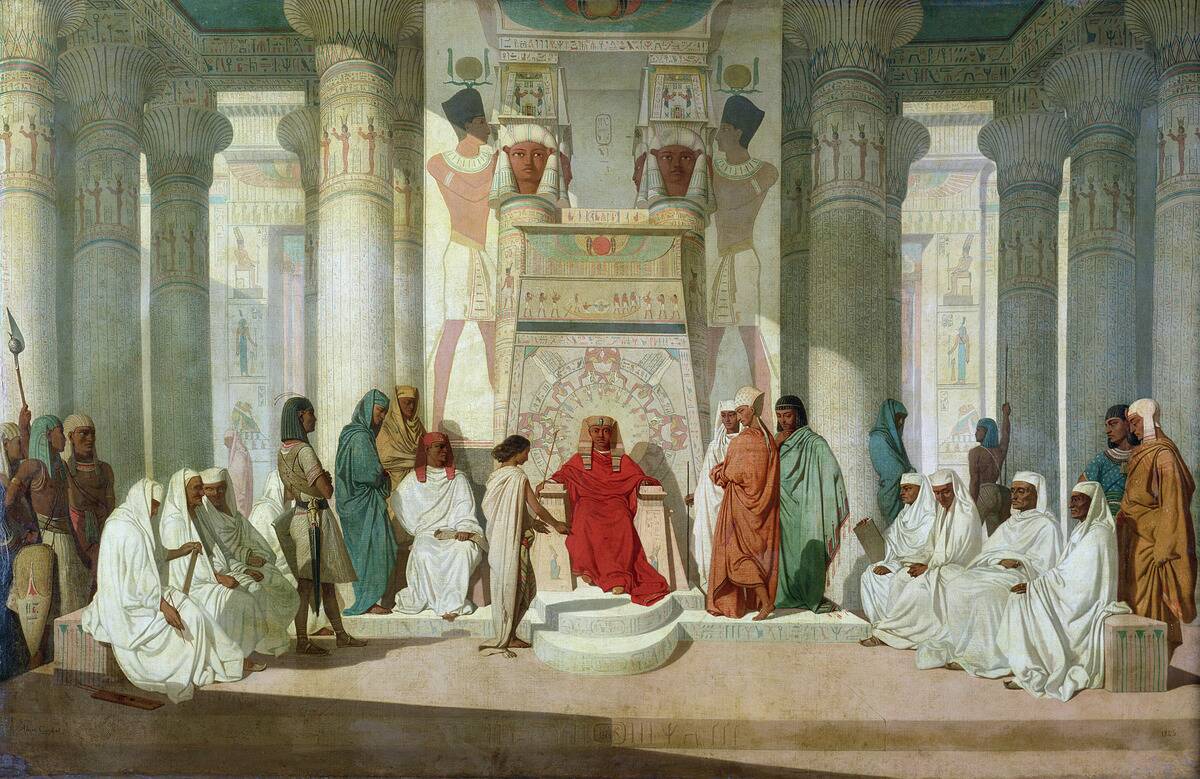
Art has always been a universal language, transcending boundaries and connecting cultures. Ancient artworks, from the intricate motifs of Persian rugs to the geometric patterns in Islamic art, demonstrate shared influences.
Symbolism often traveled along trade routes, with motifs like the lotus appearing in both Egyptian and Indian art. These artistic exchanges enriched cultural vocabularies and allowed civilizations to communicate values, stories, and beliefs through shared visual languages.
The Shared Architectural Marvels Across Civilizations
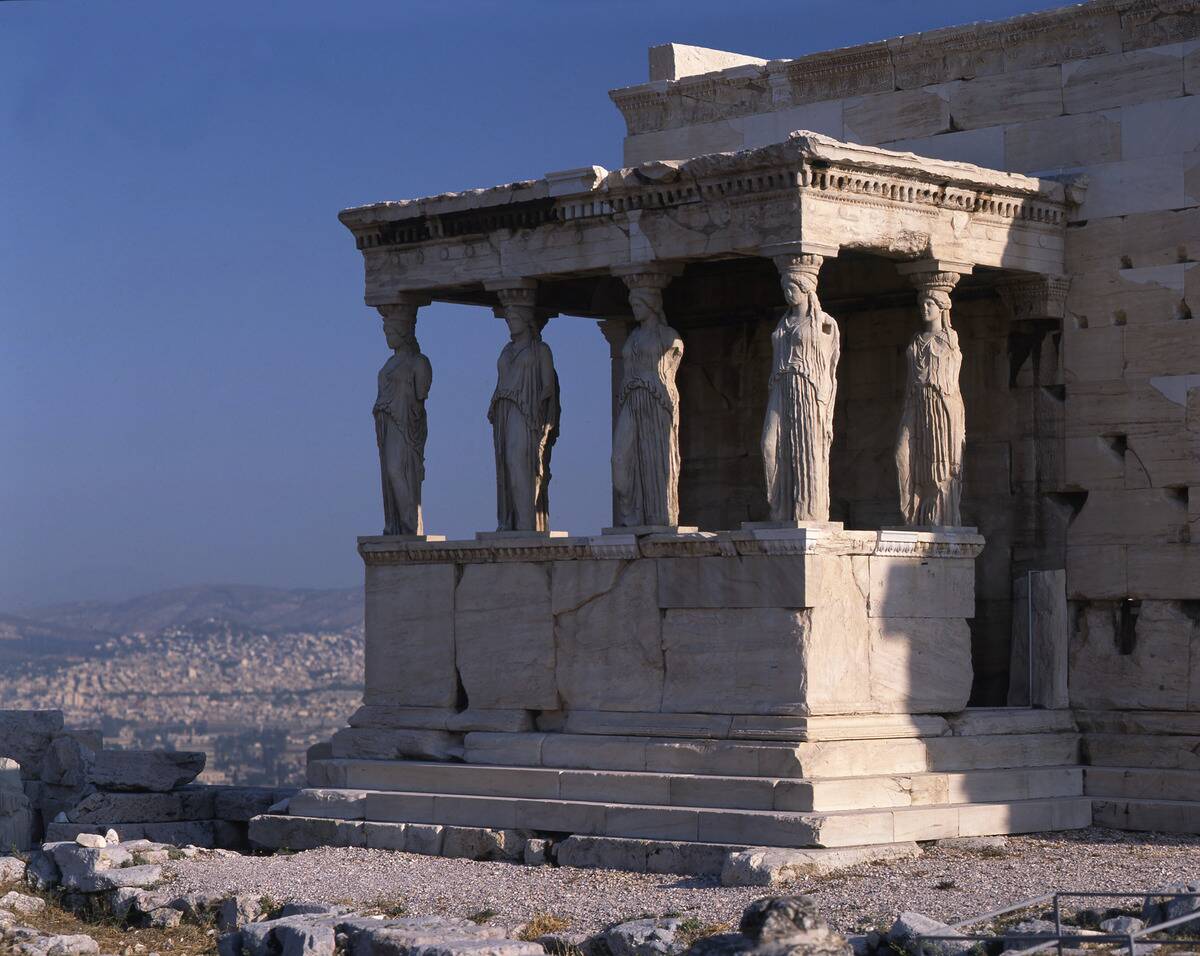
Architecture is a testament to the ingenuity and creativity of ancient societies, with shared techniques and styles evident across regions. The use of columns in Greek and Egyptian structures, or the arches in Roman and Persian architecture, signifies a transfer of knowledge.
These architectural marvels not only highlight aesthetic influences but also practical exchanges, as construction techniques were adapted to local materials and climates, showcasing a blend of tradition and innovation.
Ancient Technology Transfers: Learning from Each Other
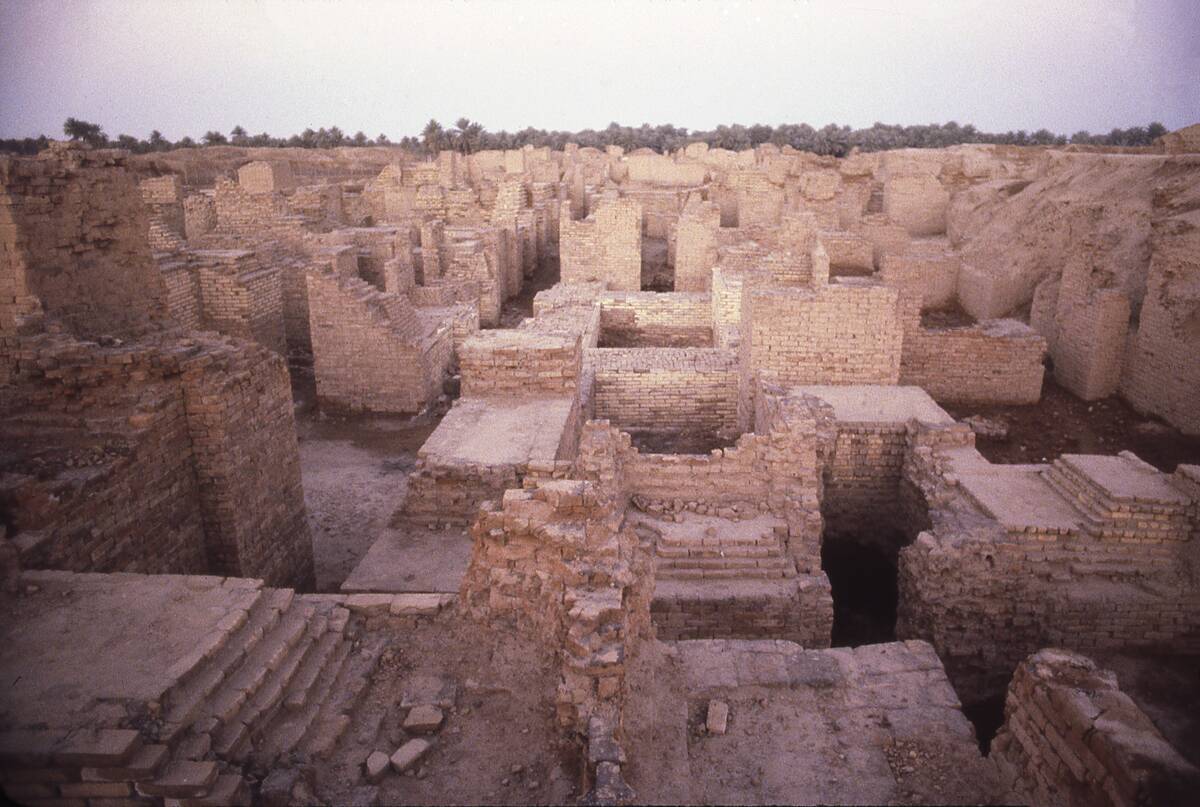
Technology has always been a driver of progress, and ancient societies were adept at sharing innovations. The wheel, which originated in Mesopotamia, spread rapidly and revolutionized transport and trade.
Similarly, metalworking techniques traveled from the Middle East to Europe and Asia, enhancing tool and weapon production. These technological exchanges were facilitated by interactions along trade routes and through conquests, highlighting a spirit of learning and adaptation that propelled human advancement.
Religious Syncretism: Blending Beliefs Across Borders
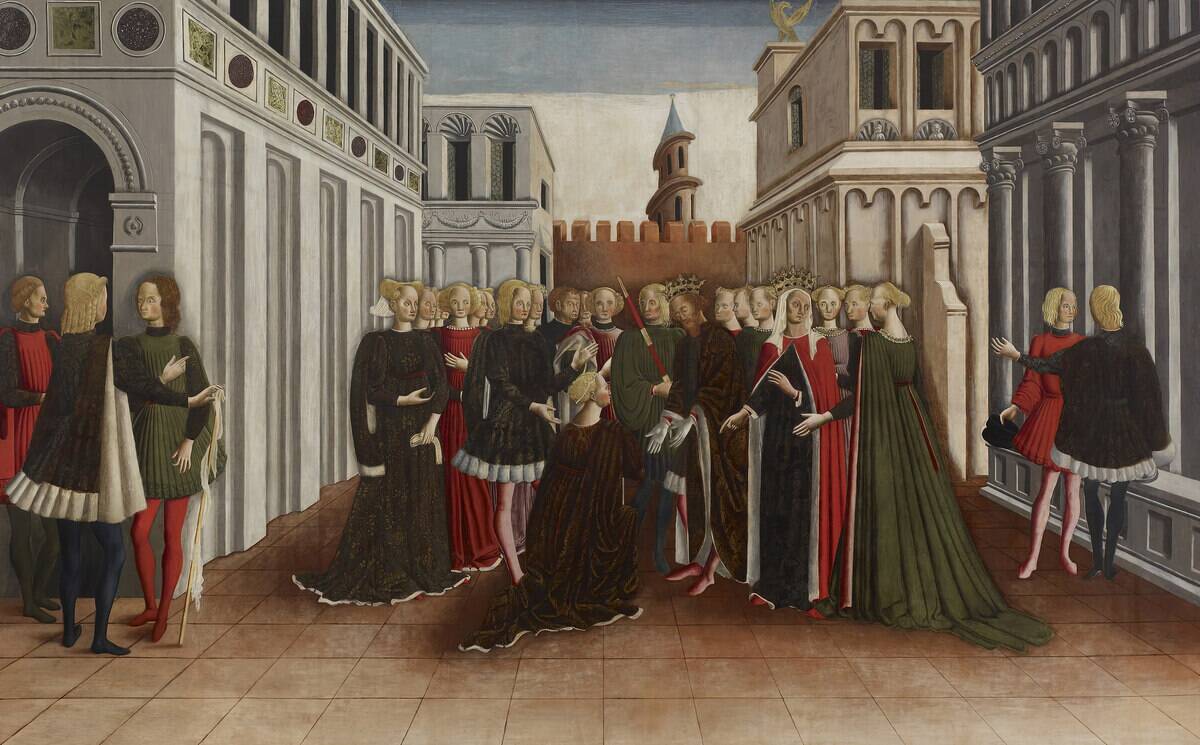
The melding of religious beliefs is a fascinating aspect of ancient cultural exchange. As societies interacted, they often absorbed and integrated elements from each other’s spiritual practices.
This syncretism is evident in the fusion of Greek and Egyptian deities in the Hellenistic period or the blending of Buddhism with local traditions in East Asia. These blended beliefs enriched spiritual landscapes, creating diverse religious practices that reflected a tapestry of human experience and interaction.
The Movement of People: Migrations and Their Impact
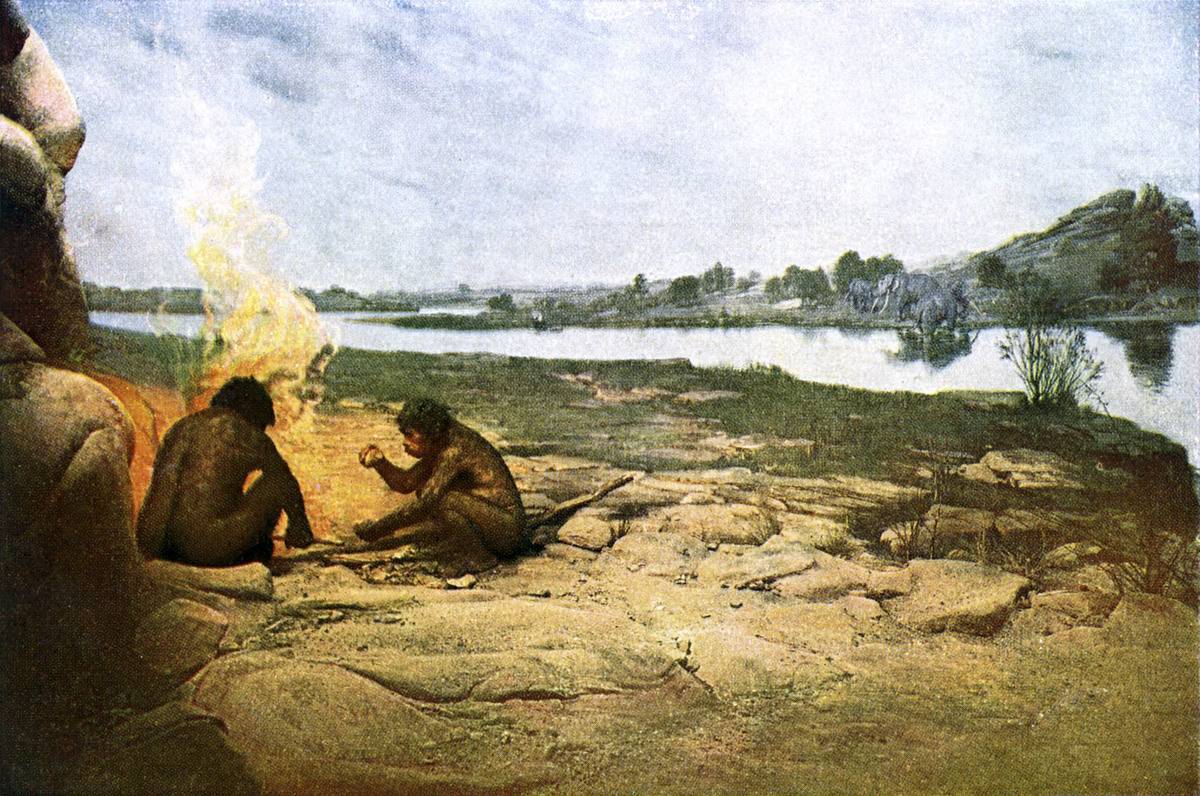
Human migrations have long been a catalyst for cultural and technological exchange. The movement of the Bantu people across Africa spread agricultural practices and ironworking techniques. Similarly, the migration of Indo-European tribes introduced new languages and cultural practices to Europe and Asia.
These migrations often resulted in the blending of cultures, reshaping societies and fostering new innovations, demonstrating the dynamic nature of human history and the interconnectedness of ancient populations.
Genetic Studies: DNA Evidence of Interconnectedness

Modern genetic studies have provided fascinating insights into the interconnectedness of ancient populations. DNA analysis reveals shared genetic markers between distant populations, indicating historical migrations and interactions.
For instance, the genetic legacy of the Yamnaya people is found across Europe, highlighting ancient movements and cultural exchanges. These studies not only confirm historical records but also uncover previously unknown connections, painting a complex picture of human ancestry and migration patterns.
The Role of Ancient Storytelling in Linking Societies
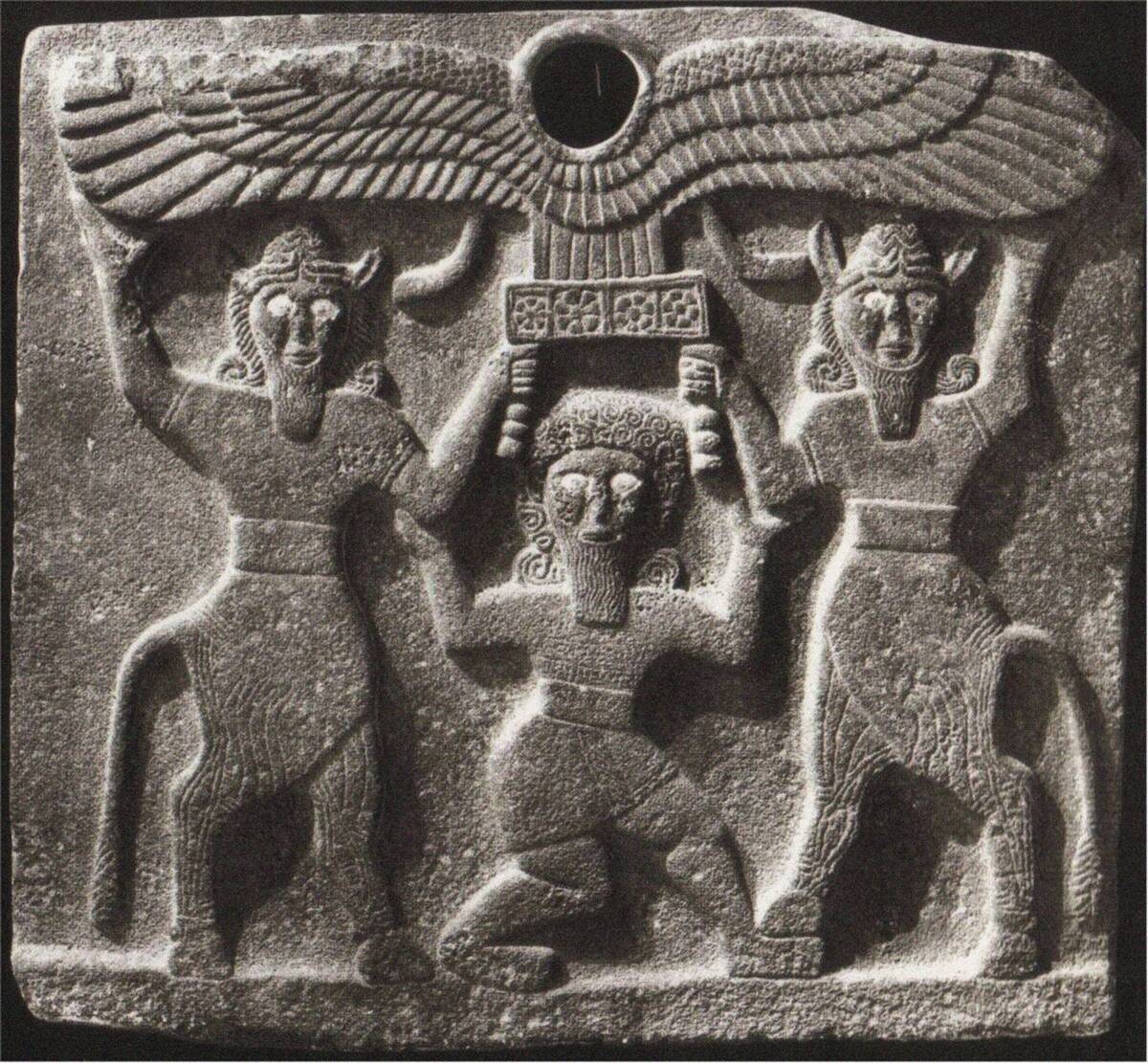
Storytelling has always been a powerful tool for cultural connection, transmitting values, beliefs, and knowledge across generations and borders. Myths and legends, such as the Epic of Gilgamesh or the Mahabharata, traveled with traders and migrants, influencing diverse cultures.
These stories often contained universal themes and morals that resonated with different societies, facilitating a shared understanding and cultural dialogue. Through storytelling, ancient societies preserved their histories and fostered a sense of interconnectedness.
Shared Medical Knowledge and Practices
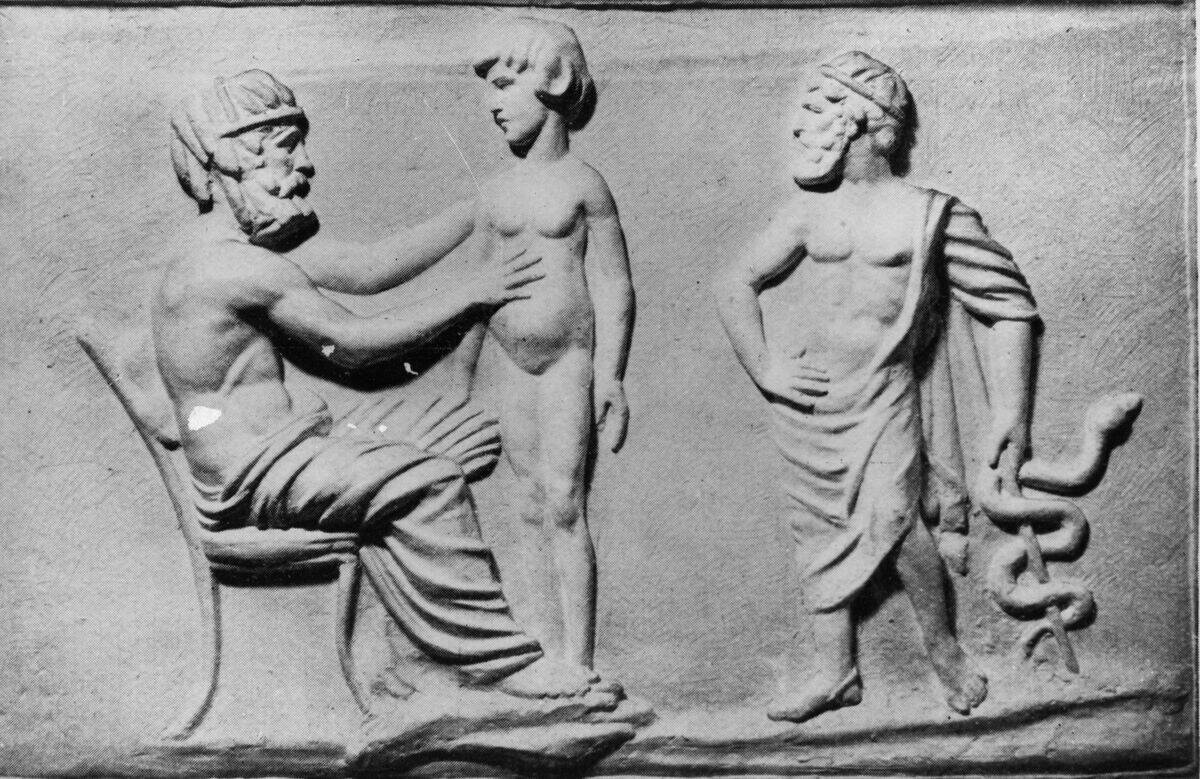
The exchange of medical knowledge in ancient times was crucial for the advancement of healthcare. Texts like the Ayurvedic manuscripts from India and the medical papyri of Egypt exchanged hands, contributing to a shared understanding of health practices.
Techniques such as herbal remedies and surgical procedures were adapted and refined across cultures. This cross-cultural medical knowledge laid the foundations for modern medicine, illustrating how ancient societies worked together to improve their well-being.
The Exchange of Musical Instruments and Styles
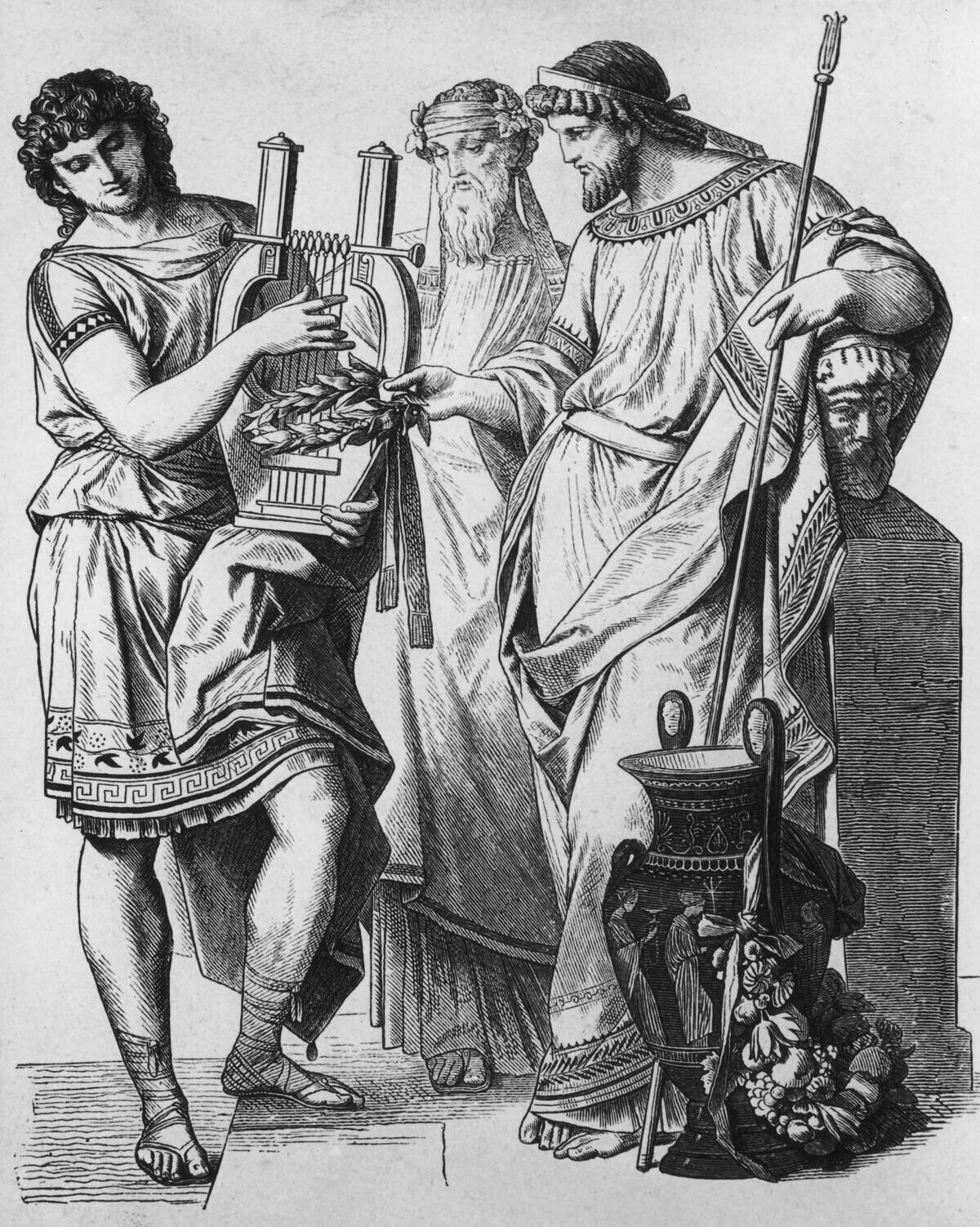
Music has always been a bridge between cultures, with instruments and styles exchanged across ancient trade routes. The lute, for example, has origins in Mesopotamia but found its way to Europe, evolving into the modern guitar.
Similarly, rhythmic patterns and scales from African music influenced Middle Eastern and Mediterranean traditions. These musical exchanges enriched local traditions and fostered a diverse auditory landscape, illustrating the universal language of music in connecting human societies.
Archaeological Finds: Artifacts That Tell a Story of Connection
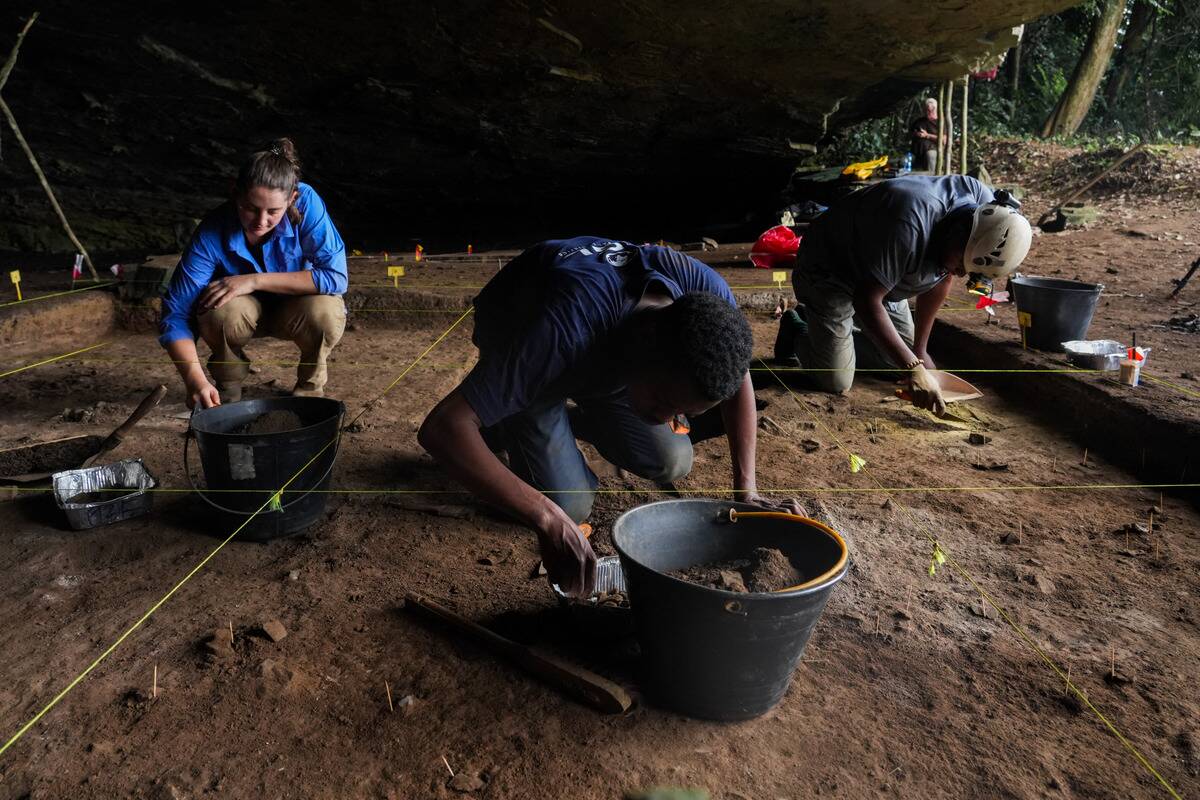
Archaeological discoveries often uncover the interconnected nature of ancient societies. Artifacts such as Roman coins found in India or Chinese silk in Egyptian tombs provide tangible evidence of historical trade and cultural exchange.
These finds demonstrate the vast networks that linked distant civilizations, revealing a world where ideas and goods were constantly in motion. Through archaeology, we gain a deeper understanding of how ancient peoples interacted and influenced one another, shaping the course of history.
The Influence of Ancient Political Alliances and Rivalries
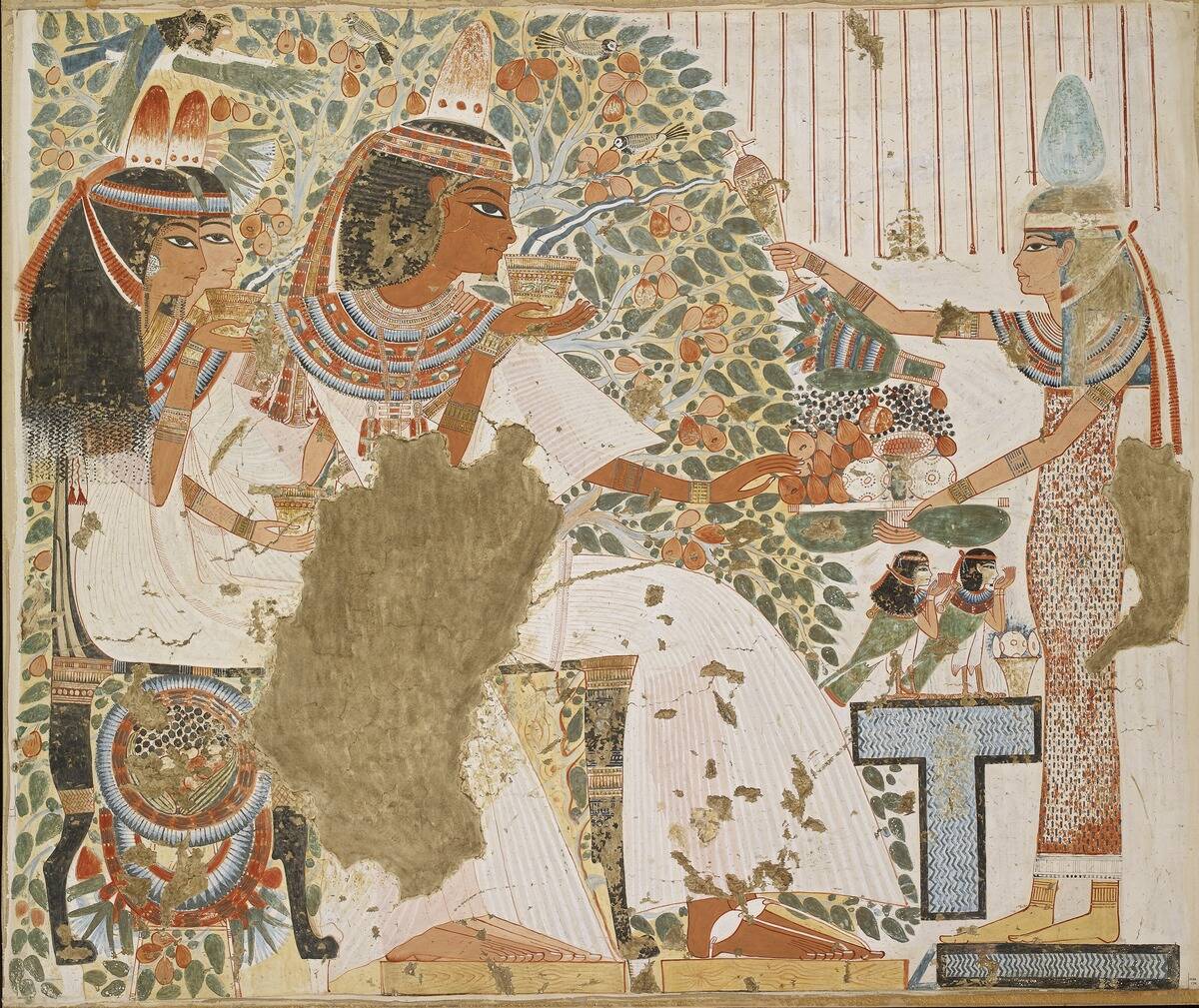
Political alliances and rivalries played a significant role in shaping ancient interactions and exchanges. Treaties and marriages between empires, such as those between Egypt and the Hittites, facilitated diplomatic relations and cultural sharing.
These alliances often led to the exchange of technologies, ideas, and even labor, as seen in the collaboration between Greek and Persian experts in various fields. Rivalries, too, spurred advancements, as competing societies sought to outdo each other, driving innovation and cultural development.
Festivals and Feasts: Celebrations That Crossed Cultures
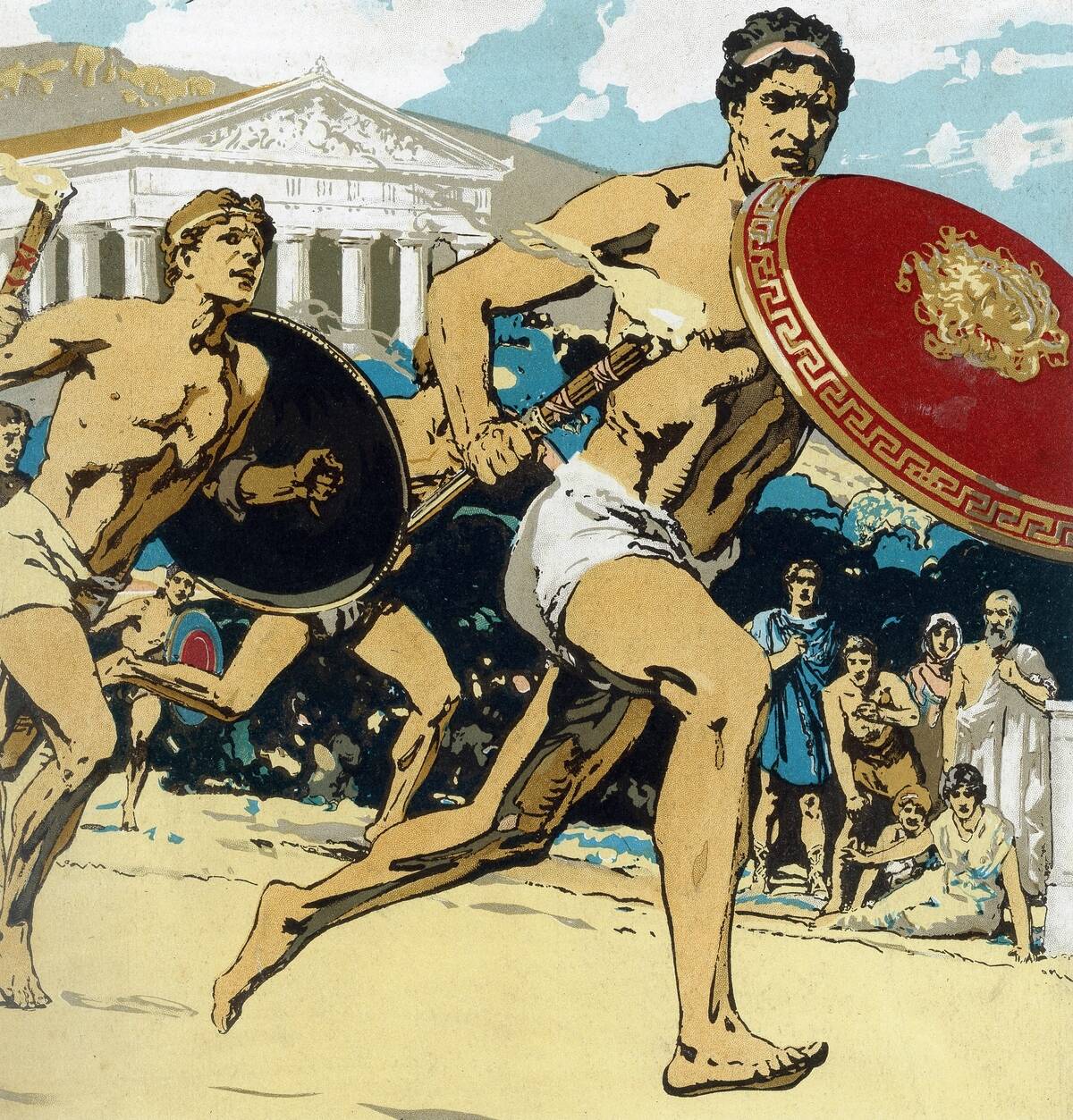
Festivals and feasts have long been avenues for cultural exchange, offering opportunities for different societies to come together and celebrate shared human experiences. Events like the ancient Olympic Games brought together athletes and spectators from across the Greek world, fostering a sense of unity and shared identity.
Similarly, harvest festivals celebrated across cultures often featured shared rituals and traditions, highlighting common agricultural practices and beliefs. These celebrations provided a space for interaction, fostering goodwill and understanding among diverse populations.