When department stores were cultural landmarks
The golden age of department stores was a time when shopping was more than just a necessity; it was an experience. From the late 19th century to the mid-20th century, these grand establishments became the epitome of luxury and innovation.
Shoppers flocked to them not only for goods but for entertainment and social interaction. This era saw department stores as the centerpiece of urban life, where fashion, culture, and commerce converged.
The Rise of the Department Store: A Brief History
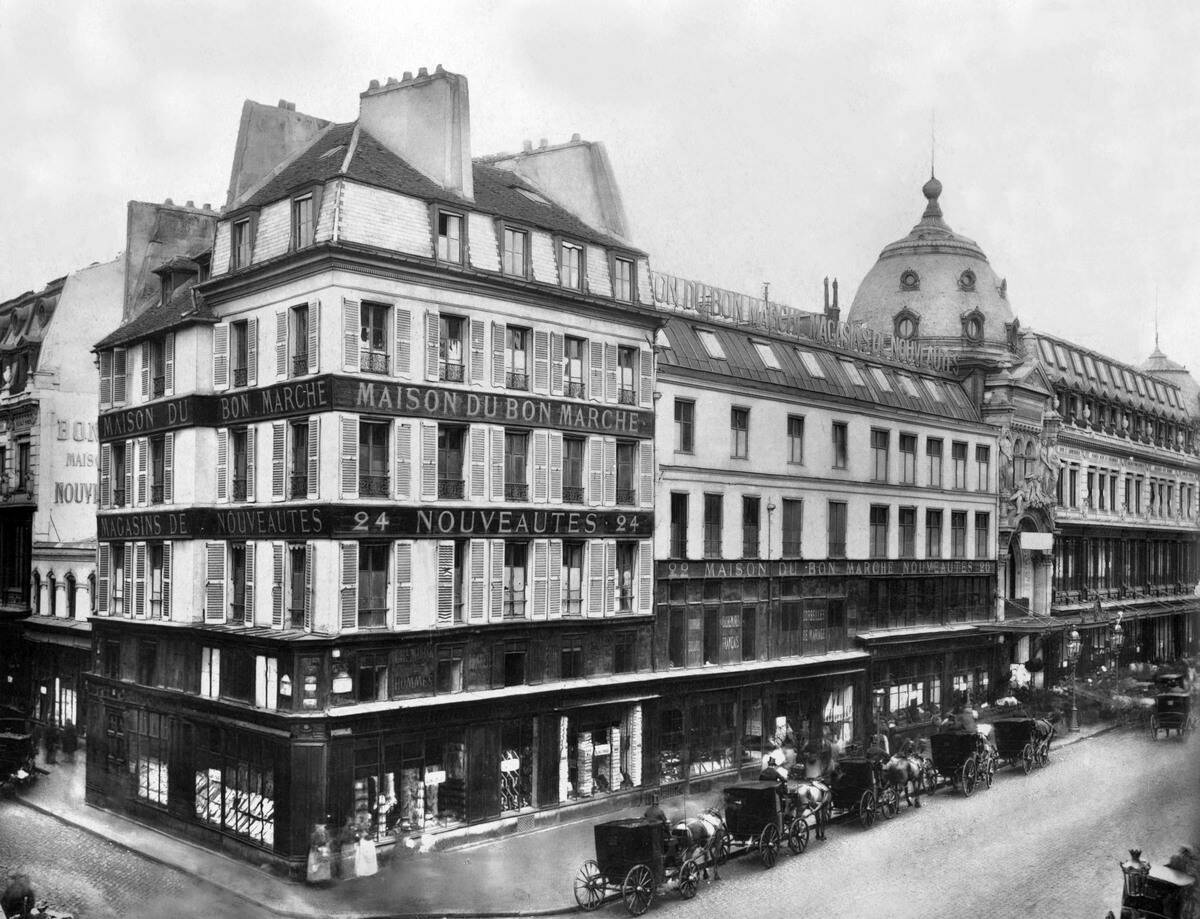
Department stores first emerged in the mid-19th century, with pioneers like Le Bon Marché in Paris setting the stage. These stores revolutionized retail by offering a variety of goods under one roof, making shopping more convenient.
The concept quickly spread to other parts of the world, with stores like Macy’s in New York and Harrods in London becoming household names. This period marked a shift in consumer culture, where shopping became a leisurely activity.
Architectural Marvels: The Grand Designs of Yesteryear
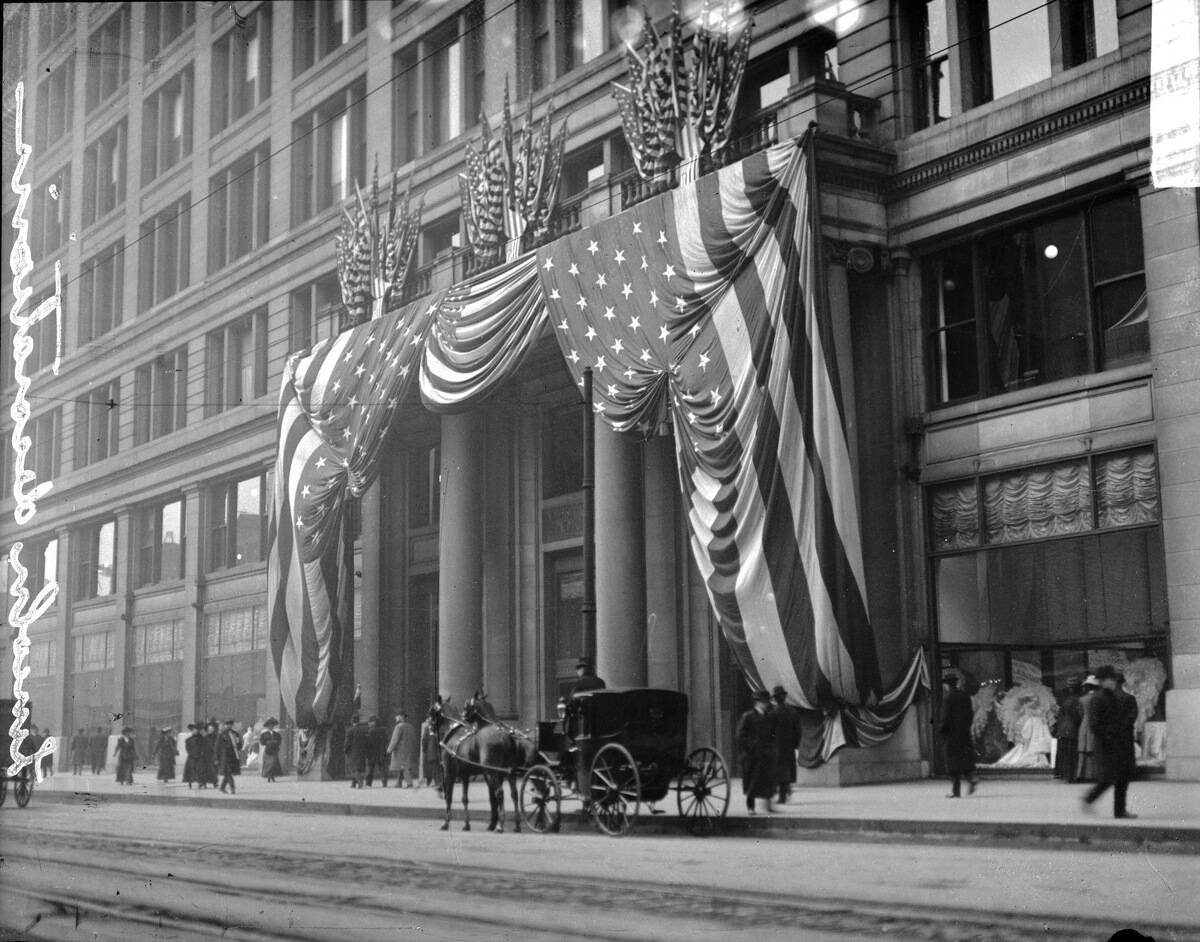
Department stores were not just centers of commerce; they were architectural marvels. Many were designed by renowned architects, featuring stunning facades and opulent interiors.
The Marshall Field’s store in Chicago, for example, was famed for its Tiffany glass ceiling. These grand designs were meant to attract customers and create an atmosphere of grandeur and sophistication, embodying the spirit of the era.
Window Displays: Art and Spectacle on the Streets
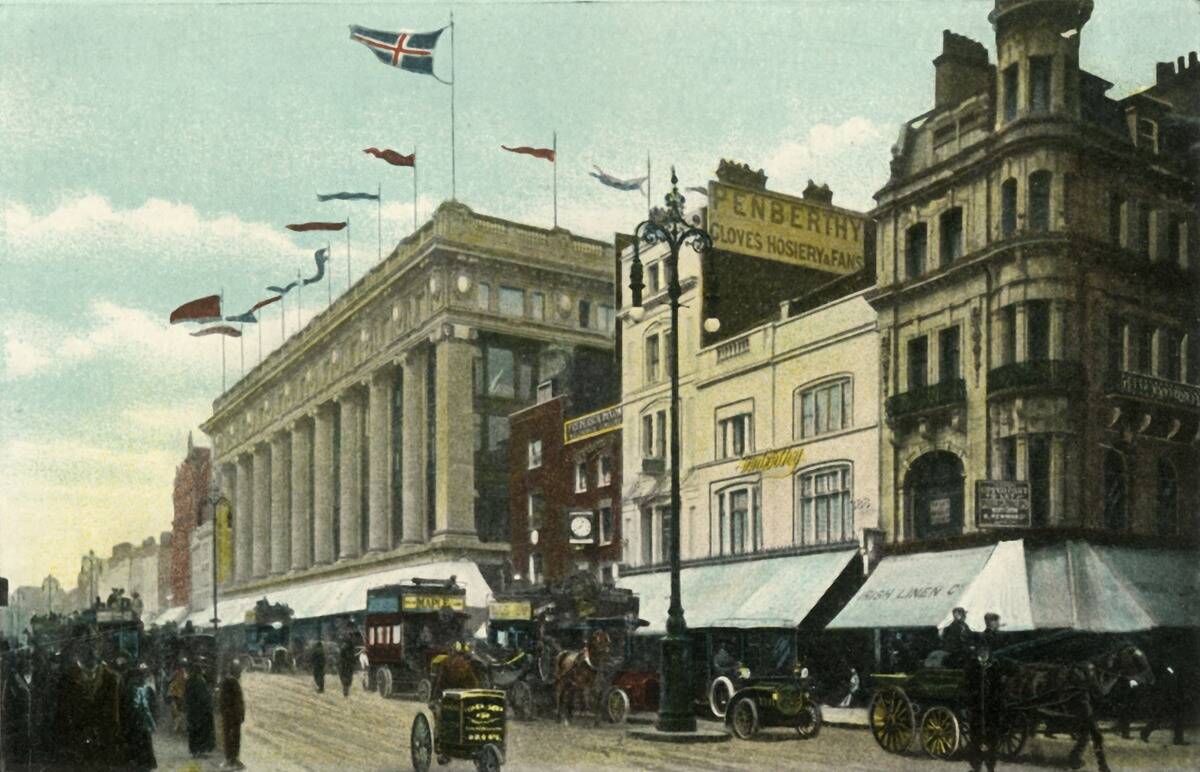
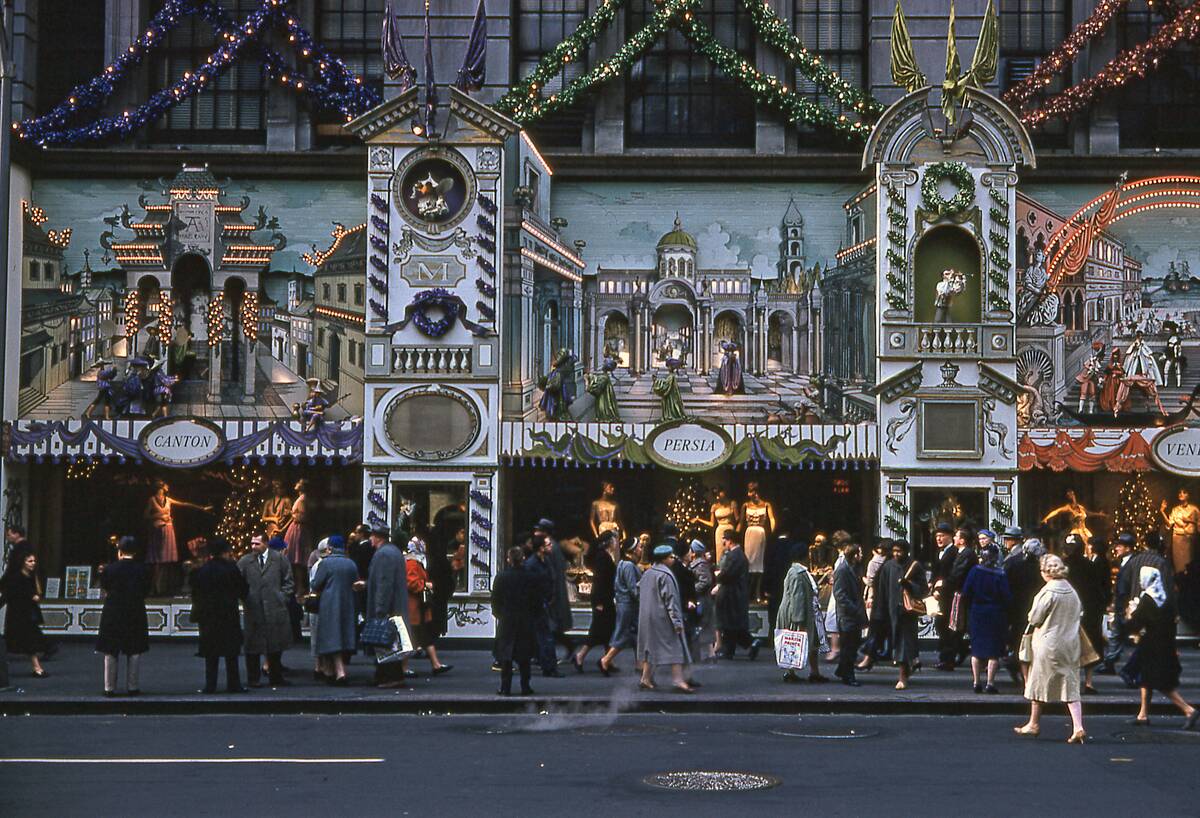
Window displays became a form of art in themselves, drawing crowds to view the elaborate scenes crafted by talented designers. Stores like Selfridges in London and Macy’s in New York turned window dressing into an event, particularly during the holiday season.
These displays were not only about showcasing products but also telling stories and captivating the imagination of passersby, turning the street into a stage.
More Than Shopping: The Social Hub of the Community
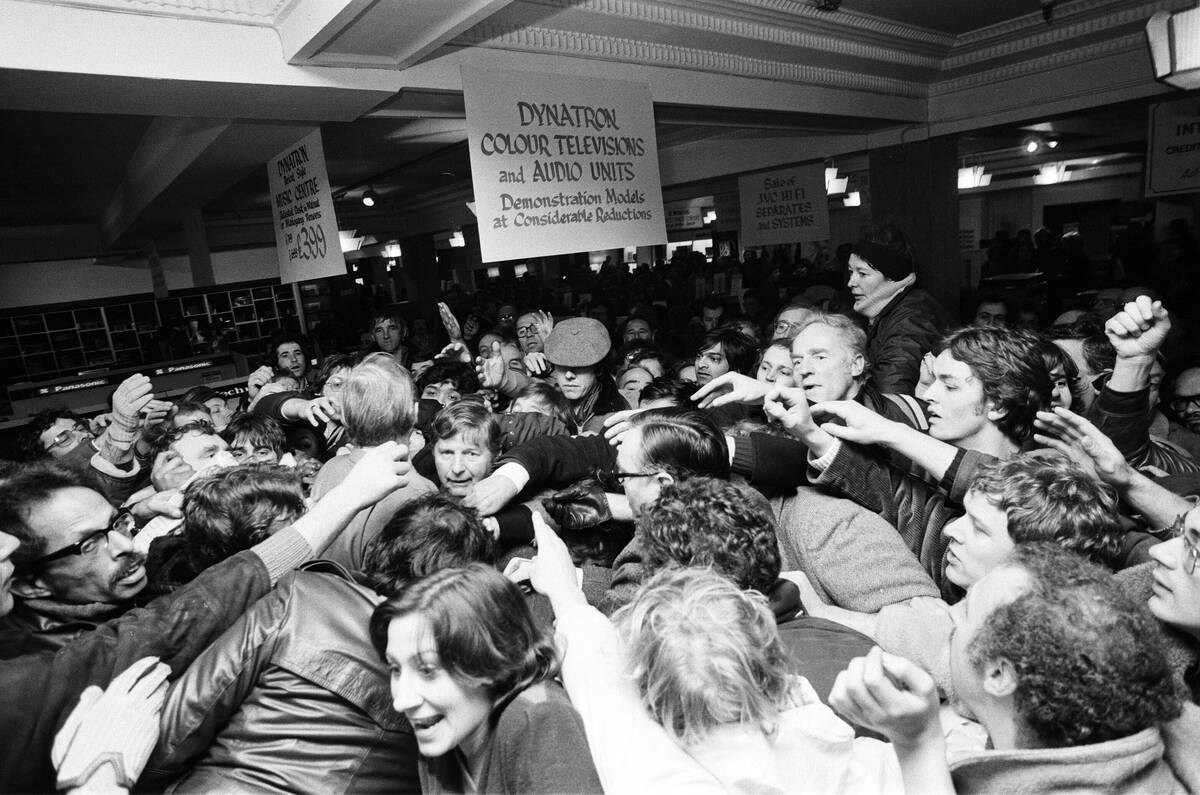
Department stores served as social hubs where people gathered beyond just shopping needs. They offered tea rooms, beauty salons, and even libraries, making them a one-stop destination for leisure activities.
Stores such as Harrods and Bloomingdale’s became places where people could catch up with friends, attend events, and enjoy a day out. This social aspect was a key part of their allure and success.
Iconic Department Stores Around the World
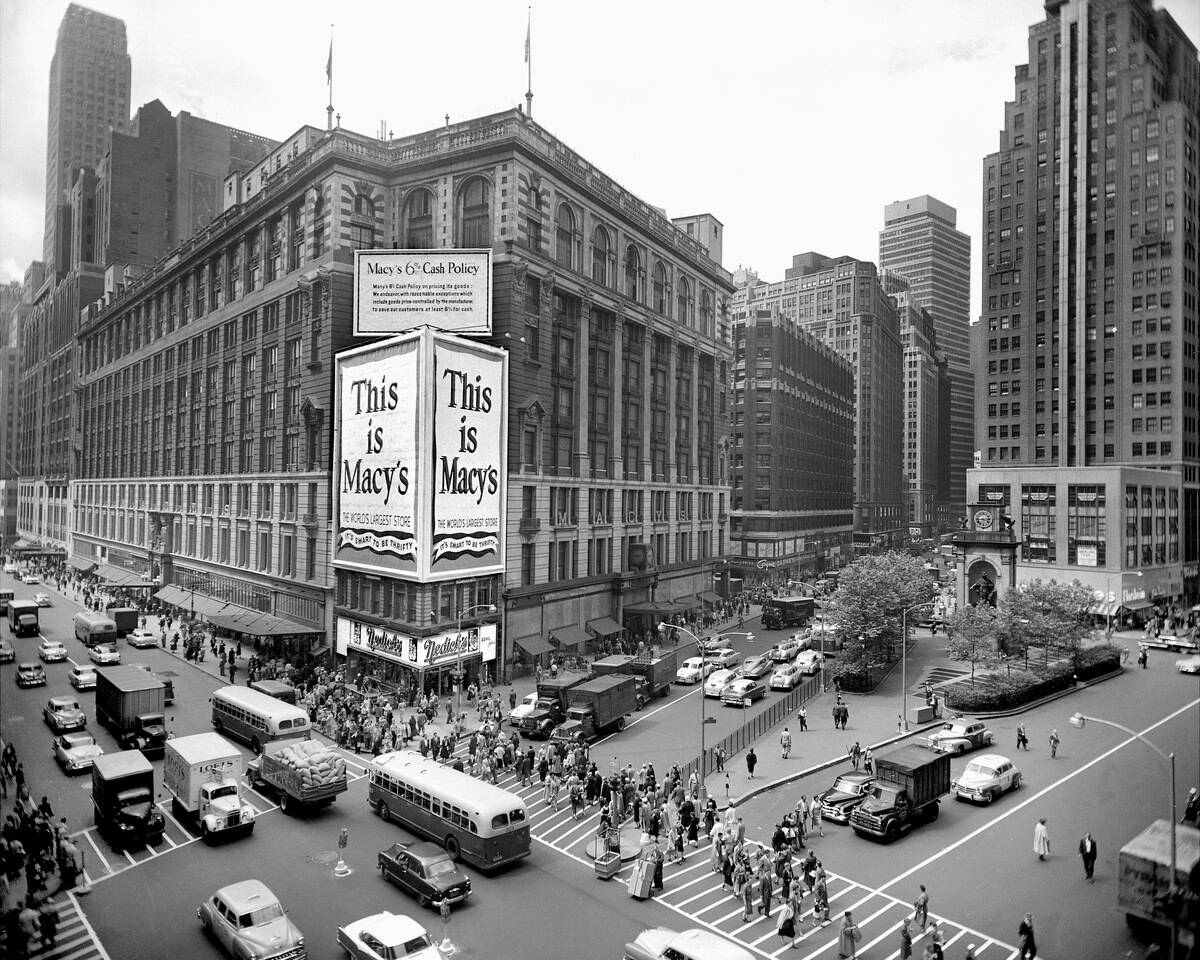
From Harrods in London to Macy’s in New York, iconic department stores have left an indelible mark on cities around the world. Each store brought its unique flair, such as the famous clock at Marshall Field’s in Chicago or the art deco elegance of Galeries Lafayette in Paris.
These stores were not only landmarks but symbols of the cities they inhabited, often linked to the identity and culture of the area.
Fashion Shows and Cultural Events: The Department Store Experience
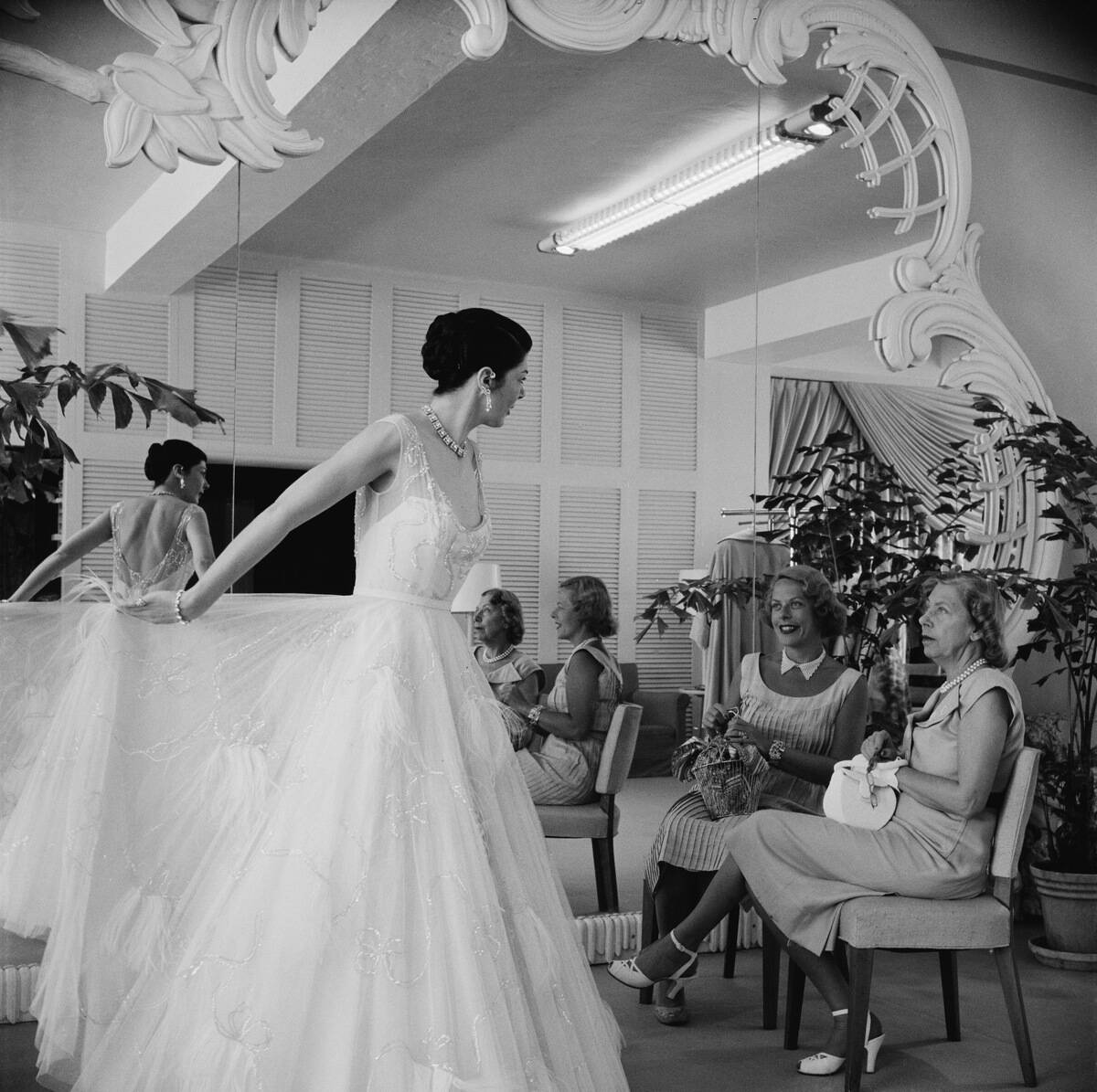
Department stores were leaders in hosting fashion shows and cultural events, bringing high fashion and the arts to the masses. Stores like Saks Fifth Avenue in New York became known for their cutting-edge fashion shows, showcasing the latest trends directly to consumers.
Additionally, events such as art exhibitions and concerts were held, making department stores a cultural destination in their own right.
The Role of Department Stores in Women’s Liberation
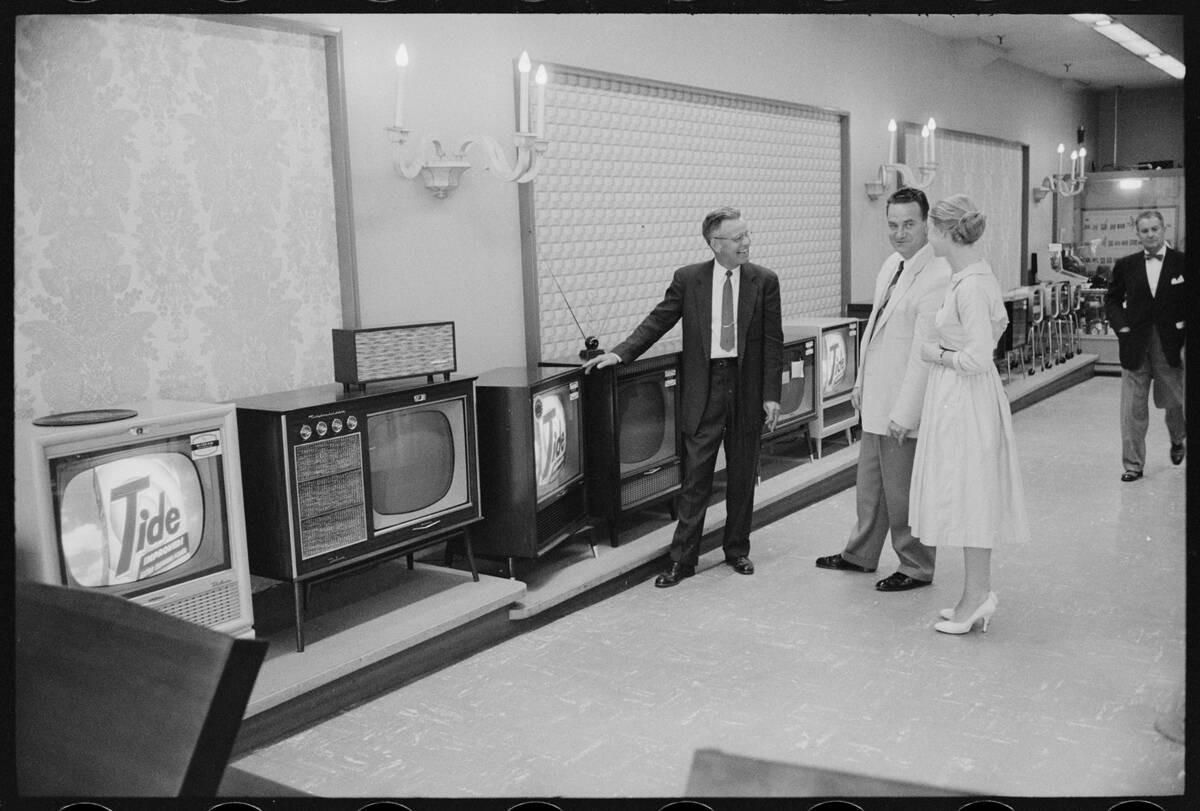
Department stores played a significant role in the women’s liberation movement by providing employment opportunities and a public space where women could congregate freely.
Stores offered jobs in a variety of roles, from sales to management, at a time when women had few career options. Additionally, department stores catered to female consumers, with sections dedicated to women’s fashion and needs, empowering them in economic and social spheres.
A Place for Everyone: How Department Stores Catered to All
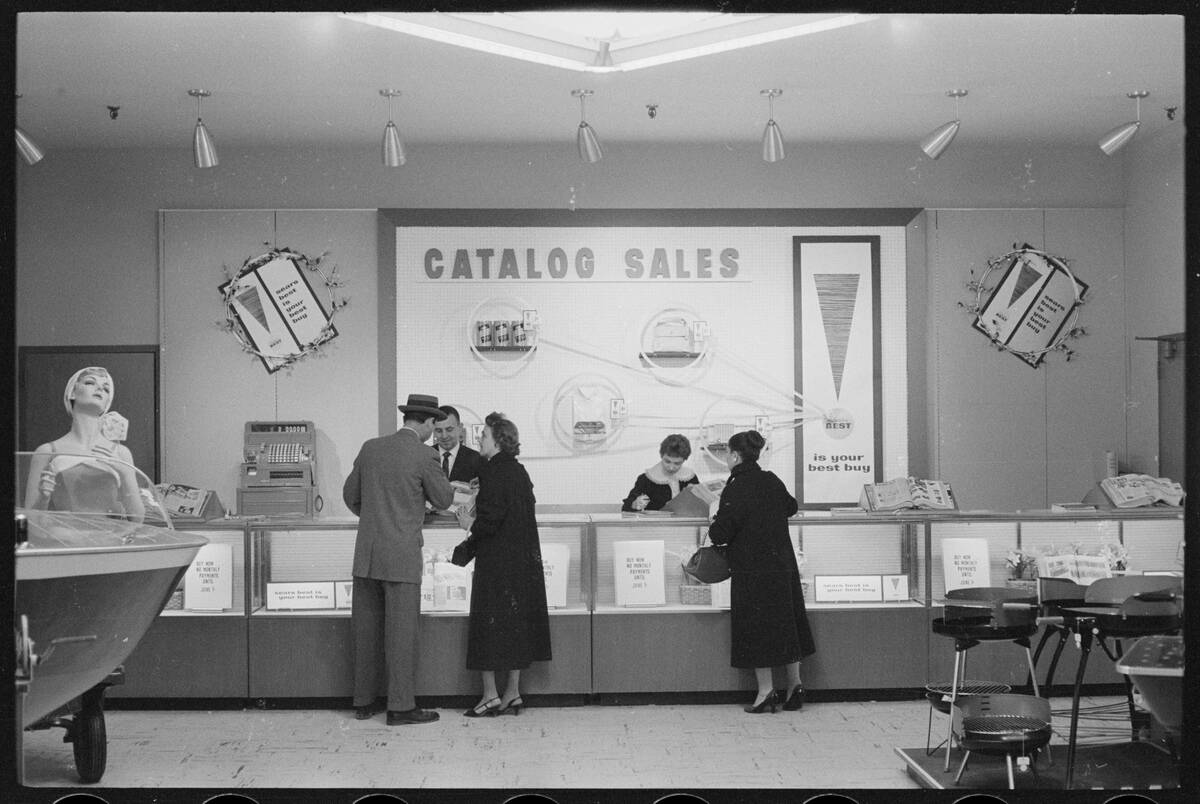
Department stores were pioneers in inclusivity, aiming to cater to a wide demographic. They offered a range of products at different price points, ensuring there was something for everyone.
Stores like Sears in the United States provided both luxury items and affordable goods, democratizing the shopping experience. This approach allowed them to attract a diverse clientele and become a staple in various communities.
The Holiday Season: A Magical Time in Department Stores
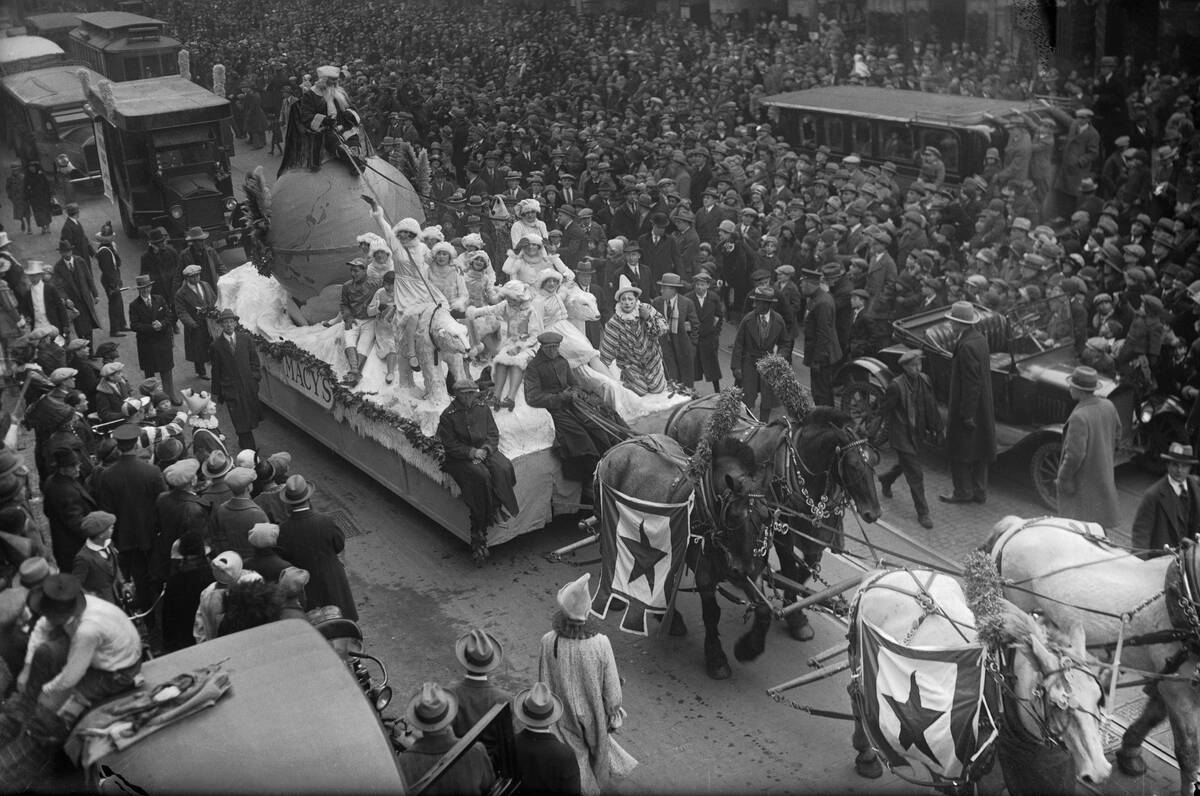
The holiday season brought out the best in department stores, transforming them into magical wonderlands. Elaborate decorations, festive music, and special promotions created an enchanting atmosphere.
Stores like Macy’s became famous for their Thanksgiving Day Parade and Christmas window displays, drawing visitors from near and far. These traditions became part of the holiday experience, creating cherished memories for generations.
The Decline of the Department Store: Changing Times and Trends
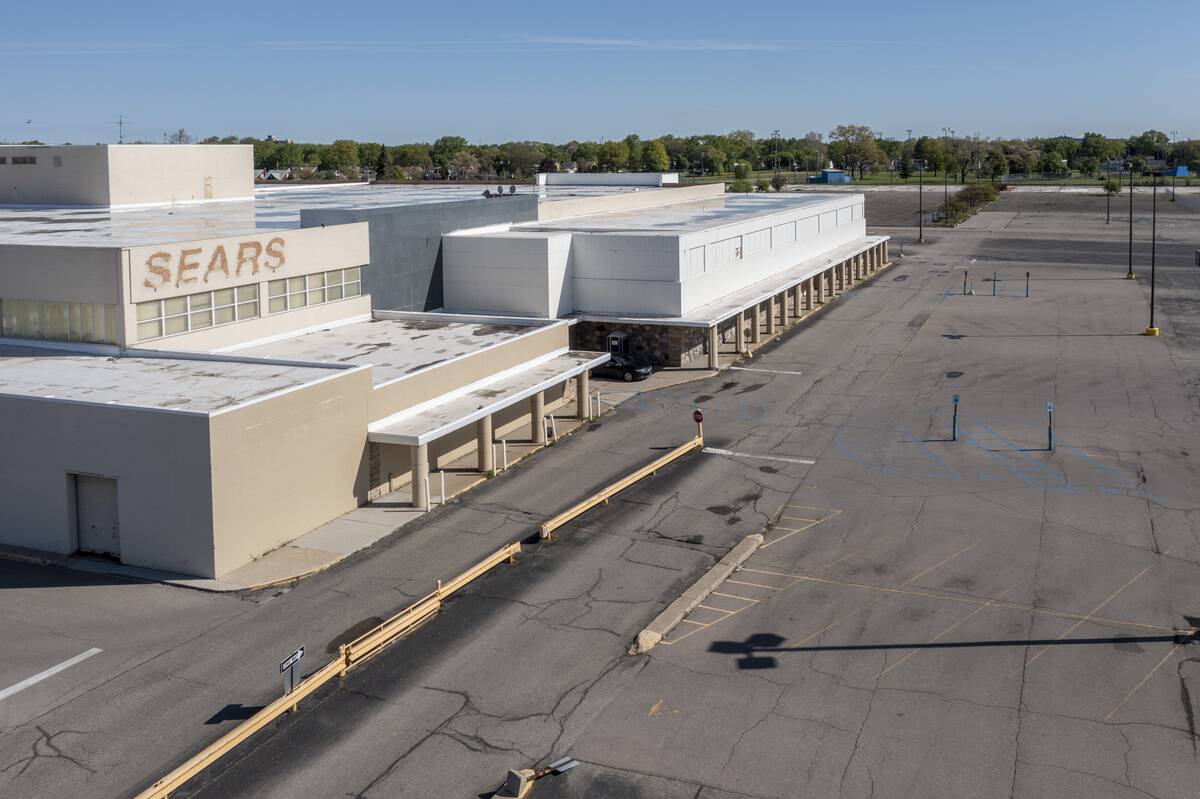
The decline of department stores began in the late 20th century as consumer habits shifted. The rise of suburban shopping malls and online retail offered convenience that traditional department stores struggled to compete with.
Many iconic stores faced financial difficulties and closures, unable to adapt to the rapidly changing retail landscape. This decline marked the end of an era, as malls and e-commerce took over as the primary shopping venues.
The Transition to Retail Giants: The Rise of Shopping Malls
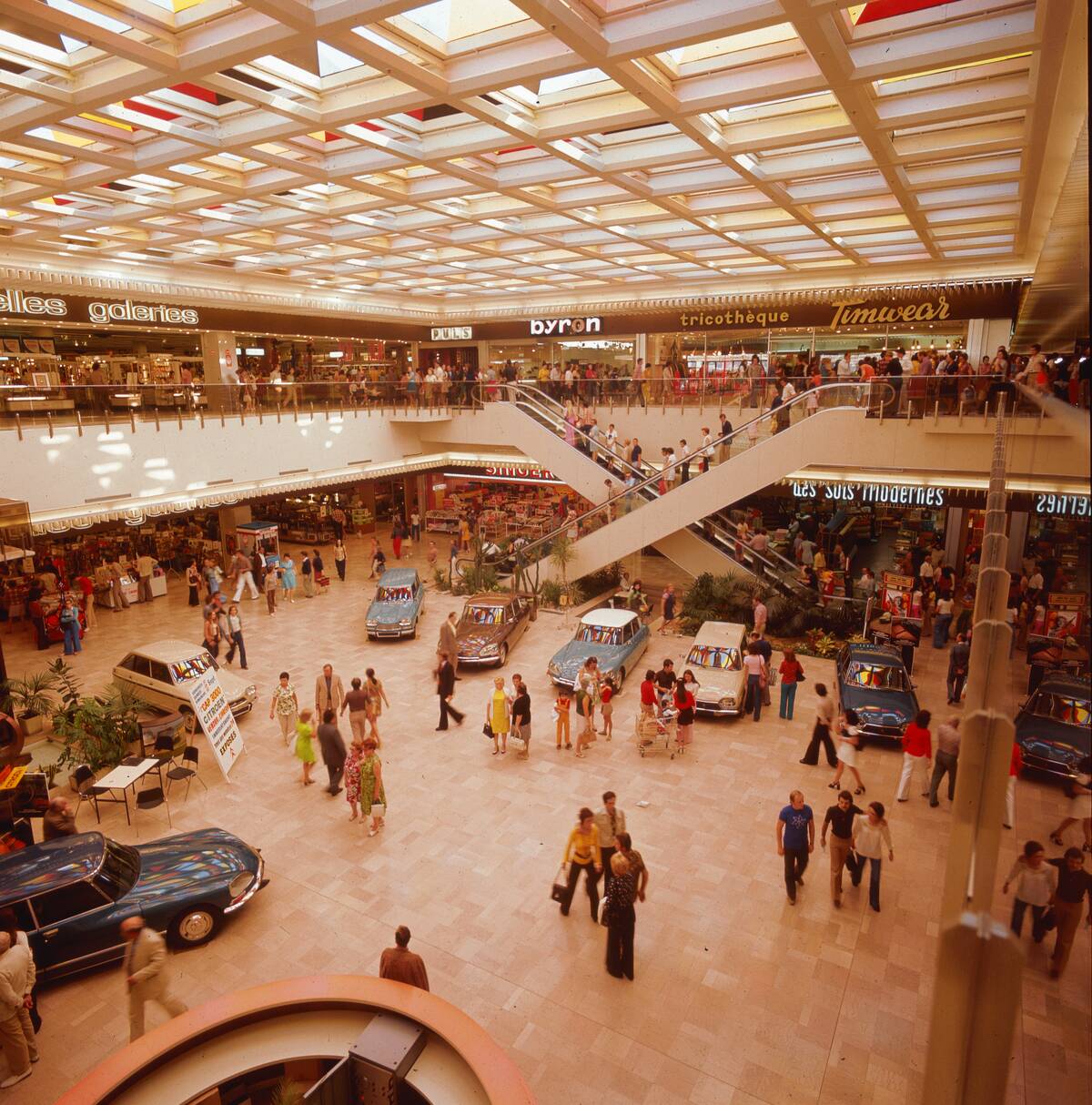
The rise of shopping malls in the mid-20th century signaled a shift in retail dynamics. These malls offered a variety of stores under one roof, along with entertainment and dining options, appealing to the modern consumer.
The convenience and variety found in malls drew people away from traditional department stores. This transition changed the face of retail, as malls became the new hubs of shopping and social activity.
Department Stores as Pioneers of Modern Retail Techniques
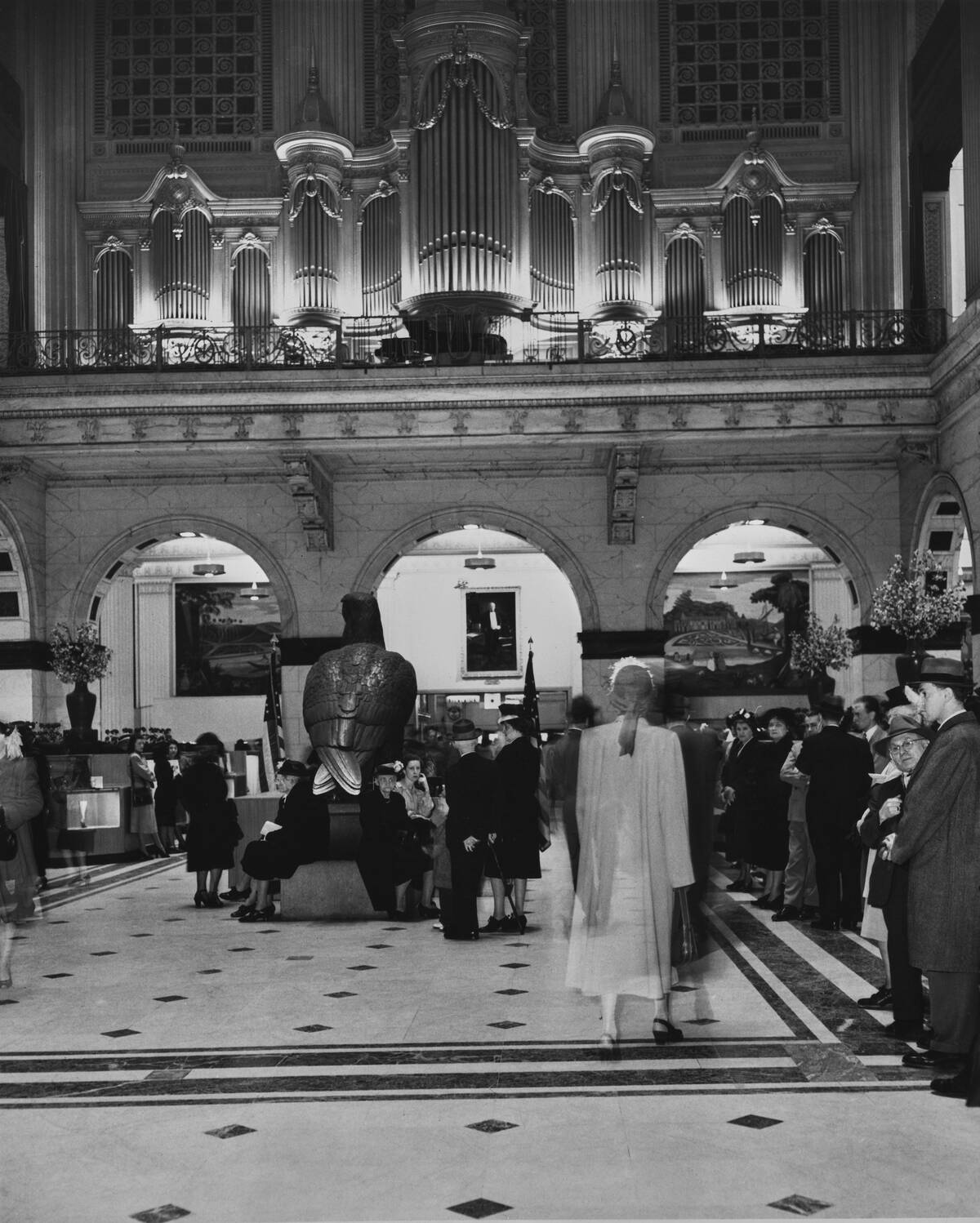
Many modern retail practices were pioneered by department stores, including fixed pricing, money-back guarantees, and customer service. Stores like Wanamaker’s in Philadelphia introduced these now-standard practices, revolutionizing the shopping experience.
These innovations set the foundation for contemporary retail and customer expectations, showcasing the forward-thinking nature of department stores during their peak.
The Legacy of Department Stores: What Remains Today
Despite their decline, the legacy of department stores lives on. Many iconic buildings have been preserved or repurposed, serving as reminders of their historical significance.
Additionally, the concept of a one-stop shopping experience continues to influence retail, seen in modern department stores and online marketplaces. The enduring impact of their innovations and cultural contributions remains evident in the way we shop today.