Cities that recovered after catastrophic disasters
Throughout history, cities have faced devastating events that tested their resilience. From natural disasters to wartime destruction, these cities have not only rebuilt but emerged stronger.
This article takes a journey through some of the most remarkable stories of urban revival. Each city has its own tale of disaster, perseverance, and renewal, showcasing the indomitable spirit of human innovation and determination. Let’s explore how these cities have managed to rise from the ashes and thrive once again.
The Resilience of San Francisco After the 1906 Earthquake
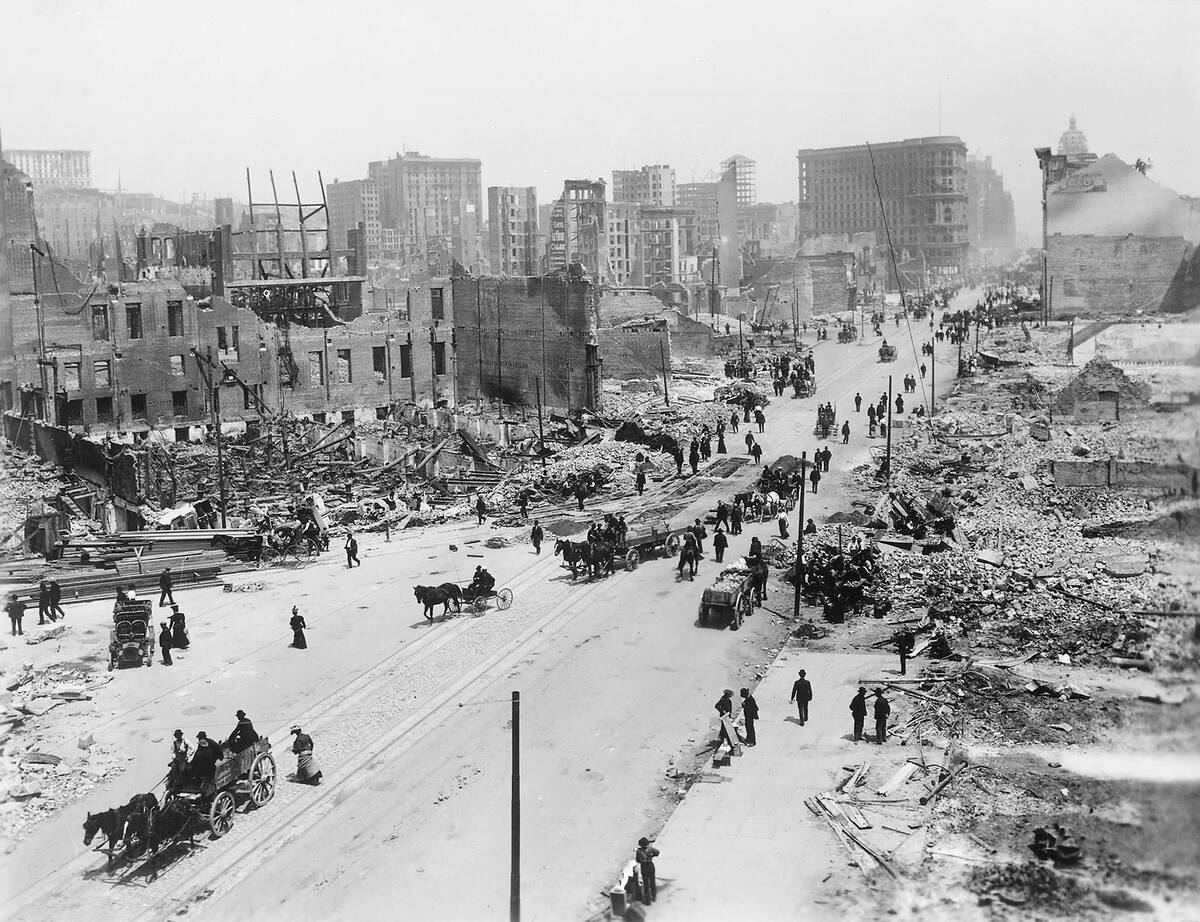
In 1906, San Francisco was struck by a catastrophic earthquake, followed by a series of fires that ravaged the city. This disaster destroyed over 80% of San Francisco, leaving hundreds of thousands homeless.
Yet, the city saw it as an opportunity to rebuild better. Within a few years, San Francisco introduced new building codes and improved its infrastructure. By the 1915 Panama-Pacific International Exposition, the city had already showcased its remarkable recovery to the world.
Rebirth of Warsaw After World War II Devastation
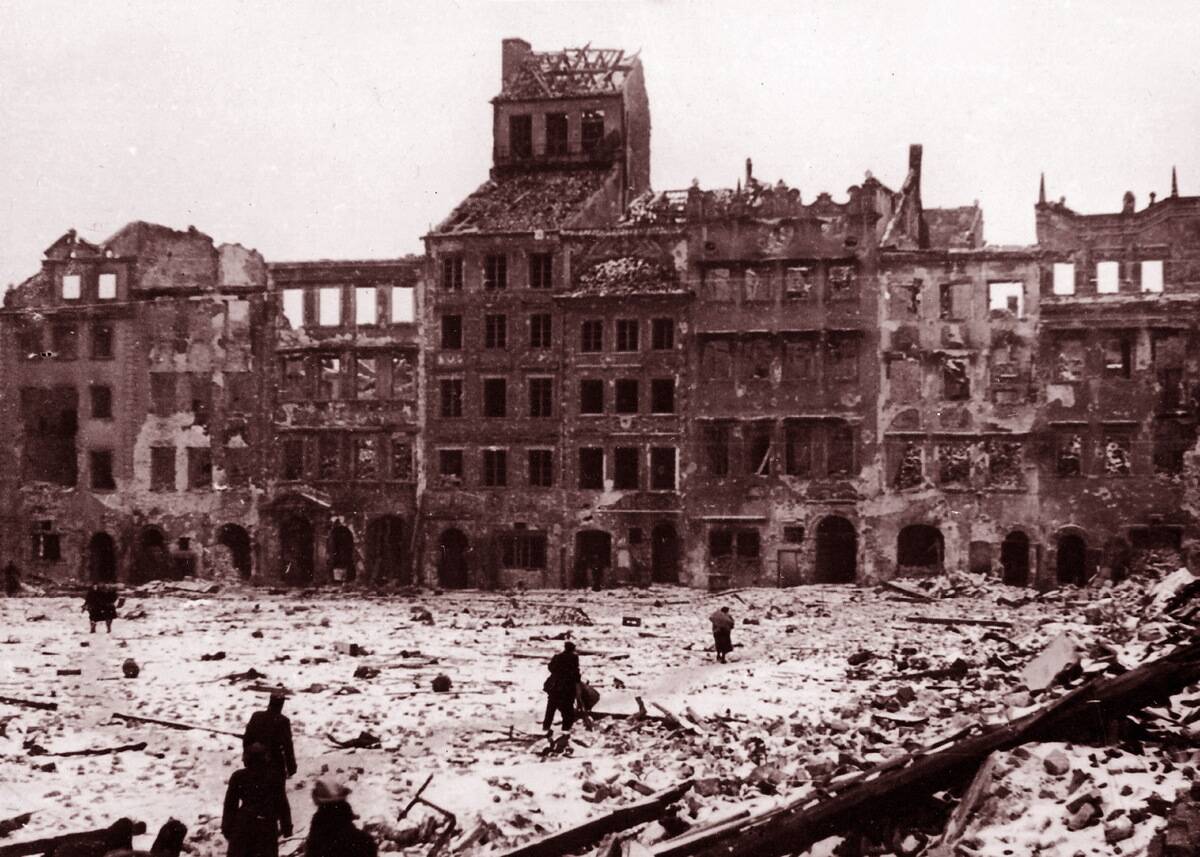
Warsaw, Poland’s capital, was left in ruins after World War II, with about 85% of its buildings destroyed. The city embarked on an ambitious reconstruction project, using 18th Century paintings and architectural plans to restore its historic charm.
By 1980, the Old Town of Warsaw was declared a UNESCO World Heritage Site, a testament to the city’s remarkable rebirth. Today, Warsaw stands as a vibrant city, blending historical restoration with modern development.
New Orleans: Rebuilding After Hurricane Katrina
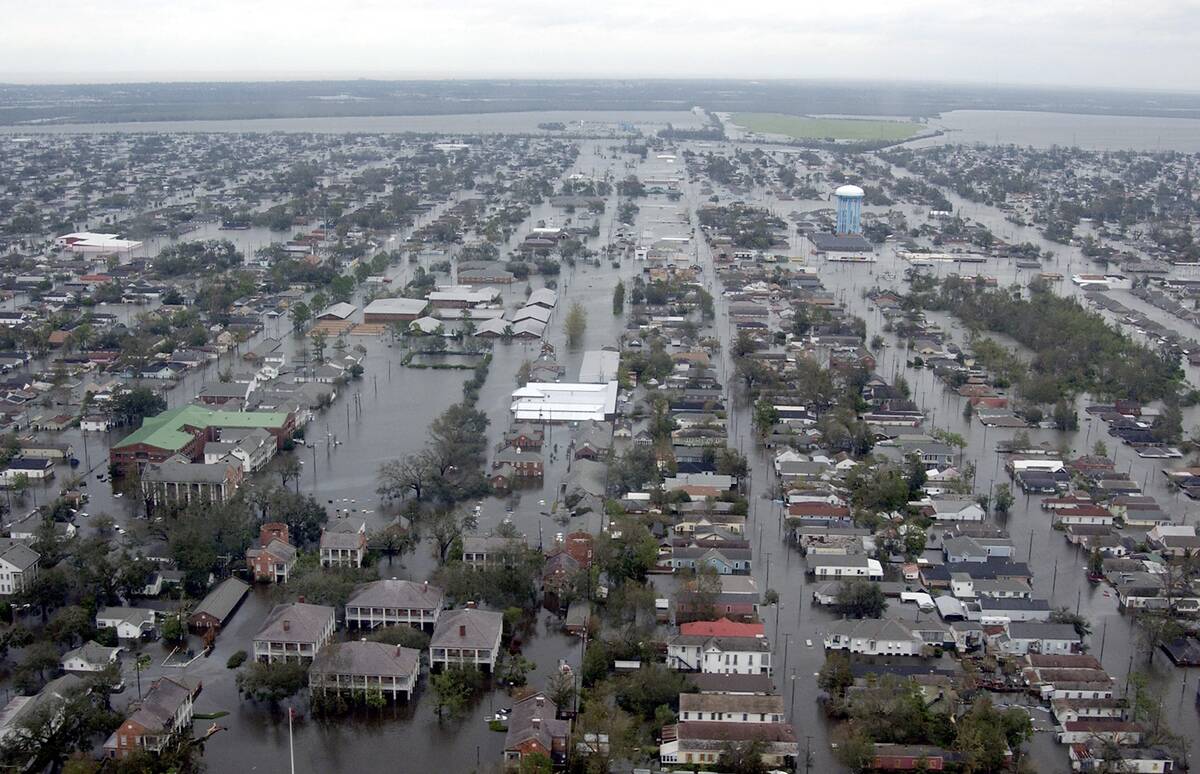
In 2005, Hurricane Katrina devastated New Orleans, flooding 80% of the city and displacing thousands. The city’s recovery journey has been complex and multifaceted, focusing on rebuilding infrastructure, homes, and communities.
Efforts to improve flood defenses and storm preparedness have been central to the city’s resurgence. Today, New Orleans continues to thrive, maintaining its unique cultural identity while enhancing its resilience against future storms.
Hiroshima: From Ground Zero to a Thriving City
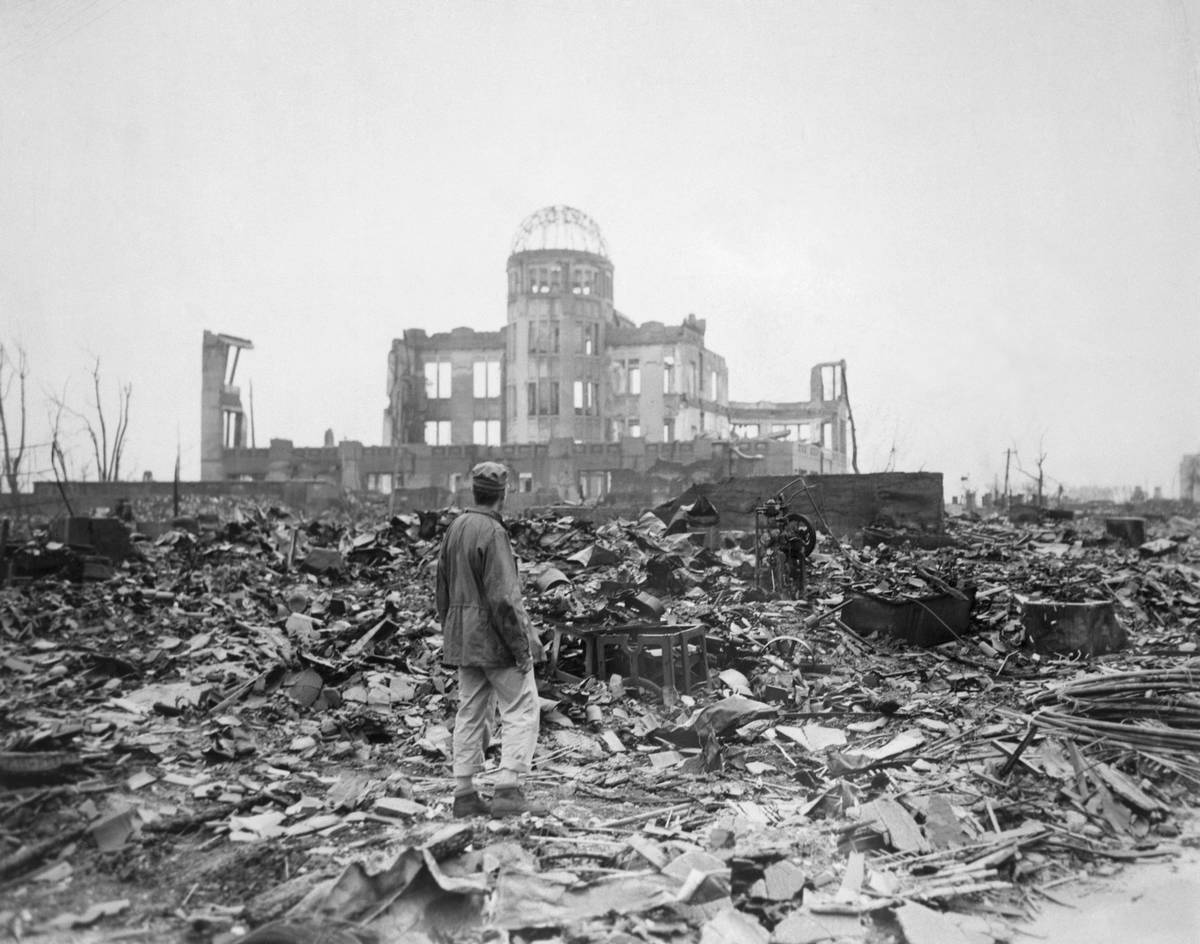
Hiroshima faced unimaginable devastation when it became the target of the first atomic weapon in 1945. The city was left in ruins, with significant loss of life. However, Hiroshima transformed itself into a symbol of peace and resilience.
The Hiroshima Peace Memorial Park stands as a reminder of the past, while the city’s economic and cultural revival has made it a bustling center of activity. Hiroshima’s journey from ground zero to thriving city is a testament to the power of renewal.
The Revival of Kobe After the 1995 Great Hanshin Earthquake
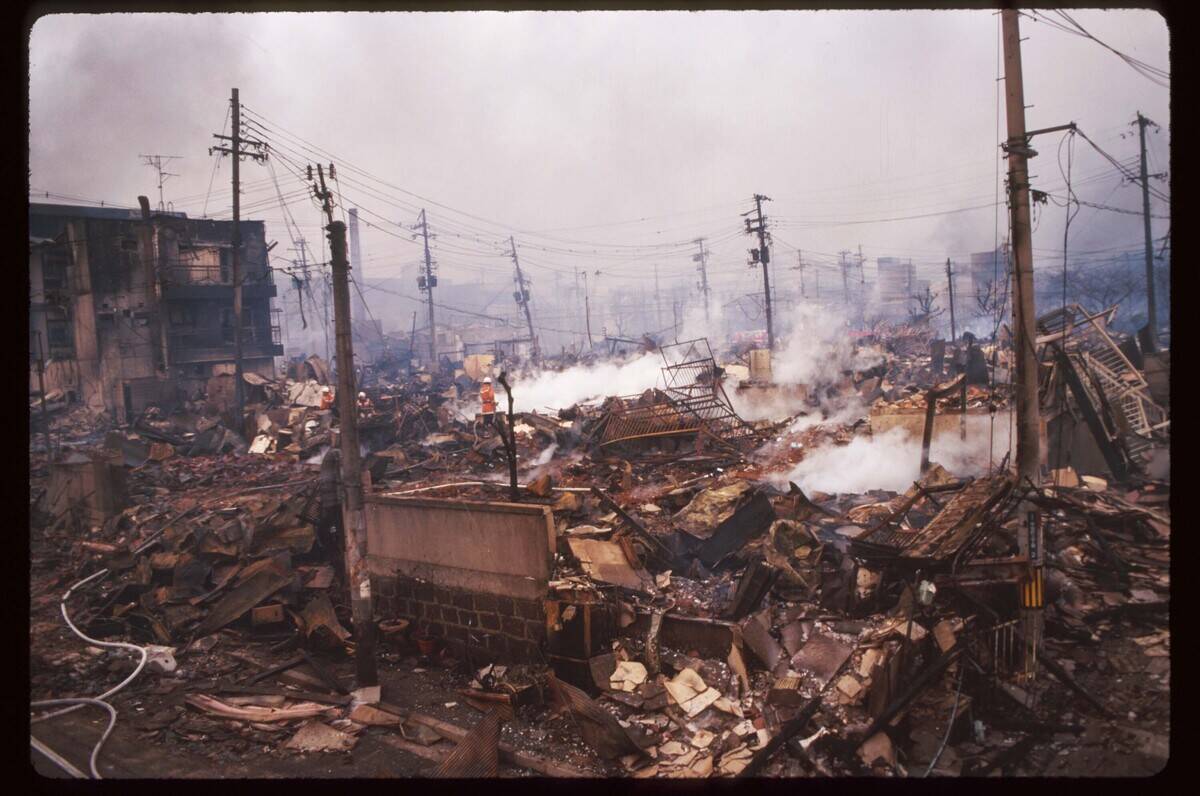
In 1995, the Great Hanshin Earthquake severely damaged Kobe, Japan, resulting in the loss of over 5,000 lives and widespread destruction. The city’s recovery focused on rebuilding infrastructure and redefining urban planning strategies.
Kobe’s port, one of the world’s busiest, was restored and modernized. Today, Kobe is a thriving city known for its forward-thinking approach to disaster preparedness, ensuring that the lessons learned from the earthquake continue to shape its future.
Christchurch’s Recovery Journey from the 2010-2011 Earthquakes
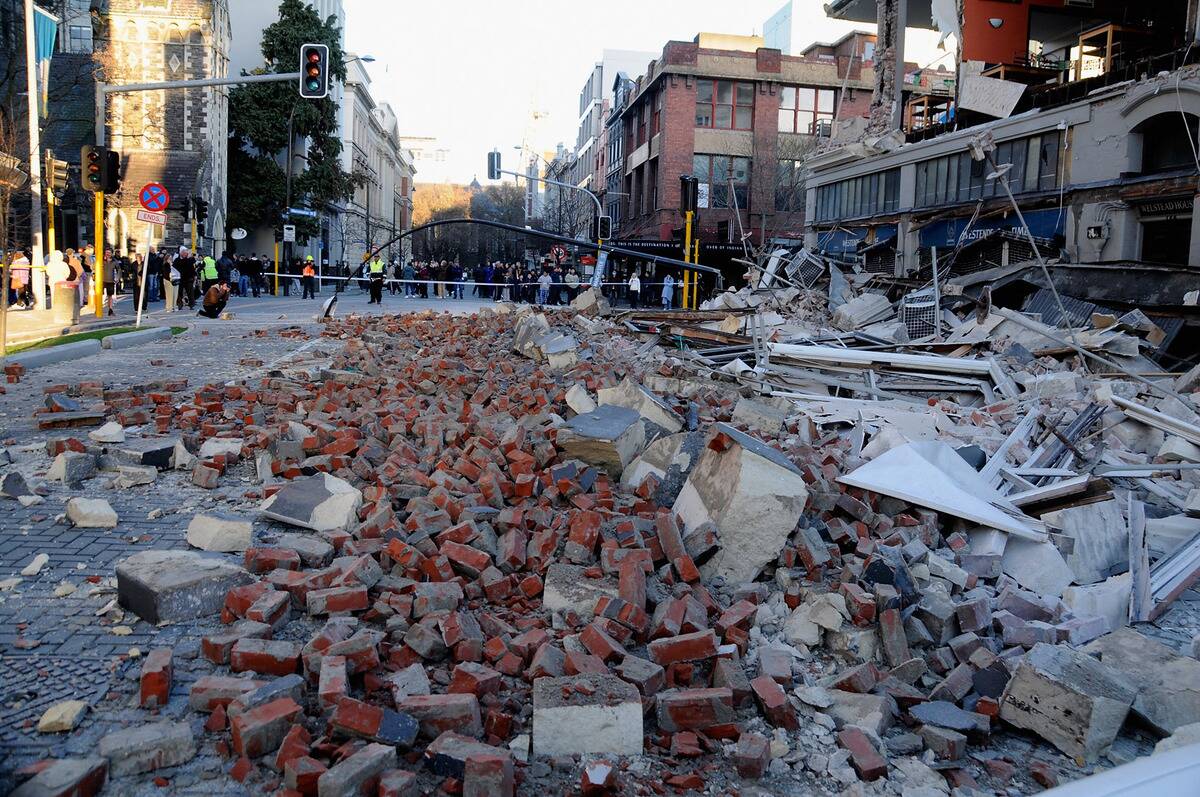
Christchurch, New Zealand, was rocked by a series of earthquakes between 2010 and 2011, resulting in significant damage and loss of life. The city has since embarked on a comprehensive recovery plan, focusing on community involvement and sustainable rebuilding practices.
The “Share an Idea” campaign captured over 100,000 ideas from residents, guiding the city’s reconstruction. Christchurch is now a symbol of innovation and resilience, with a renewed focus on green spaces and modern infrastructure.
The Reconstruction of Lisbon After the 1755 Earthquake and Tsunami
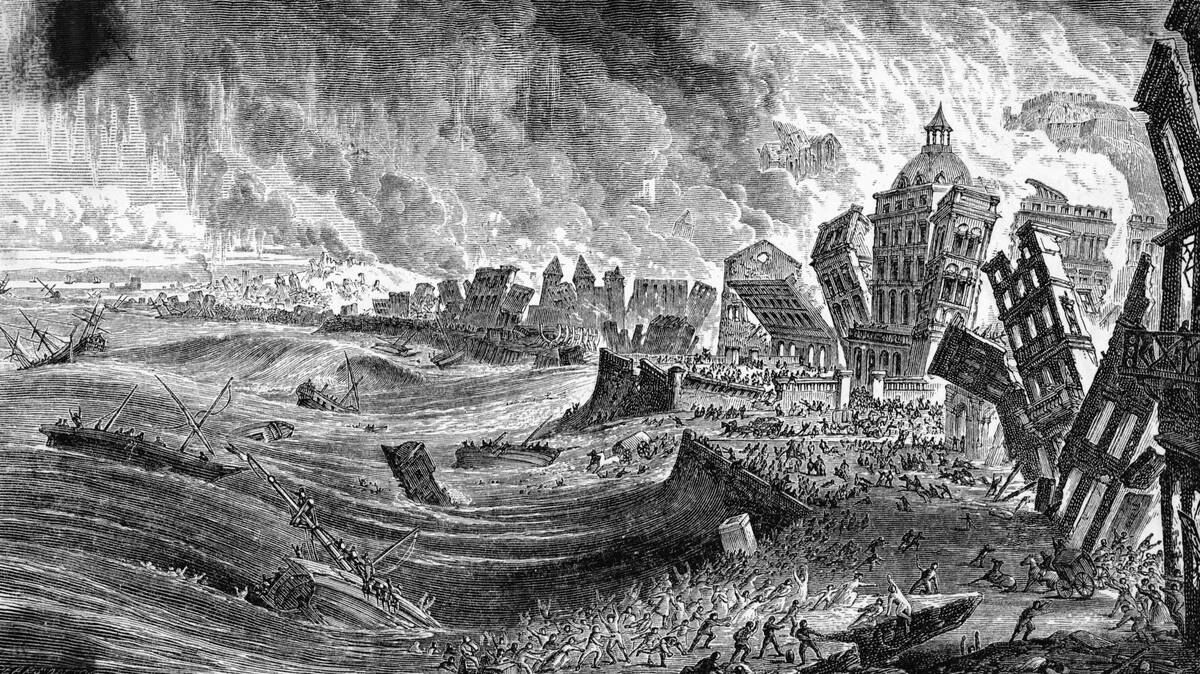
In 1755, Lisbon was devastated by a massive earthquake, followed by a tsunami and fires, which destroyed much of the city. The Marquis of Pombal led the reconstruction efforts, introducing innovative urban planning concepts such as wide boulevards and earthquake-resistant buildings.
This approach set new standards in city planning and disaster preparedness. Today, Lisbon’s resilience is celebrated, with its historic neighborhoods standing alongside modern architectural marvels.
Mexico City: Rebuilding After the 1985 Earthquake
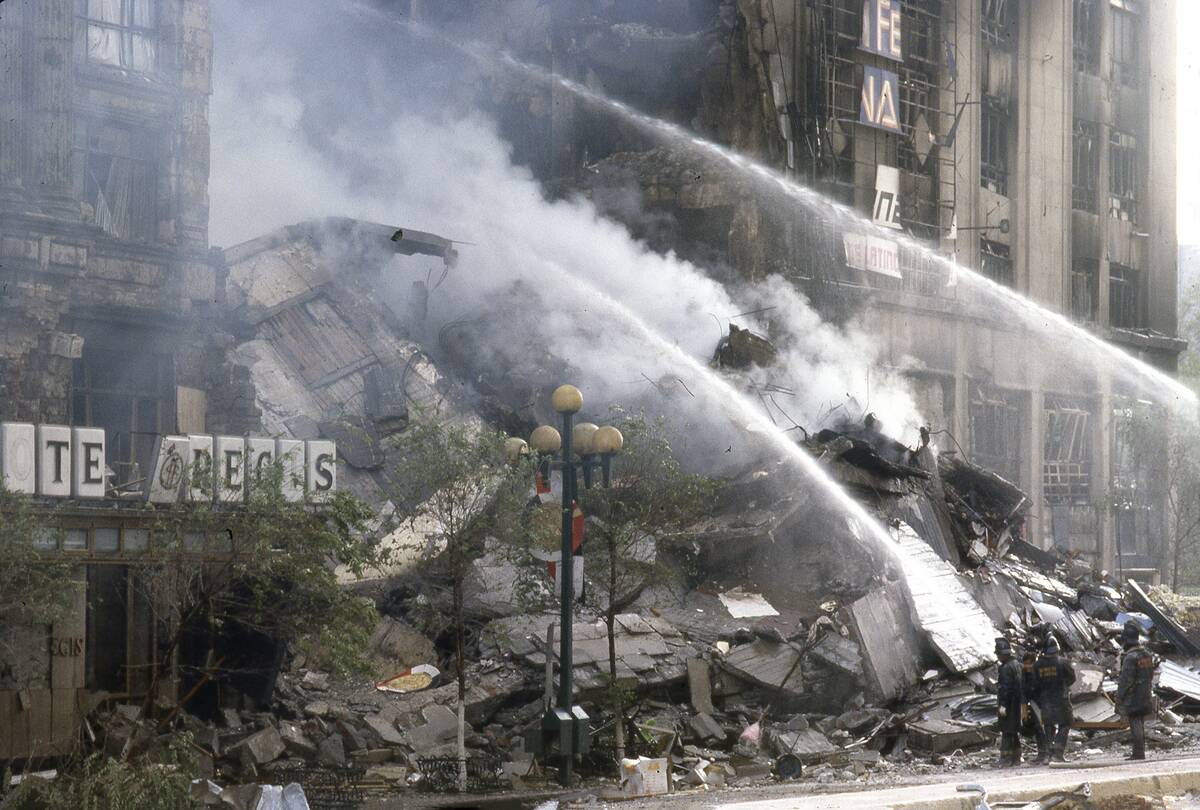
The 1985 earthquake in Mexico City was one of the deadliest in the country’s history, resulting in the loss of thousands of lives and extensive damage. Recovery efforts focused on improving building codes and emergency response systems.
The disaster spurred civic engagement and bolstered community organizations, which played a crucial role in the city’s recovery. Mexico City has since become a model for disaster readiness, with advanced seismic monitoring systems and improved urban planning.
The Resurgence of Berlin After World War II Destruction
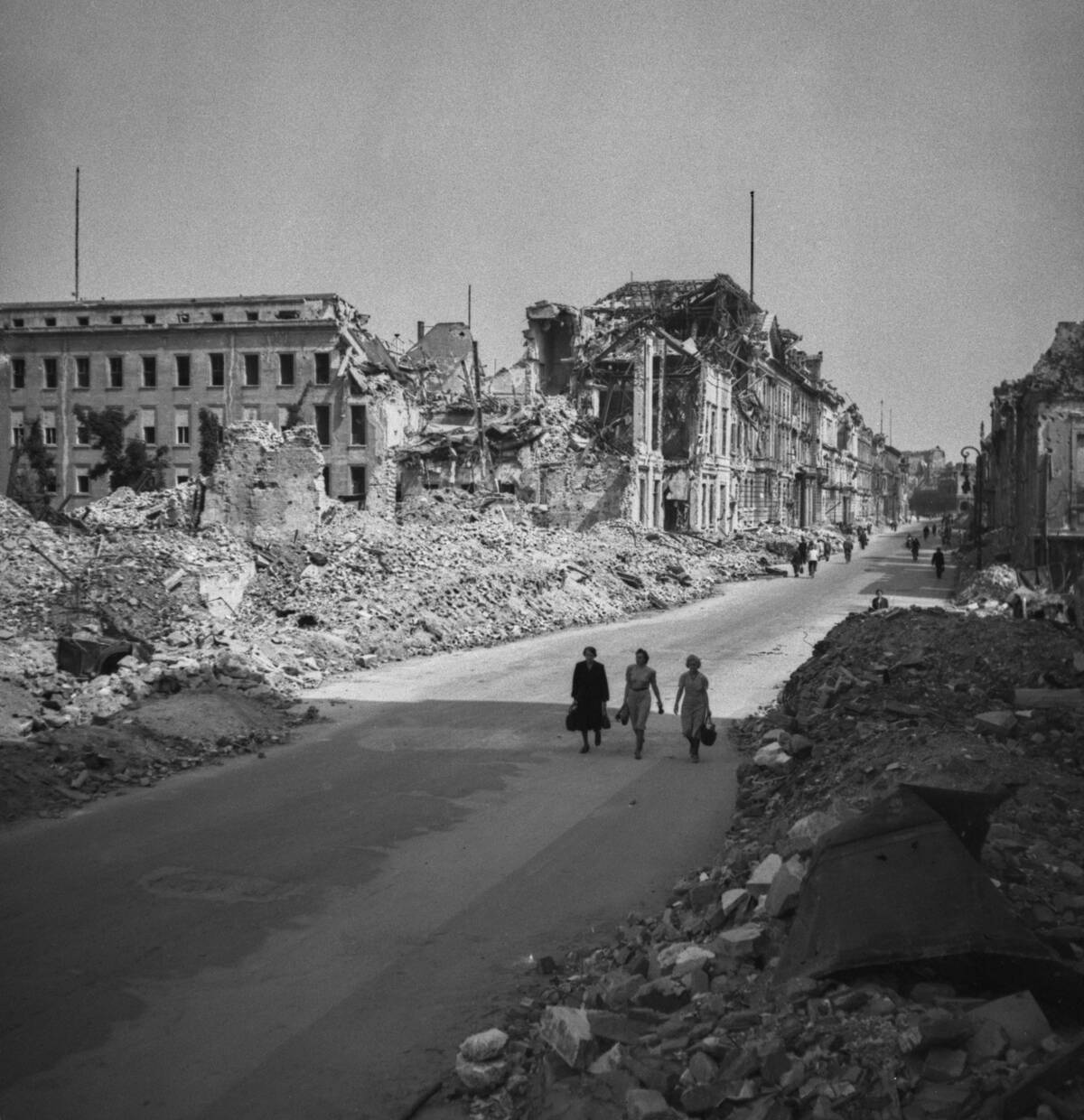
Berlin was left in ruins at the end of World War II, with vast areas of the city destroyed by bombings. The division of the city during the Cold War added further complexity to its recovery.
However, following the fall of the Berlin Wall in 1989, Berlin underwent a remarkable transformation. It has emerged as a vibrant cultural and economic hub, with iconic landmarks like the Brandenburg Gate symbolizing its resilience and unity. Berlin’s resurgence is a powerful testament to the city’s enduring spirit.
Naples: Rebuilding After Mount Vesuvius Eruptions
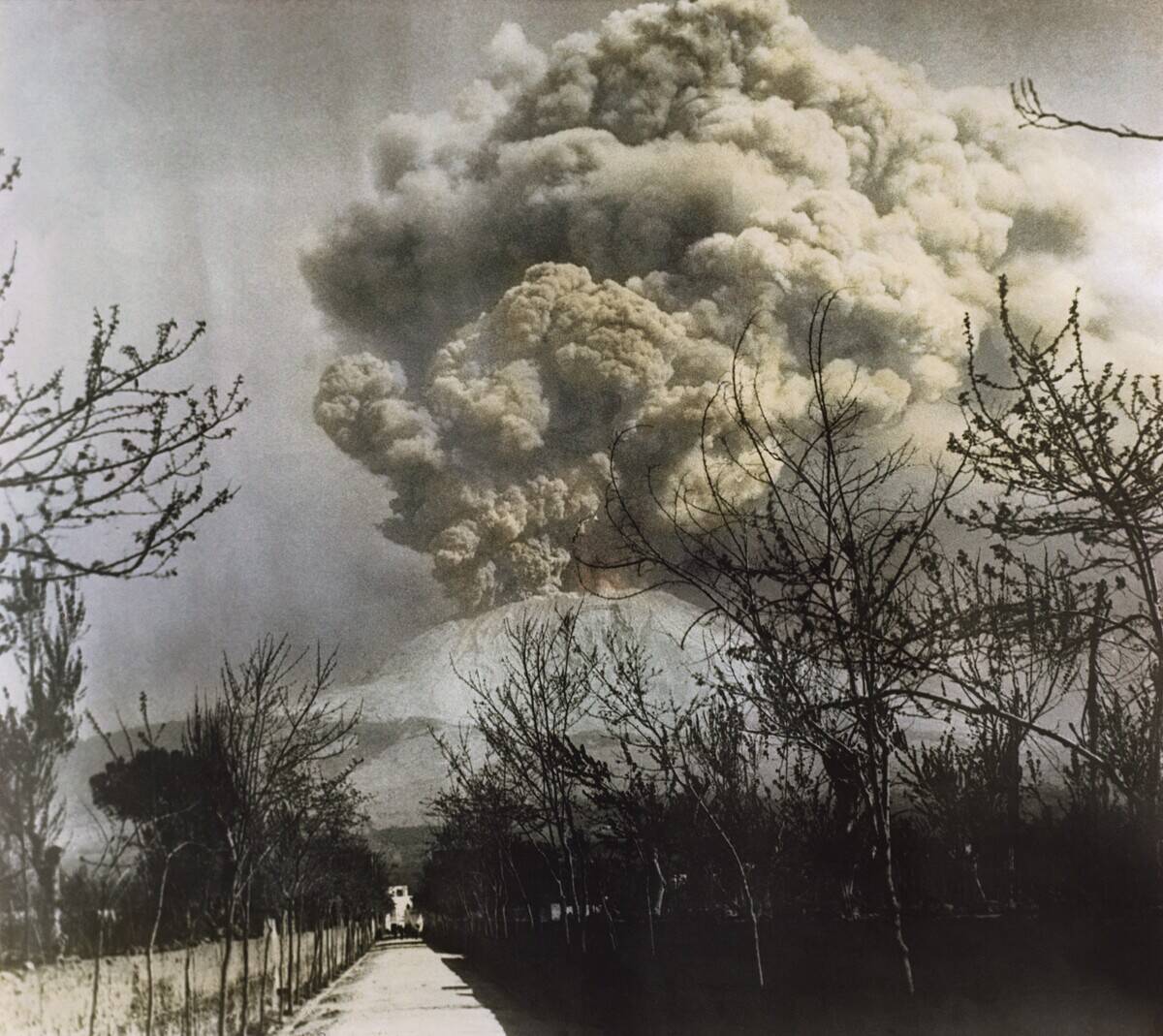
Naples, located near the infamous Mount Vesuvius, has faced multiple volcanic eruptions throughout history, with the most famous being the eruption in 79 AD that buried Pompeii. Despite the ongoing threat, Naples has continually rebuilt and thrived.
The city has embraced its volcanic heritage, with volcanology centers and comprehensive emergency plans in place. Naples remains a bustling metropolis, celebrated for its rich history, vibrant culture, and stunning views of the volcano that looms over it.
The Restoration of Beirut Amidst Conflict and Explosions
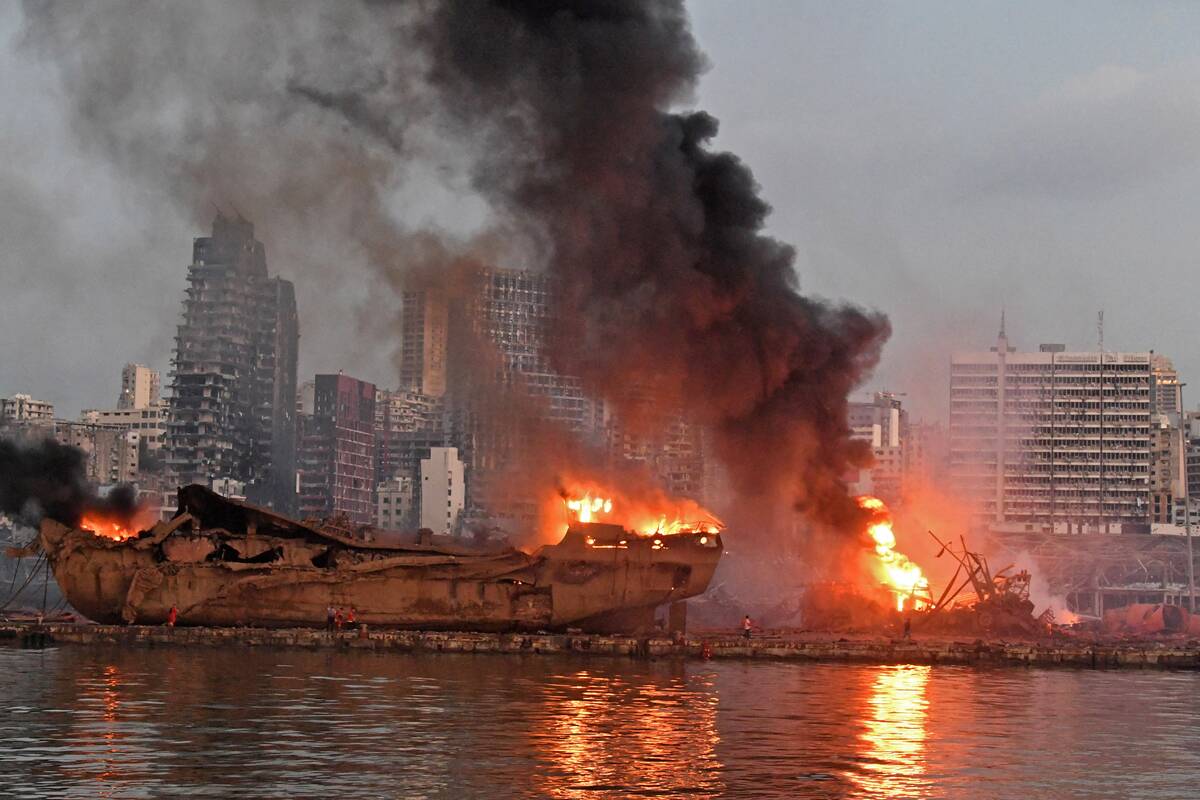
Beirut has endured a tumultuous history, marked by civil war and, more recently, the devastating explosion in 2020. Despite these challenges, the city has persistently rebuilt itself, focusing on preserving its rich cultural heritage while modernizing its infrastructure.
Efforts to restore architectural landmarks and improve urban planning have been central to Beirut’s recovery. The city continues to be a beacon of resilience, striving to overcome adversity and foster a vibrant, multicultural community.
The Renaissance of Dresden After World War II Bombings
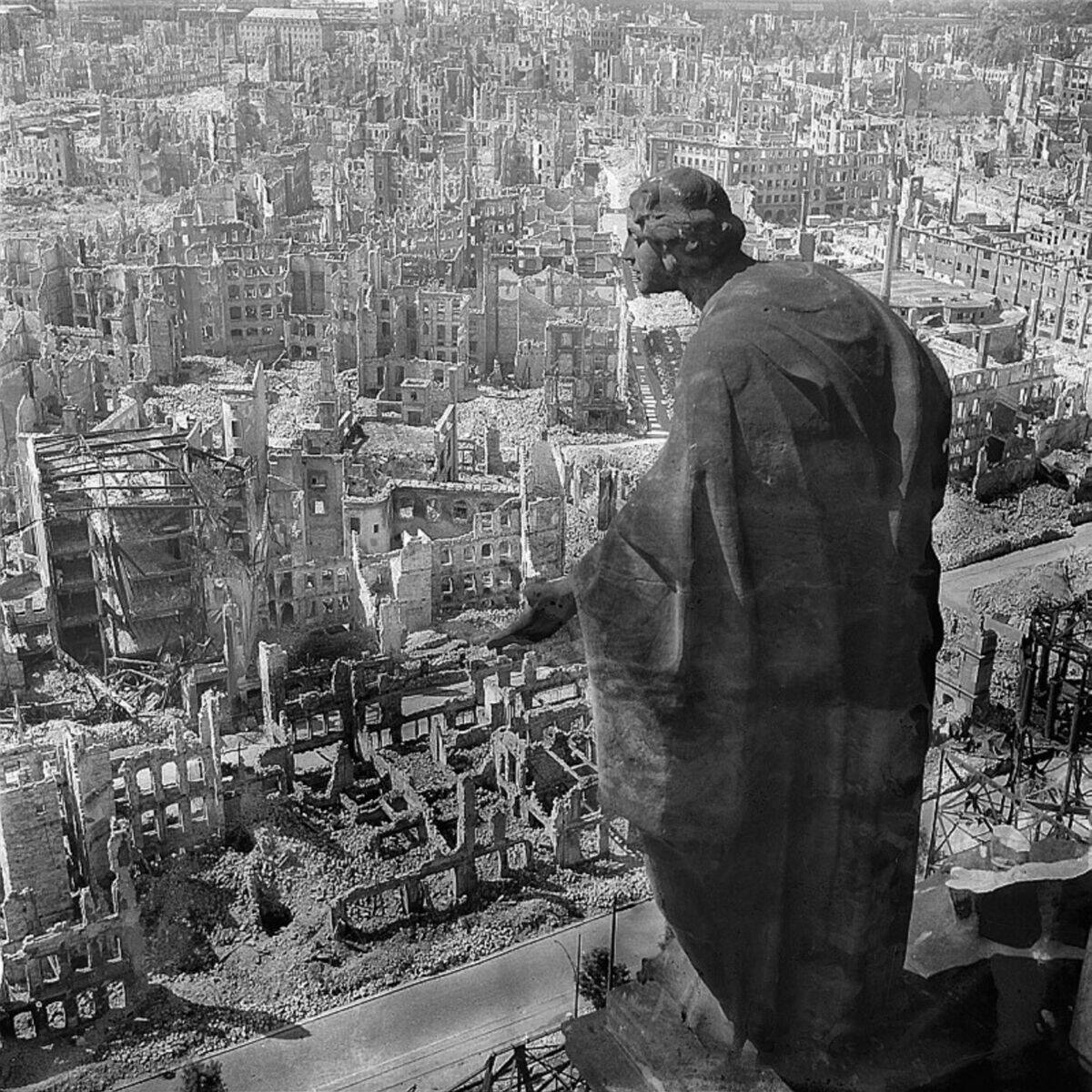
Dresden, Germany, experienced massive destruction due to bombings in World War II, with much of its historic center reduced to rubble. The city embarked on a lengthy rebuilding process, meticulously restoring its iconic landmarks, such as the Frauenkirche and the Zwinger Palace.
Dresden’s commitment to preserving its cultural heritage has transformed it into one of Germany’s most picturesque cities. Today, Dresden’s baroque beauty stands as a testament to its remarkable renaissance and dedication to its historical roots.
Joplin’s Recovery After the 2011 Tornado
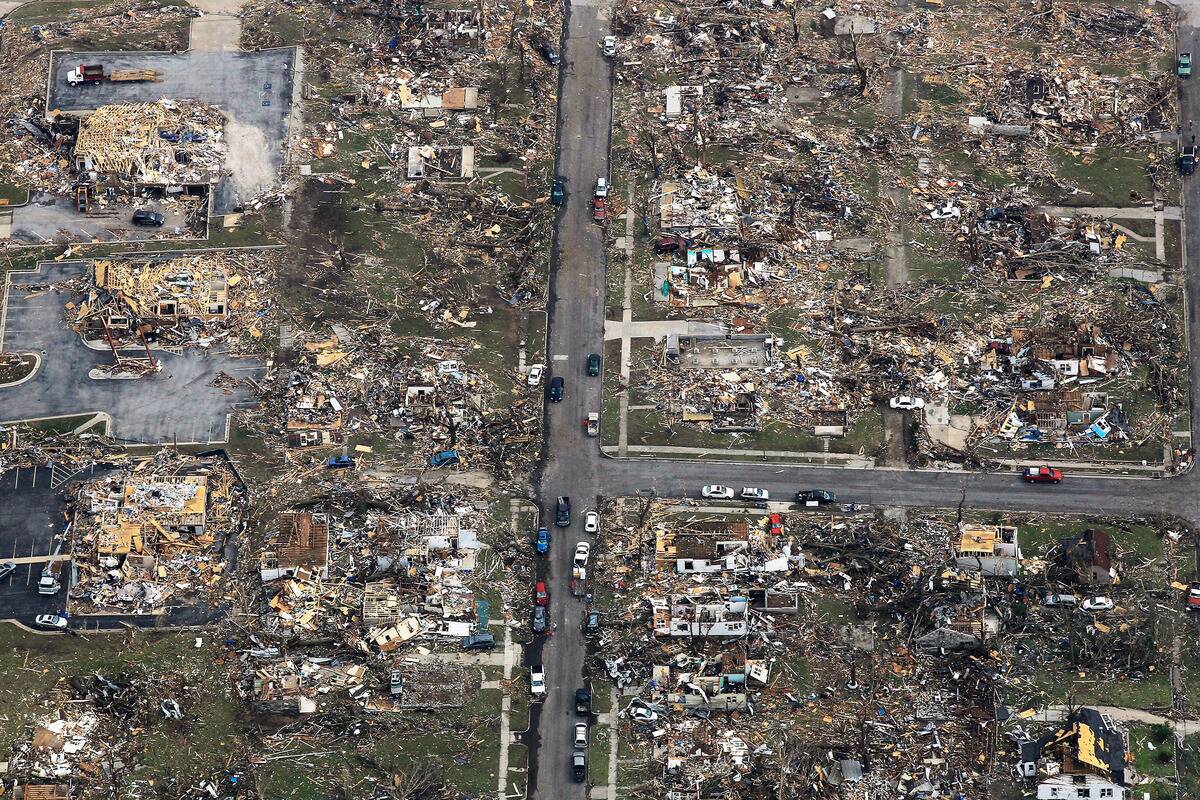
Joplin, Missouri, was struck by a powerful EF5 tornado in 2011, resulting in significant loss of life and widespread destruction. The community’s response was characterized by an outpouring of support and determination to rebuild.
Joplin implemented a comprehensive recovery plan, focusing on sustainability and community engagement. The city’s resilience and recovery efforts have been recognized as a model for disaster response, with Joplin emerging stronger and more united than ever before.
The Renewal of Sichuan Province Following the 2008 Earthquake
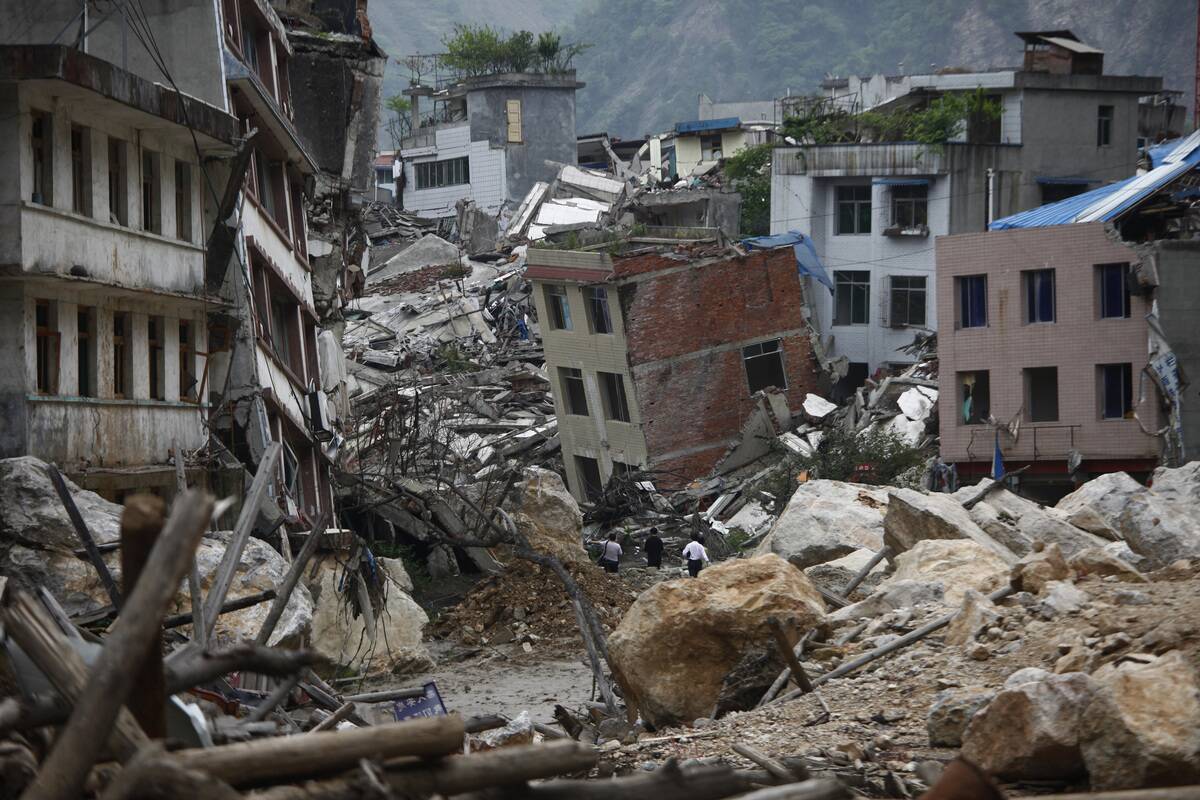
In 2008, Sichuan Province in China was hit by a devastating earthquake, leading to the loss of tens of thousands of lives and widespread destruction. The Chinese government launched an extensive reconstruction effort, investing in infrastructure, housing, and education.
The province’s recovery has been marked by rapid urban development and improved disaster preparedness measures. Sichuan’s renewal has not only rebuilt communities but also fostered economic growth, transforming the region into a symbol of resilience and progress.




