Early predictions about digital communication that came true
Digital communication has been the cornerstone of modern connectivity, reshaping how we interact, learn, and entertain ourselves. Predictions in this realm often focus on increased integration and innovation.
With technology advancing at an unprecedented rate, we can expect more seamless communication experiences. These advancements promise to make our digital exchanges faster, more secure, and increasingly personalized, allowing us to connect more meaningfully with the world around us.
The Dawn of the Internet: A New Era of Connectivity
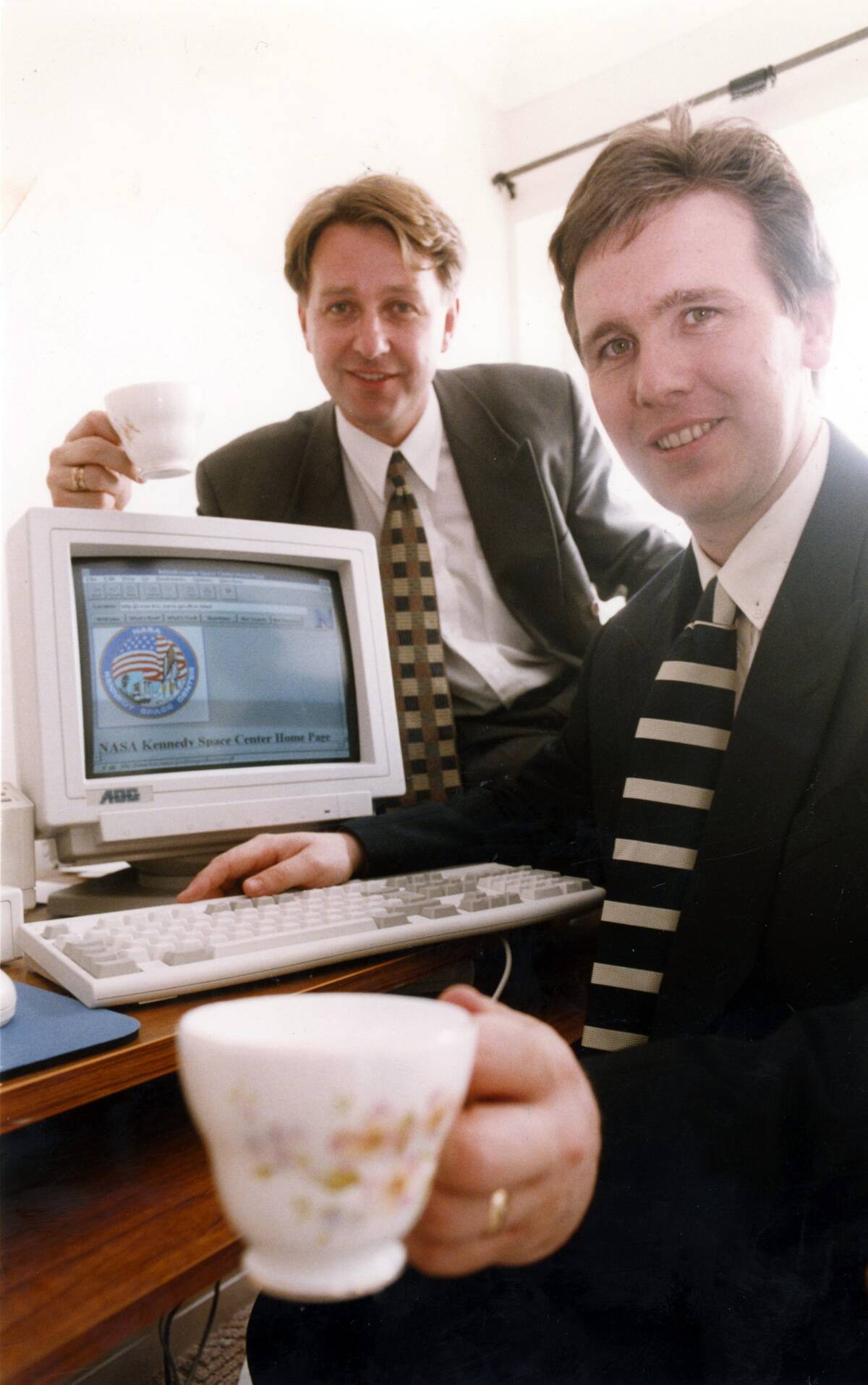
The internet’s inception marked a revolutionary shift in global communication, offering a platform for instant information exchange. The 1990s saw the internet transition from a niche technology to a household staple, changing how we access information.
As more people came online, the internet began to shape cultural and social norms, becoming integral to daily life. It wasn’t just about emails and websites; it was about bringing people together in unprecedented ways.
Email: Revolutionizing Personal and Professional Correspondence
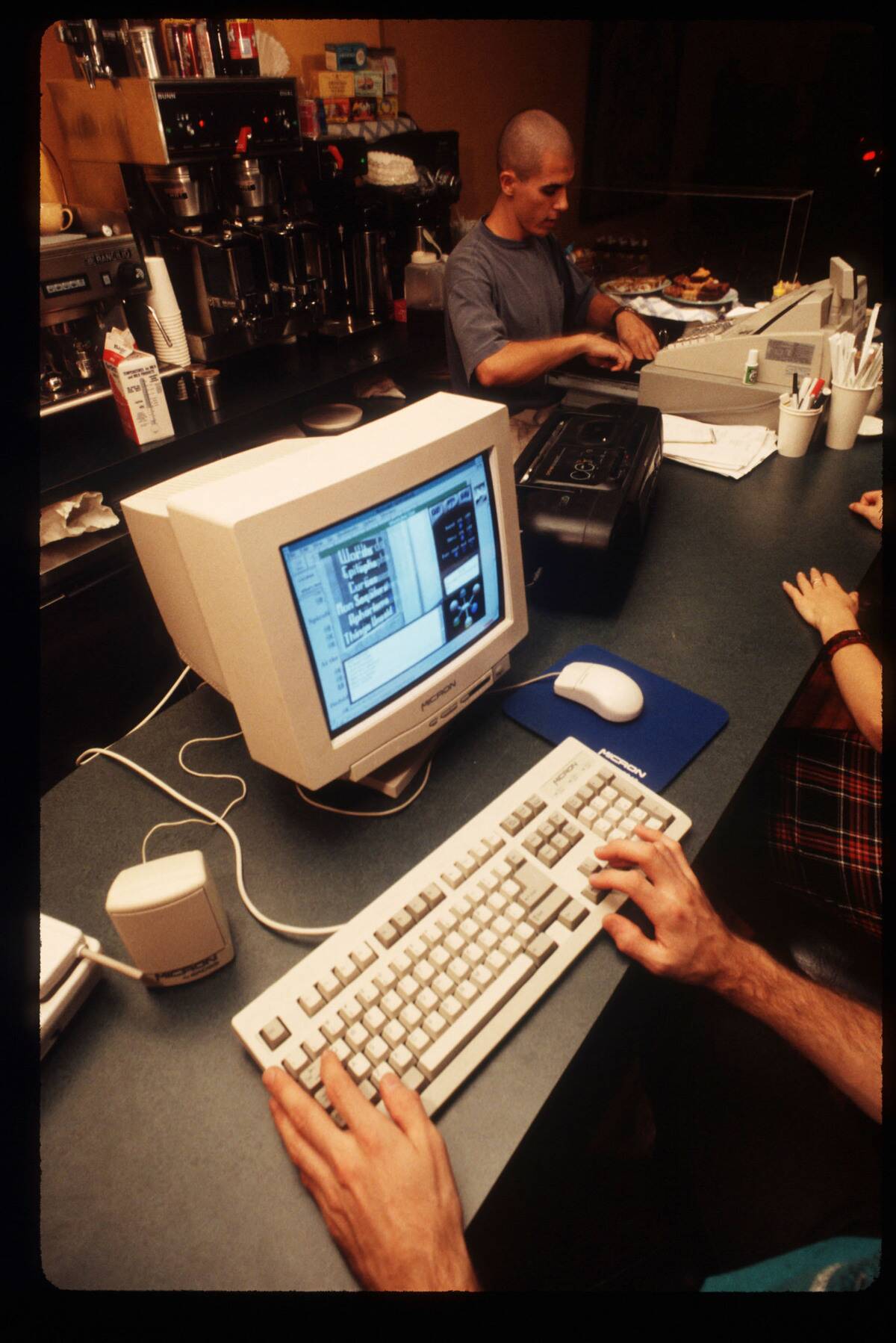
Email emerged as a revolutionary tool for both personal and professional communication, offering a faster alternative to traditional mail. Introduced in the early 1970s, email quickly became an indispensable part of business operations, streamlining workflow and enhancing productivity.
It also changed personal communication by allowing individuals to connect across distances with ease, making it simpler to maintain relationships regardless of geographical barriers.
The Rise of Instant Messaging: A World of Instant Gratification

Instant messaging took digital communication to a new level by offering real-time interaction. The late 1990s and early 2000s saw the rise of platforms like AOL Instant Messenger and MSN Messenger, which became popular for their immediacy.
This form of communication allowed users to engage in quick, casual conversations, paving the way for today’s messaging apps. It symbolizes our increasing desire for instant gratification in communication.
Social Media Platforms: Connecting the Globe

Social media has transformed how we connect with others, allowing us to share experiences and ideas on a global scale.
From Facebook’s launch in 2004 to the current variety of platforms like Instagram and Twitter, social media has become a primary communication channel. It has redefined relationships, enabling users to interact with friends, family, and even celebrities in ways previously unimaginable, fostering a sense of community across the globe.
Video Conferencing: The Future of Face-to-Face Interaction
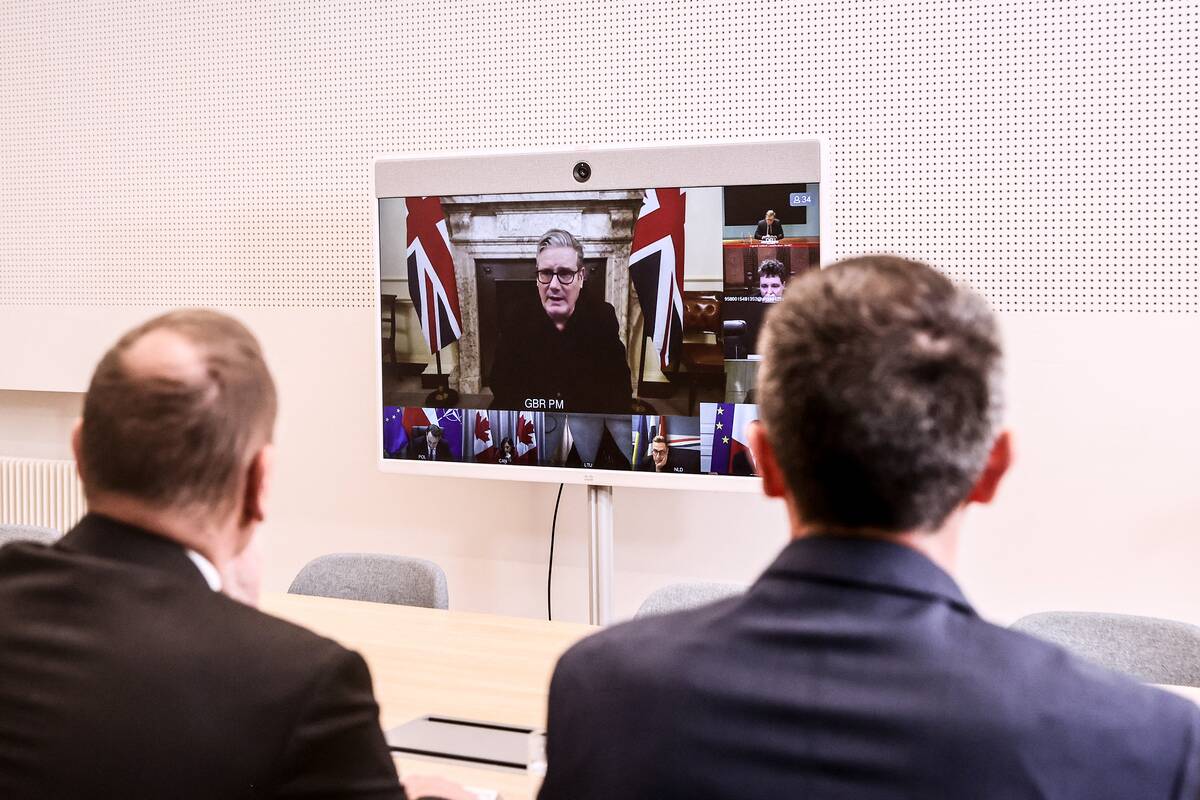
Video conferencing has made face-to-face interaction possible across vast distances, revolutionizing business meetings and personal connections. Platforms like Zoom and Google Meet have become essential tools, especially highlighted during the COVID-19 pandemic.
They offer the ability to maintain visual contact, which is crucial for nuanced communication. This technology continues to evolve, promising more immersive and interactive experiences in the future.
Mobile Communication: The World in Our Pockets
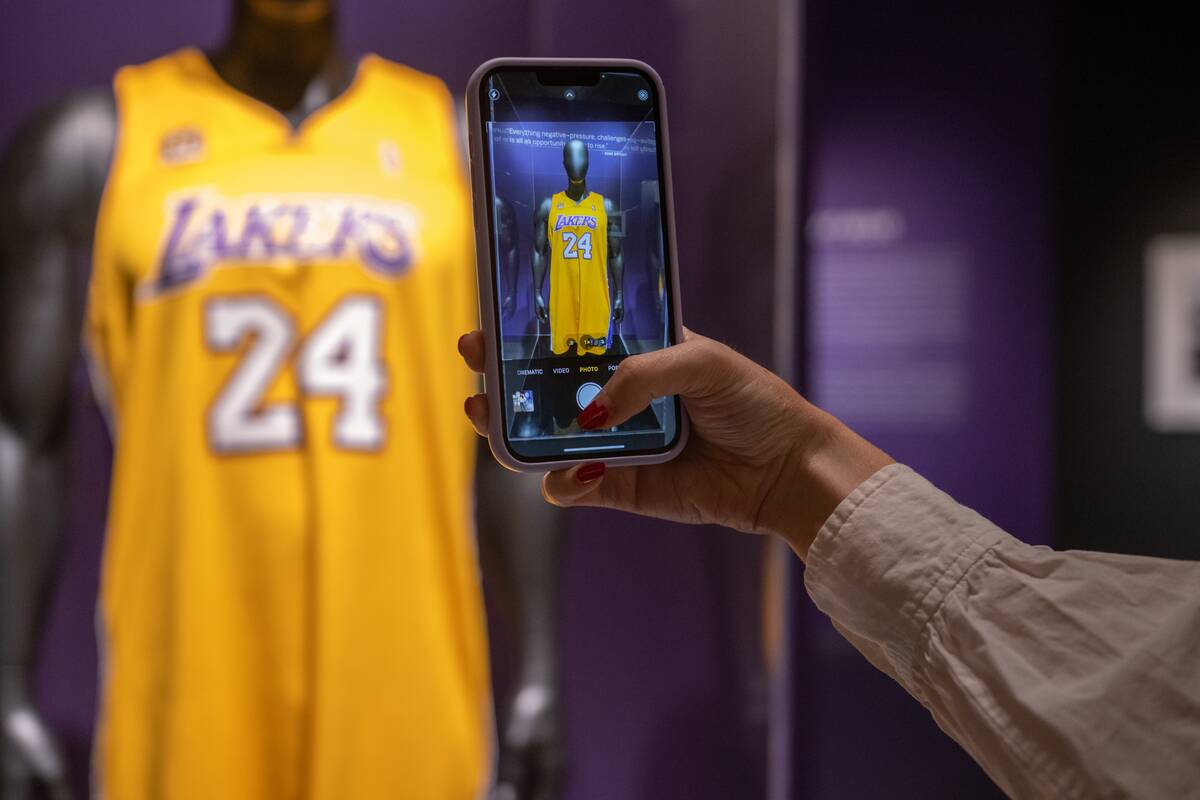
Mobile communication has put the world at our fingertips, making it possible to stay connected on the go. The introduction of smartphones, beginning with the iPhone in 2007, revolutionized how we access information and communicate.
These devices have become essential tools for daily life, providing a gateway to the internet, social media, and various apps. As technology evolves, mobile communication continues to enhance connectivity, making it more accessible than ever.
Cloud Computing: Accessing Information Anytime, Anywhere

Cloud computing has redefined data storage and accessibility, allowing users to access information from anywhere with an internet connection. Services like Dropbox and Google Drive have made it easier to store and share files, eliminating the need for physical storage devices.
This shift has provided flexibility and convenience, enabling collaboration and productivity across different locations and time zones, making it a vital component of modern digital communication.
The Evolution of Online Shopping: Digital Marketplaces
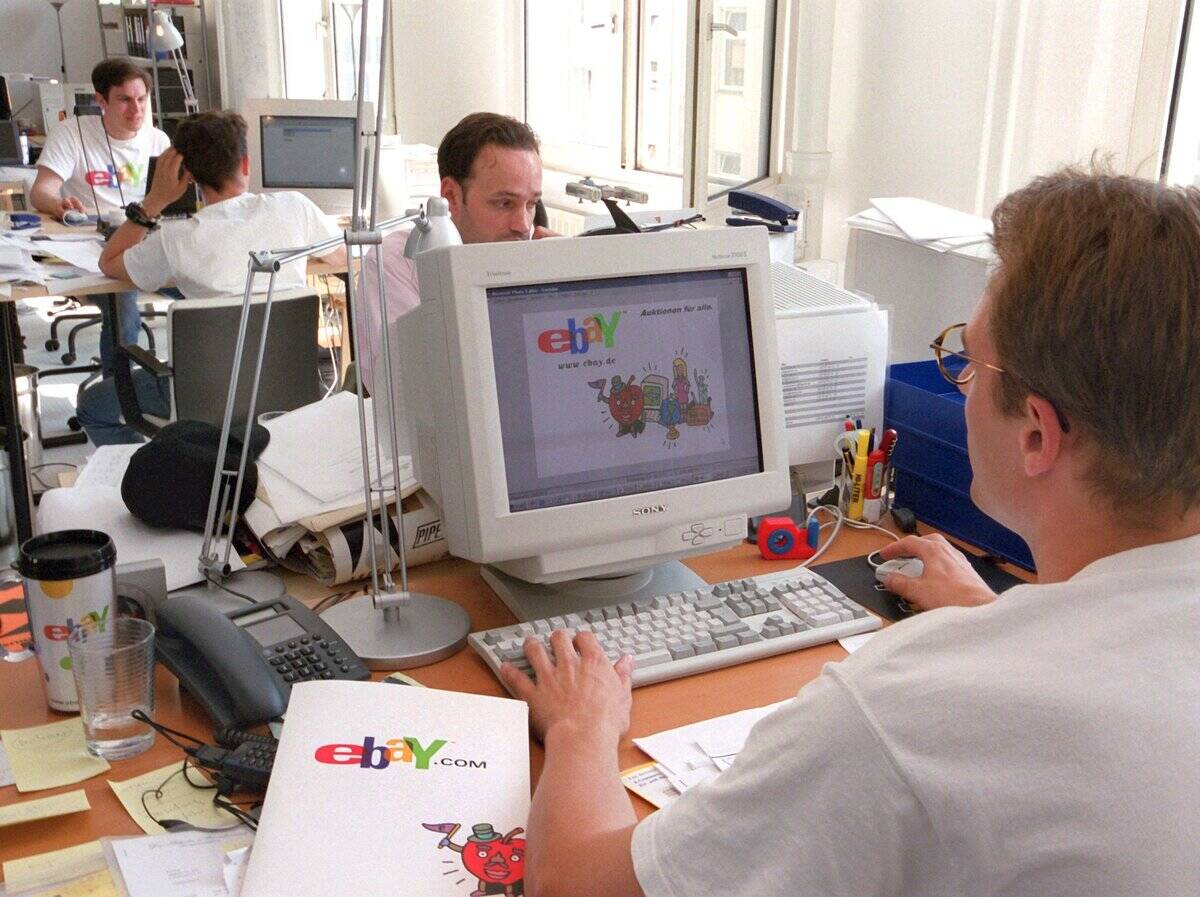
Online shopping has transformed the retail landscape, offering consumers a convenient way to purchase goods from the comfort of their homes. Platforms like Amazon and eBay have become marketplaces where a vast array of products is just a click away.
This evolution has not only changed consumer habits but also forced traditional retailers to adapt, leading to the rise of e-commerce and a shift towards more personalized shopping experiences.
The Impact of Digital Communication on Education: E-Learning

E-learning has revolutionized education by providing access to knowledge and resources irrespective of geographical boundaries. Platforms like Coursera and Khan Academy offer courses from prestigious institutions, making education more accessible.
This digital shift has enabled personalized learning experiences and flexibility, allowing students to learn at their own pace. As technology continues to advance, e-learning is set to become an even more integral part of the educational landscape.
Digital Payments: The Cashless Society

Digital payments have paved the way for a cashless society, offering convenience and security for transactions. From PayPal to mobile wallets like Apple Pay and Google Wallet, these technologies have streamlined the payment process.
They offer consumers flexibility in how they pay for goods and services, reducing the need for cash and physical cards. As digital payment systems evolve, they promise even greater ease of use and enhanced security features.
The Influence of Digital Communication on News and Media

Digital communication has drastically altered how news and media are consumed, with online platforms replacing traditional outlets. News websites, social media, and blogs have become primary sources for information, offering instant access to breaking stories.
This shift has democratized information dissemination but also raised concerns about the spread of misinformation. The role of digital media continues to evolve, influencing public opinion and shaping societal narratives.
The Growth of Influencer Culture: A New Age of Marketing

Influencer culture has emerged as a powerful marketing tool, leveraging social media’s reach to connect with audiences. Influencers, individuals with substantial online followings, have become key players in brand promotion, offering authentic and relatable endorsements.
This form of marketing has proven effective, particularly with younger demographics, as it provides a more personal touch than traditional advertising. The influencer industry continues to grow, reshaping marketing strategies across various sectors.
The Transformation of the Entertainment Industry: Streaming Services

Streaming services have revolutionized the entertainment industry, providing on-demand access to a vast array of content. Platforms like Netflix, Hulu, and Disney+ have changed how audiences consume media, offering convenience and choice.
This shift has not only impacted traditional TV and cinema but also led to the creation of original content tailored for digital platforms. The rise of streaming services continues to shape the future of entertainment, emphasizing adaptability and accessibility.
The Role of Artificial Intelligence in Digital Communication
Artificial intelligence (AI) is playing an increasingly pivotal role in digital communication, enhancing efficiency and personalization. AI technologies, such as chatbots and virtual assistants like Siri and Alexa, have improved user interaction by providing instant information and support.
AI’s ability to analyze vast amounts of data enables more targeted communication strategies, making it a valuable asset in fields ranging from customer service to content creation. As AI evolves, its role in digital communication will only expand.