Lesser known facts about P.T. Barnum
P.T. Barnum, a name synonymous with entertainment and showmanship, has intrigued audiences for over a century. Known for his larger-than-life persona, Barnum was a master at captivating the public’s imagination.
Often credited with coining the phrase “There’s a sucker born every minute,” Barnum’s legacy extends beyond mere spectacle. His ventures in the world of entertainment and beyond continue to be studied and celebrated today.
Early Life Adventures: The Making of a Showman
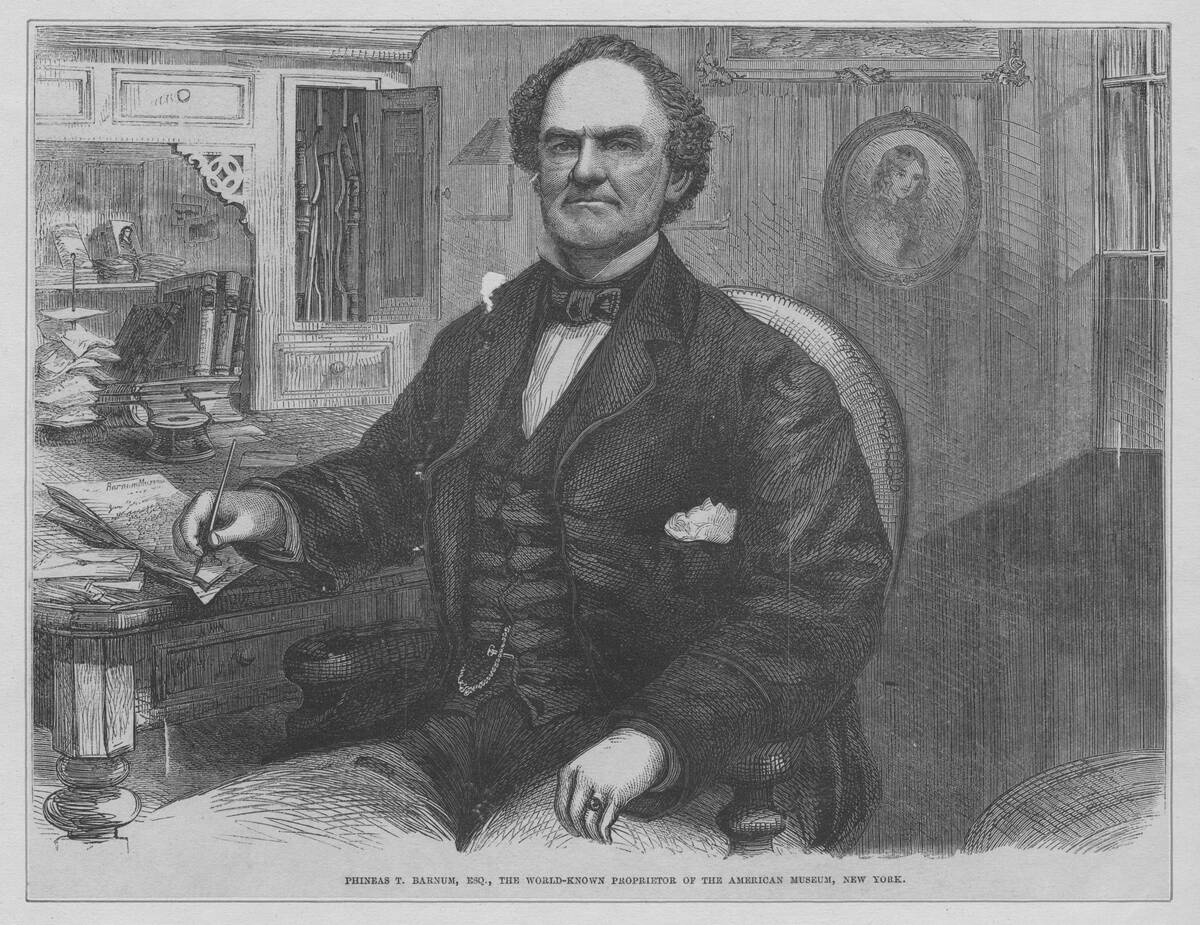
Phineas Taylor Barnum was born on July 5, 1810, in Bethel, Connecticut. From a young age, Barnum displayed an entrepreneurial spirit, selling snacks and homemade cherry rum at age 12.
His knack for business grew when he started a weekly paper called The Herald of Freedom at age 21. Despite libel suits that landed him in jail for two months, Barnum’s resilience and flair for promotion set the stage for his future in entertainment.
The Universal Museum: A Curiosity Haven
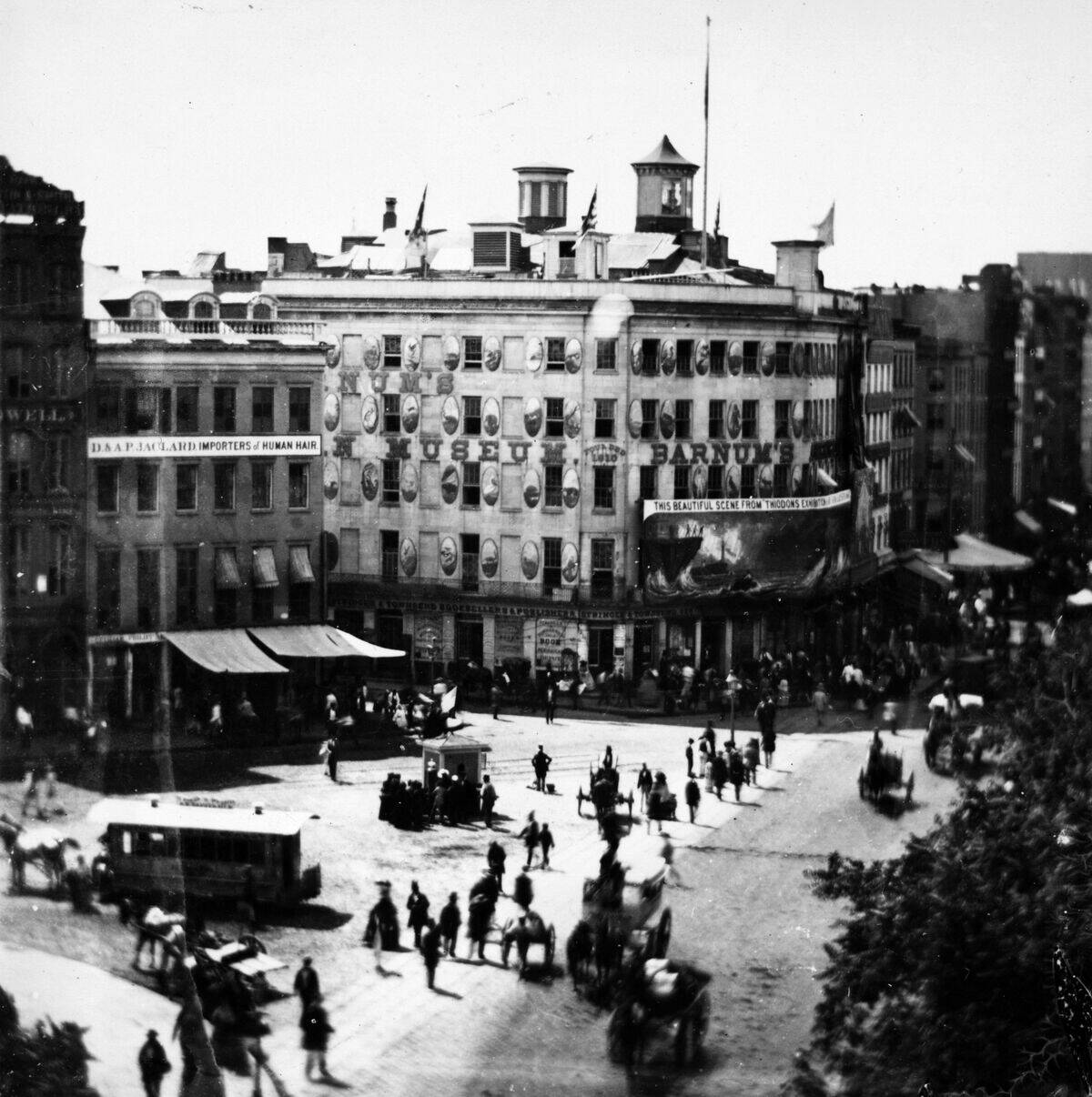
Barnum’s American Museum, purchased in 1841, was a treasure trove of oddities and attractions. Located in New York City, it featured over 500,000 exhibits, ranging from taxidermy animals to live performances.
The museum became a cultural hub, attracting over 38 million visitors before it burned down in 1865. Barnum’s innovative marketing tactics, such as “This Way to the Egress” signs (a more obscure word for exit), ensured that patrons kept moving, allowing more visitors to enter.
The Feejee Mermaid: A Legendary Hoax
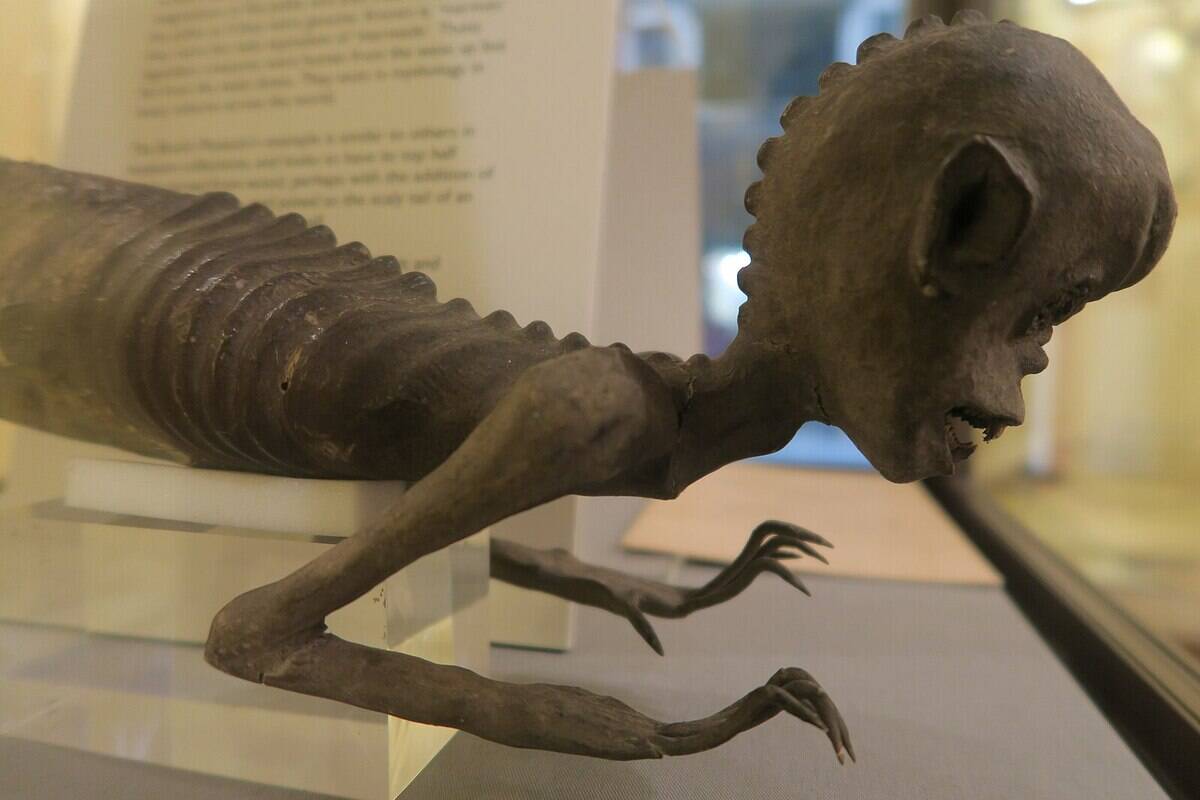
One of Barnum’s most notorious attractions was the Feejee Mermaid, which he unveiled in 1842. Advertised as a real mermaid, it was actually a monkey’s torso and head sewn to a fish’s tail.
Barnum’s genius lay in his ability to generate buzz and secure newspaper coverage, drawing crowds eager to see the spectacle. Despite the hoax being exposed, the mermaid exemplified Barnum’s flair for showmanship and his belief in the entertainment value of deception.
General Tom Thumb: Barnum’s Biggest Star
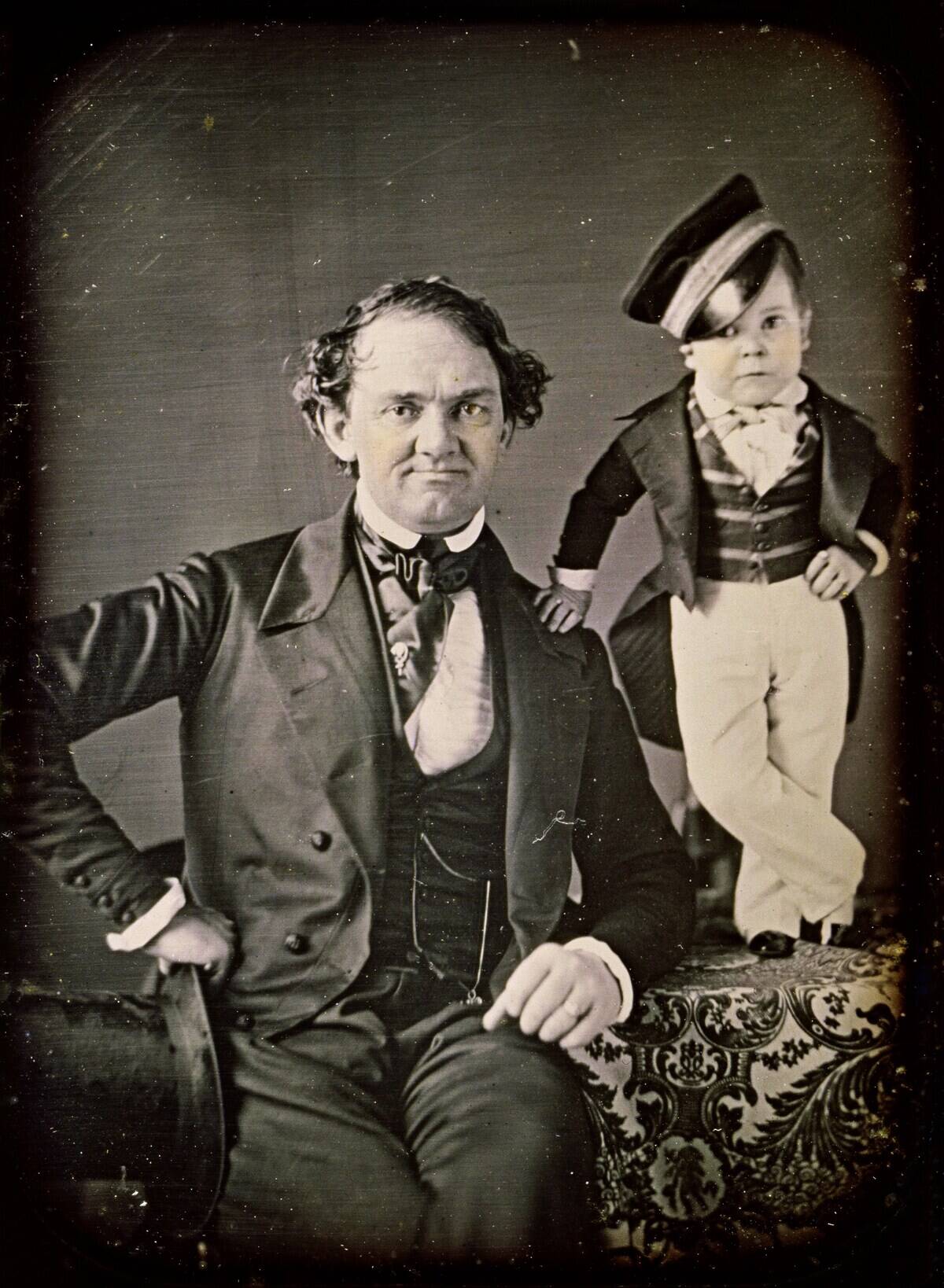
In 1842, Barnum discovered Charles Stratton, a four-year-old dwarf whom he rebranded as General Tom Thumb. Under Barnum’s management, Tom Thumb became a global sensation, performing for royalty and audiences worldwide.
Barnum’s clever promotion and Stratton’s undeniable charm turned the act into a lucrative success. Their partnership not only demonstrated Barnum’s eye for talent but also his ability to transform the unusual into mainstream appeal.
Jenny Lind: The Swedish Nightingale’s American Tour
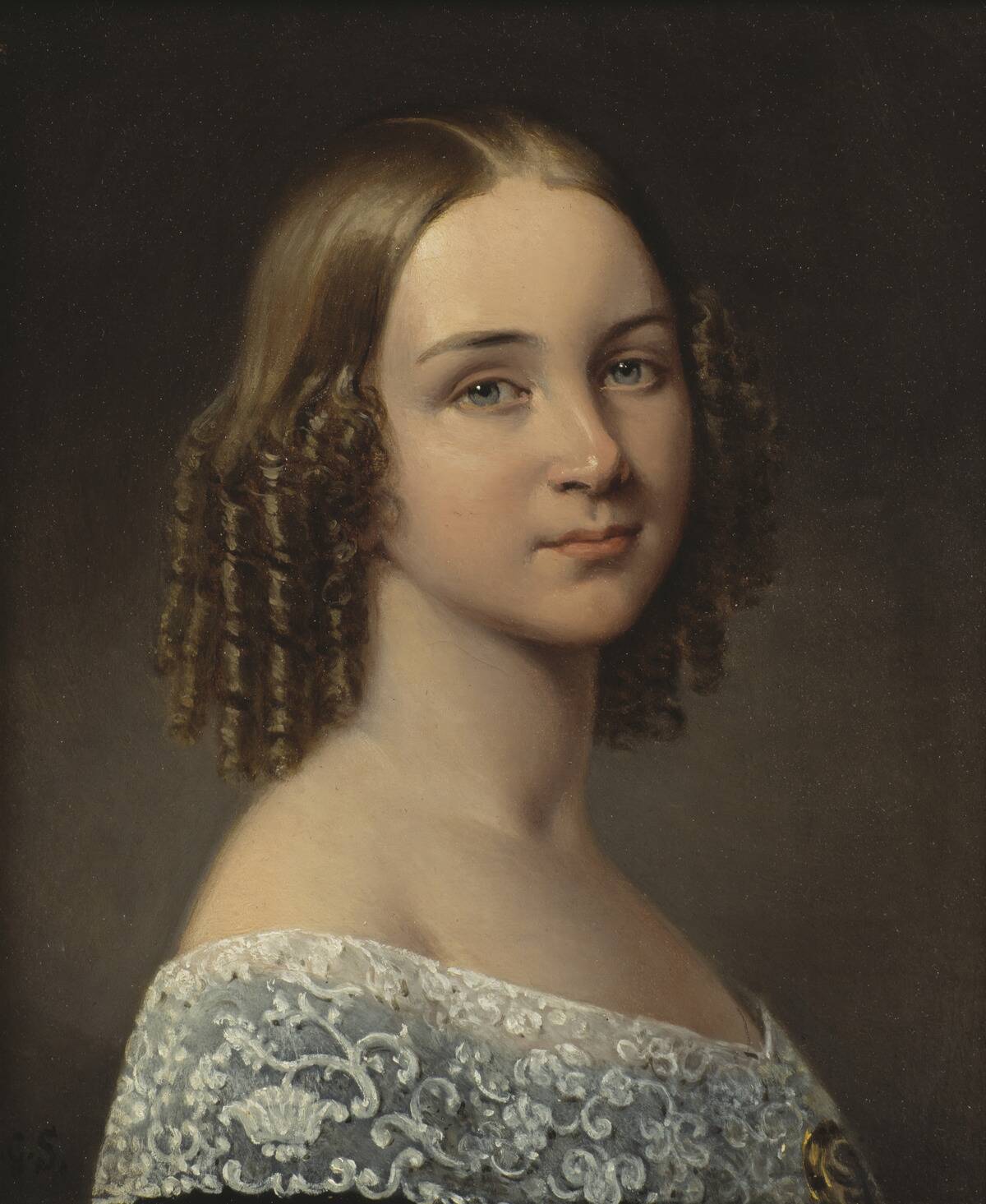
In 1850, Barnum persuaded Swedish opera singer Jenny Lind to tour America, offering her unprecedented financial terms. Known as the ‘Swedish Nightingale,’ Lind’s tour was a massive success, with tickets sold out at every venue.
Barnum’s marketing prowess, including auctions for tickets, created a frenzy of excitement. The tour not only solidified Lind’s fame in America but also demonstrated Barnum’s ability to elevate high culture through showmanship.
The Barnum & Bailey Circus: The Greatest Show on Earth
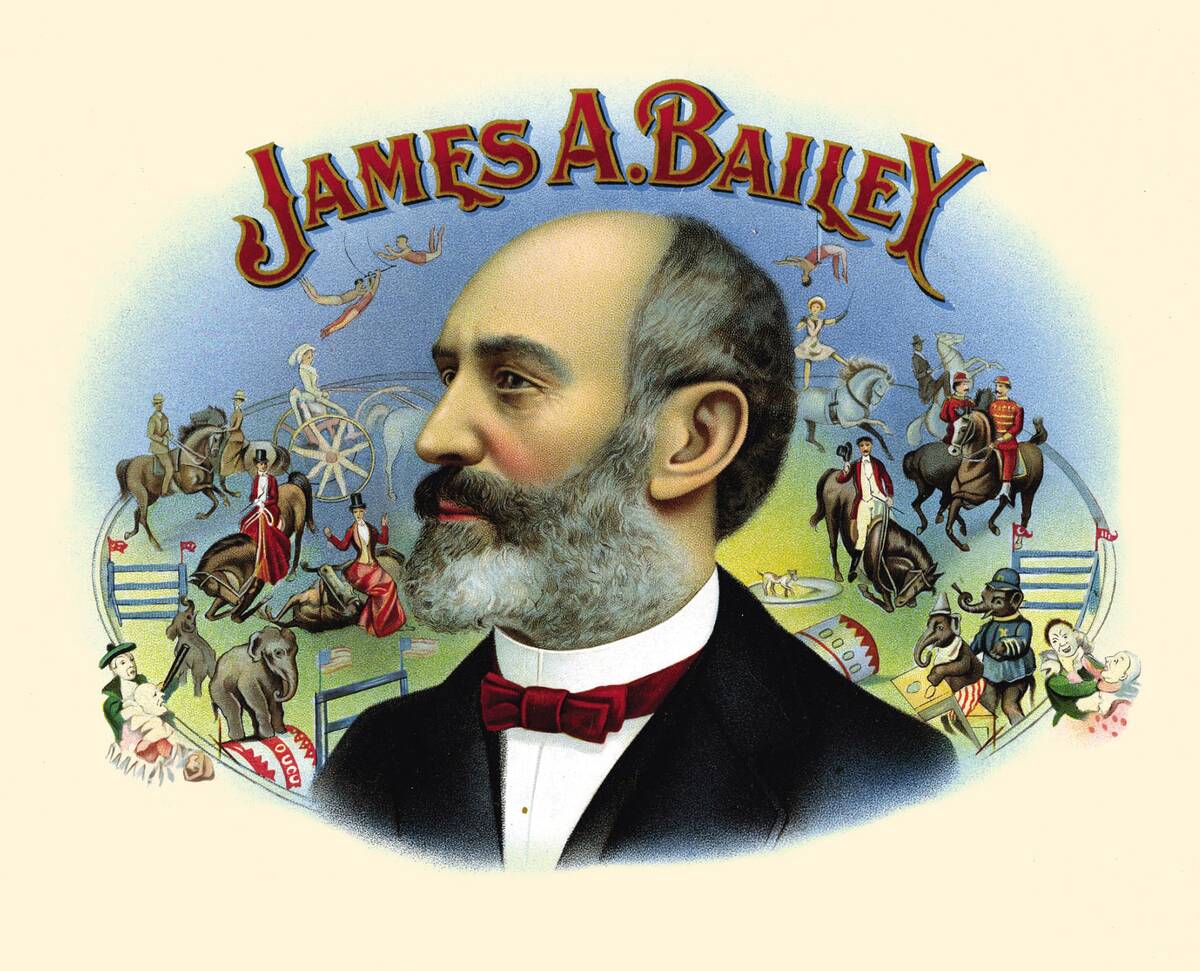
Barnum partnered with James Bailey in 1881 to create a traveling circus known as the ‘Barnum & Bailey Circus.’ Dubbed ‘The Greatest Show on Earth,’ it featured acrobats, clowns, and exotic animals, captivating audiences across the country.
Known for its grand scale, the circus was an innovative blend of entertainment and spectacle. Barnum’s relentless pursuit of novelty ensured its place in the annals of entertainment history.
Political Aspirations: Barnum’s Foray into Politics
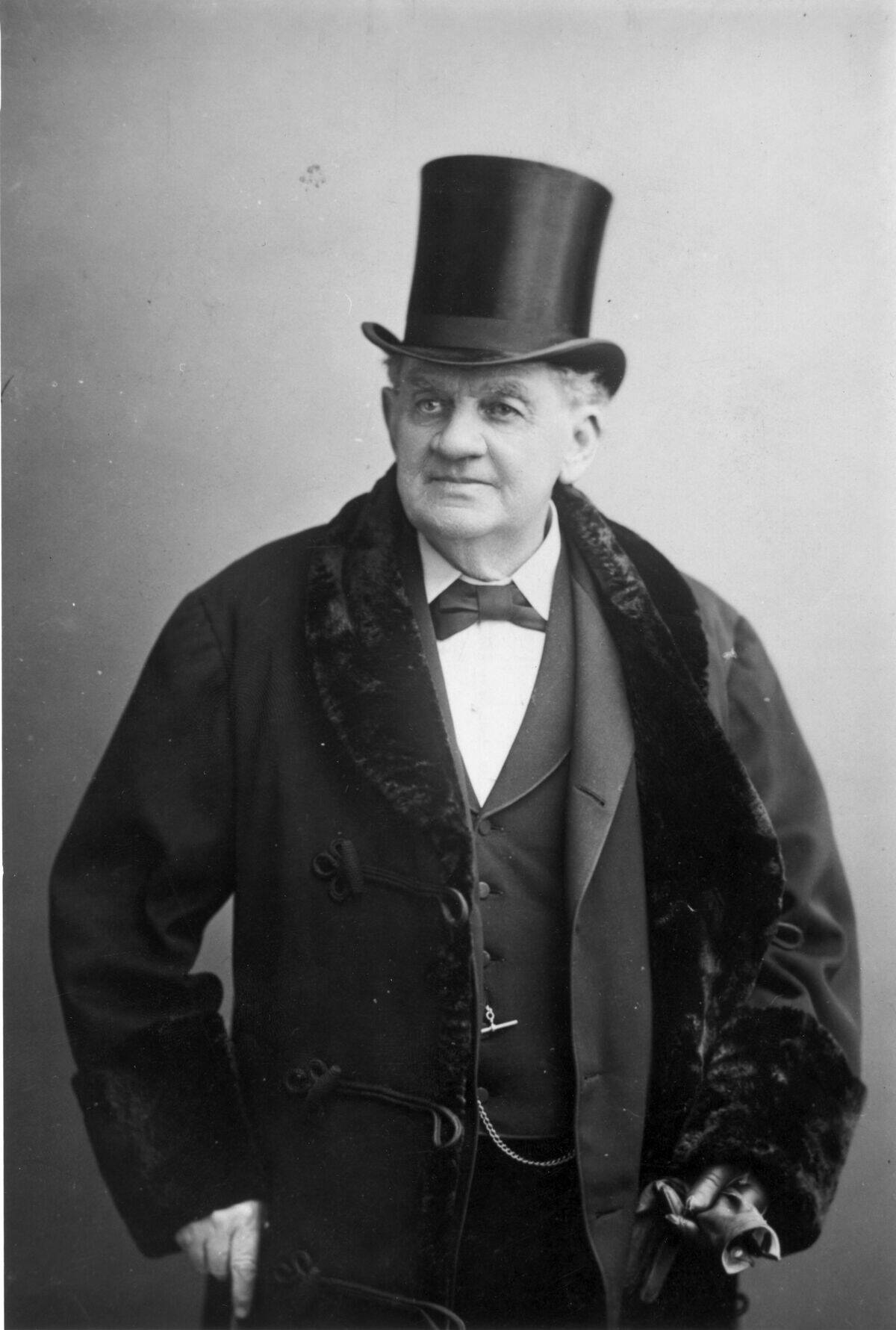
Barnum’s influence extended beyond entertainment; he served as a politician, including a term as the Mayor of Bridgeport, Connecticut, in 1875. As a member of the Connecticut legislature, he advocated for social reforms such as the abolition of slavery.
His political career showcased a side of Barnum that was committed to societal progress, reflecting his complex character beyond the world of show business.
Author and Lecturer: Barnum’s Literary Contributions
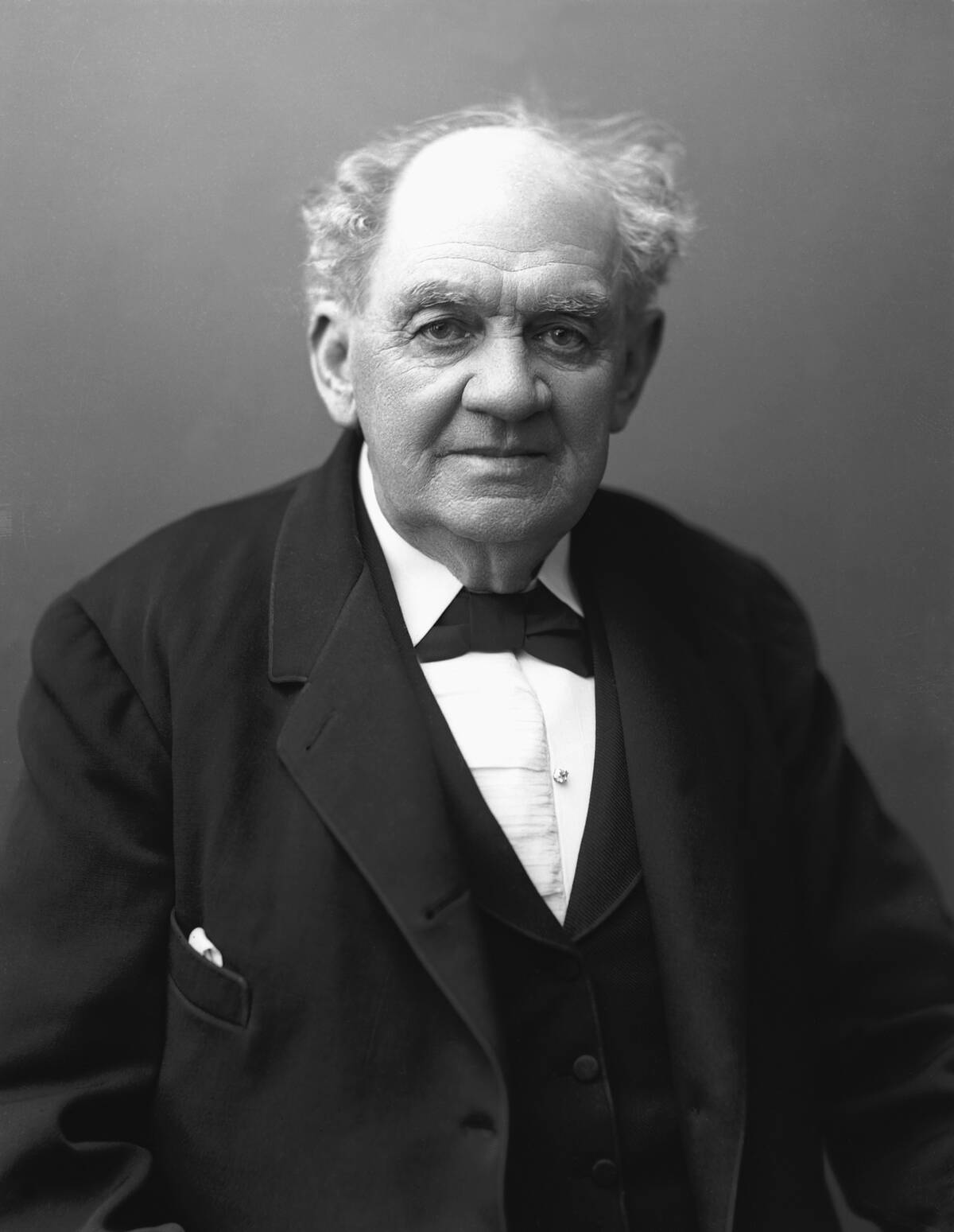
Barnum was also a prolific author, penning several books including his autobiography, The Life of P.T. Barnum. His writings offered insights into his philosophies and business acumen.
Barnum’s lectures on his book, The Art of Money Getting were popular, drawing large crowds eager to learn his secrets to success. His literary works not only enriched his legacy but also provided a window into the mind of one of history’s greatest showmen.
The Elephant Controversy: Jumbo’s Tragic End
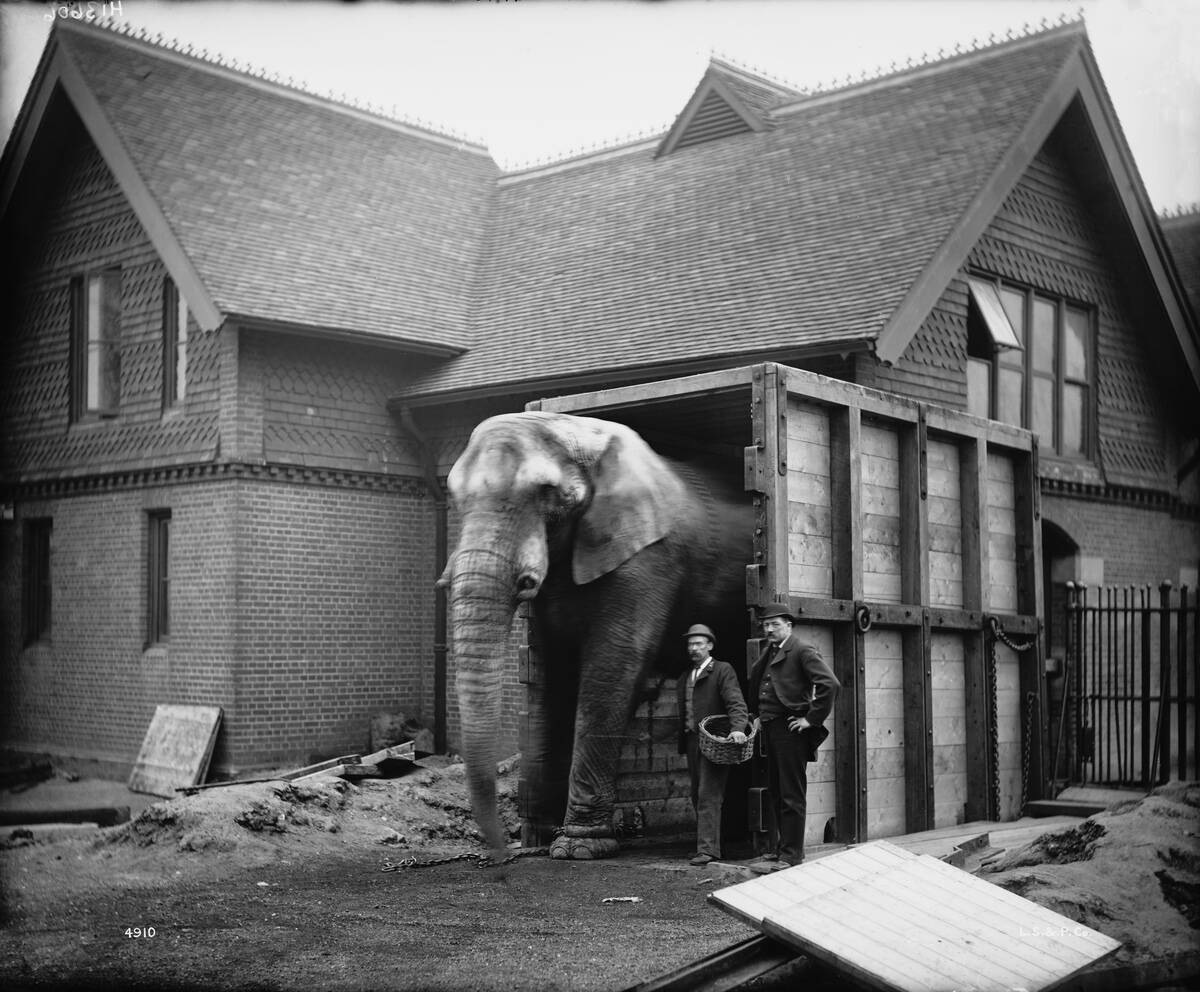
One of the most famous animals associated with Barnum was Jumbo the elephant, acquired from the London Zoo in 1882. Barnum marketed Jumbo as the largest elephant in the world, drawing huge crowds.
Tragically, Jumbo died in 1885 after being hit by a train, an event that shocked the public. Barnum capitalized on Jumbo’s death by exhibiting his stuffed hide, illustrating his unyielding ability to turn even tragedy into spectacle.
Philanthropy and Legacy: Barnum’s Enduring Impact
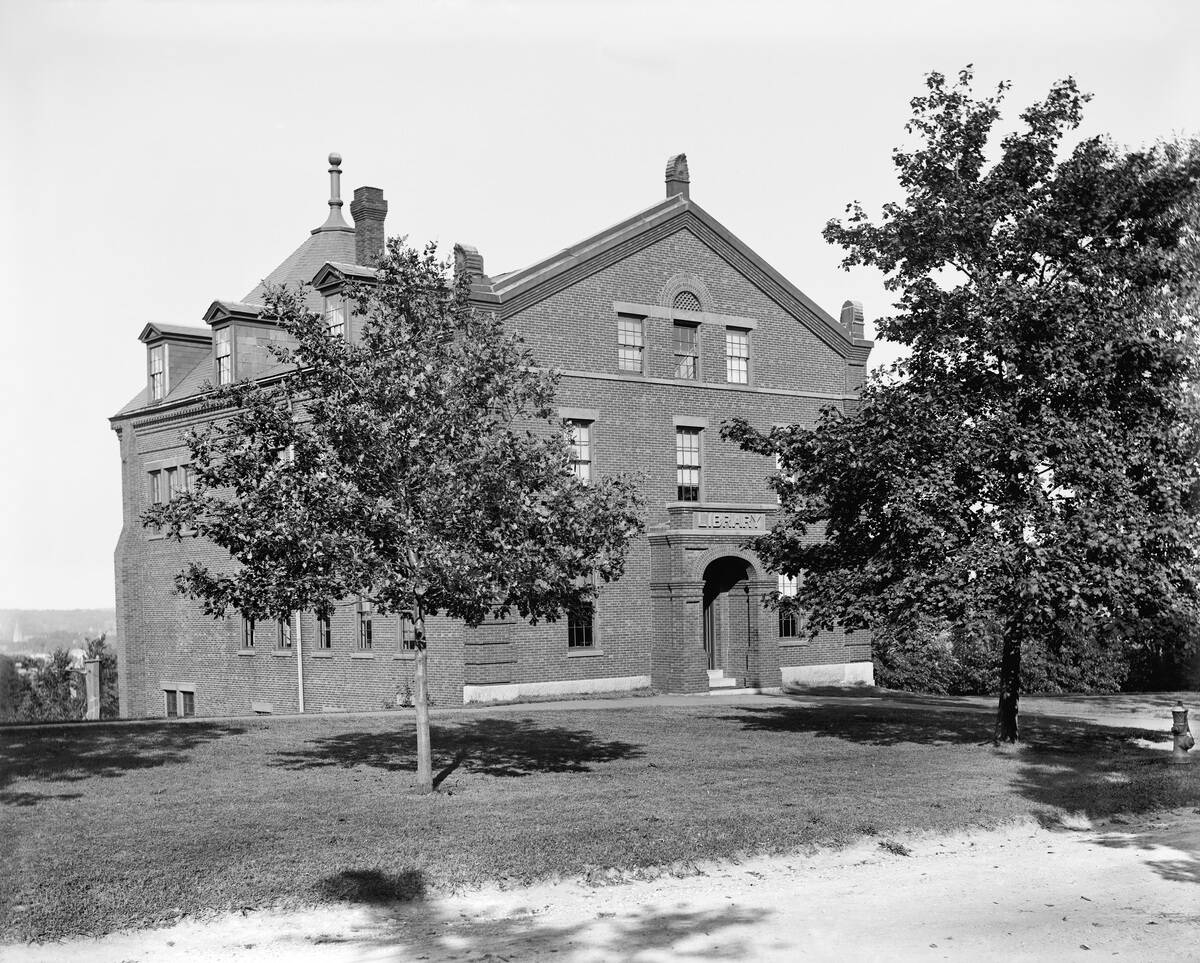
Beyond entertainment, Barnum was a philanthropist who supported various causes, including education and the arts. He donated to institutions such as Tufts University, where Barnum Hall and the Barnum Museum of Natural History were established.
Barnum’s legacy endures through these contributions, reflecting his commitment to societal improvement. That said, he always described it as “profitable philanthropy,” as he ensured that helping Bridgeport and Tufts also benefitted him.
Barnum’s Belief in Humbug: The Art of Deception

Barnum famously embraced the concept of ‘humbug,’ or playful deception, as a central tenet of his career. He believed that entertainment was about crafting illusions that delighted audiences, even if they were not entirely truthful.
Barnum’s understanding of human nature and desire for wonder allowed him to create experiences that were both entertaining and thought-provoking. His mastery of humbug remains a key part of his enduring appeal and influence.
The Hartford Home: Barnum’s Personal Life
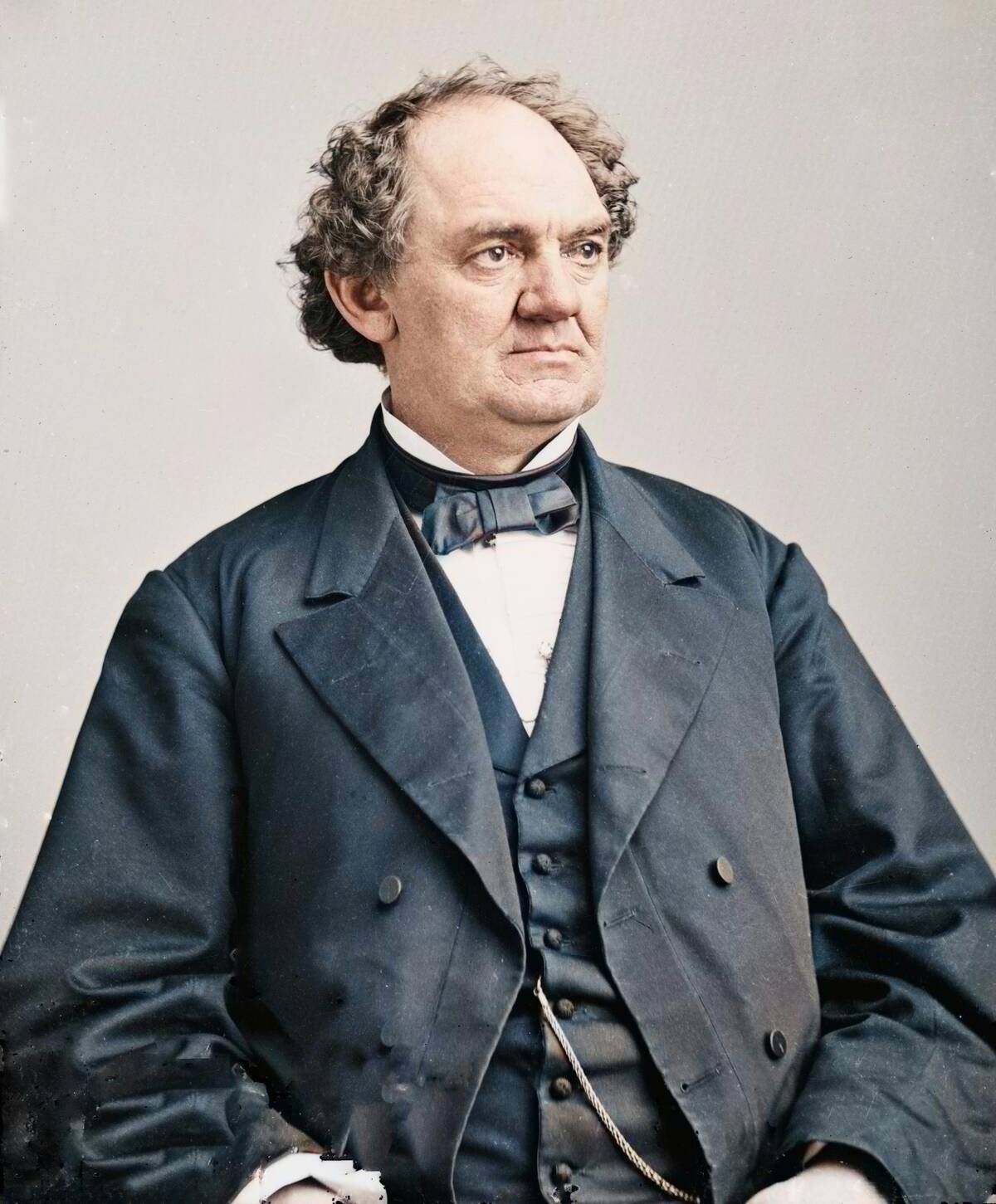
While Barnum’s public life was filled with spectacle, his personal life was rooted in family and community. He married Charity Hallett in 1829, and they had four daughters together.
Barnum’s home in Bridgeport, Connecticut, (one of four mansions) known as ‘Lindencroft,’ was a reflection of his eclectic tastes and love for family. Despite his busy career, Barnum valued his private life, often retreating to his home for solace and inspiration.
Barnum’s Final Curtain: The Legend Lives On
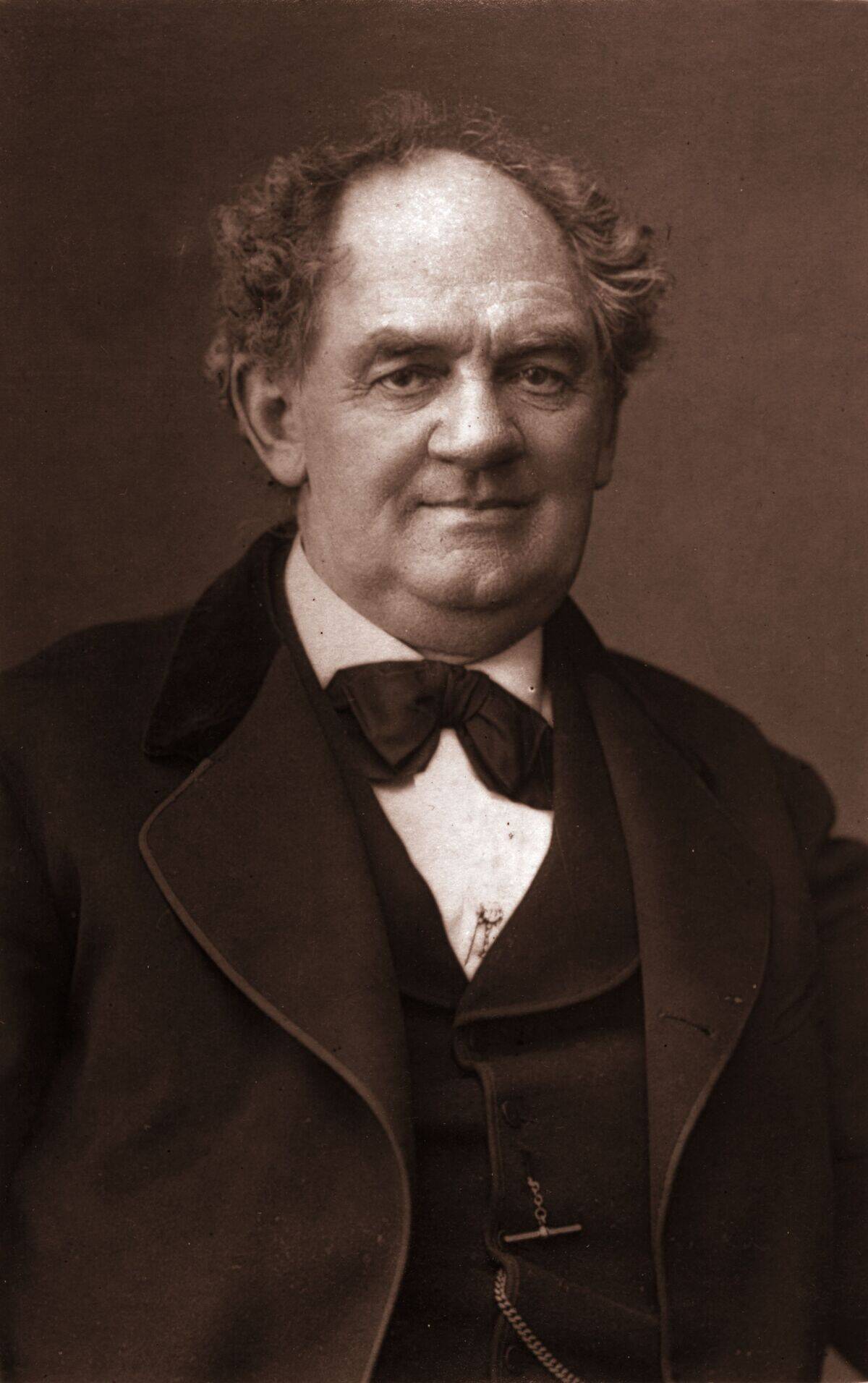
P.T. Barnum passed away on April 7, 1891, leaving behind a legacy that continues to captivate the imagination. His contributions to the entertainment industry laid the groundwork for modern show business, with his innovative approaches still studied and emulated today.
Barnum’s life story, filled with triumphs and controversies, serves as a testament to the power of creativity and the enduring allure of spectacle. His name remains synonymous with the art of entertainment.